
Magda Butrym Silver-tone Earrings

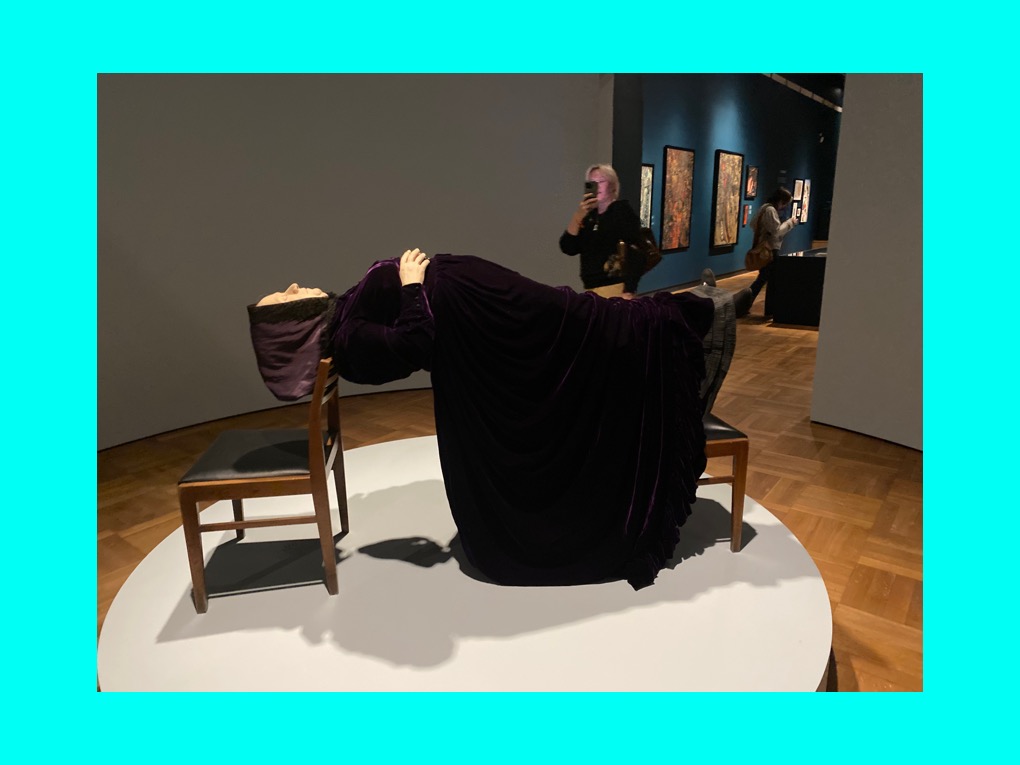
Goshka Macuga’s “Madame Blavatsky”
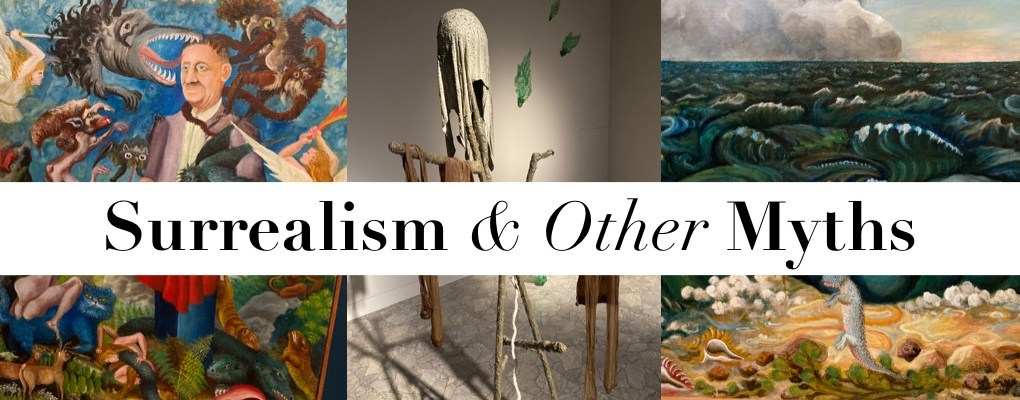
The exhibition “Surrealism. Other Myths” (curated by Hanna Doroszuk) that has just opened at the National Museum of Warsaw is coinciding with the one-hundredth anniversary of André Breton publishing his famous “Manifesto of Surrealism“. The show however refutes the orthodox thinking on Surrealism as a historical art movement having a defined time-frame and fixed geographic boundaries. Instead it treats the movement as a global, inclusive and diverse phenomenon that’s reflected in Polish art, modern and contemporary. The exhibition’s historical narrative begins with works from the interwar period and ends with the output of artists connected with the international “Phases” movement, founded in the 1950s.
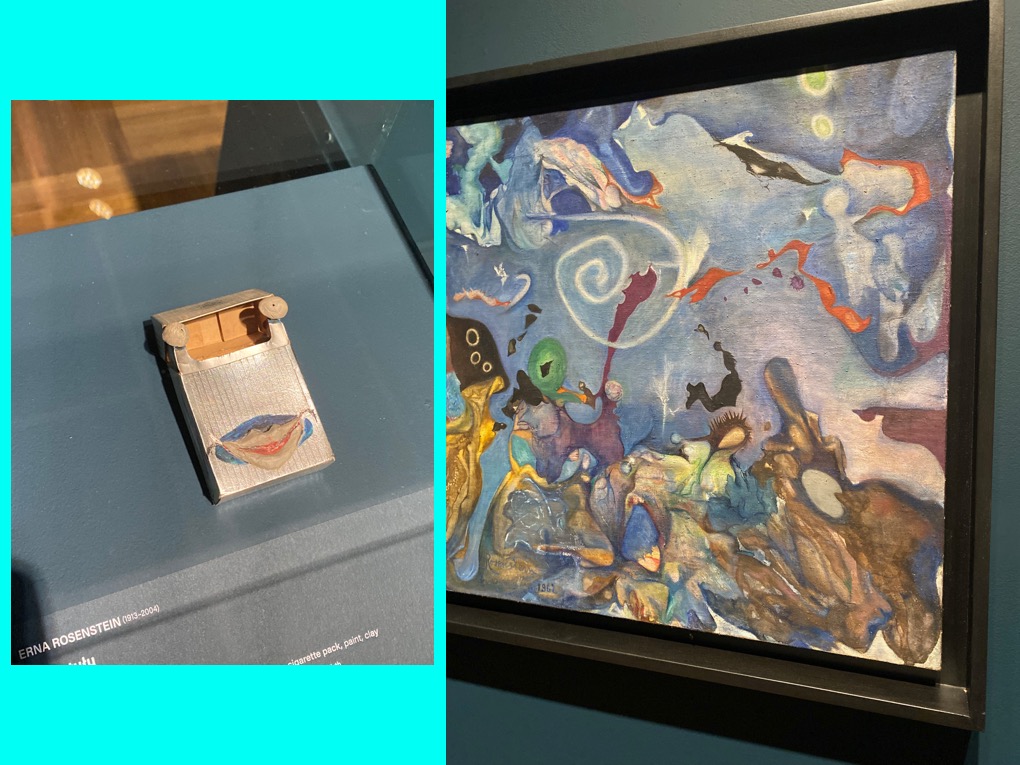
The exhibition is a unique opportunity to discover and admire works by more than sixty artists, including Marek Włodarski, Marek Piasecki, Jerzy Kujawski, Erna Rosenstein, Władysław Hasior, Zbigniew Makowski, Teofil Ociepka and Max Ernst. Their pieces exemplify the range of techniques typical of the Surrealists, like decalcomania, grattage and frottage. Also on view are examples of Surrealist objects and a large selection of photographs. In addition to items from the NMW collection, the exhibition features works on loan from other Polish museums and private collections. “Surrealism. Other Myths” proves that surrealism is breathing and well alive.


The part of the exhibition that drew my attention the most was Dominika Olszowy’s – one of the most talented contemporary, Polish artists out there – “Nocturne“. The artist has devised a quasi-domestic space inspired by nocturne painting tradition and by the world of night-time experiences. Permeating the room arranged by the artist is an emotional tension manifesting in physical responses like muscles tightening and bodies freezing in motionless. The objects and sculptures comprising “Nocturne” thus reside in a dead space where action is rendered impossible and the only escape is to wait out the night. In this space where the boundary between dream and reality dissolves, anxiety takes on a material and viscous form. Yet, deep in the crannies, a faint glimmer of the approaching sunrise breaks through. Experiencing this artwork reminded me why I love art. Make sure to follow Olszowy on Instagram!


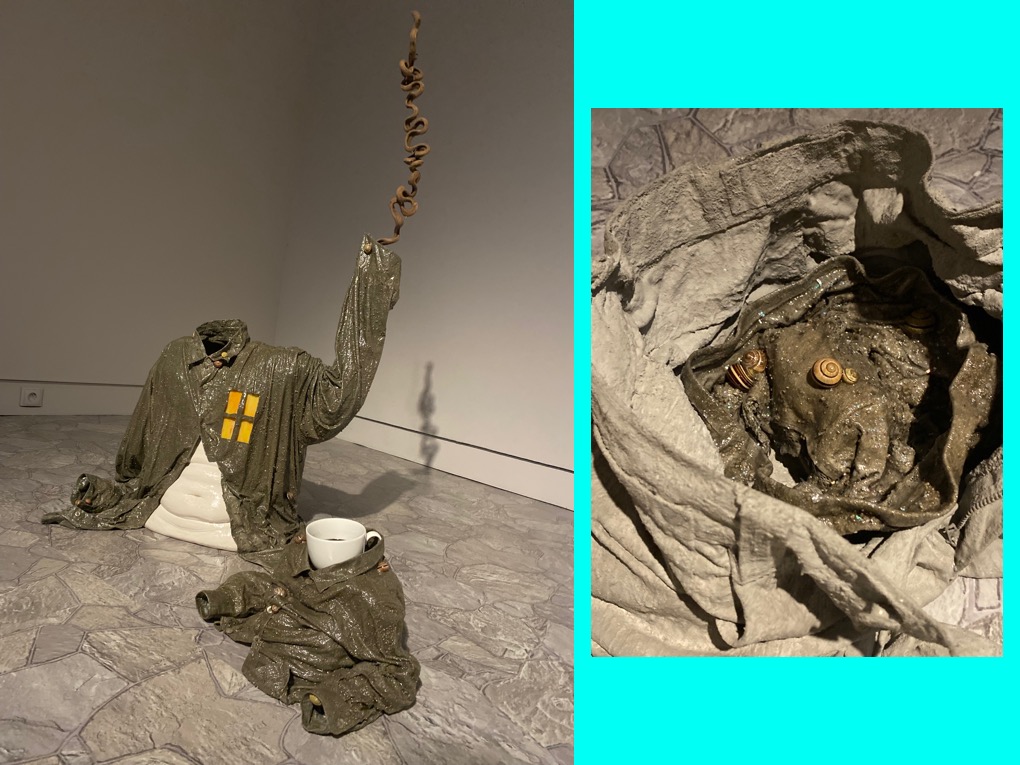

And here are other details I captured at this fascinating exhibition:


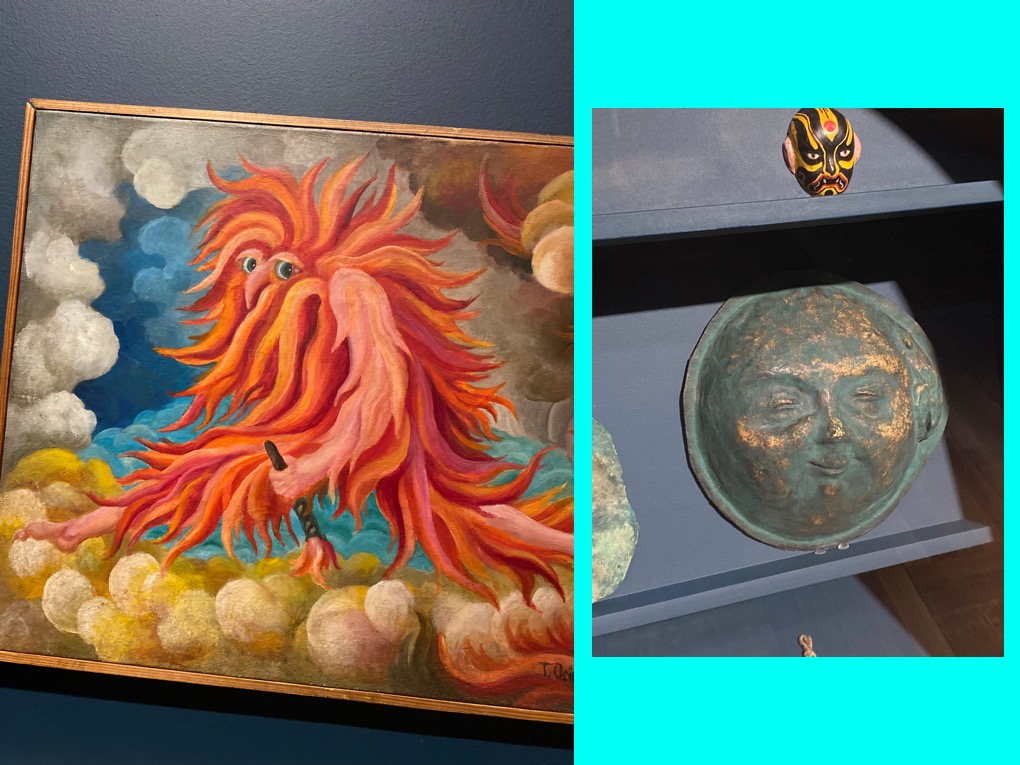
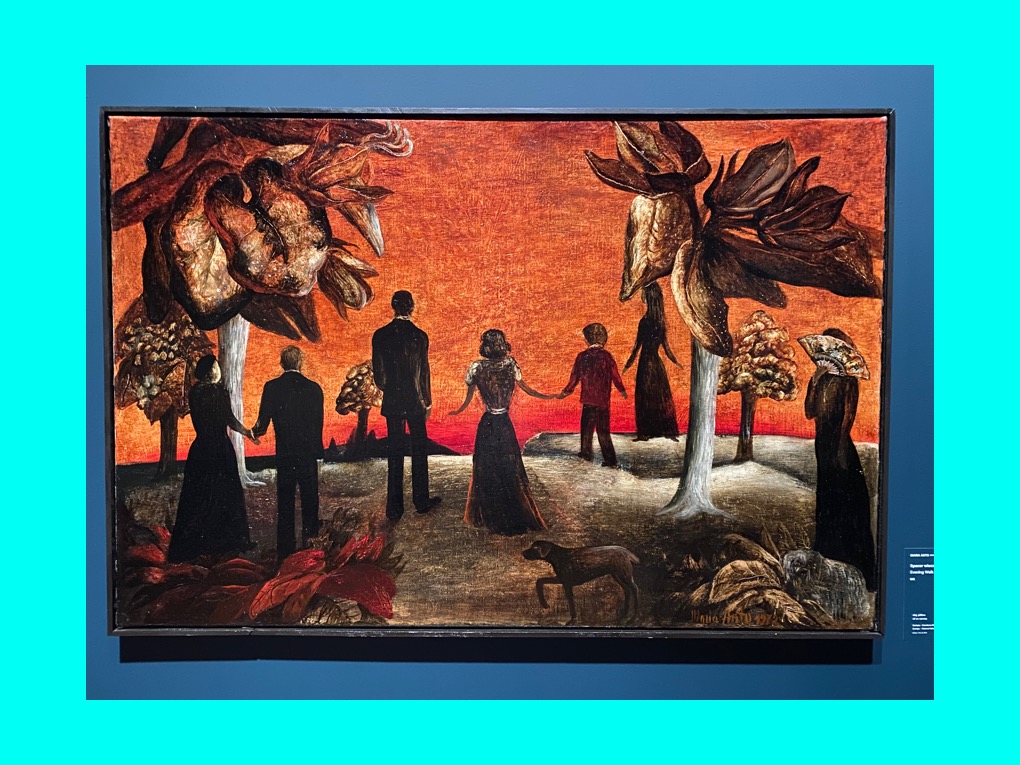

The exhibition is on view until 11th of August 2024.
If you’re in mood for digging deeper into Surrealism, here are some books to indulge in!
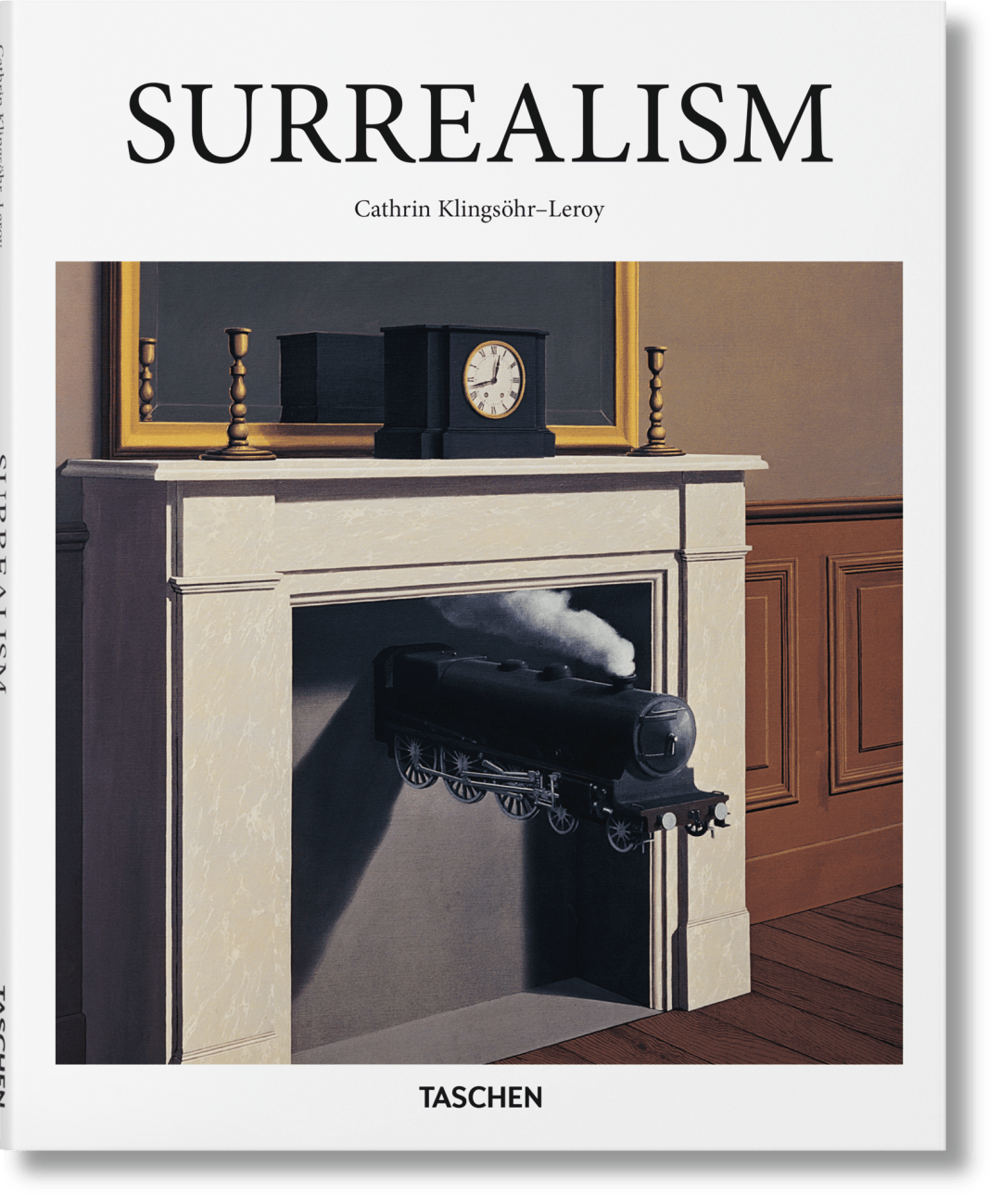
“Surrealism” by Taschen
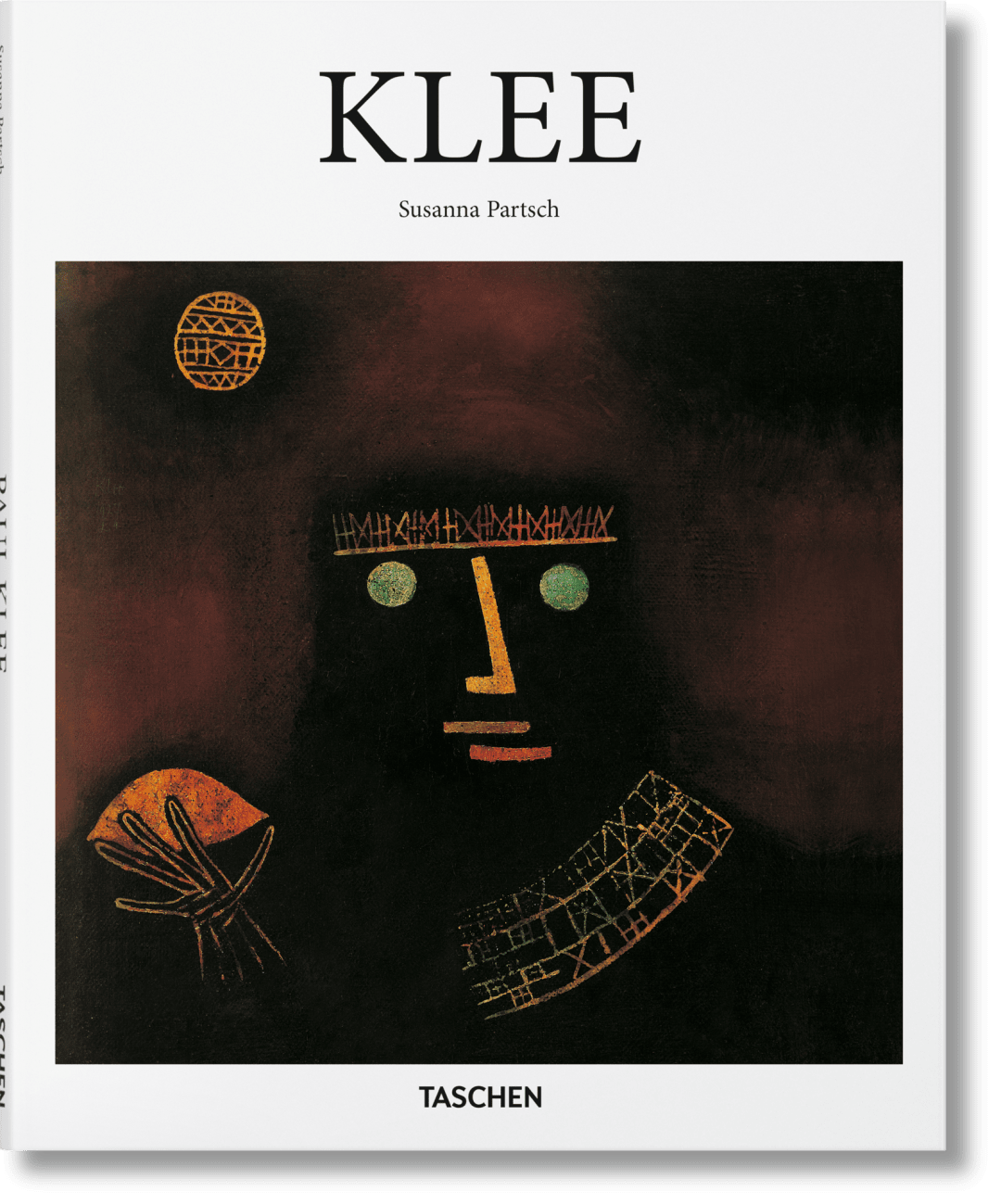
“Klee” by Taschen

“Dalí. The Paintings” by Taschen

“Magic 1400s-1950s” by Taschen

“Magritte” by Taschen

“The Magic Mirror of M. C. Escher” by Taschen
—
All photos by Edward Kanarecki.
Don’t forget to follow Design & Culture by Ed on Instagram!
Hey, did you know about my newsletter – Ed’s Dispatch? Click here to subscribe!


It’s really interesting to observe how badly Sabato De Sarno‘s Gucci tries to force everyone into thinking the brand – in its current situationship – is a “feeling“. You rather catch feelings, especially the good ones, instinctively and spontaneously. Genuinely. Not when somebody signals it in such a straightforward manner. De Sarno’s first resort collection traveled from Milan to London, and it aimed to somehow tell a story that connects the city and the Italian brand. I didn’t grasp that press release blah-blah at all. Just like I didn’t entirely get the point of the location – Tate Modern – and the plant-filled runway setting. If you want to position a brand as an art-loving platform, instead of stripping a London museum to bare walls and place tons of greenery inside, why not focus around some actual artworks that are contextually or emotionally close to the designer?
And now the clothes. Yes, resort 2025 is in some way better than De Sarno’s previous attempts, because at least it’s not repeating three styles throughout 50 looks. And there’s finally some range in terms of style. But here’s where the real problem starts. If not for the eventual Gucci logos and appearance of Jackie and Blondie bags, it’s really difficult to catch where the actual Gucciness is hiding in this collection. Not to mention De Sarno’s footprint which still feels blurry and indistinct. Some of these 1970s-inspired looks gave hints of Miu Miu and Coach. The pleated finale dresses could easily be Victoria Beckham (ironically a designer who often has trouble with finding her own voice – at least the eveningwear is emblematic!). The denim part of the line-up felt like the many iterations Pierpaolo Piccioli used to deliver at Valentino (where Sabato worked at before Gucci). Some of the outerwear and pieces covered with sequin-embellished checks could equally have a Burberry tag on and no one would question that. What was most confusing however were the vintage-y pussy-bows that instantly made you think of Alessandro Michele’s highly-memorable debut for Gucci, an instant breakthrough for not only the stagnating brand at the time, but 2010s fashion in general. Their presence seemed to say that there’s a large Gucci client base that wants that kind of style back as they don’t identify themselves with De Sarno’s reductive minimalism. So… I think Gucci fails to be a (good) feeling. Especially in times when the demand for luxury is decreasing and people investing in fashion want ingenuity and authenticity.


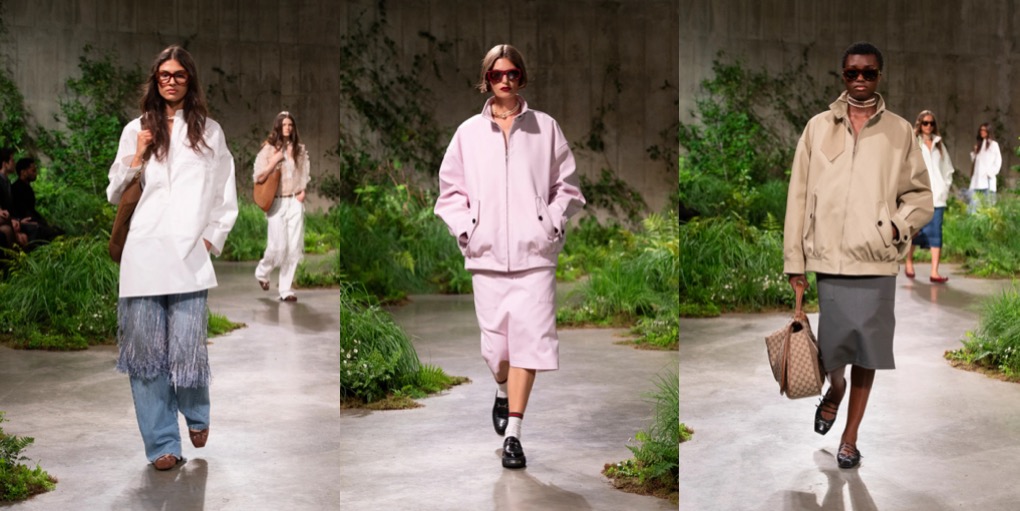


Collage by Edward Kanarecki.
Don’t forget to follow Design & Culture by Ed on Instagram!
Hey, did you know about my newsletter – Ed’s Dispatch? Click here to subscribe!


 Design & Culture by Ed