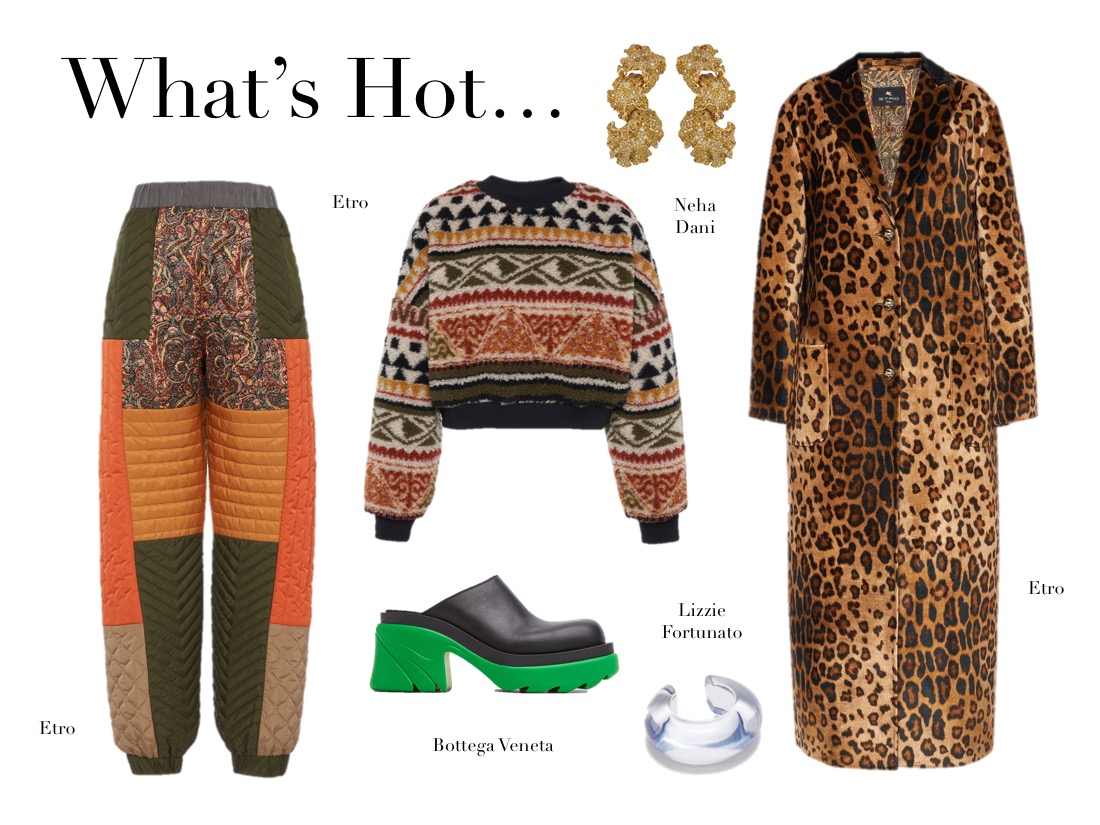
What’s Hot (12.7.21)

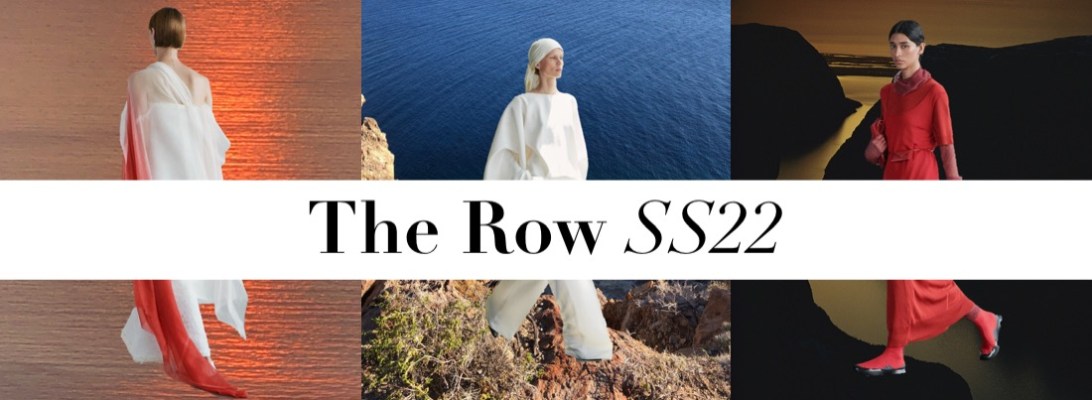
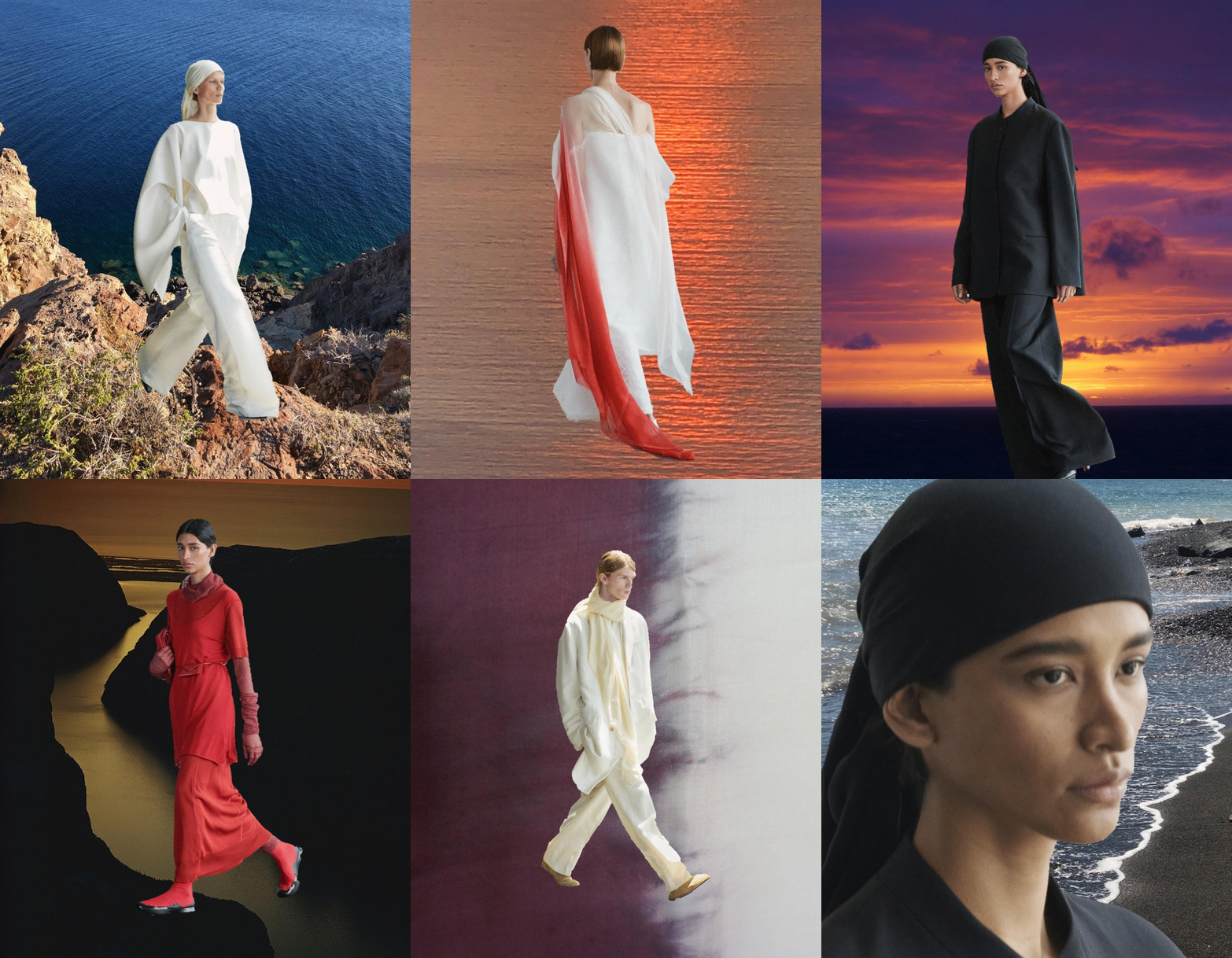
Ashley and Mary-Kate Olsen are holding their course, even though most of the designers this season move towards a hedonist mode. Skimp is not in The Row’s vocabulary, and it isn’t likely to be in the future. None of us have been untouched by the pandemic, though, so how has the experience of lockdown changed the Olsens’ design POV and what does The Row’s take on re-emergence style look like? Something unexpected emerged most vividly midway through the lineup in the form of separates for women and men in shades of red and blue, the brightest colors ever to find their way into a collection from the Olsens, who prefer to work with neutrals and classic black and white. There were also the arty details here and there, like the delicate thread belt that accented the drawstring waist of a pair of casual pants or the fringed raw-edges of a fully knit skirt made with three different yarns. A few pieces were hand-painted, a nod, maybe, to the artists and art collectors that number among their clients. The accessories offering has expanded and there was a notable element of fun, as seen in the tiny card cases and coin purses suspended from belts and in the stretchy ankle boots that looked like a cross between scuba socks and wrestler shoes. Overall, the proportions are roomy and the silhouettes are layered – luxe comfort is the key. The Row fans will fall in love with a pair of pressed khakis whose low-slung, flared profile recalled the ’90s, and a jumpsuit with a tank top upper half that was the barest of all the looks assembled here. Pre- or post-pandemic, perfect essentials never go out of style.
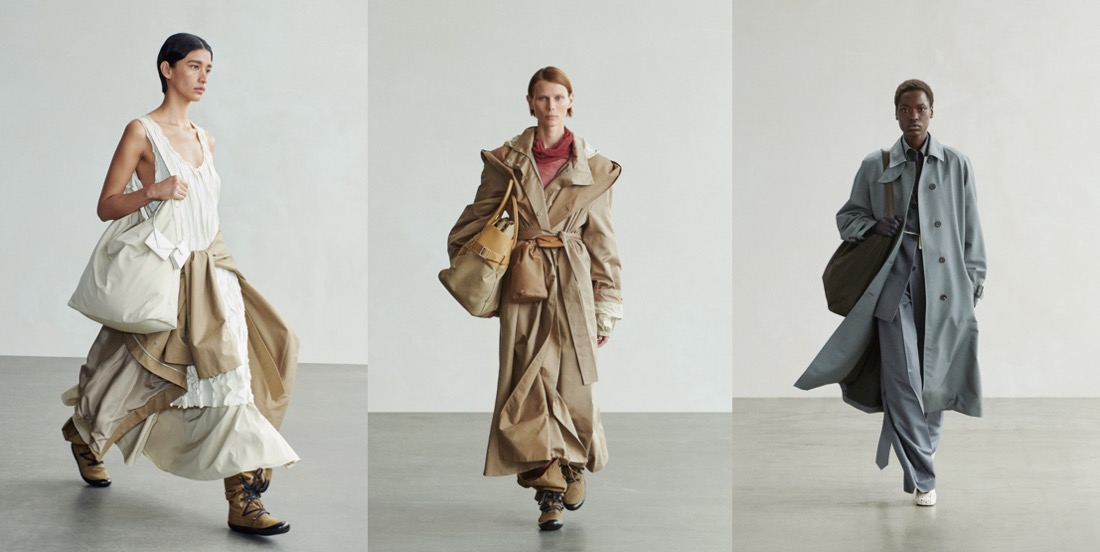
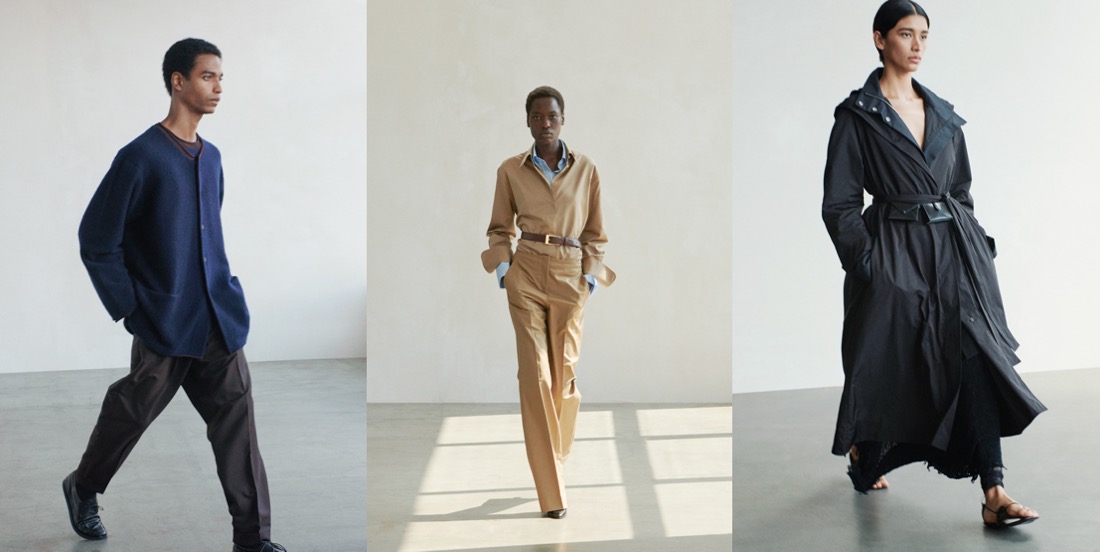

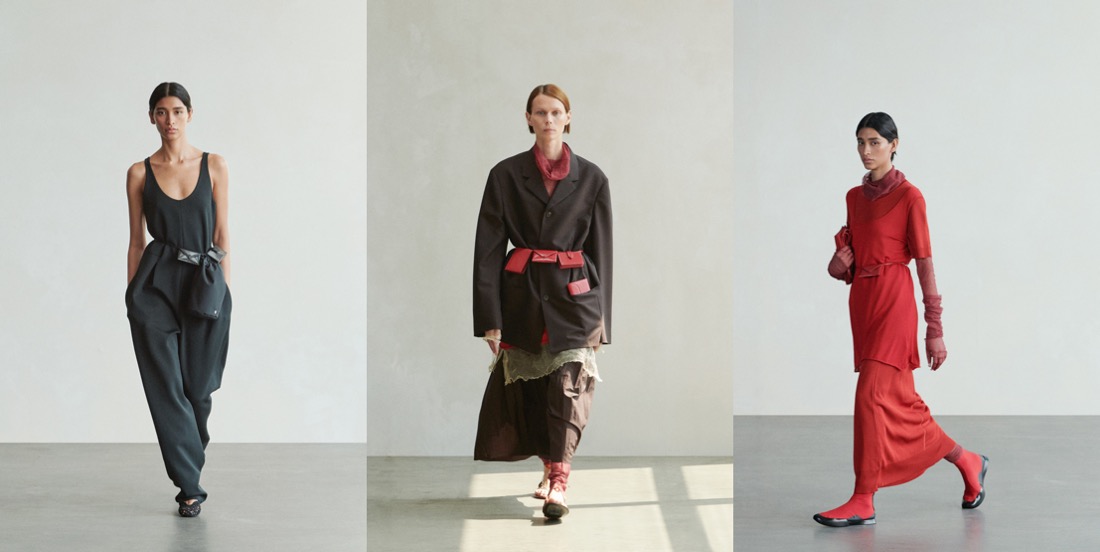
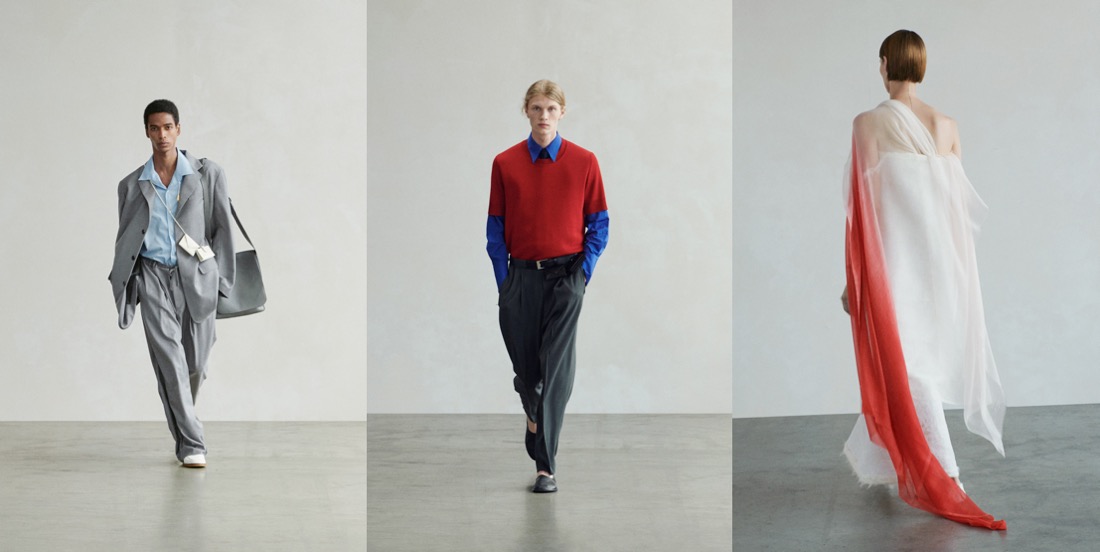
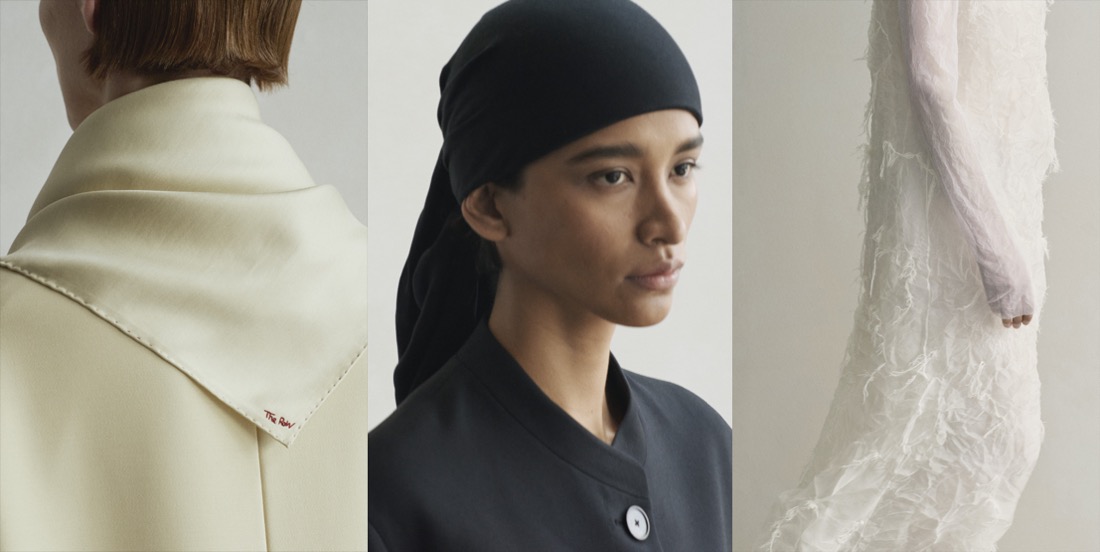
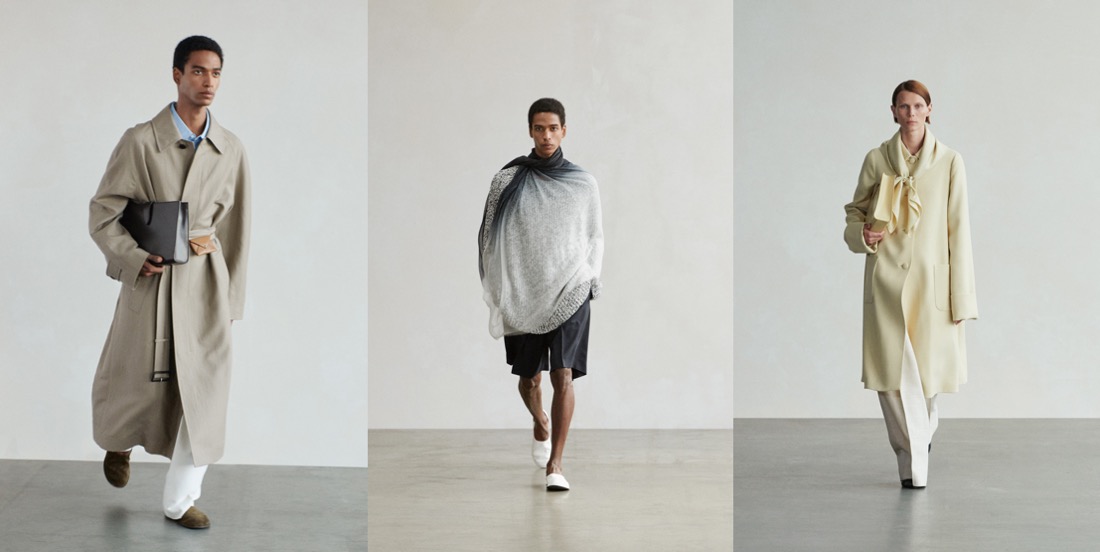
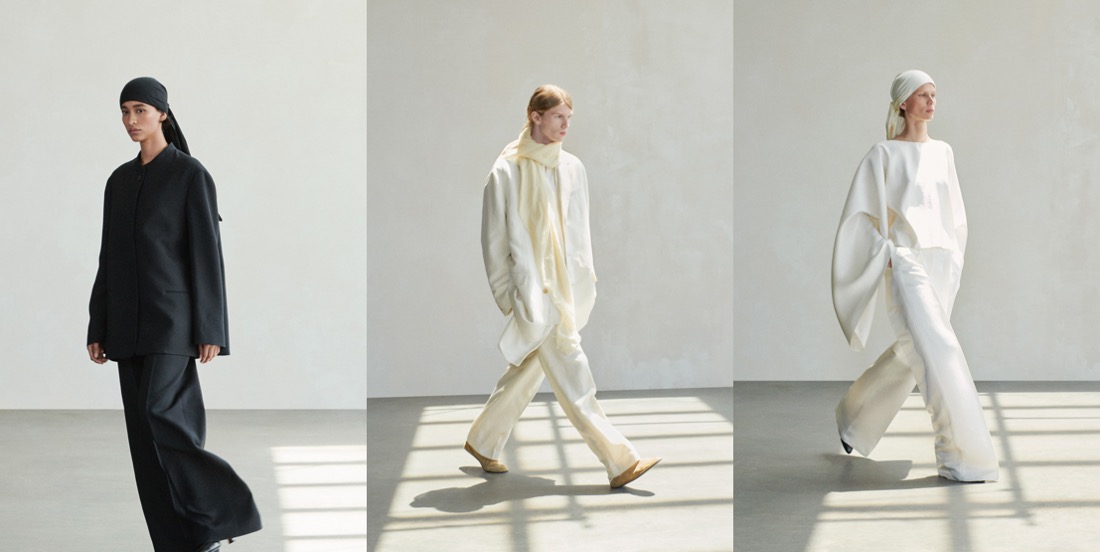
Collage by Edward Kanarecki.


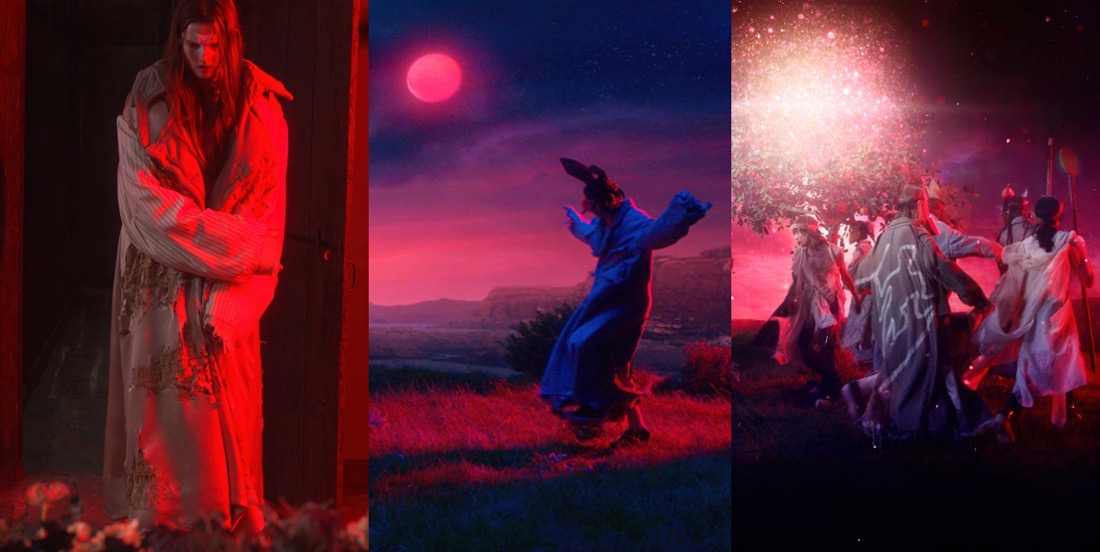
“The idea of how we all felt through this pandemic, and being brought to our knees by the power of mother nature.” That’s a succinct clip from a long conversation with John Galliano about the making of his Maison Margiela Arstisanal collection, which he scripted into the epic film, A Folk Horror Tale, that had its premiere in a Paris cinema this week. The comment seemed emblematic. A romantic, mysteriously troubling struggle with the elements was on Galliano’s mind as he designed and crafted clothes and moving pictures with the French Oscar-winning director-producer Olivier Dahan. “The effect of the weather, the sea, the moon, the elements, started to play on my psychology.” Galliano has been a story-teller, a stream-of-consciousness creator since his very beginnings as a student who made his first historically-inspired French Revolution collection, Les Incroyables, in 1984. Images and self-imagined characters who connect the past with the present have stimulated and preoccupied him for his entire career. In 2021, finally, he’s seized the opportunity to bring those ideas alive through a medium that reaches far beyond the limitations of the catwalk formula. Even the lookbook of his collection breaks with standard conventions. In what is probably the most personal of all the collections he has done for the hand-made Artisanal line – the house equivalent of haute couture – it’s a triumph of emotionally-driven material experimentation. He said it “came out of hours and hours of dialogue” in his studio, giving form to the conversations with the young group of house models – his ‘Muses’ – who take part in his process of making clothes on their bodies; and who eventually act out their meaning.

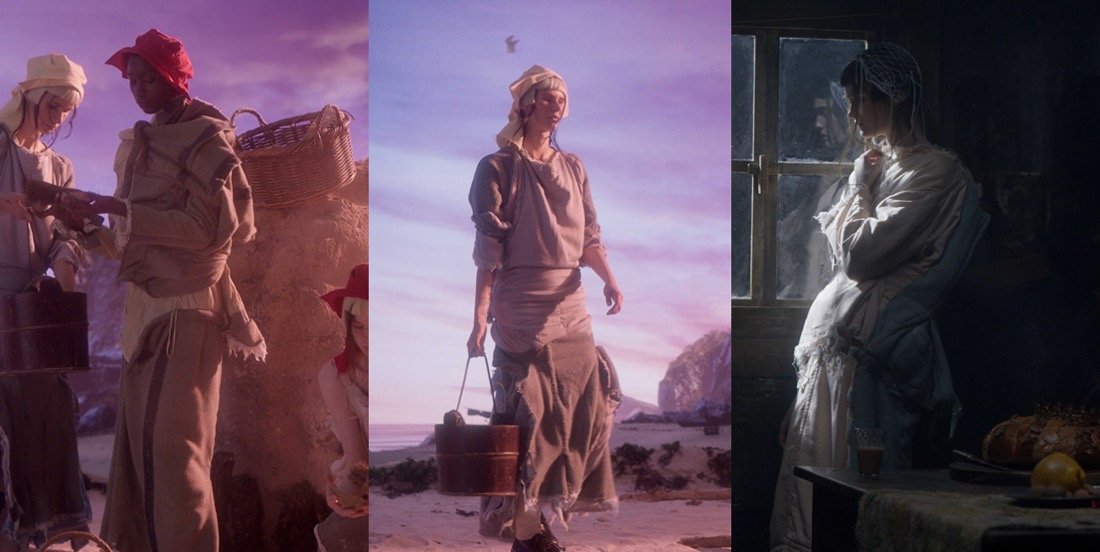
That’s how he reached into a gothic, time-traveling manifestation of weather-beaten, tattered, ancient-looking clothes set around the idea of an isolated community of fisher-people battling for survival against the sea. His first historical reference-point was early photographs of Dutch fishermen – the specific traditional lines of their tiny jackets, voluminous trousers, Guernsey sweaters, and wooden clogs. Another, the legend of King Canute, whose people forced him to command the tide to retreat, and who surrendered them his crown when he failed; saying that only God is in charge. A smashed-mirror crown played a recurring part, found and refound in scenes conjuring a sinister medieval ritual playing over centuries. The idea of people living at the mercy of uncontrollable forces tuned into the conversations he’d been having with the young people in his studio: “Talking about mental health issues, trans issues around the table with my muses, listening to some of them describe how they were feeling and acting,” during the troubles of lockdown. He has empathy for them. “I don’t profess to be a therapist, but I’ve done some hardcore rehab myself, and I recognize myself and a lot of what they’re saying or doing. And all I was saying was, you know, the best thing is to talk about it.” As an older and wiser person, he said, “there was a privilege and a joy in sharing.” As he put it in his introduction to the film, “it’s about the fast-wash of anxiety, the power of nature – and when faced with that, how helpless we are.” That idea took literal form in the way he processed his fabrics, treating them with enzyme washes and stone-washing to remove color; shrinking and wringing them out in a technique he calls “Essorage.” In many ways, his methodology appears to be the complete opposite of the traditional formalities of haute couture, but represents his break away into an equally intense study of how clothing can be transformed from vintage and found materials in the modern world. He described how garments were graded up six or 12 times, and then shrunk to fit. How linings of skirts and suits were turned inside out and converted into dresses. How he attacked denim jackets and loden coats and a 19th century woman’s corset jacket, unpicking and revealing their original colors in the seams when the washing and wringing was done. There was a beautiful sweeping blue-and-white patchworked coat made from chopped-up charity-shop finds. Delft tile-patterns were crocheted together in a sweater. The artist Celia Pym darned a blue Guernsey with newspaper reports of the death of King George V.

Galliano is always pushing for progress, experimentation. Nevetherless, with their little cotton Netherlandish hats and kerchiefs, their tabi-clog waders, and their romantic, shredded piratical looks, the Margiela Muses looked more purely Galliano than they have done for many a year. “The narrative of the story is make- believe,” he said, “which is always what I want with a collection, anyway.” With so much at his fingertips it’s almost as if John Galliano has gone back to rediscover the primal power of who he always was from the beginning.

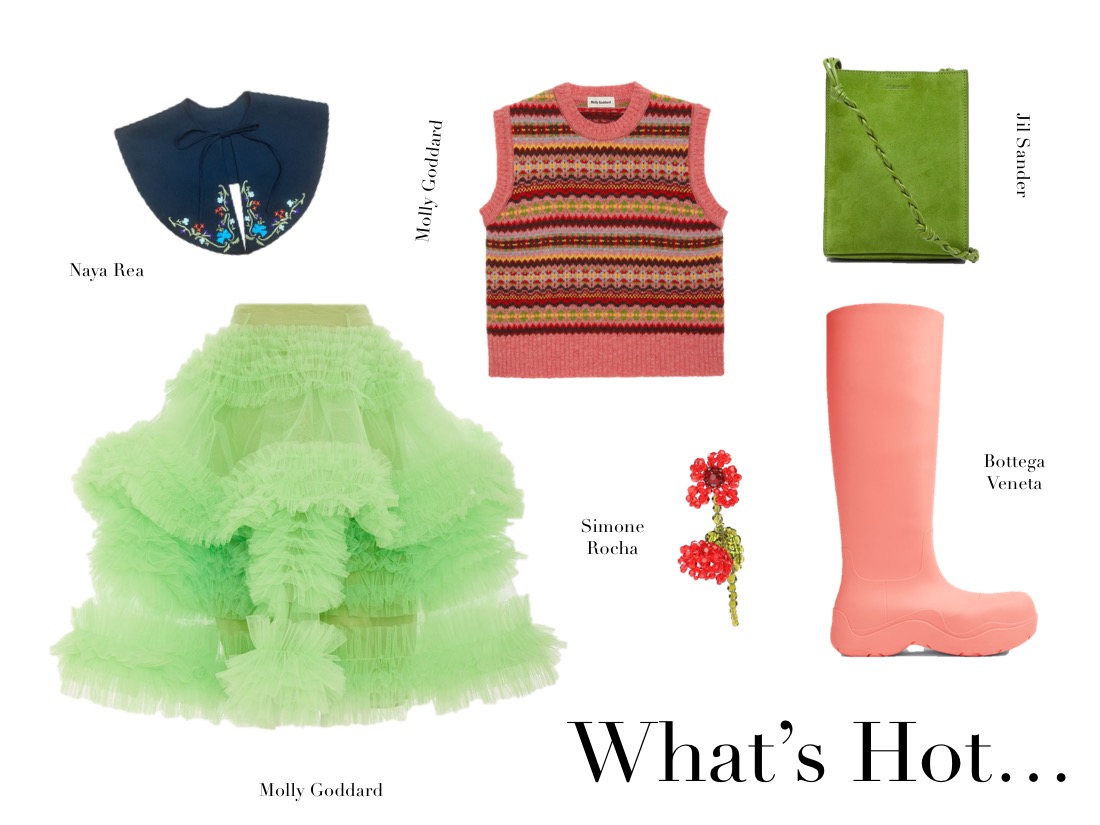
Collage by Edward Kanarecki.
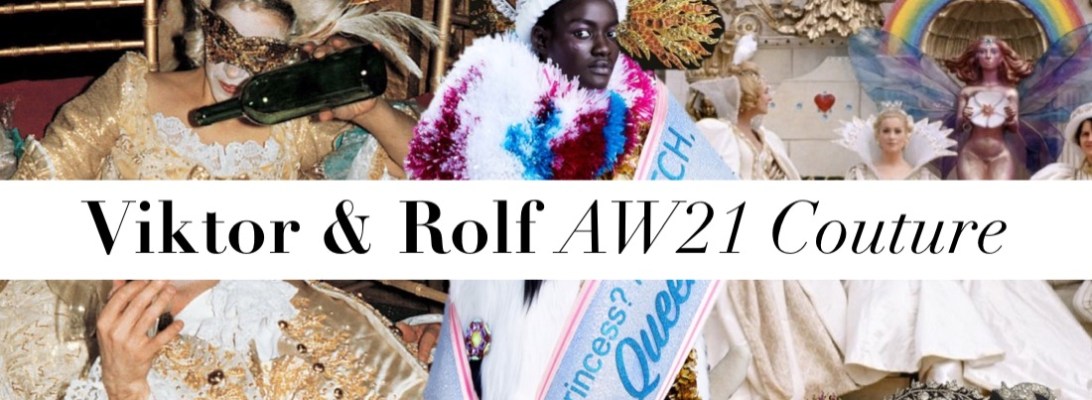

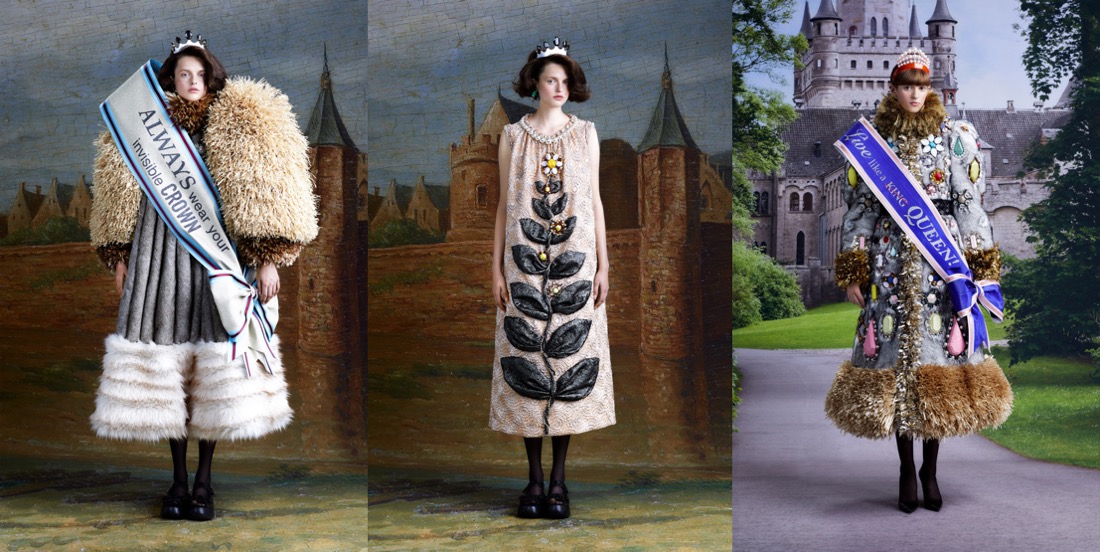
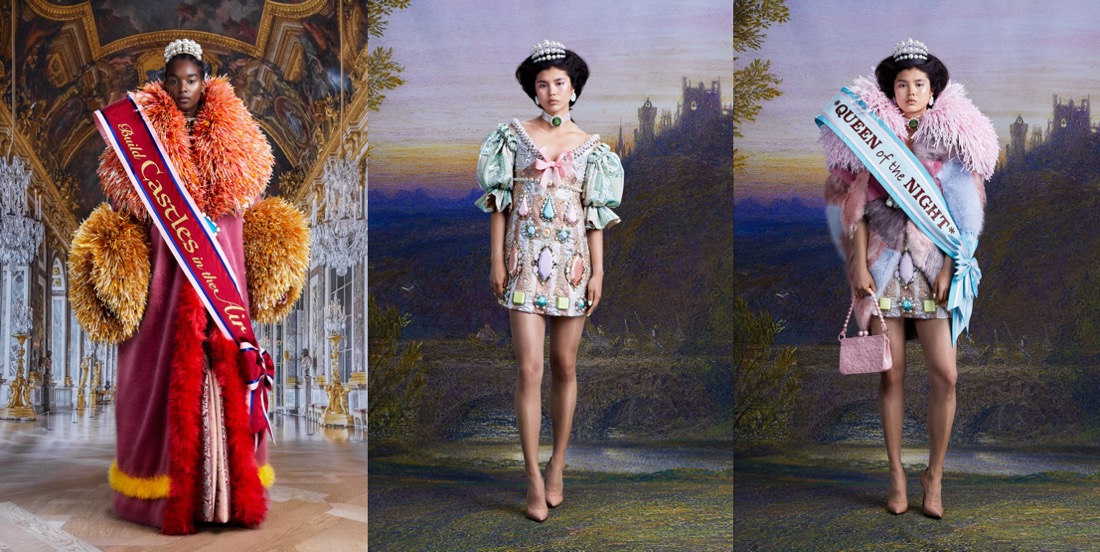
Viktor Horsting and Rolf Snoeren do couture that instantly becomes viral. That is certainly the case with their latest Viktor & Rolf collection, which at first glance, might seem to tread familiar ground, with coat shapes resembling those from their Russian doll collection for autumn 1999, and slogan sashes from spring 2019. The pair carried over their interest in jeweled embellishments here, though in different dimensions and styles; and in keeping with their dedication to reducing waste, many of the pieces are patchworked—as are the concepts behind the garments. As Snoeren put it, “there’s all kinds of elements from all different worlds.” The first theme that comes across is a royal one, and, with continuing buzz around The Crown and the Oprah interview, it’s quite topical. What the designers couldn’t have known is that Young Royals mania would start to heat up at almost the exact time they presented their collection. Many tropes are referenced in the lineup, ranging from fairy tales to cartoons. There are medieval-style brocades and an “ermine” cape. A raffia “fur” is a fantastic take on high/low. Tiaras and crowns of plastic are a clue that everything is not what it seems, which is confirmed, without subtlety, with the queen-themed sashes. “We wanted everything to be bigger than life,” noted Horsting. “It’s like a play on queens or royals. We wanted to be uplifting and joyful and – fun is not the right word – but colorful, sparkling, positive. You are your own creation.”

Collage by Edward Kanarecki.
 Design & Culture by Ed