/

/

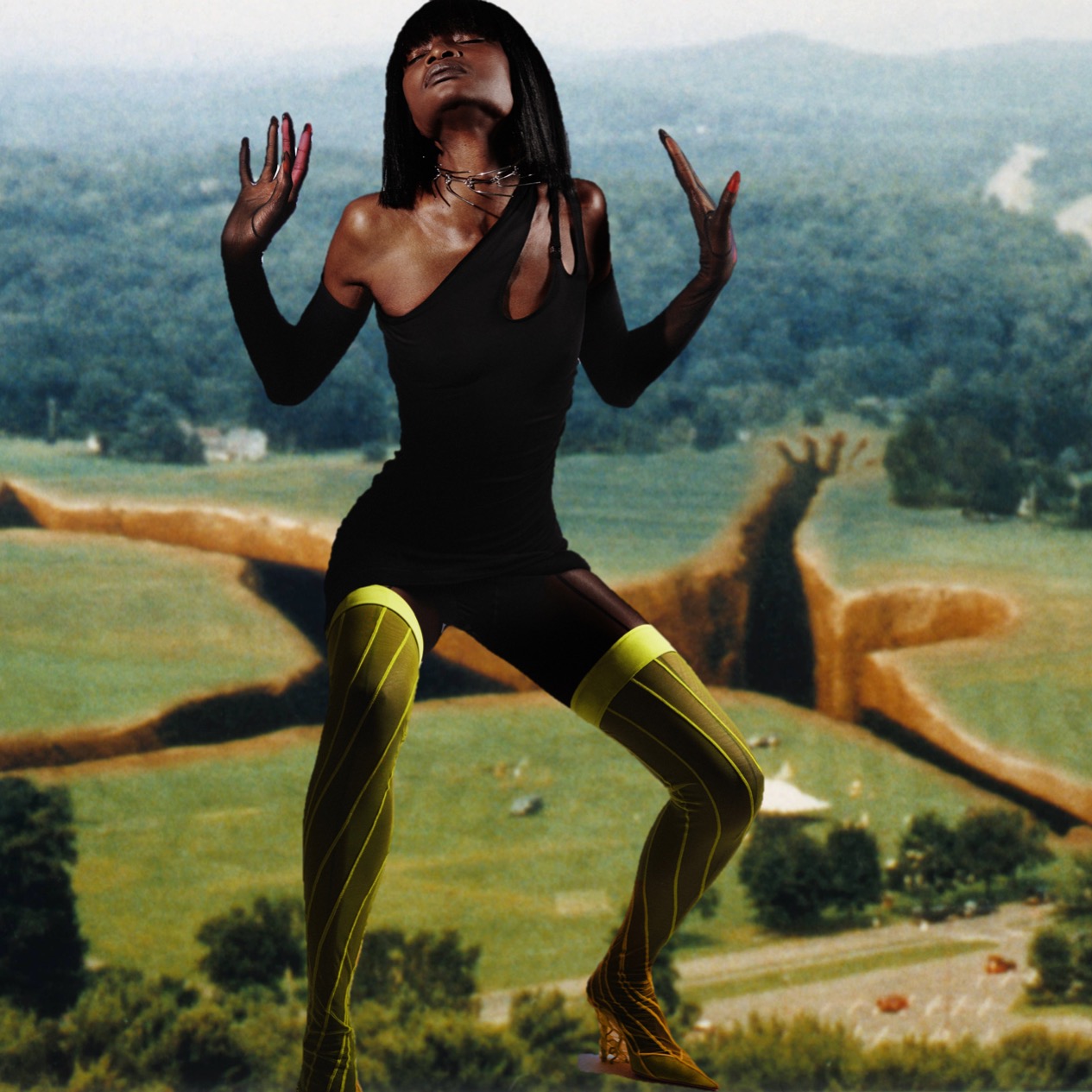
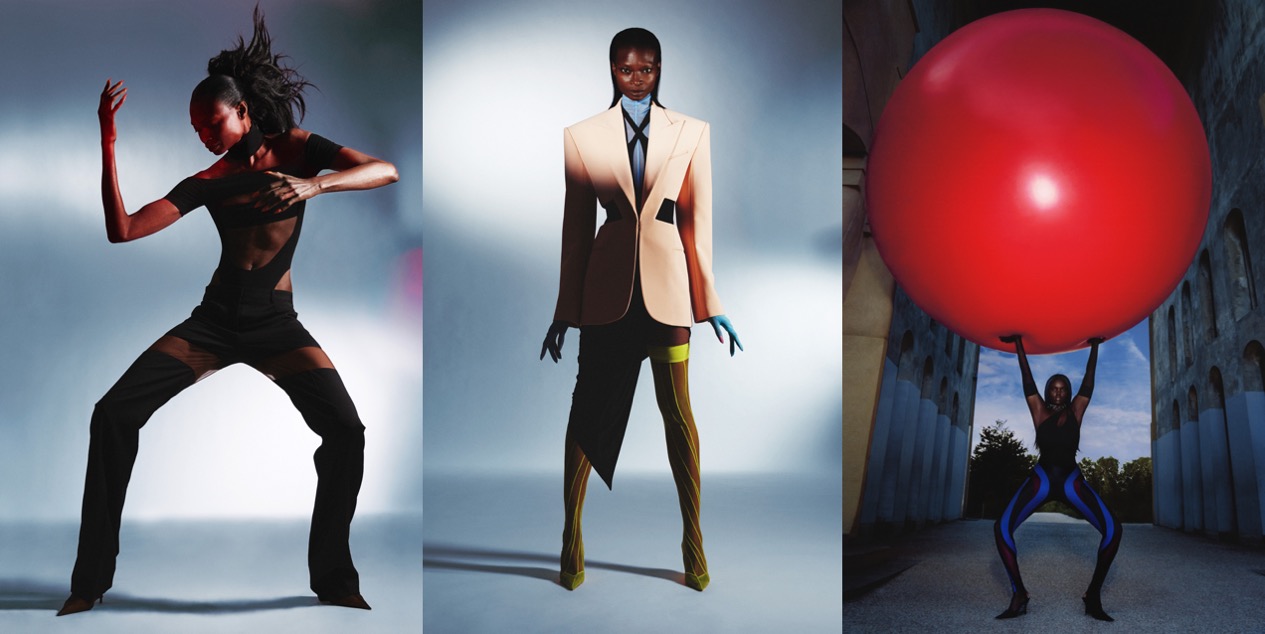
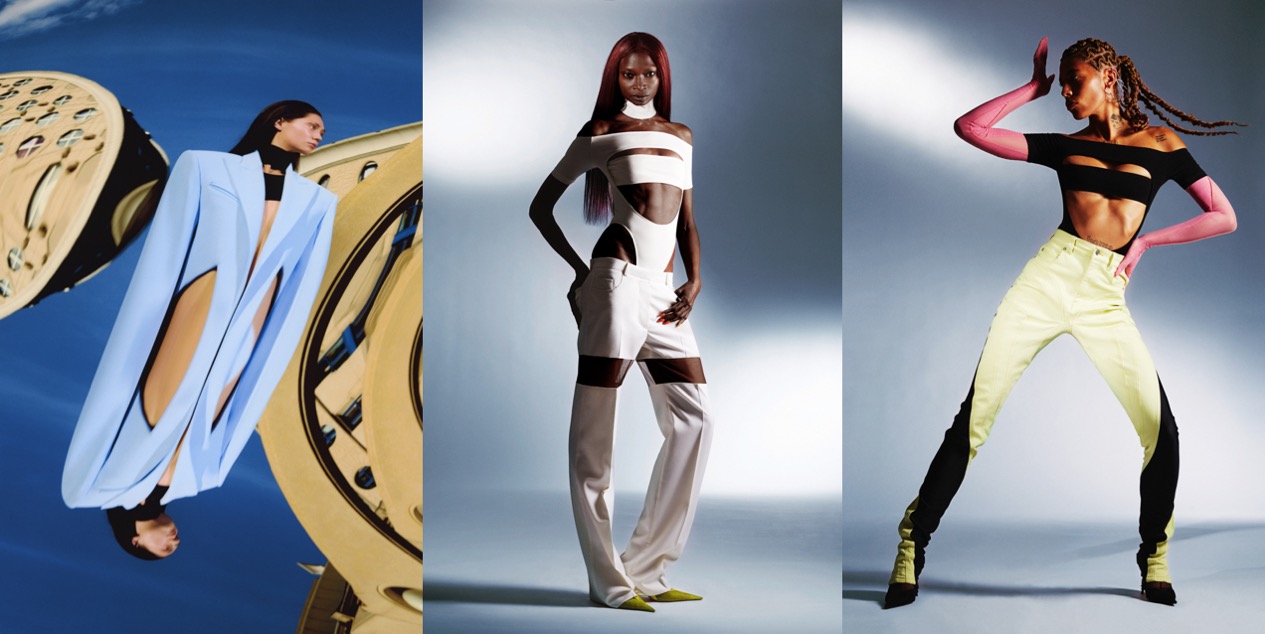
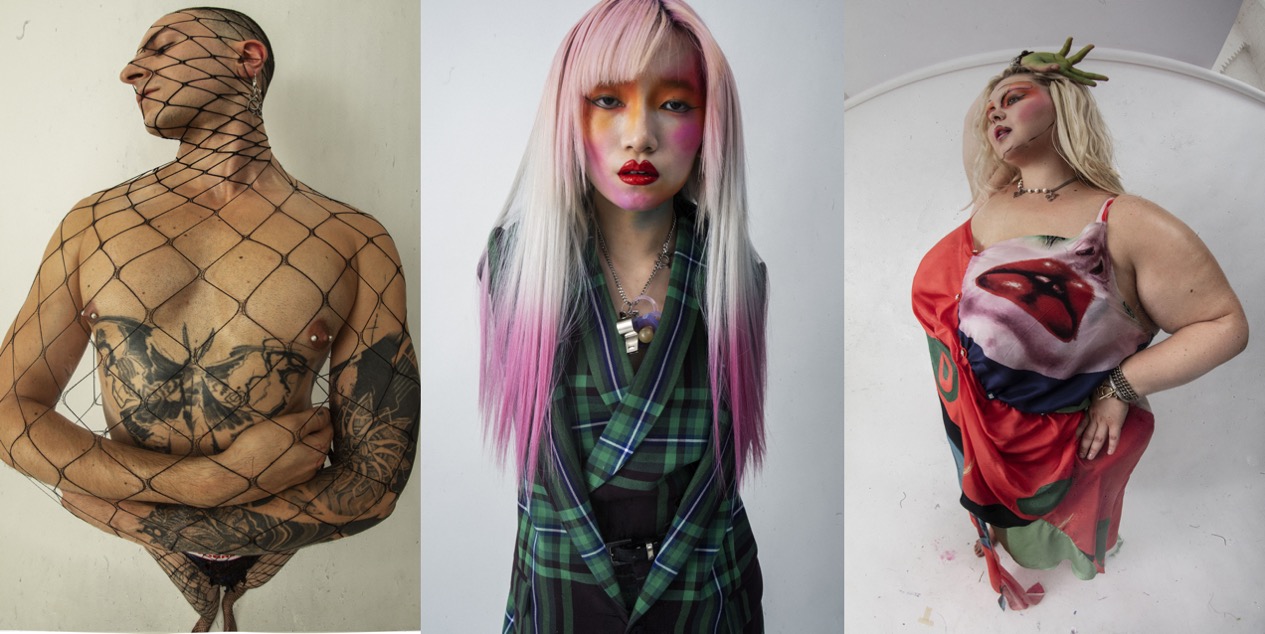
God is a woman, and she’s wearing Mugler. Casey Cadwallader‘s vision for the brand is empowering, inclusive and boldly feminine. That’s again demonstrated in his spring-summer 2021 collection, which wasn’t presented during Paris Fashion Week, but as an off-the-schedule sci-fi video starring Bella Hadid and friends of the label. Cadwallader pointed out the increasing importance of music videos in the absence of live performances. He’s working on clothes for those apparently, too – just think Miley Cyrus, Cardi B and Caroline Polachek! In fact, about half of his time is spent on VIP requests. The other 50% he expends on the label’s ready-to-wear, but he’s not exactly playing it safe with this category either. “I felt it was time to deal with the fantasy side of Mugler,” he said, referring to the house founder’s infamous collections of the 1990s. There’s the hyper-sexy clothes, and then there’s the way he’s going about making them. Cadwallader is putting a lot of effort into sourcing more sustainable materials. He says those bodystockings will be constructed with 100% recycled lycra by autumn 2021. And he’s also working at lowering the prices of pieces like the twisting-seam jeans he designed for his first Mugler collection two years ago and the Lycra and illusion tulle leggings and tops that he likens to “complex puzzles” of couture pattern-making. “There’s energy in young people that want to buy Mugler,” he said. That jibes with the trend toward body-conscious – and body-positive! – collections we saw this season at brands like Fendi and Eckhaus Latta. Also, what’s new – Mugler is moving to a see-now-buy-now model starting in February. This capsule collection is a “prelude” of that outing. Many brands failed with this business-mode, but who knows, a brand like Mugler might really pull it off.


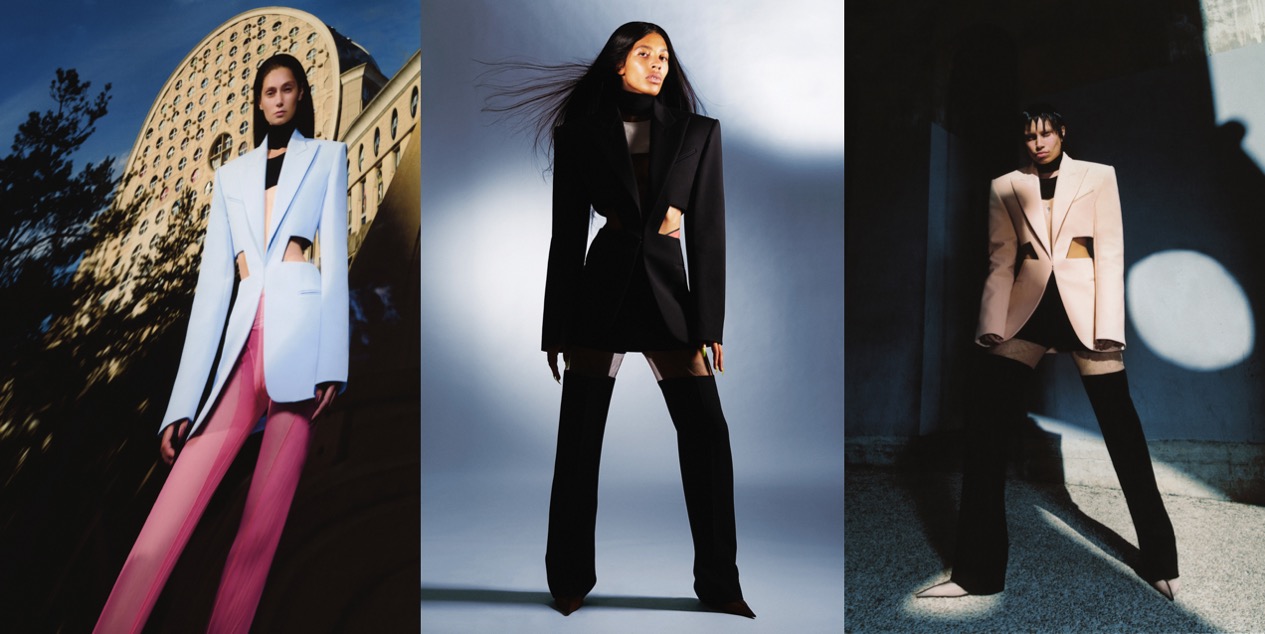
Collage by Edward Kanarecki.

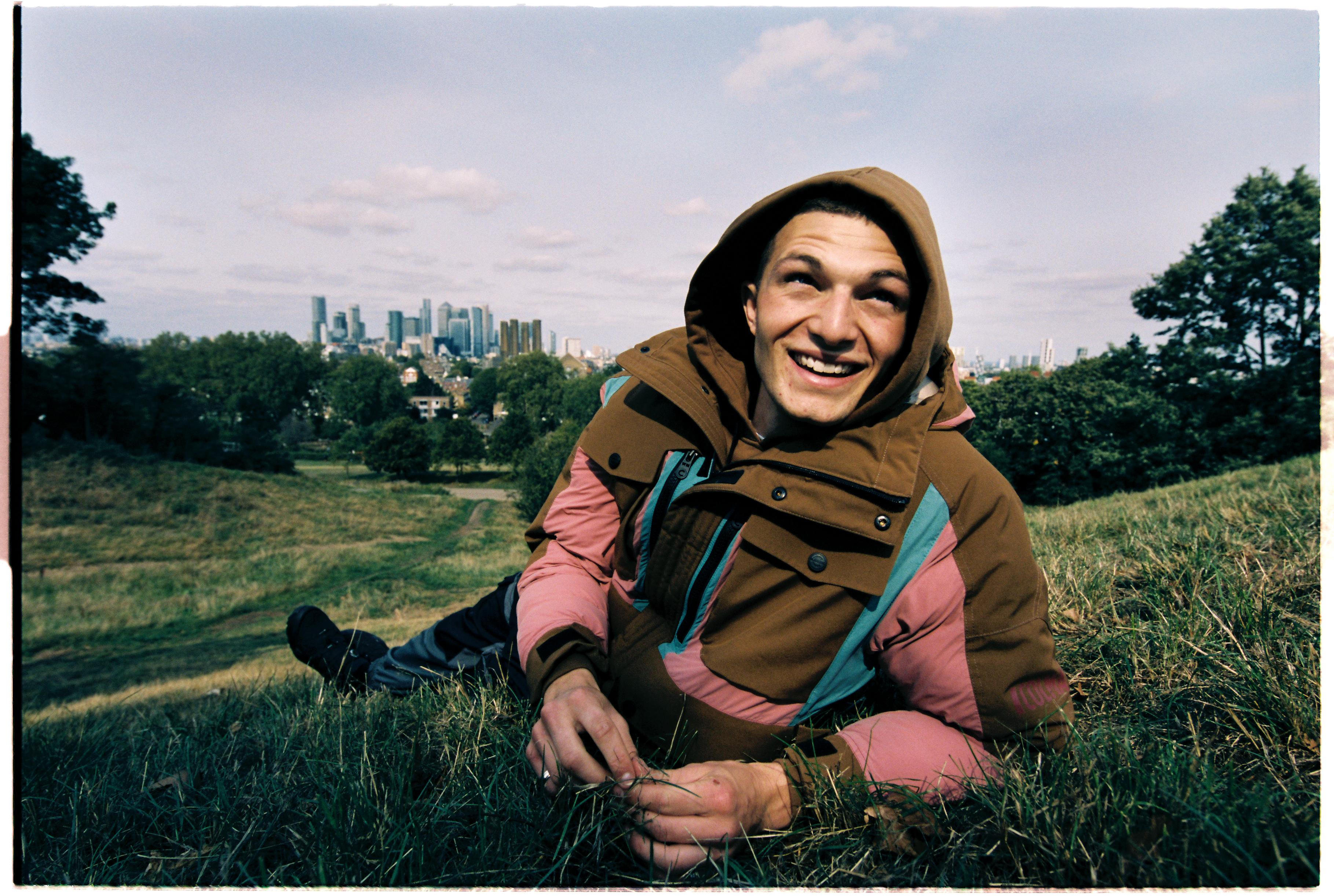
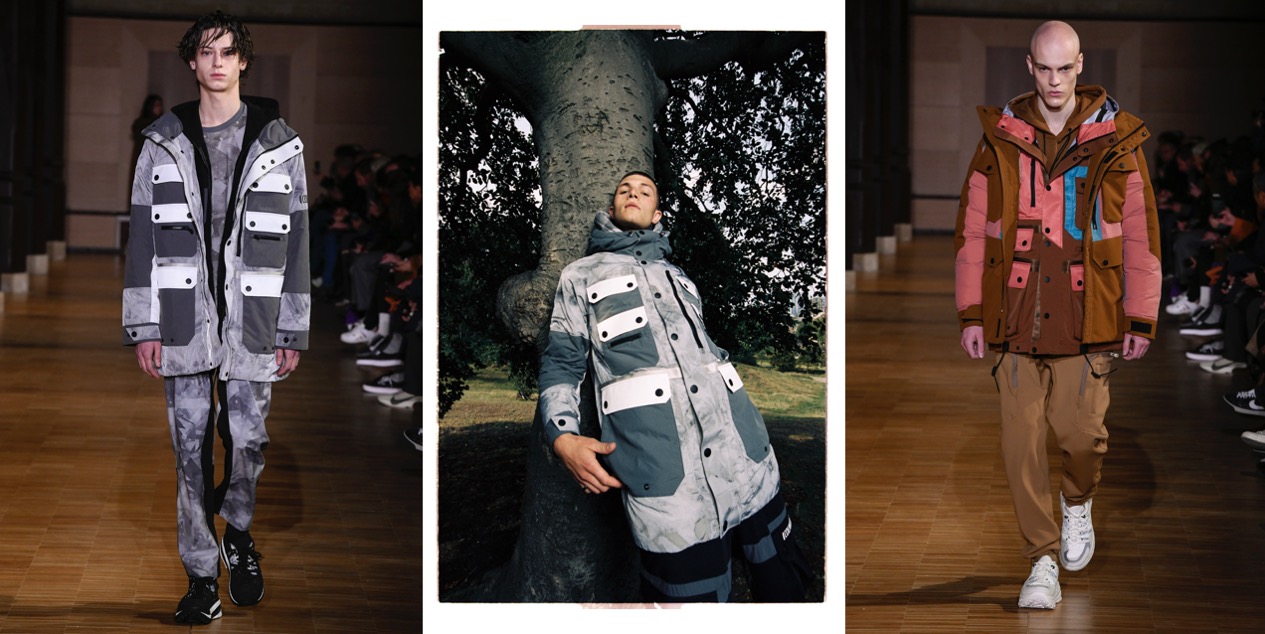
The wait is over… White Mountaineering’s Yosuke Aizawa x Colmar A.G.E AW20 collection, as first glimpsed earlier in the year during Paris Fashion Week, is out. Founder and creative director of the Tokyo-based brand, Aizawa, known for his uncompromising rebellious yet elevated utilitarian menswear, has served up an eye- catching collaboration for the Italian Alpine brand Colmar A.G.E project. Colmar, known globally as the leading technical ski apparel and style pioneers sees its cutting- edge expertise and industrial fabric innovation prowess channeled into a 6-piece unisex collection. Finding common ground between Aizawa’s love of winter sports and Colmar’s almost 100 years of ski apparel expertise, the White Mountaineering x Colmar A.G.E AW20 collaboration serves up looks that feature a sense of two sides of the same coin. The result is a collection which reveals homogeny and full intersection between high performing, technically aligned fabrics and elevated streetwear.

Reimagined from the extensive Colmar archive this utilitarian collection does not wallow in the past instead it meets the needs of the modern style landscape with a nod to heritage. Consisting of a longer length parka plus a thigh length jacket, both water repellant and waterproof, with metal hardware vents, a patchwork of panel pockets, and an impressive warmth-to-weight ration. It’s only fitting that the spirit of invention that defines this collaboration sees both styles come in either padded filling or insulated with down so you choose the best weight outerwear that your lifestyle demands. Each style comes in either a muted black and grey hue combo or a bold biscuit colour with shots of pink and blue inserts. Buttons and zips are personalised with both labels’ emblems and the silicon logo of both brands runs discreetly along the storm flap, with the journey of the two houses joining forces found on a Tyvek label inside each piece. Additionally, the collection contains a brushed cotton pant, wool cotton mix sweatshirt and tee, as well as a boldly branded soft-shell under-jacket equipped with design features to suit a variety of conditions.This is a collection that is uncompromisingly functional in design and performance which collides harmoniously with utilitarian streetwear fashion making each piece an essential part of any wardrobe.

/


Sometimes all we really want is fantasy, care-free-ness and uplifting escapism. Charles Jeffrey Loverboy‘s spring-summer 2021 collection ticks all of the boxes, plus one more: it’s wearable. Charles Jeffrey’s line-up is a kind of frieze of young fashion’s crazy-joyful fight against fear. Here they are, the expansive Loverboy family, captured in 64 pictures by Tim Walker, a work that’s also printed in a 16-foot long concertina souvenir of the times. “I wanted it to be a physical representation of a stream of consciousness,” says Jeffrey. “It kind of represents my brain as I was thinking on long walks to the studio during lockdown. Taking up space, that’s what we do in a Loverboy show. But now that has gone, stopped. I was thinking: What does it look like when we’re all keeping away from each other?” It ended up as the Healing, a wild celebration of sexiness, inclusion, and craft-y life-forces, with Jeffrey acting as an invoker-provoker of good against evil. “Loverboy was always a community that came together in a club, but also a digital community of friends who’ve gravitated towards us. There are a lot of really amazing people in here,” he says, describing them in his press communiqué as “our queer family captured in defiant joy.” “It was originally nicknamed the Emergency Collection in the studio,” he remembers. “Then, everyone had to go home, except me. There was this panic.” On his solitary daily walks, the Scottish folk tradition enacted by the Burryman (“costumes that ward off evil”) suddenly popped into Jeffrey’s head. That got his creative synapses jumping. “Our interns, god bless them, had started with us bright-eyed, bushy-tailed, and excited about working on the collection. I didn’t want to take that experience away from them, so we set a craft project they could work on remotely.” Community, Health, and Hope are the emblems in the Loverboy panels of protective armor, embroidered by interns in isolation. The contradictions between enforced separation and the need to feel united simultaneously sent Jeffrey down a rabbit-warren of research into “warning signs in nature.” Out of the search engine popped the vivid clashing colors and patterns in the collection, inspired by poison dart frogs, blue-ringed octopi, puss moth caterpillars, hickory tussock moths, and marbled cone snails. “Well, poisonous markings in nature are also very bright and attractive. That weird interplay felt really instinctive to me as a person who works with color. How it can ward people off, but also brings them together.” The pathway from there to healing went via chromotherapy – but practically, it’s just there quite obviously and visually in all the eye-dancing Loverboy energy radiating from multicolored knits, tartans, and psychedelic prints. There may be no physical spaces for the rituals of clubbing or fashion performances right now, but never mind. Despite the troubled times, there still exist the territorial rights to identity and psychic freedom that the Loverboy generation has mapped out – the progress, as Jeffrey puts it, “from emergency, terror, and jittering-anguish to elation, sex, communion.”


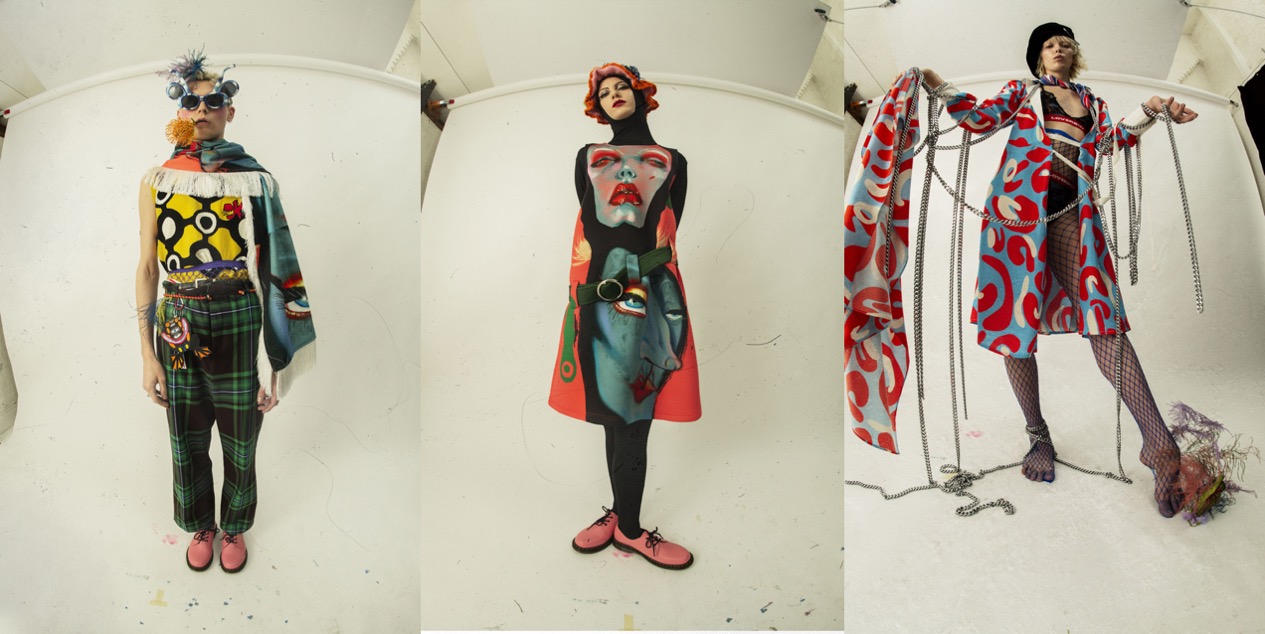
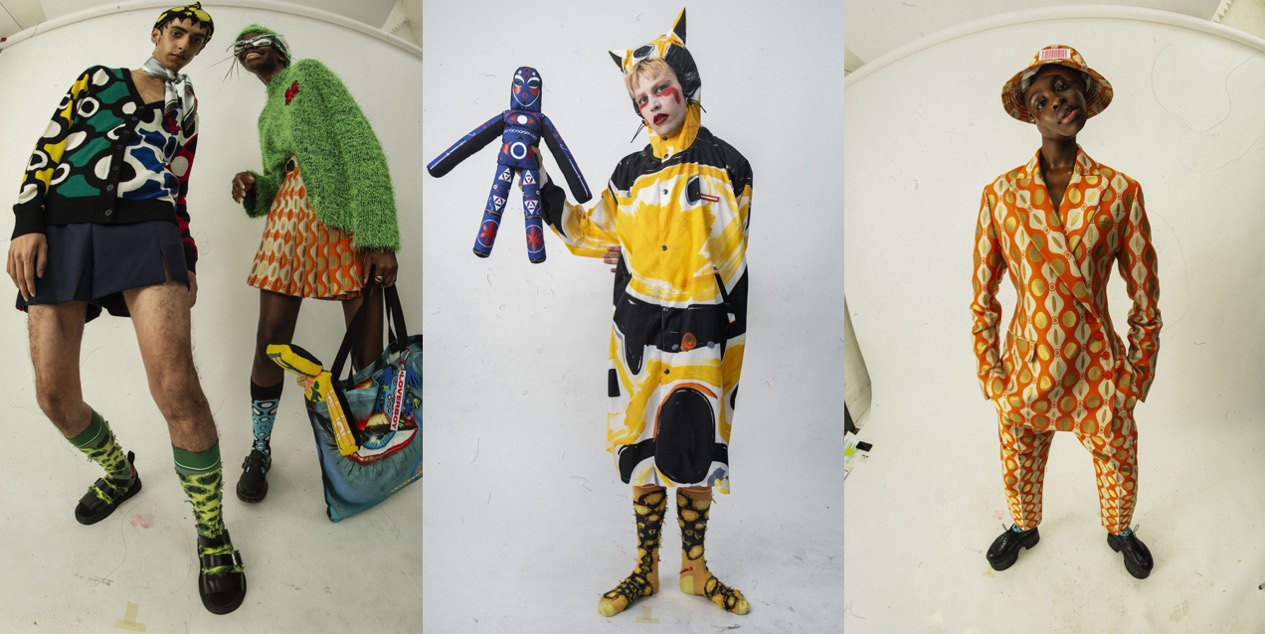
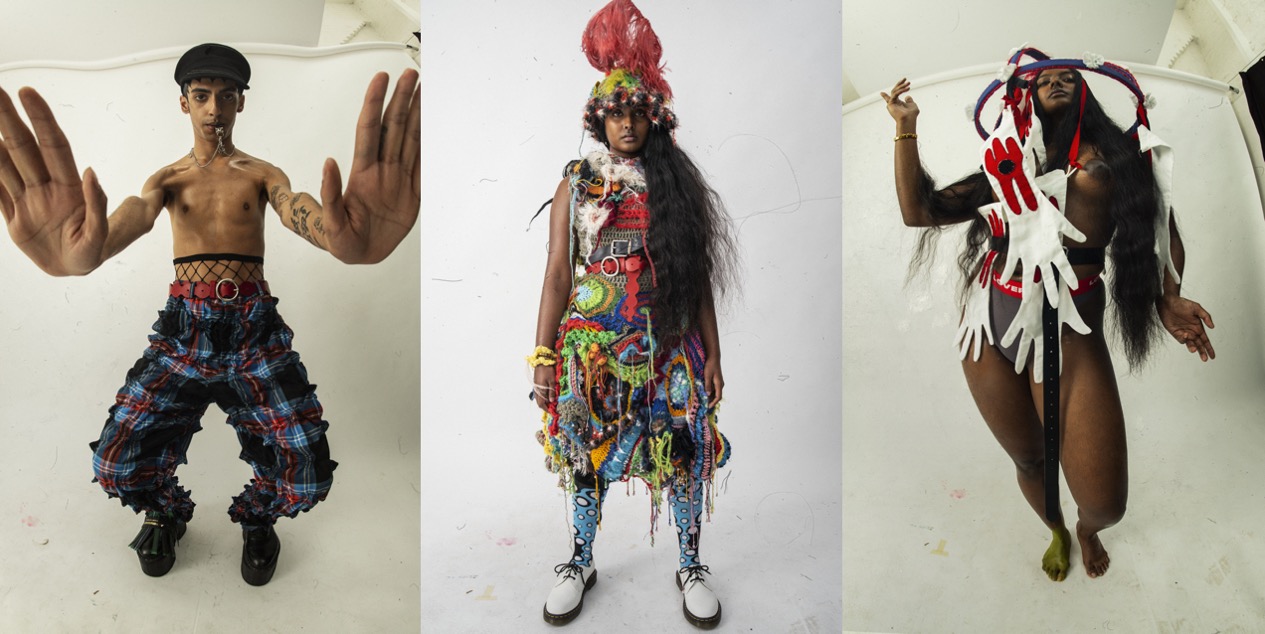
Collage by Edward Kanarecki.
 Design & Culture by Ed