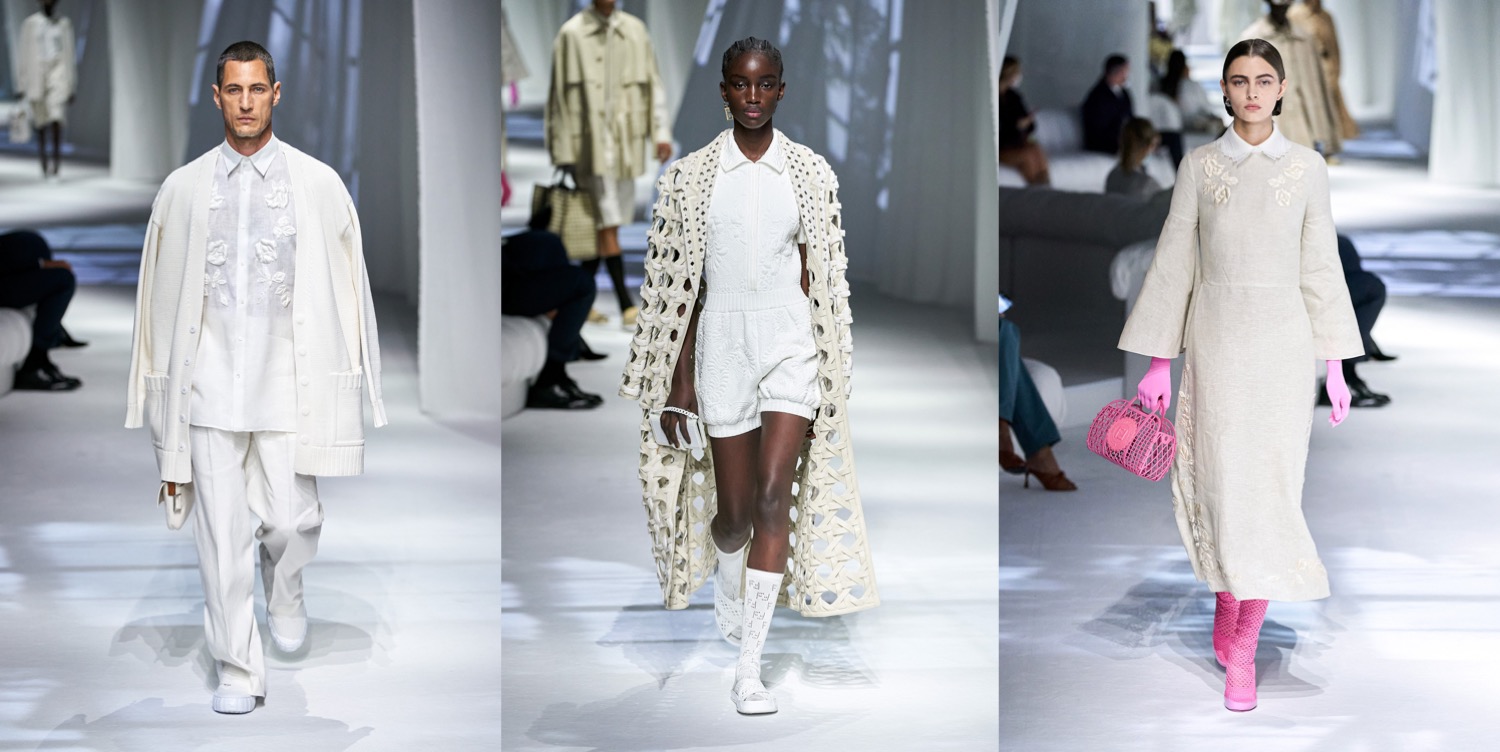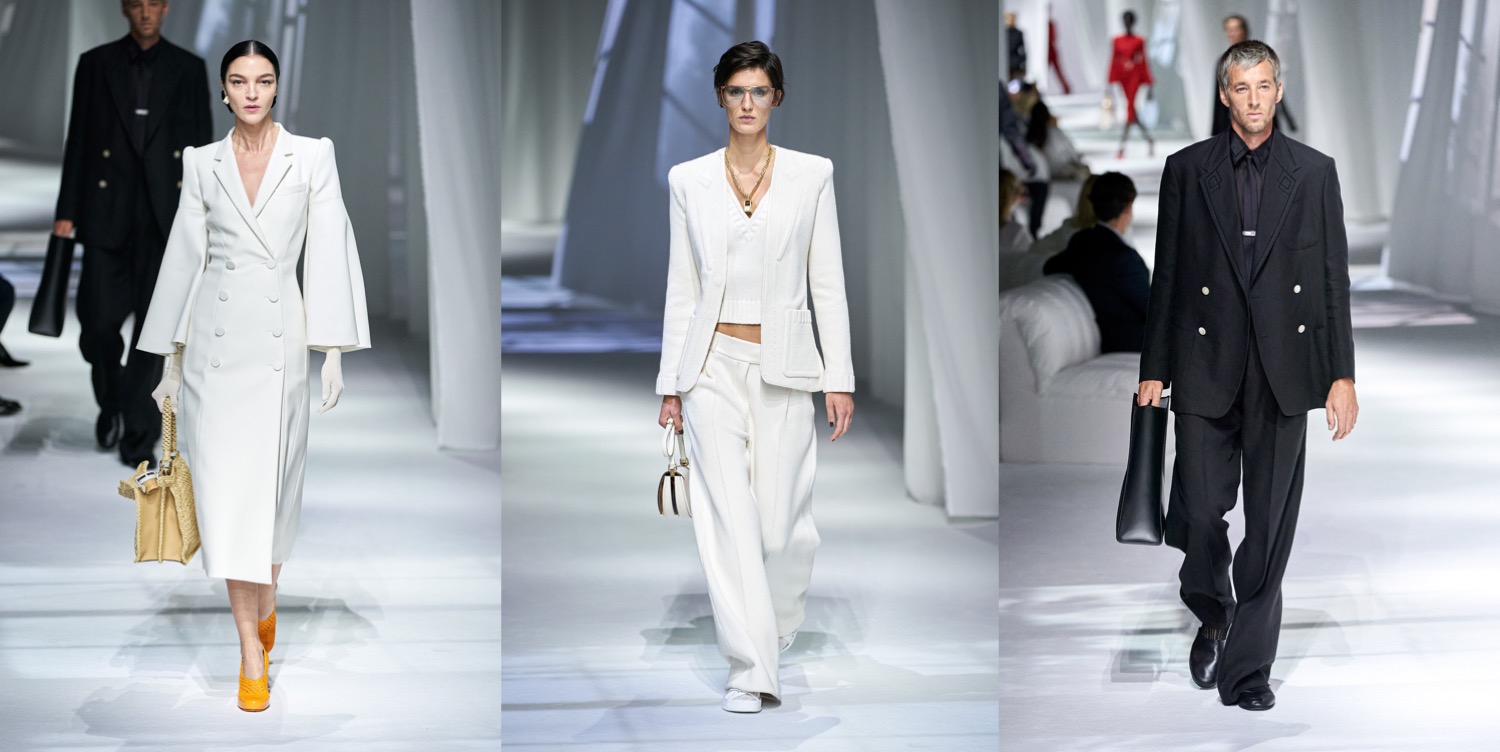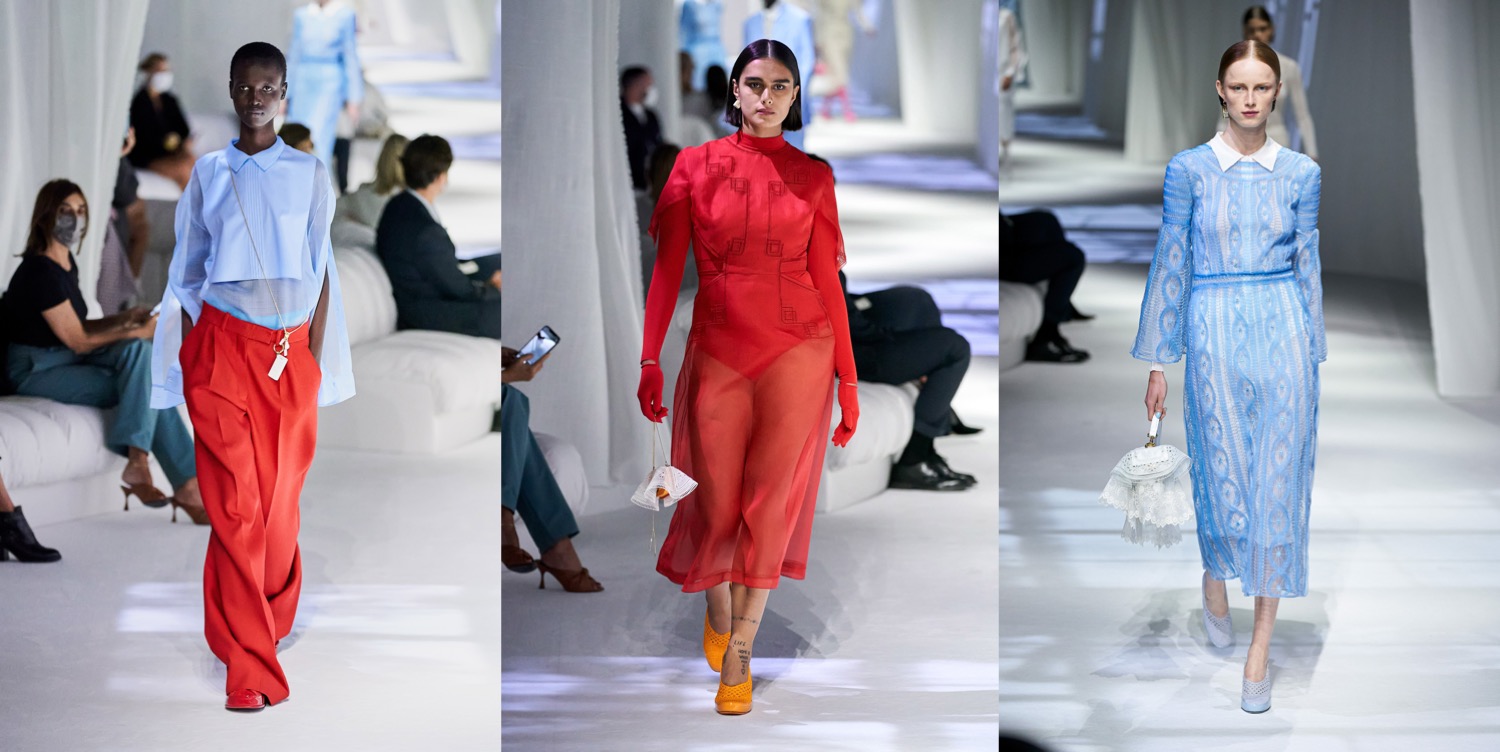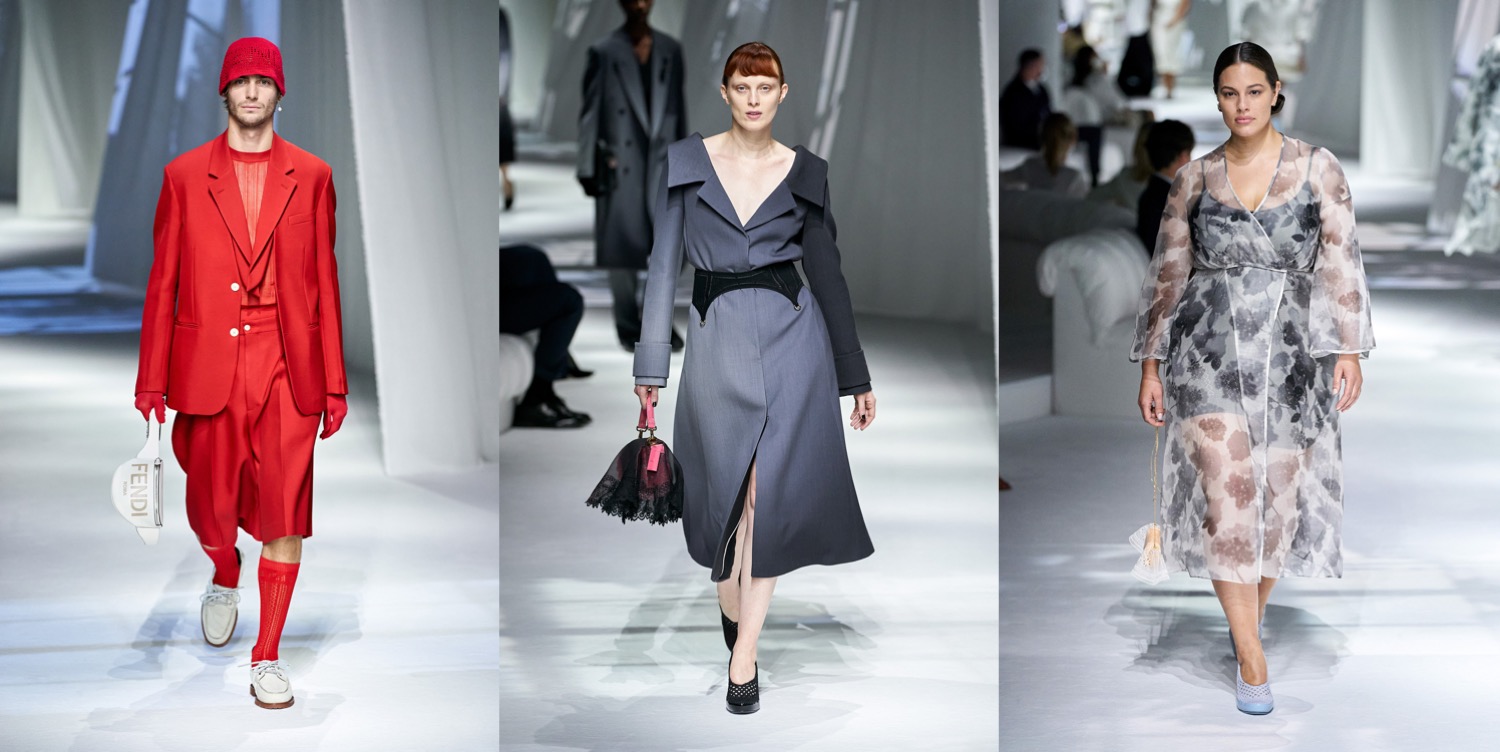
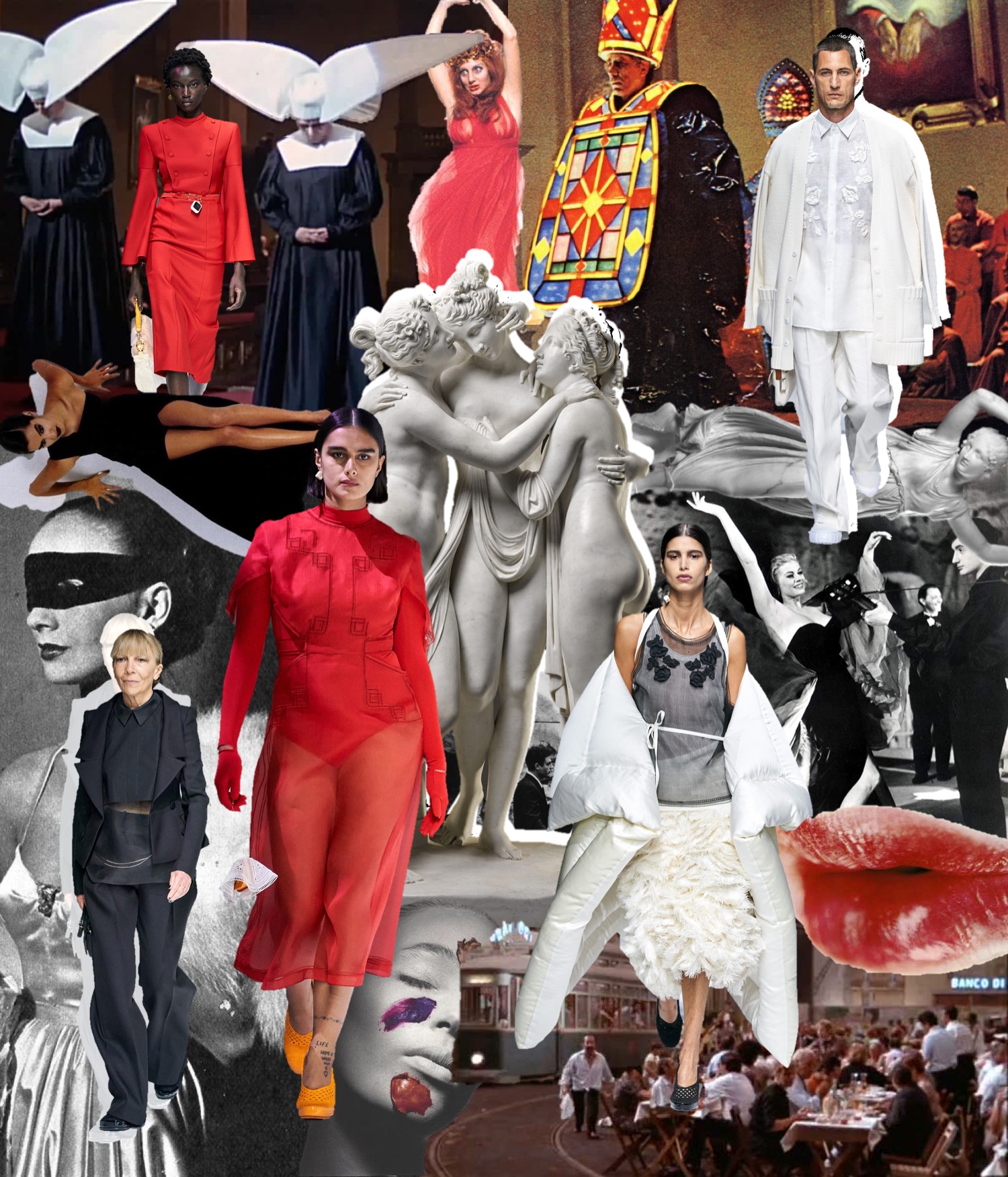
Values. Fendi SS21

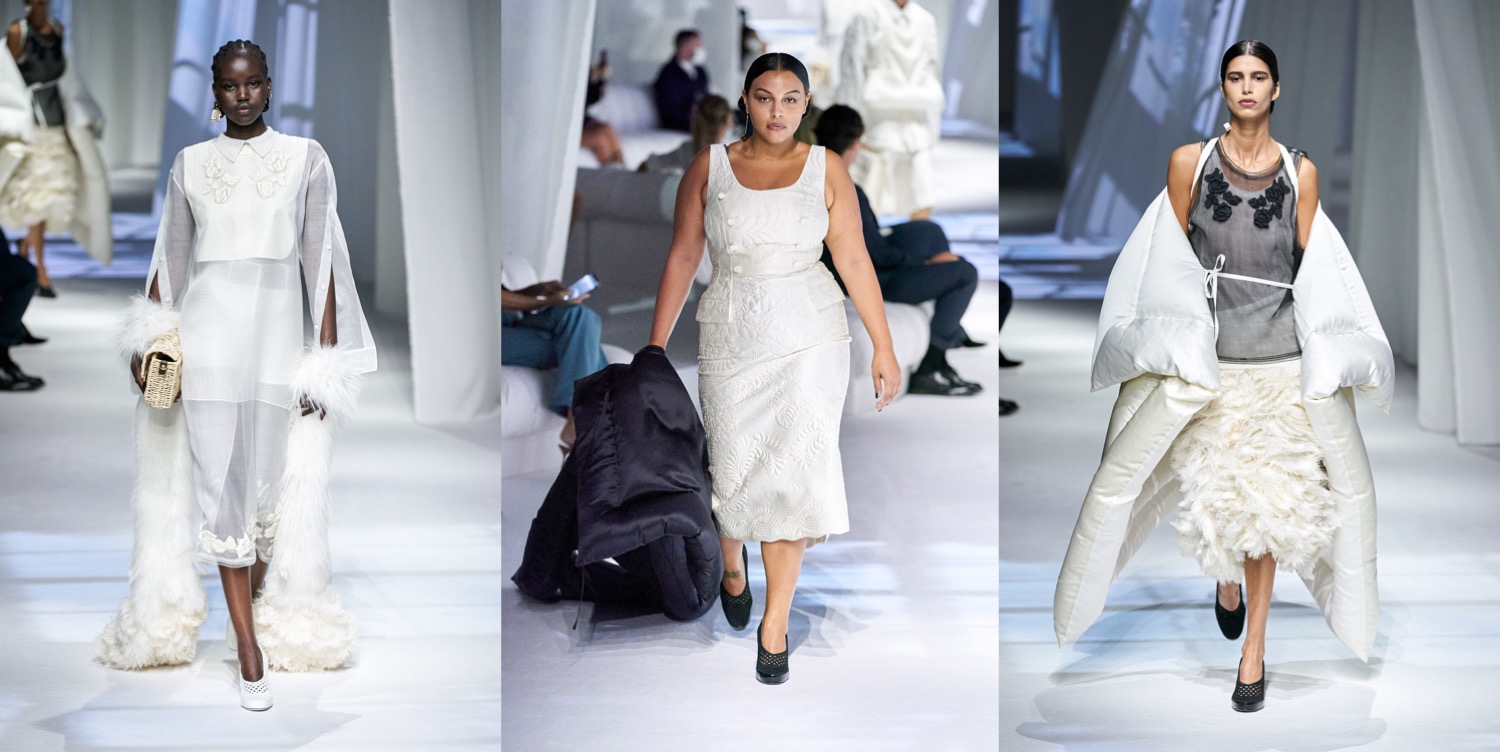
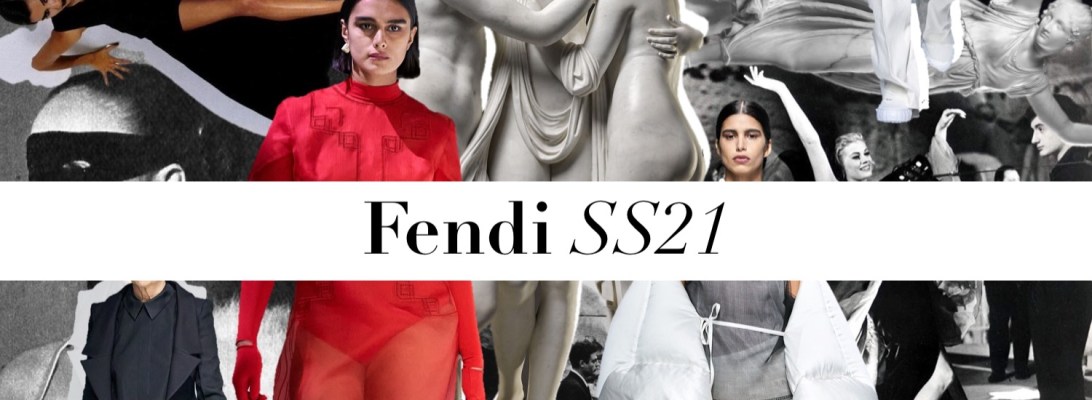
Silvia Venturini Fendi‘s solo vision at Fendi is sublime – so I really wonder why she has appointed Kim Jones as the co-director of the womenswear. Well, I know why – he’s done commercial magic at Dior Men, so why not do the same at Fendi… But back to Silvia’s spring-summer 2021 – again, it’s incredible and it appeared to be a great start of live-slash-digital Milan Fashion Week. It felt so delightfully Italian, as if taken straight out of a Fellini film. The show opened with prints of photographs taken during lockdown by Silvia Venturini Fendi from her bedroom window, which was a nod to the domestic life we’ve all inhabited in the last couple of months. It closed with Leon Dame and Paloma Elsesser amongst those swathed in snuggly satin quilting and pale lace embroidered linens. “This reminded me of Karl,” said Fendi pre-show: “He had a love for bed linen, he had a big collection.” The loungewear and pajamas and floaty wood-printed caftans had a follow-on relationship to last season’s ‘boardroom to boudoir’ collection; “but here,” said Fendi, “she was a little more… sweet.” Much of the collection was cut in barely-dyed but beautifully embroidered linen, a fabric Fendi said she had chosen thanks to its simplicity and sustainability. Runway bags ran from a sweetly naif rattan version of a child’s beach bag to a wicker picnic basket that was a nod to Fendi’s wonderful recent menswear ‘gardening’ collection, co-designed with Luca Guadagnino. And the model casting was amazing, as well: Karen Elson, Maty Fall, Ashley Graham, Eva Herzigova, Yasmin Le Bon, Jill Kortleve and Penelope Tree were all part of a cast as diverse as the swathe of reminiscence Fendi was mustering in this collection. Naturally there were some sections in fur. Maty Fall wore a loosely woven coat of nappa and mink over a floral-pressed romper, while Aliet Sarah a striking skirt of shaved mink ‘lace.’ “I wanted to talk about values,” she explained. “At this time to just talk about fashion seems not enough. I wanted to talk about the values that are behind fashion, and I can tell you that there are a lot. In my family we have always put great meaning into what we do. Here I wanted to achieve clothes that are about the moment, but which also are part of your life, for your life.” By presenting clothes and accessories that whispered of past manifestations of Fendi’s history Silvia was also looking to a future in which garments function as cherished furniture, ever more redolent with memories and meaning in a long and fruitful life.

Collage by Edward Kanarecki.
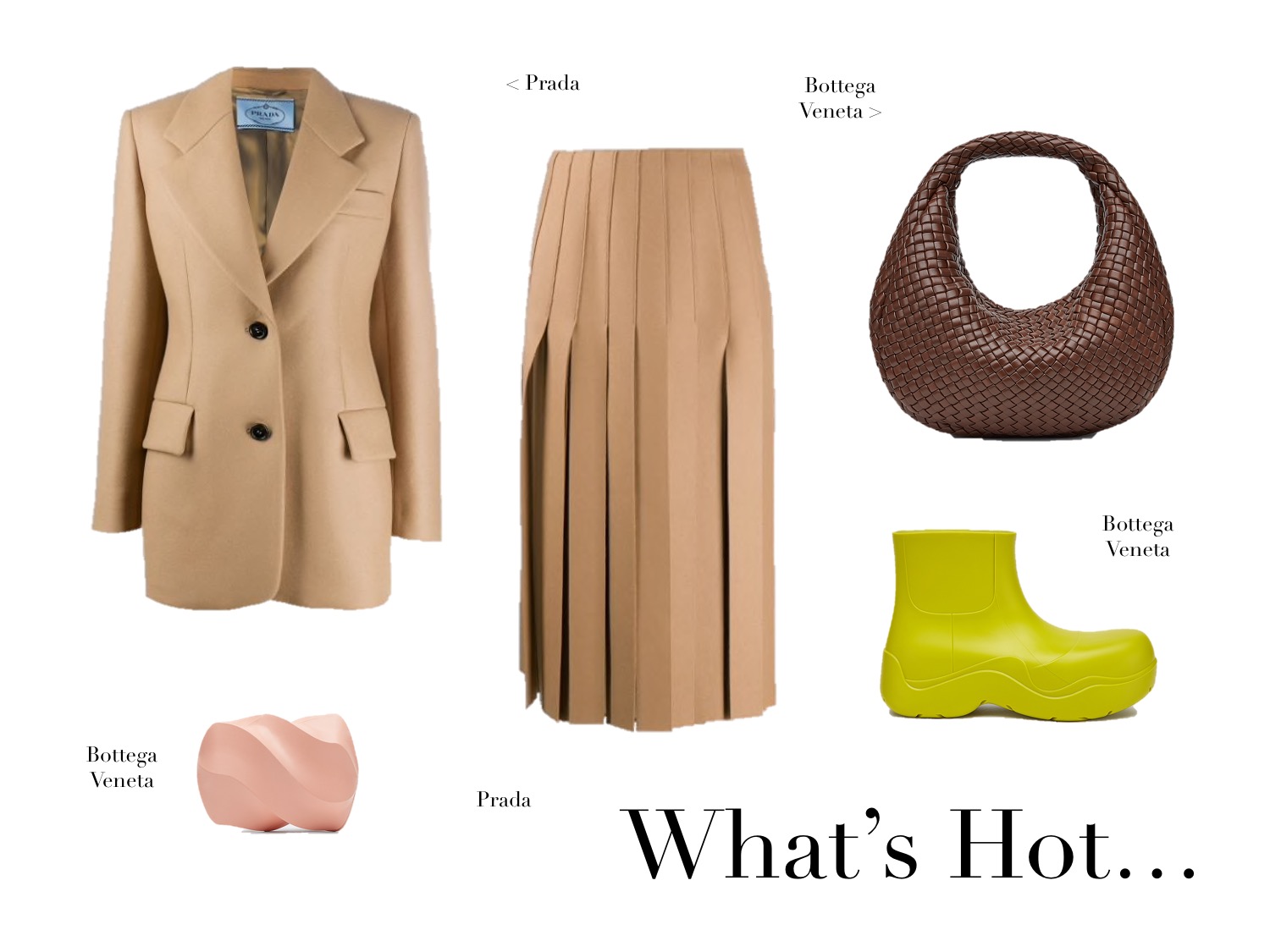
And Some More Colour. Colville SS21

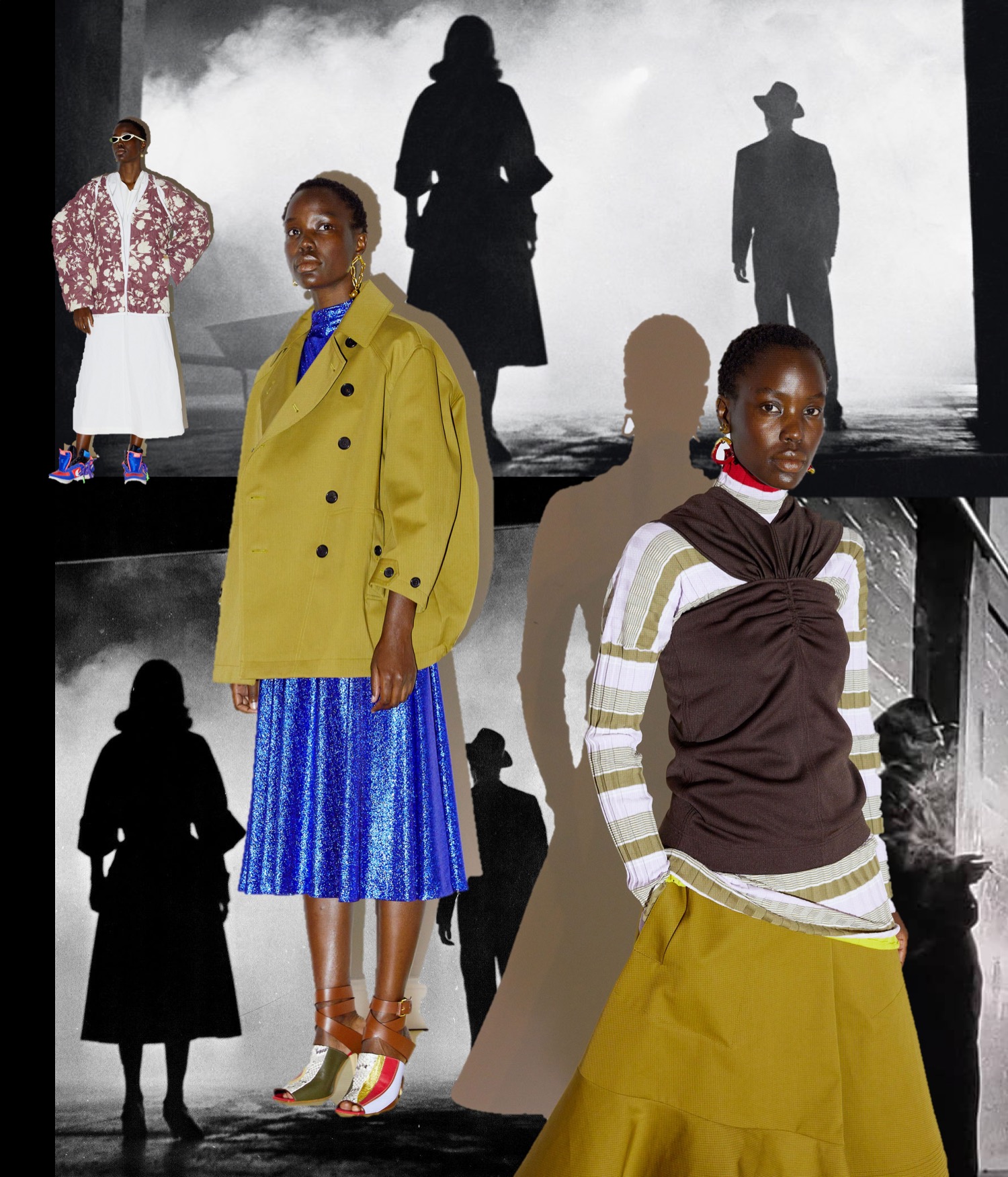
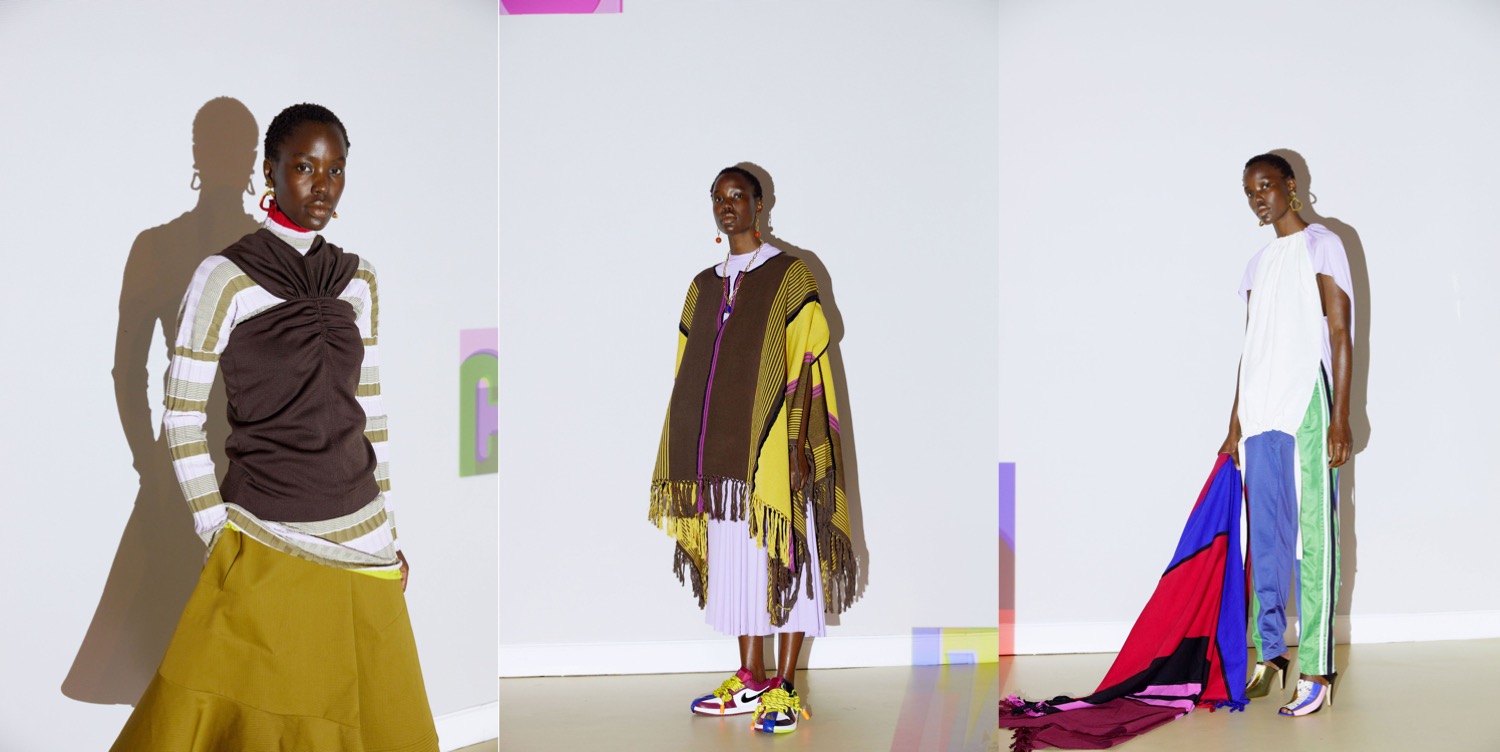
Colville is a quiet, yet steady player. Its founders Molly Molloy and Lucinda Chambers are industry veterans, but they keep their label – consciously or not – under the radar, as a sort of niche place for the insiders. Besides the designers’ obvious flair for color and print, the more vibrant the better, the unifying principles at Colville, it seems to me, are comfort and joy. As women, Molloy and Chambers know those two things are interlinked; you’ll see a preponderance of upcycled trainers and track pants in these look book pictures. But their dresses, too, have a sensuous ease, tied effortlessly with ribbon at the waist or at the nape of the neck above an exposed upper back. Those shawls, locally sourced and dyed by the Tzotzil ethnic group in the Chiapas region of Mexico, are the collection’s hero pieces: they would wake up any outfit, or home. A jacket pieced from a patchwork of traditional Indian bedspreads is similarly colorful, with the feel of a keepsake or heirloom. The pandemic might have made their work more challenging, with Chambers in London and Molloy in Milan, but their spring-summer 2021 line-up shows no signs. Where other brands are shrinking or outright collapsing, Colville is expanding. “There is a kind of level playing field, where if you’ve got a strong story to tell, you get a voice. And that’s a wonderful thing,” Chambers reflected. “It doesn’t matter how much money you have to chuck at it anymore, you can’t buy your way out of this. It has to be about what you’re making and the love you’re putting into it.” That’s the thing you want to hear and read!

Collage by Edward Kanarecki.

Paint The World. Christopher Kane SS21

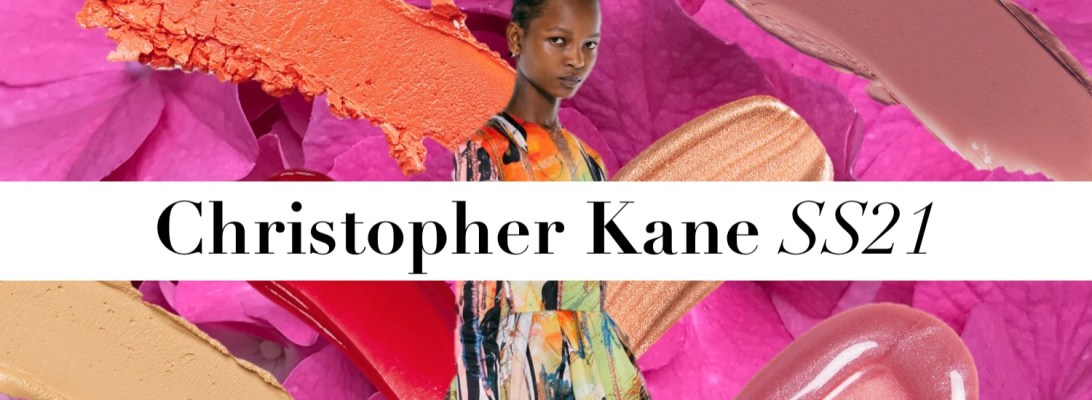
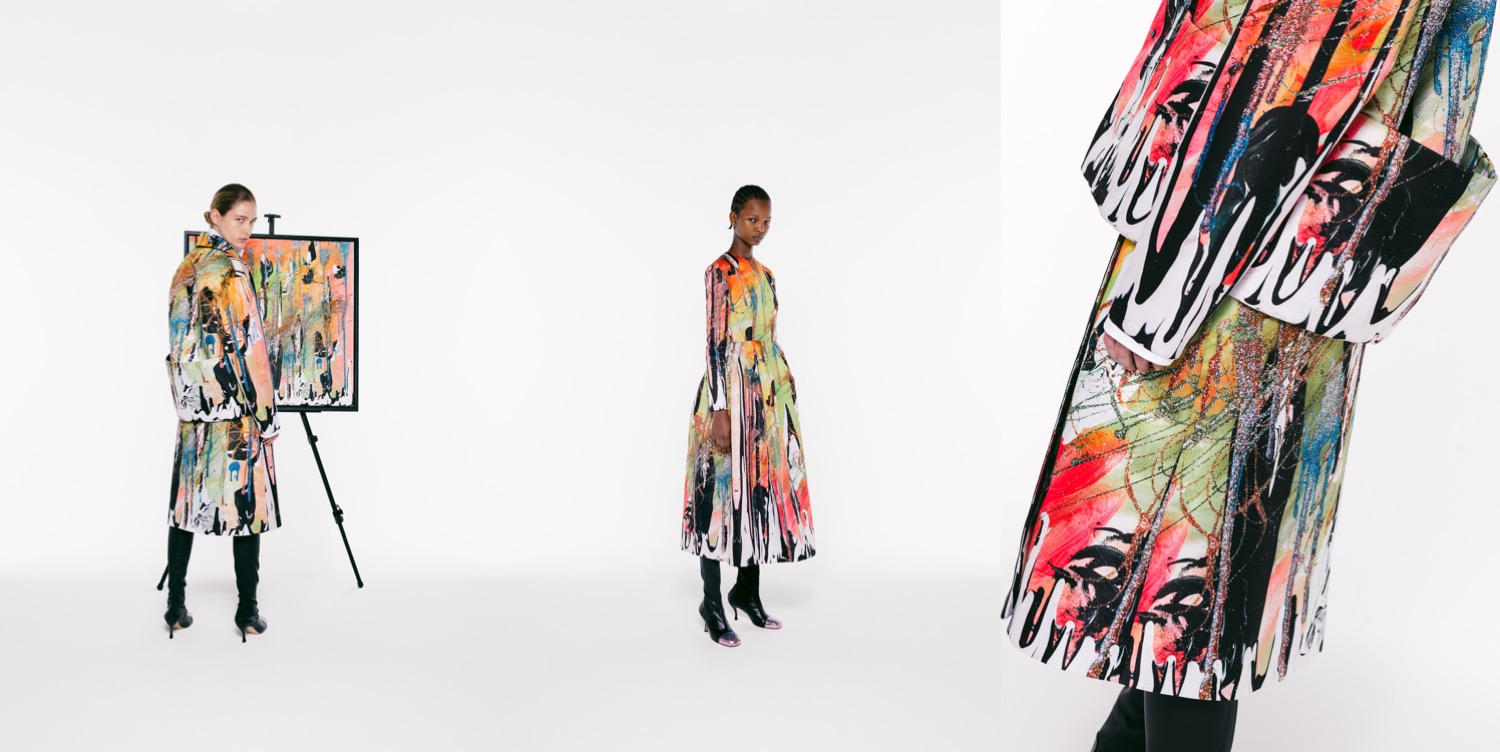
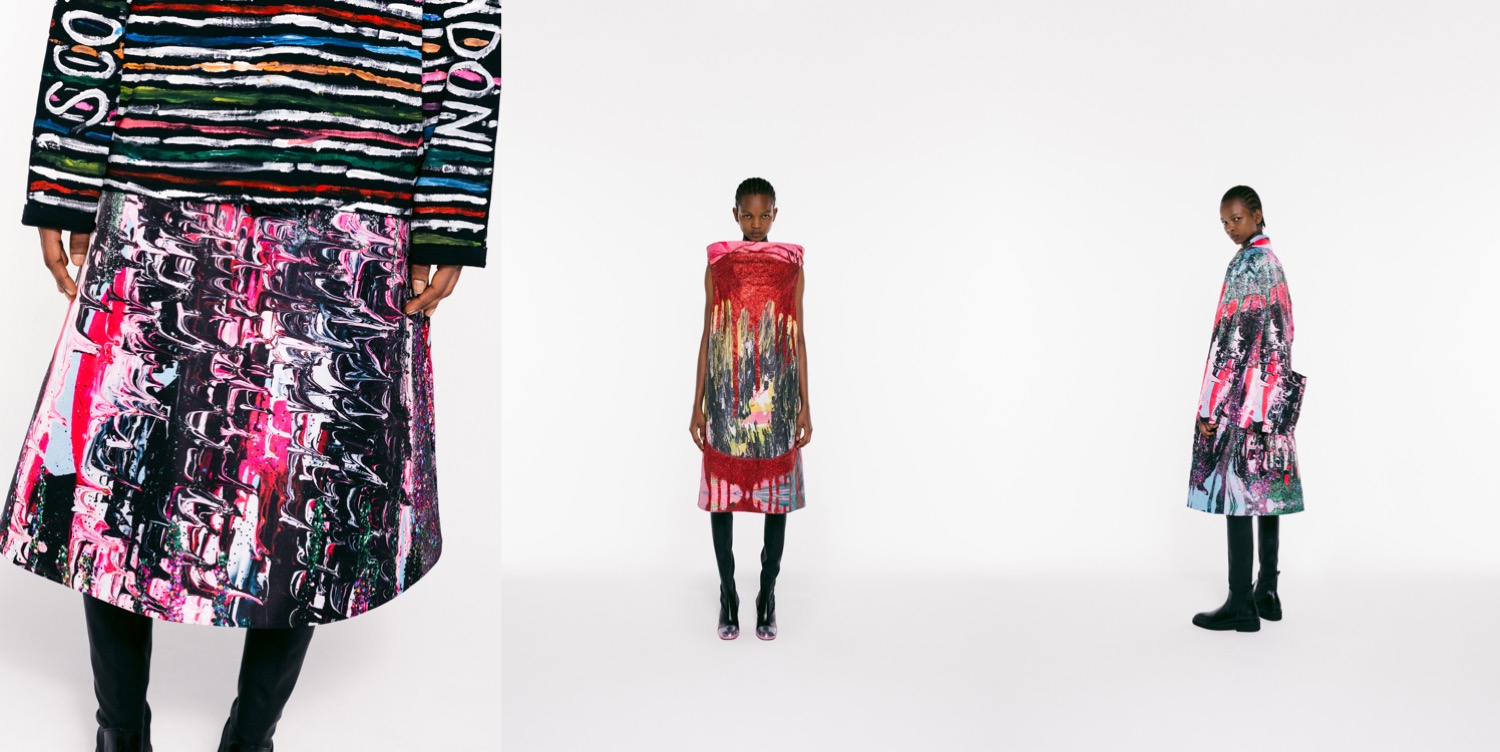
Similar to Victoria Beckham this season, Christopher Kane took the “less is more” path: less clothes and less looks result in a well-edited, meaningful line-up of truly intriguing garments. In Kane’s case, however, it’s been reverting to painting with multicolored glitter as he did as a kid that’s got him back to who he is. His flagship in Mount Street was turned into an exhibition space on the day of the collection’s presentation, filled with easels and canvases and imagined portraits of girls that he’d made obsessively during lockdown. Grouped around on mannequins were vibrant prints that made the jump from pictures to coats, dresses, shirts and t-shirts. Everything is painted – an idea that parallels with Katharina Grosse’s artistic practice, where she’s painting the world around her. “I haven’t painted for 14 years,” he said. “You know, in (the pace of) business, it’s chronic. At the beginning of lockdown, it took me a good month to say, I can’t sit here watching TV all day. I needed to do something. So I went out in the garden and just started painting, not caring whether what I was doing was crap or not. And then I started enjoying myself.” He made paintings of “brats – the girls I love, who’ve always inspired me,” gouaches of his nieces Bonnie and Tippi, and a more abstract impression in sage green sparkles of his sister Tammy. The idiosyncratic technique goes straight back to when he started making drawings in glitter pen of his mum at home in Newarthill, outside Glasgow, at the age of 14. Christine Kane encouraged both Christopher and Tammy, her youngest children, to be as creative as they liked at home. Instead of getting mad at them when their hours of painting and gluing on the sitting-room floor ended up ruining her best carpet, she just removed the carpet and let them get on with it. Going back to that feeling of making for making’s sake, without the pressure of thinking he was designing for any prescriptive outcome, was freeing. He began forming abstract shapes: “circles, voids, mouths” from whirling layers of acrylic paint and glitter. “Then I came up with a process of combing the paint. And then adding stripes. They became like my mindscapes.” In the end, having thought at first they didn’t want to make anything at all, Kane and his sister began transferring some of the work onto duchesse satin, Tyvek, and cotton, and a small summer collection began to take shape. Out of the big pause came something humming with energy, revealing a side to Christopher Kane’s creativity he might never have had time to rediscover and which he’d probably never have shared. As one of the restarts of the season, it felt intensely personal – something speculative, self-reliant, and not meant for endless reproduction. And most of all: “from now on,” said his sister, “we’re streamlining, editing before we decide to put something out into the world.

Collage by Edward Kanarecki.