
/

/
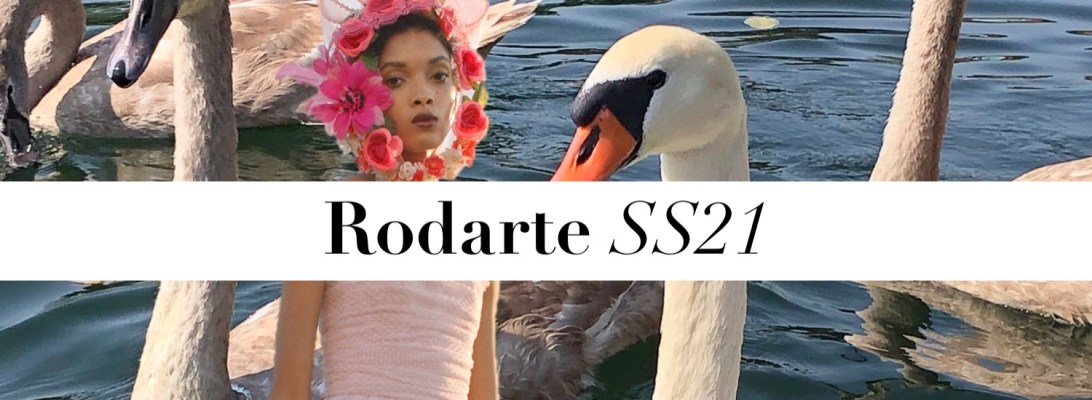

After last season’s Dracula-bitten, romantic extravaganza, Rodarte’s spring-summer 2021 collection – presented in a look-book – is understandably much less dramatic. It’s actually about coming back to the brand’s roots, according to Kate and Laura Mulleavy. The dual crises of a global health pandemic and raging wildfires in California – the sisters’ homeland – forced the designers back into that state: at home, together, with only their creativity to occupy them. While their collection was borne from the same cloistered Californian sisterhood of their earliest outings, the final products are visually different. It’s signature Rodarte, but in more practical-magic version. It’s not so much that the tulle explosions or the cake topper confections have dulled; in the face of such tough times, the sisters are emphasizing the importance of making fashion for this struggling world. “Everything we do is about fantasy and dreams, but we are located in a moment, and we are a part of what is happening now,” Kate told Vogue. A fanciful gown, both designers agree, has little place in today’s world, so instead they channeled their efforts into clothing they would want to wear now “without distilling the ideas.” Expect florals, veils, and just slightly off sweetness. Pajama sets, slips, and robes appear in dainty and orderly floral prints inspired by their local gardens. The floral story continues in the ’40s dresses they played with last season, now relaxed in shape with prints that radiate from the navel or appear in handkerchief-like grids. Silk sweatshirts (I’m on fence with logo ones, though), trackpants, and midi-skirts continue the motif, trimmed in lace or ruffles. All this is topped off with silk floral wreaths that frame models’ faces, giving them the impression of fairies, nymphs, or other magical woodland creatures. With this collection, the Mulleavys have proven their ability to make inherently useful garments that don’t compromise on the Rodarte identity.
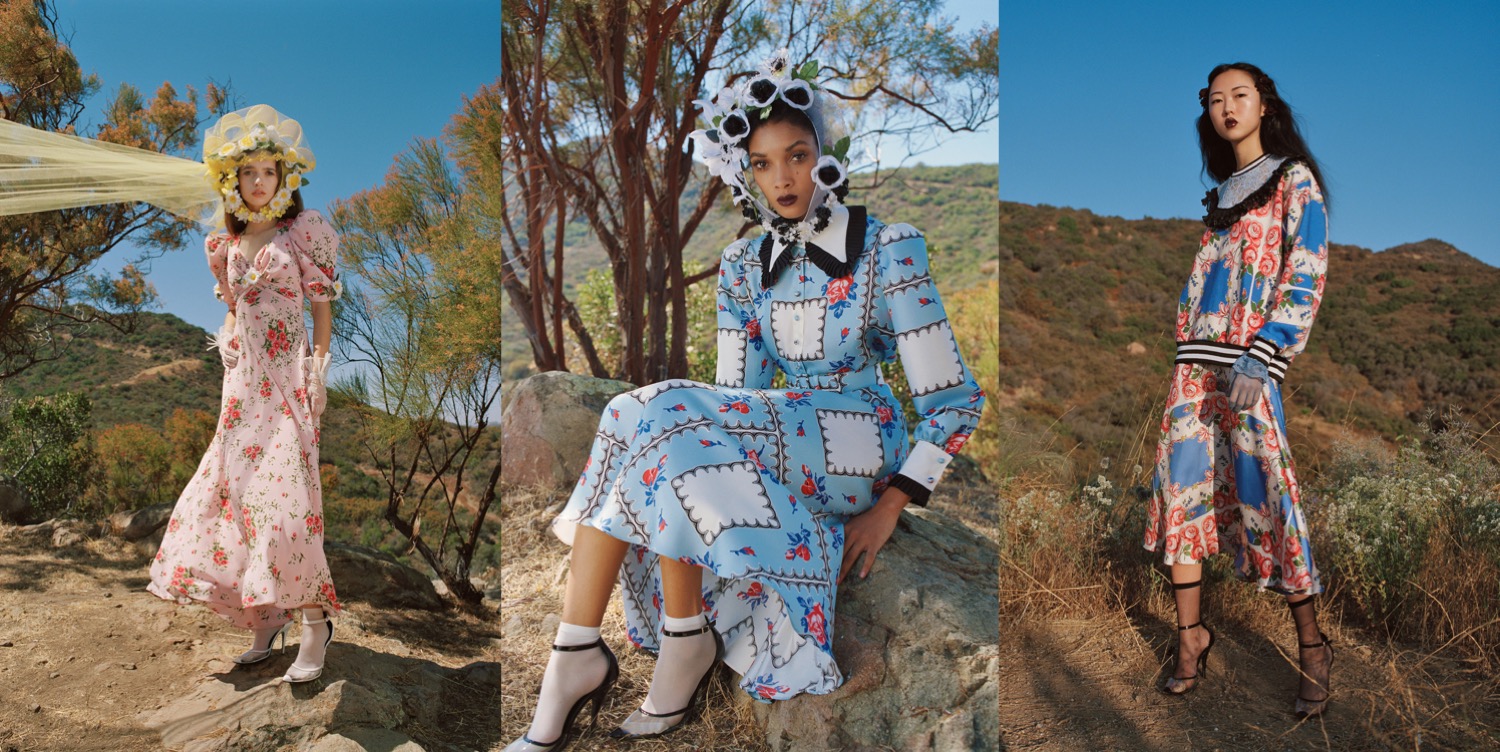
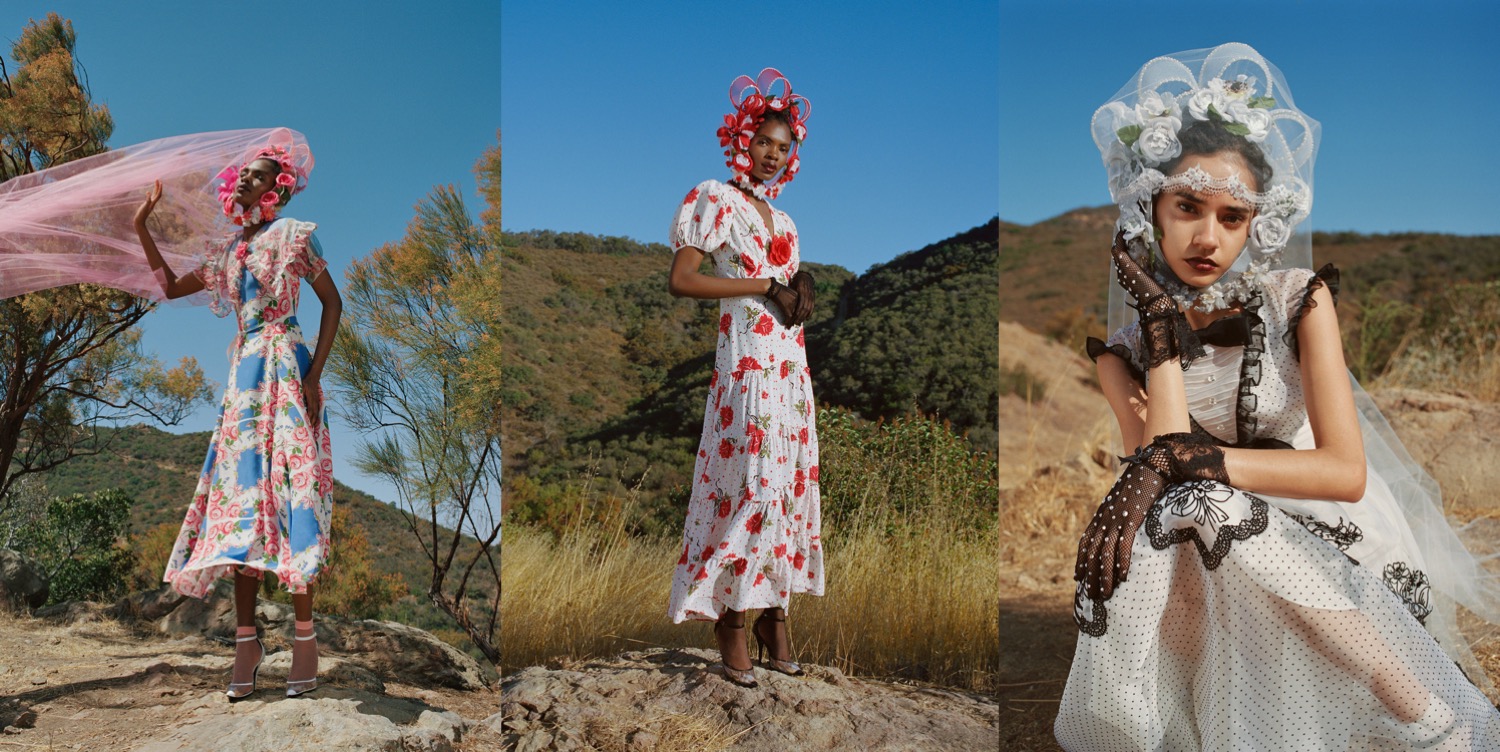
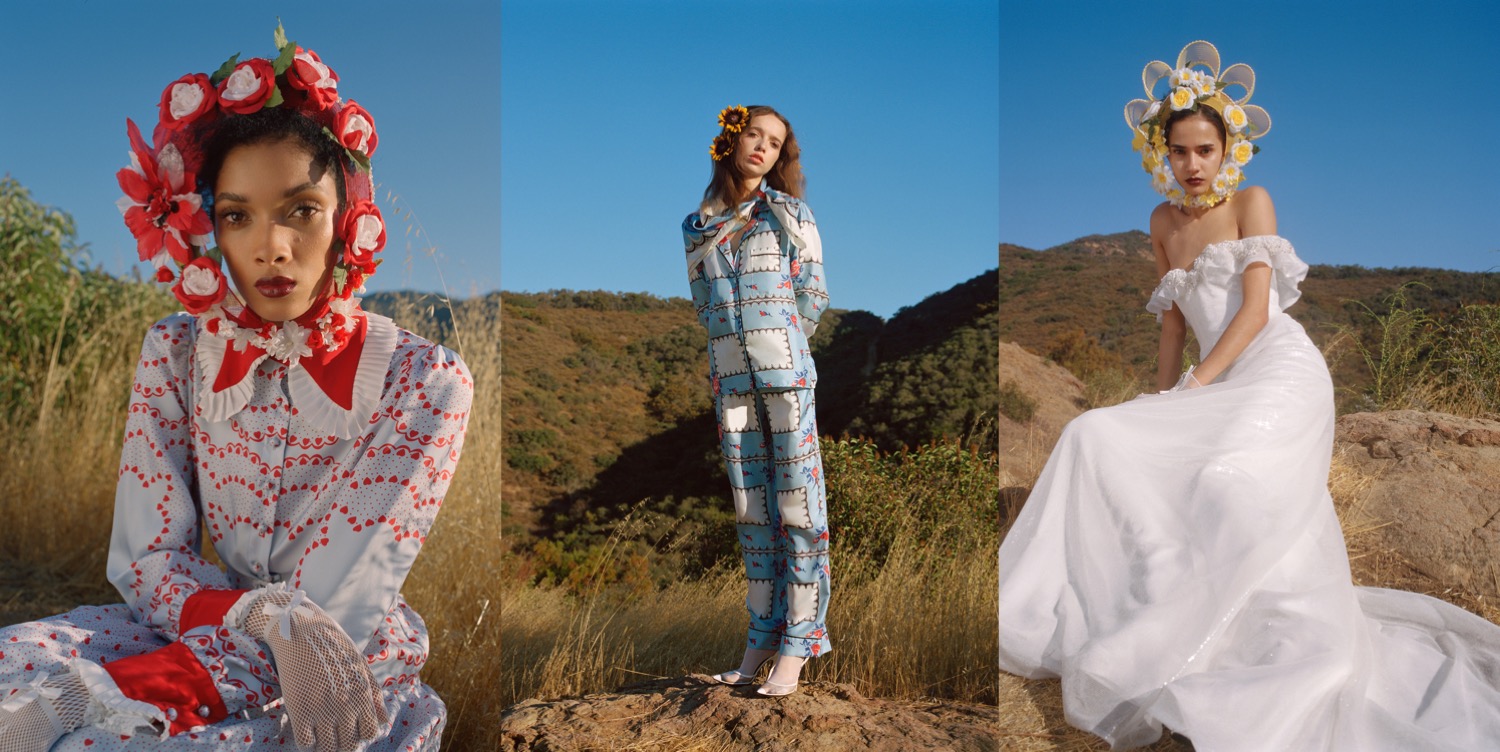
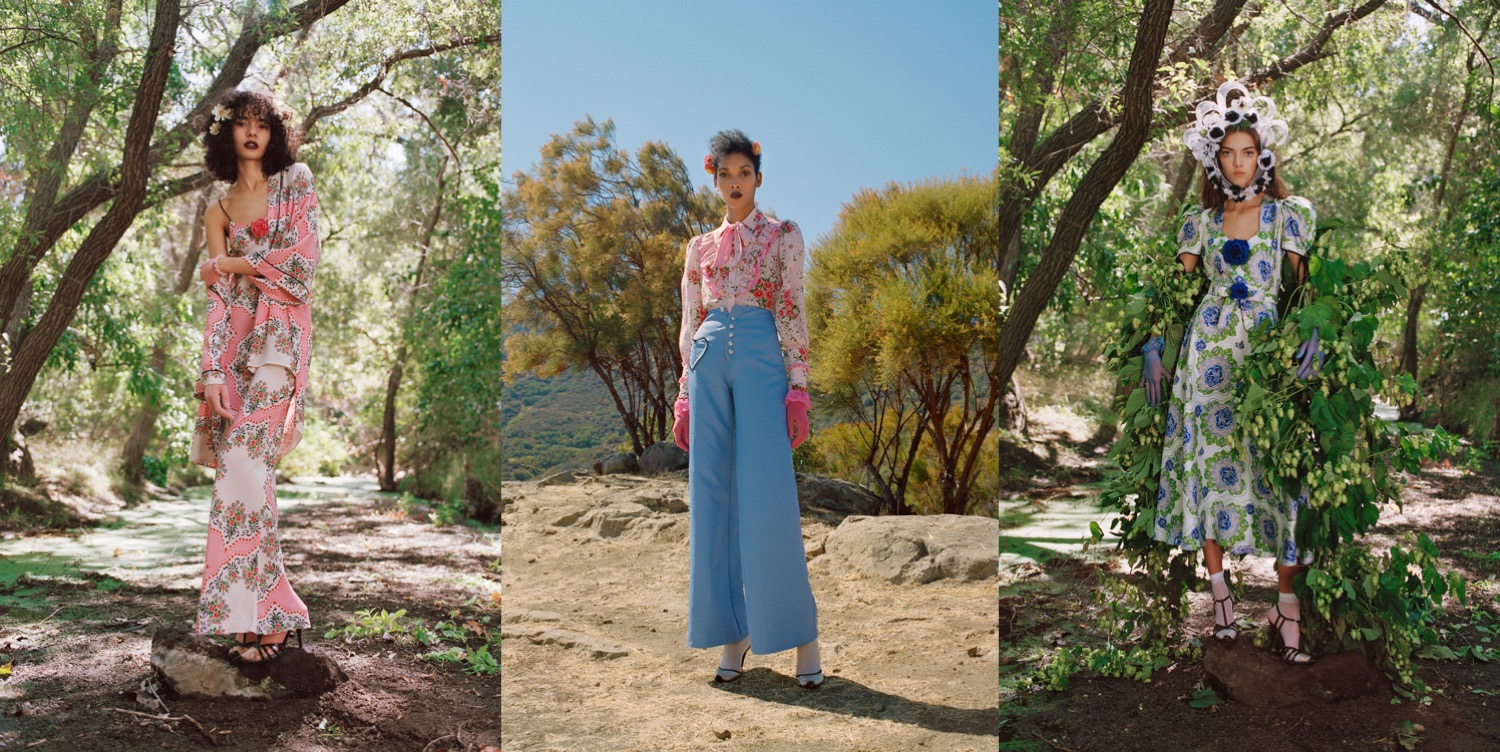
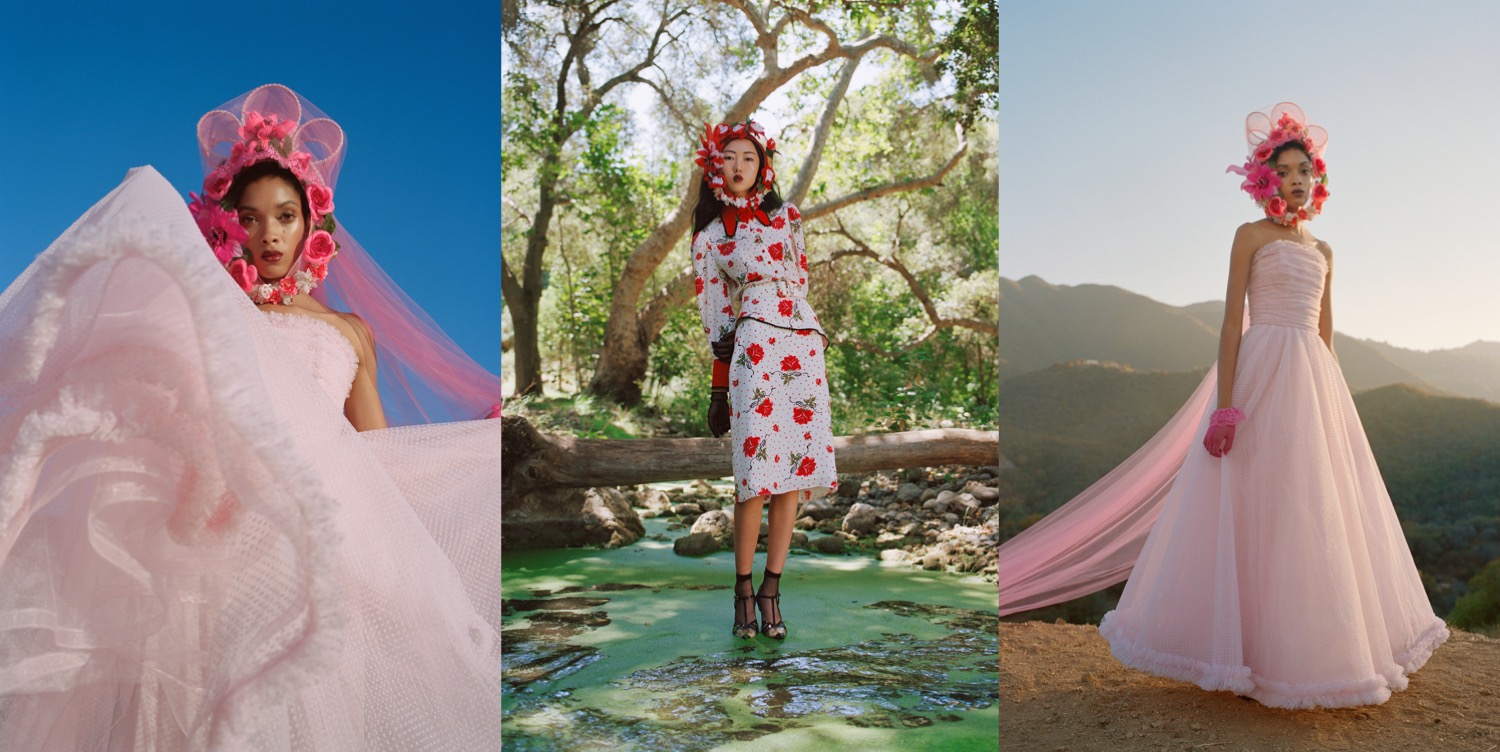
Collage by Edward Kanarecki.
/
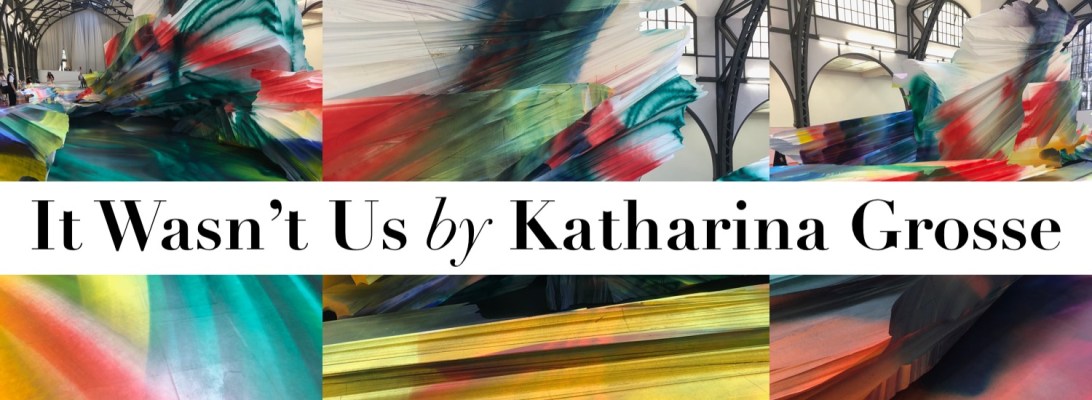

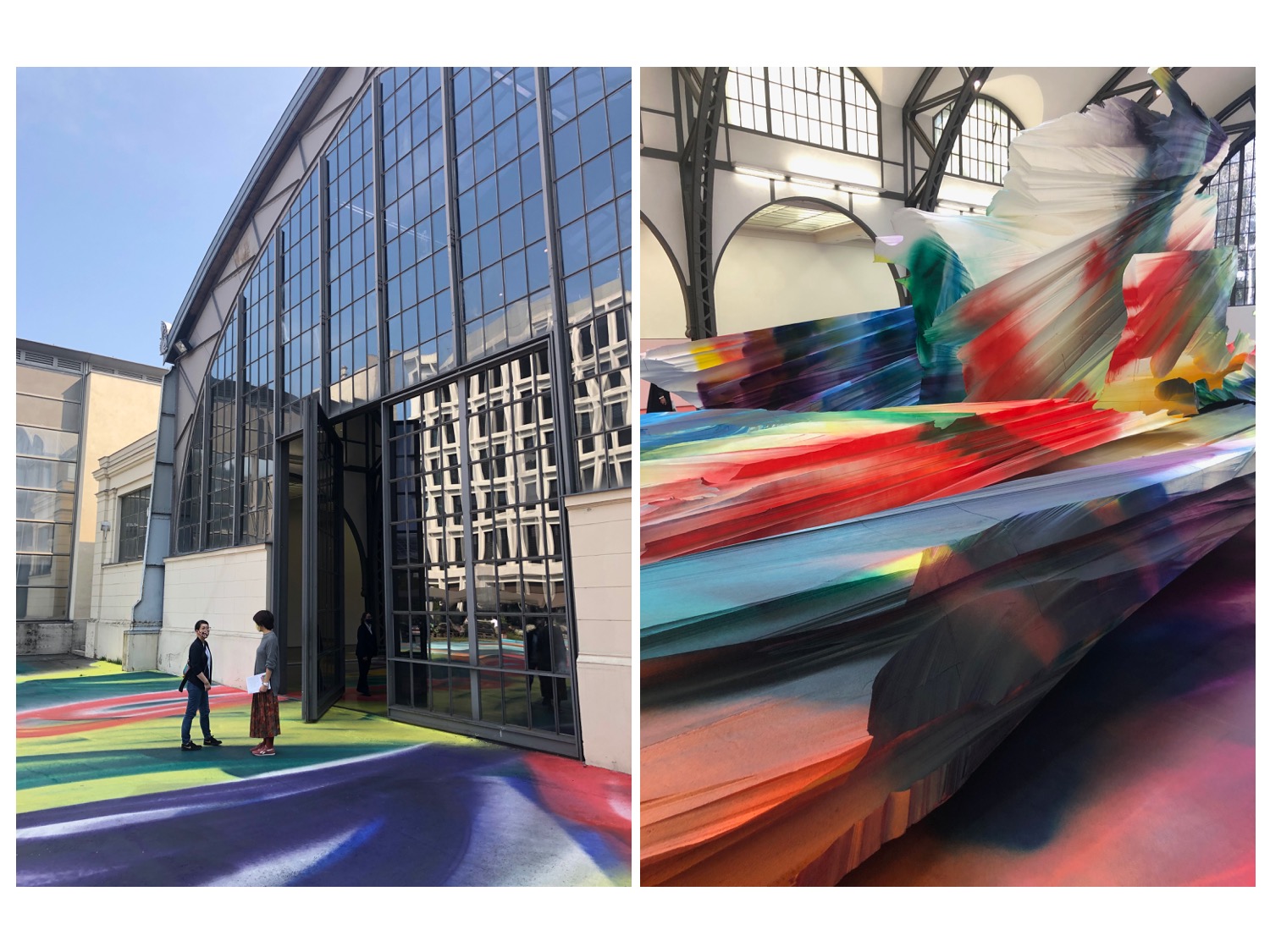
Oh, how I’ve missed museums! I wanted to see Katharina Grosse‘s “It Wasn’t Us” exhibition so badly! First, I love her immersive work. Second, coming back to Hamburger Bahnhof, one of Berlin’s best museums of modern and contemporary art, was a good idea, as I’ve been there once as a child and I forgot how great this place is. Now, back to Grosse. A painting by her can appear anywhere. Her large-scale works are multi-dimensional pictorial worlds in which splendid color sweeps across walls, ceilings, objects, and even entire buildings and landscapes. For “It Wasn’t Us” the artist has transformed the Historic Hall of Hamburger Bahnhof as well as the outdoor space behind the building, into an expansive painting which radically destabilises the existing order of the museum architecture. Katharina Grosse’s latest in-situ painting disregards the boundaries of the museum space in a grand and colourful gesture: “I painted my way out of the building,” said Grosse in relation to her work. Over the course of several weeks a vast new painting has emerged that stretches across the Historic Hall and into public space, over the extensive grounds behind the museum, landing finally on the façade of the so-called Rieckhallen which were inaugurated as a part of the museum complex in 2004. Grosse’s kaleidoscopic painting brings together colours and forms, natural and man-made surroundings and its visitors as participants in an all-encompassing, pulsating interaction of hues. The boundaries between objects, and between horizontal and vertical orientations begin to melt away, and the work’s scale continuously shifts depending on the visitor’s position. As the viewer moves through the painting new spaces emerge that are both artificial and ripe with associations, and at the same time completely real, forcing us to renegotiate our habitual ways of seeing, of thinking about, and of perceiving the world around us. The choice of the location and the many different factors and conditions it entails have influenced the development of the painting, just as the permanently shifting lines of sight of the viewer and unexpected interactions with the work affect our ways of perceiving it in the exhibition setting. In this sense, the work’s title, It Wasn’t Us, can be understood as a reference to the inherent complexity and unpredictability of a given situation, whether it be the conditions under which artists create their work, or the conditions under which it is later viewed. The painting exists only for the duration of the exhibition – which is open util the 10th of January 2021.


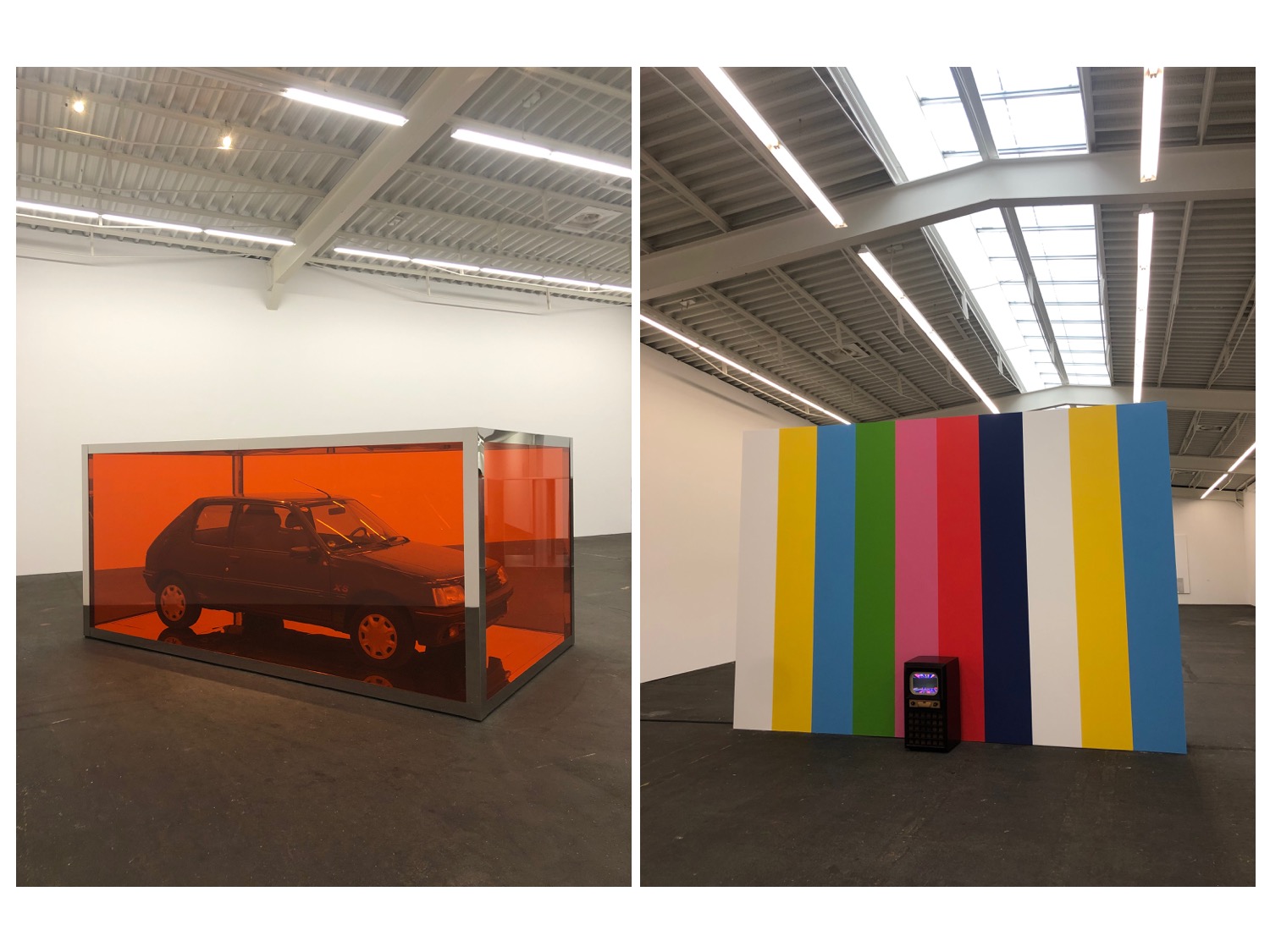
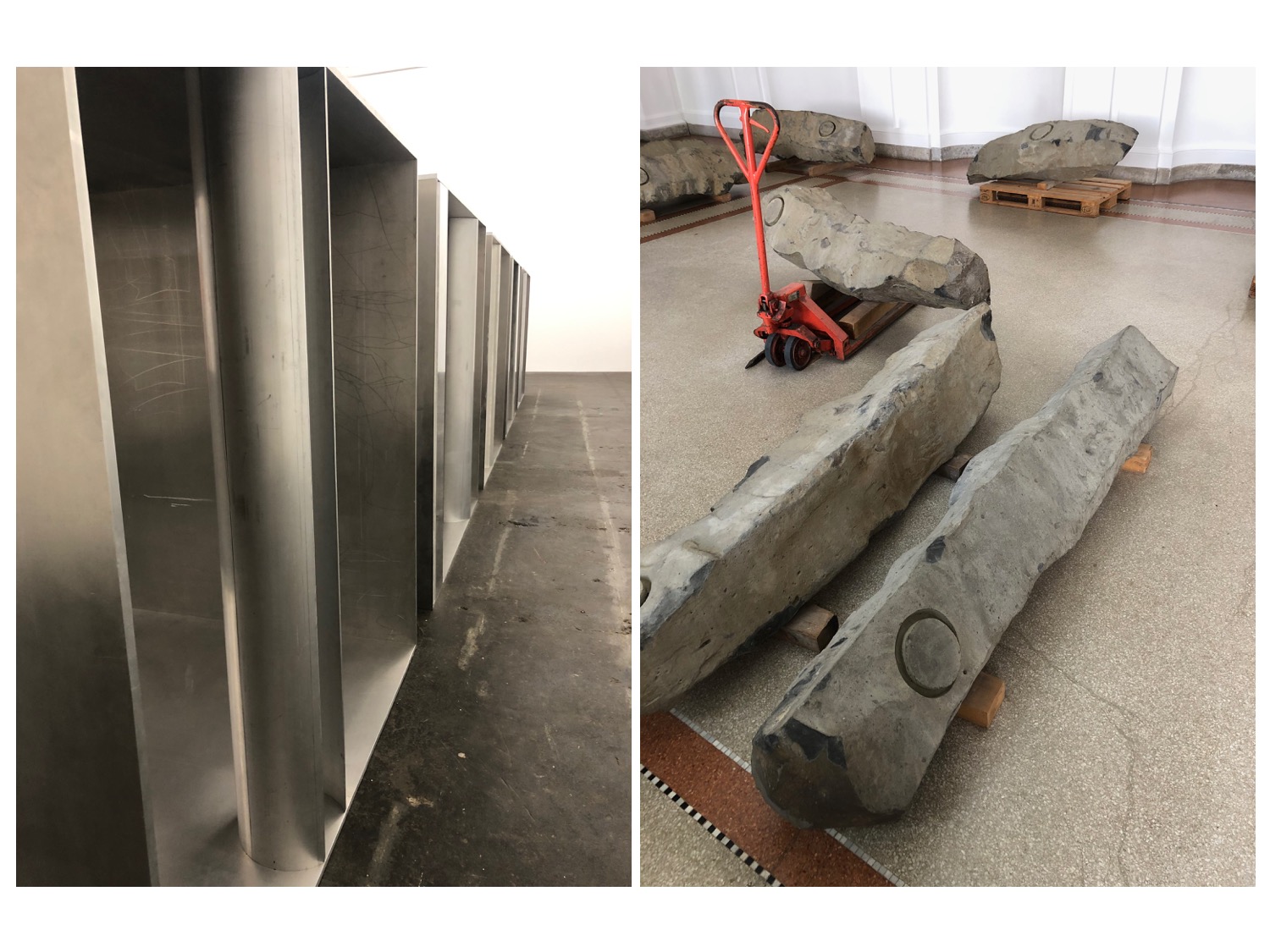
At the moment there’s also another exhibition going on at Hamburger Bahnhof, titled “Magical Soup“. Spaciously presented across more than 2,000 square metres in the museum’s Rieckhallen complex, the group exhibition features key works complemented by loans representing the latest generation of artists, with a common point of departure being the nexus of sound, image and social space. “Magical Soup” brings together works by the media art pioneers Nam June Paik, Jochen Gerz, Charlemagne Palestine, Ulrike Rosenbach and Keiichi Tanaami; by the multimedia artists Nevin Aladağ, Stan Douglas, Cyprien Gaillard, Douglas Gordon, Rodney Graham, Dmitry Gutov, Anne Imhof, Joan La Barbara, Pipilotti Rist (her installations are so powerful!), Diana Thater, Lawrence Weiner, Nicole Wermers and David Zink Yi; and by the younger artists Korakrit Arunanondchai, Trisha Baga, Dineo Seshee Bopape, Christine Sun Kim, Sandra Mujinga and Sung Tieu. Here are some of my favourites, combined with the Hamburger Bahnhof’s permanent gallery, feauturing some good old Andy Warhol and Joseph Beuys:
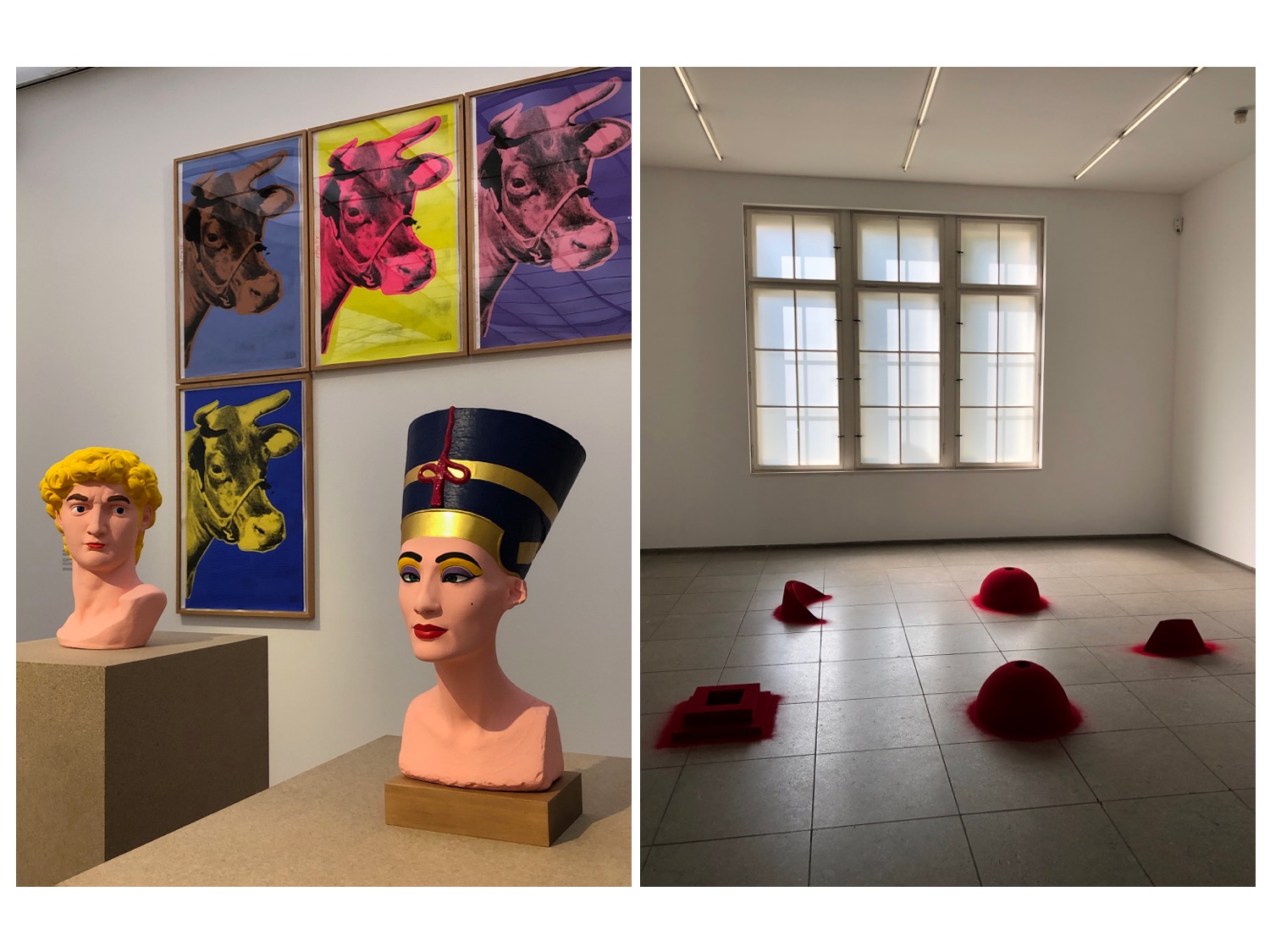
All photos by Edward Kanarecki.

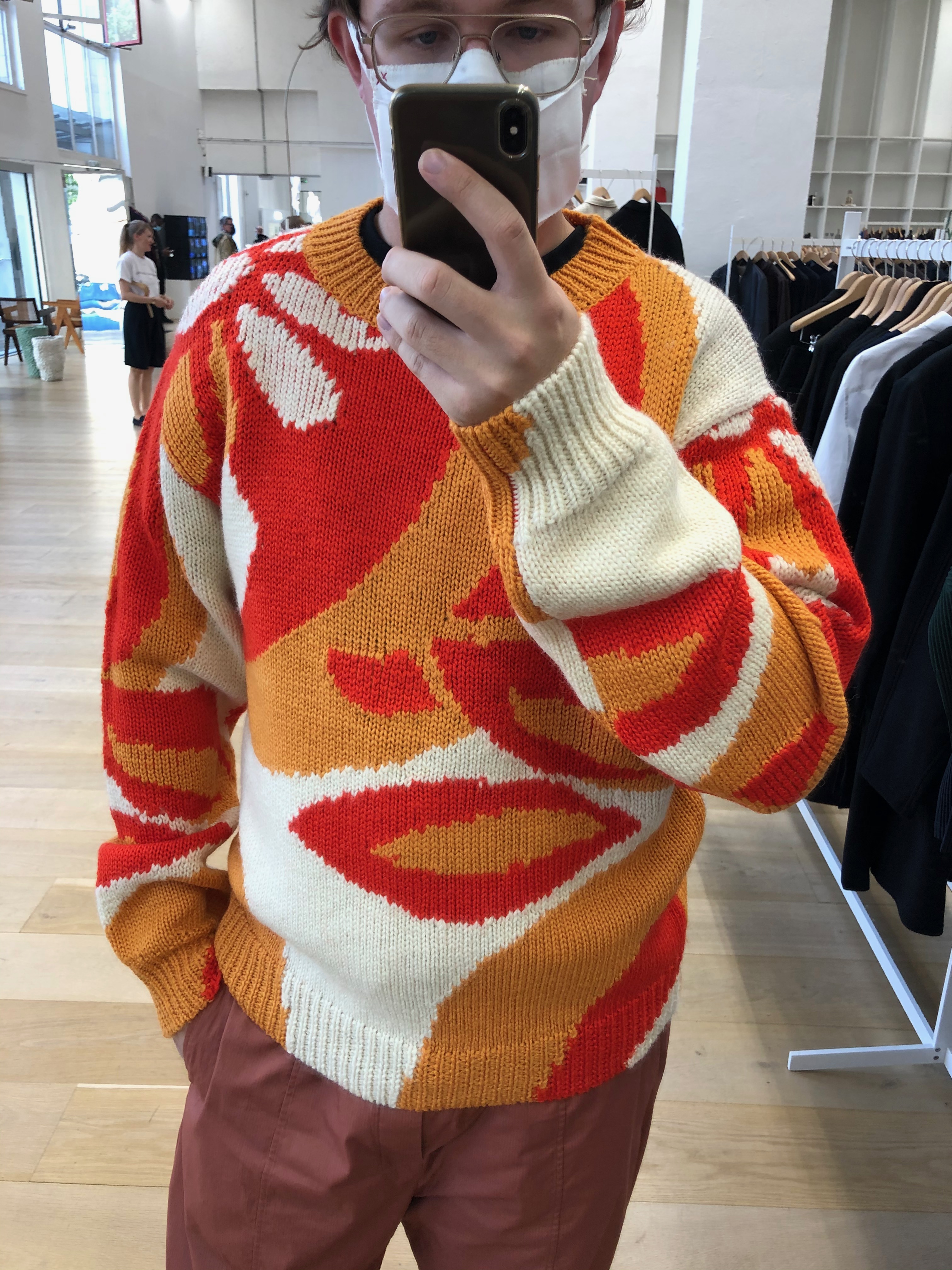
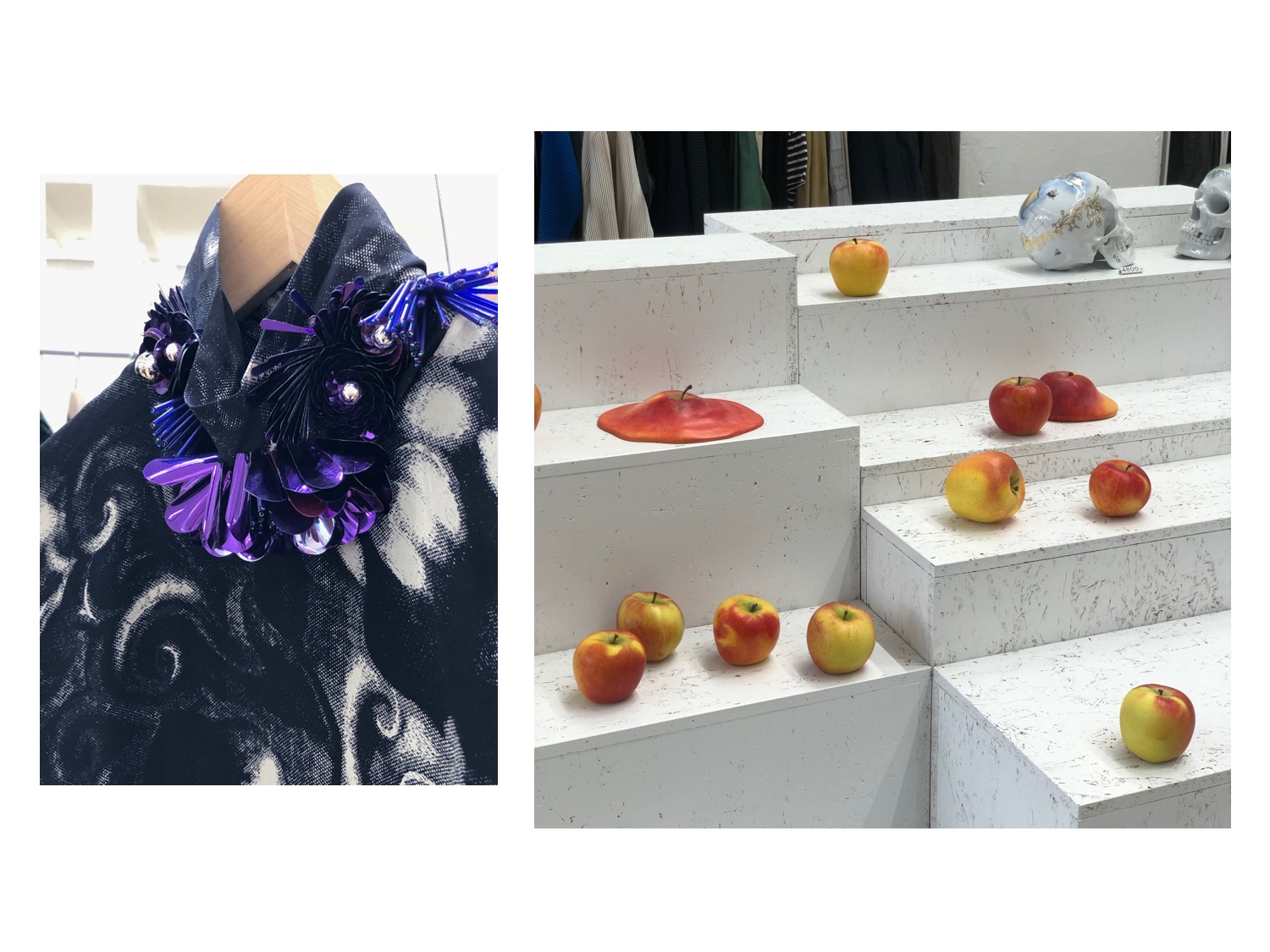
Two stores I love in Berlin: Andreas Murkudis and Sal Bazaar. Especially now, brick-and-mortar shops are having a hard time (I know it from a first-hand experience) and we should support the ones with authentic soul, a unique selection and a one-of-a-kind aura. Andreas Murkudis is my long-time go-to place (from Dries Van Noten and Yohji Yamamoto to the amazing space and beautiful art initiatives), while Sal Bazaar feels like the antidote to traditional fashion retail. This place is like an art gallery, really. Here you will find Dumitrascu, the place’s home-made label, as well as hand-picked, precious vintage and ceramics made by local artisans. Everything is just so aligned with the owner’s taste. I know on-line is thriving and all, but REAL shops are the best. So, here’s a reminder: support them however you can!
Andreas Murkudis / Potsdammerstraße 81E
Sal Bazaar / Mulackstraße 34

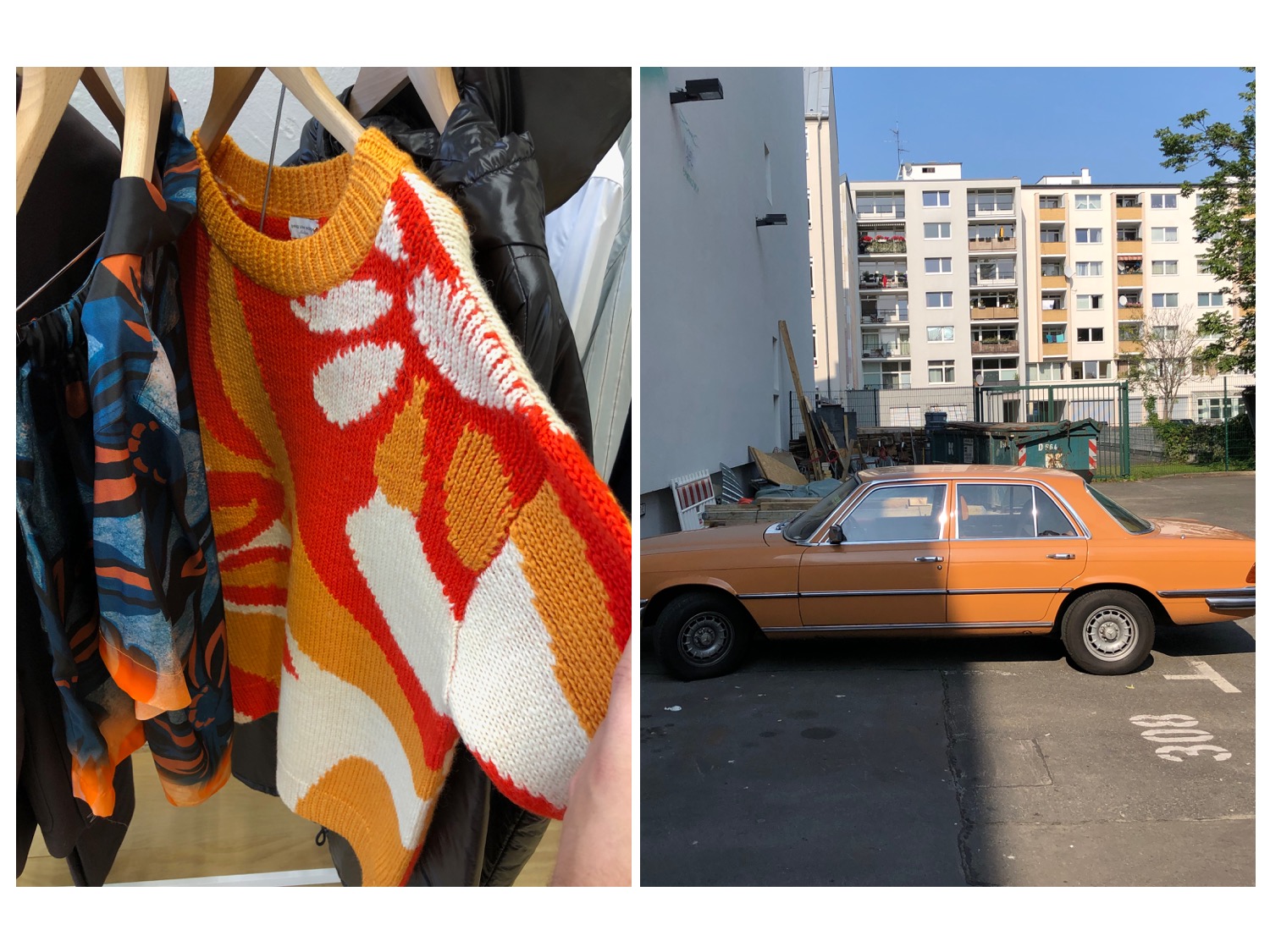
Photos by Edward Kanarecki.
 Design & Culture by Ed