Past, Present, Future. Louis Vuitton AW20

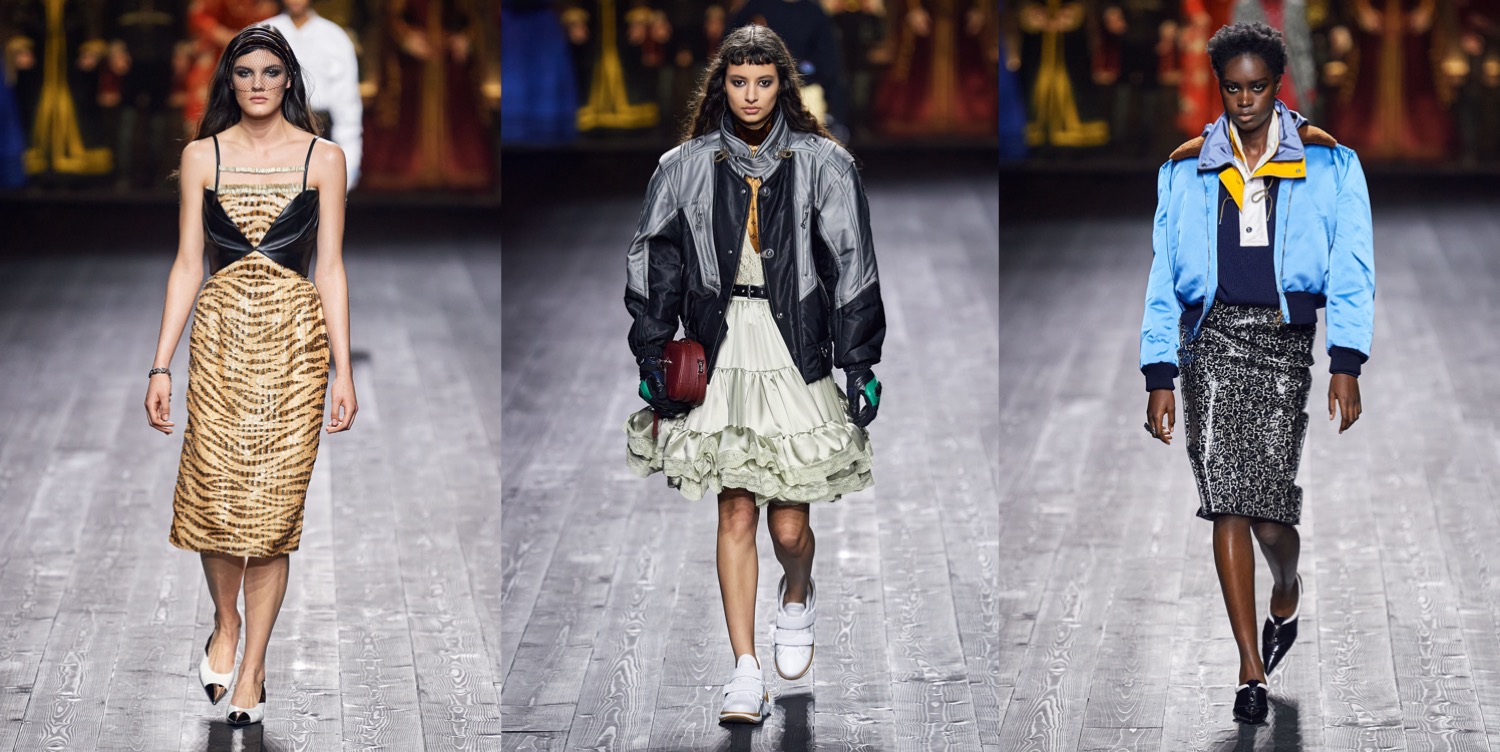
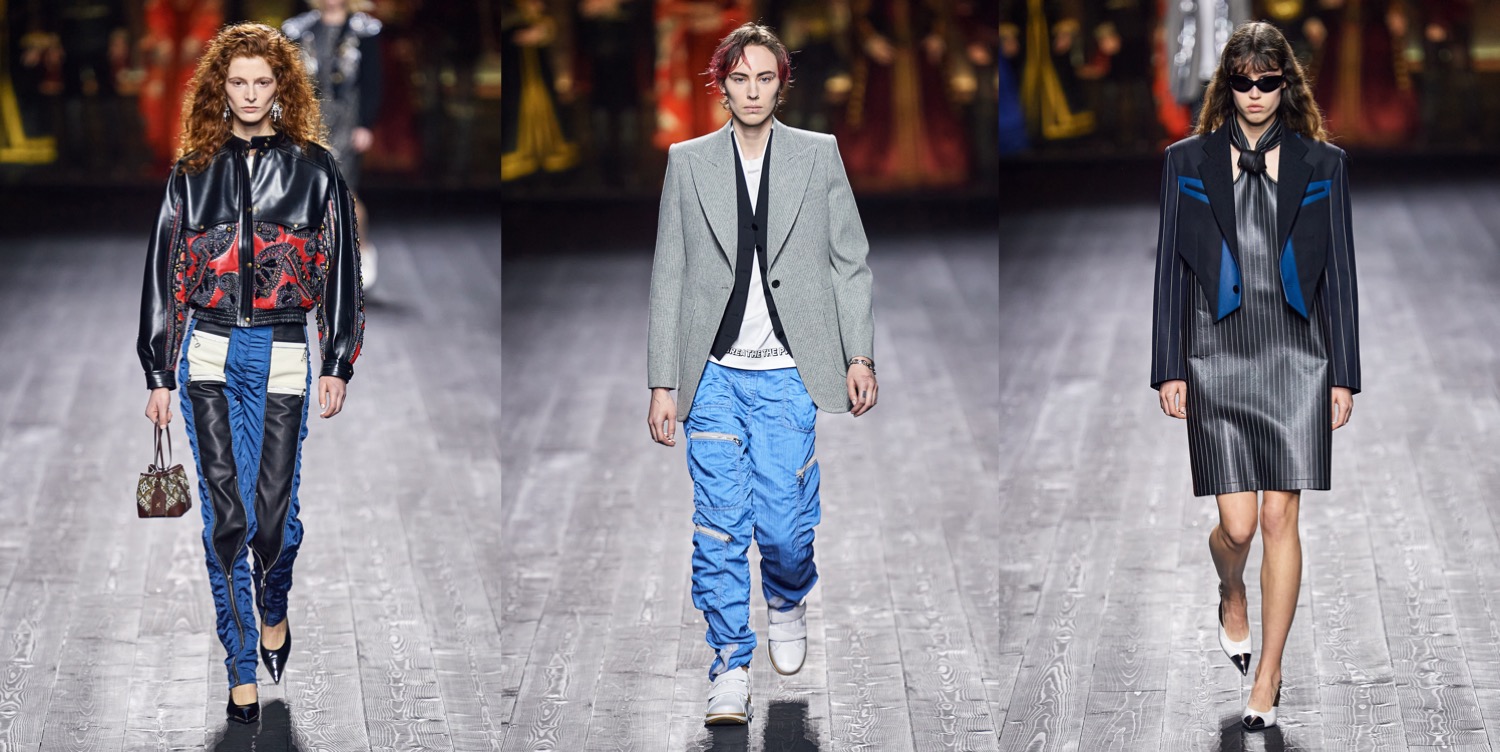
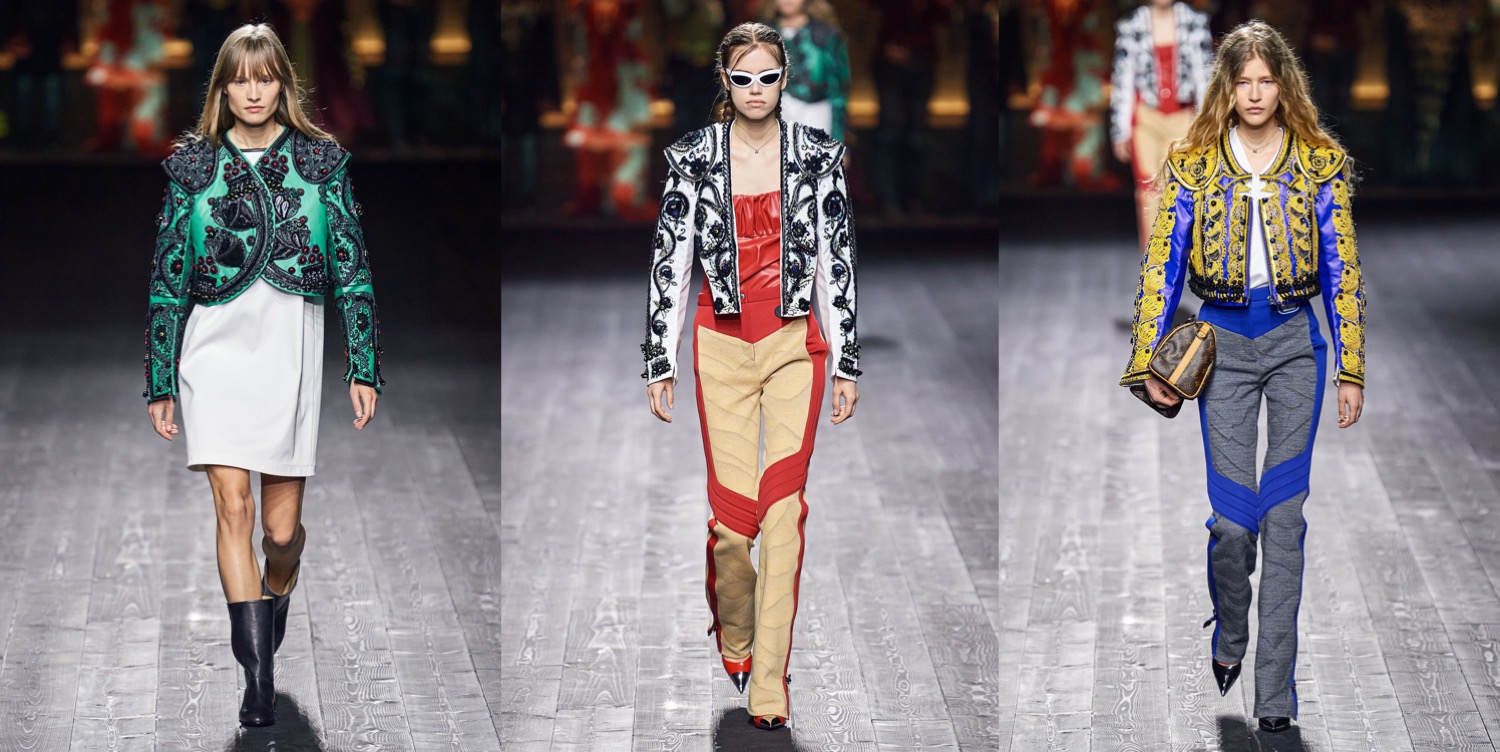
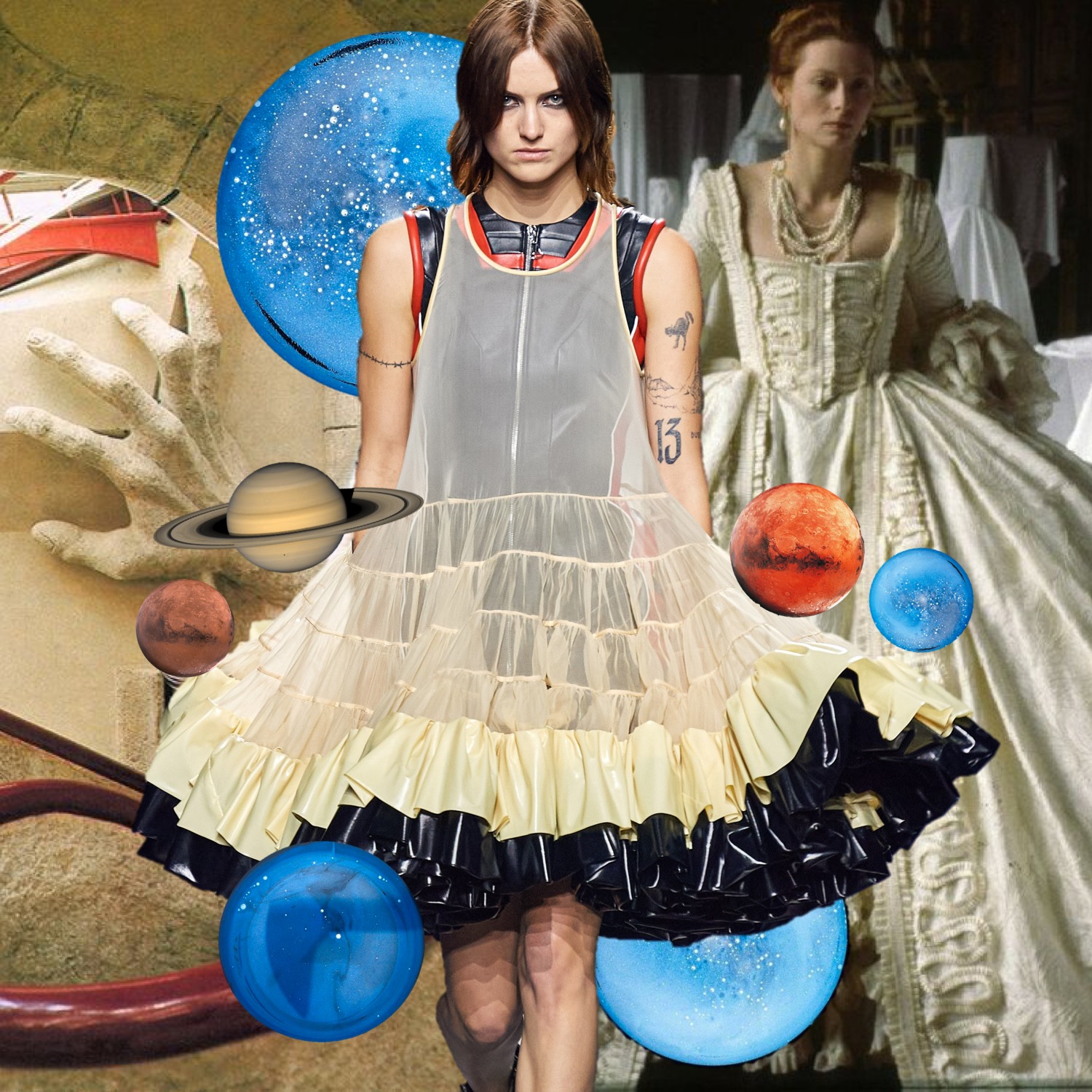
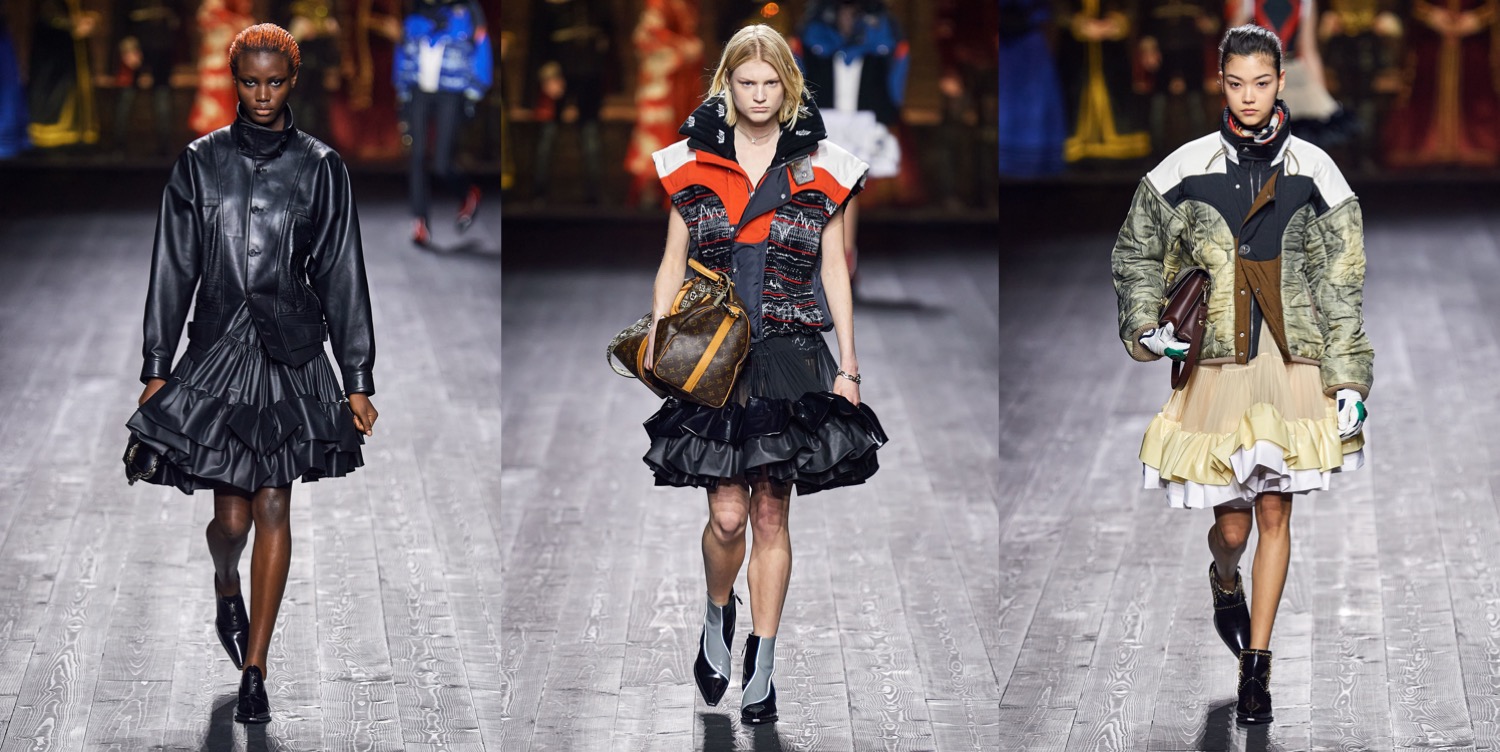
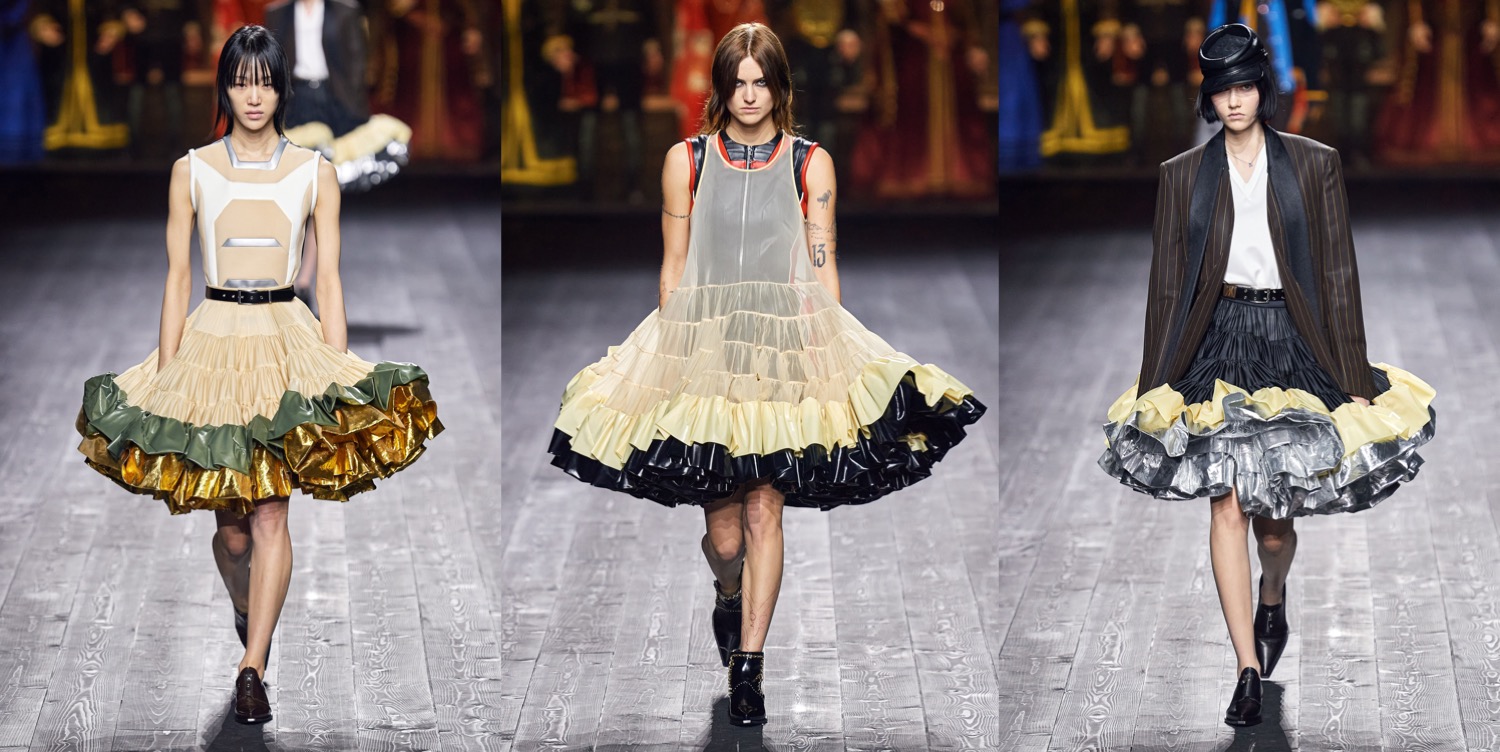
This season, Louis Vuitton‘s Nicolas Ghesquière enlisted the costume designer Milena Canonero, a frequent collaborator of Stanley Kubrick’s, to create a monumental backdrop of 200 choral singers, each one clothed in historical garb dating from the 15th century to 1950. It was a mammoth undertaking, and a truly beautiful one. “I wanted a group of characters that represent different countries, different cultures, different times,” Ghesquière explained beforehand. “I love this interaction between the people seated in the audience, the girls walking, and the past looking at them—these three visions mixed together.” The time-collapsing sensation was heightened by the fact that the chorus performed was a composition by Woodkid and Bryce Dessner based on the work of Nicolas de Grigny, a contemporary of Bach’s. All of today’s fashion is a synthesis of the past, but Ghesquière makes a closer study of it than most. He’s compelled by the anachronous. A few seasons ago he clashed 18th-century frock coats and the high-tech trainers, creating a look as full of contrasts as the times we live in. For autumn-winter 2020, he offers even more time clashes: jewel-encrusted boleros (I can already see Rosalia performing in one of those) meet parachute pants, buoyant petticoats are paired with fitted tops whose designs looked cribbed from robotics, bourgeois tailoring is layered over sports jerseys. My favourite look of the collection – a sheer tulle dress with latex finishings worn over a leather motocross body – carried the quintessence of Ghesquière’s concept. The collection comes perfectly in time with the upcoming Met Gala (which is scheduled for the beginning of May and isn’t surrendering to coronavirus – for now) and its theme. Nicolas is the cohost of the gala, and Louis Vuitton is sponsoring the Costume Institute exhibition, “About Time: Fashion and Duration”. Just as in the exhibition’s idea, the collection says it out loud: fashion is a mirror of the present moment, built from the past. And it has future, as well.
Collage by Edward Kanarecki.
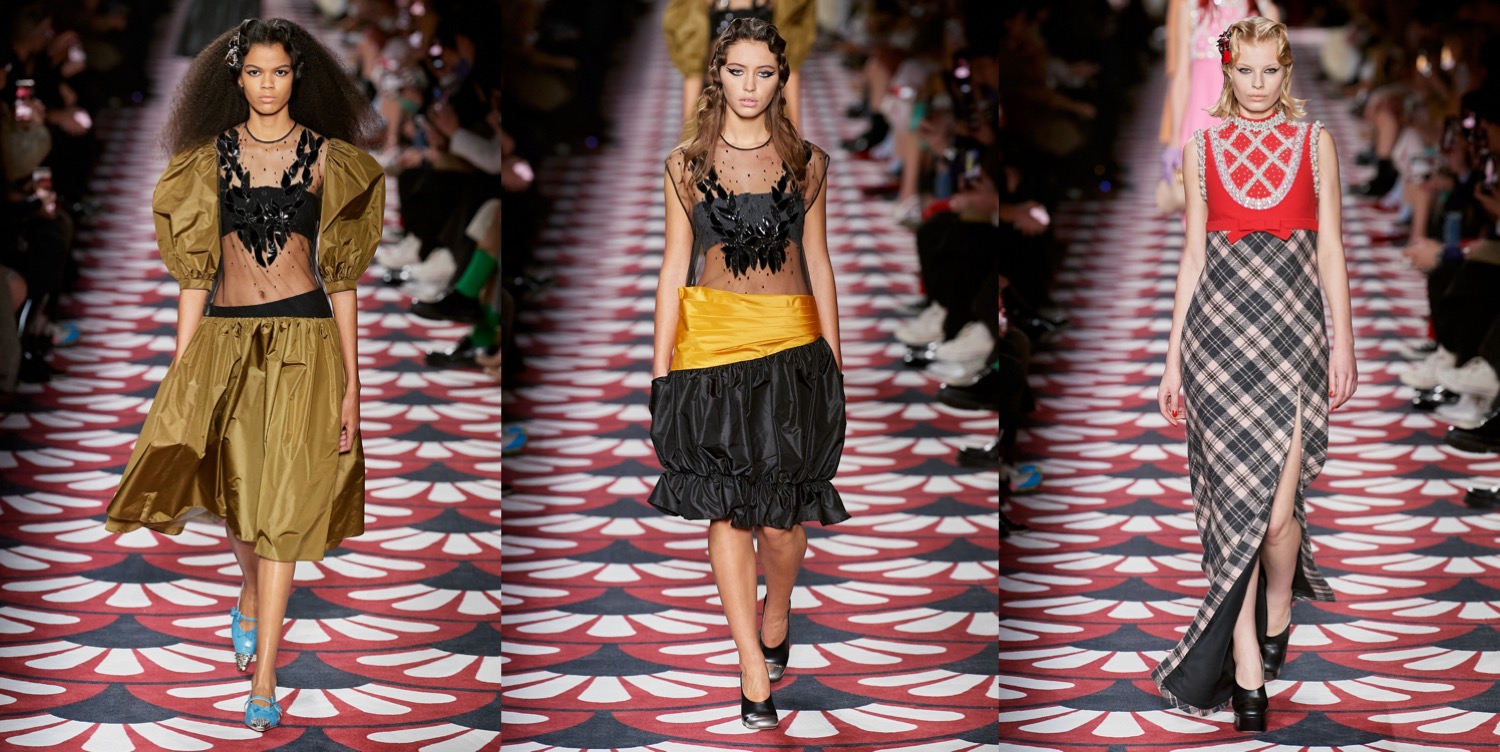
Toying With Elegance. Miu Miu AW20

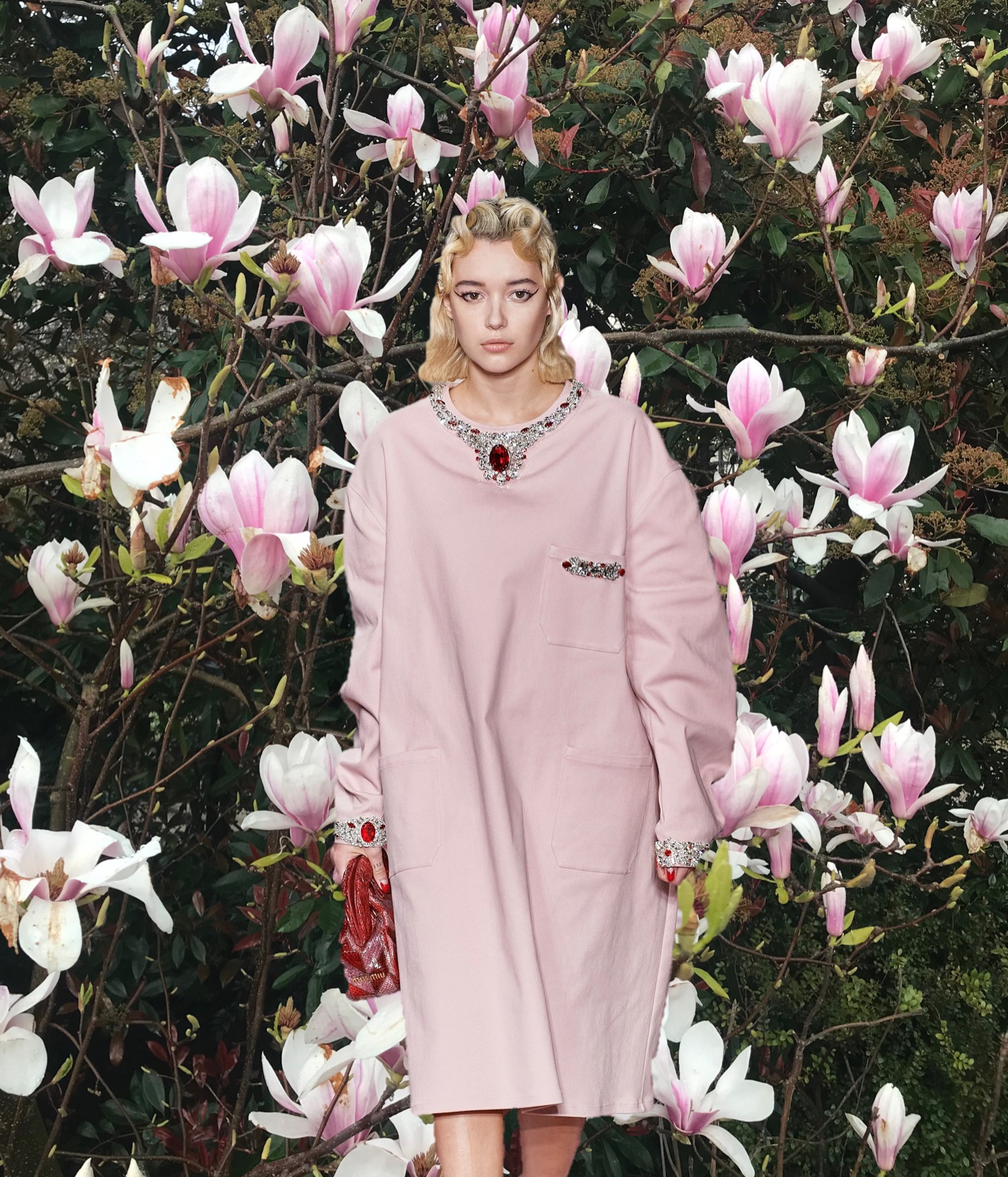
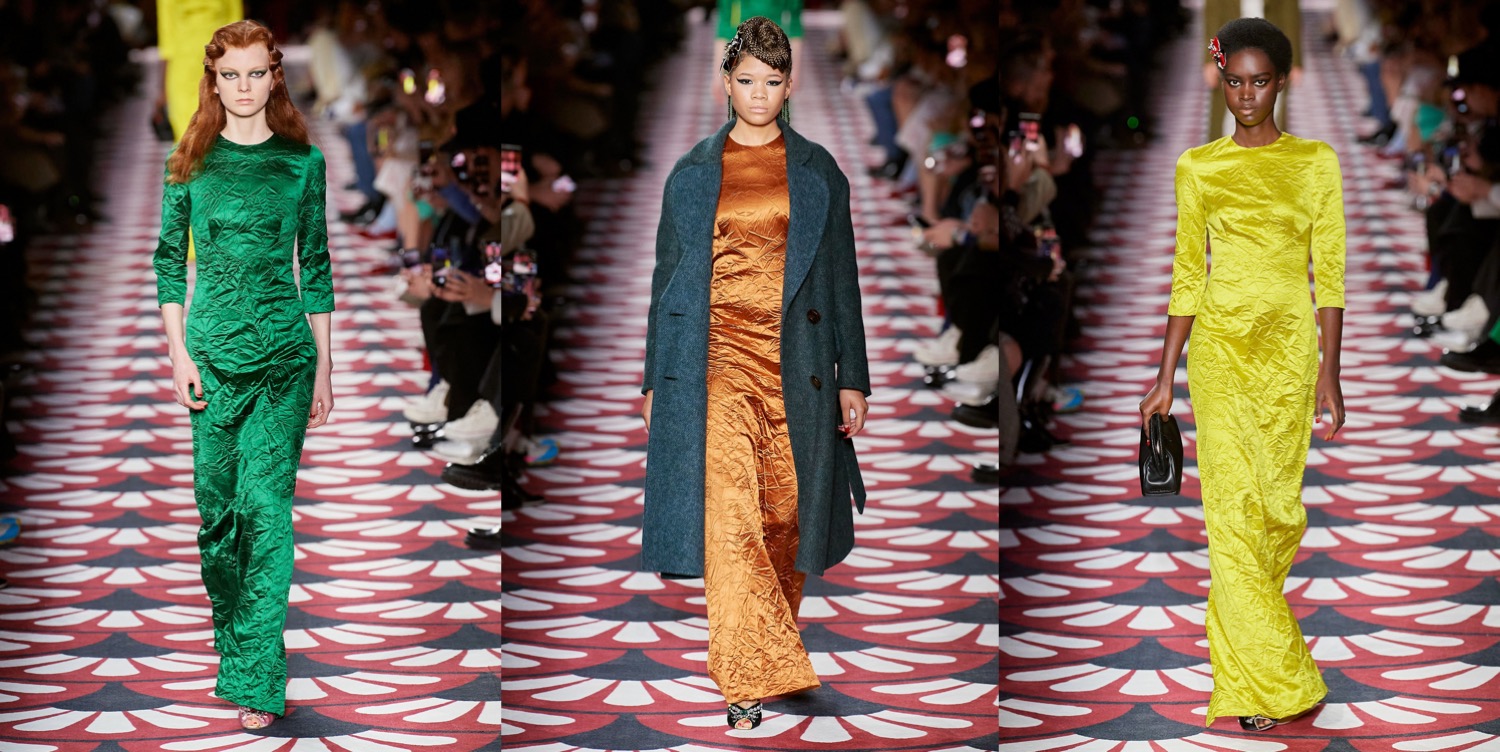
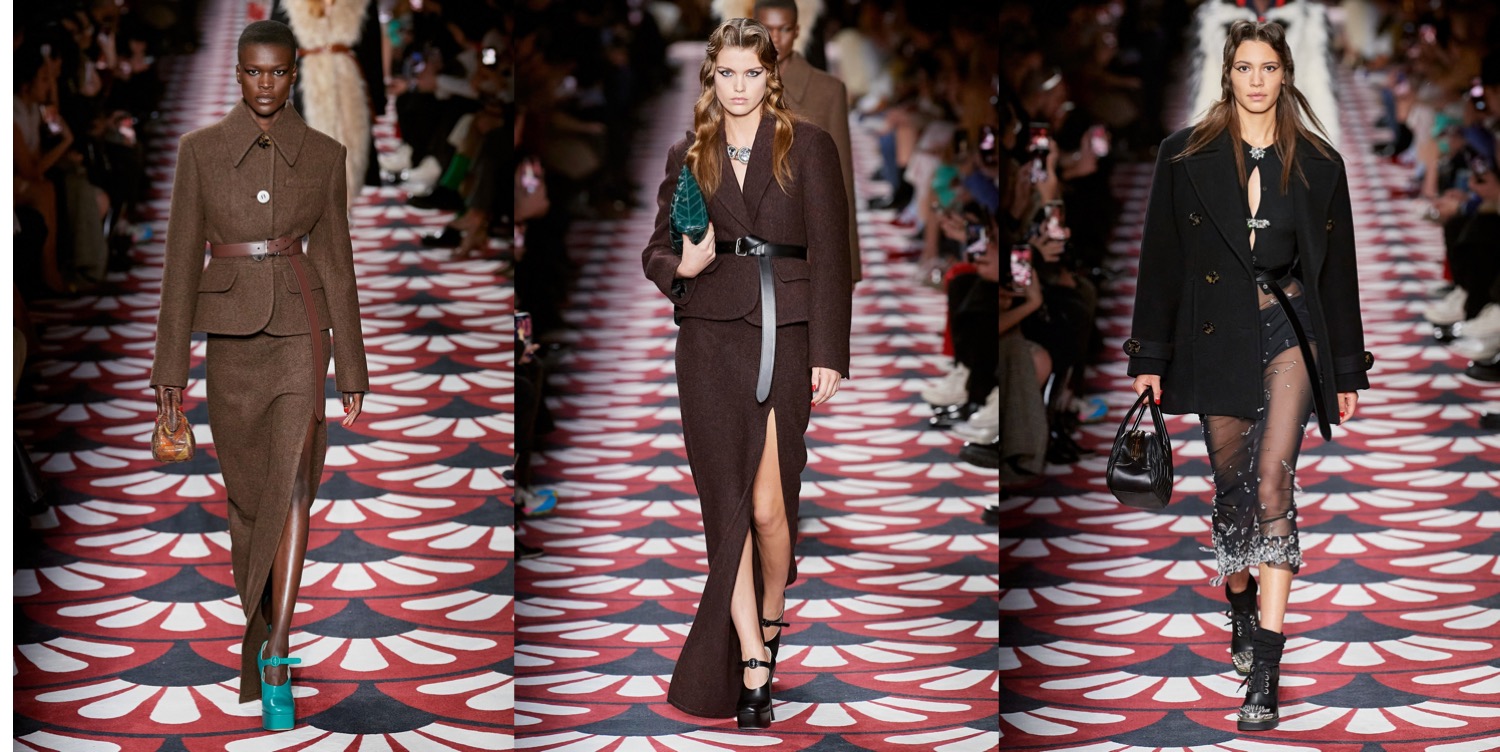
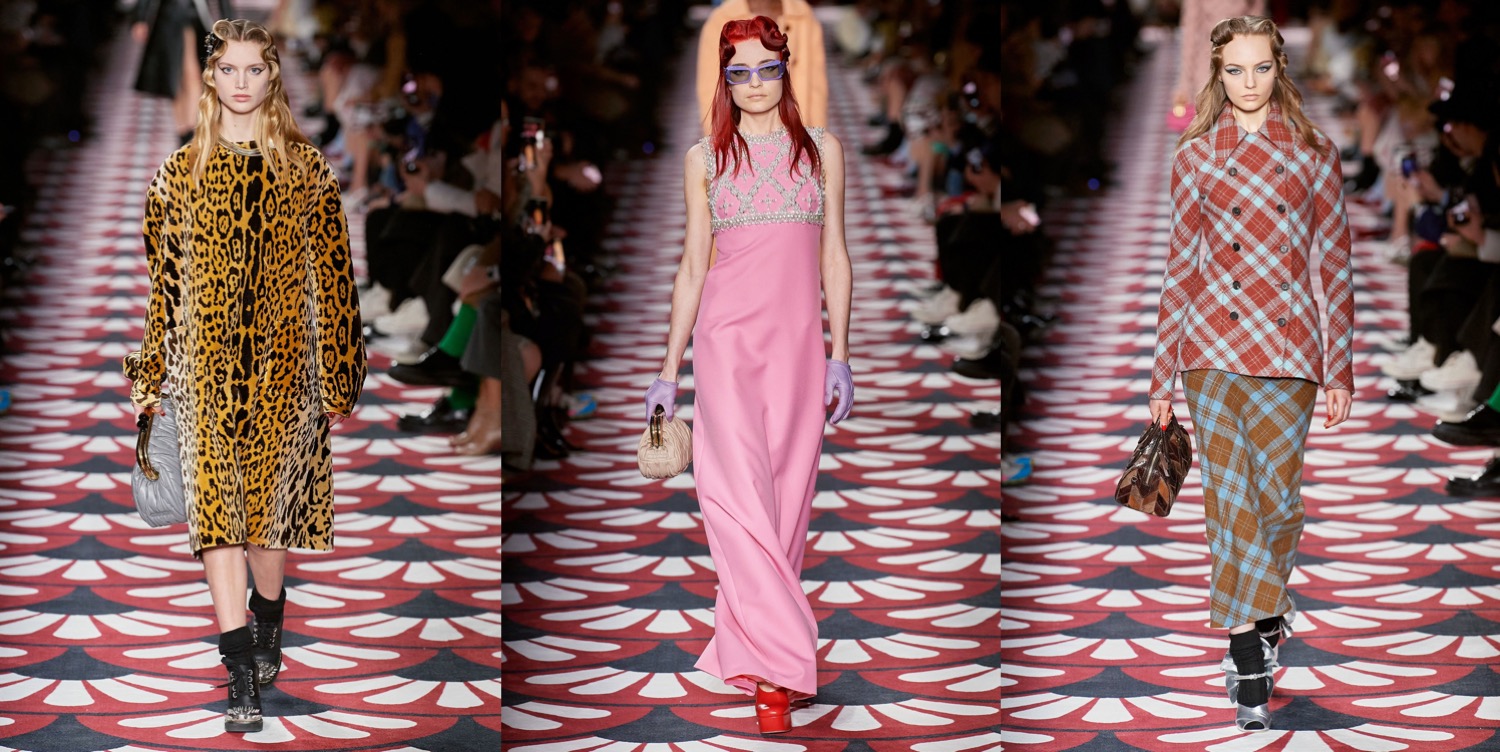
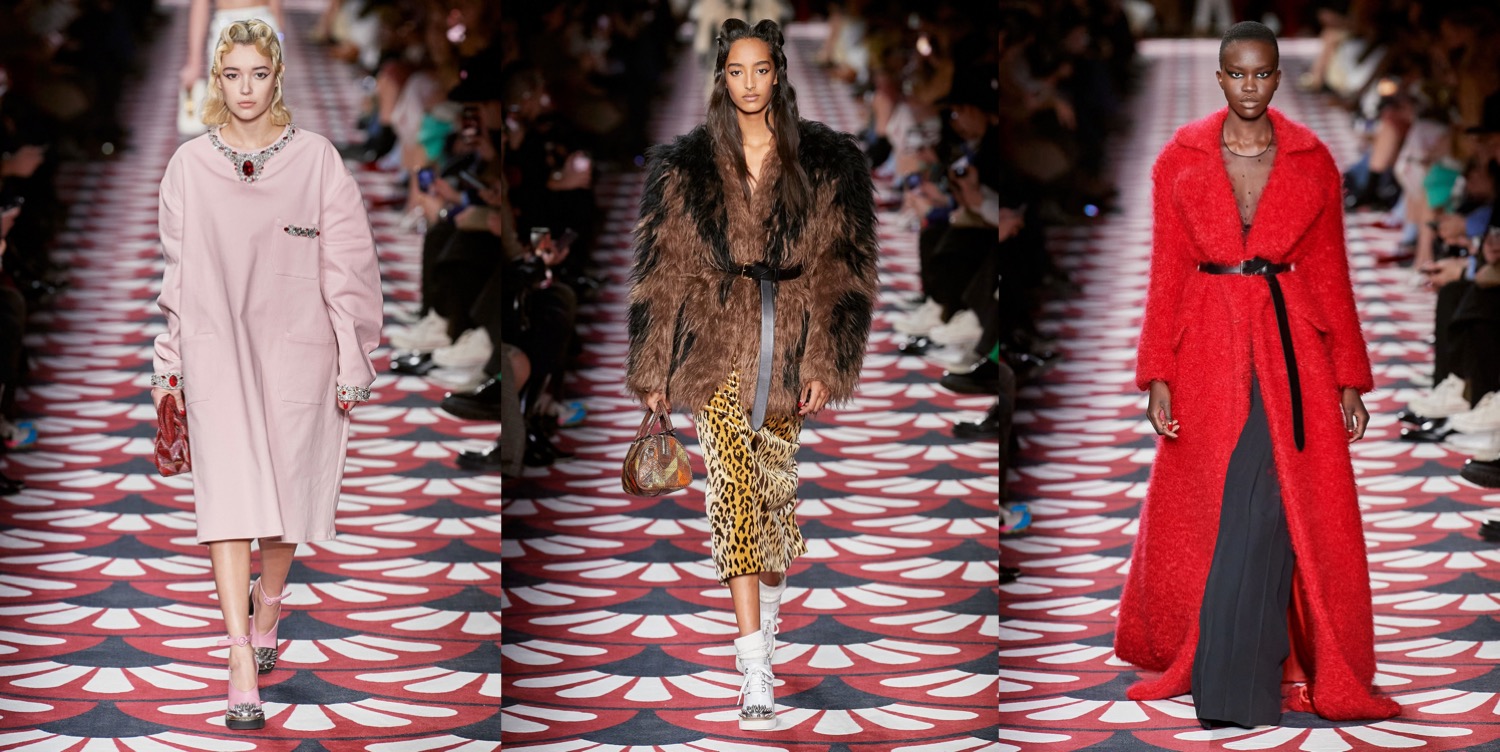
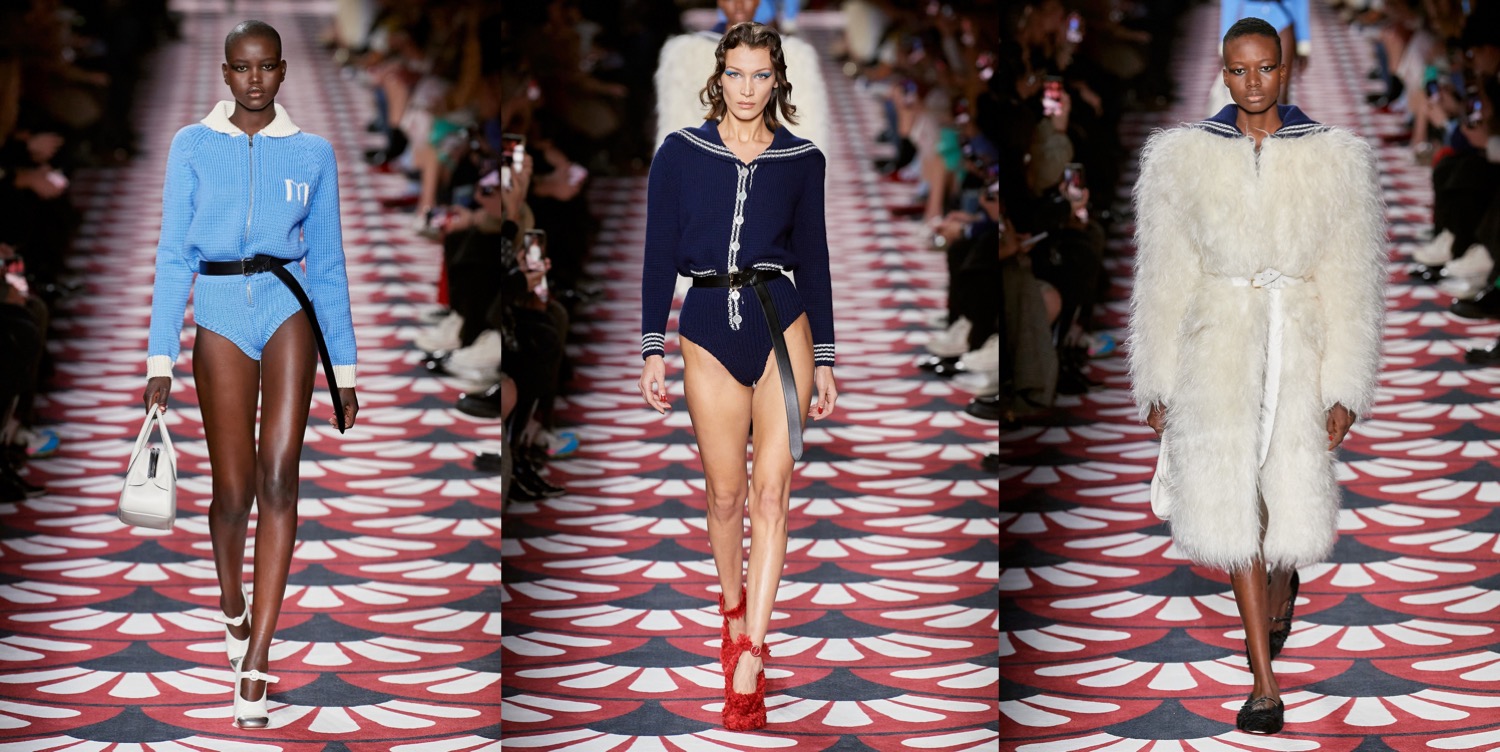
Miu Miu‘s autumn-winter 2020 collection didn’t entirely click for me. Maybe it was the uncomfortable looking, 1940s-inspred hair. Or the suffocating retro feeling that feels completely cut from reality. Or it’s the current, global circumstances that just don’t really match the collection’s early 20th century party girl mood. “Toying With Elegance” was the title of the line-up, an allusion to the childlike joy that comes with getting dressed to the nines. Miuccia Prada had the show opened with a charming cameo: Storm Reid, the 16-year-old actor of Euphoria fame, who wore a persimmon crushed-satin dress and tweed overcoat. The rest of the collection rotated around the idea of matching a festive dress with a big coat. Extra-long proportions lent a sense of irreverence to the sweet empire-line dresses in saccharine shades that were replete with bows and crystal embellishments. The most convincing pieces were the leg-baring little black dresses that had frothy taffeta sleeves and colorful nipped waistbands – they made you think of Miu Miu’s archival “girl”. Especially spring-summer 2008, which was all about that easy, flirty look. The rest was kind of forced.

Collage by Edward Kanarecki.
Essentials. Xuly.Bët AW20

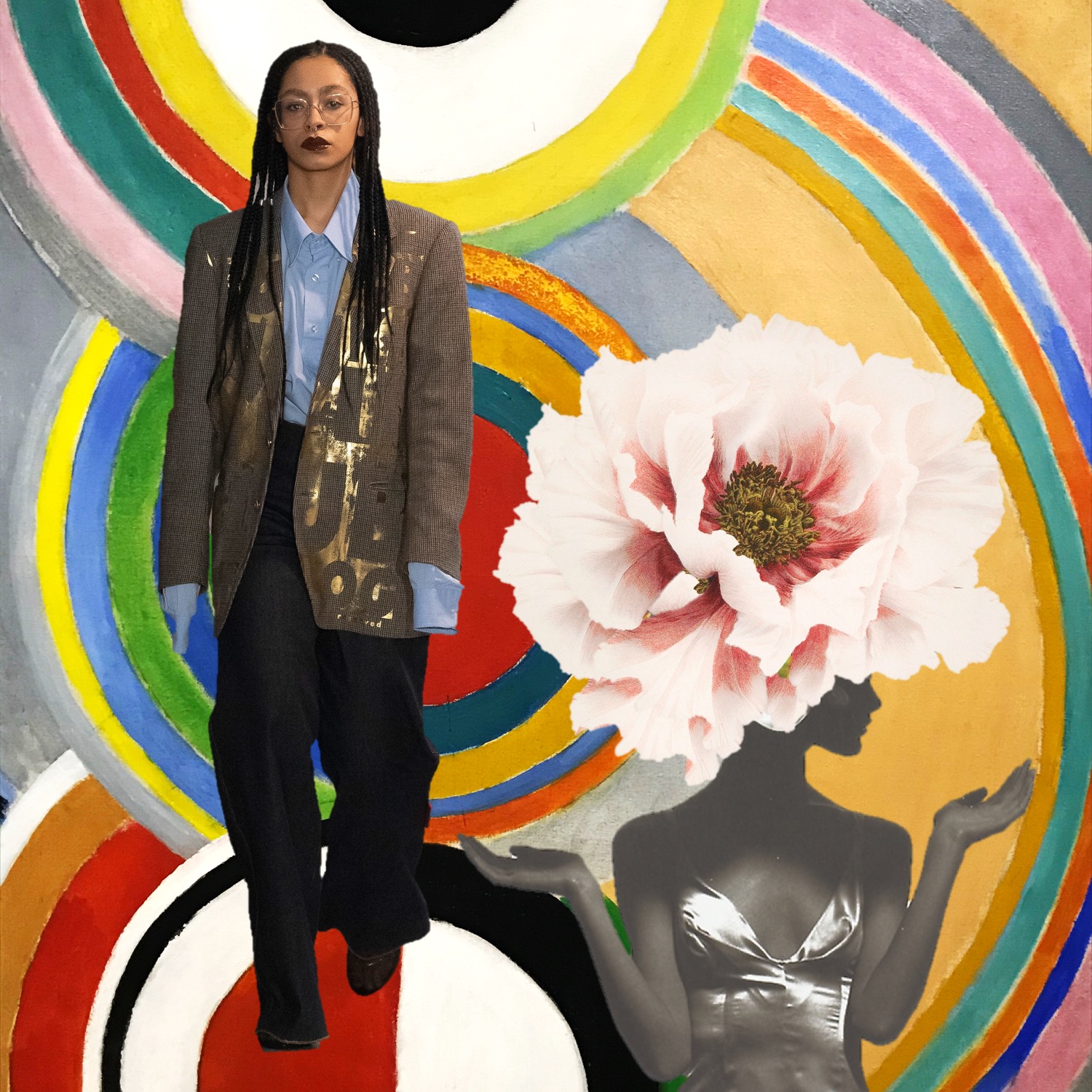
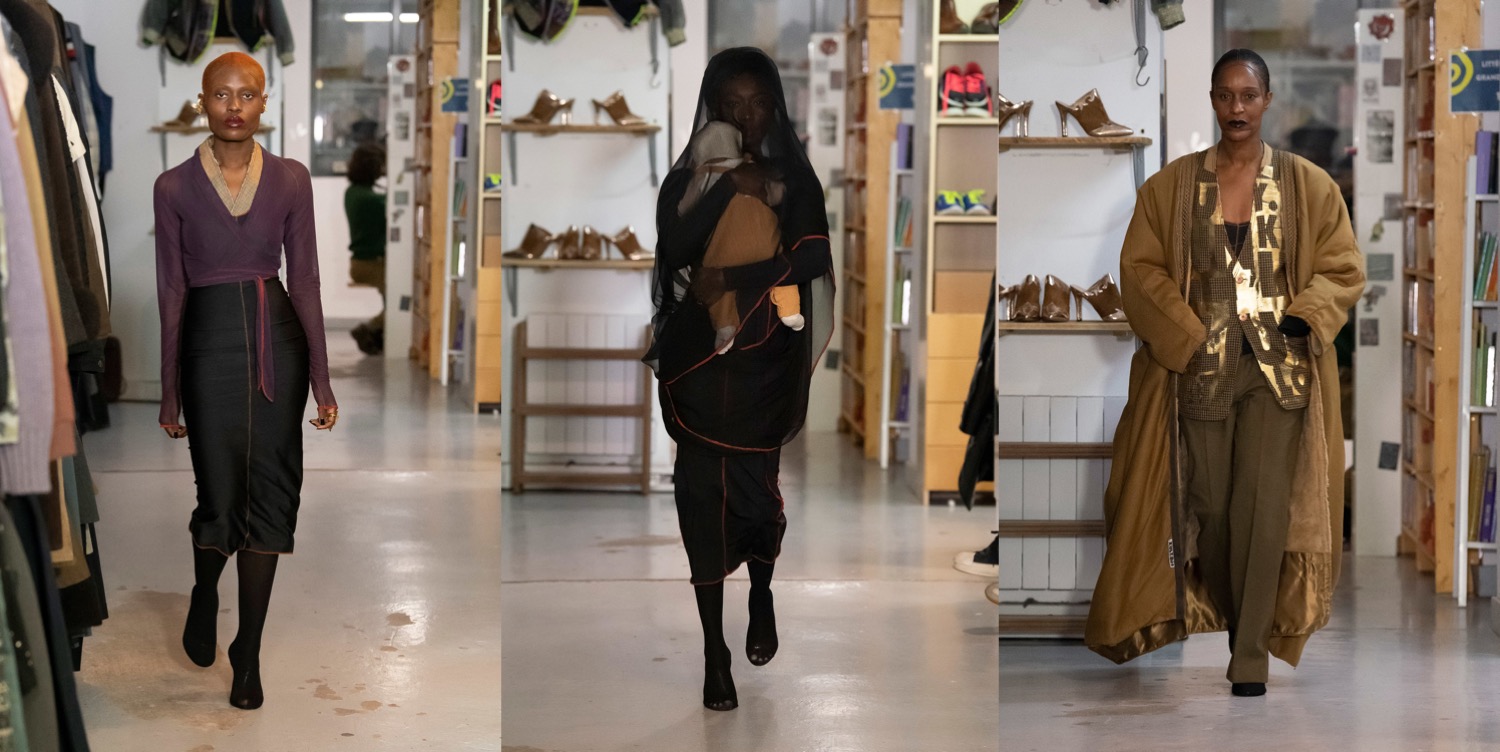
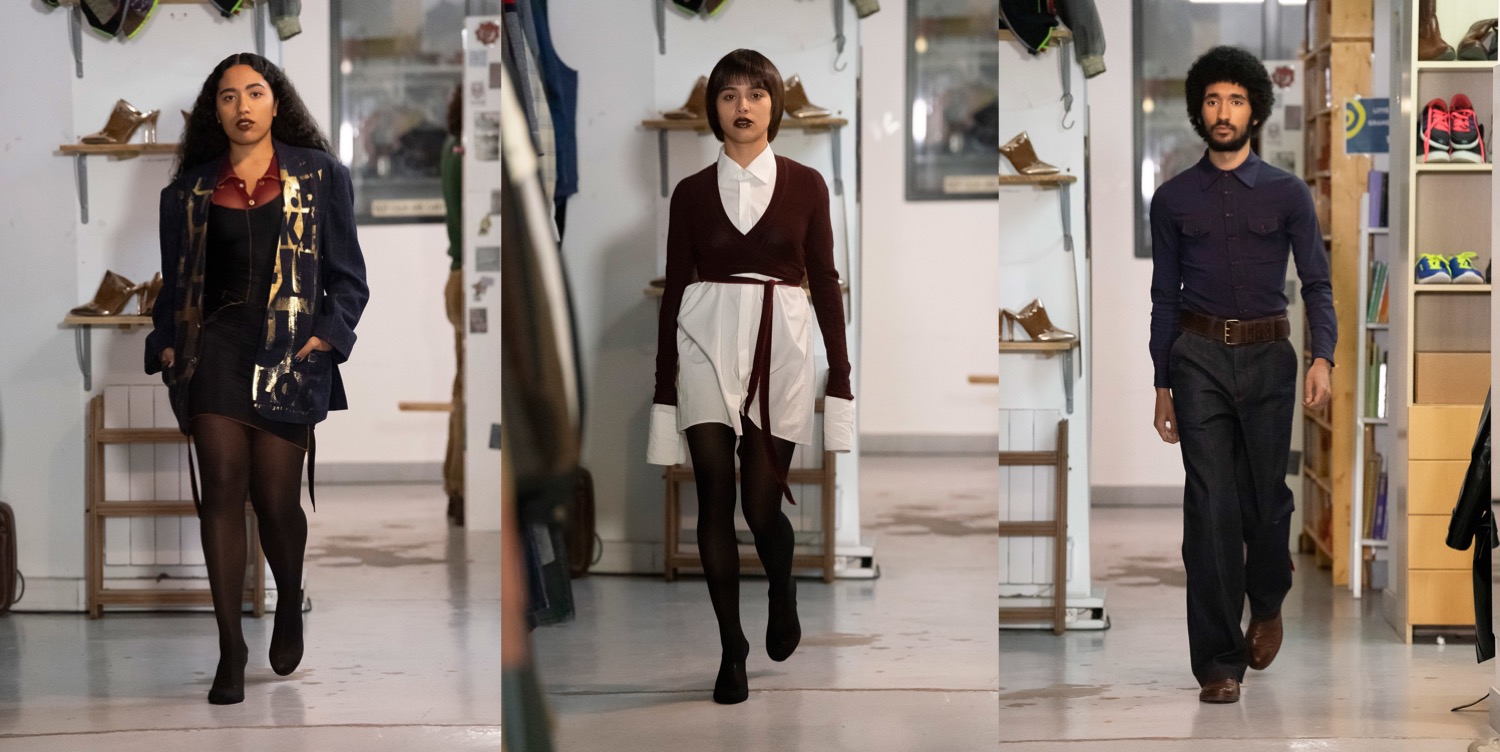
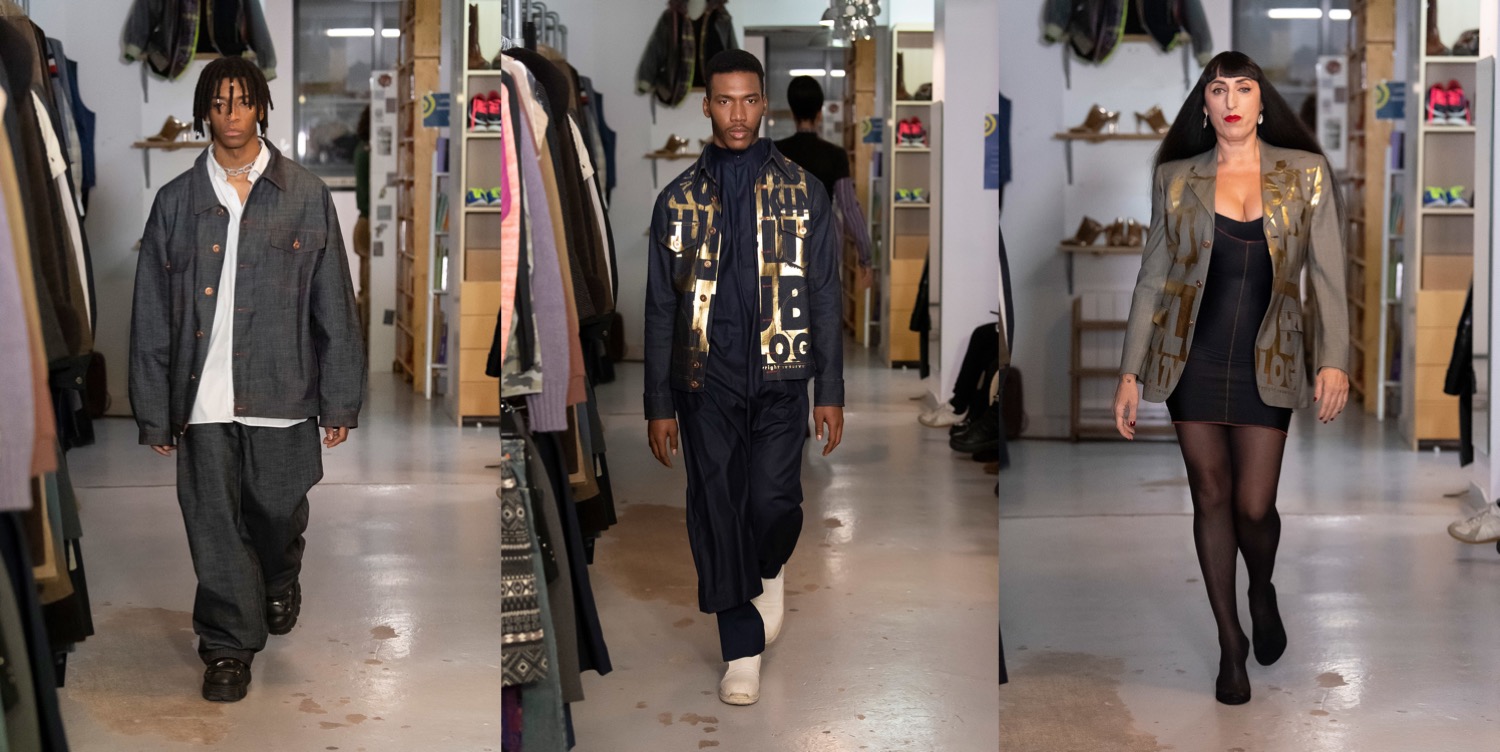
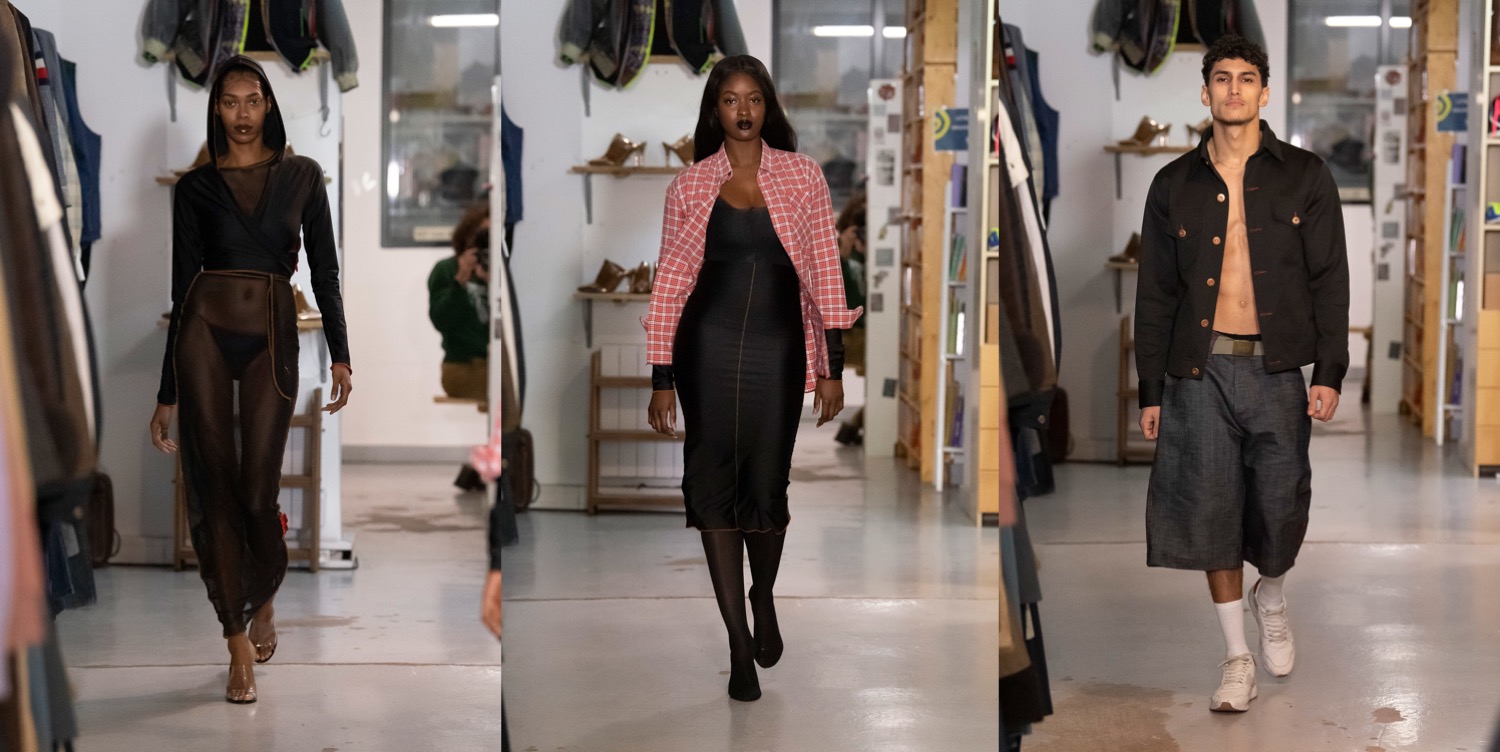
Lamine Kouyaté‘s Xuly.Bët is back on track – with a location switch from New York to Paris, where his family and children are. Born in Mali and raised largely in France, the designer launched his Xuly.Bët (a Wolof/Senegalese expression that means “keep your eyes open”) label in 1989. His guerrilla approach to shows complemented his bricolage technique and use of salvaged and repurposed materials – so yes, everything’s that’s rightly trending in the emerging times of sustainable fashion. Lamina’s comeback collection was staged in a charity shop in Paris’ 2nd arrondissement. Showing in Paris also meant some of his longest-term collaborators, like Rossy de Palma and Michelle Elie, were there, bopping down the catwalk between the 1970s office decor and bins of baby onesies. The autumn-winter 2020 line-up offers smart, yet properly odd take on everyday wardrobe. Those are essentials that stun with their functionality and sophistication. A little black dress made of a fractured pieces of stretch jersey and red seaming, paired with a veil that holds a tiny baby inside. Jeans cut precisely large and with clunky buttons. Trench coat made from 100% recycled materials. Wool blazers with hand-printed letters in gold. After the groovy show, Kouyaté was asked how it felt to be the first to be upcycling all the way back in the ’90s. He demurred, saying he wasn’t the founder of the movement, but he was certainly one of its earliest supporters. “It says something positive,” he said of upcycling textiles. “We have to.” Stores like Dover Street Market or Matches, place orders at Xuly.Bët’s.

Collage by Edward Kanarecki.
Liberated. Chanel AW20

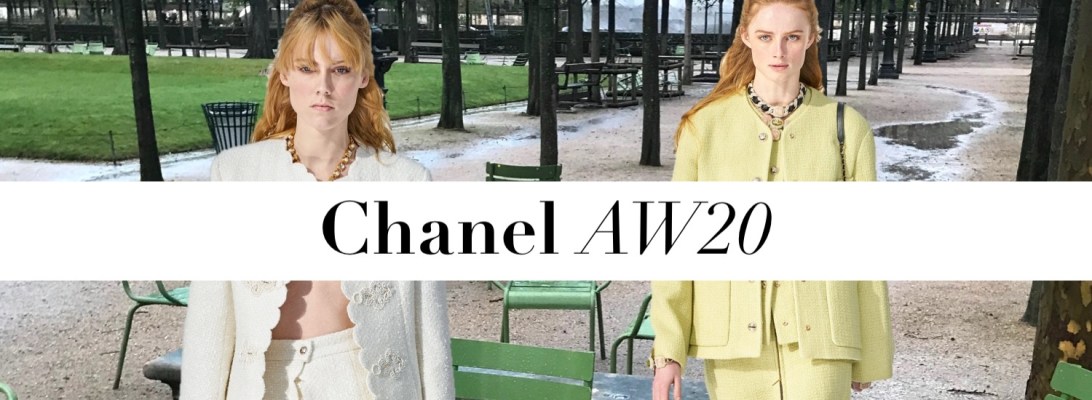
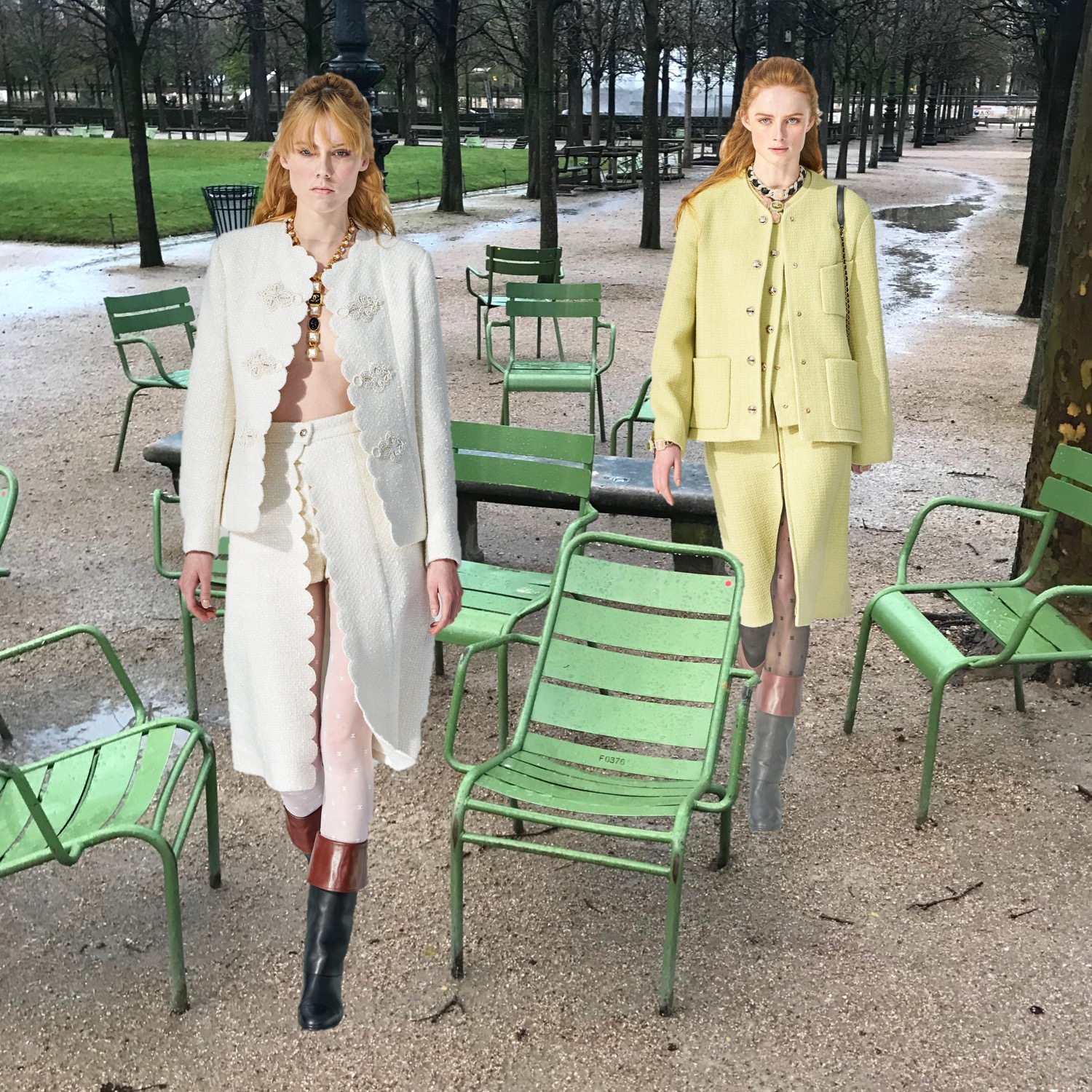
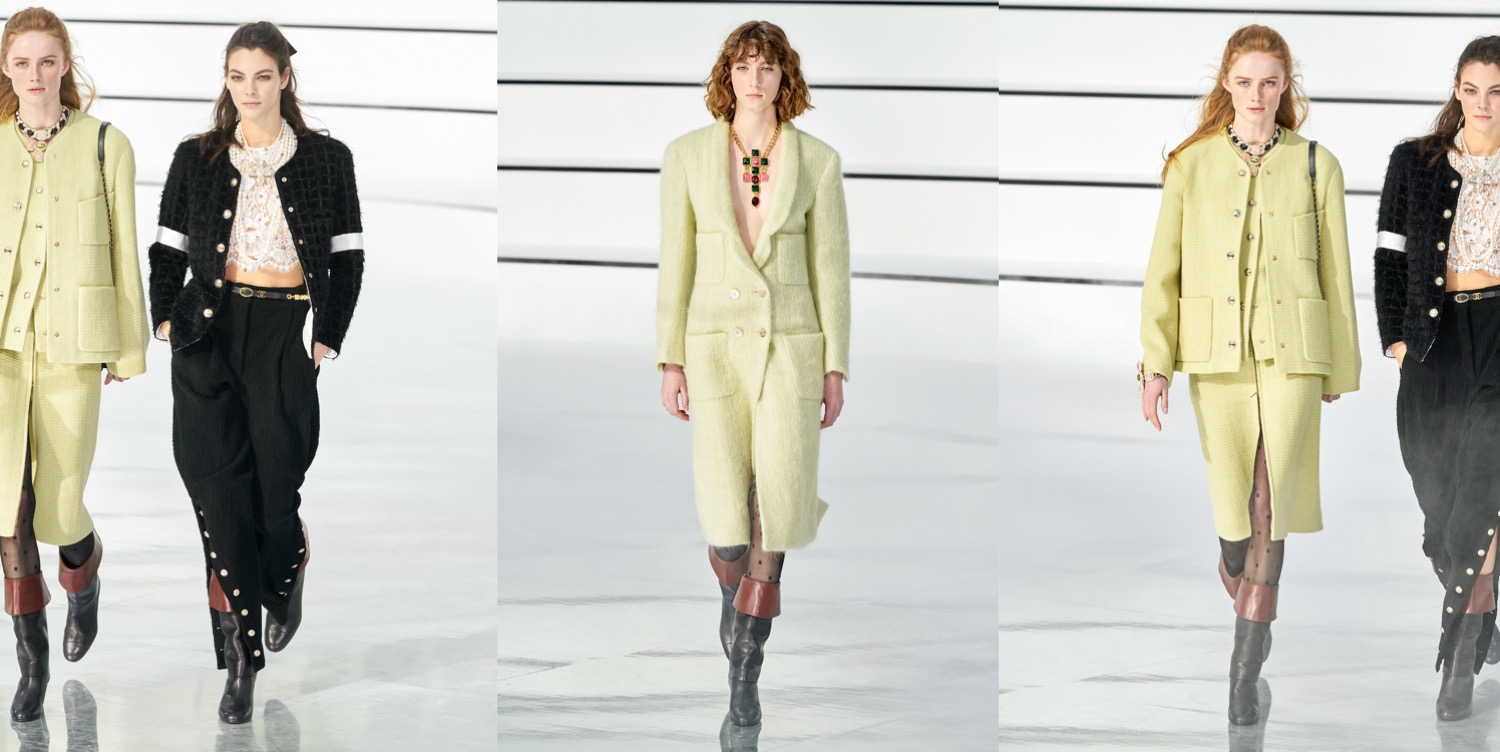
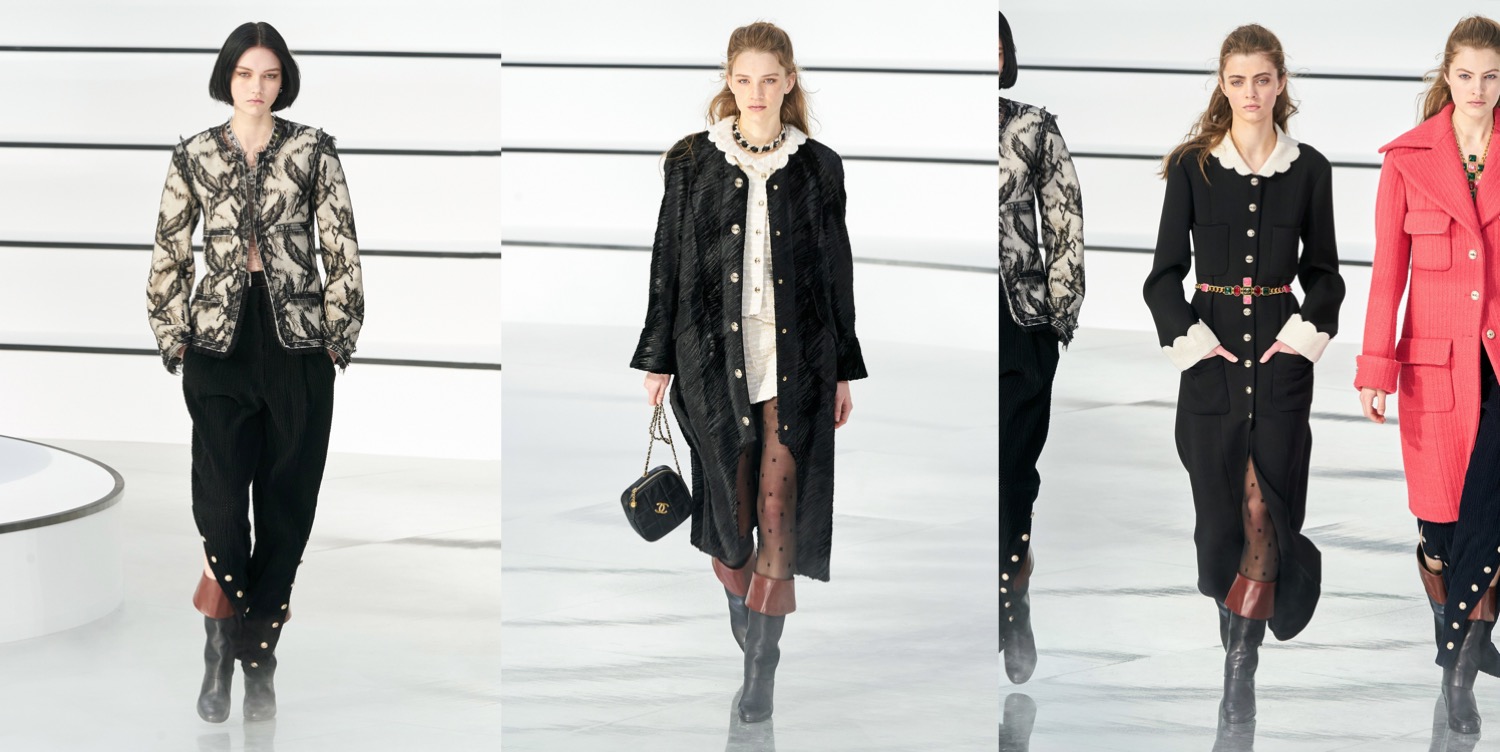
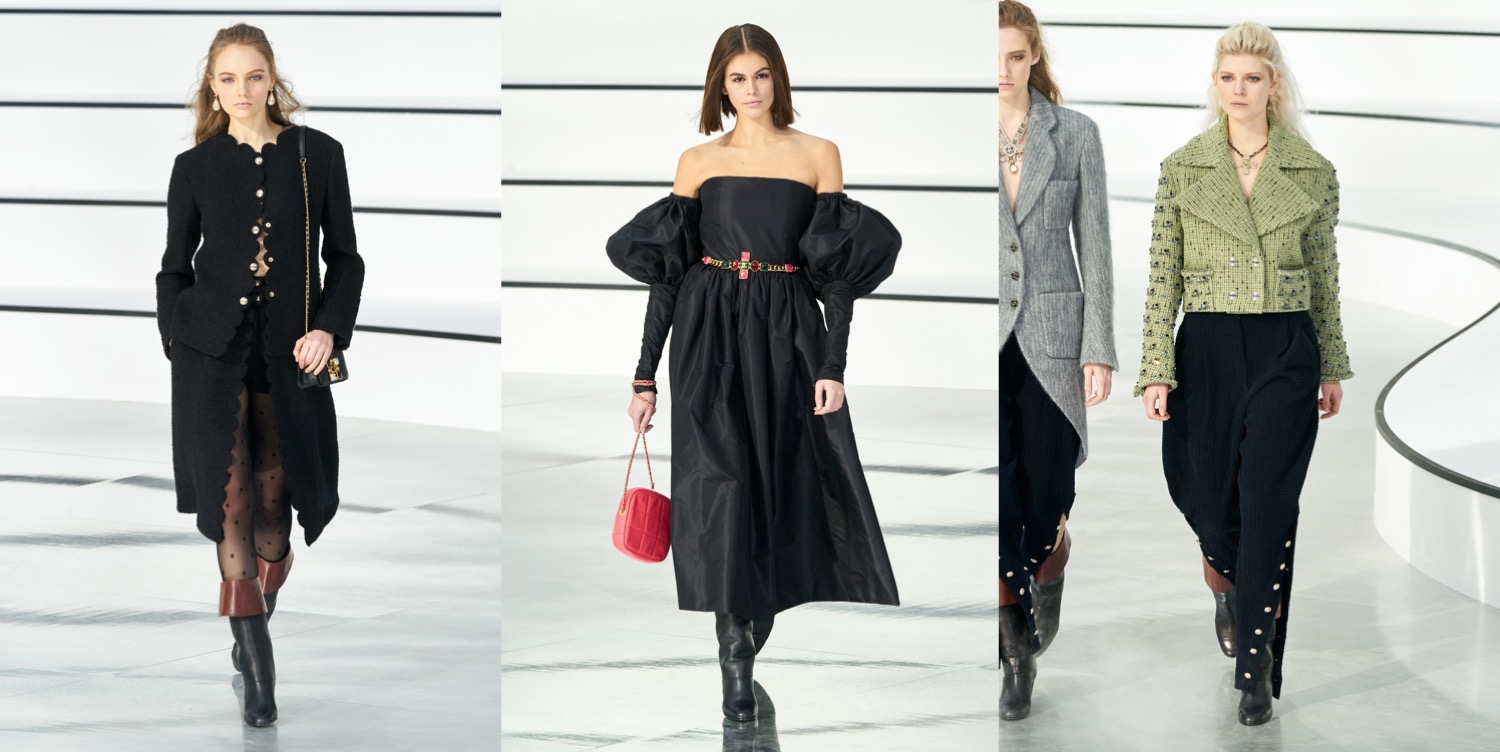
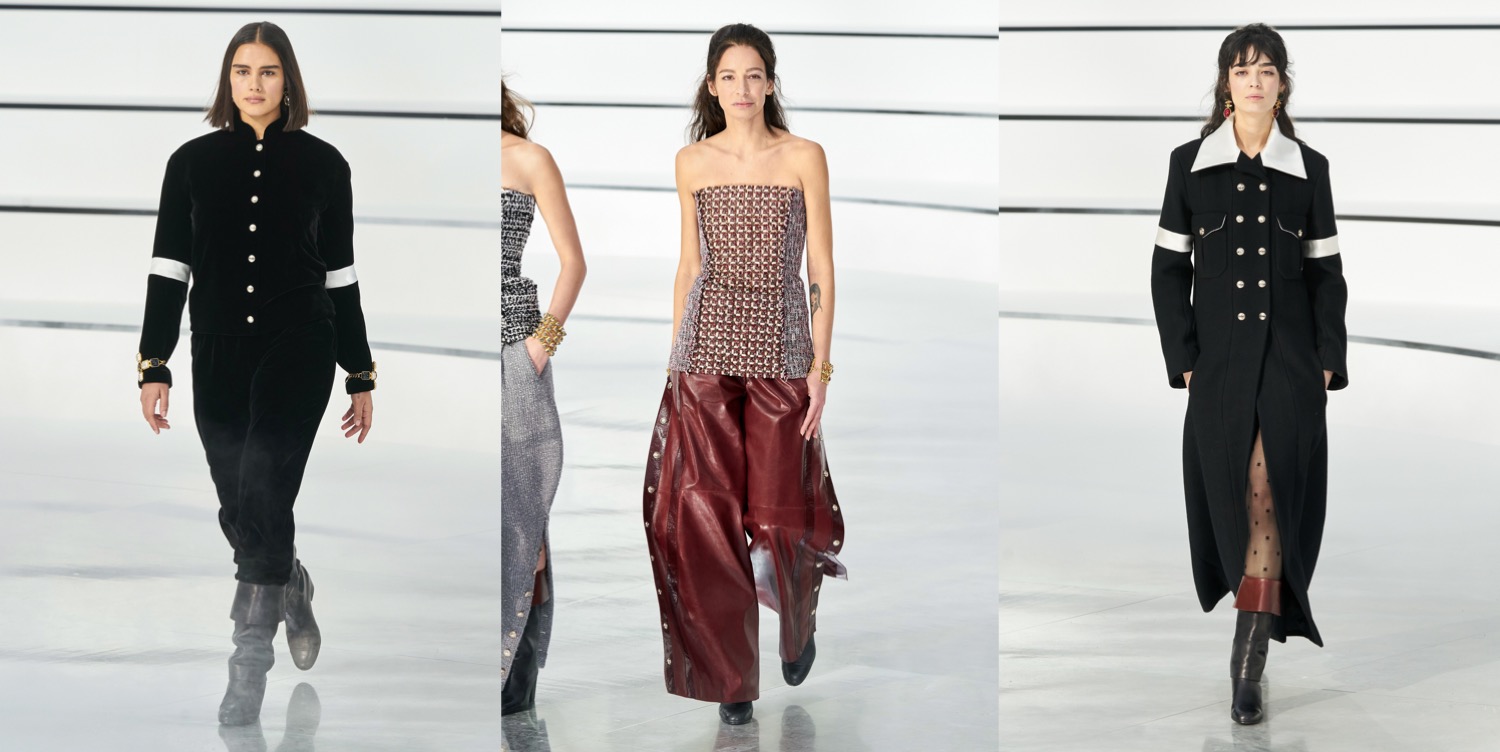
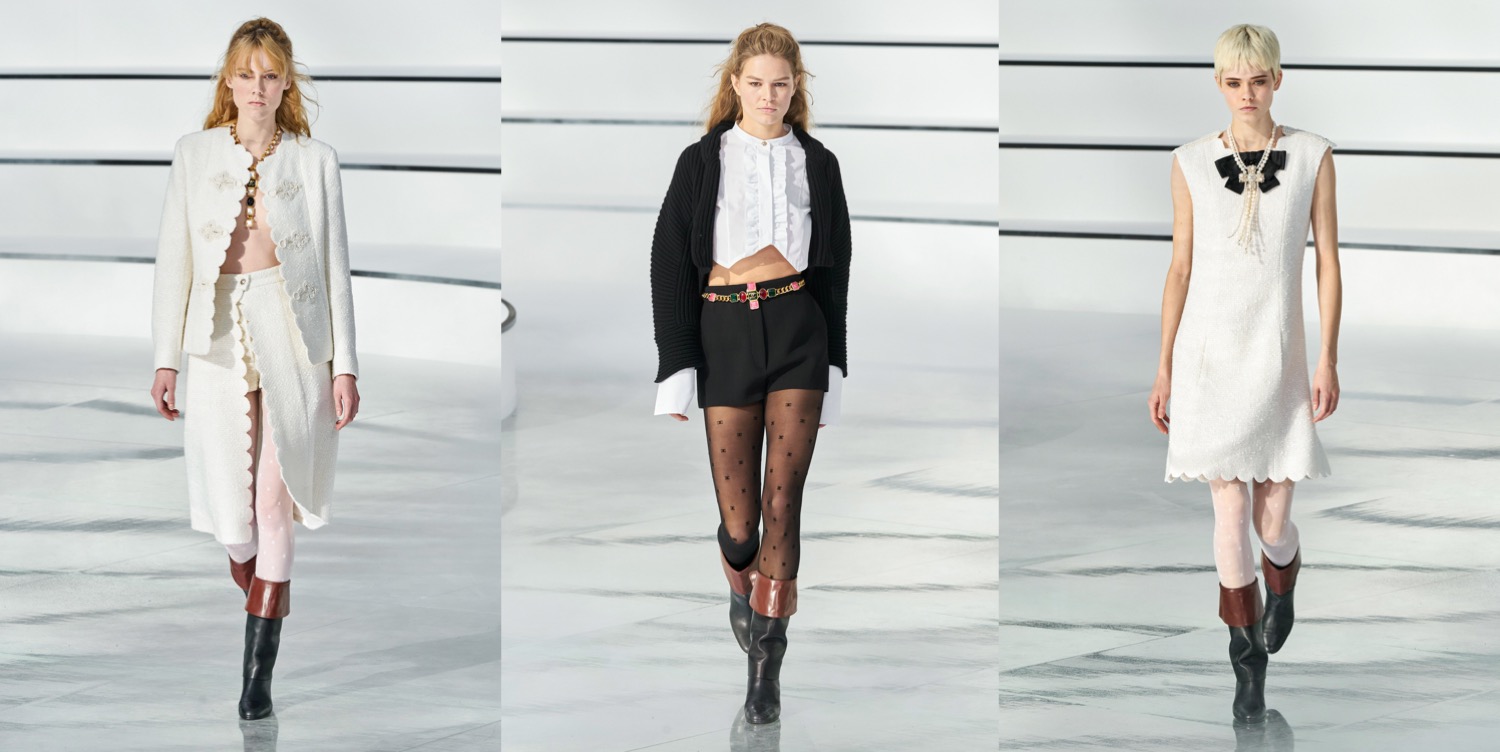
Many critics are really tough on Virginie Viard. Ok, sometimes some of the styling sucks. There’s too much of CC logo on her designs. But then, I can’t remember the time when the Chanel woman felt so liberated. Viard creates intimate, personal fashion for a brand with a format this big that sometimes her vision gets trapped or misunderstood. However, her autumn-winter 2020 collection was her most confident outing yet. “Freedom!” declared the designer backstage. Viard explained that she was talking about the sort of wind-in-the-hair freedom that a horse rider feels as their steed bounds through the landscape. That idea of liberation translated into a collection of unforced, woman-friendly pieces that embraced the house codes at the same time that they reinforced Viard’s own pragmatic instincts for comfortable, no-nonsense glamour. Viard took her inspiration from a 1980s photograph of Karl Lagerfeld and his sometime muse Anna Piaggi, both dressed in the height of Edwardian-revival finery. In that image, Piaggi is shrouded in a veiled Death in Venice hat, and Lagerfeld wears a morning-dress-stripe jacket and vest, a floppy black silk cravat, jodhpurs, and a pair of sturdy riding boots – an image that for Viard represents “strong romance.” Viard reinterpreted Lagerfeld’s chunky-heel boot and styled it with every single outfit in the collection, from a thickly knit cardigan worn with a cropped white cotton evening dickey and micro shorts to liquid black velvet evening gowns. The collection didn’t have 100+ looks (which was a big relief), the setting was minimal, and it all felt consistent, yet easy. Some girls came out in pairs or groups of three, and it was refreshing to see them smiling and chatting to each other like friends, wearing unpretentious clothes that seemed to have stepped right out of their wardrobes to make sense for modern lives.

Collage by Edward Kanarecki.