/

/
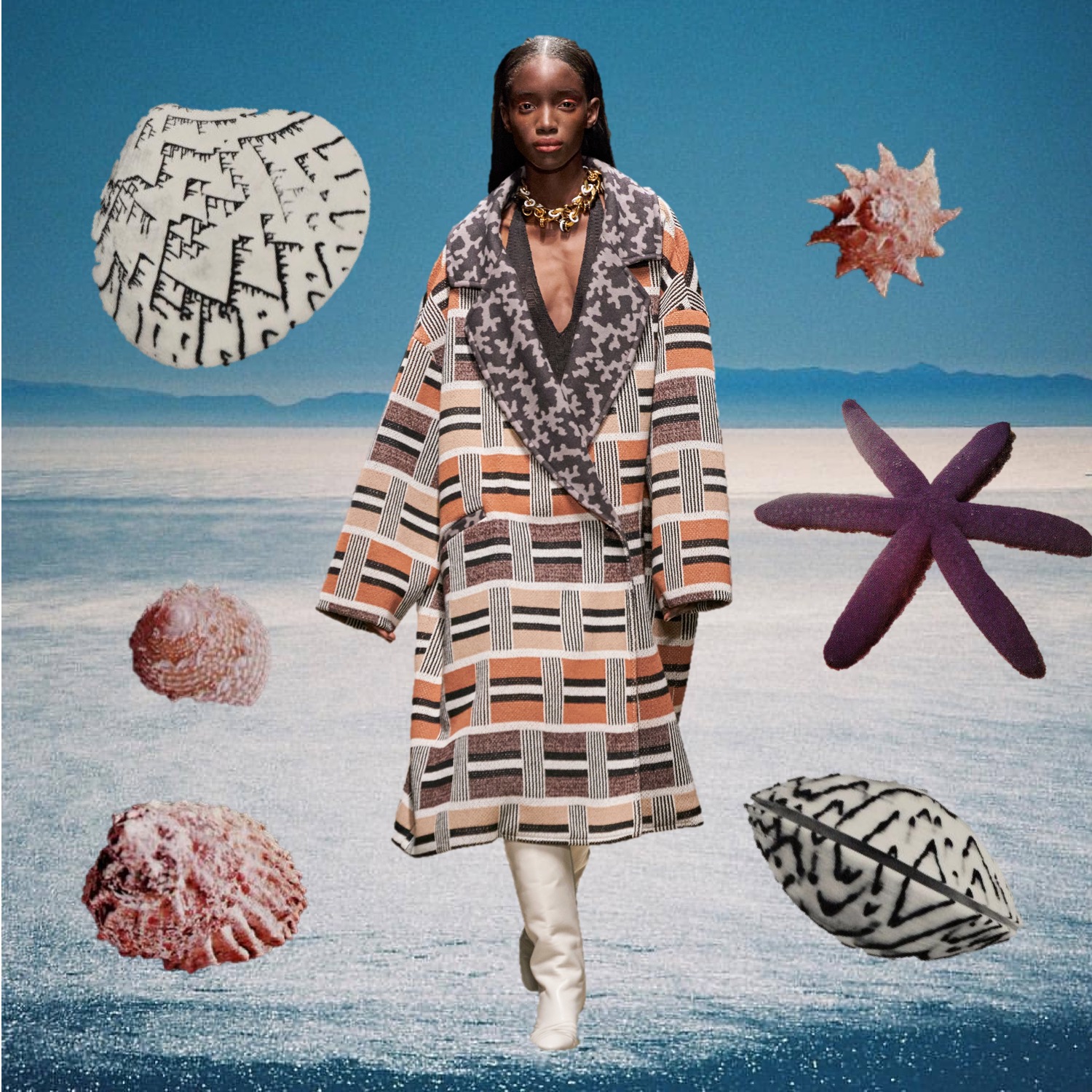
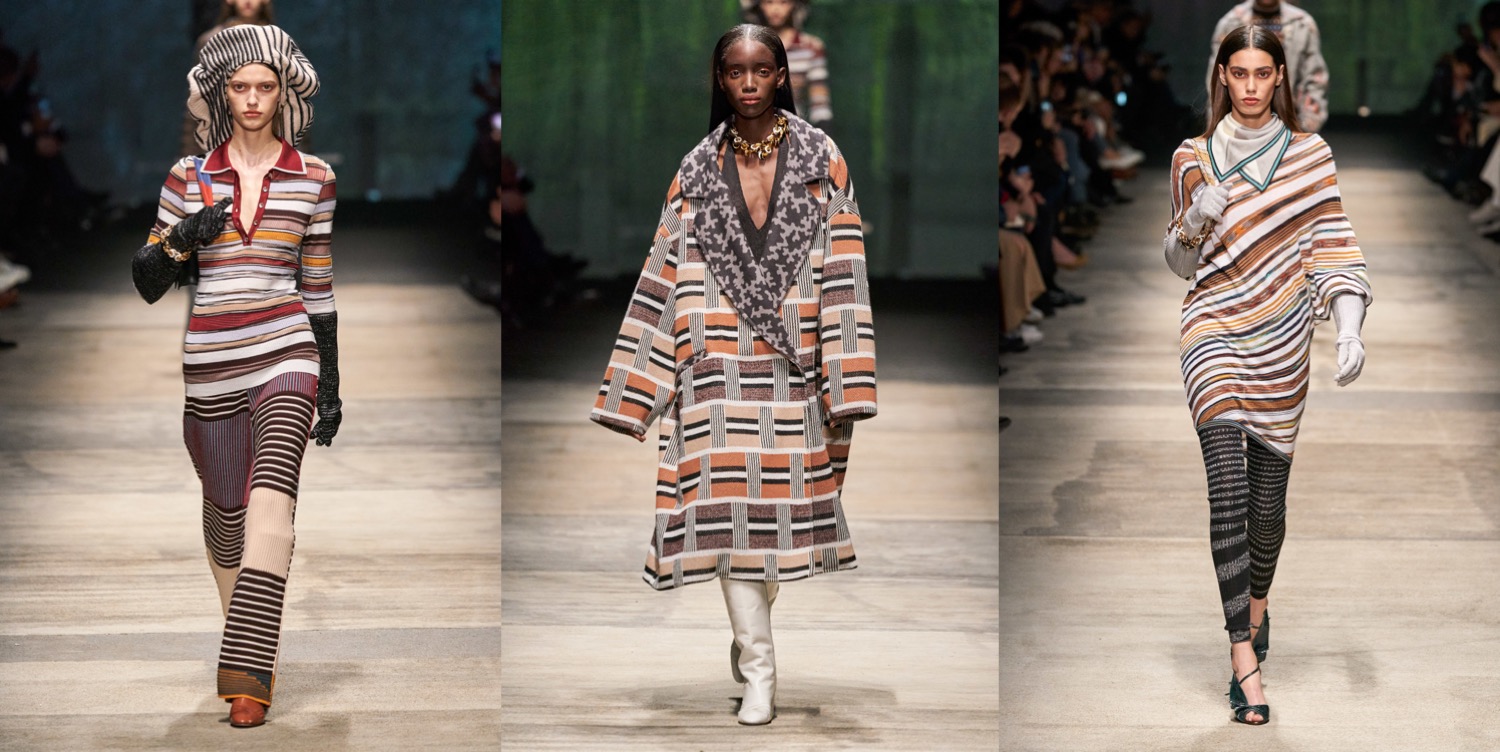
The spotlight of the last days of Milan fashion week was stolen by the abrupt spread of corona virus in multiple of Italian regions near the city. Still, one of those closing shows just can’t be ignored: I’m speaking of the beautiful Missoni line-up. The organizing principle was geometry. Press notes made reference to the 1884 book Flatland: A Romance of Many Dimensions, in which its author, Edwin A. Abbott, made squares sexy. Angela Missoni‘s take on geometric patterns of all kinds were collaged on every manner of knit, from the most generous of belted cardigans to body-clinging ribbed tops and tube skirts. The palette was dark and moody and shot through with metallic Lurex, and as ever the patchworking of different motifs was a highlight. The navy and gold intarsia coat with slouched-on ’80s proportions is the must-have, just as all the gorgeous blazers.
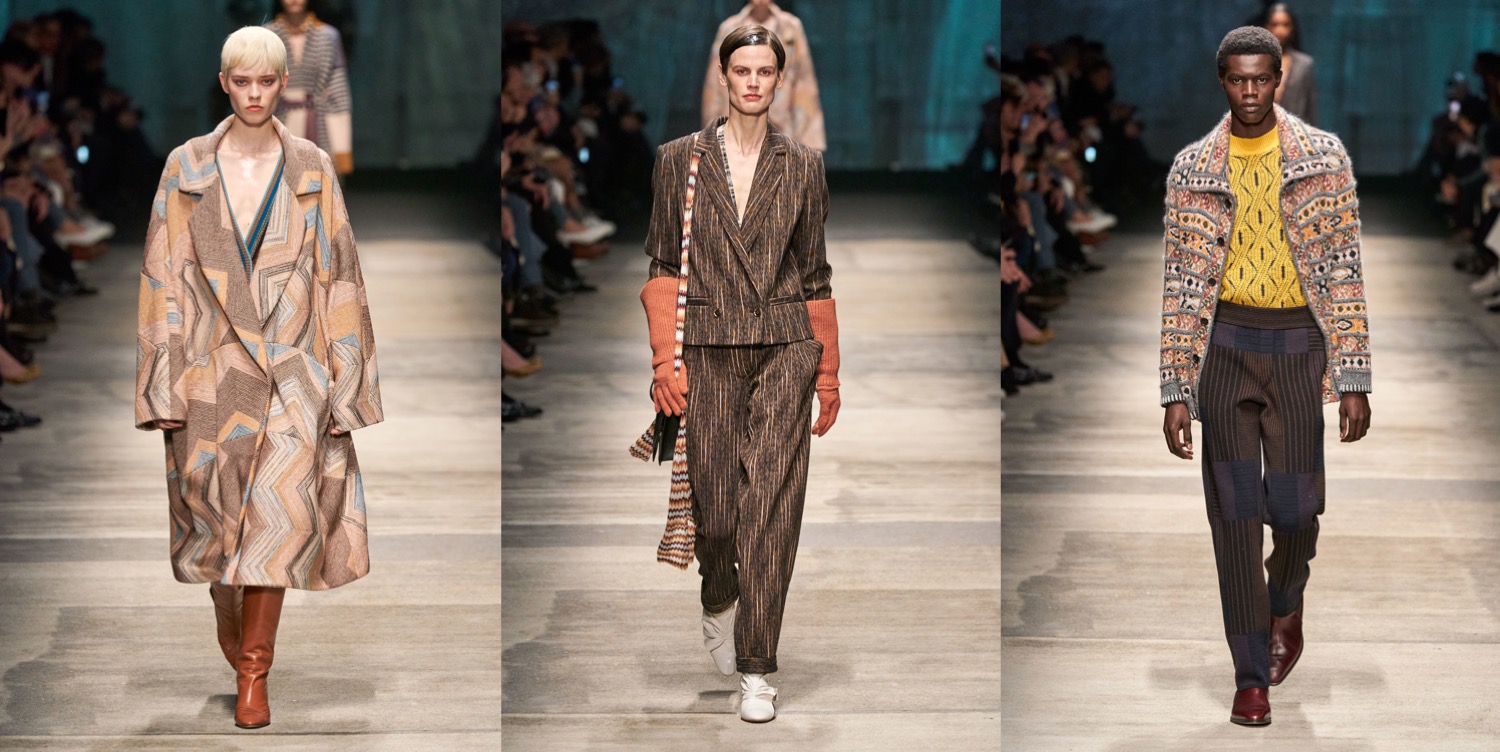
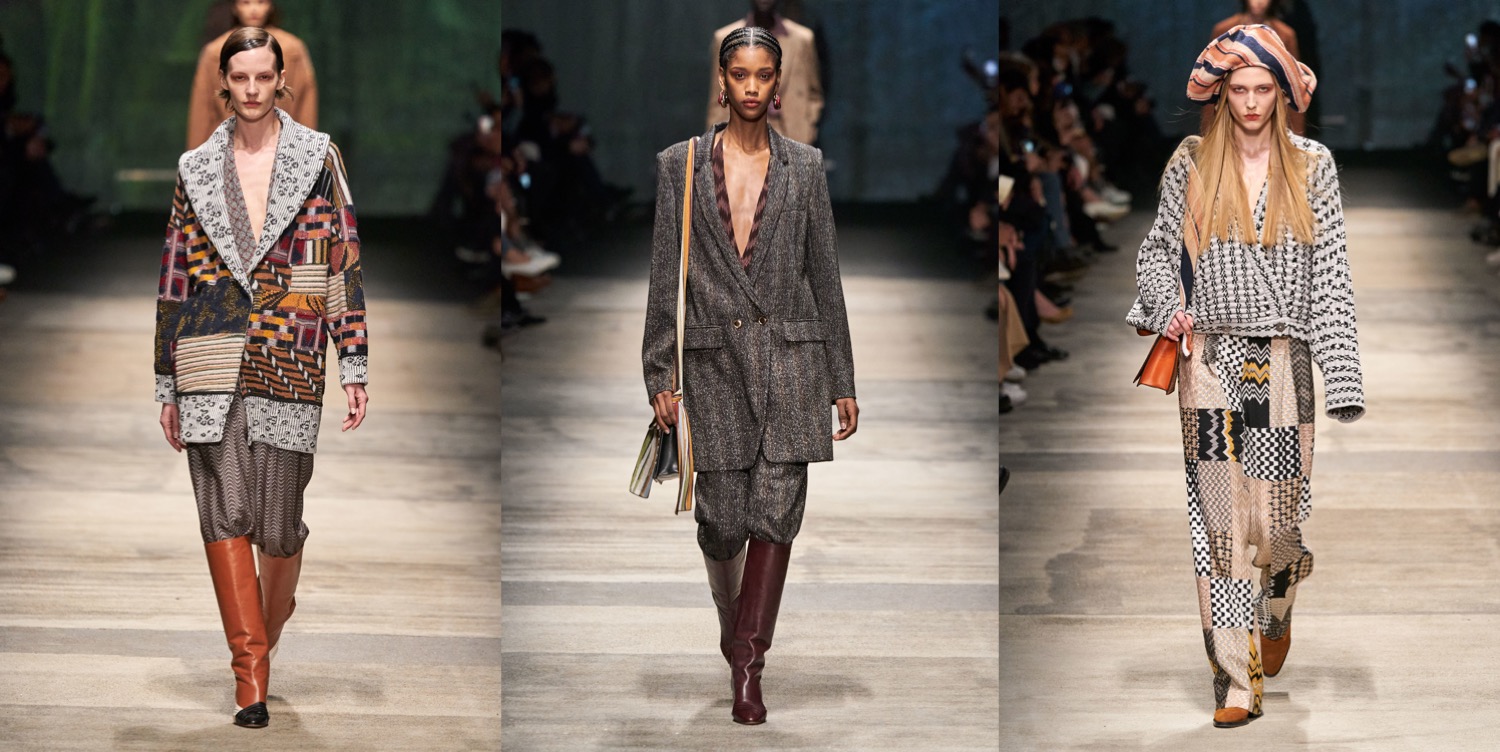
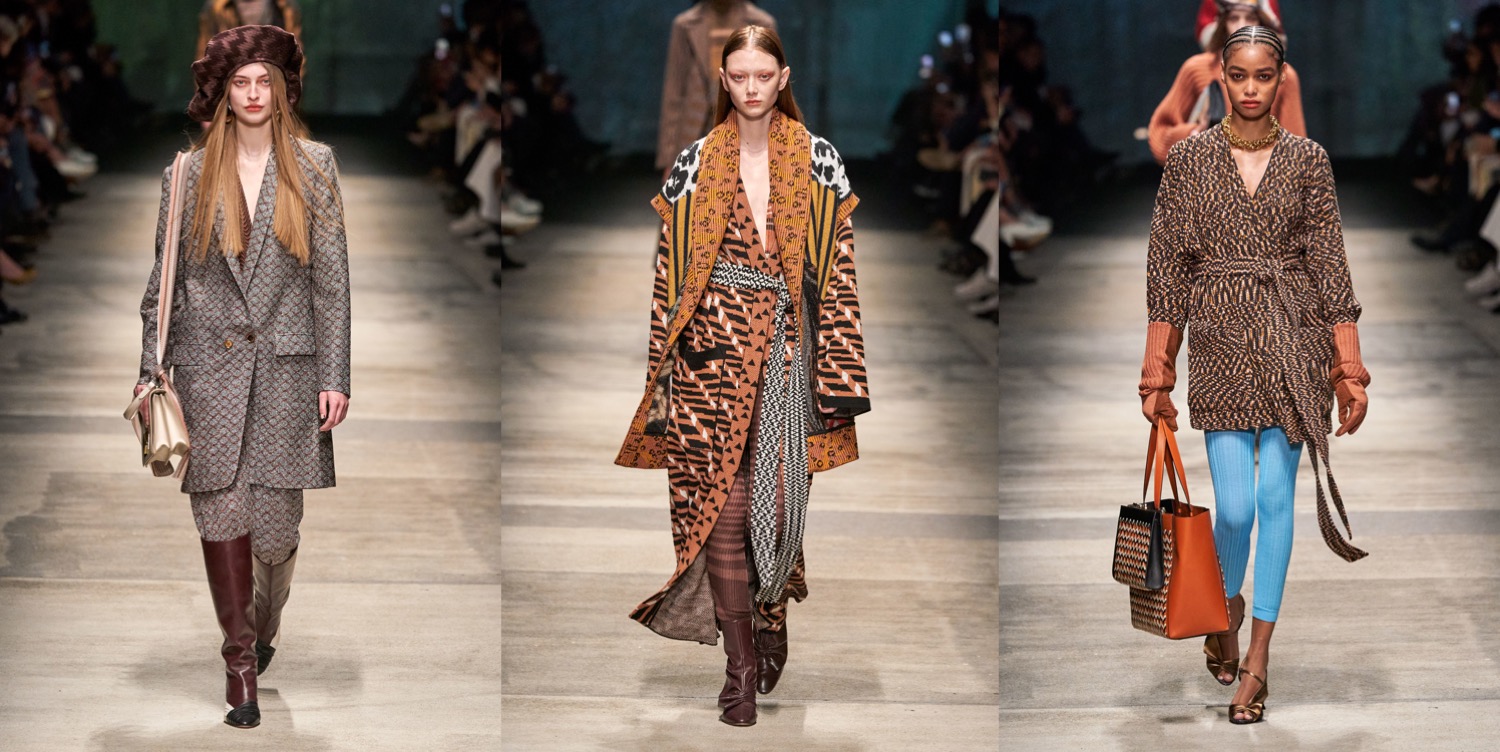
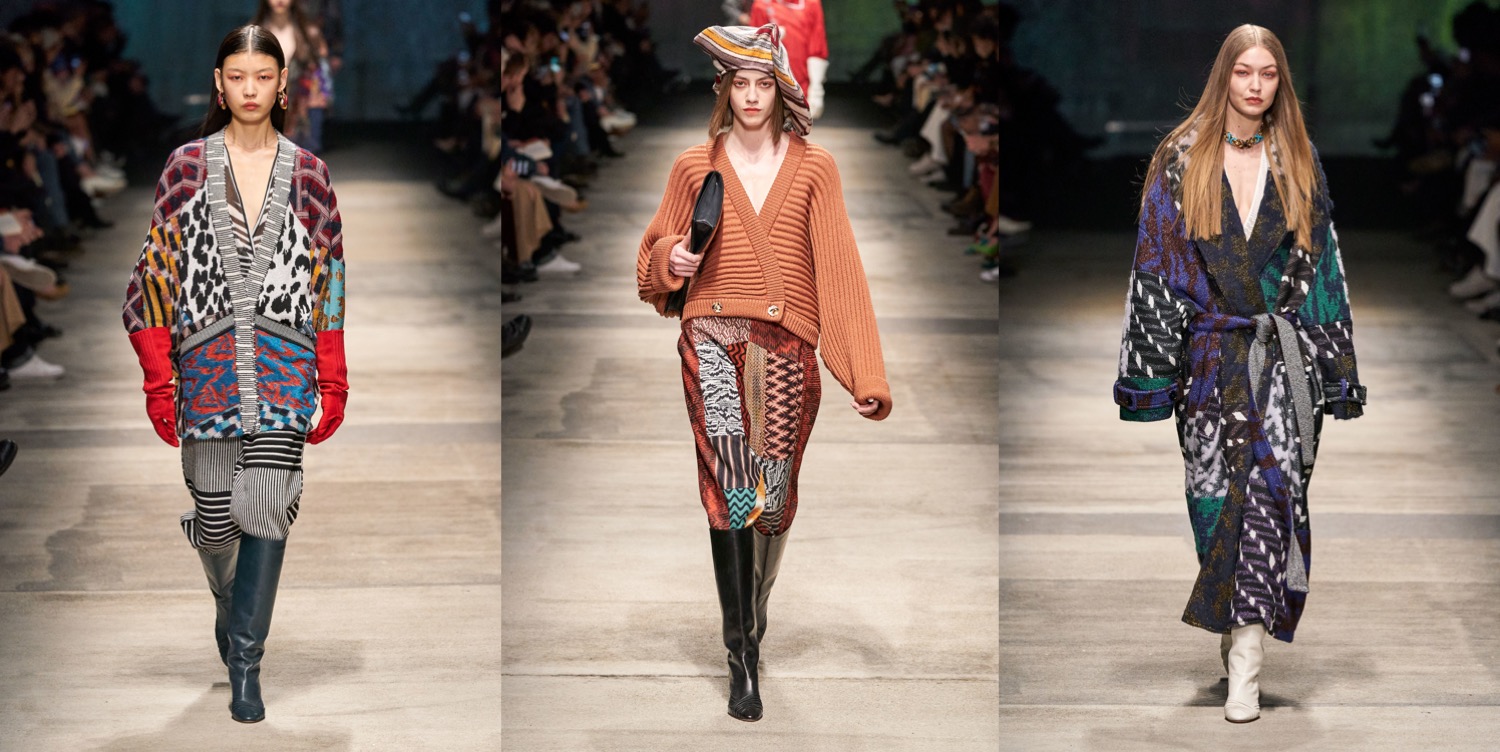
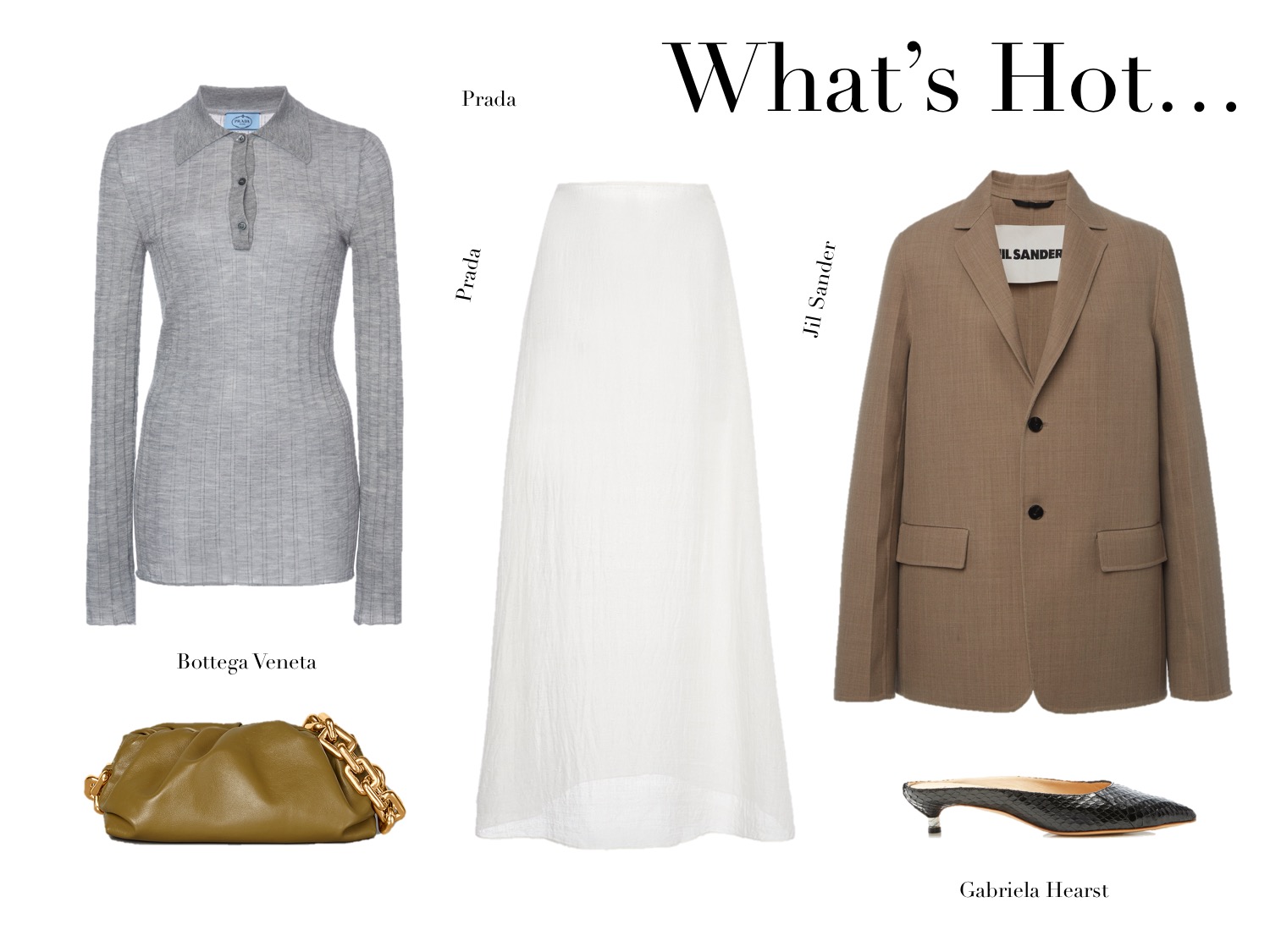
Collage by Edward Kanarecki.
/
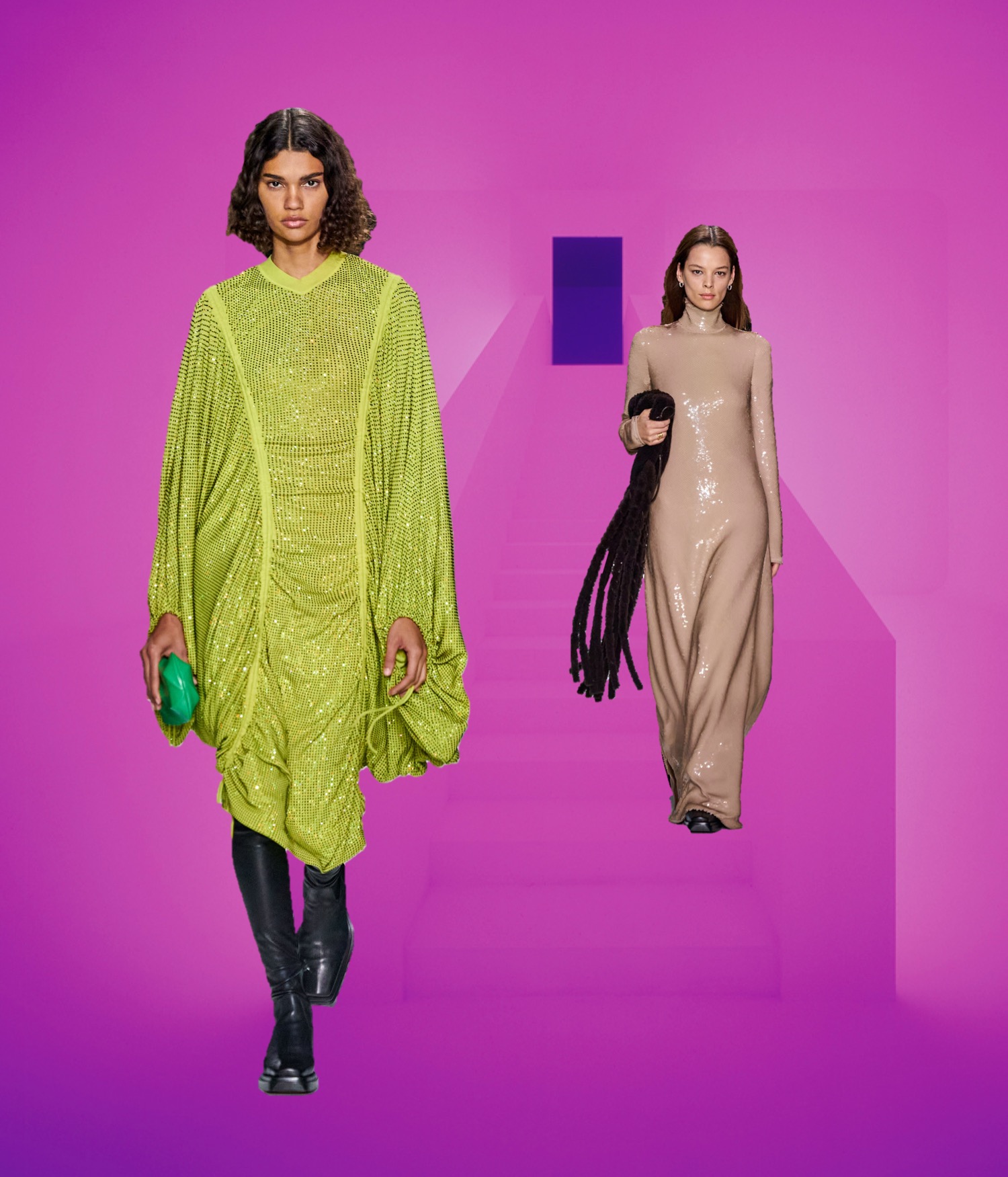
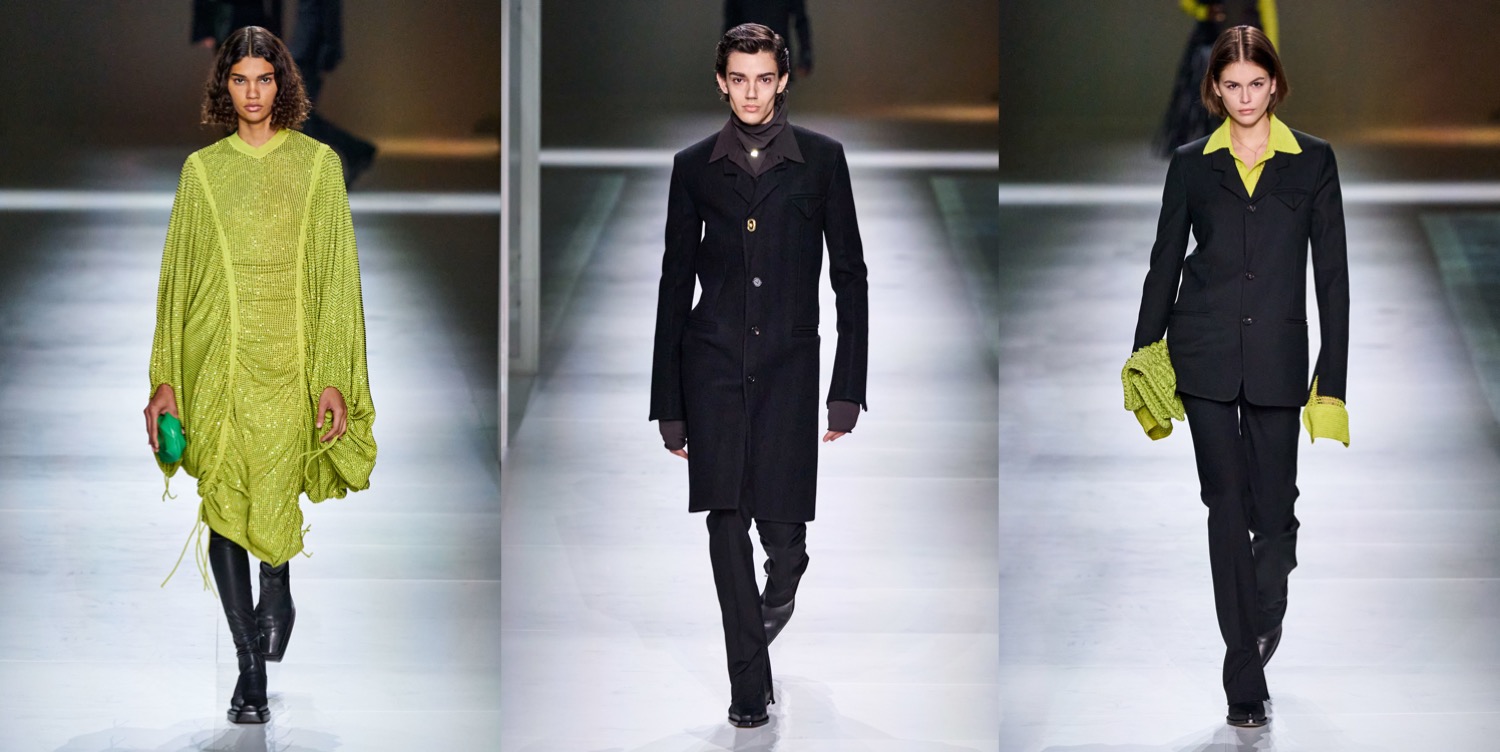
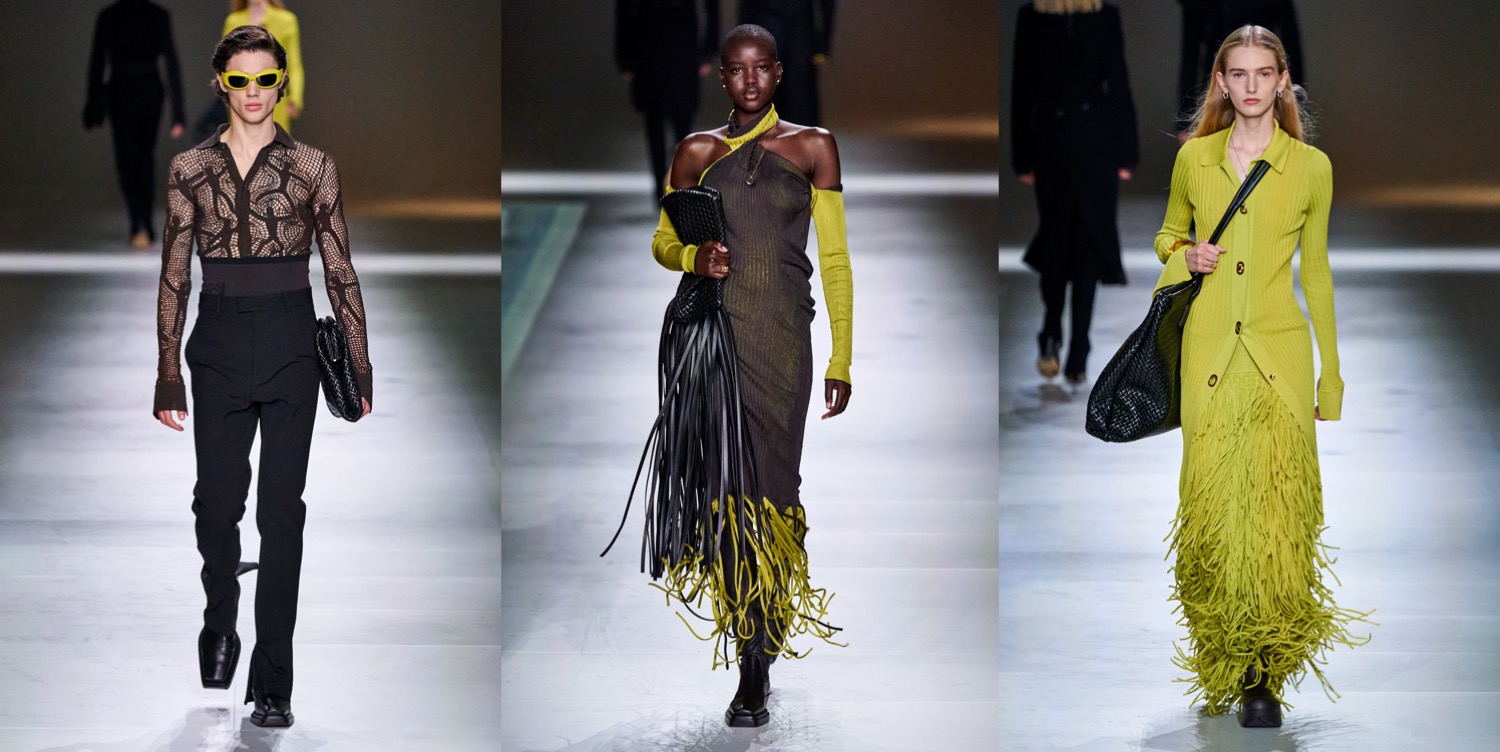
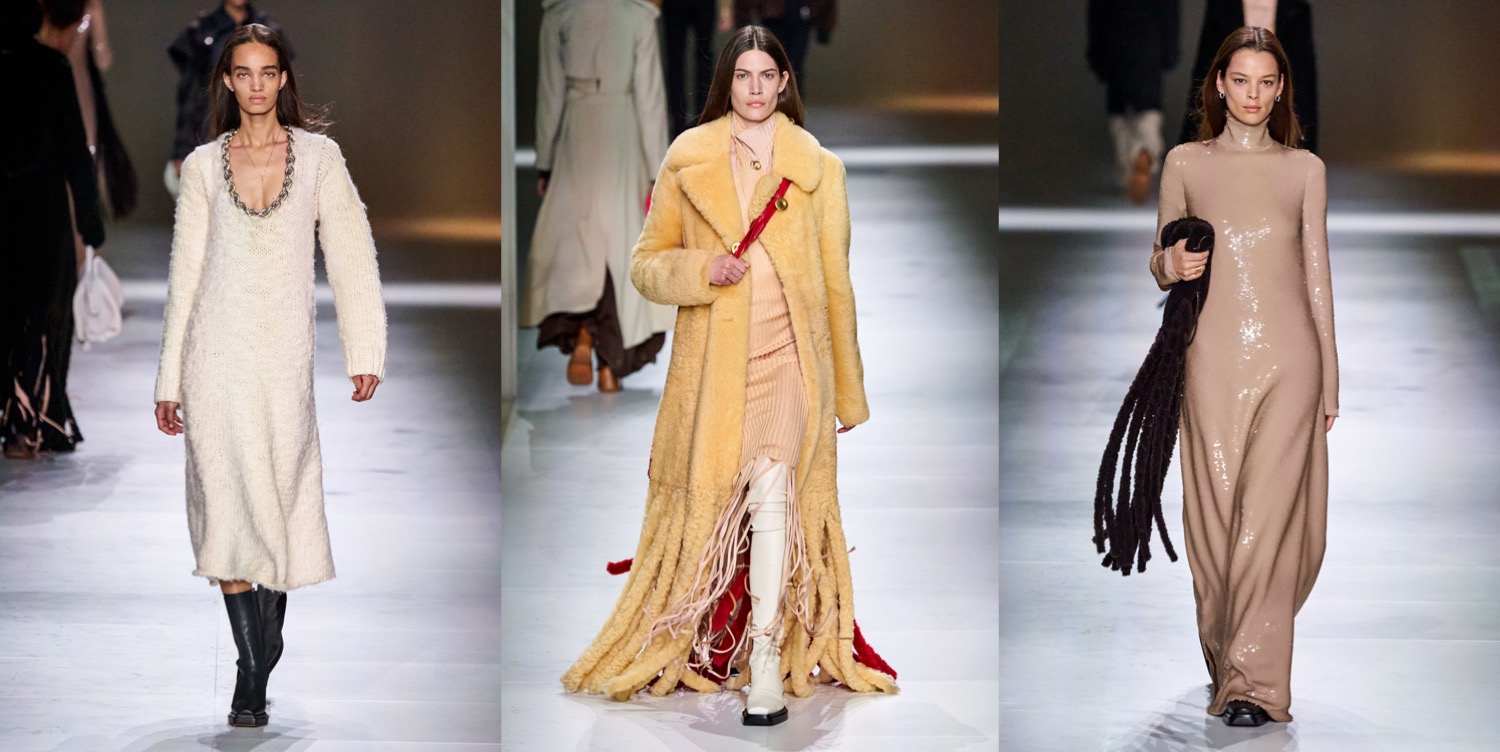
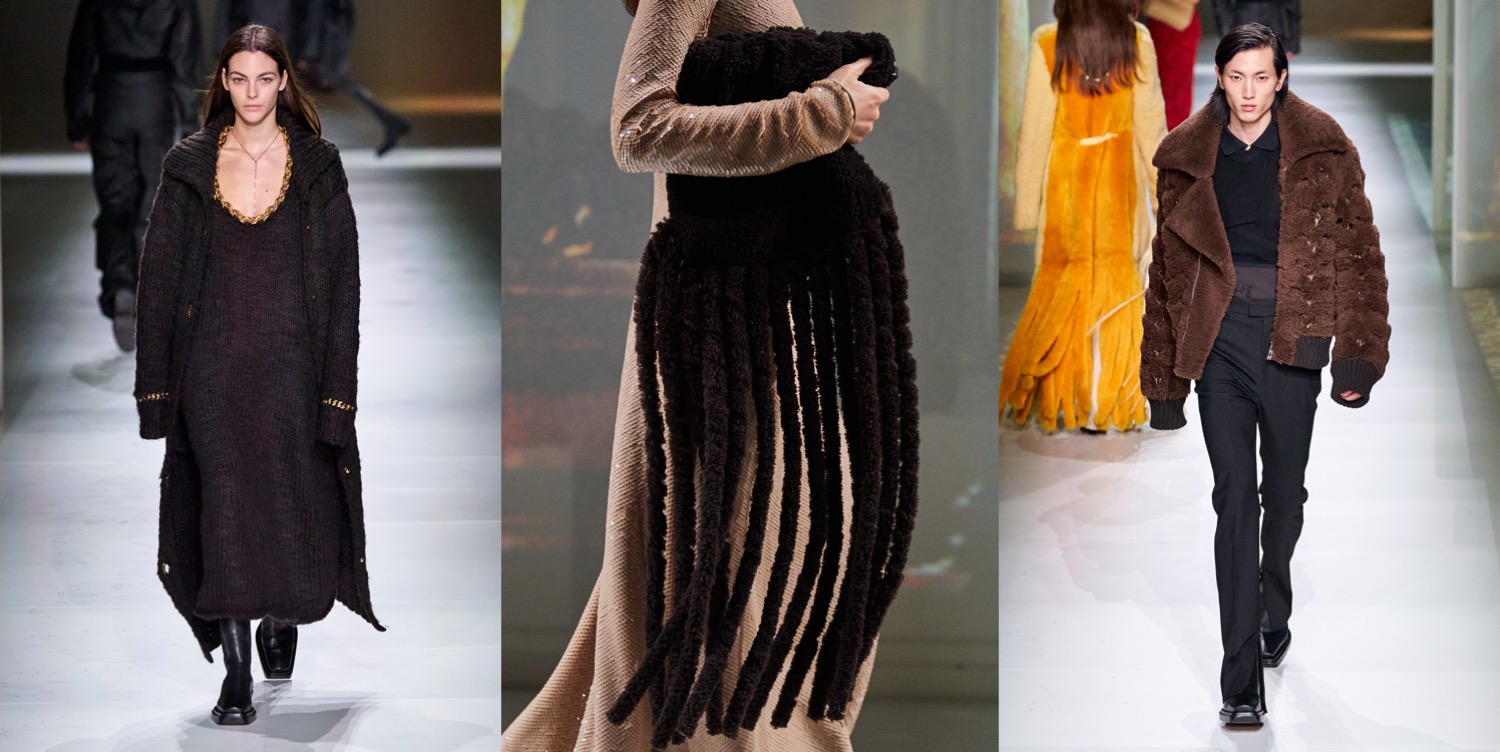
With today’s breaking news of Raf Simons co-designing Prada with Miuccia Prada (!!!!!) since next season, Daniel Lee‘s Bottega Veneta might not have that much attention it had for a while in Milan this coming September. Still, Lee evidently tries to win with the mainstream hype that started to abruptly surround the brand he shook up, and tries risky things. Painful colour combinations that look so bad they’re actually good. Volume plays that aren’t the easiest to pull off. Accessories which are distant to regular “it” bags and “it” shoes (fringed octopus clutches, rubber boots in neons). I’m aware that the audience’s memory span is too small for noticing all the Phoebe Philo and Céline references (really, every single look reminded me of a specific collection – and especially Philo’s now iconic swan song line-up, which was also the last for Daniel), so no surprise the collection’s edginess is this electrifying. For autumn-winter 2020, Lee decided to examine softness – something he has missed in his debut last year. “When you look at the brand’s beginnings, everything it made was so soft. I find that super inspiring.” That thinking informed the ready-to-wear he put on the runway. But equally, so did the fact that at the age of 34, Lee is part of the street wear generation that’s wearing trainers, sweatshirts with prints and any piece of clothing that puts an emphasis on cool and comfort. He asked himself, “How do we put ourselves together in a considered, elegant way but still feel comfortable?”. His answer was simple: stretch. Even the refined men’s tailoring was built with stretch in it, he said, so it moves with the wearer. He also put big emphasis on both knit dressing and jersey, for both day and evening. Movement is his other obsession. He said he’s been spending a lot of time at La Scala watching dance performances; he likes all kinds, from ballet to modern. No wonder why those sequinned maxi-dresses and coats with floor-sweaping XXL-fringes look so amazingly vibrant and energetic once they are worn and presented in motion. Expect this collection to sell out within hours once the pieces arrive to the stores.



Collage by Edward Kanarecki.
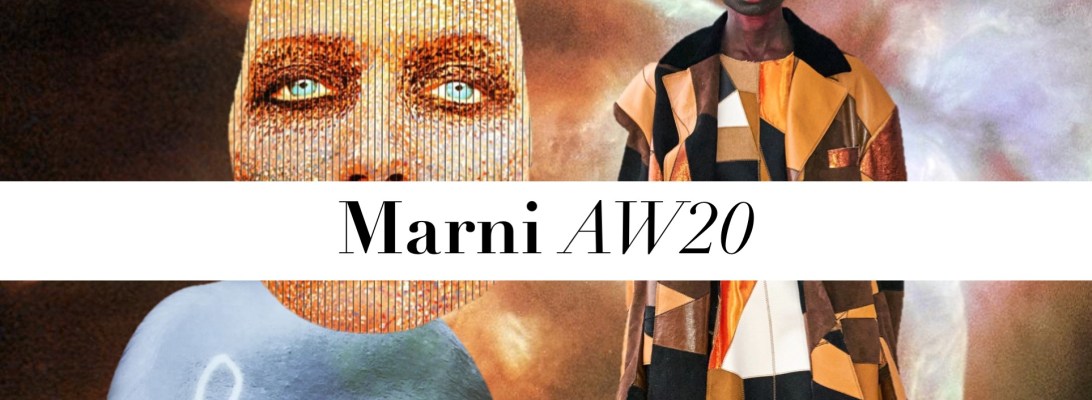
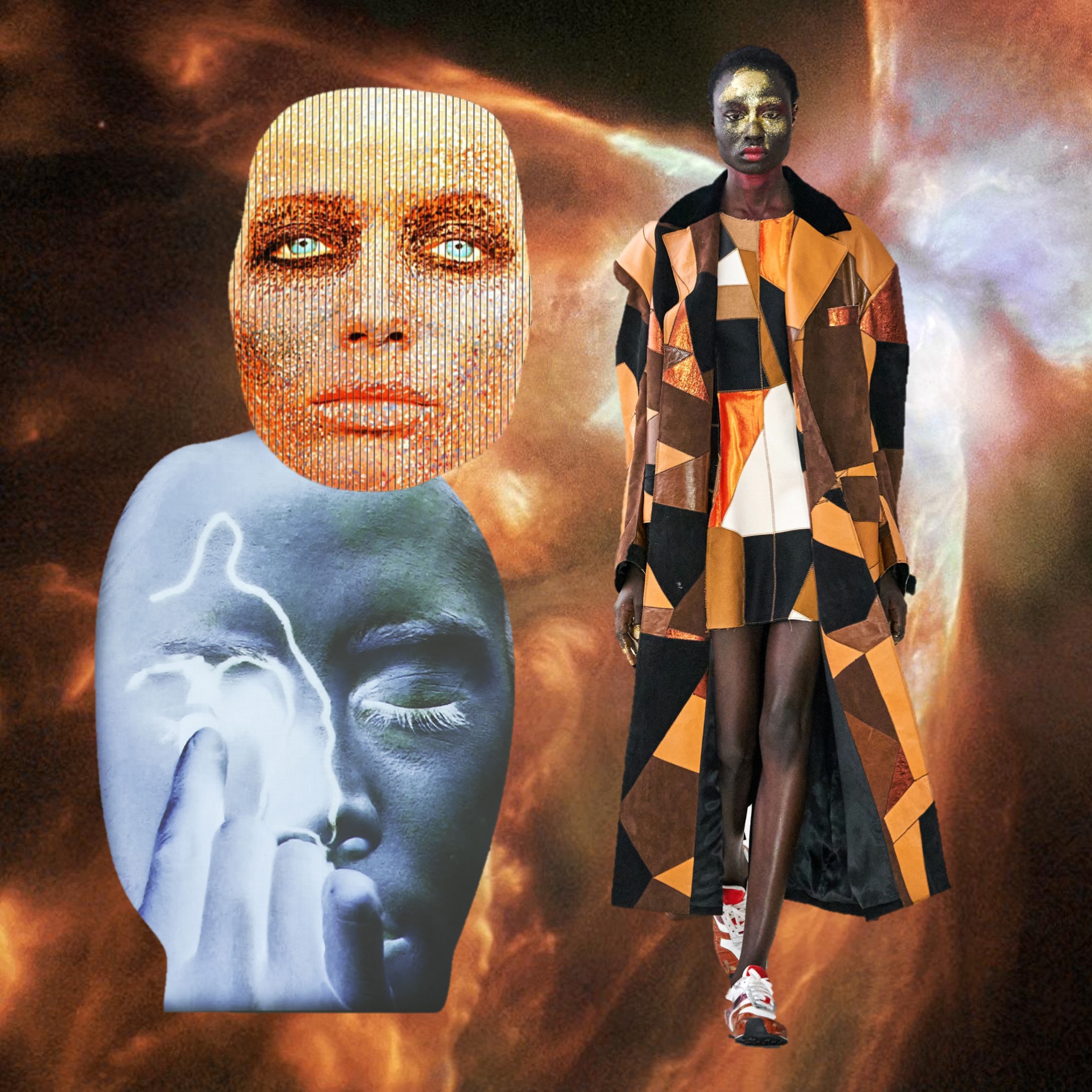
While the topic of sustainability seems to be utterly dormant in Milan, at least you’ve got Marni‘s Francesco Risso that takes some steps in order to address it. The collection used what appeared to be fragments of existing garments: take the cardigan dresses created from several different pieces of knitwear, each element linked with the crude stitchery of a child in a craft workshop. The remnant scraps produced in their manufacture, Risso noted, had been regenerated to create smaller elements such as the purses shaped like Victorian carpetbags or the old-fashioned wrestlers’ shoes. Risso described the effect as DIY, and the deliberate naivete continued with the magnificent finale pieces made using scraps of humble cotton fabric patchworked together with shards of cut velvet woven by hand in a factory in Venice on looms that were originally designed by Leonardo da Vinci – a vanishing, time-consuming craft that Risso understandably wants to “protect and exalt.” “They are basically our new furs,” he said of these precious garments. The collection, as the designer explained, was “collaged from the beginning to the end – from macro to micro to fractal. It’s about putting together remnants.” Julien d’Ys gold and silver dust make-up and lacquered hair on the models added even more spark to Risso’s wearable assemblage. Gorgeous.


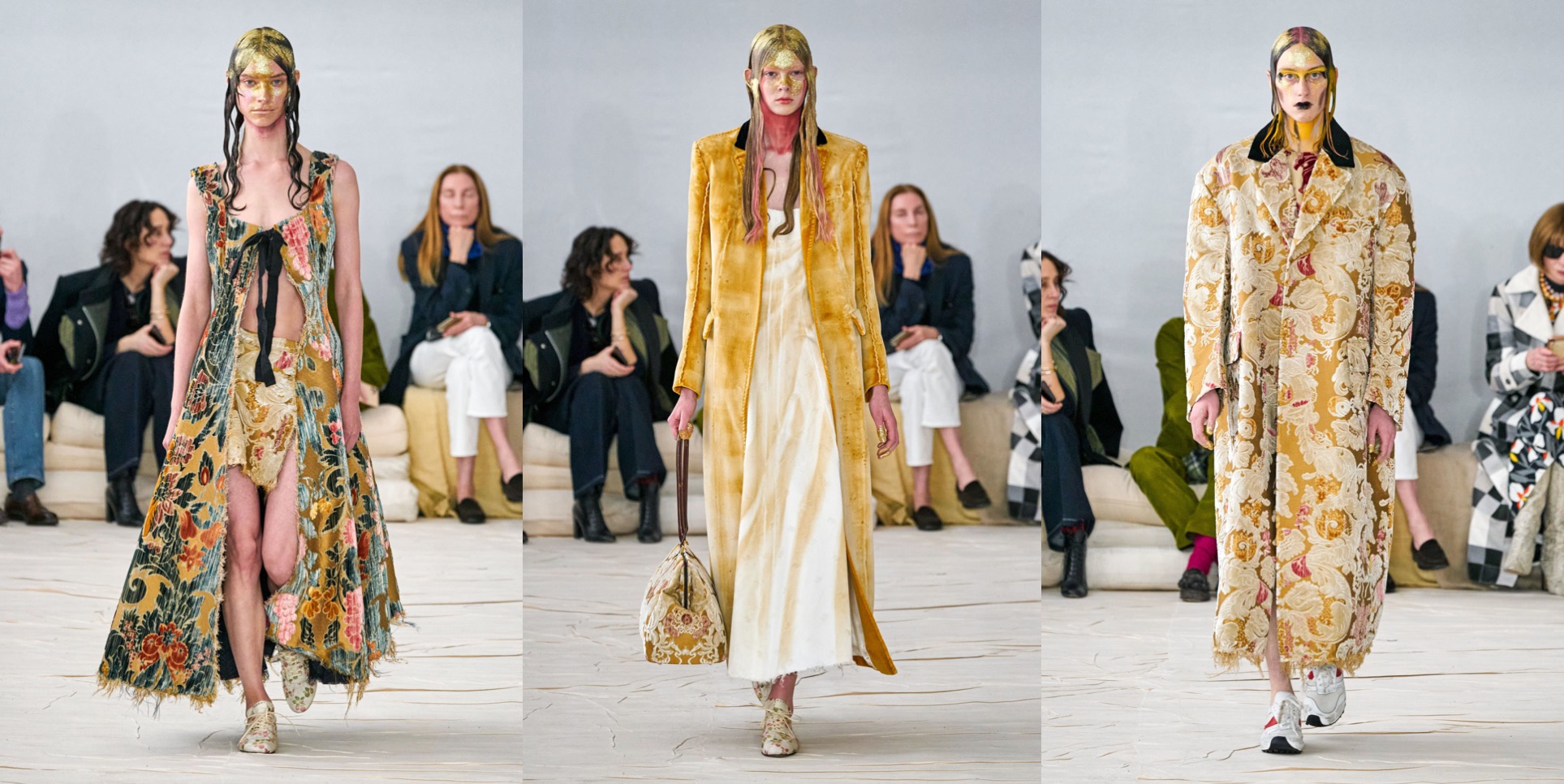
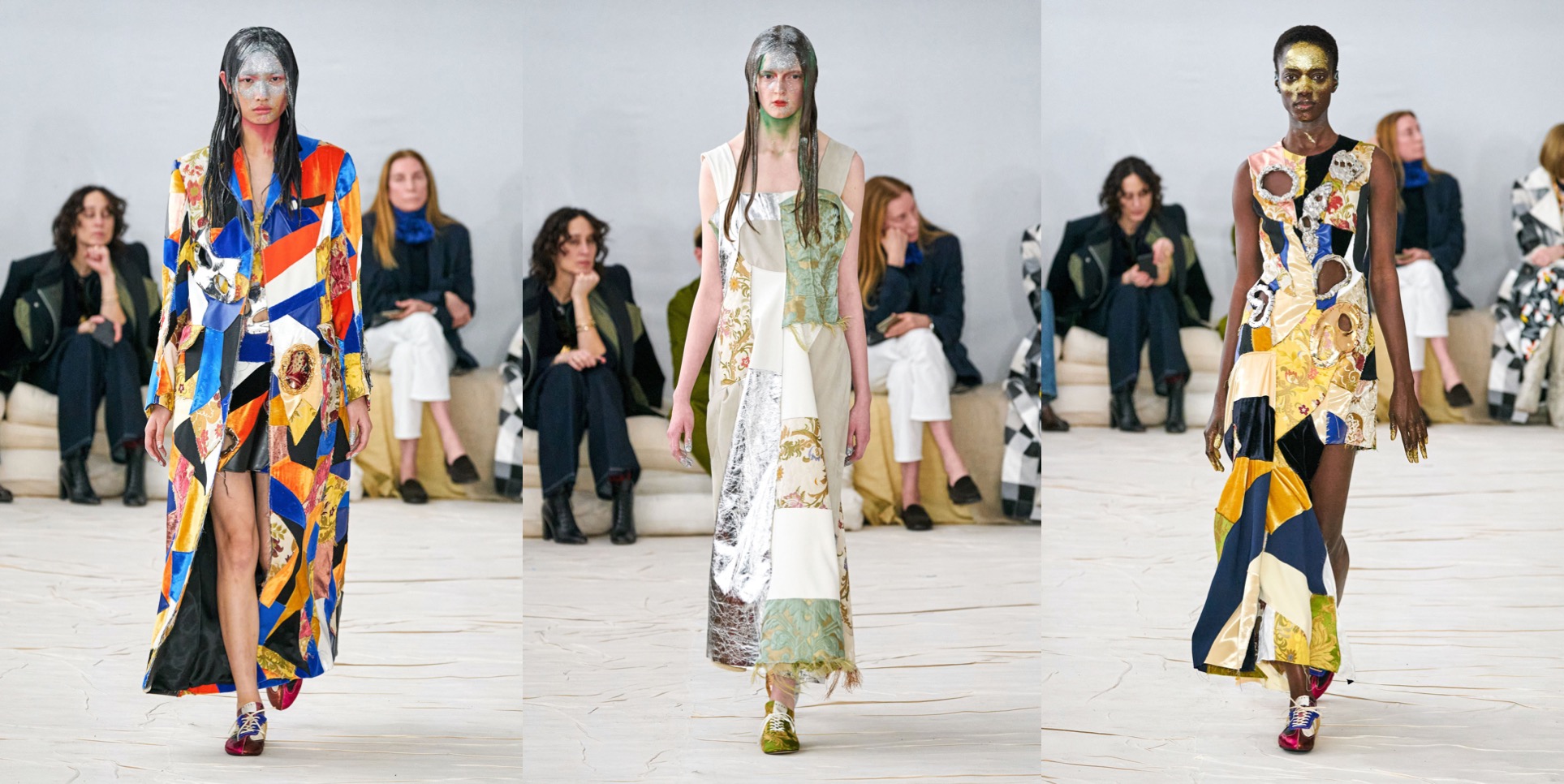
Collage by Edward Kanarecki.
 Design & Culture by Ed