/

/

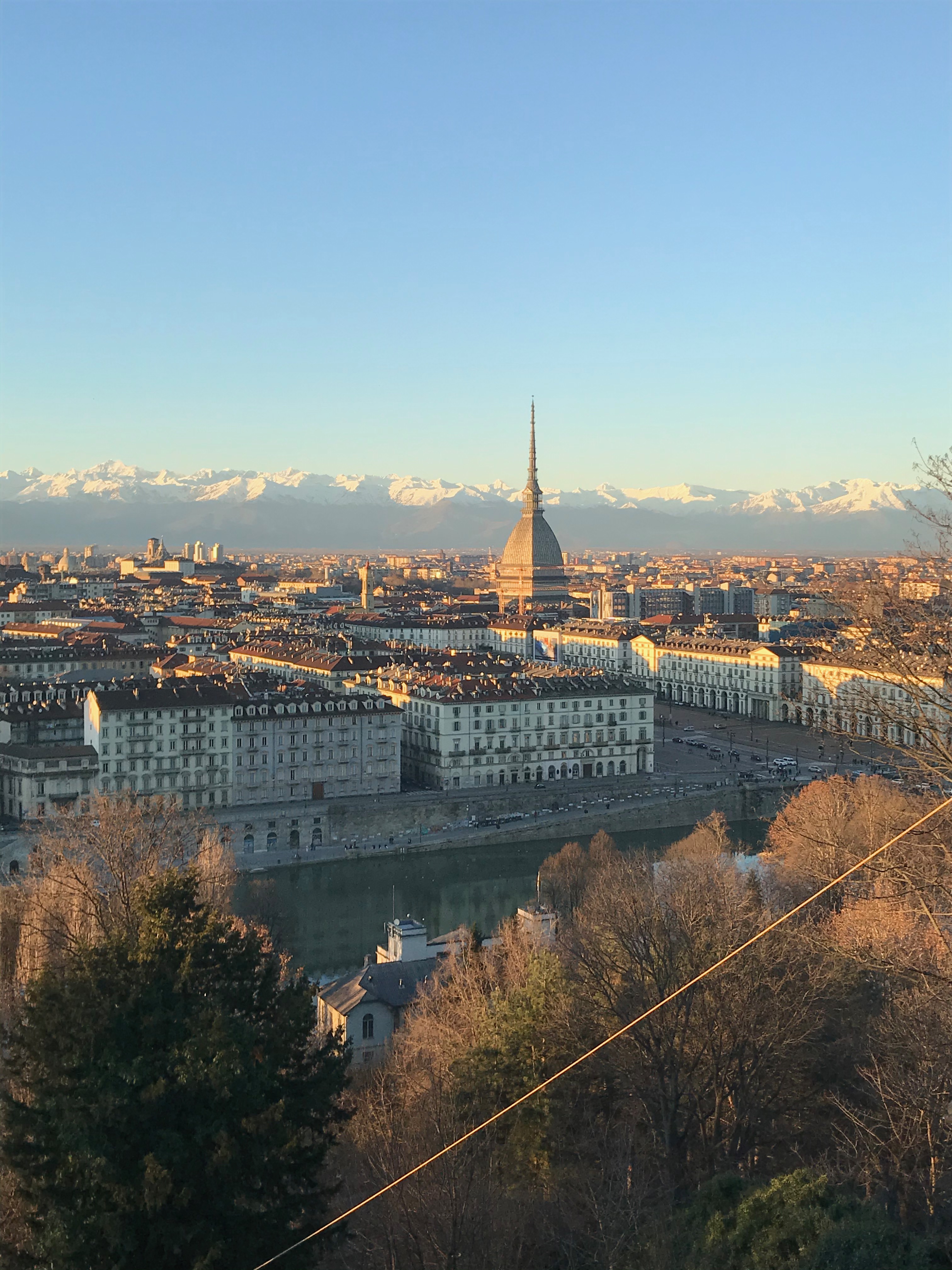
Just an hour-and-half away from Milan, in the heart of charming Piedmont. you’ve got one of the prettiest – and underrated – cities in Italy: Torino (also known as Turin). The first sight: beautiful Baroque buildings lined up, each embellished by quaint signage from bygone decades. Coffee shops with Art Nouveau interiors, red-velvet seats and older ladies with impeccable hair. Townhouse patios with tiny chapels, antique shops with true treasures, palazzos where you can spend hours on looking at all the intricate details… and blooming roses in the parks (yes, in winter). Not speaking of the fantastic lack of tourists, which is really calming if you’re back from Rome or Florence. I will post my favourite places to see and visit in Torino very soon, for now here are some “moments” I’ve captured during our stay in January…
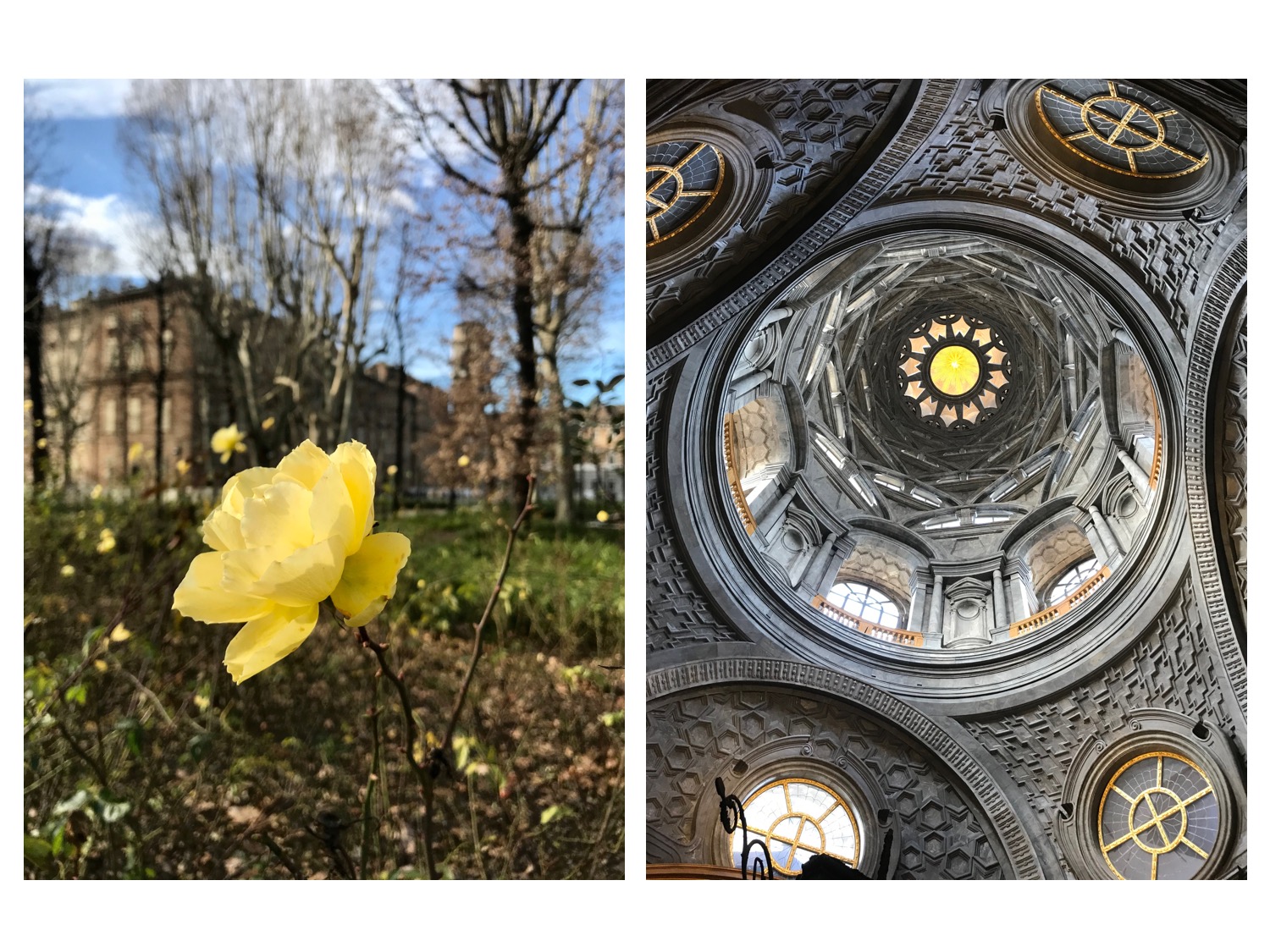
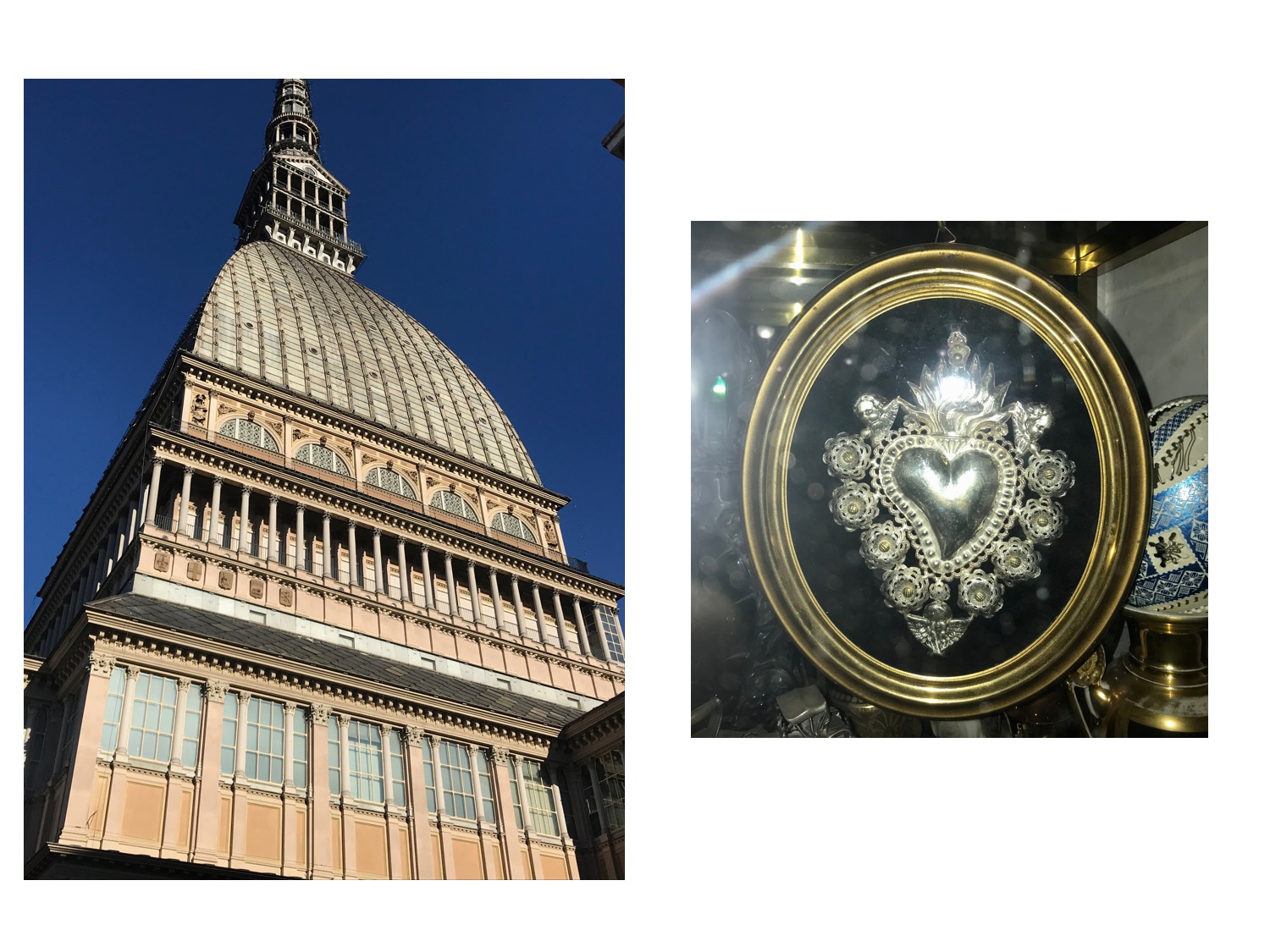
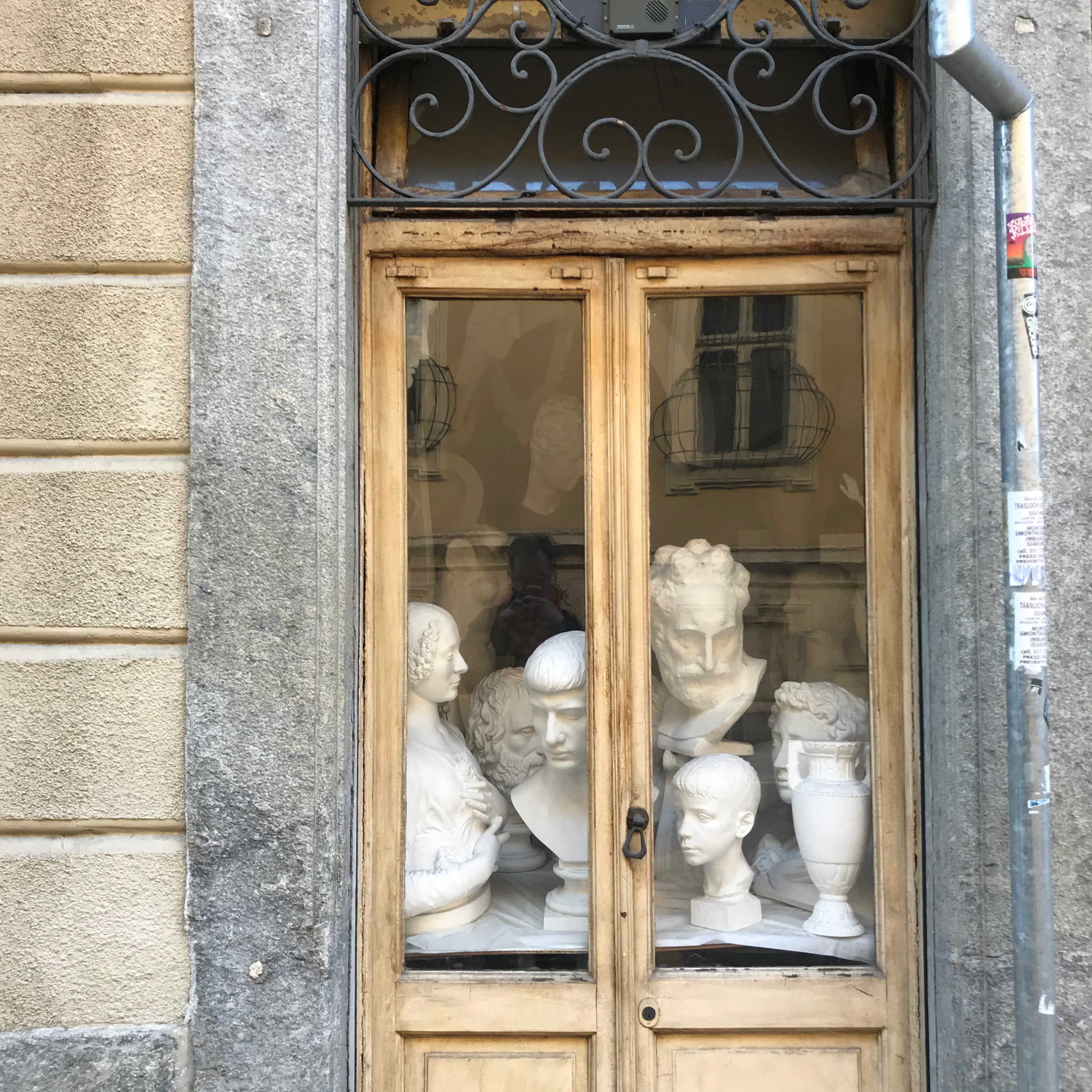
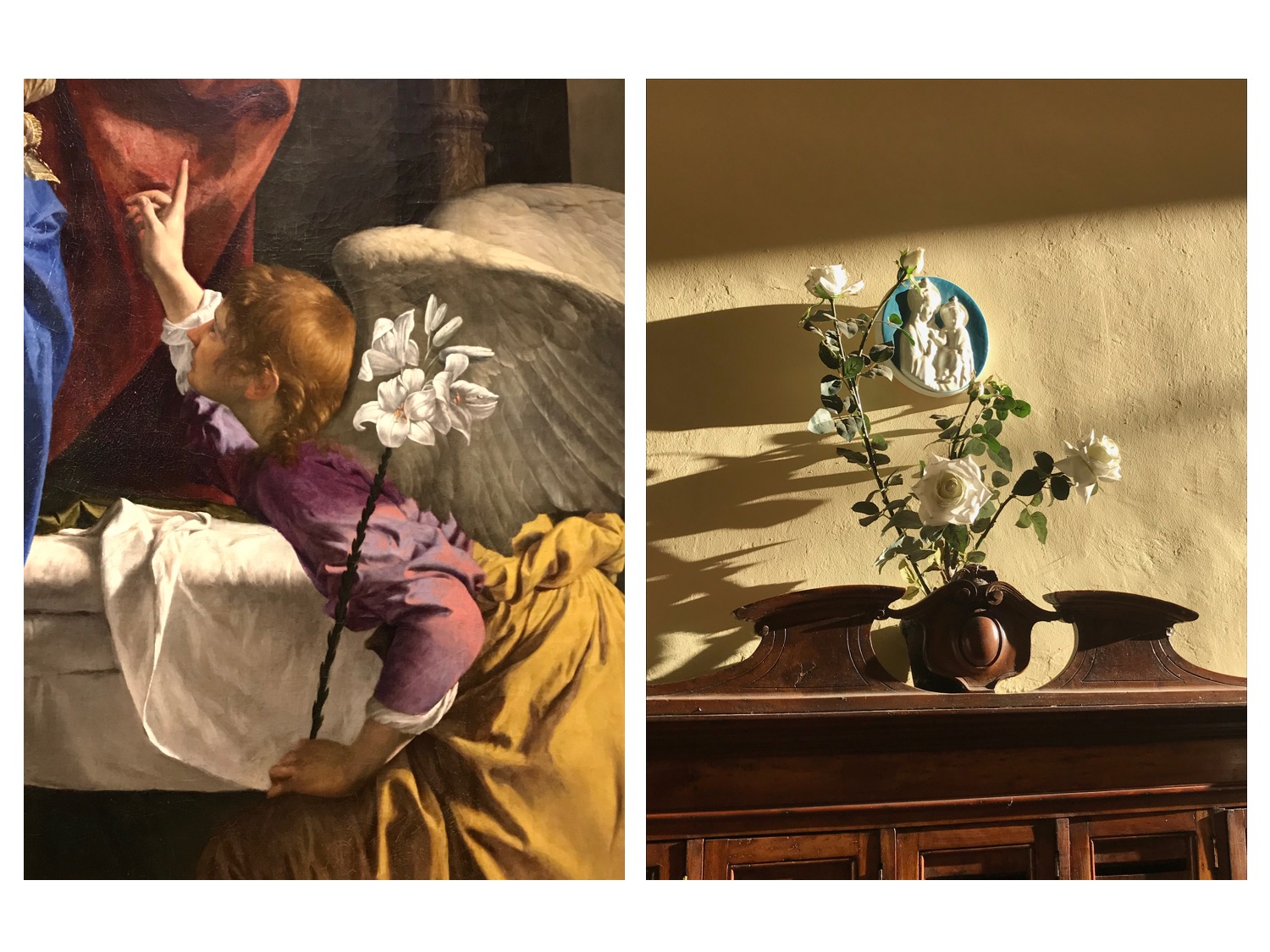

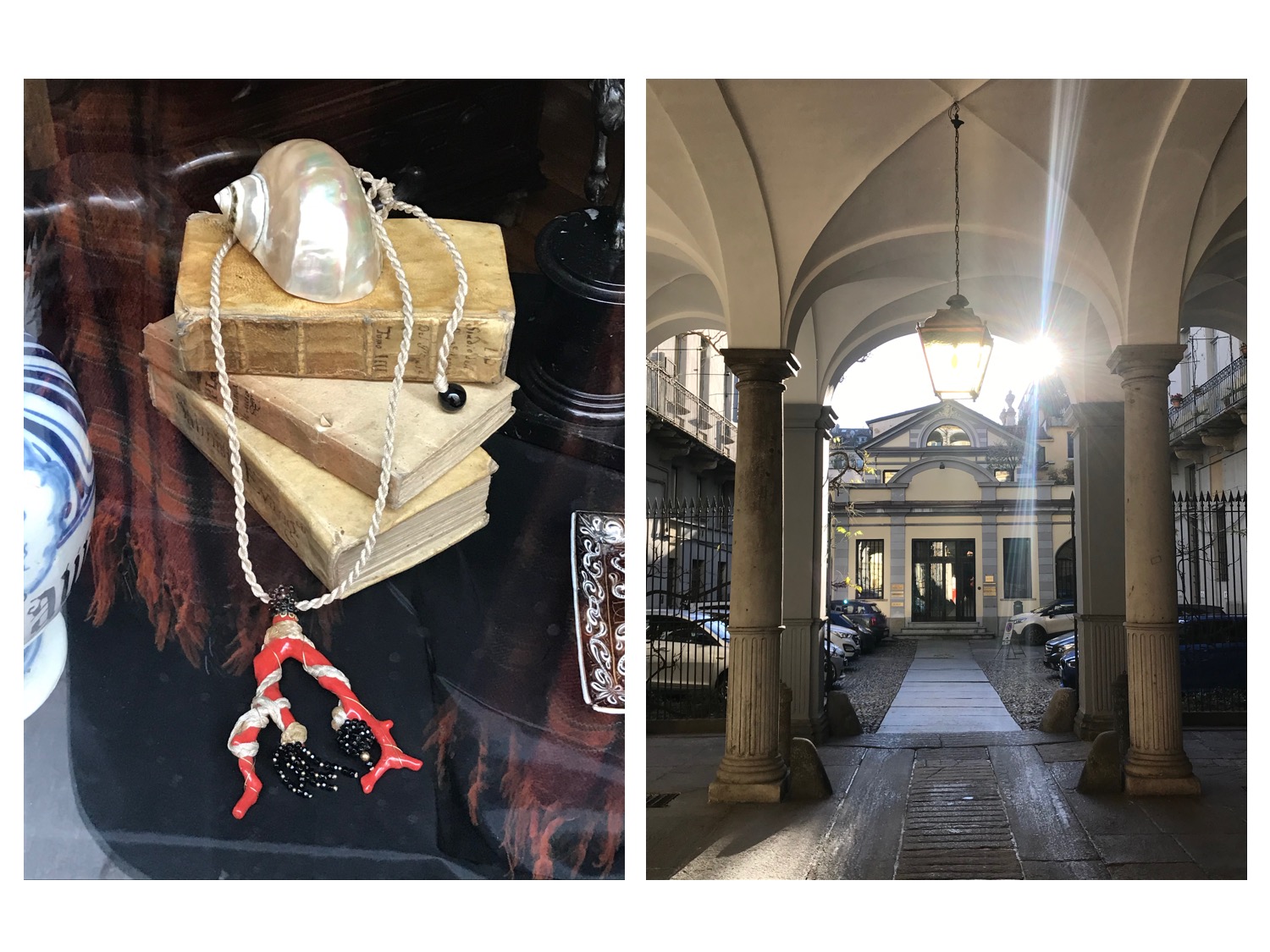
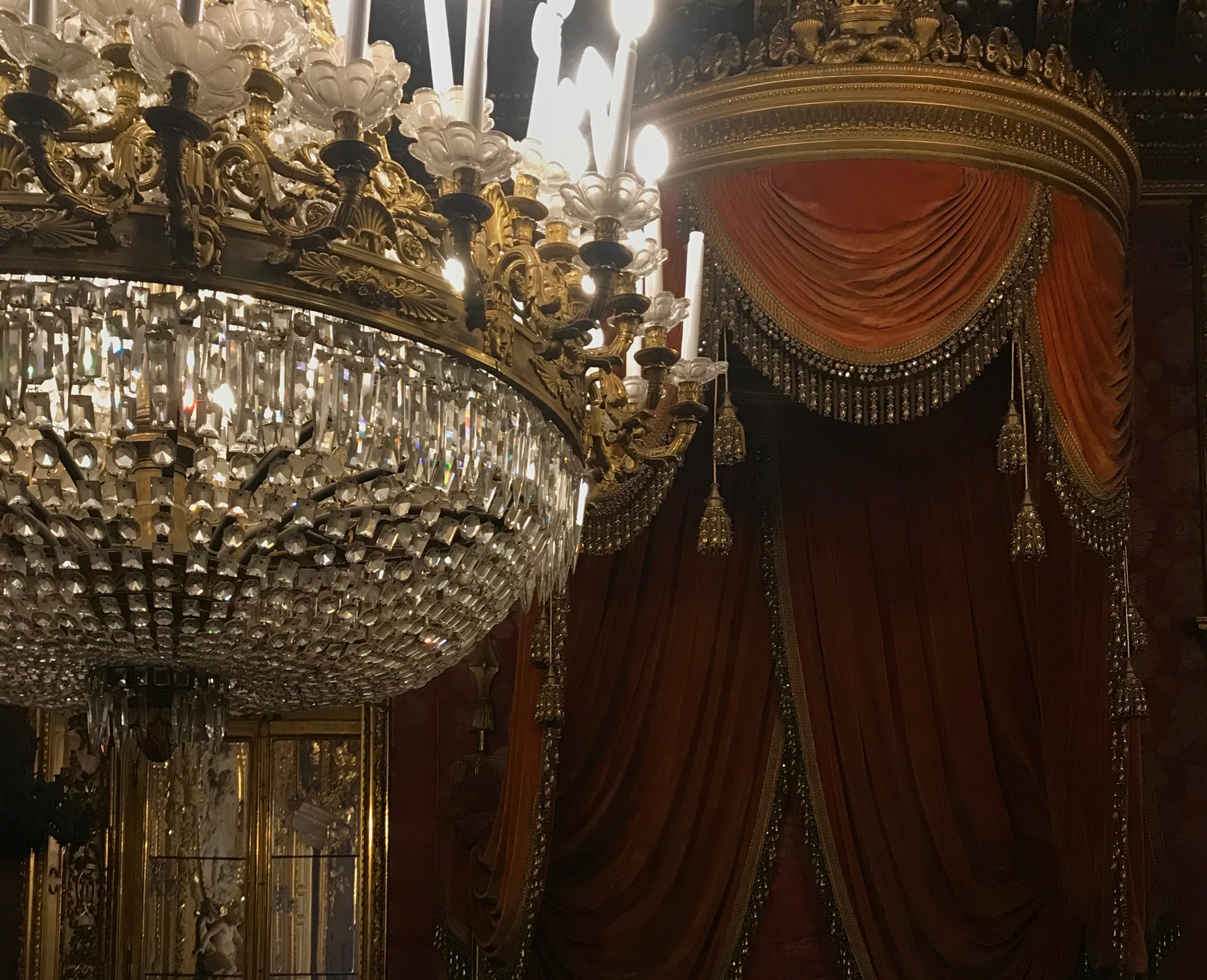
Photos by Edward Kanarecki.

/


The music began, and once the lights came on, Cecilie Bahnsen‘s signature romance was illuminated. Of course there were all the beautiful, fluffy ball skirts and big sleeves, sculpted with delicate silk organza. Still, this season the Copenhagen-based designer slightly stepped away from her saccharine dreaminess. There was a fresh edge to Bahnsen’s new work, thanks to the mix of metallic materials and to more form-fitting, corseted silhouettes that added a sensual and bewitching quality to her designs. Crisp, fitted blazers were styled with cloudlike dresses and sheer A-line skirts, and Bahnsen also expanded into knitwear with ribbon- and ruffle-bedecked sweaters that could be worn as easily with jeans as they could be layered over one of her voluminous dresses. Outerwear was crucial to the collection. Bahnsen collaborated with British luxury heritage brand Mackintosh and showed minimal anoraks alongside cocooning quilted coats with floral embroidery. That’s a great lesson in layering. Bahnsen is one of the most skilled designers in the city and this season she really pushed herself and her talents to the next level.i


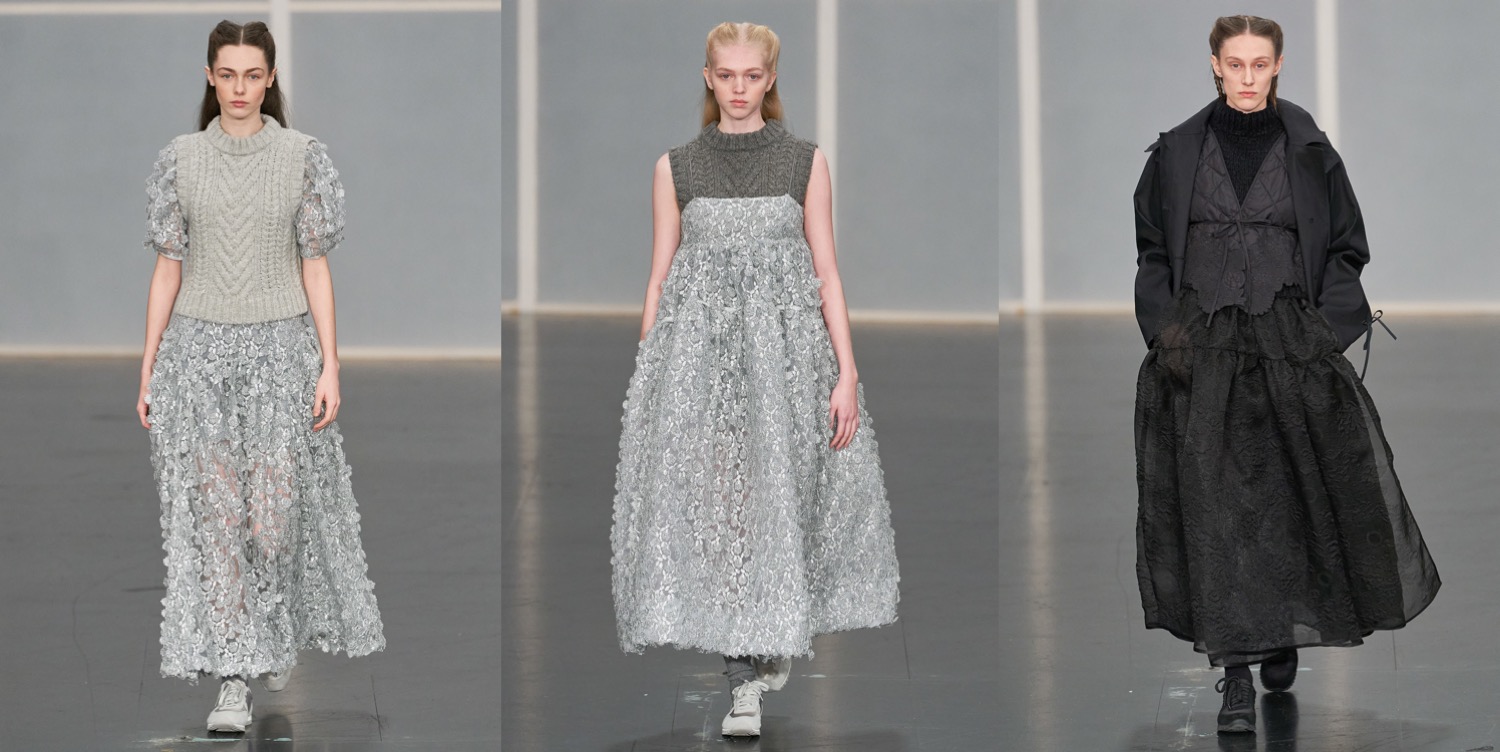


Collage by Edward Kanarecki.
/
 Design & Culture by Ed