Surrealism & Other Myths in Warsaw

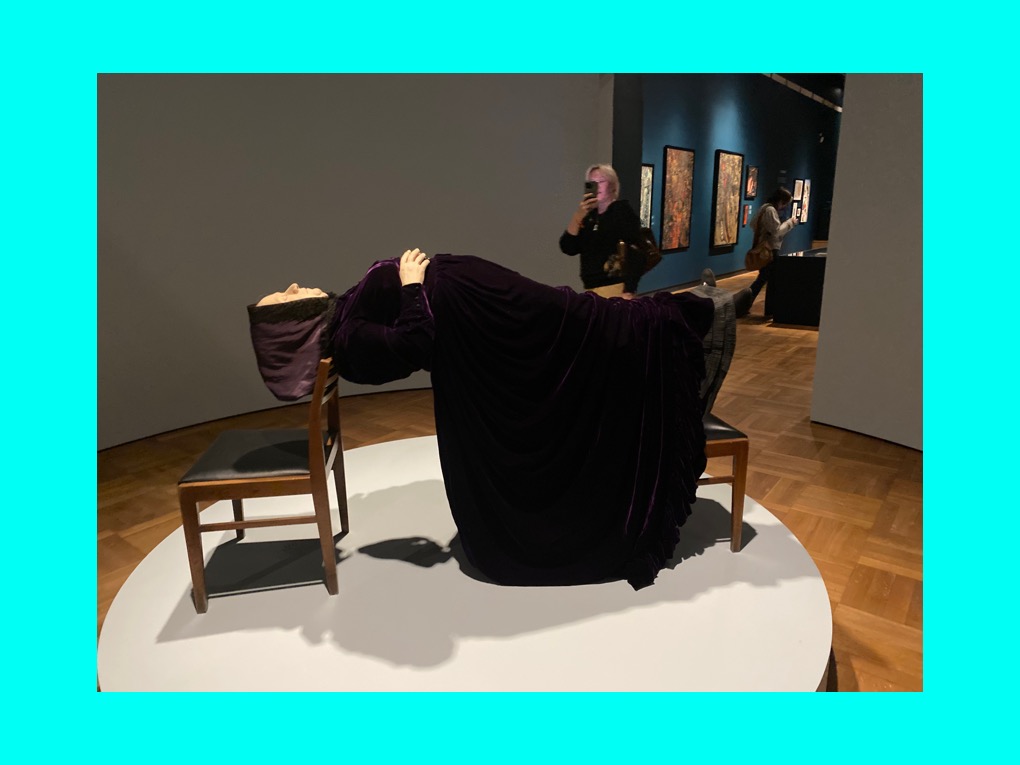
Goshka Macuga’s “Madame Blavatsky”

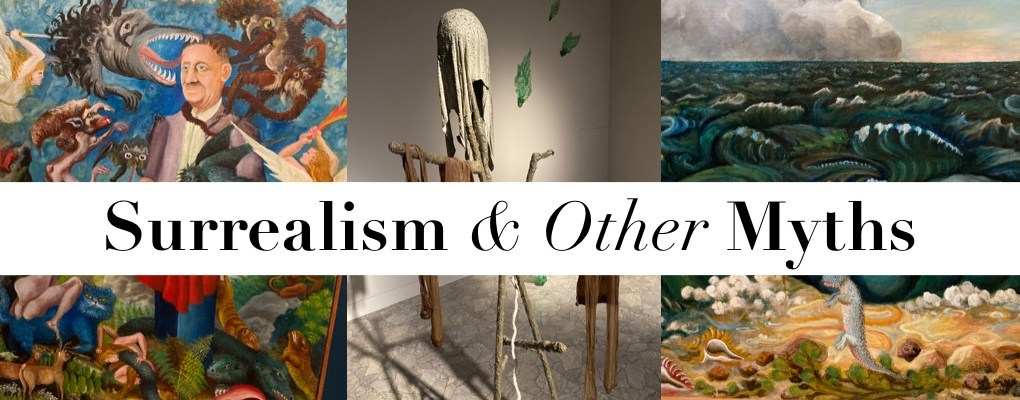
The exhibition “Surrealism. Other Myths” (curated by Hanna Doroszuk) that has just opened at the National Museum of Warsaw is coinciding with the one-hundredth anniversary of André Breton publishing his famous “Manifesto of Surrealism“. The show however refutes the orthodox thinking on Surrealism as a historical art movement having a defined time-frame and fixed geographic boundaries. Instead it treats the movement as a global, inclusive and diverse phenomenon that’s reflected in Polish art, modern and contemporary. The exhibition’s historical narrative begins with works from the interwar period and ends with the output of artists connected with the international “Phases” movement, founded in the 1950s. 

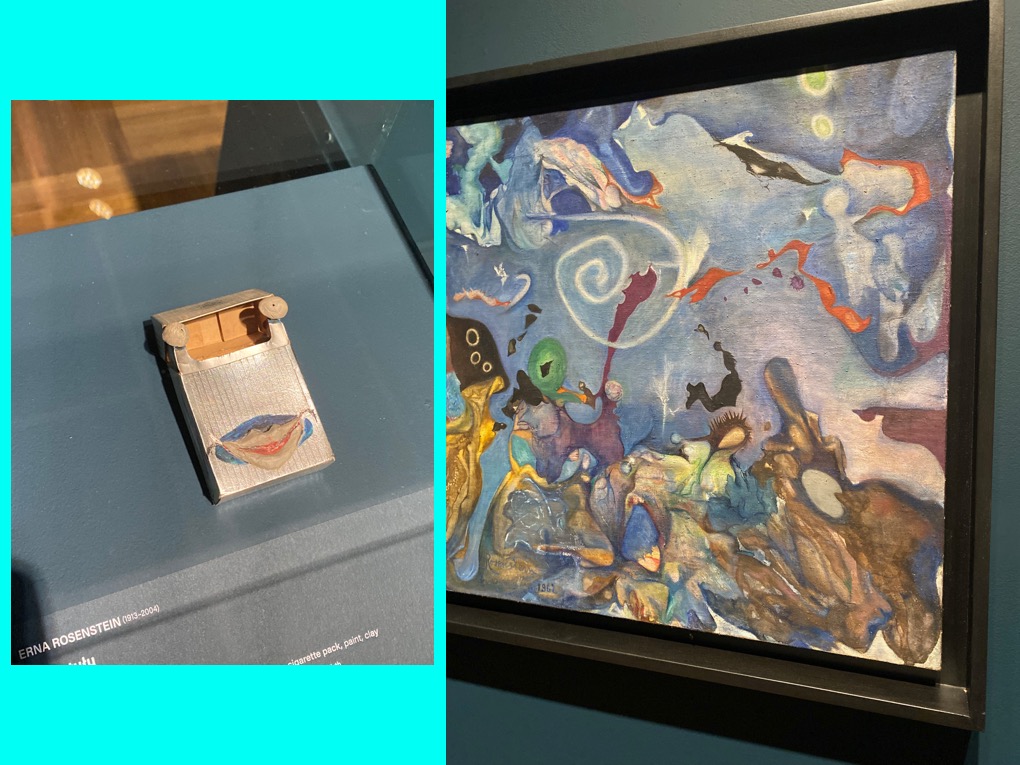
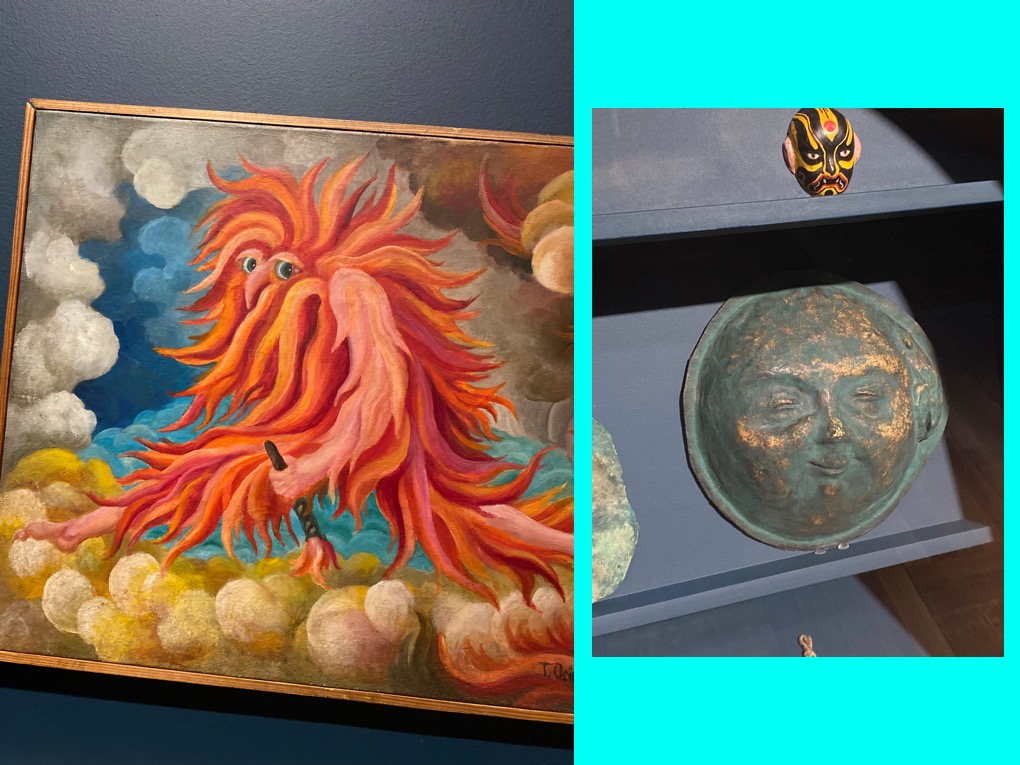
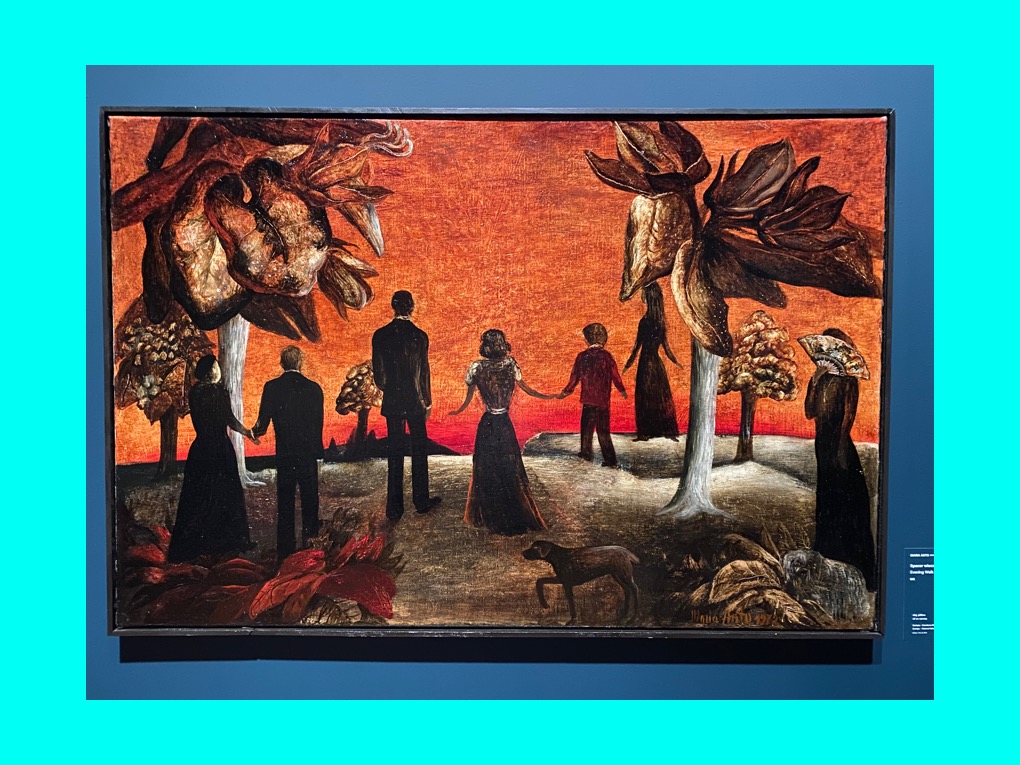
The exhibition is a unique opportunity to discover and admire works by more than sixty artists, including Marek Włodarski, Marek Piasecki, Jerzy Kujawski, Erna Rosenstein, Władysław Hasior, Zbigniew Makowski, Teofil Ociepka and Max Ernst. Their pieces exemplify the range of techniques typical of the Surrealists, like decalcomania, grattage and frottage. Also on view are examples of Surrealist objects and a large selection of photographs. In addition to items from the NMW collection, the exhibition features works on loan from other Polish museums and private collections. “Surrealism. Other Myths” proves that surrealism is breathing and well alive.

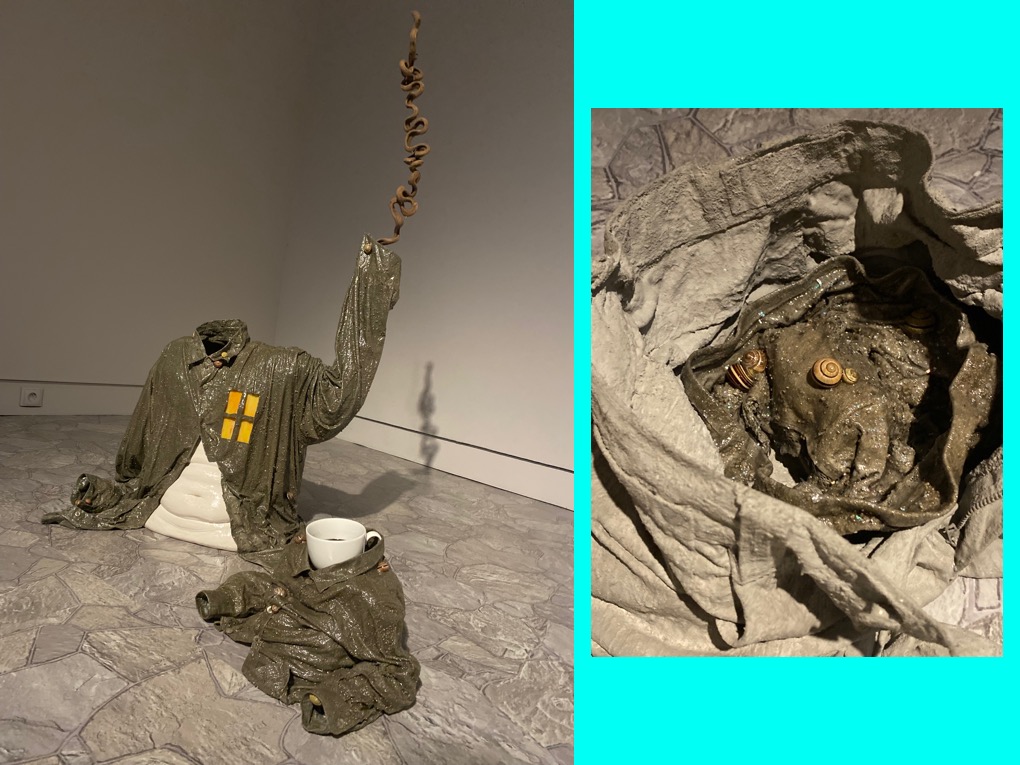
The part of the exhibition that drew my attention the most was Dominika Olszowy’s – one of the most talented contemporary, Polish artists out there – “Nocturne“. The artist has devised a quasi-domestic space inspired by nocturne painting tradition and by the world of night-time experiences. Permeating the room arranged by the artist is an emotional tension manifesting in physical responses like muscles tightening and bodies freezing in motionless. The objects and sculptures comprising “Nocturne” thus reside in a dead space where action is rendered impossible and the only escape is to wait out the night. In this space where the boundary between dream and reality dissolves, anxiety takes on a material and viscous form. Yet, deep in the crannies, a faint glimmer of the approaching sunrise breaks through. Experiencing this artwork reminded me why I love art. Make sure to follow Olszowy on Instagram!

And here are other details I captured at this fascinating exhibition:

The exhibition is on view until 11th of August 2024.

If you’re in mood for digging deeper into Surrealism, here are some books to indulge in!

ED’s SELECTION:
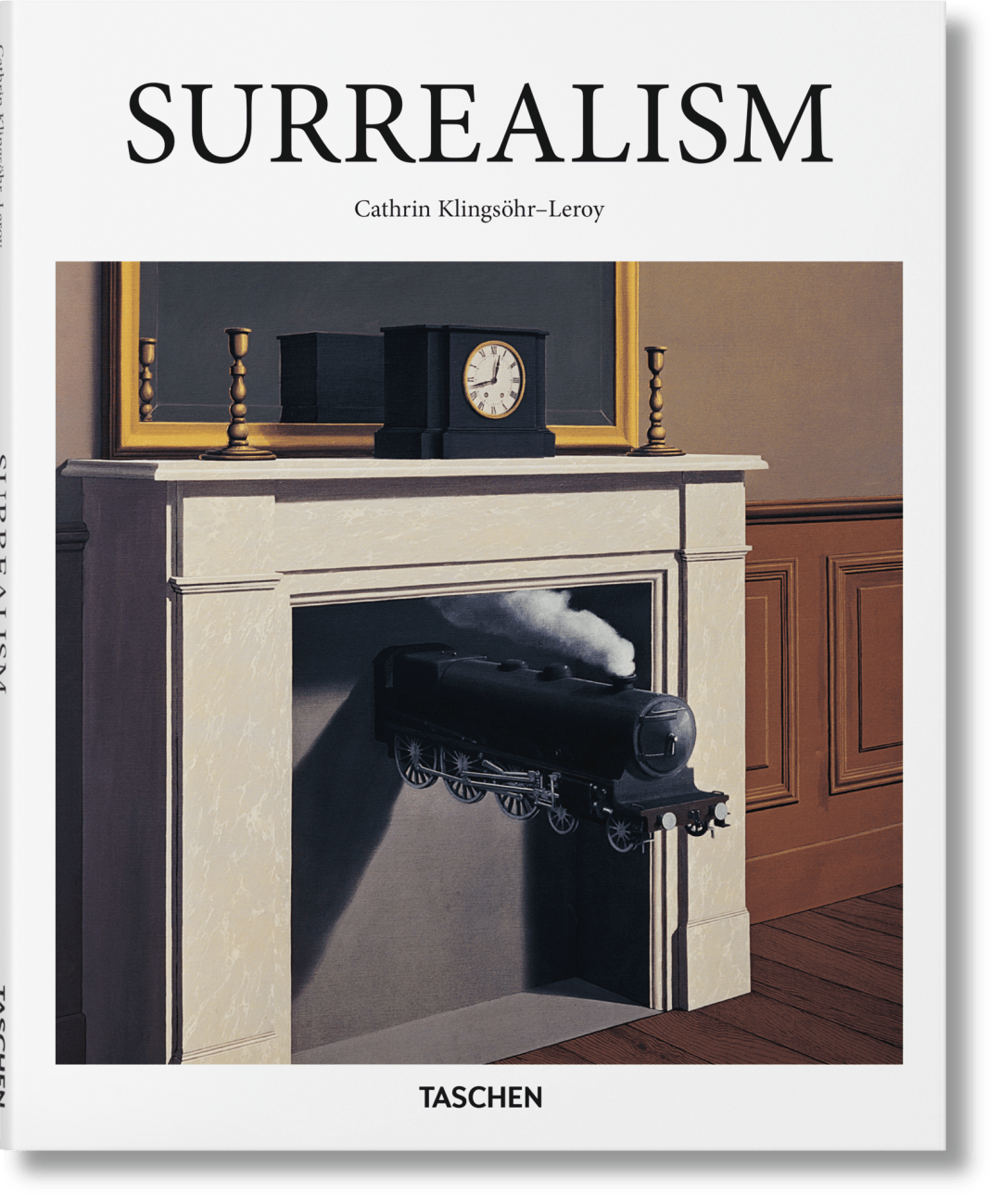

“Surrealism” by Taschen
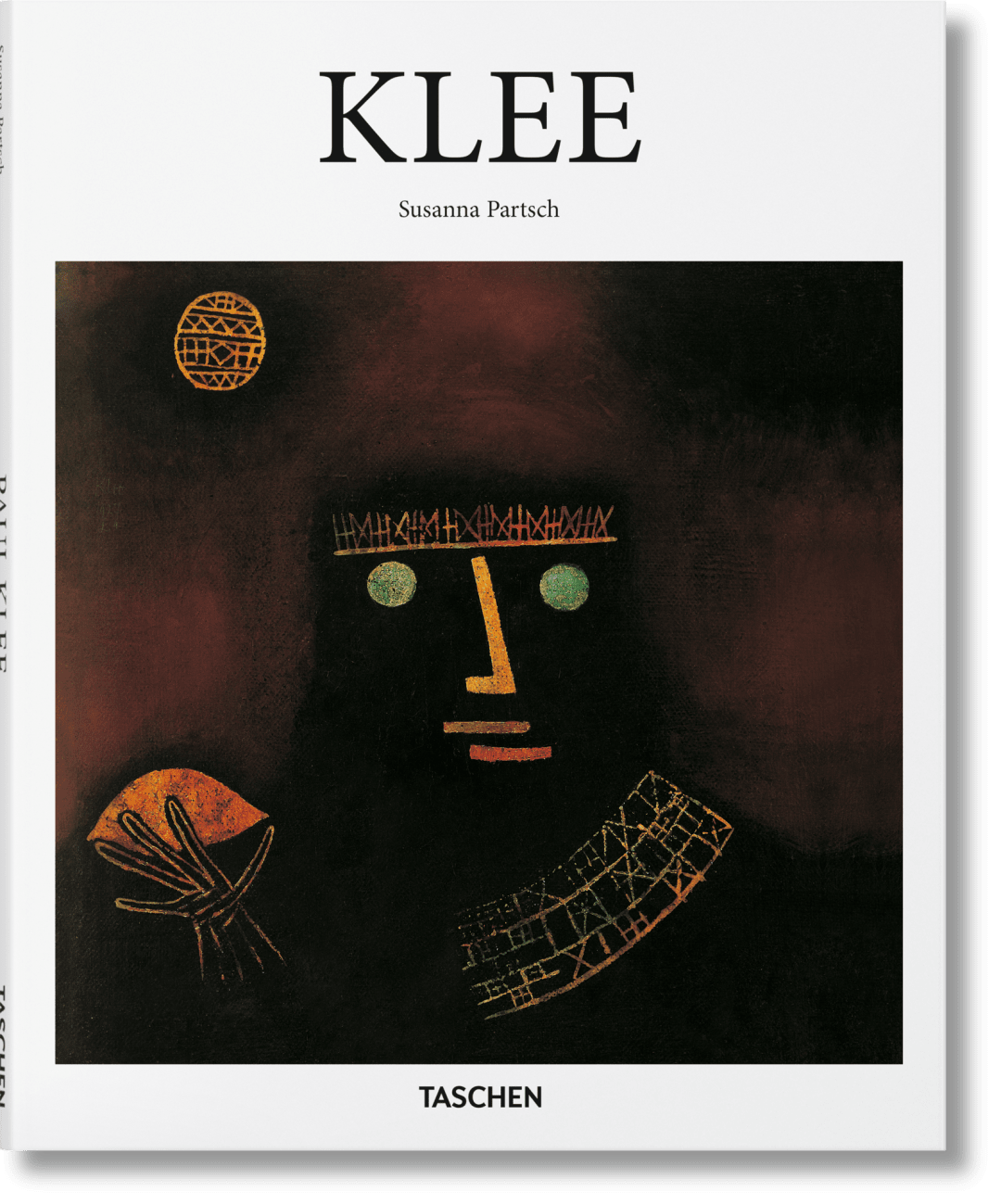

“Klee” by Taschen
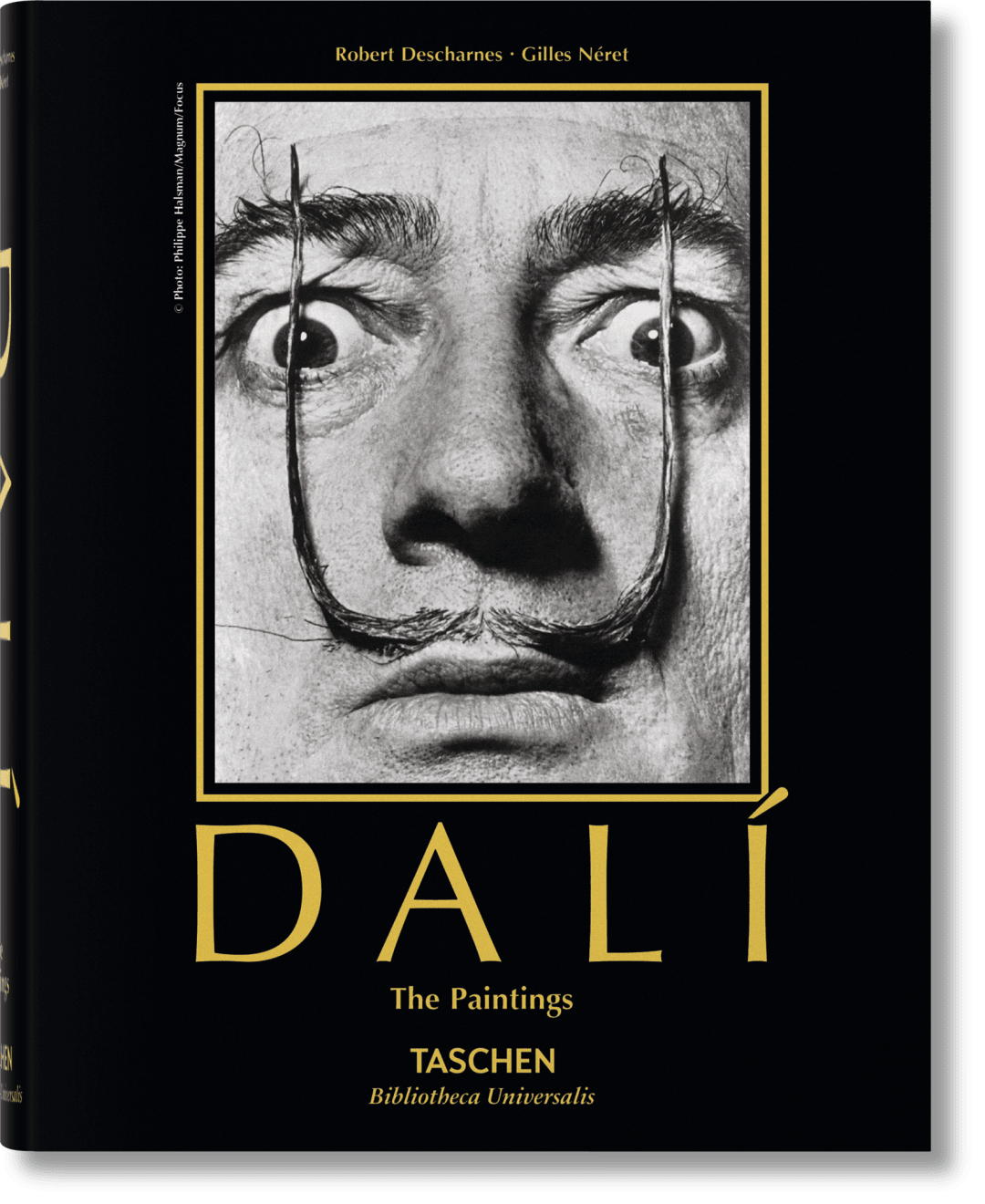

“Dalí. The Paintings” by Taschen
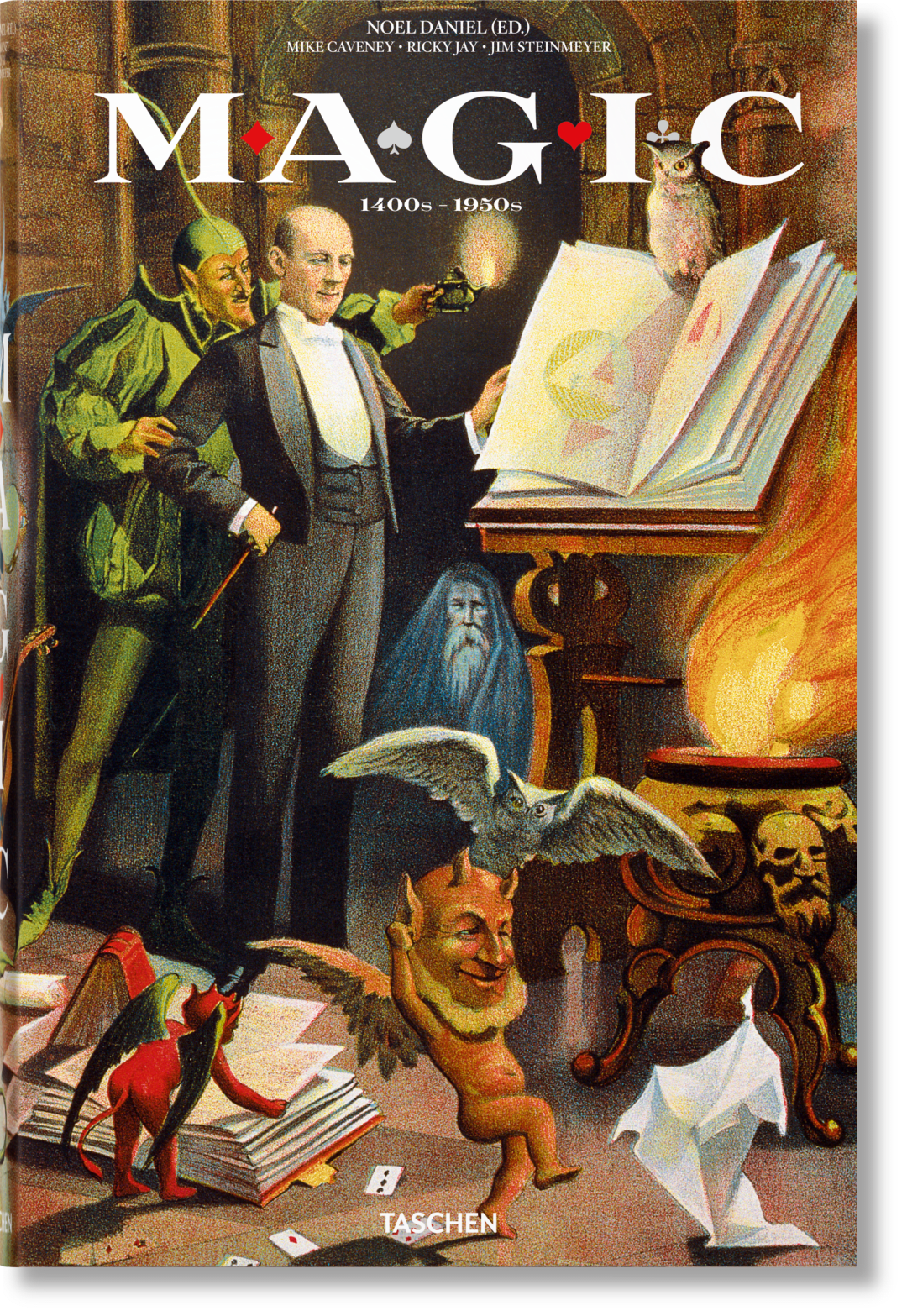

“Magic 1400s-1950s” by Taschen


“Magritte” by Taschen


“The Magic Mirror of M. C. Escher” by Taschen

All photos by Edward Kanarecki.

Don’t forget to follow Design & Culture by Ed on Instagram!

Hey, did you know about my newsletter – Ed’s Dispatch? Click here to subscribe!
NET-A-PORTER Limited

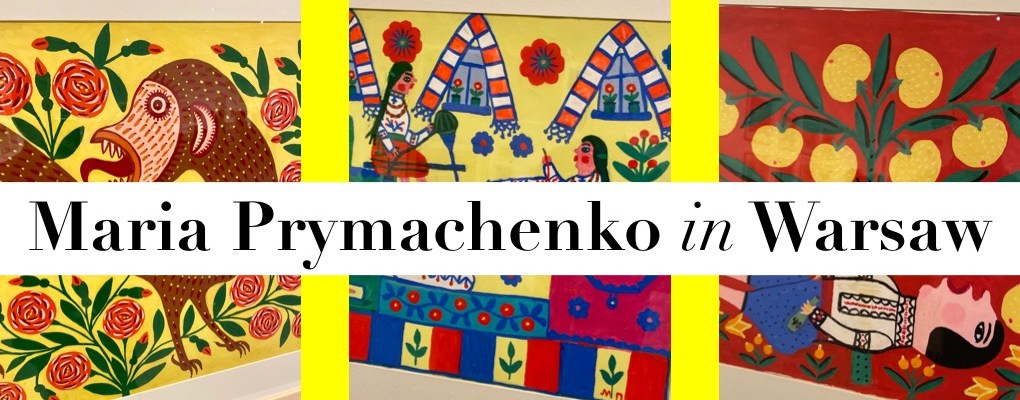
Art of Maria Prymachenko in Warsaw

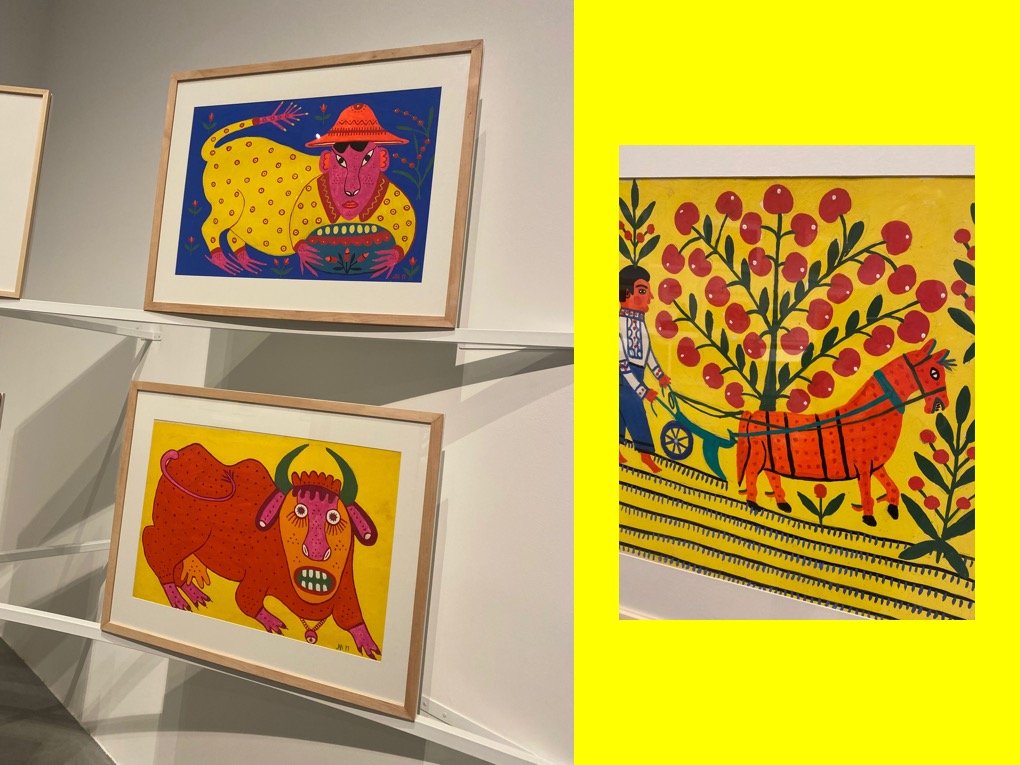
Maria Prymachenko (1909–1997) is an icon of Ukrainian art. Her oeuvre has helped shape Ukraine’s cultural heritage. The exhibition “A Tiger came into the Garden” at Museum of Modern Art in Warsaw is the first presentation of the artist’s work in Poland of such breadth. The gouaches shown here, from 1982-1994 period, derive from the private collection of Eduard Dymshyts, and are a selection from among hundreds of works by Prymachenko.

For over six decades, Maria Prymachenko created art in the village of Bolotnya in the Polesia region, midway between Kyiv and Chernobyl, an area she never left. She survived the Holomodor, the Second World War, and the nuclear disaster at Chernobyl, and lived to see an independent Ukraine. She was “discovered” as a folk artist in 1935 and hired as an embroiderer at the Central Experimental Studio at the Museum of Ukrainian Art on the grounds of the Pechersk Lavra in Kyiv. Her works were shown at the First Republican Exhibition of Folk Art in Kyiv in 1936, and then at the World Expo in Paris in 1937 and in numerous European cities, including Warsaw, Prague and Sofia. She was a painter, embroiderer and ceramicist, and an illustrator of children’s books. She became a professional folk artist. Starting in the 1960s, she led an art school in Bolotnya. She continued creating art until the end of her life.

Following Russia’s invasion of Ukraine, Prymachenko’s works have taken on particular relevance, in part due to their anti-war message. In 2022 the Local History Museum in Ivankiv, not far from Bolotnya, was burned down, although some of her paintings there were rescued. The Maria Prymachenko exhibition at MSN Warsaw is a continuation of efforts to promote broader knowledge of Ukrainian culture.

In her work, Prymachenko depicted the connections between humanity and nature, drawing on folk traditions of Polesia, rich in symbols and metaphor. She painted people, animals and plants in her everyday surroundings. Her images of the world built on observations of the everyday life of Bolotnya undergo a magical transformation—they do not so much portray reality as undergird it and exert a positive influence on its fate, casting a spell. One of the motifs in her painting is fantastic creatures and birds, both mythological and inspired by pagan beliefs.

Her characteristic bestiary, containing numerous depictions of “humanized creatures” in an archaic composition with heads forward and bodies in profile, comprises numerous elaborate allegories, often expressing moral judgments, mocking human vices, or celebrating the delights of everyday life.

Prymachenko’s recognizable style involves a decorative line, and flat, intense patches of colour. Initially she used watercolours, but in time only gouache (watercolours mixed with chalk). In her work, language is another transformational force. Prymachenko often gave her works poetic, descriptive titles, which sometimes help decipher the paintings, or serve as dedications or wishes, as well as modified quotations from folksongs (“I give sunflowers to those Who love to work on the land And love all people on earth; I give red poppies to people, So they won’t be no-good slobs, But love the holy land And work on it“).

The garden mentioned in the title of the exhibition represents nature, which coexists harmoniously with humans, and in exchange for their work gifts them with all its bounty, while the tiger symbolizes the mysterious, fantastic and wild (“The tiger came into the orchard And rejoiced That the apple trees have borne fruit, Apples aplenty“). It may also point to efforts to represent the element of danger. After the Chernobyl disaster, Prymachenko also created a series of works connected with nuclear threat and war (“Nuclear war – May it be cursed! May people not know it, And shed no tears!“). Through the power of her surrealistic imagination, sense of humour, and also a certain dose of optimism, her works are dominated by a humanistic message and a vision of harmonious coexistence of the human and non-human worlds. Prymachenko’s dream was that “people would live like flowers bloom.

Curator: Szymon Maliborski; co-curator: Eduard Dymshyts. The exhibition is open until 30.06.

Collage by Edward Kanarecki.
Don’t forget to follow Design & Culture by Ed on Instagram!

Hey, did you know about my newsletter – Ed’s Dispatch? Click here to subscribe!

NET-A-PORTER Limited

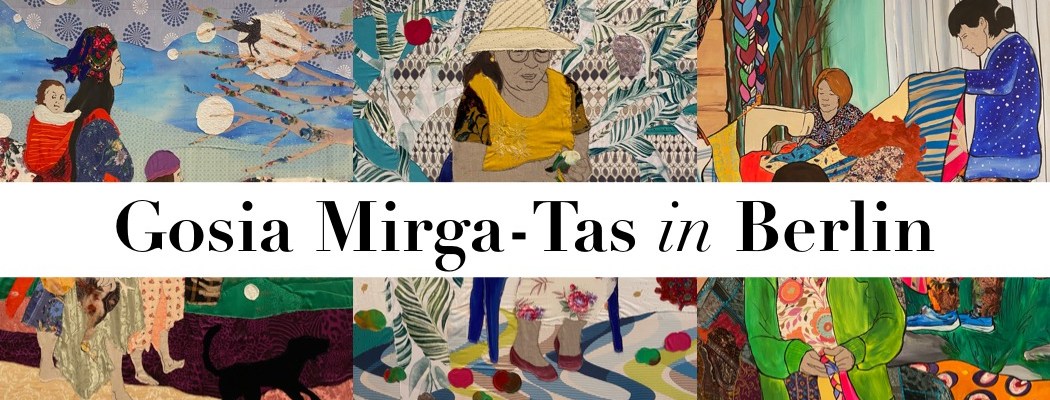
I Sewed For Us. Małgorzata Mirgo-Tas at Brücke Museum.

Małgorzata Mirga

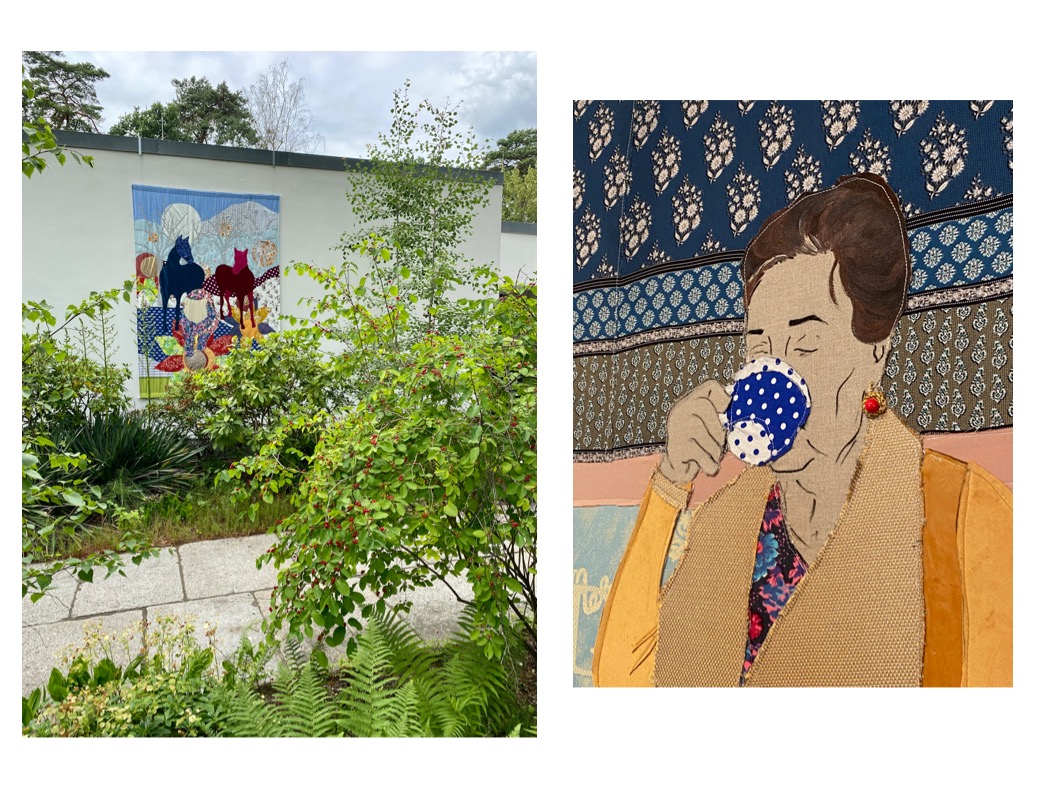
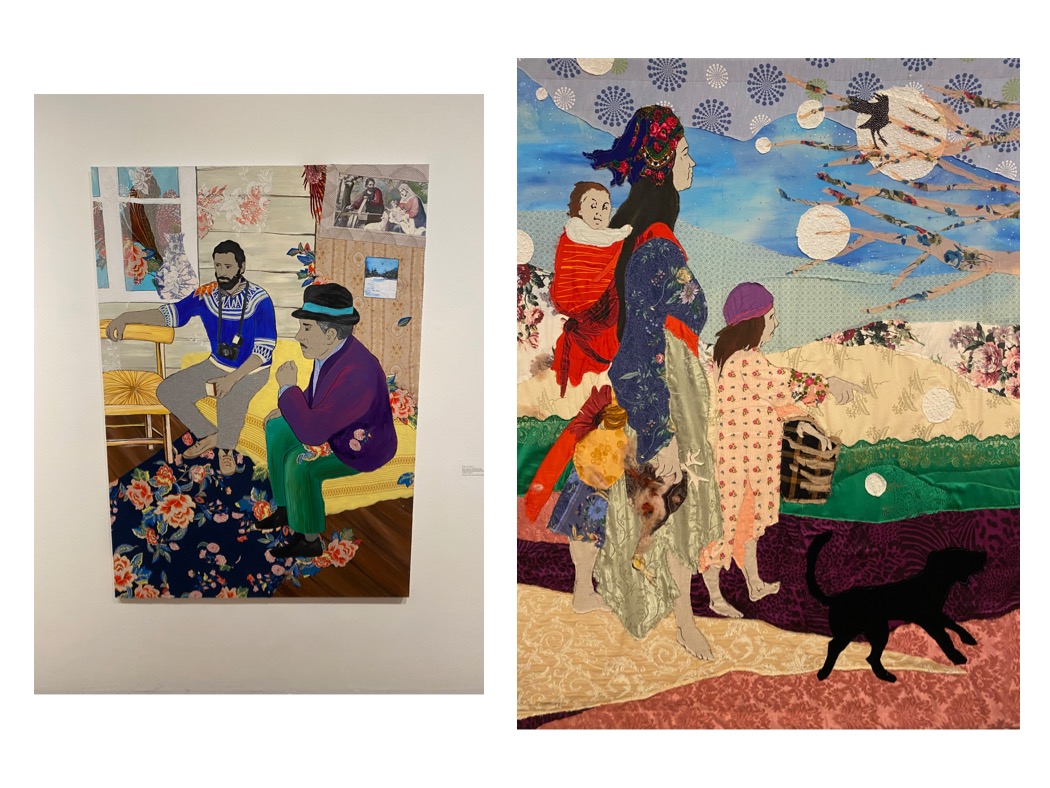
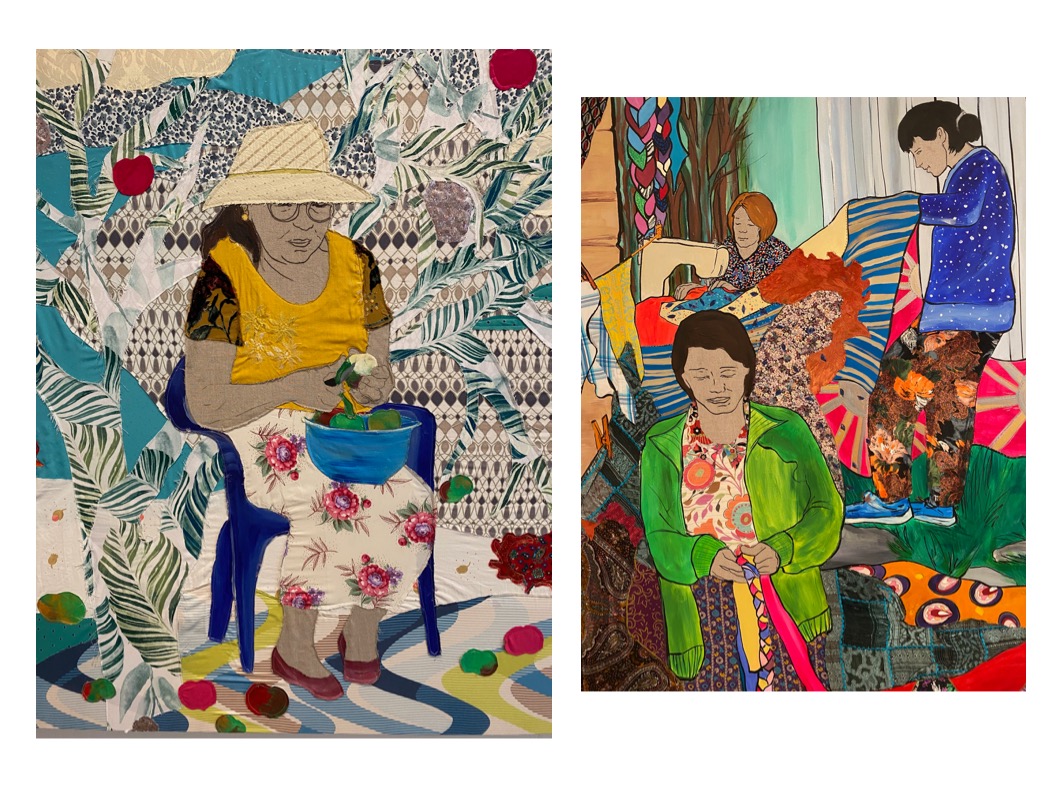
The Brücke-Museum (the art-sanctuary of Die Brücke group’s practices, designed by Werner Düttmann in Berlin’s most greenery Dahlem district) invites for the second time a contemporary artist to enter into dialogue with its historical collection. Małgorzata Mirga-Tas, born in 1978, works in sculpture, painting and film, and especially the medium of collage. Mirga-Tas is Bergitka-Romni and grew up in a Roma settlement in Czarna Góra, Poland, where she still lives and works today. She studied at the Academy of Fine Arts in Cracow and besides her artistic work, she also works as an educator and activist.

Her tactile works depict everyday scenes from contemporary Roma communities, often integrating personal textiles and objects of the sitters. They show autonomous individuals beyond stereotypical representations. Based on the Brücke-Museum’s collection, these culturally and historically still predominant racist forms of representation of Roma are contrasted and thematized. The curator Joanna Warsaw writes of the artist’s work: “She creates an image of Roma as proto-Europeans, a multilingual, transcultural, and nonviolent group that reshapes conventions and decolonizes imaginary worlds.” Mirga-Tas represented Poland at last year’s Venice Biennale and was represented at  Documenta Fifteen. She is currently a fellow of the DAAD’s Berlin Artists’ Program. This is her first solo exhibition in Germany, and you just can’t miss it if you’re in town! It’s on until the 3rd of September.

Here are a couple of Die Brücke group’s works from the museum’s permanent collection that were displayed alongside Mirga-Tas’ collages…

…and flowers from my favorite shop near Kollwitzplatz!

Collage by Edward Kanarecki.
Don’t forget to follow Design & Culture by Ed on Instagram! By the way, did you know that I’ve started a newsletter called Ed’s Dispatch? Click here to subscribe!

NET-A-PORTER Limited

The Princesses Are Back (in Berlin)

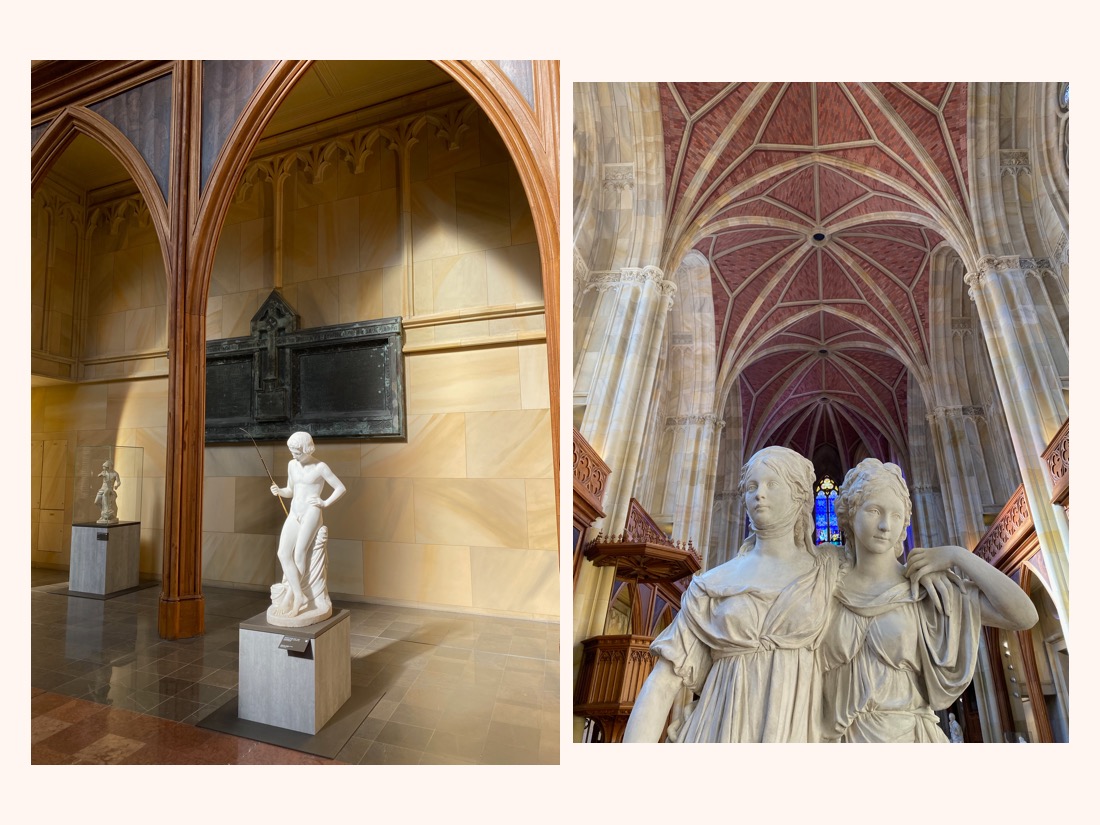
In Berlin, I stumbled upon another sort of sci-fi scenario. Johann Wolfgang von Goethe once adoringly described Luise and Friederike, the Mecklenburg-Strelitz sisters as “heavenly visions, whose impression upon me will never be effaced”. Sculptor Johann Gottfried Schadow erected a monument to their elegance and grace, creating an icon of European classicism with his double sculpted portrait of the “Crown Princess Luise of Prussia and her Sister Princess Friederike of Mecklenburg-Strelitz”. The statue of these two figures, which has come to be known under the abbreviated title Princess Group, is one of the highlights of the Alte Nationalgalerie’s collection. Now, the sculpture is back on permanent display at the breathtaking Friedrichswerdersche Kirche. The original plaster cast has a particular significance within both the broader context of Schadow’s oeuvre and that of 19th-century sculpture: it is here that not only the artist’s creative signature is at its most palpable, but also the thrilling genesis of the double-figure statue.

Showcasing sculpture from Karl Friedrich Schinkel’s era through to the German Empire, the exhibition “Ideal and Form” at Friedrichswerdersche Kirche traces the medium’s lines of development through the long 19th century into the modern era. It also invites visitors to rediscover the Berlin School of sculpture, a movement whose international outlook was ahead of its time. With more than 50 sculptures – some monumental in scale – this exhibition provides a comprehensive survey of the work of the Berlin School and of its complex international ties. On display are major works by Johann Gottfried, Emil Wolff and Christian Daniel Rauch, and by female sculptors such as Angelica Facius, Elisabet Ney and Anna von Kahle.

Werderscher Markt / Berlin

All photos by Edward Kanarecki.
Don’t forget to follow Design & Culture by Ed on Instagram! By the way, did you know that I’ve started a newsletter called Ed’s Dispatch? Click here to subscribe!

NET-A-PORTER Limited

“HUMAN IS” at Schinkel Pavillon

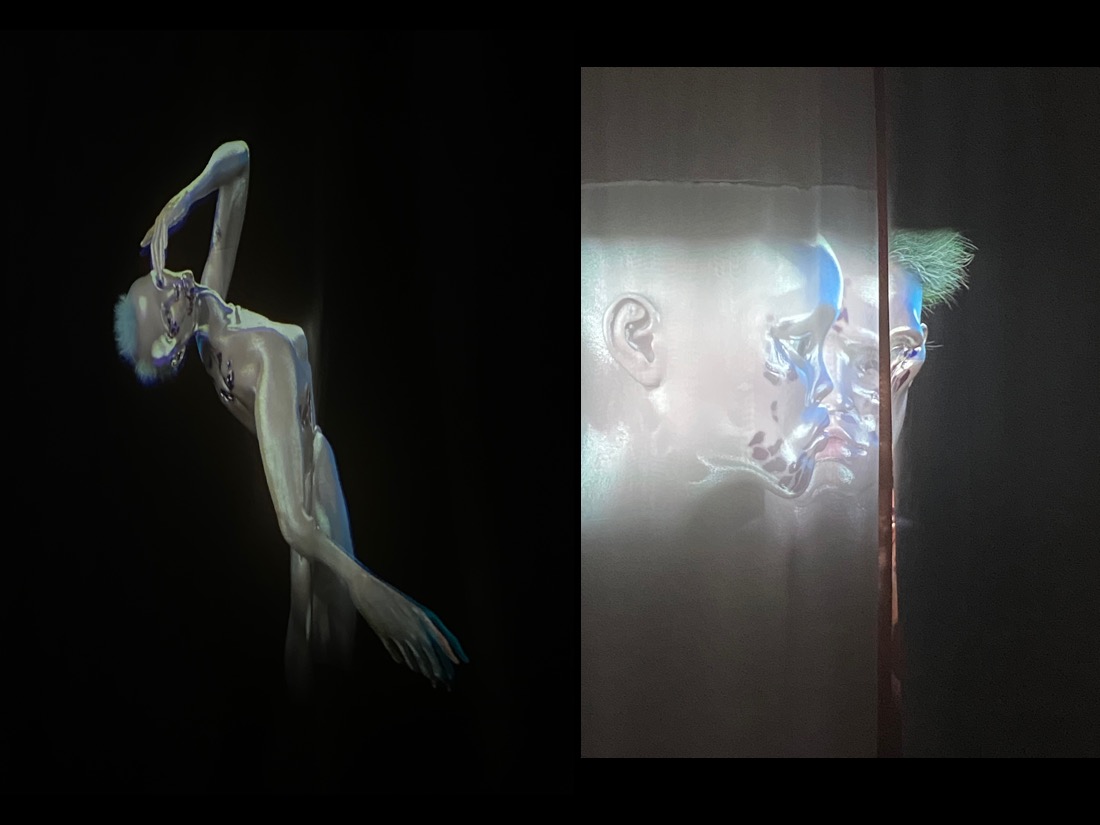
HUMAN IS” is the best exhibition I’ve been to in a while. Don’t walk, run to Schinkel Pavillon if you happen to be in Berlin this summer. Sci-fi spirituality meets post-human aesthetics. Bodies, fakeness, AI, reproduction, mutation, realness, primal instincts, fluidity… all that in the ultimate cocktail-party spot of the DDR Germany times. You feel as if you were abducted by the aliens in the solemn 1970s Berlin and were about to get high on out-of-this-world ~vibes~. Curated by Nina Pohl and Franziska Sophie Wildförster, the exhibition offers distinctions between dystopia and reality that are increasingly collapsing in the face of inexhorable technological and ecological upheavals. “HUMAN IS” borrows its name from the eponymous short story by Philip K. Dick (1955) and investigates the idea of being human as a contestable and reversible category.

Since the 19th century – and its notions of capitalist, scientific and technological progress – science fiction has held up a mirror to the changing contemporary conditio humana with its values, fears and limitations. The seemingly external threat of extraterrestrial, supernatural or artificial beings often reveals itself as self-made anxiety and part of our cultural condition. The monstrosity of the unknown arises to shake up limitations, in effect, decentering the human protagonist. “HUMAN IS” juxtaposes historical with newly produced artworks. The exhibition paints a polyphonic picture of the mutual penetration of body and technology: it addresses the often violent interdependence of humans on their technological surroundings and opposes any promises of salvation through trans-humanistic progress. Simultaneously, it opens up spaces of possibility in which dualistic taxonomies can be overcome in favor of a networked and interdependent existence. The art show engages science fiction to transcend the humanistically inscribed human, on the one hand, and the species of anthropos, on the other, through both material and perspectival liminality. For many, the collapse of the systems we have come to rely on is no longer a distant apocalyptic future. Visionary science fiction writer Ursula K. le Guin sees fiction as a container for reinventing the possibilities of human experience and knowledge beyond any linear narrative of progress. And it is through these stories that the destruction and alienation of contemporary existence can trigger creative processes and a new ethics of relationality, which may no longer be truly human.

Oberwallstraße 32 / Berlin

Photos by Edward Kanarecki.
Don’t forget to follow Design & Culture by Ed on Instagram! By the way, did you know that I’ve started a newsletter called Ed’s Dispatch? Click here to subscribe!
NET-A-PORTER Limited