Post-Confinement Berlin

Yesterday I went to my dear Berlin for the first time since the pandemy started in March, and I must say that the post-confinement crisis is real here. It was sad to see that some of my favourite restaurants and shops have completely closed down, and in general the city is quite sleepy. Hopefully good times will come back as soon as possible… Here’s a recap of my all-time Berlin places, as well as some new discoveries. Just remember to take your face ask. If you’re planning to visit the German capital anytime soon, make sure to look at my address book here for more great spots!

König Galerie

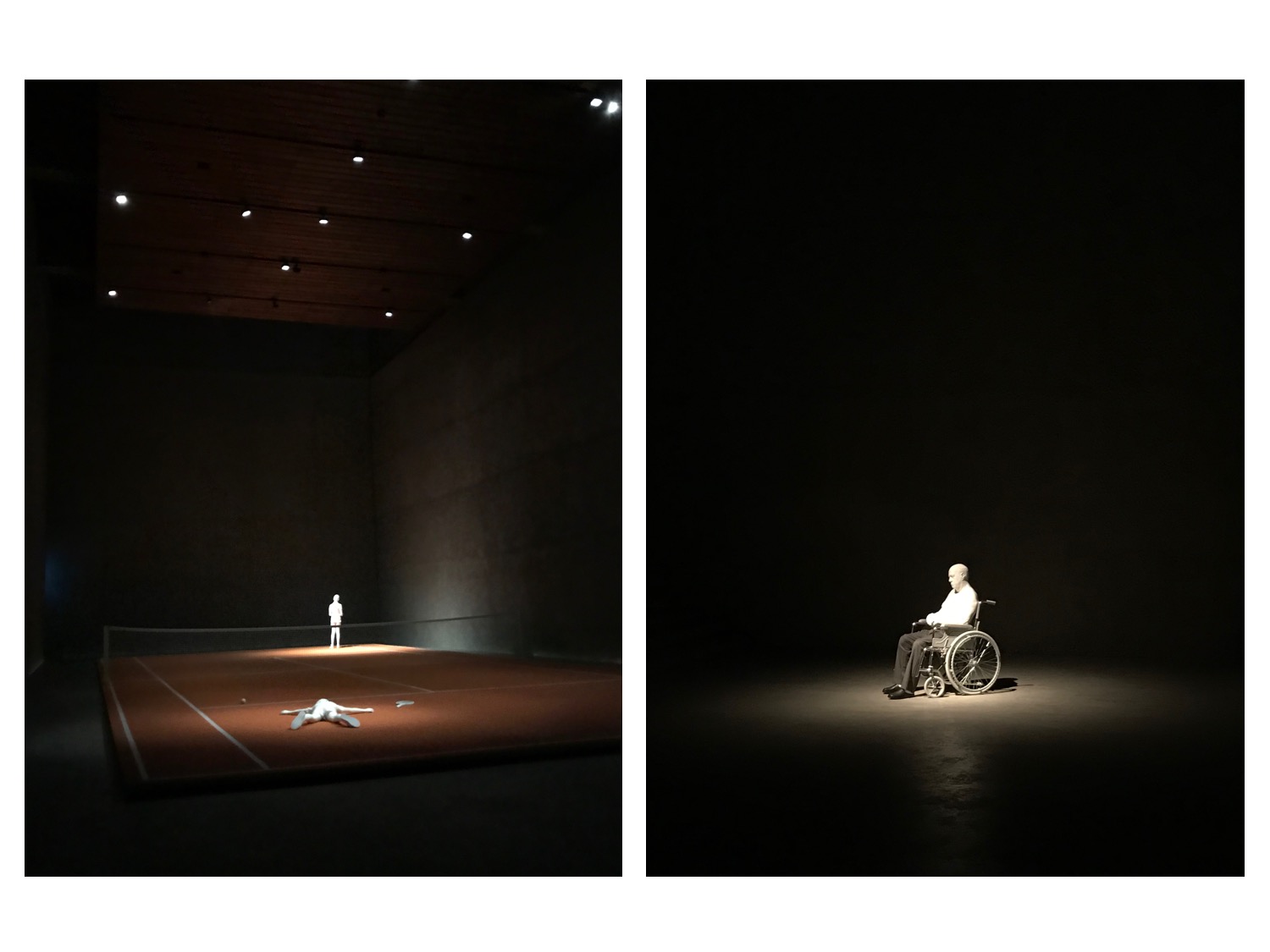
This gallery was founded by Johann König in 2002, and currently represents 40 international emerging and established artists, mostly belonging to a younger generation. The program’s focus is on interdisciplinary, concept-oriented and space-based approaches in a variety of media including sculpture, video, sound, painting, printmaking, photography and performance. In May 2015, König Galerie took up St. Agnes, a monumental former church built in the 1960s in the Brutalist style, where museum-like exhibitions take place in two different spaces, the former chapel and nave. Until the 26th of June, “Messe in St. Agnes” exhibition is happening here: over 100 works by artists such as Elmgreen & Dragset, Alicja Kwade, Andy Warhol, Juergen Teller, Isa Genzken,  Eliza Douglas, Alex Katz and Katharina Grosse are exhibited and sold at the gallery.
Alexandrinestraße 118–121
Andreas Murkudis
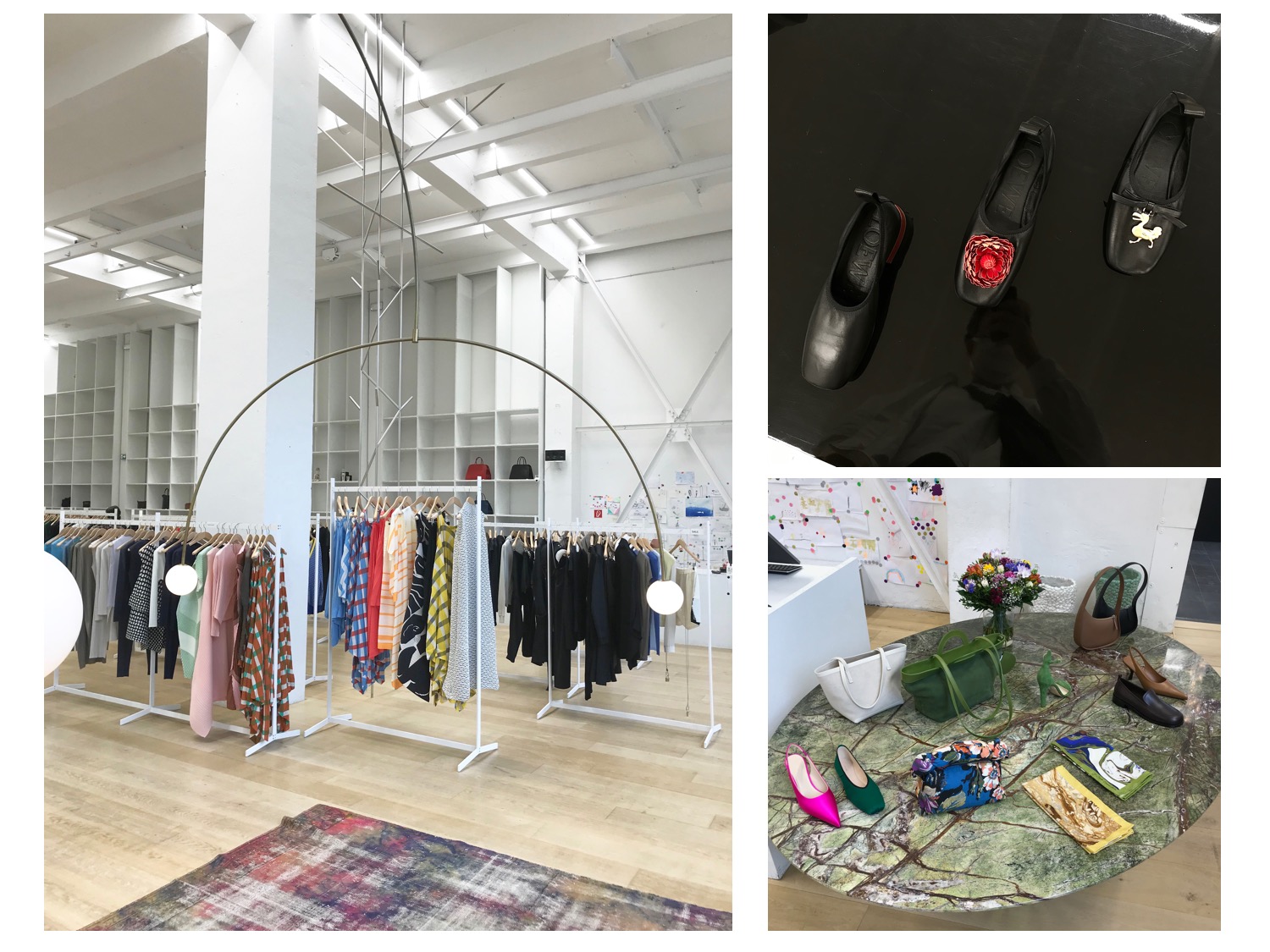
Nothing compares to brick-and-mortar, especially after living the confinement life for the last few months. Andreas Murkudis is probably my favourite store in the world, and I hope places like this will survive the hard times. Get your Dries Van Noten, Cecilie Bahnsen, The Row, Loewe and Issey Miyake right here, just like niche perfume labels and gorgeous porcelain.
Potsdammerstraße 81E
Tschoban Foundation

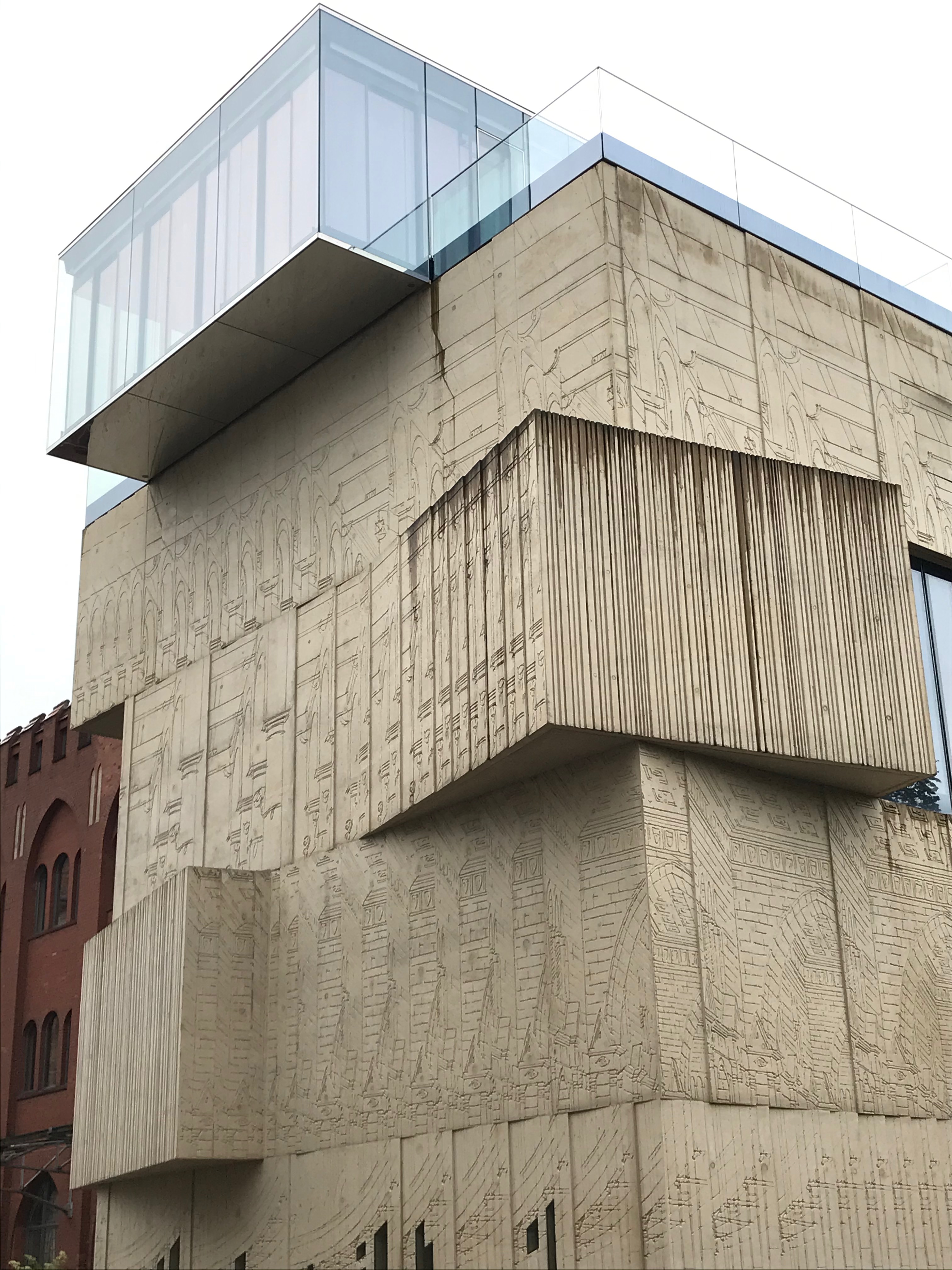
What is still drawn today? Which architects continue to master the art of hand drawing? What place has the skilled use of pen and ink in an age of computer aided design? In the 21st century, virtually no architect seeks to persuade clients of their capacities as a designer by means of sketches or perspective views. In architectural education today, there is also less emphasis on learning the craft of drawing although the ability to convey ideas through drawing by hand remains essential in developing form and proportion. It is at this point that the Tchoban Foundation intervenes. Established in 2009 by Sergei Tchoban, himself a passionate draftsman and collector of historic architectural drawings, its extensive collection serves as a source for research on the history and nature of architectural drawing. An extensive library on the subject is accessible to experts and visitors. The overall aim of the foundation, however, is to present the imaginative and emotionally-charged world of architectural drawing to a broad public through regular exhibitions.

Christinenstraße 18a

MDC Cosmetic

MDC Cosmetic offers a range of exclusive, international cosmetics, supplies and accessories for a home spa and nutritional supplements. From Santa Maria Novella 1612 perfumes and Susanne Kaufmann bath salts to Astier de Villatte candles and Rahua cosmetics, this adorable, cozy space got you covered with all the ‘treat yourself’ kind of products. Cosmetic advice and treatments are available on request.

Knaackstraße 26

The Store x Soho House Berlin

A classic. From Bottega Veneta and vintage Irving Penn books to Balenciaga and avocado toast, this place has it all.

Torstraße 1
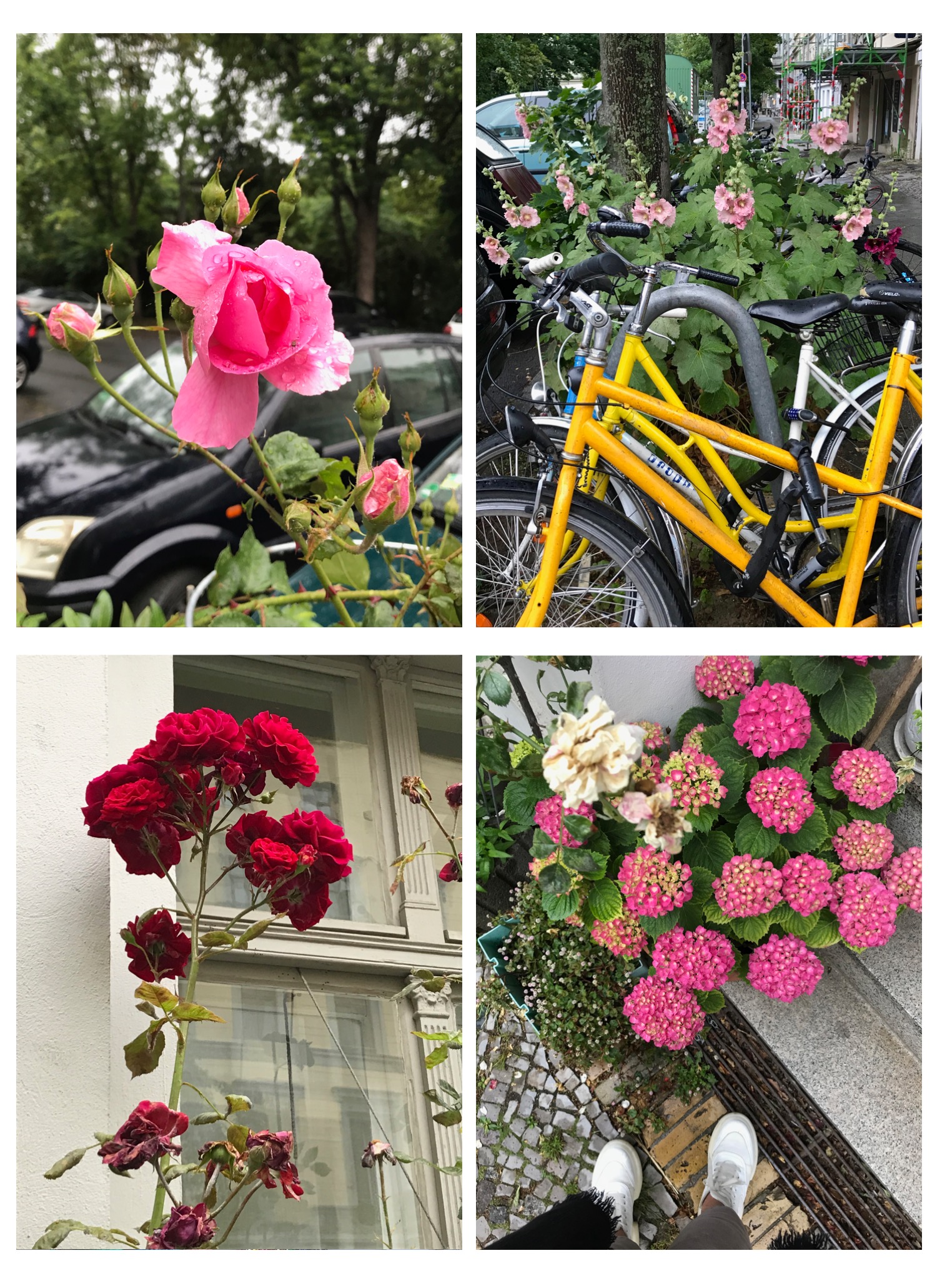
And for the end… flowers! I love walking around Berlin, because it’s so full of nature, wherever you go.
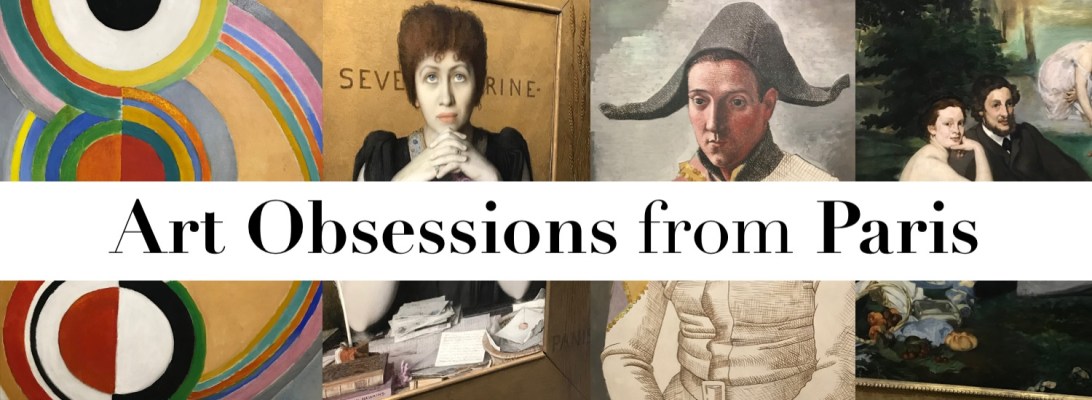
Art Obsessions From Paris

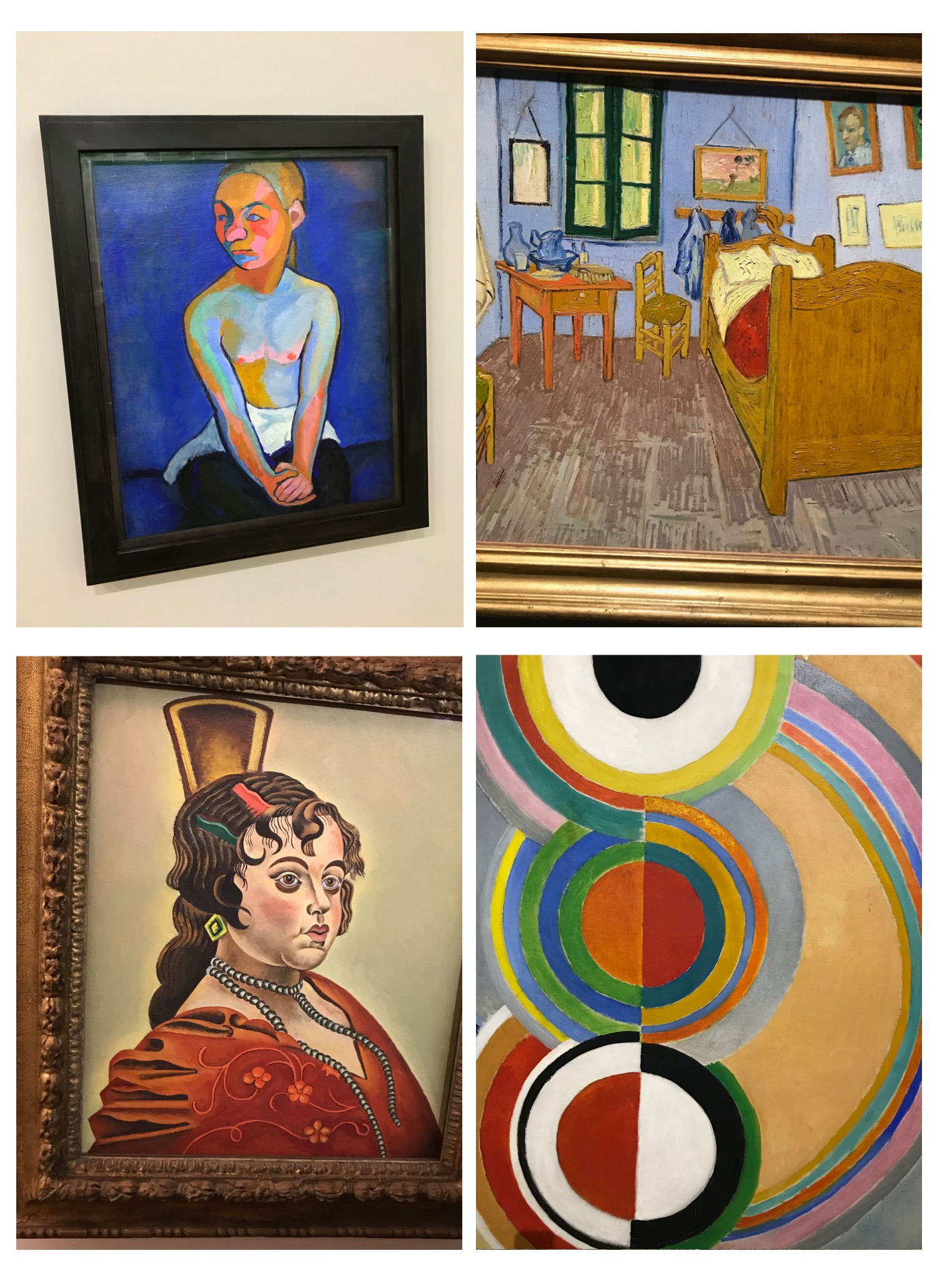
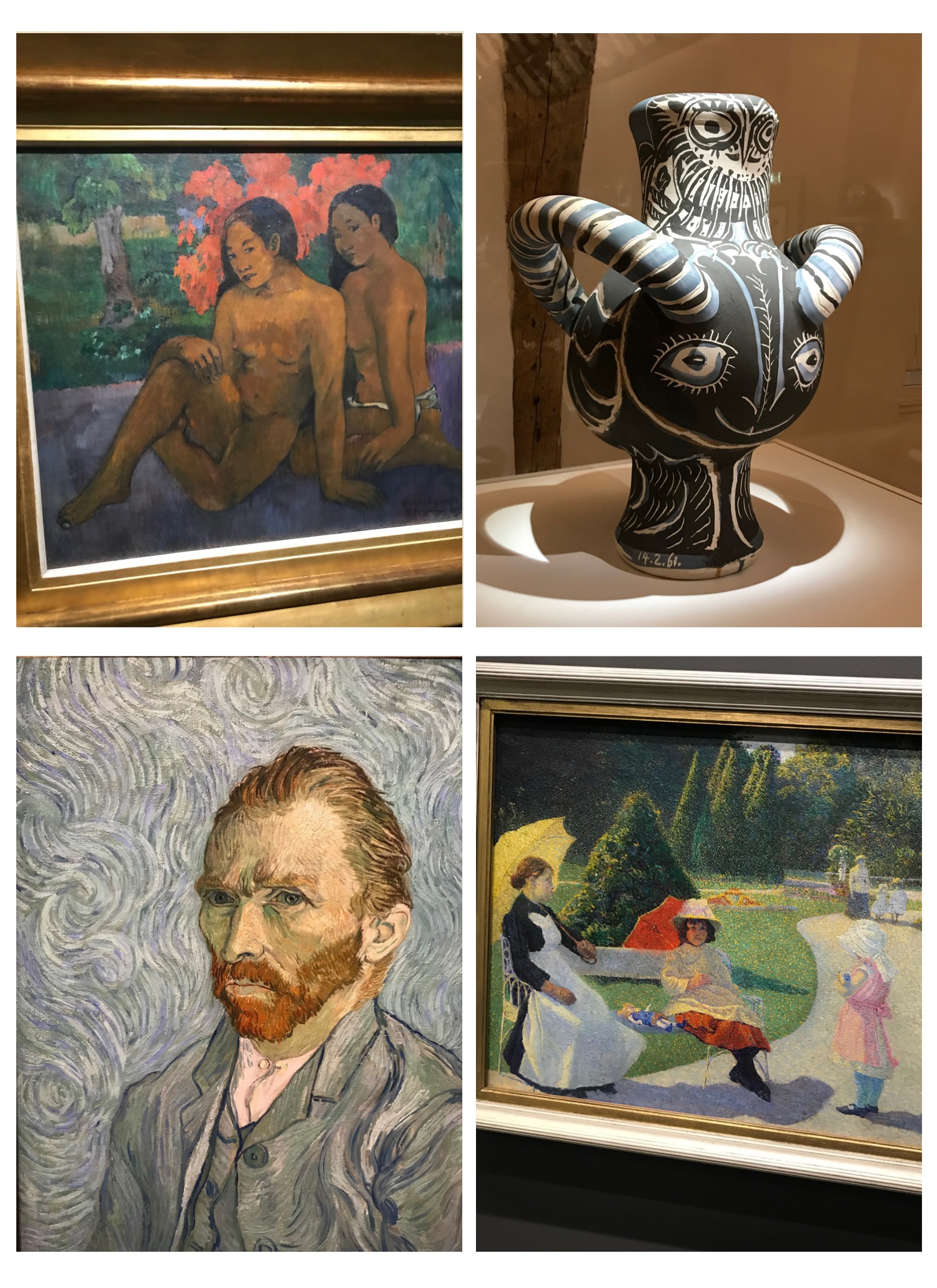
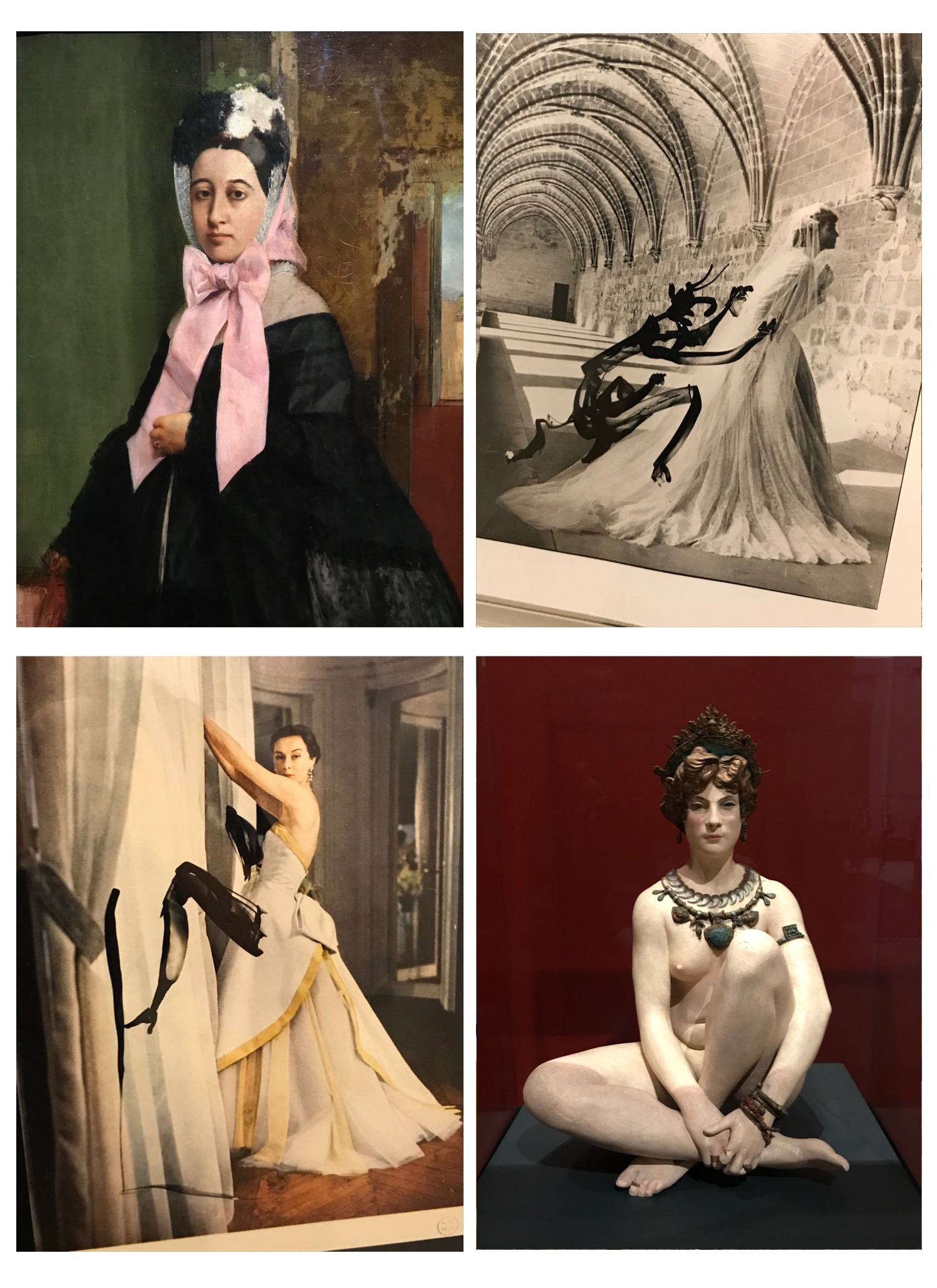
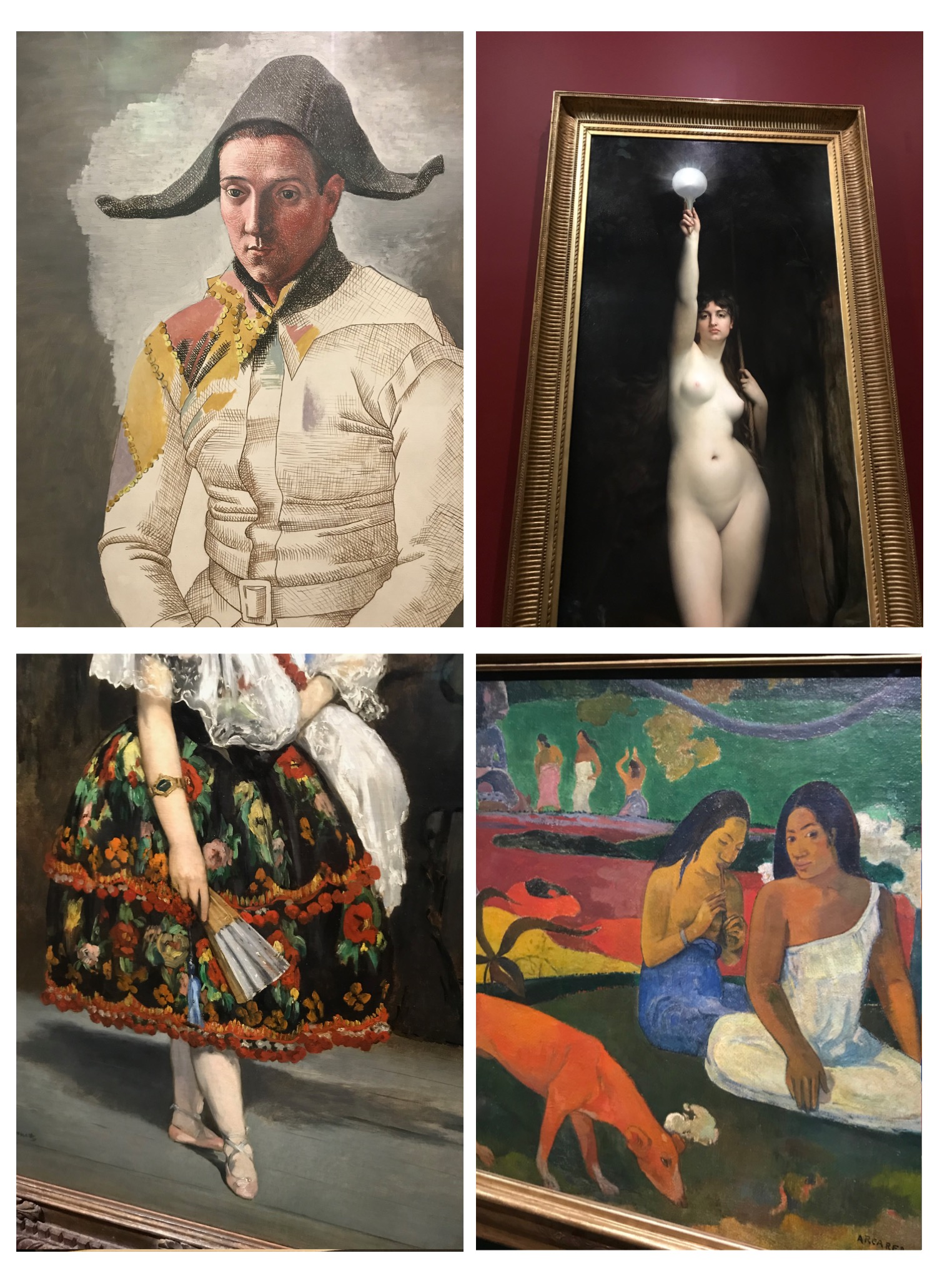
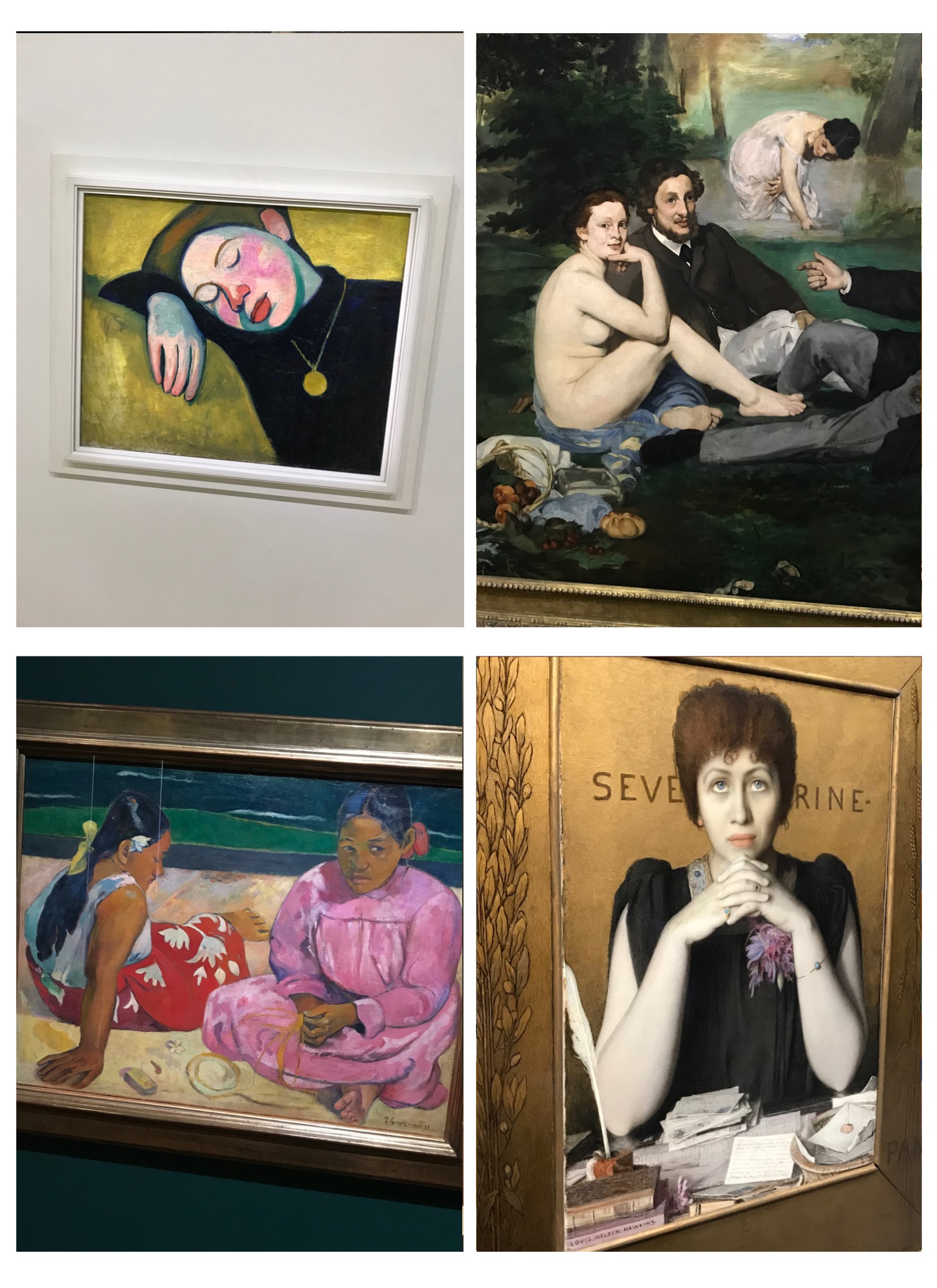
From medieval tapestry series The Lady and the Unicorn and Otto Dix’ Portrait of the Journalist Sylvia von Harden to Edgar Degas’ Little Dancer and Sonia Dalaunay’s Rhytme, here are my art obessions, chosen eclectically and achronologically from Musée D’Orsay, Musée Cluny, Centre Pompidou, Musée de l’Orangerie and Musée Picasso. We need art in our lives, especially in such strange times. Enjoy!

All photos by Edward Kanarecki.

Musée Rodin

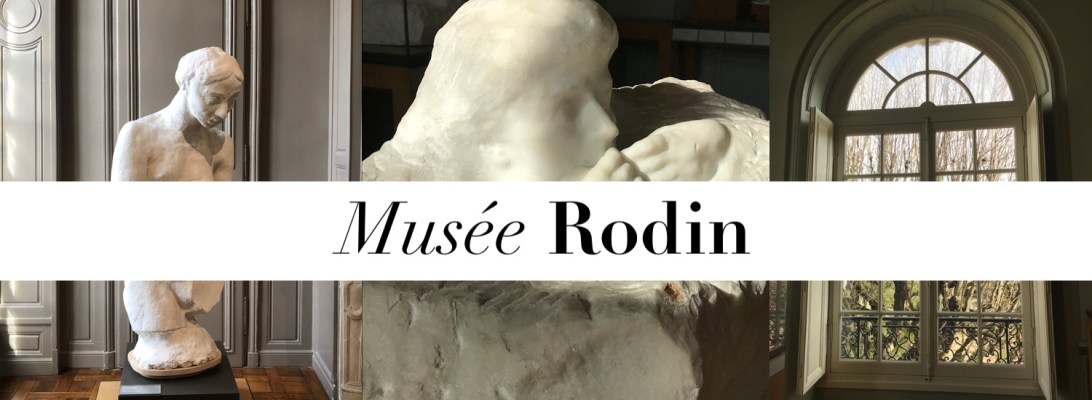
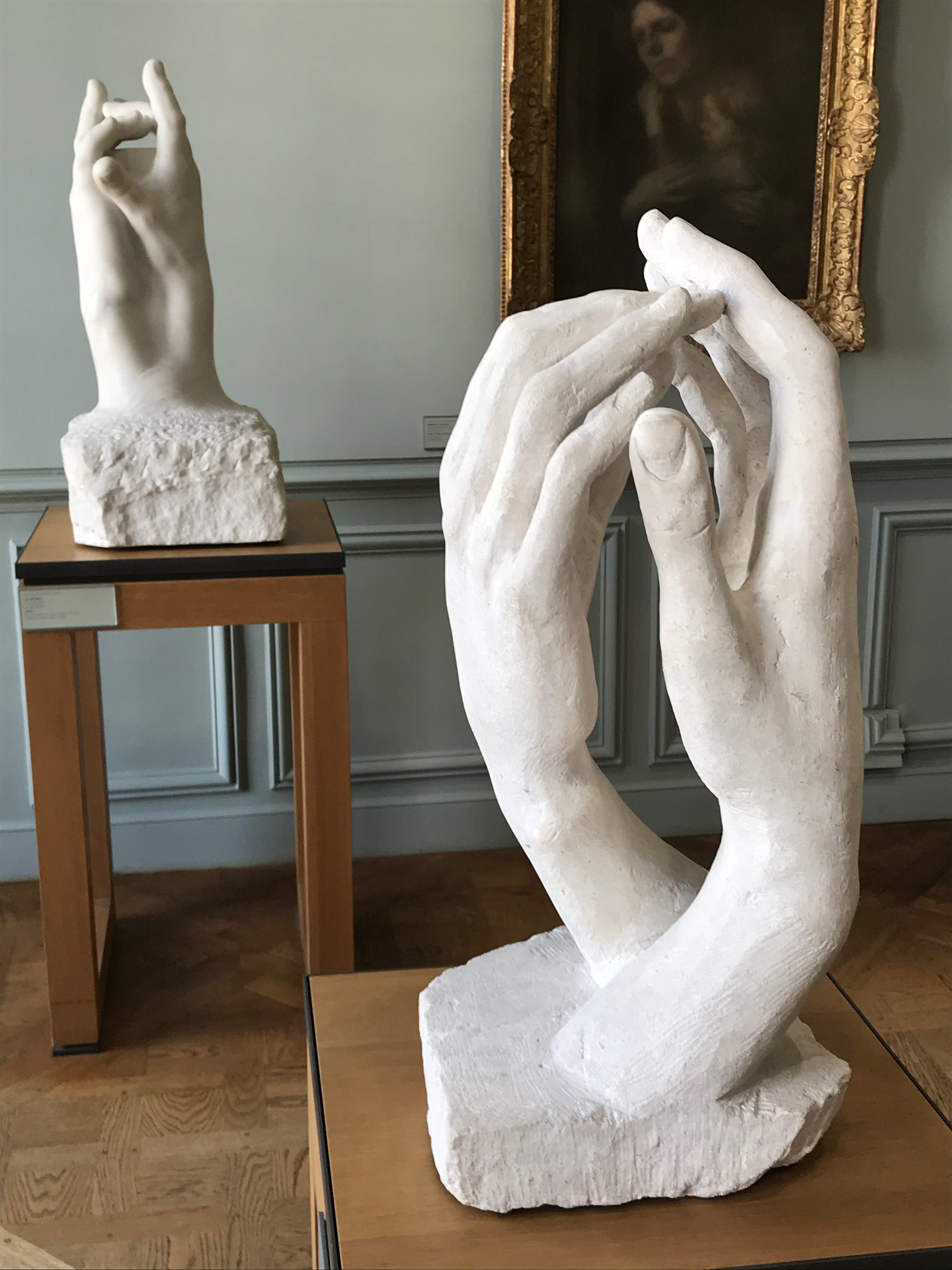
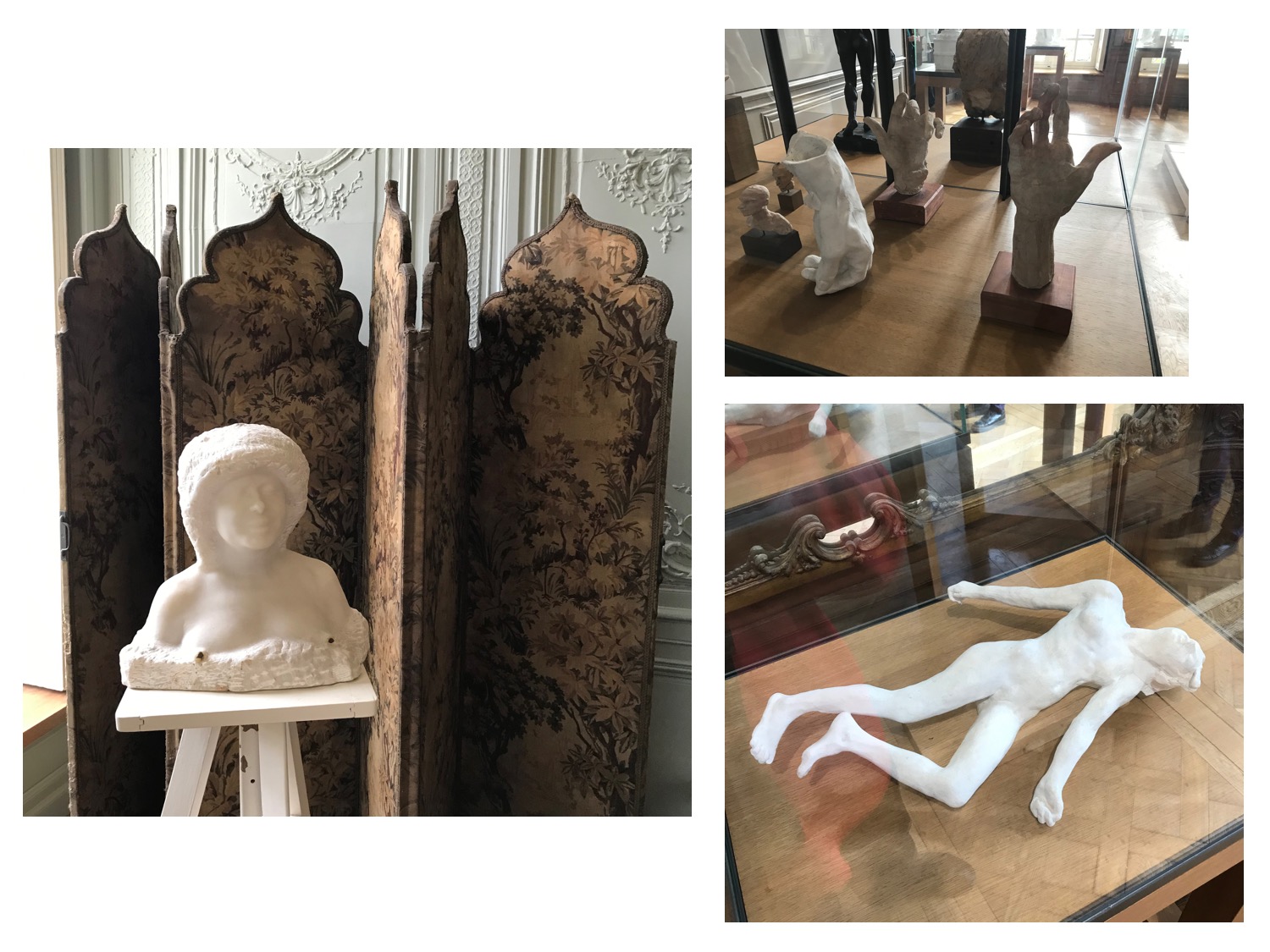
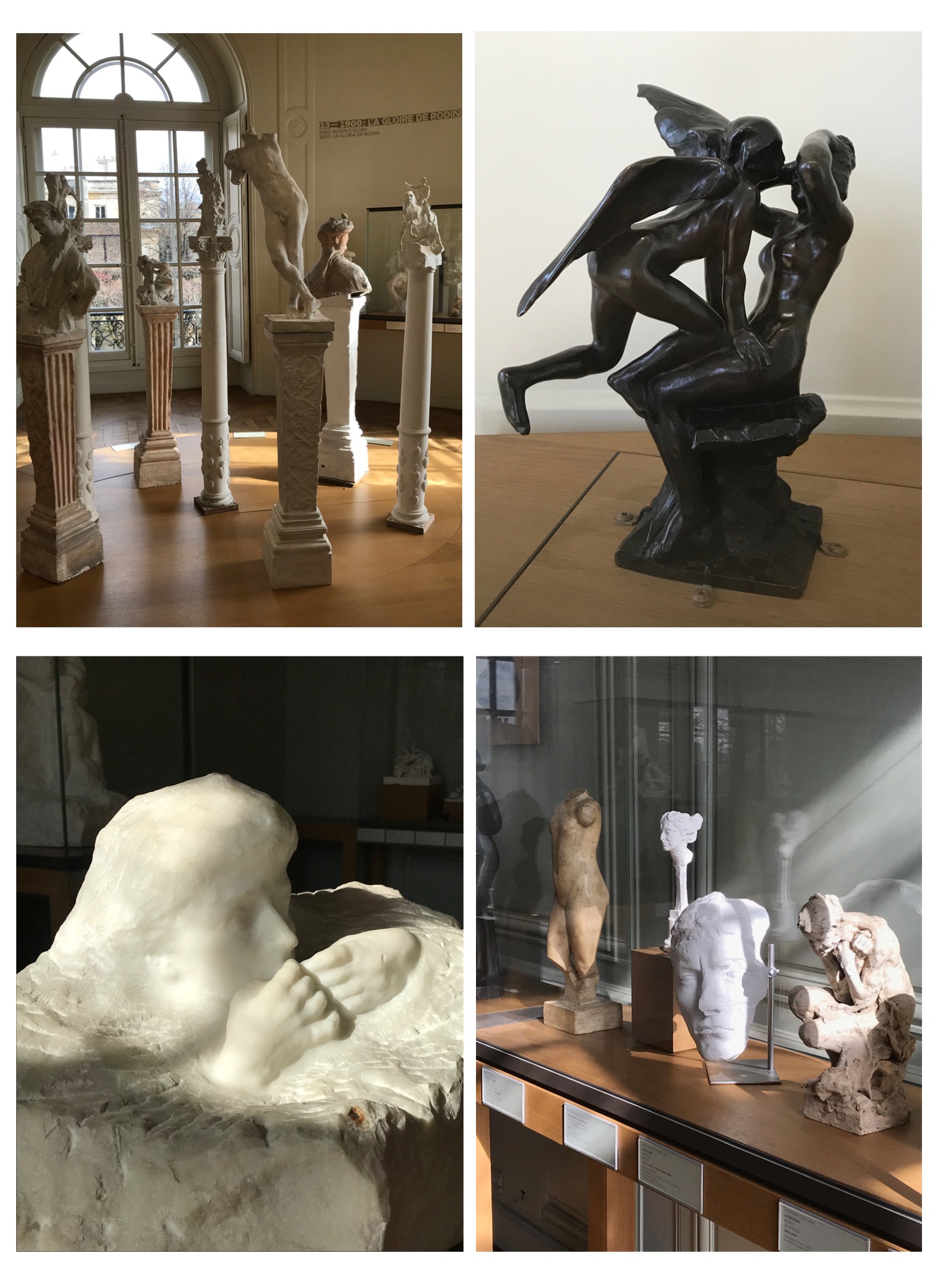
The calmness and beauty of Musée Rodin instantly made it one of my favourite places in Paris. The historical link between the collection and the Hôtel Biron where it’s located is the essence of the museum’s soul. Visitors will find many pieces created by the sculptor that have never been shown before in a display that affords a more comprehensive, coherent and accessible view of Auguste Rodin’s production. After a chronological presentation on the ground floor (including a room with a reproduction of the Hôtel Biron as it was in Rodin’s day), the first floor explores the aesthetic and historic dimensions (the Symbolist room, the Pavillon de l’Alma in 1900) and the creative process (Assemblage, Fragmentation, Enlargement) of the artist. One of the oval rooms, designed in the spirit of a cabinet de curiosités, presents Rodin’s sculptural practice alongside his activity as a passionate collector of antiquities. Although it was raining non-stop for a week, we were lucky with the weather the moment we went outside to the museum’s garden. Stretching over three hectares, the grounds are divided into a rose garden and a large ornamental garden, while a terrace and hornbeam hedge backing onto a trellis conceal a relaxation area. The glassed pavillon presents more Rodin goodness, this time in the context of nature. Some sculptures are unfinished, while others bear traces of the non-finito technique of which Rodin was so fond. For all the Rodin – and sculpture in general – lovers, this place is a must-see!

All photos by Edward Kanarecki.

(P.S. If you are inspired by my Parisian coverage, I’m really happy about, but please have in mind that now isn’t a safe time for any sorts of travelling. Stay at home!)

Atelier Brancusi

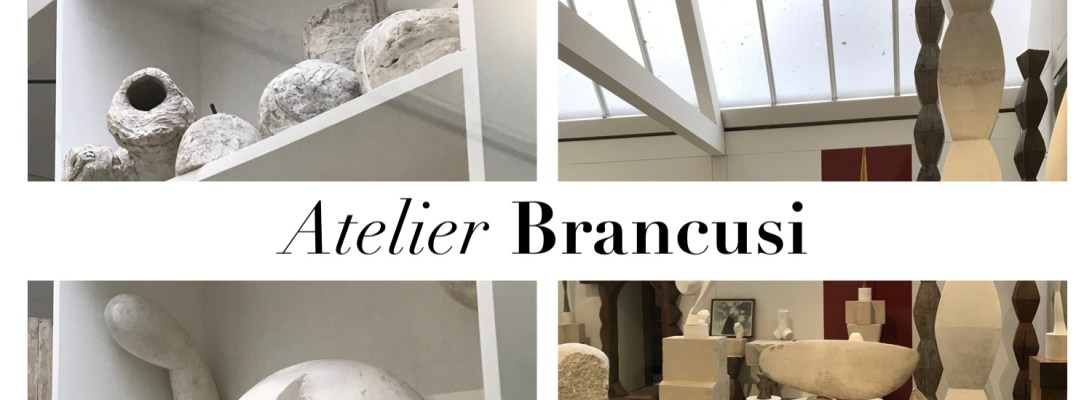
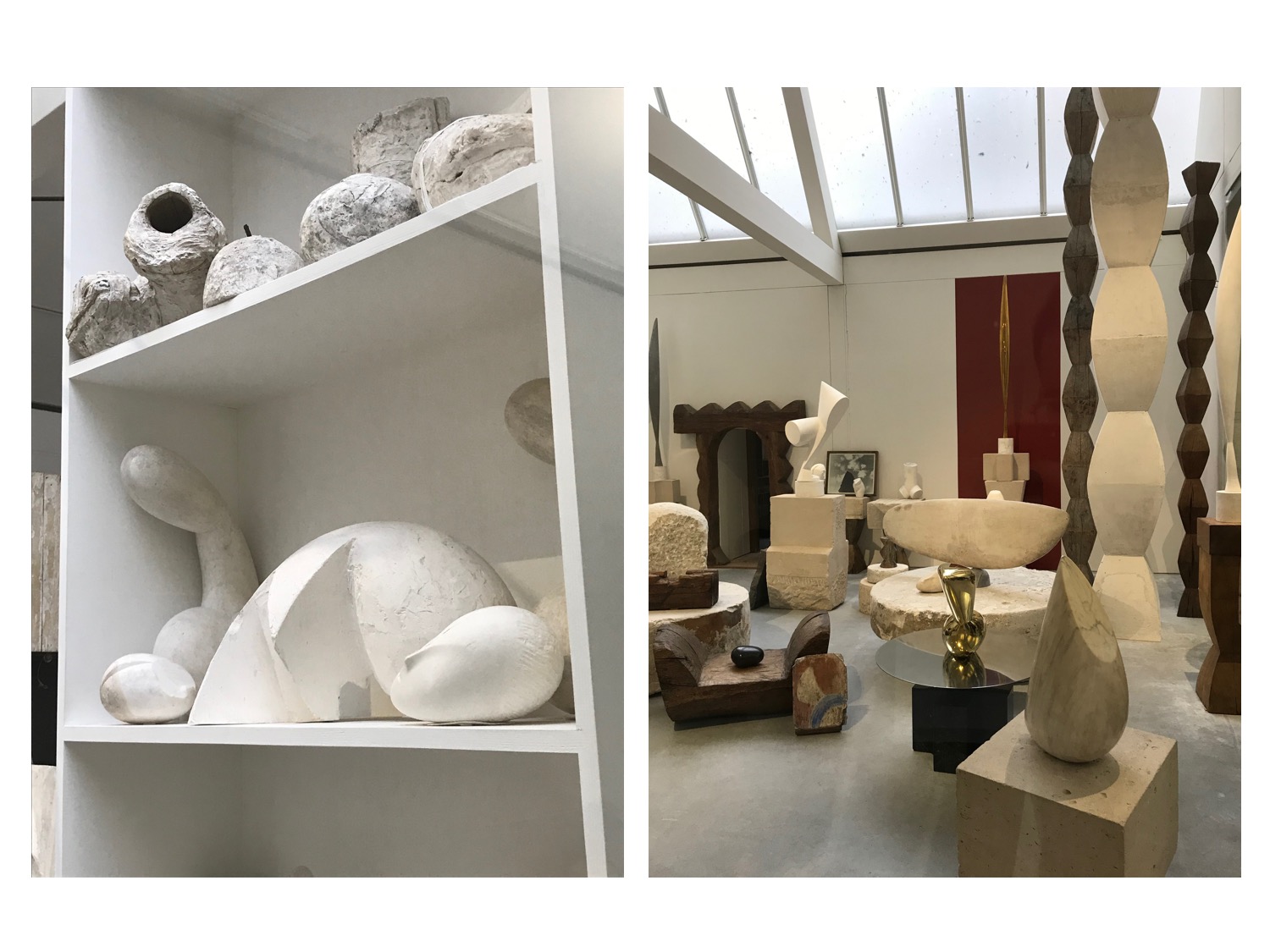
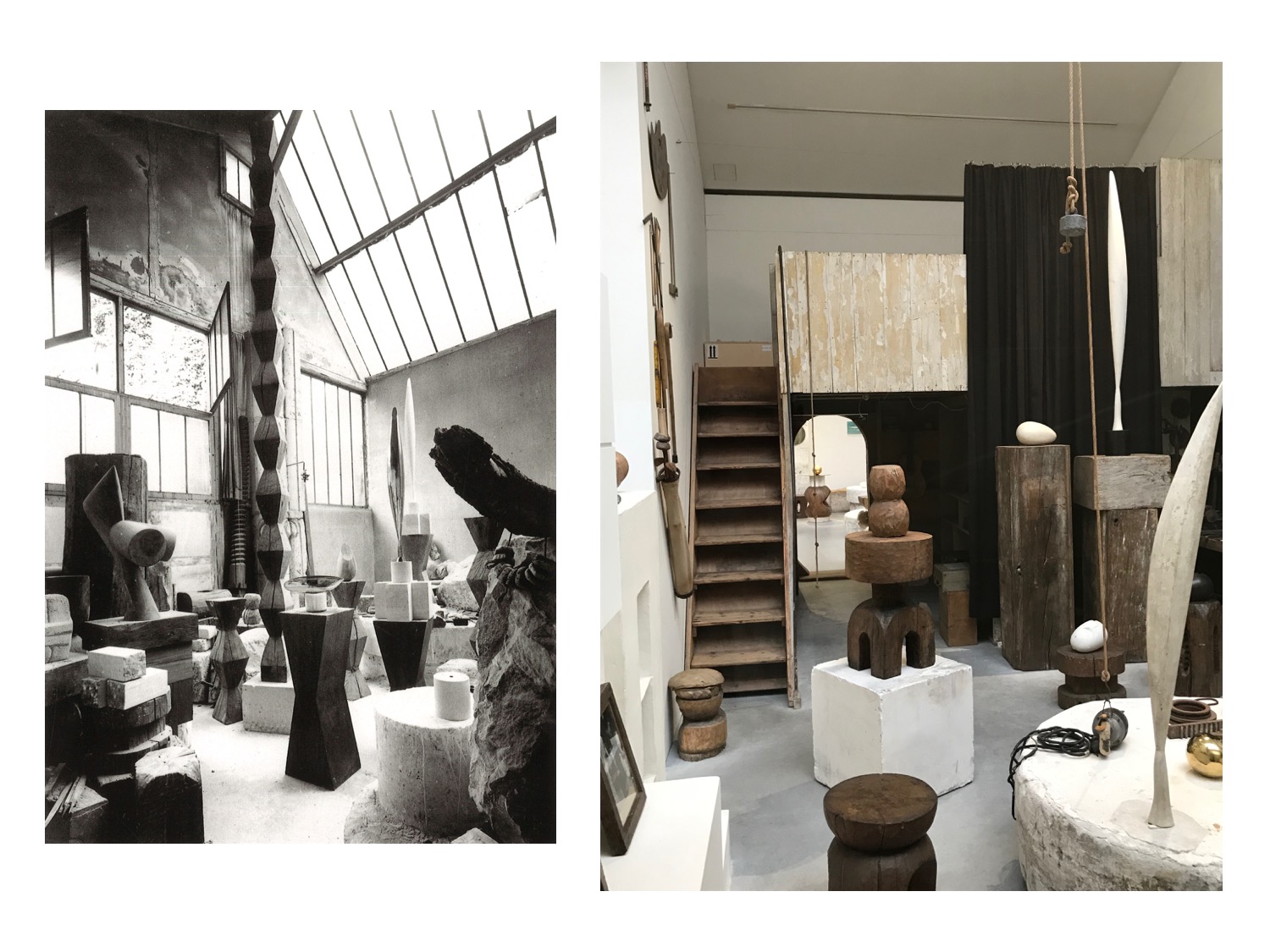
This place was on my “must see” list for a while. Finally, I visited Centre Pompidou’s Atelier Brancusi – a standalone pavillon dedicated to Constantin Brancusi‘s work. Born in Romania in 1876, Brancusi lived and worked in Paris from 1904 until his death in 1957, and this is where he produced most of his forever-inspiring work. In his will, he bequeathed his entire studio to the French state. Brancusi considered the relationship between sculptures and the space they occupied to be of crucial importance. In the 1910s, by laying sculptures out in a close spatial relationship, he created new works within the studio which he called “mobile groups“, stressing the importance of the connections between the works themselves and the possibilities of each for moving around within the group. In the next decades, the studio became an exhibition space for his work, and a work of art in its own right: a body consisting of cells that all generated each other. This experience of looking from within the studio at each of the sculptures, thus perceiving a group of spatial relationships, led Brancusi to revise their positions every day to achieve the unity he felt most apposite.At the end of his life, Brancusi stopped creating sculptures and focused solely on their relationship within the studio. This proximity became so fundamental that the artist no longer wanted to exhibit, and when he sold a work, he replaced it with plaster copy so as not to destroy the unity of the group. The present reconstruction, built by the architect Renzo Piano, is presented as a museum space containing the studio. Piano’s problem lay in making the space open to the public while respecting the artist’s wishes. While the architect did not attempt to recreate the intimacy of the original, he preserved the idea of a protected, interiorised space where visitors are isolated from the street and the piazza, in particular by an enclosed garden, from which part of the studio can be seen through a glass wall. I’ve spent there about 30 minutes, trying to absorb as much as possible with my eyes. And I went out feeling as relaxed as after a lovely spa.

Photos of the exhibition by Edward Kanarecki.

(P.S. If you are inspired by my Parisian coverage, I’m really happy about, but please have in mind that now isn’t a safe time for any sorts of travelling. Stay at home!)

Fondation Maeght / Côte d’Azur

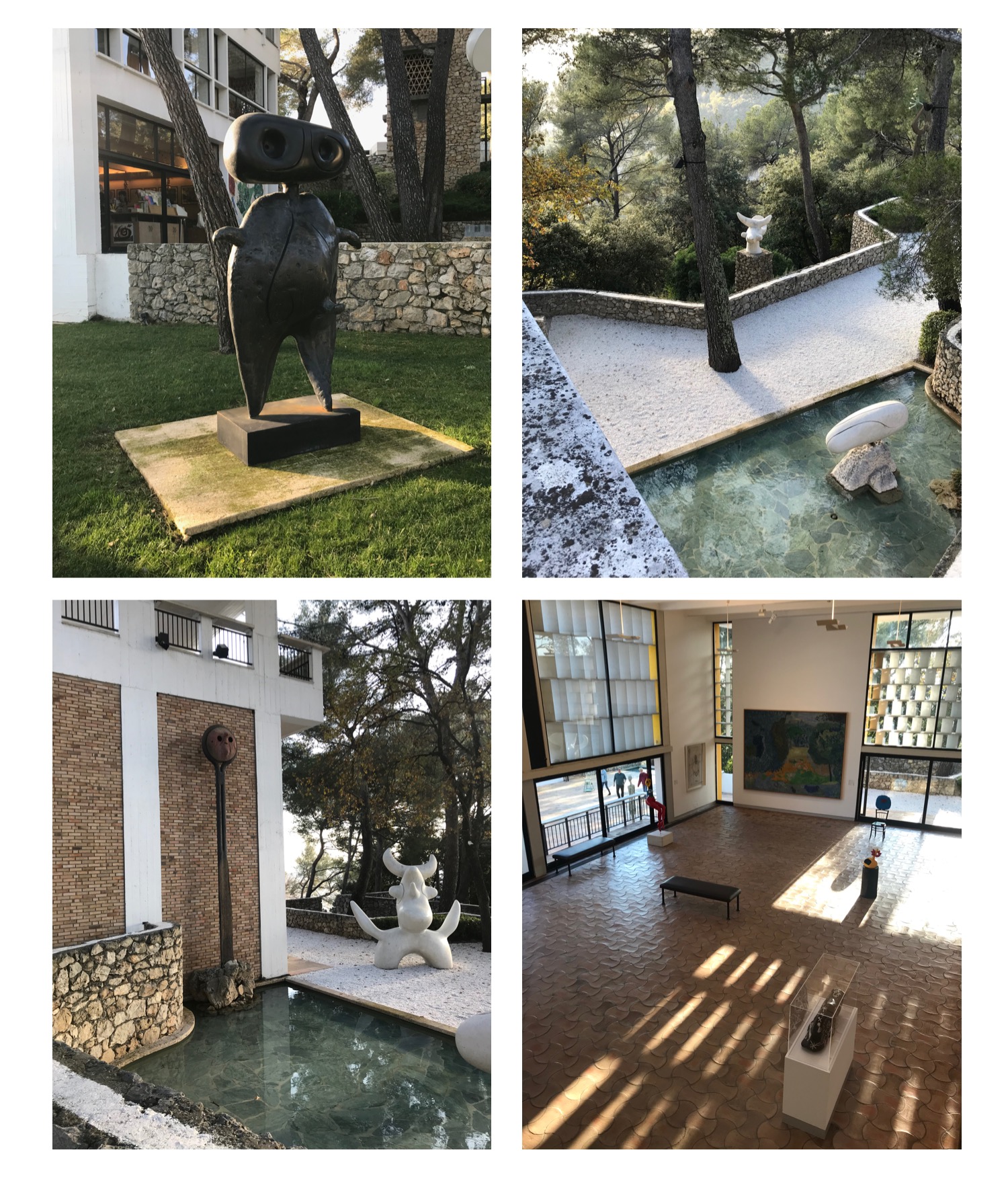
Visiting this place has always been my dream. Fondation Maeght is France’s most important private art foundation and among the world-leading cultural institutions. It was created by Aimé and Marguerite Maeght, a visionary couple of publishers and art dealers, who represented and were friends with some of the most important artists of the 20th century, including Joan Miró, Alexander Calder, Georges Braque, Alberto Giacometti, Marc Chagall and many others. The Maeght Foundation was inaugurated back in 1964 and instantly became the new art mecca. Located near the famous village of Saint-Paul de Vence the foundation is situated in the incredible architectural complex designed by Josep Lluís Sert. Painters and sculptors worked in collaboration with the Catalan architect to create a place where art, nature and architecture blend in perfect harmony. The Foundation’s highlights include the Giacometti courtyard (remember Louis Vuitton’s resort 2019 collection? It was staged right here!), featuring an exceptional ensemble of sculptures by the Swiss artist, the Miró labyrinth, a whimsical sculpture garden by the Catalan artist, monumental mural mosaics by Marc Chagall and Pierre Tal Coat, a pool designed by Georges Braque as well as a mechanical fountain designed by Pol Bury. Visitors can also enjoy the sculpture garden, with a rotating selection of works by Calder, Takis, Miro, Arp and other, two rooftop terraces with spectacular views, exhibition galleries hosting temporary exhibition as well as selected works from the permanent collection, a consecrated chapel and a library. Looking back at the photos I took there, I still can feel this unique combination of nature and silence meeting some of my all time favourite artists (that created the appealing aura of Côte d’Azur).

All photos by Edward Kanarecki.