Berlin: Canal Eclairs

First thing’s first: so sorry for my blog absence for the couple of days (maybe even weeks, actually). Had a quite tumultuous time, but things’ are finally getting better. Now, time for the delicious part: Berlin‘s Canal, the best spot for crazy good eclairs in the German capital. Having started this compact cafe as an ice cream shop in 2015, co-founders and pastry masters Daniella Barriobero Canal und Guadalupe Eichner decided to move into eclairs to keep customers happy during the winter months. The pair worked intensively to create the best eclairs possible, and if you want to get your hands on one of the seasonal, heavenly varieties they’ve developed, it’s worth to get there early. You won’t want to miss out on the likes of the pistachio and raspberry eclair, with Sicilian nut pastry cream, whipped ganache and fresh berries; or the matcha sesame, which features the best Valrhona Opalys white chocolate. Sneak a couple of these delights home with you in a box when you next stop by for a coffee. 

Rosenthaler Str. 40 / Berlin

Photos by Edward Kanarecki.

Yayoi Kusama Retrospective at Gropius Bau

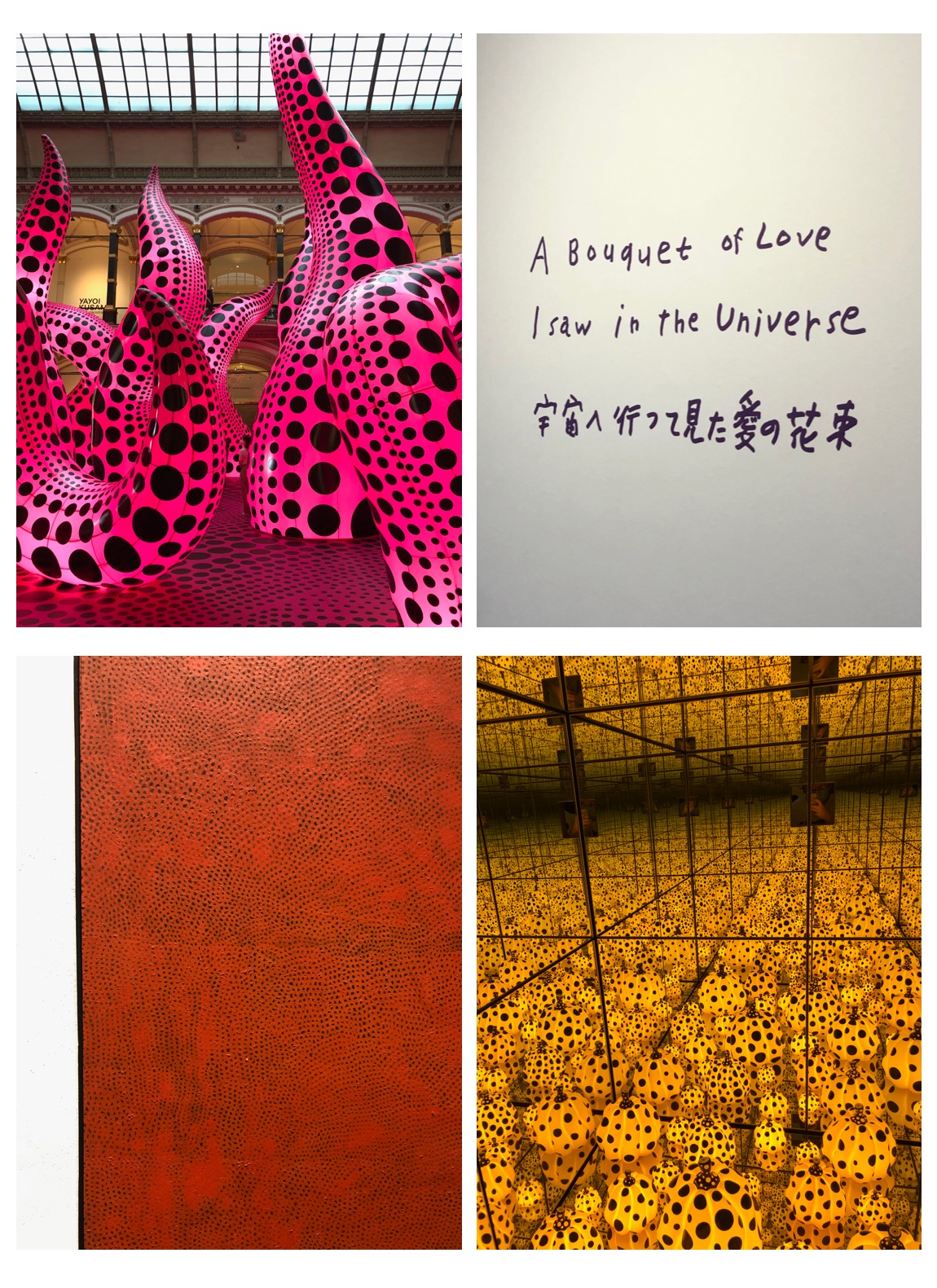
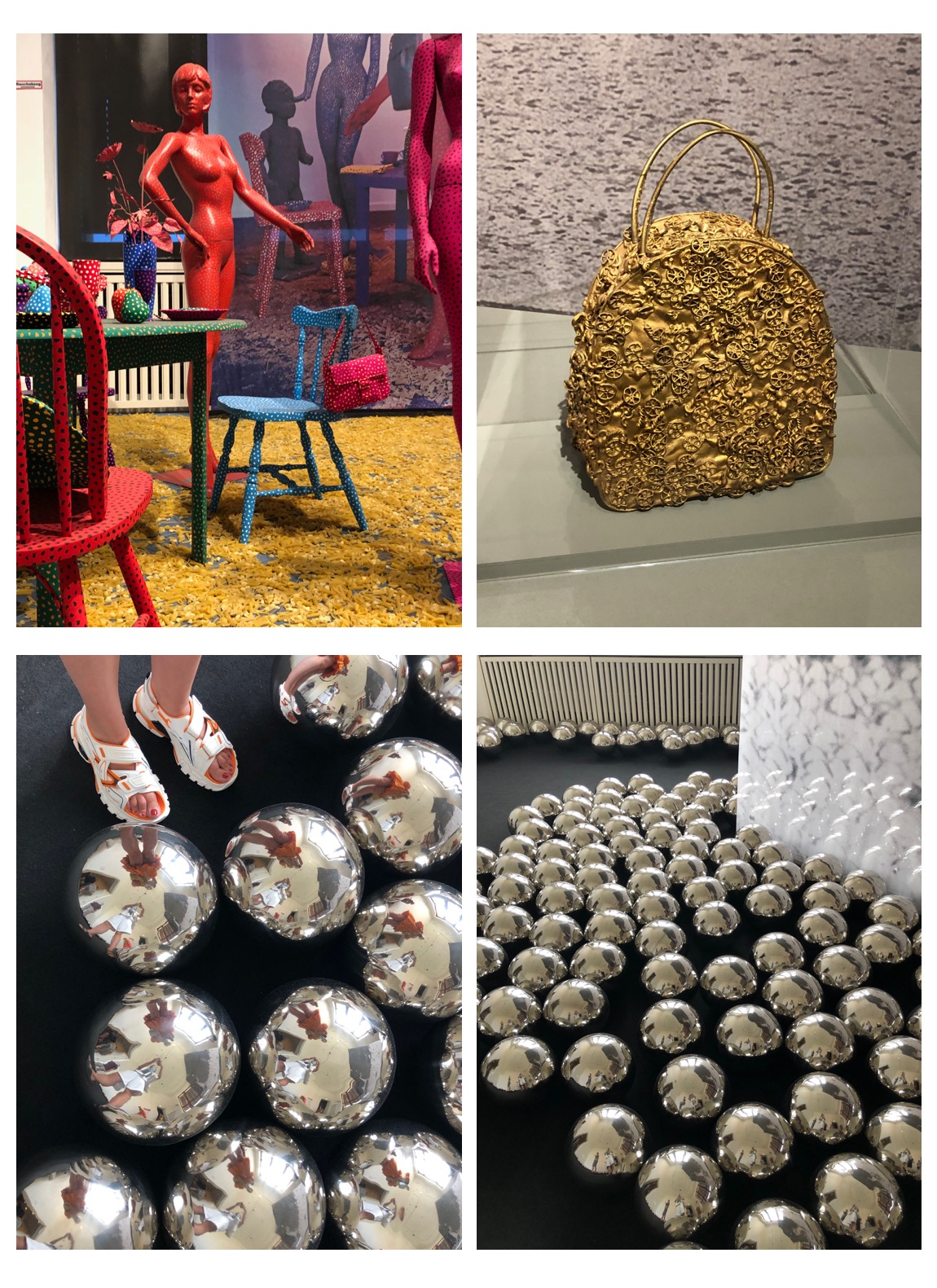
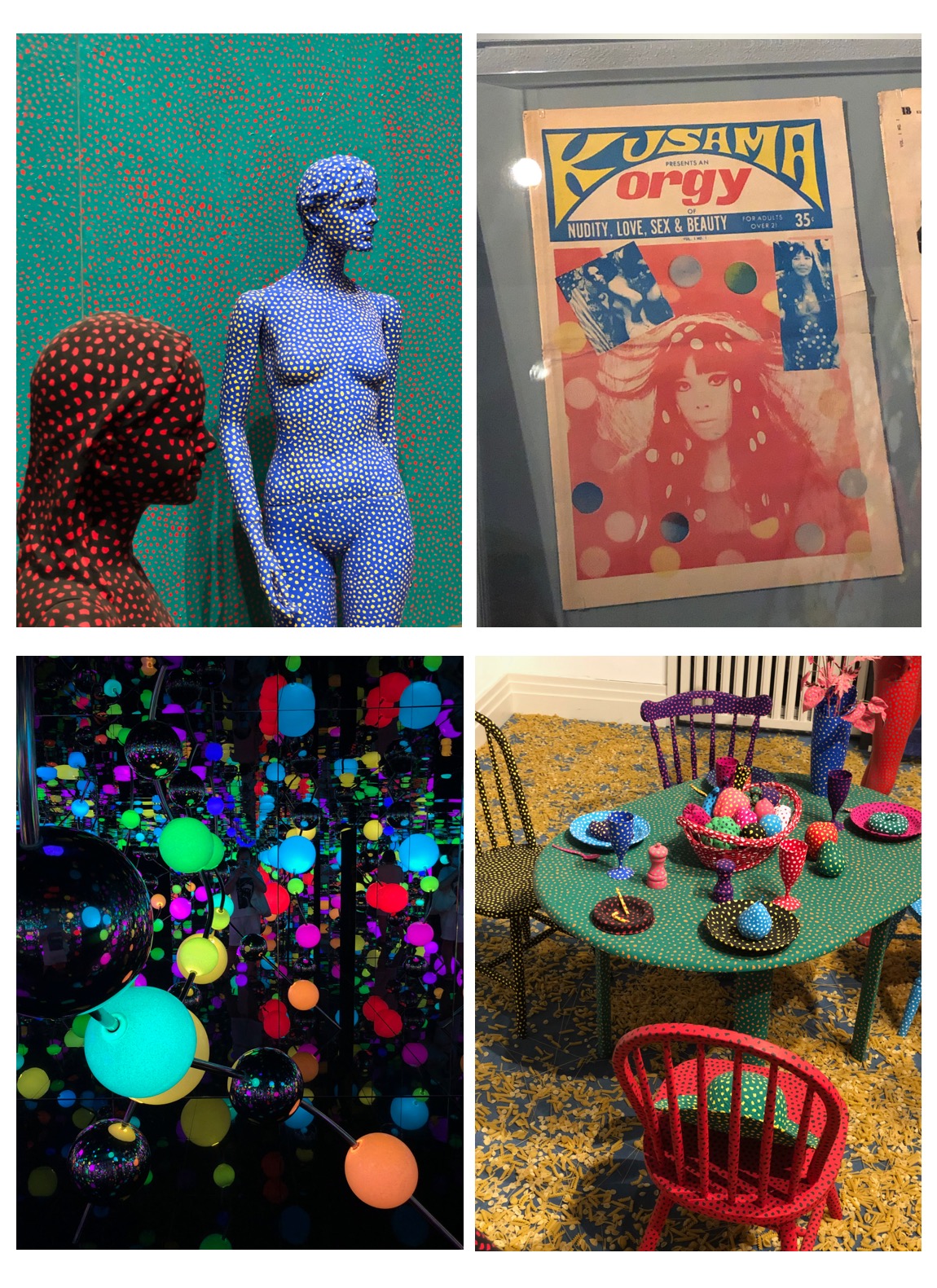
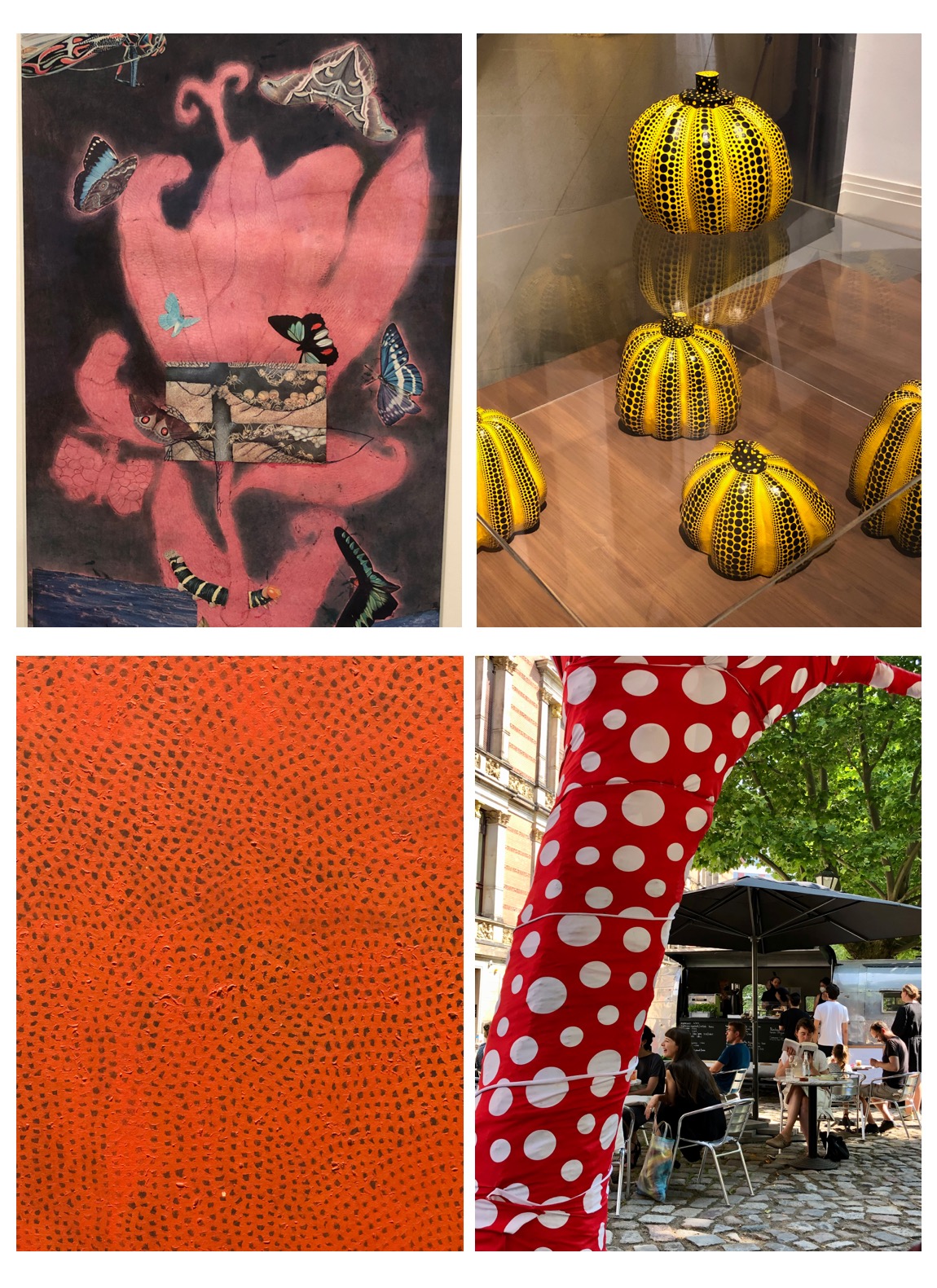
Berlin is alive and doing fine! And it blooms with great art events. Presented across almost 3000 m² of Gropius Bau‘s historic space, Yayoi Kusama: A Retrospective offers an overview of the key periods in Kusama’s oeuvre, which spans more than 70 years, and feature a number of current works as well as a newly realised Infinity Mirror Room.  The retrospective focuses primarily on tracing the development of Kusama’s creative output from her early paintings and accumulative sculptures to her immersive environments, as well exploring her lesser-known artistic activity in Germany and Europe. Since the 1960s, the artist has been actively engaged in realising exhibition projects outside the former centre of her life in New York and showing her work in a European context. This has also brought to the fore Kusama’s role as a pioneer of personal branding, who early on in her practice intentionally staged and marketed her own artistic persona and multidisciplinary work. Within the exhibition framework, reconstructions allow viewers to experience the pioneering nature of her presentational forms and artistic subjects, making accessible Kusama’s early exhibition projects in Germany and Europe in the 1960s and central solo exhibitions in the USA and Asia from the 1950s to 1980s. It seems that everybody knows Yayoi’s art, but there’s just so much more to her work than the signature, XXL polka-dots.

Till the 15th of August 2021 / Gropius Bau / Niederkirchnerstraße 7

All photos by Edward Kanarecki.

Katharina Grosse at Hamburger Bahnhof (and More!)

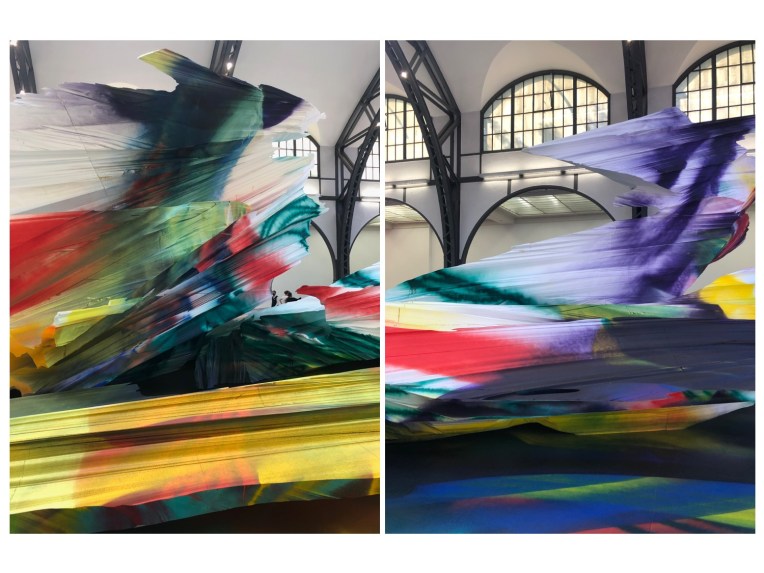
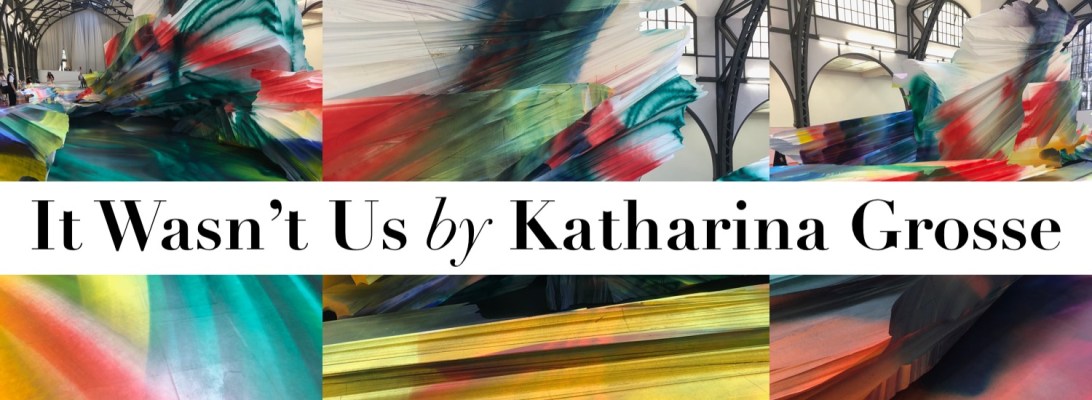
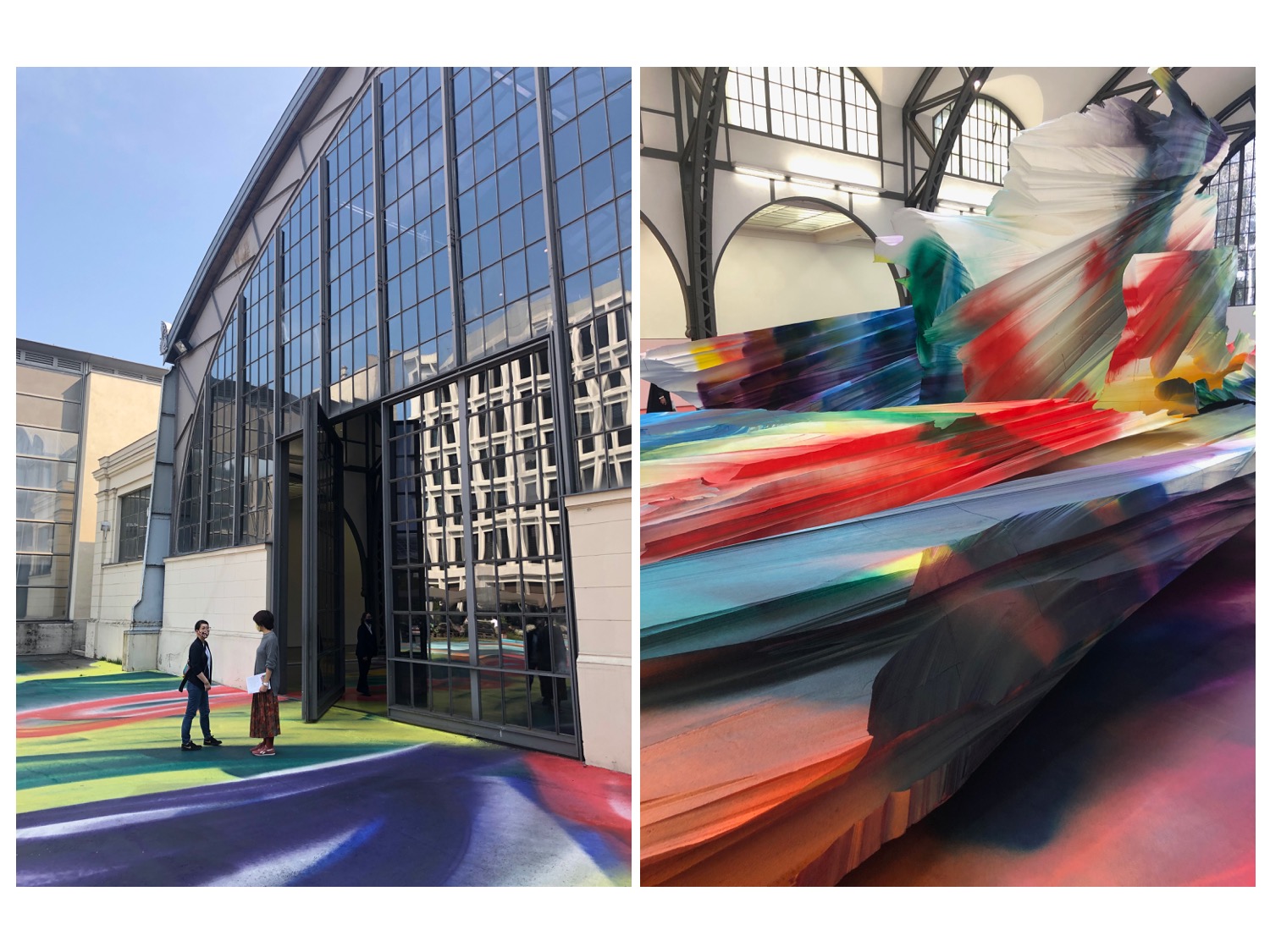
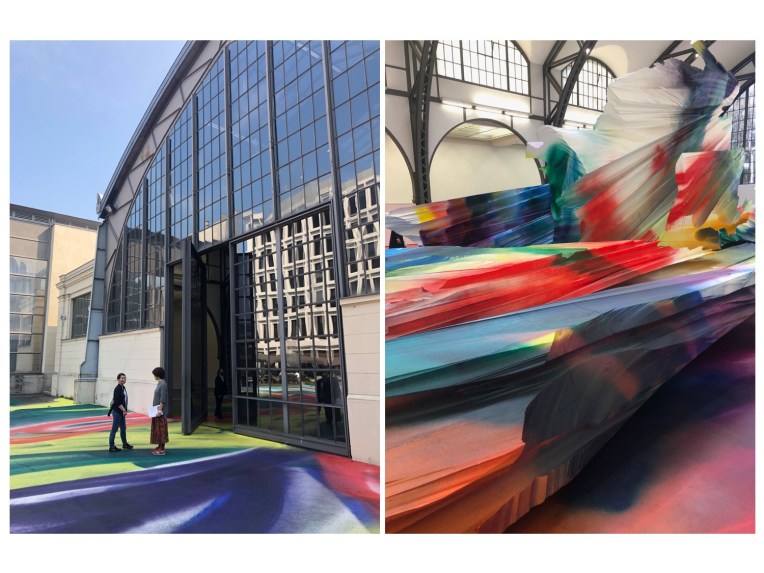
Oh, how I’ve missed museums! I wanted to see Katharina Grosse‘s “It Wasn’t Us” exhibition so badly! First, I love her immersive work. Second, coming back to Hamburger Bahnhof, one of Berlin’s best museums of modern and contemporary art, was a good idea, as I’ve been there once as a child and I forgot how great this place is. Now, back to Grosse. A painting by her can appear anywhere. Her large-scale works are multi-dimensional pictorial worlds in which splendid color sweeps across walls, ceilings, objects, and even entire buildings and landscapes. For “It Wasn’t Us” the artist has transformed the Historic Hall of Hamburger Bahnhof as well as the outdoor space behind the building, into an expansive painting which radically destabilises the existing order of the museum architecture. Katharina Grosse’s latest in-situ painting disregards the boundaries of the museum space in a grand and colourful gesture: “I painted my way out of the building,” said Grosse in relation to her work. Over the course of several weeks a vast new painting has emerged that stretches across the Historic Hall and into public space, over the extensive grounds behind the museum, landing finally on the façade of the so-called Rieckhallen which were inaugurated as a part of the museum complex in 2004. Grosse’s kaleidoscopic painting brings together colours and forms, natural and man-made surroundings and its visitors as participants in an all-encompassing, pulsating interaction of hues. The boundaries between objects, and between horizontal and vertical orientations begin to melt away, and the work’s scale continuously shifts depending on the visitor’s position. As the viewer moves through the painting new spaces emerge that are both artificial and ripe with associations, and at the same time completely real, forcing us to renegotiate our habitual ways of seeing, of thinking about, and of perceiving the world around us. The choice of the location and the many different factors and conditions it entails have influenced the development of the painting, just as the permanently shifting lines of sight of the viewer and unexpected interactions with the work affect our ways of perceiving it in the exhibition setting. In this sense, the work’s title, It Wasn’t Us, can be understood as a reference to the inherent complexity and unpredictability of a given situation, whether it be the conditions under which artists create their work, or the conditions under which it is later viewed. The painting exists only for the duration of the exhibition – which is open util the 10th of January 2021.

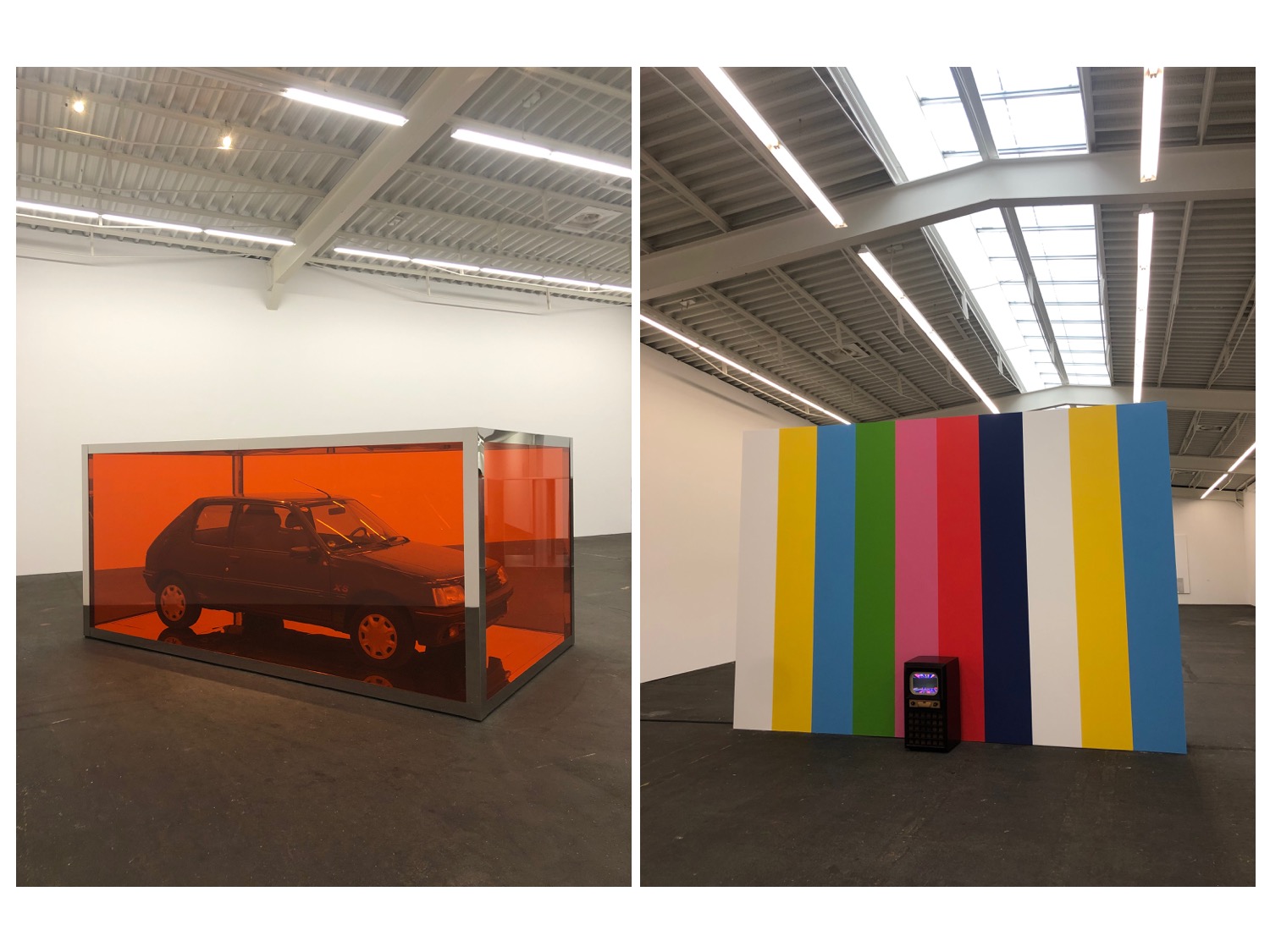
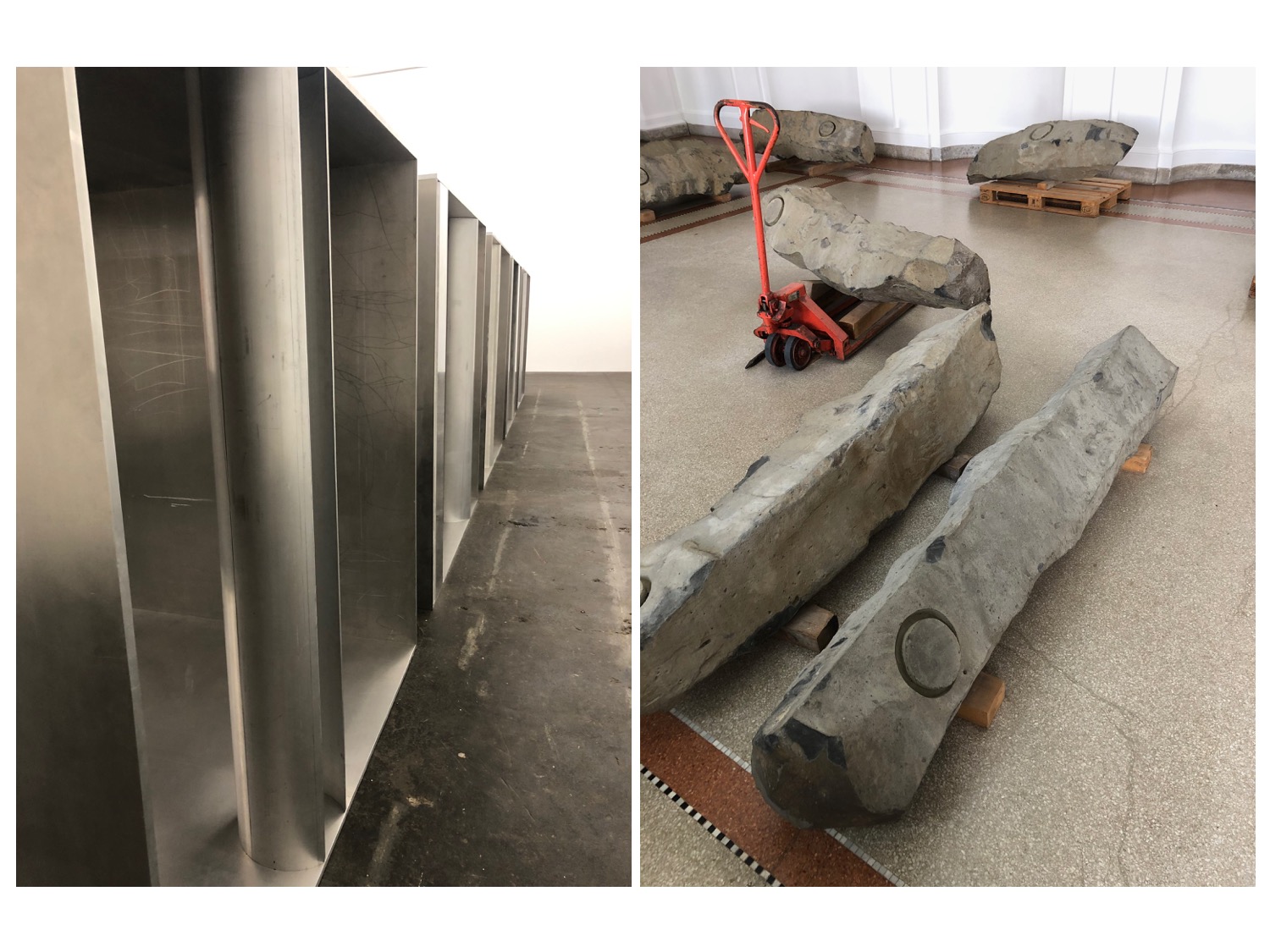
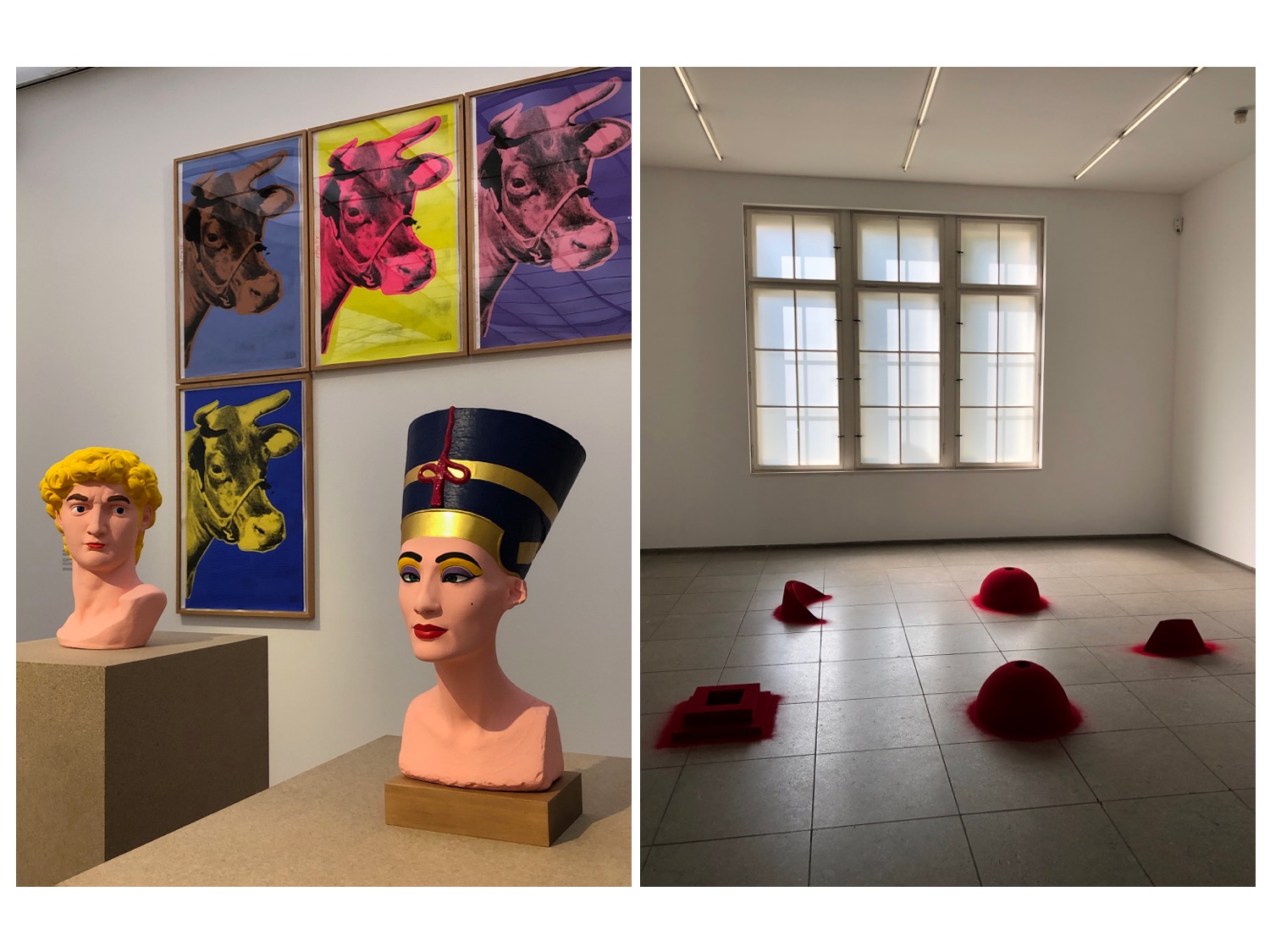
At the moment there’s also another exhibition going on at Hamburger Bahnhof, titled “Magical Soup“. Spaciously presented across more than 2,000 square metres in the museum’s Rieckhallen complex, the group exhibition features key works complemented by loans representing the latest generation of artists, with a common point of departure being the nexus of sound, image and social space. “Magical Soup” brings together works by the media art pioneers Nam June Paik, Jochen Gerz, Charlemagne Palestine, Ulrike Rosenbach and Keiichi Tanaami; by the multimedia artists Nevin Aladağ, Stan Douglas, Cyprien Gaillard, Douglas Gordon, Rodney Graham, Dmitry Gutov, Anne Imhof, Joan La Barbara, Pipilotti Rist (her installations are so powerful!), Diana Thater, Lawrence Weiner, Nicole Wermers and David Zink Yi; and by the younger artists Korakrit Arunanondchai, Trisha Baga, Dineo Seshee Bopape, Christine Sun Kim, Sandra Mujinga and Sung Tieu. Here are some of my favourites, combined with the Hamburger Bahnhof’s permanent gallery, feauturing some good old Andy Warhol and Joseph Beuys:
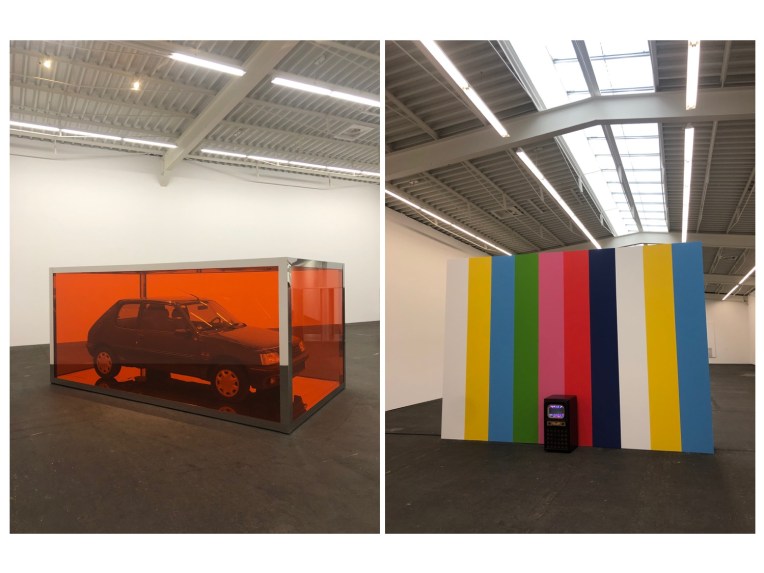
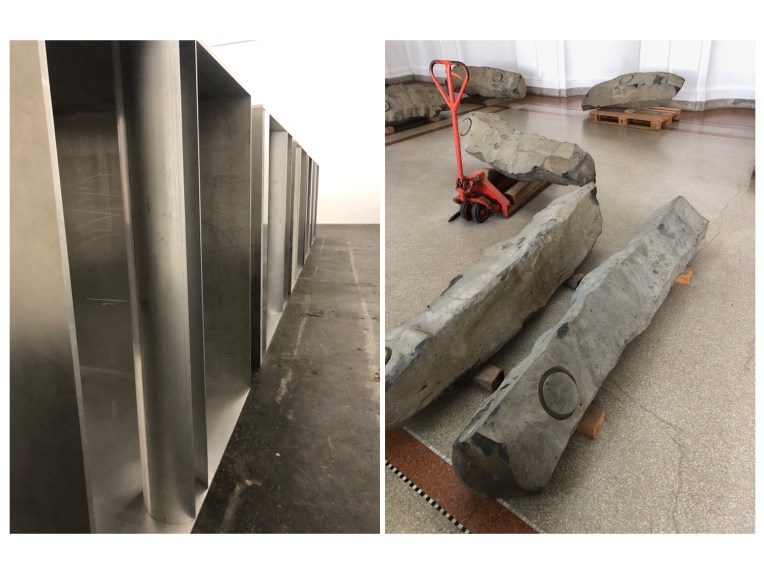
All photos by Edward Kanarecki.

Support Brick-And-Mortar!

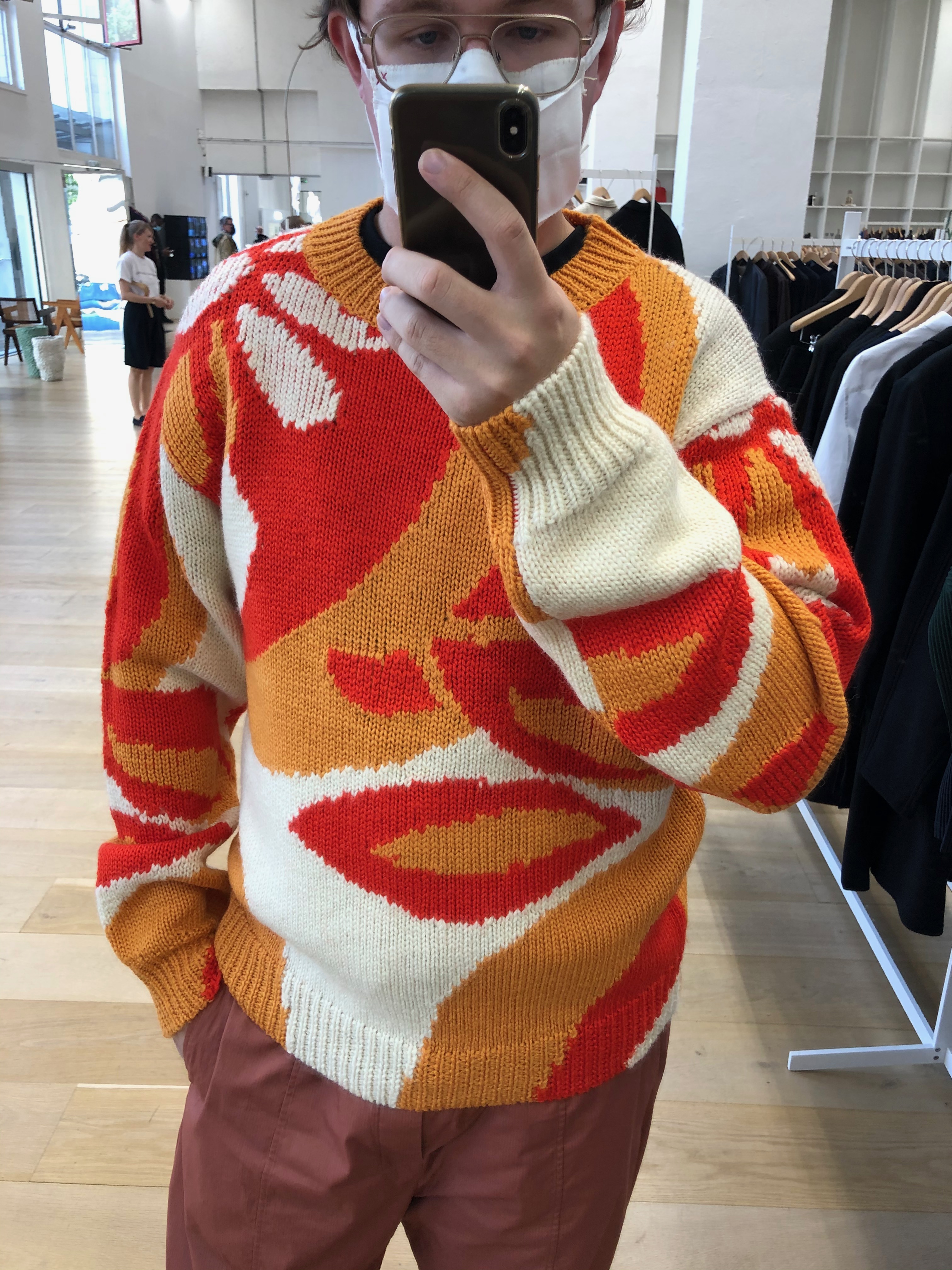
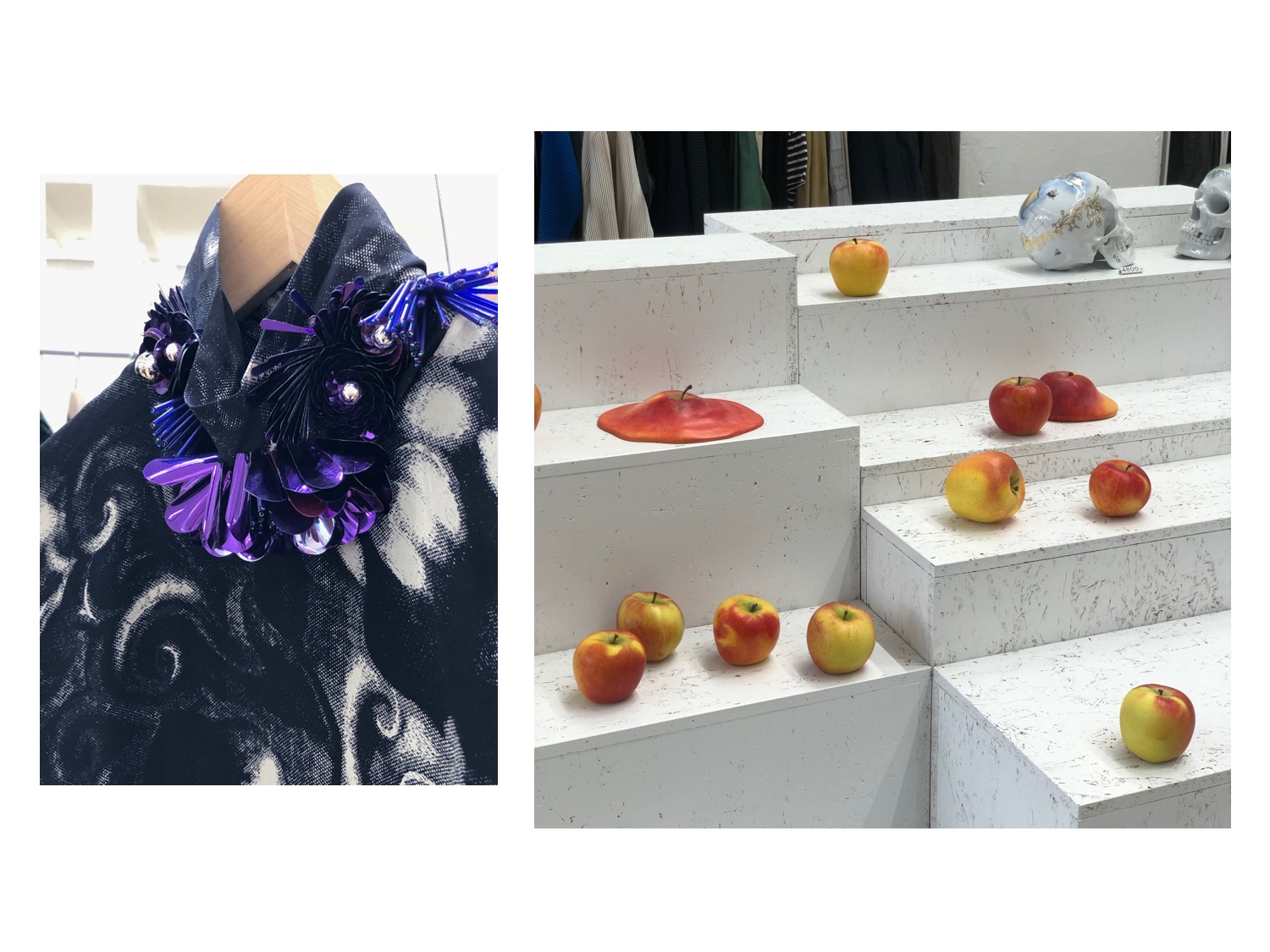
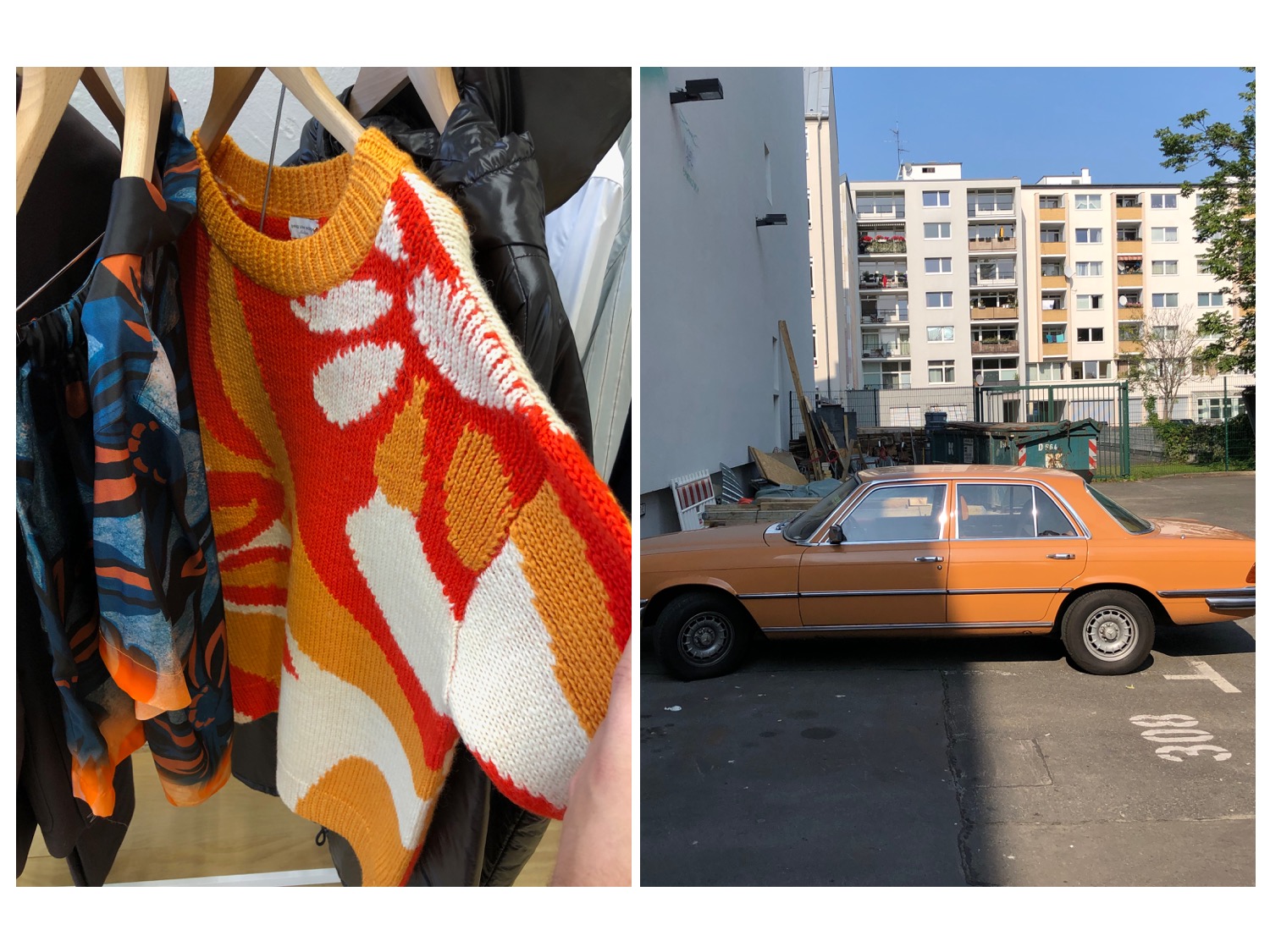
Two stores I love in Berlin: Andreas Murkudis and Sal Bazaar. Especially now, brick-and-mortar shops are having a hard time (I know it from a first-hand experience) and we should support the ones with authentic soul, a unique selection and a one-of-a-kind aura. Andreas Murkudis is my long-time go-to place (from Dries Van Noten and Yohji Yamamoto to the amazing space and beautiful art initiatives), while Sal Bazaar feels like the antidote to traditional fashion retail. This place is like an art gallery, really. Here you will find Dumitrascu, the place’s home-made label, as well as hand-picked, precious vintage and  ceramics made by local artisans. Everything is just so aligned with the owner’s taste. I know on-line is thriving and all, but REAL shops are the best. So, here’s a reminder: support them however you can!

Andreas Murkudis / Potsdammerstraße 81E

Sal Bazaar / Mulackstraße 34

Photos by Edward Kanarecki.

Juergen Teller at Grisebach

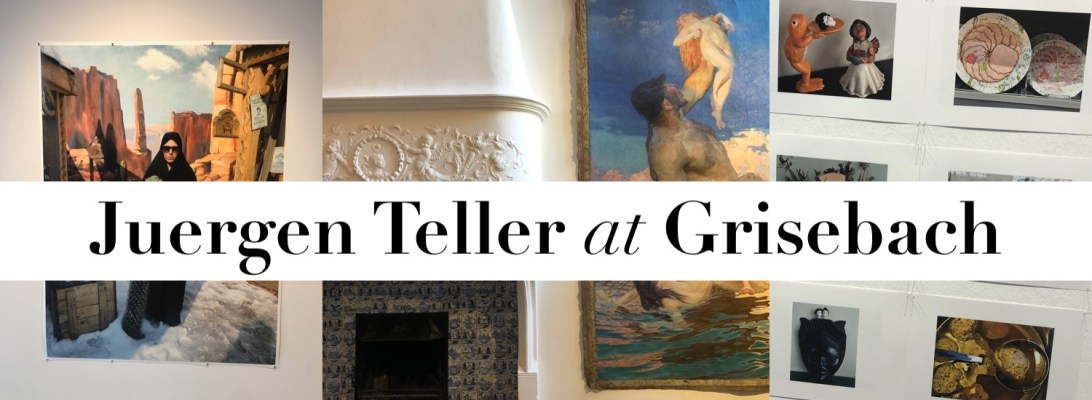
If you read my journal or follow my Instagram for a while, then you’ve surely noticed my obsession with Juergen Teller and his work. So when I discovered that his two exhibtions open at Grisebach (one of the oldest auction houses in town), I marked 12th of September right away in my calendar as a mandatory trip to Berlin. And… my dream came true. He was there with his partner, Dovile Drizyte, they both signed books and talked with guests. I even took a photo with him – just couldn’t resist that opportunity (sorry not sorry)! He was happy I came especially from Poland to attend the opening… Ok, back to the exhibitions. Grisebach presents precisely two exhibitions with the photographer: “If You Pay Attention” and “Araki Teller, Leben und Tod”. “If You Pay Attention” was completed in collaboration with Drizyte, and features a series of photographs that were taken at the end of 2019 to the beginning of 2020, on an adventurous, heavenly, yet life-threatening journey through Iran. Drizyte, Teller’s partner, wore a chador during a part of their trip and consequently discovered a new identity whilst following this dress code. Teller recalled how: “I didn’t just want to take tourist pictures, I wanted to put something of myself or us into the pictures of Iran, but I didn’t know what or how in the beginning. At the same time, I haven’t yet quite found a way of photographing Dovile, my girlfriend. Sometimes it is difficult with people who are very close to you. It took me years to photograph my Mother.” Next door, at Villa Grisebach, Teller presented his new book, “Araki Teller, Leben und Tod” which was made in collaboration with the Japanese photographer, Nobuyoshi Araki. “Leben und Tod” is the culmination of their joint exhibition at artspace AM, Tokyo held at the end of 2019 and is published by Steidl. This deeply personal project centres on Teller’s “Leben und Tod” (Life and Death) series, in which he reflects upon the death of his uncle and stepfather Artur. Teller juxtaposes photographs of his mother and their hometown in Bubenreuth, Bavaria with images from his journey in Bhutan with Dovile that epitomize life and fertility. Inspired by this series, Araki asked to photograph Teller’s “childhood memory objects”, items that carry special emotional significance to both him and his parents. Teller eagerly collected these personal treasures, gathering toys, a porcelain figurine, and bridges created in the family’s string instruments’ bridge-making workshop. Araki’s resulting images are haunting, yet playful, creating a spellbinding tale once paired with Teller’s original story. Here’s a mix of my favourite works, juxtaposed with Grisebach’s beautiful space.

The exhibitions are on until the 7th of November! More information is available right here.

Photos by Edward Kanarecki.