The Bevza staples: a slinky, ab-revealing dress; a white slip; and a muted color palette. For spring-summer 2022, Svitlana Bevza emphasizes her label’s classics. Bevza was inspired by her own archives as well as the ocean. The latter allowed her to experiment with seashell bra tops, sailor scarves and hats, and wavelike seams adding texture to the body of dresses. The distinctly nautical details were charming. There’s also the sustainability factor: the boxy necklines of some pieces were meant to resemble plastic shopping bags, for instance, and several of the square patchwork dresses were made from scraps of fabrics in Bevza’s studio. Those frocks were quite appealing: they moved gorgeously when worn and had a subtle complexity that revealed itself the closer you got to the garments. This collection is for all the sun, sea and sand babes out there, ready to spend their time at the beach all day, all night.
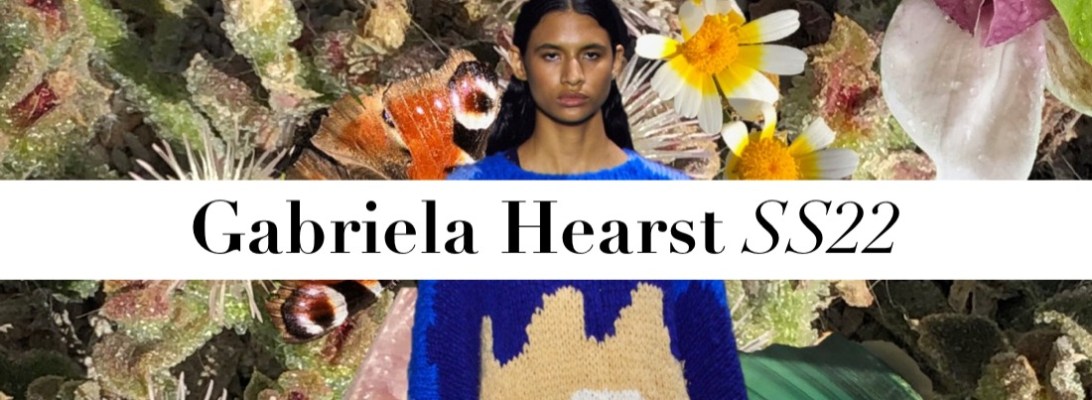
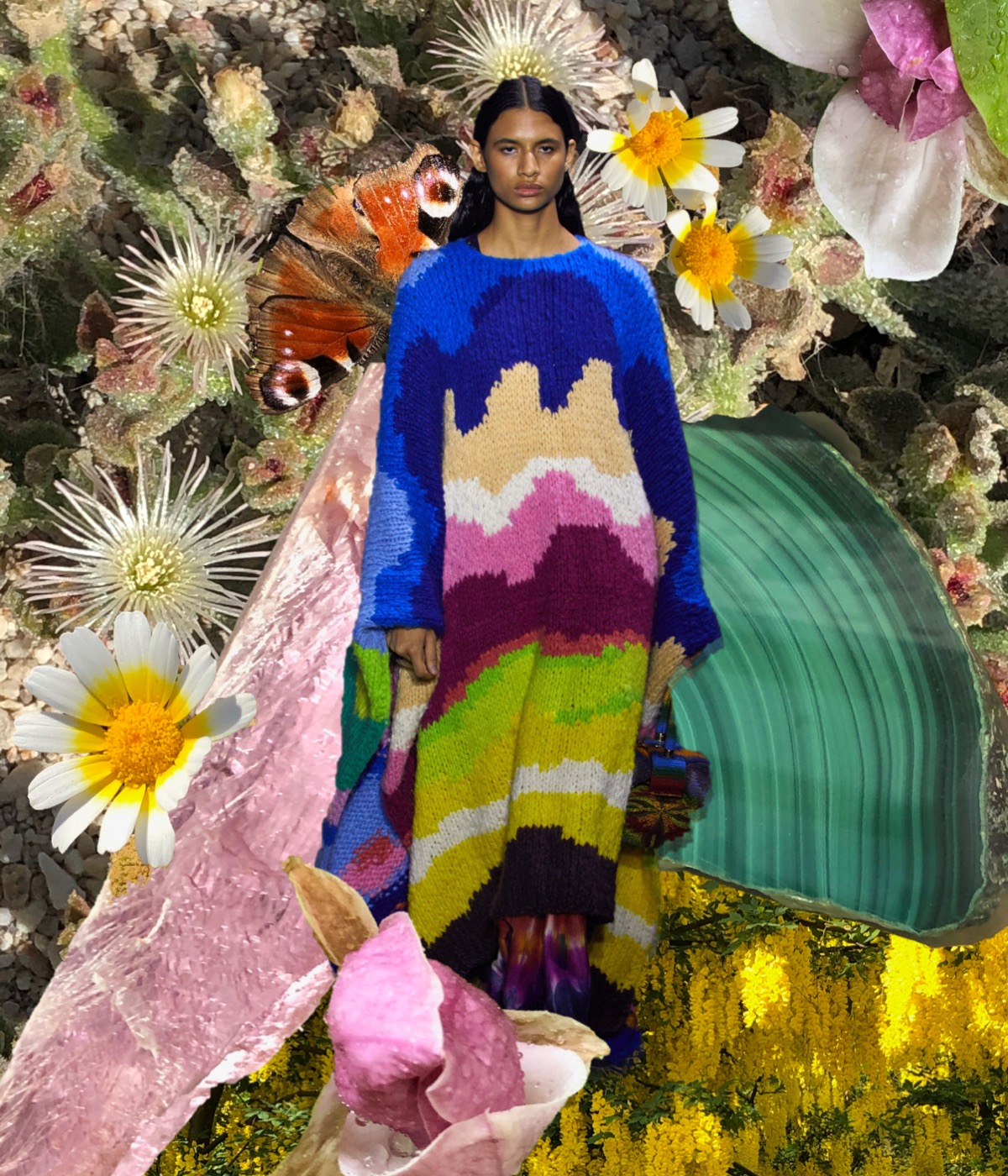
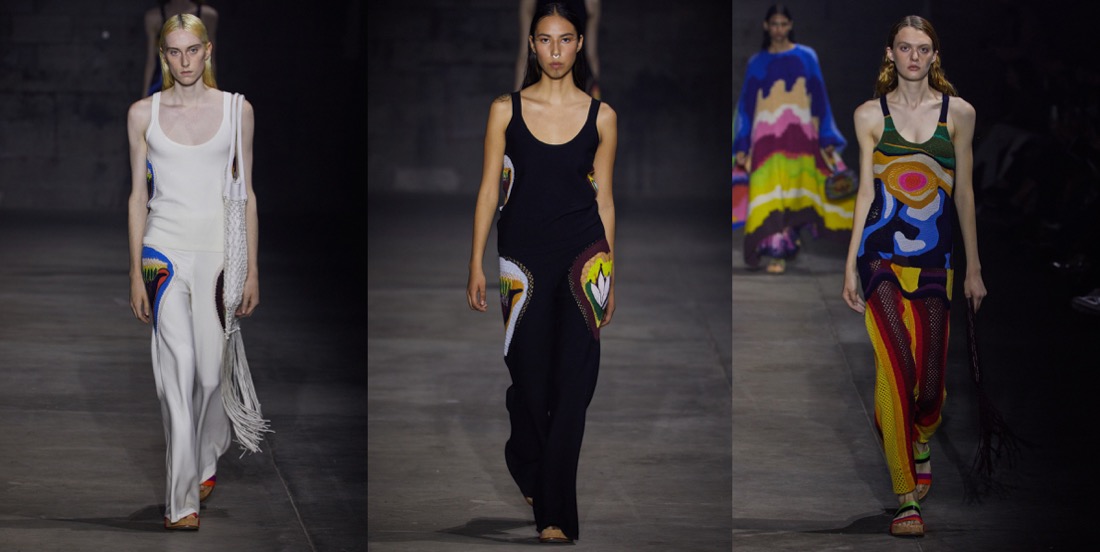
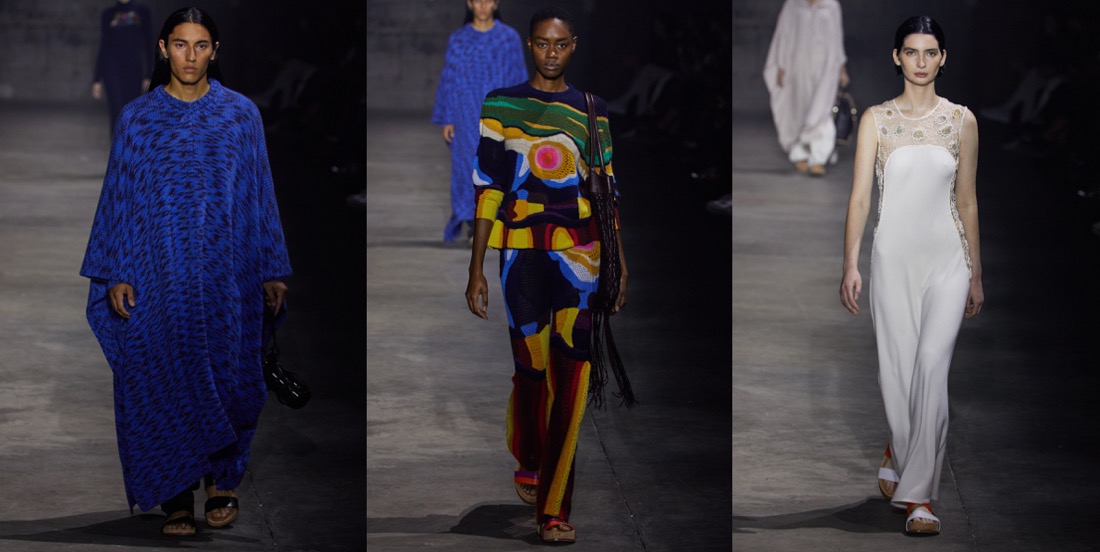
While Gabriela Hearst‘s organically beautiful vision at Chloé gradually starts to thrive in Paris, back home in New York, she does what she does best. In the crowd at spring-summer 2022 show were Naiomi Glasses and TahNibaa Naataanii. Members of the Navajo Nation, they collaborated with Hearst on the woven swatches that were inset into the bodice of a sleeveless dress and the shoulders of a trench. Glasses organized the arrangement (she’s a graduate of the Creative Futures Collective, which is dedicated to empowering creatives from disenfranchised communities), and Naataanii, who is a sheepherder and a weaver, did the hand work, with the help of her mother and daughter. At a preview, Hearst said, “I like to make sure that what we do is good for more people than just us.” Her press notes put it this way: “Being able to create beautiful pieces that are desirable and at the same time that empower others is probably one of the most satisfying personal experiences.” She also worked with Manos del Uruguay and a Bolivian collective, Madres & Artesanas Tex. The former are responsible for a couple of gorgeous chunky runas, and the latter for pieces in a finer gauge multicolor crochet based on a swirling, abstract painting Hearst made with her children. The non-profits are her regular collaborators, but she also talked about helping a close friend through a mental health crisis, and incorporating the art her friend made during her crisis into the spring collection. The flower print pieces that are the result of that process didn’t make it into the show, but in the studio they looked bright and lively. On the runway, Hearst’s verve is sometimes smoothed out in favor of concision and clarity, a certain fashionable decorum. But those who know Hearst, or even just follow her Instagram, are familiar with her irreverence, her inner wild child. She makes a dignified suit, but she’s also a woman who loves dip-dye.
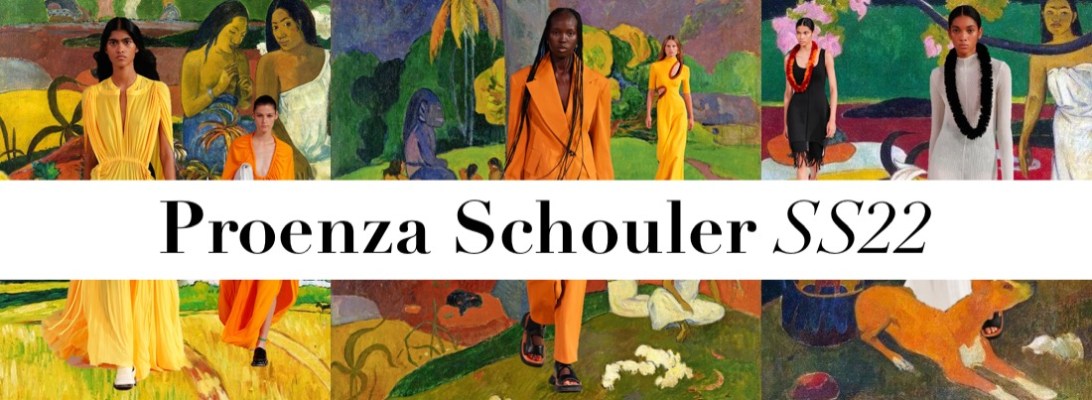
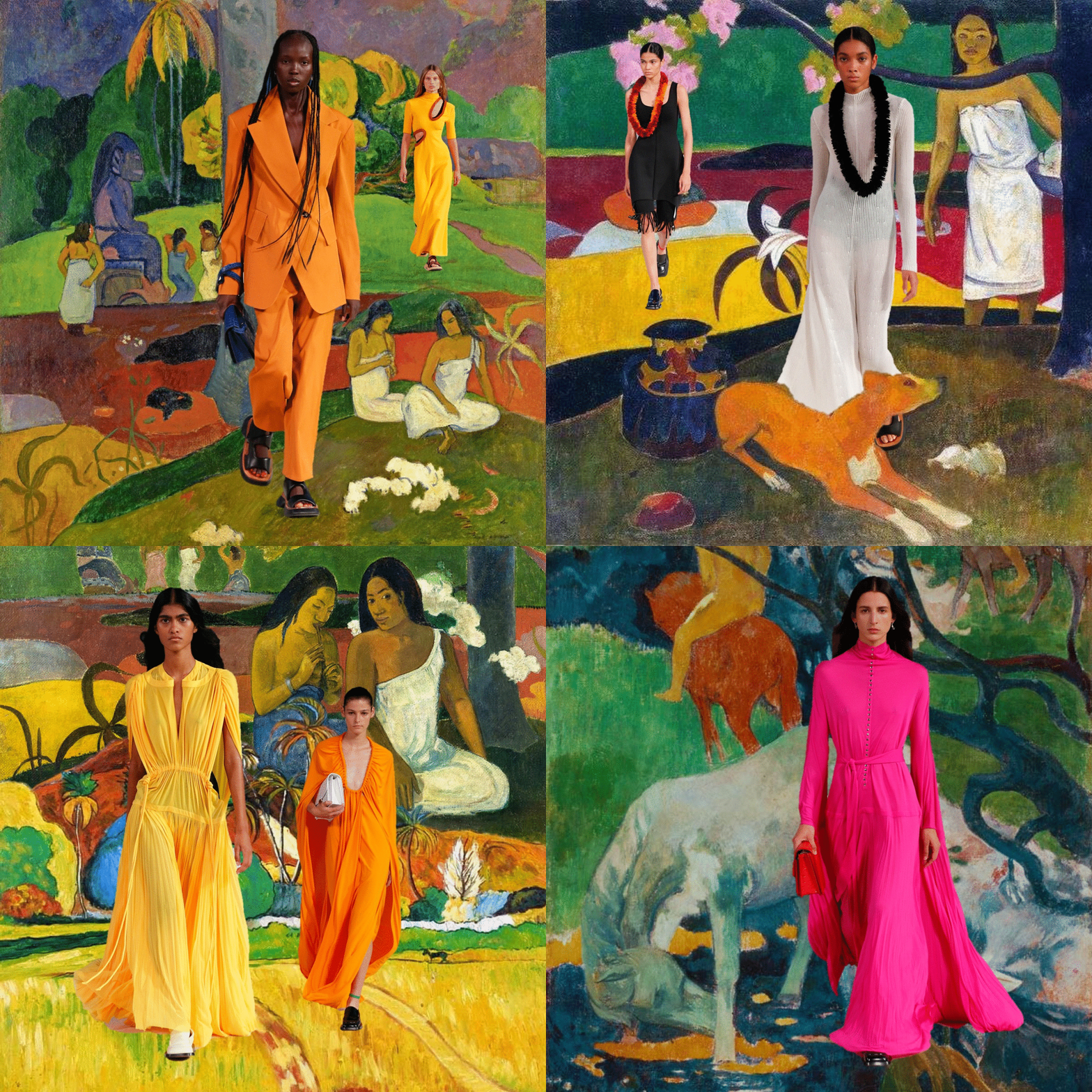
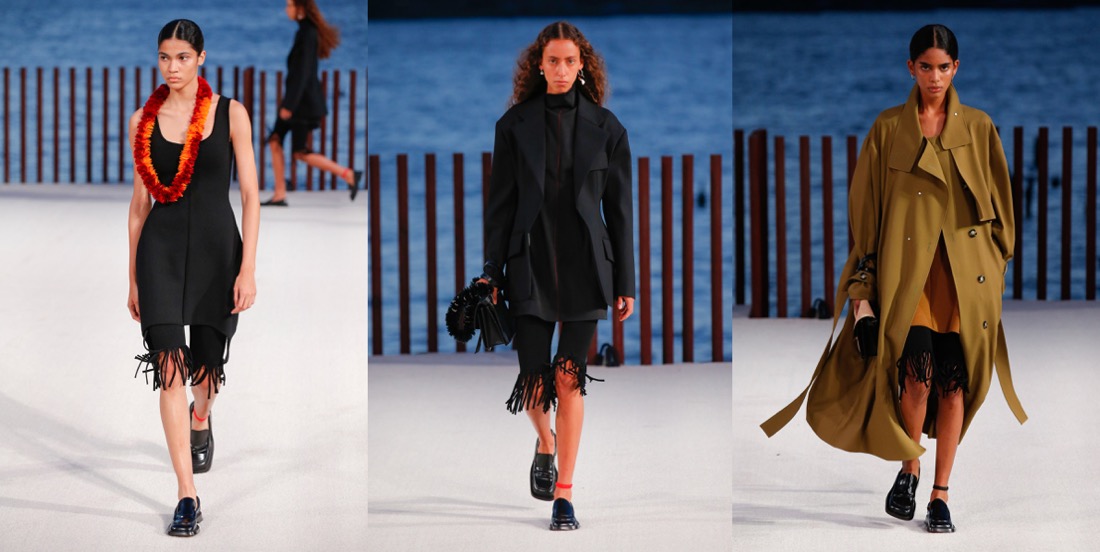
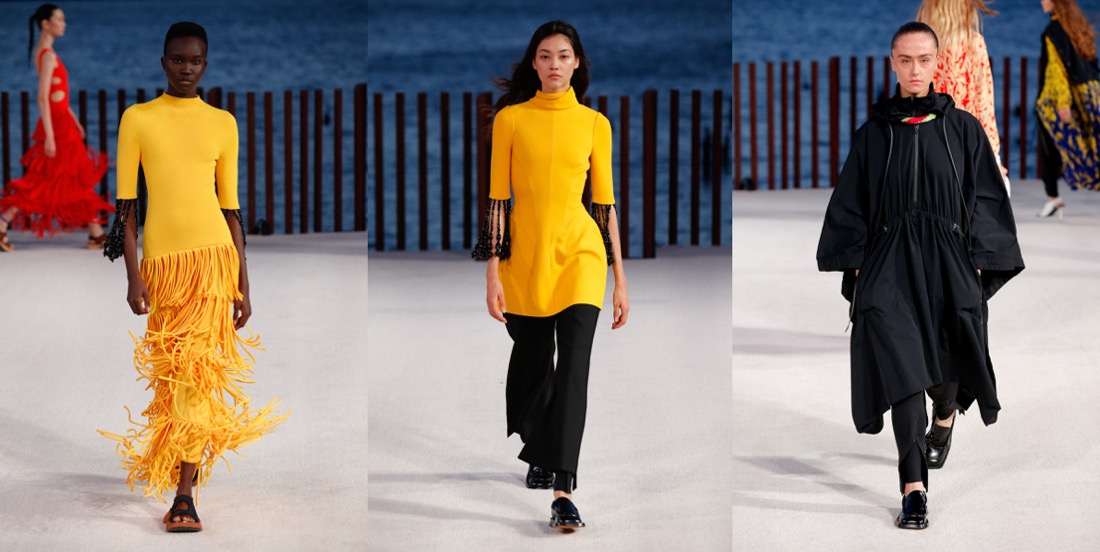
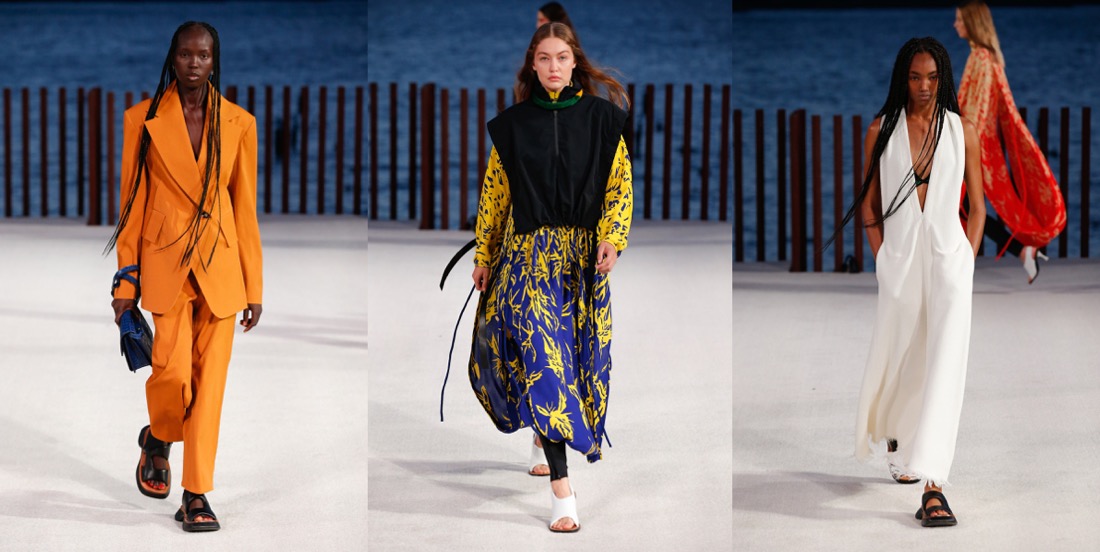
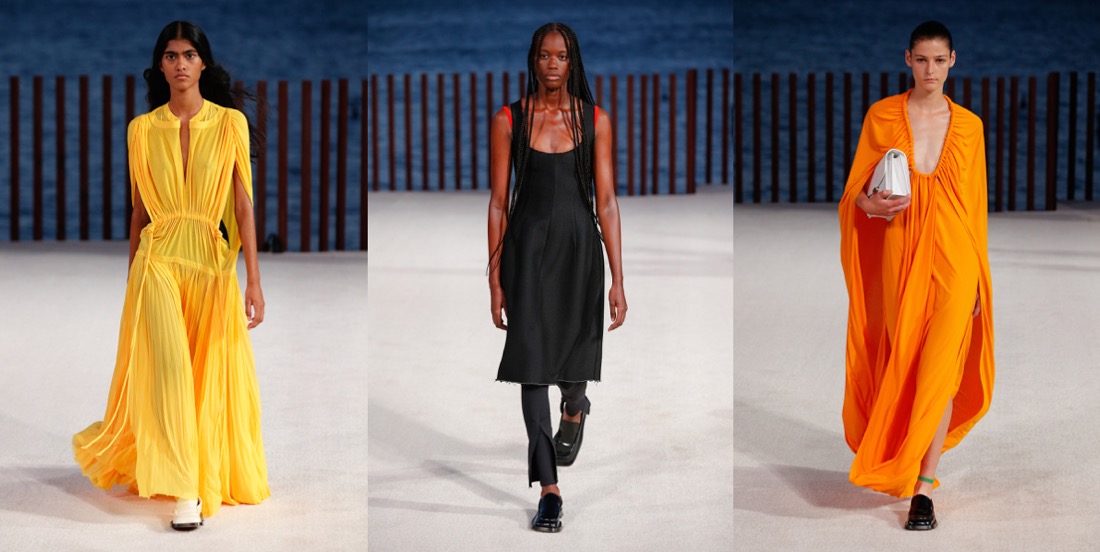
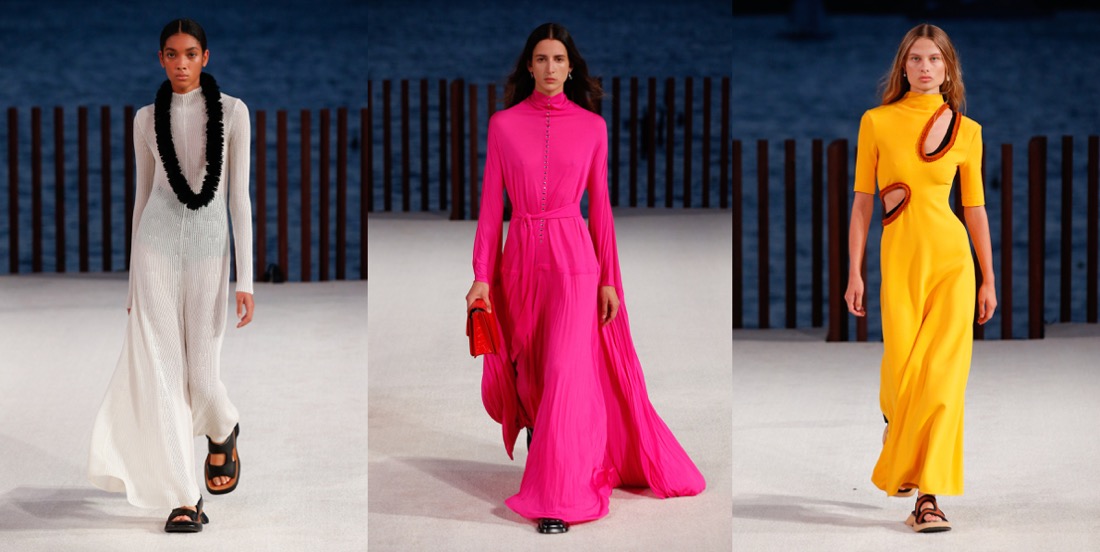
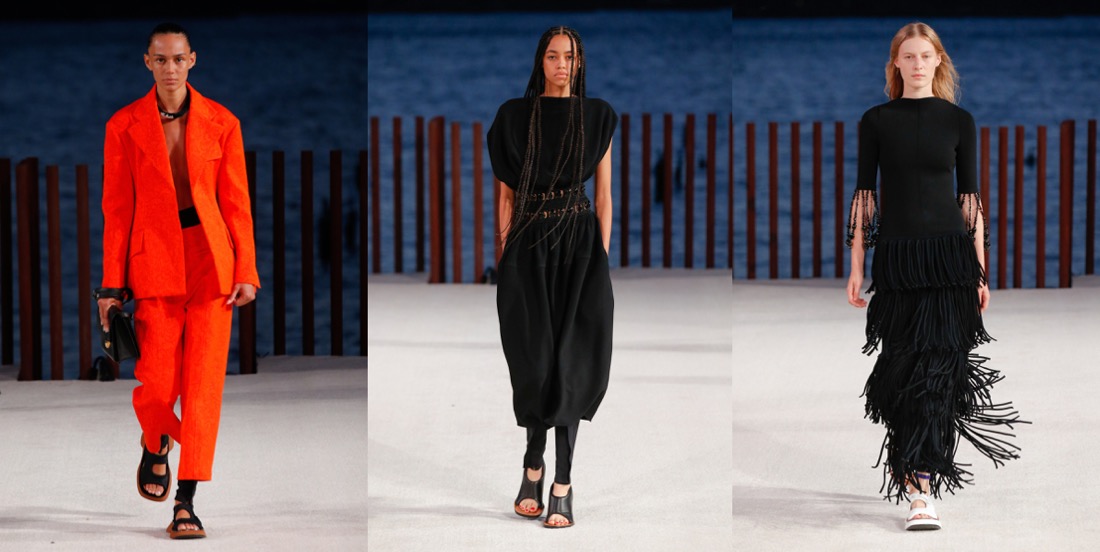
Proenza Schouler radiates with a laid-back, easy-going, summer-ish energy this season. There’s a reason why. Lazaro Hernandez and Jack McCollough made Kauai their “home-office” during a period of pandemic time – it’s their favourite destination that they call their “sanctuary.” The island vibe influenced their new collection, which mixed scuba and surfing motifs, a color palette plucked from nature, and a few handmade leis from Maui with their more urban fare. Backstage after their Little Island show, they clarified that Hawaii wasn’t a literal reference, but rather a starting point for the collection’s ambience. Most of all, “they’re joyful clothes to step out in the world again.” There were suits, but they come in vivid shades of coral or orange cotton jacquard. Basic black, meanwhile, isn’t so basic when suit bottoms are cut tight like bicycle shorts with swingy fringe below the hems. A pair of block-printed floral dresses with looped hems had verve; the designers pointed out that the prints were the same on the front and back of the fabric rather than being reversed, a complicated technique to pull off. The point of the collection was not to look complicated – who needs too much sophistication after the tumultuous times? The gowns, in gorgeous acid colors, were made from fine gauze jersey, perfect for beach strolling. “They stretch and move, we all want to be comfortable.” This was one of the best Proenza Schouler collections in seasons, even though some Phoebe-Philo-Célinisms can’t be ruled out of their vocabulary.
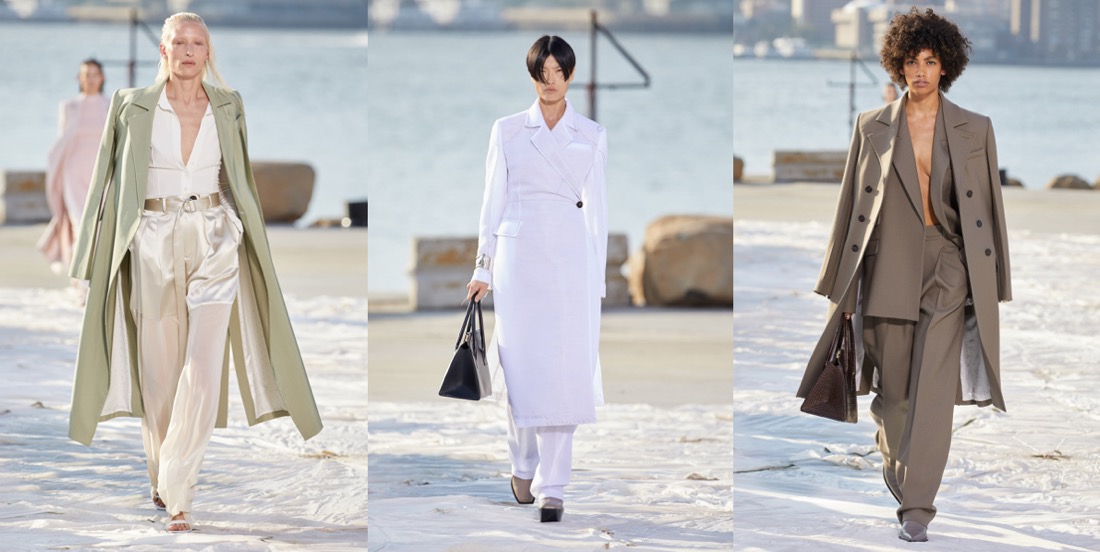
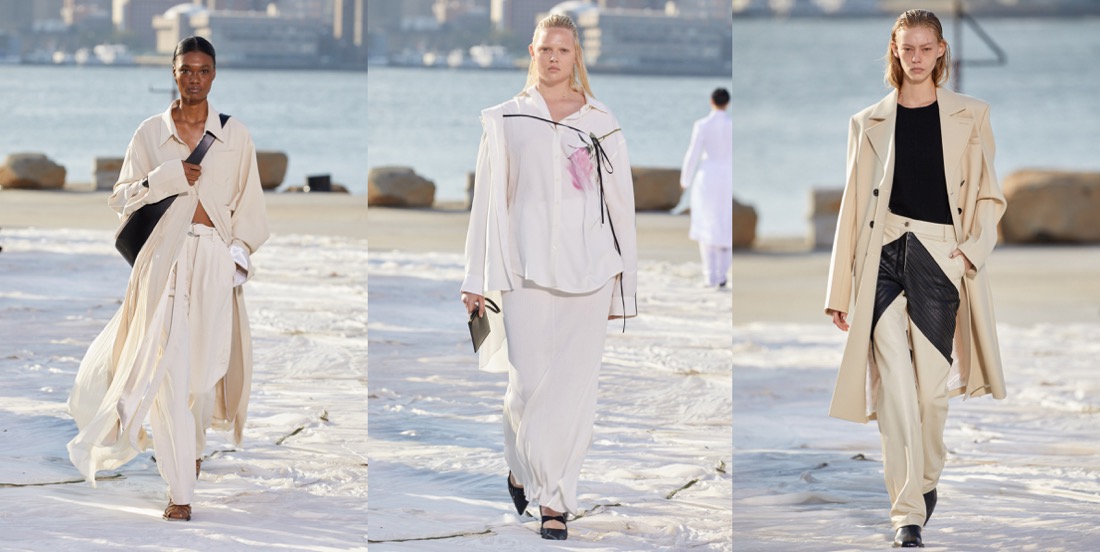
Spring-summer 2022 was a historic moment for Peter Do’s brand. The New York-based designer gave a hand-written note to each and every one of his guests. In the letter, he likened designing his new collection – the first he’s showing on the runway – to making Pho with his dad as a teen. Do father and son were Vietnamese immigrants in Philadelphia, and cooking the traditional soup was a weekend bonding exercise. “A good Pho is reduced and edited, to an essence” he wrote. “It is comforting and it feels like home… welcome to our home.” Set in Greenpoint, Brooklyn, in an open lot next to the East River, Do’s runway debut was one of the most anticipated shows of a revived New York Fashion Week. The spectacular Manhattan skyline across the water made his point, which was about insisting on his place and that of his team as Asian-Americans here in New York. While describing the collection, the designer used the word functionality to describe his work; “making your life easier while looking good,” is how he puts it. The genesis of this collection was that first outing. Though he’s been a minimalist from the start, when analyzing his early work with more experienced eyes, he decided to pare it back and cut out its excesses. The lightness and feminine minimalism is subtly contrasted with the romantic rose embroideries in the last looks – this gave the entire line-up a refined, elegant touch. In the end of the show, Do brought his whole team out for a bow. Up until this point, it’s the product alone that has driven his label’s success. Now that his followers can put faces to the name – about a dozen people appears during that bow, and they’re also appearing in a wild posting campaign for his autumn collection – that success seems likely to grow.
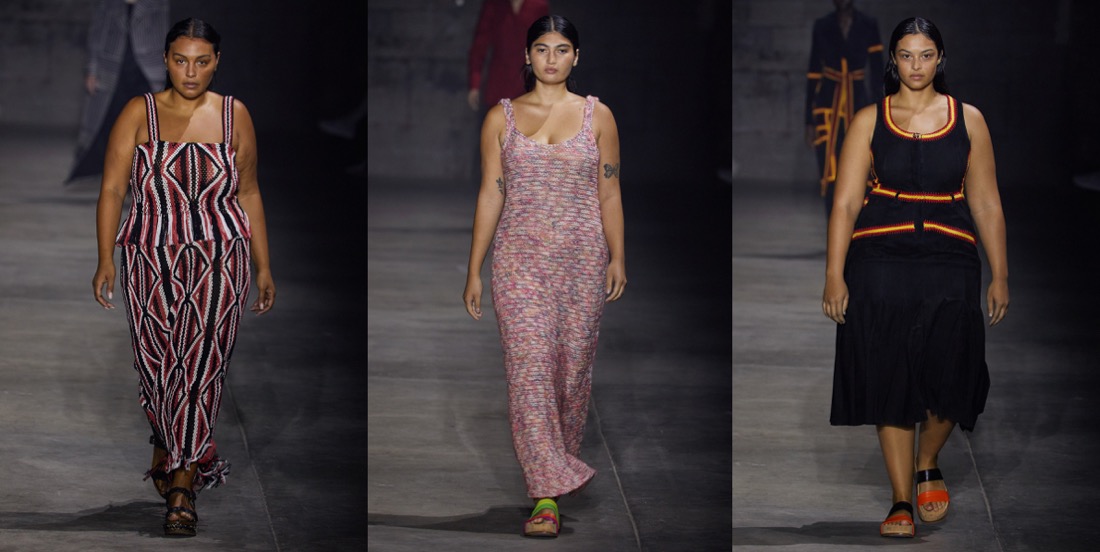
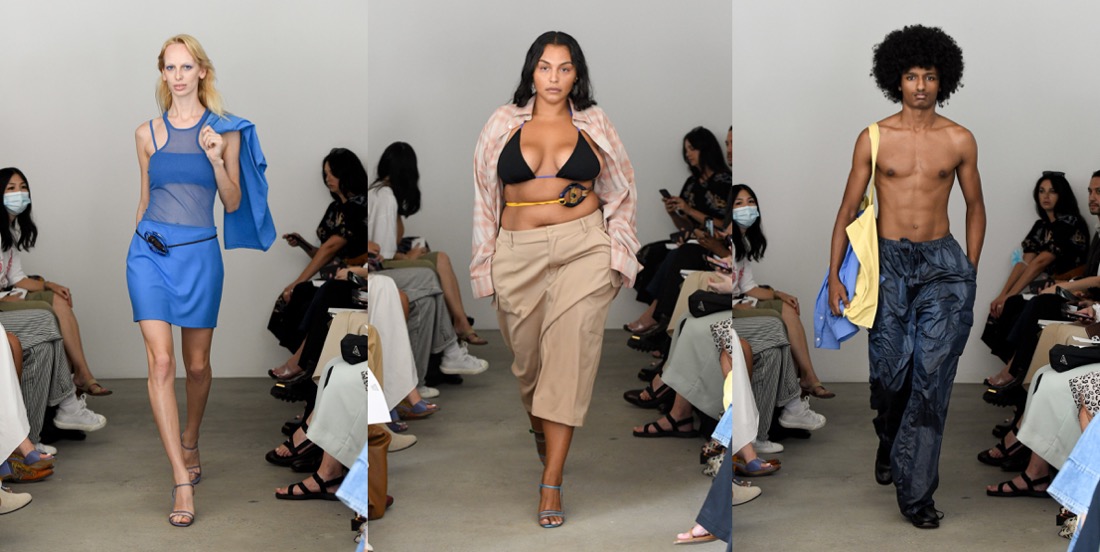
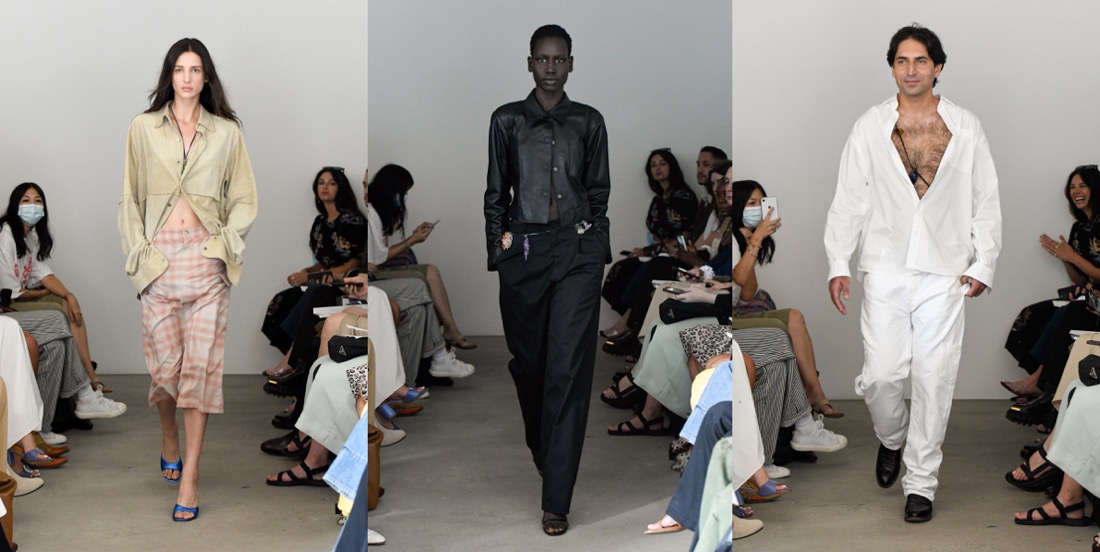
Maryam Nassir Zadeh is the queen of contemporary New York cool – there I said it. Her clothes – recently also for men – are the perfect balance of odd and classic, and the way they are presented is beautifully inclusive and inspiring. Her spring-summer 2022 collection was presented at the brand’s newly reopened store. Surprisingly, it also marked her first show in the space; she described it as a homecoming. “It was really important for me to have the show at the store, to celebrate that it’s still alive and celebrate the community that has supported us since the beginning,” she said. That spirit was felt both in the audience and the impactful cast, including MNZ regulars like Susan Cianciolo, Paloma Elsesser, and Lili Sumner as well as Zadeh’s husband, Uday Kak, and Andre Walker. Zadeh’s impulse to go “back to her roots” via the setting was mirrored in the clothes, too. Her early collections were quite minimal, and through the years she’s experimented with bolder colors, prints, silhouettes, and styling. But as life inches towards normalcy, she’s feeling for an aesthetic reset – something cleaner, easier, purer. That doesn’t add up to our standard definition of minimalism; the way she put it was “playful, but restrained.” That odd balance is Zadeh’s signature: classic-ish button-downs and denim shorts were styled with her cult PVC wedges and glass jewelry, yoga pants were “spiced up” by leather medallion belts, filmy translucent skirts and dresses revealed bright bikinis underneath, and crisp 9-to-5 chinos flared over neon kitten heels. The unlikely pairings and delicate sensuality seemed to reflect how so many women want to dress in 2022: not trendy or overly referential, but not basic; sophisticated, but not stuffy. It’s a modern vision of “femininity” rooted in individuality and curiosity, not overt sex appeal or convention. That said, Zadeh was even more excited about her menswear offering, which grew significantly for spring. The guys in the show wore raw-edged suede shirts, color-blocked polo knits, and raw denim jorts with sharp blazers, often with bits of colored glass strung across the chest. The impression was unprecious and, like the womenswear, a bit sensual; she felt the knits in particular would bring something new to the men’s market. Still, Zadeh makes a point not to separate garments by “men’s” or “women’s” on her website. Ultimately, all of her garments – from suits to bikinis to see-through minis – will be worn by people of every gender identity.













 Design & Culture by Ed