Widly Odd. Bottega Veneta AW21

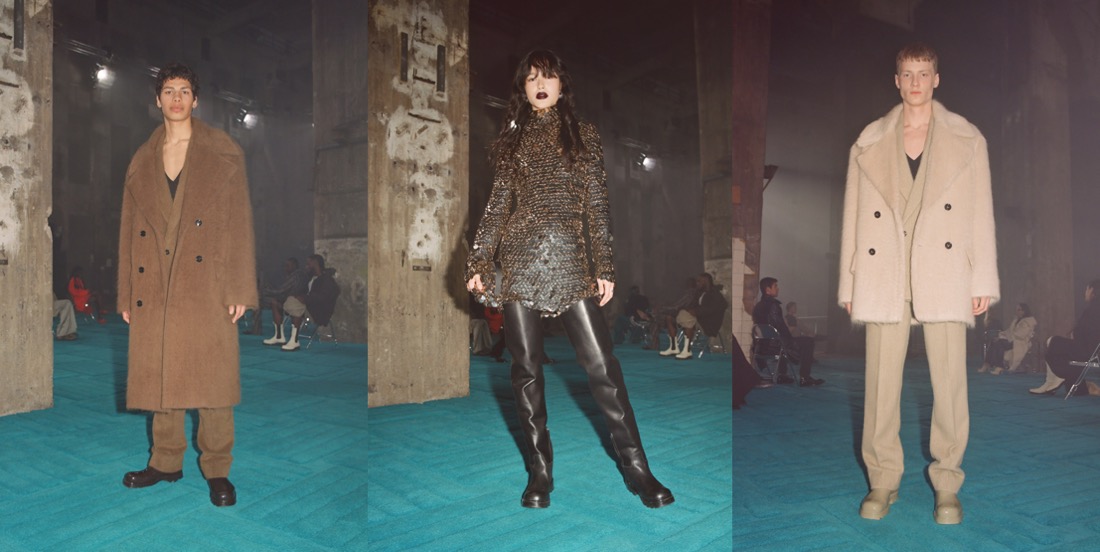
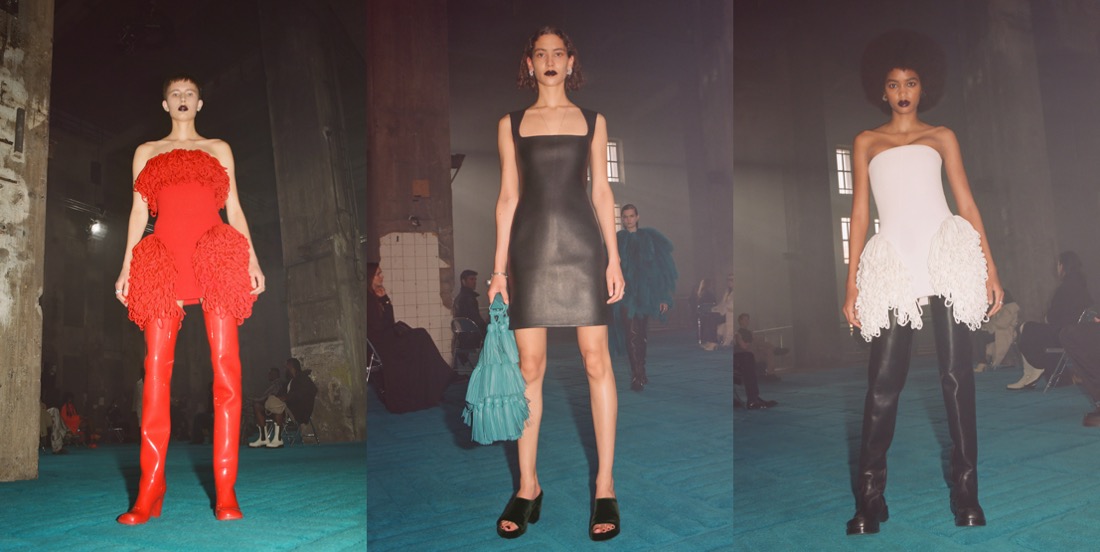
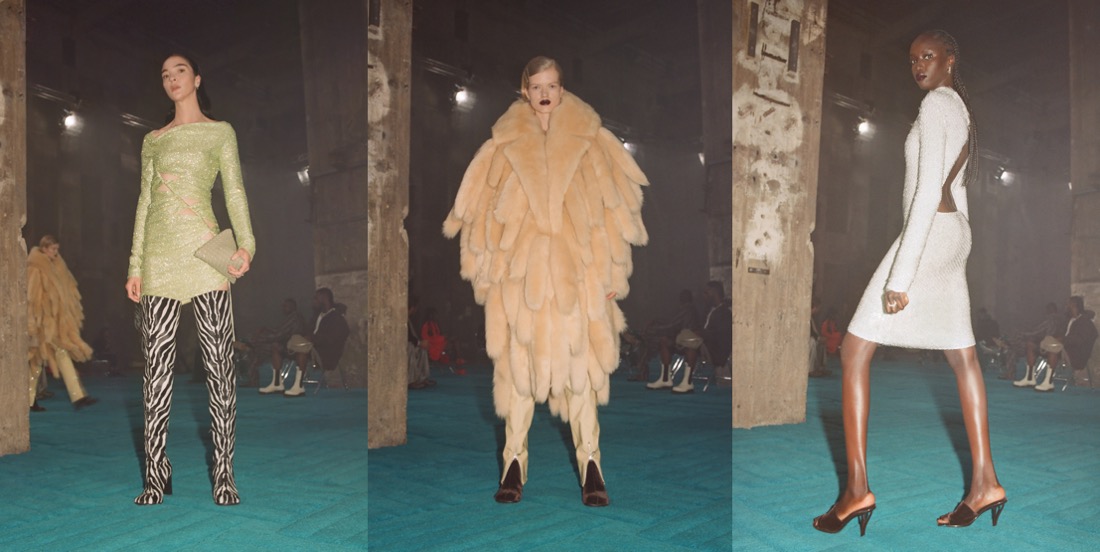
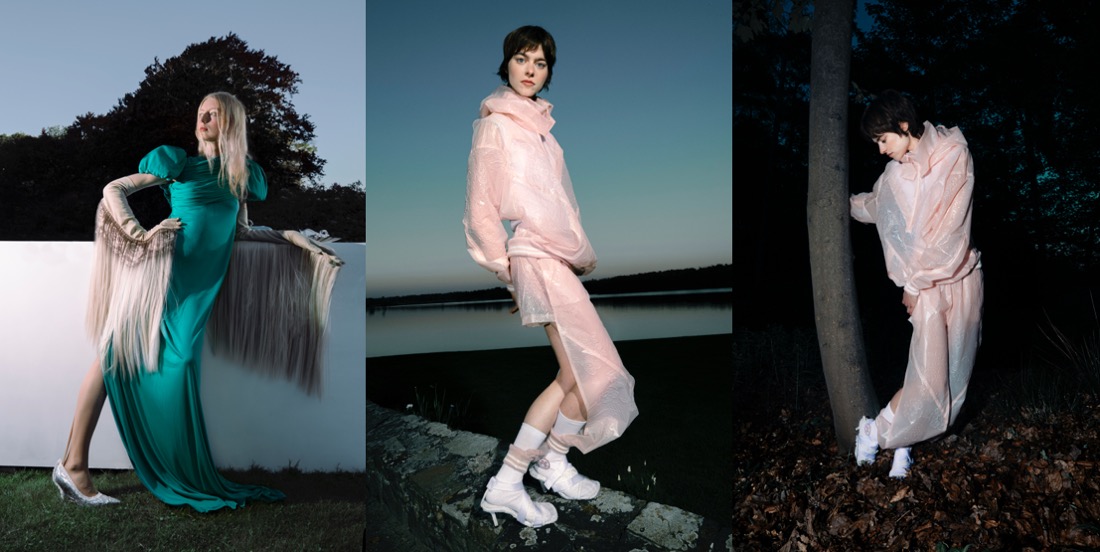
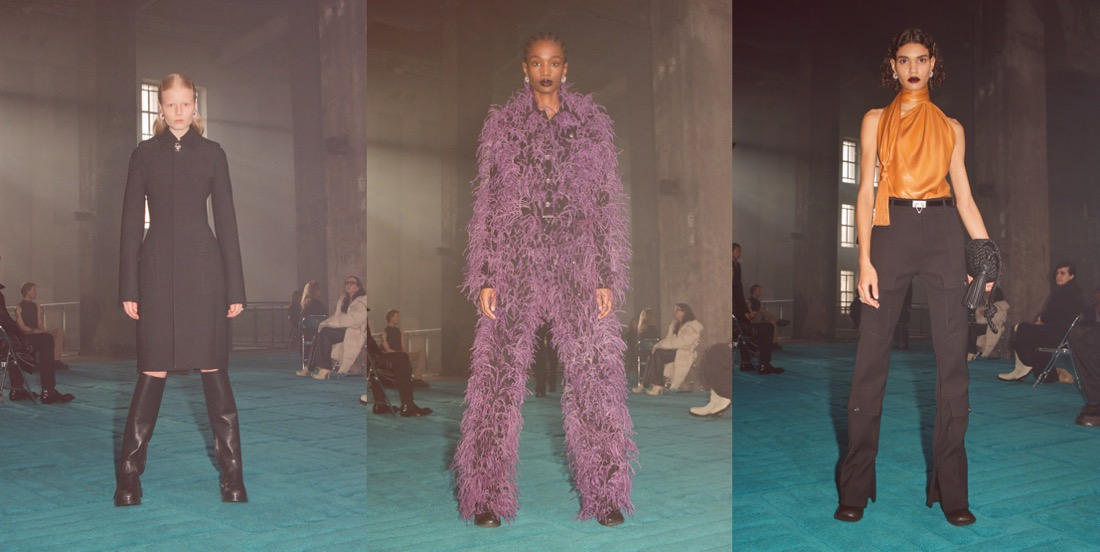
Daniel Lee‘s autumn-winter 2021 collection for Bottega Veneta, which went public just yesterday, makes me wonder if the designer’s vision for the brand starts to get over-worked and somehow distorted. The collection was presented months ago at Berlin’s Berghain to a handful of house-friends, and as the label ambitiously went Instagram-less, the mist of mystery should have done its magic. But nothing works here, and I feel like nobody paid attention to yesterday’s release. Is the flop-era of “new Bottega” on the horizon? Looking at the hectic garments, Daniel Lee’s latest line-up is ripe with diversions which rather create a sense of inconsistency. The fringed shearling coats that are this collection’s showpieces look odd, but not good-odd, rather cumbersome-odd. Reportedly, the line-up emphasizes couture-level craftsmanship. The brand’s press notes revealed that the glass dresses here take between 135 and 250 hours to complete; a black and white zebra stripe coat, meanwhile, features 4.3 million stitches on an embroidery machine; and each of these colourful outfits have over 4,000 feathers, all hand-embroidered. It sounds spectacular, but in reality it just gets lost in all the noise (or maybe the foggy look-book shots are unfortunate…). The merging of the “fabulous” and the “functional” might be one of the smartest and most satisfying pandemic after-effects on fashion, but this season Lee gets it wrong.
Collage by Edward Kanarecki.
Glamour-To-Wear. Area AW21

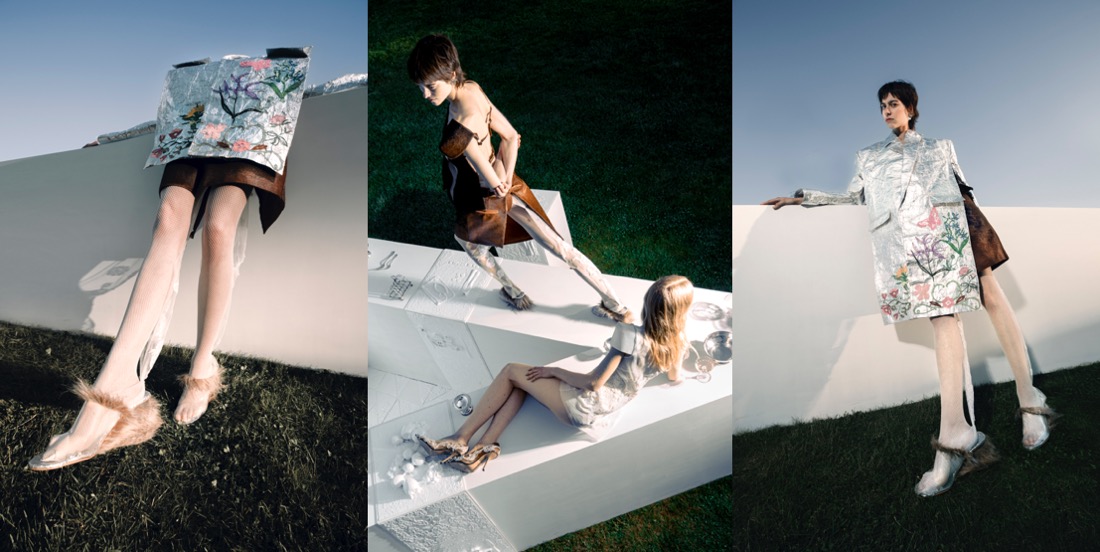
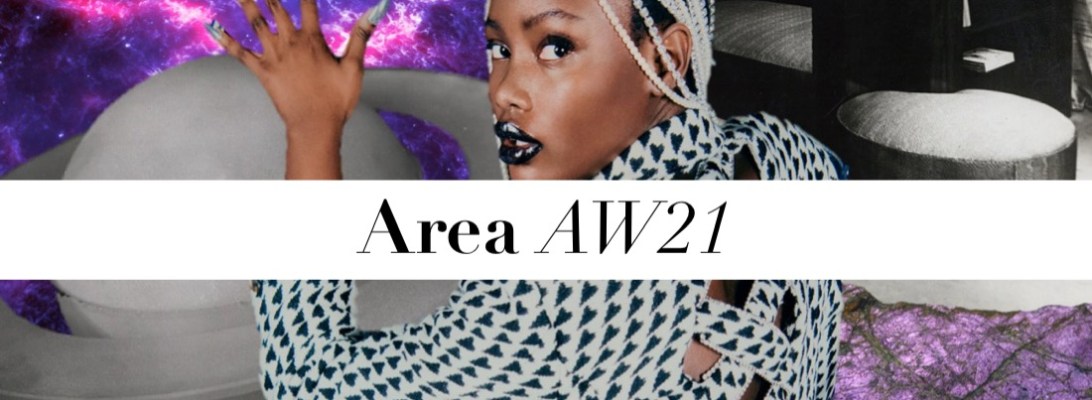
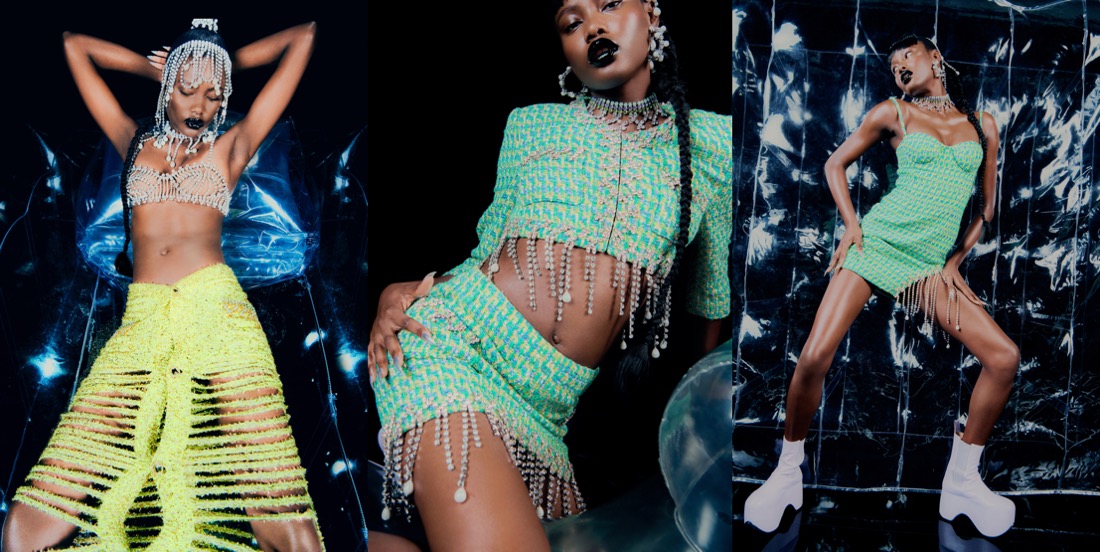
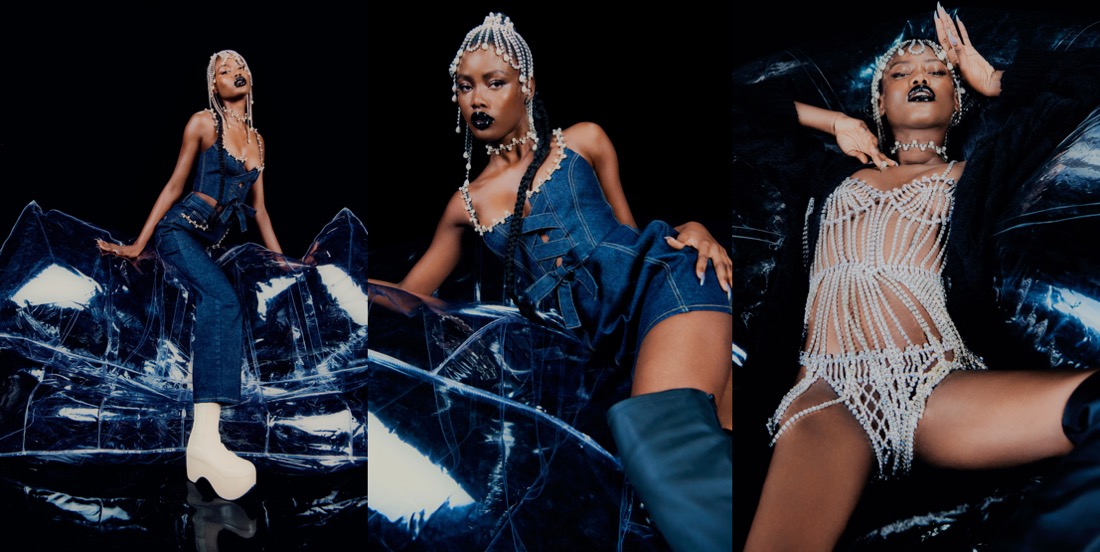
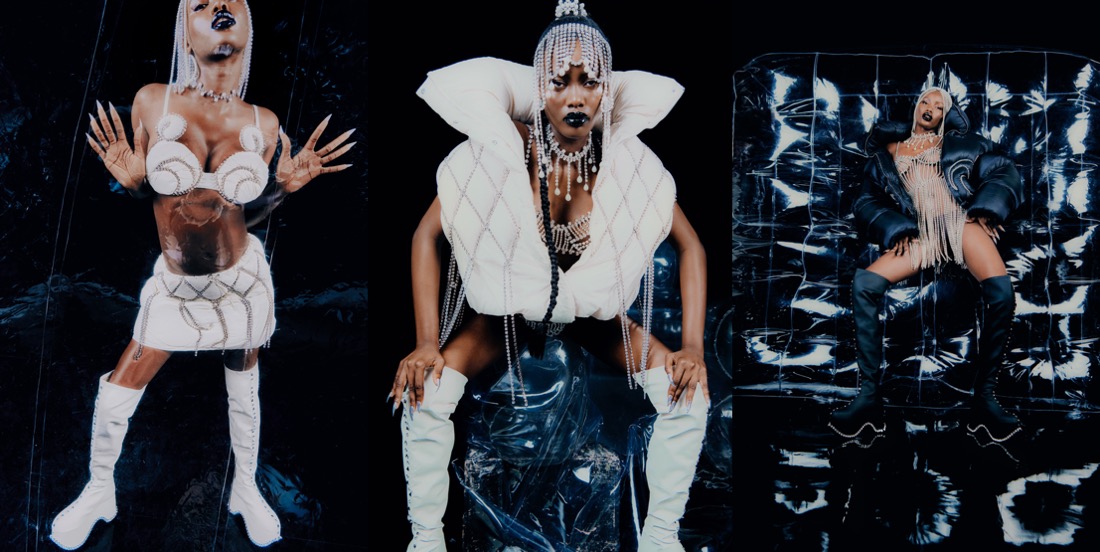
Area’s Piotrek Panszczyk and Beckett Fogg continue to push the envelope with their made-to-wear glamour. Since launching the brand in 2013, the designers have done so much introspection and recalibration that it’s hard to know if it’s the go-to brand for haute space bitches, haunting Dadaist ghouls, pop star glamazons, or former first ladies. Ask Panszczyk and he’ll answer that the label has always been for everyone but the clothes didn’t always show it, seasonally skewing in favor of one audience while cutting out the rest. Panszczyk and Fogg took 2020 to recenter themselves and their brand, choosing to show in season and to make salability and creativity equal parts of their process. Not either/or but both. As Panszczyk explained over a Zoom call, their shoppers have just as much desire for a couture-grade crystal pantie as they do a pair of crystal-studded jeans. To meet their needs, Area presented its own kind of solution dressing this season, injecting glamour into normcore and normalcy into high-gloss glamorama. Jeans enter the picture in a medium-wash straight-leg style adorned with crystals and paired with a bitchy little bustier. Tweed suiting is cropped and shrunken, with rhinestone fringe falling from hems. A classic LBD comes in vinyl, and the brand’s famous pale pink lamé returns in the form of iridescent minidresses, corsets, and skirts. Knitwear is growing too, with pink and lime pieces dotted with tiny crystal bows. This new Area wardrobe captures the vixenish nature of the label without compromising on wearability; exactly the branding exercise a company needs to push it from emerging to established. But Panszczyk and Fogg are smart to not let their good business sense totally overshadow the weirdness that makes Area special. During the pandemic they connected with Chinese designer Dingyun Zhang, whose enormous puffer jackets have also caught the eye of Kanye West and his Yeezy team. After a couple DMs, the trio decided to collaborate, cropping Zhang’s puffers into cloudlike vests, bralettes, and skirts, and then tamping them down with Area’s crystal harnesses. The results are delightfully kooky, heavenly, and sensual all at once. Area’s year of questioning has yielded some good answers.

Collage by Edward Kanarecki.
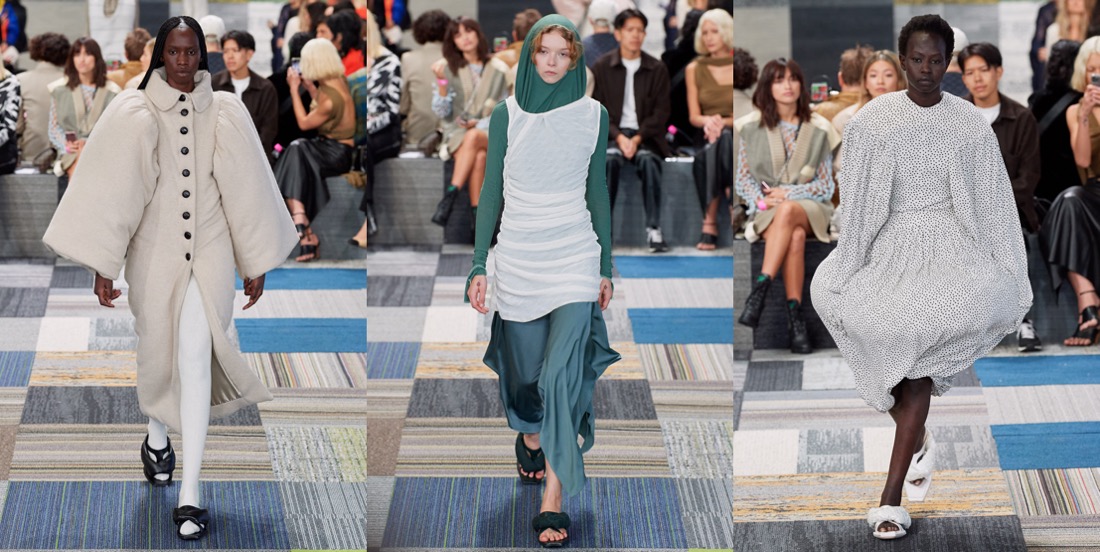
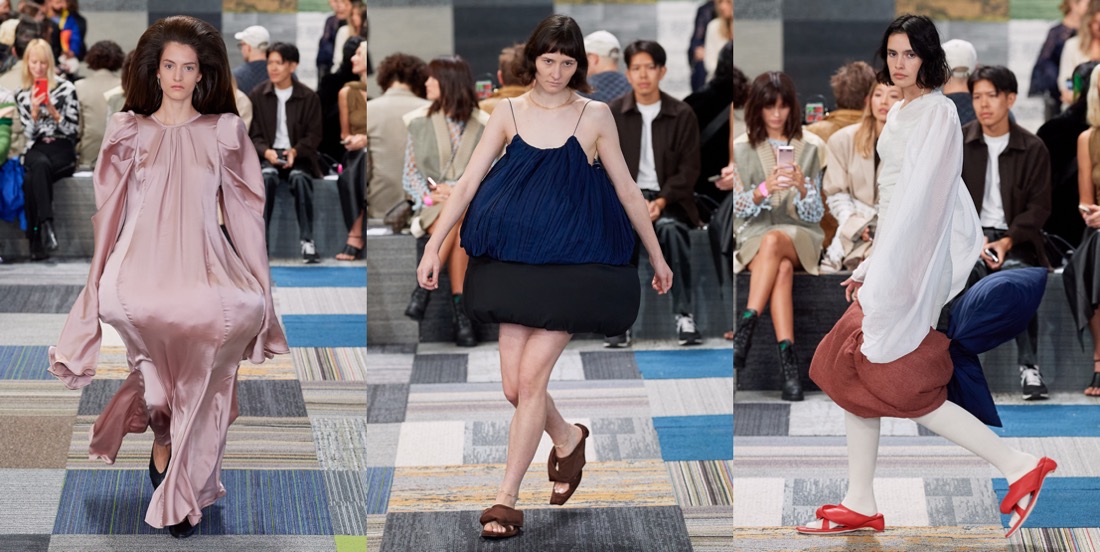
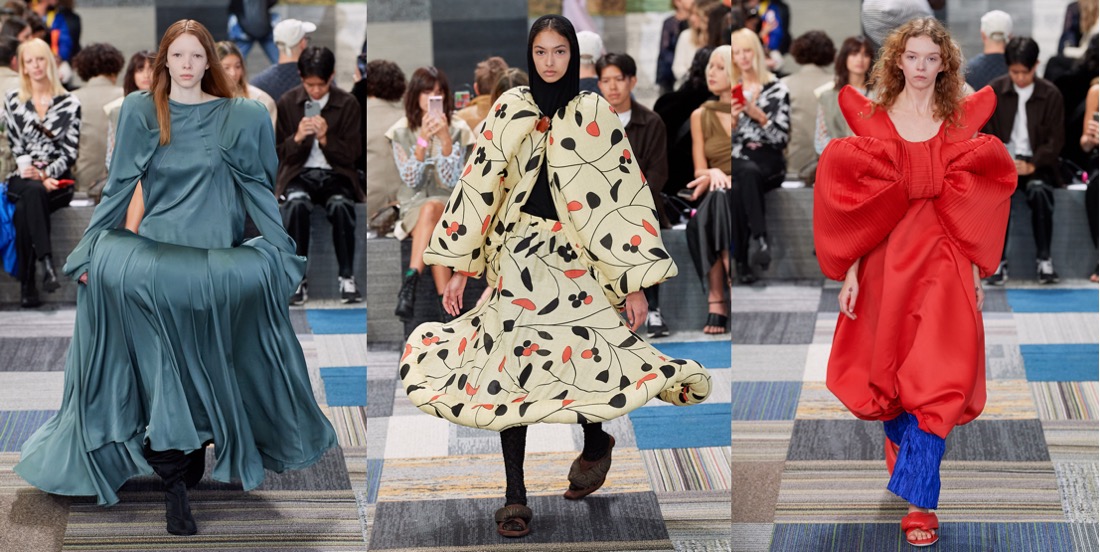
Scale Up. Jordan Dalah SS22

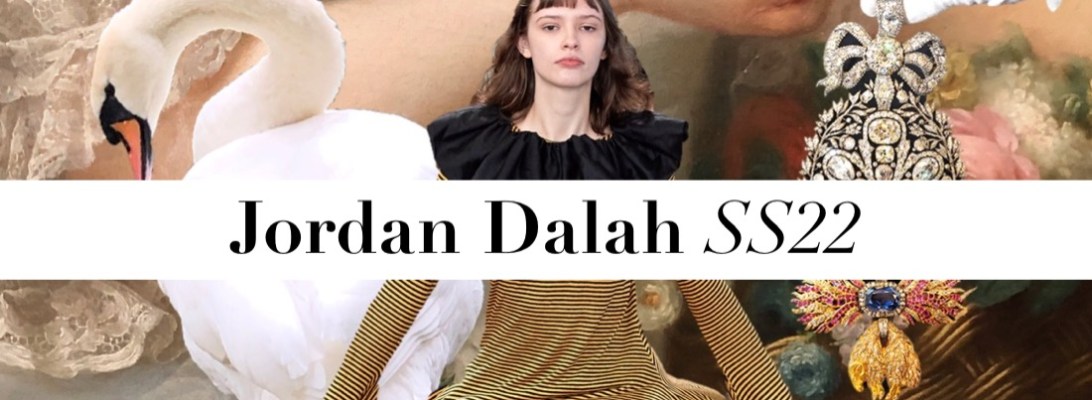
Jordan Dalah is one of Australia’s most intriguing, emerging fashion talents. When you see Dalah’s cocooning garments that extend and distort the potential of the human silhouette, there’s really no wonder why he opened this season’s Australia Fashion Week in Sydney – his works are stunning. The designer has been toying with gigantic, exaggerated shapes and cloudy silhouettes for quite some time now, and his padding and puffing couldn’t feel more right for now, least of all because his clothes are the kind that make you want to drift into a daytime nap just wearing them. But Jordan’s Elizabethan volumes as well carry a strong sense of theatre and performance. As Dalah explained to the press, for spring-summer 2022 season he spent the months leading up to his runway debut “finding the strongest silhouettes I could make – and then really knocking them out.” His fluted shapes and high, gathered shoulders are positively supersized, cloaking models in quirky stripes, graphic patterns, and soft rose-colored silks. That’s where the surprise element comes in: underneath some of Dalah’s more dramatic shapes are removable tubular bustles that look something like a pool floatie. When the dresses are deflated, so to speak, they lose their gargantuan proportions and reveal expertly done sensual bias draping. Other pieces are cut slim from the start, like a ’40s-ish black button-up midi-dress and an evocative light blue mini with a pierrot collar and bell cuffs. A leather jacket with signature exaggerated sleeves has more mass appeal – ditto the puffed sandals made in collaboration with Actually Existing and the puffed robes made with Common Hours. Dalah has proven he has the mettle to think big and practically.

Collage by Edward Kanarecki.
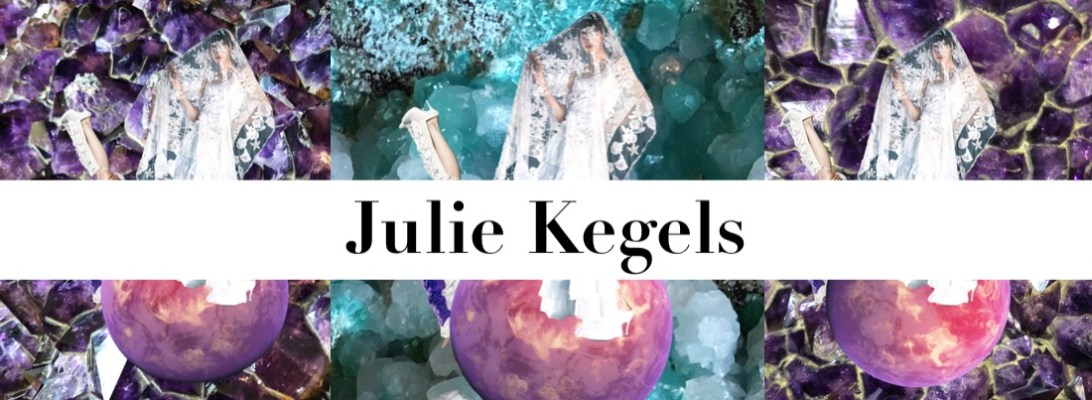
Julie Kegels’ Supper Club

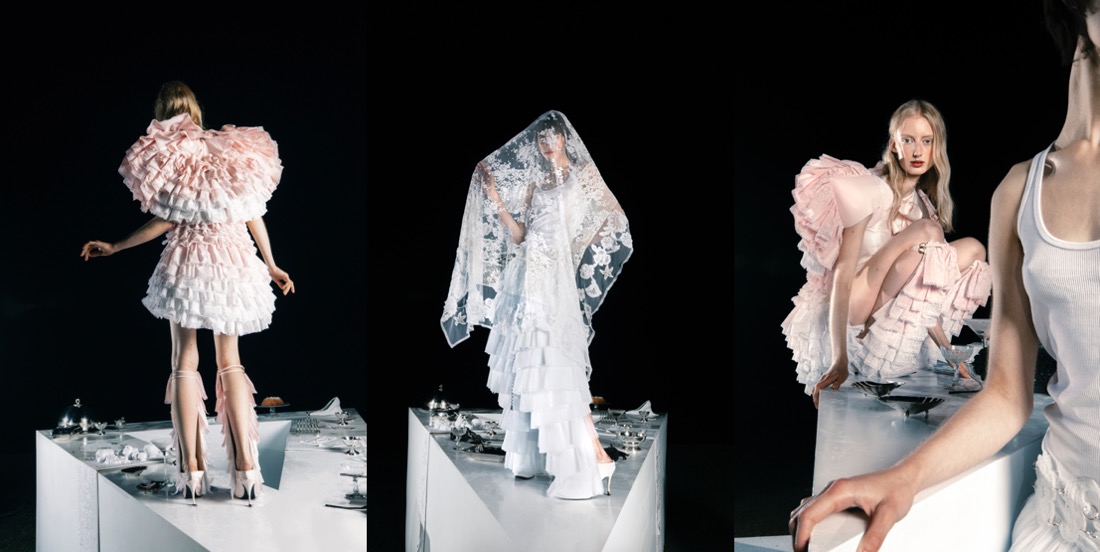
“I will always be me,” Belgian fashion designer Julie Kegels told 1 Granary. Ever since primary school, she dreamt of joining the fashion department at The Royal Academy of Fine Arts in Antwerp – the city where she was born and raised. The stars aligned, and we’ve got an exciting, emerging fashion designer coming from the famously off-beat, “fifth” fashion capital. Her unconventional approach towards silhouettes, and ability to fuse the media of fashion and art, are distinct in her first, proper collection. The main inspiration from Kegels’s Masters Collection is “The Dinner Party“, the installation by Judy Chicago from 1979, in which the feminist artist set a gigantic, triangular table for 39 women from across history. Each place setting was dedicated to a mythical or world-famous woman that played an essential role in the history of female rights. For every woman, she designed a custom place setting inspired by the story of their life.

For her collection, Kegels focused on the twelve of these settings. You can wear each of the silhouettes, but you can lay them on a table for decoration purposes as well. The whole concept was an excellent opportunity to experiment with textiles. “I tried to push the boundaries and create fabrics with a soul like embroidery, hand knits, playful drapes and materials with structure. I vacuumed old lace with a plastic fabric as this created depth in the shape of laceflowers. By creating new fabrics, I discovered that making an old fabric look modern is what I genuinely loved doing during the process of this collection“. The designer continues: “Dressing up for a dinner party has always been a magical experience for me. My line-up is based on a picture of a woman standing in front of the mirror holding a dress. Therefore, every piece in my collection has a different front and back. With these primary elements in mind, I developed the concept.” The final effect is both futuristic and retro; familiar, yet totally unknown. The look-book, photographed by Anton Fayle and art directed by Studio M, transports you to the unique world of Kegels, where nothing is as it seems. Keep Kegels’ work on your radar – and don’t forget to check out her Instagram!

Collage by Edward Kanarecki.
American Dream. ERL SS22

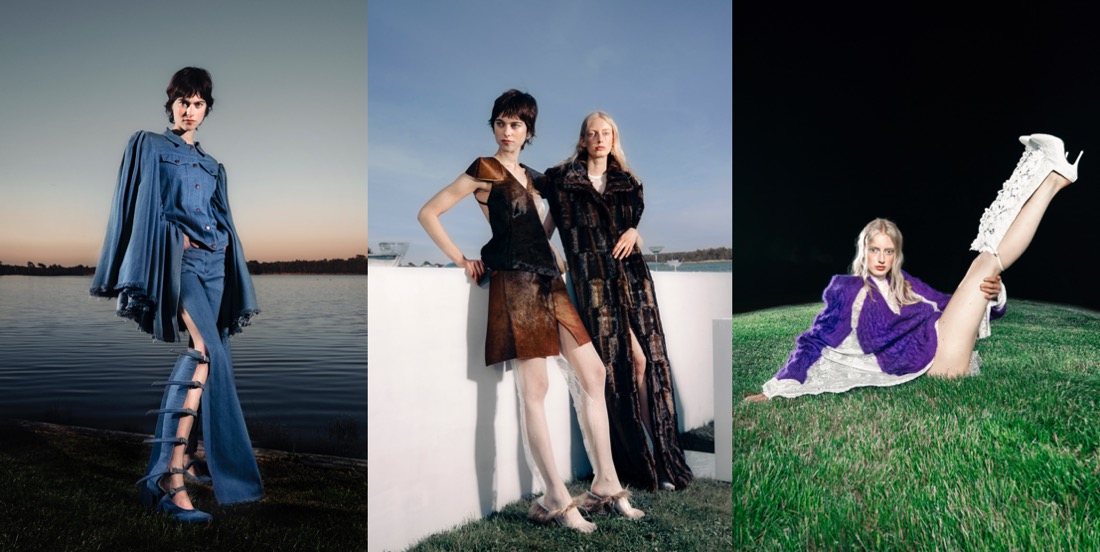
ERL is on everyone’s lips. Although Justin Bieber and Dua Lipa wear it on the daily, and Chloë-the-queen-of-style-Sevigny shared her love for the new collection on her Insta-stories yesterday, it still feels somewhat niche and off-the-radar. It’s not available in every store yet, so there’s a feeling of appeal-driving deficit. Eli Russell Linnetz’s name causes conversations – and you hear a spectrum of feelings, from delight and reluctance to excitement and skepticism. One thing’s sure: ERL is thriving, and it’s just the start. The California-based brand, now in its fourth full season with Dover Street Market Paris, is not just clothing – it’s everything. A way of being, of putting an ab-skimming tee with tatty, low-slung vaguely Hollister-ish jeans, sure, but also a method for re-assessing your life and your style. Theatricality, time, and obsession are important tenets of ERL-ism, emphasis on obsession – these are some maniacally pored over garments. “Cross-dimensional hitchhiking, making the way to California” and “a romantic blowing in the wind journey across all parts of America” were two ways Linnetz described his spring 2022 mood. He’s taken his surfer boys and plopped them in a pickup truck, scanning through the hayfields and mountainsides of mid-America, with pit stops at prom and football matches along the way. The ERL dude’s got a new passenger too: Linnetz is launching womenswear, and it’s an equally manic trip through the codes of casual American style. Tiered do-si-do skirts in acid trip colors clash with girlish cotton tops and school picture day knitwear, dotted with embroidered flowers. Most of the collection is shared across the genders, giant shearling pieces and wide wale cords offering something humble, while radioactive tuxedos and Fogal tights printed with archival Rudi Gernreich patterns looking aggressively kitsch. Linnetz photographed the pieces himself, in his Venice Beach studio, on street-cast models. Earnest-faced, obvious hunks and wallflowers who skew young, almost disturbingly prepubescent. Can a real guy ever look as good in an orange V-front cable knit polo sweater? Can a real woman capture the kookiness of a half-blazer half, floral top? ERL is tapping into the American Dream of a new generation: to become the character you say you are.

Collage by Edward Kanarecki.