Taking Time. Alaïa AW20

In times like this, it’s strange to write about fashion. But at the same time, oh how I want fashion… Don’t get me wrong: less collections a year is an initiative that needs praise and support. But when I hear such radical things as “no more fashion weeks” or “no more fashion shows”… then what’s the actual sense of it all, other than just clothes? Also, I fear that not only small and emerging labels might struggle and drown in financial problems, but as well independent, legendary houses that don’t have the deserved spotlight. One of them is Alaïa. After producing 10 collections without the house’s founder, Azzedine Alaïa‘s studio has pretty much found its stride, taking liberties while never straying too far from home base. It also found ample inspiration in two satellite events: the exhibition at the Galerie Azzedine Alaïa entitled Alaia and Balenciaga, Sculptors of Shape, and the book Taking Time, a selection of conversations compiled over the years around Alaïa’s imposing, eclectically populated dinner table. Among those featured are Jonathan Ive and Marc Newson, who speak of time as “the first ergonomic product.” For the autumn-winter 2020 line-up, the studio picks up on the late designer’s fascination with ergonomy, in particular through jersey knit. Starting with archival samples and a lifetime’s worth of research, it delved into origami-inspired pleating and came up with a new, openwork iteration that, while visibly true to house codes also pushed the story forward. For the first time, a cape coat ordinarily cut from cloth resurfaced in a dense knit, textured in ovoid reliefs. Knits also proved a foil for a leather corset belt with fringes that fell to mid-thigh. Impractical though it may be, in a season heavy with fringe, that would-be skirt was one of the most compelling pieces around. In that spirit, there were also a few fringed jackets extrapolated from one Mr. Alaïa had left unfinished on a mannequin in his studio. With Alaïa’s original, iconic zip dress headed to the Met exhibition, About Time (which has been indefinitely postponed due to coronavirus), the studio offered up a new, simpler take on that idea in a little black dress. His signature leopard print also appeared in various iterations, in a gathered and belted coat or a knit bodice on an evening gown. Other highlights included velvet dresses in black, deep burgundy (sublime!) or forest green, and an eye-catching jacket and skirt ensemble in laser-cut, embroidered leather that amped up the contrast of matte and shine. That’s why we will always need brands like Alaïa: it’s not just the history and the person, but a place, where you will find a perfectly timeless dress.

Collage by Edward Kanarecki.

Minimalism With A Feel. Deveaux AW20

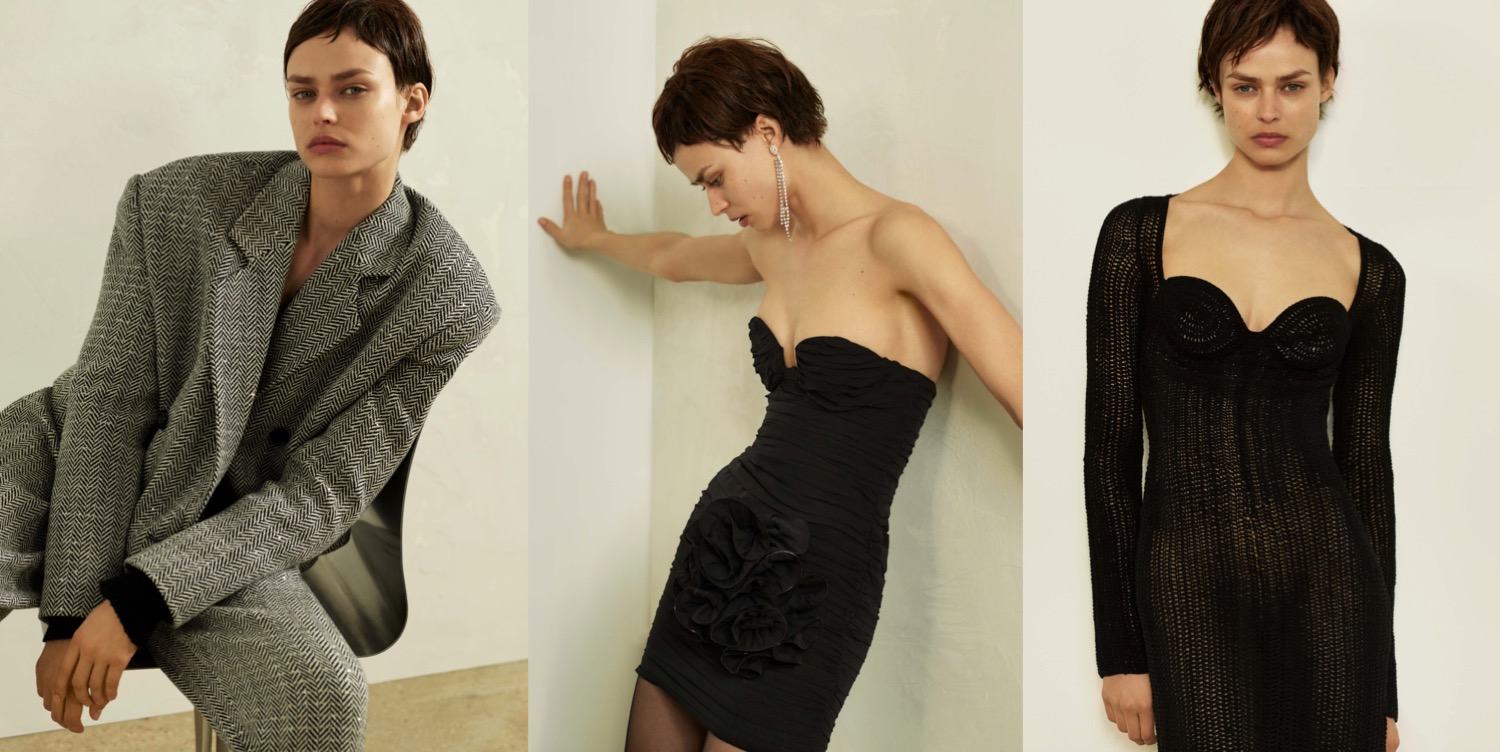
When Tommy Ton joined Deveaux as creative director two years ago, this New York-based label was a menswear line. Today, its business is in majority womenswear. All those years shooting street style outside the shows have paid off. Ton says observation is only part of it, though; careful listening to what his friends, customers, and friends who have become customers want is also essential. He hears women ask for sleeves that cover their upper arms, pants without pleats and skirts with specific made-to-be-flattering proportions. That may sound dry, but Ton enthuses about such details. He’s not in this for the runway glory, he seems to truly enjoy the nitty gritty of making clothes. After a couple of seasons of shows in New York, Ton and Deveaux’s designer Andrea Tsao opted for a showroom presentation in Paris (pre-corona times…) for autumn-winter 2020. The attractions of this brand aren’t editorial, their efforts are aimed not at magazine pages, but at women’s everyday wardrobes. As people running a small company, Ton and Tsao are practicing sustainability by using fabrics across categories. This time that means they made a shirt dress and a poncho anorak hybrid in the same khaki shade of water-resistant cotton nylon – pragmatic for the brand and for their often on-the-road customers. The New Yorkers are really good in tactile, soft minimalism: The Row, Gabriela Hearst, Khaite and Deveaux are a gang.

Collage by Edward Kanarecki.

The Choice: Saint Laurent AW17

A few days ago I asked you on my Instagram stories to pick one of your favourite collections ever and I would make a collage with it. Here’s @elif.karadut’s choice: Anthony Vaccarello‘s autumn-winter 2017 collection for Saint Laurent! All dressed up, but nowhere to go… for now.

More of your choices are coming in the following days! If you missed the game, you can still write me your favourite collection and I will do the work. Got plenty of time. Culture isn’t cancelled, fashion isn’t cancelled!

Collage by Edward Kanarecki.

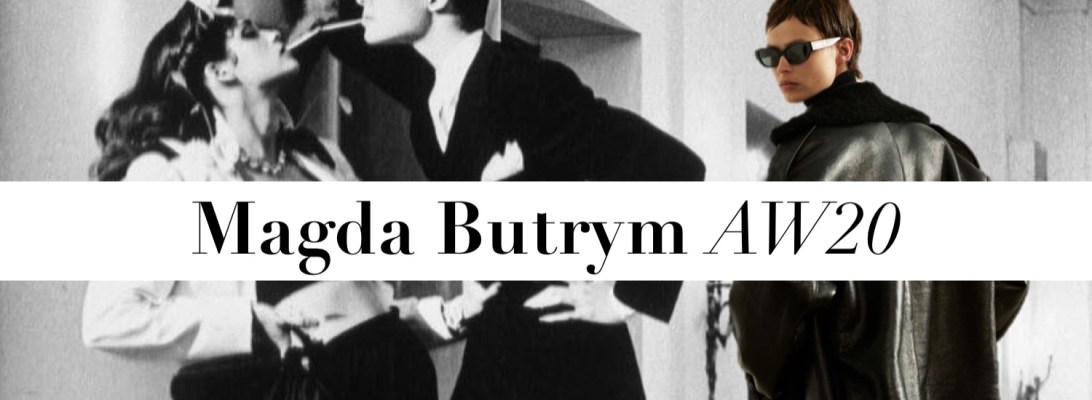
Delightful. Magda Butrym AW20

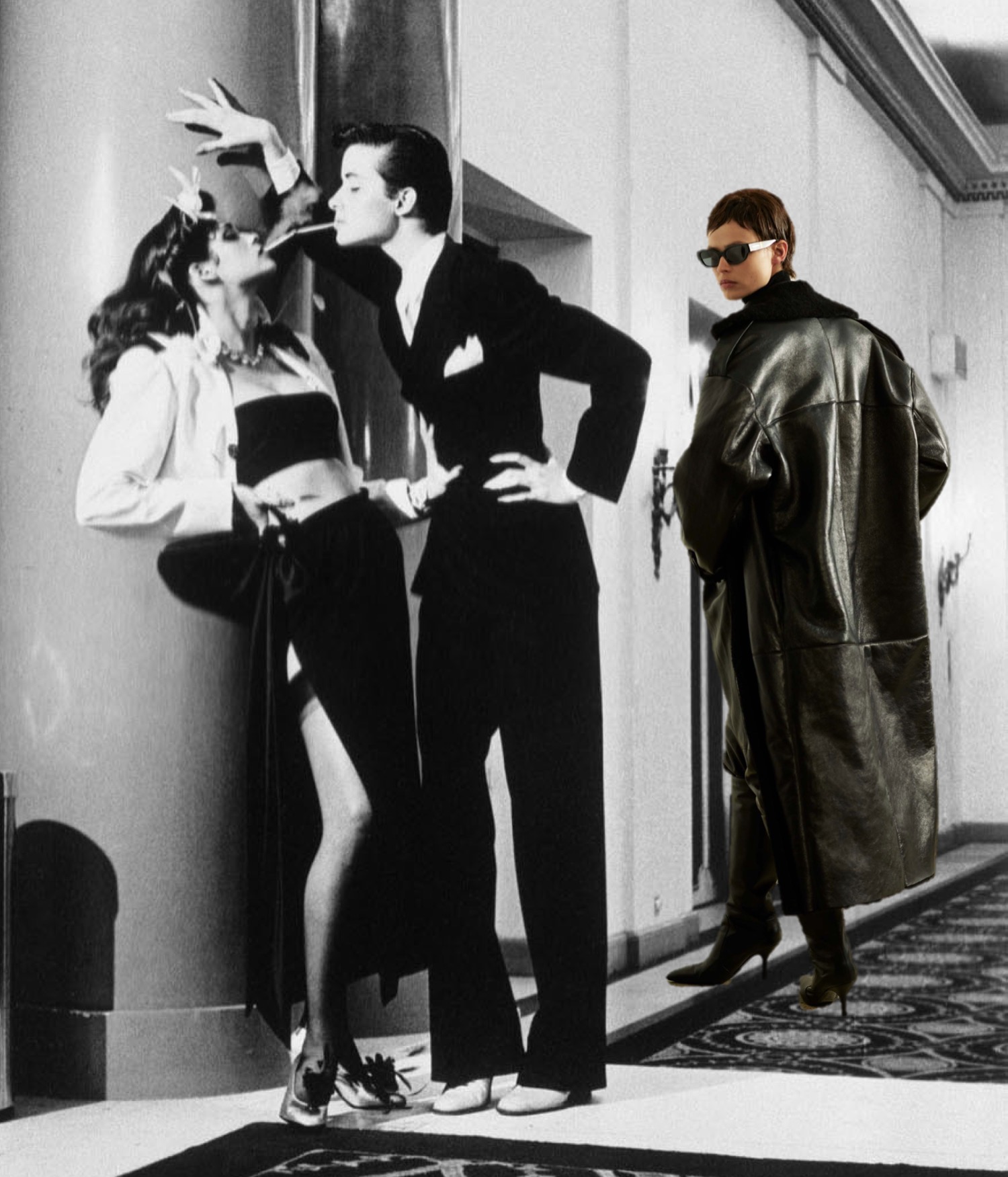
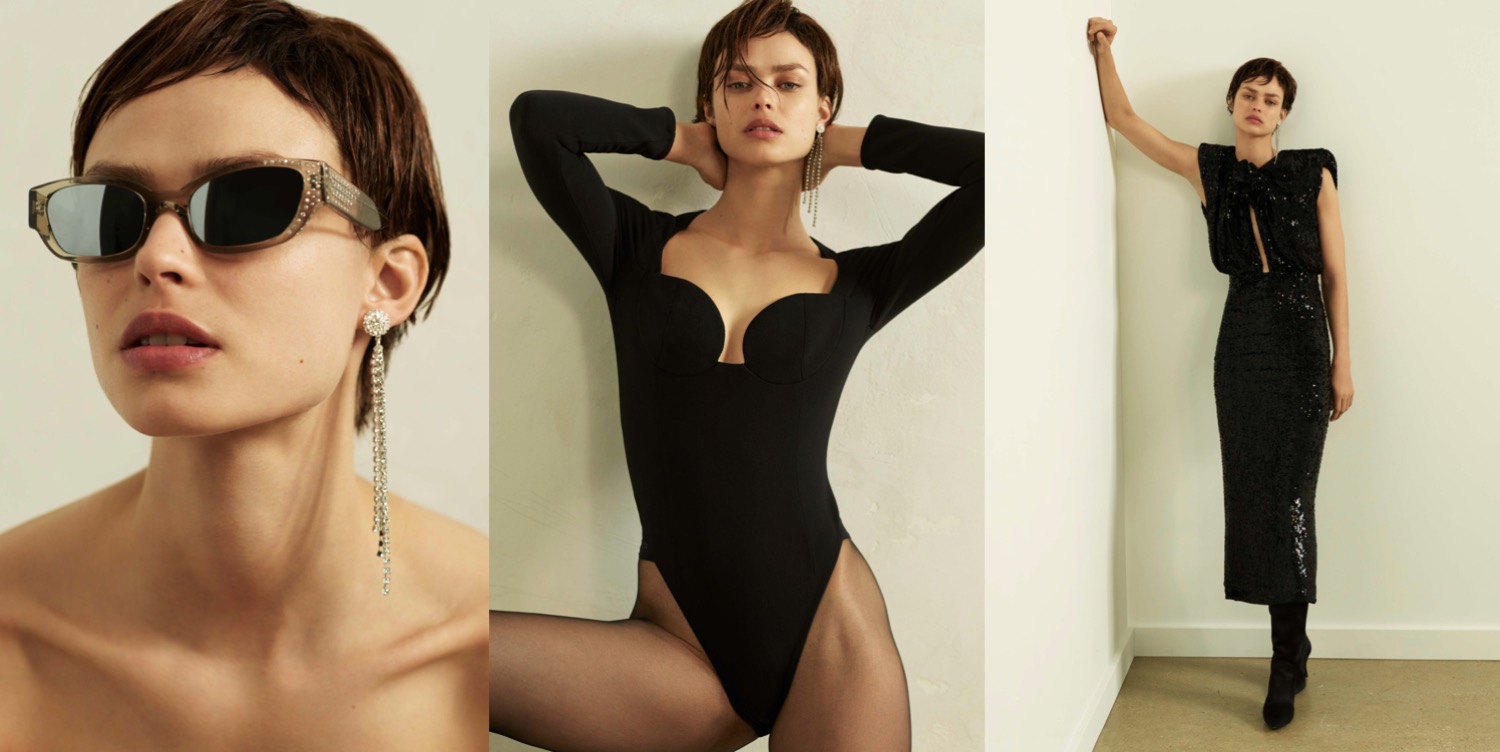
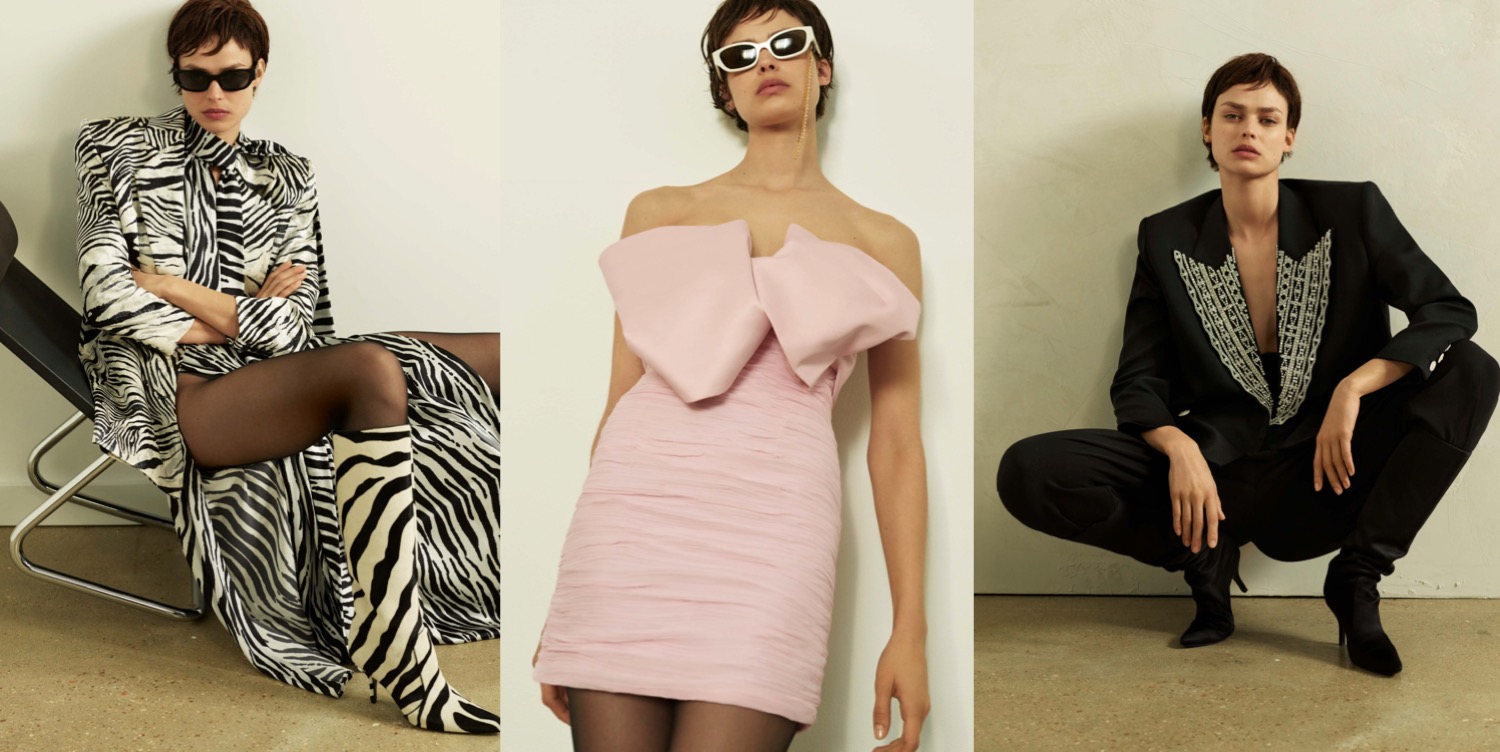
Whether it’s one of her statement cocktail mini-dresses or a pair of zebra-print boots, Magda Butrym’s pieces carry an undeniably cool attitude that is a mixture of the 80s and 90s chic. What makes me even more excited about her pieces is that they’re beautifully crafted in Poland, embracing the nearly forgotten, local craft experience. With every season, Magda’s work becomes more and more signature and distinct to her style. And she also expands her line-ups. For autumn-winter 2020, the Polish designer offers the complete wardrobe, from boxy overcoats to tiny corset tops trimmed in crystals. The black, leather coat with shearling collar is a dream, just like the floral dresses made from glorious, meaty velvet or the incredible sequinned garments (those are just some of the details I had a chance to experience at her showroom in Paris). Butrym’s clients – and that fan-base steadily grows – will be pleased to see that the label introduces sunglasses this season, made in collaboration with Linda Farrow. Delightful.
Collages and showroom photos by Edward Kanarecki, look-book photos by Sonia Szóstak.

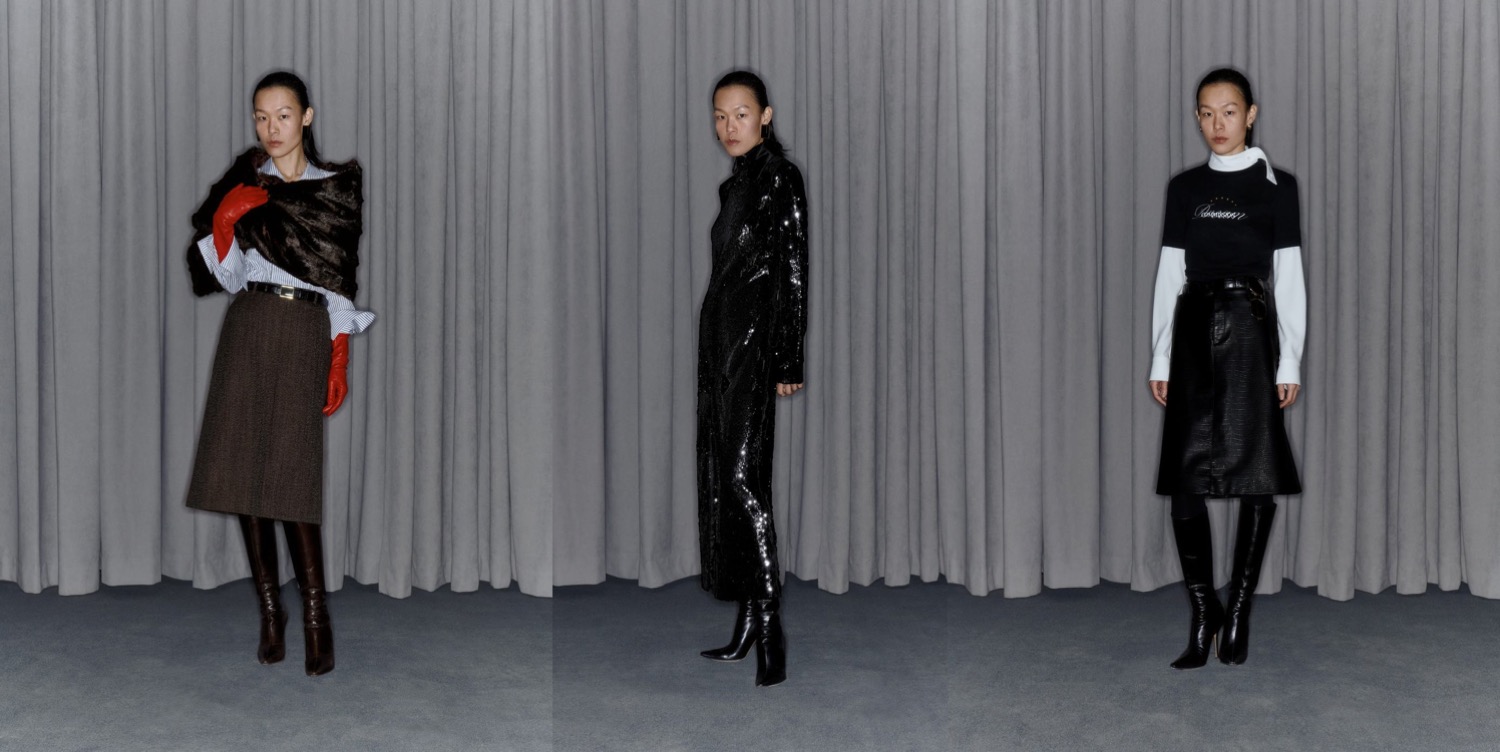
The 90s Chic. Commission AW20

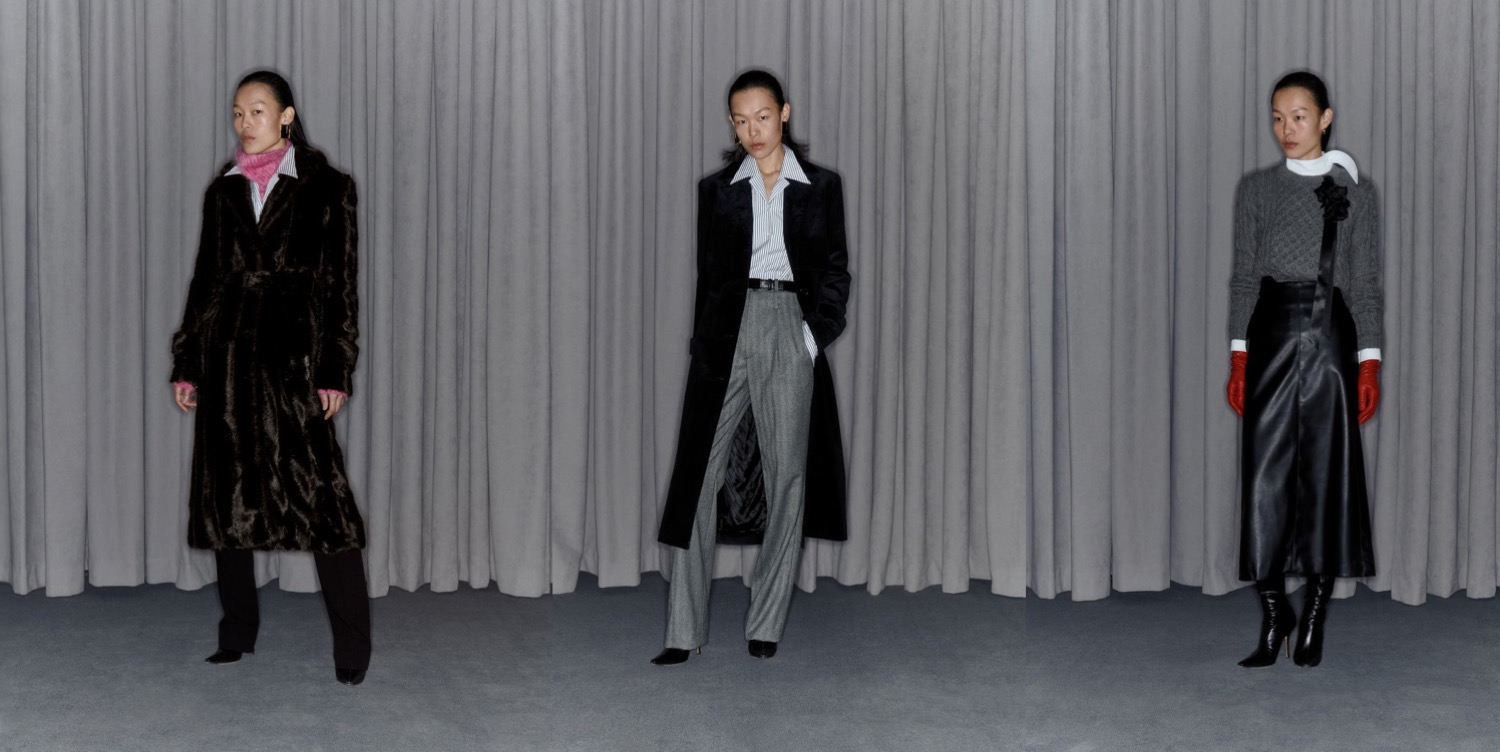
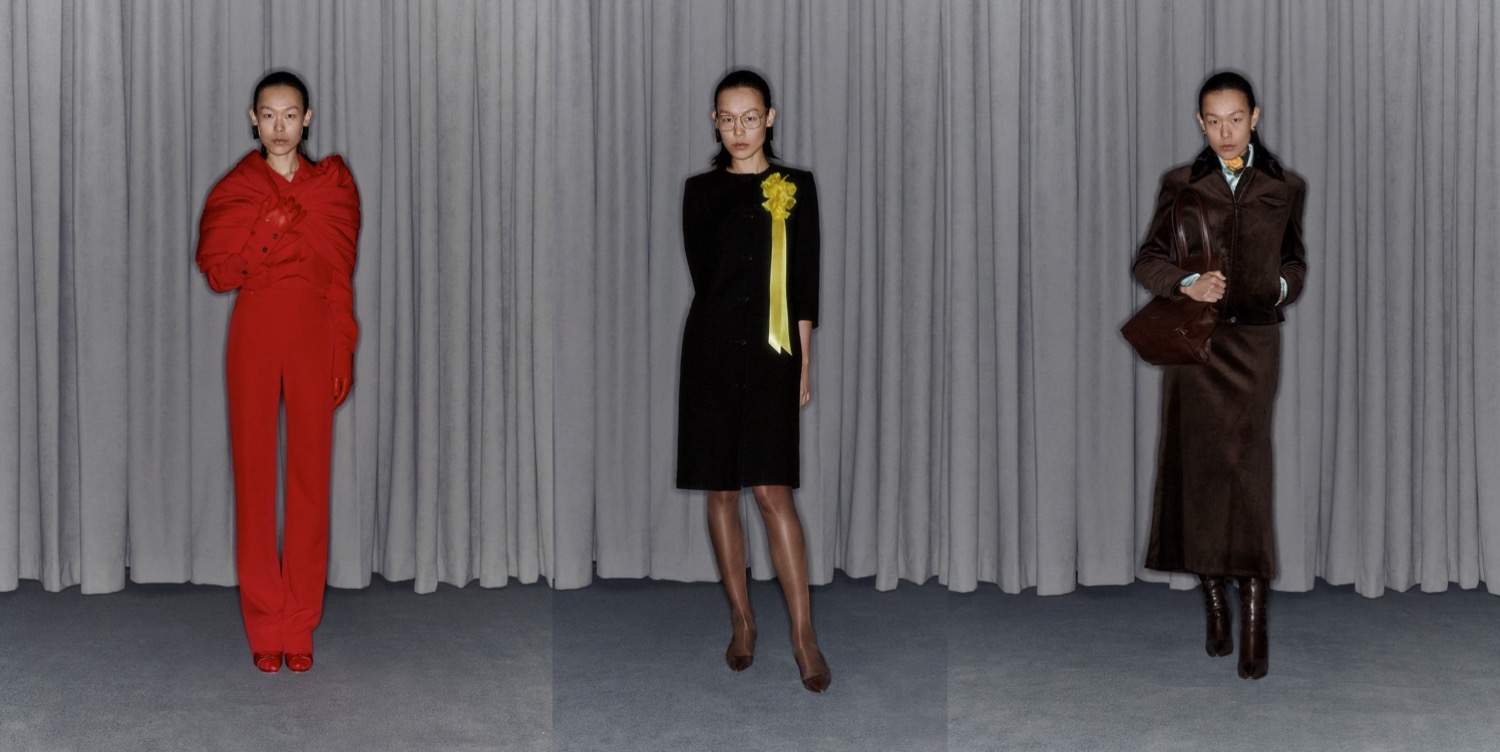
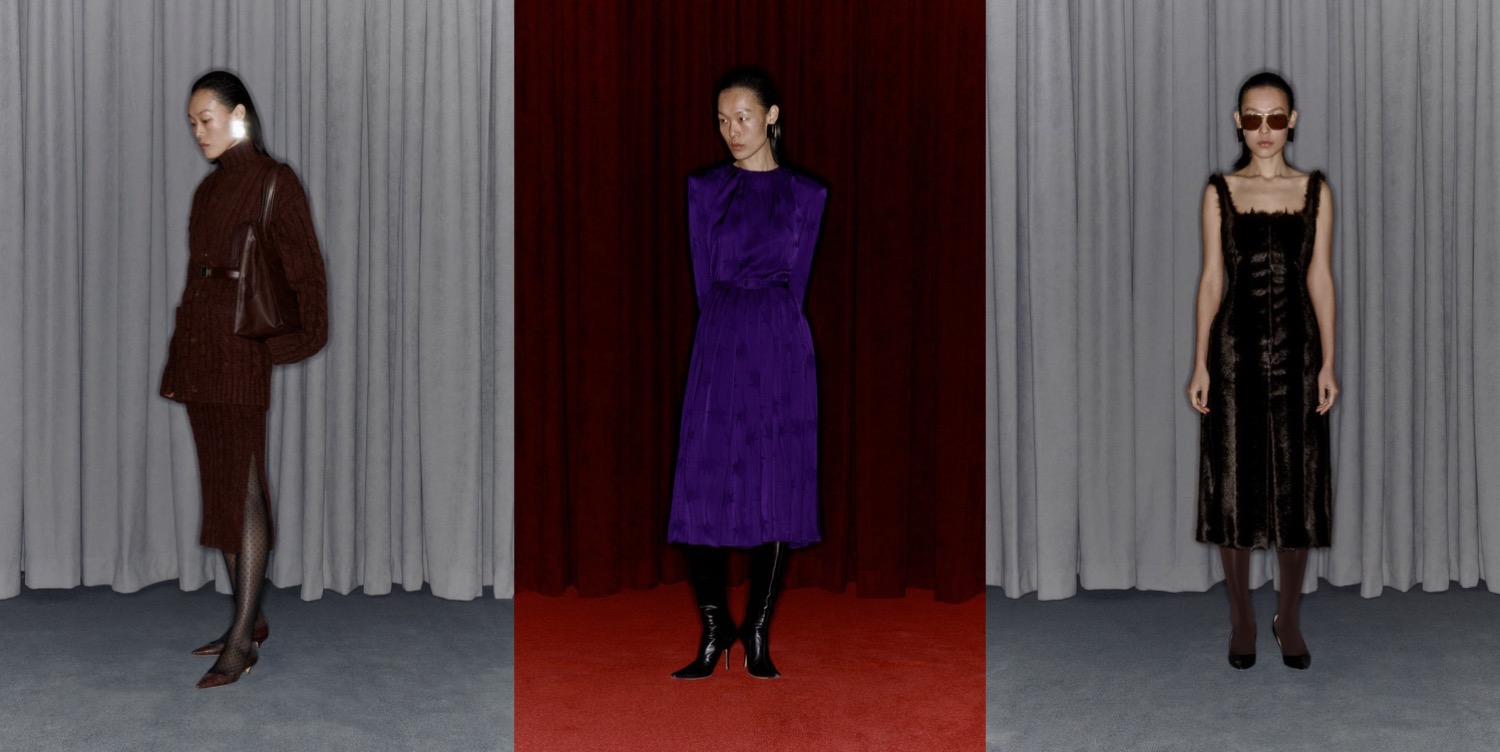
Commission is a New York-based label co-founded by Huy Luong, Dylan Cao and Jin Kay. Since their debut, the designers are set out to redefine their Asian heritage using Western style codes. Their fourth season continues to be a modern reinterpretation of what their mothers wore to work at the end of 20th century, this time however the style is more refined and after-dark chic. Business-ready tailoring, leather pencil skirts, turtleneck dresses and soft retro prints – the Commission look is taken out straight from 1990’s Vogue Italia. As Cao told Paper, “we’re first-generation immigrants to the US. So around the time that we started there was this conversation we wanted to have, about Asian, especially East Asian, culture and representation in the visual world, and especially in the fashion industry. And for a long time we found it really limiting, and really literal.” When looking at family photos, all three designers realized that their mothers styled themselves in a similar manner to go to work, dressing with the same “visual code,” as Cao put it. “The ’80s and ’90s, that’s sort of a period when not a lot of people talk about Asia, because there’s less to romanticize” he continued. “By then there were a lot of Western influences in the way people dressed in Asia. Growing up we’d see our parents go to work and tweak the Western-style codes in their own way. And just looking at our moms and the way they dressed – the big suits, the shoulder pads, the pants – but adding their own personal flares to the way they styled the clothes, that’s what kind of connected us.” If you still haven’t done that, make sure to follow Commission’s steps, as the brand is getting better and better with every season!

Collage by Edward Kanarecki.