Last season, everyone seemed to be asking the same question over and over again: “What do women want?” Whether designers provided the answers they needed remains unclear. This season, however, another crucial question arises for designers: are their clothes life-affirming? Does wearing this dress or that jacket offer the wearer an emotionally – or even spiritually – uplifting experience?
We’re living in a world where you can literally buy anything – and, amusingly, where anyone can call themselves a “designer.” That’s why those showing at Paris Fashion Week should truly consider: is this pairing essential? Am I contributing something meaningful, something with a genuine point of view, to an already overcrowded table? And perhaps most importantly: will this piece of clothing actually spark joy?
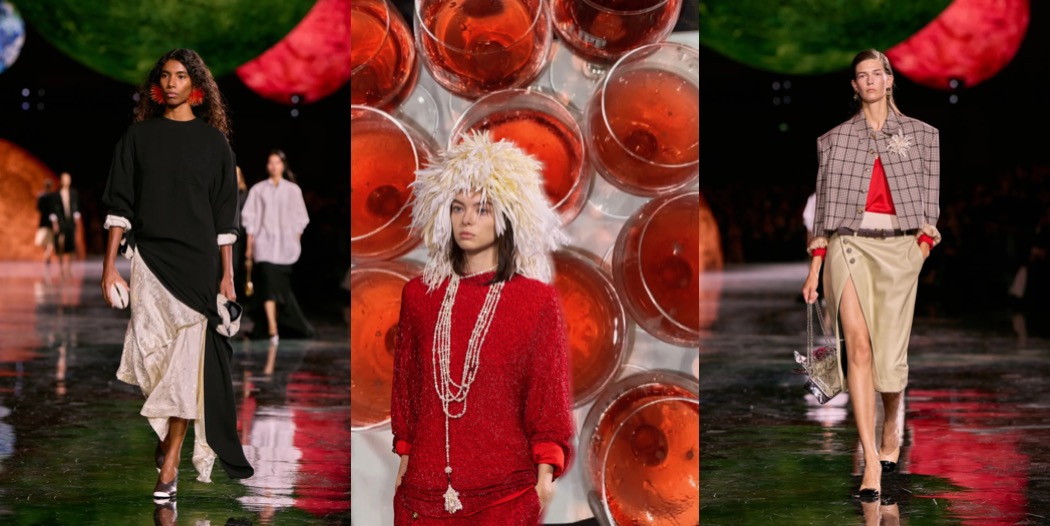
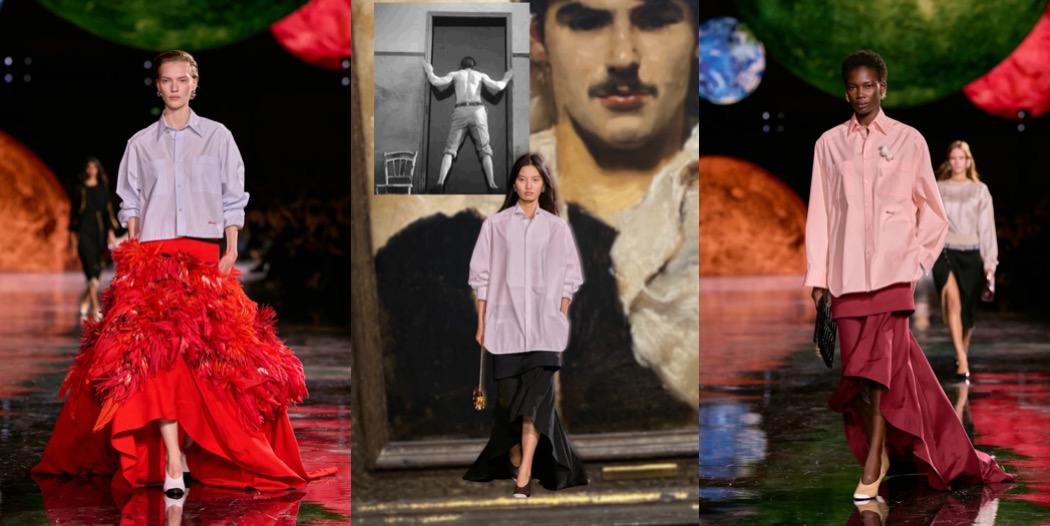
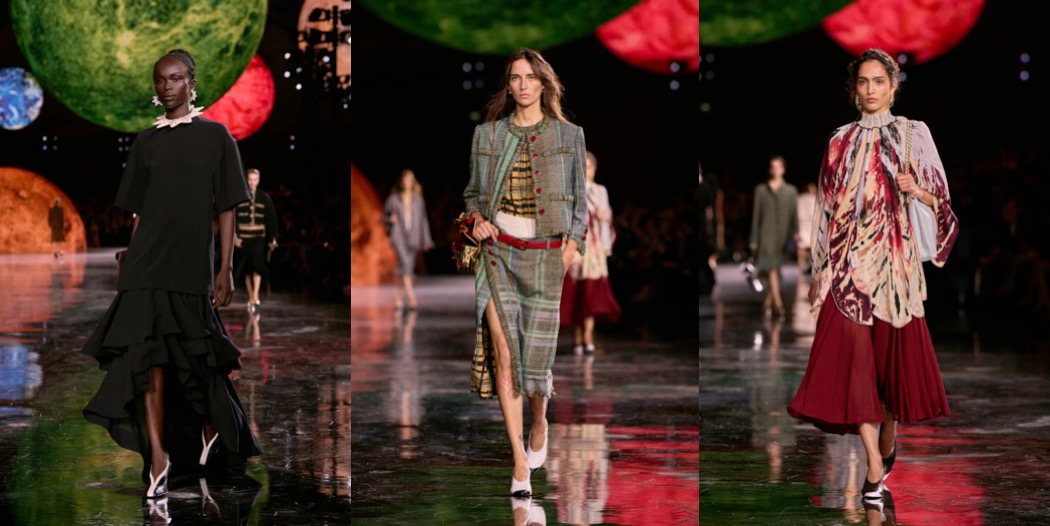
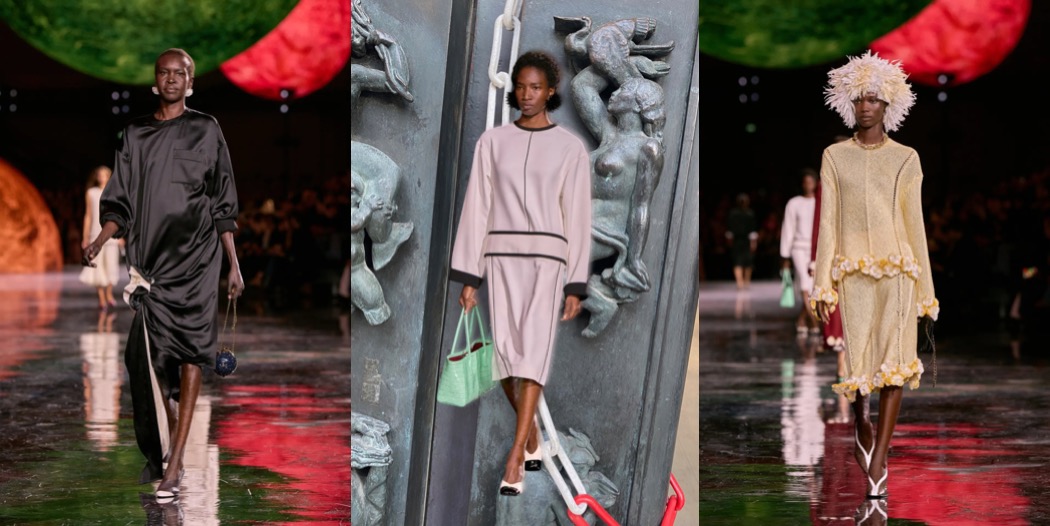
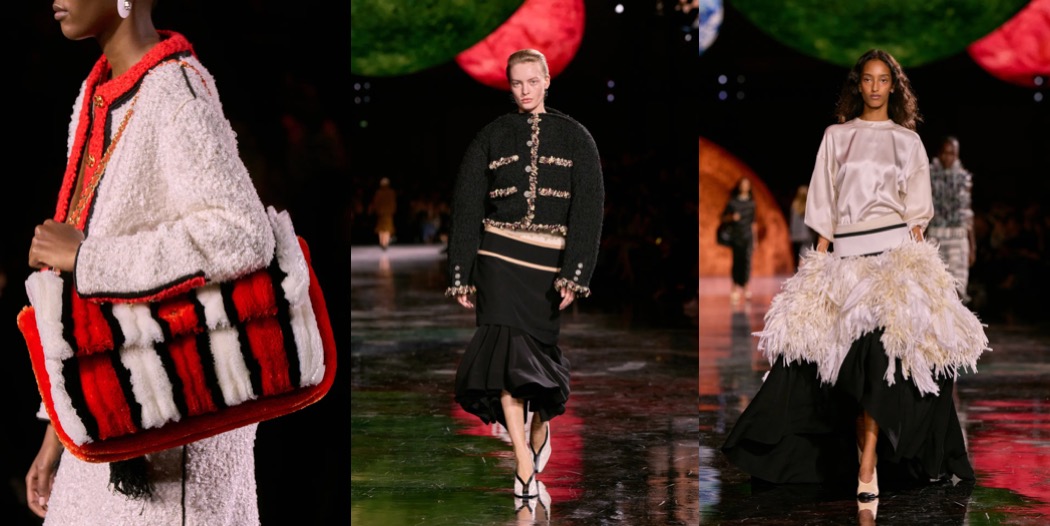
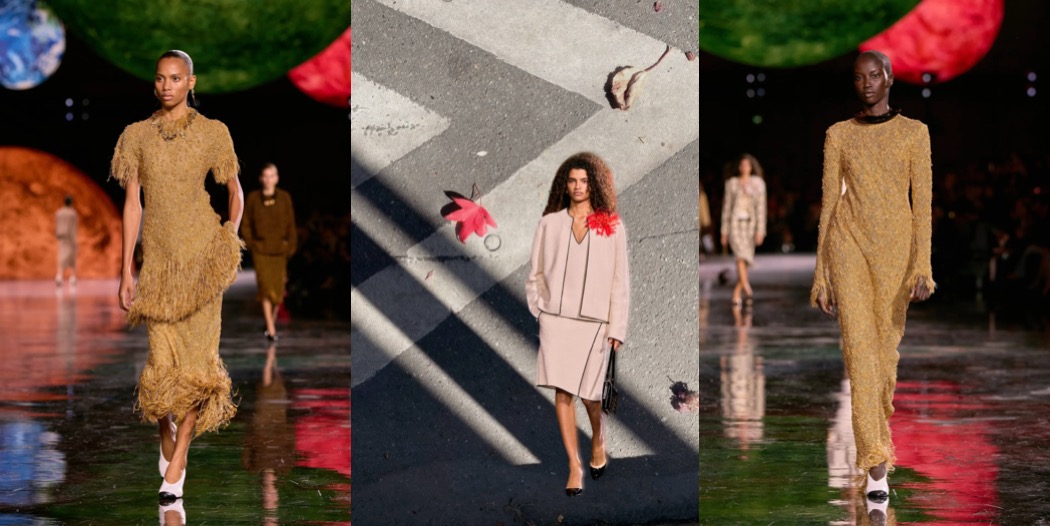
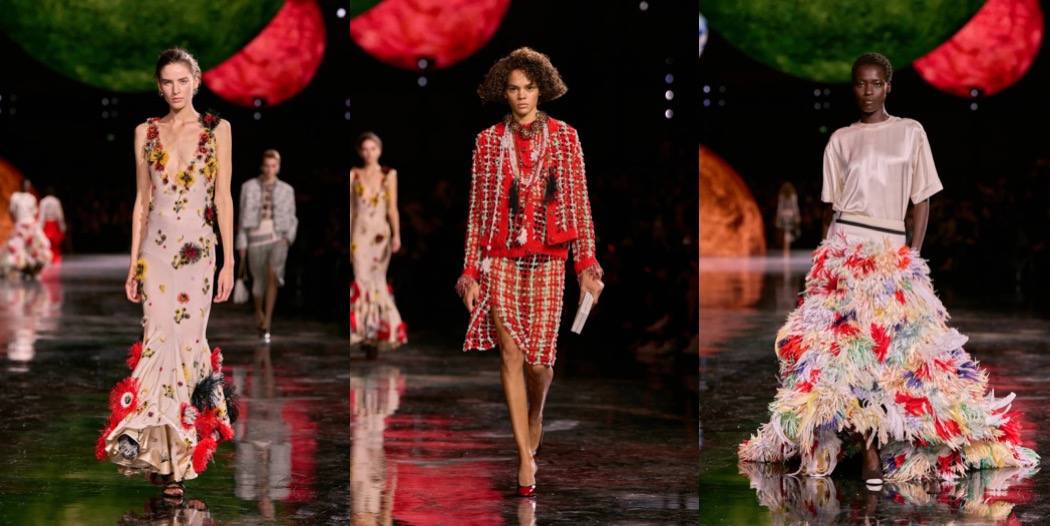
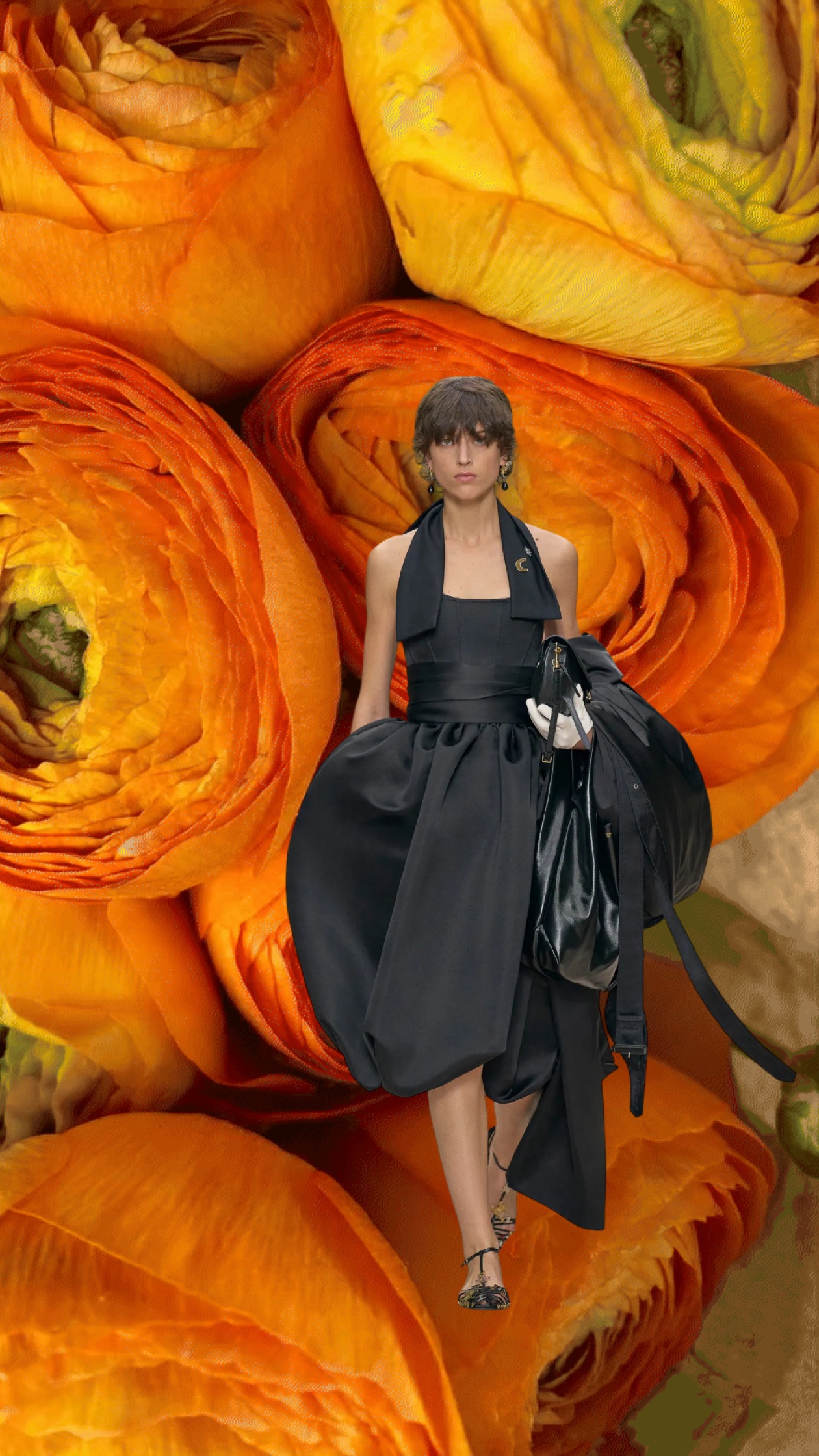
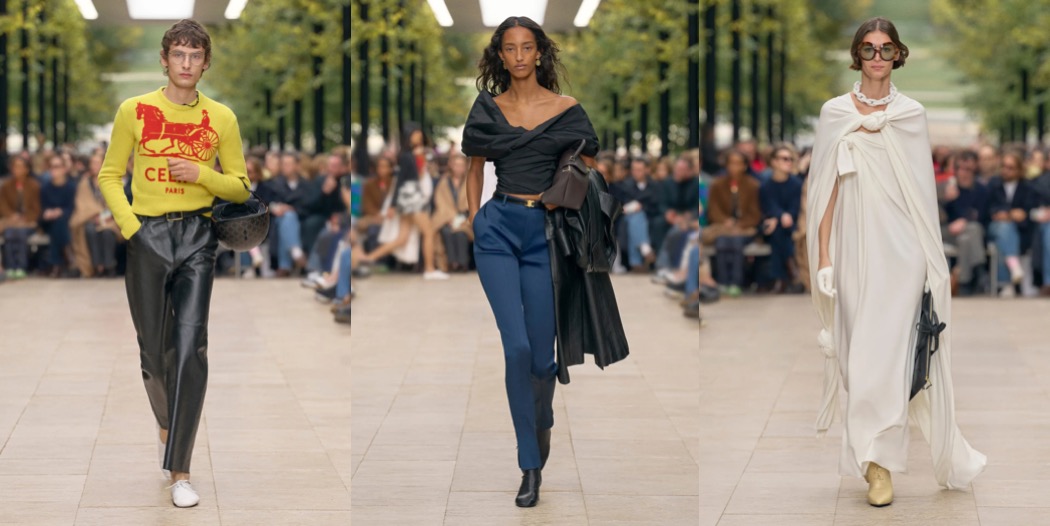
This brings us to the most anticipated debut of the season – among more than a dozen others: Chanel by Matthieu Blazy. This is a collection whose perception entirely depends on how you approach it. If you came expecting a pared-back, 1990s-inspired Chanel in the spirit of Karl Lagerfeld, then you were likely overwhelmed by the tactile exuberance of feathers, beading, and embroidery that Blazy – and the house’s métiers d’art – delivered. If you were hoping for a radical departure from Virginie Viard’s Parisian femininity, you might again be disappointed. That woman is still present – but she now looks far more contemporary, less of a cliché. And if you were a fan of Matthieu’s days at Bottega Veneta: bingo. His Chanel debut stayed within a familiar orbit (pun intended, given the space-inspired show setting), yet it was elevated by the unparalleled craftsmanship that only this house can offer a designer. READ MY FULL REVIEW HERE.
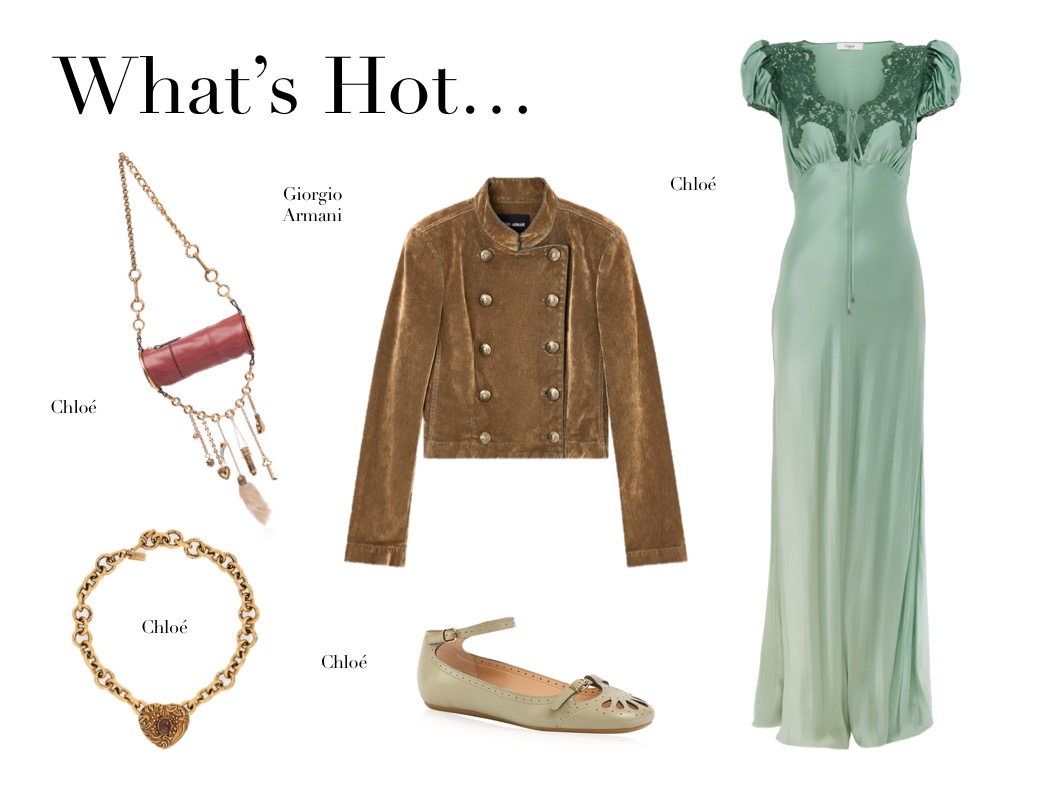
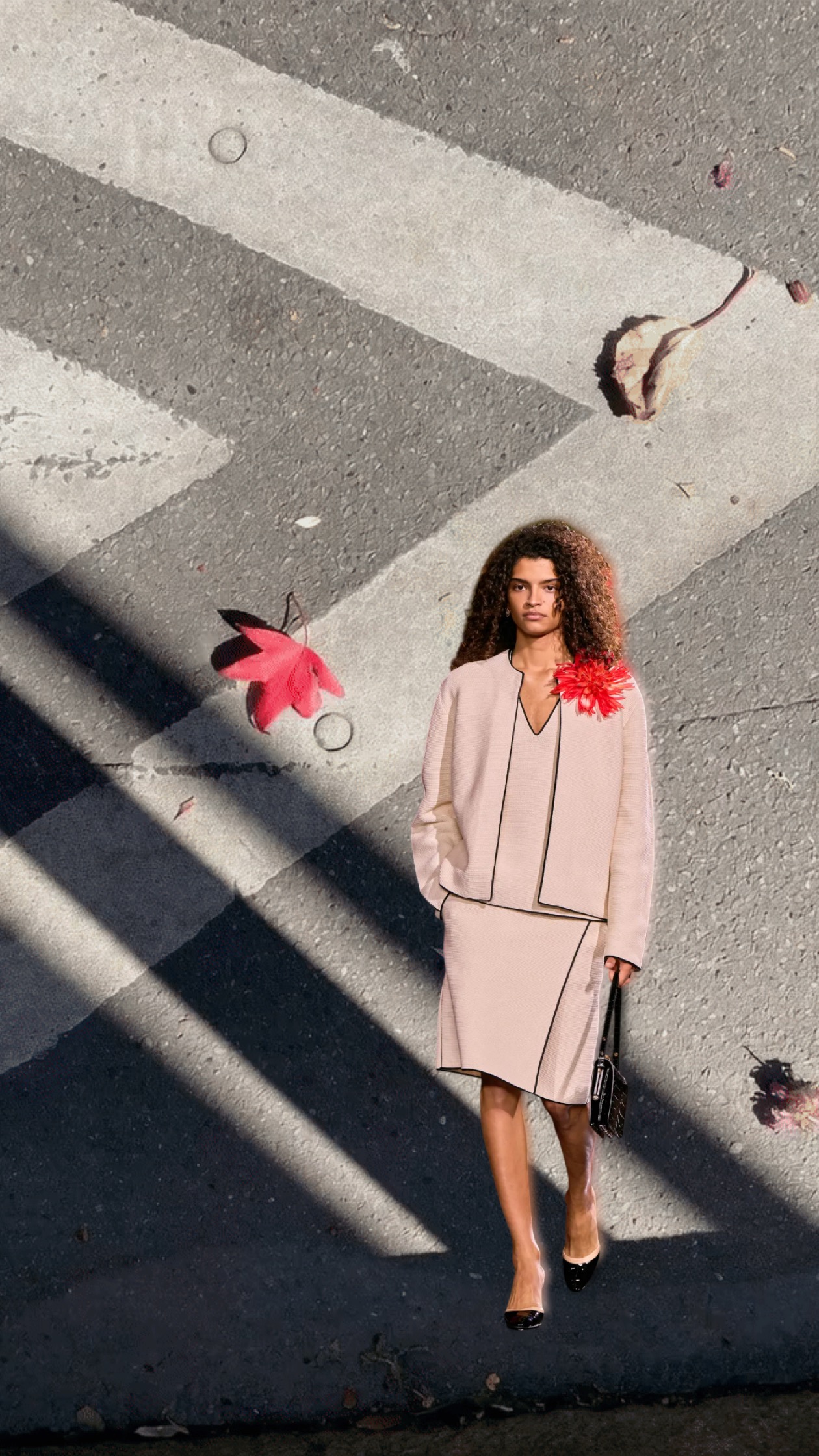
Collage by Edward Kanarecki. Don’t forget to follow Design & Culture by Ed on Instagram!
Hey, did you know about my newsletter – Ed’s Dispatch? Click here to subscribe!
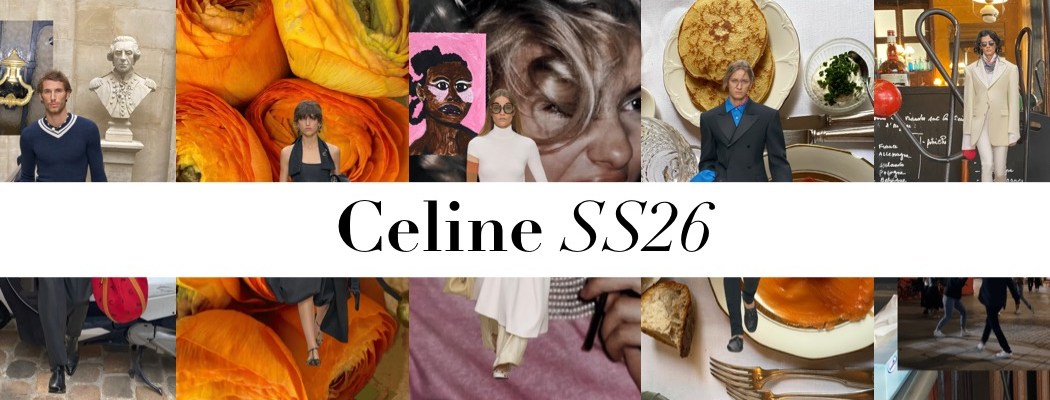
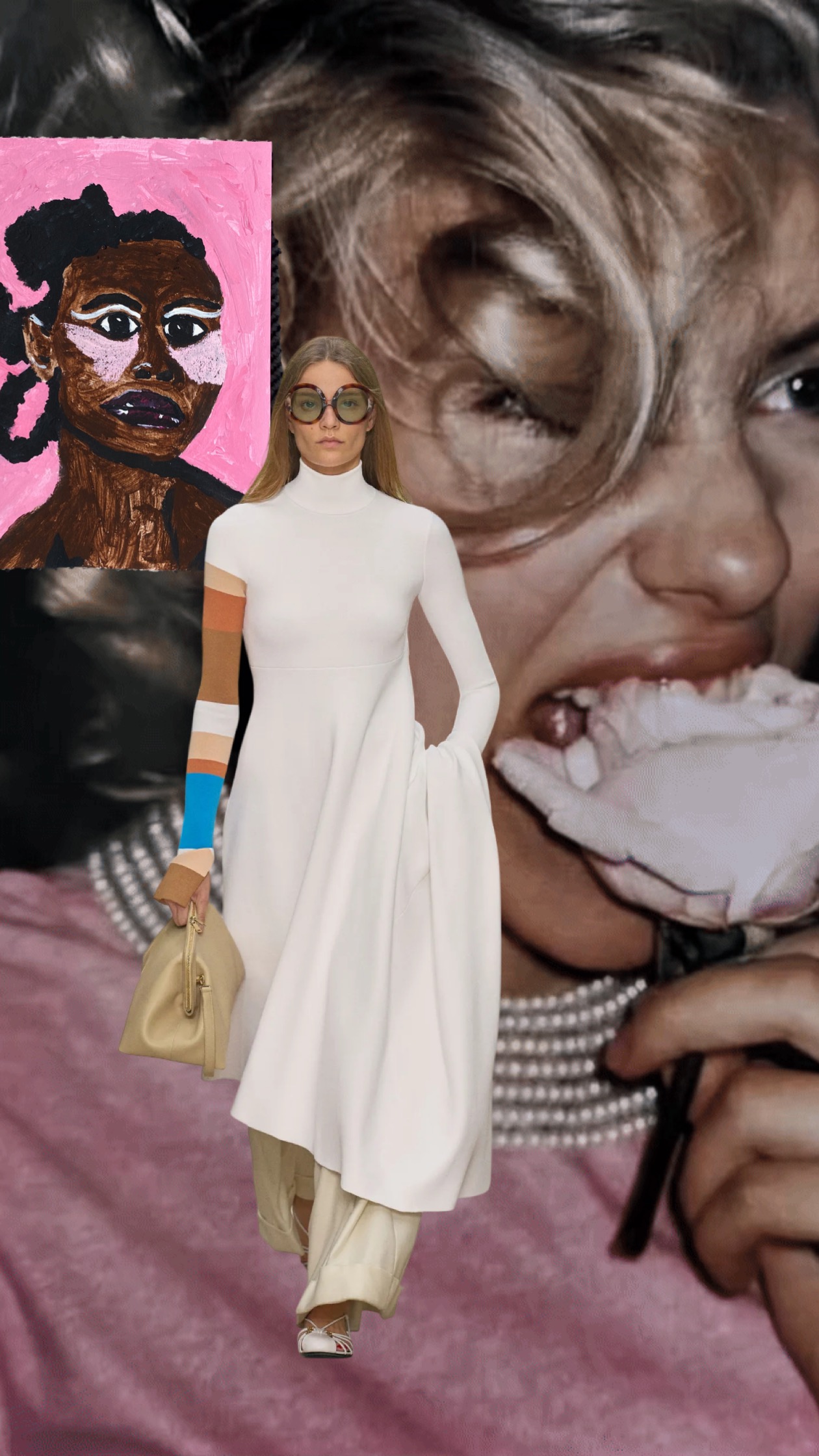
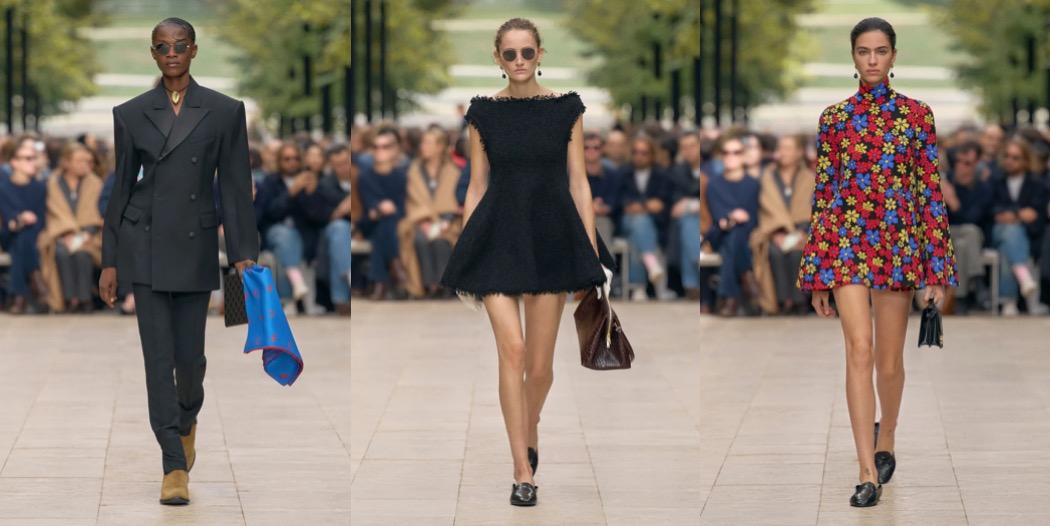
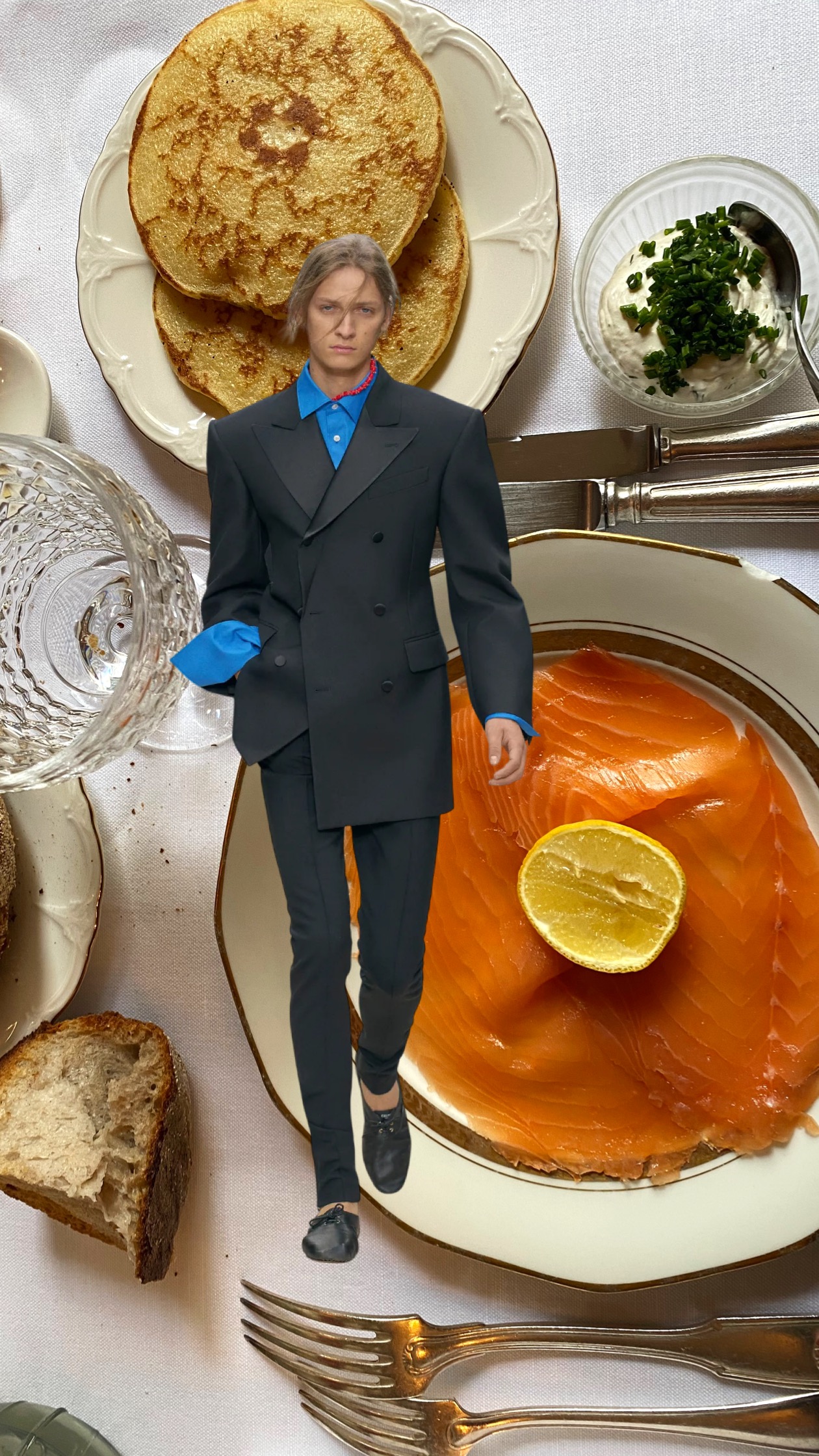
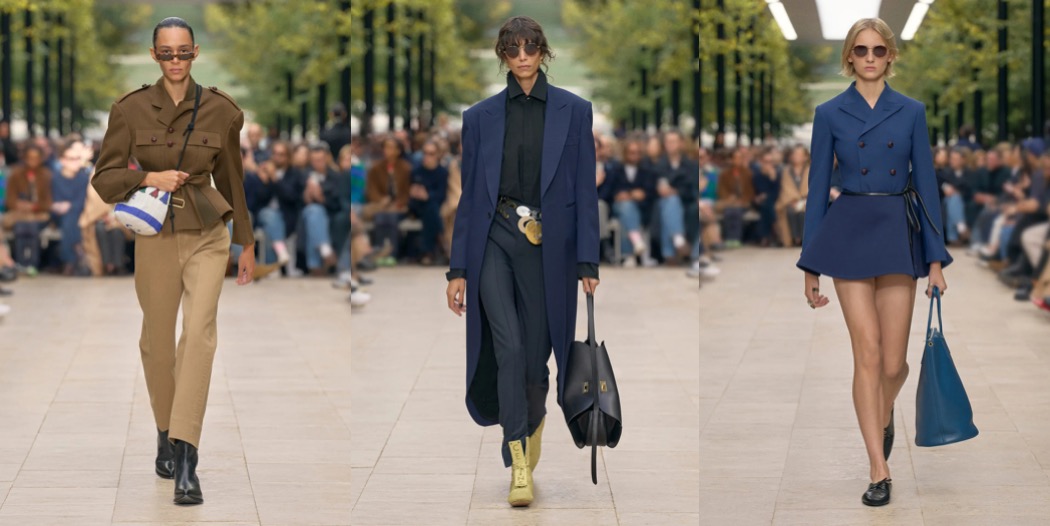
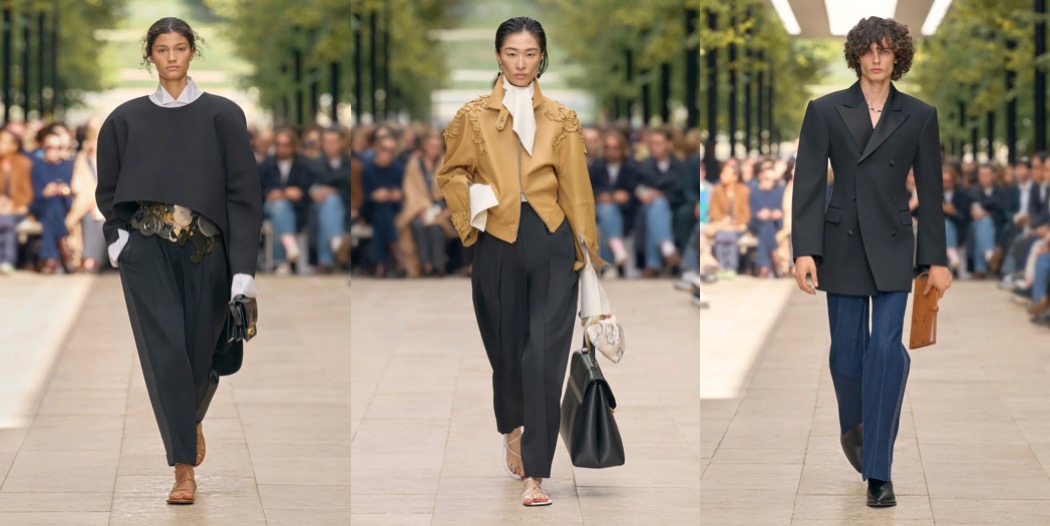
After his triumphant debut in July, Michael Rider returns with his sophomore outing for Celine – easily one of the standout collections of the season. It’s astonishing how effortlessly he navigates the maison’s most prominent style codes: Phoebe Philo’s charismatic, quirk-inflected femininity and Hedi Slimane’s slinky bourgeois sensibility with a rock-and-roll twist. As a result, he delivers a cocktail of life-affirming clothes.
Having served as Philo’s right hand during the Old Céline years, Rider understands what the brand’s clientele loves – and delivers it without resorting to grand gestures or “new era” rhetoric. Yet that doesn’t mean his personal imprint is absent. On the contrary, the well-travelled eclecticism, playful takes on preppiness, menswear-inspired silhouettes with cinched waists and elongated sleeves (very Husbands Paris actually), and his indulgent approach to accessorizing (a tribal-inspired beaded necklace styled with a crisp white shirt is a personal favorite) all bear his unmistakable, joie de vivre signature.
His “smiley” reinterpretation of the Luggage bag has clearly struck a chord – as evidenced by the ever-growing pre-order queue in the Paris boutiques that I witnessed myself. When the clothes will hit the racks, the brand might become LVMH’s big beast.
Collage by Edward Kanarecki. Don’t forget to follow Design & Culture by Ed on Instagram!
Hey, did you know about my newsletter – Ed’s Dispatch? Click here to subscribe!
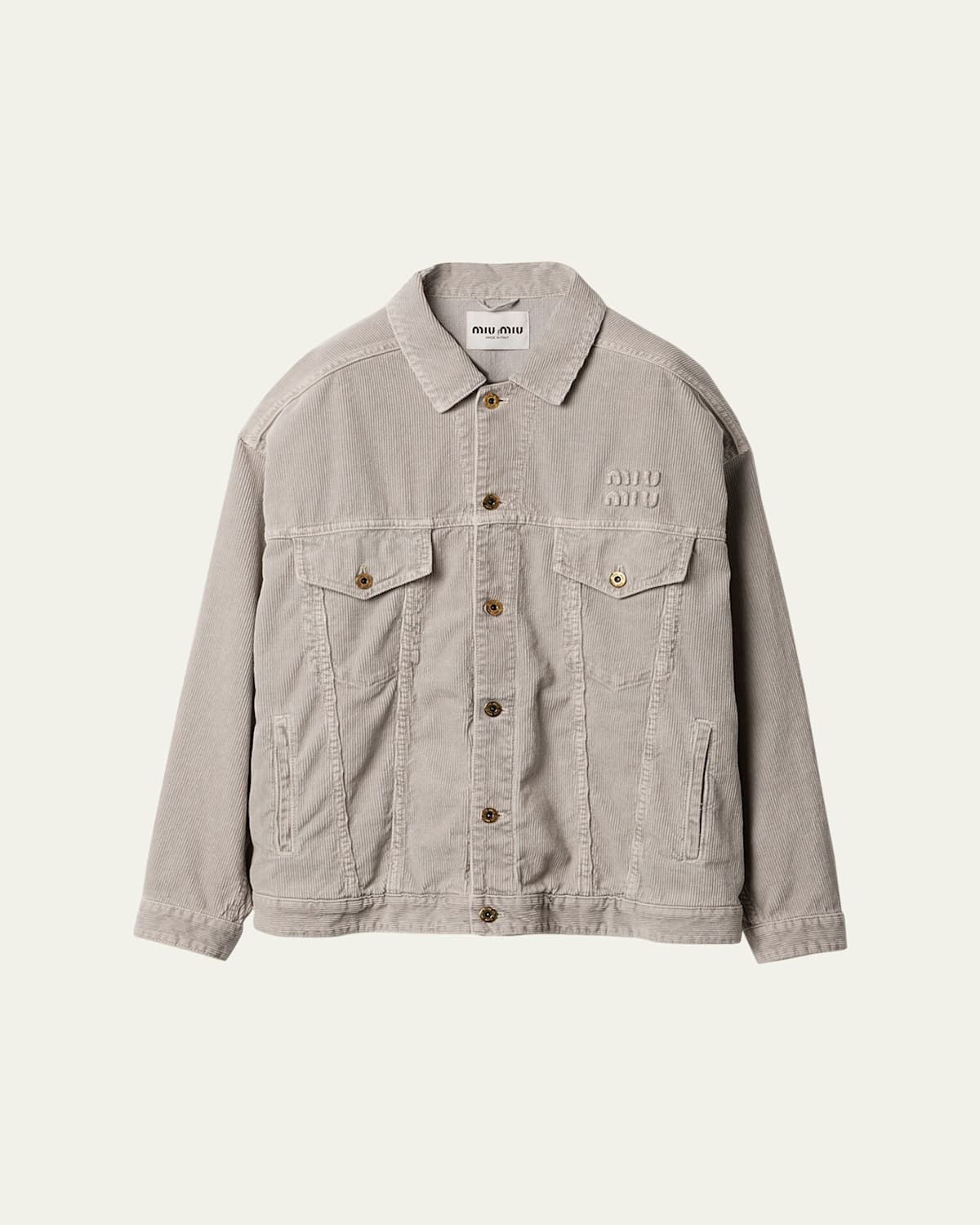
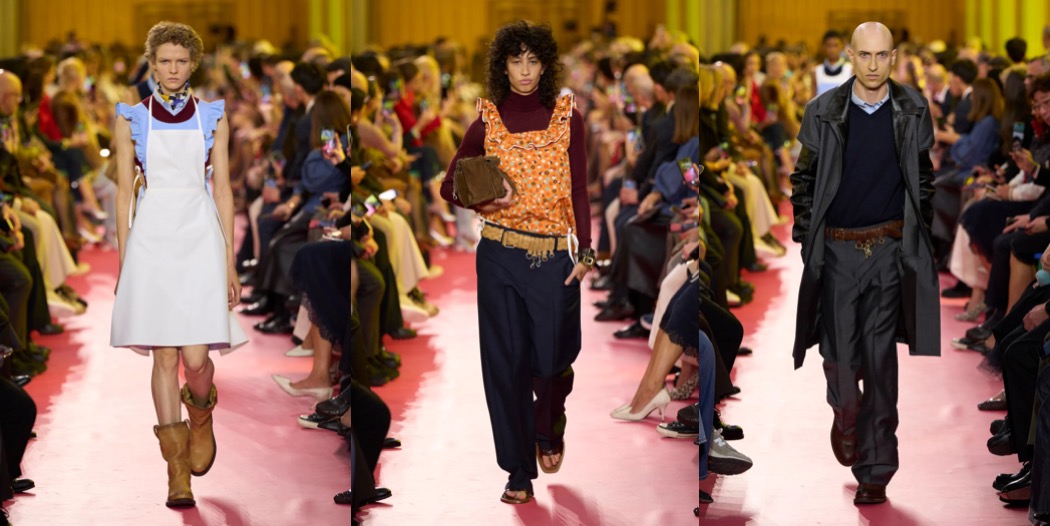
The moment Miu Miu released the teaser starring Polish director Małgorzata Szumowska – riding a forklift through a cargo container yard and drilling into concrete with a mechanical hammer – it was clear: the vibe was shifting. Gone were the playful notions of bourgeois ladylikeness; in came a femininity that was raw, rough… heroic.
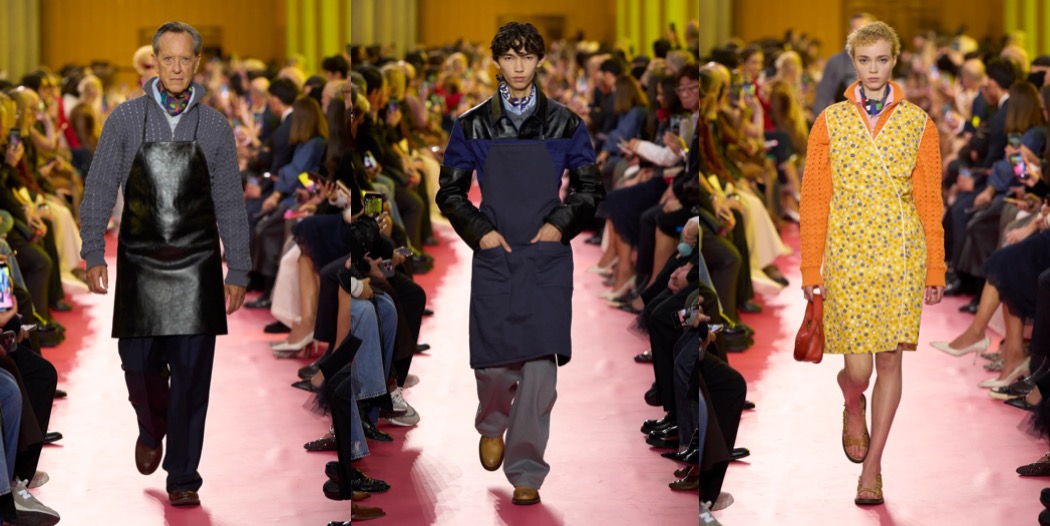
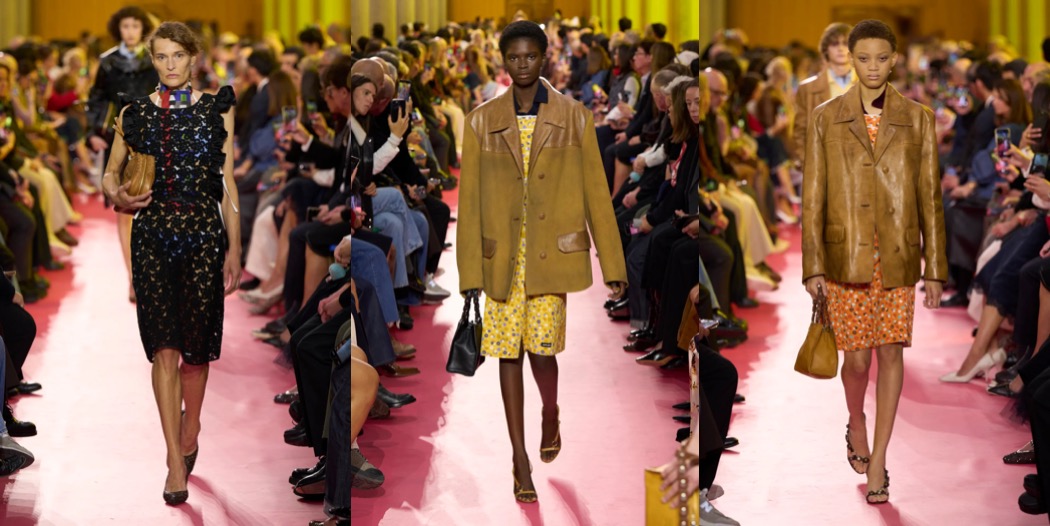
Of course, some might raise an eyebrow when Miuccia Prada cites workers and factories as her inspiration while creating garments that cost thousands. The gesture could easily be read as tone-deaf. Yet Miuccia – and Lotta Volkova, the stylist behind Miu Miu’s golden era – handled those nuances with an intelligent, thought-provoking subtlety. In her teenage years, Signora Prada was a communist – but one dressed in Yves Saint Laurent. This collection perfectly captured that paradox, without mocking the working classes, and handing in a new brick to the vast definition of “chic“.
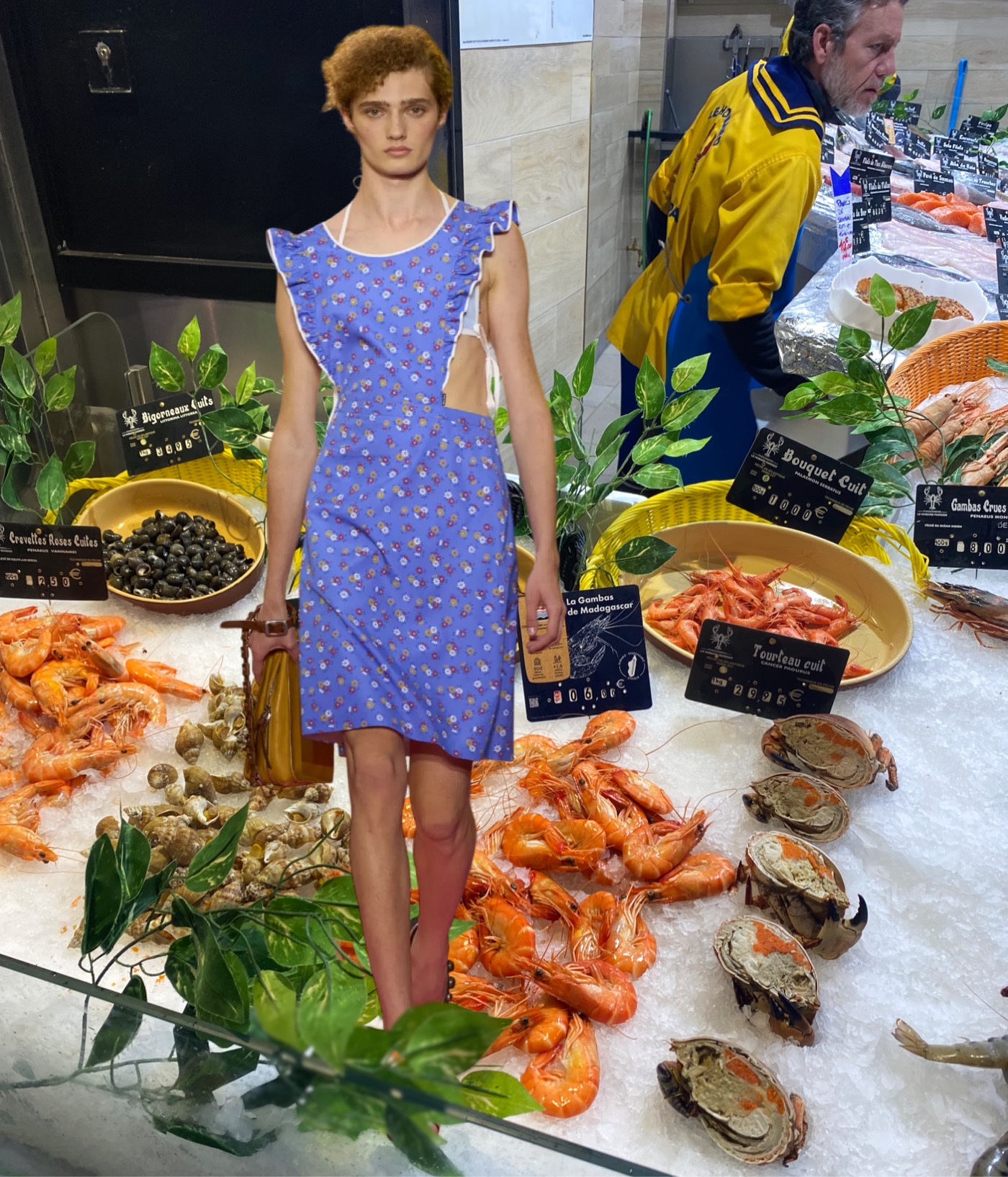
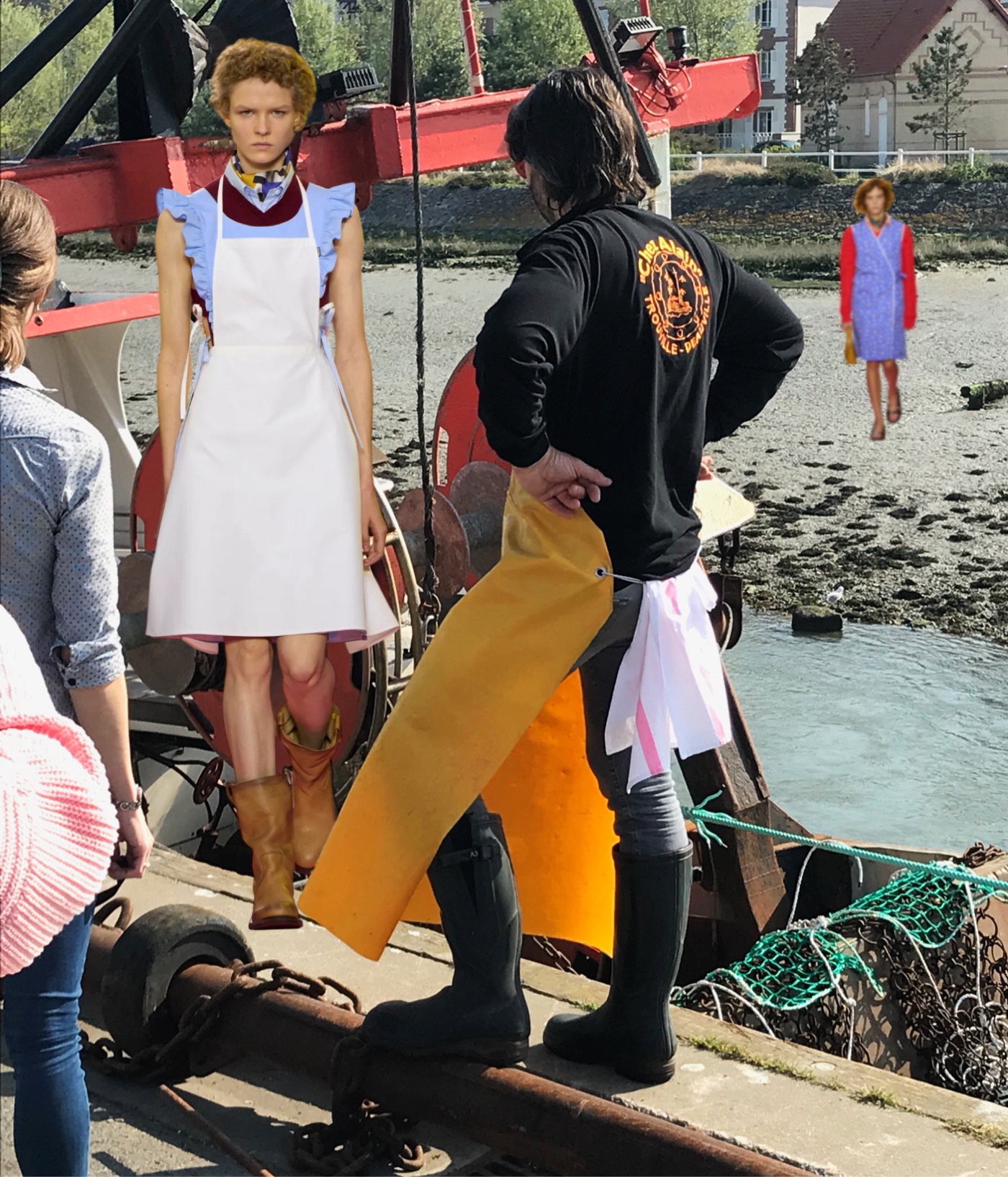
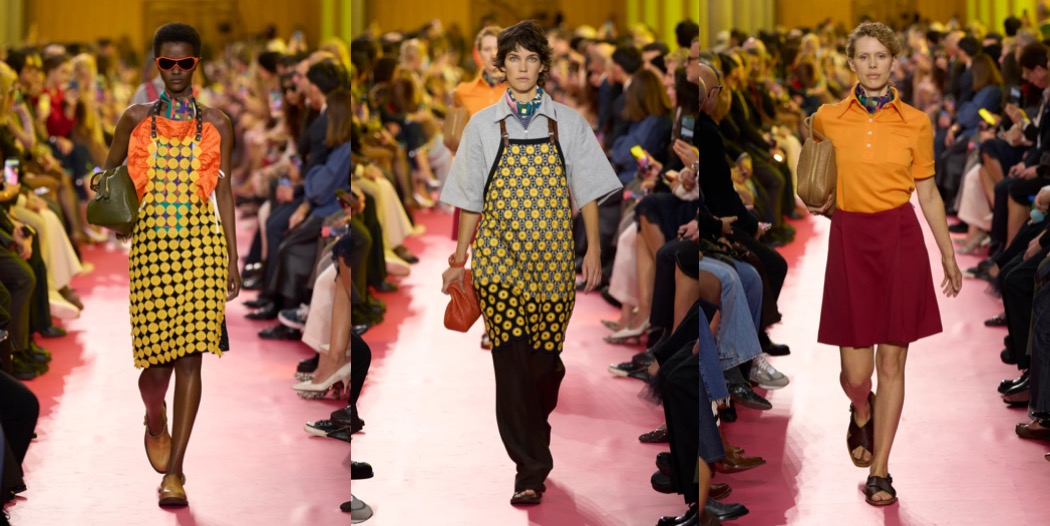
Seeing Soviet-inspired aprons, floral wrap-over housecoats (a little nightmare for any Eastern European!), and domestic smocks on the runway – styled as evening dresses or layered under no-nonsense, thick-canvas jackets – was an unexpected moment of power, a tribute to the tireless providers. It also made me think of Mrs. Bożena, who runs my local vegetable shop, wearing her blue housecoat every single day at work. I showed her the collection on my phone today. She smiled – and said she absolutely loves it.
Forget capes. Real heroes wear aprons.
Collage by Edward Kanarecki. Don’t forget to follow Design & Culture by Ed on Instagram!
Hey, did you know about my newsletter – Ed’s Dispatch? Click here to subscribe!




















 Design & Culture by Ed