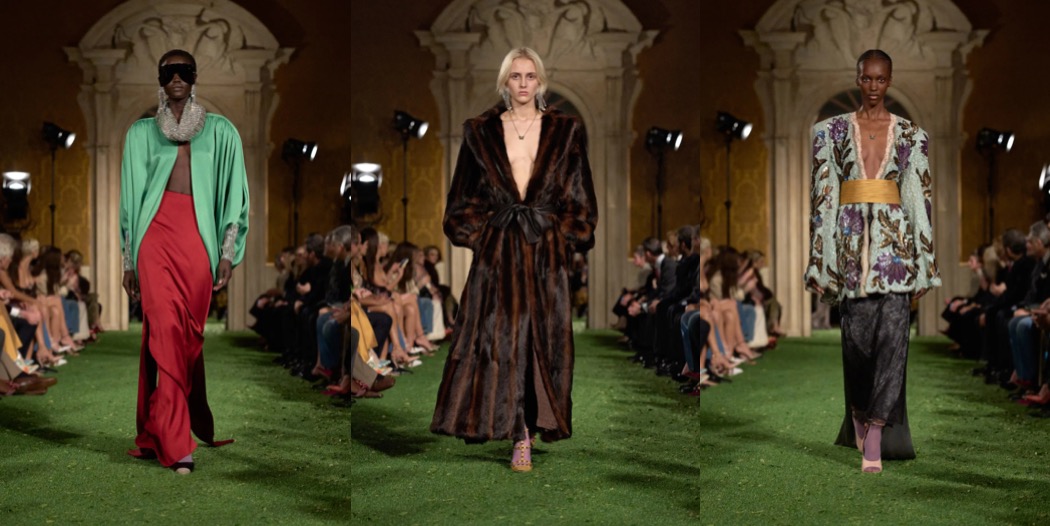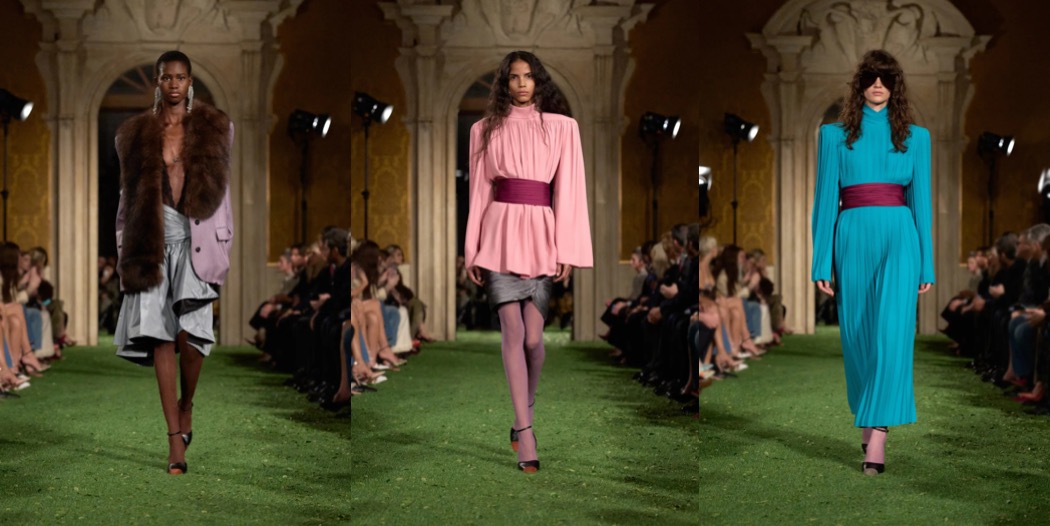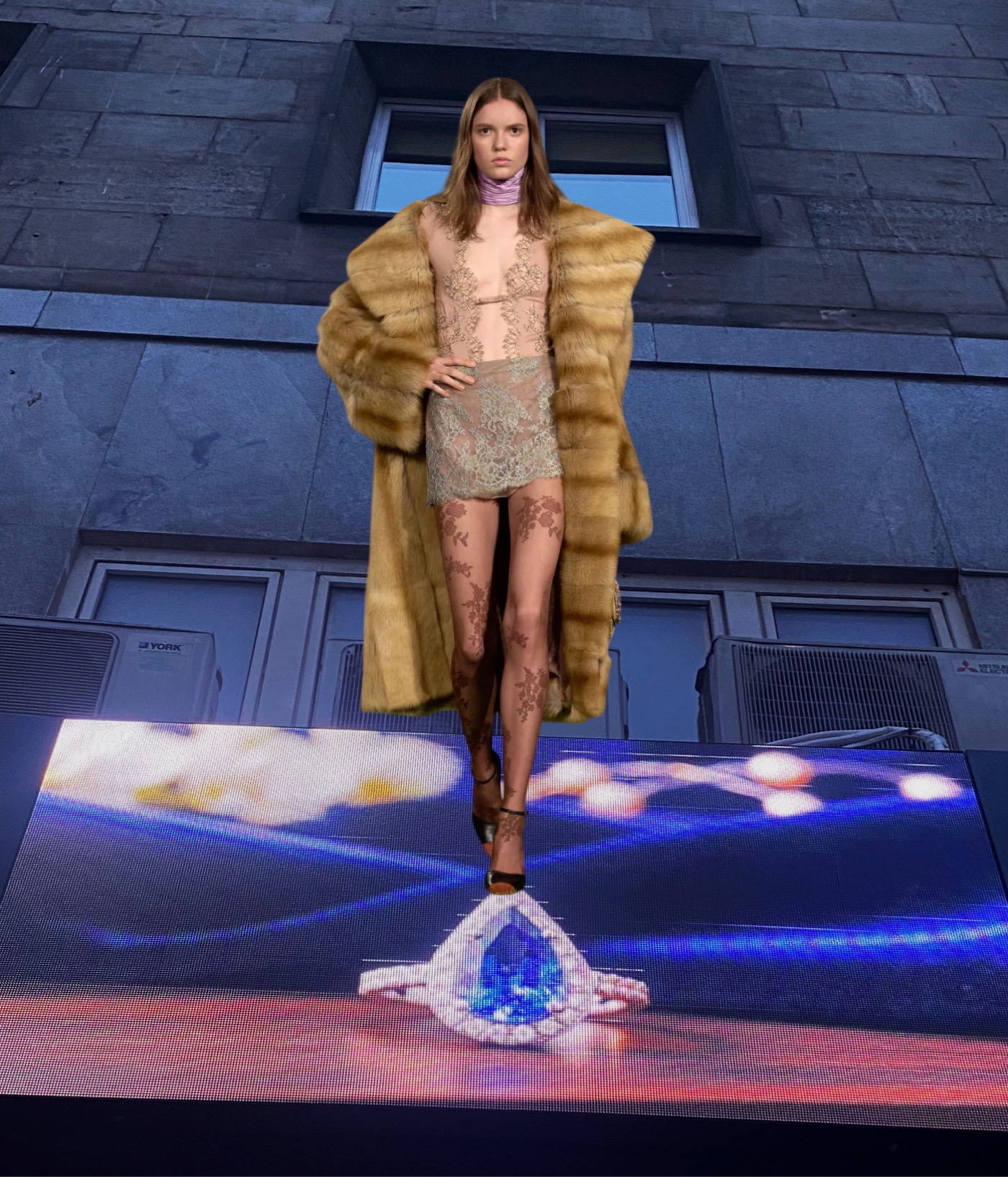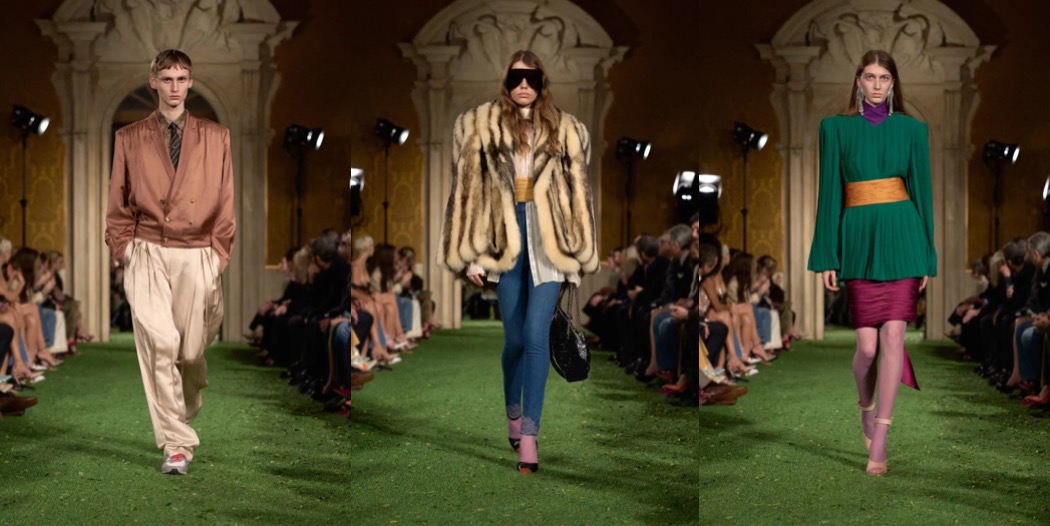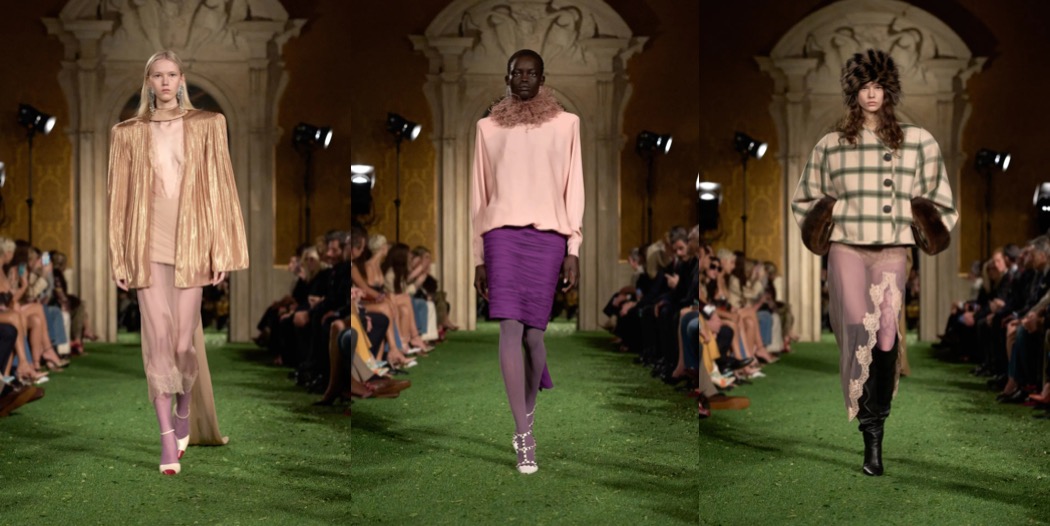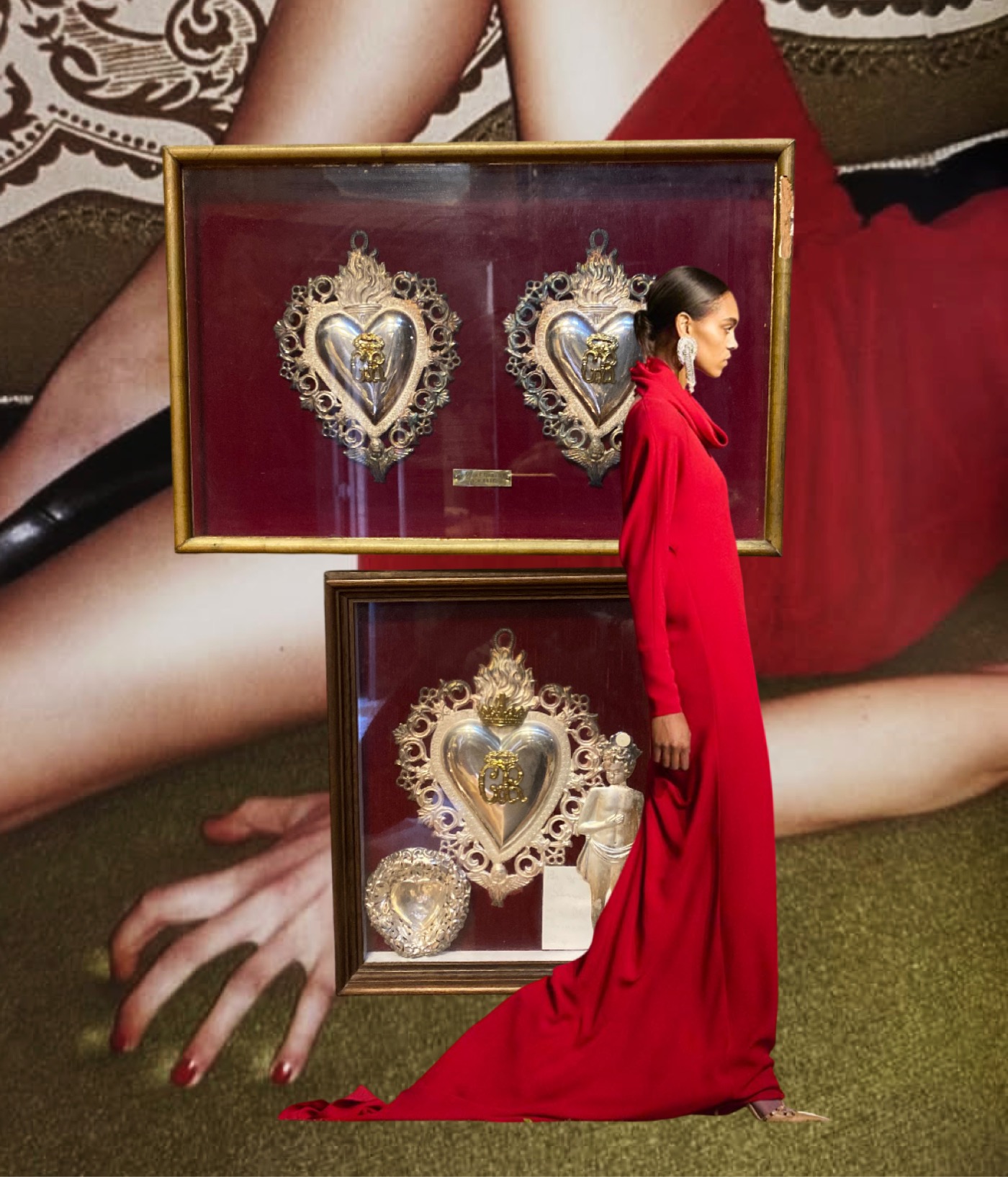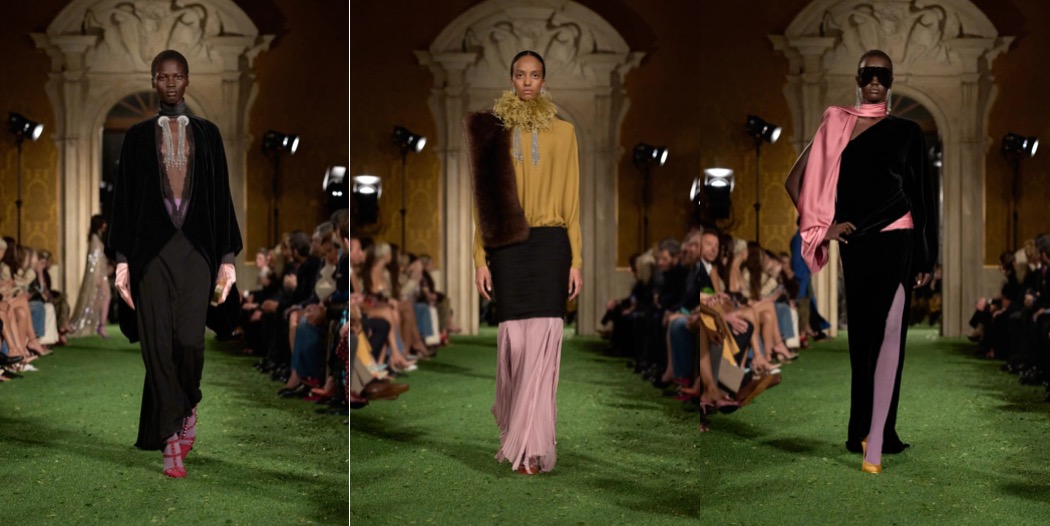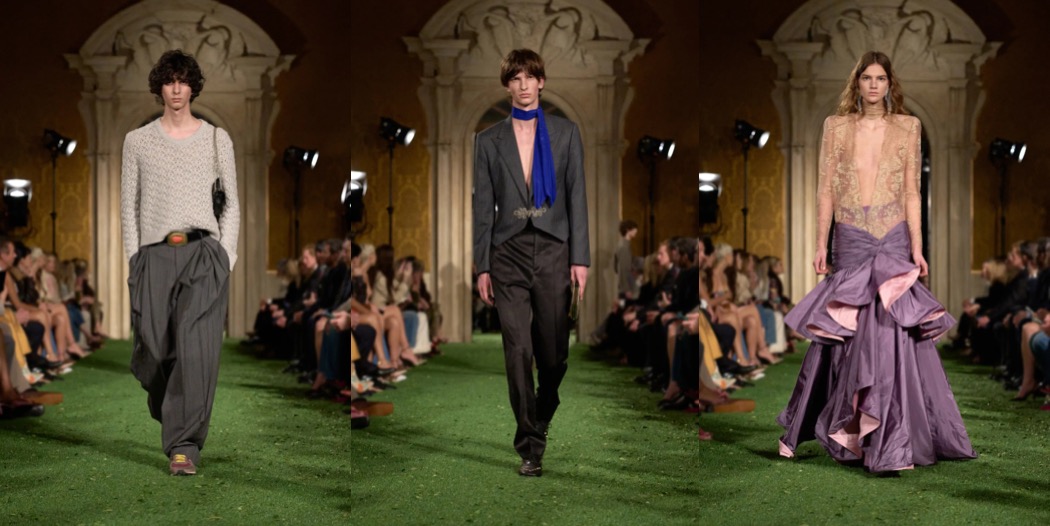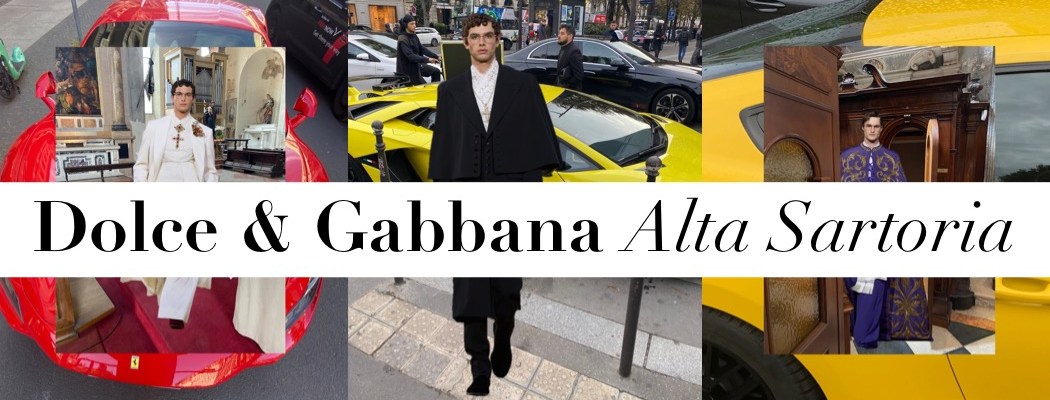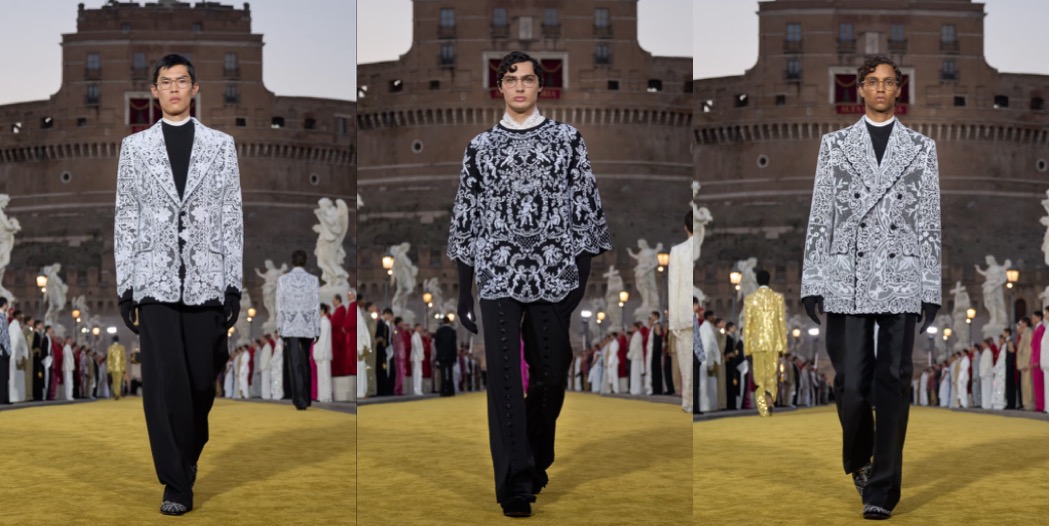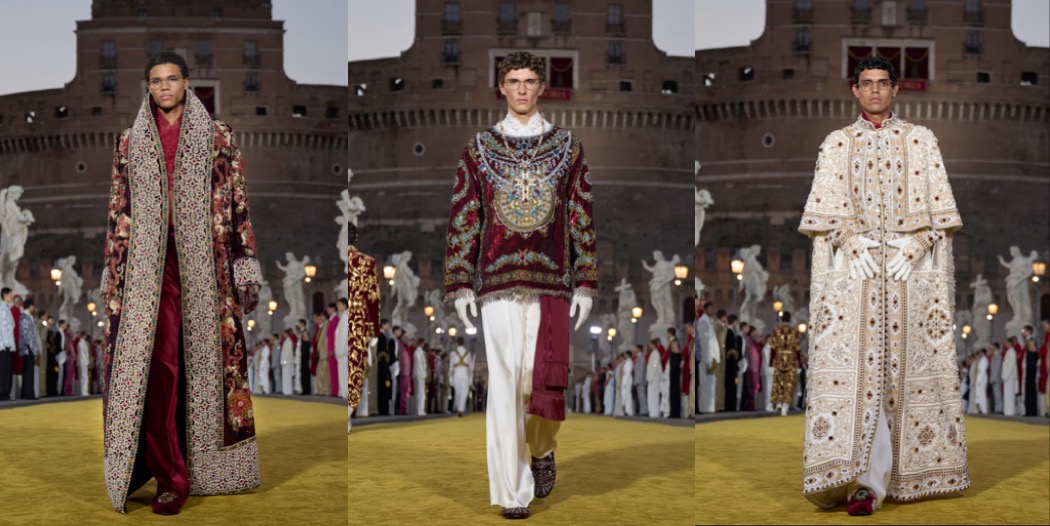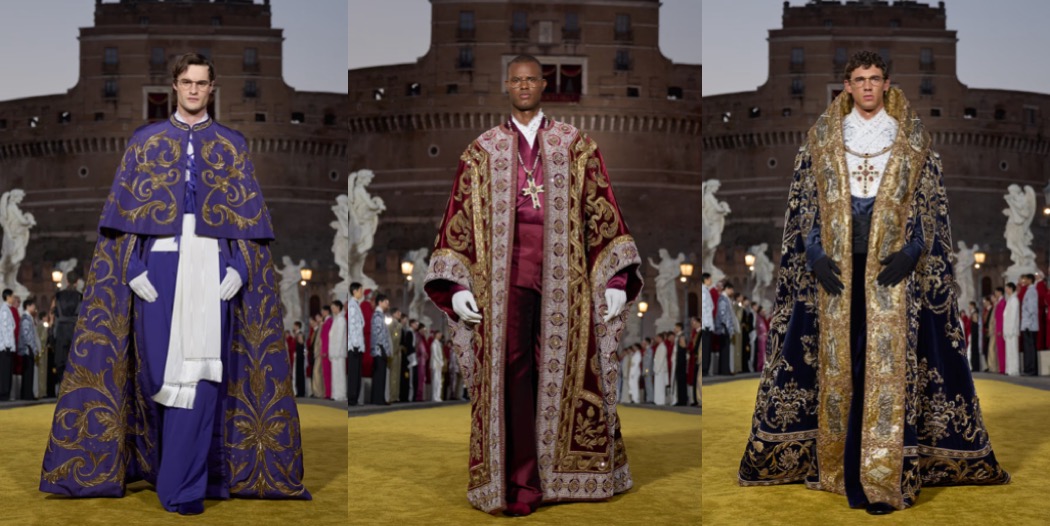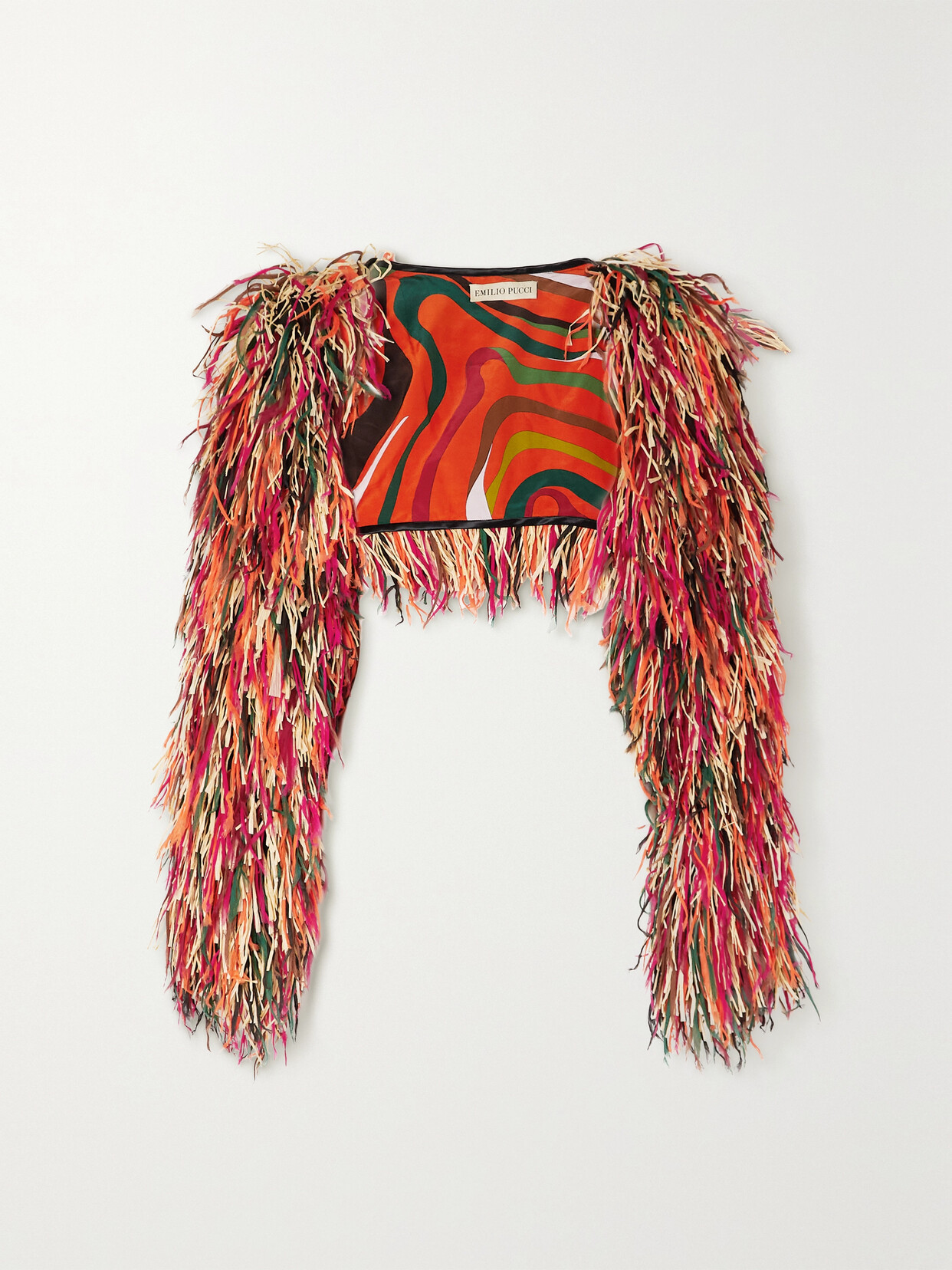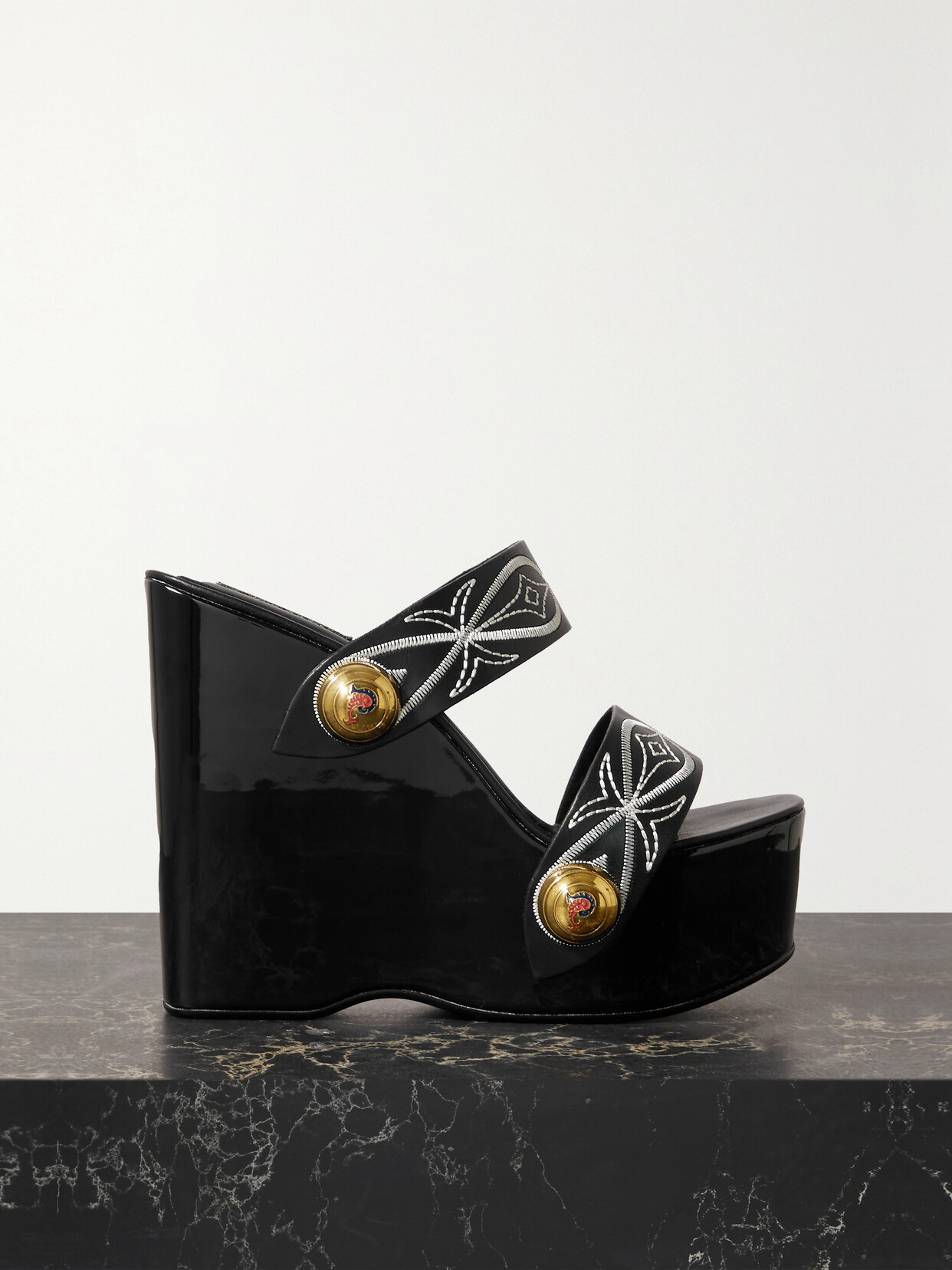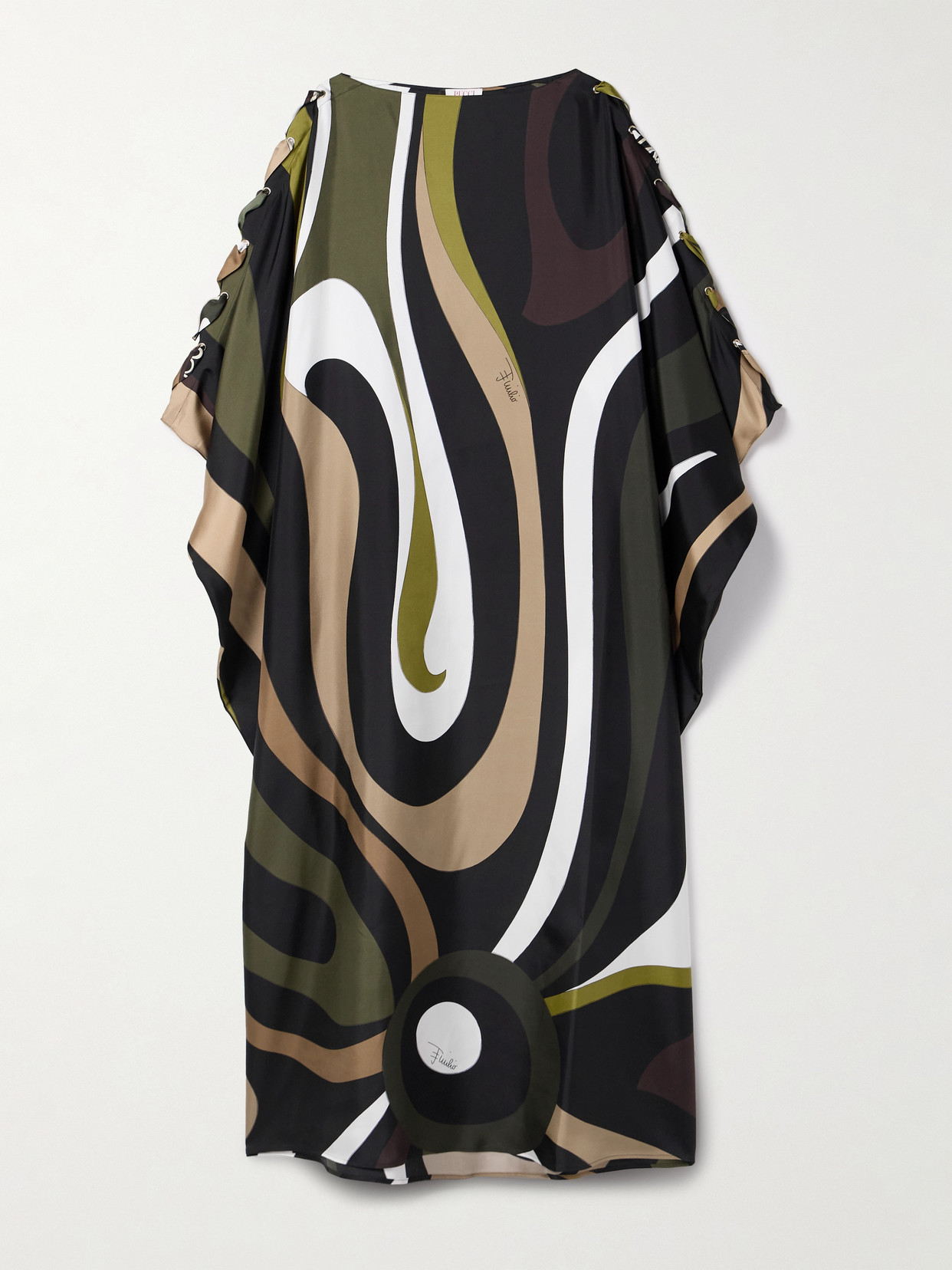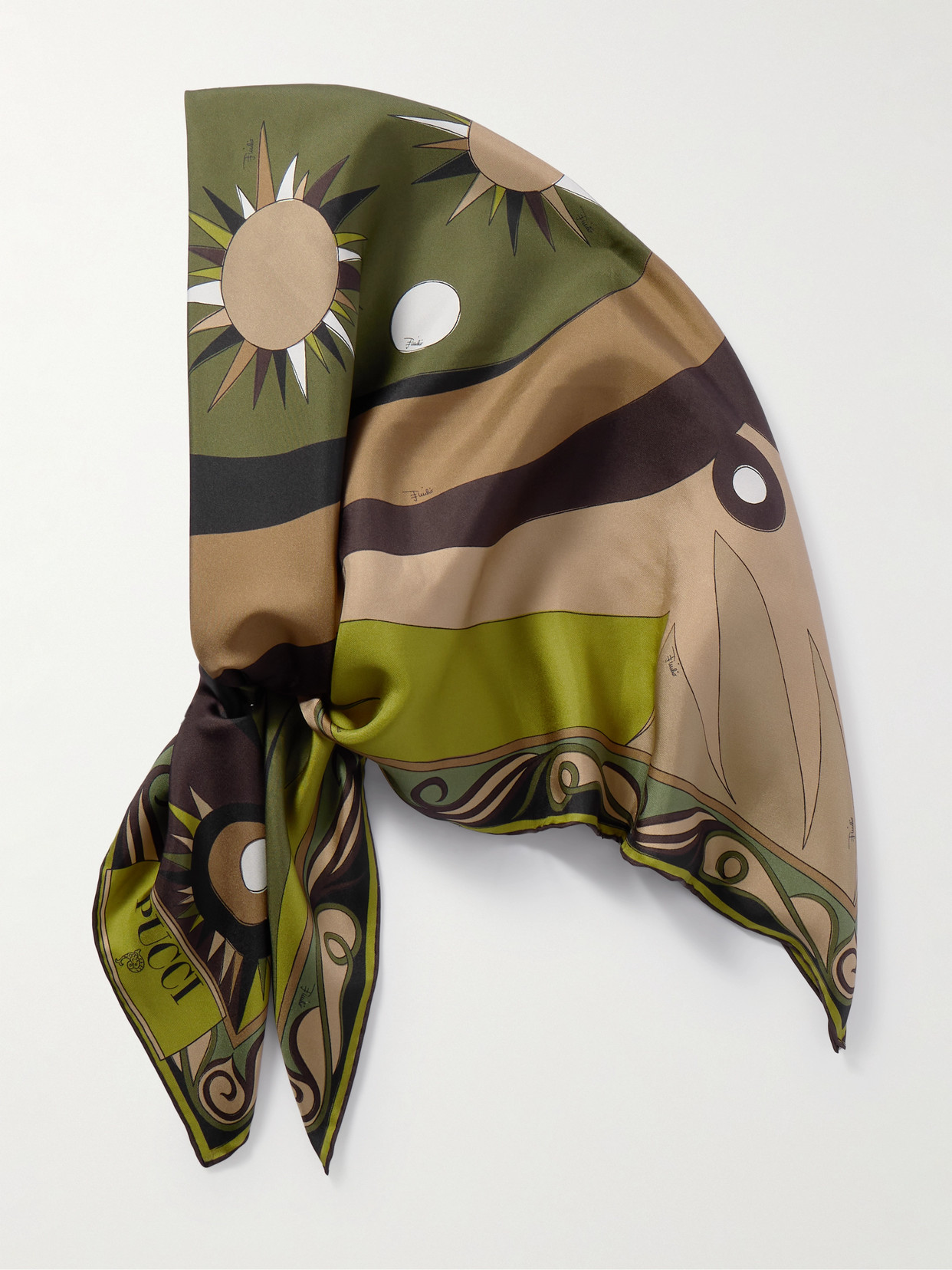
It’s been years, YEARS since I wrote about a Dolce & Gabbana show. But this one caught my attention for all the right – and wrong – reasons.
The hautecouture season doesn’t really end until Dolce & Gabbana says the last word with its obnoxiously opulent, over-the-top alta moda shows (there are three of them: for jewellery, womenswear and menswear). They are presented not in Paris, but in Italy – that explains why it’s off the official couture schedule.
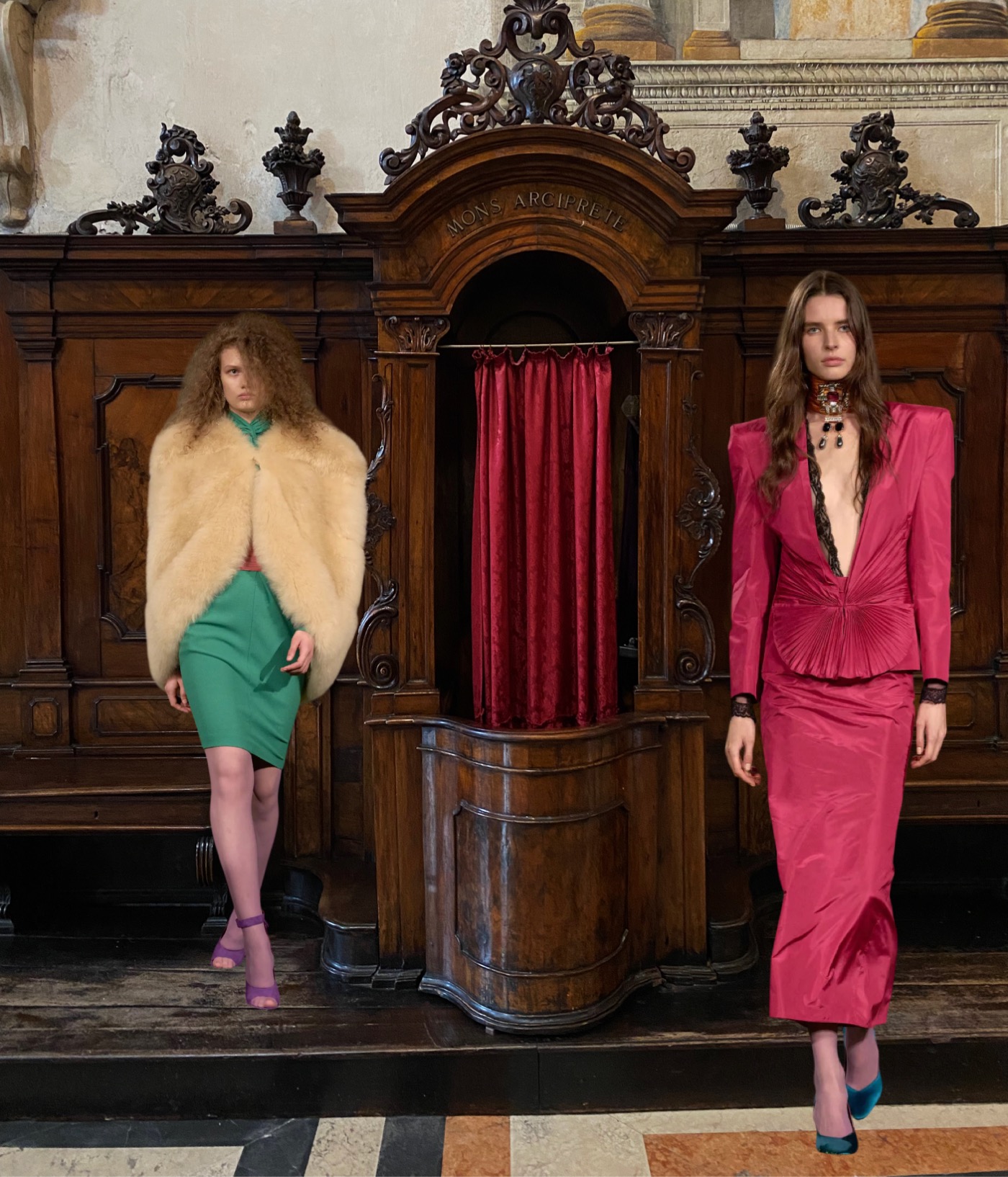
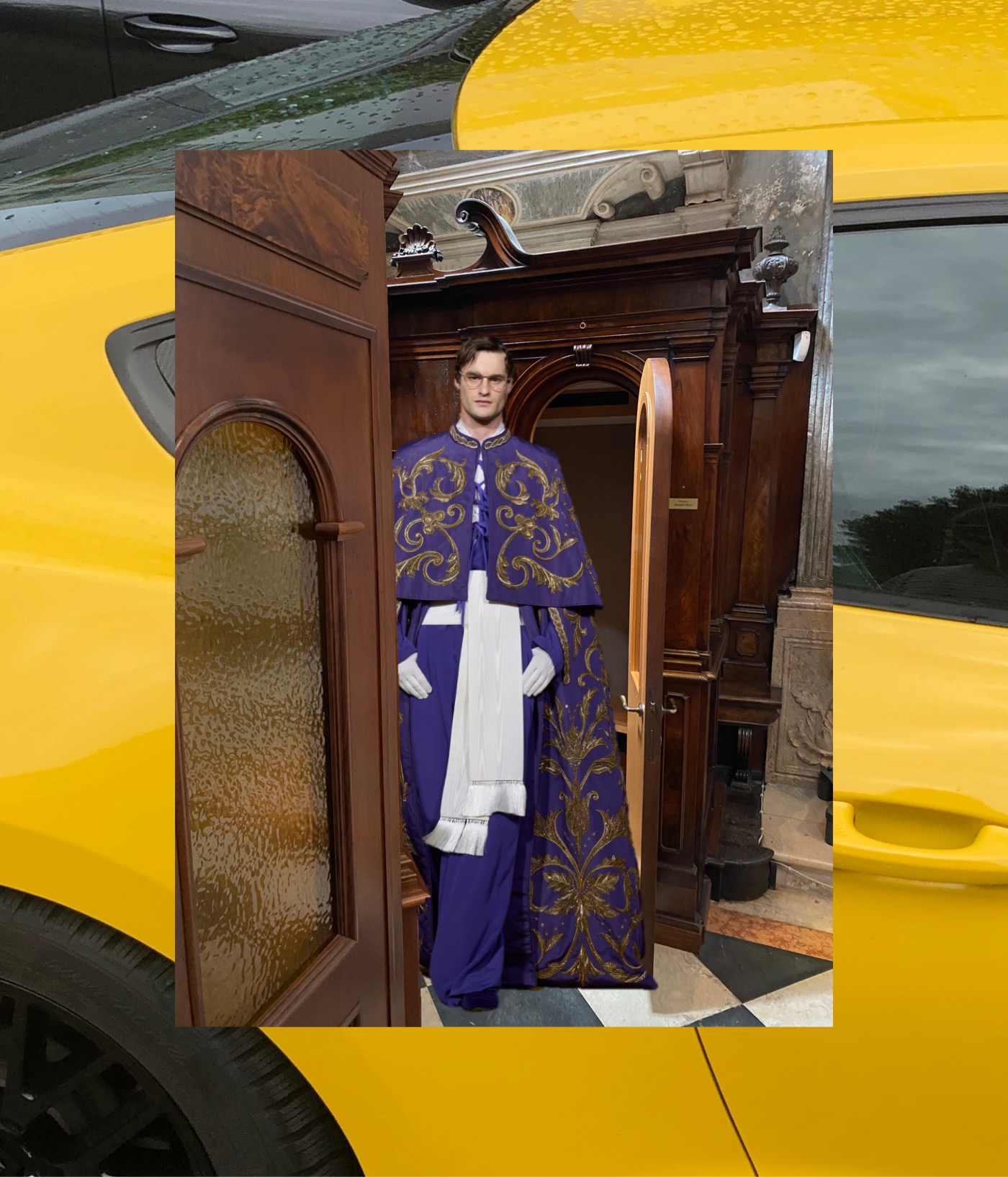
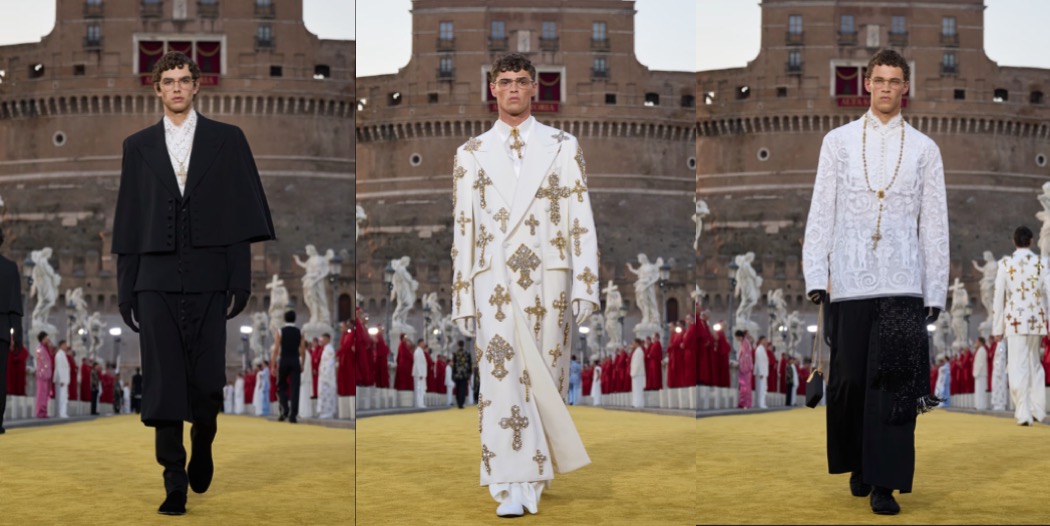
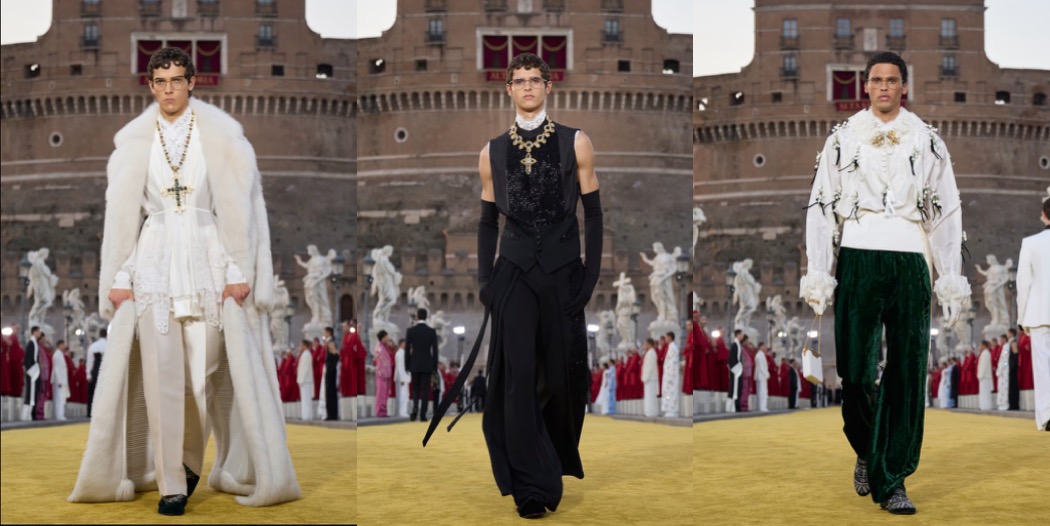
Most of the time I hate what contemporary Dolce & Gabbana does (from the Lauren Sanchez wedding dress to the designers’ problematic statements, the list for cons over pros goes on and on). Yet I have a sentiment for old Dolce & Gabbana, especially from the 1980s, 1990s, when the designers dissected the codes of Italianity and created an entire visual lexicon that was very rawn and undiluted. And I must admit that the brand’s latest Alta Sartoria collection – which goes for menswear couture – presented not just anywhere in Rome, but at the steps of Castel San’Angelo – and with IRL bishops in attendance – is really something worth analyzing. READ MY FULL REVIEW HERE.
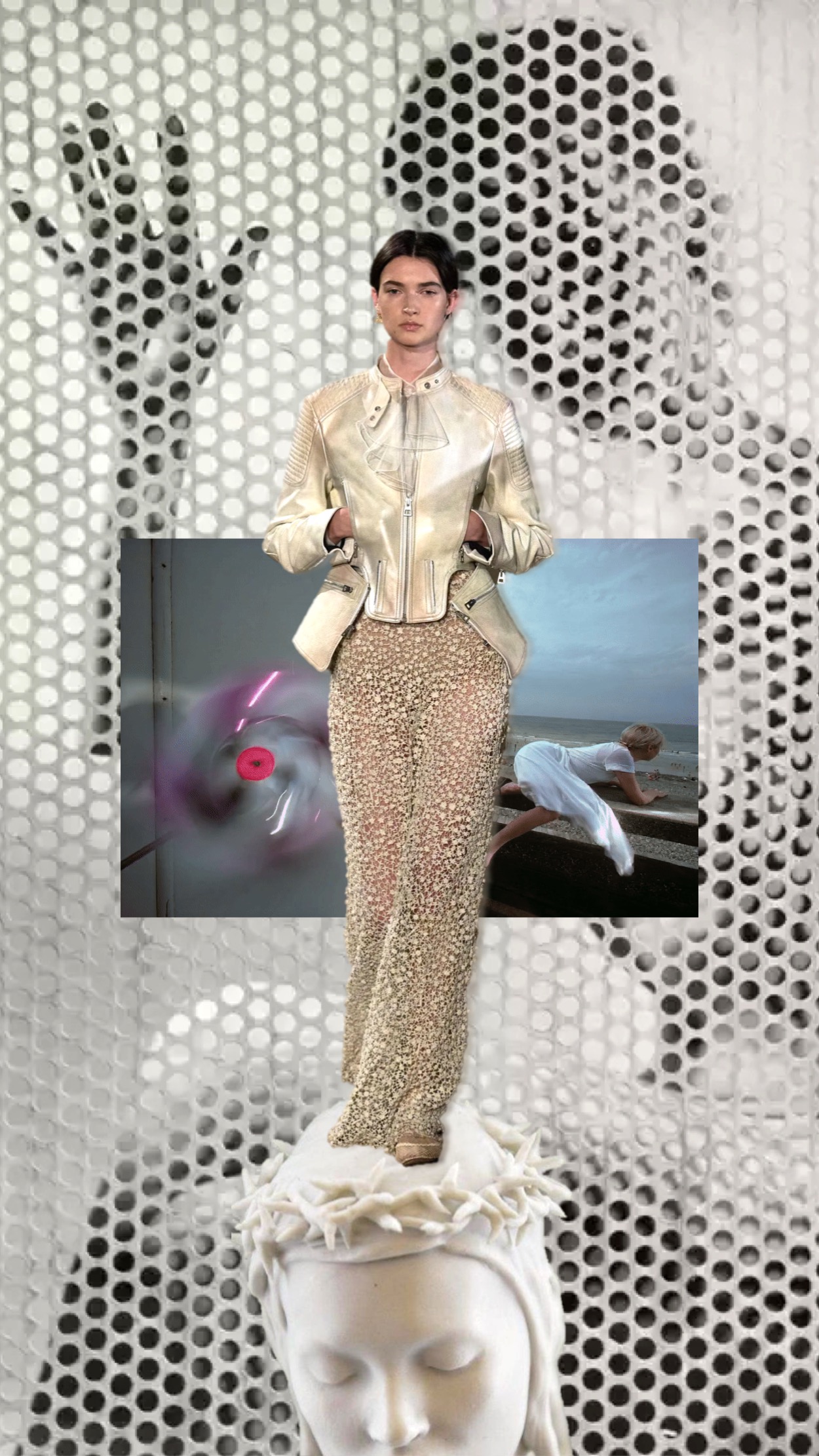
Collage by Edward Kanarecki. Don’t forget to follow Design & Culture by Ed on Instagram!
Hey, did you know about my newsletter – Ed’s Dispatch? Click here to subscribe!
Today, Lorde released Man Of The Year, her second single from the highly-anticipated Virgin album. The song is heart-and-gut-wrenching in the most Lorde way you can imagine: raw, vulnerable, unfiltered. By the time we reach the outro, Let’s hear it for the man of the year, there is a subtle shift from mourning to ecstatic celebration. The phrase is repeated like a sarcastic toast, both honoring and burying (burning alive!) the man who inspired the deep, painful turmoil. But ultimately, Man of the Year is not really about him. It is about Lorde reclaiming the narrative, re-emerging from ego death and heartbreak with sharpened clarity.
Quite coincidentally, it was officially announced today (after months of speculation) that Maria Grazia Chiuri is stepping down from Dior. Social media raved: finally!; fashion gods heard our prayers; the end of a nightmare. Voiced especially by men, you just can’t not agree with @lewissmag that there’s a tinge (or even plenty) of misogyny sparking that excitement of a woman departuring a maison like Dior after a decade of immense volume of work. A reminder that the fashion males, queer or not, had a very similar blast when Virginie Viard left Chanel. They were in heaven.
Now don’t get me wrong: I’ve never been a number one fan of Maria Grazia Chiuri’s work at Dior – just not my cup of tea, aesthetically. But I do realize that all the logo totes aren’t her sin: it’s in fact LVMH and Bernault Arnault’s endless financial insatiability that powered Dior’s horrific merchandise in the last decade. Just think of the once sophisticated and chic Dior boutique on Avenue Montaigne that now looks like a massive, tacky department store. It’s also not Chiuri’s fault. Unfortunately, creative directors really don’t have all the power when leading a brand.
What this female designer managed to make out of Dior is turning it into a brand that’s in a way similar to Giorgio Armani’s universe: you don’t have to follow it from season to season, because you won’t really see a revolution on the runway – but there’s always a beautiful dress, a great coat, a proper jacket. A continuity that has its rhyme and rhythm.
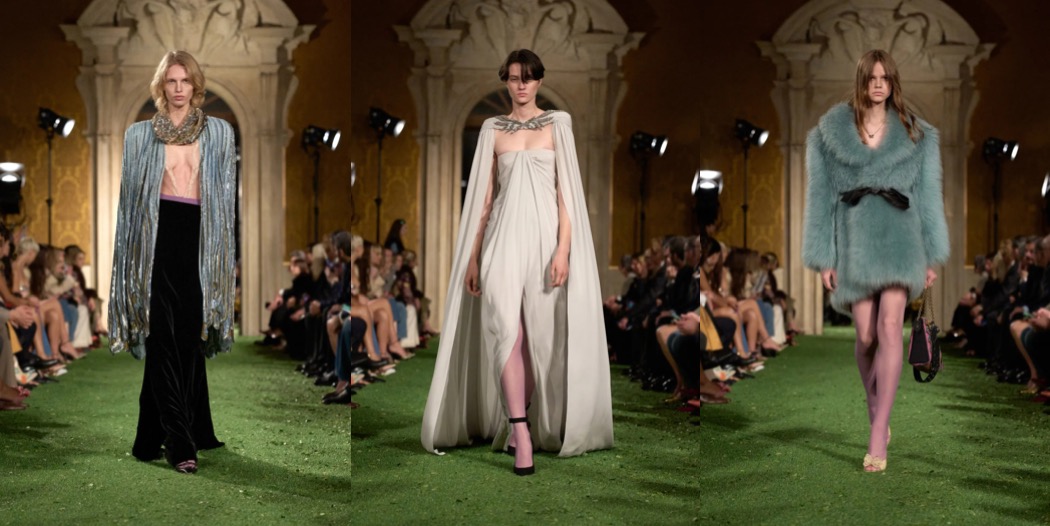
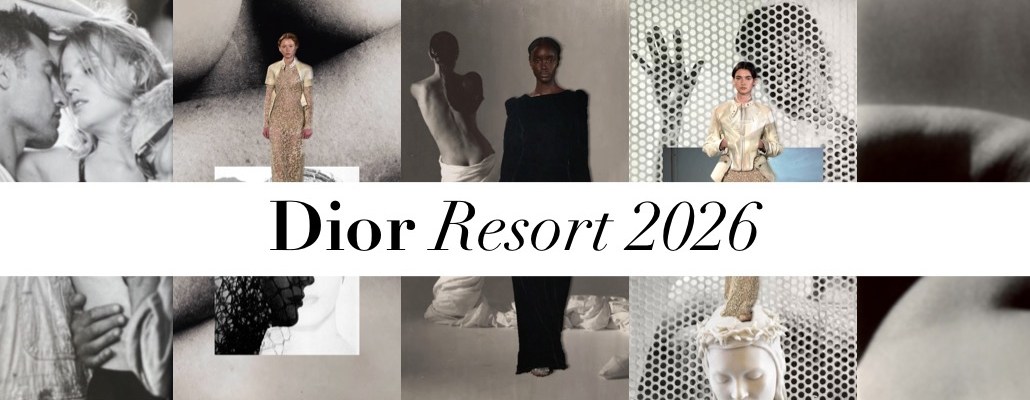
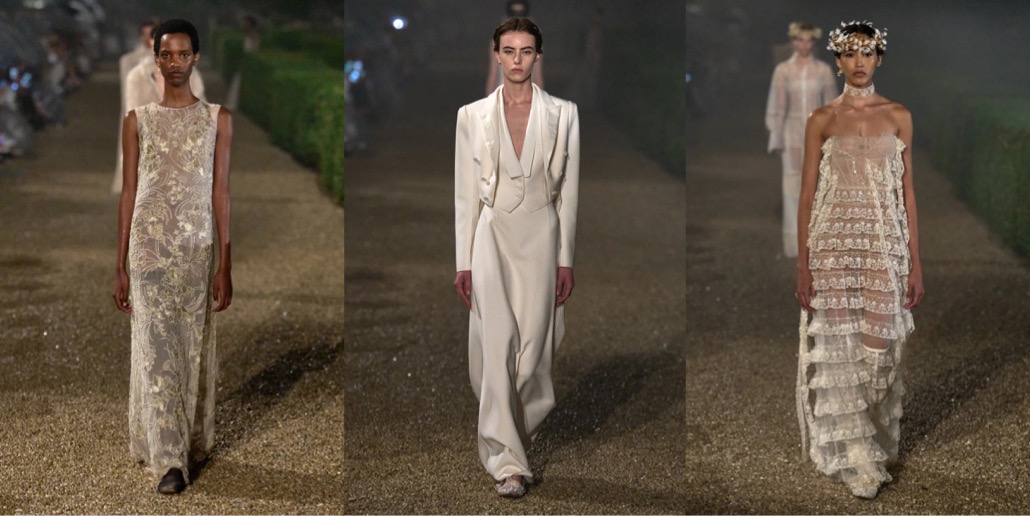
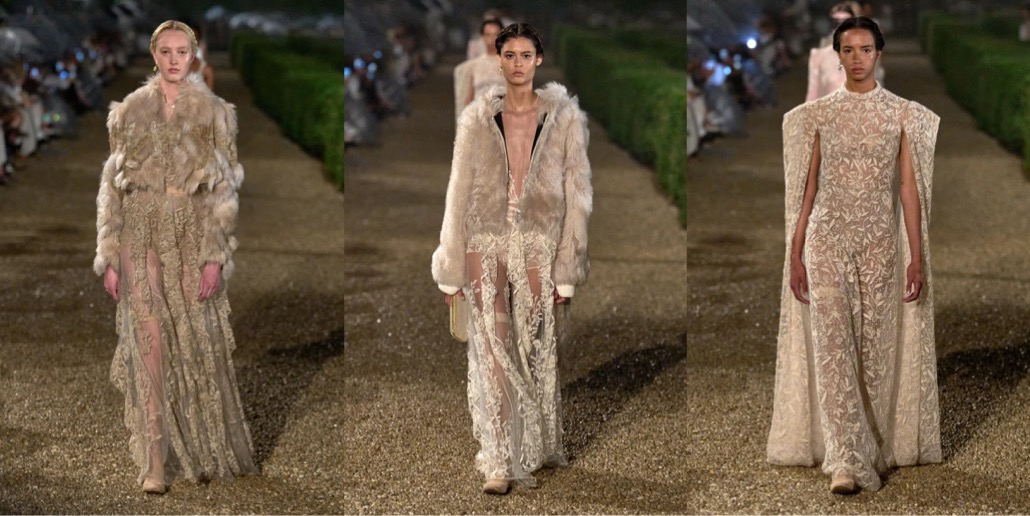
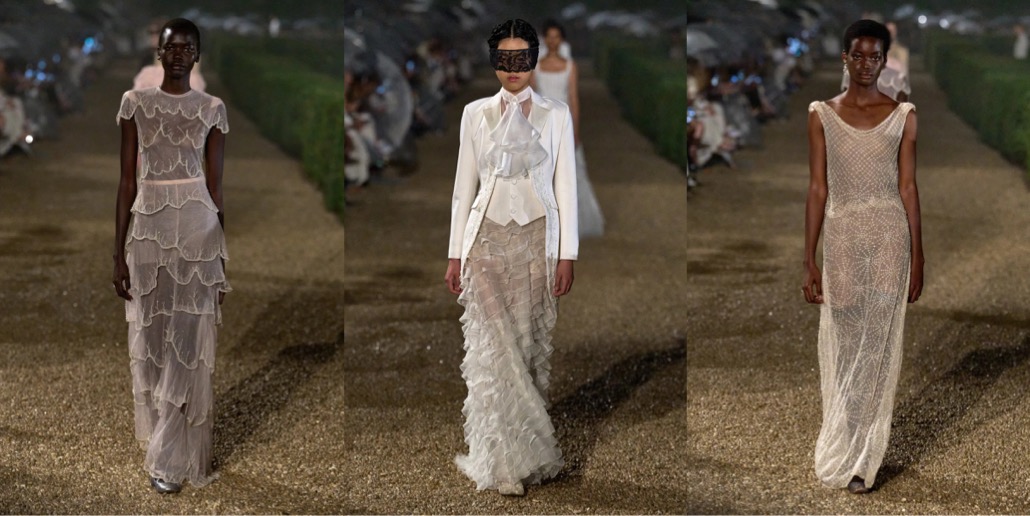
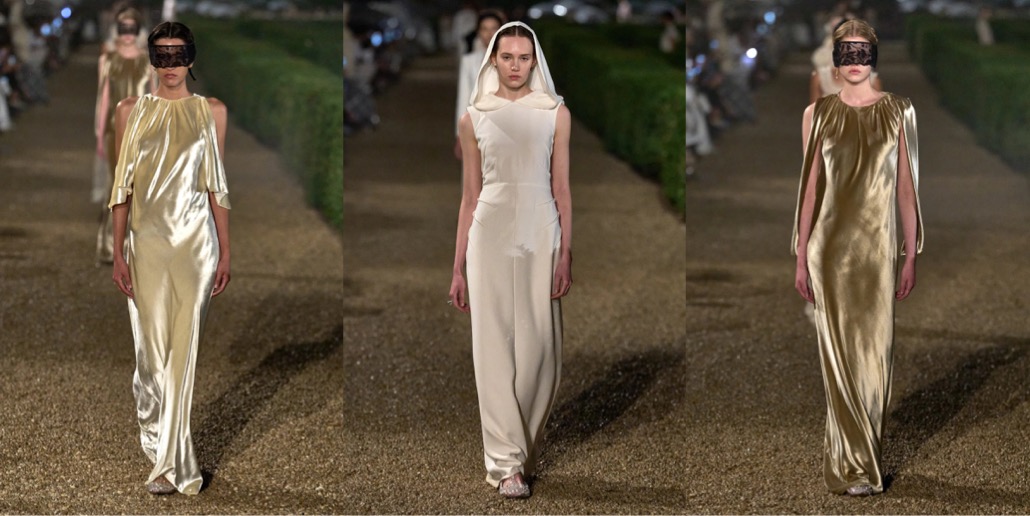
In a way, it seems to me that Maria Grazia Chiuri truly refound herself at the very end of her tenure at Dior. Her pre-fall 2025 show in Tokyo had a spark. Her swan song outing, for resort 2026, presented in the enchanting garden of Villa Albani Torlonia in Rome, was powerful in its grace. Those velvet column gowns are pure delights, just as the remarkable fur coats that are actually made from plume. The collection’s opening look, a masculine white tailcoat worn with a maxi-length, matching skirt, is the absolute essence of Maria Grazia Chiuri’s contribution to fashion, in past misguided by unfortunate styling or simply obscured under all the gimmicks of fashion show spectacles. This ideal, minimalist yet sumptuous simplicity was followed by many variations on the theme of the long, slim, semi-sheer dress. The lace effects were almost countless – 3D florals, rivulets of ruffles, leafy cut-outs, wavy art deco frills, gilded latticework covered with silken fringe. Underwear visible, shoes flat. A statement.
And then, the haute couture finale featuring caviar-beaded, trompe l’oeil-effect dresses that looked like statues dating back to Ancient Rome. Male statues, to be precise. Torsos, like armors (a theme moved very literally by Nicolas Ghesquière at Louis Vuitton just a week ago). Going back to Lorde, Man Of The Year’s cover art is a Talia Chetrit photograph of the singer’s bust, covered with duct tape. Now, do you see the connection between these two?
Will Maria Grazia Chiuri return to fashion in the near future? Probably she will spend her time on cultural initiatives, like the Teatro Della Cometa she renovated and reopened to the public a couple of days ago. And who will lead Dior’s womenswear now? Probably Jonathan Anderson. Another M.O.T.Y.
Collage by Edward Kanarecki. Don’t forget to follow Design & Culture by Ed on Instagram!
Hey, did you know about my newsletter – Ed’s Dispatch? Click here to subscribe!
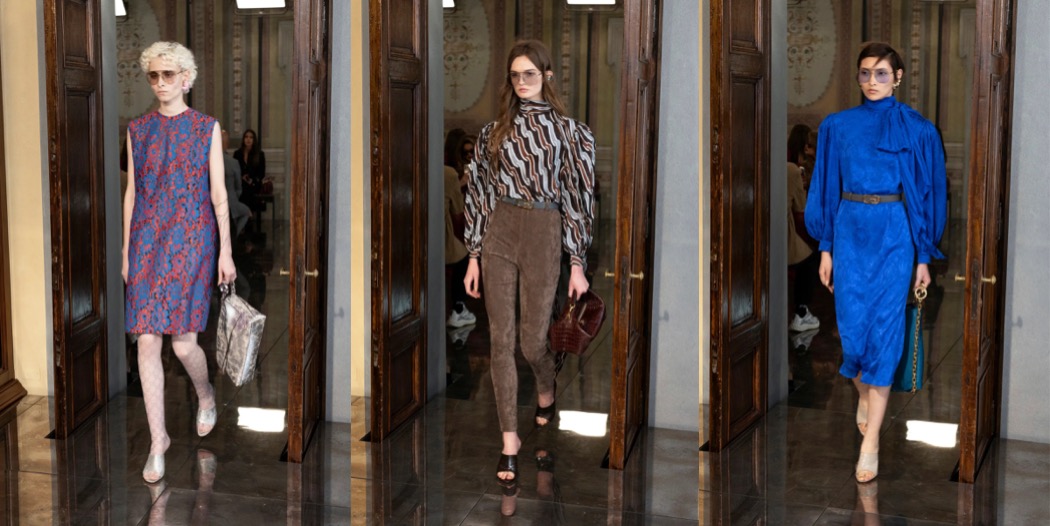
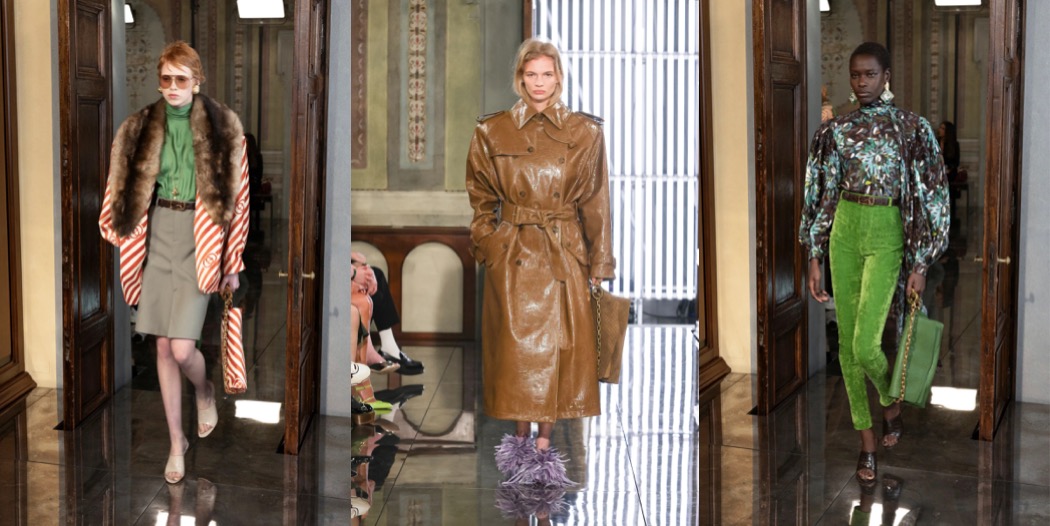
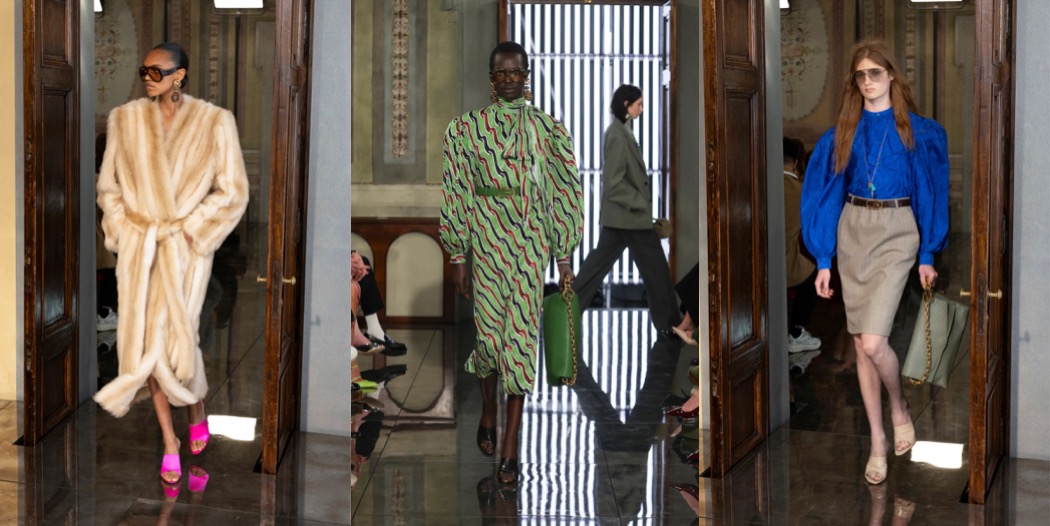
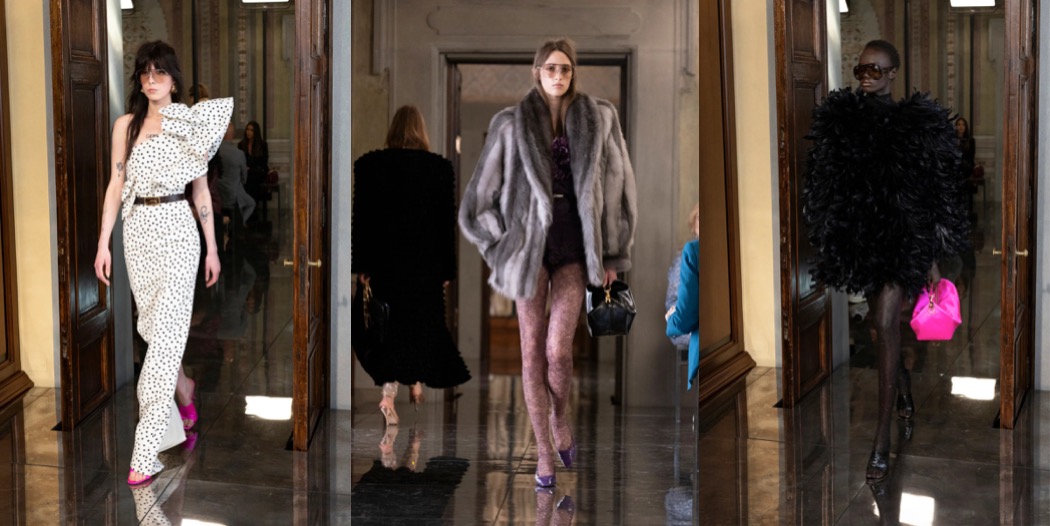
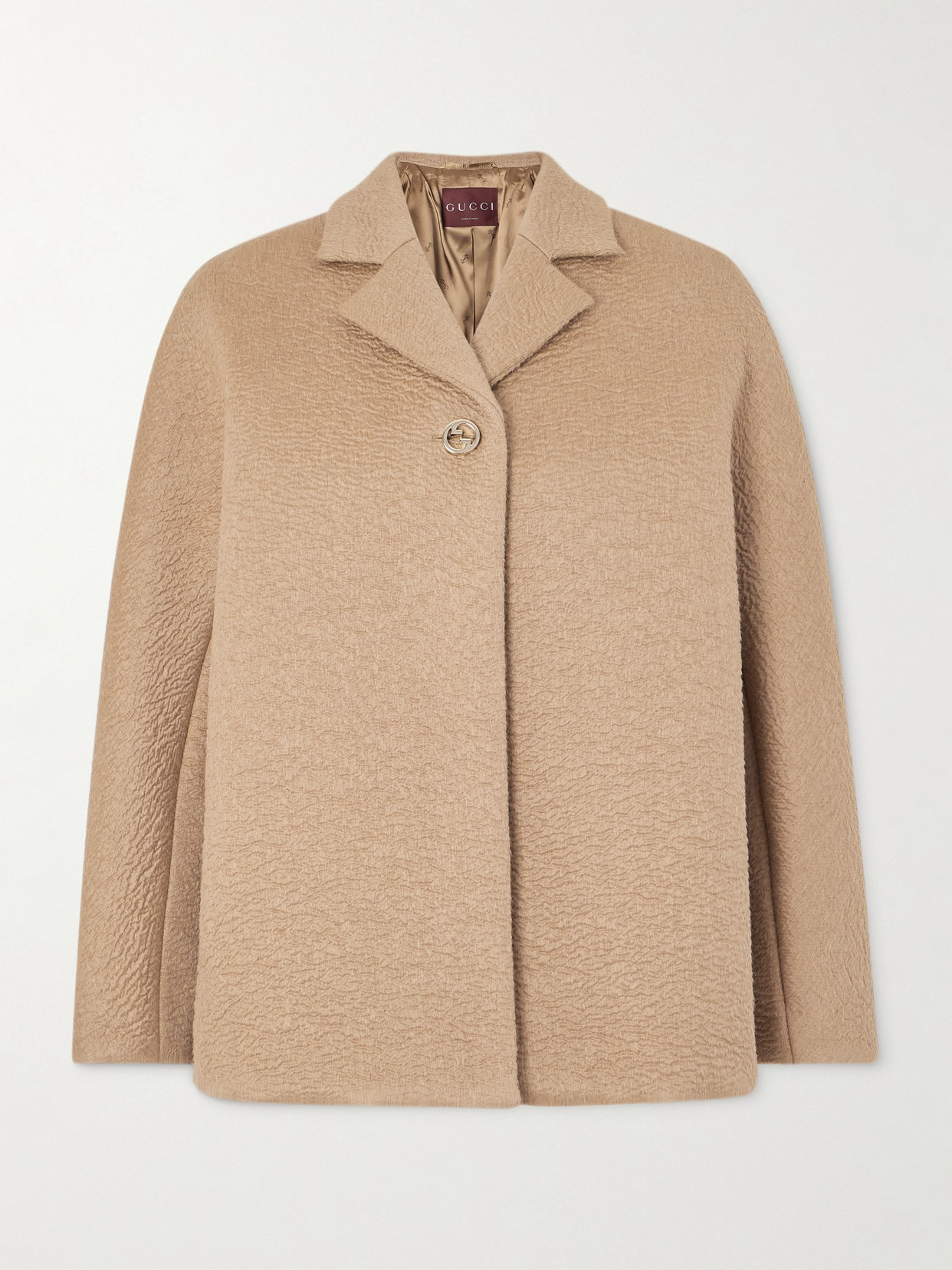
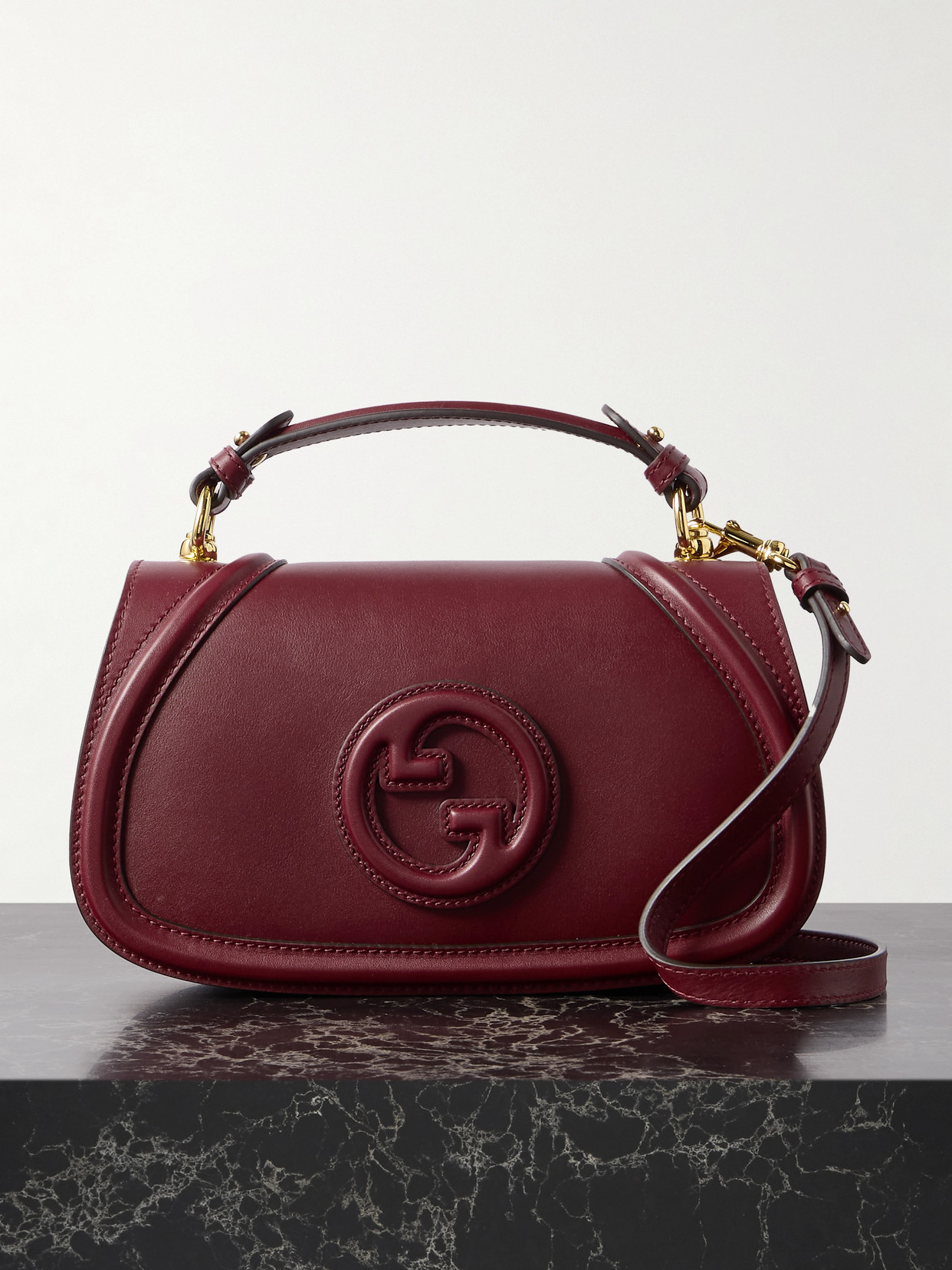
Gucci is going through a financialannus horribilis, but its creative studio is working hard. Yesterday’s resort 2026 outing in Florence – first previewed at the brand’s Palazzo Settimanni archive, then presented outdoors on Piazza Santo Spirito – was a deep departure from Sabato De Sarno’s era of blandness, and a subtle introdution to Demna’s rapidly-approaching era (his debut will hit Milan in September). Many think that the latter was already present in the execution of this collection, at least in accepting the final looks – but I honestly doubt it. That would be a false-start I truly can’t imagine Demna would allow himself. Expect the most unexpected once he really enters the office.
This new Gucci collection is a creation of a smart design team that knows Gucci codes (and archives) through and through. With Suzanne Koller’s styling help, the line-up had chic charisma: think big, faux-fur-collared coats worn over tight pencil-skirts and the general 1980s vibe, the stylist’s signature touch. She did go a little too far with the haphazard way of carrying bags at the very tip of the strap – make it make sense, please. The collection can be read like a mix of new and old of the Gucci semiotics: Tom Ford’s whiff of sexy and Alessandro Michele’s knack for vintage-y eclecticism (as a result, the eveningwear looked like the current Valentino offering).
This collection won’t end up in a fashion history book, that’s for sure, but at least it resuscitated Gucci as a brand that has an identity. Or identities one can play around with. Also, it makes you want to browse vintage Gucci online and create a look that has that Florentine sciura glam…
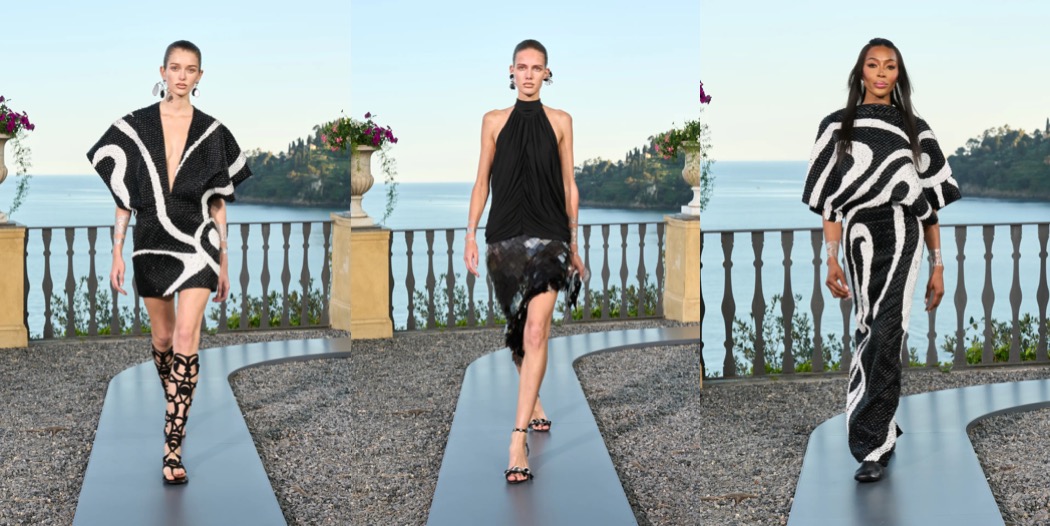
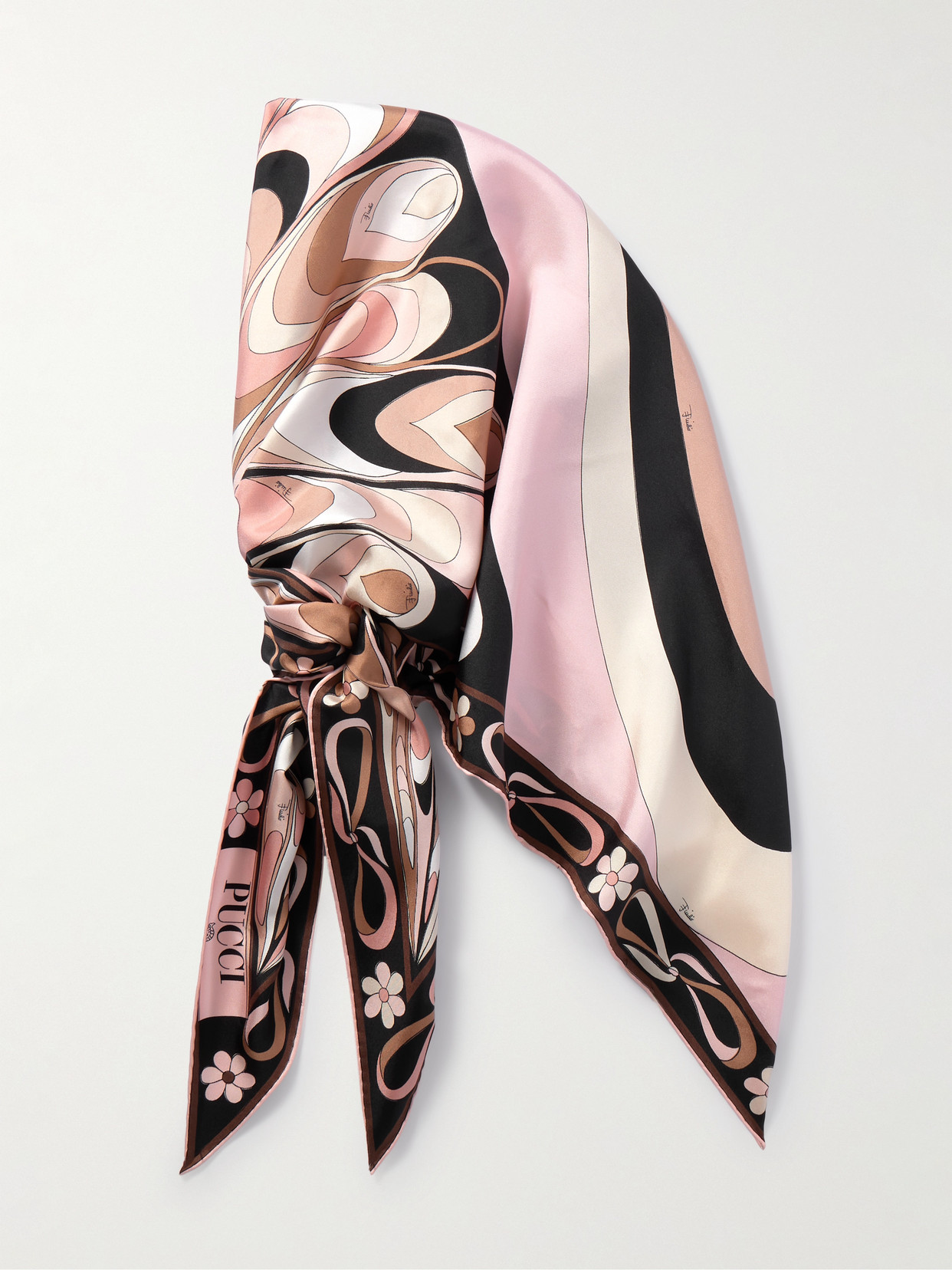
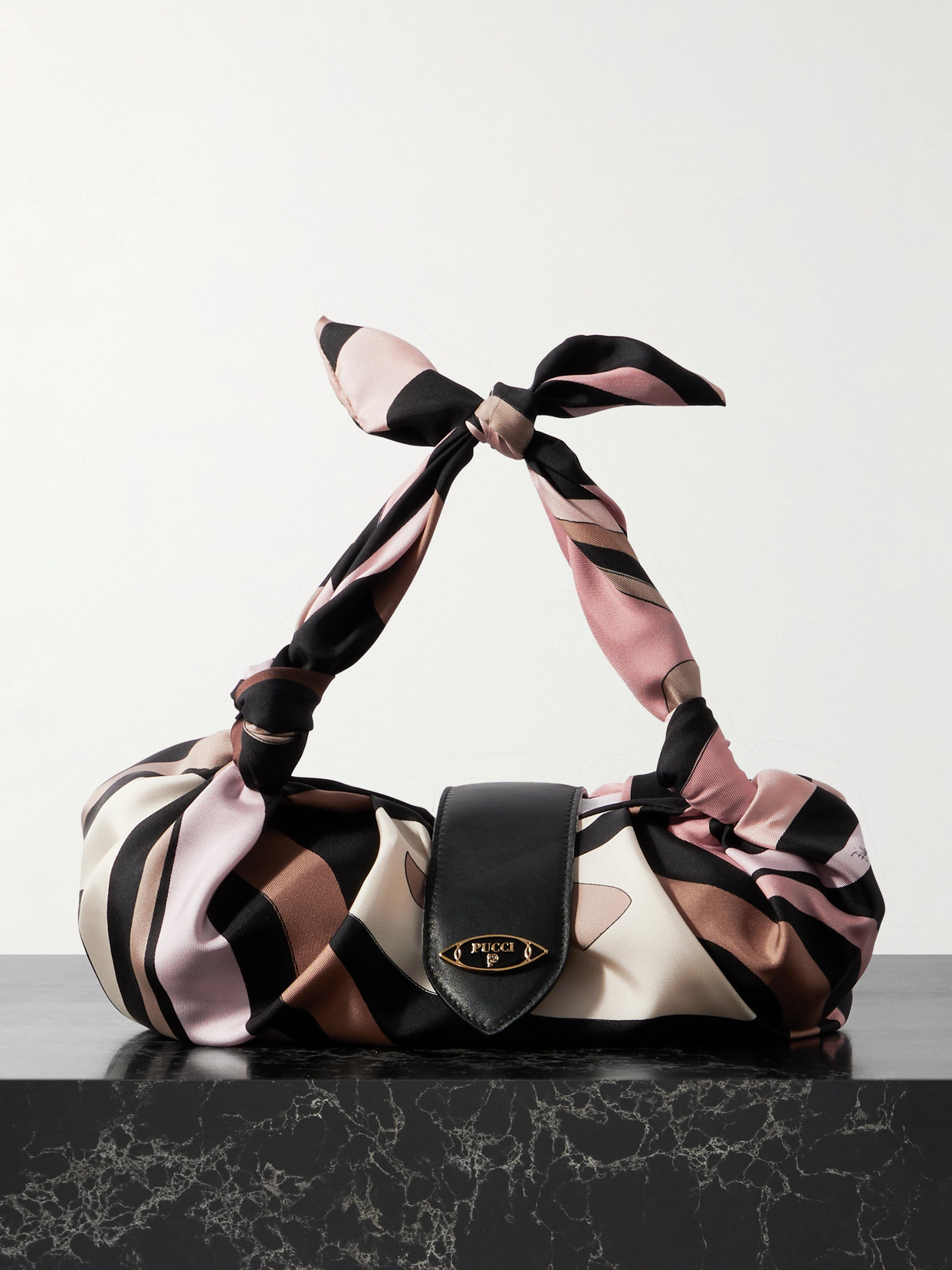
Camille Miceli‘s latest Pucci collection was refreshing: not only because of its restrained color palette consisting of only black, white and shoft-shell pink, but because it felt essential (and at the same time exuberant – not an easy pairing to achieve). Presented at La Cervara, a medieval hilltop abbey with hidden cloisters just around Portofino, the spring-summer 2025 outing was dedicated to the Marmo motif, “the first print that seduced me,” the designer mused. Originally conceived by Emilio Pucci when he found himself mesmerized by the sunlit ripples inside Capri’s Grotta Azzurra, the swirling pattern carries a hypnotic, groovy rhythm. Miceli sublimated and revamped it, weaving it through the collection not only through kaleidoscopic prints, but metallic studs on palazzo pants and black-and-white beads on finale eveningwear, mini and maxi, that had a vintage flair, but in the end looked rather contemporary. The designer also excels when she blends Pucci’s very-Italian glamour with more rough, utilitarian touches. I loved how she combined a high-neck windcheater with an ankle-length skirt, completing the look with layers of silver jewels.
Of all resort shows presented in farfetched destinations this season, it was the seemingly least fussy of them all that truly made an astounding impression. Ian Griffiths is lately doing wonders at Max Mara, but this collection presented in Venice is his best yet. “It’s a magical place”, said the British designer, “at the crossroad between the East and the West. It’s where luxury was born, Marco Polo was a trading genius who seven centuries ago introduced Western culture to the opulence of the Far East through the Silk Road.” The show was held at Palazzo Ducale, a gothic masterpiece so dreamy that John Ruskin, in his book The Stones of Venice, described it as “the central building of the world.” Models paraded at dusk in the external loggia, against the backdrop of San Marco square. The collection hinted at the Venitian flair for opulence and extravagance in the most sumptuous ways. Silk-tasseled belts cinched voluptuous, sweeping cashmere coats at the waist, caftans and billowing dusters had a breezy presence, and capes were enveloping like tabarri, the traditional cloaks worn by Venitian gentlemen in the 18th century. The silhouette was kept long and lean, or short and leggy; as always with Max Mara, decoration was used sparsely, yet the offering had a more elaborate feel than usual. Then, the finale looks: a billowy cape, a round-shaped cocoon, a layered asymmetrical halter dress, and a dramatic opera coat fit for a Fortuny muse were surmounted by towering matching turbans, courtesy of Stephen Jones. Sensational!
Here are a couple of my favourite Max Mara pieces you can shop now…