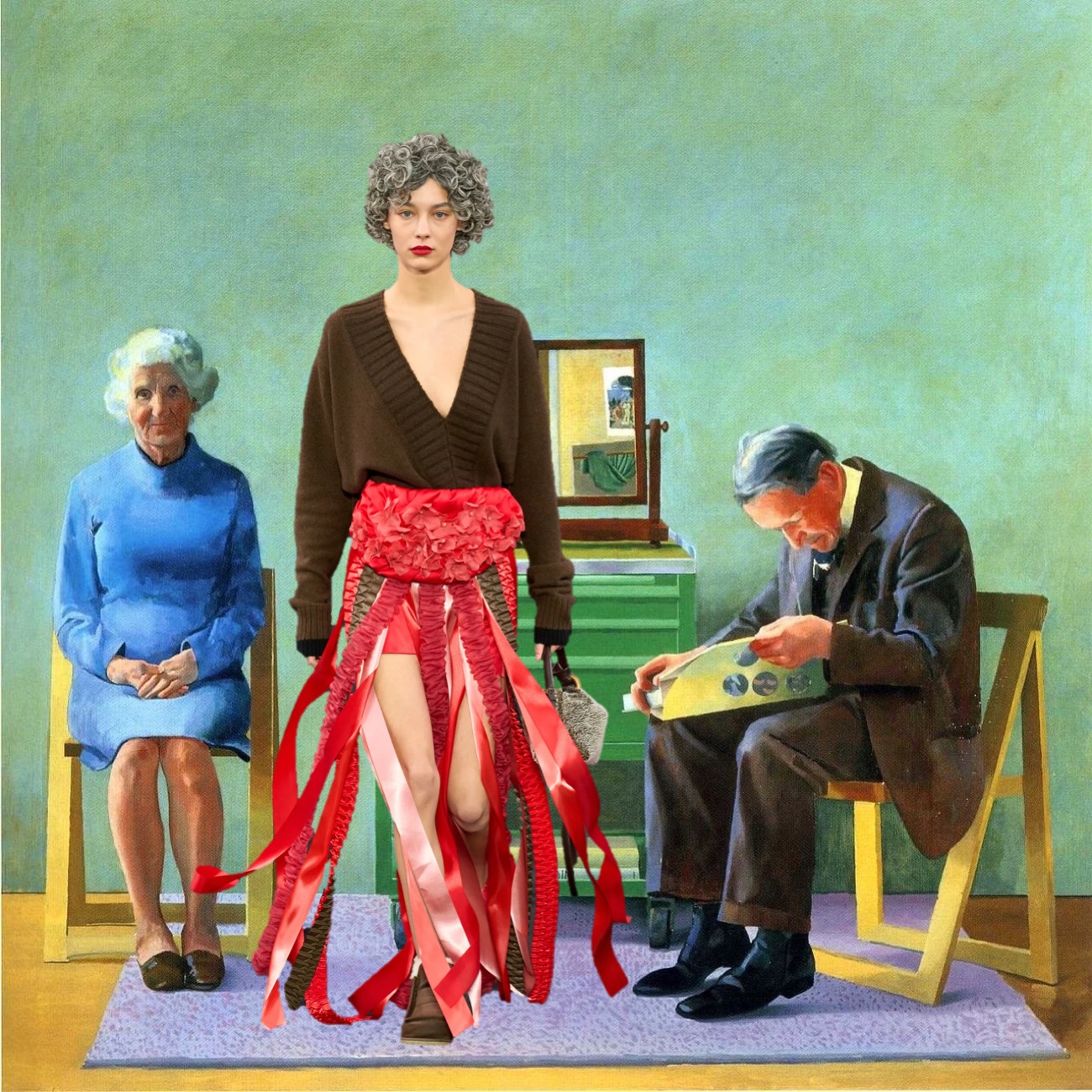
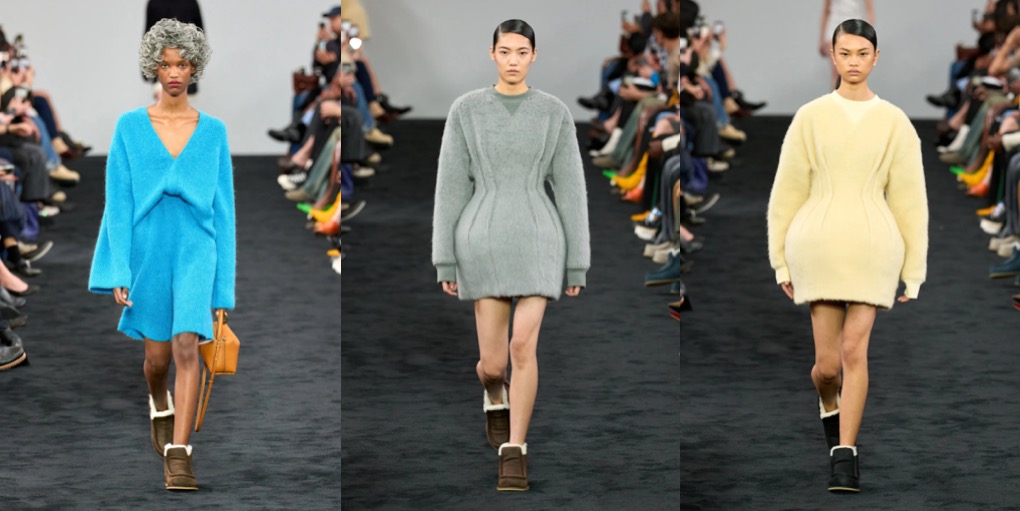
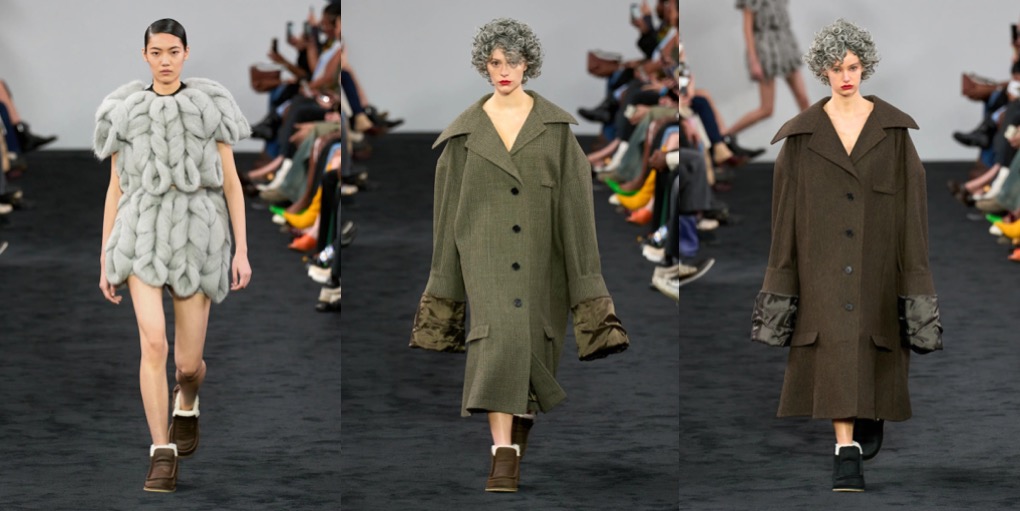
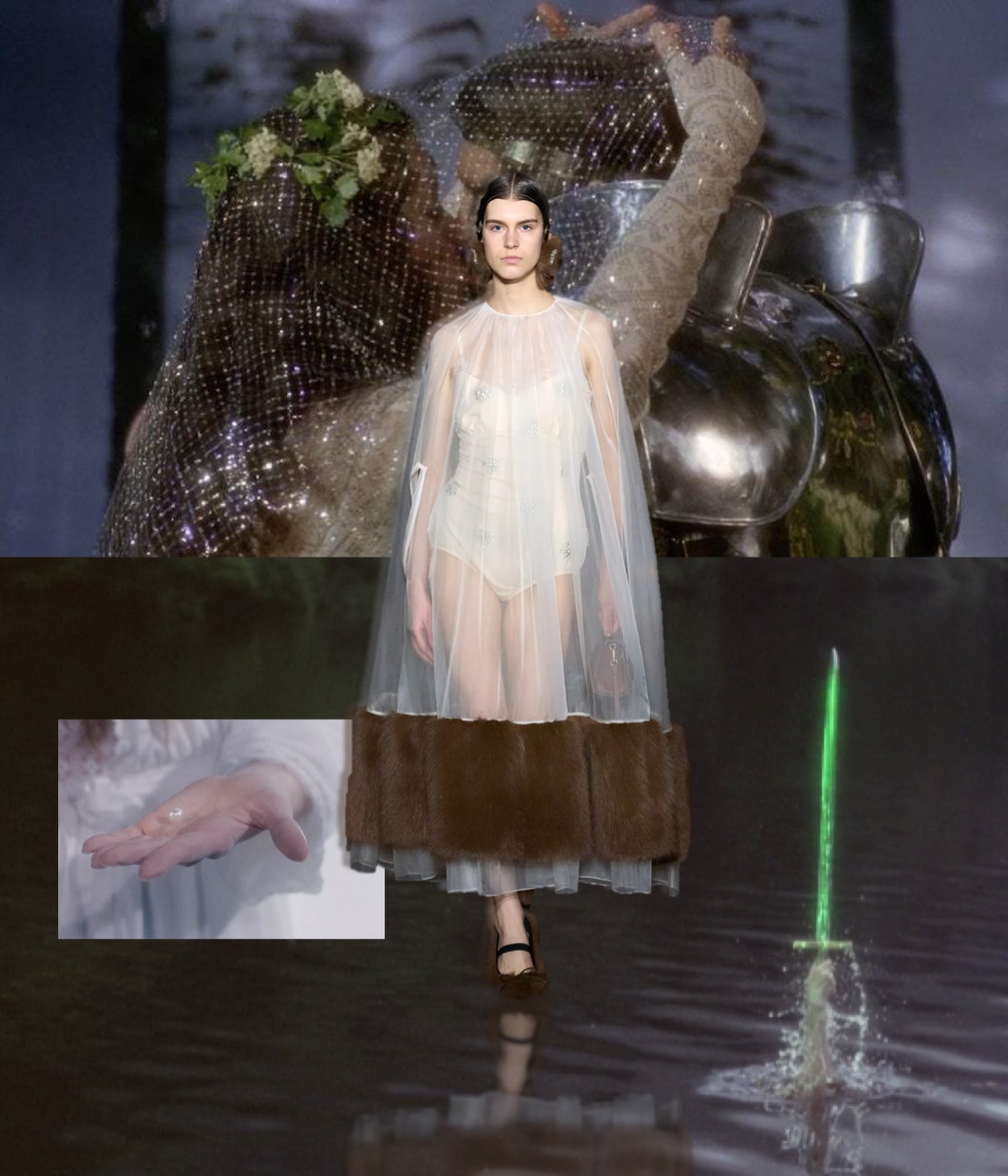
Picture a 1970s, British suburban scene: an Marks & Spencer blouse with a delicate bow detail at the neck blows in the breeze on a washing line. Nosy neighbors living in rows of terraced houses peer at your clean laundry through picket fences. Well, that was the mood behind JW Anderson‘s autumn-winter 2024 collection. Jonathan Anderson is the absolute fashion mastermind when it comes to planting bizarre, irrational ideas and making them somehow desirable. Old-style English underwear and slippers. Grandpa coats. Even grandma’s gray hairdo became an avant-nostalgia accessory. “They’re hats!” he revealed. This collection certainly has to be read through an irony-tinged lens…
Collage by Edward Kanarecki. Don’t forget to follow Design & Culture by Ed on Instagram!
Hey, did you know about my newsletter – Ed’s Dispatch? Click here to subscribe!
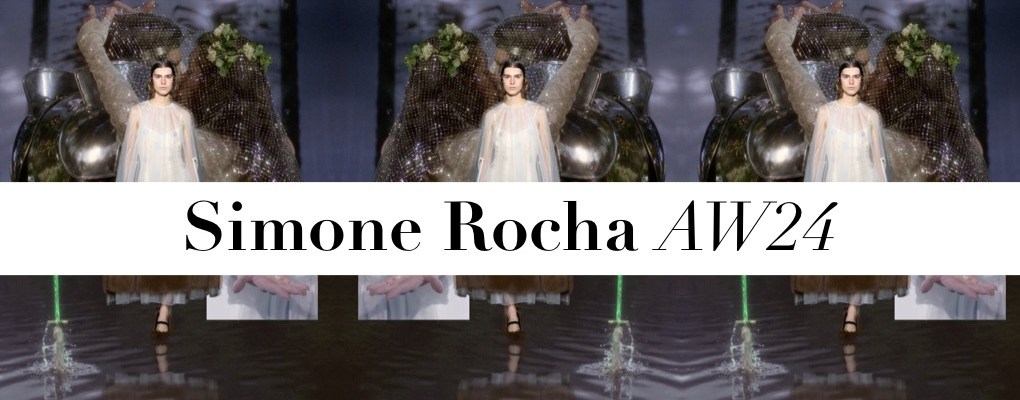
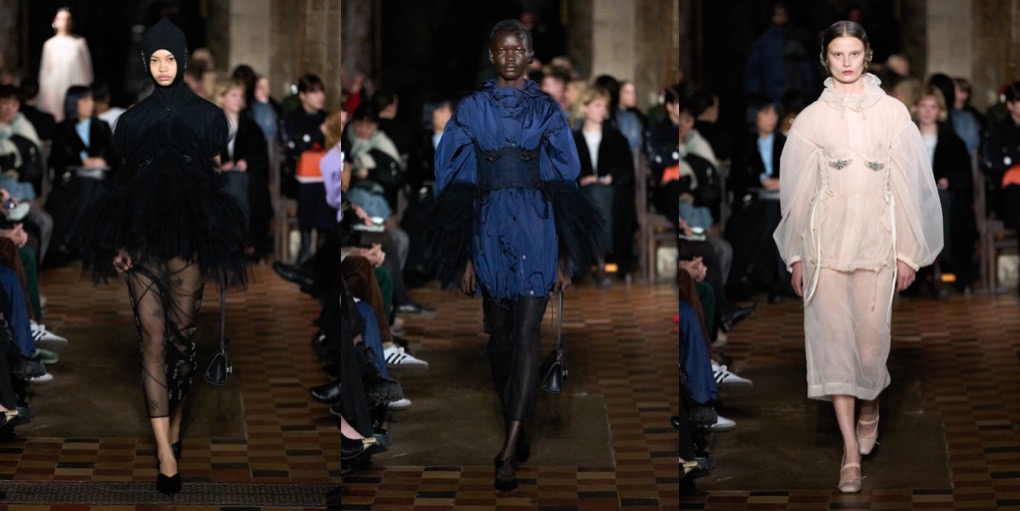
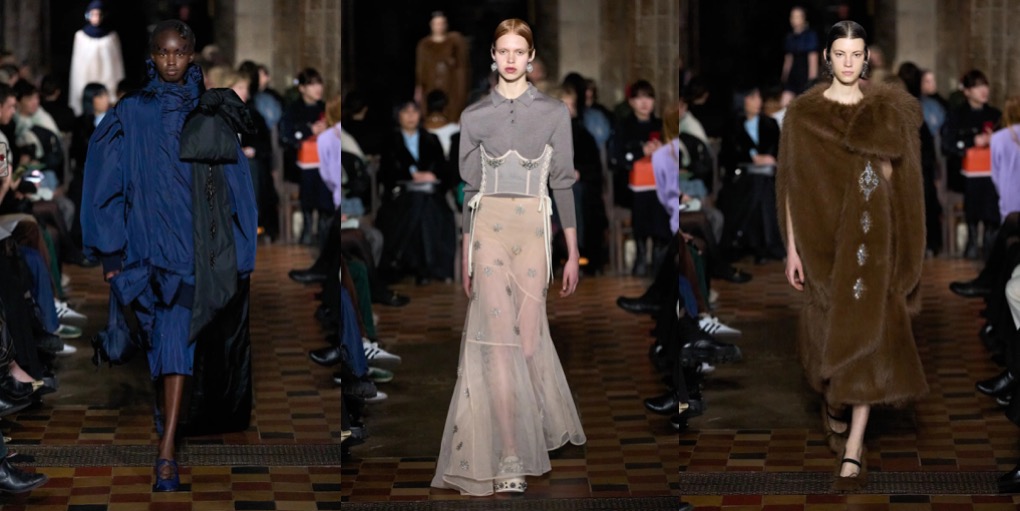
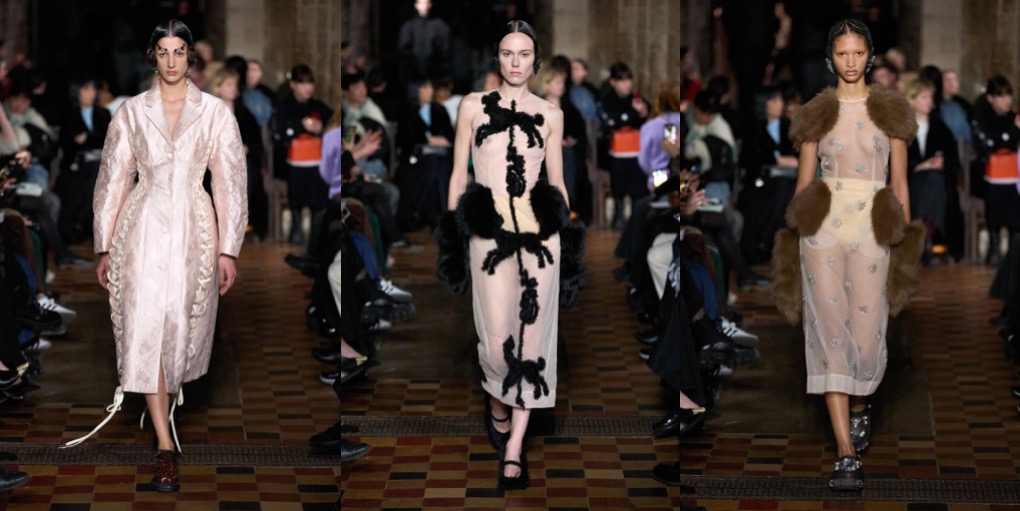
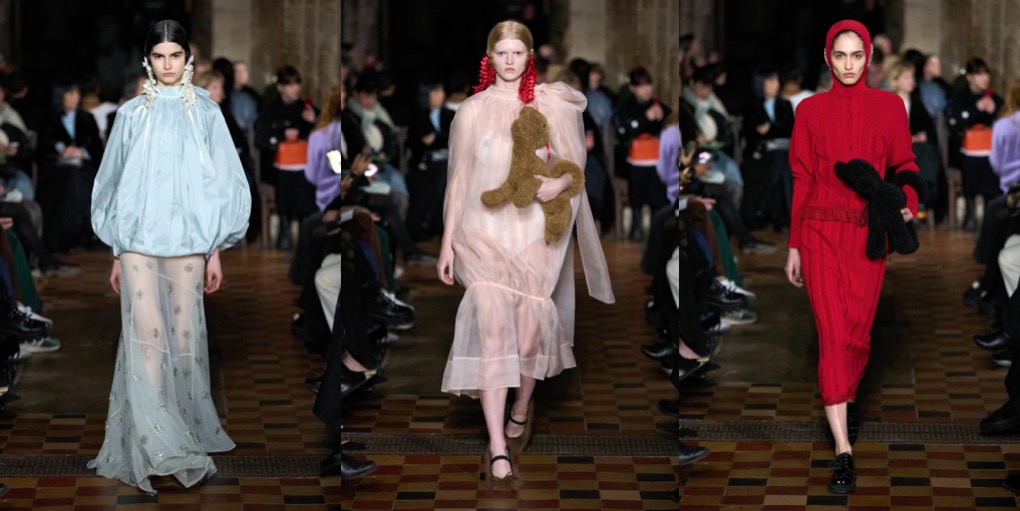
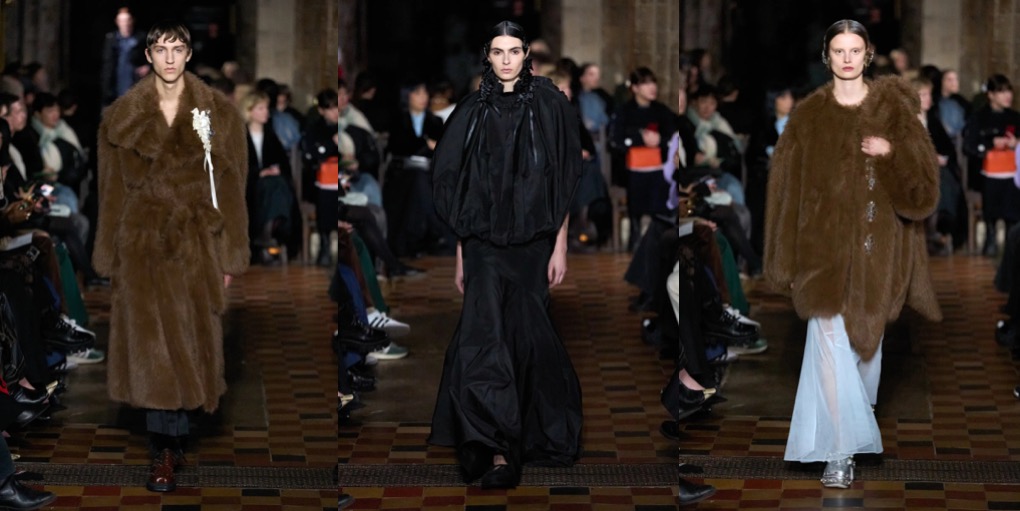
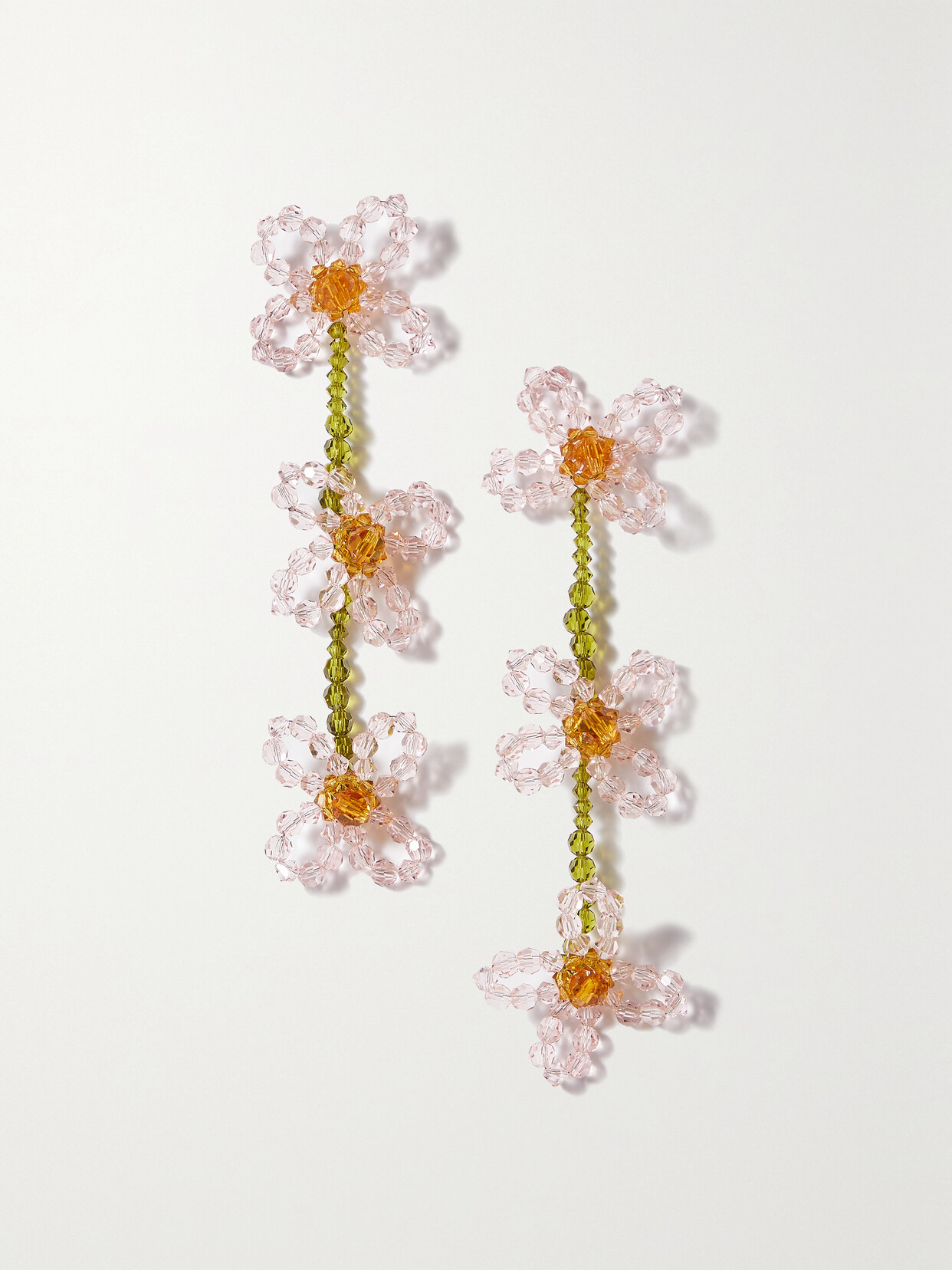
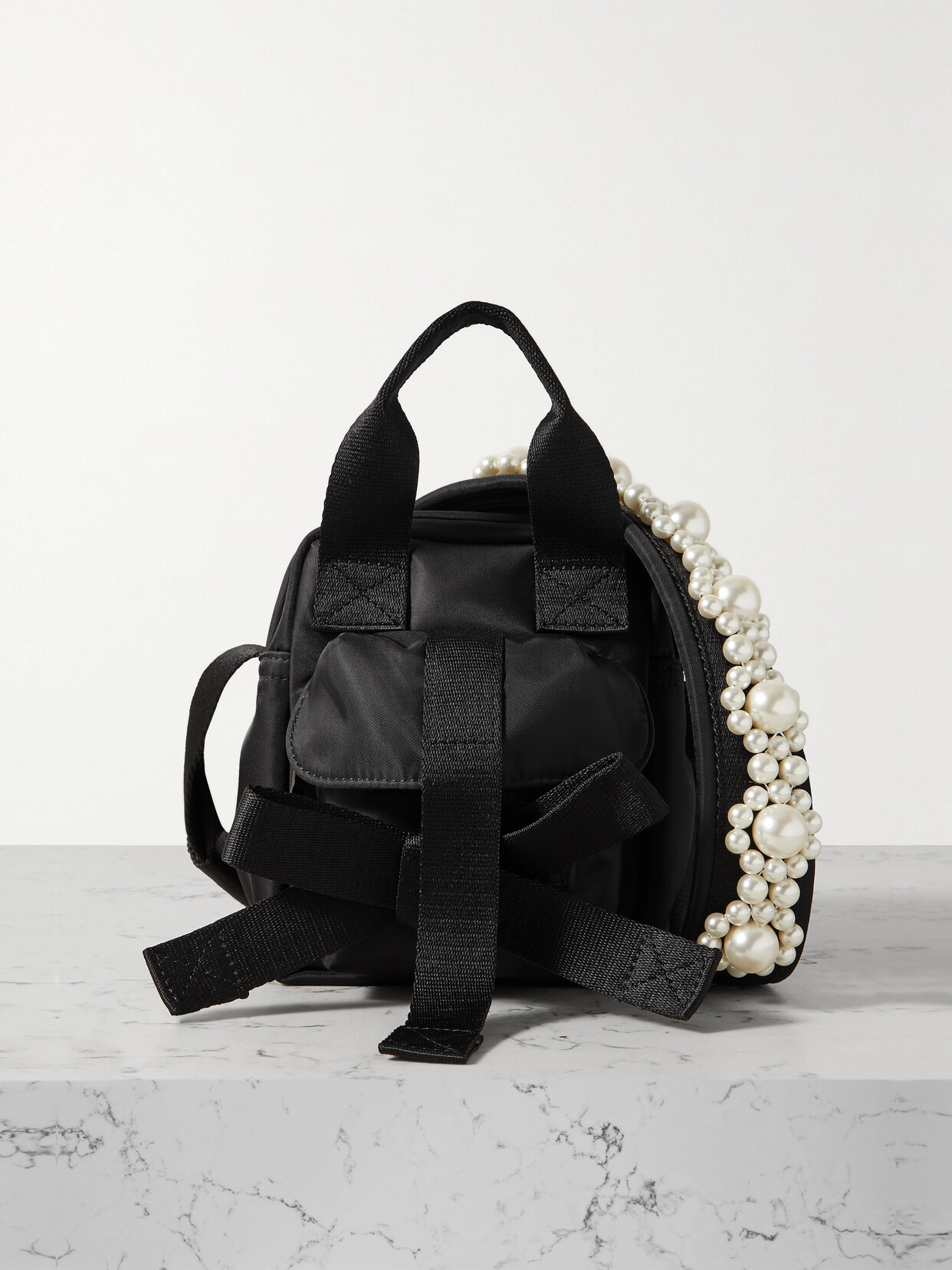
Simone Rocha‘s guest residency at Jean Paul Gaultier’s haute couture atelier definitely stayed in the designer’s mind for her label’s autumn-winter 2024 collection. “It was an amazing experience,” she told the press. “There were probably two main things I took away from it, which was to have that focus and attention to detail, and to slow down with each look. I found it really interesting to discipline myself to do that – and I really wanted to bring that discipline back with me.” The workmanship and the attention to detail when it comes to the embellishment techniques is also something she found exciting to elaborate on, that’s why majority of this season’s embroideries is handmade. Presented at St Bartholomew’s Church in Farringdon, the collection was entitled “The Wake” and was partly inspired by Queen Victoria’s mourning dress. There was plenty of sheer dressing, touches of faux-fur detail, exquisite capes and coats, and opulent-looking, ecclesiastical-inspired accessories. Corsetry – another take-away from JPG’s couture studio – ran through the collection too. Its delicate structure embraced the abdomen within tie-detail nylon parkas and rompers. Its contours defined the darting in little sheer jackets worn north of pantaloons, some of the many womenswear looks in which Rocha worked to place the models’ breasts on twin metal-beaded podiums shaped perhaps after lips. “There’s the perversity of being adorned, and cupped, in these organza corsets: it’s really stimulating on,” said Rocha.
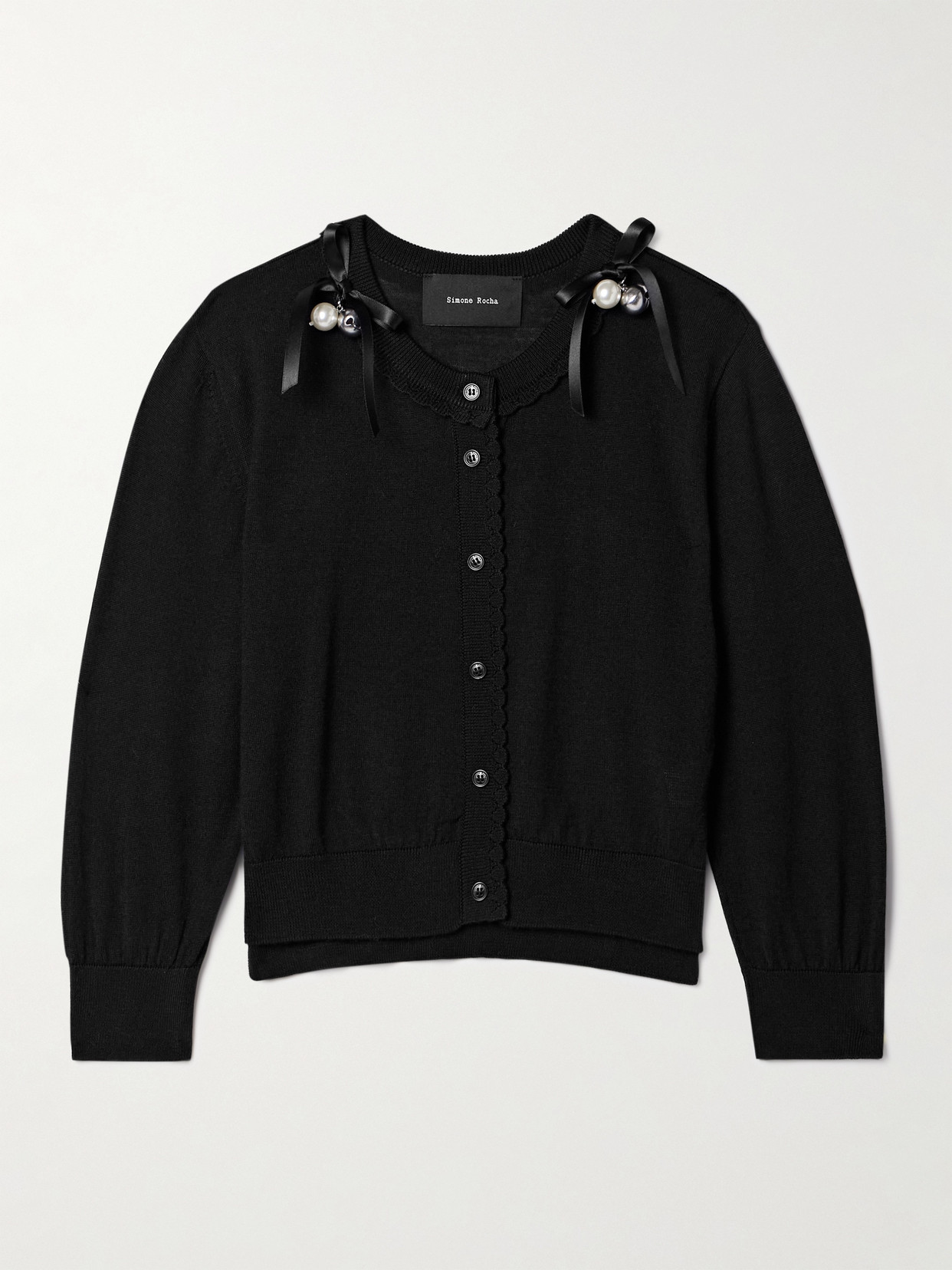
A couple of my favourite Simone Rocha pieces, some even discounted…
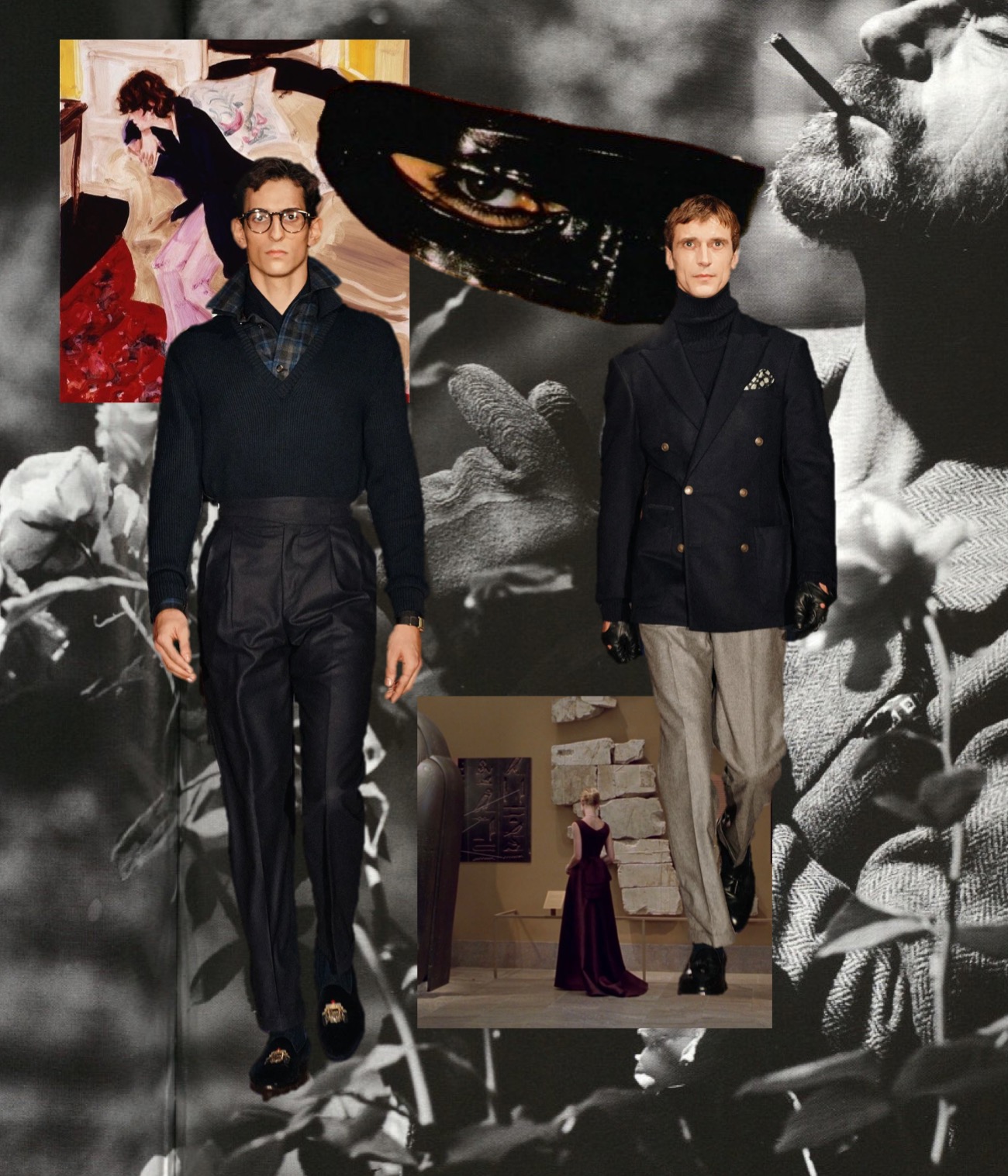
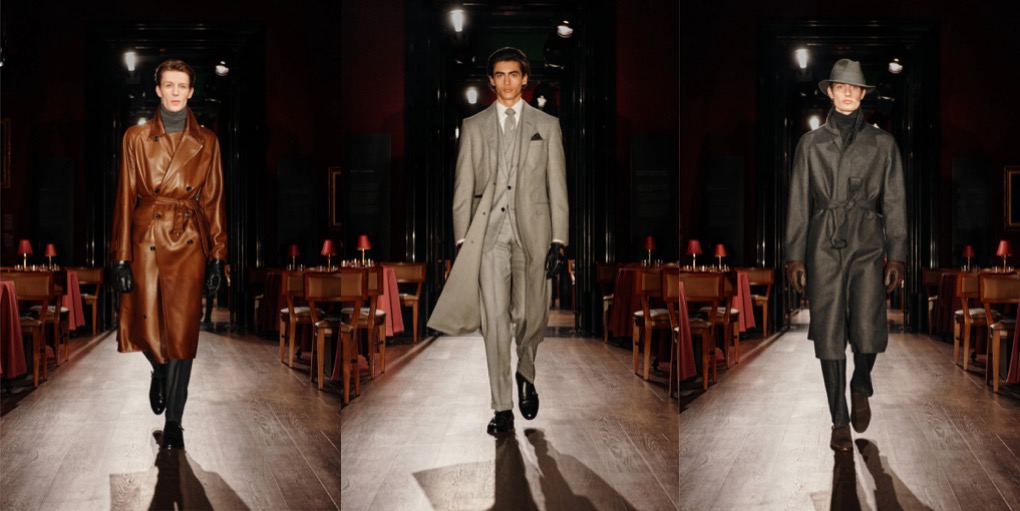
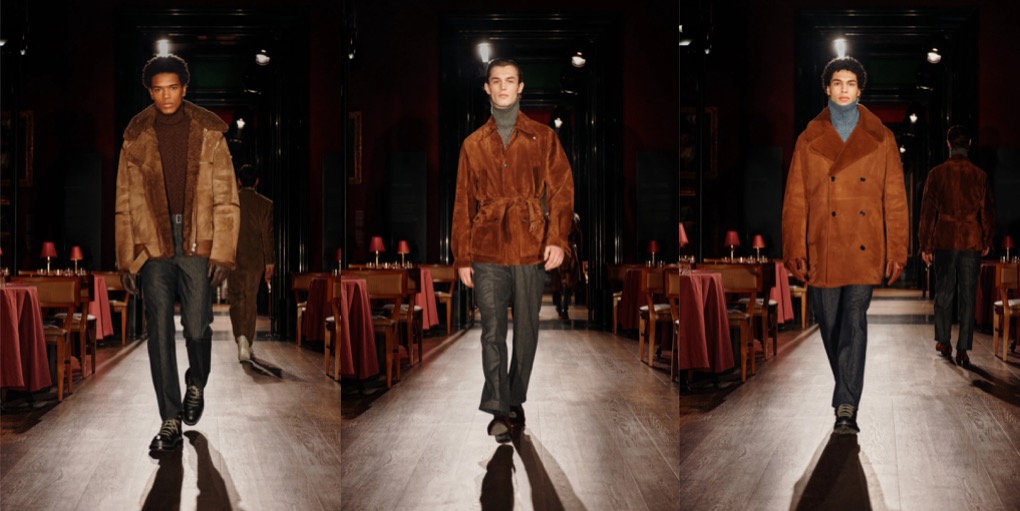
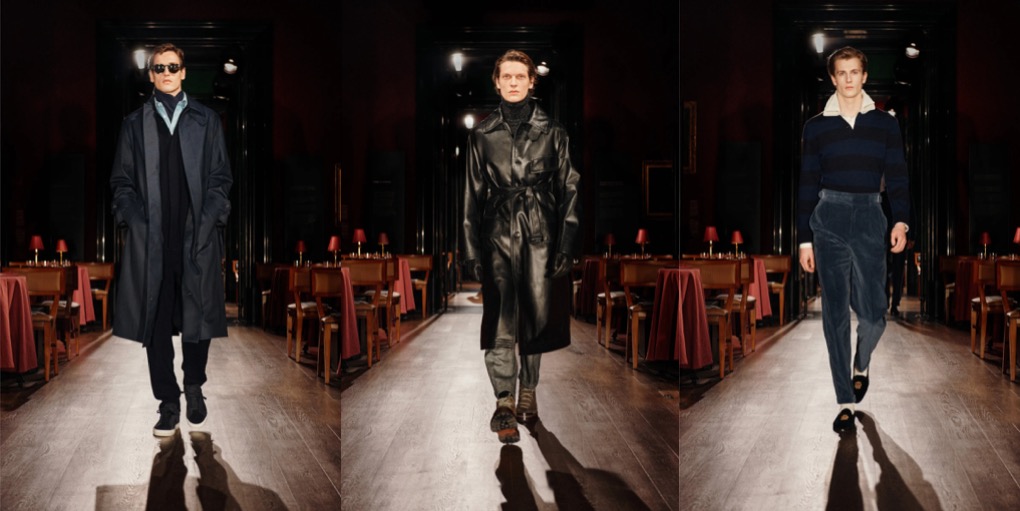
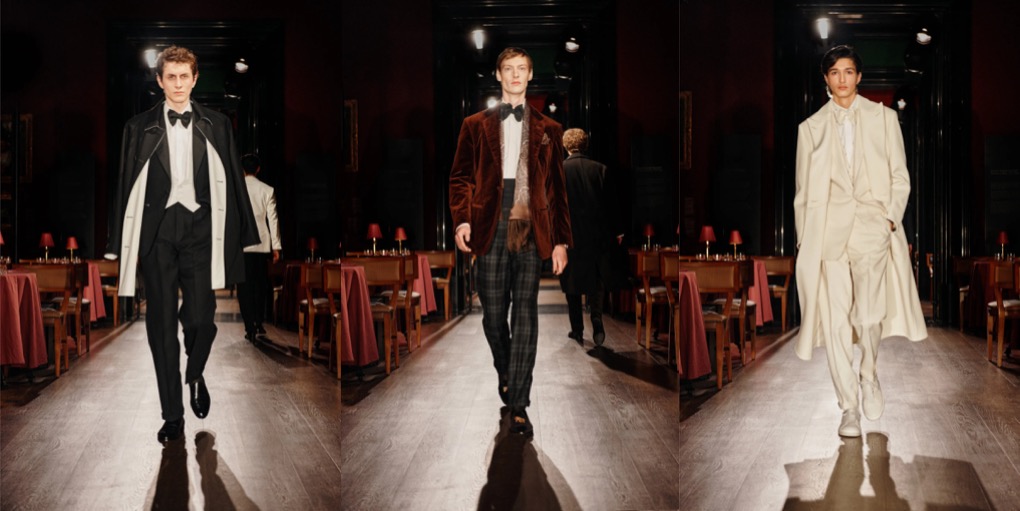
At Dunhill, an unexpected surprise: the British dandy’s wardrobe gets a refreshment. Simon Holloway‘s debut collection felt like a much-needed wake-up call for this sleepy, London-based brand. The salon-inspired show unfolded at the National Portrait Gallery, transforming it into an elegant, cozy setting reminiscent of a chic café. As a swarm of very fine models emerged, the collection emanated a decidedly classic feel. This setting aptly matched the preppy mood that permeated the garments that felt quintessentially Dunhill. But with a closer look, a majority of pieces were lightweight, and the purposefully mismatched details within the prints and textures felt more modern than was first apparent. There were suits upon suits: two-piece cashmere wool sets here, fabulously cut Donegal tweed three-piece concoctions there. Reinventing the car coat, a nod to house founder Alfred Dunhill’s heritage, the outerwear range varied from camel hair with leather accents to premium double-faced wool. When asked about his intentions in translating Dunhill’s 130-year legacy to a contemporary London audience, Holloway’s response was assured: “There are menswear enthusiasts here, some of whom, particularly older generations, may know Dunhill from the past. But I do think there’s a younger audience obsessed with tailoring and proper menswear haberdashery – it’s a lovely thing to be able to connect with them here, too.”
Collage by Edward Kanarecki. Don’t forget to follow Design & Culture by Ed on Instagram!
Hey, did you know about my newsletter – Ed’s Dispatch? Click here to subscribe!
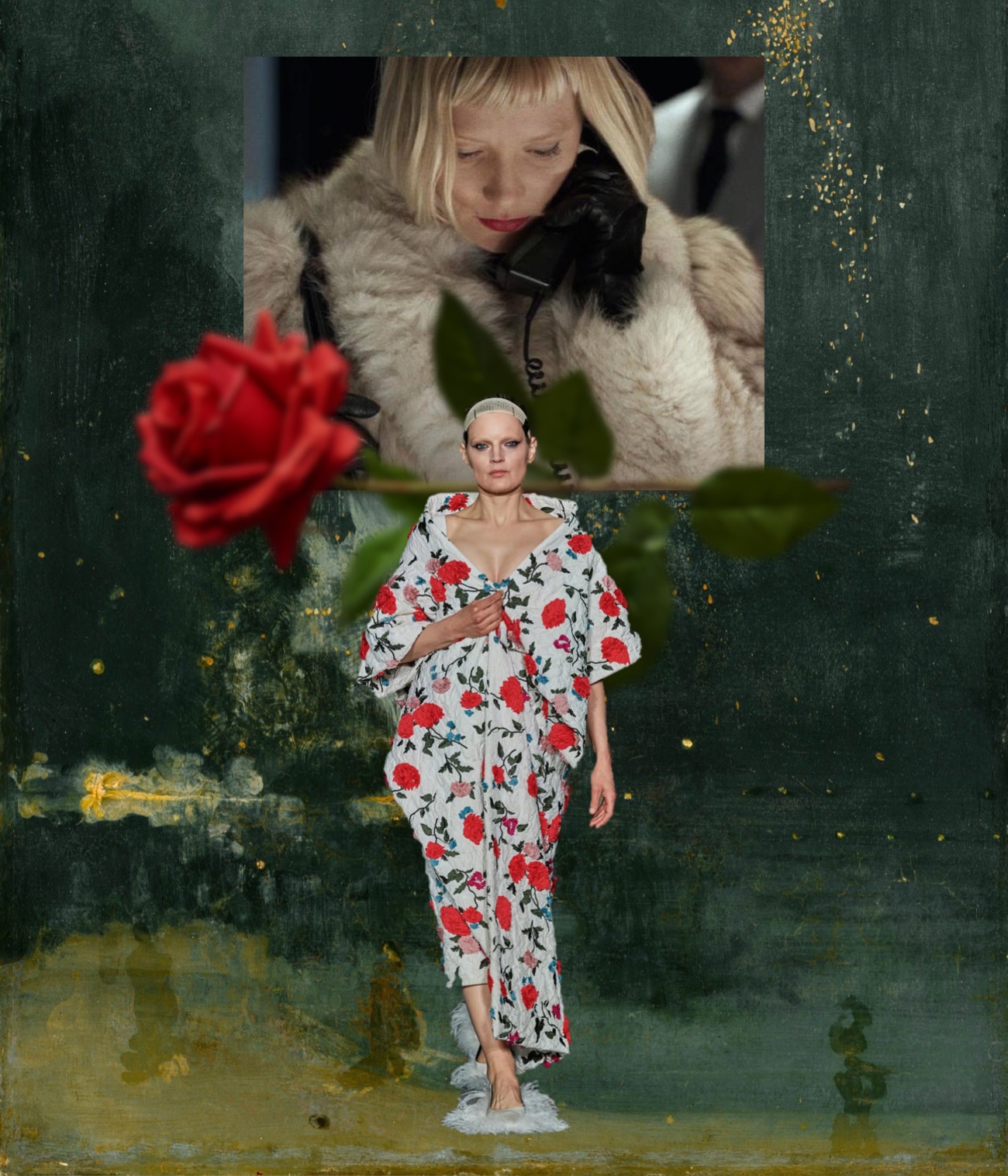
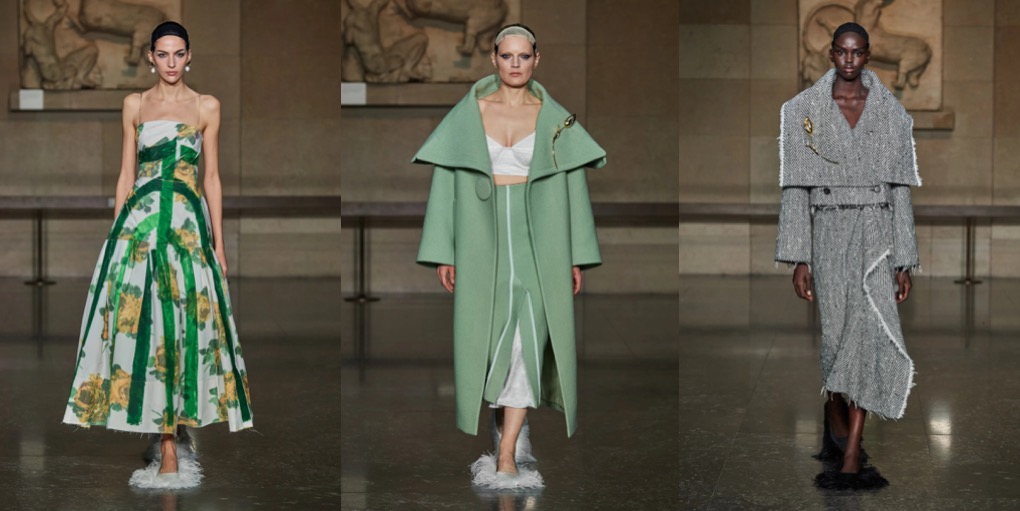
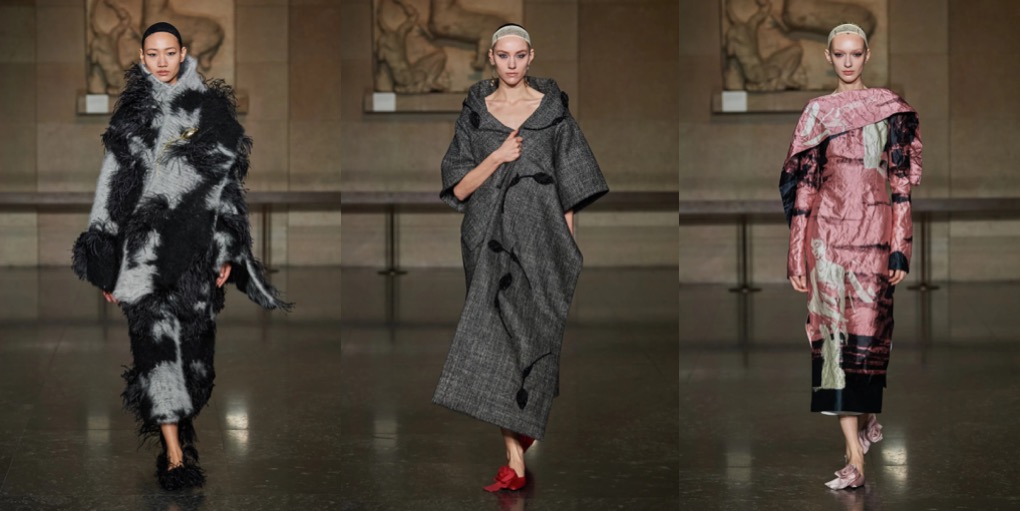
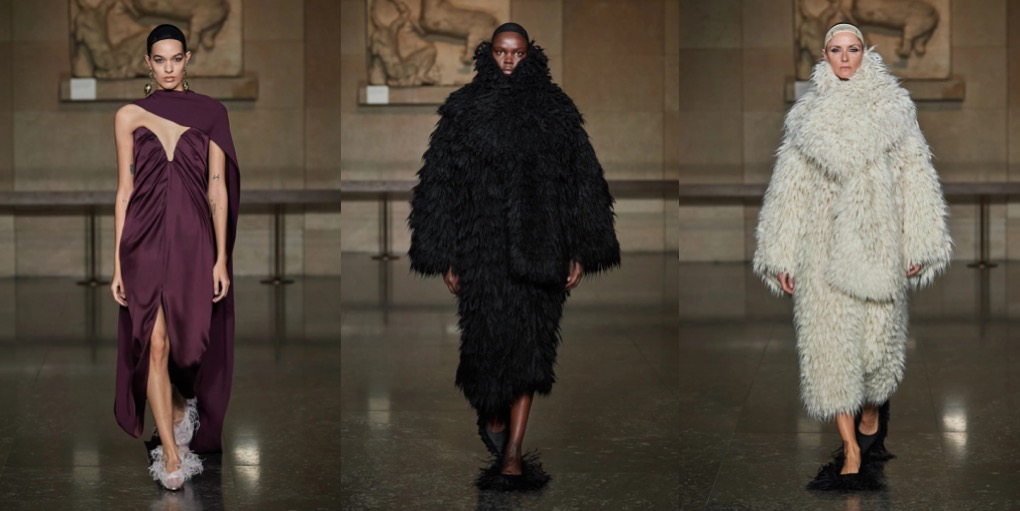
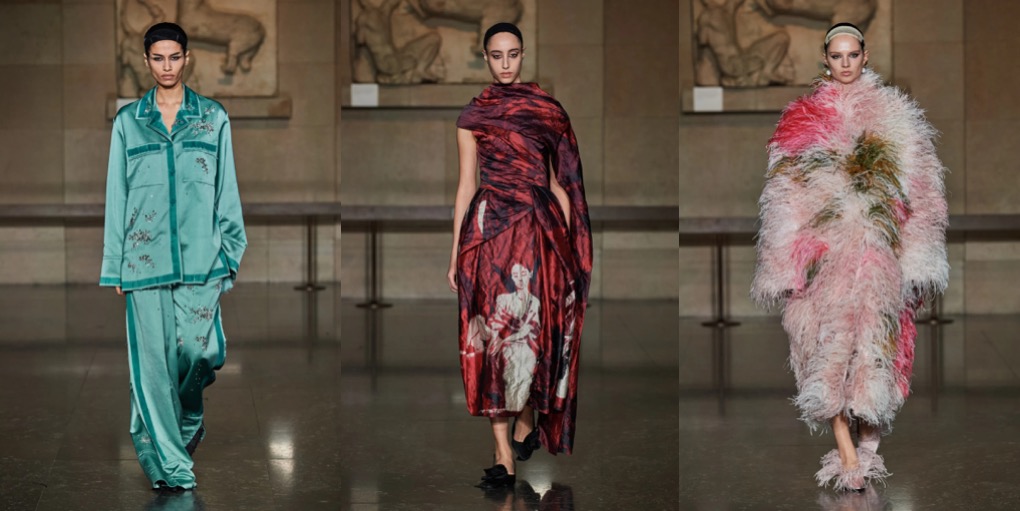
Erdem Moralıoğlu is at his best when he leaves behind his comfort zone of florals and regality. In the halls of the British Museum, amidst the ancient grandeur of the Parthenon Marbles, a modern muse was reborn through imagination of the designer. As the autumn-winter 2024 fashion show progressed, a vivid homage to the American-Greek soprano Maria Callas and her iconic debut as Medea at La Scala in Milan unfolded. From the pea-green opera coat with its extravagantly exaggerated collar at the start to the same silhouette at the finale, this time strewn with a rose print on white satin, but quilted, almost like the memory of a 1950s housecoat, this certainly was an exuberant Erdem moment. In between we had the designer’s extended tribute to Callas, her greatness, her status, and style “almost as a pop idol of the ’50s,” as he put it. The complex psychologies of extraordinary women of the past have always been the fuel for Moralioglu’s layered design approach; the plots always blending into his own design narrative: a romantic, flowered, maybe raw-edged recasting of formal social-occasion dress codes. Callas’ wardrobe – the tiny-waisted, full-skirted dresses; draped scarf necklines; swing coats – were in full force. Carmine red dresses, roses attached to the toes of slingbacks, as if thrown at her feet onstage, and then satin pajamas and shoes evoking marabou slippers were yet another hints we are looking at a modern-day interpretation of a legend’s wardrobe.
Collage by Edward Kanarecki. Don’t forget to follow Design & Culture by Ed on Instagram!
Hey, did you know about my newsletter – Ed’s Dispatch? Click here to subscribe!
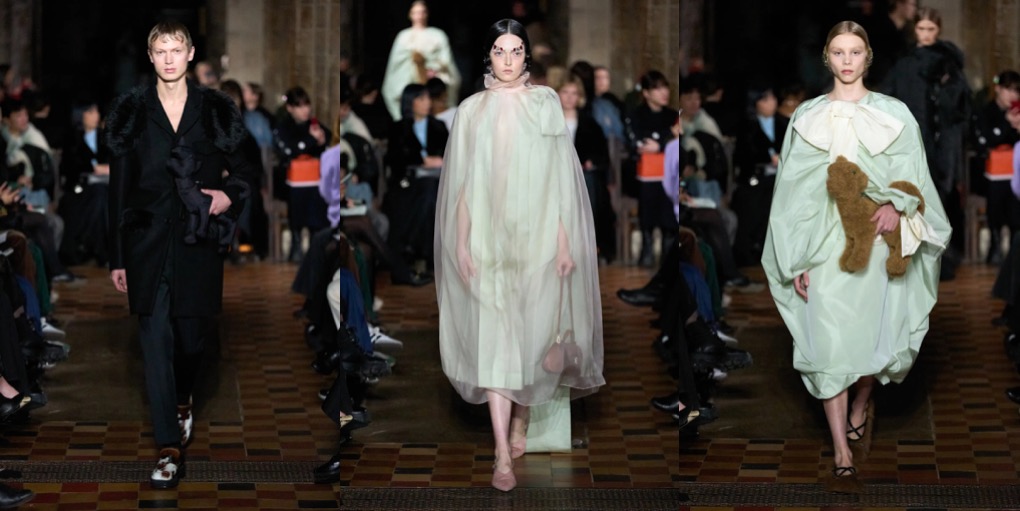
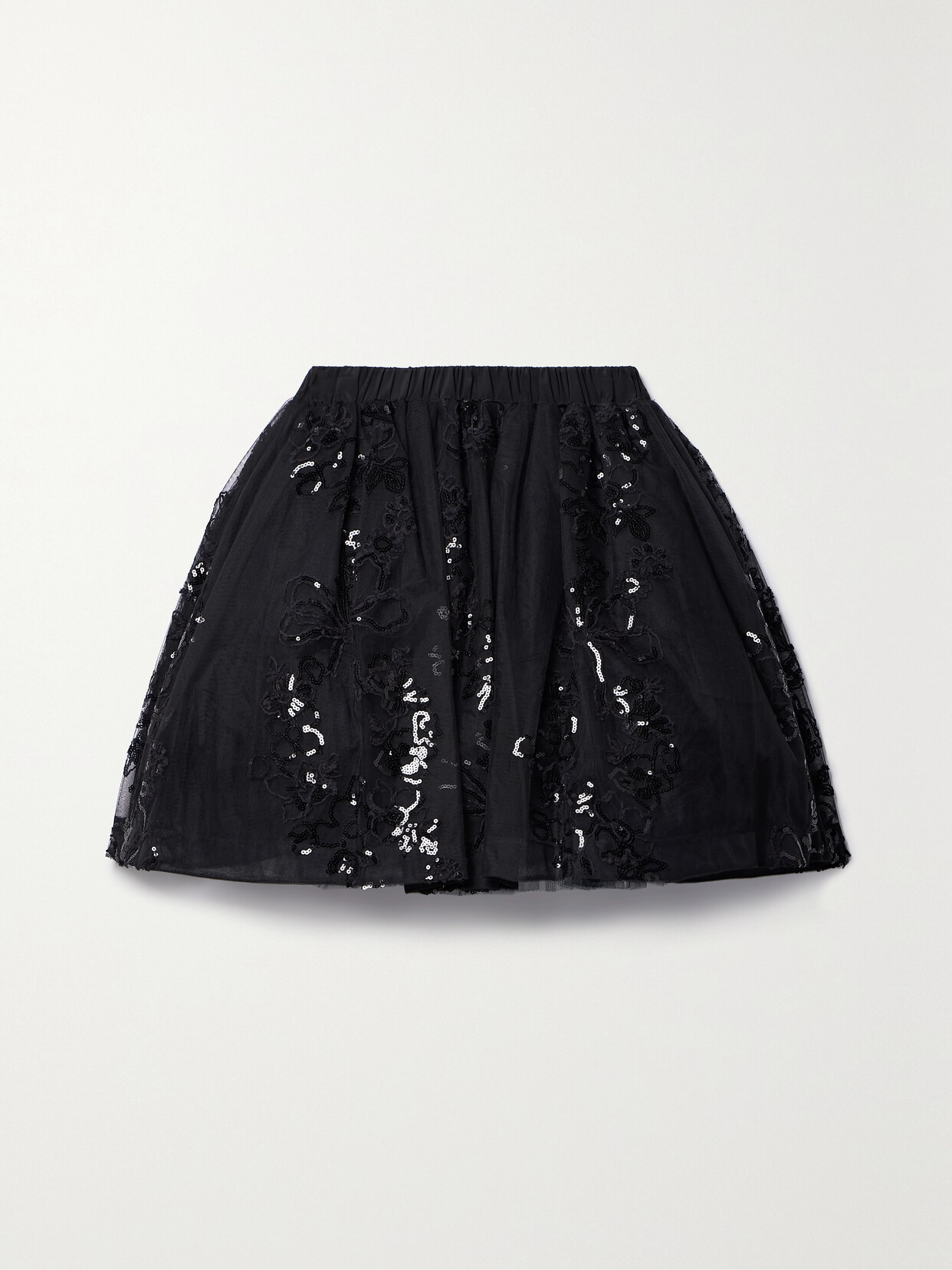
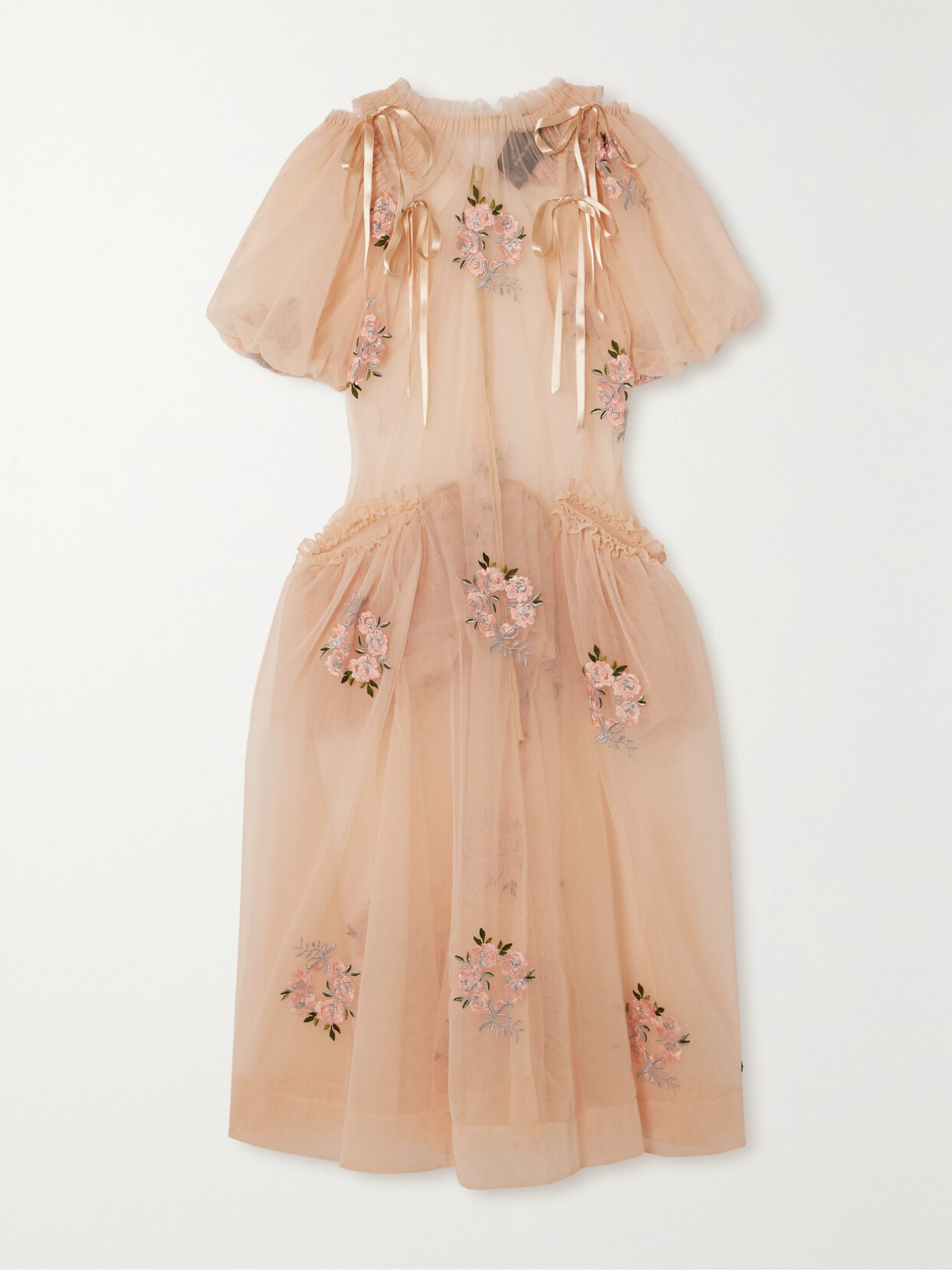
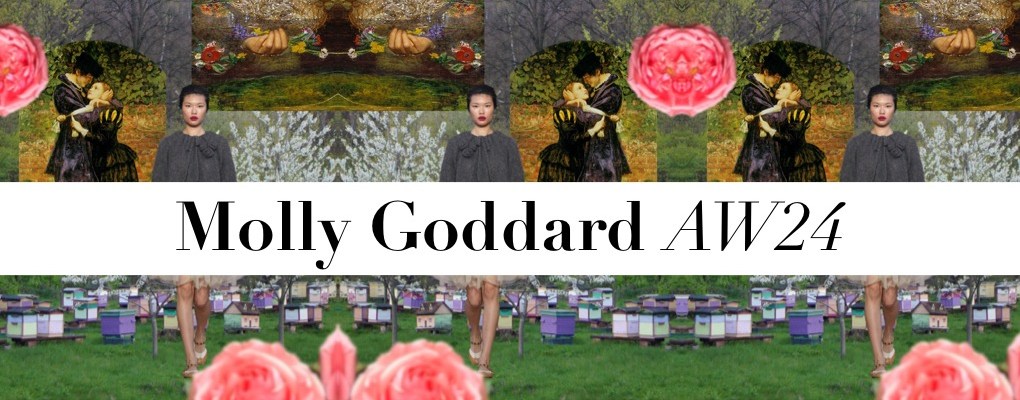
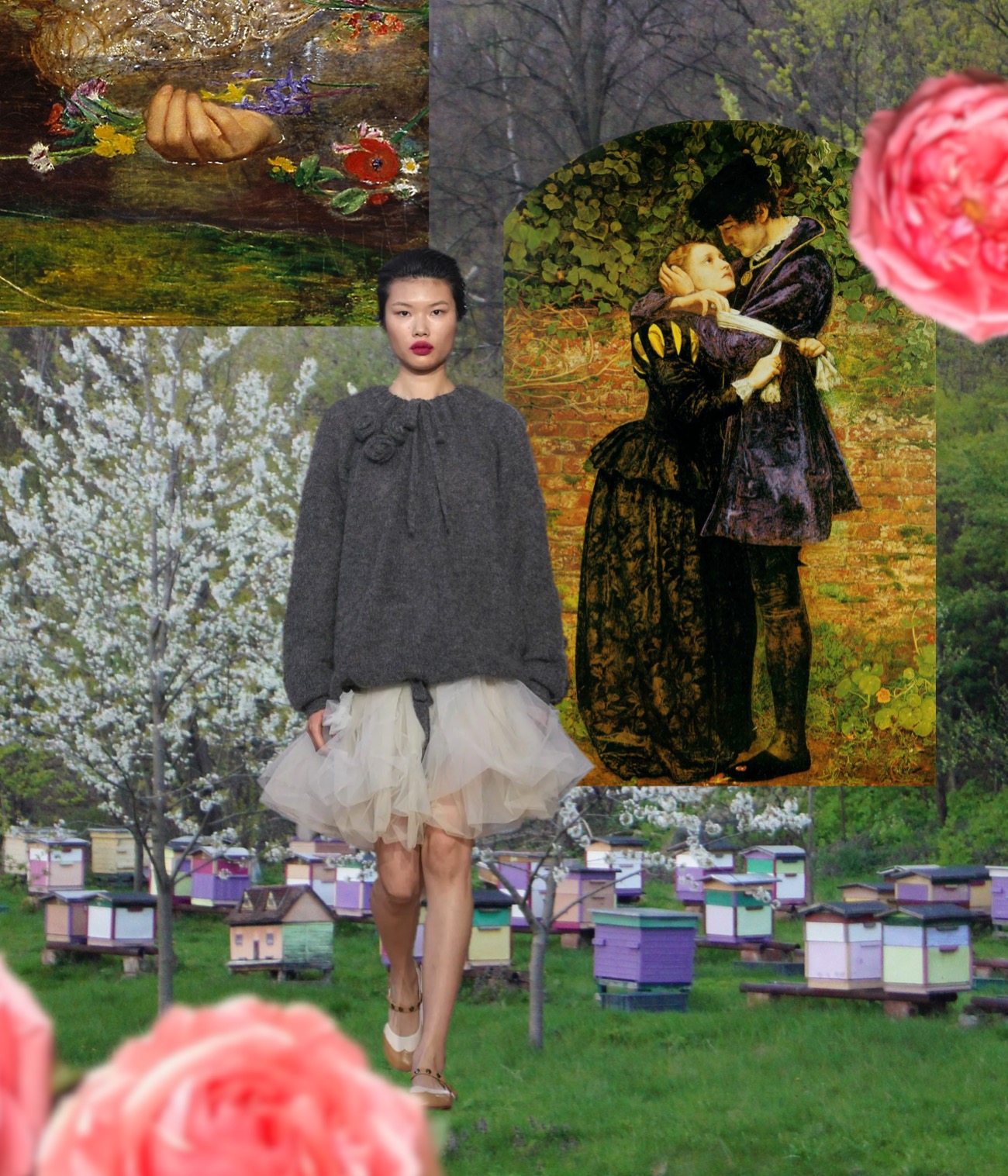
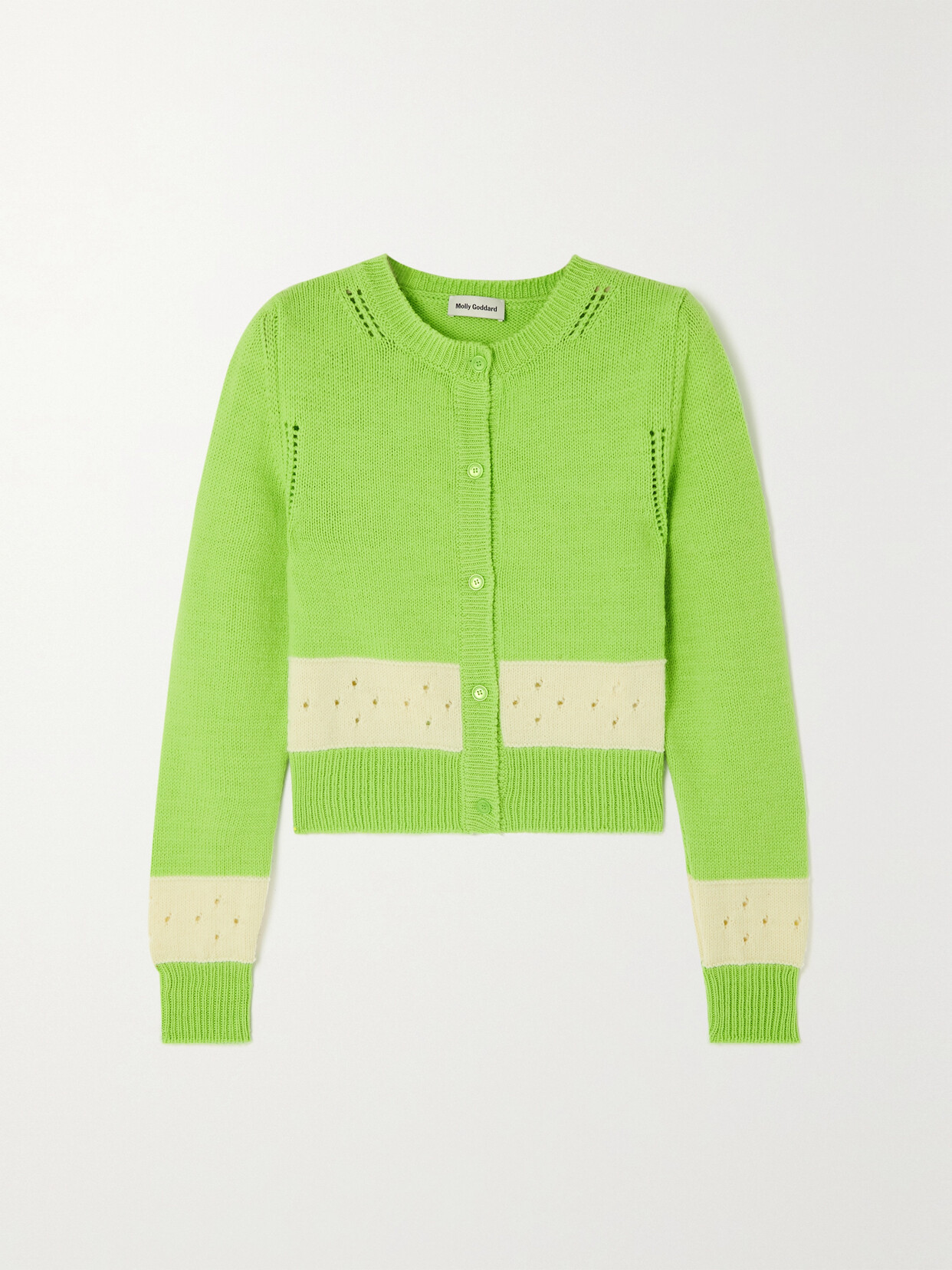
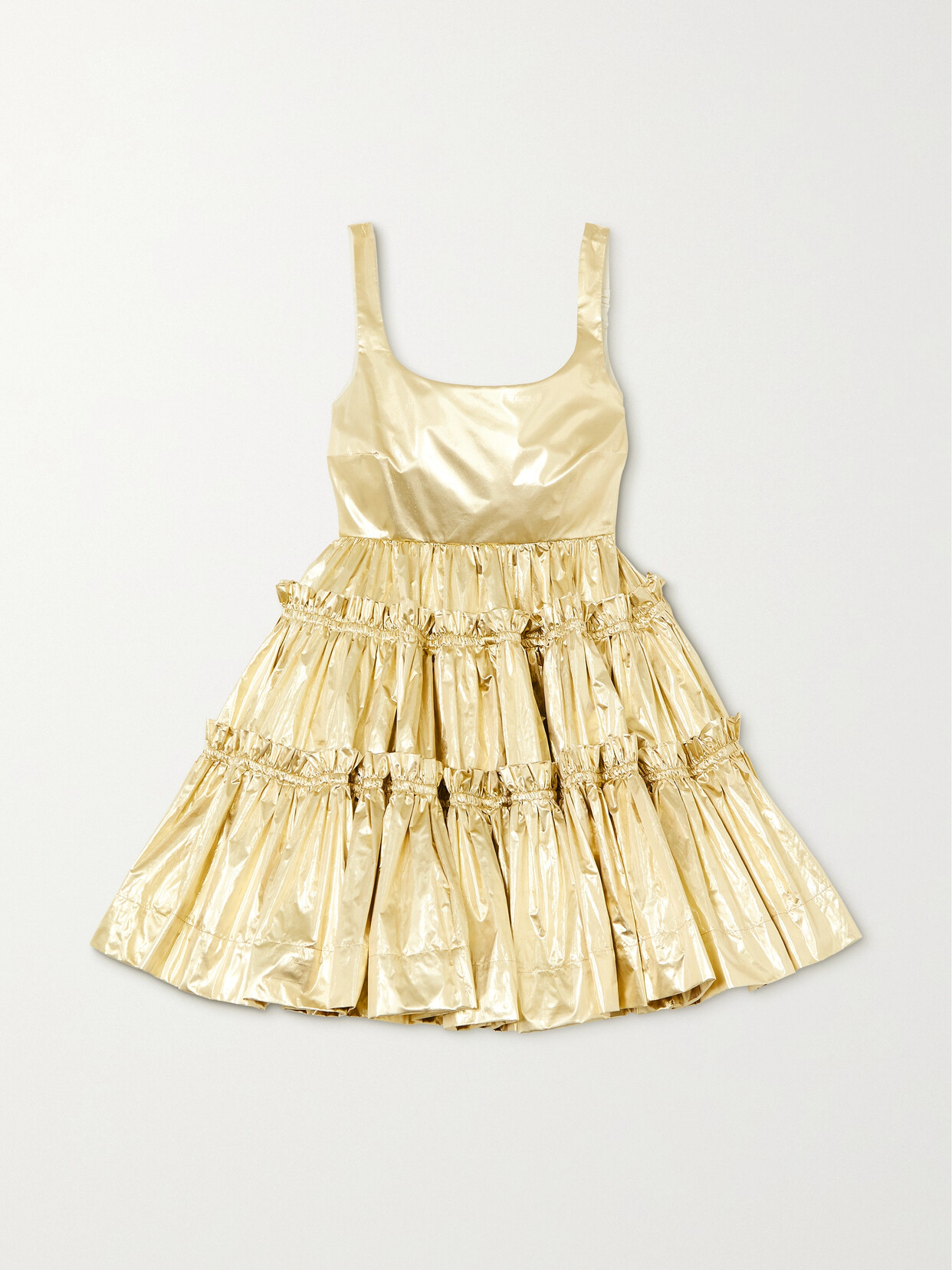
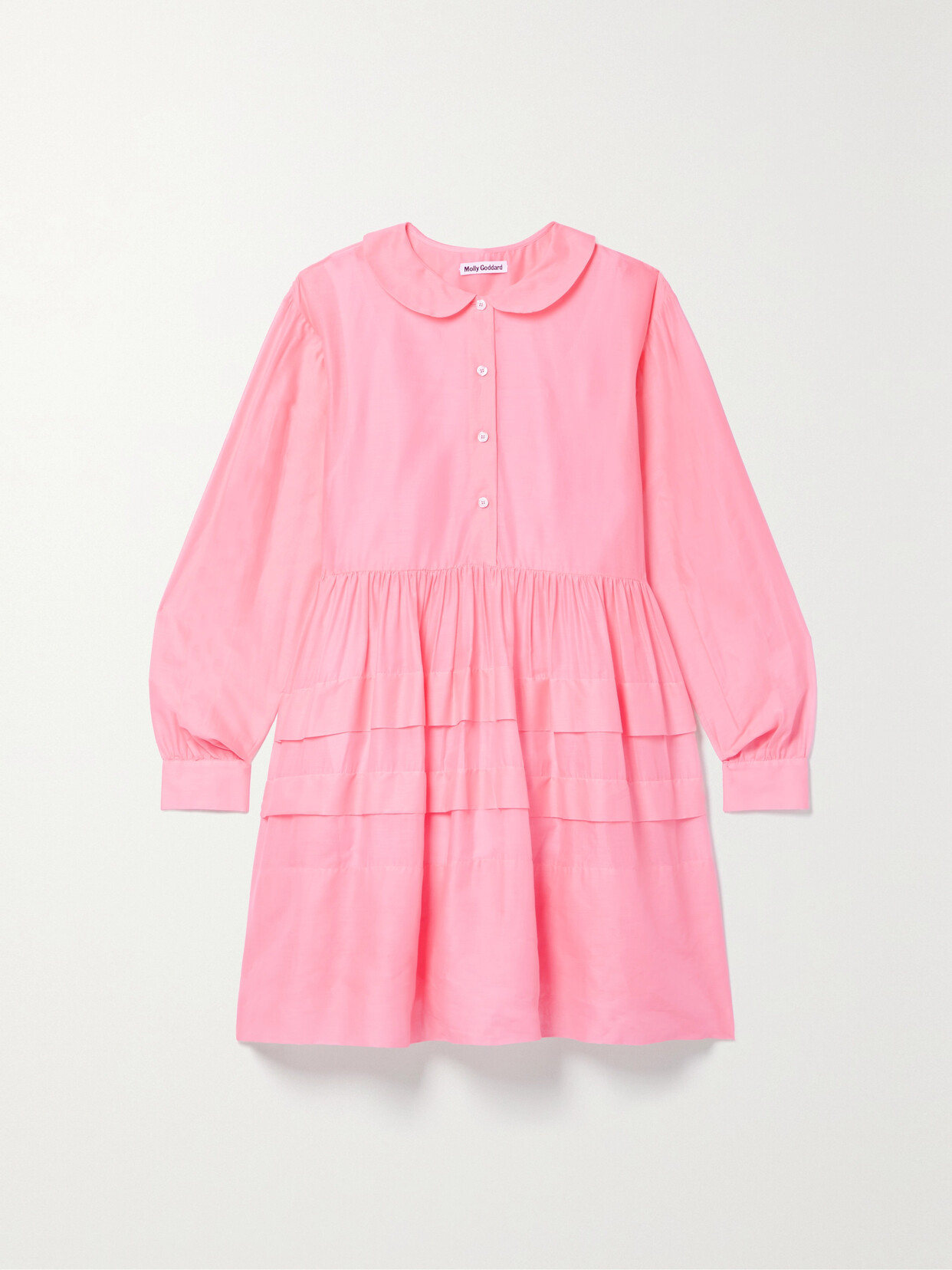
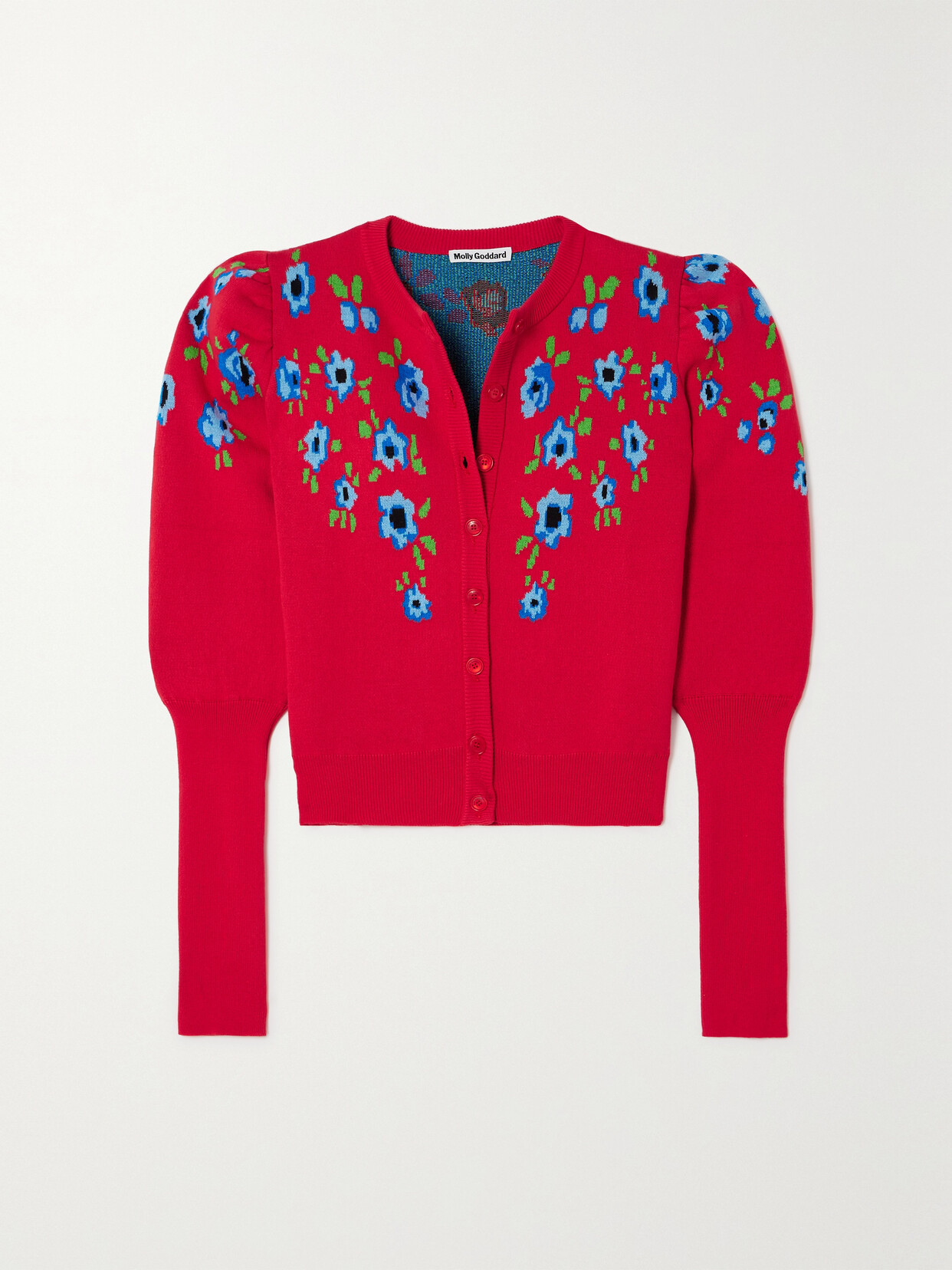
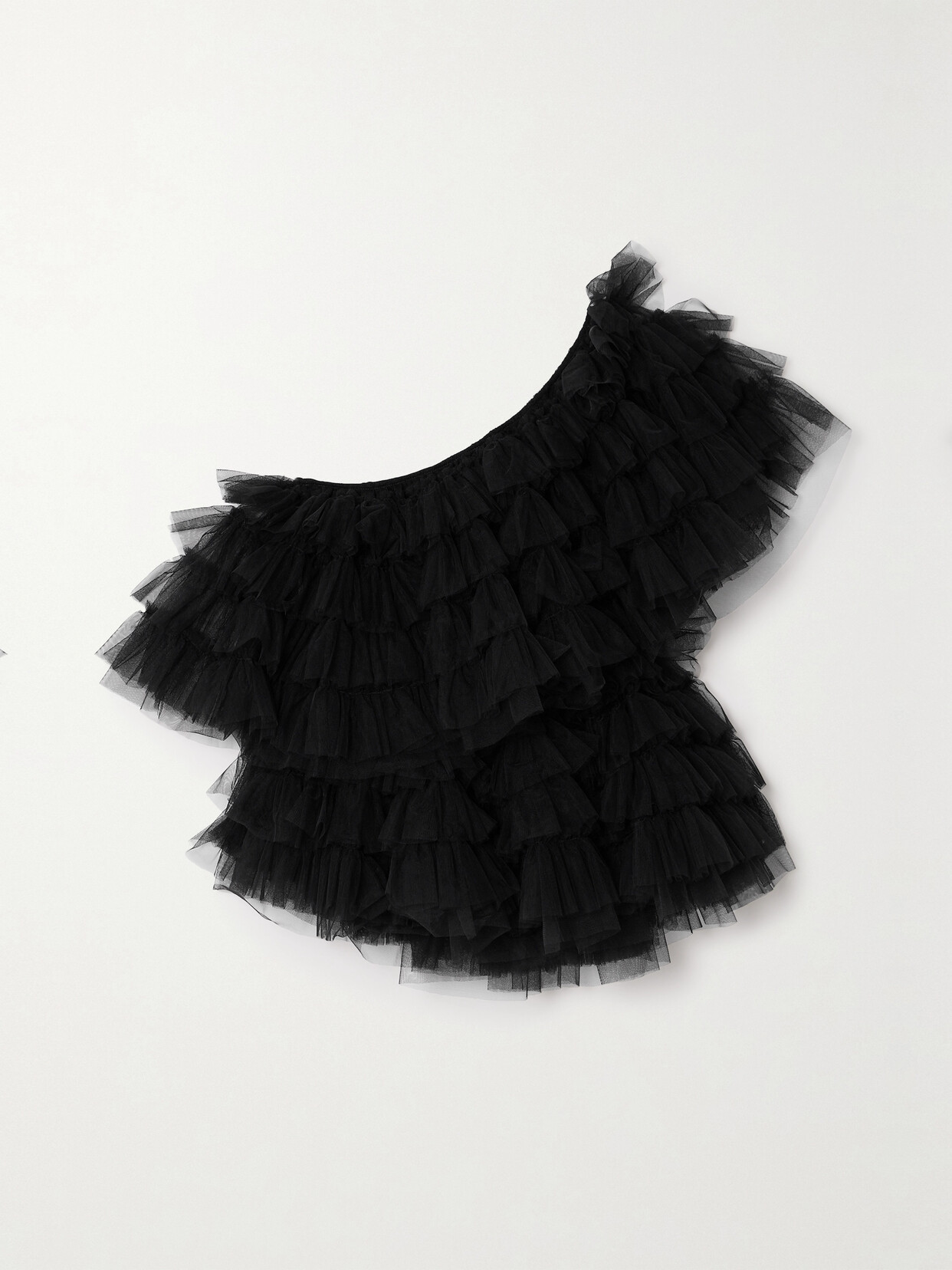
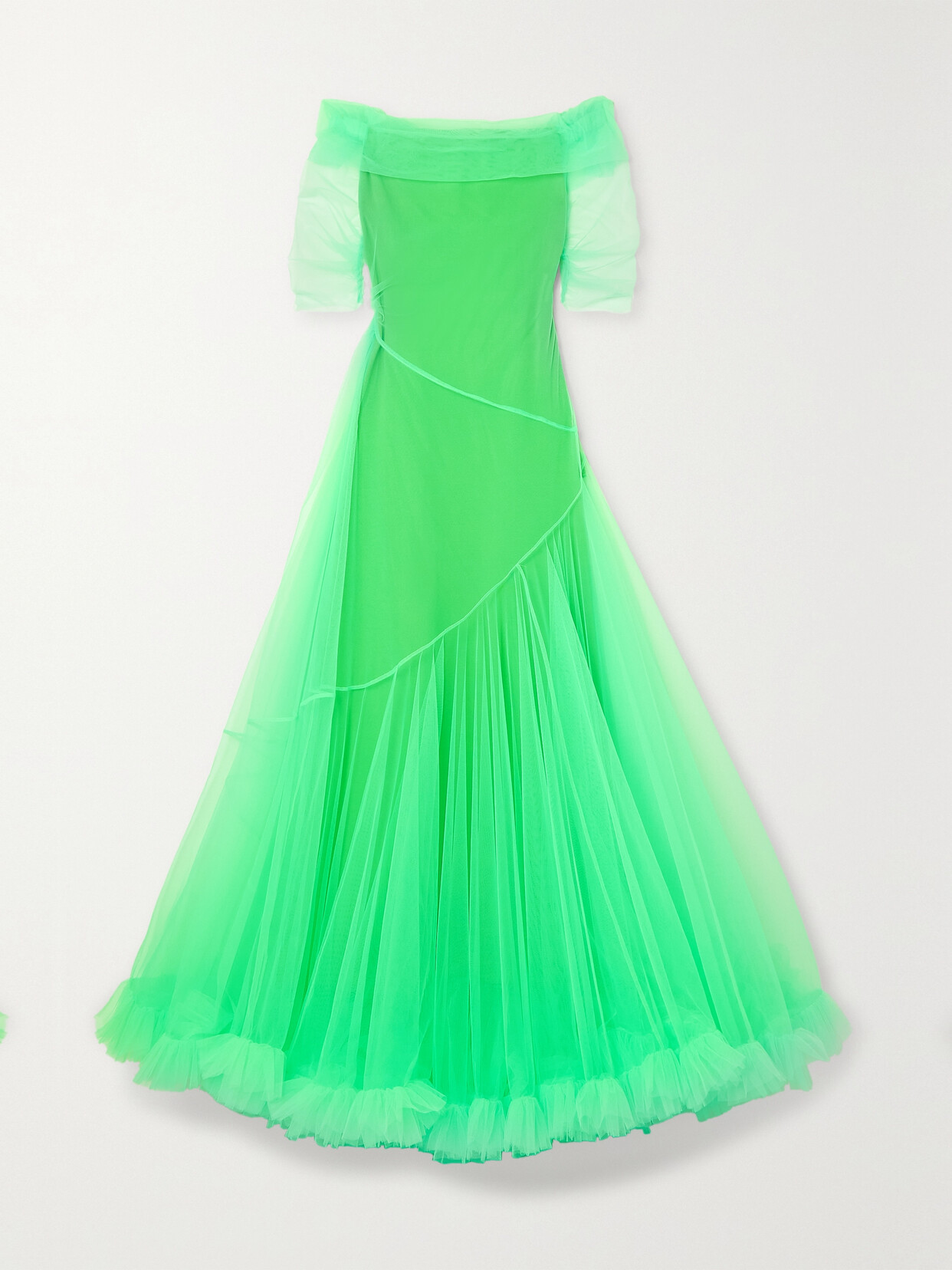
Molly Goddard‘s design language, consisting of signature tulle and romantic, magpie aesthetic, takes a beautiful, somewhat experimental turn for autumn-winter 2024. The play of volumes makes you think of the sensational Junya Watanabe’s 2000 “Techno Couture“ collection which was all about exaggerated, honeycomb ruffs inspired with European portraiture of nobility. Like some extraordinary dolls wrapped in layers and layers of tulle, the Goddard models could easily appear on the set of Yorgos Lanthimos’ “Poor Things“. Then there were all these charming cowgirl motifs, like embroidered roses on collars and full-skirts covered in XXL polka-dots, kept in a vivacious color palette taken straight out of a Pedro Almodovar film. Not every designer could pull off such portion of eclecticism and make it all look somehow consistent. But Molly Goddard is a creative who finds method in the madness.









 Design & Culture by Ed