Men’s – Dark Nostalgia. Thom Browne AW16

KIM_0217

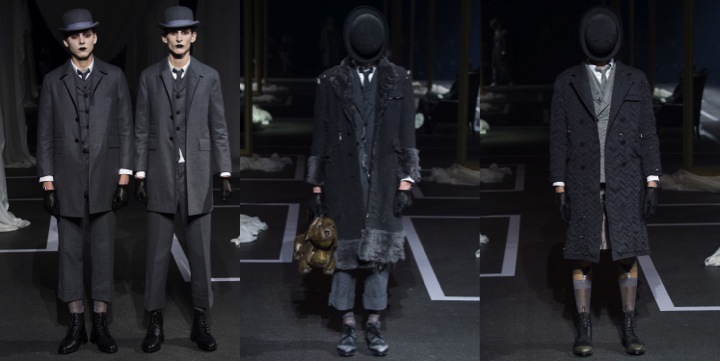
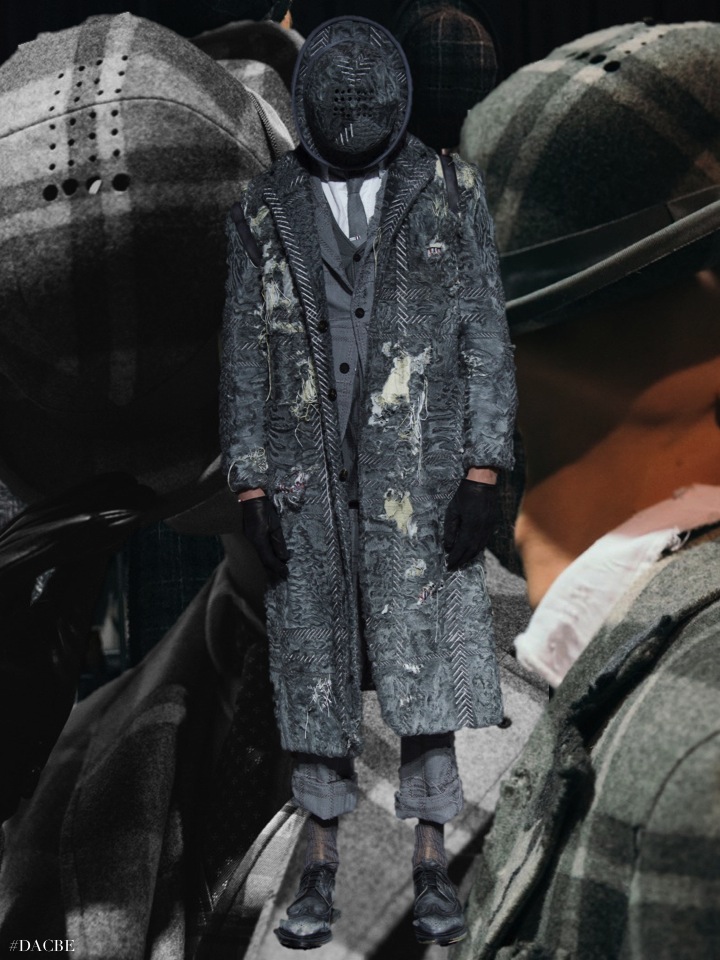
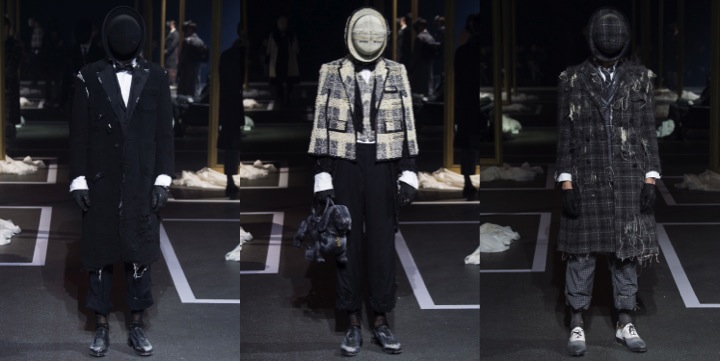
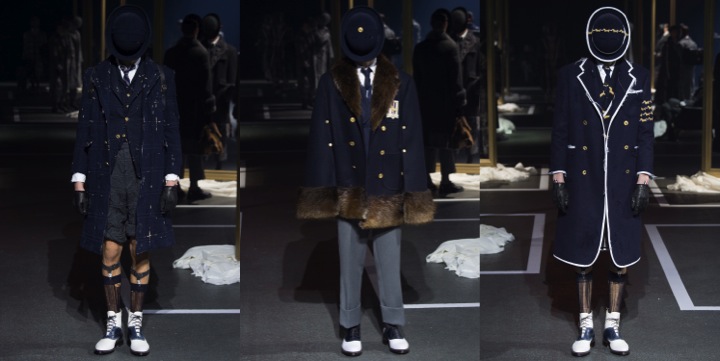
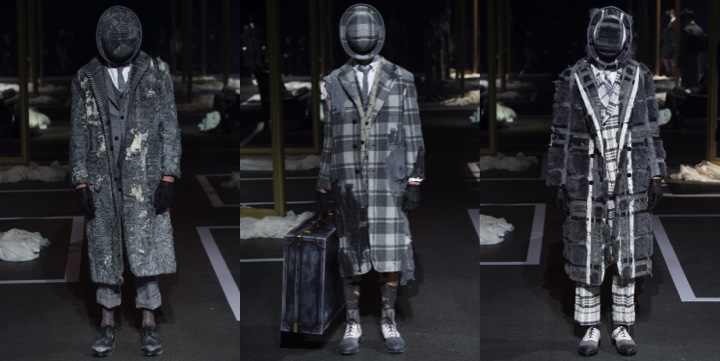
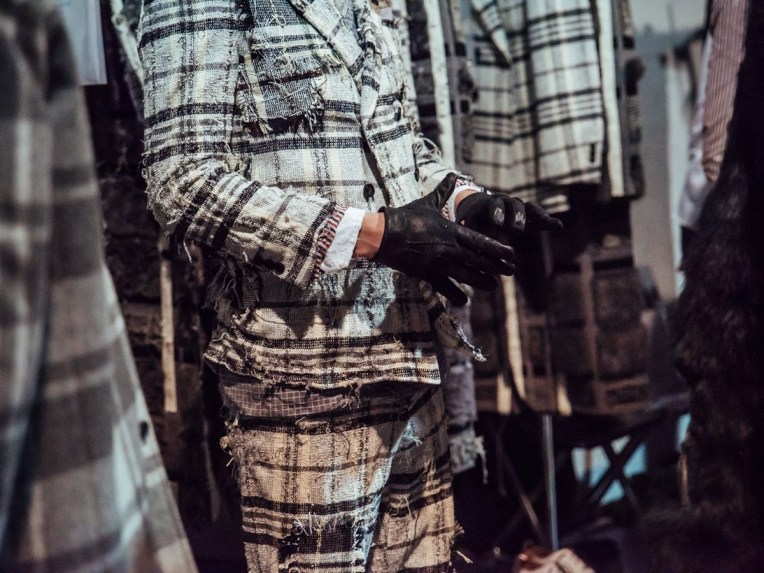
There was an elusive, Rene Magritte mood during the Thom Browne autumn-winter 2016 presentation for men. Just like in the surreal paintings of this Belgian artist, the New York-based designer staged a nostalgic, mournful collection of meticulously detailed coats and suits. Note the chaotic stitches which jut out of the coat above – and the pants, which look tattered and old. Even the socks have little holes. But there is beauty in this type of rawness, and Browne is absolutely aware of that. The hats which dramatically obscured models’ faces were made in collaboration with a long time friend of the designer, Stephen Jones Millinery.

As for the end of a very, very good fashion month of menswear, the New Yorker’s collection felt like a delightful dessert (even though it wasn’t as colourful as you might suspect a dessert to be). Time for haute couture, and the remaining labels with their pre-fall look-books…

Slide05

Slide2-kopia

Slide08-kopia

Slide07

Slide06

1158515

Men’s – Tokyo Diaries. Umit Benan AW16

_UMI0250

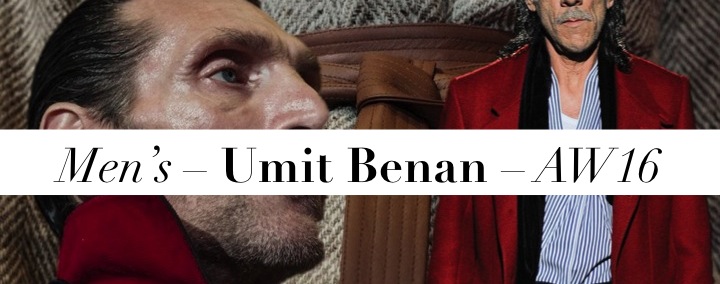
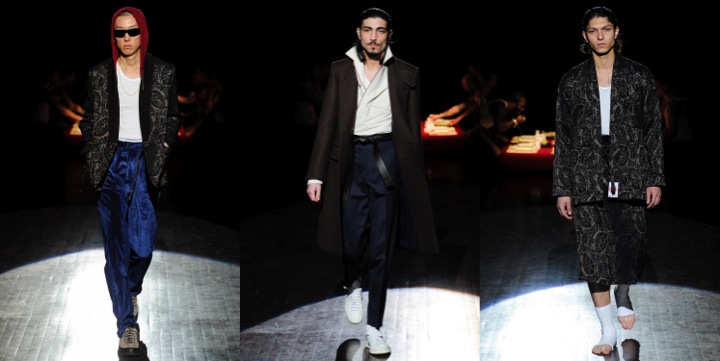
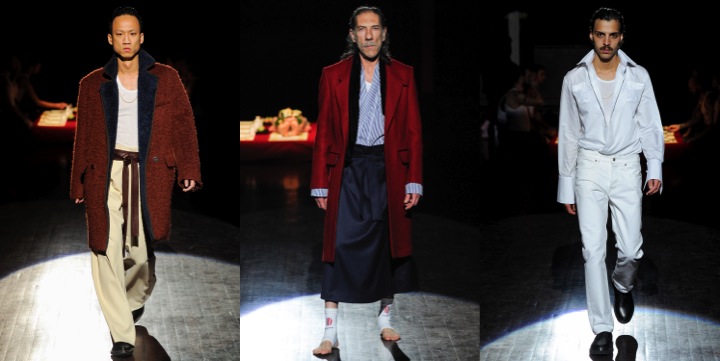
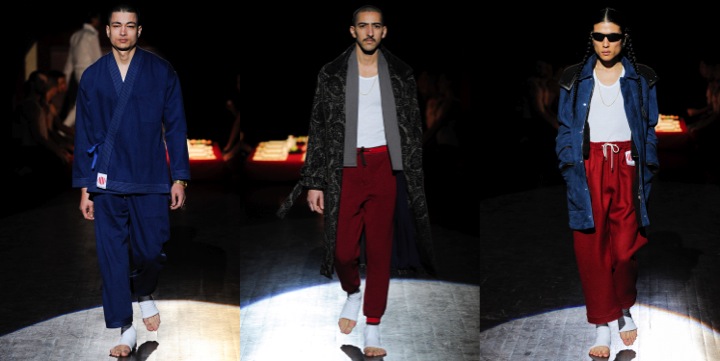
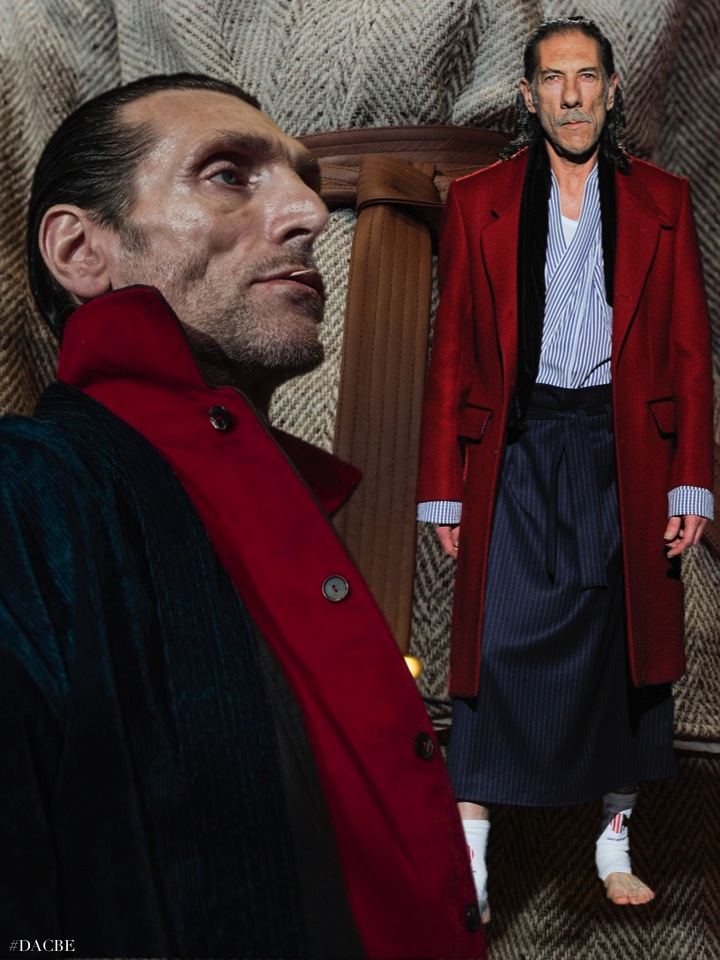
It seems that Paris-based designers feel a strong sentiment to Japan. We know Julien David’s love to Japan, as all of his clothes are made there; for SS16, Olympia Le-Tan created a feminine collection which took its references from Nobuyoshi Araki’s bondage photography and Hotel Okura’s famous architecture legacy. The Japanese story is continued by Umit Benan with his “Tokyo Diaries” collection for men. When the guests arrived to the show, a group of eight men were about to start the “nyotaimori“, a practice known in Japan which is about eating sushi off a naked woman’s body. Benan’s inspirations came from Japan – but don’t expect kimonos or anything as predictable as that. The designer had  yakuza gangs on his mind – and you don’t want to mess up with these guys. The street-cast models and Umit’s friends walked the show in athletic tank-tops, judo jackets and corduroy coats with obi belts, while some had the typical, Japan-fashioned braids. The footwear changed dramatically, from sneakers to white tube socks with the toes cut out. The designer, known for his diverse collections, successfully withdrew the clichés of the Land of the Rising Sun and staged a wearable, badass collection.

Slide01

Slide02

Slide03

Slide04

Slide1-kopia

Men’s – Flower Power. Comme des Garcons AW16

1158106

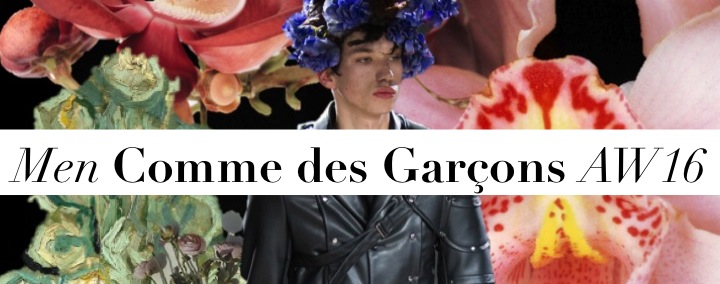
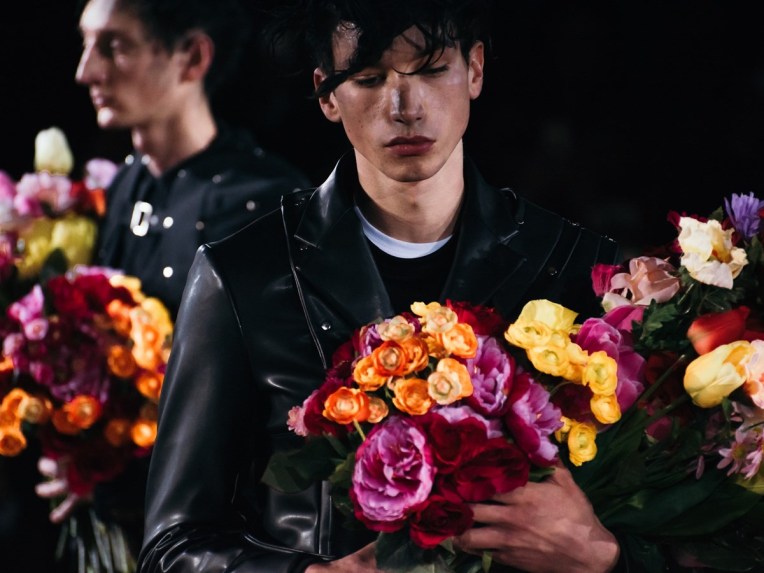
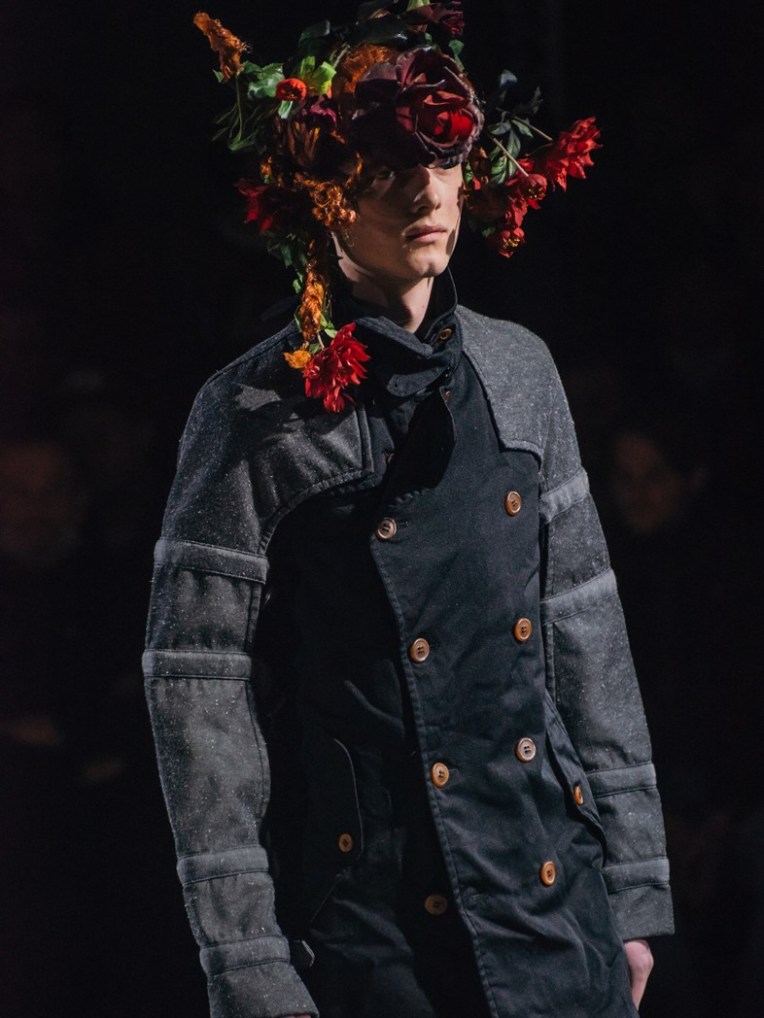
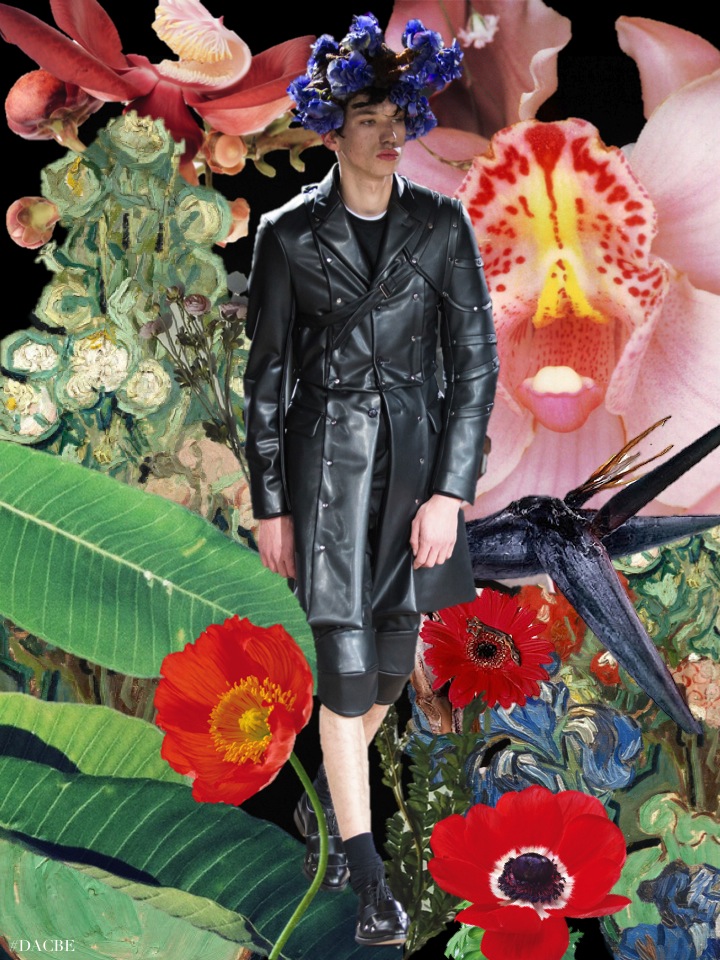
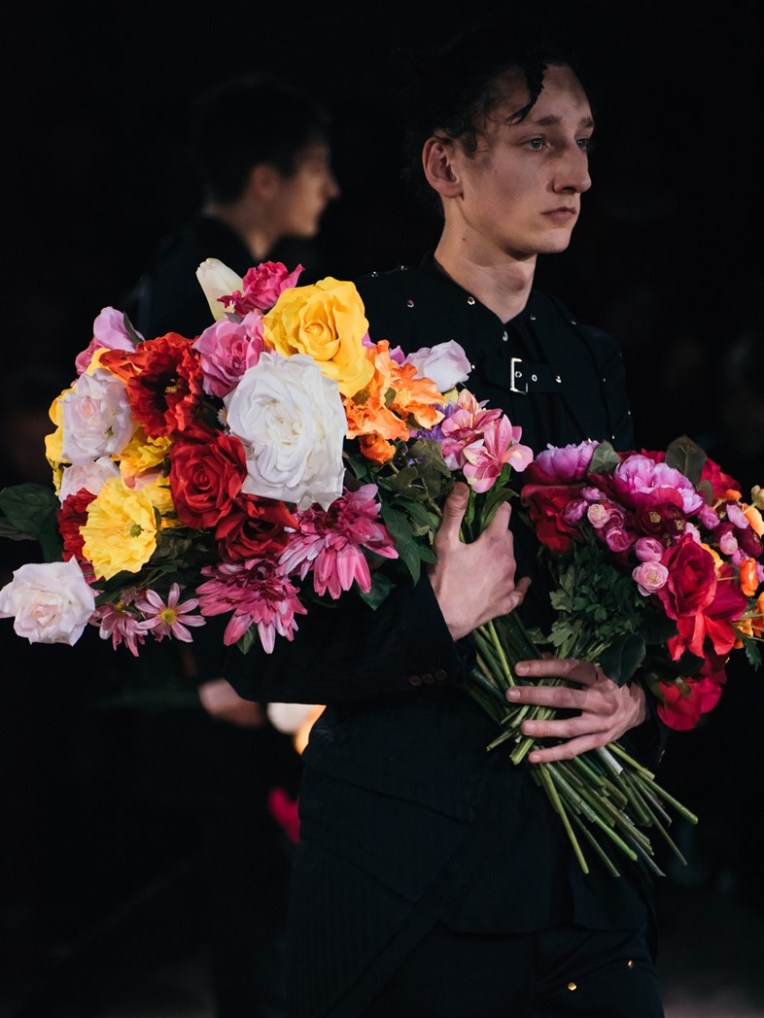
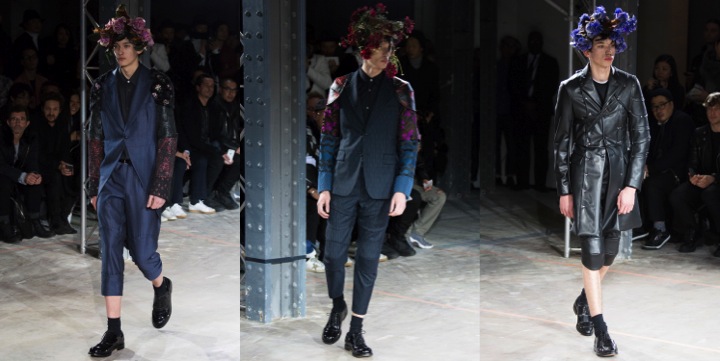
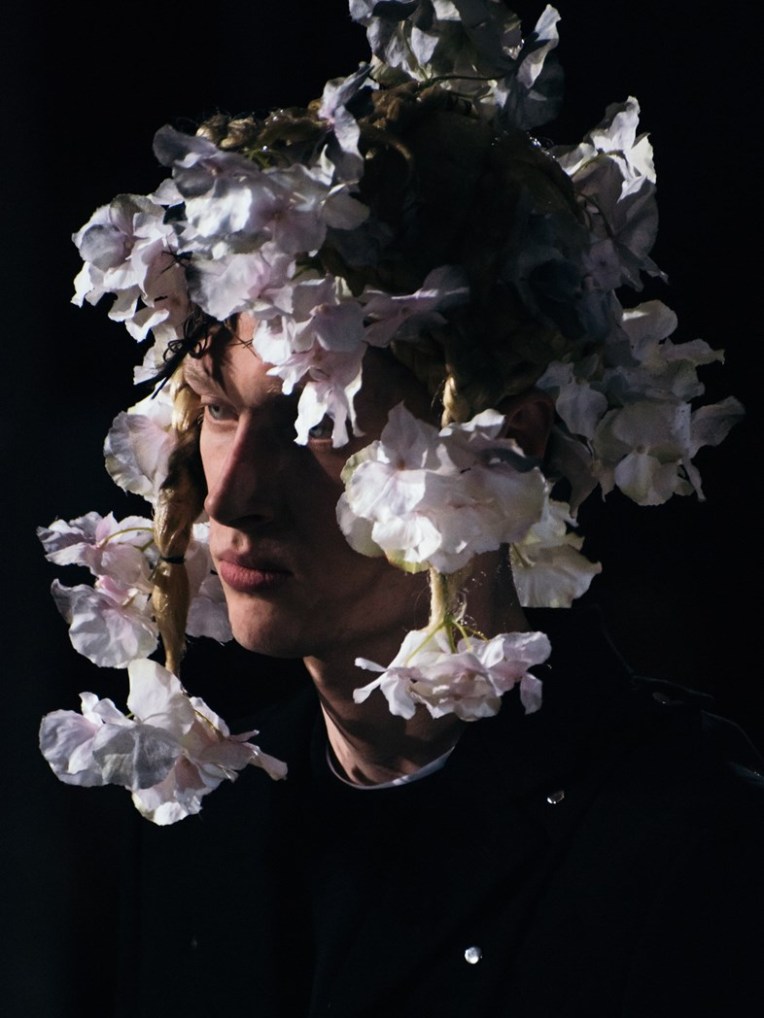
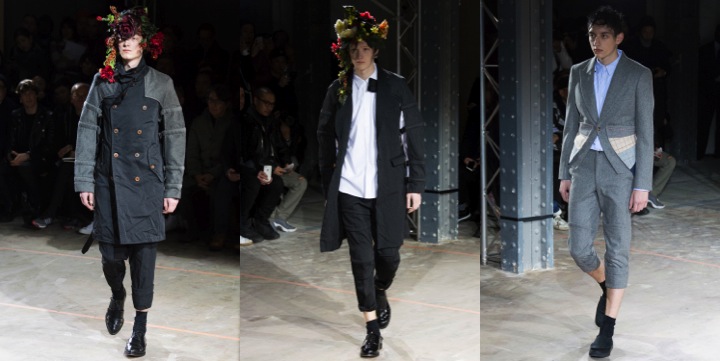
We all got used to the breath-taking and avant-garde garments for woman, which are envisioned by Rei Kawakubo‘s always surprising imagination. In case of menswear, however, the woman behind Comme des Garcons bases her ideas around classical, quintessential clothes, like for example a well-tailored suit or a leather biker jacket. In the effect, these usual pieces appear to be one-of-a-kind. For autumn-winter 2016, Rei explored the blurry borders of masculinity, and humanity, by representing an ethereal, yet dark performance of warrior-like models, who wore beautiful, floral head-pieces created by Julien D’Ys. The whole outing, which sensed like a “war and peace” manifesto, felt very emotional – there was pure sadness in models’ eyes, but supreme happiness in the bold, flower colours. Surely, the show’s meaning was deeper than a “flower-power” cliché. But flowers do cheer up our lifes. Even, when the world is becoming a very dynamic and dangerous place.

1158087

Slide2-kopia

1158103

Slide08-kopia

1158099

Slide07

Slide06

Men’s – Botswana. Givenchy AW16

_MON0607

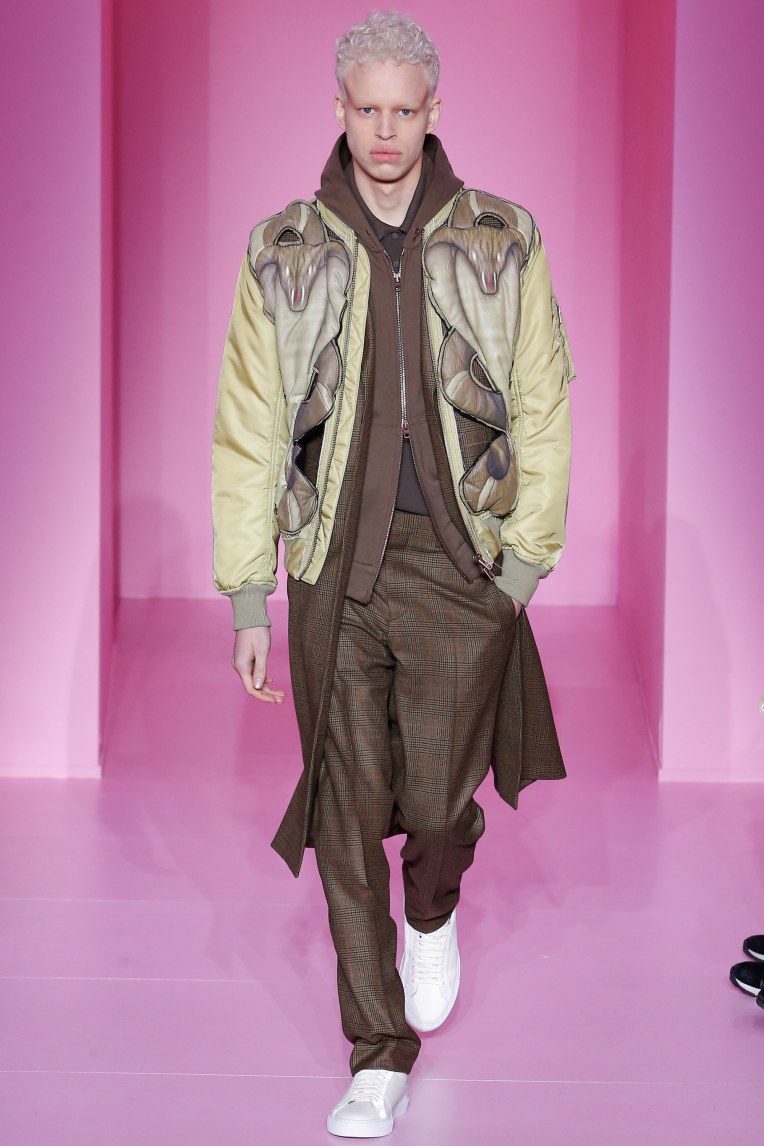
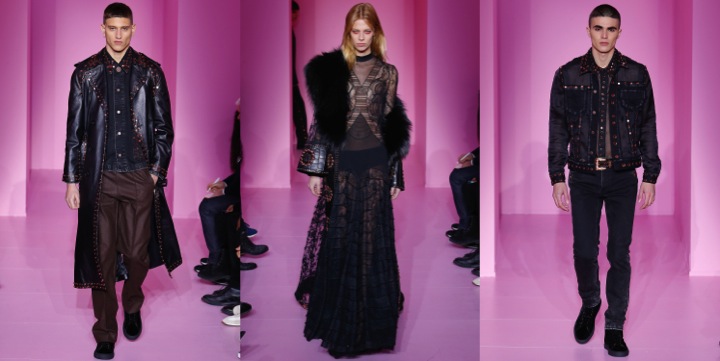
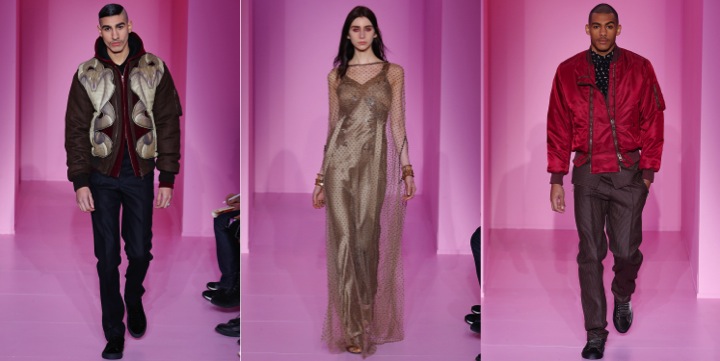
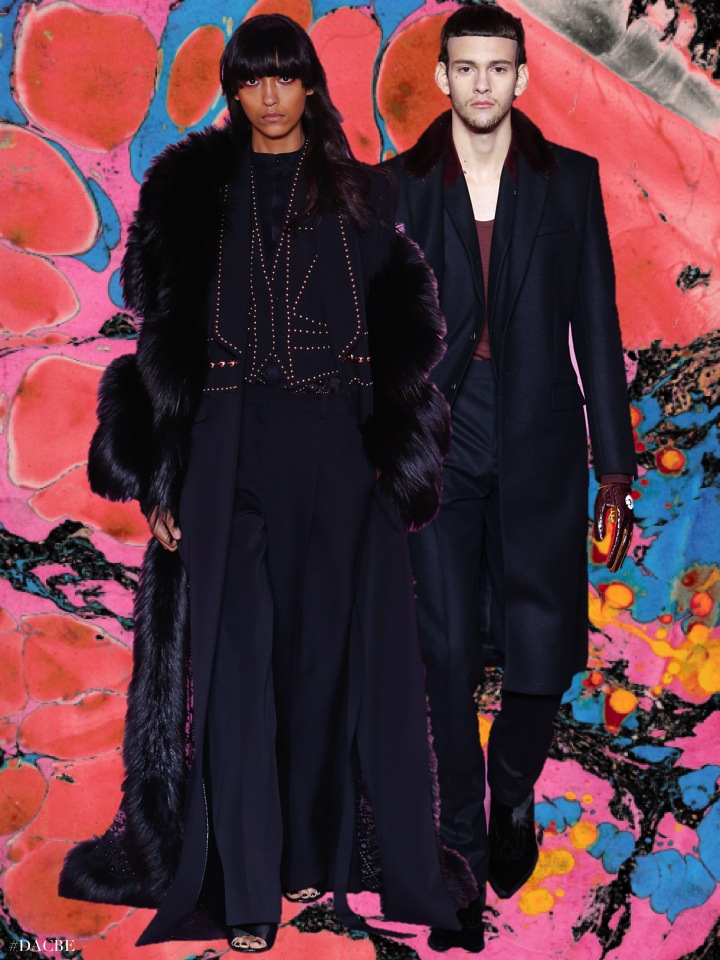
I’ve been so excited about Riccardo Tisci‘s stree-style-wise pre-fall 2016 look-book which was photographed in Berlin – but I don’t feel that excitement anymore, if talking of Givenchy‘s menswear outing. It just feels like a look-back at the collections that Tisci delivered for men in the last few years. This season, the mood-board was all about a very narrow and specific theme – it was photographer Frank Marshall’s images of Botswana and its music devotees dressed up in their favourite band t-shirts, fringed biker jackets and cowboy hats. Indeed, it’s quite difficult to imagine the leather-filled Wild West in the heart in this African country. “I looked in the book and saw these gangs, their freedom – it was something very new for me”. There was a free-spirited attitude in the collection, which has also brought a spotlight on Africa’s stereotype-breaking subcultures. However, if you won’t pay attention to what books Tisci holds on his bookshelf, then the menswear part seems to look good, but surely not ground-breaking.

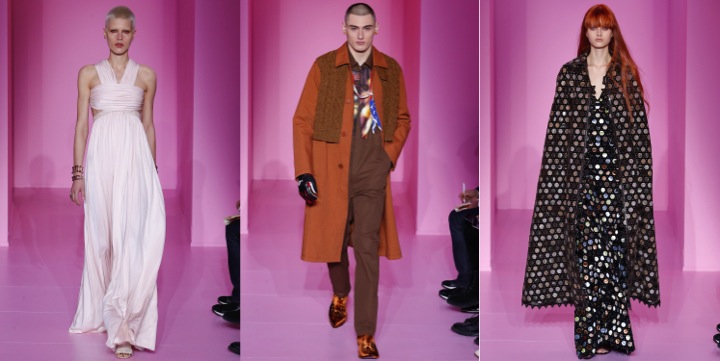
I have the same feelings towards the women’s part, which in reality is the spring-summer 2016 haute couture collection (smartly overlapped with menswear for the next season). Back in the days, when Givenchy’s creative director did separate haute couture presentations, everybody knew his girl well. You surely didn’t want to mess up with her. Her black, lace gown, fur stole and vampish make-up tells it all – she is a romantic, slightly gothic dame. And as you see, she hasn’t changed even a bit, she is still the Tisci girl from the Instagram favoured #GivenchyGang. The haute couture part is a collection of masterpieces (take the hand-embroidered cape with circular patterns), but just like in the case of menswear – doesn’t feel fresh.

Slide01

Slide04

Slide02

Slide05

Slide03

Slide1-kopia

Men’s – Opera Garnier. Dries Van Noten AW16

_DRI0735

Ok, Dries. You win.

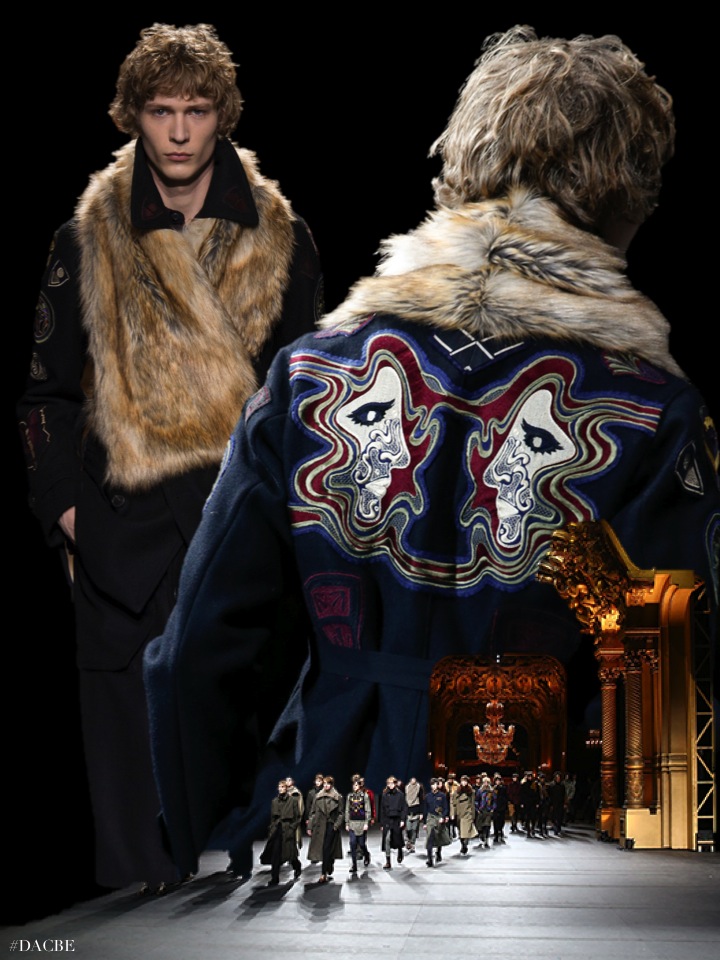
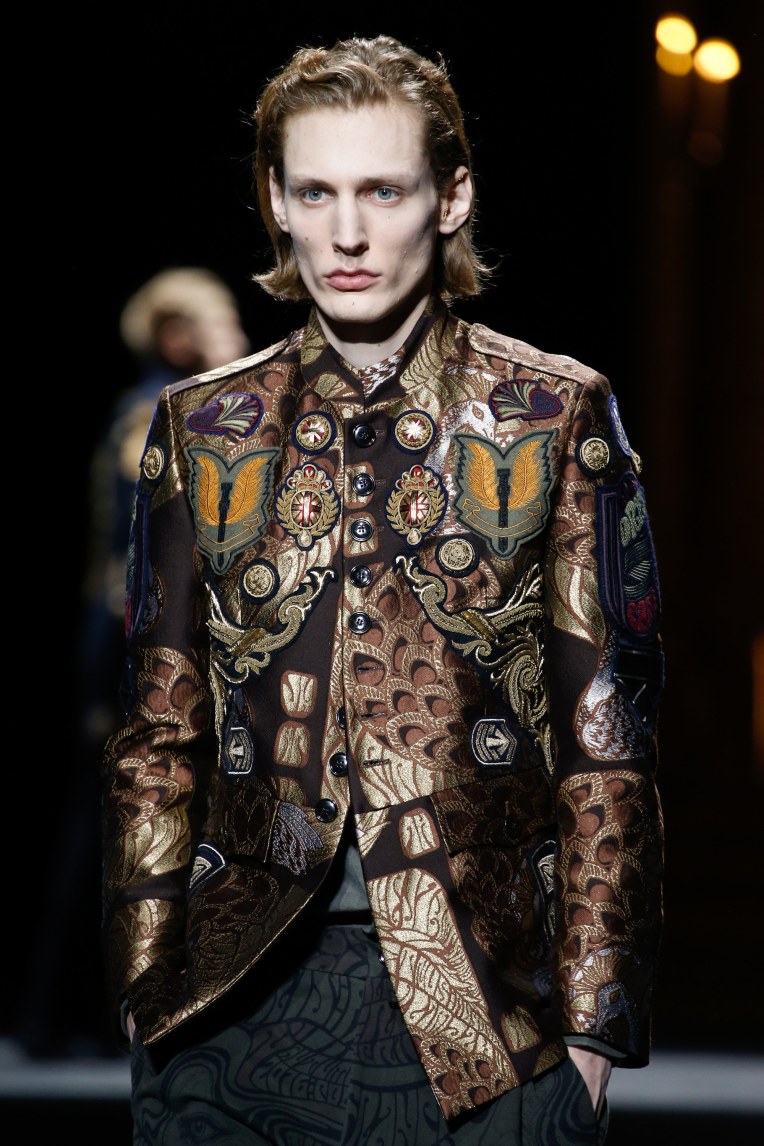
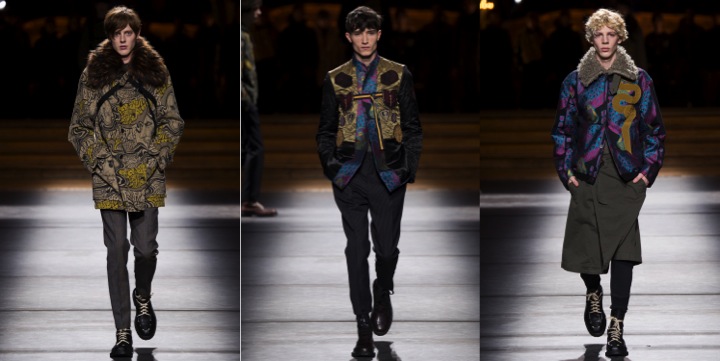
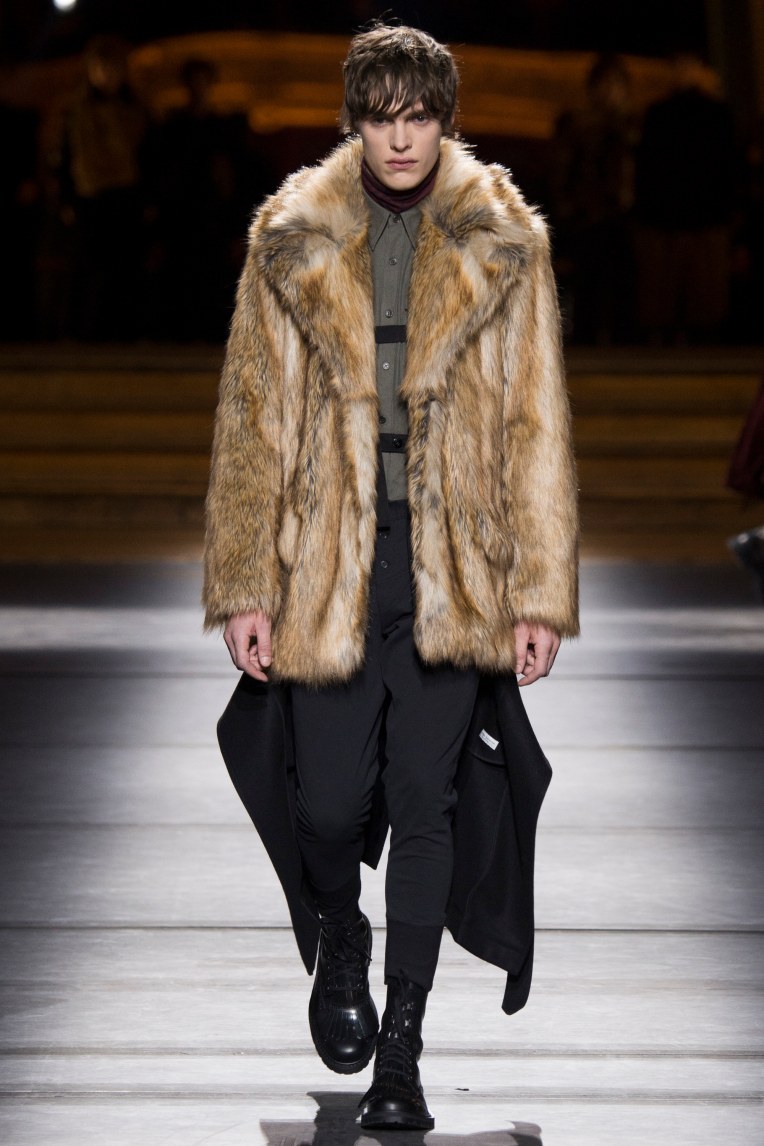
And it’s not only because you had the best fashion show venue, comparing to all the other designers and brands of this season. In fact, the runway was situated in one of the most important places in Paris – on Opera Garnier’s stage, from where the guests had a stunning view on the red, velvet auditorium. The Belgian designer said that he had been trying to book this place for 15 years: “Every year we applied and applied and applied, and every year they said ‘No.’ But then they said ‘Yes!”. So no wonder why the autumn-winter 2016 season seems to be extremely significant for Van Noten. The fashion industry holds two main types of designers – those who do a “show” instead of “fashion“, and those who do “fashion” but can’t afford or want to have a “show“. But Dries Van Noten is an exception – everything in his fashion show is in full, poetic symbiosis. And I tell you, the clothes from this menswear outing are as exceptional as the place they were presented in.

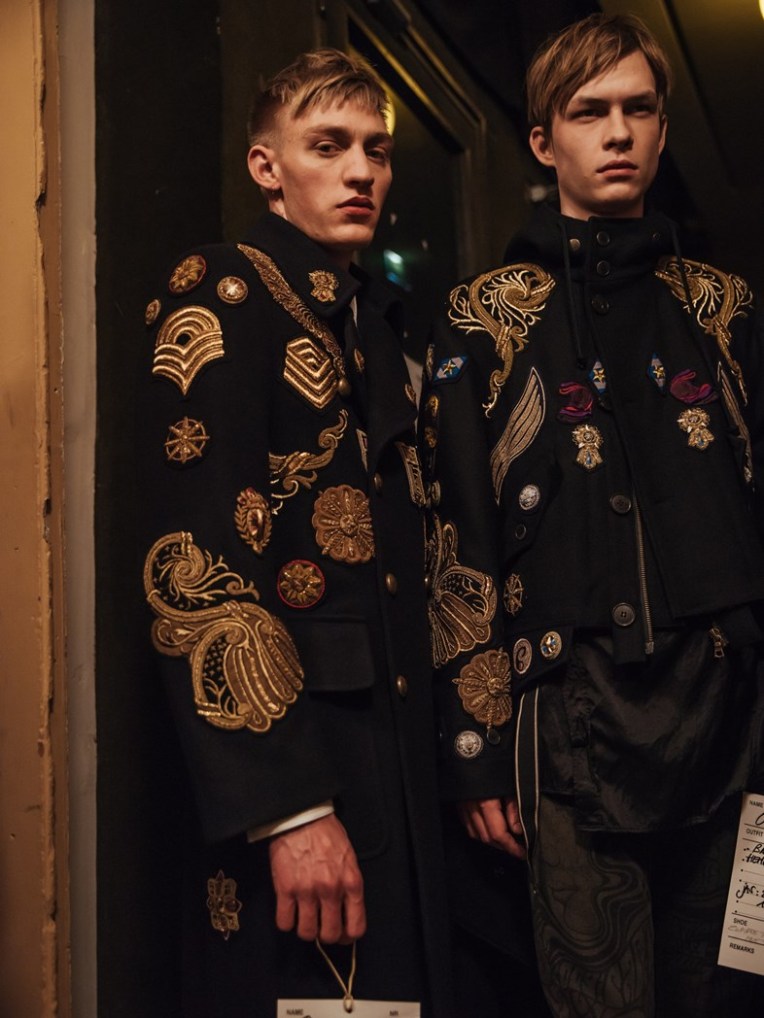
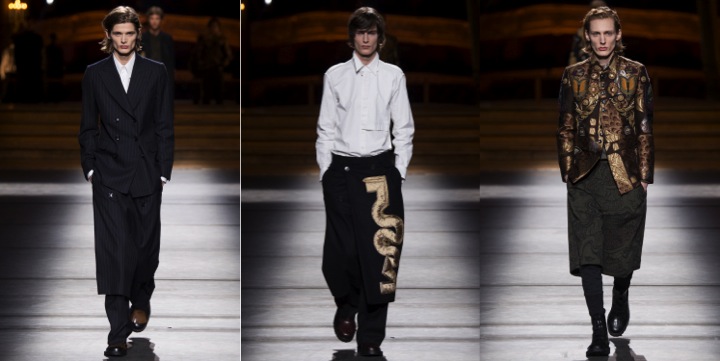
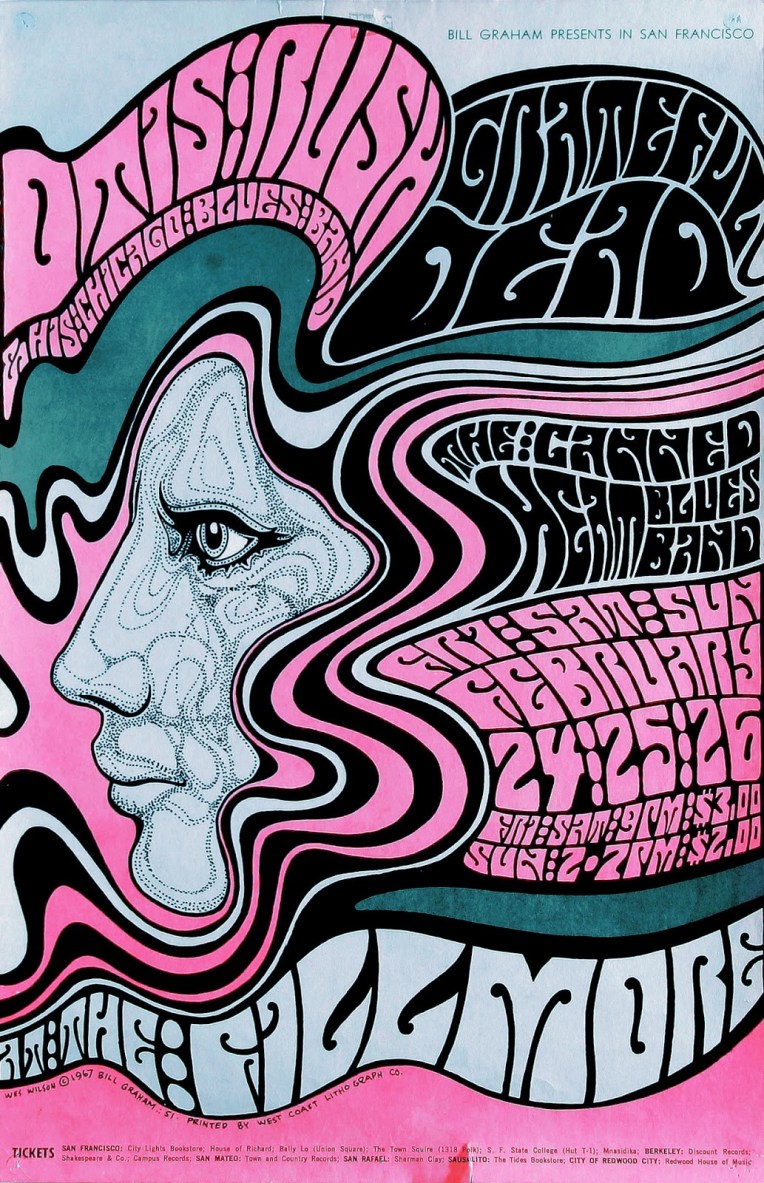
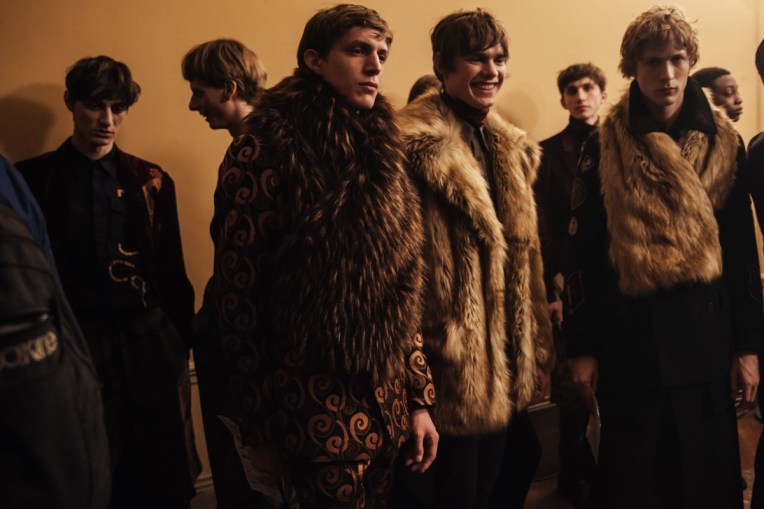
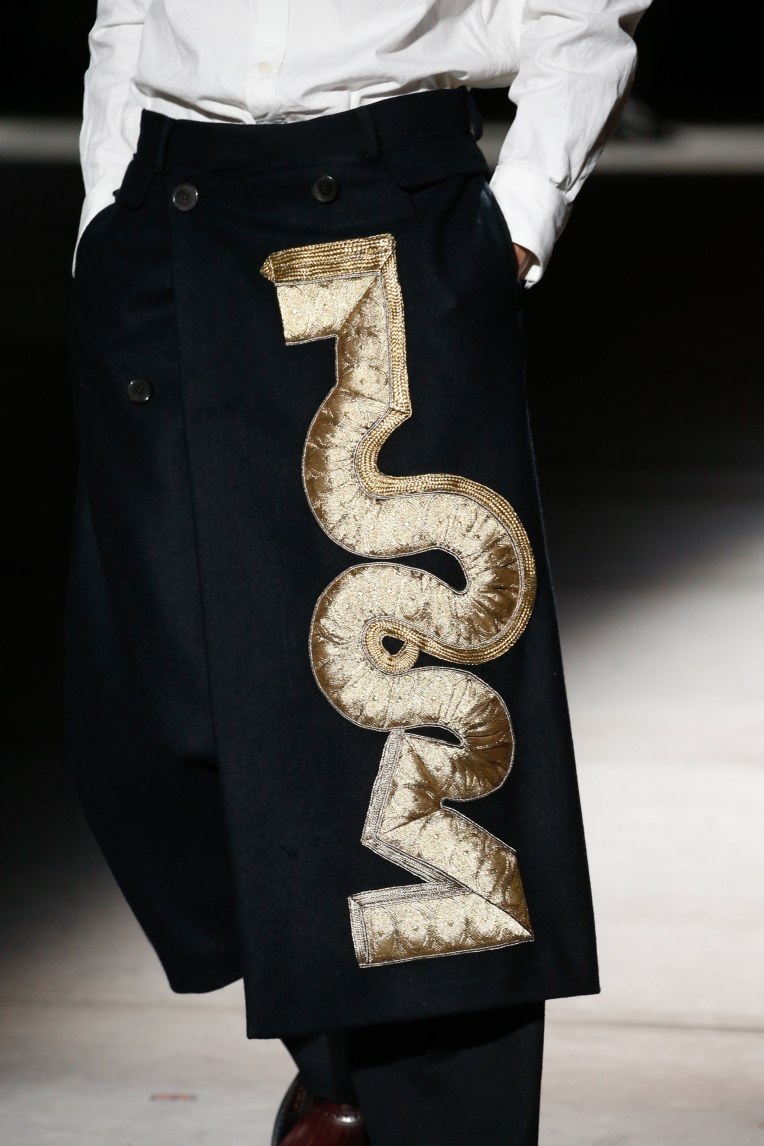
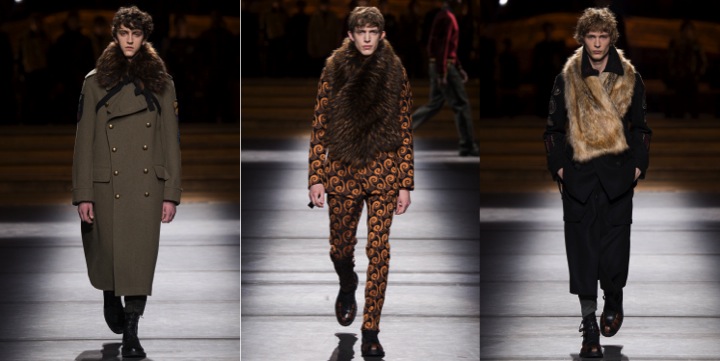
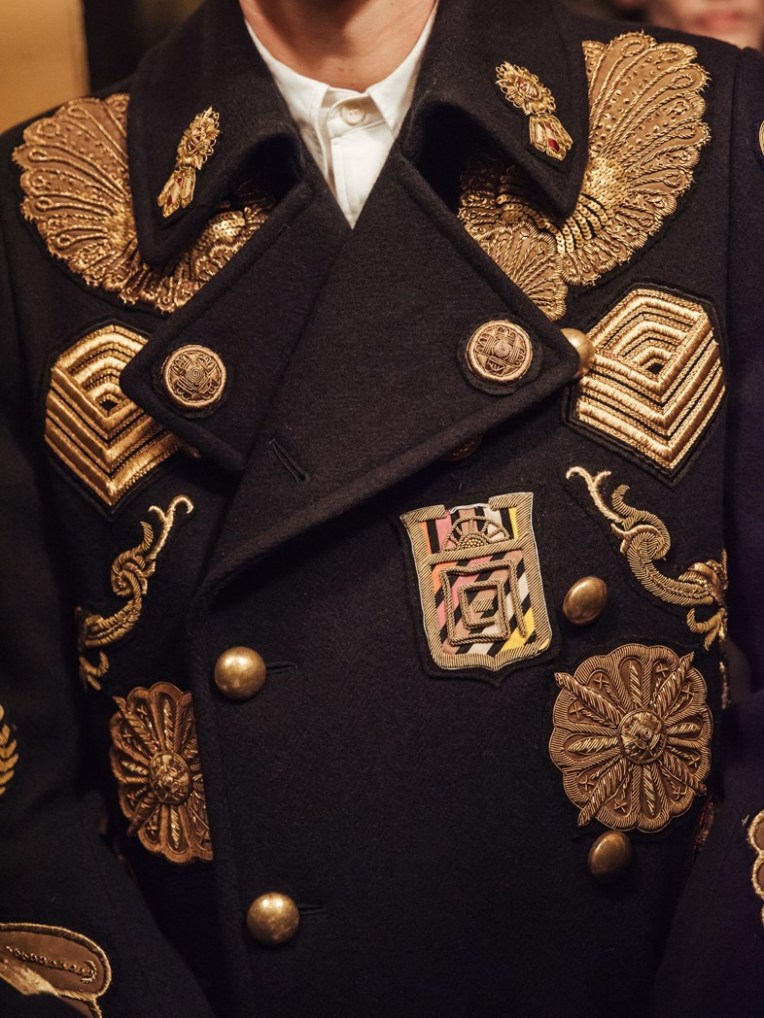
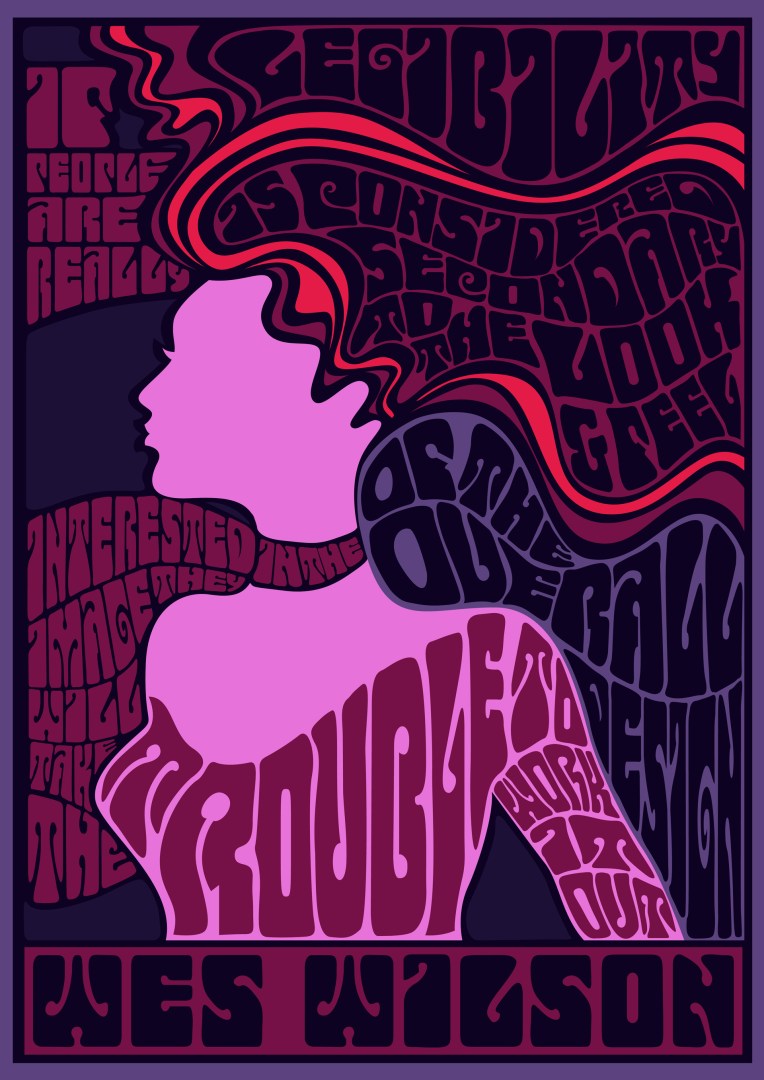
It all started quite calmly, with a few well-tailored tuxedos and coats. And then, then, it felt as if the Madame Butterfly appeared on the stage – the over-sized suits styled with turtlenecks; the magnificently embroidered military jackets with Belle Epoque motifs and baroque emblems; the to-die-for waisted coats with attachable fur collars made me sigh and feel the real, chronic yearning of the season. If talking of the oneiric, face embroideries, they were made in collaboration with Wes Wilson, the graphic artist who conveyed the visual expression of the psychedelic West Coast at its ’60s/’70s. There was a refreshing clash between the operatic, bohemian elegance and the “get high by the beach” skate-board guy. A kind of subverted reality.

“What is reality? What is the dream? Where does everything start and begin? So for me it was really good to be able to show here onstage and not in a room. It turns your world a little bit upside down.” Dries Van Noten has definitely staged the most beautiful (and additionally, wearable) collection up to now – but I don’t think anybody else will create a greater impression this season. A very, very high target is set.
Wes-Wilson-01_1920

Slide12

Slide2-kopia 3

1157659

Slide15

Wes Wilson_01

_A2X1191

1157669

_A2X1174

Slide14

Slide13

SONY DSC

1157671