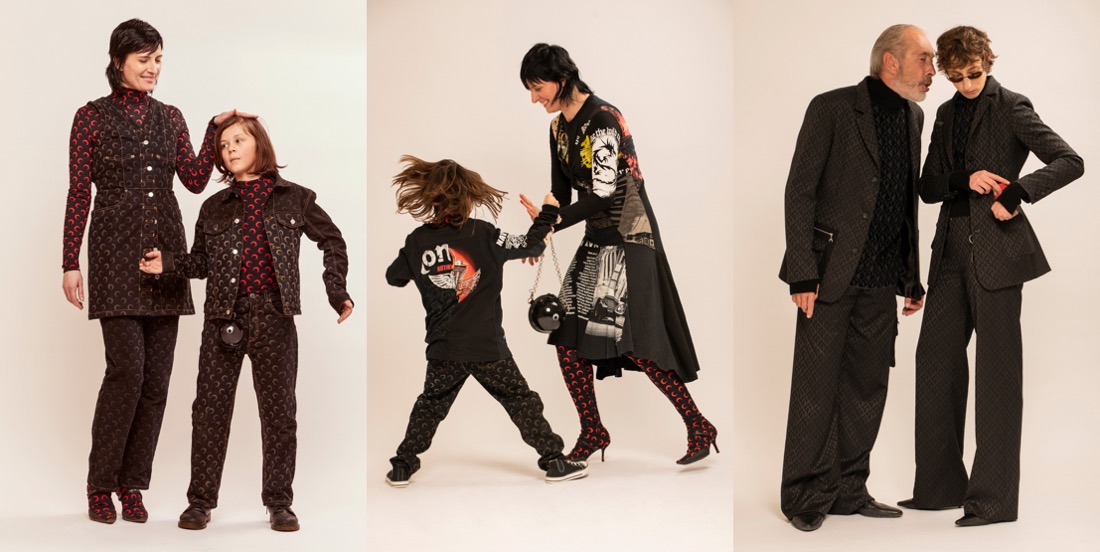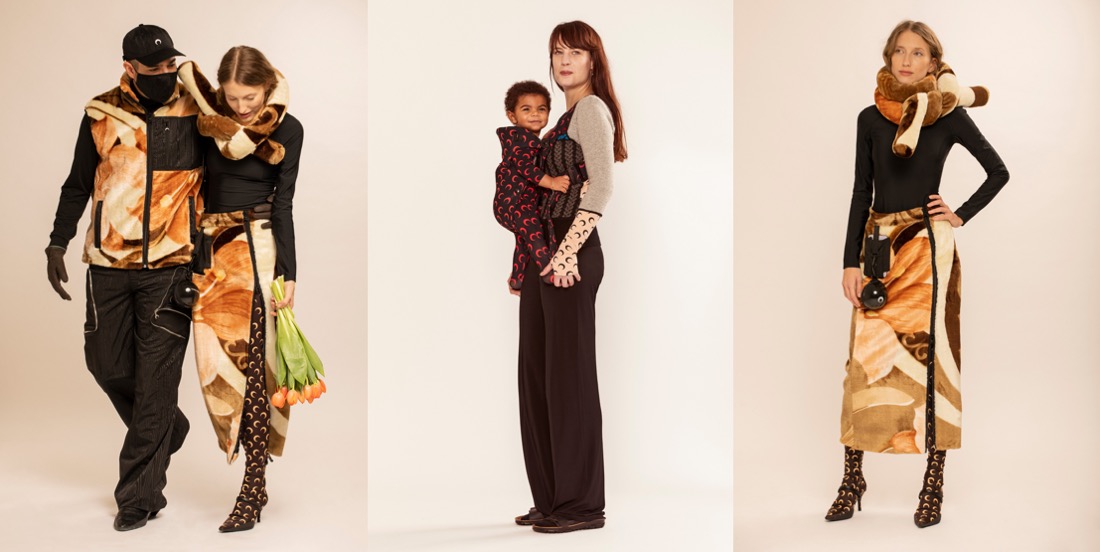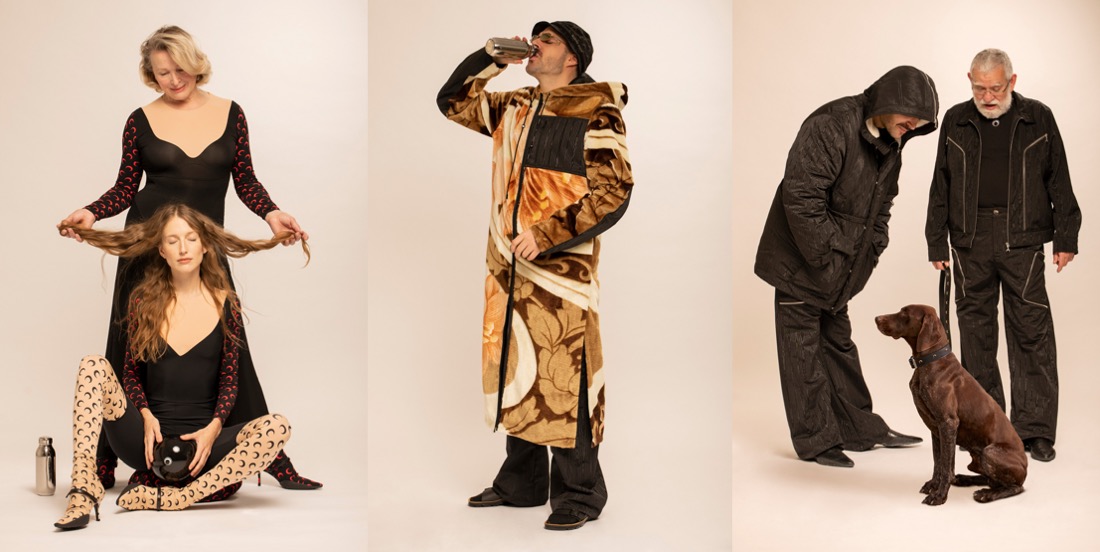
Core. Marine Serre AW21

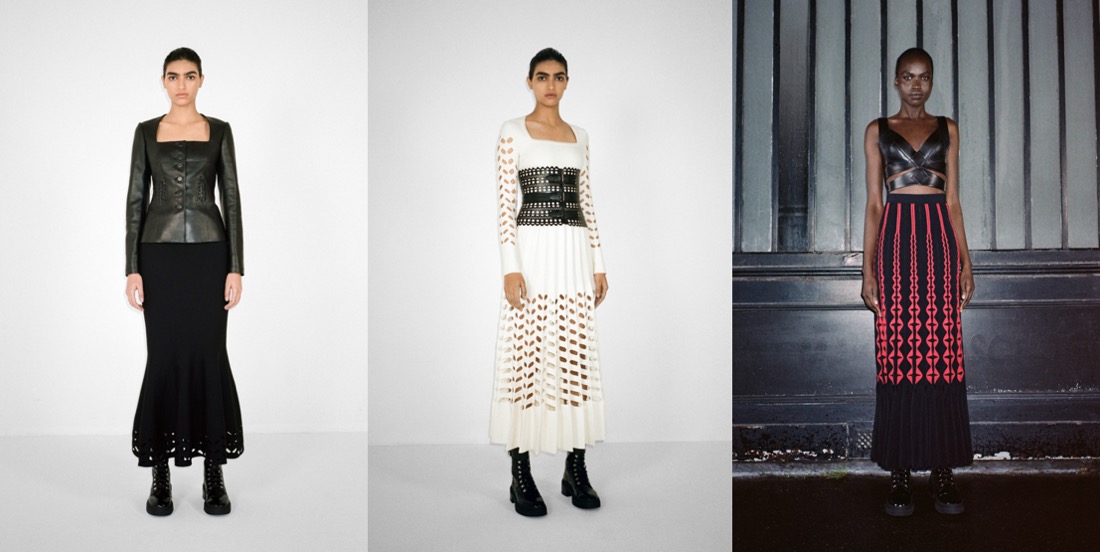
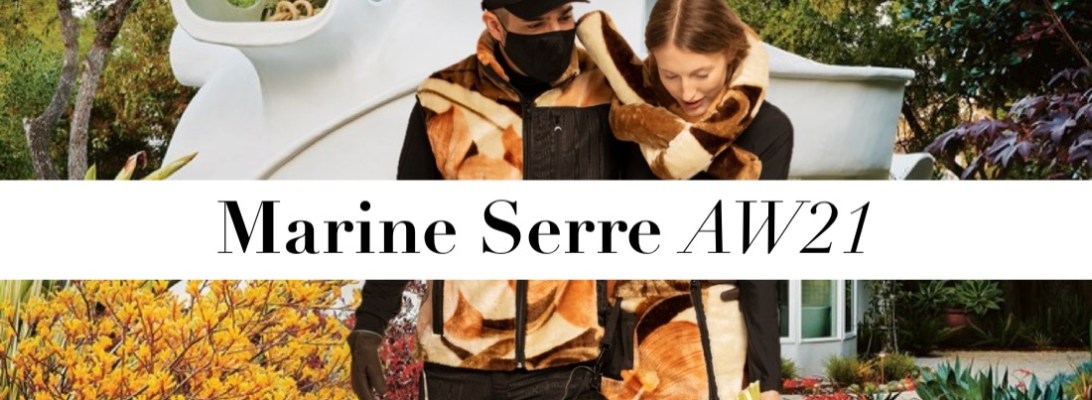
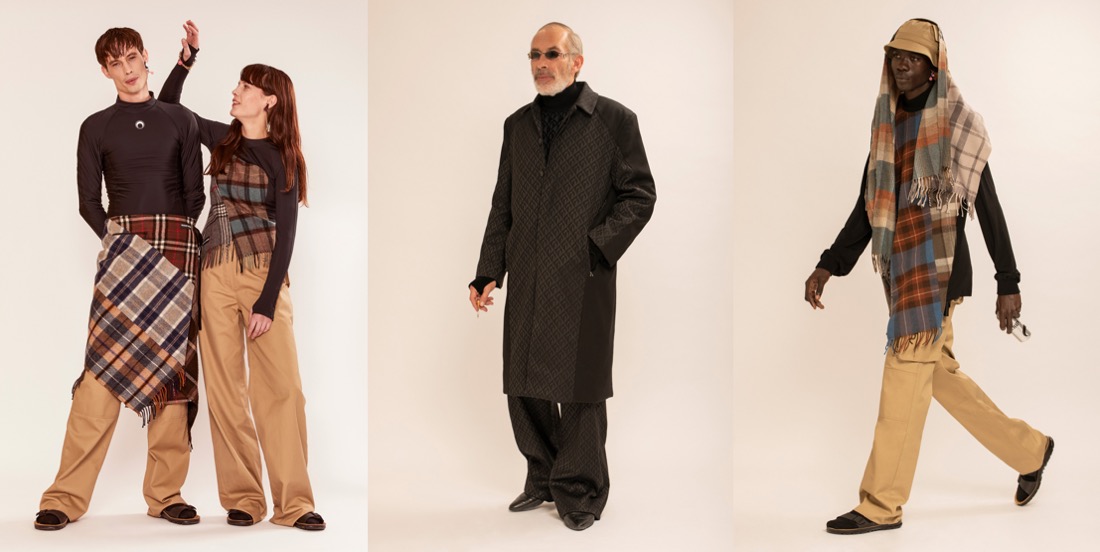
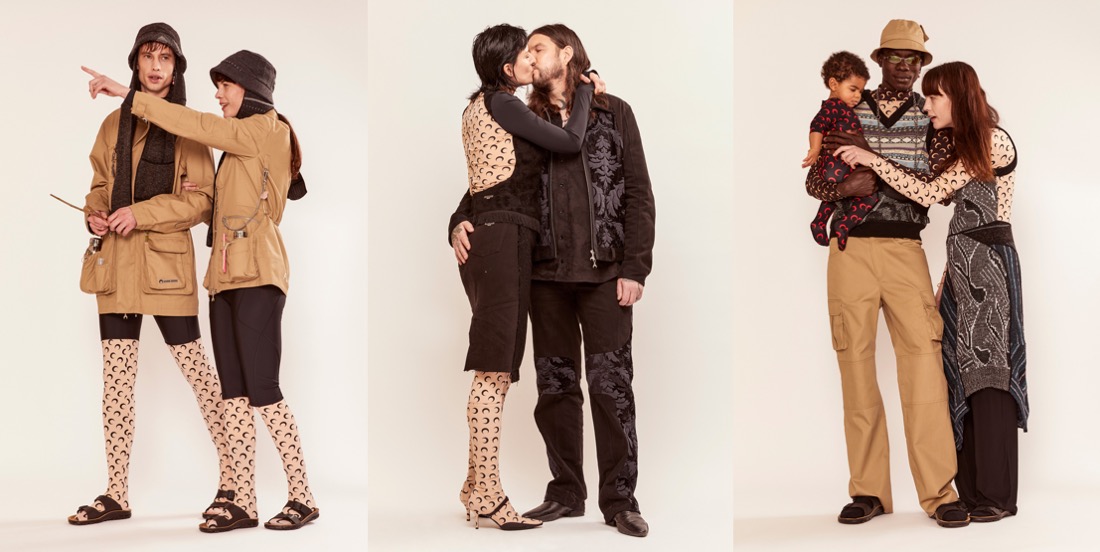
Digital Paris Fashion Week started today, and it hit off with Marine Serre‘s “Core” collections. We’ve got used to Serre’s dystopian visions, which appeared to be ironically precise (she pioneered face masks on the runway seasons ago…). However, her autumn-winter 2021 line-up is all about optymism and hope. The collection wasn’t heralded by a shallow short movie,  but by a website, http://www.marineserrecore.com, which went live at her regular spot on the Paris schedule. The website is a chronicle of all that goes into her designs, and ergo her view of the world, as much as it is a reveal of her new offering and a joyful, life-affirming celebration of family, friends, and community. “Core means the core of the brand, in much the same way as the idea of the core of a computer,” Serre said during a preview. “It’s all of the memory; how everything connects. Pragmatically,” she went on to say, “it’s been three years since we began. We’ve been doing a lot, being an extremely creative brand; we felt the urge to talk, ring the bell, raise the alarm, and reflect that in what we’ve created. This is maybe another moment. An opportunity to look at the interesting processes we’ve put in place; to really think about the garments and the materials we make them from – the transformation of those is really part of our creativity.” The collection is essentially a blueprint of all that Serre has accomplished since she launched the label, filled with her signatures. It’s also a pretty breathtaking and brilliant statement of what can be achieved in the space of three short years; what can emerge when you harness talent with a clear sense of purpose and convictions about what constitutes your values.

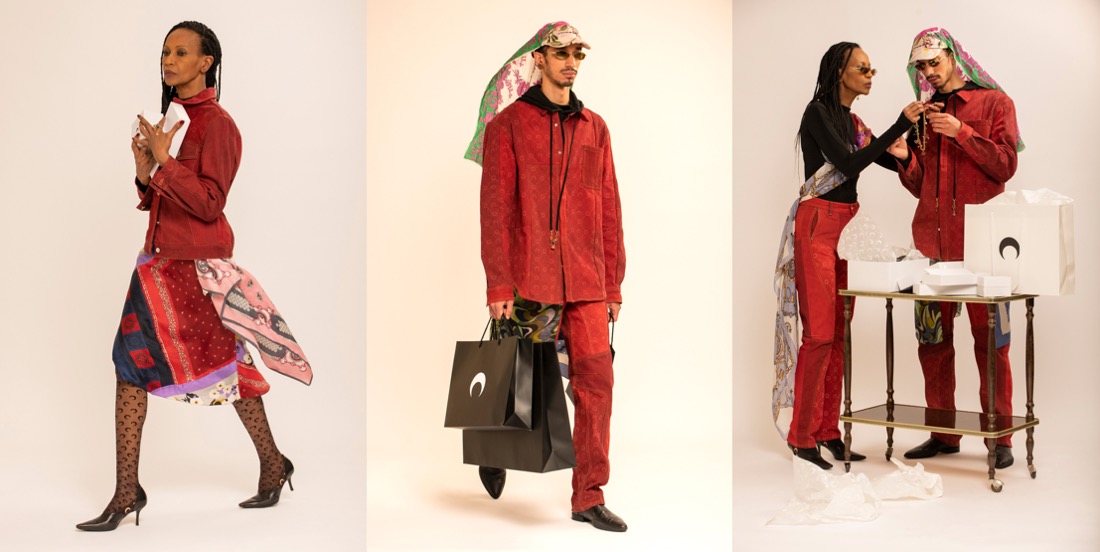
There are plenty of Serre’s upcycled silk scarves, draped around sinuous black dresses, which have been accessorized with talismanic metal belts and petite chain-strap bags, while other scarves have been worked into tunics and tees. Deadstock leather in shades of black, tan, and brown is graphically patched, with an anthropomorphic feel into blazers with squared-off shoulders, biker pants, and jeans-style jackets, sometimes layered up with short dresses created out of antique tablecloths. And the now iconic crescent-moon-motif-embellished bodysuits and regenerated denim or else was mixed with more hybridity in the form of sweaters and dresses collaged out of upcycled knits. All of this was shot on a terrific cross-generational cast of characters, kids included. “It was interesting to revise what we’d already done,” said Serre. “Basically the goal was to bring more real life to our design process, to bring garments into daily life.” Her solution was to ask the team to try things on, give their feedback, then modify to make everything more relatable. The website also houses a charming series of depictions of those within the extended Serre label family, wearing a few of the pieces, and engaged with their routines. “Cooking, spending time with your mother, in the garden, playing with your dog…pleasures which are simple,” said Serre, describing the scenes. “Fashion has always been about a dream, and I don’t like that. Here, fashion is the last thing you see. What you see first are the people.” Serre’s thinking about the site is akin to the way she thinks about her designs. Visit, spend time, come back, visit again, get to know what something means and what it stands for. Nothing should ever be fleeting, or disposable, gone in the blink of an eye.
Collage by Edward Kanarecki.
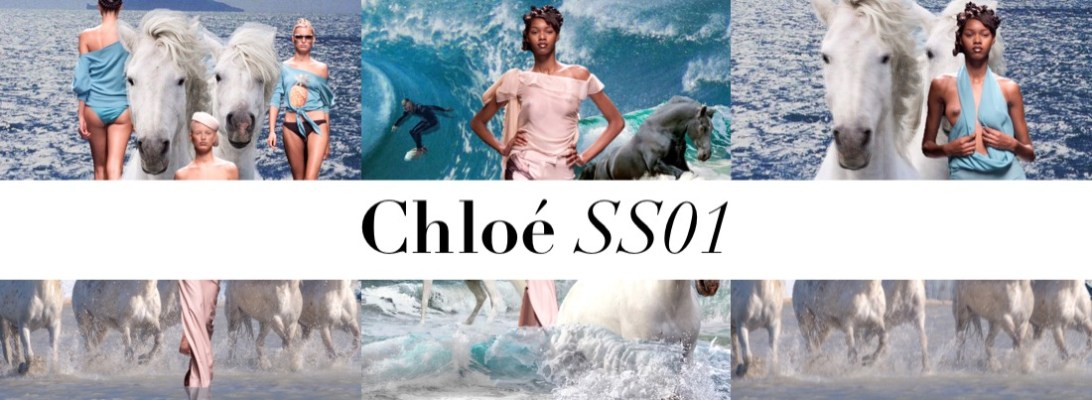
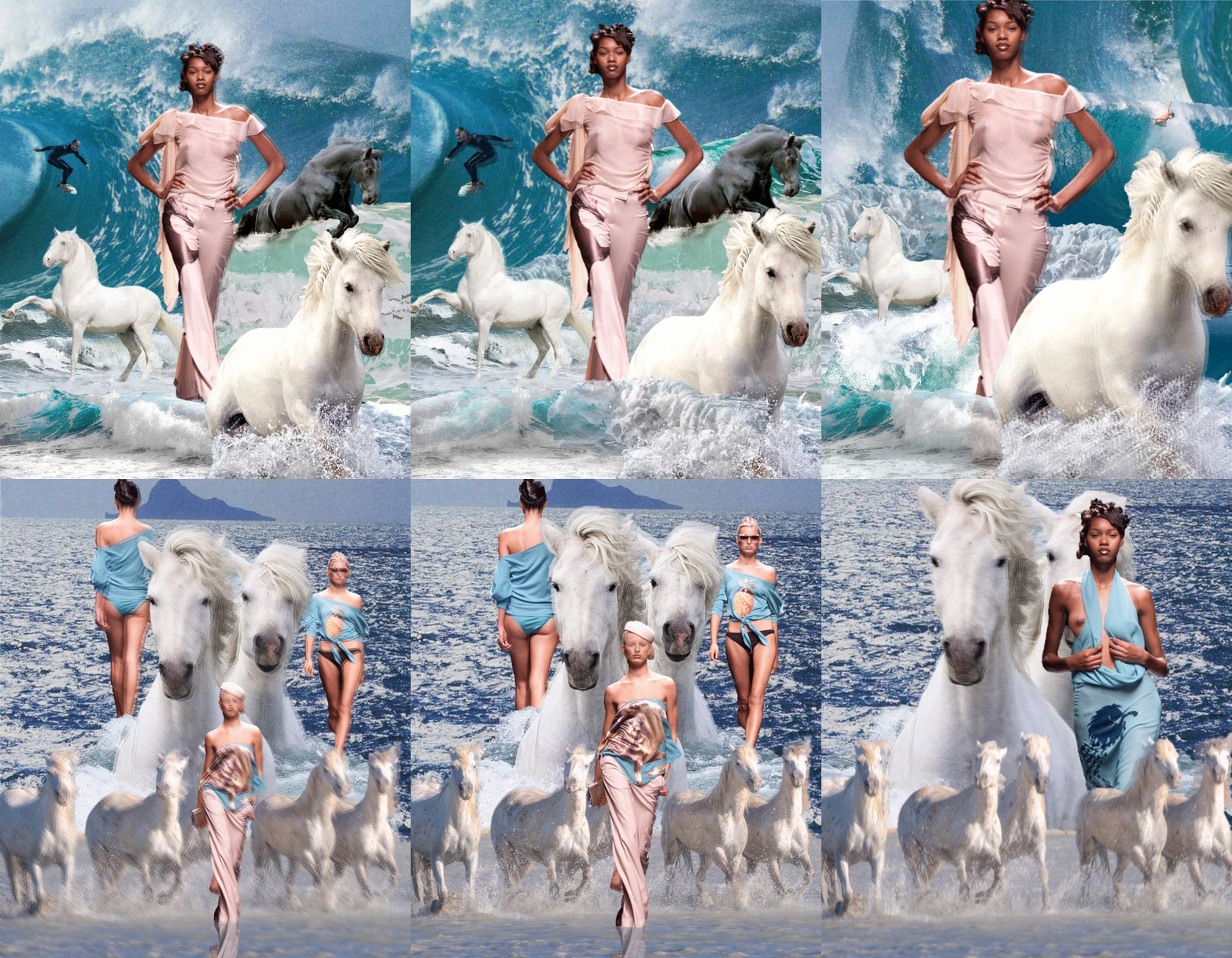
Wild Horses & The Sea. Chloé SS01

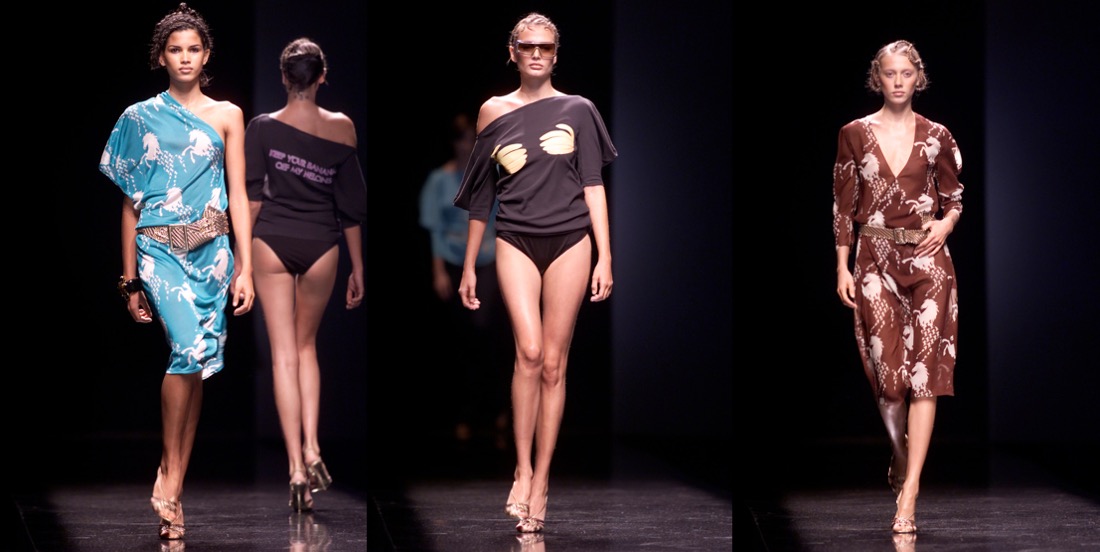
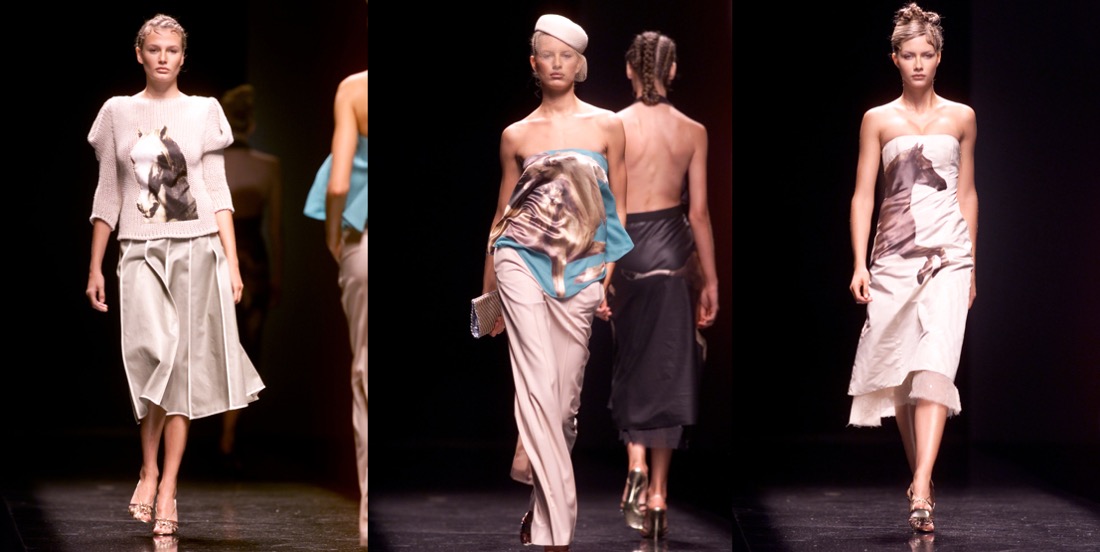
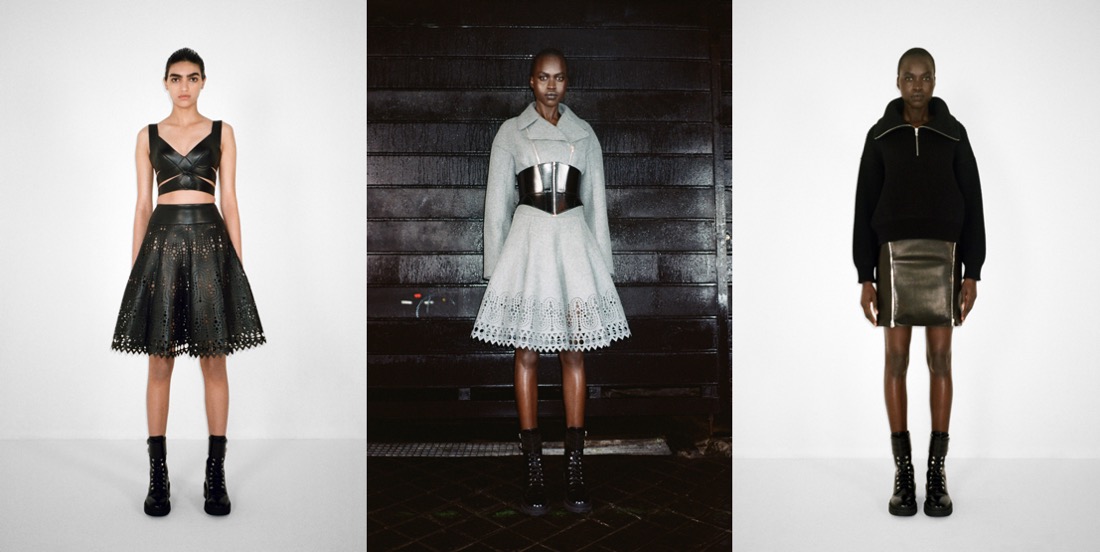
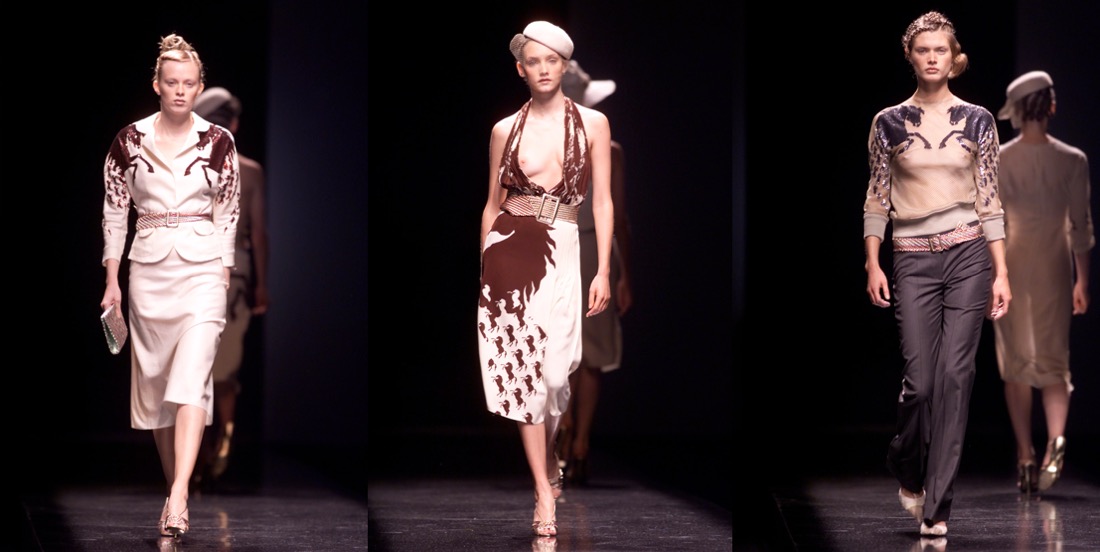
In the yesterday’s Insta-episode of “Never Worns” by Liana Satenstein (I highly recommend following her @schmattashrink!), she talked to journalist and fashion critic Alexadner Fury about his museum-worthy archive collection, and vintage trends that might be big soon. He mentioned Stella McCartney’s Chloé as a fashion moment that just waits to become sought-after on the market. I personally love Stella’s era at the French brand from the early 2000s, and I wish she did more of that carefree, sexy, trippy thing at her brand now. So, 20 years ago, the designer certainly did not disappoint her legions of fabulous young fans. For spring-summer 2001 season, in addition to delivering sexy new T-shirts and plunging bathing suits (with playful pineapple motifs – this sent shock-waves in Paris that day and eventually ended up being a feminist moment), McCartney explored grown-up territory, of course according to her signature princess-at-a-party style. Perhaps drawing inspiration from Elsa Schiaparelli’s inventive chic, McCartney worked graphic horse prints (borrowed from Stubbs and Géricault) into loosely structured diagonal-seam dresses and beautiful jackets with a softly draped triangle shoulder. Skirts were long and relaxed, perfect when paired with lightweight, flouncy off-the shoulder tops. Wide-brim hats and dainty pillboxes with a tulle overlay gave the look a touch of ’30s sophistication. More casual pieces included sexy jeans with zipper pockets and metallic horses galloping along the backside, and a T-shirt with strategically placed banana appliqués in the front and the words “Keep your bananas off my melons” in the back. This was one of the most memorable Stella-at-Chloé collections and one that confirmed her talent and potential as a major designer. I feel like those are clothes we want to see, love and wear in 2021 (or in post-COVID era that will eventually arrive, right?). Slightly hedonistic, beach-perfect, wild like a graceful mustang and simply sparking joy.

“Live” collage by Edward Kanarecki.

Classics. Alaïa AW21

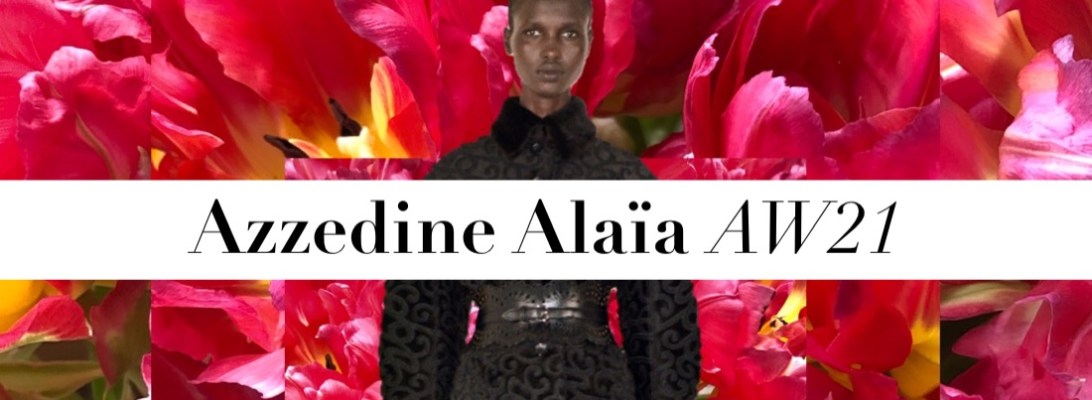
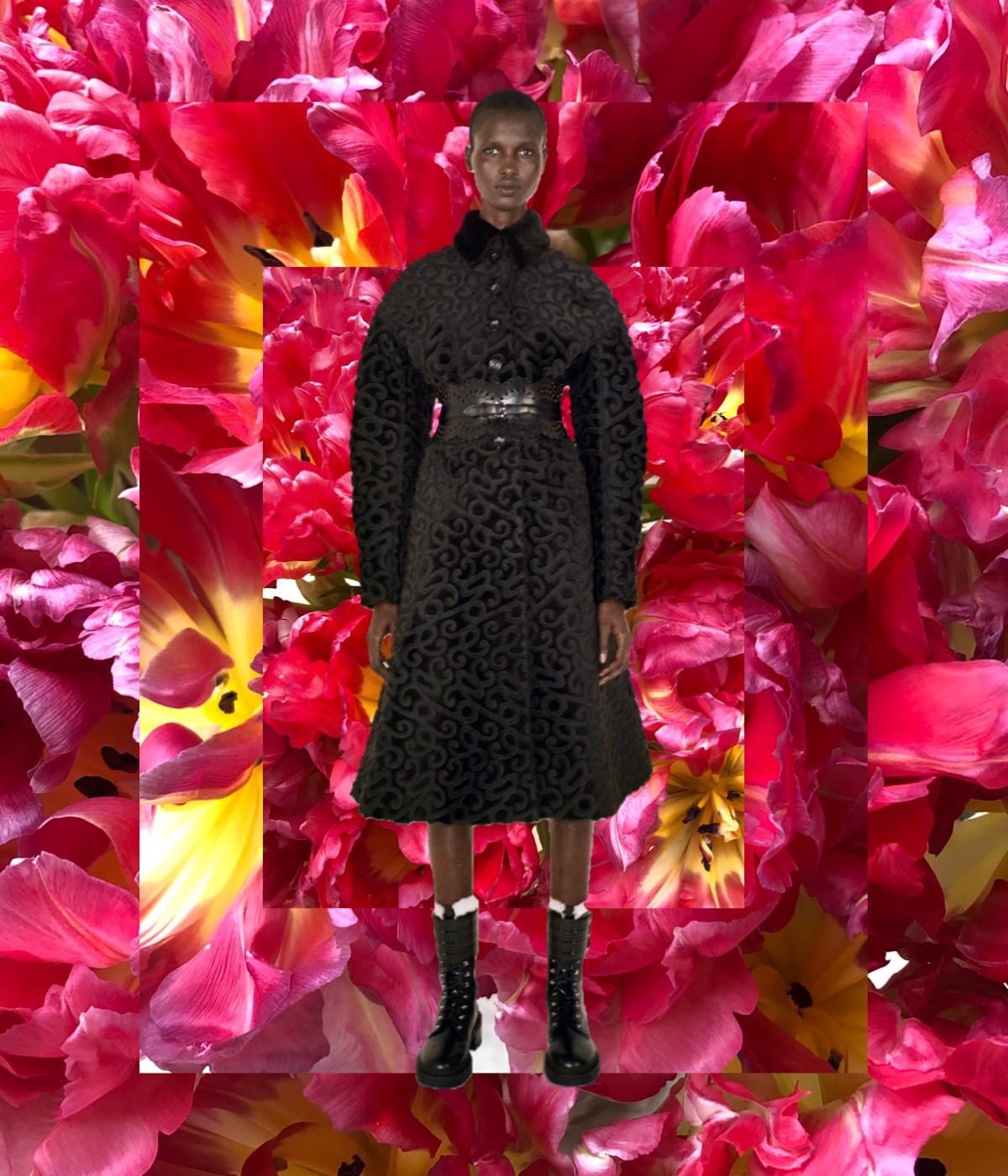
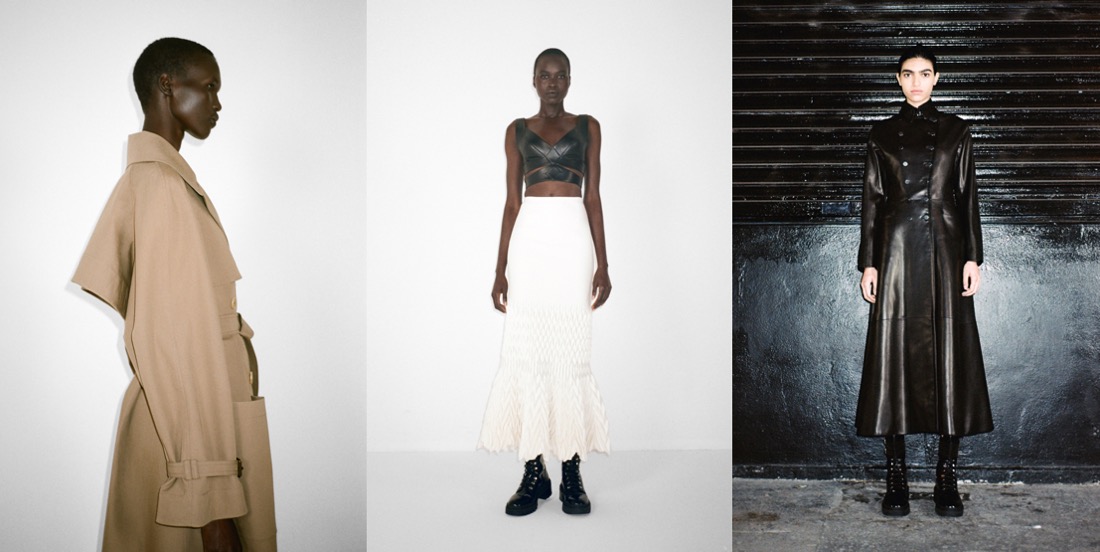
Azzedine Alaïa‘s studio team respects the late monsieur’s aesthetic, techniques and silhouettes, and keeps on working with well-known codes of the maison. The brand consistently evolves, mostly in peace and silence (the rumours of big-name designer appointments are just rumours). Given Alaïa’s decades-old archive of tens of thousands of prototypes, patterns, samples, and unfinished ideas, it’s amazing the house manages to edit down about 40 pieces for the seasonal Editions line. “It’s difficult and horribly frustrating because every time I go through [it, I] see so many pieces I know and love,” explained the house’s Heritage and Editions director Caroline Fabre Bazin. Ultimately, she and Alaïa CEO Myriam Serrano decided to focus on pieces they see as “important for the house, important in the history of fashion, that also speak of technique and timelessness.” Alaïa followers will recognize such iconic designs as the body-con black dress with a wraparound zip, now in long and short versions. They may also recall the intricacy of a coat held together with a technique the designer extrapolated from woodworking and transposed onto leather for a coat from 2006. Called charnière, the French word for hinge, it involves interlacing leather seams by hand in lieu of stitching. A rose-beige knit dress recalls the time a supplier turned up to show Monsieur Alaïa new lacelike techniques; he took them all and used them together for a corset dress. Elsewhere, a wool that was accidentally overboiled became a mesh-like coat, and entered into the house lexicon. Every piece has not just a date, but also a backstory. Autumn-winter 2021 revisits house techniques in new treatments and combinations that sometimes rival couture-level craftsmanship. Fragility and strength meet on a tiered lace dress with a charnière construction on the neckline, waist, and skirt. African inspirations inform the weave of a graceful skirt in russet, beige, and black; the skater skirt is revisited in a sculptural Japanese fabric, and a white skirt picks up on origami techniques. Laser-cut leather features a new style of perforation named for Sidi Bou Said, Alaïa’s Tunisian hometown and final resting place. The snow white sheepskin jacket embroidered with arabesques is a showstopper. Classics that never get boring.

Collage by Edward Kanarecki.
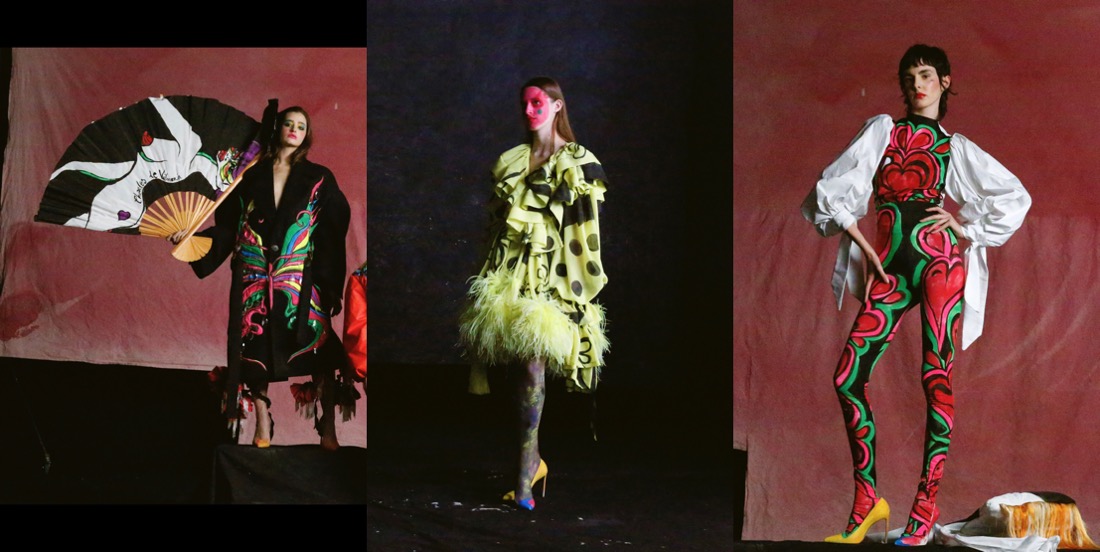
Be Bold, Be Extra. Charles De Vilmorin Couture SS21

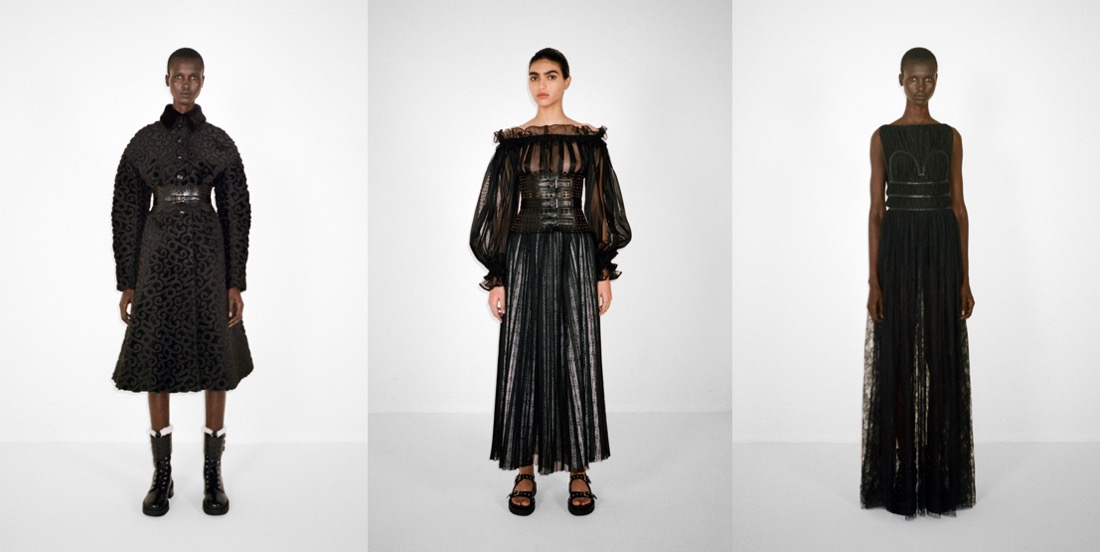
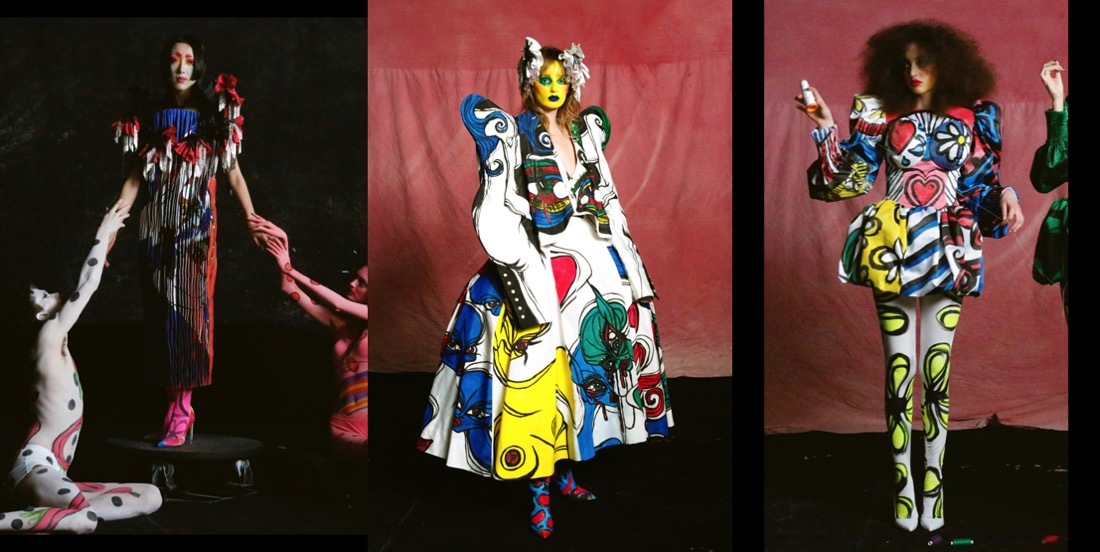
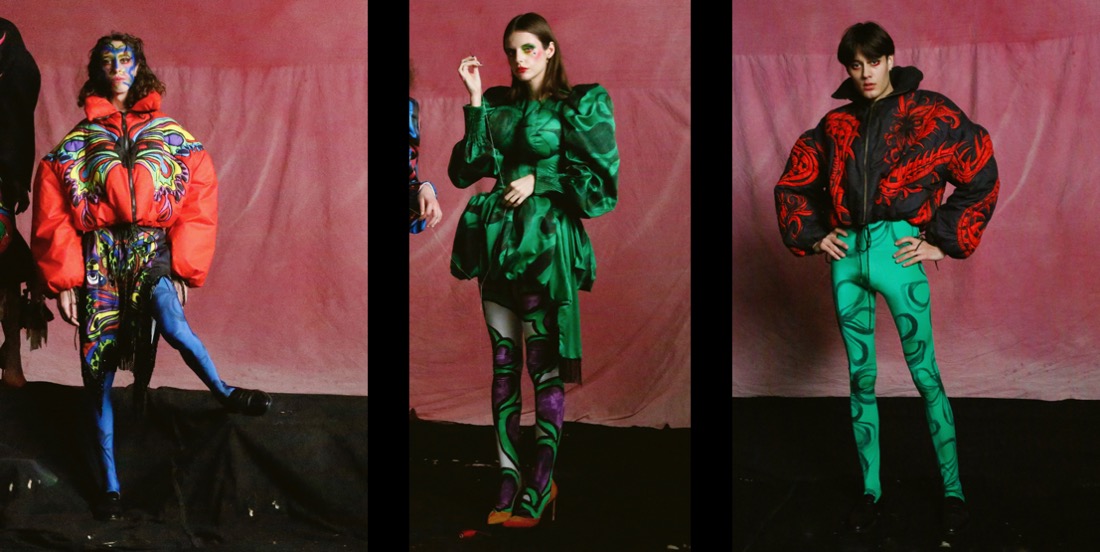
Couture is changing, and the best sign of that is the appearance of new, young talents. When Charles de Vilmorin launched his first collection after graduating from design school last year, no less a French fashion legend than Jean-Charles de Castelbajac was singing his praises: “Charles designs his dreams, paints his creations on the skin as on paper – and these silhouettes transform his muses into psychedelic conquerors…. His future is passionate.” Then, in December, Jean Paul Gaultier sponsored the young designer’s guest appearance on the Paris haute couture calendar. His spring-summer 2021 debut was virtual, but there’s no arguing that De Vilmorin is enjoying a charmed rise. The exuberantly patchworked puffer jackets of his first collection evoked Niki de Saint Phalle’s iconic Nanas. He must feel a connection with the artist. In the video he made this season with Studio L’Etiquette, De Vilmorin operates a paint gun, an obvious reference to the shooting paintings of the early 1960s with which De Saint Phalle made her name. The late artist attached buckets of paint to her canvases, then invited people to shoot at them; the paint would splatter all over her work when the bullets hit. De Vilmorin’s technique is more controlled, but his Instagram account reveals that he did paint his textiles by hand before they were assembled into the 11 looks in this collection. Flowers, butterflies, and psychedelic nudes are his chosen motifs, and the silhouettes, which are worn by all genders in the video, are playful. He likes a puffed sleeve and a full skirt and sprays of feathers at the hem of a dress. The short film stars De Vilmorin’s friends, and he says he keeps them in his mind when he’s designing. “You don’t need a special occasion to wear something extra,” he insisted. Hope to see more of his bold fashion in the near future!

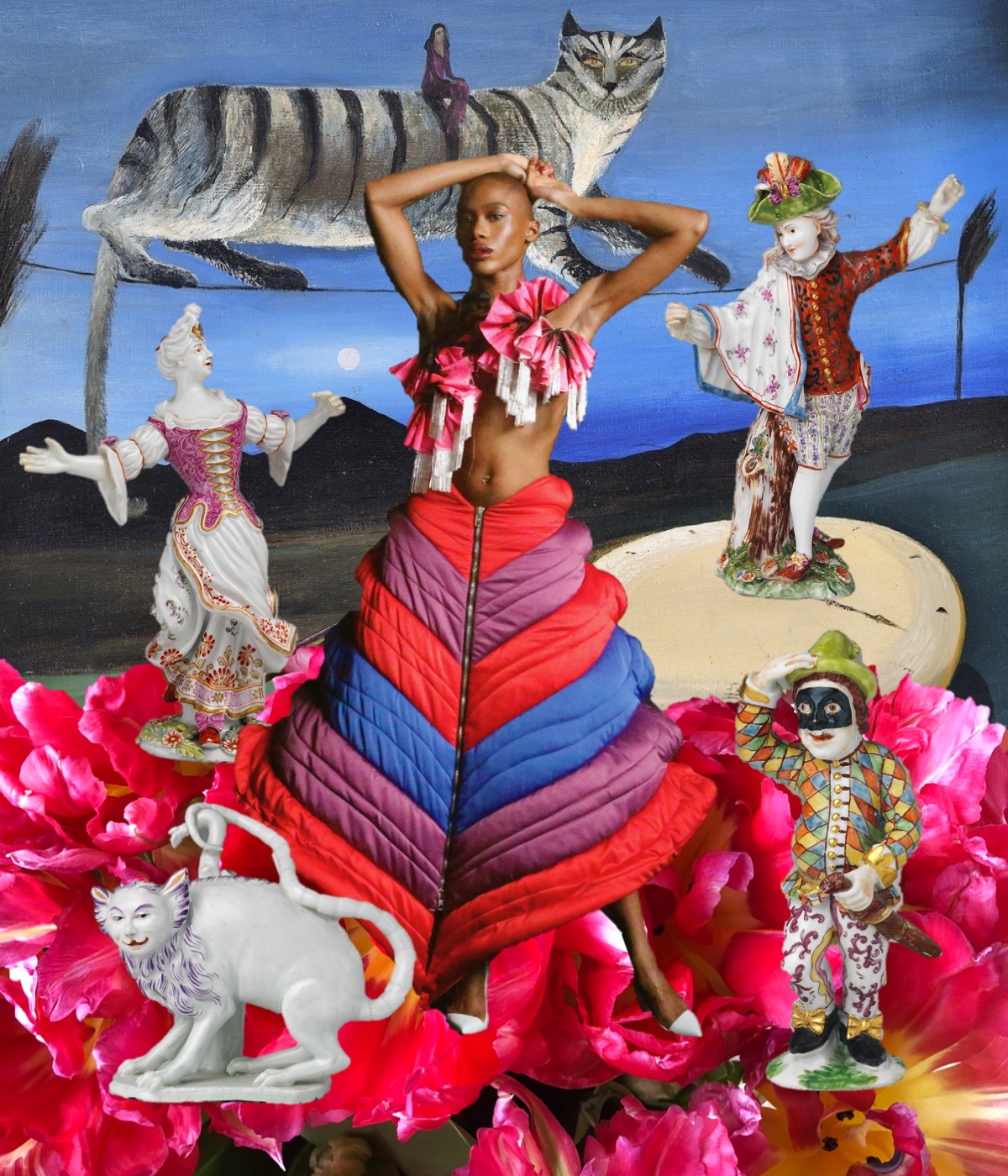
Collage by Edward Kanarecki.
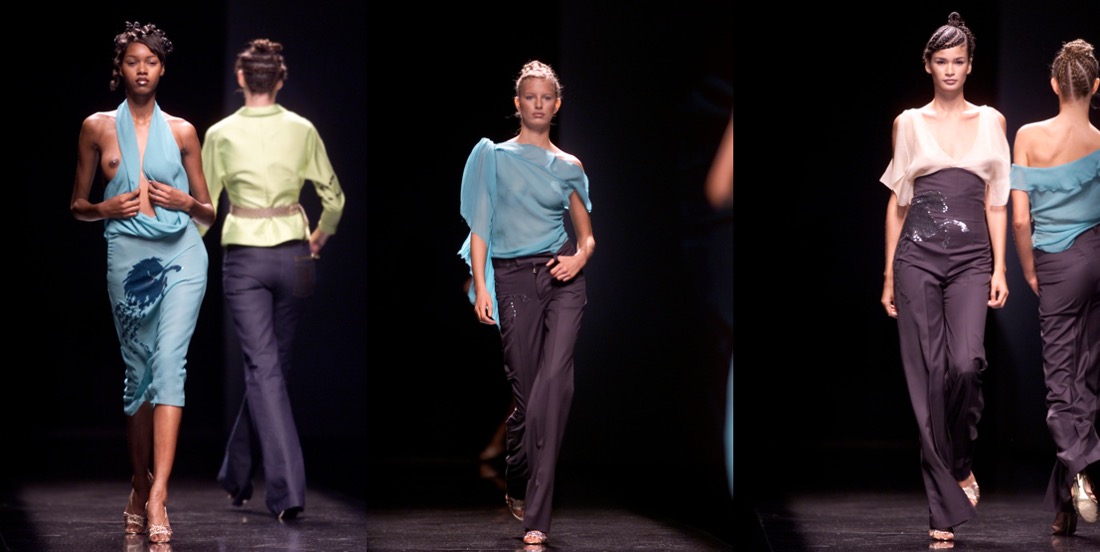
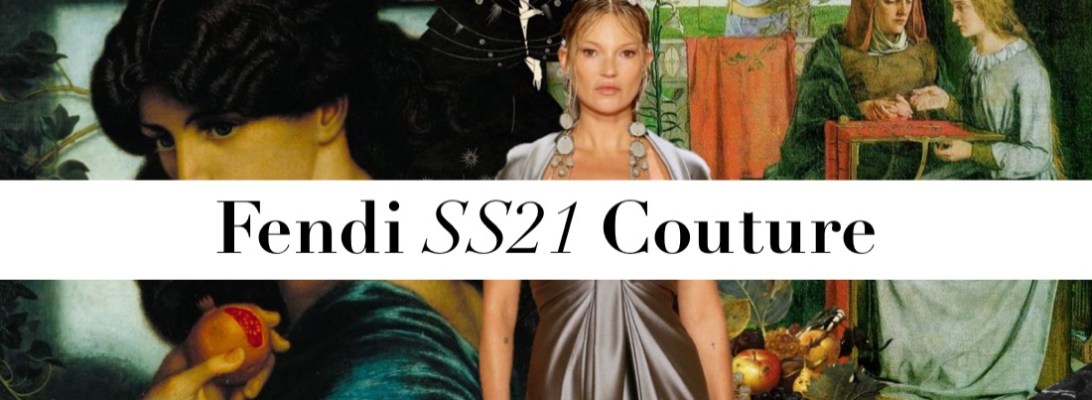
Romantic Melancholy. Fendi Couture SS21

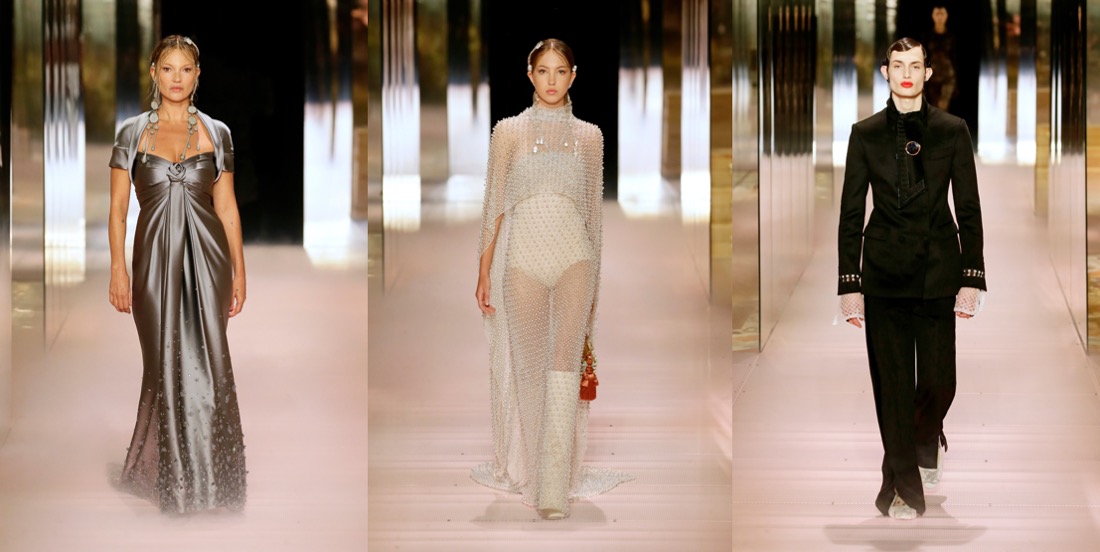
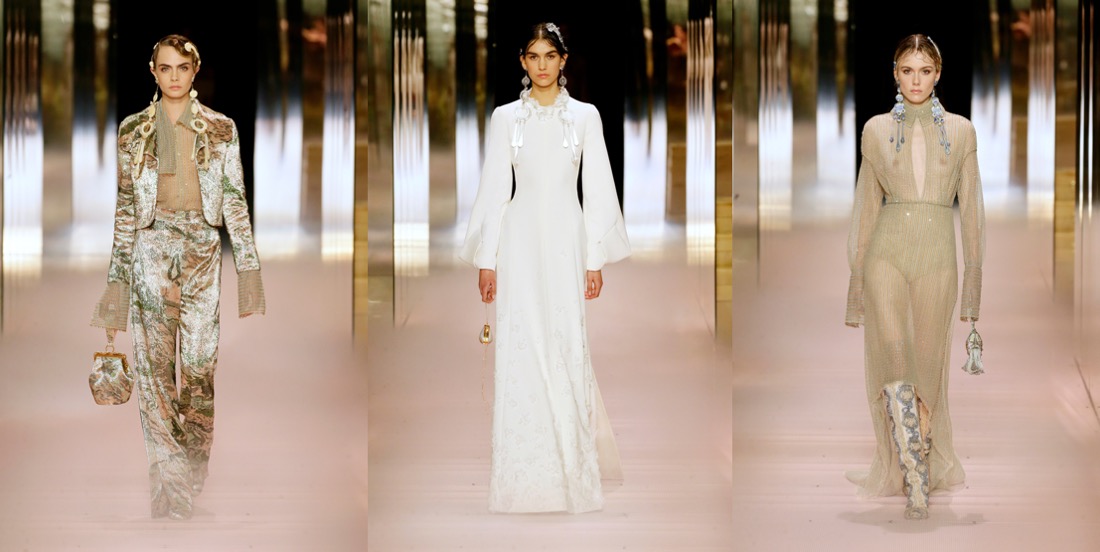
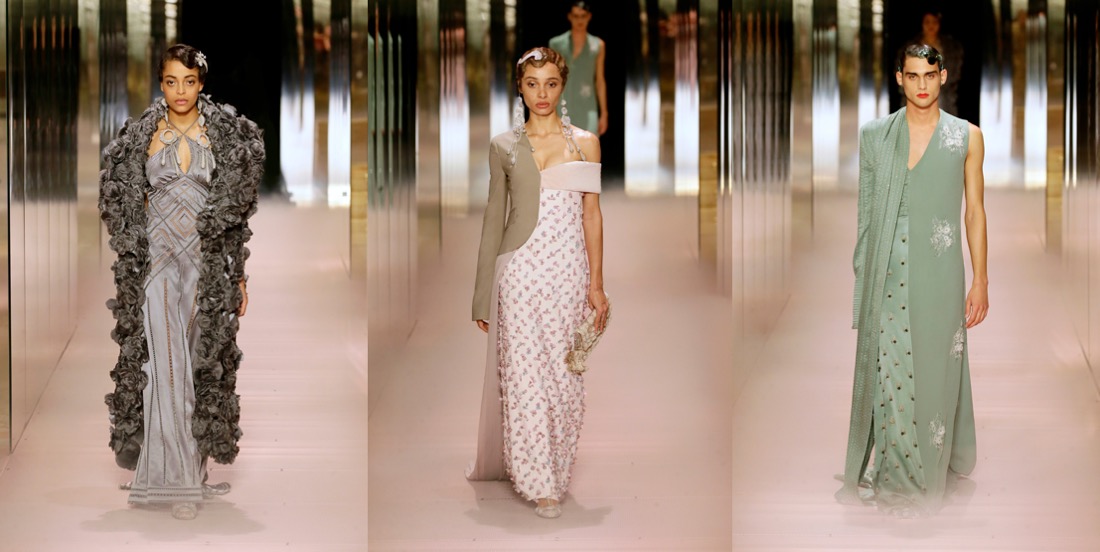
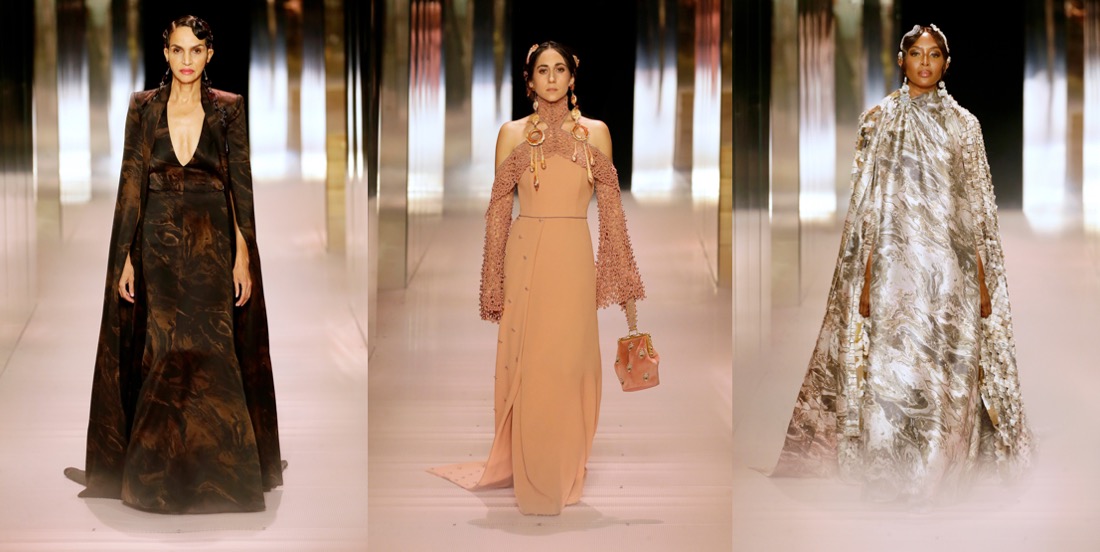
Kim Jones‘ big debut at Fendi‘s womenswear hit off with a haute couture show. You might know that I wasn’t his fan at men’s Louis Vuitton, and I’m not overly obsessed with his current Dior menswear venture. So I didn’t expect much from his arrival at Fendi. The spring-summer 2021 couture show is an example of a fashion spectacle, where everything wows the viewer except the actual clothes. First, the literary and artistic sources that shaped Kim’s Fendi line-up started in Charleston Farmhouse, the 16th-century Sussex retreat of the Bloomsbury set located not far from the village of Rodmell, where the designer was partly raised and owns a house. Young Jones would spend school trips exploring the house and learning about Bloomsbury’s bohemian members. Those dreamy stories stayed with him. Second, his Fendi collection showed a demonstration of how Jones expresses himself in form and decoration in womenswear.  Of carving out that silhouette, Jones said he observed “the reality of what women around me are wearing. I have friends that just buy couture clothes, and they don’t buy big ball gowns. They buy real clothes, things that fit their bodies.” Above all, he wants to create work “reactive to the time we’re living in.” And three, enter ‘Orlando’, Virginia Woolf’s time-traveling tale of androgyny and fashion’s favorite lexicon for the study of genderlessness. “’Orlando’ was published in 1928, and Fendi was founded in 1925,” he pointed out. The “journey from Bloomsbury to Borghese” interpreted Vanessa Bell and Duncan Grant’s frescoes of Charleston in hand-beaded prints and the marbles of the Galleria Borghese in painted tailoring, meanwhile dresses evoked the wet drapery of its Bernini sculptures. It all sounds delightful and thorougly considered, but the effect was overcharged, heavy and most of the time, simply unflattering. In the prerecorded show, Jones echoed ‘Orlando’’s themes in a coed cast featuring many of his high-profile friendships: Demi Moore, Kate and Lila Moss, Christy and James Turlington, Adwoa and Kesewa Aboah. The family constellations celebrated Fendi’s values as a matriarchal fashion dynasty, whose class-act custodian, Silvia Venturini Fendi, still serves as artistic director of accessories and menswear. Joining the cast were her daughters, Leonetta Fendi and jewelry designer Delfina Delettrez, whom Jones has now named as creative director of the brand’s jewelry. Delettrez’s supersized murano glass chandelier earrings accompanied each look, and must have been heavily inspired by Romeo Gigli (if this name doesn’t ring a bell, you better Google him!). Tailoring felt more rigidly structured for male anatomy, framed by floor-sweeping capes. At times, forms grew shapeless, like a pink look of highly textured layers topped off with a lace coat webbed from roses or a mound of marbled garments draped over Naomi Campbell (I love Naomi. But this look didn’t serve her at all – she drowned in it!). Jones’s juxtapositions culminated in split-personality dresses hybridized from half an evening gown and half a blazer or shirt. The inspiration was found in the sketches of his predecessor, Karl Lagerfeld, who left 54 years’ worth of archives behind him when he died two years ago. Lagerfeld’s Fendi was epitomized by Roman modernism, a handsome glamour that often found time for quirk. Jones’s approach was romantic (and suffocating) melancholy in contrast. Of course, most ‘major’ debuts go wrong. It’s the beginning of a new chapter at Fendi, and I’m looking forward to see what Jones will bring next to the table.

Collage by Edward Kanarecki.