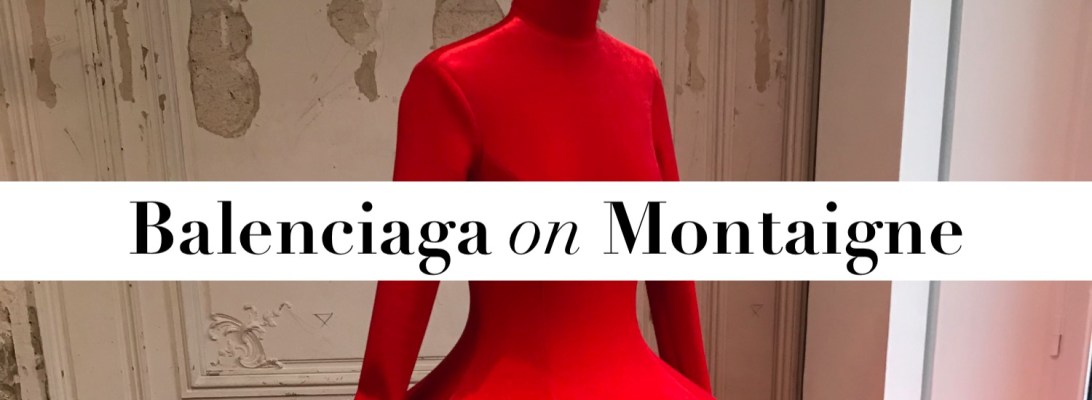
Balenciaga on Avenue Montaigne

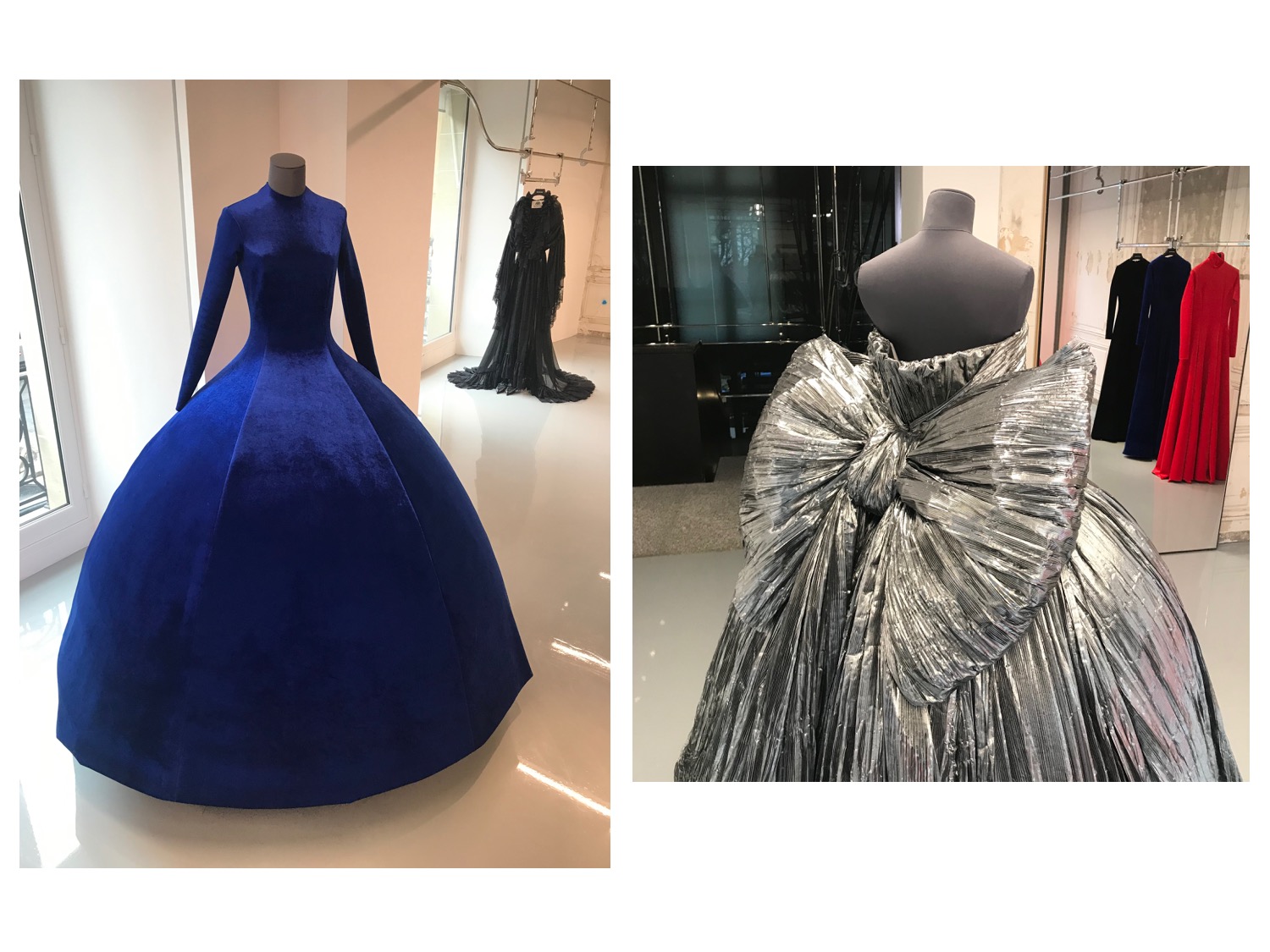
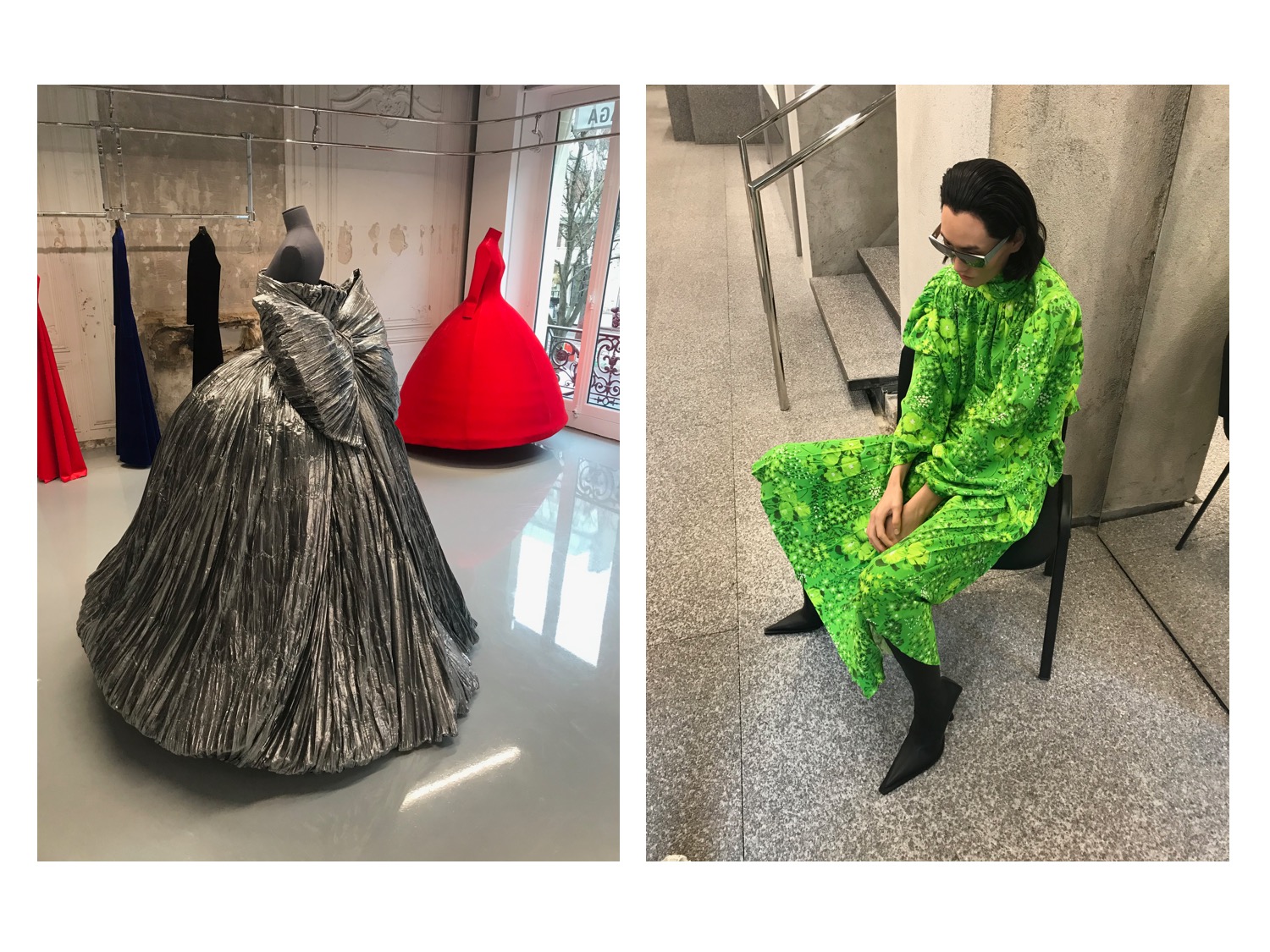
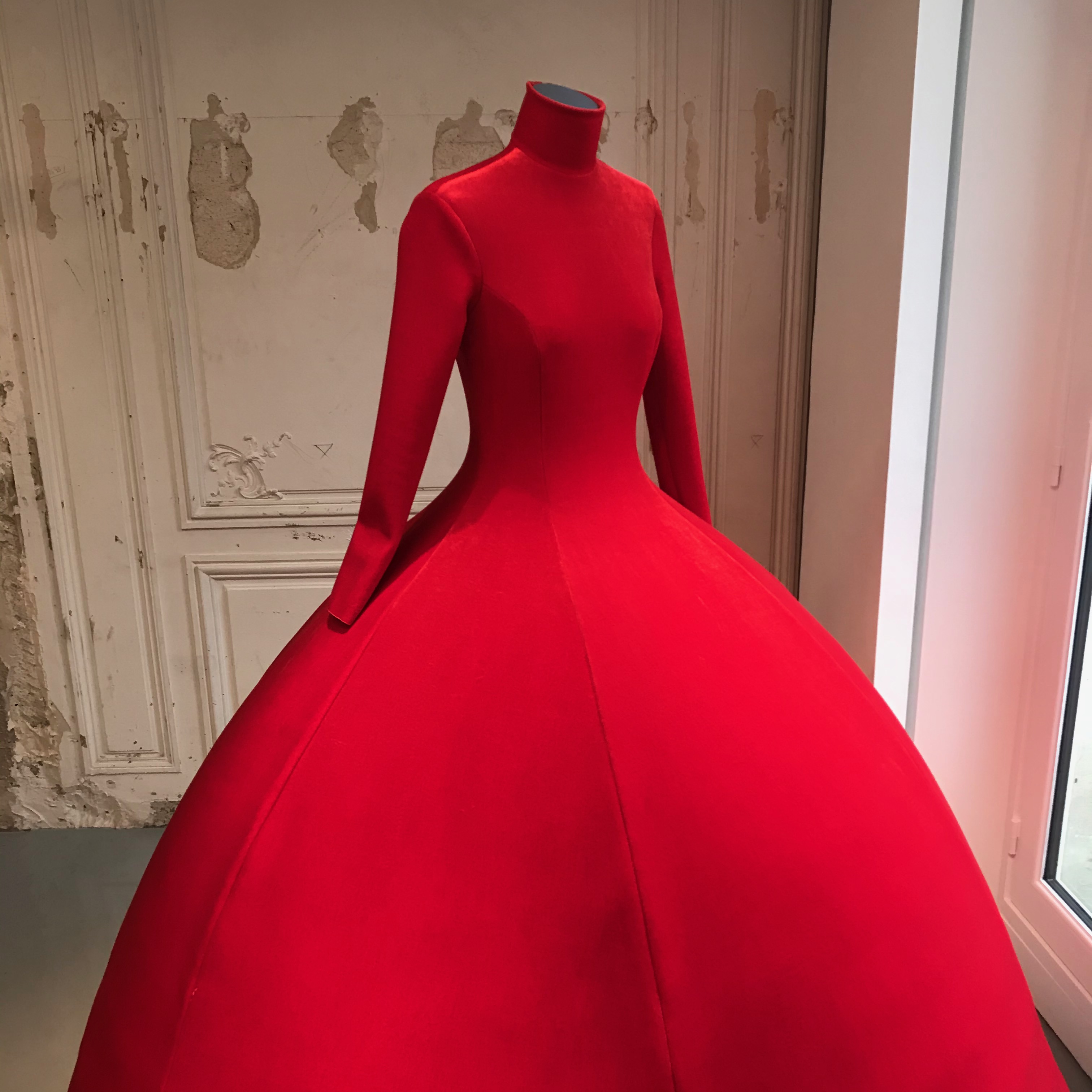
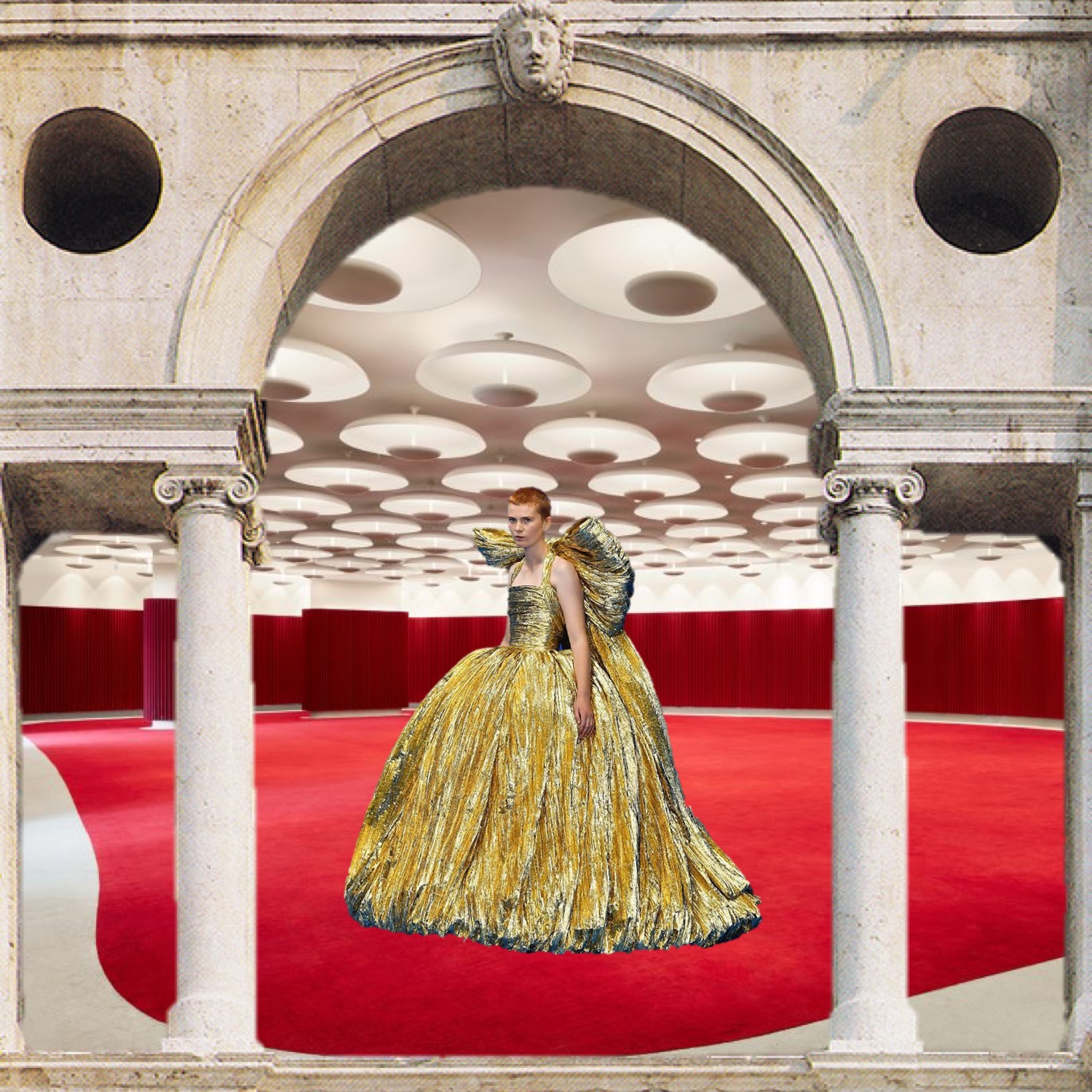
The spacious Balenciaga store on Avenue Montaigne has the most fantastic, jaw-dropping, oh, iconic dresses of the season. Yes, those spring-summer 2020 dresses by Demna Gvasalia that stole the entire Paris fashion week spotlight back in October. They really are modern-day couture. The stunning, crinoline dresses (the ones in candy wrap lurex with a huge bow on the back and the three velvet masterpieces in different colours). “Ballroom dresses go back to the beginning of Balenciaga, when Cristóbal started in Spain. It was mostly this type of silhouette he did, from Spanish painting,” Gvasalia observed. “But we wanted to make sure they were wearable. They surely are. And yes, they really make an entrance.

57 Avenue Montaigne

Collage and photos by Edward Kanarecki.

(P.S. If you are inspired by my Parisian coverage, I’m really happy about, but please have in mind that now isn’t a safe time for any sorts of travelling. Stay at home!)

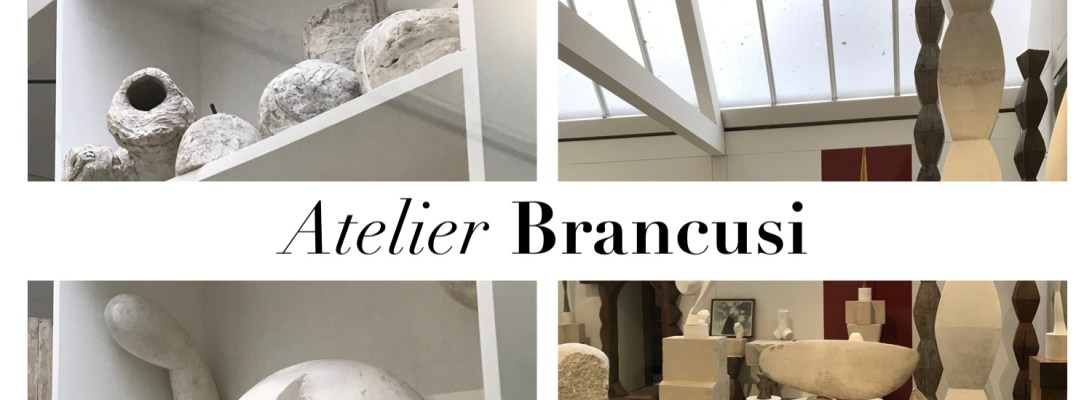
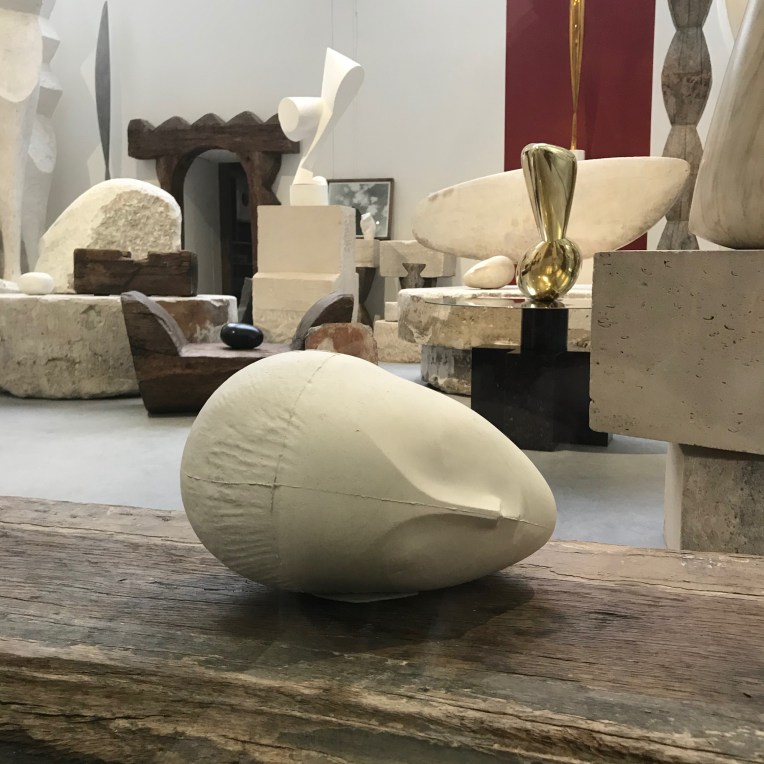
Atelier Brancusi

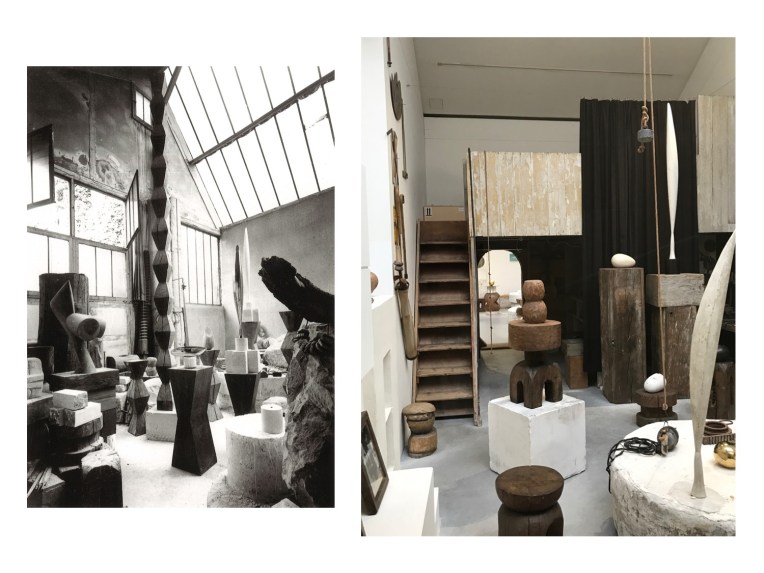
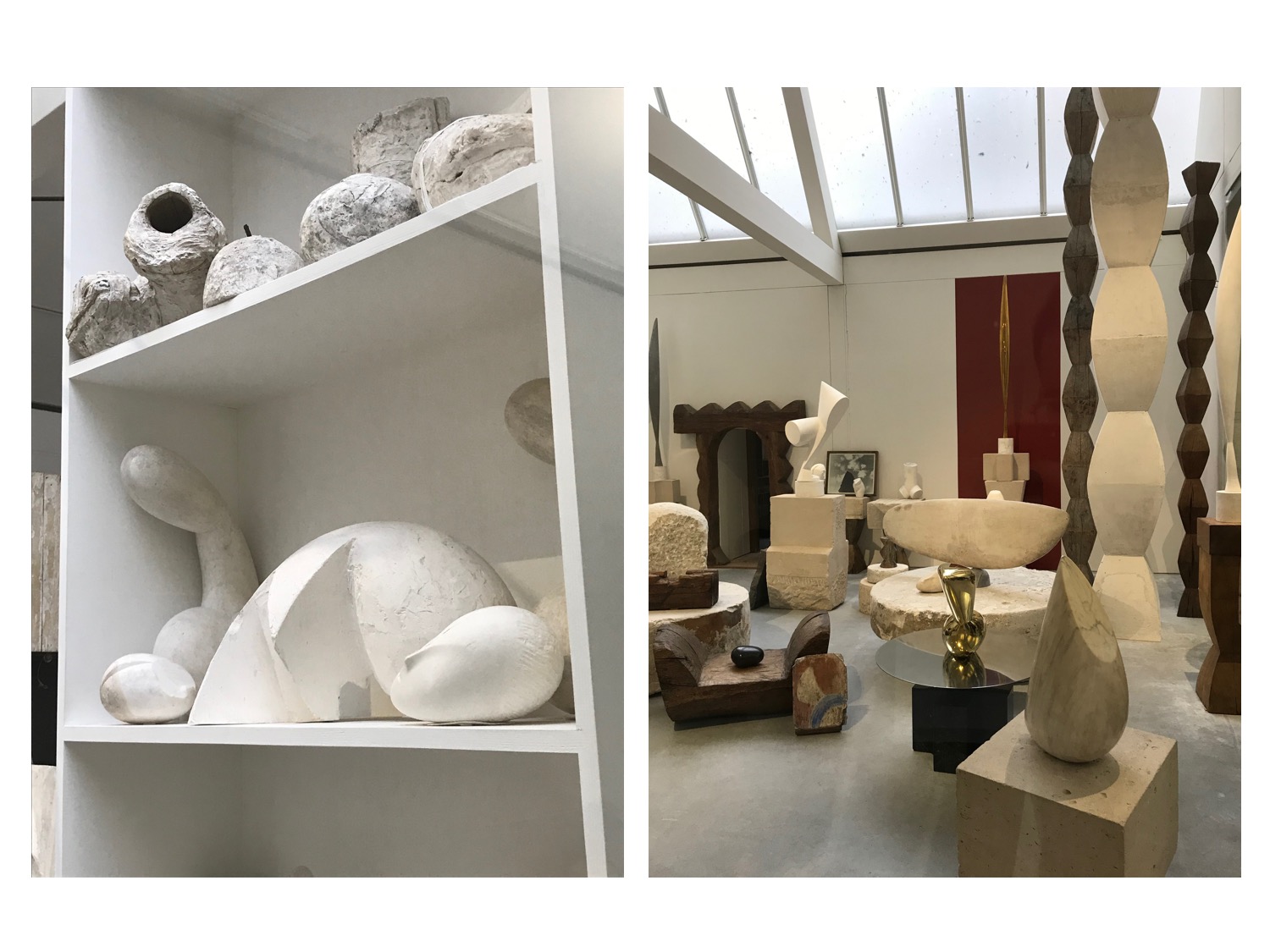
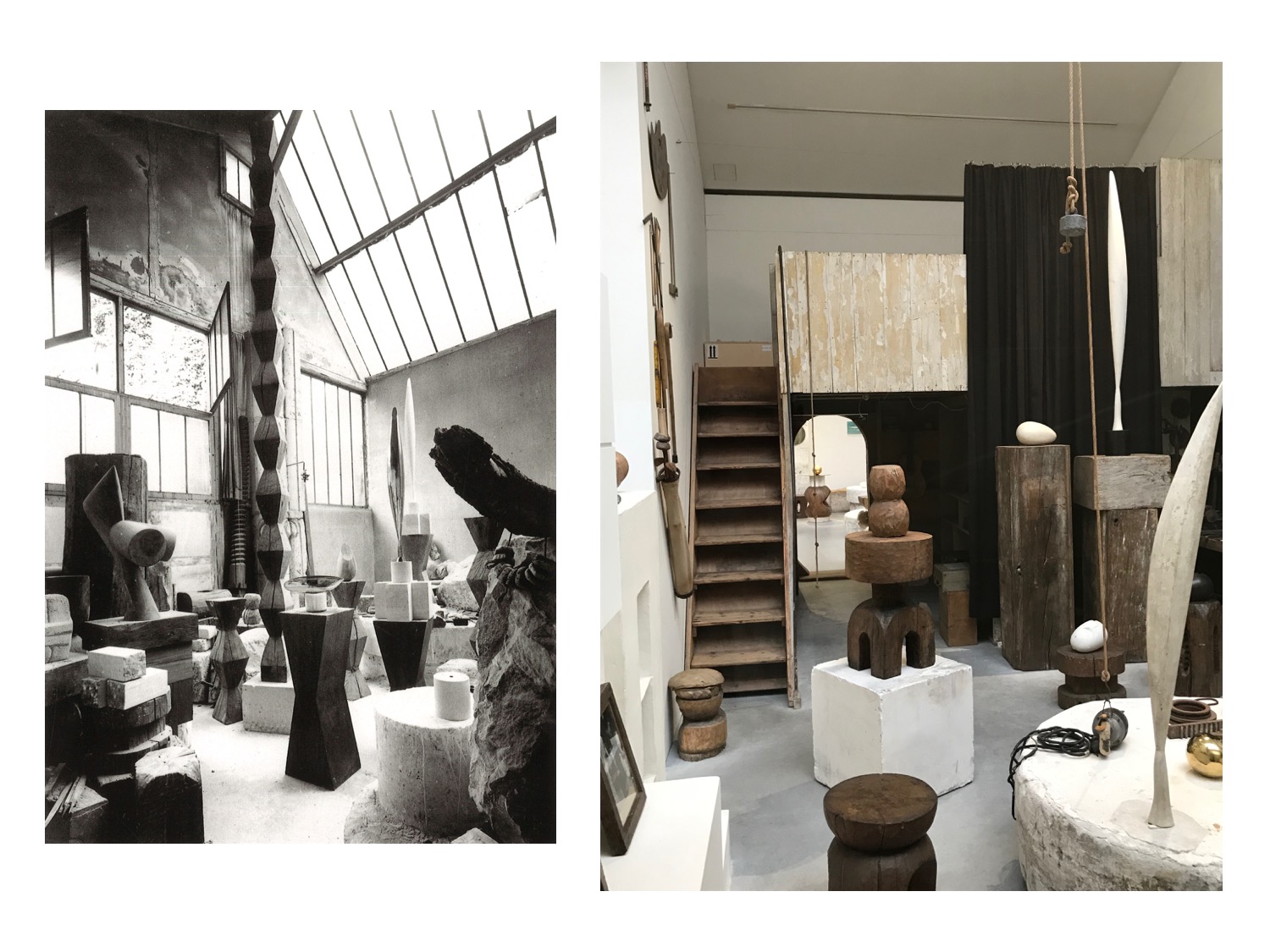
This place was on my “must see” list for a while. Finally, I visited Centre Pompidou’s Atelier Brancusi – a standalone pavillon dedicated to Constantin Brancusi‘s work. Born in Romania in 1876, Brancusi lived and worked in Paris from 1904 until his death in 1957, and this is where he produced most of his forever-inspiring work. In his will, he bequeathed his entire studio to the French state. Brancusi considered the relationship between sculptures and the space they occupied to be of crucial importance. In the 1910s, by laying sculptures out in a close spatial relationship, he created new works within the studio which he called “mobile groups“, stressing the importance of the connections between the works themselves and the possibilities of each for moving around within the group. In the next decades, the studio became an exhibition space for his work, and a work of art in its own right: a body consisting of cells that all generated each other. This experience of looking from within the studio at each of the sculptures, thus perceiving a group of spatial relationships, led Brancusi to revise their positions every day to achieve the unity he felt most apposite.At the end of his life, Brancusi stopped creating sculptures and focused solely on their relationship within the studio. This proximity became so fundamental that the artist no longer wanted to exhibit, and when he sold a work, he replaced it with plaster copy so as not to destroy the unity of the group. The present reconstruction, built by the architect Renzo Piano, is presented as a museum space containing the studio. Piano’s problem lay in making the space open to the public while respecting the artist’s wishes. While the architect did not attempt to recreate the intimacy of the original, he preserved the idea of a protected, interiorised space where visitors are isolated from the street and the piazza, in particular by an enclosed garden, from which part of the studio can be seen through a glass wall. I’ve spent there about 30 minutes, trying to absorb as much as possible with my eyes. And I went out feeling as relaxed as after a lovely spa.
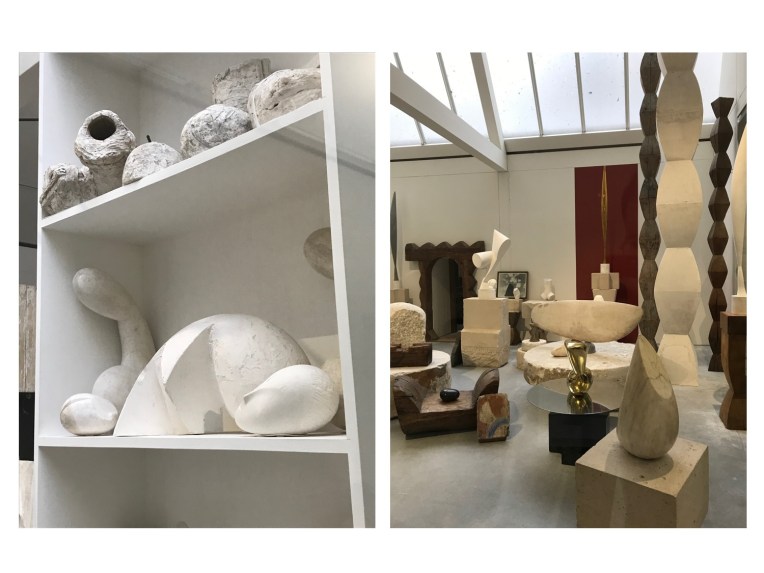
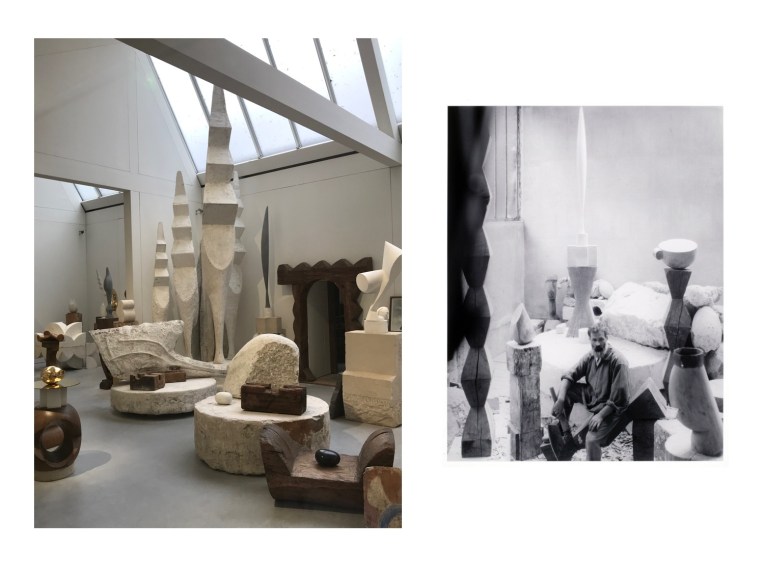
Photos of the exhibition by Edward Kanarecki.

(P.S. If you are inspired by my Parisian coverage, I’m really happy about, but please have in mind that now isn’t a safe time for any sorts of travelling. Stay at home!)

Astier De Villatte

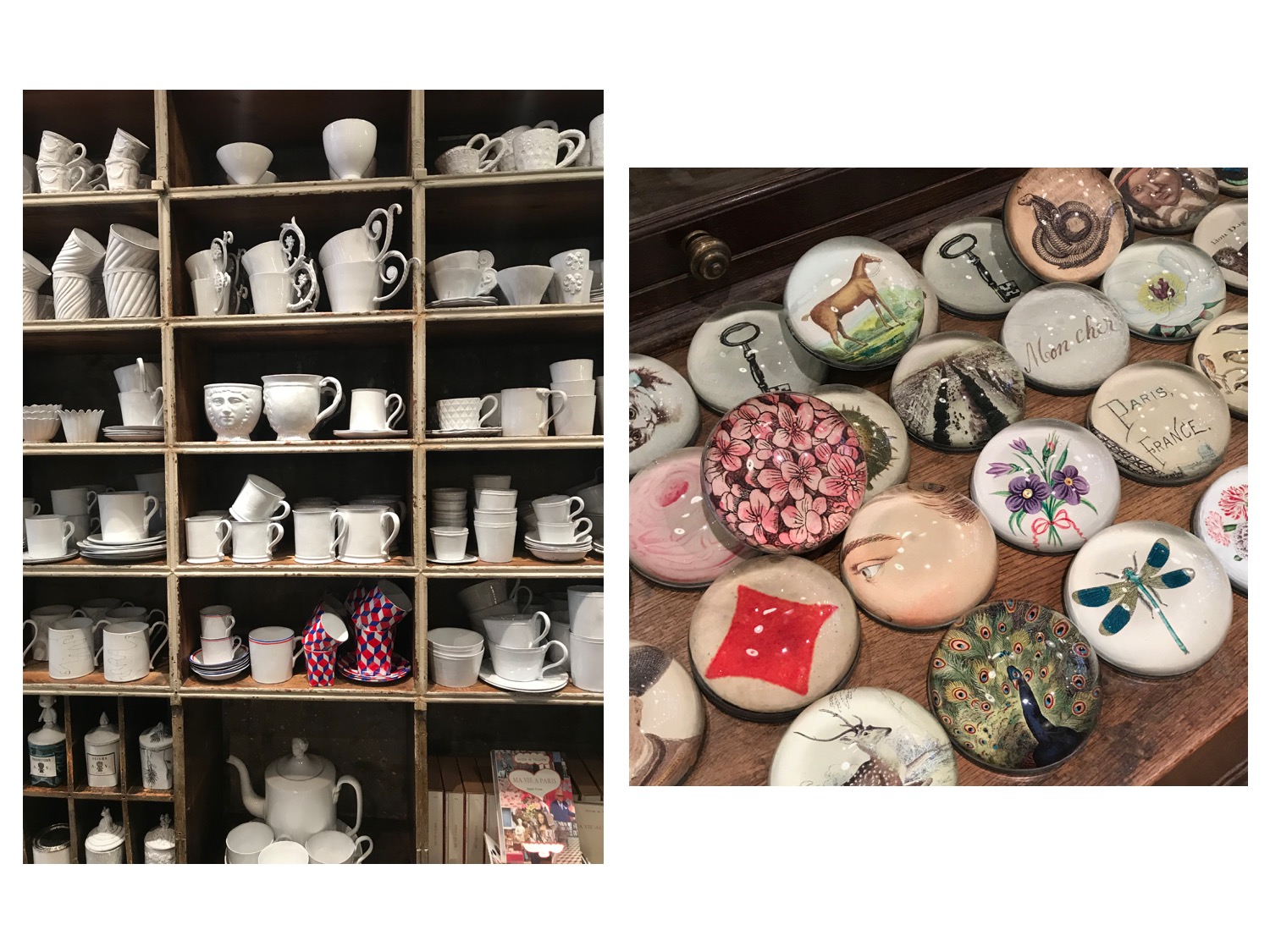
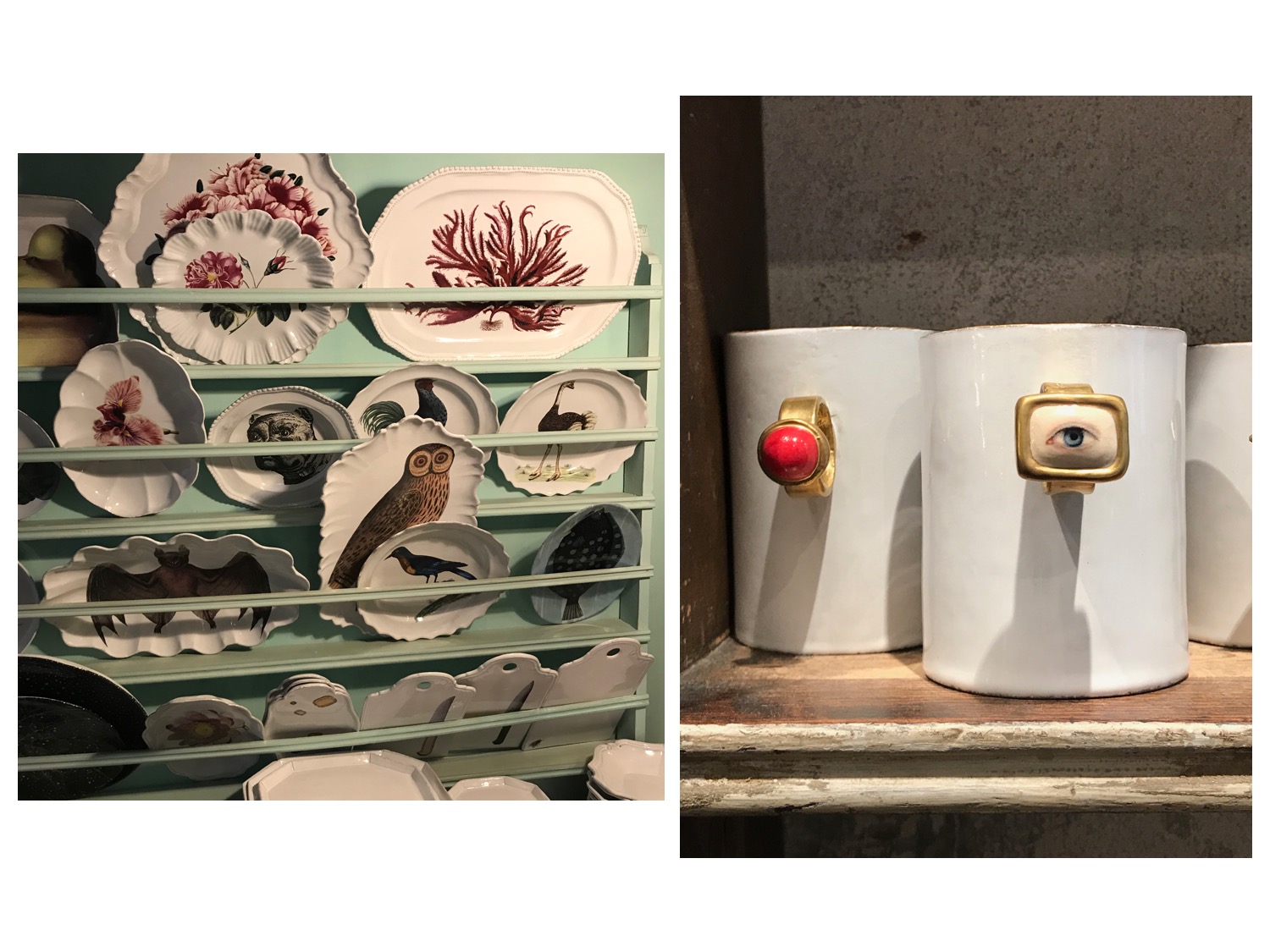
World renowned Astier De Villatte create their charming, one of a kind ceramics, pottery, candles and glassware in an antique Bastille workshop in Paris. Best known for their 18th and 19th century inspired handmade ceramics, Astier de Villatte have been making their ceramics here since 1996. Founded by Benoit Astier de Villatte and Ivan Pericoli, they continue to follow in the tradition of the great 18th century Parisian ceramic studios. Drawing inspiration from the history of decorative arts, folk art and abandoned objects, their team of twenty ceramicists make every piece of pottery by hand. Using traditional techniques passed down through the generations, everything in their exquisite range is totally unique. Sculpted out of black terracotta, each ceramic is then finished with a milky glaze to emphasise the character and imperfections of the clay. No two Astier de Villatte products are the same. Alongside their ceramics, Astier de Villatte make scented hand care products, incense and candles. Their Serena Carone mugs (see the above photo) are on my wishlist.

173 rue Saint-Honore

All photos by Edward Kanarecki.

(P.S. If you are inspired by my Parisian coverage, I’m really happy about, but please have in mind that now isn’t a safe time for any sorts of travelling. Stay at home!)
Delightful. Magda Butrym AW20

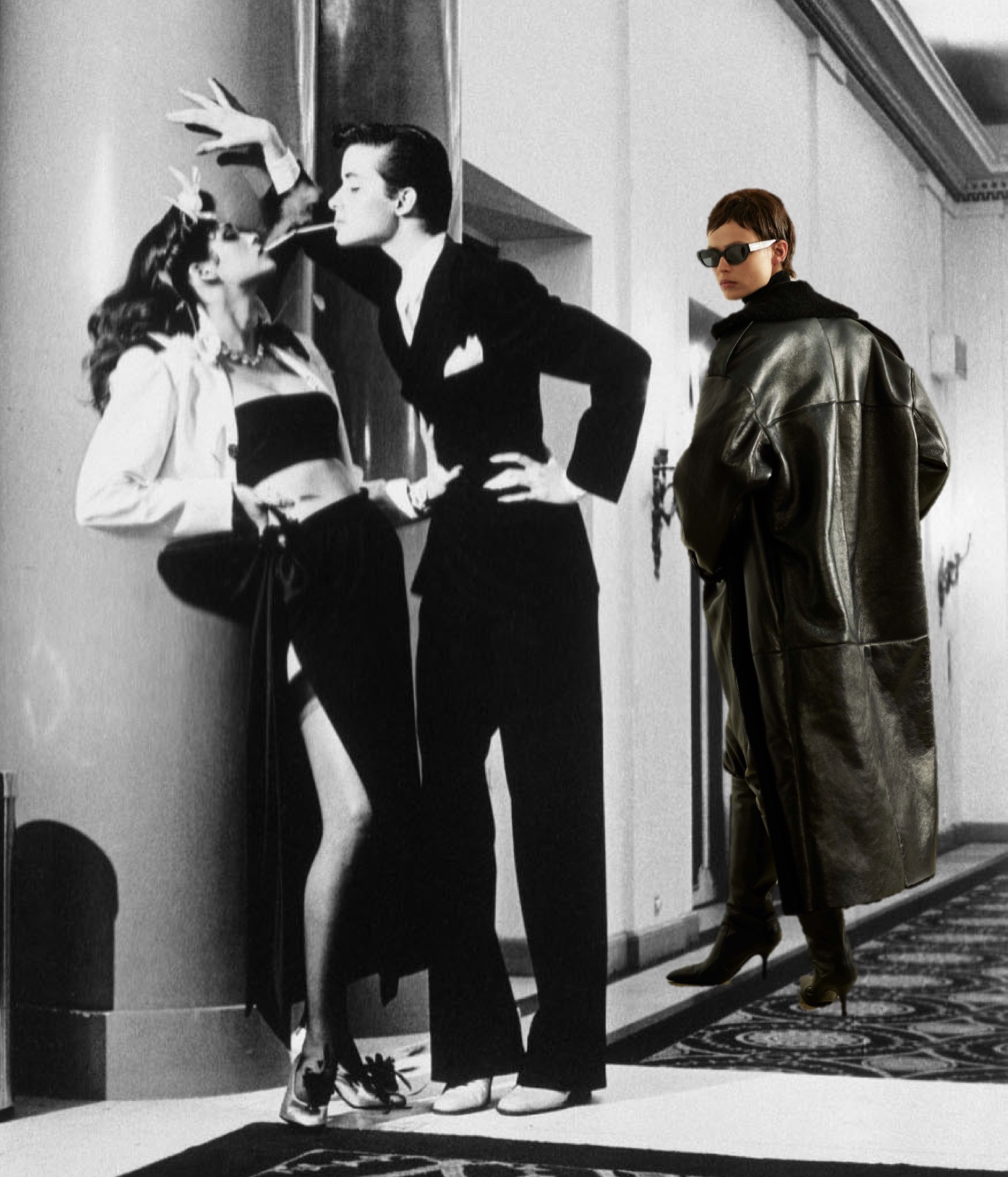
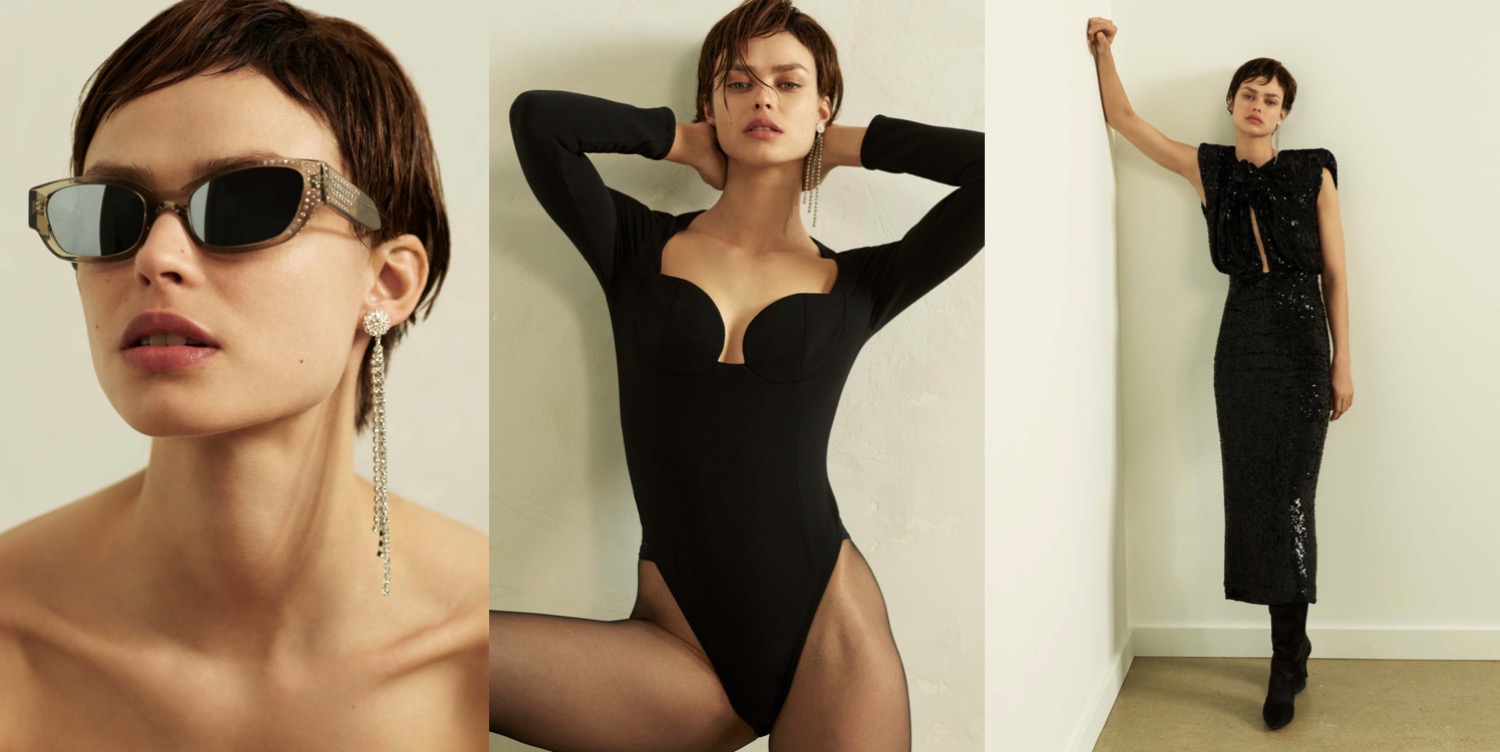
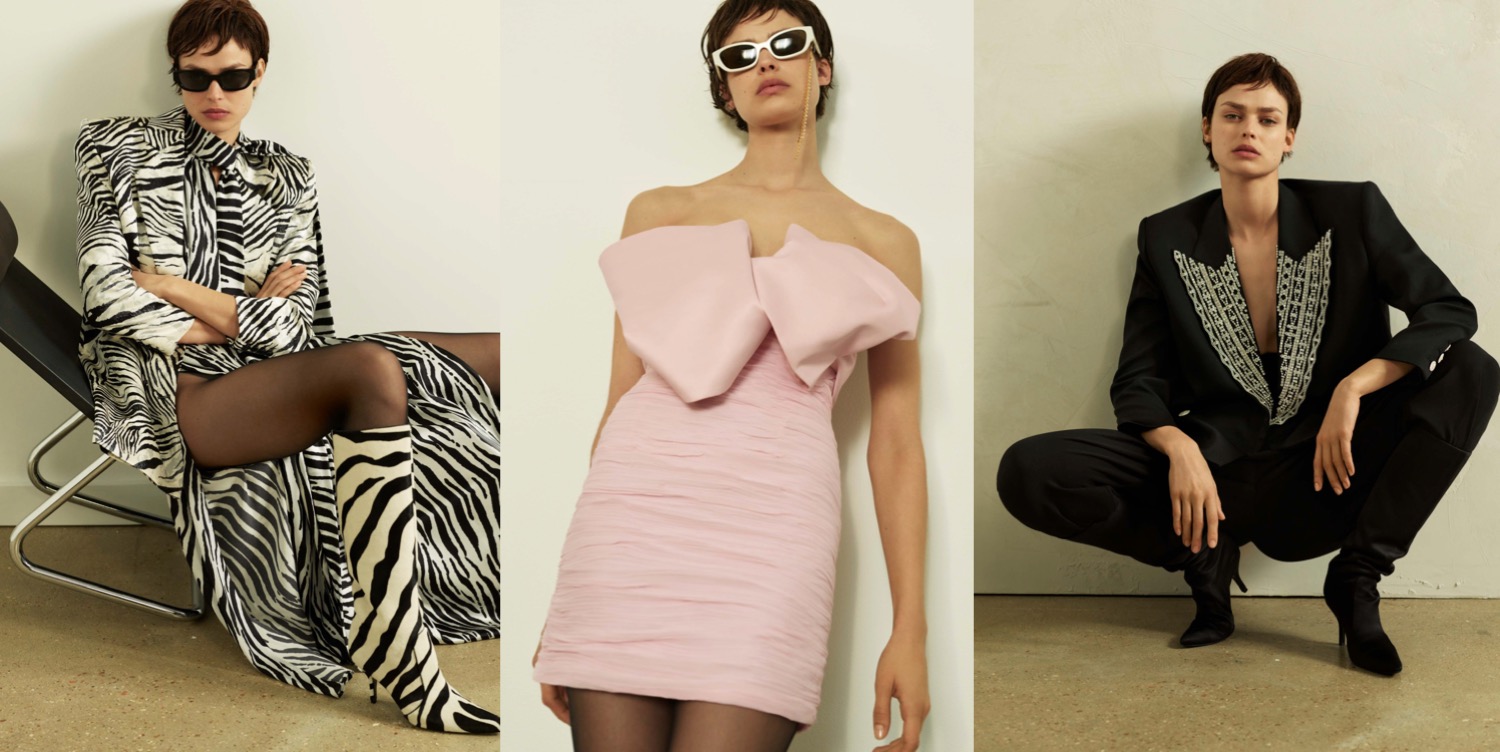
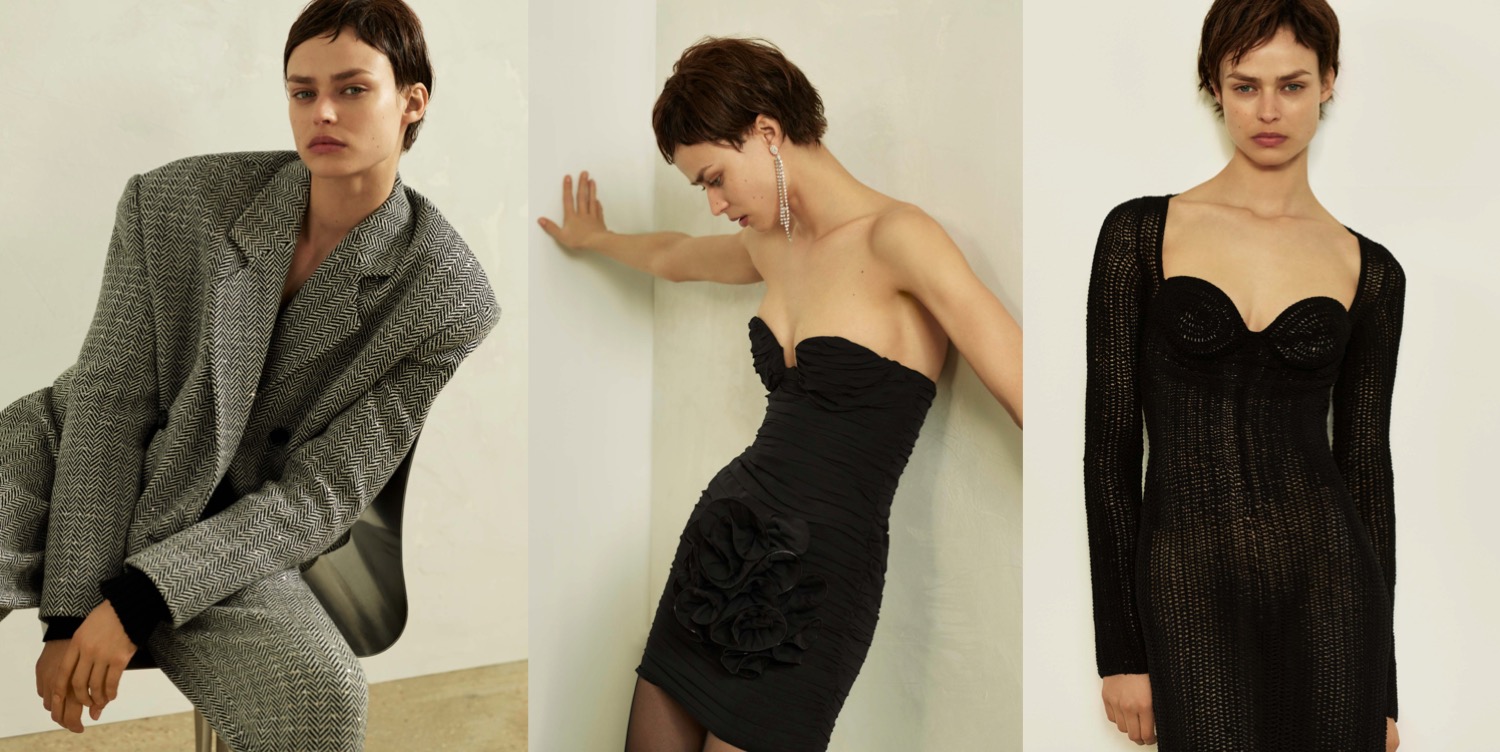
Whether it’s one of her statement cocktail mini-dresses or a pair of zebra-print boots, Magda Butrym’s pieces carry an undeniably cool attitude that is a mixture of the 80s and 90s chic. What makes me even more excited about her pieces is that they’re beautifully crafted in Poland, embracing the nearly forgotten, local craft experience. With every season, Magda’s work becomes more and more signature and distinct to her style. And she also expands her line-ups. For autumn-winter 2020, the Polish designer offers the complete wardrobe, from boxy overcoats to tiny corset tops trimmed in crystals. The black, leather coat with shearling collar is a dream, just like the floral dresses made from glorious, meaty velvet or the incredible sequinned garments (those are just some of the details I had a chance to experience at her showroom in Paris). Butrym’s clients – and that fan-base steadily grows – will be pleased to see that the label introduces sunglasses this season, made in collaboration with Linda Farrow. Delightful.
Collages and showroom photos by Edward Kanarecki, look-book photos by Sonia Szóstak.

Betty Catroux at Musée YSL

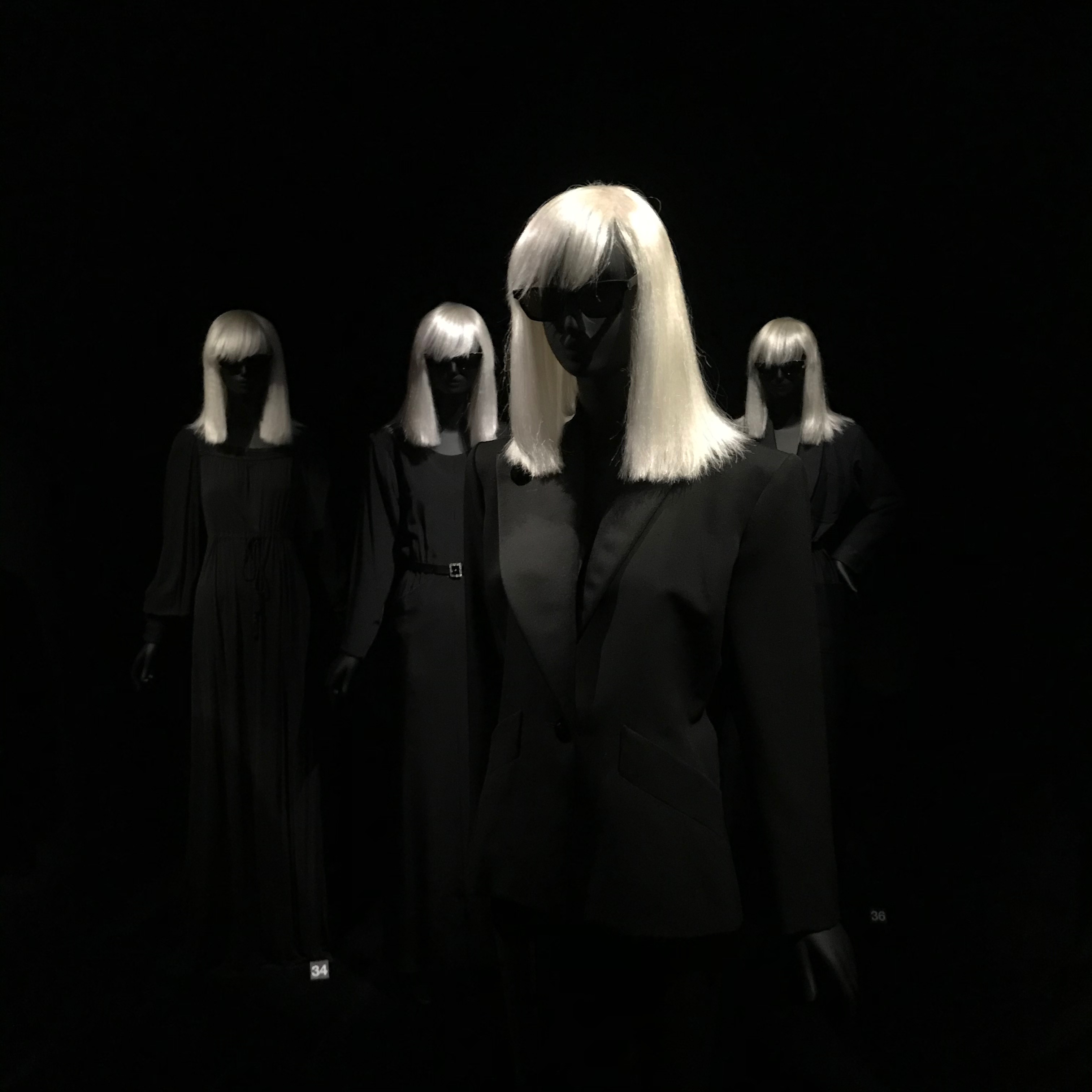
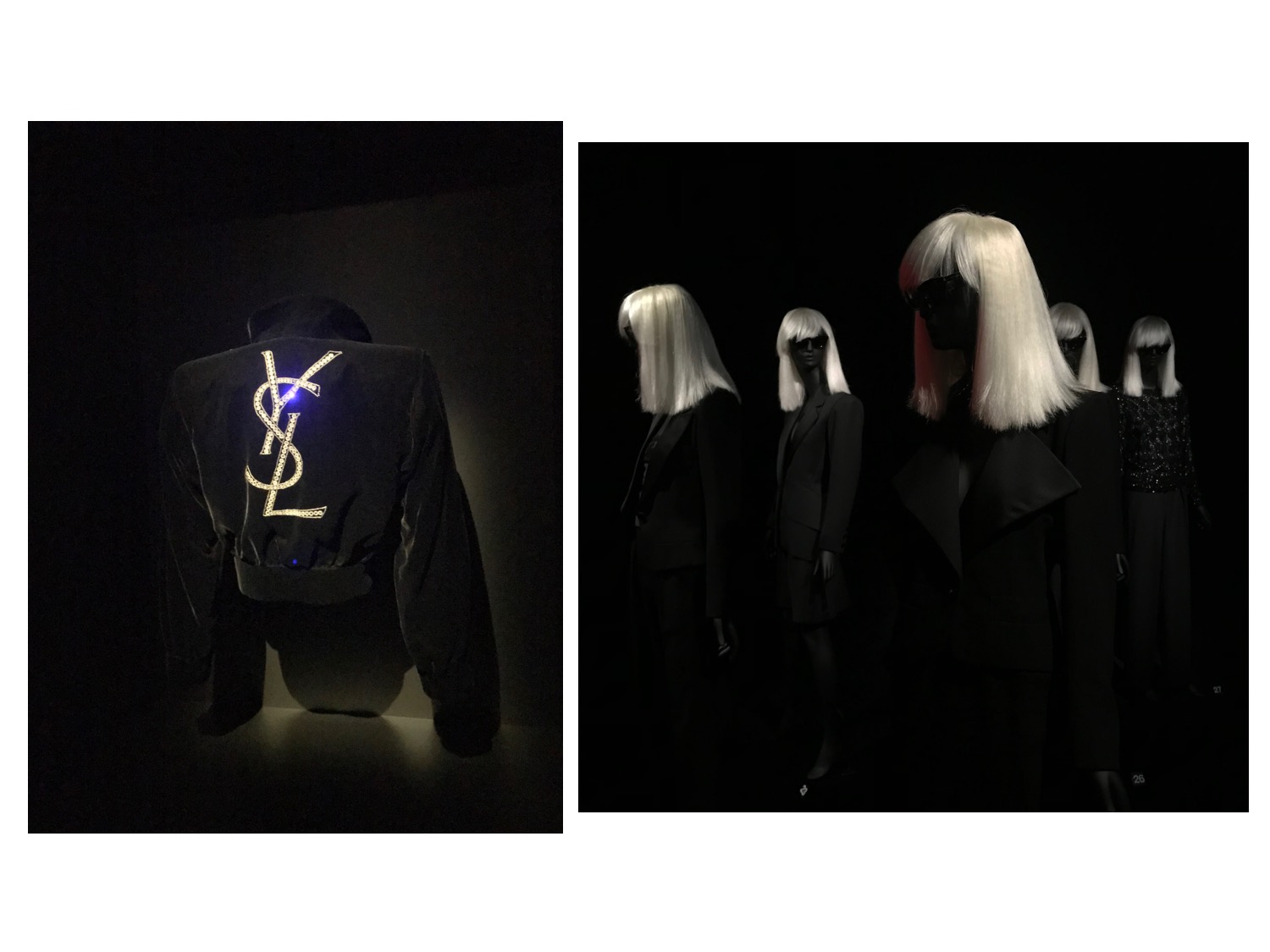
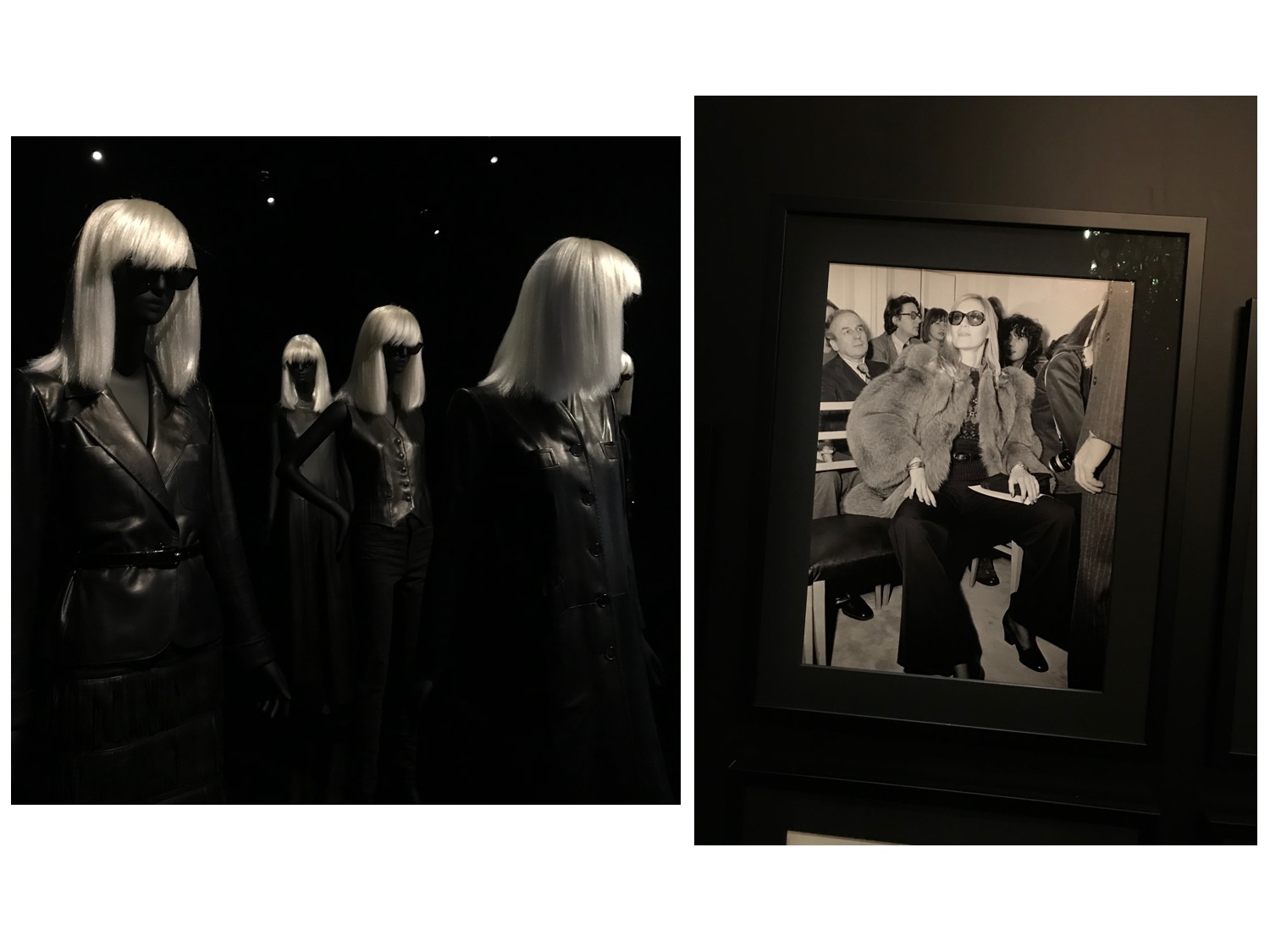
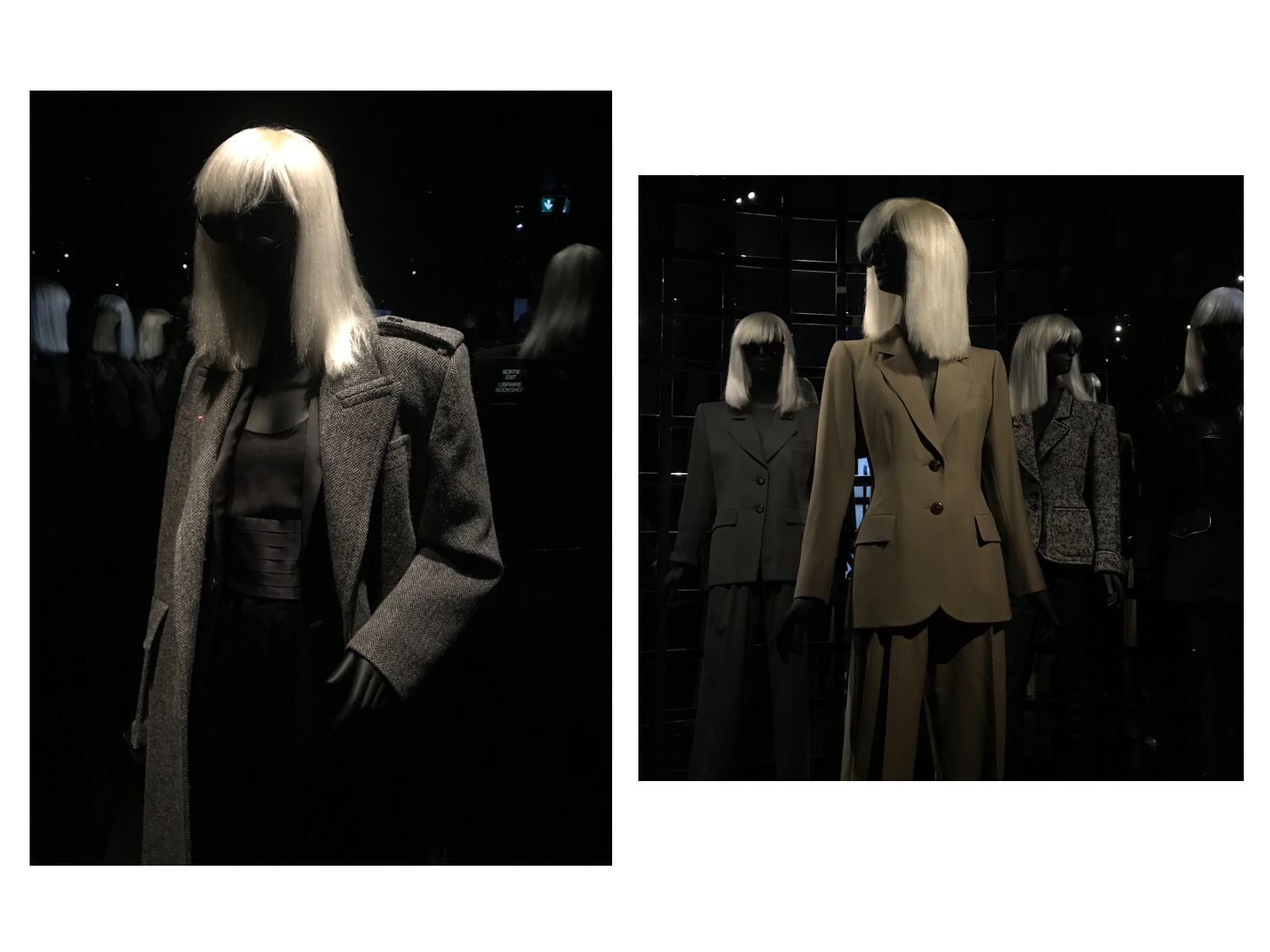
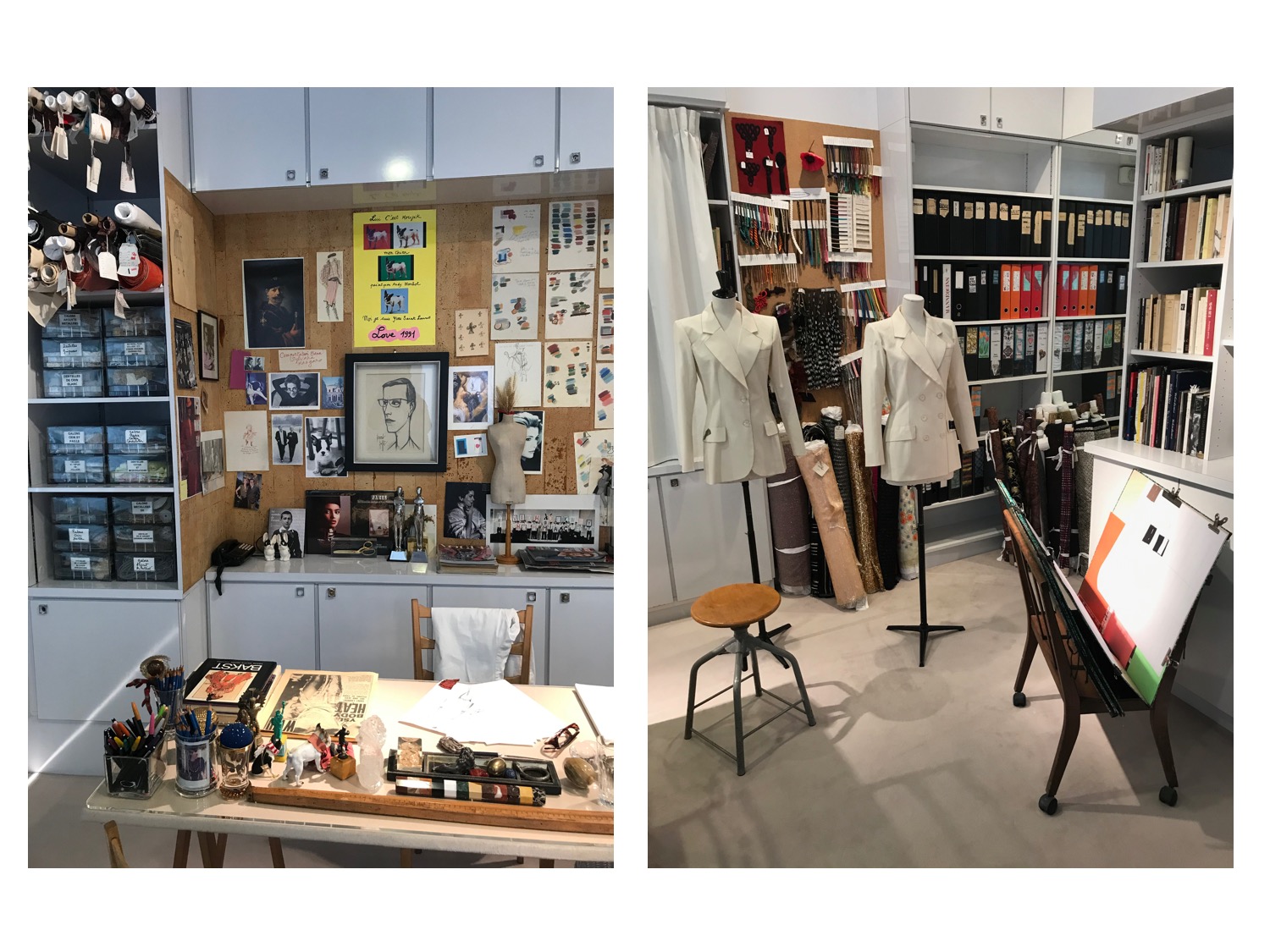
When walking down the streets of Paris, you just can’t miss the street posters promoting the current exhibition at Musée Yves Saint Laurent. A naked woman sits on a sofa, with her icy blonde hair and big sunglasses. It’s of course the iconic Betty Catroux. In 2020, the YSL museum is devoting a special exhibition to Catroux, the one and only Saint Laurent “female double.” The pieces displayed in the exhibition come from a major donation Betty Catroux has made to the Fondation Pierre Bergé – Yves Saint Laurent back in 2002. The museum gave Anthony Vaccarello (Saint Laurent’s creative director) carte blanche for curating this event. The designer approached Betty Catroux’s wardrobe from an aesthetic perspective by selecting the pieces that best reveal her unique personality and ongoing influence on the label’s signature style. “She lives and breathes Saint Laurent. An allure, a mystery, an almost nefarious aspect, an elusive yet desirable nature, all that underlies the house’s aura, and you understand the magnitude of it when you meet Betty.” That elusive aura is perceivable all over the space. Approximately fifty designs show the extent to which Betty Catroux embodied Yves Saint Laurent’s physical ideal and an attitude echoing the “masculine/feminine style” that he was developing when they first met at the nightclub The New Jimmy’s in 1967. Yves immediately fell in love with her androgynous look, which was radically different from the usual codes of femininity and seductiveness and remains the subject of ongoing fascination. Below are some photos I took during my visit. To read more about the museum, here’s the post I wrote about the place when I was here about a year ago.

All photos by Edward Kanarecki.

(P.S. If you are inspired by my Parisian coverage, I’m really happy about, but please have in mind that now isn’t a safe time for any sorts of travelling. Stay at home!)