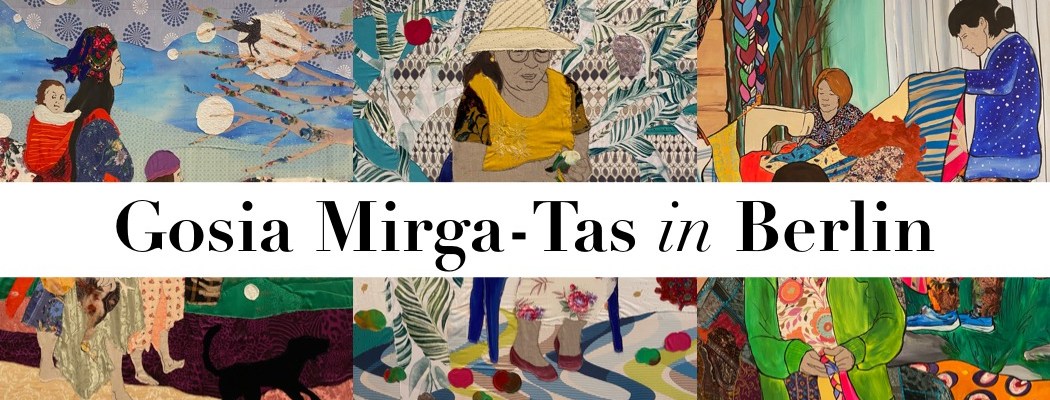
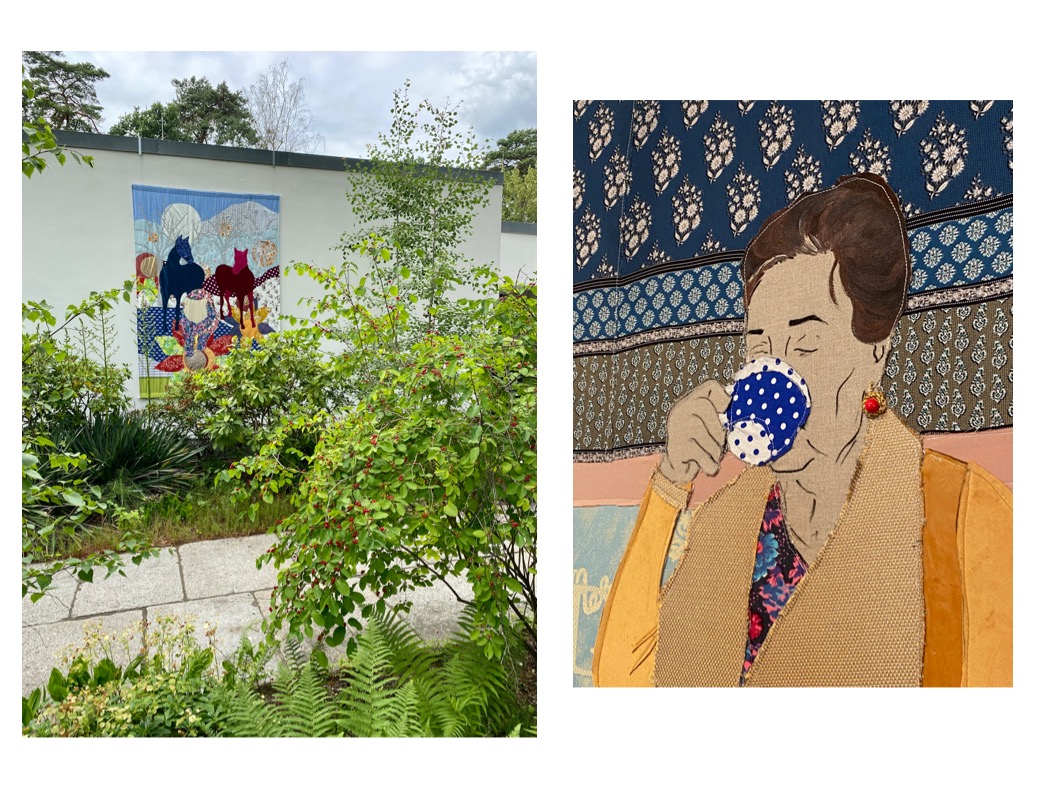
The Brücke-Museum (the art-sanctuary of Die Brücke group’s practices, designed by Werner Düttmann in Berlin’s most greenery Dahlem district) invites for the second time a contemporary artist to enter into dialogue with its historical collection. Małgorzata Mirga-Tas, born in 1978, works in sculpture, painting and film, and especially the medium of collage. Mirga-Tas is Bergitka-Romni and grew up in a Roma settlement in Czarna Góra, Poland, where she still lives and works today. She studied at the Academy of Fine Arts in Cracow and besides her artistic work, she also works as an educator and activist.
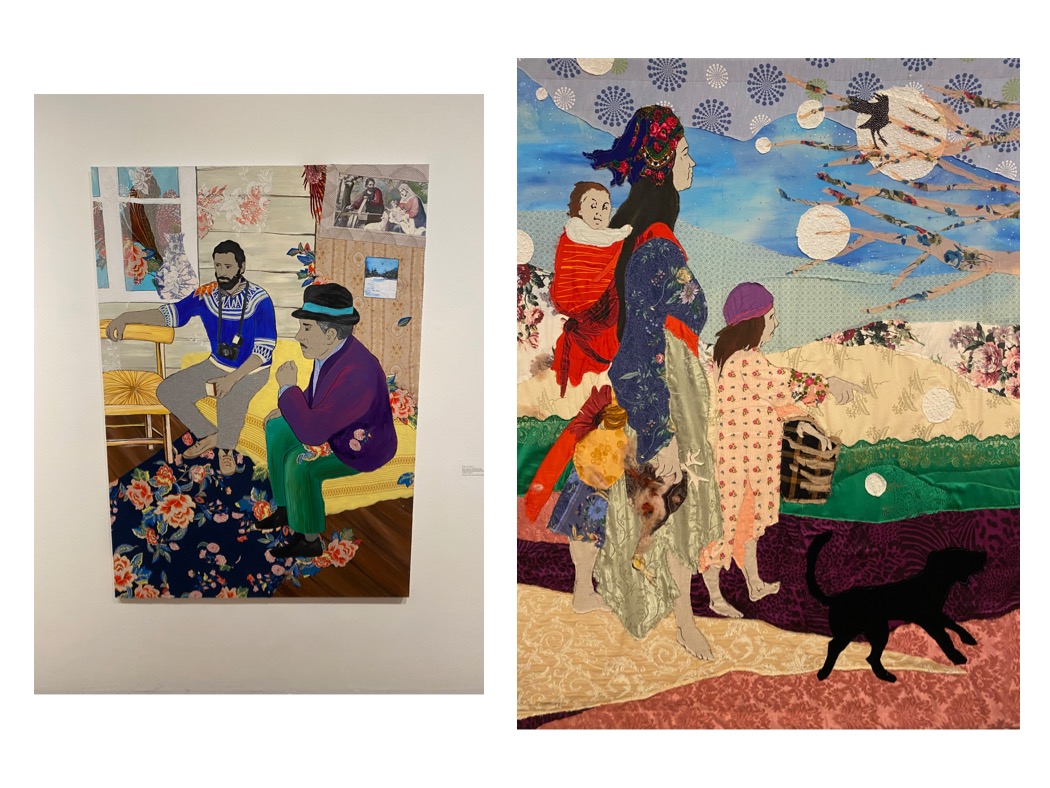
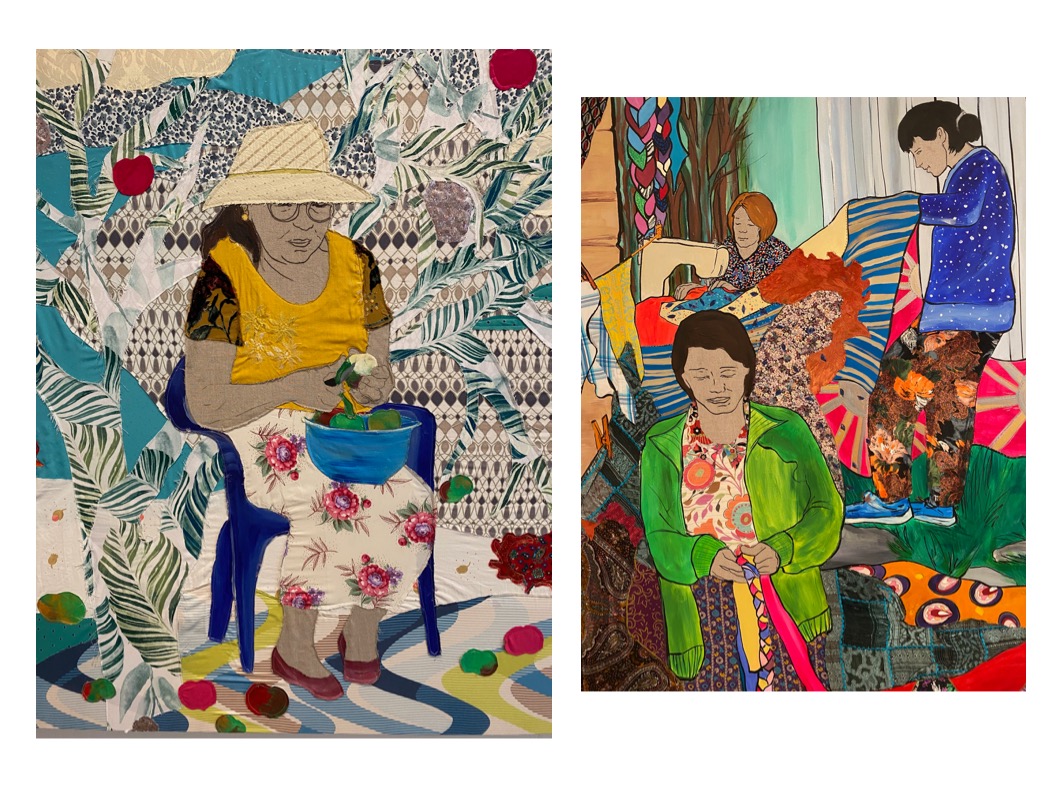
Her tactile works depict everyday scenes from contemporary Roma communities, often integrating personal textiles and objects of the sitters. They show autonomous individuals beyond stereotypical representations. Based on the Brücke-Museum’s collection, these culturally and historically still predominant racist forms of representation of Roma are contrasted and thematized. The curator Joanna Warsaw writes of the artist’s work: “She creates an image of Roma as proto-Europeans, a multilingual, transcultural, and nonviolent group that reshapes conventions and decolonizes imaginary worlds.” Mirga-Tas represented Poland at last year’s Venice Biennale and was represented at Documenta Fifteen. She is currently a fellow of the DAAD’s Berlin Artists’ Program. This is her first solo exhibition in Germany, and you just can’t miss it if you’re in town! It’s on until the 3rd of September.
Here are a couple of Die Brücke group’s works from the museum’s permanent collection that were displayed alongside Mirga-Tas’ collages…
…and flowers from my favorite shop near Kollwitzplatz!
Collage by Edward Kanarecki. Don’t forget to follow Design & Culture by Ed on Instagram! By the way, did you know that I’ve started a newsletter called Ed’s Dispatch? Click here to subscribe!
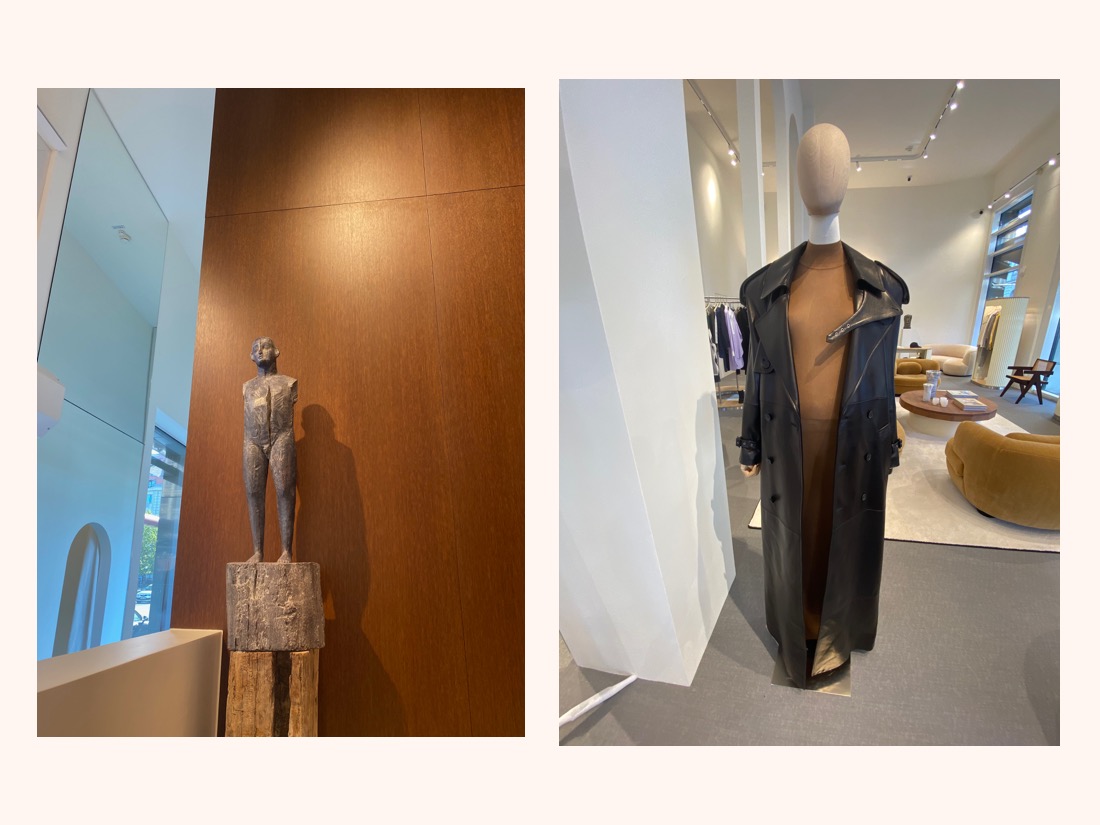
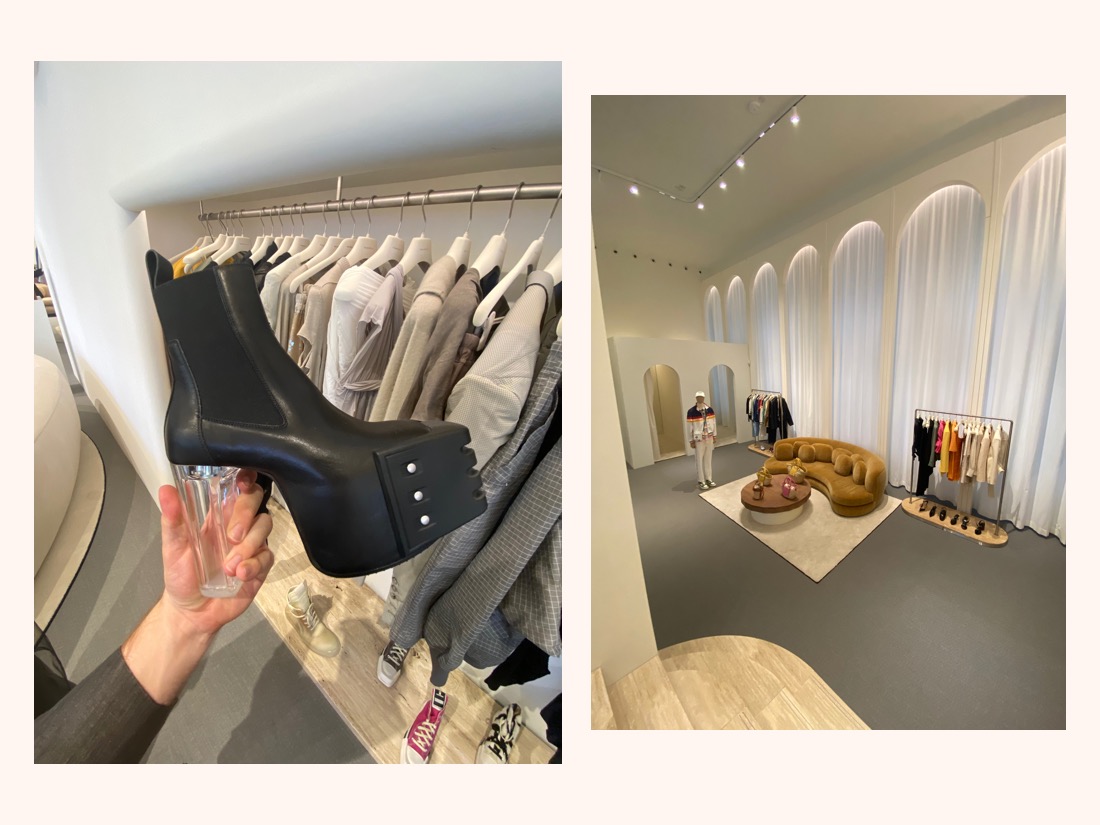
Formerly known as The Corner, Berlin’s cult multi brand concept store The Square has reopened after its renovation – and I must admit the new store is amazing. After the pandemic, I truly appreciate beautiful brick-and-mortar boutiques that capture the feeling of luxury through a gorgeously furbished and curated space. Try out the latest Manolos while sitting on the fluffy Pierre Augustin Rose armchairs, or browse the newest Saint Laurent collection and try out the heavenly Loewe candles in the zen-paced, art-gallery-like interior.
Am Gendarmenmarkt (Französische Straße 40) / Berlin
Collage by Edward Kanarecki. Don’t forget to follow Design & Culture by Ed on Instagram! By the way, did you know that I’ve started a newsletter called Ed’s Dispatch? Click here to subscribe!
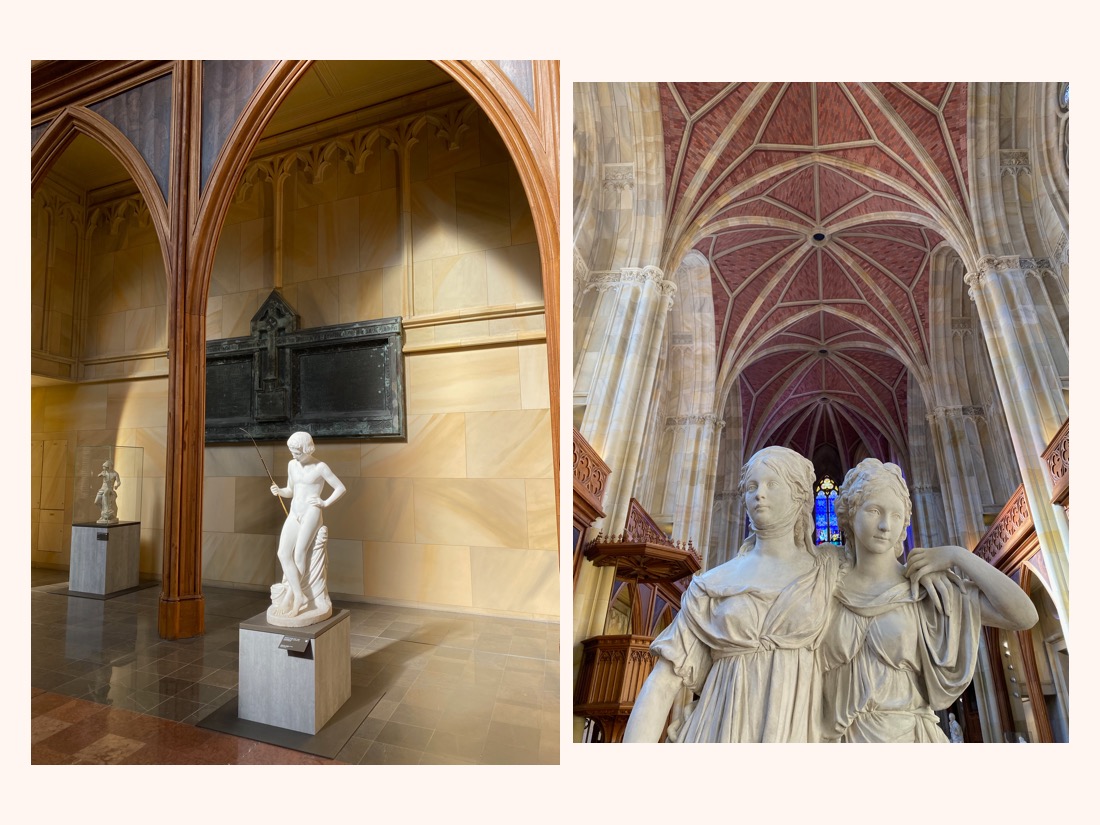
In Berlin, I stumbled upon another sort of sci-fi scenario. Johann Wolfgang von Goethe once adoringly described Luise and Friederike, the Mecklenburg-Strelitz sisters as “heavenly visions, whose impression upon me will never be effaced”. Sculptor Johann Gottfried Schadow erected a monument to their elegance and grace, creating an icon of European classicism with his double sculpted portrait of the “Crown Princess Luise of Prussia and her Sister Princess Friederike of Mecklenburg-Strelitz”. The statue of these two figures, which has come to be known under the abbreviated title Princess Group, is one of the highlights of the Alte Nationalgalerie’s collection. Now, the sculpture is back on permanent display at the breathtaking Friedrichswerdersche Kirche. The original plaster cast has a particular significance within both the broader context of Schadow’s oeuvre and that of 19th-century sculpture: it is here that not only the artist’s creative signature is at its most palpable, but also the thrilling genesis of the double-figure statue.
Showcasing sculpture from Karl Friedrich Schinkel’s era through to the German Empire, the exhibition “Ideal and Form” at Friedrichswerdersche Kirche traces the medium’s lines of development through the long 19th century into the modern era. It also invites visitors to rediscover the Berlin School of sculpture, a movement whose international outlook was ahead of its time. With more than 50 sculptures – some monumental in scale – this exhibition provides a comprehensive survey of the work of the Berlin School and of its complex international ties. On display are major works by Johann Gottfried, Emil Wolff and Christian Daniel Rauch, and by female sculptors such as Angelica Facius, Elisabet Ney and Anna von Kahle.
Werderscher Markt / Berlin
All photos by Edward Kanarecki. Don’t forget to follow Design & Culture by Ed on Instagram! By the way, did you know that I’ve started a newsletter called Ed’s Dispatch? Click here to subscribe!
Here’s the last post about my Sicilian trip! The Palermo guide. With its inky mix of grit and grandeur, Sicily’s heart-melting capital Palermo inspires obsessive devotion. Here’s where to find the best of it all.
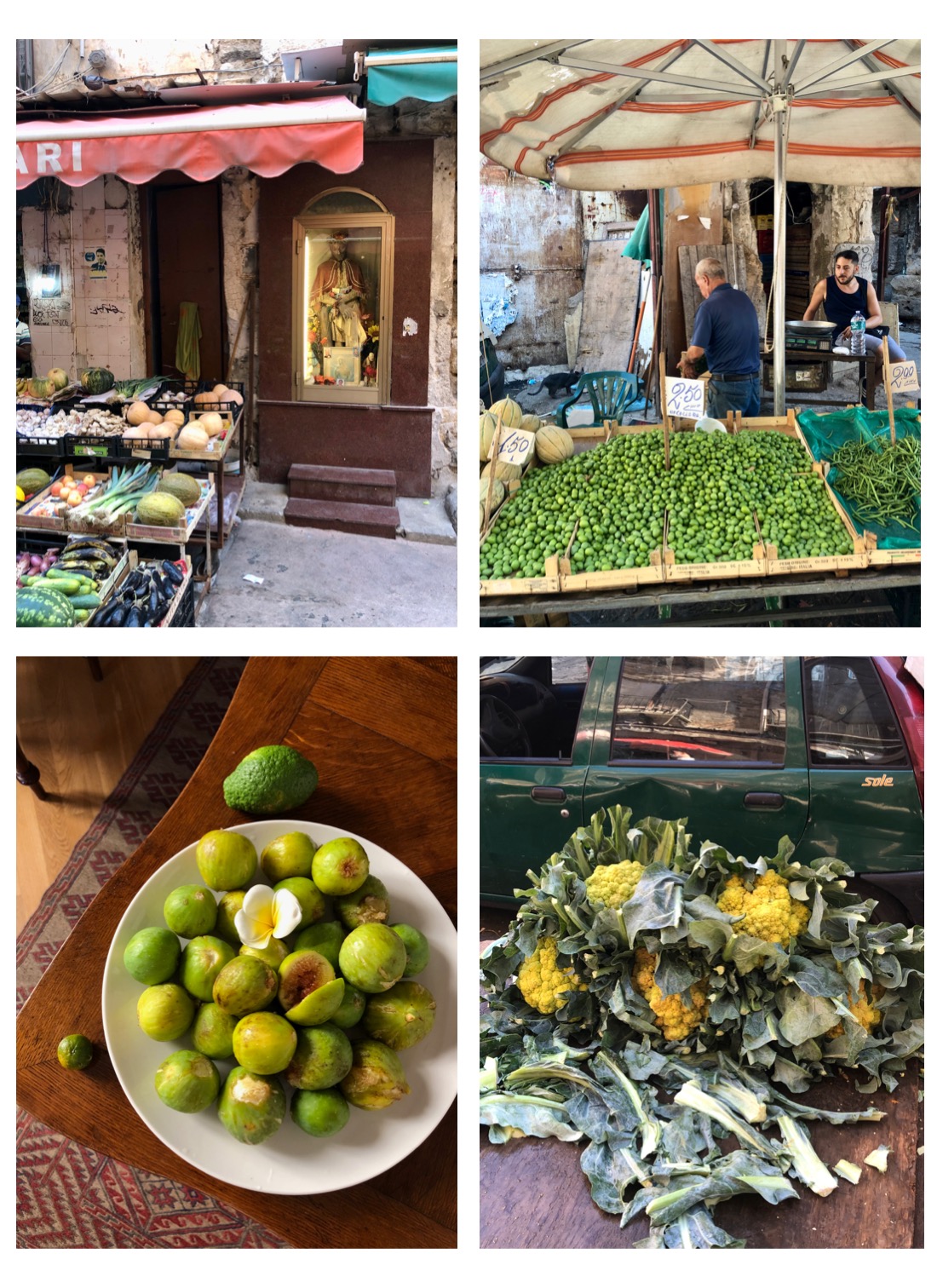
Ballarò is one of the oldest street markets in Palermo, one of the most lively and surely picturesque of Sicily. Its name, Ballarò, recalls its ancient arab origins, as it is Sicily’s outdoor market tradition, which explains their similarity to Arab suqs. This incredible street market is located in the city center, extending from Piazza Ballarò – in the Albergheria district – along Via Ballarò and to Corso Tukory, a few steps away from the central station, so it’s very easy to reach. Sicilian street markets are known worldwide for being an authentic explosion of colours and enchanting scents of fresh products such as fruits, vegetables, meat and fish. They are always very crowded and noisy but this is their peculiarity: vendors shout very loud – and in dialect, of course! – to attract locals and tourists and to promote their tasty specialties. Visiting Ballarò means having great cultural experience. Walking through the outdoor shops and stands, you will observe the daily life of Palermo locals, a melting pot of different cultures and ancient traditions. The city’s street markets (there are three in total) are also the best place to taste some of the delicious Sicilian street food such as sfincione and panelle, or a plate of deep-fried seafood. Whatever you choose, you will receive an unforgettable triumph of flavors.
Via Ballaro
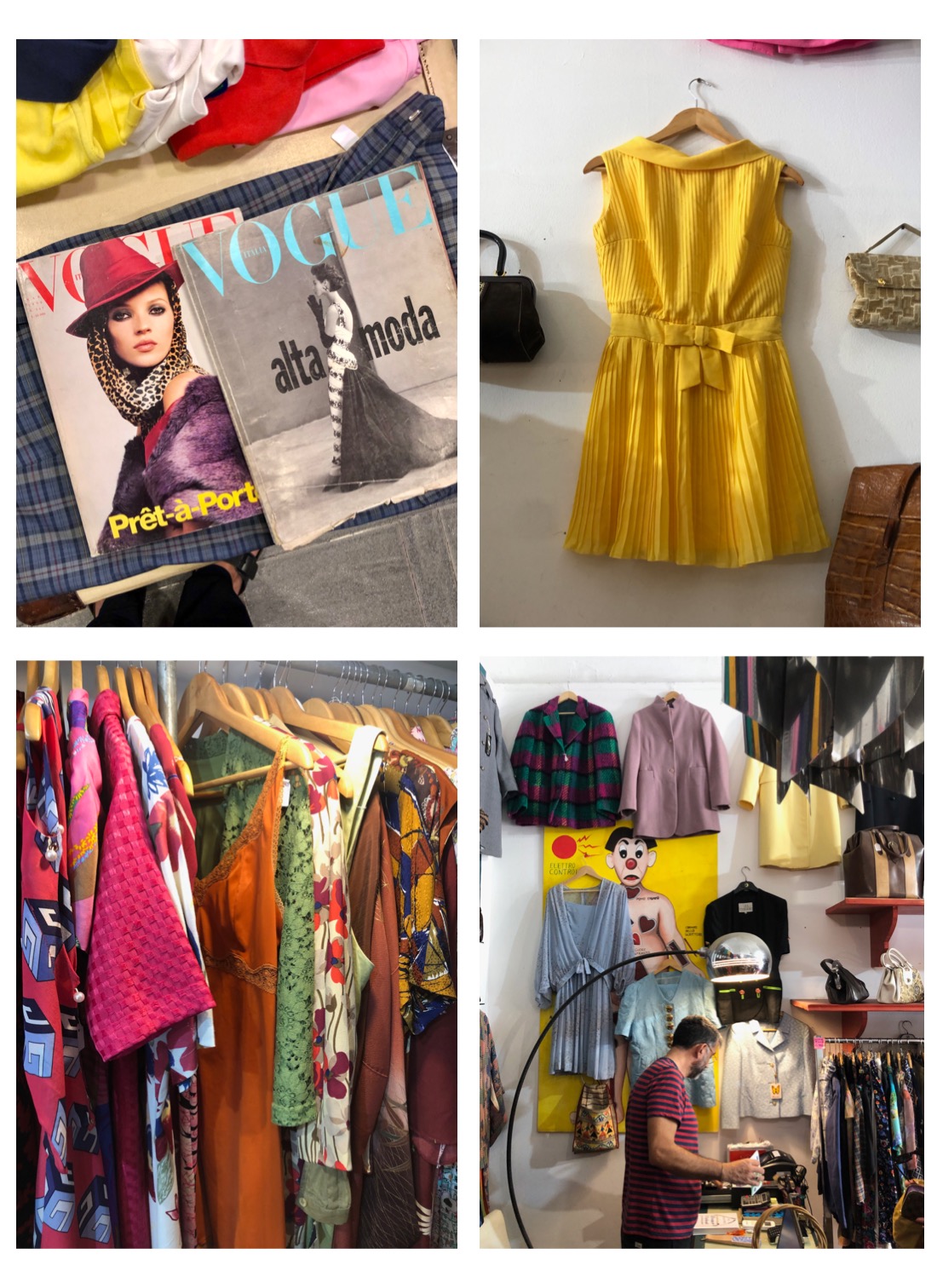
Started by Elena and Puccia, Magazzini Anita is a store packed to the brim with unique finds from the 1920s to the 1980s. Not only does the store stock up clothes and accessories but one can also find an extensive range of bags and jewelry in her collection of vintage wear that caters to the clothing needs of women at affordable prices. Just one glance at the store from outside and you’ll find yourself being pulled in easily to the assortment of vibrant prints, fabrics and hues. With clothes that can easily be adapted for everyday use, Magazzini Anita is the perfect place to splurge at if you are an admirer of all things vintage.
Via Maqueda 263
Antica Focacceria Di San Francesco was our favourite restaurant in Palermo. Focaccia is the very best of Palermo’s traditional fast foods, a form of hot bread roll filled with meat, cheese or onions. But the place also offers timeless Sicilian cuisine. In summer, eat alfresco in the Focacceria’s outdoor space, which actually is a square opposite San Francesco, one of Palermo’s finest Gothic churches. Great people-watching guaranteed!
Via Allesandro Paternostro 58
The catacombs at the Convento dei Cappuccini, under the monastery of the Cappucins, have fascinated visitors for the past couple of centuries and continue to do so. They are filled with more than 8,000 mummies of former Palermo citizens, hung ghoulishly along the walls in special sections depending on social status (doctors and lawyers have their own zone). This disturbing place says a lot about the social structure of society between the early-17th and late-19th centuries, which probably had more barons and princes per head of population than any other city in Europe. If you’re fine with places like this… it’s a must-visit!
Piazza Cappuccini 1
Giardino Garibaldi is a well maintained, 19th century public garden, which is only a short walk from the harbor. One of the stand-out features of this garden are the Ficus trees, some of which are more than 150 years old. We enjoyed looking at the monumental trunks and finding shapes of animals in them. A true nature osasis in the heart of a busy city!
Piazza Marina
Osteria Dei Vespri is for those who want to try some Sicilian gourmet cusine. This place has a charming atmosphere and lovely view at Piazza Croce dei Vespri. It is in Michelin selection, and their pappardelle with belly pork and ricotta is a good reason for that.
Piazza Croce dei Vespri 6
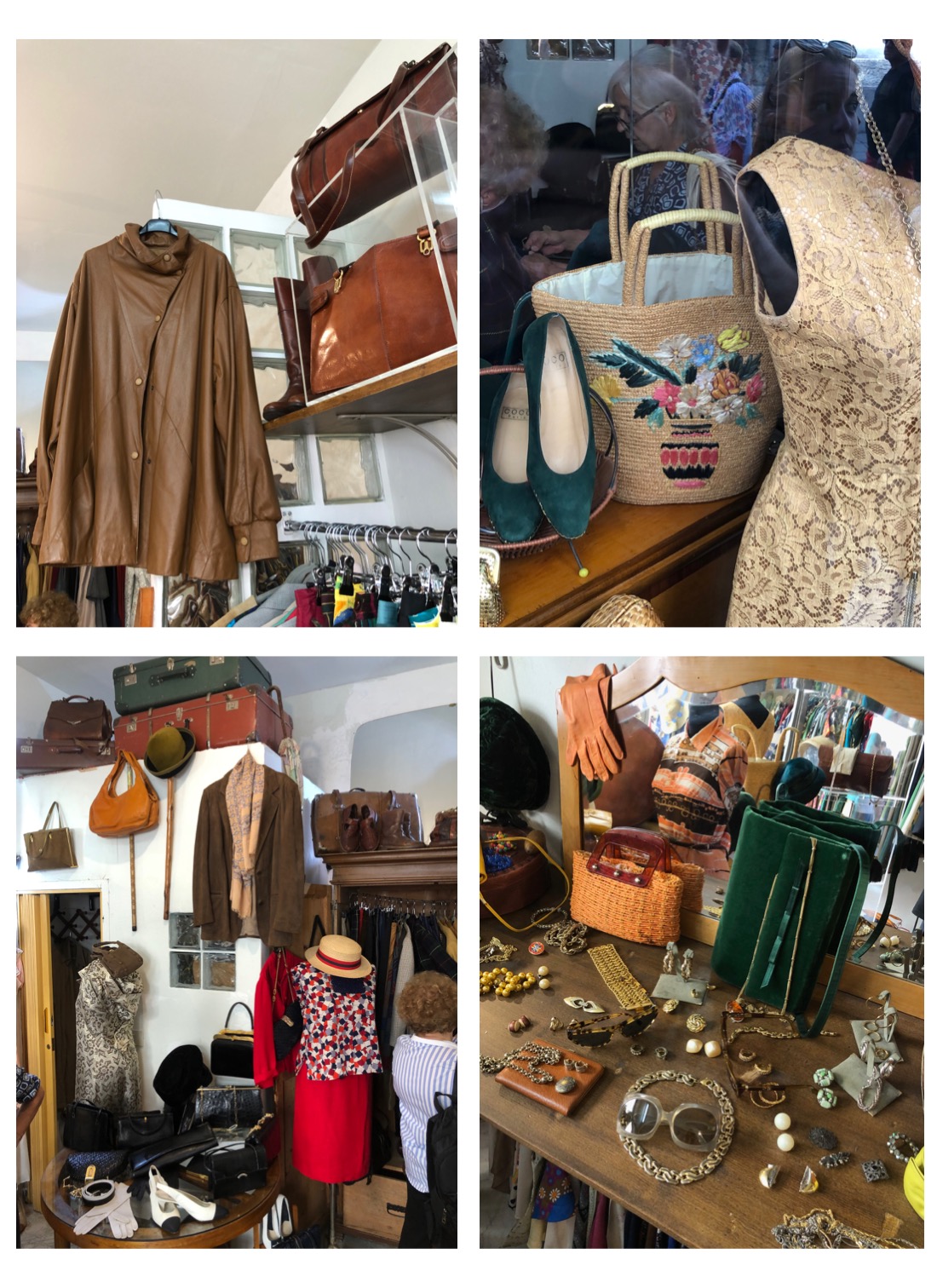
Vintage 21 offers a fine selection of pre-owned classics – all kept in a very chic and Italian style.
Via Vittorio Emanuele 418
If you feel hungry after visiting Chiesa di Santa Caterina d’Alessandria, have a sweet meal at Ideal Coffee Stagnitta. Their brioche with pistacchio gelato is so good, just like the pistachio coffee (yes, you’ve read it right!).
Discesa dei Giudici 42-44
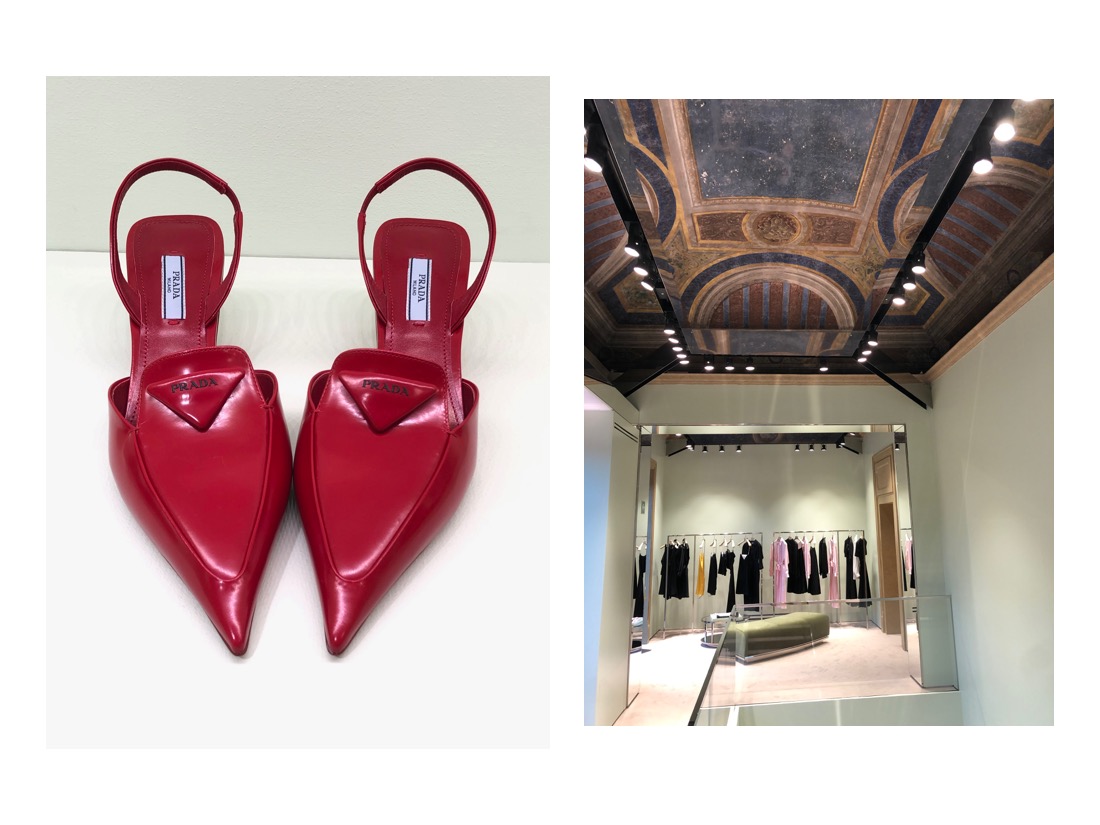
Luxury fashion might not really be a thing in Palermo, but there’s always Prada with it’s store located in former palazzo. The original ceiling fresco is still there!
Via della Libertà 1
Photos by Edward Kanarecki. Don’t forget to follow Design & Culture by Ed on Instagram!
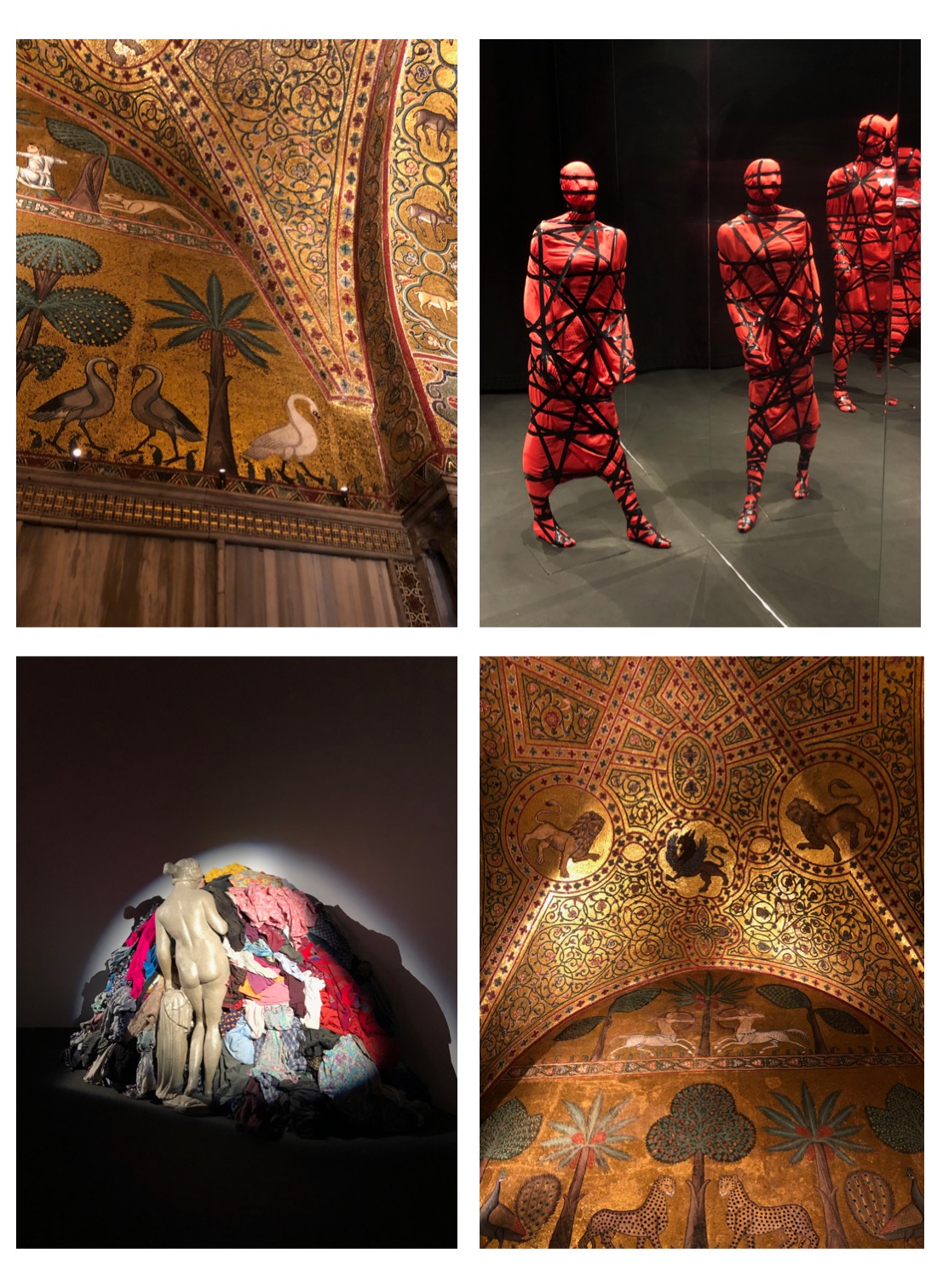
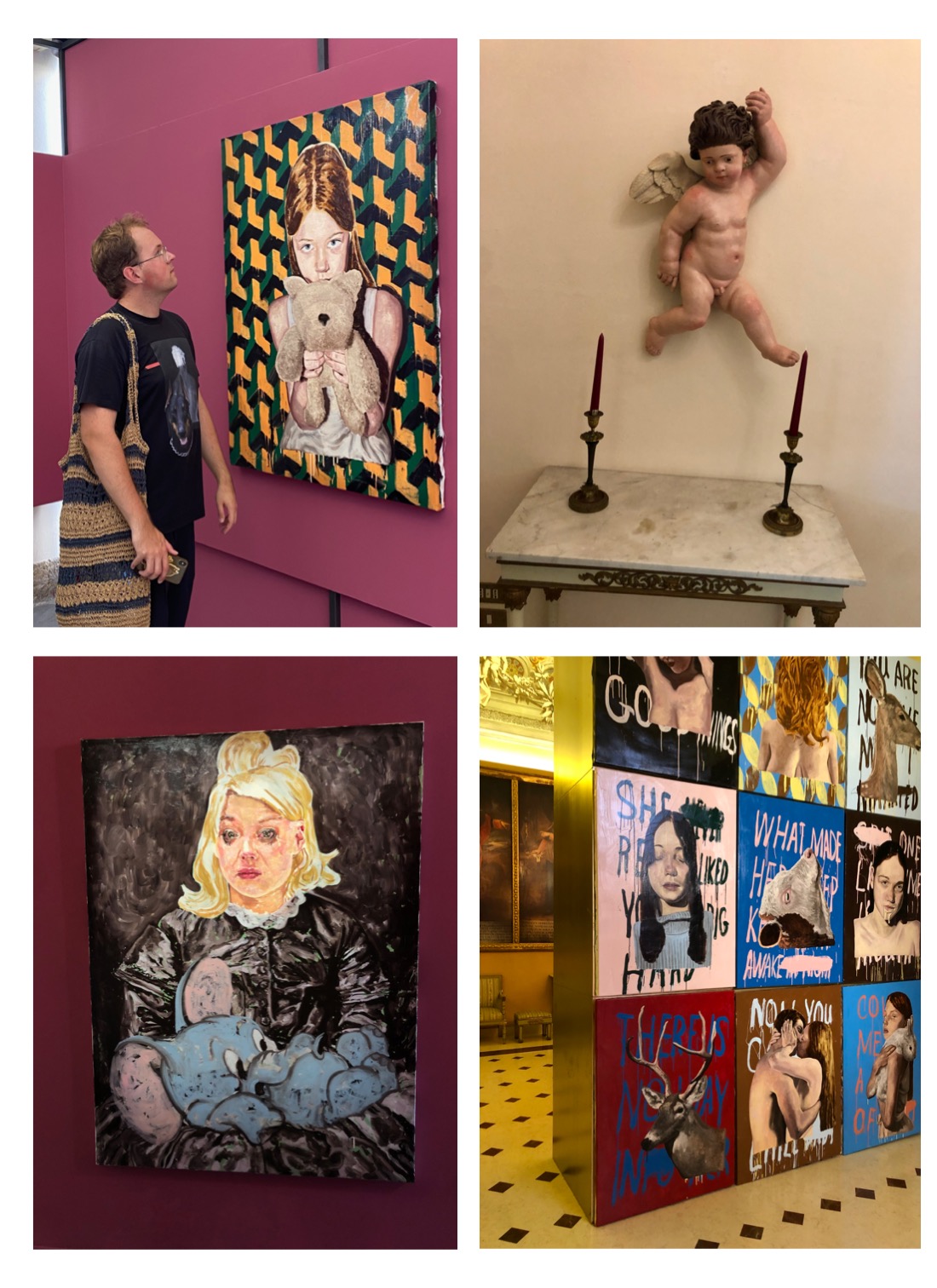
The former royal palace of King Roger II in the 1100’s, Palazzo dei Normanni is one of the most famous sights in Palermo. Dating back to the 9th century, the palace owes its current appearance to the embellishments realized by the Normans: covered in dazzling Byzantine mosaics, the Arab-Norman architecture is a symbol of the political and cultural union operated by the Normans. Of course, don’t miss the stunning Palatine Chapel. What I loved about the Palazzo is it’s approach to contemporary art. Right now, there’s an intriguing Ryan Mendoza retrospective, presenting the artist’s ouevre which counterbalances old master techniques with modern-day themes. Then, in another palace space, there’s an amazing temporary exhibition featuring contemporary art classics: Jeff Koons, Michelangelo Pistoletto, Zhang Hong Mei and Andres Serrano. The old meets the new.
Piazza Indipendenza 1
Photos by Edward Kanarecki. Don’t forget to follow Design & Culture by Ed on Instagram!
















 Design & Culture by Ed