Atelier Brancusi

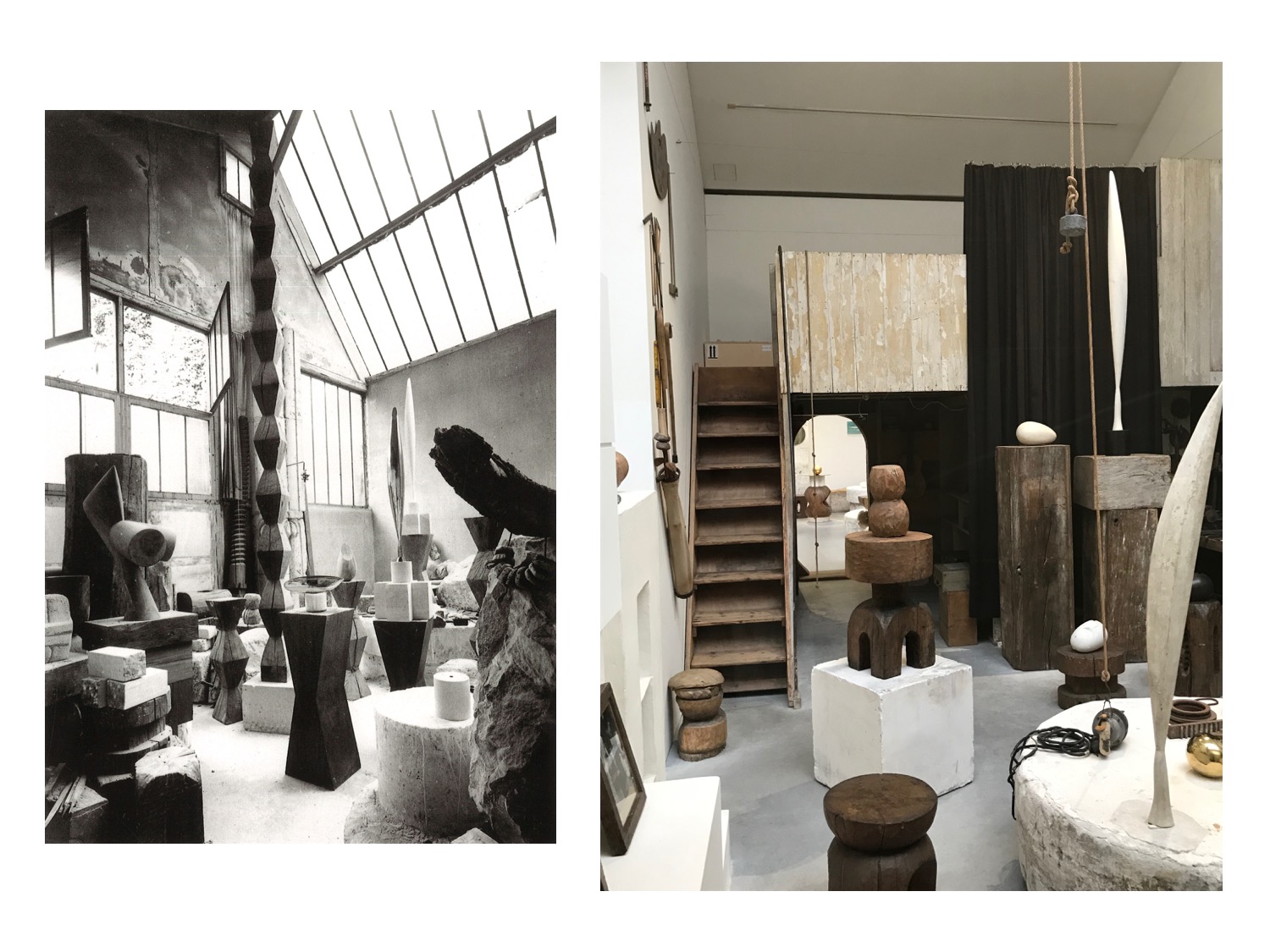
This place was on my “must see” list for a while. Finally, I visited Centre Pompidou’s Atelier Brancusi – a standalone pavillon dedicated to Constantin Brancusi‘s work. Born in Romania in 1876, Brancusi lived and worked in Paris from 1904 until his death in 1957, and this is where he produced most of his forever-inspiring work. In his will, he bequeathed his entire studio to the French state. Brancusi considered the relationship between sculptures and the space they occupied to be of crucial importance. In the 1910s, by laying sculptures out in a close spatial relationship, he created new works within the studio which he called “mobile groups“, stressing the importance of the connections between the works themselves and the possibilities of each for moving around within the group. In the next decades, the studio became an exhibition space for his work, and a work of art in its own right: a body consisting of cells that all generated each other. This experience of looking from within the studio at each of the sculptures, thus perceiving a group of spatial relationships, led Brancusi to revise their positions every day to achieve the unity he felt most apposite.At the end of his life, Brancusi stopped creating sculptures and focused solely on their relationship within the studio. This proximity became so fundamental that the artist no longer wanted to exhibit, and when he sold a work, he replaced it with plaster copy so as not to destroy the unity of the group. The present reconstruction, built by the architect Renzo Piano, is presented as a museum space containing the studio. Piano’s problem lay in making the space open to the public while respecting the artist’s wishes. While the architect did not attempt to recreate the intimacy of the original, he preserved the idea of a protected, interiorised space where visitors are isolated from the street and the piazza, in particular by an enclosed garden, from which part of the studio can be seen through a glass wall. I’ve spent there about 30 minutes, trying to absorb as much as possible with my eyes. And I went out feeling as relaxed as after a lovely spa.
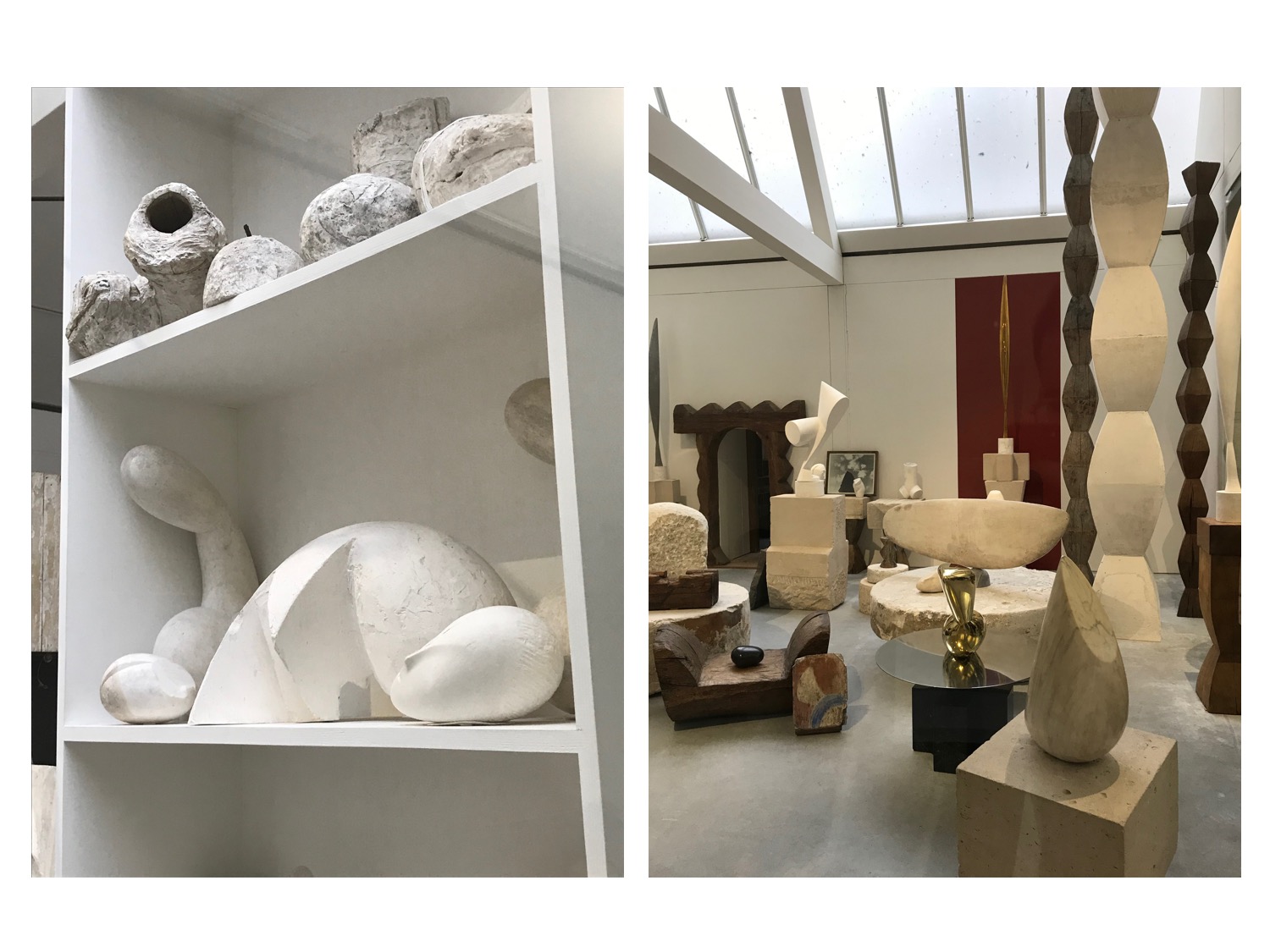
Photos of the exhibition by Edward Kanarecki.

(P.S. If you are inspired by my Parisian coverage, I’m really happy about, but please have in mind that now isn’t a safe time for any sorts of travelling. Stay at home!)

Astier De Villatte

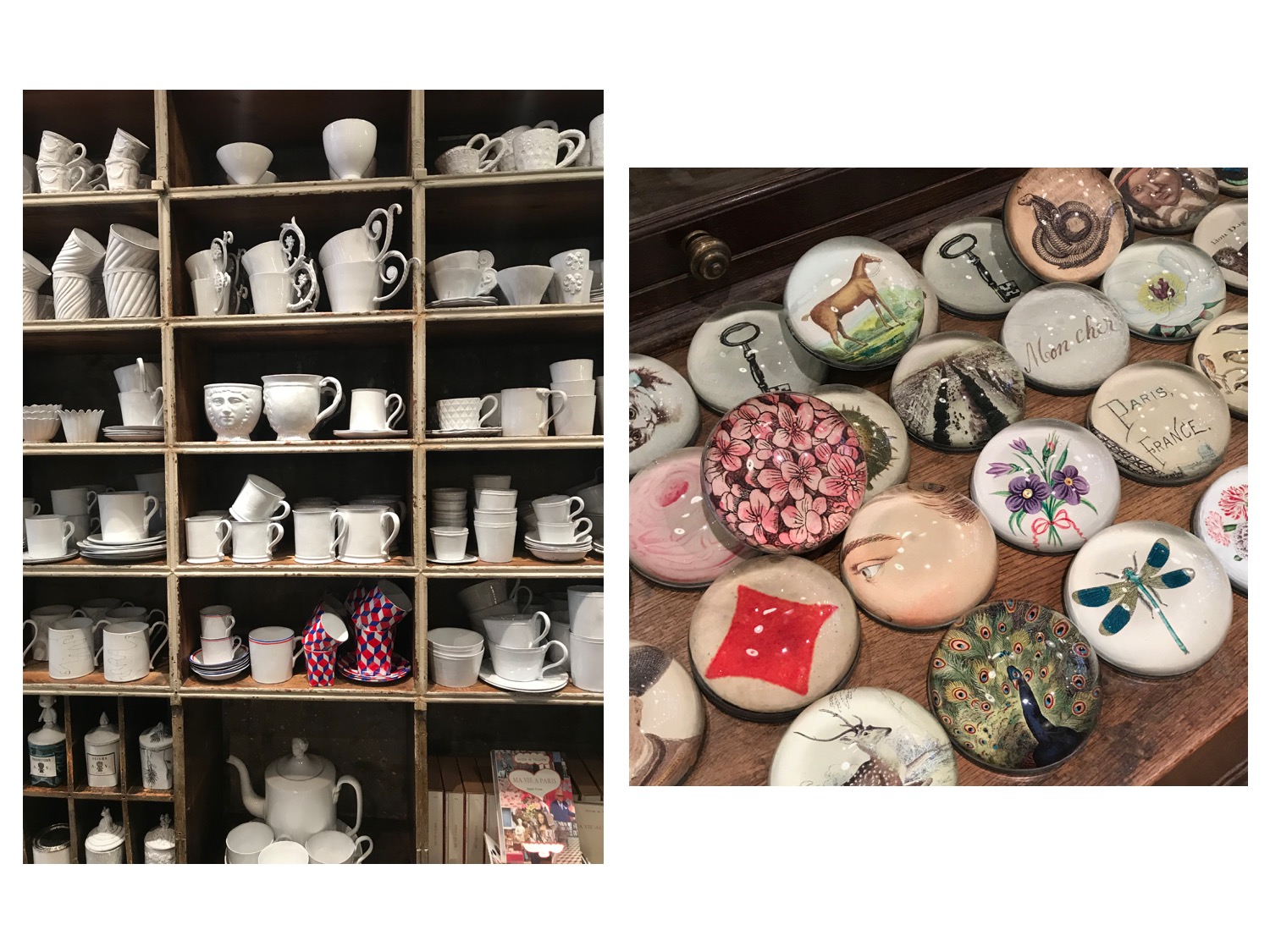
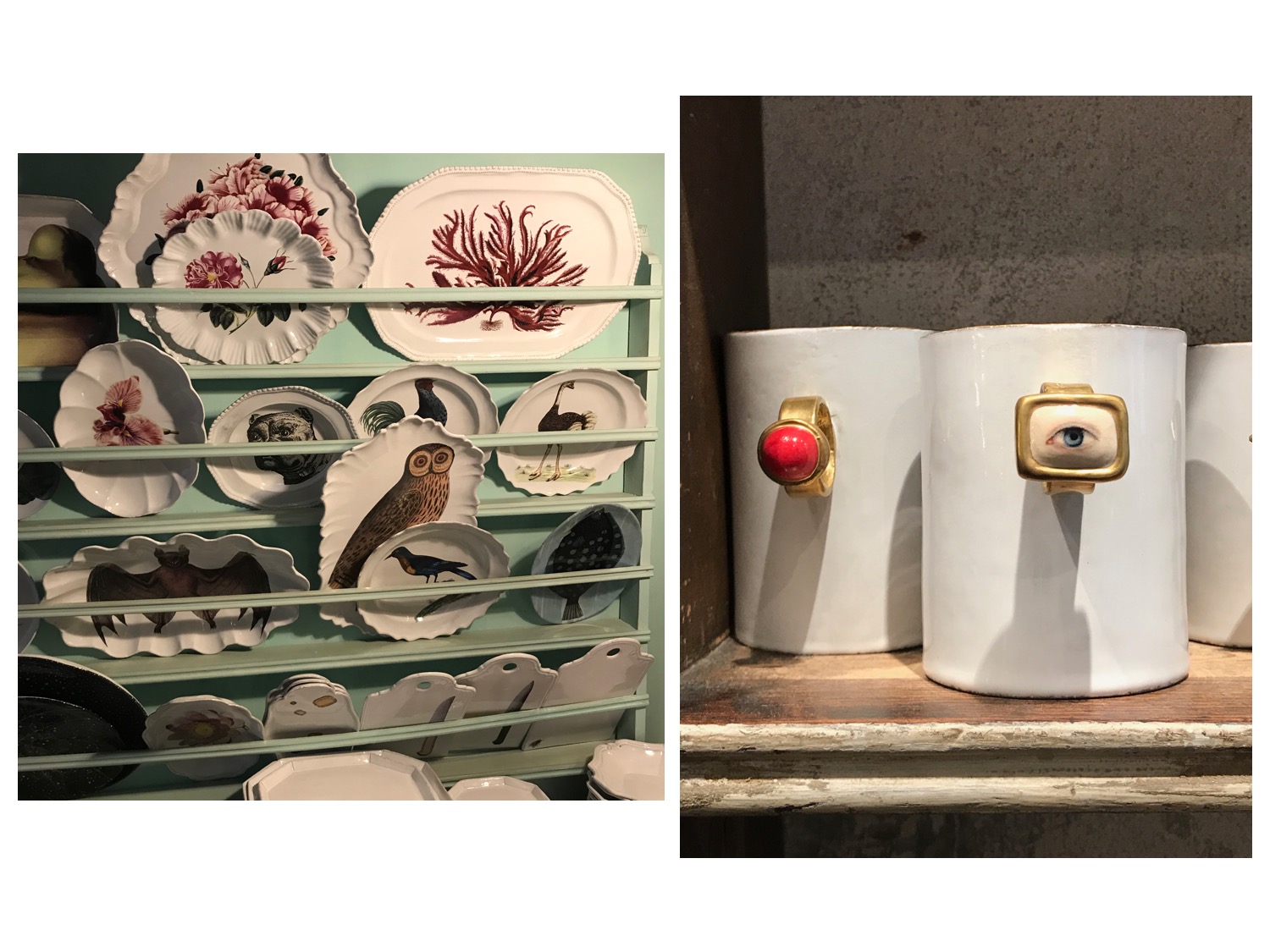
World renowned Astier De Villatte create their charming, one of a kind ceramics, pottery, candles and glassware in an antique Bastille workshop in Paris. Best known for their 18th and 19th century inspired handmade ceramics, Astier de Villatte have been making their ceramics here since 1996. Founded by Benoit Astier de Villatte and Ivan Pericoli, they continue to follow in the tradition of the great 18th century Parisian ceramic studios. Drawing inspiration from the history of decorative arts, folk art and abandoned objects, their team of twenty ceramicists make every piece of pottery by hand. Using traditional techniques passed down through the generations, everything in their exquisite range is totally unique. Sculpted out of black terracotta, each ceramic is then finished with a milky glaze to emphasise the character and imperfections of the clay. No two Astier de Villatte products are the same. Alongside their ceramics, Astier de Villatte make scented hand care products, incense and candles. Their Serena Carone mugs (see the above photo) are on my wishlist.

173 rue Saint-Honore

All photos by Edward Kanarecki.

(P.S. If you are inspired by my Parisian coverage, I’m really happy about, but please have in mind that now isn’t a safe time for any sorts of travelling. Stay at home!)
Betty Catroux at Musée YSL

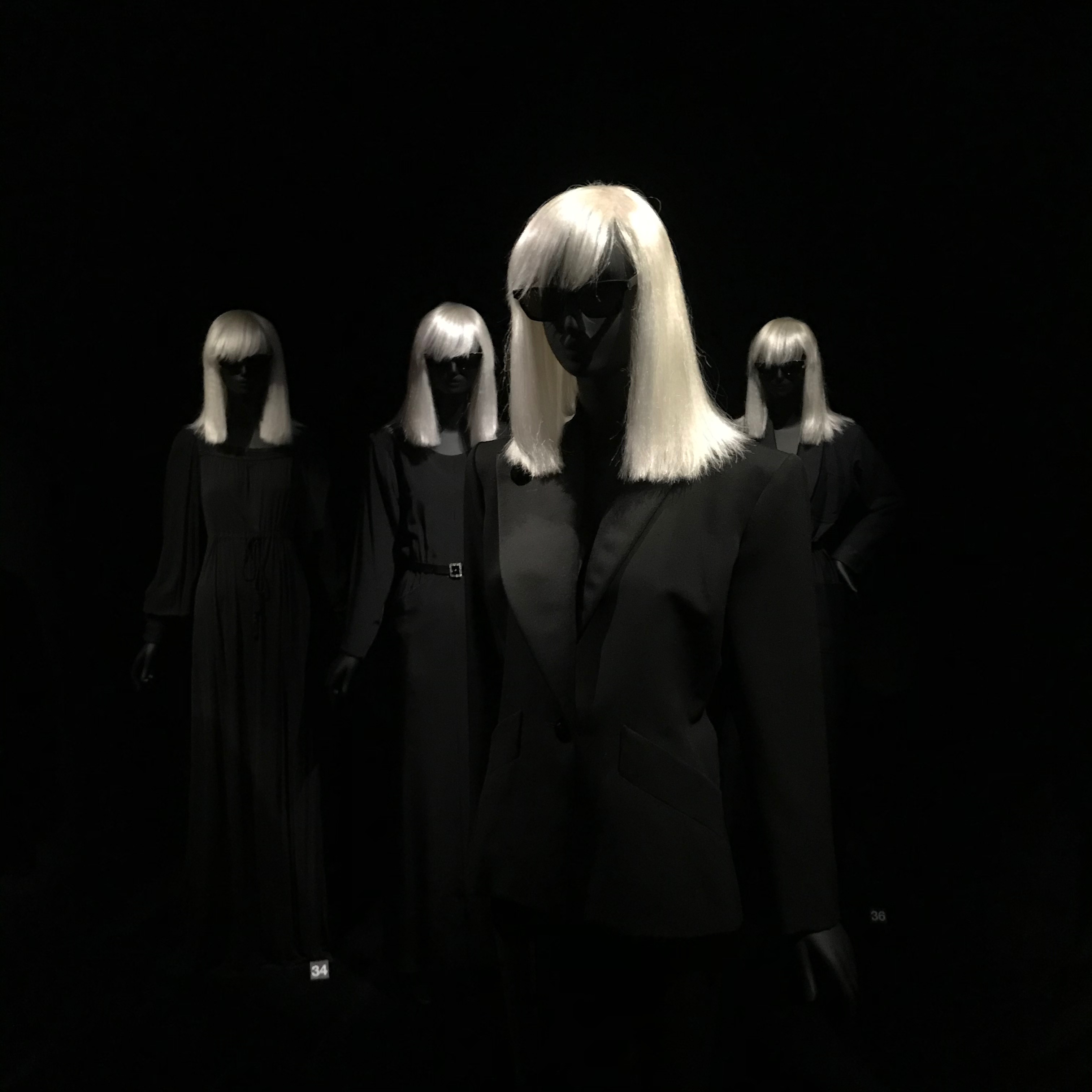
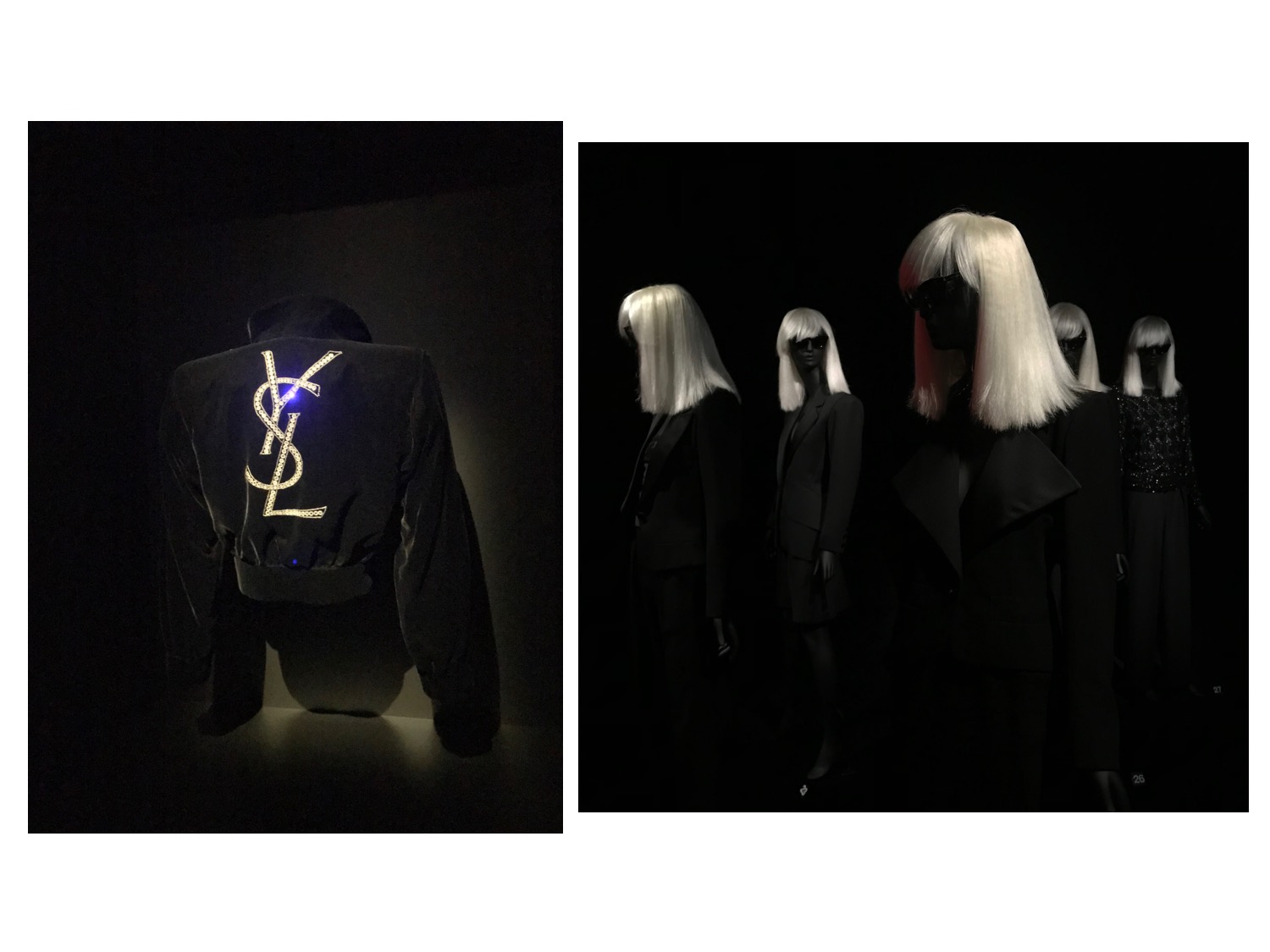
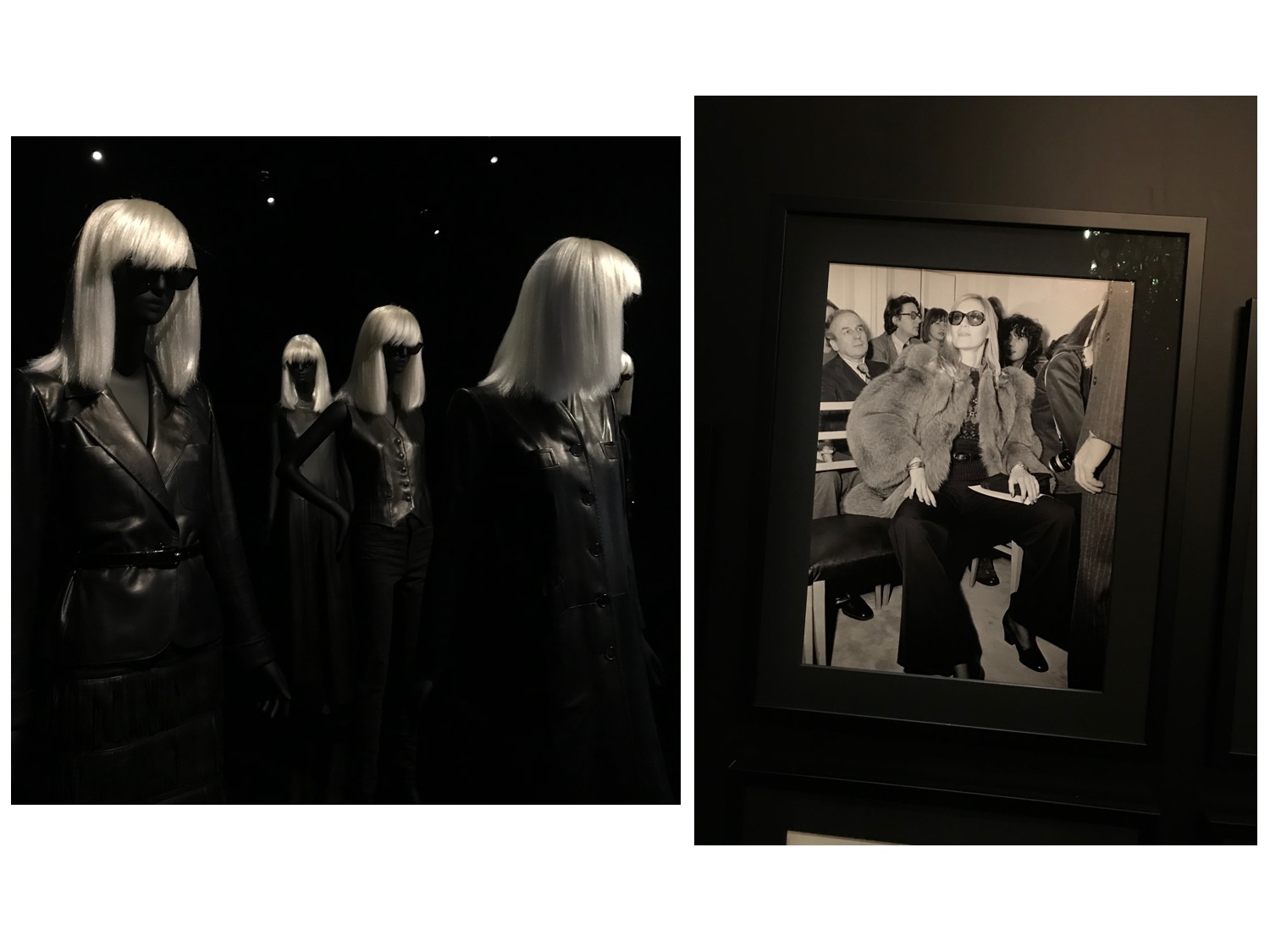
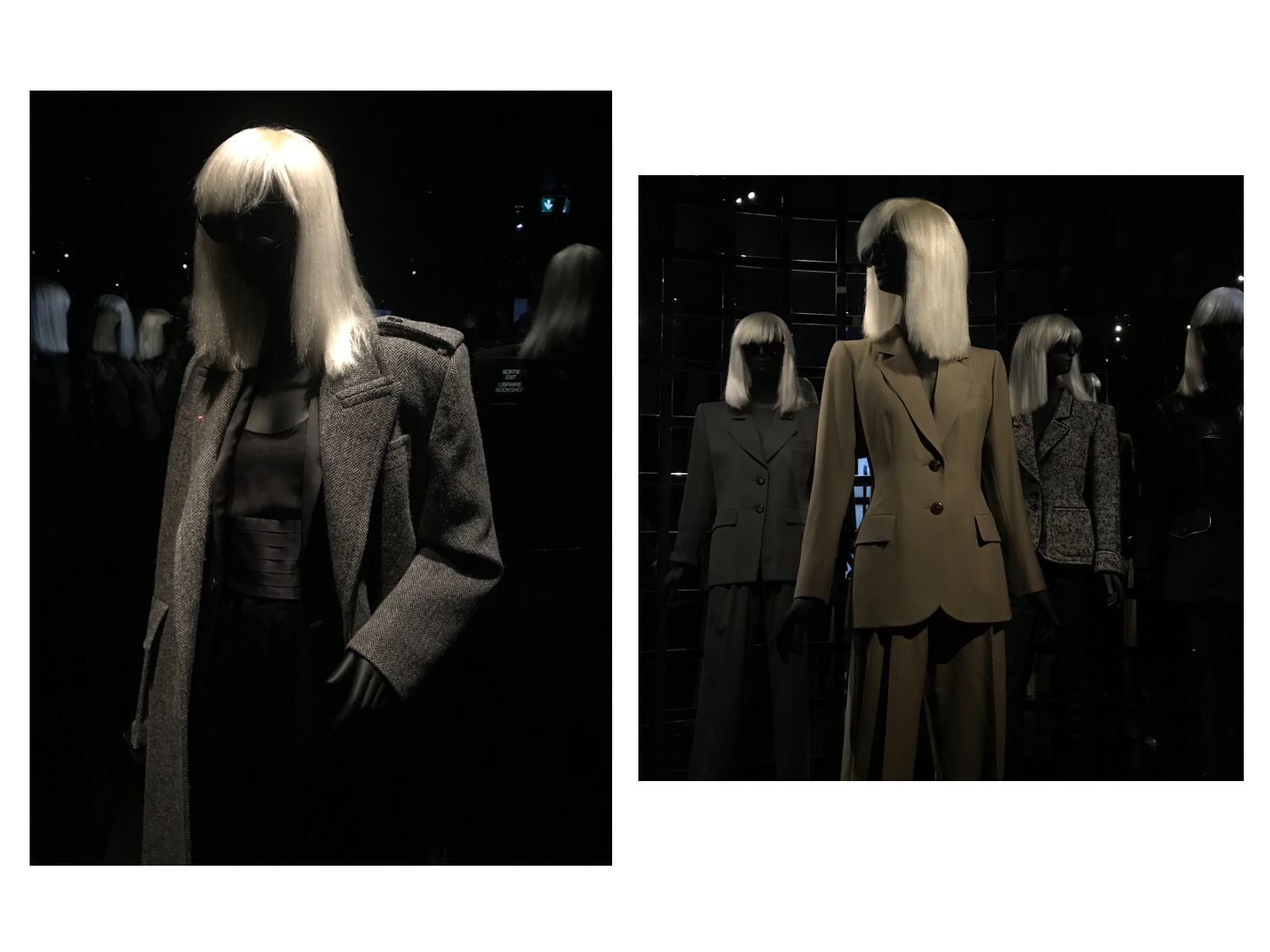
When walking down the streets of Paris, you just can’t miss the street posters promoting the current exhibition at Musée Yves Saint Laurent. A naked woman sits on a sofa, with her icy blonde hair and big sunglasses. It’s of course the iconic Betty Catroux. In 2020, the YSL museum is devoting a special exhibition to Catroux, the one and only Saint Laurent “female double.” The pieces displayed in the exhibition come from a major donation Betty Catroux has made to the Fondation Pierre Bergé – Yves Saint Laurent back in 2002. The museum gave Anthony Vaccarello (Saint Laurent’s creative director) carte blanche for curating this event. The designer approached Betty Catroux’s wardrobe from an aesthetic perspective by selecting the pieces that best reveal her unique personality and ongoing influence on the label’s signature style. “She lives and breathes Saint Laurent. An allure, a mystery, an almost nefarious aspect, an elusive yet desirable nature, all that underlies the house’s aura, and you understand the magnitude of it when you meet Betty.” That elusive aura is perceivable all over the space. Approximately fifty designs show the extent to which Betty Catroux embodied Yves Saint Laurent’s physical ideal and an attitude echoing the “masculine/feminine style” that he was developing when they first met at the nightclub The New Jimmy’s in 1967. Yves immediately fell in love with her androgynous look, which was radically different from the usual codes of femininity and seductiveness and remains the subject of ongoing fascination. Below are some photos I took during my visit. To read more about the museum, here’s the post I wrote about the place when I was here about a year ago.

All photos by Edward Kanarecki.

(P.S. If you are inspired by my Parisian coverage, I’m really happy about, but please have in mind that now isn’t a safe time for any sorts of travelling. Stay at home!)
Saint Tropez

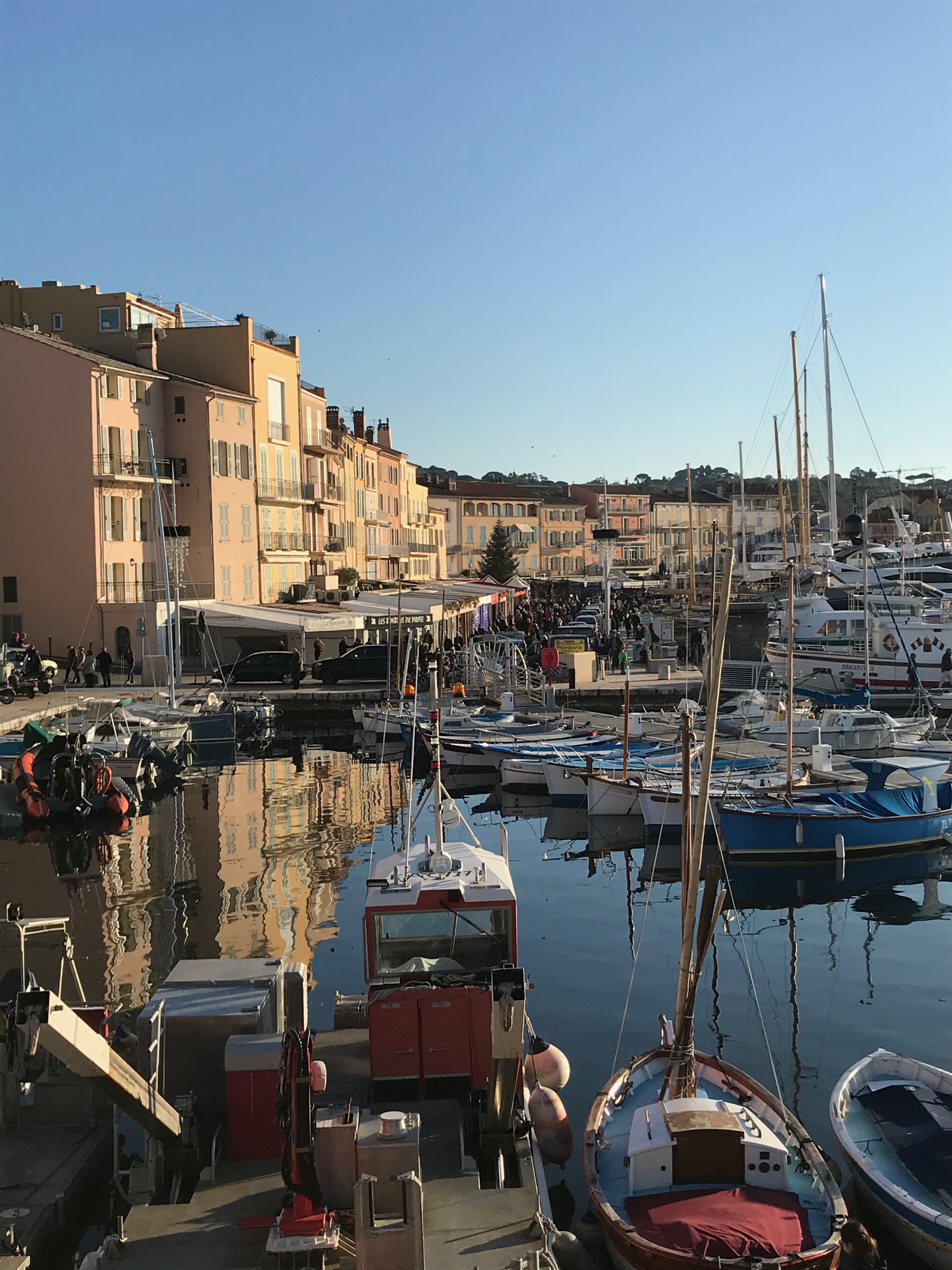
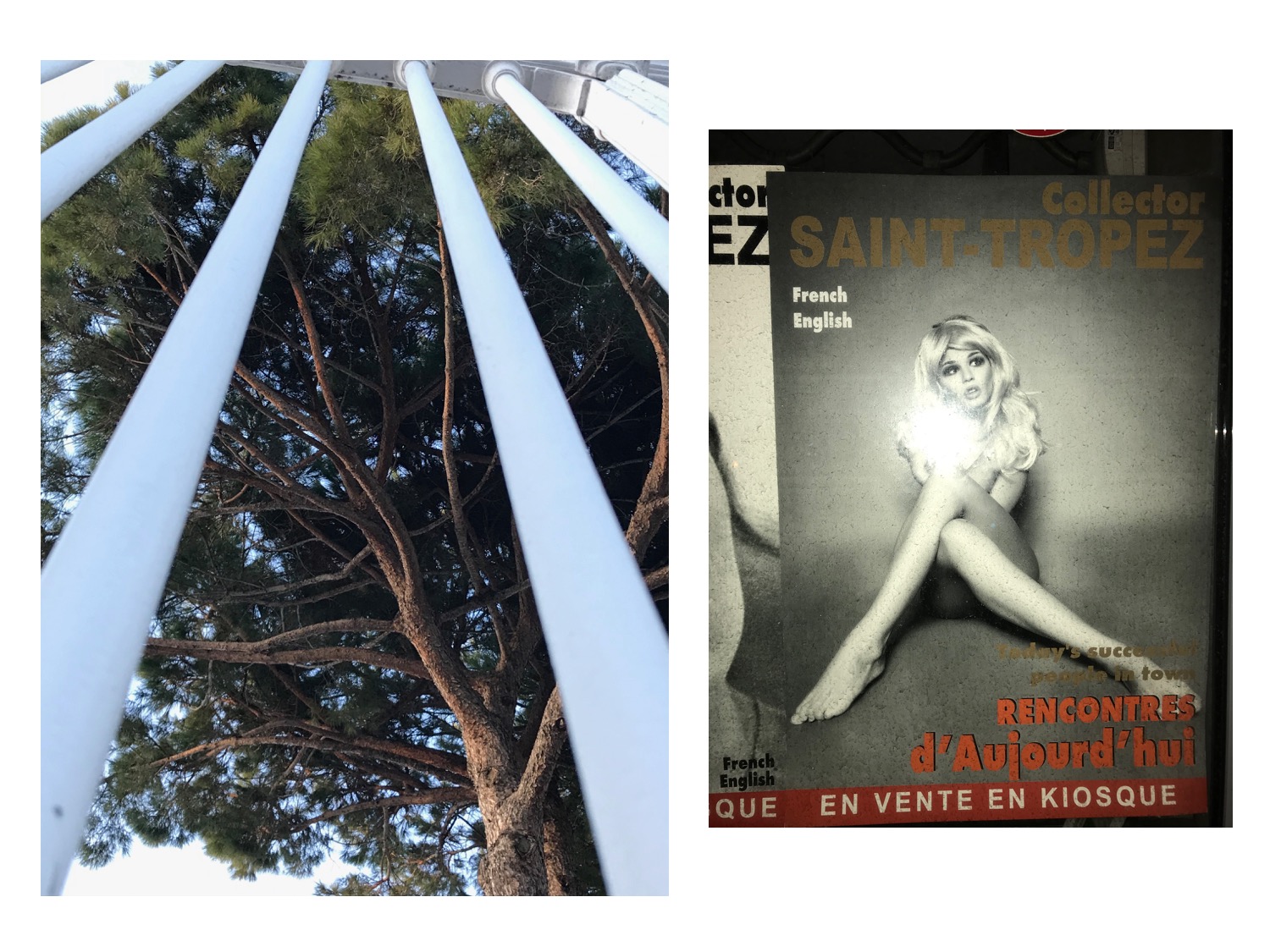
Everybody’s heard of Saint Tropez, but the stereotype we all know is quite misleading. It’s imagined to be a sort of place you learn about through the amniotic murk – an iconic coastal town barnacled with Mediterranean hedonism. But to be honest, in fact this place is rather calm and peaceful. At least off-season. With its rolling countryside, long, golden beaches, and breathtaking light, Saint-Tropez is one of the French Riviera’s most gorgeous destinations. This picturesque peninsula on the Côte d’Azur still embraces its history as a quiet fishing village and artists’ enclave – it lured painters such as Henri Matisse long before it was made famous by legendary beauty Brigitte Bardot, who has called it a “little nook of paradise.” Here are the two places I’ve especially loved in this town:

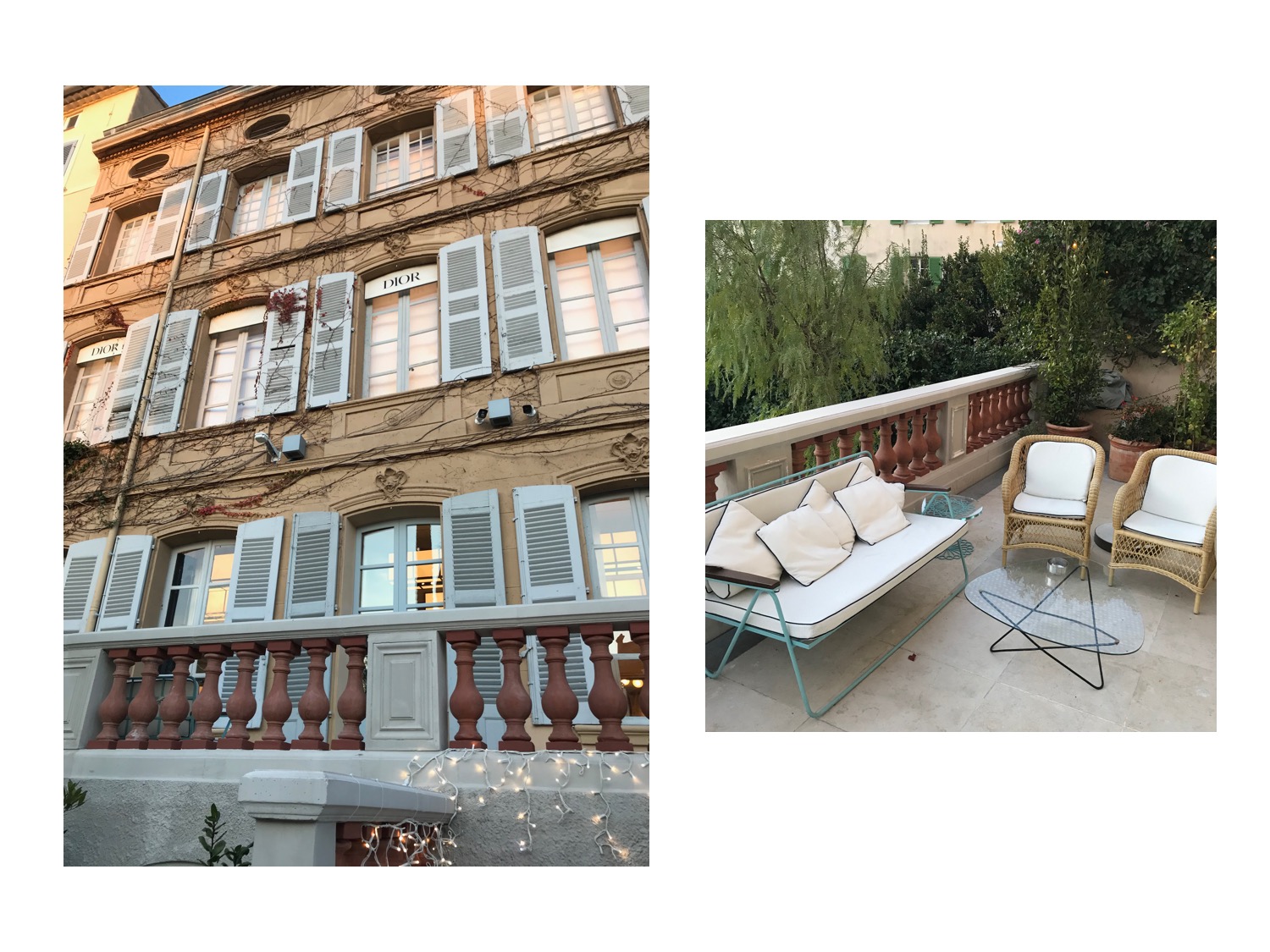
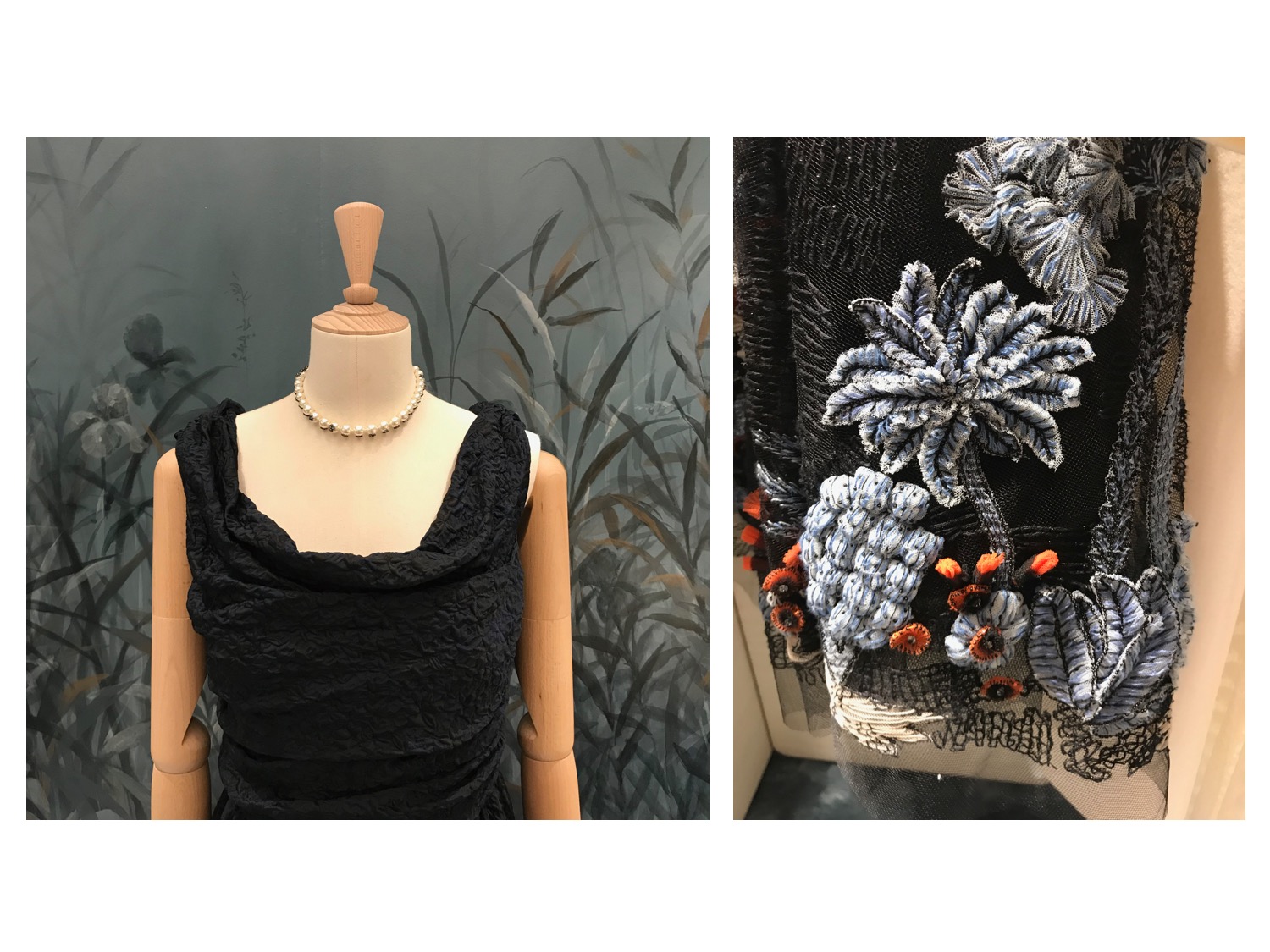
The Dior Villa. If you read my site for a while, then you know I’m not a Dior person (especially Maria Grazia Chiuri’s Dior). But somehow, in Saint Tropez, it all clicked – the intricately embroidered eveningwear, the pearl jewellery, the glassware… this is the French way. And of course loved the delightfully furnished store, which as well serves coffee in its yard.

13 Rue François Sibilli

Lots of huge, old cypress trees and yes, Brigitte Bardot is everywhere…

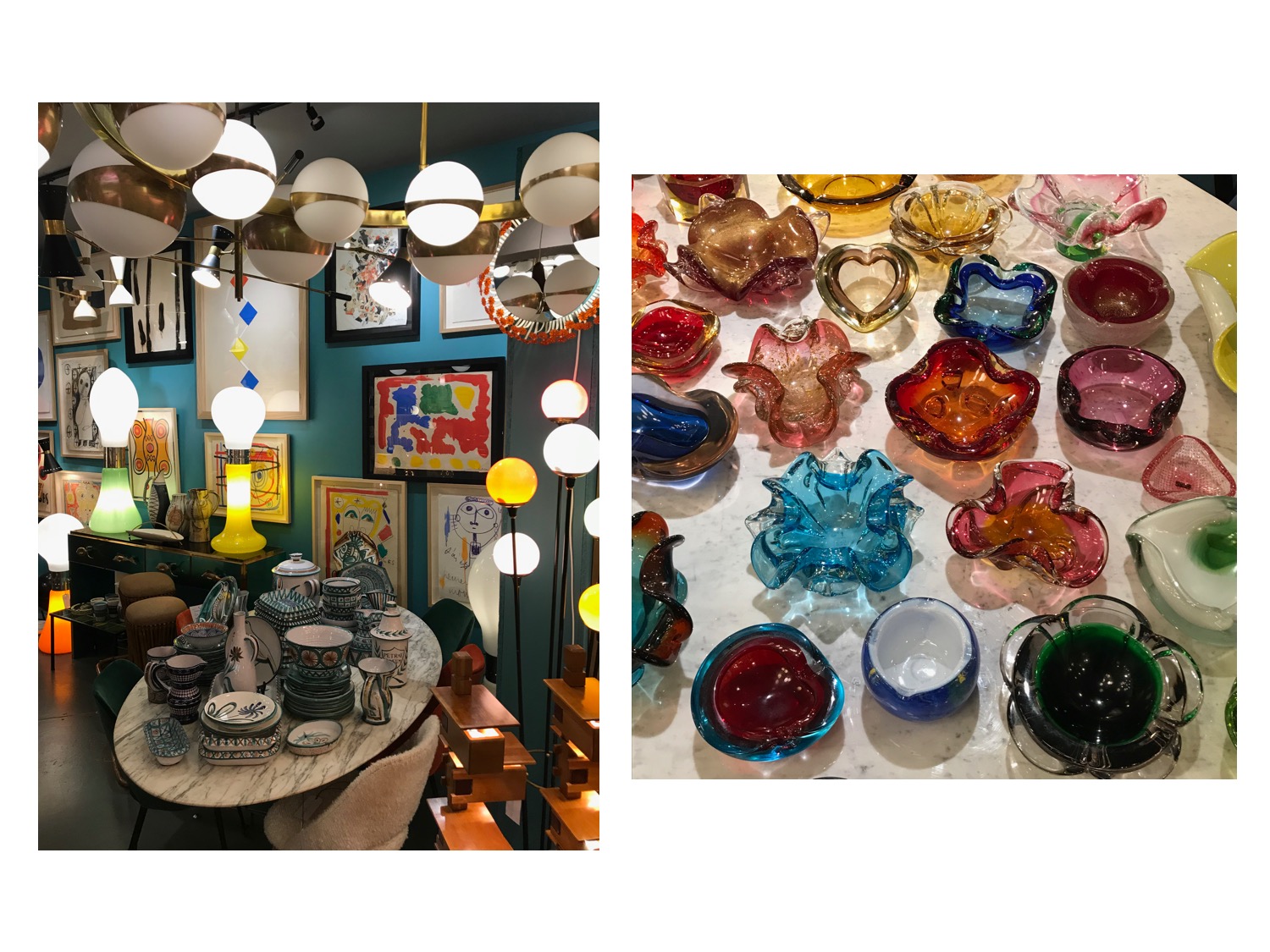
L’Atelier 55 specialises in vintage, restored design and it has a branch of stores located in Paris, Megève and other French destinations. Their boutique in Saint Tropez is kept in matching, Mediterranean style and its filled with original 1960s posters, Pierre Jeanneret armchairs and plates illustrated by Jean Cocteau. The staff here knows pretty much everything about 20th century French design, so you can always treat this place like a sort of encyclopedia. And if you’re planning to move to Saint Tropez… you know where to get your furniture!

29 Boulevard Louis Blanc

/

All photos by Edward Kanarecki.

Villa Ephrussi De Rothschild

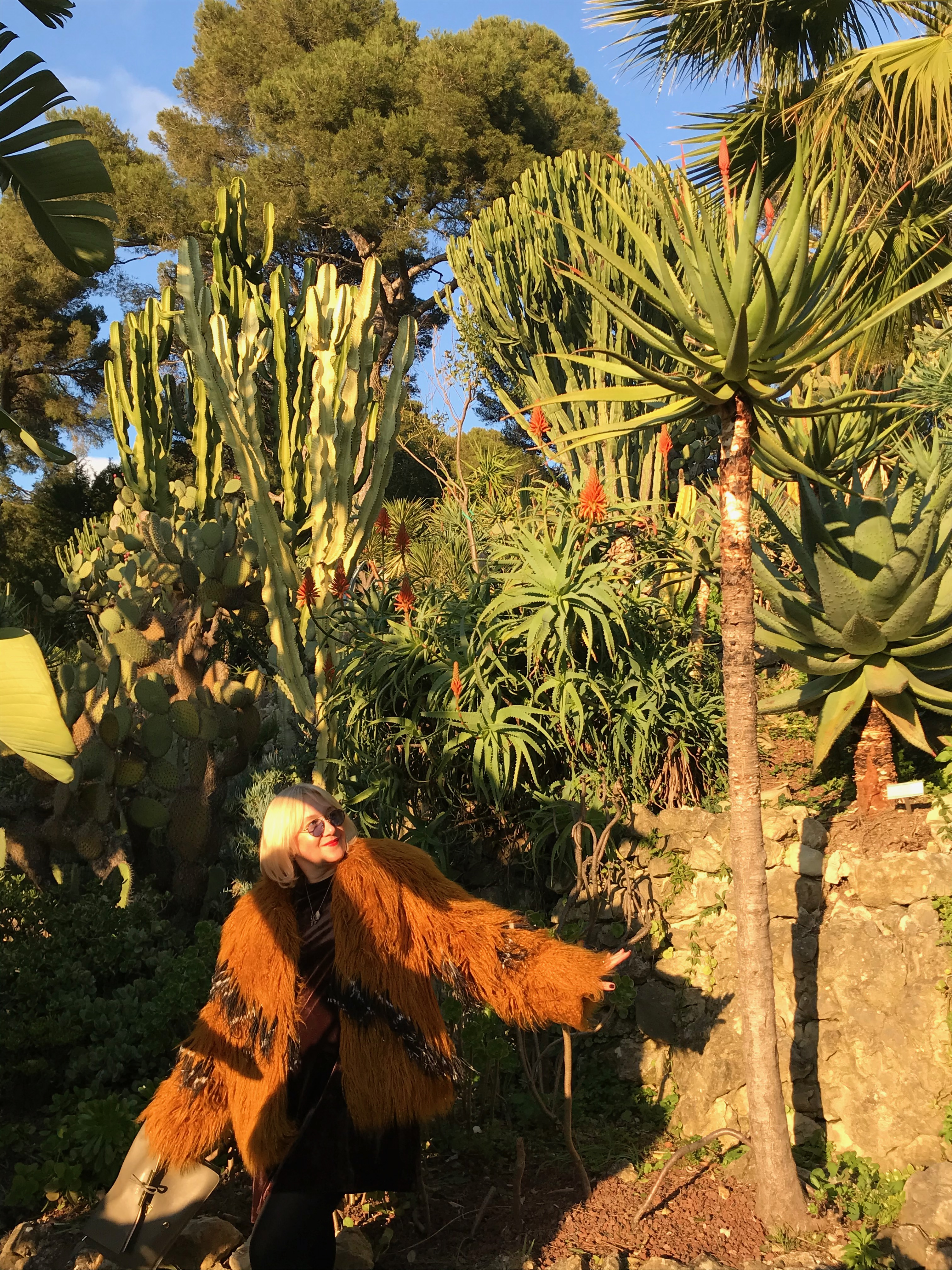
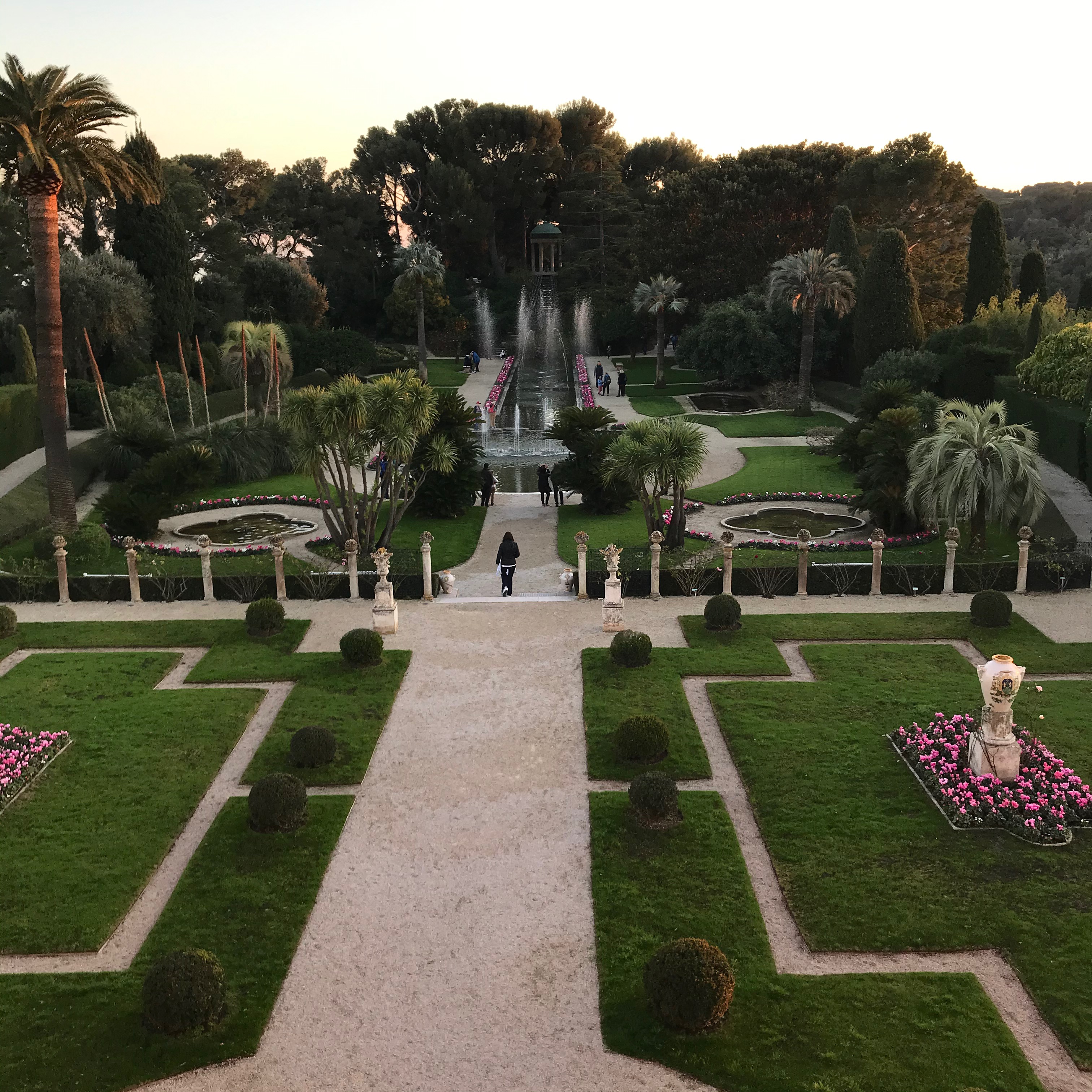
Can’t believe I’m finally finishing my coverage from our French Riviera road trip, which took place back in January! I just can’t not write about the beautiful Villa Ephrussi de Rothschild, located on a hill just a few kilometres from Cap Ferrat. The villa of Béatrice Ephrussi de Rothschild houses a rich fine and decorative arts collection (the owner had collected well over 5,000 pieces ranging from fine furniture to paintings, statues, and porcelain dinnerwar), all exhibited in a Belle Époque, Italian-style palazzo. Hiring and firing at least ten architects during the seven-year building period, it reflects her taste perfectly. She used it as residence and party villa until the 1930s before bequeathing it to the Institute de France for use as a fine art museum. The magnificent park with nine distinct gardens is equally attractive year-round (we’ve been there in January, although it felt like it’s mid-spring!). The mild weather of the Côte d’Azur ensures that there are always flowers in bloom but spring and high summer see the most vibrant colors. Visitors may wander through the gardens at will but do pick up a map of the garden. Following the suggested route, you can stroll through the gardens with Villefranche-sur-Mer views before scaling a small hill and descending next to the waterfall into the French garden in front of the villa. Spending an afternoon here feels like a dream.

All photos by Edward Kanarecki.