Èze / Côte D’Azur

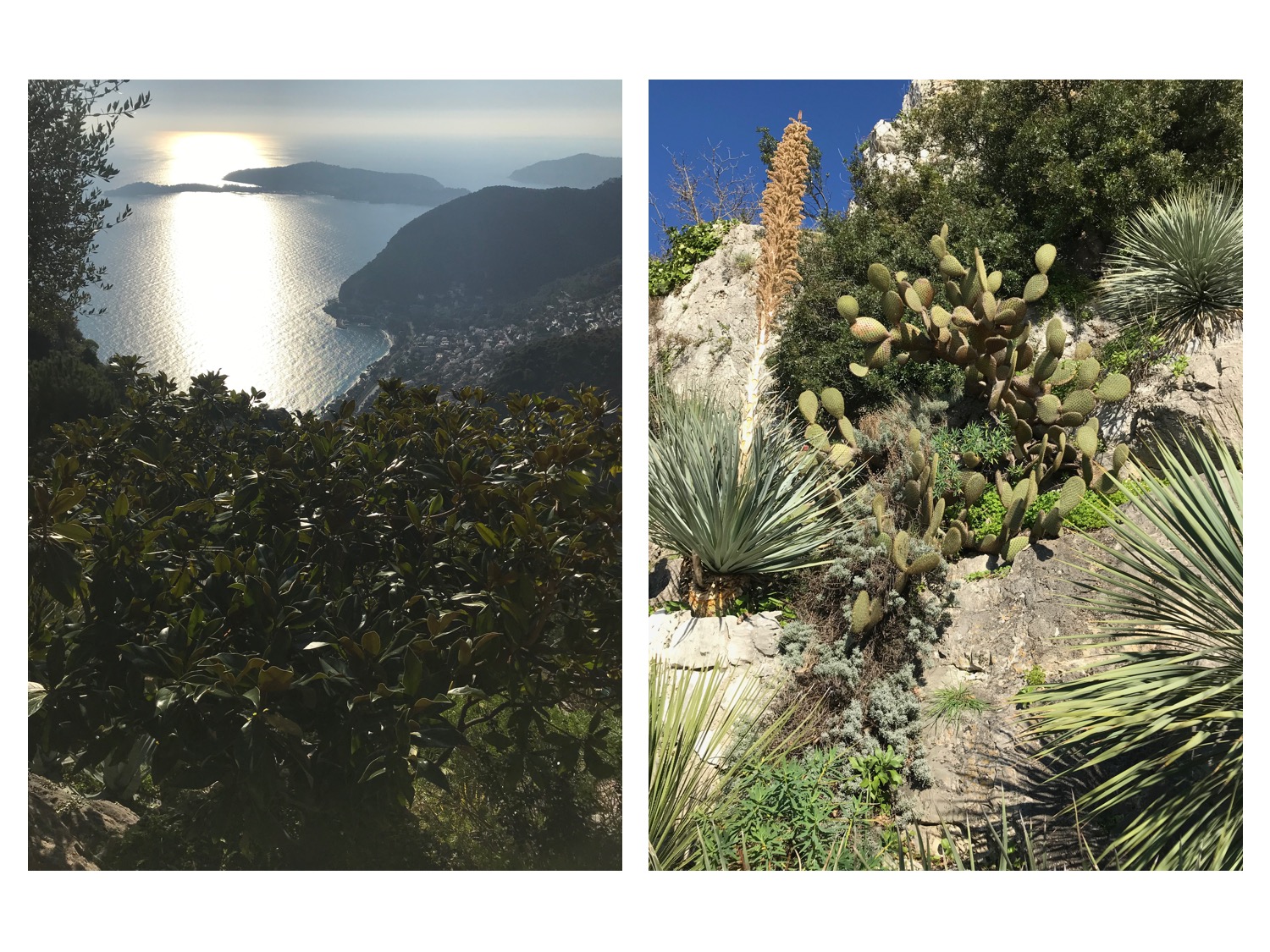
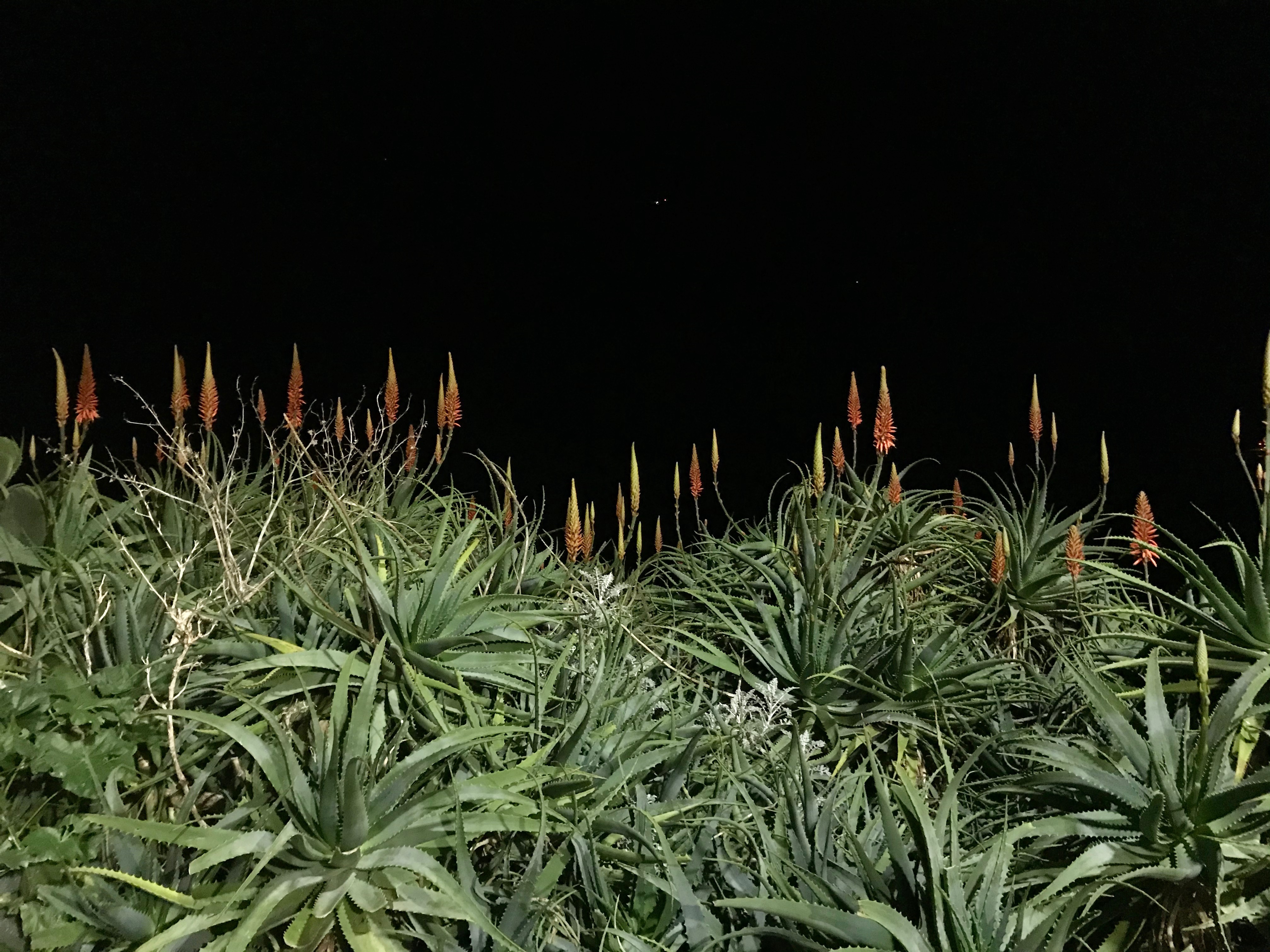
In craggy cliffs high above the sea, the medieval village of Èze is a delightful step back in time. The well-preserved stone buildings, winding alleyways, 14th-century chapels, and dramatic Mediterranean backdrop make this tiny village seem like a movie set. The views are best earned by taking one of the many hiking trails, like the famous Nietzsche path, that connect the the town and the summit, which sits 1,400 feet above sea level. At the top, you’ll discover the town’s medieval fortress, which you may recognize from Hitchcock’s “To Catch a Thief”, surrounded by the Jardin Exotique, a desert garden brimming with succulents and exotic florals. The wonderful sea breeze is another reason to get up here!

All photos by Edward Kanarecki.

Saint Paul De Vence / Côte d’Azur

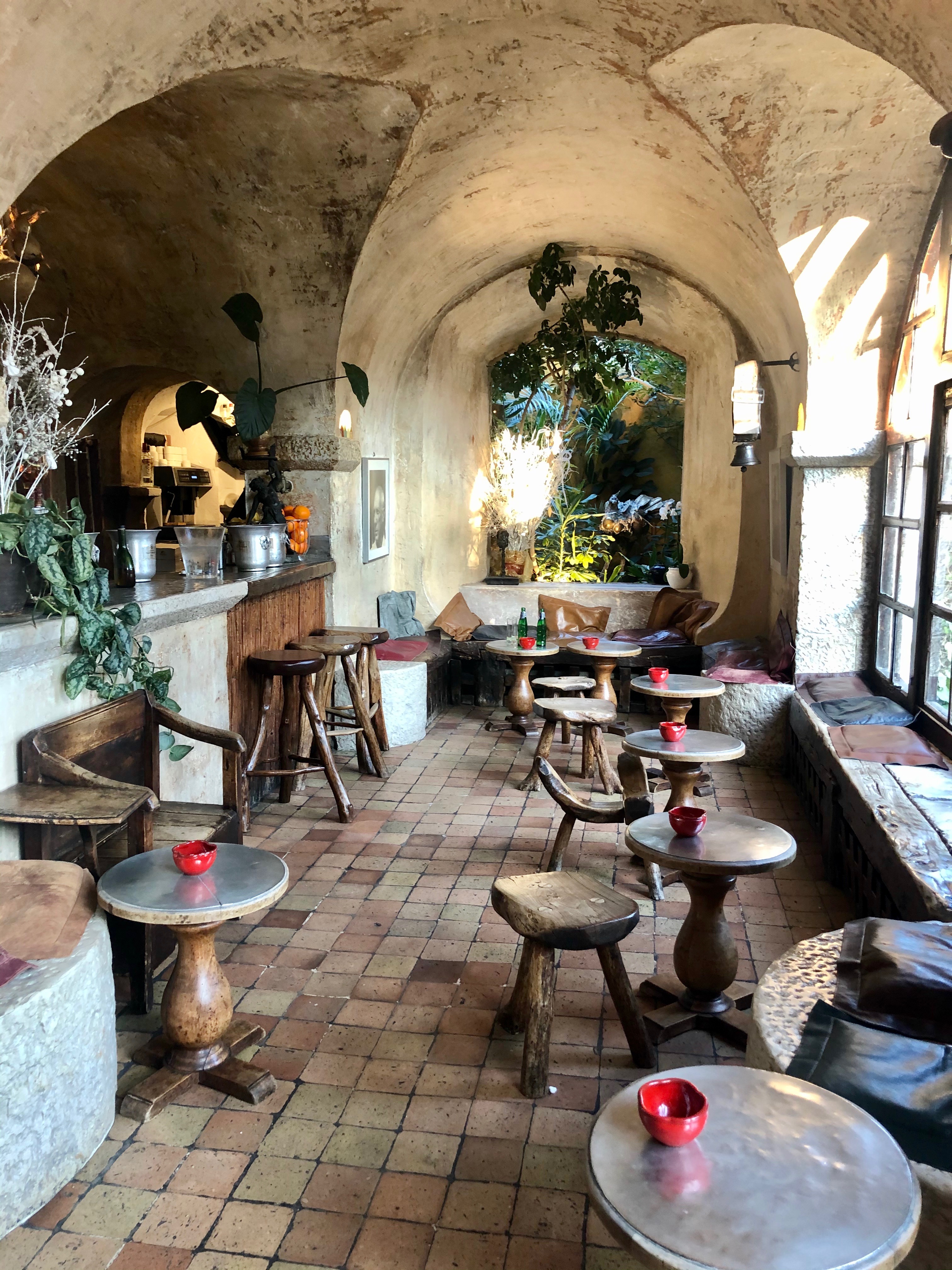
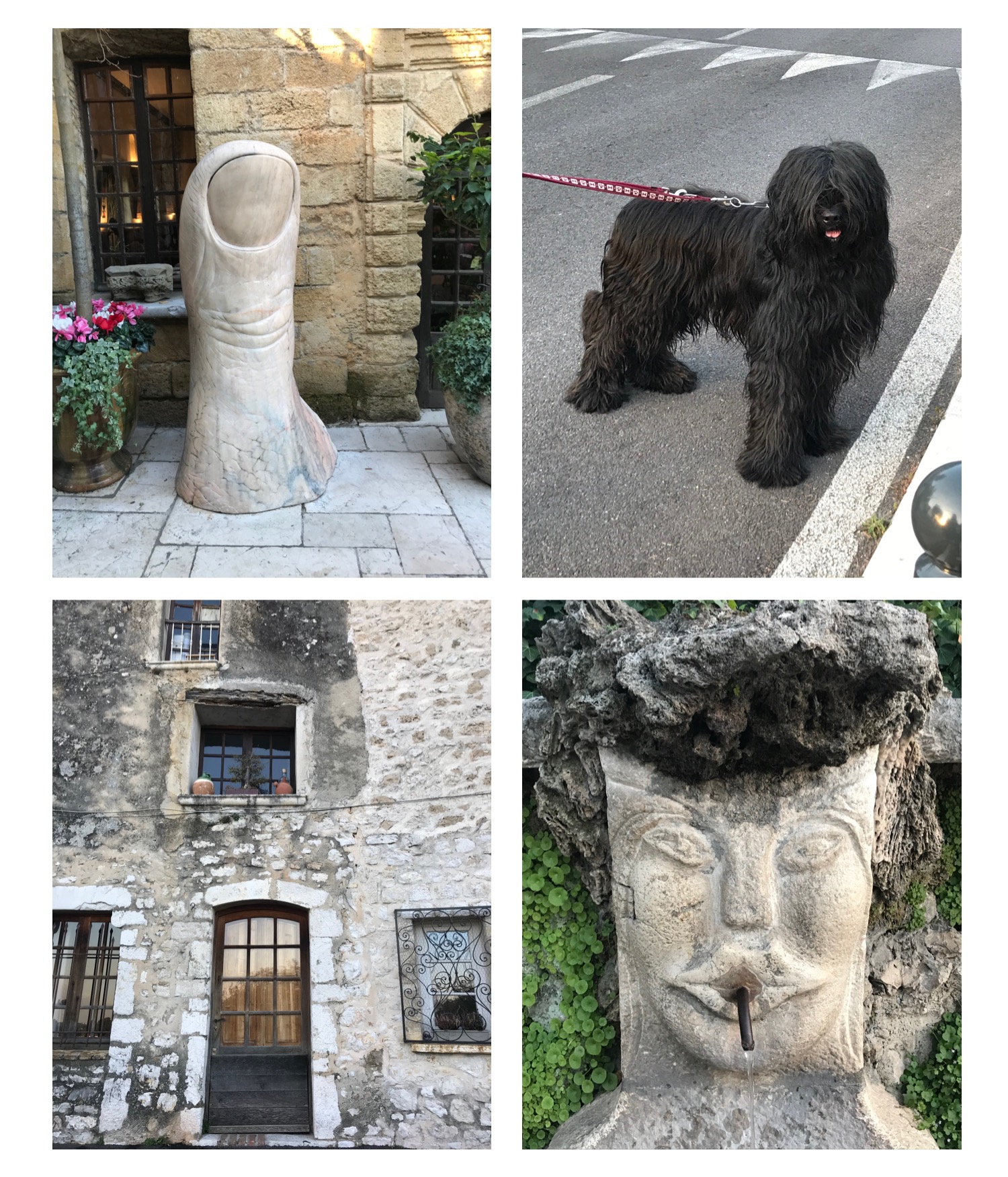
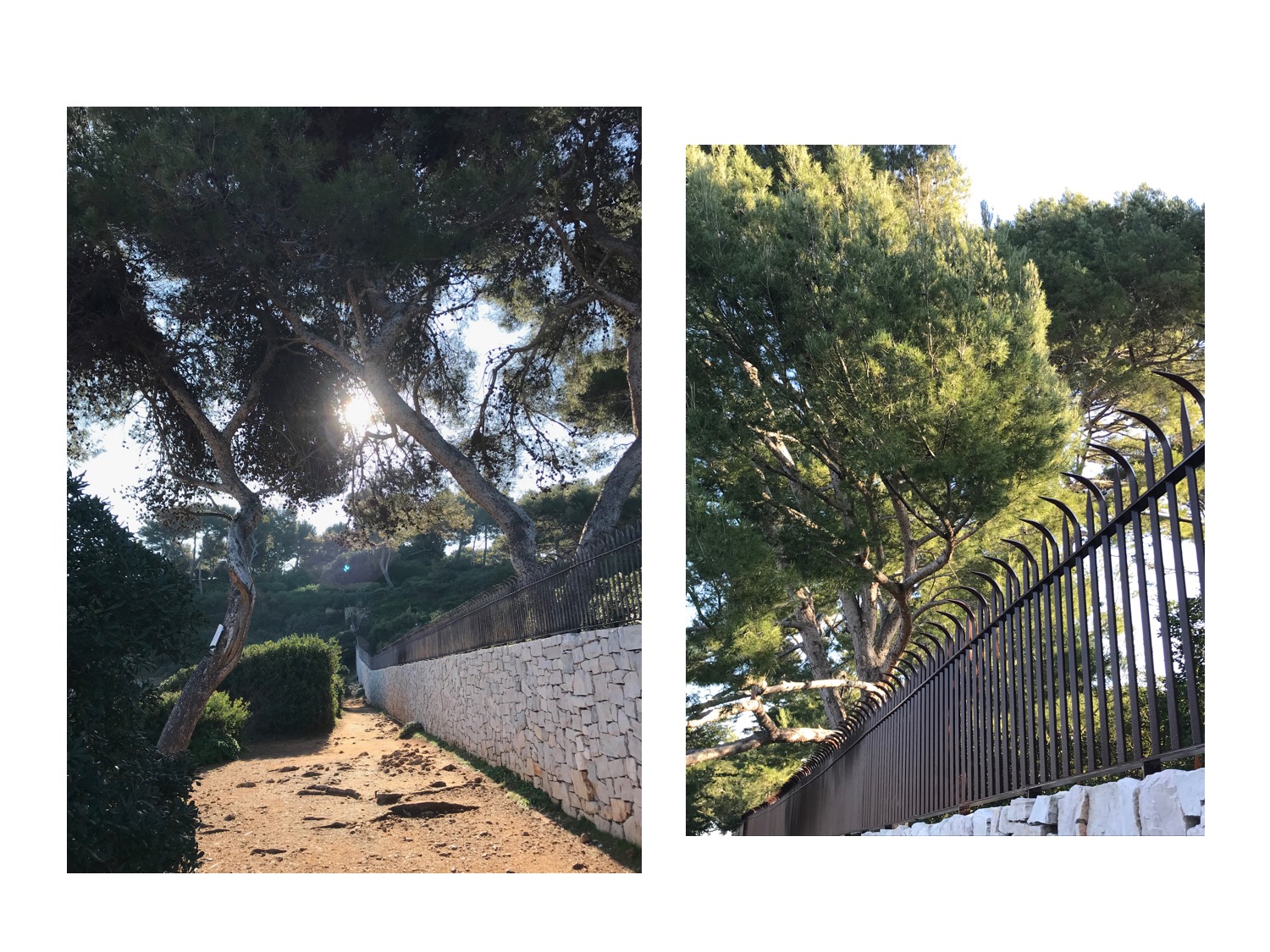
As you go north from Antibes, a place you have to visit is Saint-Paul de Vence. In this village located at the top of a hill, you should of course see the Fondation Maeght (a separate post on this art oasis is coming up shortly!). If you want to continue with the art path, why not see the authentic Matisse or Picasso at the legendary La Colombe d’Or? You can find it in the heart of Saint-Paul: it’s a real secret garden with original works given to the owner by the artists as payments for meals. It’s worth giving the village around an hour if you’re by car: its centre is overcrowded with touristic “art galleries” and restaurants, so the most important is the postcard-like, medieval, stone architecture that seems to be untouched by time.

Photos by Edward Kanarecki.

Antibes / Côte d’Azur

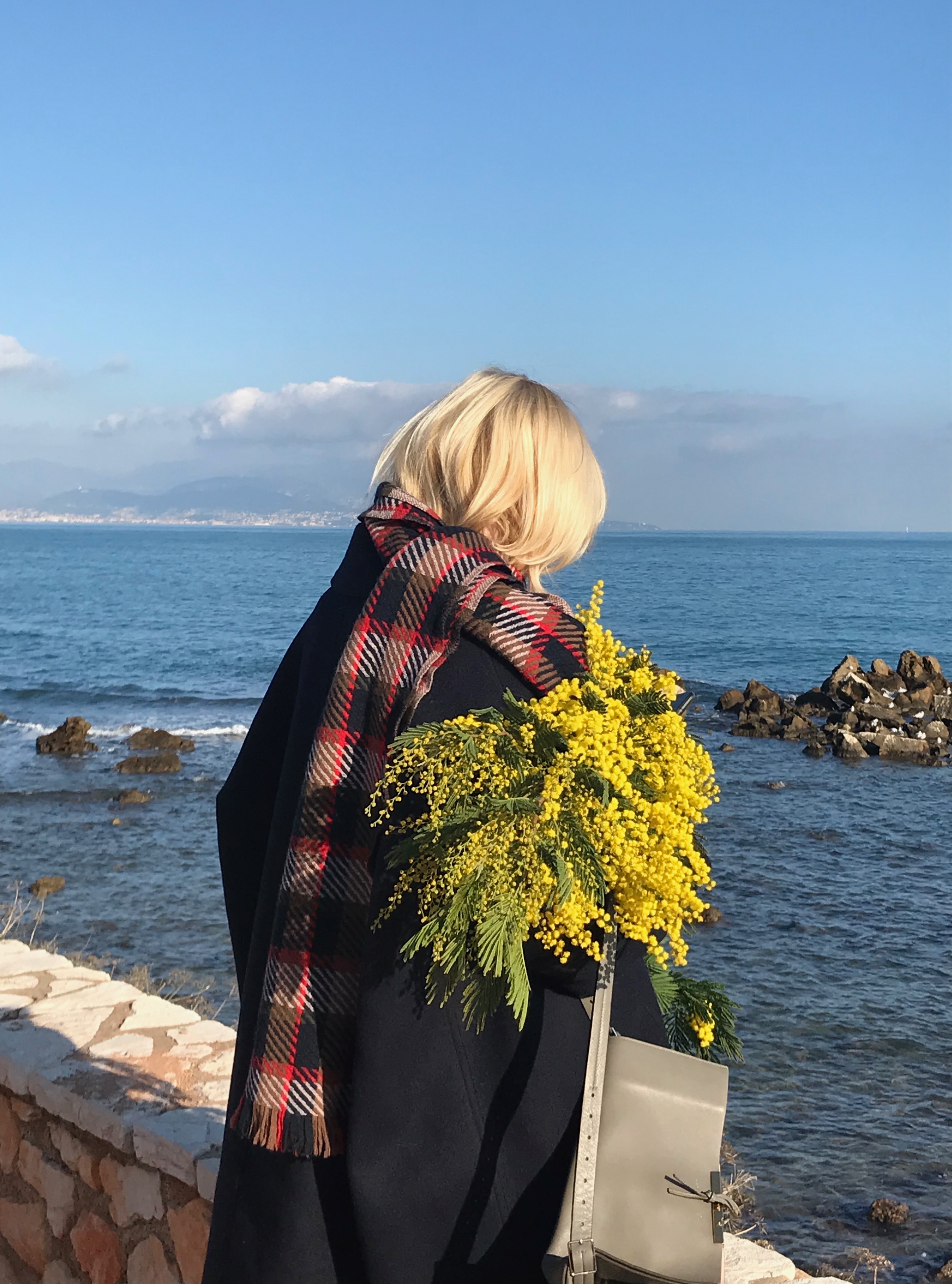
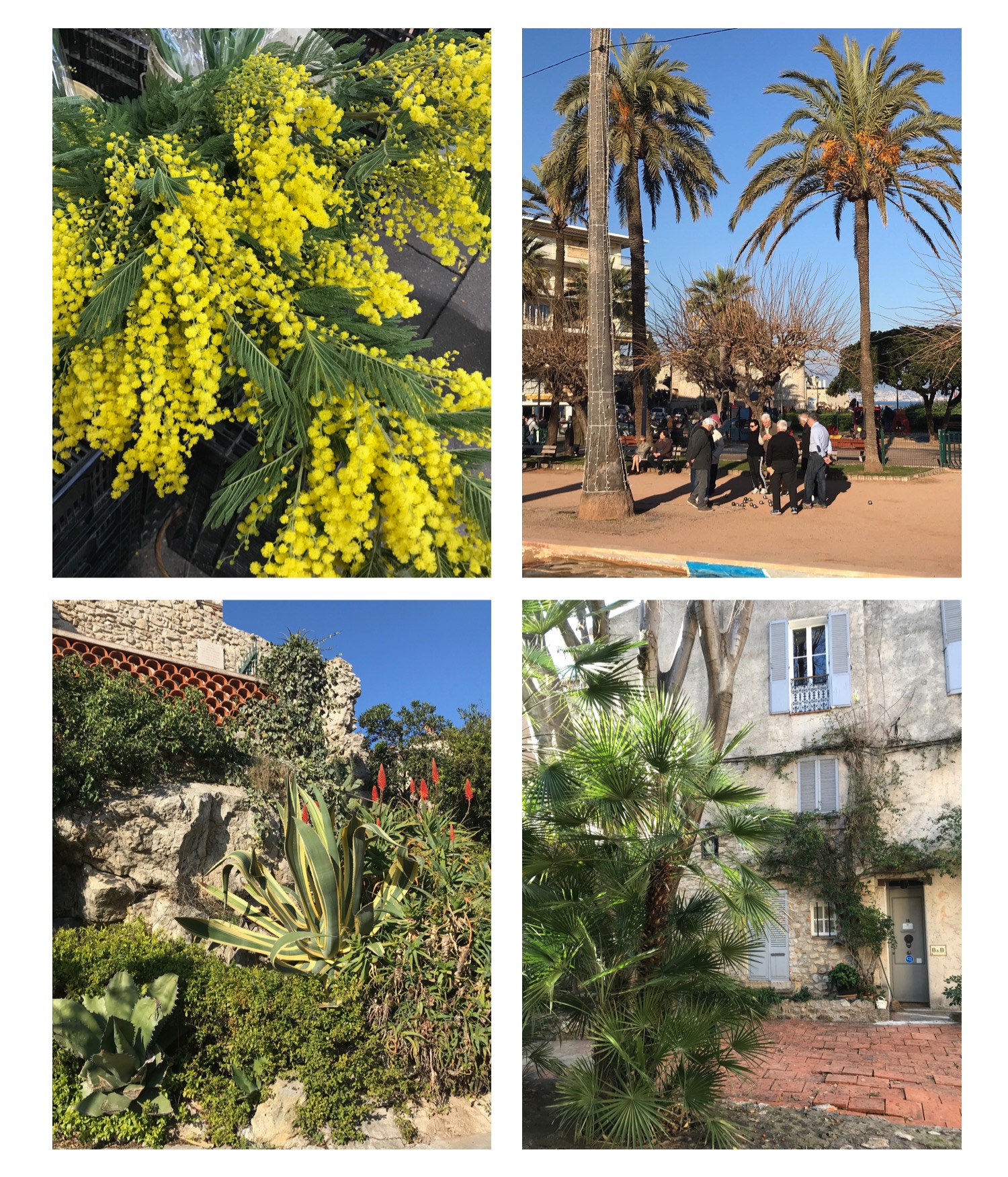
Back in January, we also had a dreamy road trip around the French Riviera. Beyond the yachts and picture-perfect beaches, Antibes is a draw for its literary and artistic history. It was at the Villa Saint Louis (now the popular hotel Belles-Rives) on the Cap d’Antibes that F. Scott Fitzgerald took up summer residence with Zelda and his daughter Scottie in 1926 and began his work on Tender is the Night. The enclosed mansions and dramatic villas lining the shore that once fascinated Fitzgerald are still very much a part of the landscape, but there’s local charm to be found, too. Stroll around old Antibes, through the Cours Masséna, a Provençal food market (don’t forget to buy a mimosa bouquet and supply yourself with home-made soap!), and up to the Musée Picasso, the first museum dedicated to the artist. Outside the market, local artists showcase paintings, sculptures and other pieces every day except Monday. Also worth a stop-off is the Chapelle St Bernardin, a gorgeous little Gothic church built in the 16th century, complete with an impressively intricate fresco. Antibes is known for its breezy, postcard-like beaches – head to Plage du Salis, with its velvet-soft white sand and views of the Cap d’Antibes (where we stayed throughout our trip – there are plenty of small, charming boutique hotels that aren’t Hotel du Cap Eden Roc…).

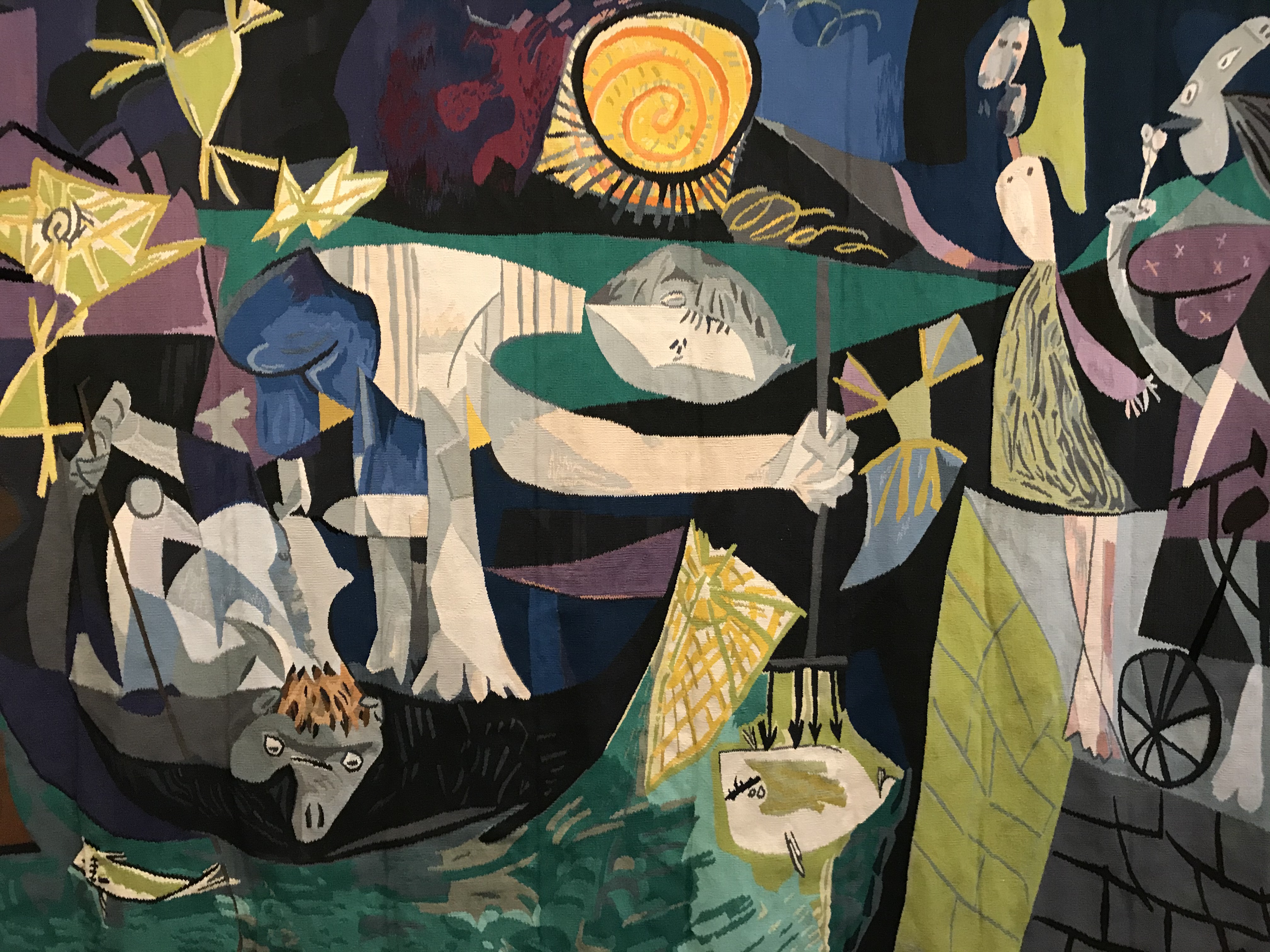
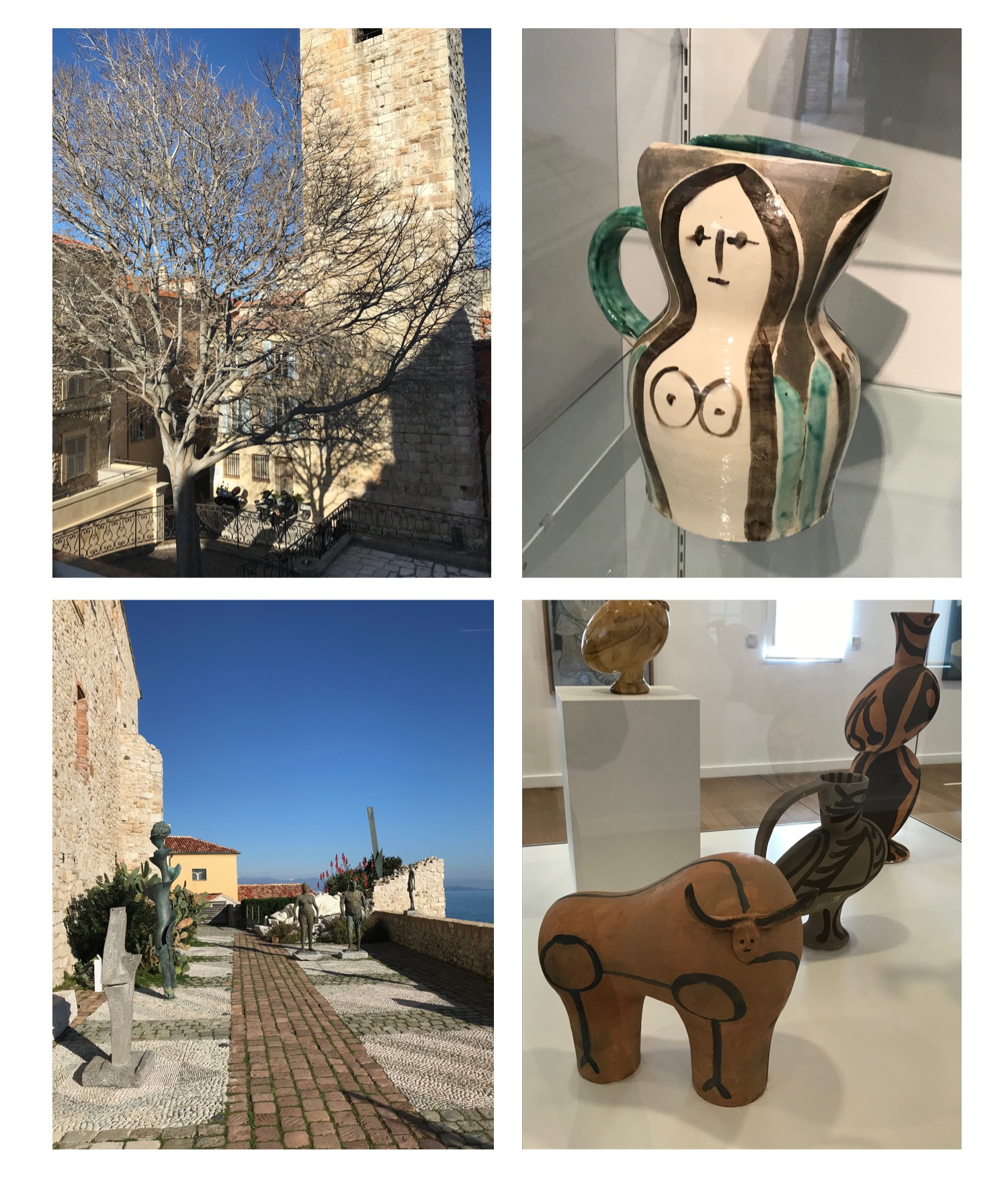
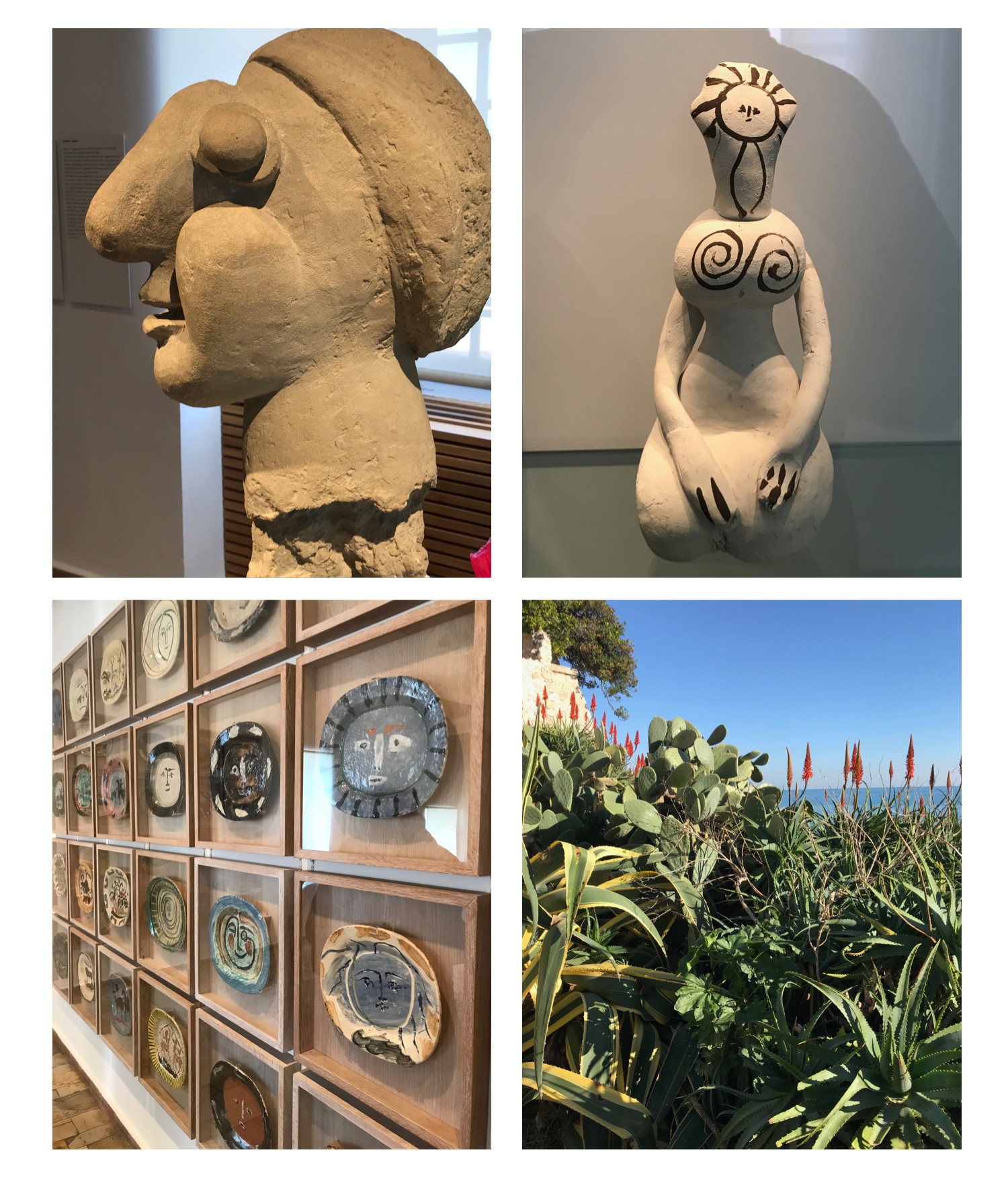
The Musée Picasso in Antibes is a small museum dedicated to the work of Pablo Picasso, who lived in the French Riviera for a large part of his life. The museum is housed in the Grimaldi Castle, a medieval fortress on the Antibes waterfront, and certainly benefits from such an outstanding location.The collection of the museum includes over 200 works by Picasso, including drawings, ceramics, etchings, carpets, and six paintings. Some of those artworks were donated to the town of Antibes by Picasso himself, who installed his atelier on the upper level of the castle for about six months in 1946. The permanent exhibition dedicated to Picasso also includes a number of historical photographs depicting the Spanish artist at work in Antibes. Along with presenting pieces by Picasso, the museum also accommodates a small permanent exhibition of works by other major modern artists, such as Balthus, Alexander Calder, Max Ernst and Amedeo Modigliani among others.

/

All photos by Edward Kanarecki.

Torino Addresses

Here’s my Torino guide I’ve promised a couple of days ago! Hope it will inspire your visit to this delightful, Italian city. Enjoy!
Porta Di Savona

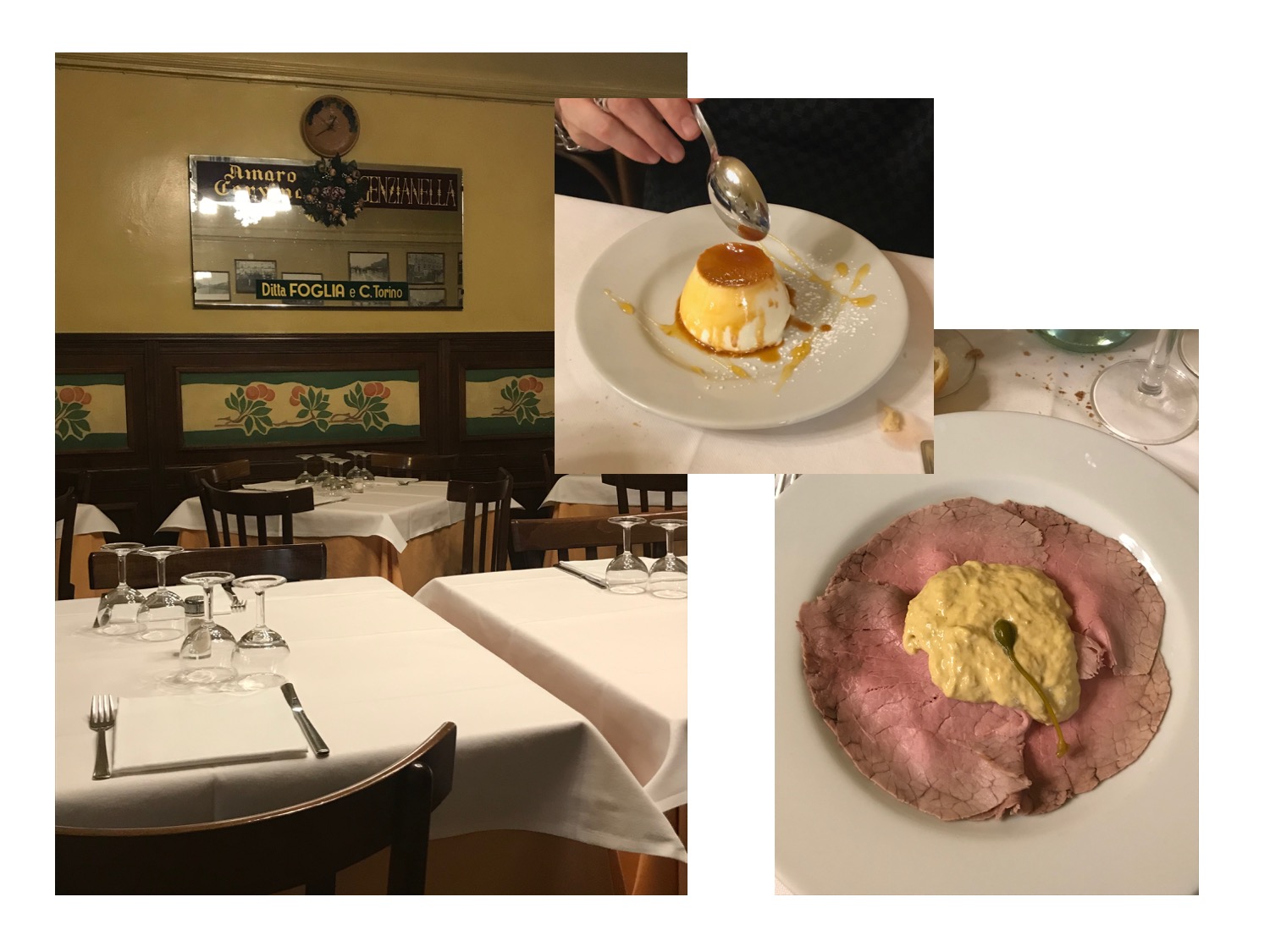
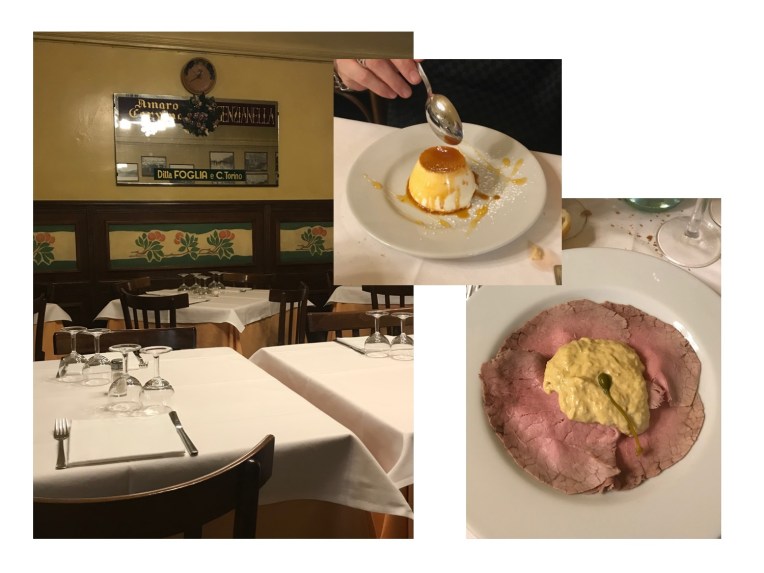
The room is charming if sparsely decorated, with marble floors, paneled walls, white tablecloths, and a little bar with a nice selection of aperitivi. All the dishes you want in the Piedmont are on the menu (the ultimate heaven: agnolotti, vitello tonnato, braised beef, and the best panna cotta ever!), and all taste the way you want them to.

Piazza Vittorio Veneto 2
Palazzo Madama

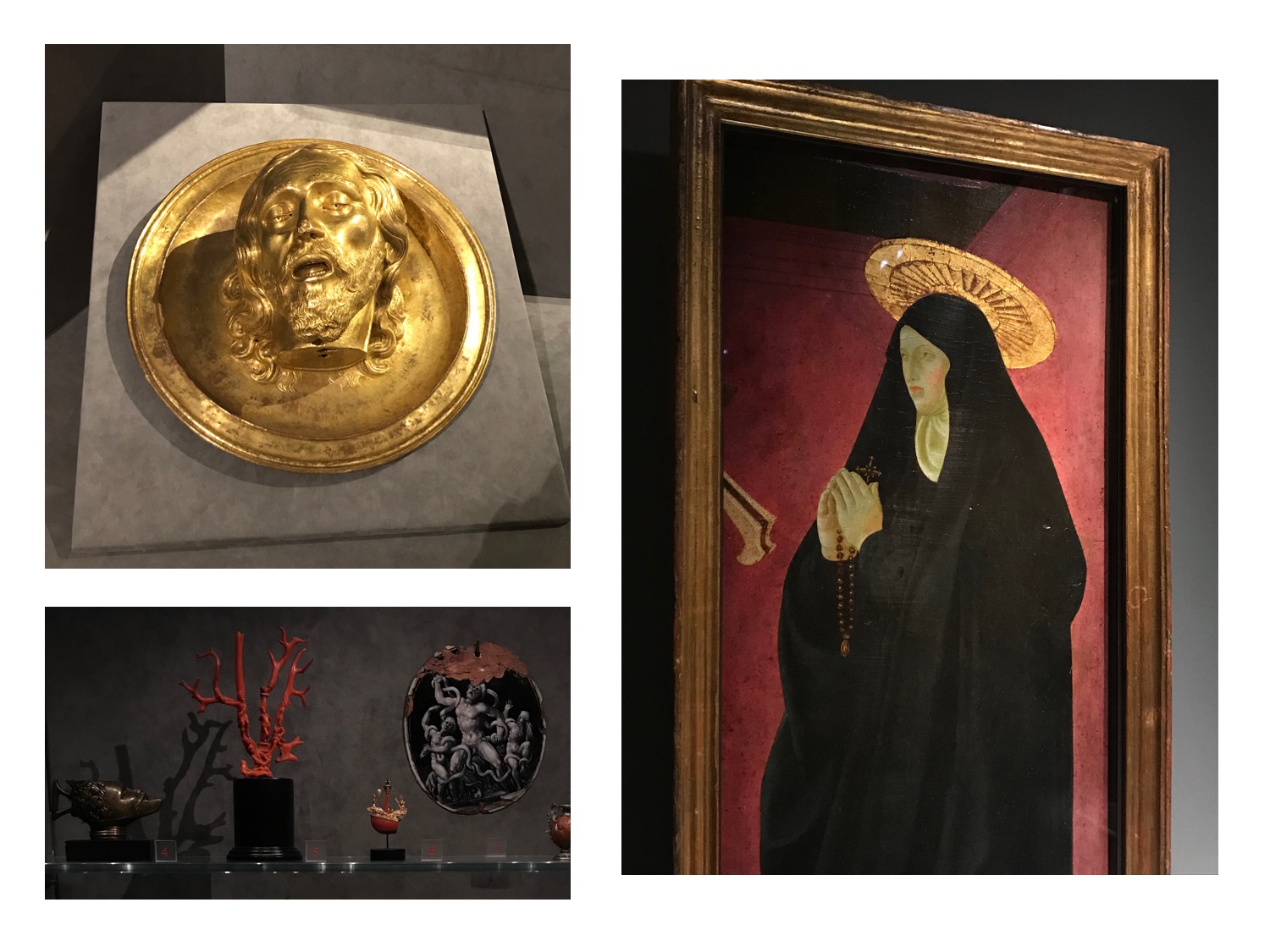
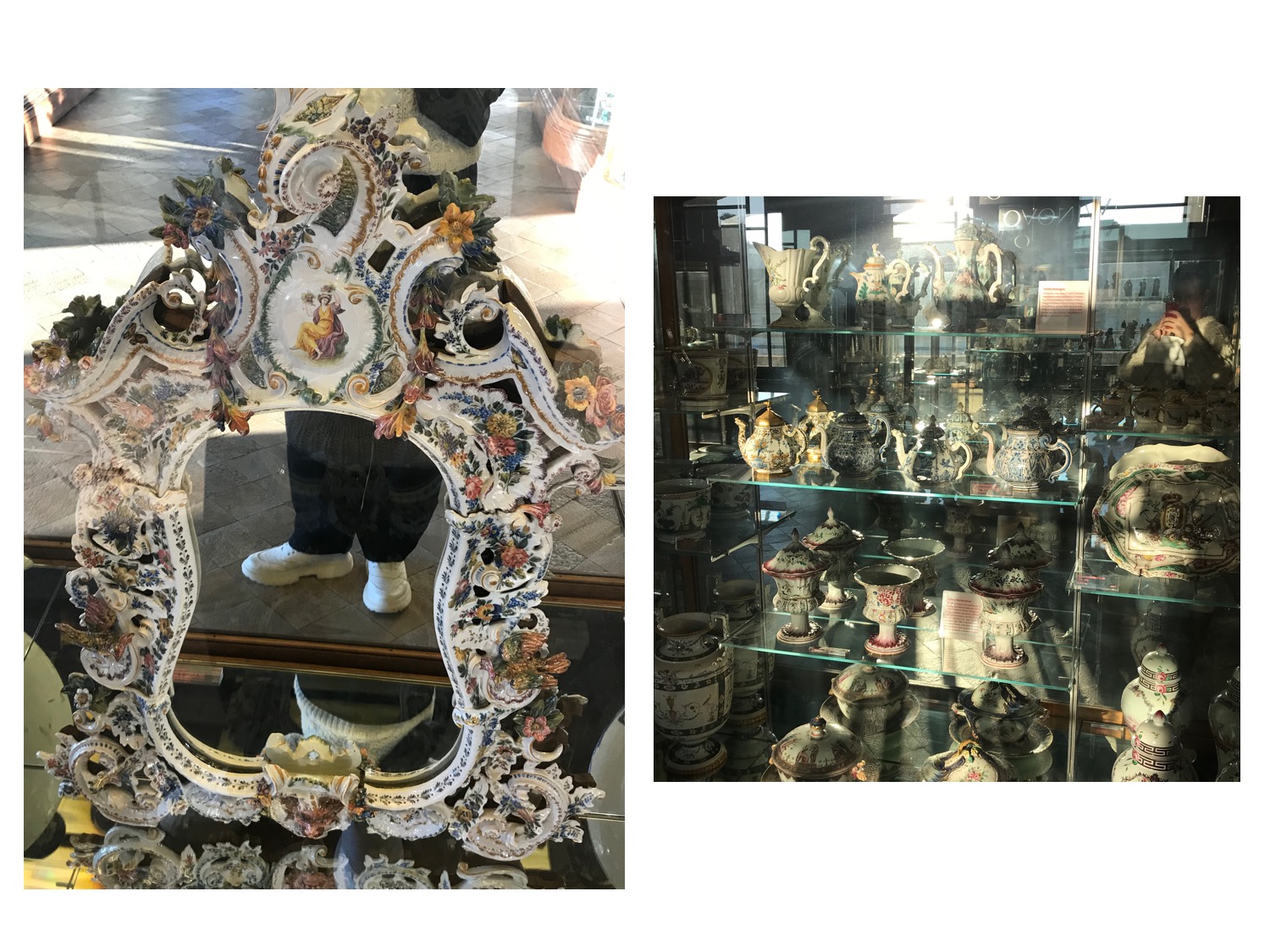
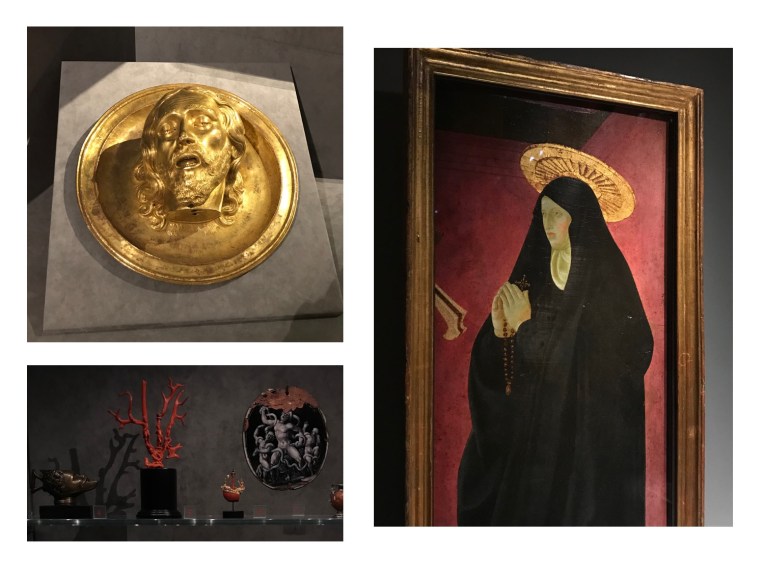
Having played a leading role in its history from Roman times through to the present day, Palazzo Madama was declared a World Heritage Site with the other Residences of the House of Savoy in 1997. The visit covers four floors, where the centuries-old story of its construction interacts with the collections of the Museo Civico d’Arte Antica, which have been here since 1934. The early centuries of the Middle Ages are illustrated in the Mediaeval Stonework Collection on the moat level, with its sculptures, mosaics, and jewellery dating from the Later Antique period to the Romanesque. The fifteenth-century rooms on the ground floor contain paintings, sculptures, miniatures and precious objects from the thirteenth to the sixteenth century, mainly from Piedmont. In the circular room in the Treasure Tower there is a selection of masterpieces, including the famous Portrait of a Man by Antonello da Messina. On the piano nobile, with its stunning array of Baroque stuccoes and frescoes, there is the modern picture gallery with works from the Savoy Collections and an important selection of furniture made by Piedmontese, Italian, and French master cabinetmakers. Lastly, the top floor houses the decorative arts collections, which are a key part of the museum’s assets, with majolica and porcelain, glasswork and ivories, fabrics and lace, jewellery and metals, as well as the stunning collection of gilded, painted and sgraffito glass, unrivalled in terms of its quantity and quality.

Piazza Castello

Parrot & Palm

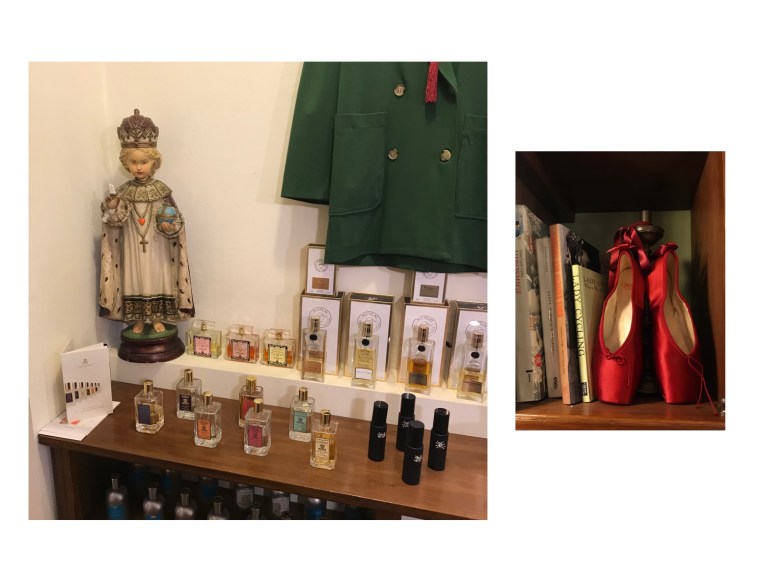
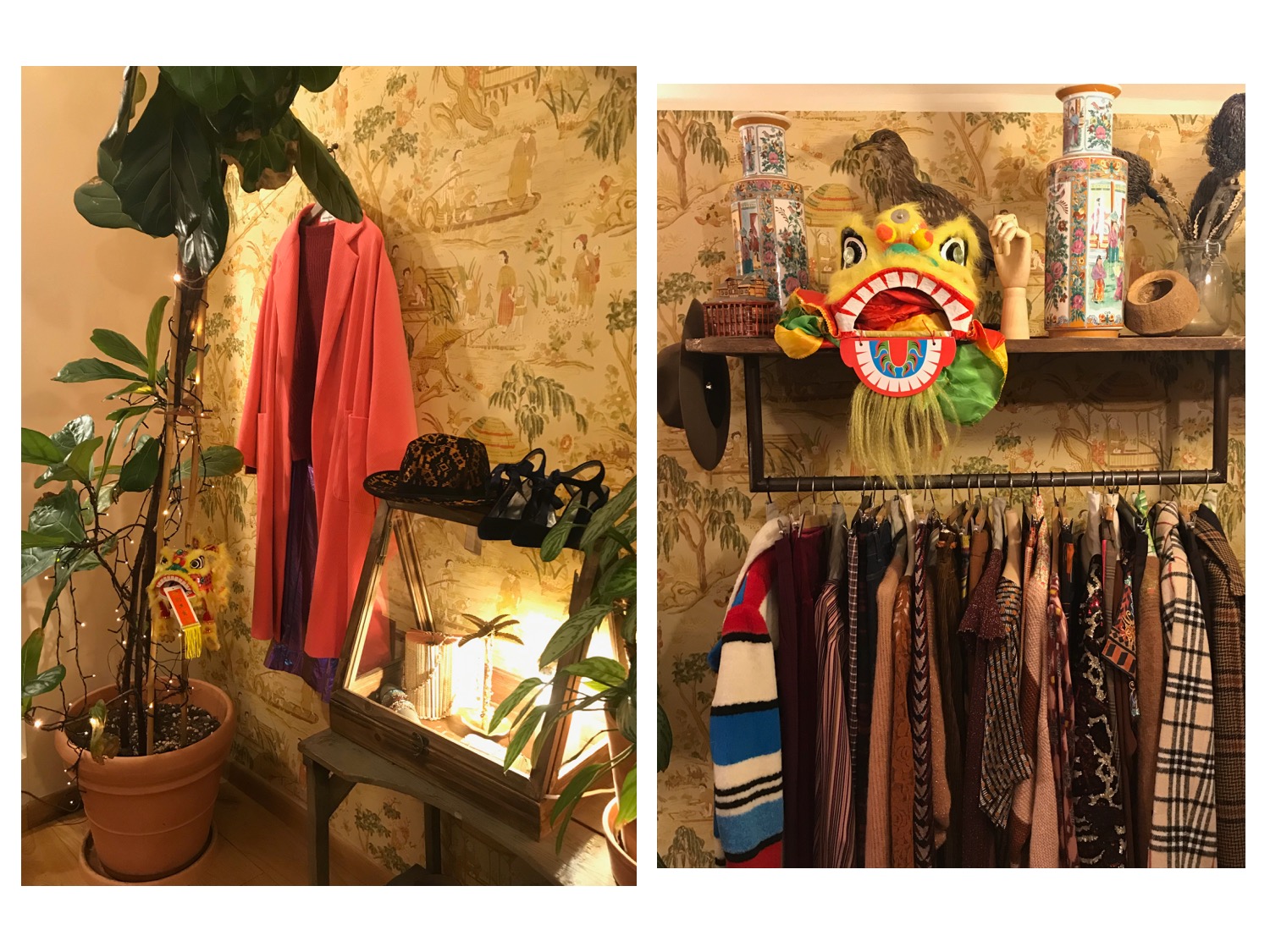
Probably the most chic boutique in Turin. From selection of niche Italian perfumes to affordable and stylish ready-to-wear labels, this place will charm you with its selection and beautiful, vintage-infused interior. Italians have their style, but in Turin, there’s a sense of non-chalant, born-with elegance.

Via Maria Vittoria 28/G
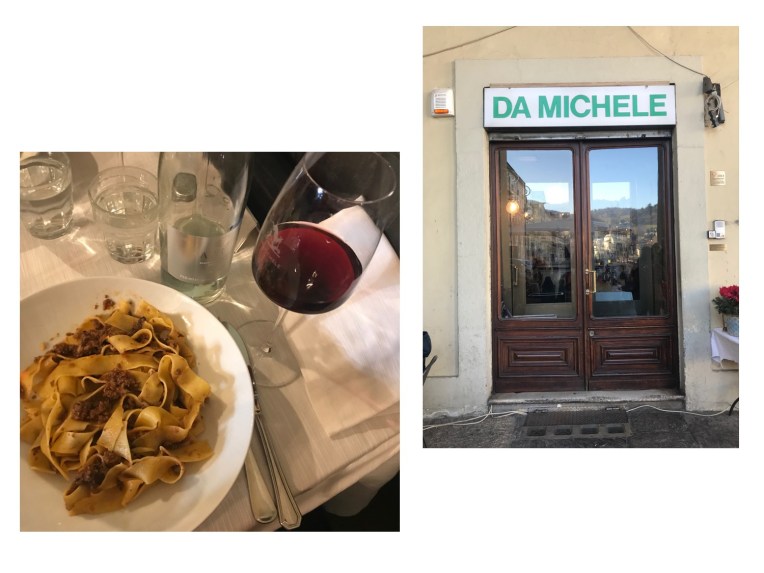
Da Michele

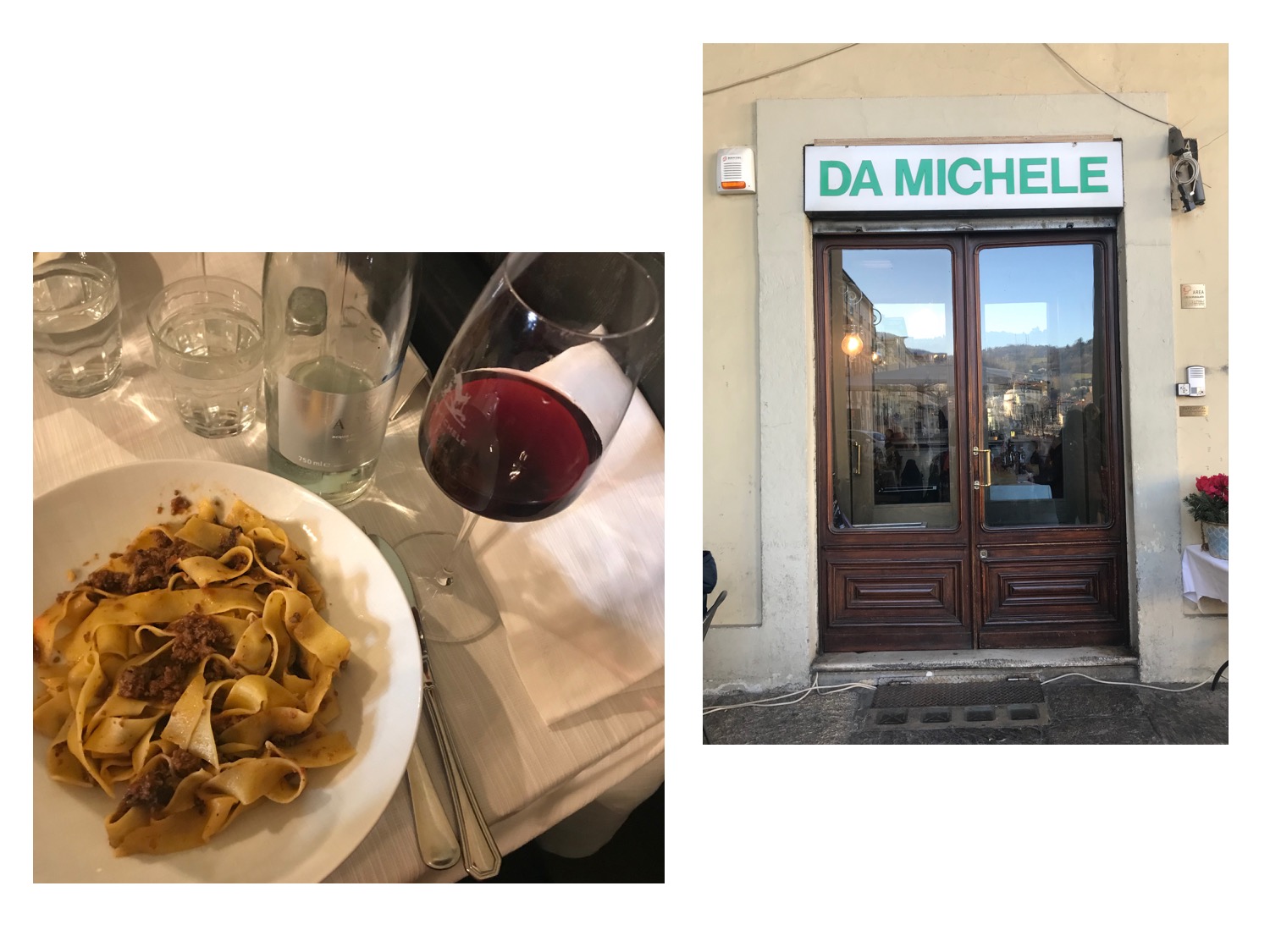
A treasure trove of taste since 1922, enclosed within the magnificent Piazza Vittorio Veneto and passed down from generation to generation. Daily offers at Da Michele are their unmistakable Pan Pizza and Farinata baked in their wood-fired oven as well as their authentic and tasty home-style cooking which showcases both Piedmont and Tuscan cooking traditions. Drooling.

Piazza Vittorio Veneto 4

Torino Mercato

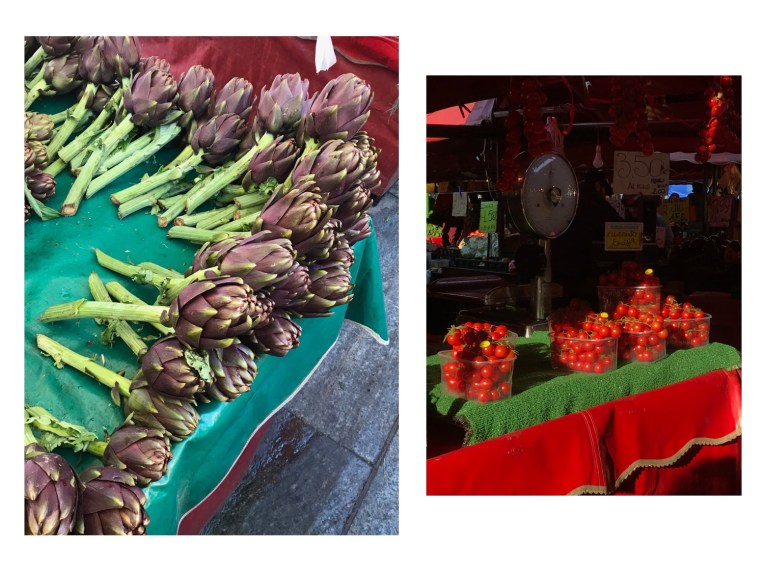
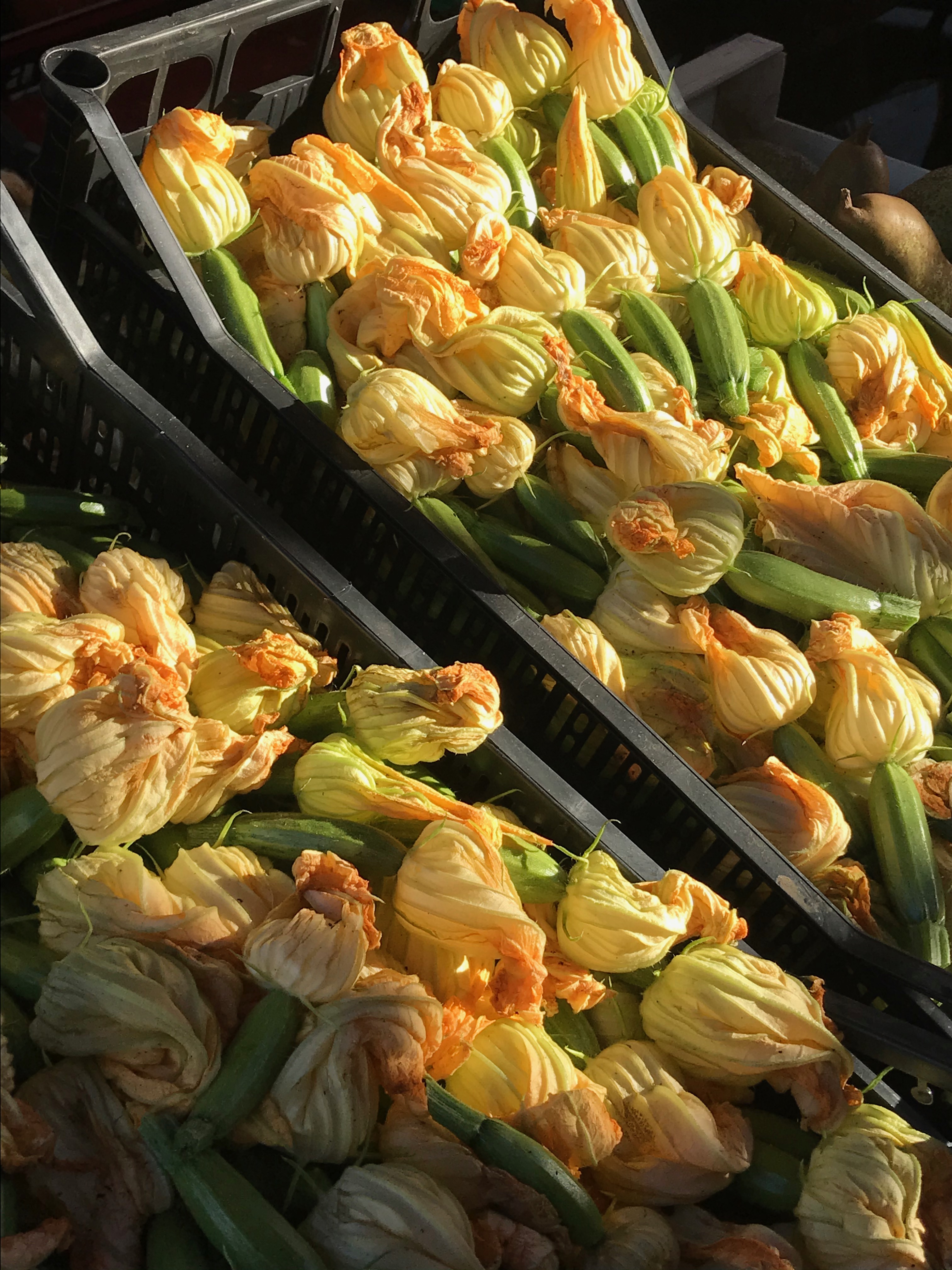
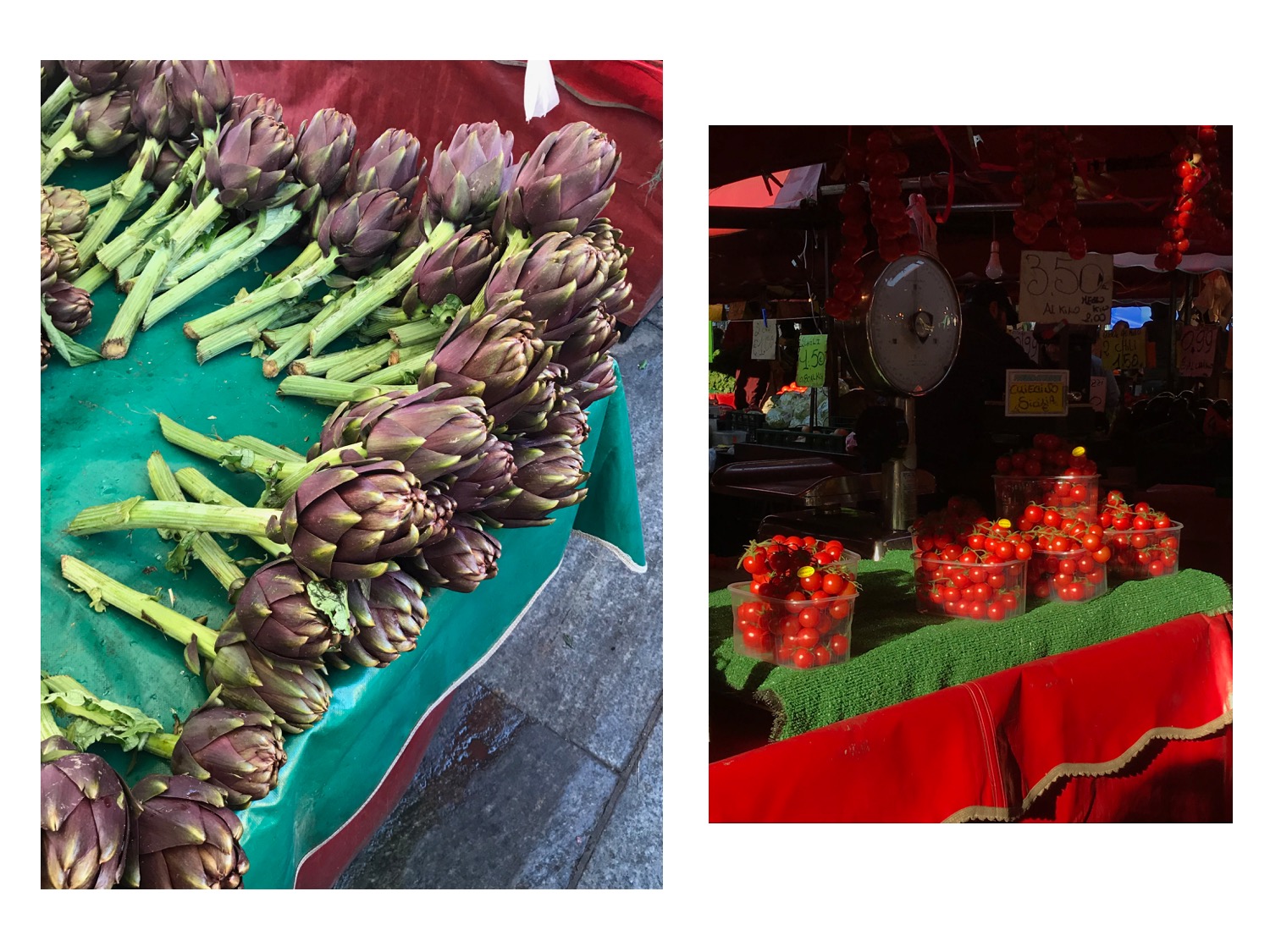
I always think that in order to disover an Italian city, you’ve got to visit its market first. Looking at all the beautiful artichokes, baby tomatoes and courgette flowers available at Turin’s central market, you can tell this city is worth staying in for a while.

Piazza della Repubblica

Serienumerica

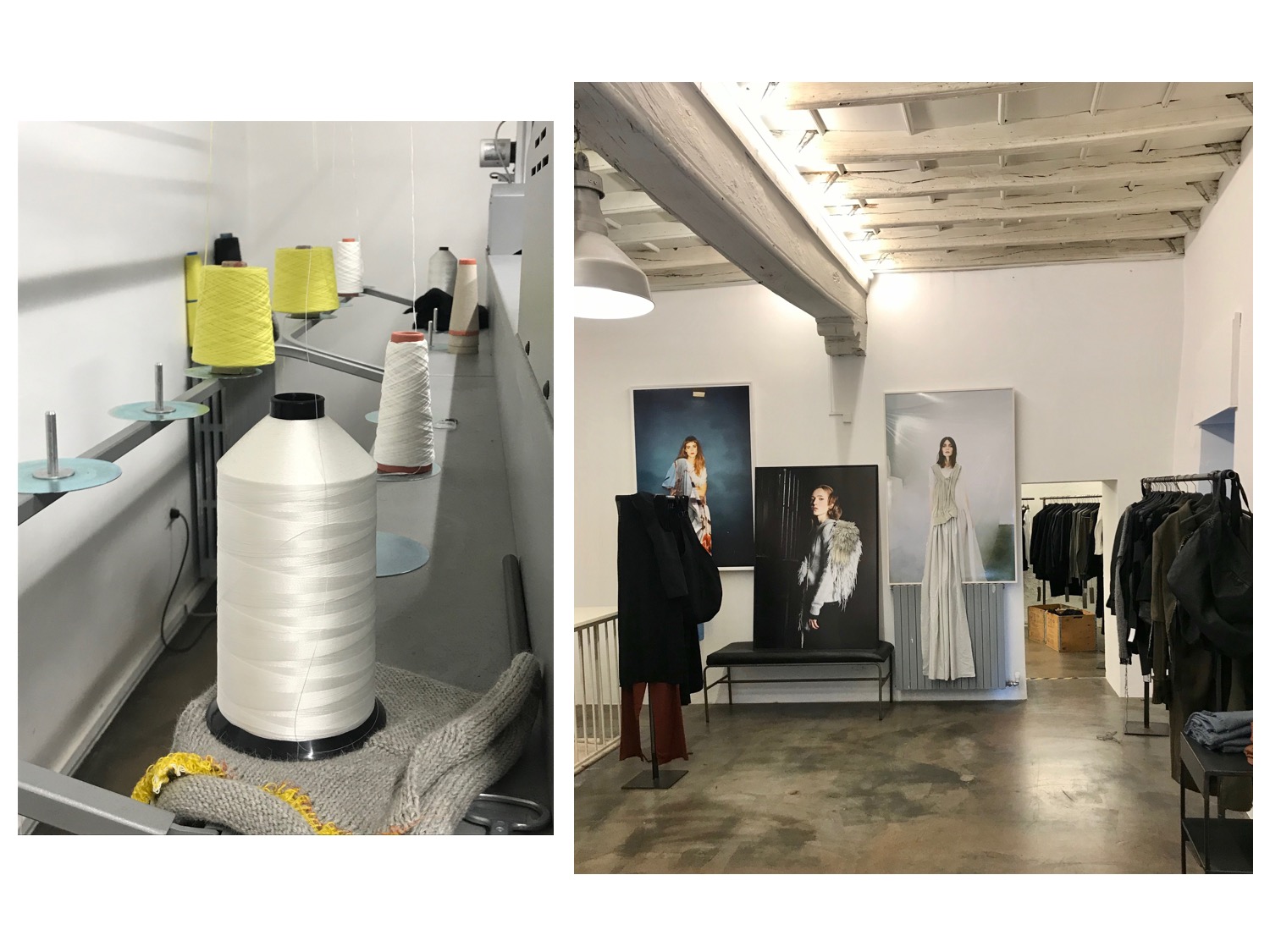
Born in Turin, Serienumerica is a brand that considers the constant research and experimentation its main features. The two designers, Maria De Ambrogio and Stella Tosco, focus mainly on knitwear and leather accessories, working closely with Italian artisans and breaking away form usual schemes, reinterpreting the culture of the product. Serienumerica proposes luxury clothes with clean lines, beautiful leather bags and leather backpacks. Their store is also their studio, where all the knits are produced. You are more than welcome to take a look at it!

Via Bonelli 3
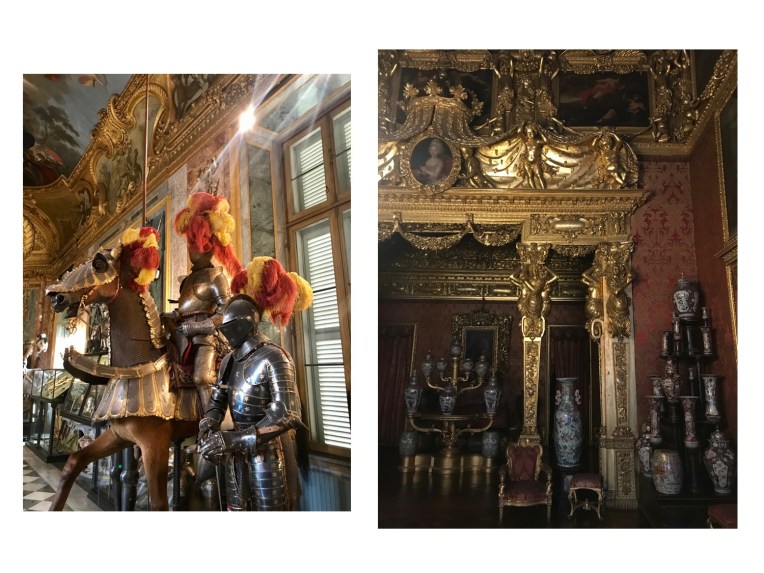
Royal Palace of Turin

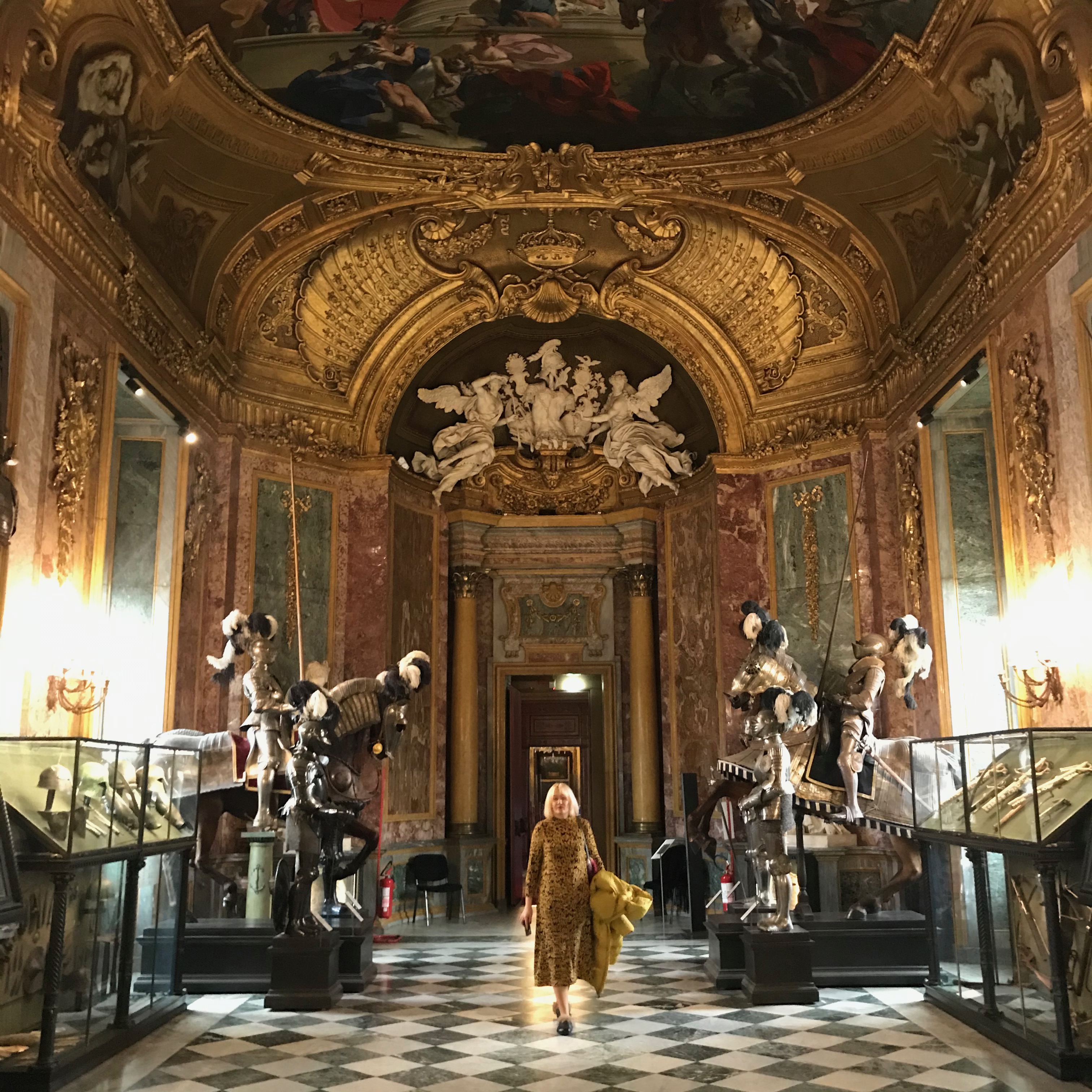
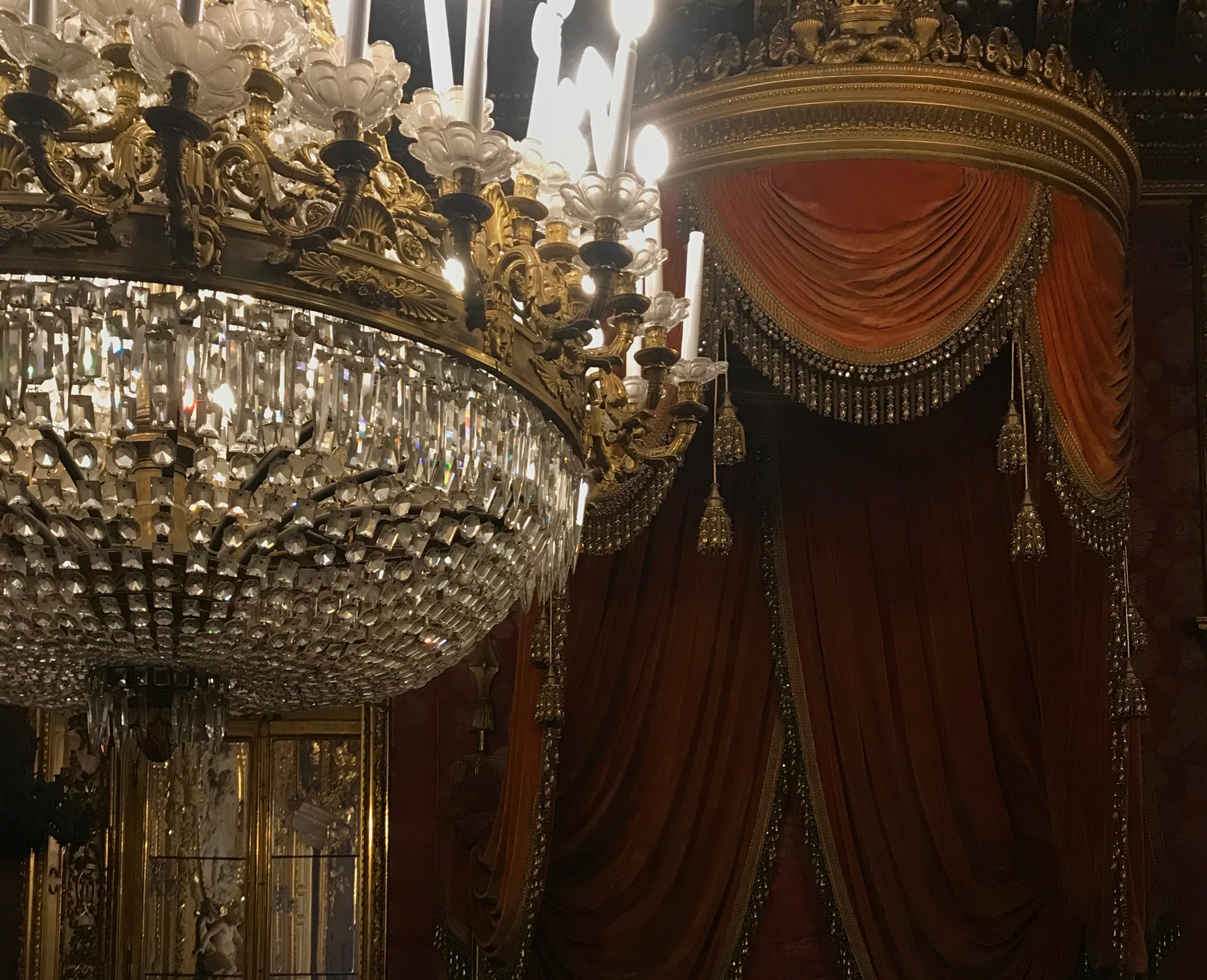
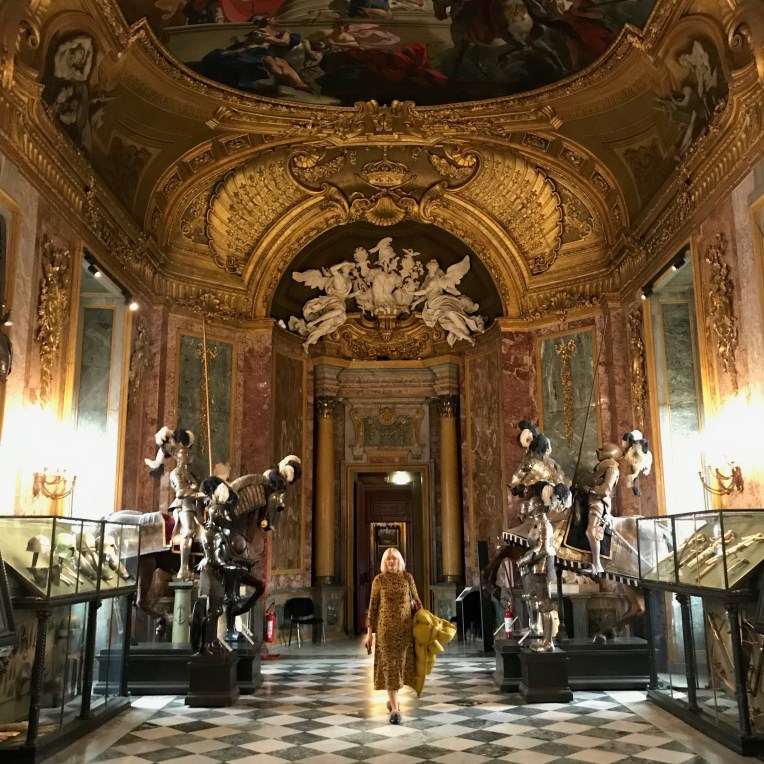
Palazzo Reale di Torino is a sixteenth-century palace constructed for the House of Savoy, which ruled Turin until the late nineteenth century. Originally built in the 16th century, it was modernized by Christine Marie of France in the 17th century with designs by Baroque architect Filippo Juvarra. The palace was converted to a museum in 1946 and, in 1997, it joined the list of UNESCO World Heritage sites. The lavishly-decorated rooms feature 17th-century carved furniture, tapestries, paintings, and frescoes. Visitors can tour the first-floor royal apartments, ballroom, throne hall, gallery, and Royal Library, which displays a self-portrait of Leonardo da Vinci from 1512. The adjacent Royal Armory features one of the world’s largest collections of weapons – and it’s a visual treat.

Piazzetta Reale 1

/

All photos by Edward Kanarecki.

Torino

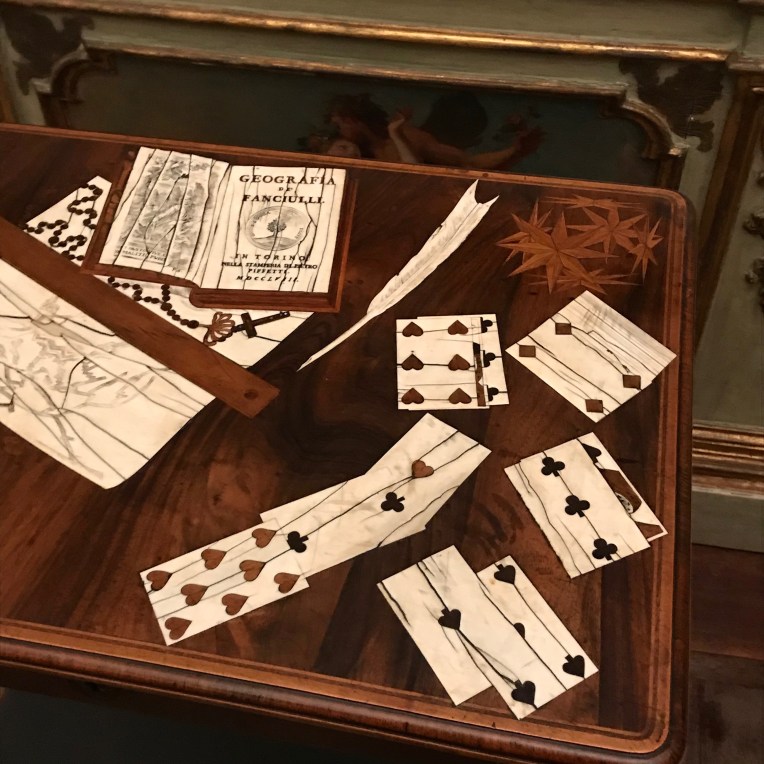
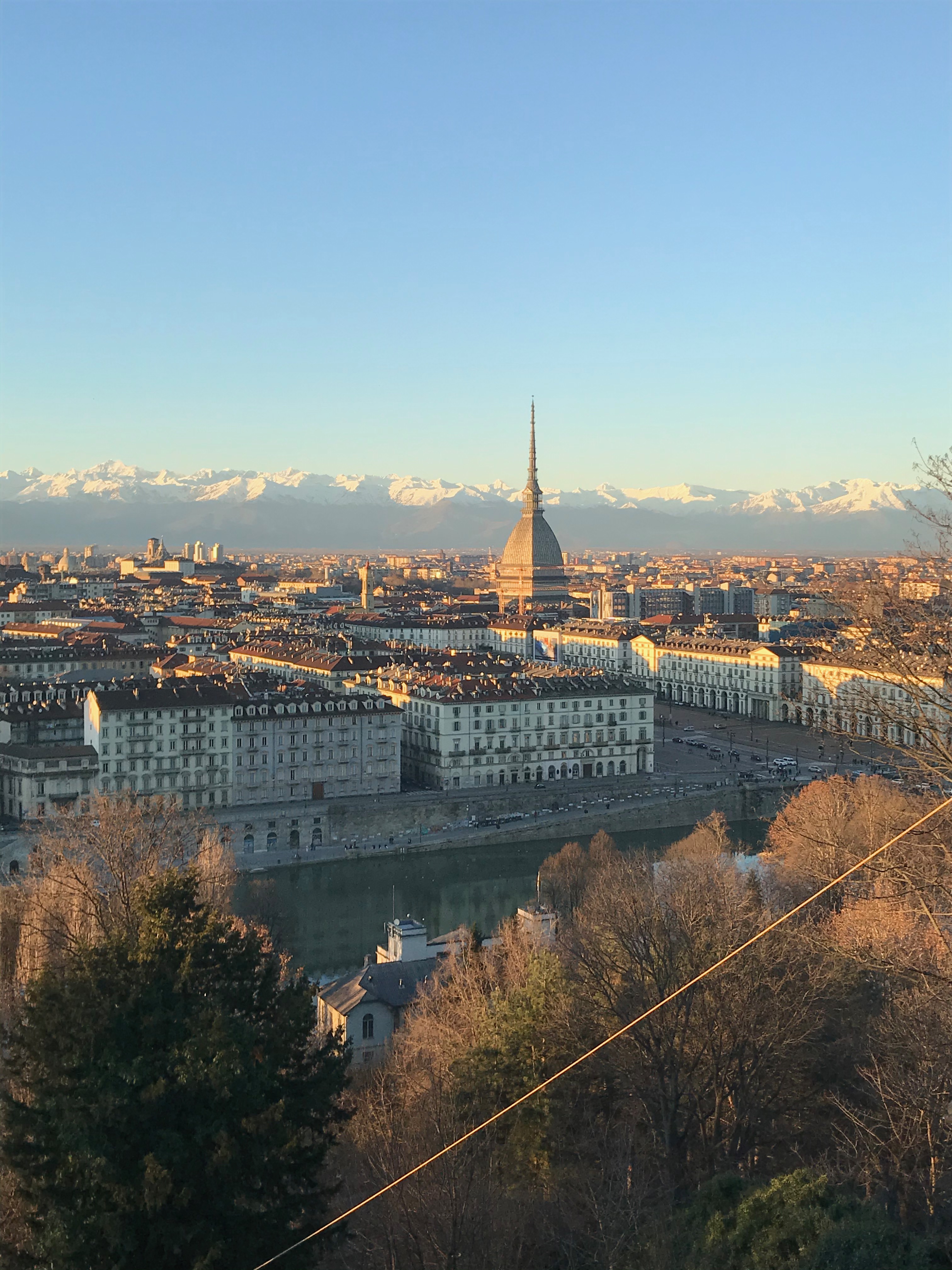
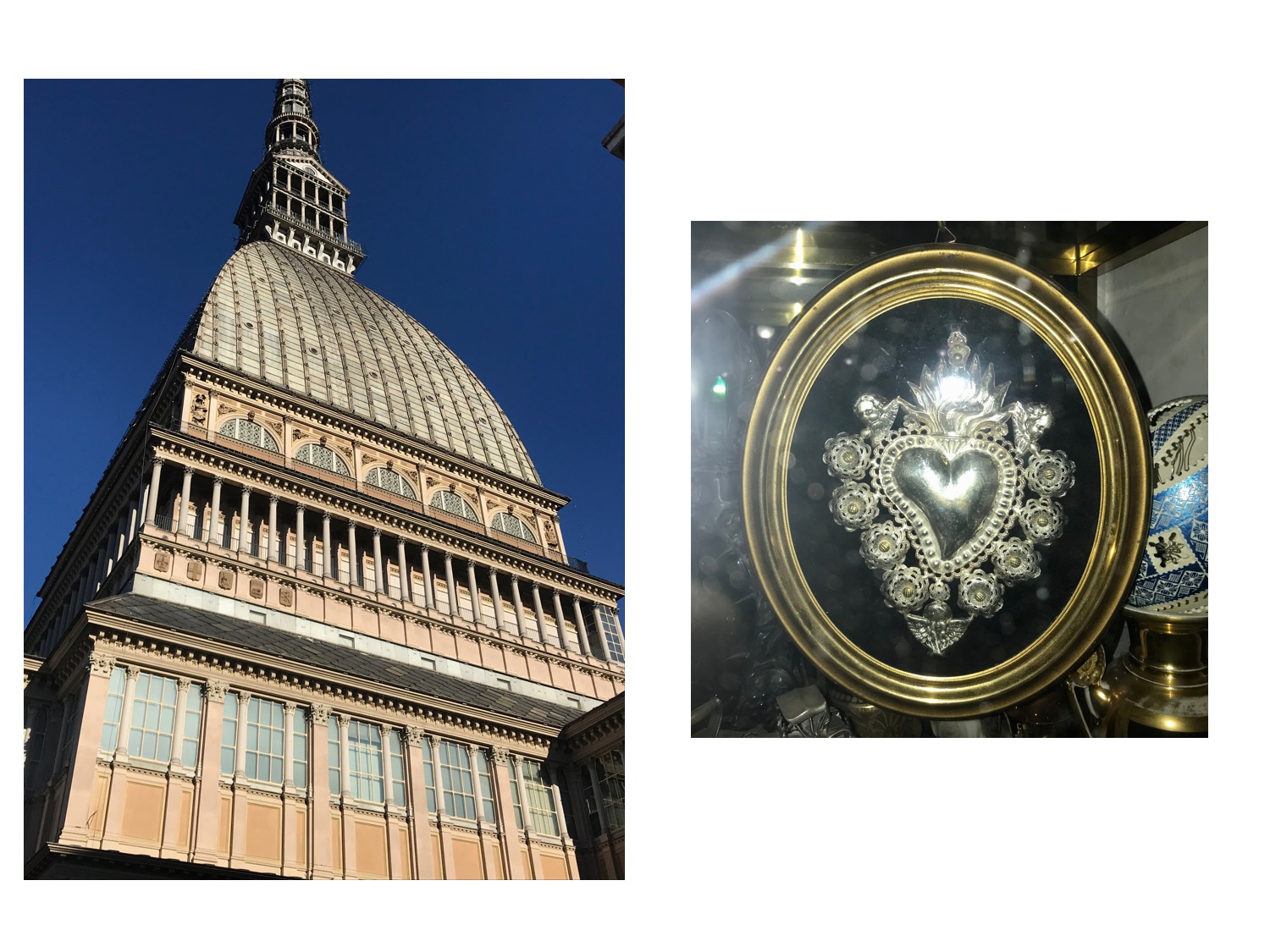
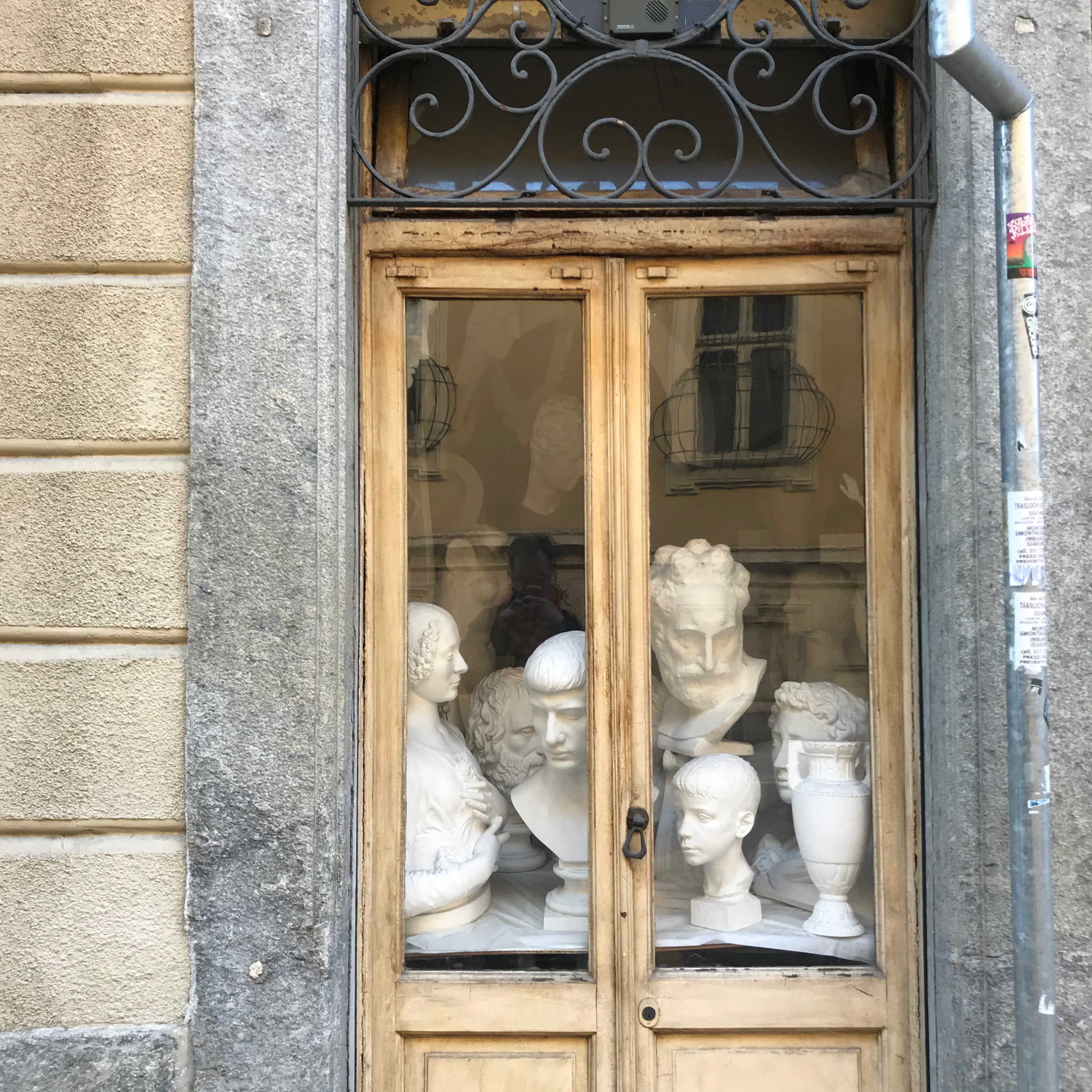
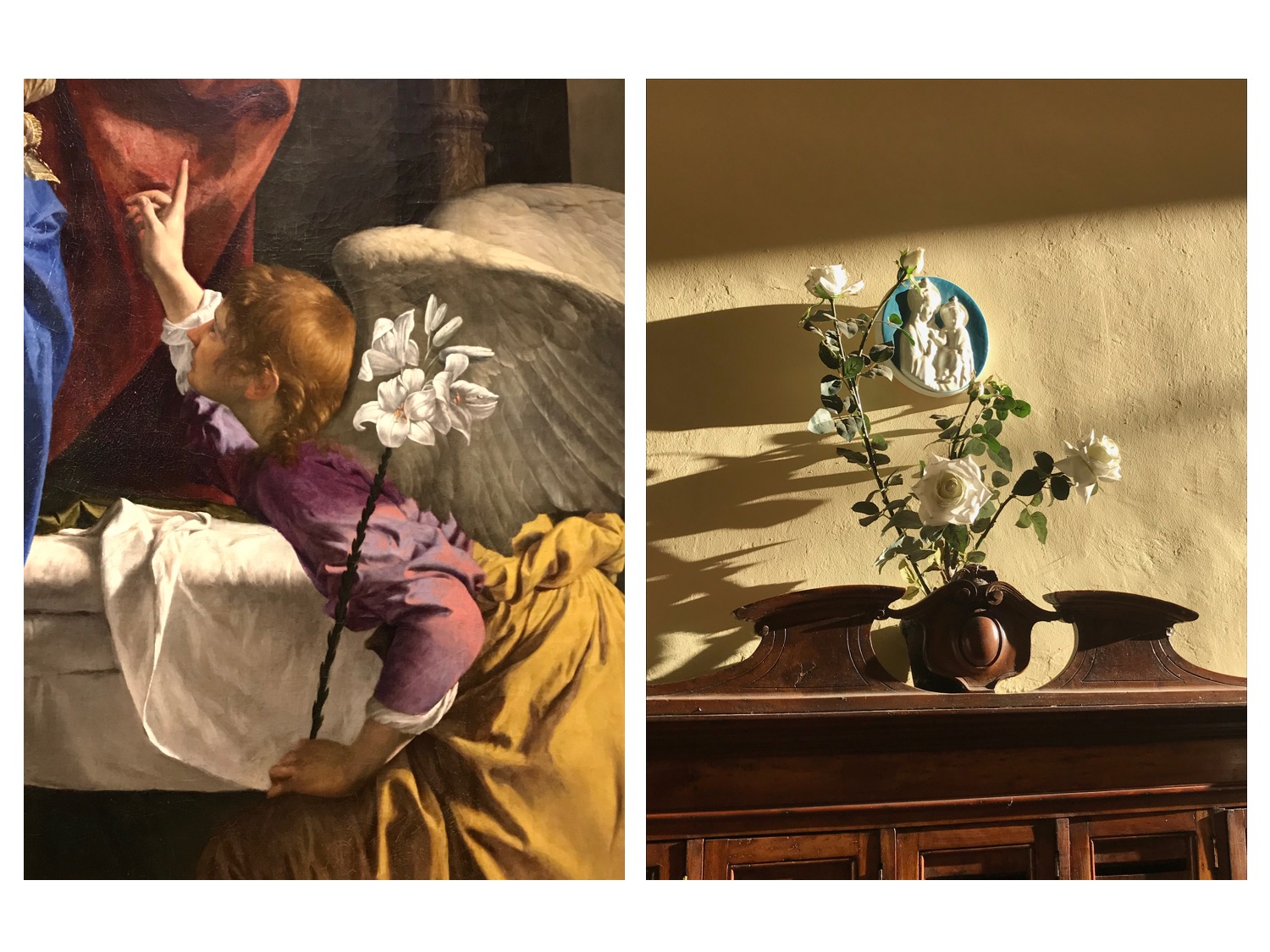
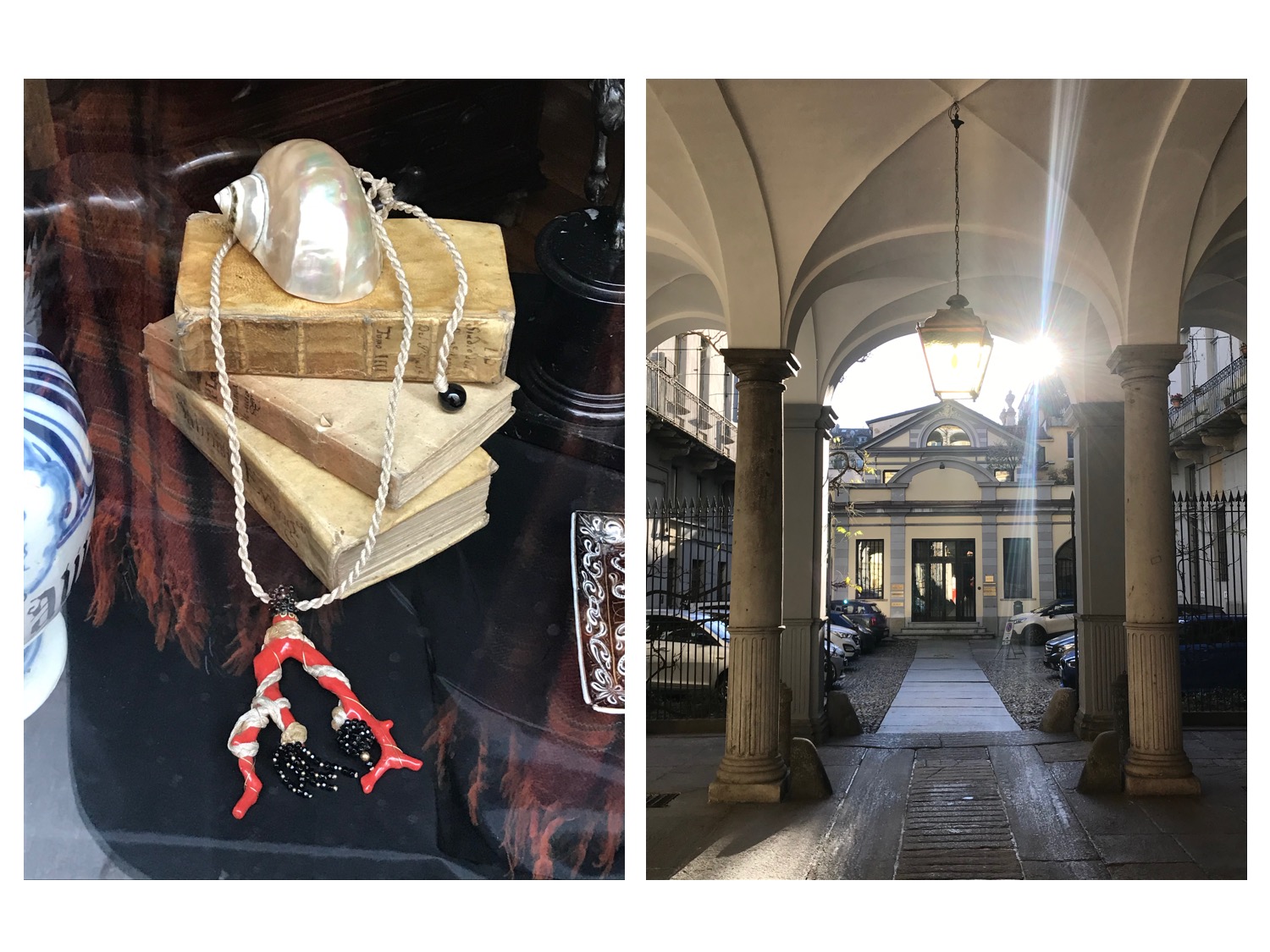
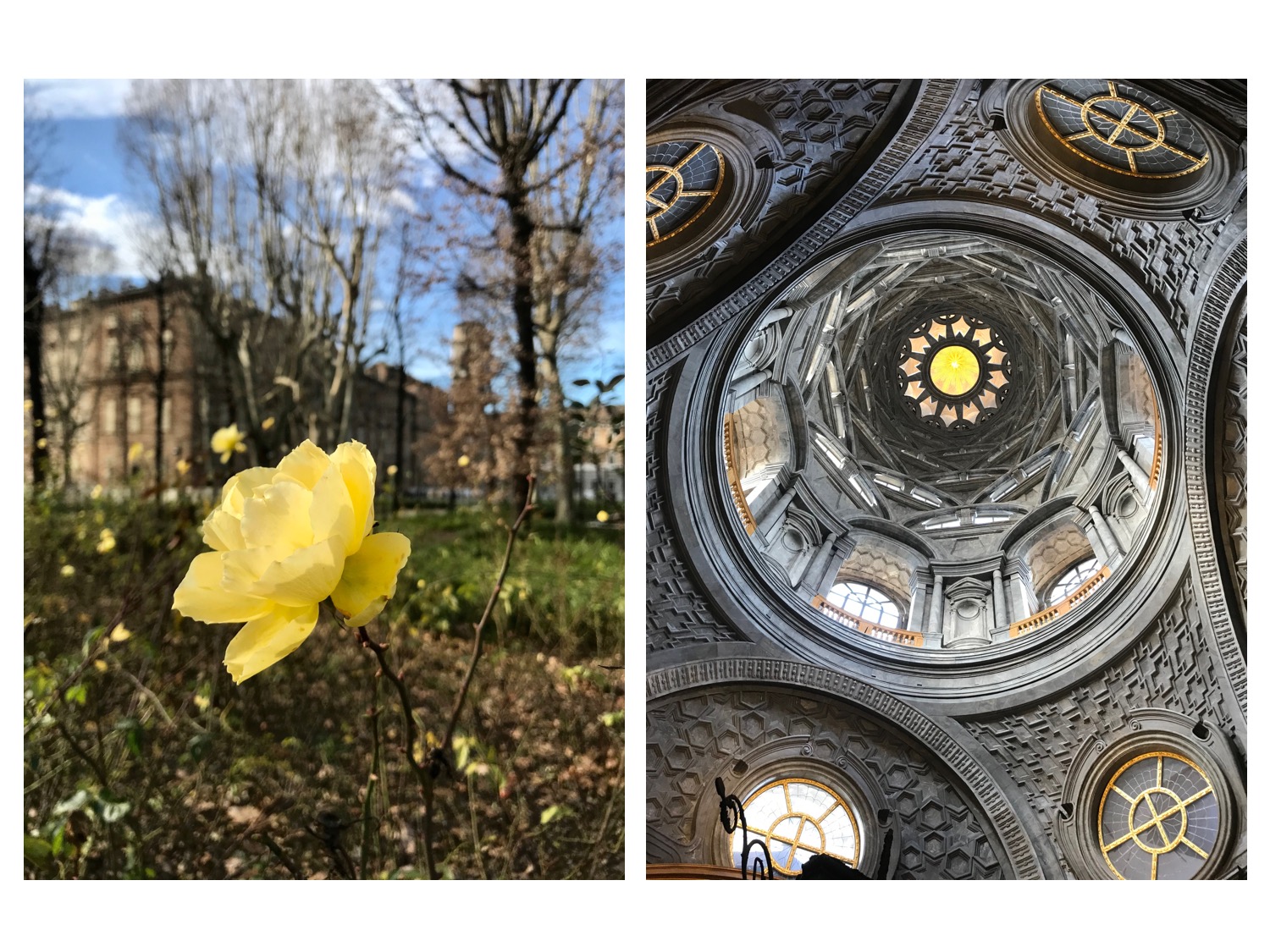
Just an hour-and-half away from Milan, in the heart of charming Piedmont. you’ve got one of the prettiest – and underrated – cities in Italy: Torino (also known as Turin). The first sight: beautiful Baroque buildings lined up, each embellished by quaint signage from bygone decades. Coffee shops with Art Nouveau interiors, red-velvet seats and older ladies with impeccable hair. Townhouse patios with tiny chapels, antique shops with true treasures, palazzos where you can spend hours on looking at all the intricate details… and blooming roses in the parks (yes, in winter). Not speaking of the fantastic lack of tourists, which is really calming if you’re back from Rome or Florence. I will post my favourite places to see and visit in Torino very soon, for now here are some “moments” I’ve captured during our stay in January…
Photos by Edward Kanarecki.