Kreuzberg Market

Slide1-kopia 3

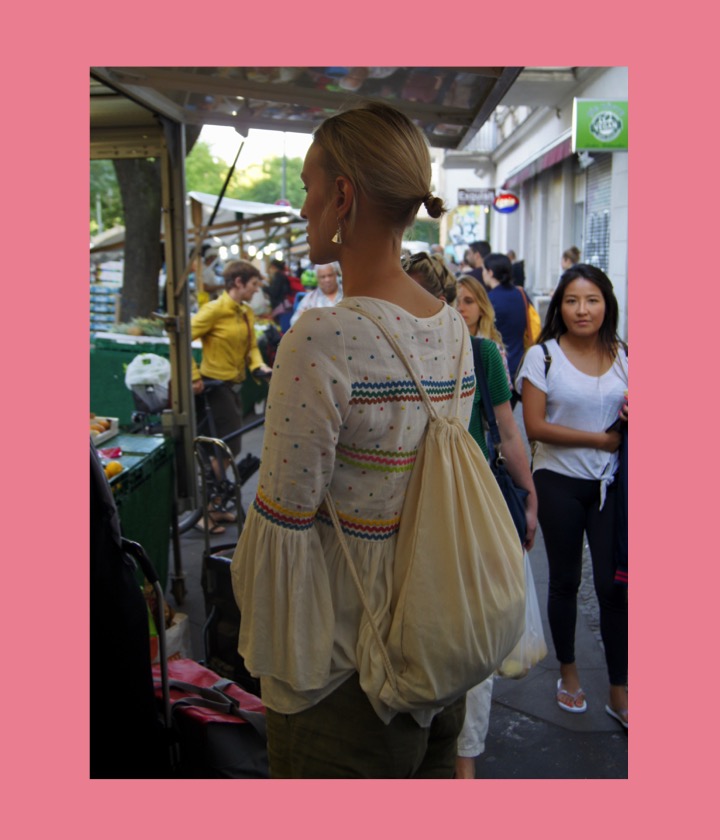
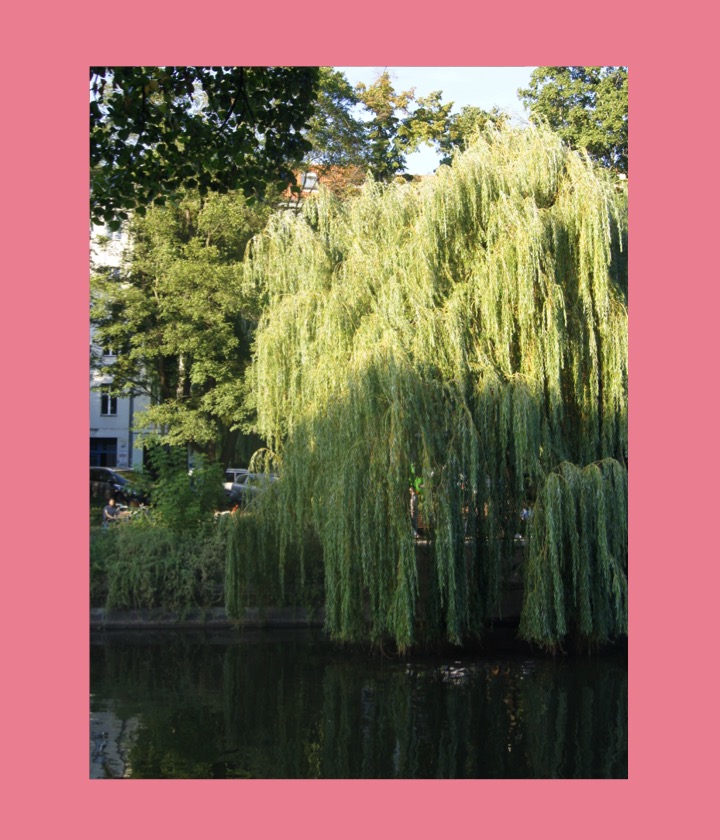
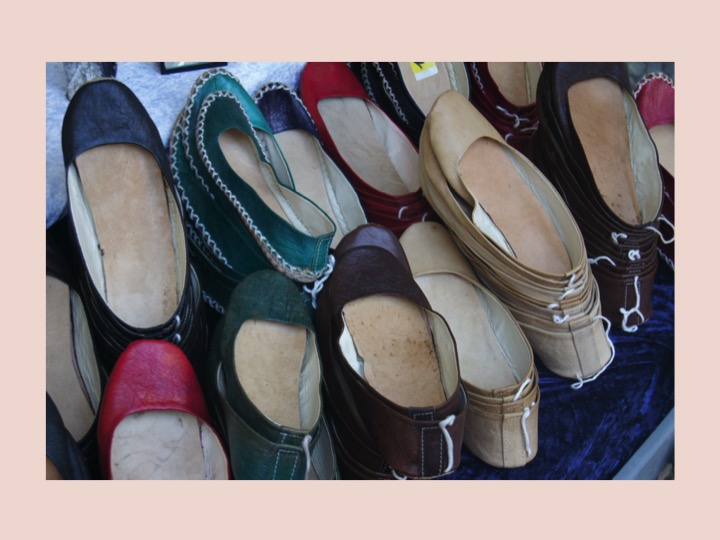
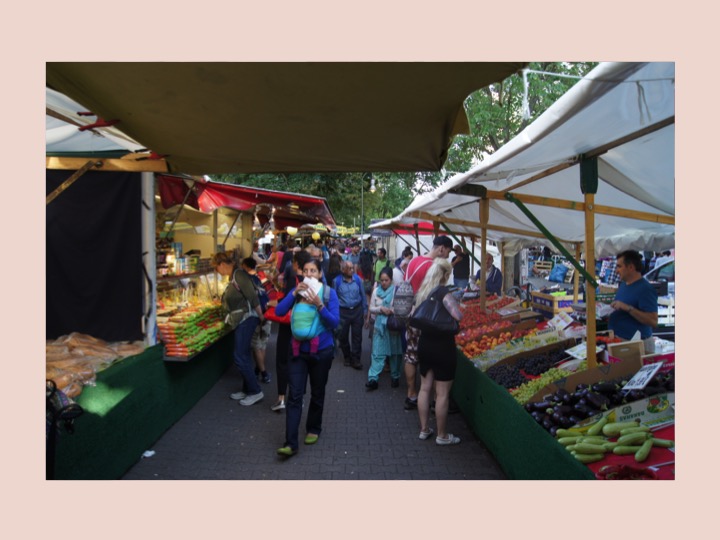
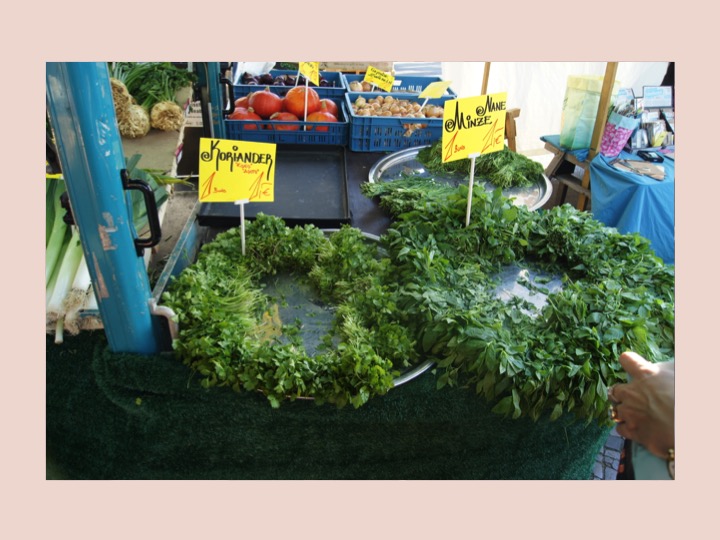
That’s not your average market. This one specific market, located along the Spree river, takes place every Tuesday and Friday and booms with the unbelievable diversity of Berlin‘s Kreuzberg district. Cultures and ethnicities clash on the stalls in form of vegetables, jewellery and even oriental bread types. The people here are so unbelievably beautiful. Sellers talk, laugh and are absolutely open for any kind of bargaining. The market-goers buy and pack everything neatly into their stylish baskets. It’s chaotic, but in a very organic way. 

All photos by Edward Kanarecki.

A Thing for Concept Stores

IMG_4718

According to the web, the sophisticated term ‘concept store’ is a place where new ideas are put together in a bid to enhance the shopper experience and sell a wider selection of goods to the client. What’s more, many concept stores offer ‘experimental’ elements such as a café or exhibition space, building a connection with shoppers seeking a particular lifestyle. Although that sounds quite exhaustive, concept stores are my favourite type of places, as you can truly explore and try out different smaller brands, rather than one established label – and all that under one roof. Here are the four concept store I’ve recently visited while staying in Antwerp and Berlin.

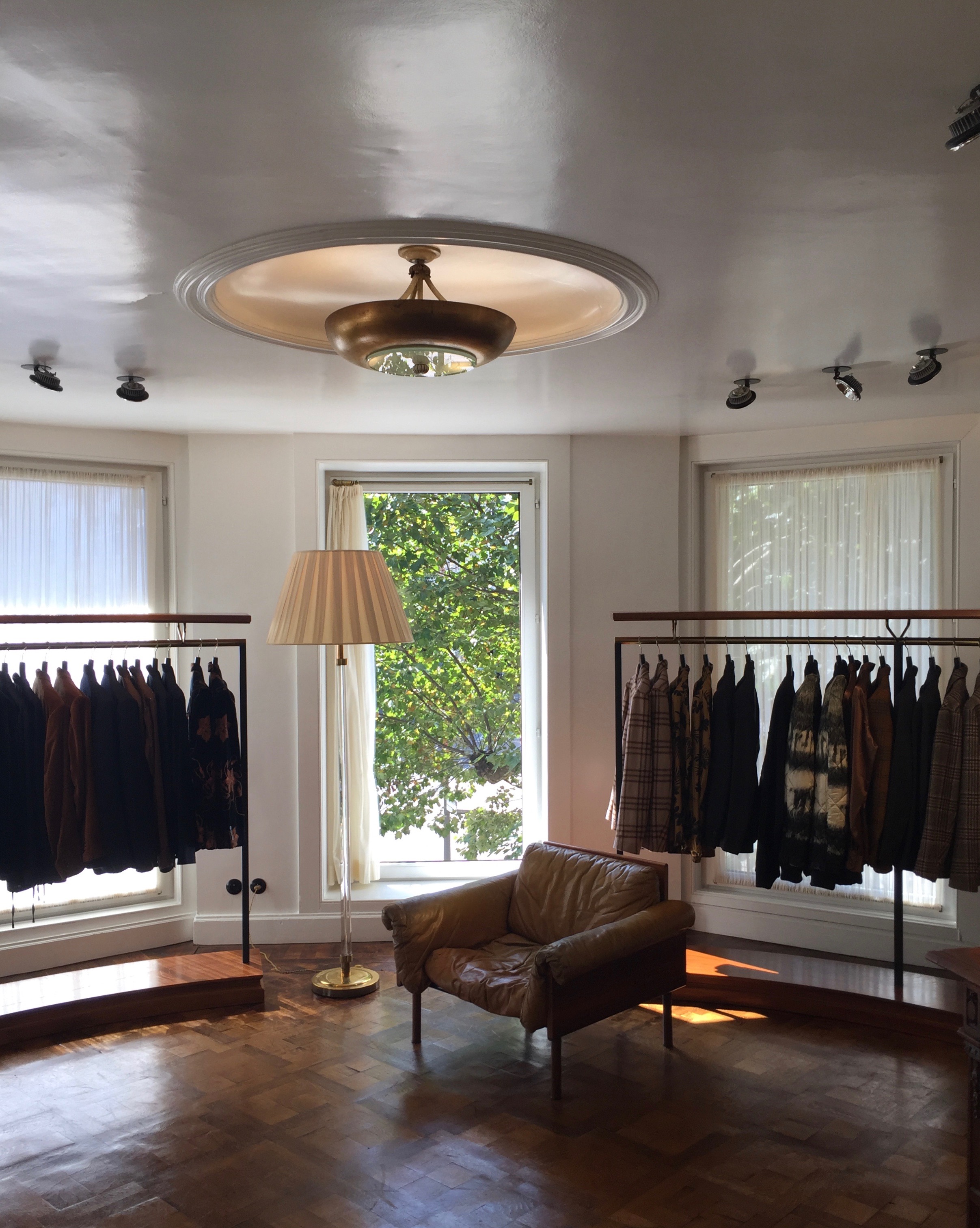
Damoy is Florence Cools’ world. Here, she curates and sells brand-treasures coming from Belgium, France, Sweden and Denmark that have a kind of modern-romantic knack. Among the racks at her second, newly opened boutique in Antwerp, you will find a local favourite knitwear brand, I Love Mr. Mittens, but also such Scandi-chic pearls as Cecilie Copenhagen. The interior – lovely, warm minimalism – is more than remarkable.

Steenhouwersvest 46 / Antwerp

I know and admire Graanmarkt 13 for years. At the end of a small old square, there it is: a large, cozy space called just like its address. Designed by Vincent Van Buysen, filled with natural light and eclectic furniture, we’ve got the most charming place in the whole Antwerp. The store lately had a transition moment, when they switched from such renowned brands like Marni and Isabel Marant into timeless and more niche ones like Lemaire or Sofie D’hoor. The aim was to stop being a victim of fashion industry’s pace of endless trends and collections, and to stay true to personal style and love for quality.  While the store itself is already a fantastic place in its concept, Graanmarkt 13 is also a beautiful restaurant serving organic food (downstairs) and a far-fetched apartment for rent (top floor).

Graanmarkt 13 / Antwerp

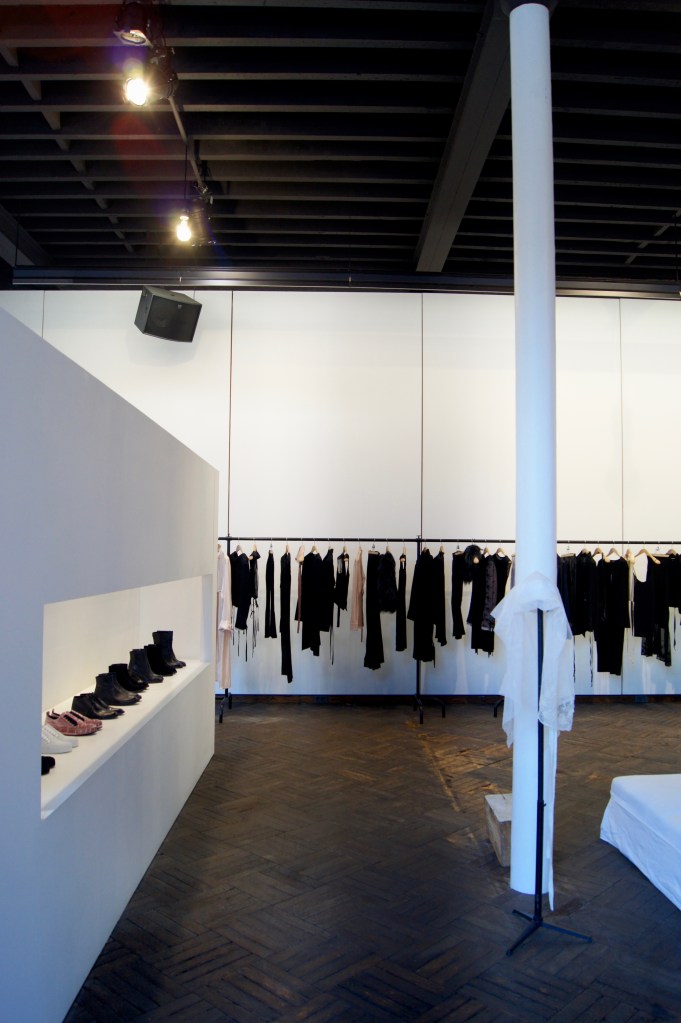
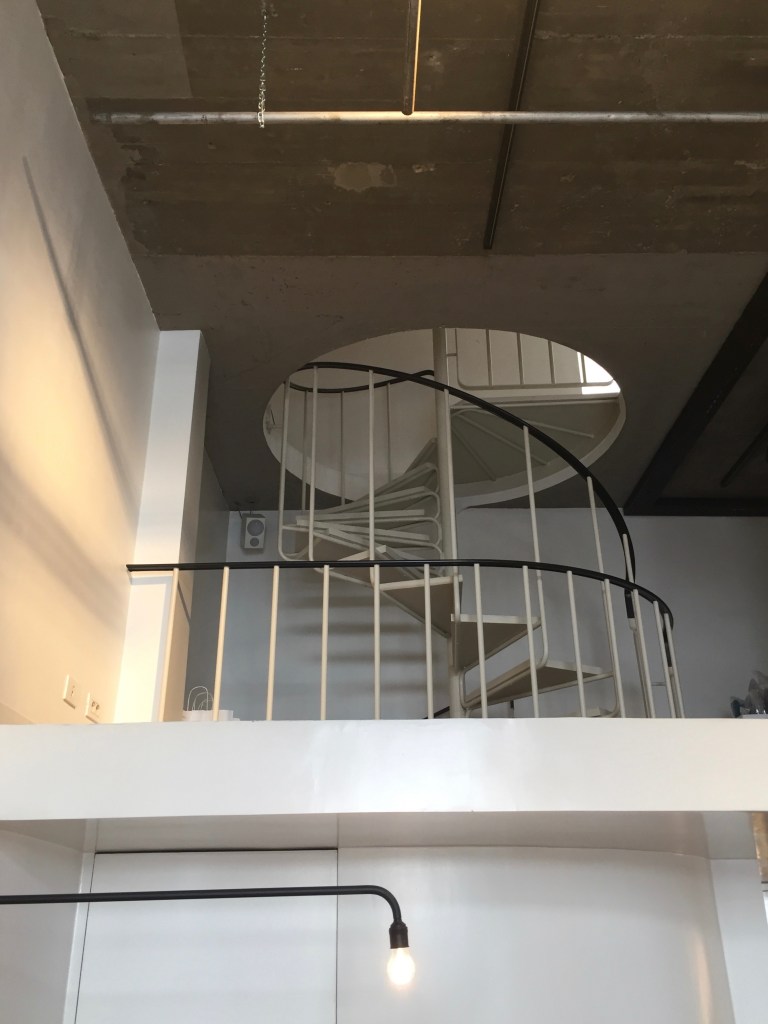
In the heart of Kreuzberg district, Voo Store defines the word “cool“. The concept store – hidden in a former locksmith shop patio – is an industrial space selling brands like Raf Simons, J.W. Anderson, Acne Studios, but also a selection of Prada’s menswear collection.  You can relax and read niche magazines, while taking a sip of delightful coffee from their Companion Coffee place located in the other part of the store.

Oranienstraße 24 / Berlin

The Corner is Berlin’s classic. Combined with installations coming from local artists and a book / beauty section, The Corner has every brands you will love this and the next season: Raf Simon’s Calvin Klein, Jacquemus, Balenciaga, Vetements and many, many more. But also, such ultimate favourites like Céline or Dries Van Noten. Just around the corner (no pun intended…) there’s their menswear shop, while near Kurfürstendamm you’ve got one more location, but smaller, with a more off-duty selection.

Französische Straße 40 / Berlin

Photos by Edward Kanarecki.

Antwerp’s Finest Houses

IMG_4708

At Dries Van Noten.

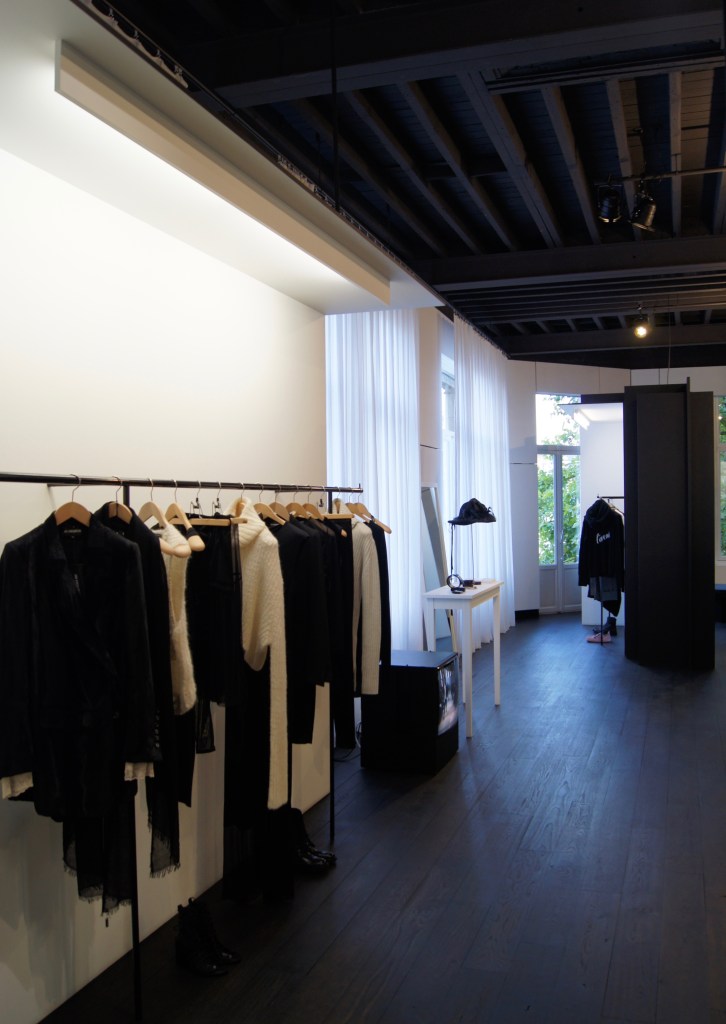
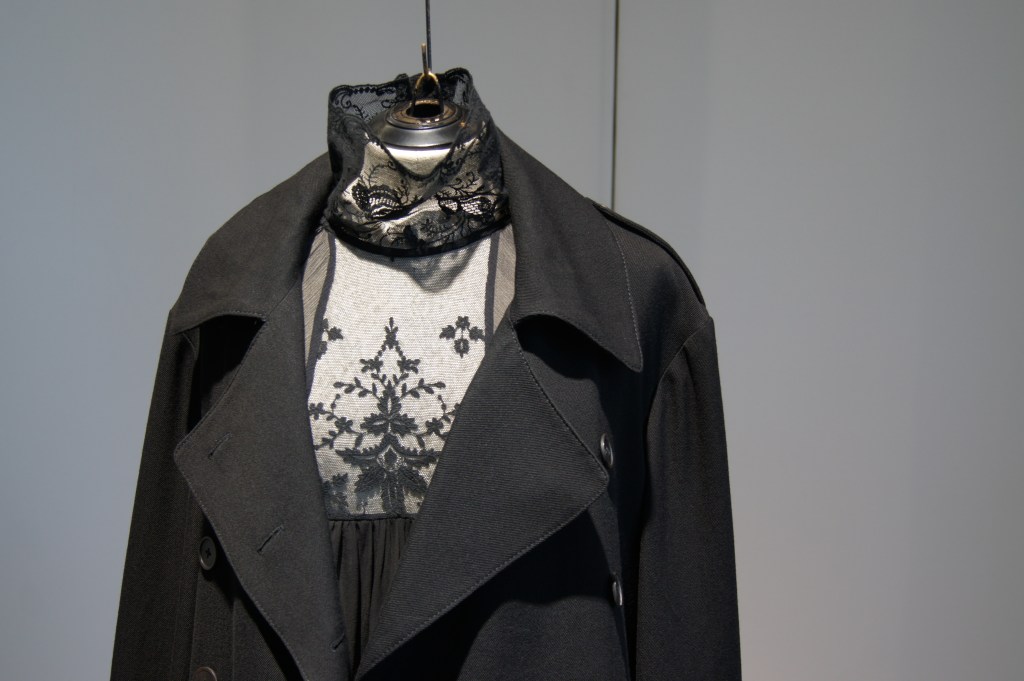
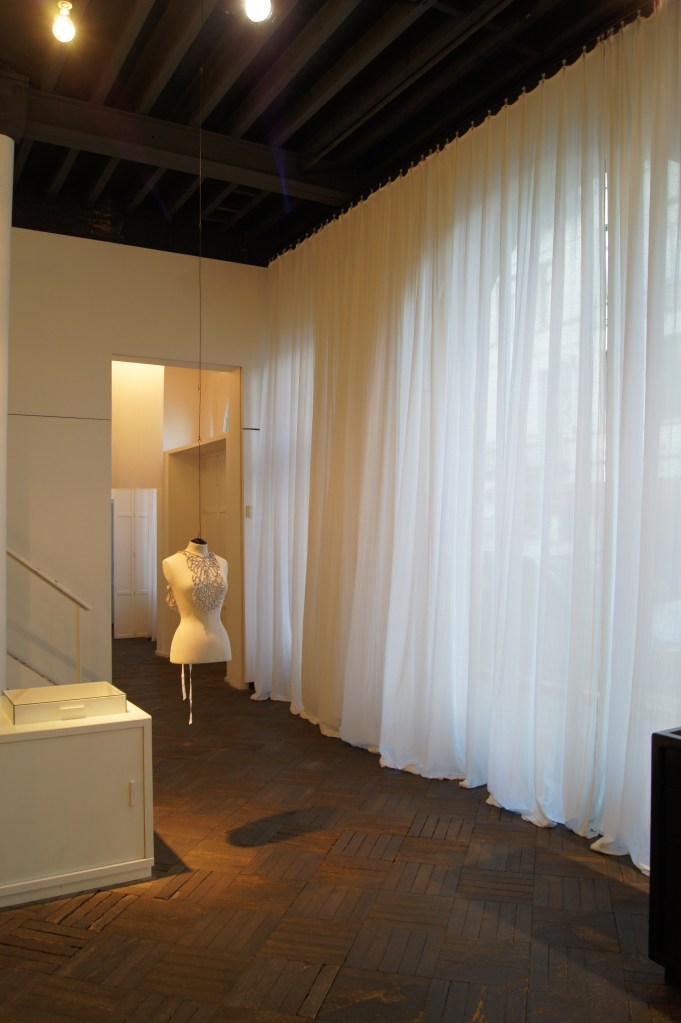
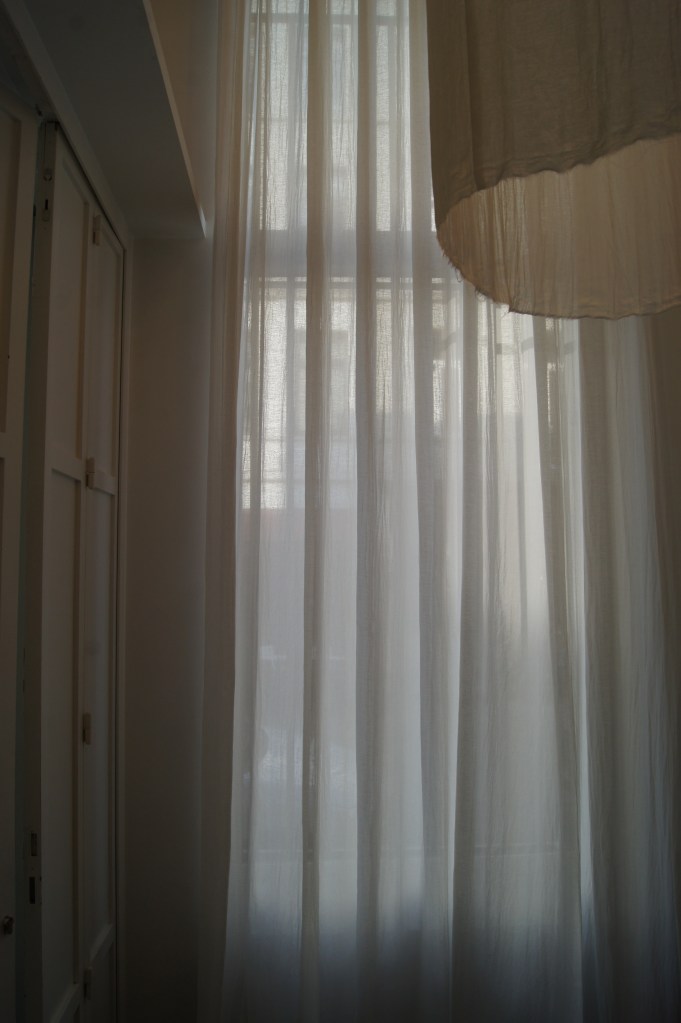
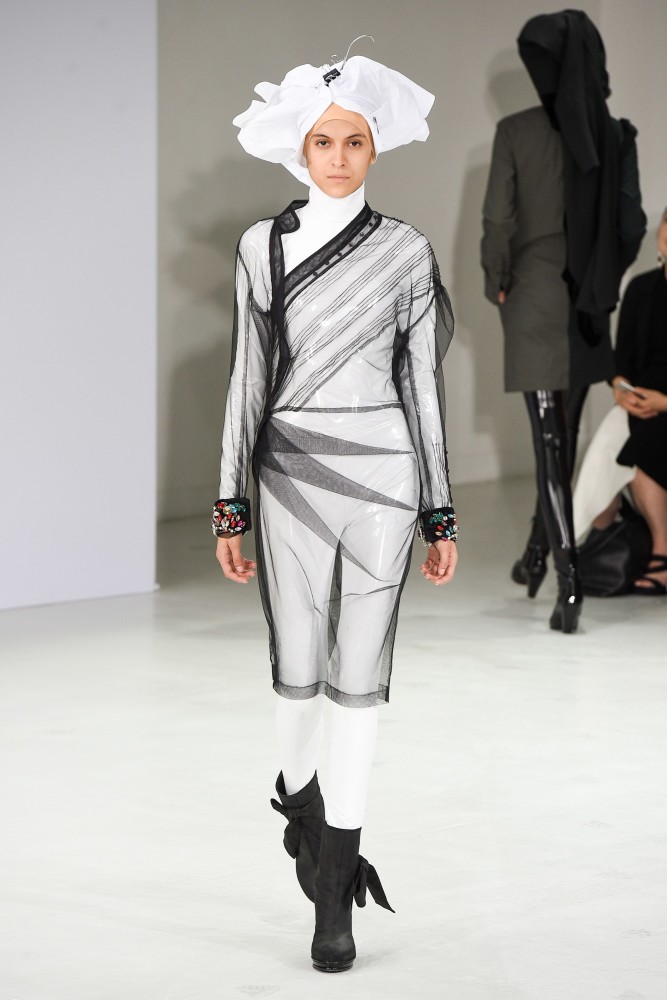
Entering Ann Demeulemeester‘s spacious store is like approaching the church alter. The Belgian fashion designer’s dark romance oozes from the lace vests, fragile headpieces and Victorian frocks with absorbing power, while the multi-storey boutique has a sacred charm about it. The white-wall backdrop makes you look at the details of the clothes with great scrutiny, breathless. Ann’s fashion used to be pure poetry with a Flemish twist, and fortunately, Sebastian Meunièr, the current creative director, successfully conveys the Demeulemeester codes in his collections. And with the help of the Antwerp flagship store – which also holds the studio and atelier – Ann Demeulmeester appears to be one of the finest of Belgian fashion.

Leopold de Waelplaats

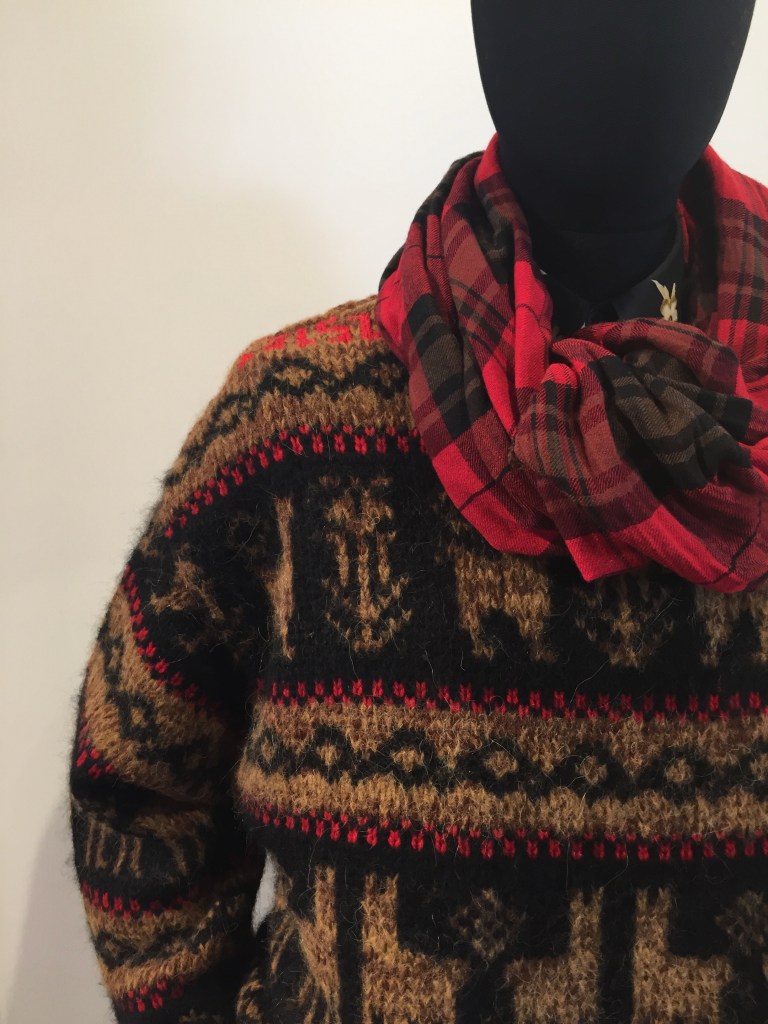
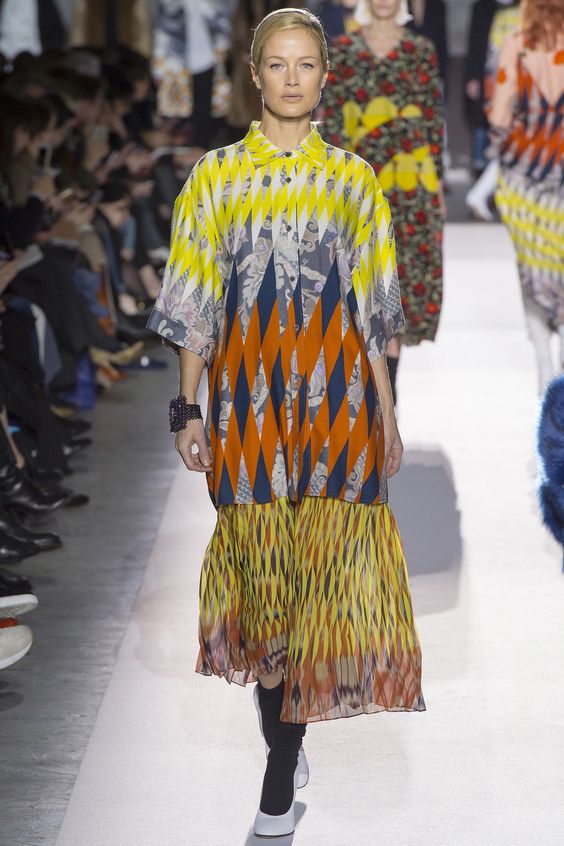
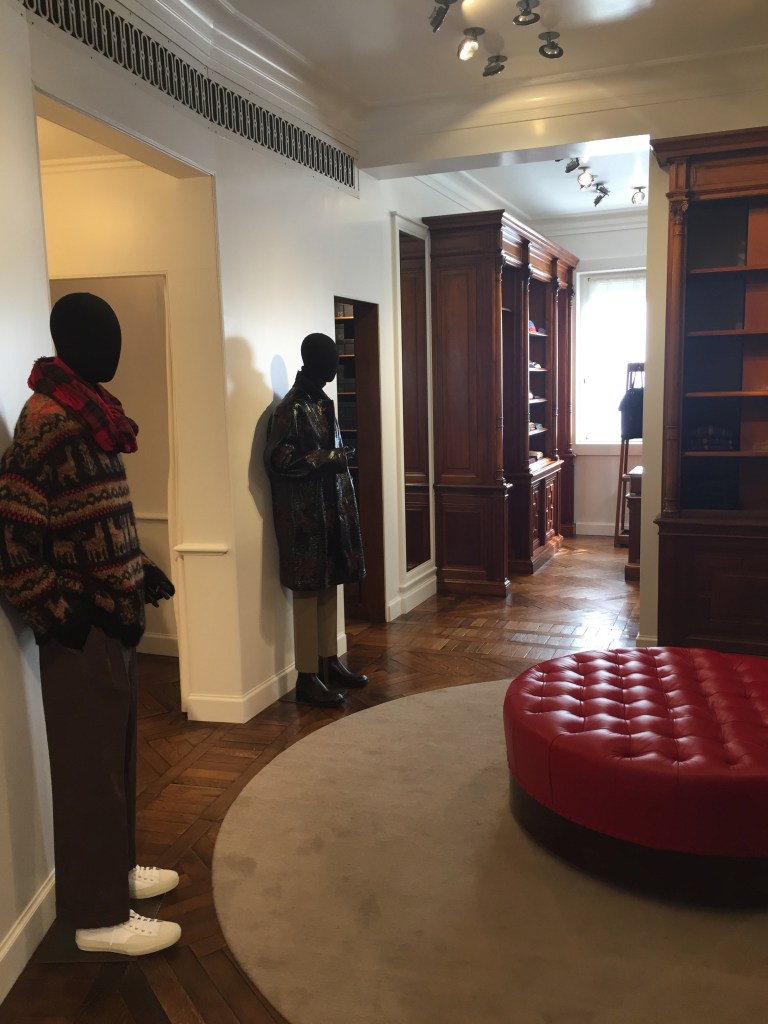
Other than Ann Demeulemeester, there’s also Dries Van Noten and A.F. Vandevorst, who make contemporary Belgian fashion so crucial. The building, in which you see the Van Noten boutique, is fully owned by the designer and is gracefully called Het Modepalais (‘fashion palace’). The name might sound quite over-the-top, but the store is far from that term. It’s like Dries’ fashion – refined with an edge. It feels like an apartment that is currently ‘furnished’ with the designer’s mesmerising clothes and accessories from his 100th collection. Fresh bouquets of hydrangeas bring even more chic to this (literally) fashionable townhouse. What’s interesting, Dries Van Noten really is a local treasure of Antwerp. That’s evident from the moment you start observing the clients – the crowd of mature, aware-of-themselves women trying on floral dresses and passionately advising on their purchases with their patient (and equally stylish) husbands is surprising. Observing this scene is beautiful and heartwarming in its own way. Meanwhile, trying on faux-furs and preciously embellished sweaters at the menswear floor is double the pleasure…

Nationalestraat 16

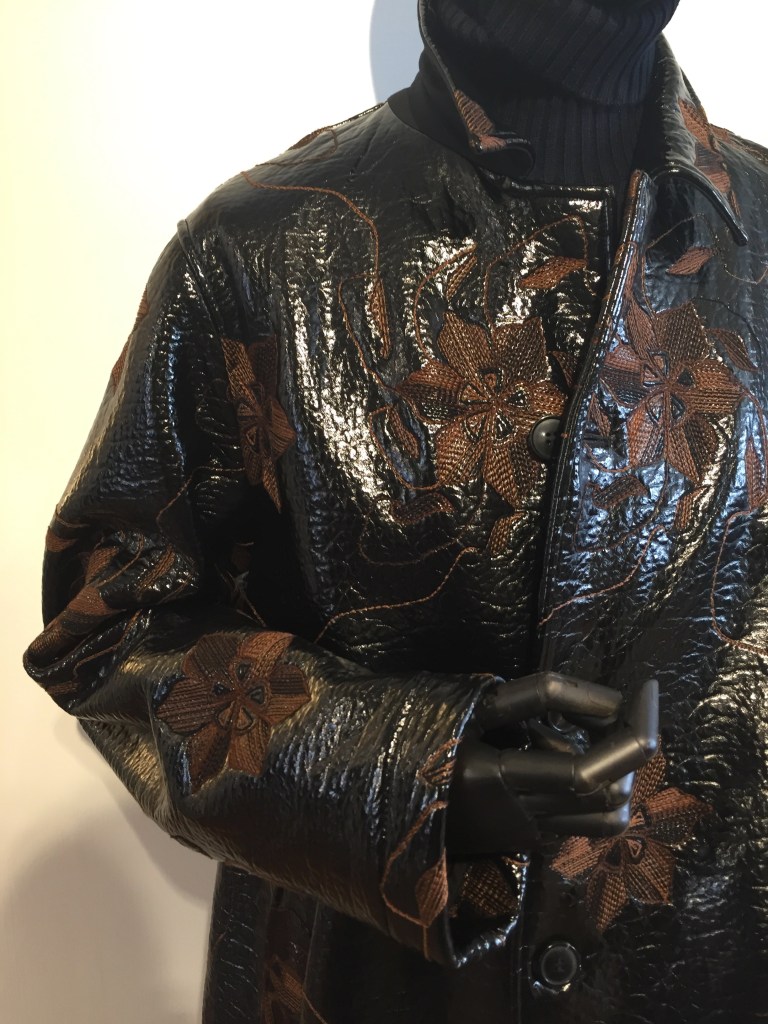
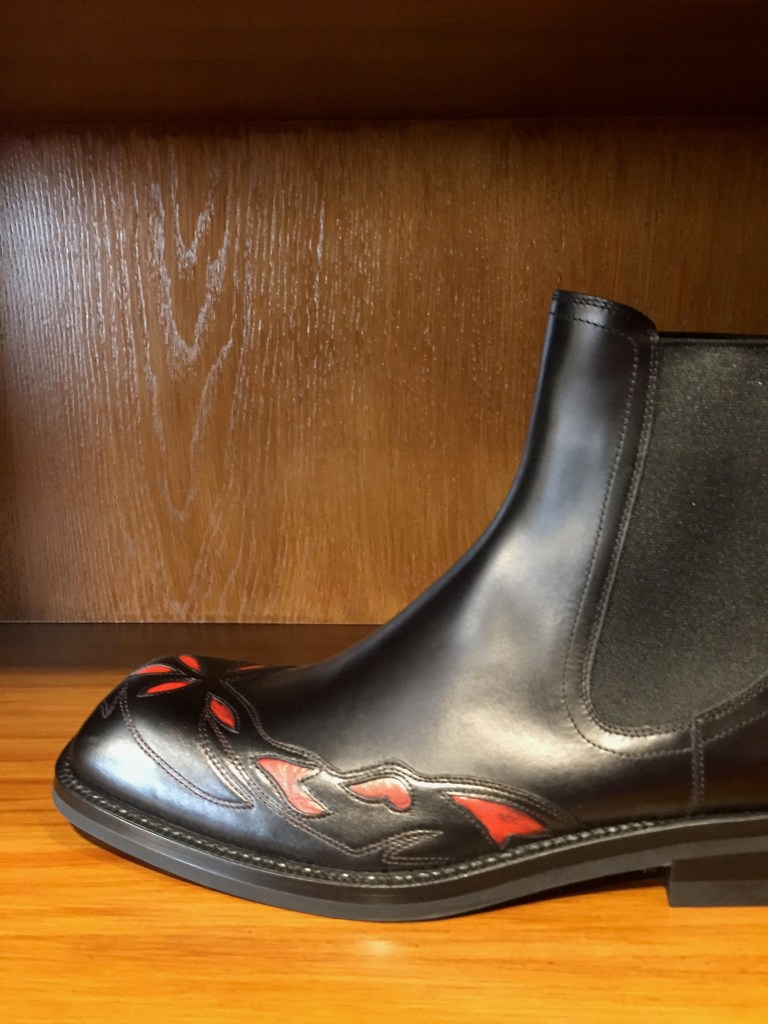
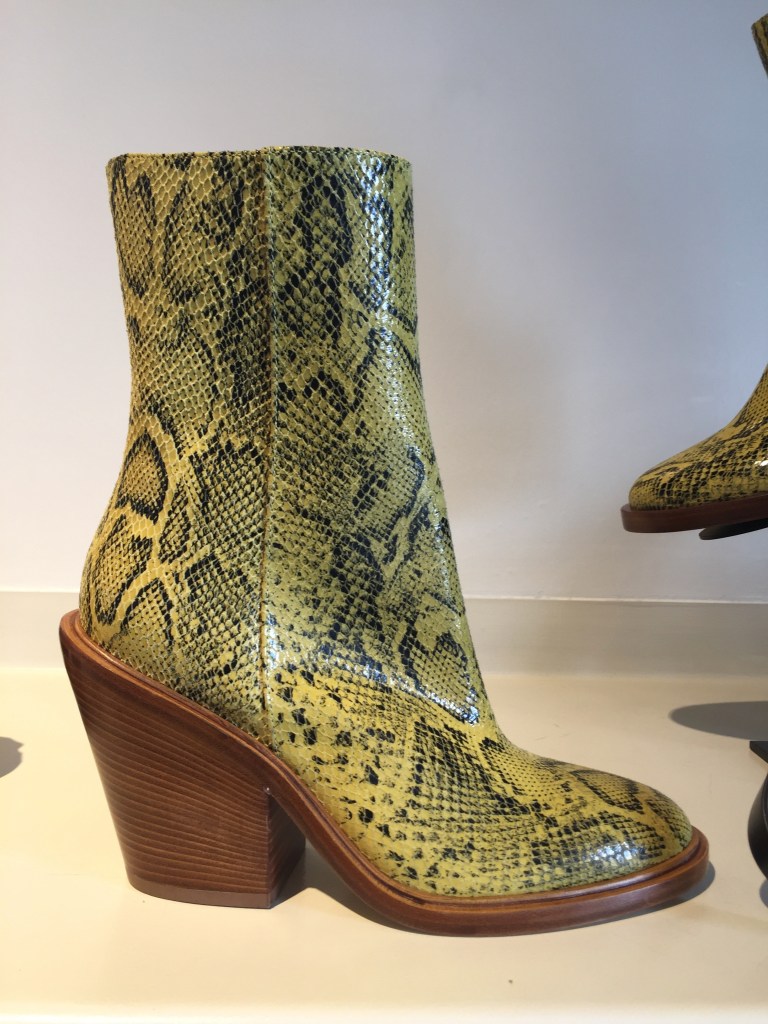
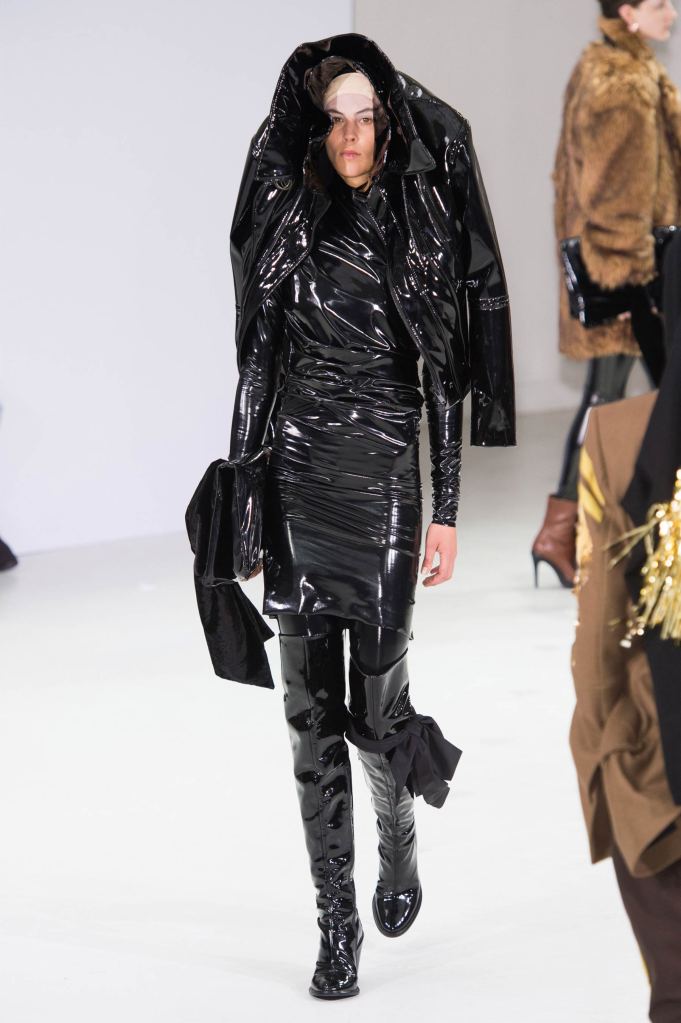
A.F. Vandevorst‘s store is small, but dynamic. The brand is known for off-kilter, punky attitude – better get your hands on those chunky knits and signature, pointy-toe boots. They sell out quickly. The braver once might want to indulge themselves in kinky, PVC coats and patchwork dresses coming from the brand’s latest venture into haute couture world.

Lombardenvest 20

All photos from Antwerp are by Edward Kanarecki.

Visiting Toruń

IMG_3858

Toruń is one of the oldest cities in Poland, which over centuries was the home for people of diverse backgrounds and religions. Back in the Medieval times, the city was considered the most culturally and technologically advanced centre in Europe. Moreover, during the World War II, Toruń appeared to be one of the few cities in the country, which was left with no damage. No wonder why the Old Town, fully preserved, looks so beautiful and breathes with its history up to now. Nearly every building here is made of brick, while the churches (the cathedral, dating back to 1236, is a must-see!) are  untouched. Walking down the sun-drenched streets, you wonder whether you’re strolling around Brugge or an old Tuscan village…

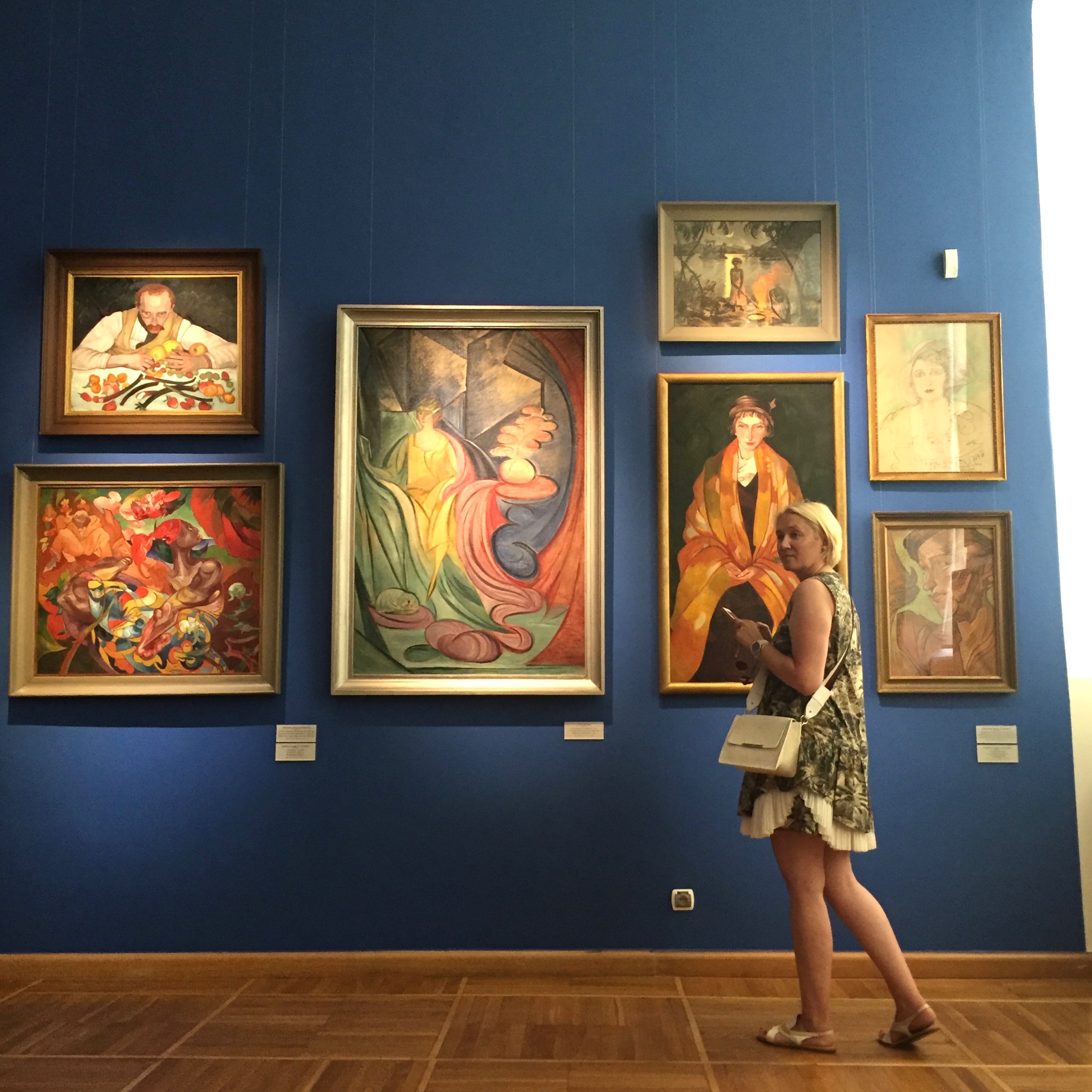
If you’re here for one day, make sure to visit the District Museum (or Toruń Regional Museum), which is located in the historic Rathaus. The ground floor is an impressive collection of Gothic art and local craftsmanship, while the upper floors hold paintings of Polish artists from XVIII to XX century. Currently, there’s an exhibition of modern art, which presents some of Zdzisław Beksiński, Władysław Hasior and Łukasz Korolkiewicz’s rare works.

In case of culinary experiences, Toruń is recognised for its famous gingerbread. But if you want something less clichéd, try a more niche, off-the-crowd spots. Od Dechy Do Dechy is a cozy, book-filled bar with signature beers, home-made pastries and coffee. Sometimes, they sell second-hand books and vinyls. Perfect place to chill after a busy day.

To sum up, Toruń is totally worth a stay, especially in the summer!

Photos by Edward Kanarecki.
Colette Closes its Doors

20140101-035235-pm

Sometimes, innocent morning scrolling on Instagram hurts. My heart ached, while I was reading Colette’s latest post. Hoped it’s a late prima-aprilis kind-of-pun. But when all Parisians started posting the signature, blue dots, this became a fact – Colette closes its doors. The boutique on rue St. Honore was founded in 1997 by Colette Roussaux (who decided for retirement), and has been led by her daughter Sarah Andelman in recent years. “It’s the only shop where I go because they have things no one else has,”Karl Lagerfeld told BoF last year. “I buy watches, telephones, jewellery there — everything really! They have invented a formula that you can’t copy easily, because there is only one Colette and her and Sarah are 200 percent involved.

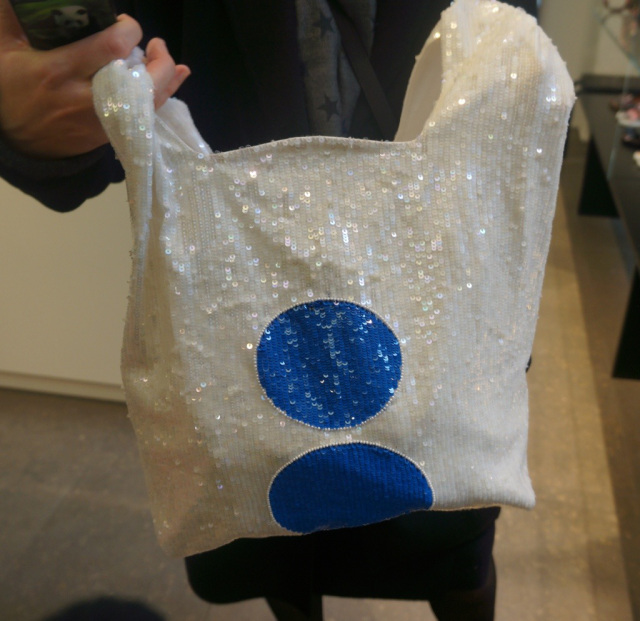
An era ends on the 20th of December. By that time, the most famous spot in Paris will reach its 20 years of ‘hype’ existence. When I visited Colette for the first time in 2007, it felt like a fashion mecca, where everything, BUT everything was (and still is) the ultimate holy grail. Colette became the example for all concept stores around the world to follow. The idea of having high-end brands like Dior together with streetwear favourites and niche books felt like out of this world, like total non-chalance. And it was the Colette’s founder who did that first. If you think of the number of collaborations Colette has done with all their brands – from sequin totes by Ashish to the current Balenciaga installation – its a chapter of fashion history on its own rights. As for now, the official statement of the store says: Until our last day, nothing will change. Colette will continue to renew itself each week with exclusive collaborations and offerings.

In other words, it’s another sad, sad day for the fashion industry.


All photos come from Design & Culture by Ed archives.