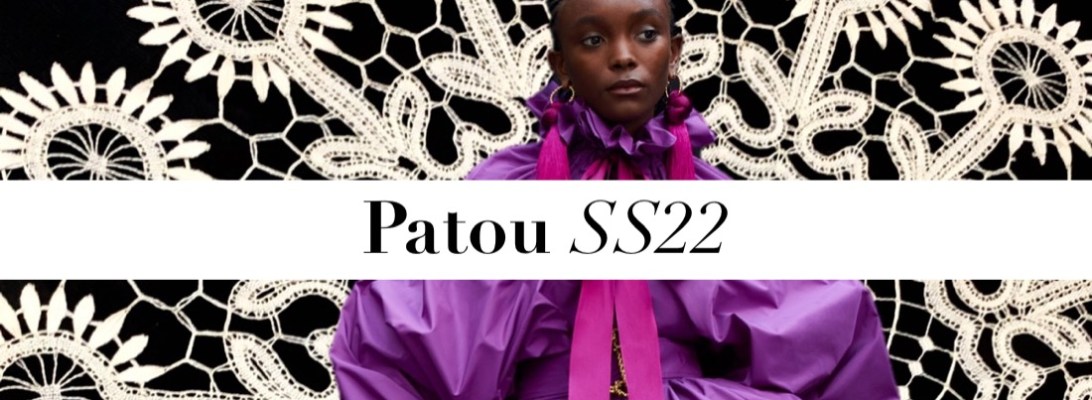
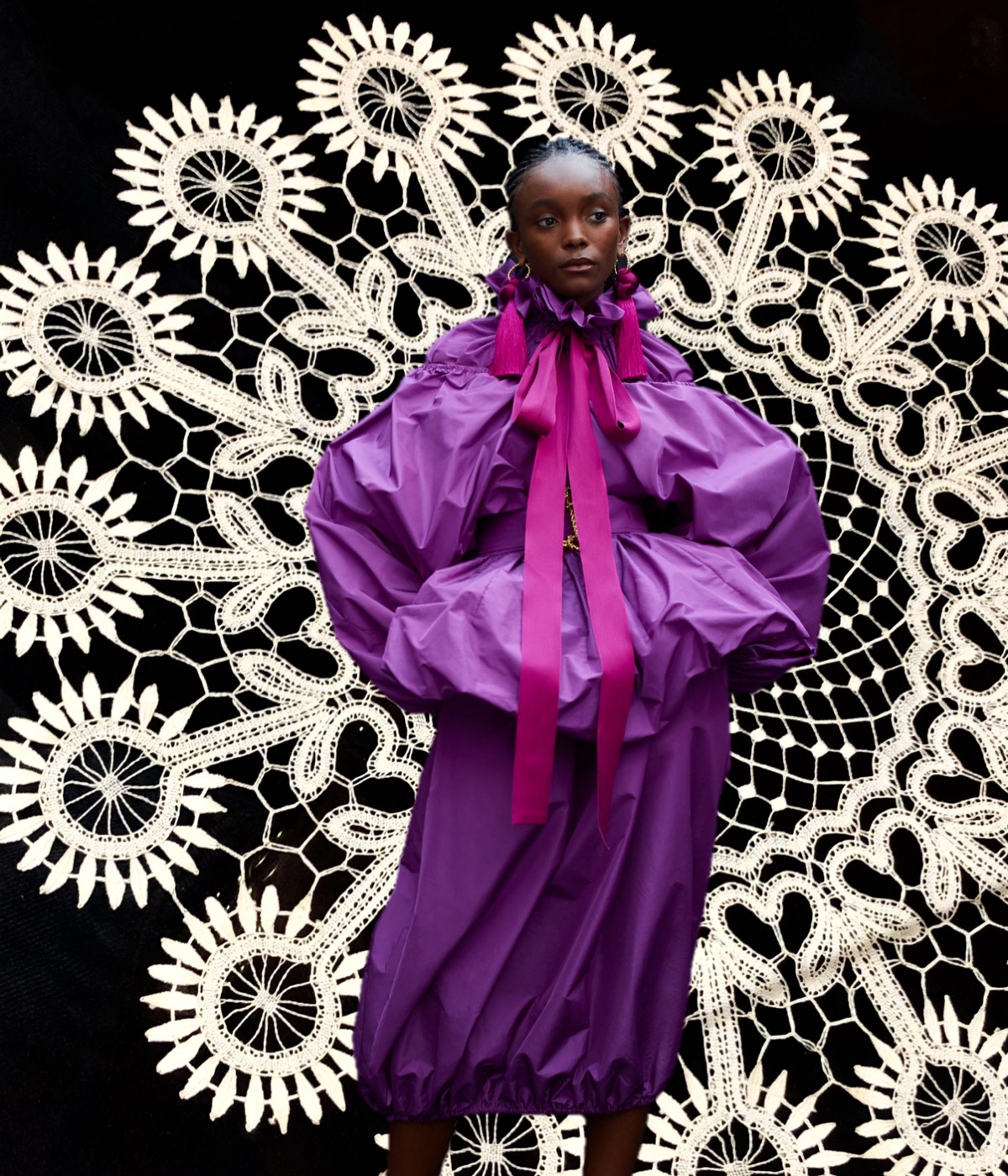
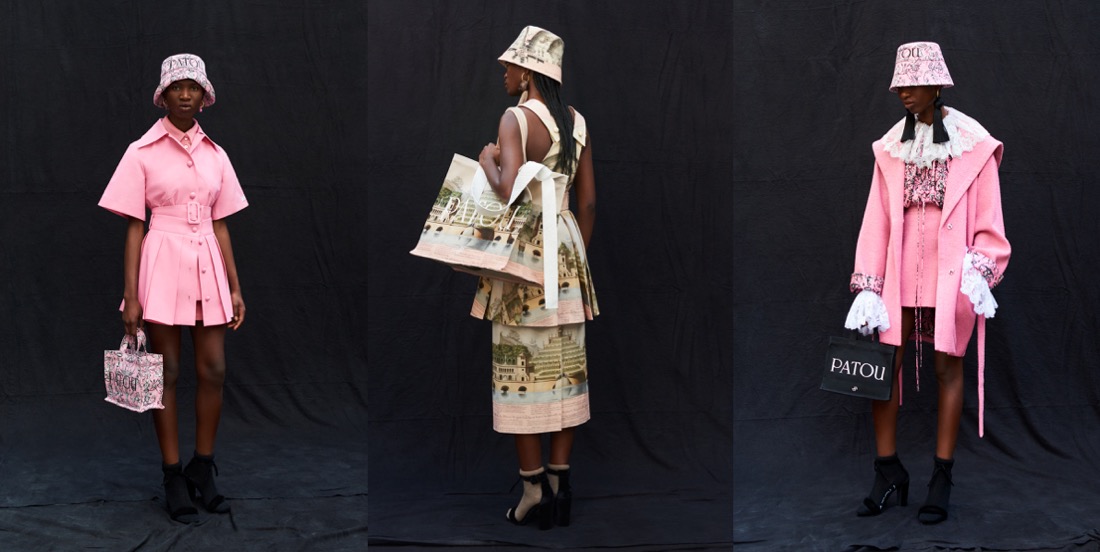
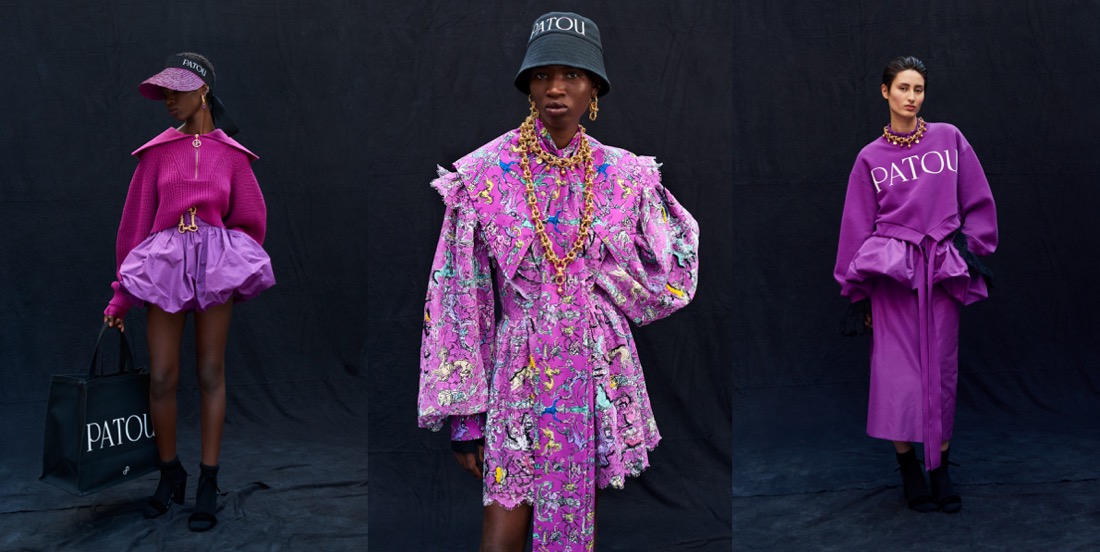
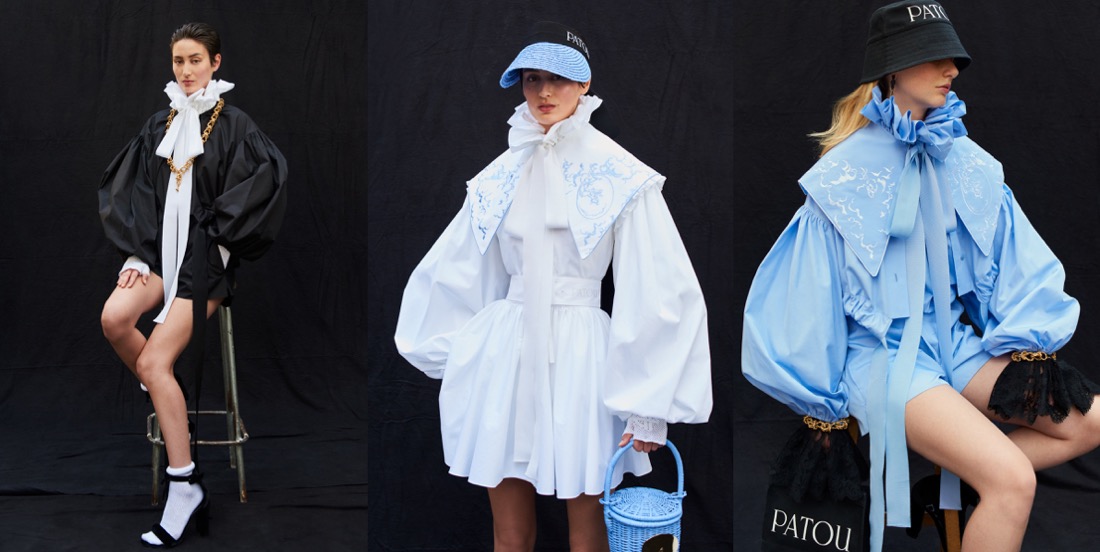
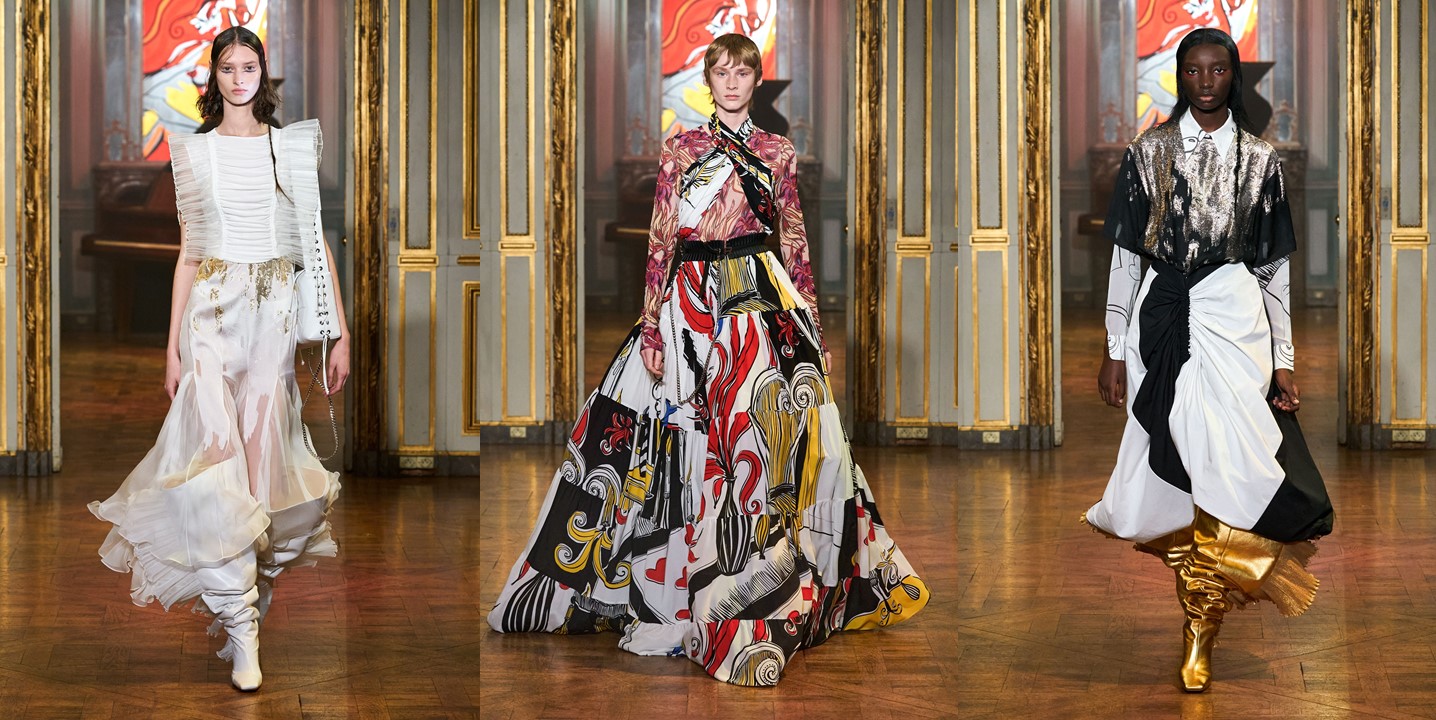
At Patou, Guillaume Henry has been taking a bit of a cavalier attitude towards spring – almost literally. “I really wanted to have this fantasy in mind,” he said. “She could be a musketeer, she could be a princess; she’s the hero of her own life. She’s not necessarily the girl waiting for her prince to come.” He remembered that when he looked out of the Patou studio during the big confinement and saw someone passing who had made an effort to wear something interesting, “I wanted to open the window and applaud.” As he riffed in his effervescent way around the static exhibition of his spring collection he said of lockdown, “I was so bored of yoga pants, you have no idea! Then things started to get better and better. And we knew that we will meet again.“ With the relaunch of Patou, Henry has managed to strike an ingeniously playful balance between exaggerated couture-heritage volumes and clothes that are self-adaptable, affordable and resourced with a care for curbing their environmental impacts. This season’s pie-frill collars, organic lace-trimmed swashbuckling sleeves, pouf-y bubble-shorts harmoniously work with Instagram and TikTok- friendly PATOU logo branding on bucket hats, bags and sweatshirts. Prints this season were sourced from the archives of the great French artist-illustrators Christian Bérard and Gustave Moreau. Keeping an haute flag flying for French fashion while making a wardrobe that girls can wear on the street, for work, at parties, or wherever they fancy is Henry’s thing.
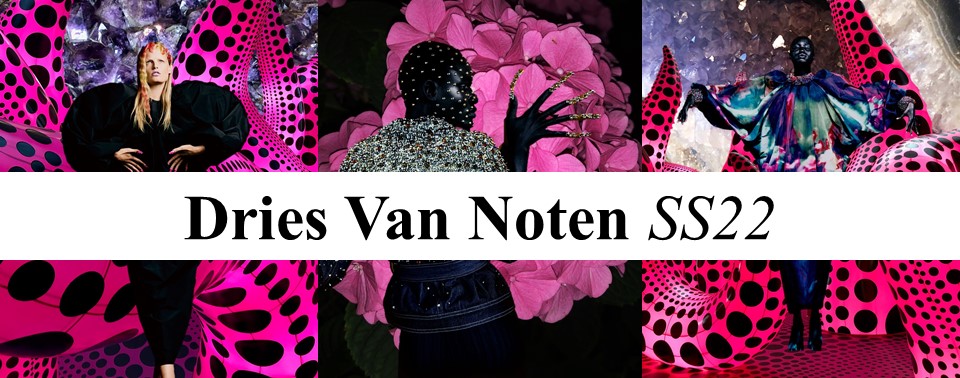
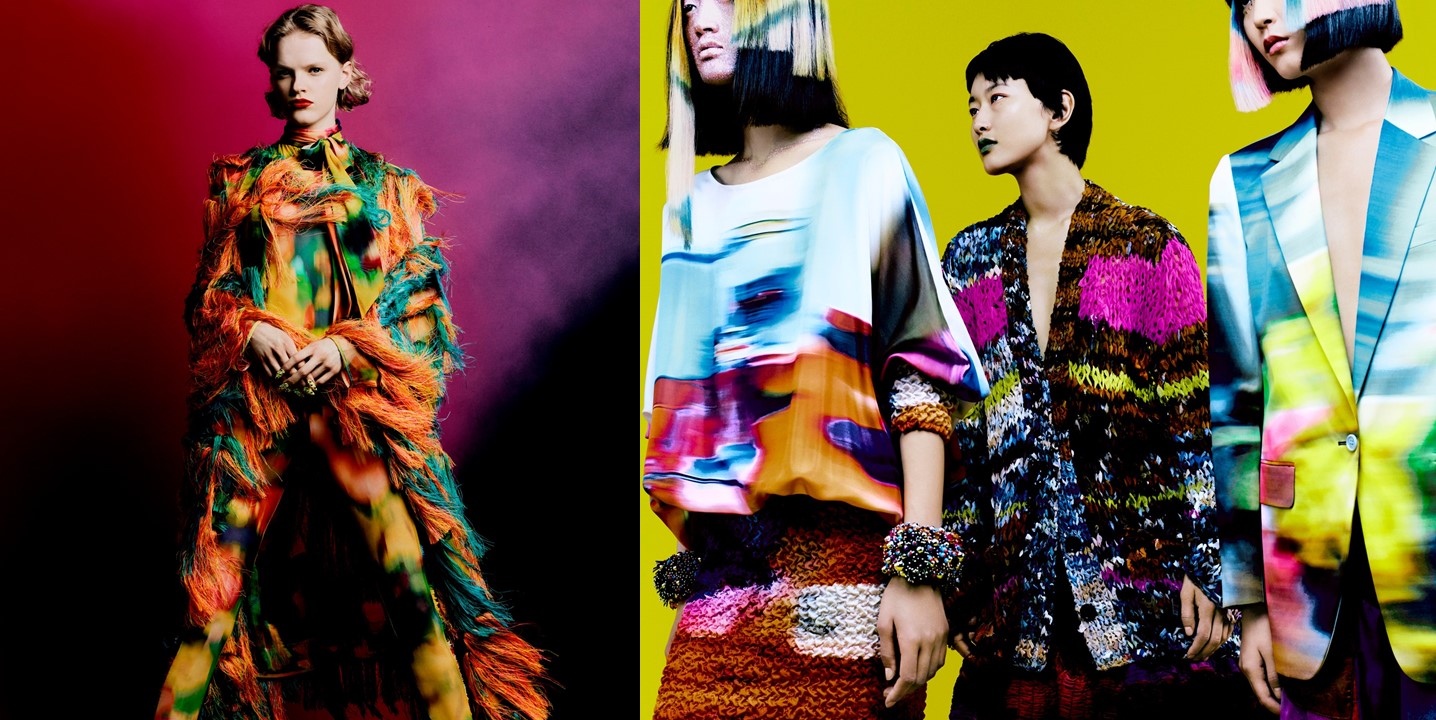
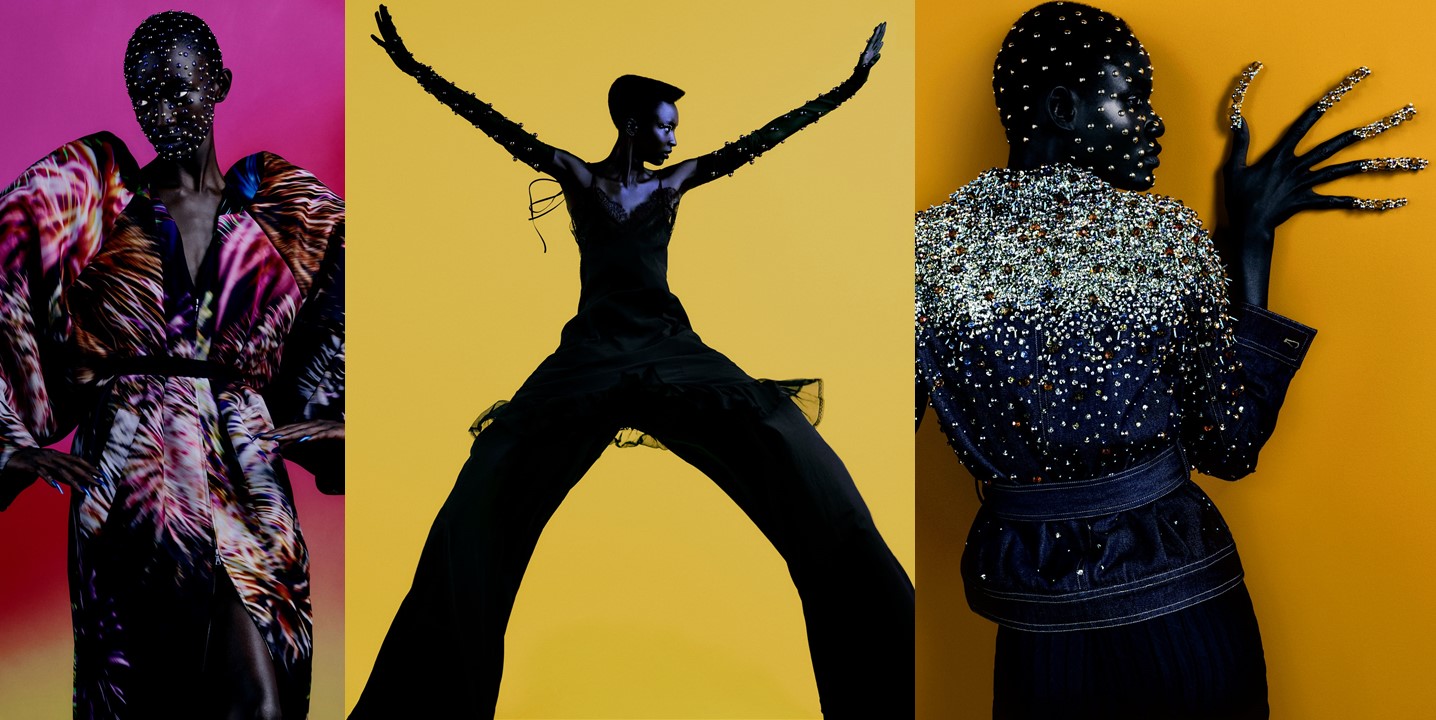
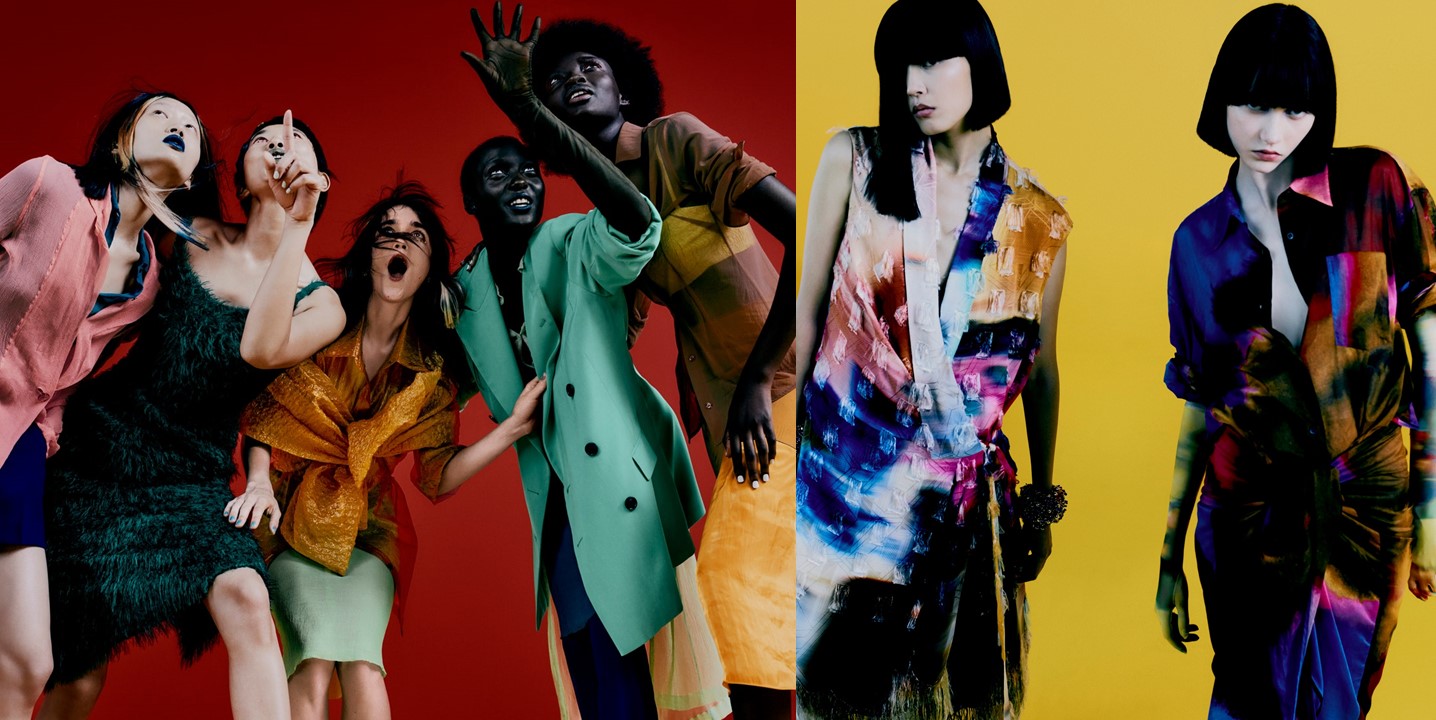
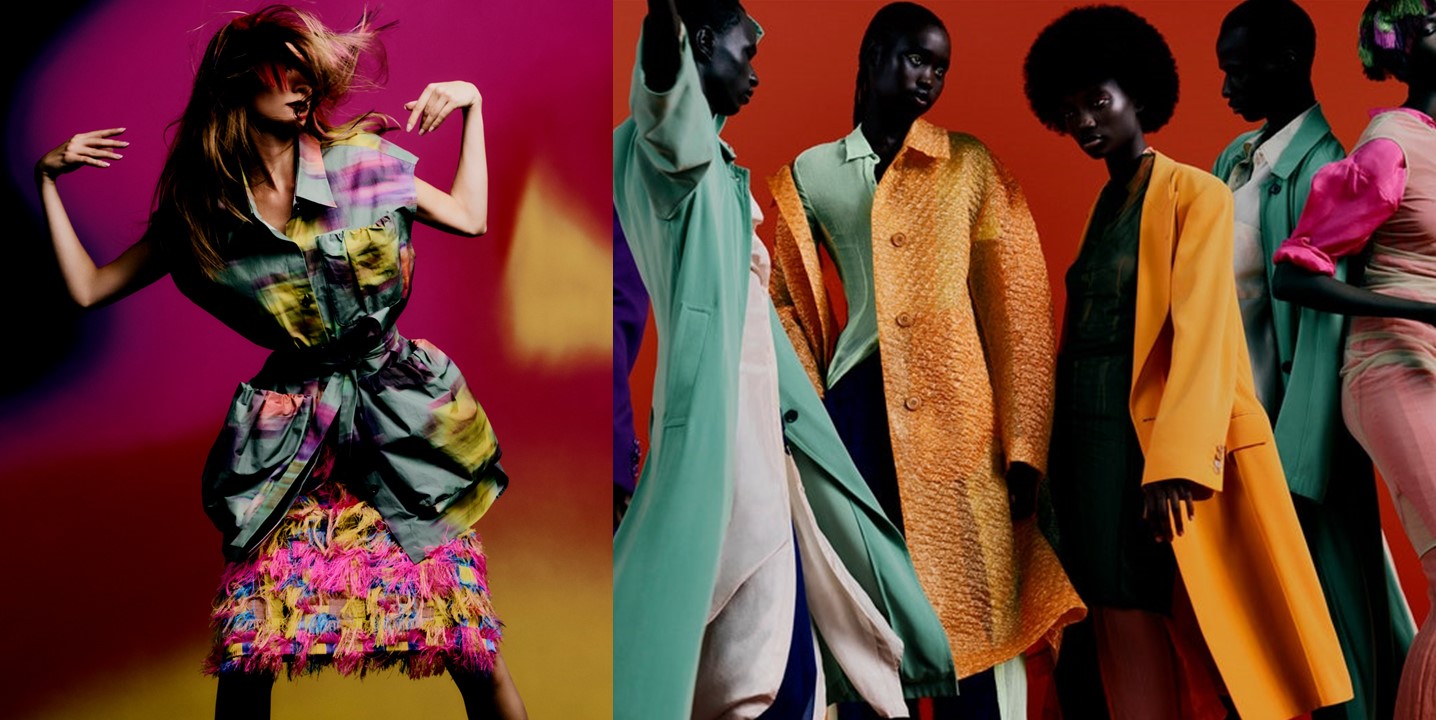
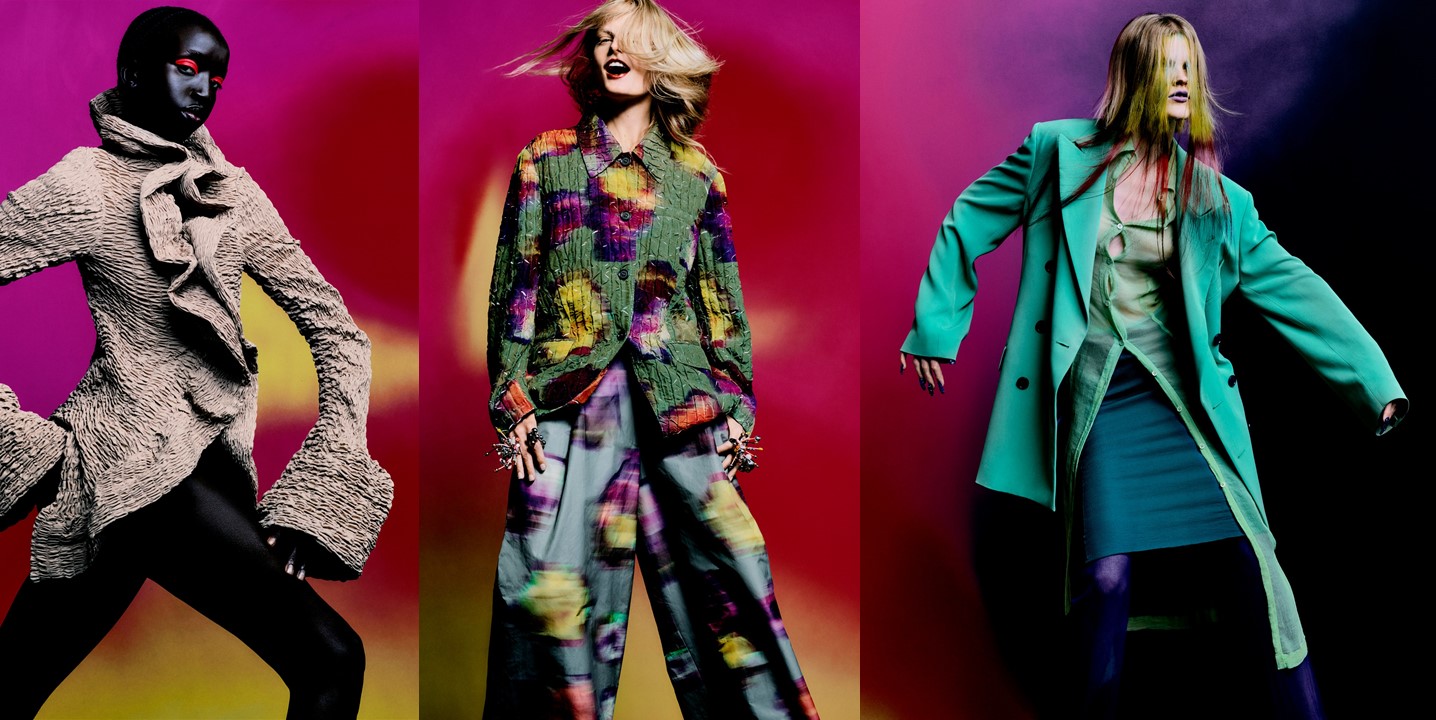
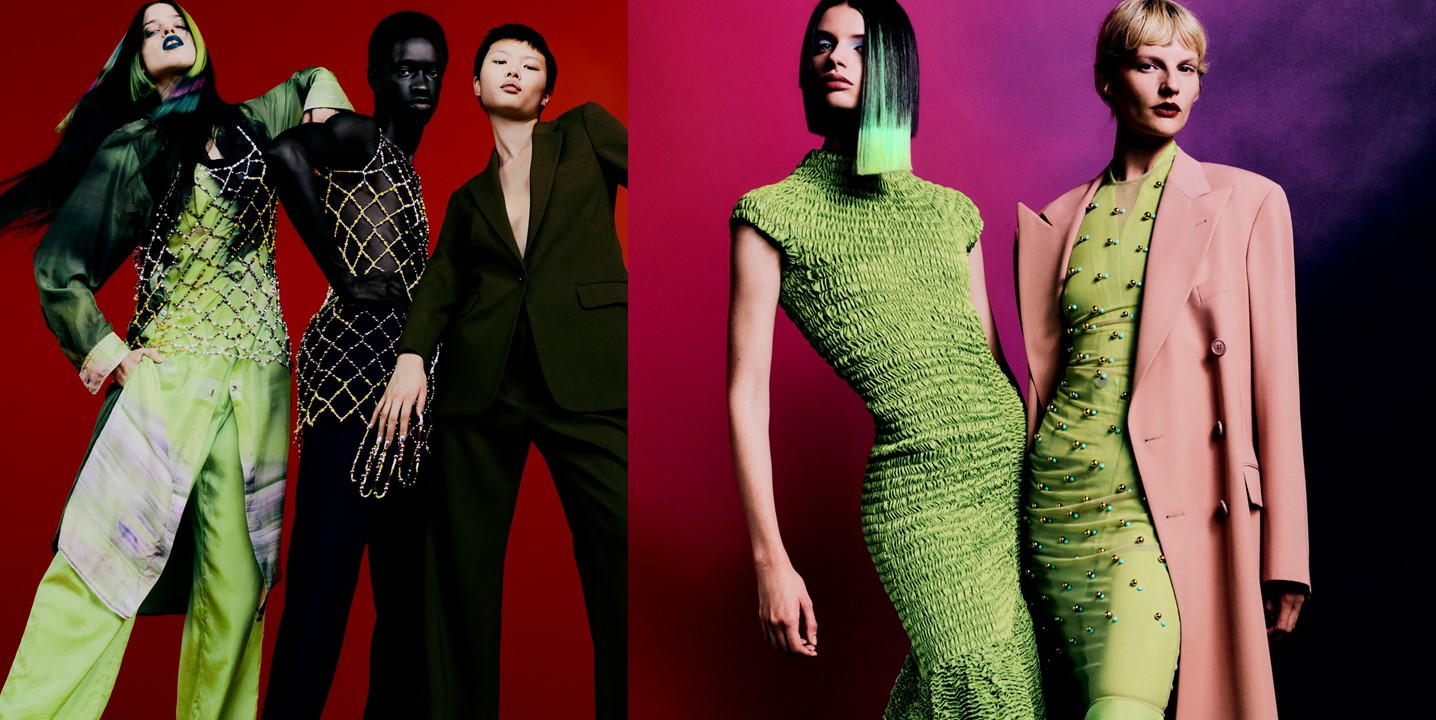
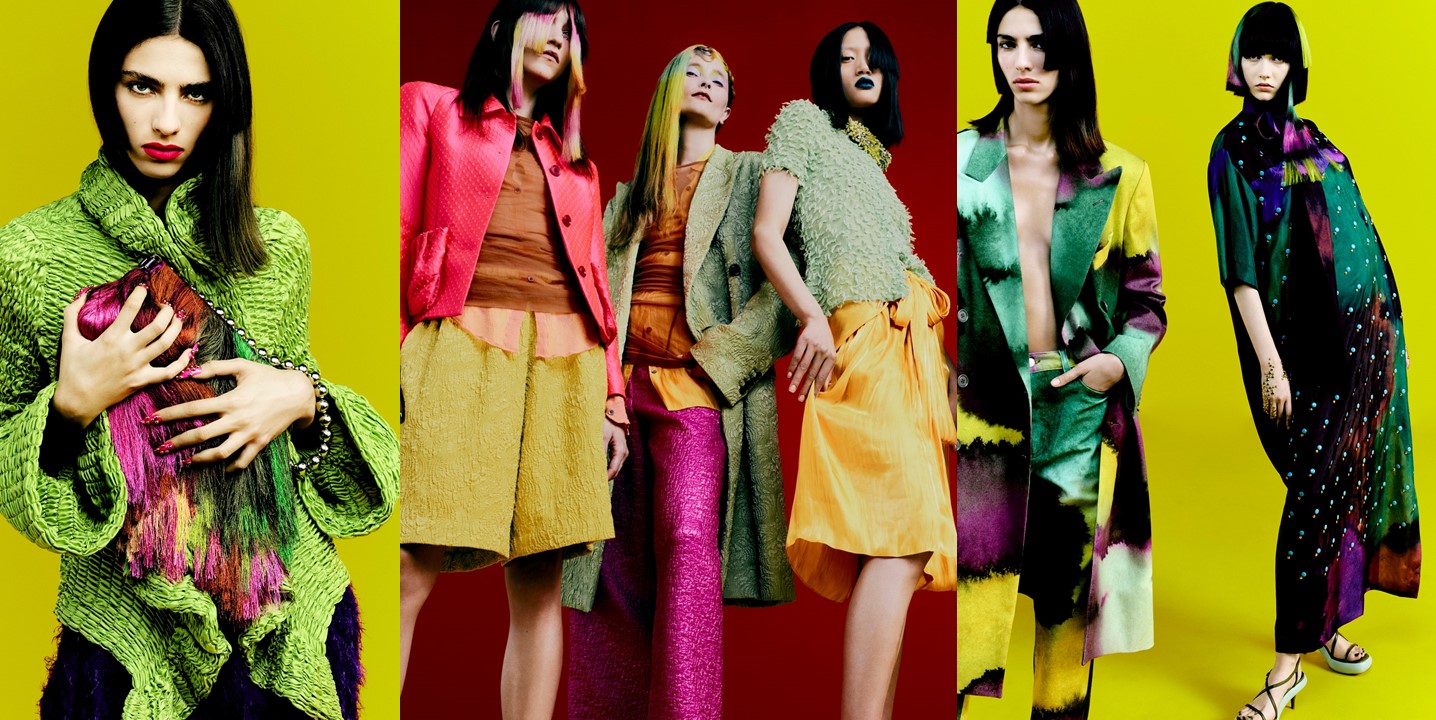
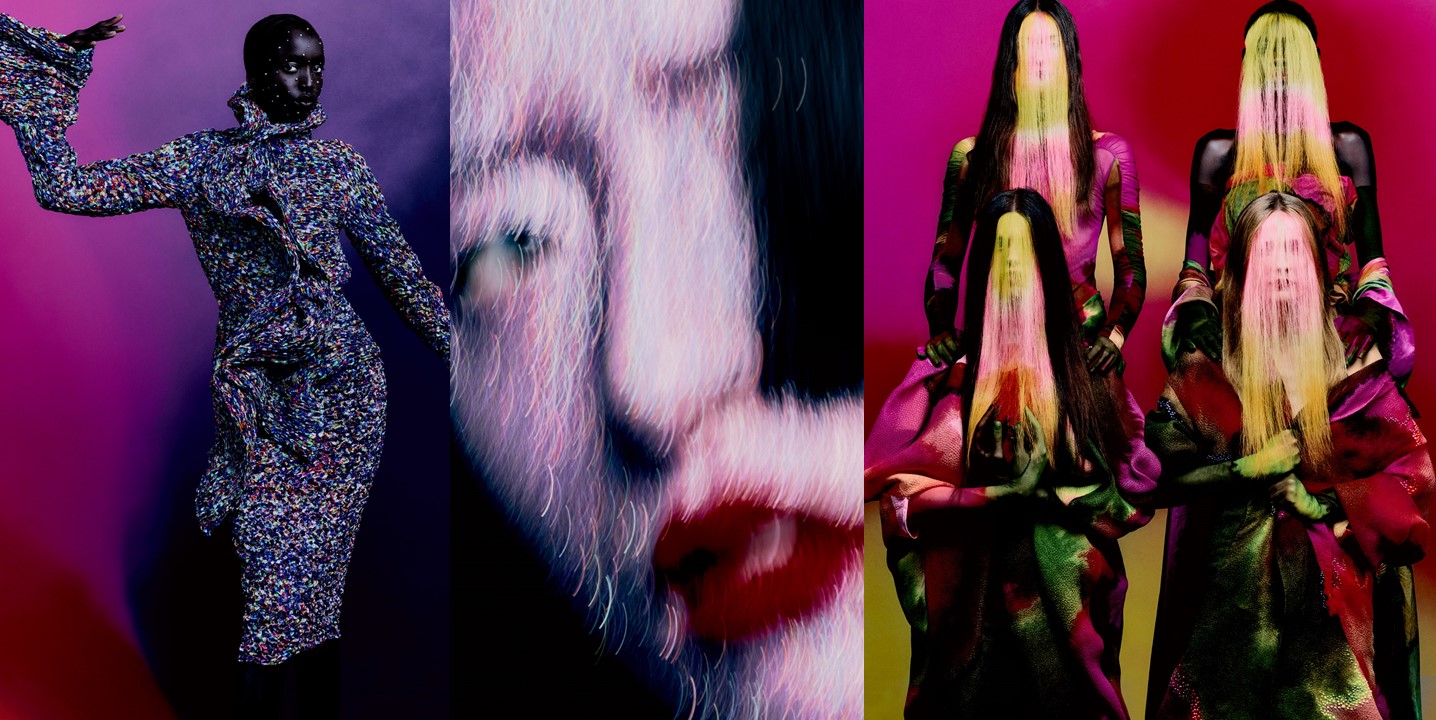
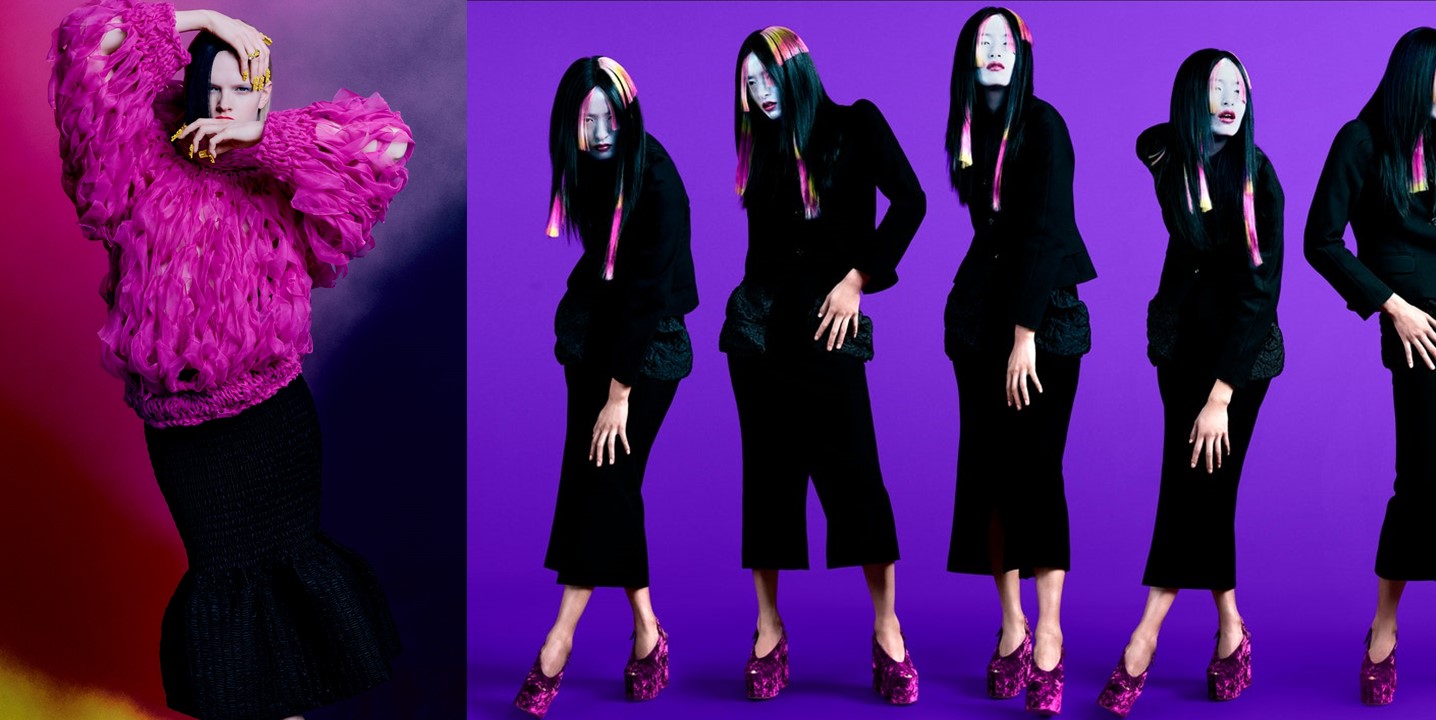
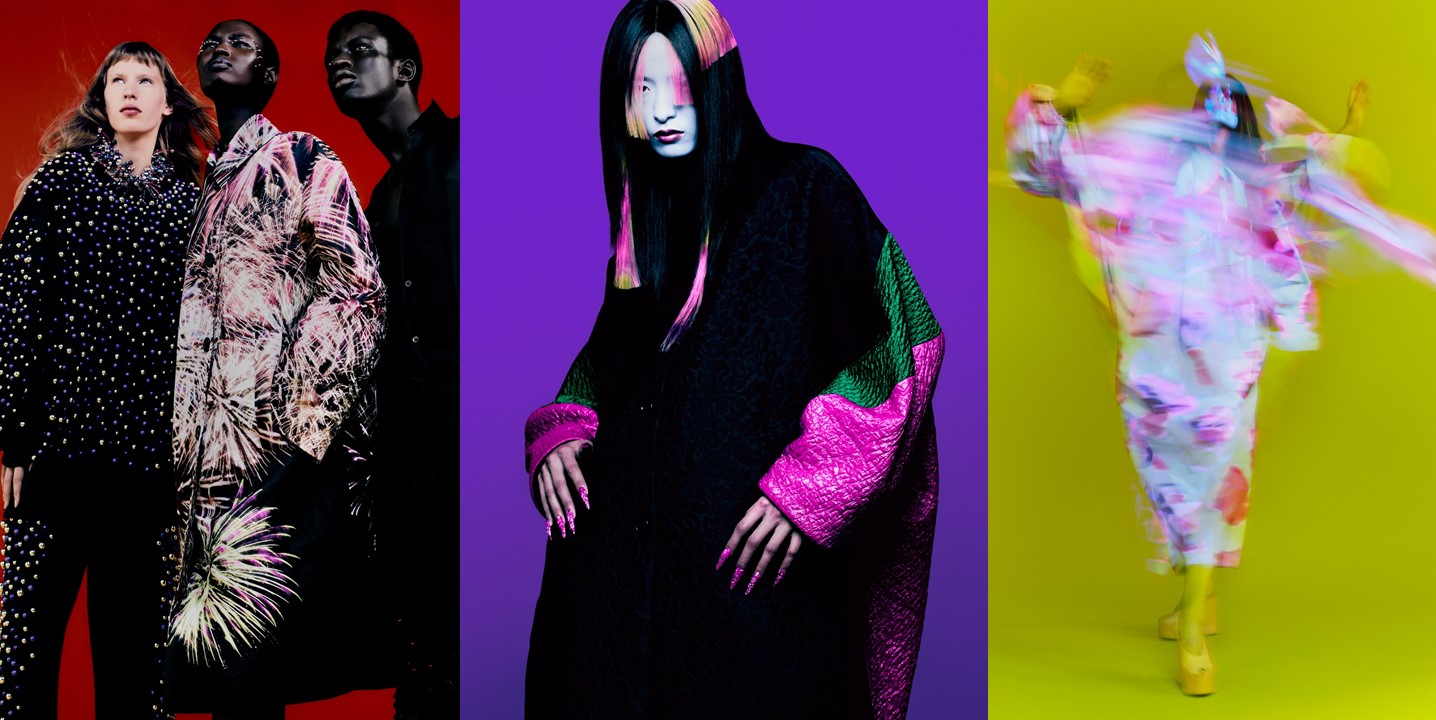
Looking at the euphoric images from the spring-summer 2022 lookbook (and the amazing video), it’s clear that Dries Van Noten started to enjoy presenting his collection digitally. He skipped a regular fashion show in Paris, and tapped the visionary, new-gen photograher Rafael Pavarotti to shoot the line-up in Antwerp. The effect is SPECTACULAR. “We just really wanted this moment of joy!” declared the designer. “Festivals and all these things came to our minds. We were looking at those moments when you get out, get with crowds, share emotions, and have fun together – whether it’s going to a pop or rock festival, going to a dodgy little club, or dancing in a discotheque.” One of those moments of gatherings is Tomorrowland. “It’s the biggest dance festival in the world, with all the top DJs, and it’s here in Belgium,” he said. “When you look at the pictures, some people are completely dressed up, some are in easy clothes, but they’re sharing something. That was what I wanted to play with in this collection. Visual fireworks!” Van Noten is completely spot-on about the feeling that we’ve all had it up to here with lockdown dressing. The desire for going to extremes, fashion’s fantasy revenge on the pandemic is, well, contagious this season. “We did all kinds of crazy experiments – handmade smocking, fluffy things, jacquards, silks. Different types of sparkle – different shine, depths of glimmer. All this stuff,” he said, laughing. Dries is convinced that the enormity of the experience we’ve lived through – and the uncertainty we’re still living with – has caused a permanent psychological shift in what we decide to buy in the way of clothes. “Is now the time for sad clothes?” he asked rhetorically. “Or is it that you need something to help you to get through the whole thing? I lean more now to the second. Even if we’re going to have a third or fourth or fifth wave or whatever – it’s still going to happen. Because personally, I think I would prefer do it in clothes like these than in gray and camel and sweatpants.”
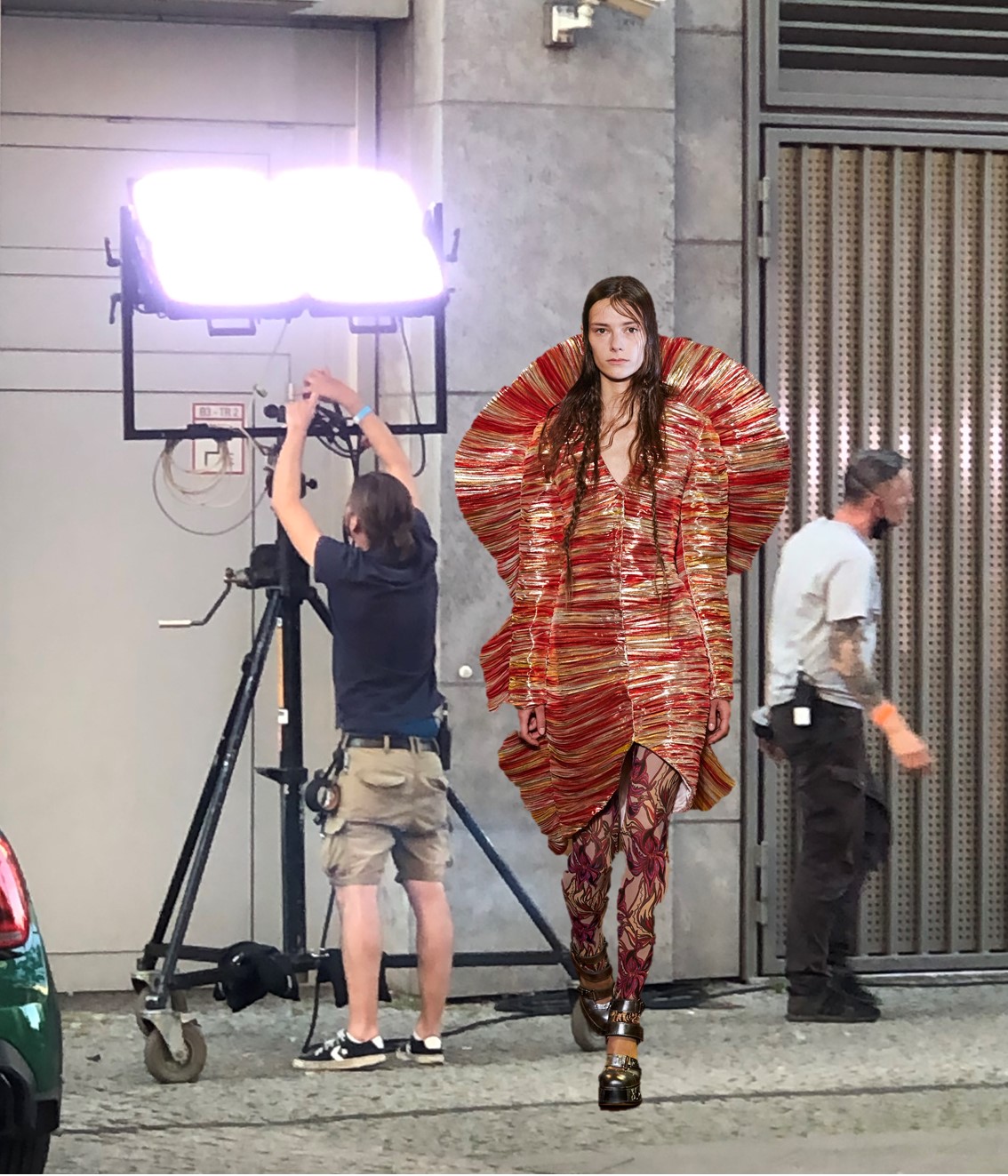
Rochas – just like any historical maison that lacked a firm and precise creative direction for decades – is a tough nut to crack in 2021. Marco Zanini’s years were promising (and very chic), but didn’t work commercially. Alessandro Dell’AcQua’s tenure brought a bunch of lady-like dresses, but pretty much no press acknowledgement. In despair, young blood was hired, and we’ve got the debut collection by Charles De Vilmorin – a 24 year-old designer who in fact presented just two collections to date at his name-sake, couture label. Read: a risky step for Rochas. In all honesty, De Vilmorin’s spring-summer 2022 line-up is rather a miss. Perhaps hinting at the trial-by-fire aspect of his first runway show, De Vilmorin started with a group of looks whose palette and dark shimmer seemed informed by burning flames. There were short and long plissé lamé dresses in shades of red and black and a knee-length red-and-orange number whose arms were traced by a wide band of winglike ruffles. The second grouping was devoted to his drawings, which looked whimsical and distinctive on their gowns-as-canvases, though curiously quite close in both color and style to the printed pieces De Vilmorin did for his own couture debut in January. In the show’s third section, he explored deconstruction: slicing shirtdresses at the shoulders, using drawstrings to create asymmetric volumes in skirts, and twisting and draping a long piece of fabric into a bandeau. In overall, I see chaos. Asked how it feels to inherit a heritage label, Charles said, “It’s magical for me and a big, big challenge. I hope to tell a beautiful story.” For now, the story is hard to read, as there’s hardly any trace of the new Rochas that would finally appeal to a contemporary client, and a barely heard narrative coming from a very young designer who still has to shape his own voice.
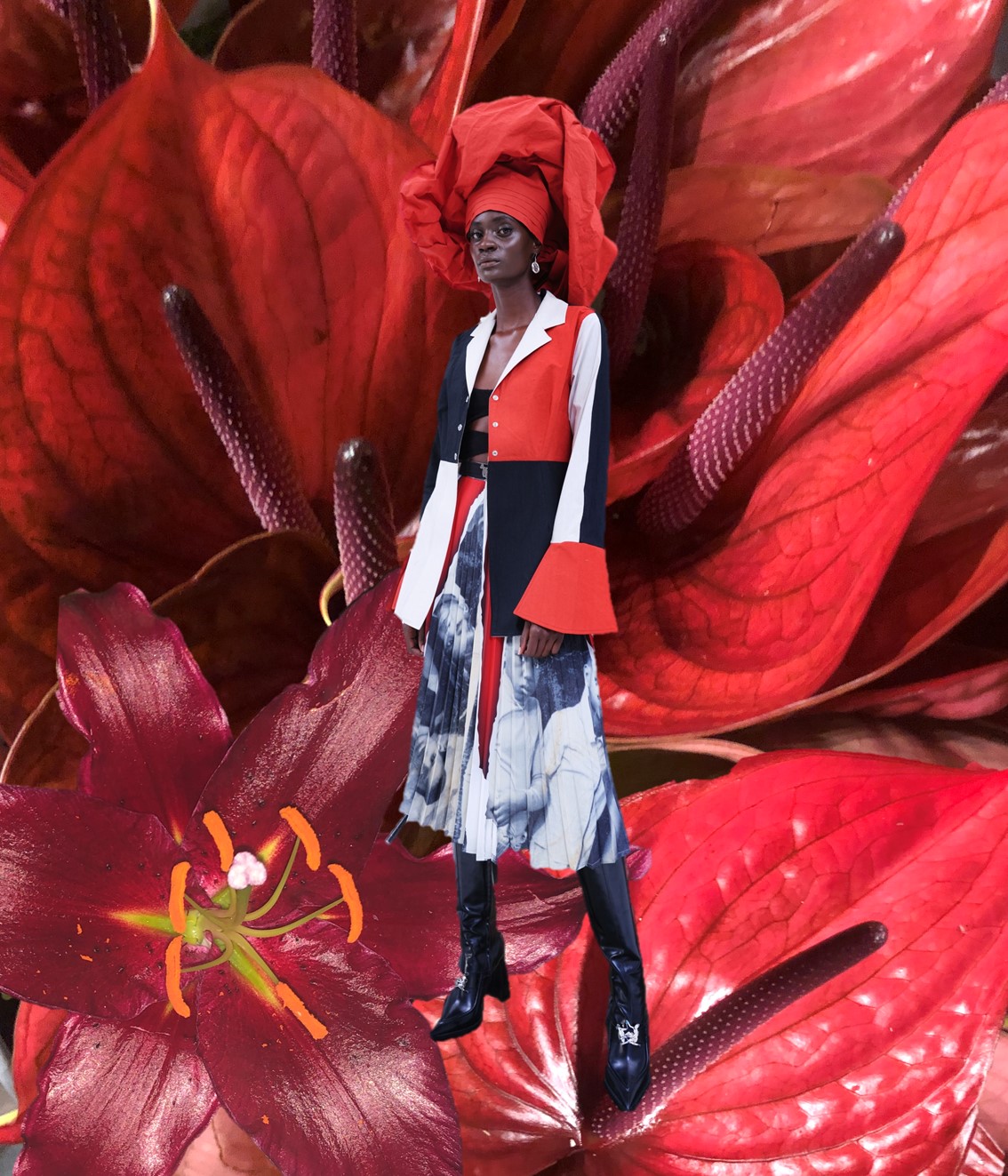
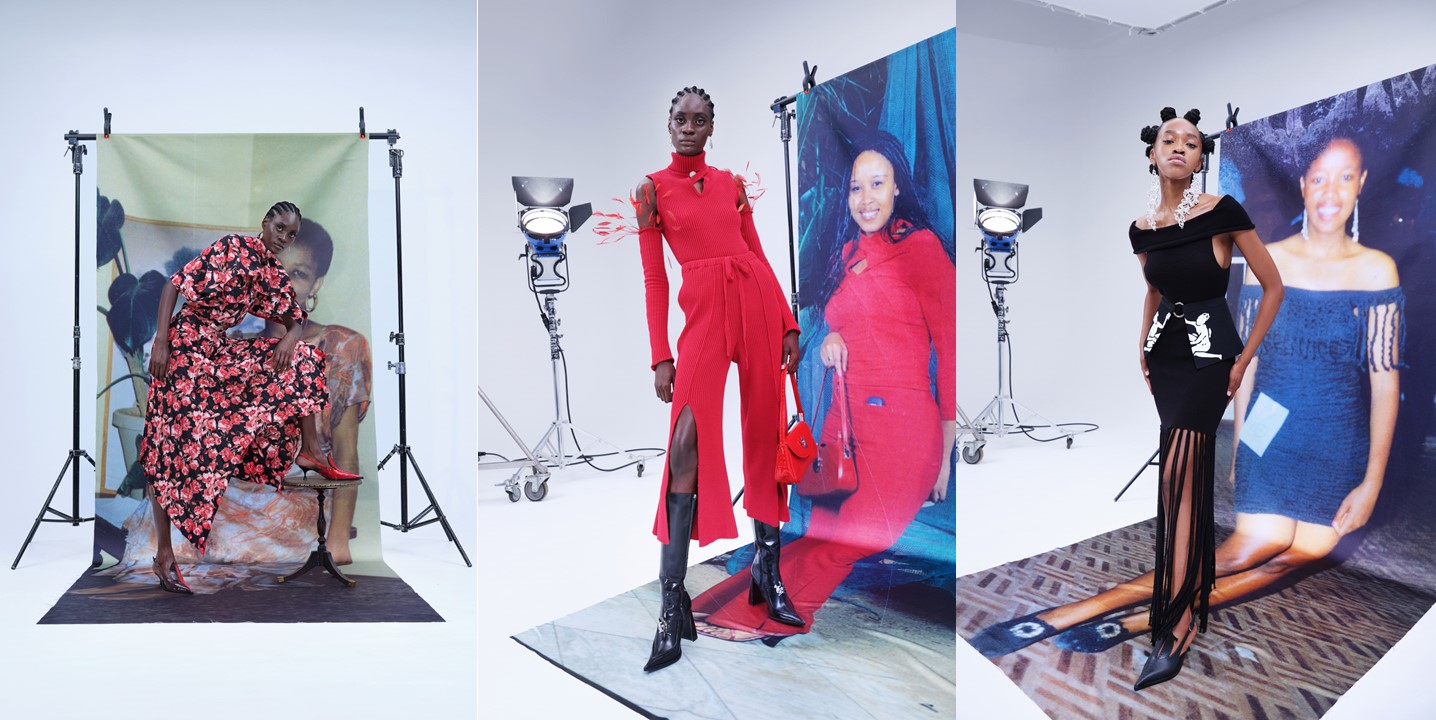
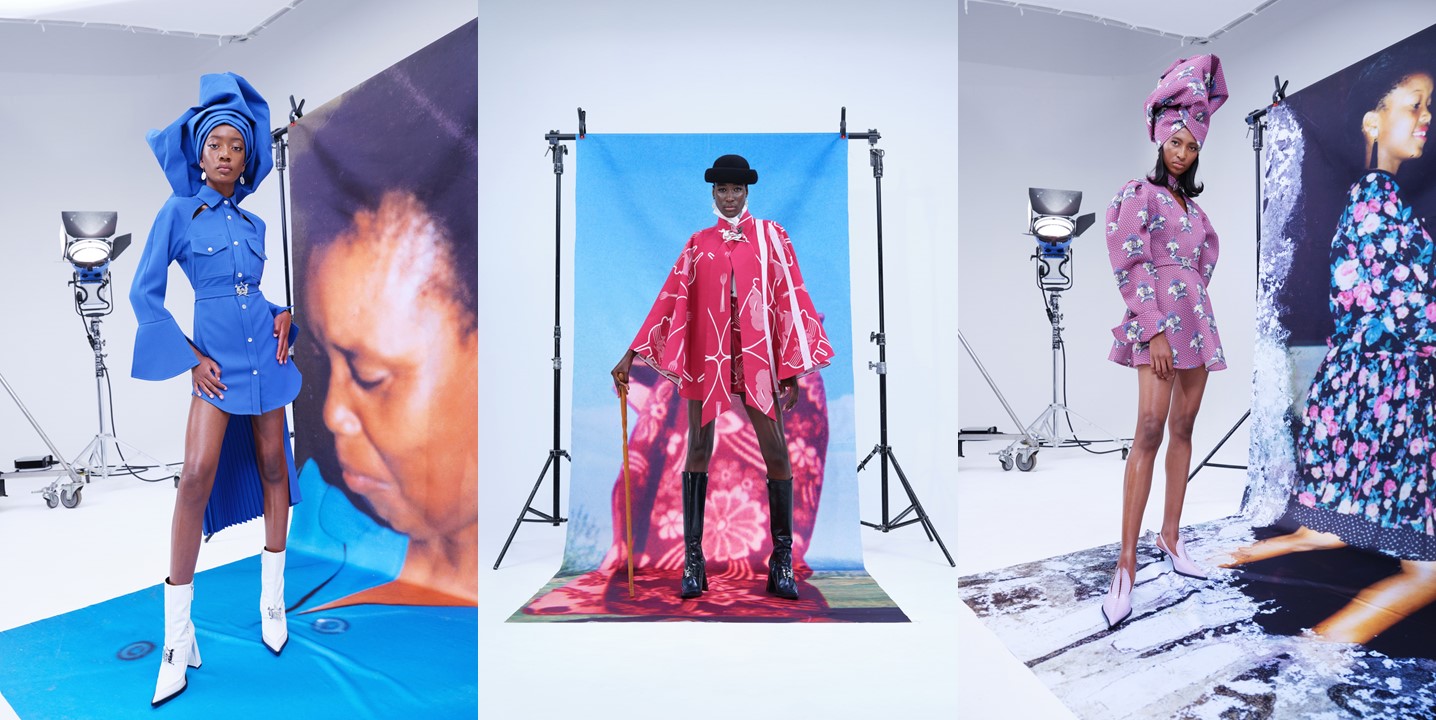
Thebe Magugu was back in Paris from Johannesburg again, a highly welcomed visitor to a presentation slot at the Palais de Tokyo. “I wanted to do something optimistic. All around me, there’s been a lot of ugliness in the air because of the social unrest in South Africa,” he said. “So I just wanted to turn inward, at what keeps me very optimistic – and that was my family.” Instead of a runway show, he had an installation of his clothes and was screening a film of himself chairing “a roundtable” with his mother and aunt. On one side of the screen Magugu was seen playing the intergenerational talk-show host as they opened a box of family photographs together and related all their memories and anecdotes about who wore what, where, and why. And on the other half were his images of how he’d affectionately and elegantly translated each photo into the pieces of his collection. All over again, it was true to Magugu’s extraordinary talent for telling stories that honor people through his clothes – as well as a bit of a by-the-by explanation of how he became who he is through growing up in a family that enjoys clothes and dressing up. There’s a picture of his mom in a checkerboard mini suit, which became a tailored red-black-and-white high-waist jacket and a knife-pleated skirt printed with a black-and-white family snapshot. His aunt’s minidress inspired a neat pair of shorts suits teamed with black knitted bralette sweaters beneath. His grandmother’s dedication to her profession as a nurse was celebrated with a pair of blue dresses echoing the color of her uniform. The cool personality of an uncle as a young choir member dressed in a white shirt and black tie was captured in the exaggerated gesture of the tie, extended and looped up over one shoulder of a crisp shirt with high-waist pants. With his chic, young signatures – sharp, feminine tailoring, handkerchief-point sunray pleated skirts, sculpturally flattering knitwear matching gele head ties – Magugu tells stories that resonate internationally. As fashion ambassador for young South African creative talent, he’s a pioneer in the forefront of a generation that is now rising in countries all over that continent.
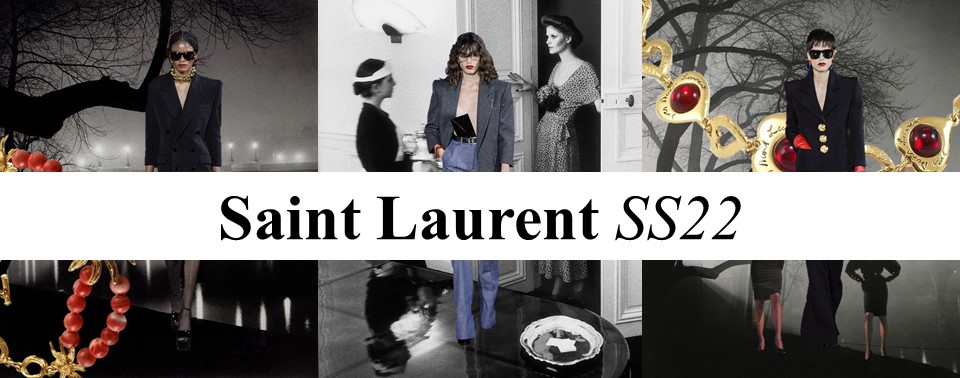
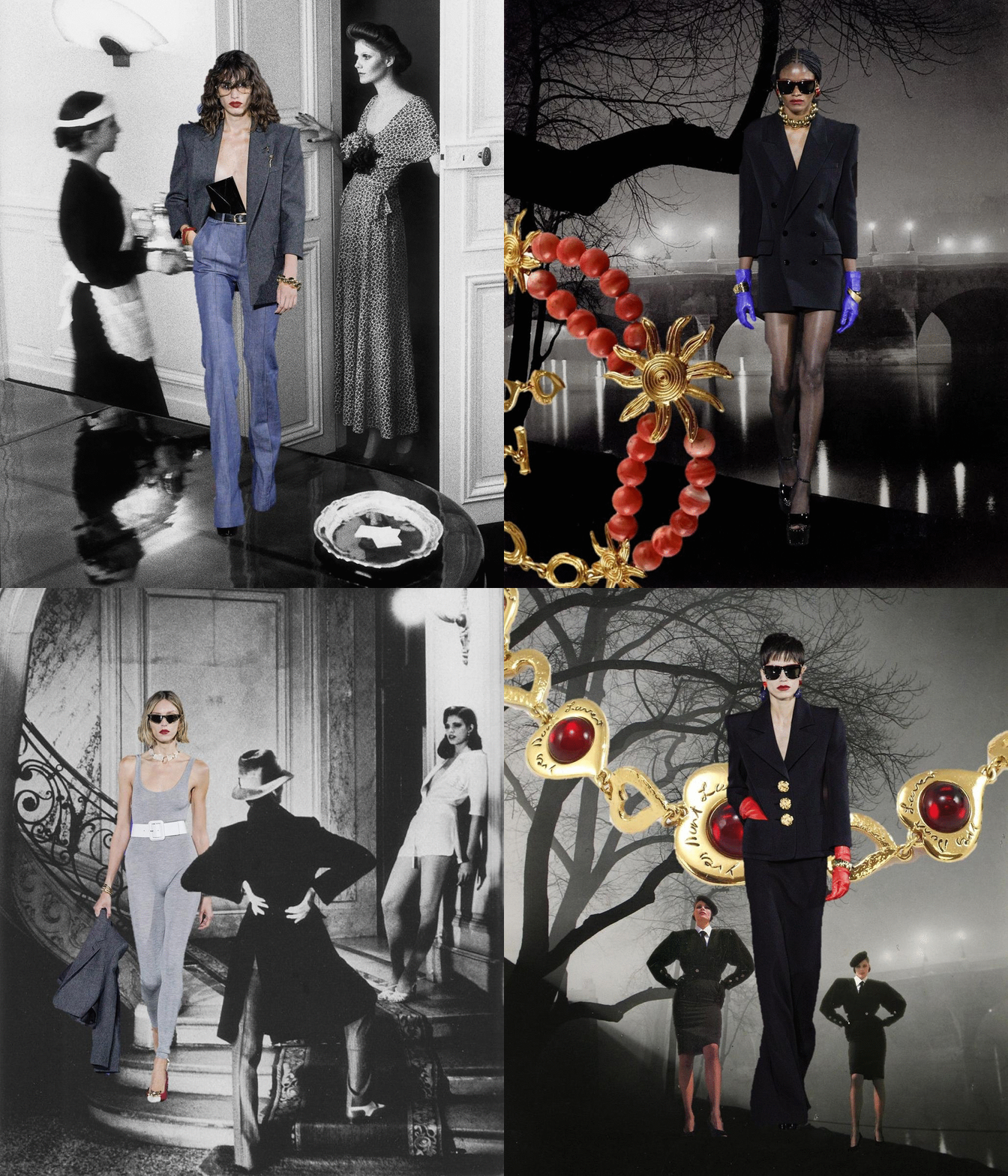
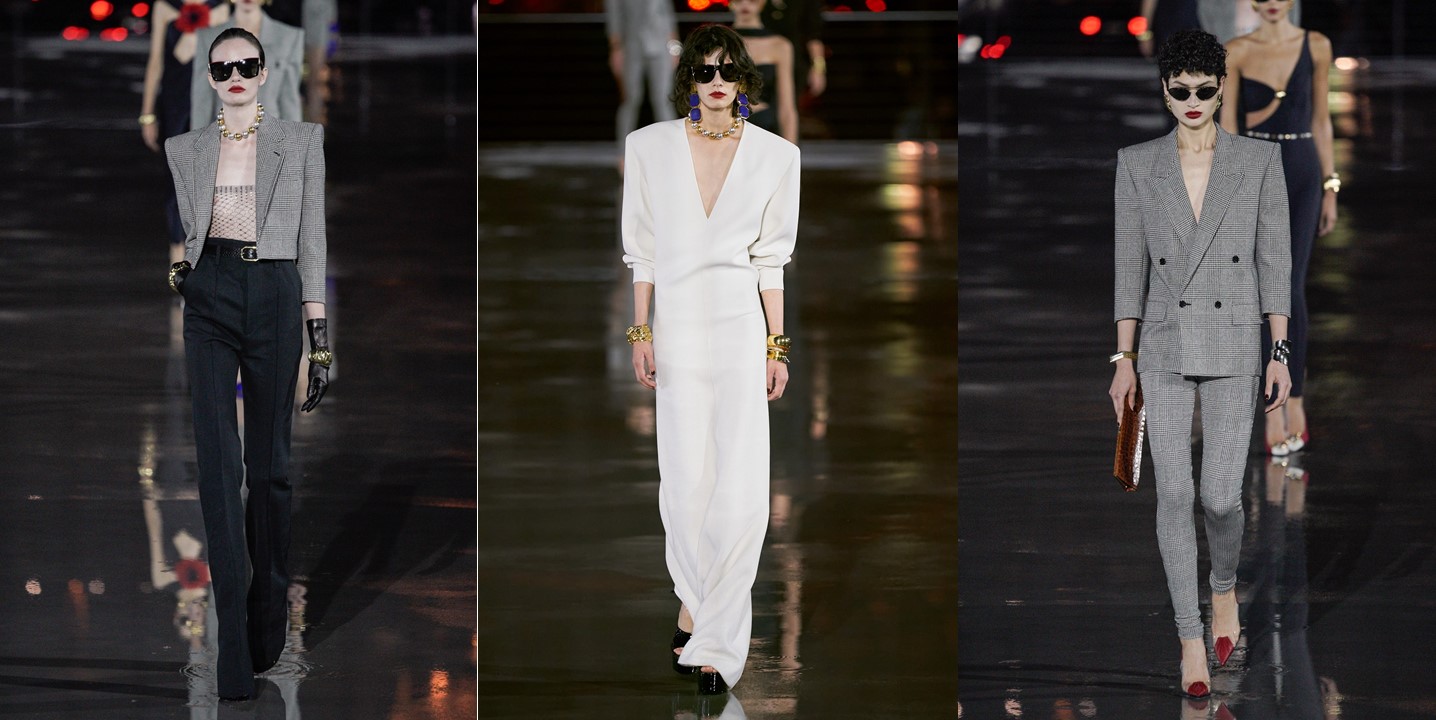
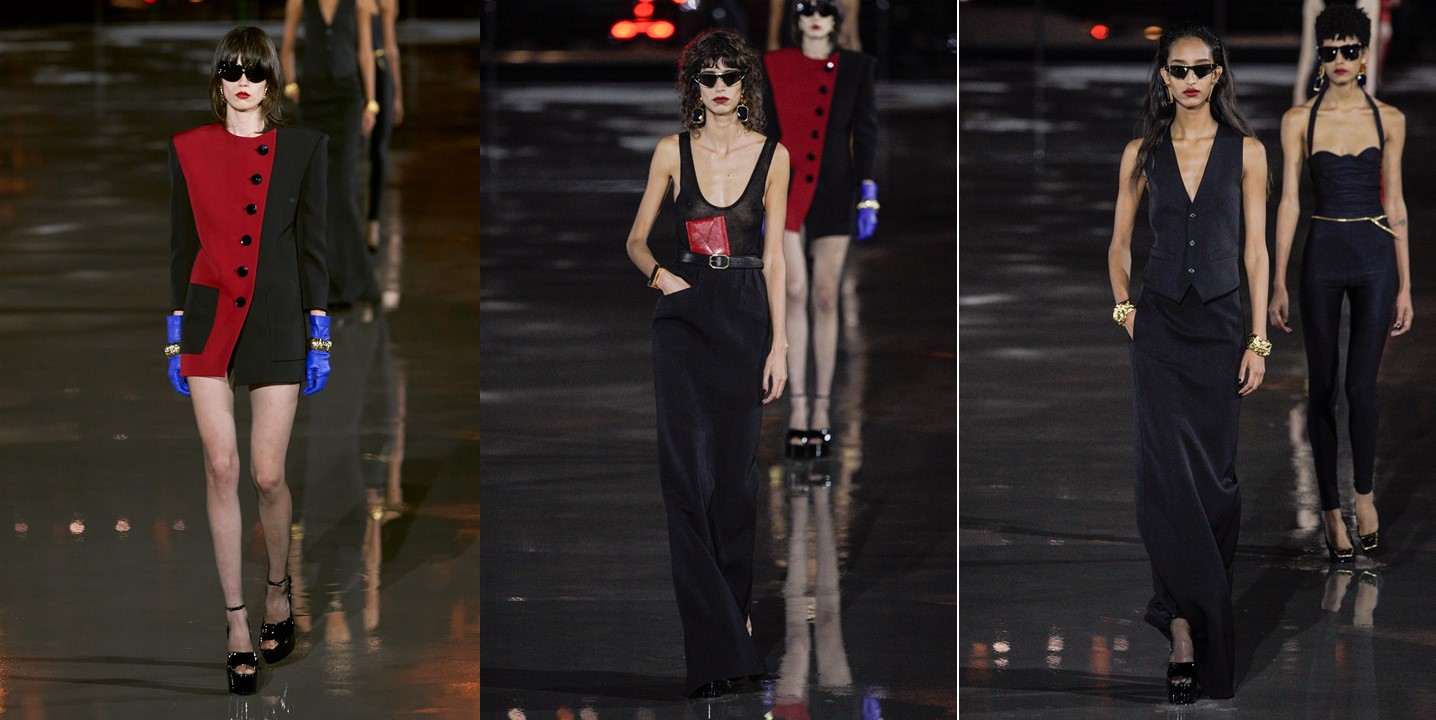
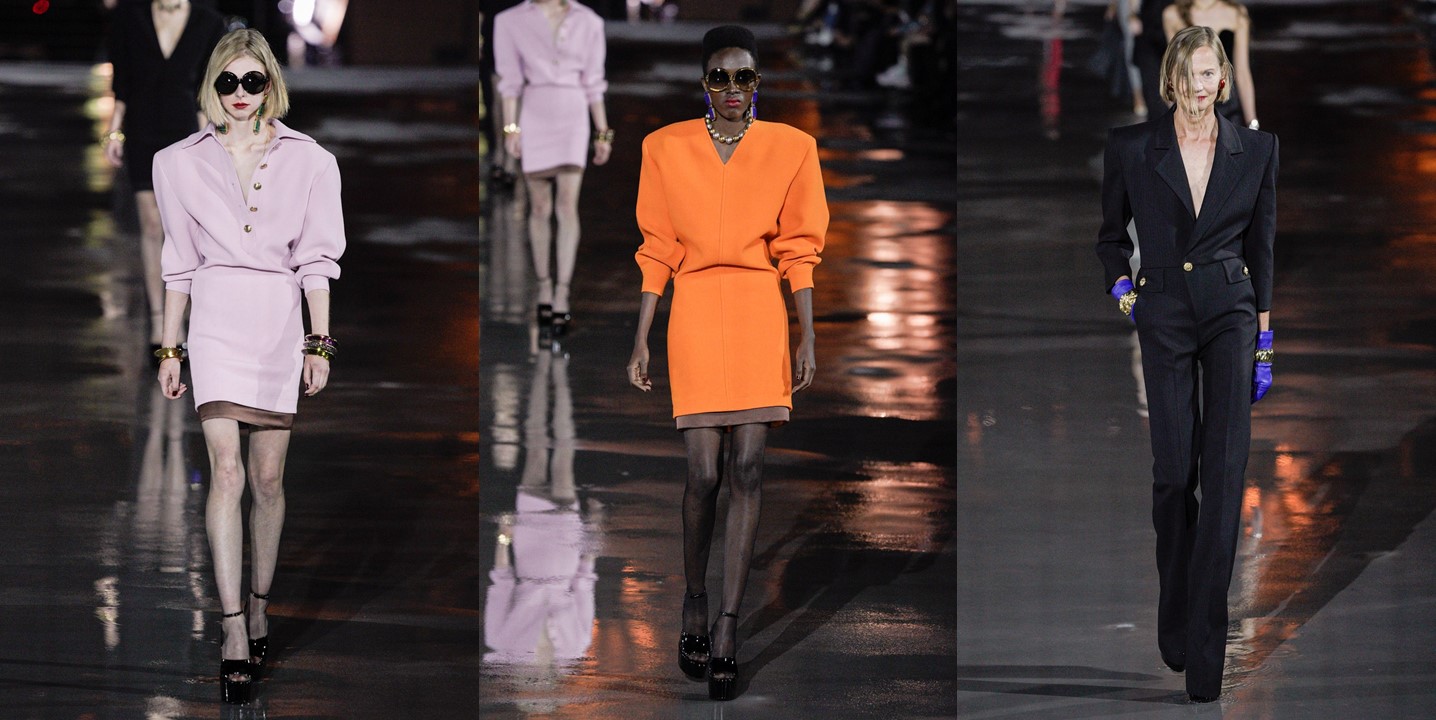
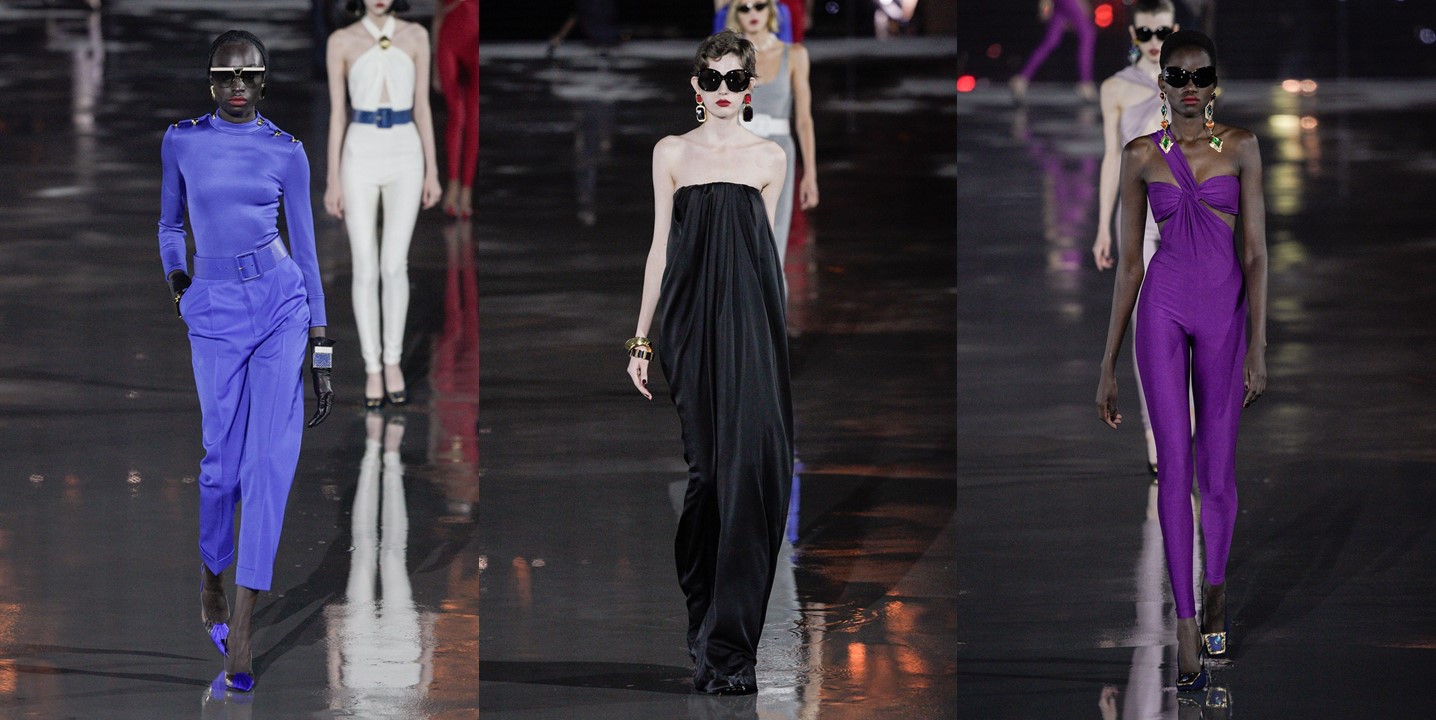
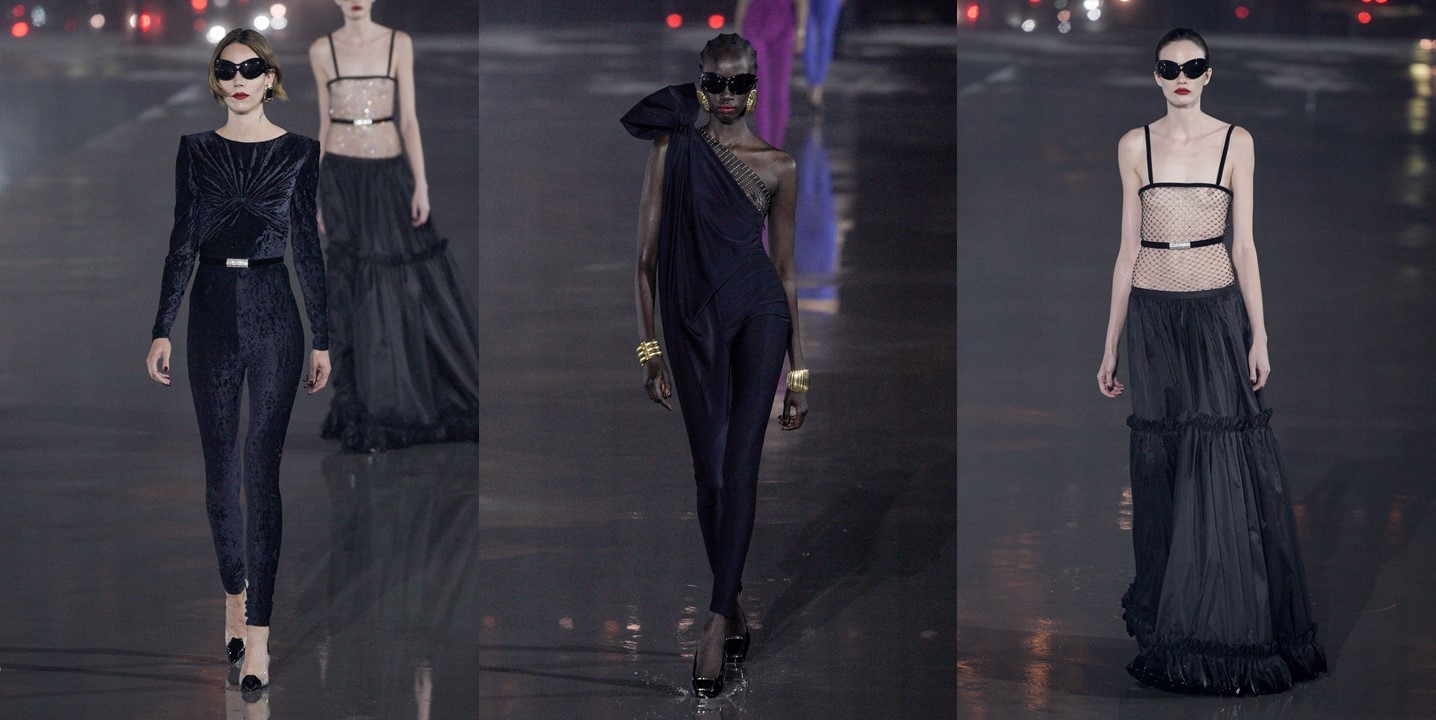
We are in Paris, baby! Paris Fashion Week started with a bang, all thanks to Saint Laurent which returned to the usual schedule. There was a magical moment towards the end of the spring-summer 2022 show when Anthony Vaccarello’s towering waterfall structure rained softly on his guests’ faces as the last models made their way off the runway to Zimmz’s entrancing “Eclipse”, the Eiffel Tower twinkling in the distance. “I was kind of sick of listening to all those people talking about the future of fashion. For me, we just had to switch off. That was it,” Vaccarello said before the show, recalling his early lockdown decision to leave the Paris schedule.“I knew that once the pandemic would become a little bit better, it would be impossible to totally change this way of showing. It’s part of fashion.” Picking up where he left off – the autumn-winter 2020 latex collection that hardly needs a recap – Vaccarello put his softer, more pragmatic collections of the lockdown period behind him, and forged ahead with the look he believes in for a 2020s wardrobe. “For me, this collection is the continuation of the latex collection: it’s a style that I want to establish,” he told Vogue. “The latex collection was a liberating collection for me. I was feeling free. I didn’t have anything to prove to anyone else about what I was able to do for Saint Laurent. I relate that collection to the Scandal collection of Paloma.” The collection in question was Yves Saint Laurent’s 1971 tribute to Paloma Picasso, who wasn’t one of his most famous muses but one of the most influential ones, nonetheless. “Pierre Bergé told me that Paloma Picasso was the only woman who inspired a collection for Yves Saint Laurent,” Vaccarello said. We tend to always talk about Betty Catroux and Catherine Deneuve, but Paloma was the only one who really changed Yves Saint Laurent’s perception of fashion, Vaccarello explained. “Before, he was really into couture – really into this cute, very perfect silhouette – and when he met her, with her huge red lips, dressed in vintage, she was really new for him. It changed his own style. In my mind, I want to have the same change after the pandemic.” His instinct made for a spirited collection that amplified the signatures of Picasso’s look. The shoulders of jackets broadened into rigorous silhouettes, the necklines and slits of dresses grew closer together, and leggings and jumpsuits – some wrapped glamorously around the contours of the body – proposed a new take on eveningwear for the post-pandemic decade. Curiously, in a scantily clad season that’s coined the “new sexy”, Vaccarello’s collection was decidedly covered-up for a Vaccarello collection – something the skin-tightness of it all balanced back into sensual territory. What does a designer known for legs and miniskirts make of this “new sexy”? “I hate the sexy I see. It looks like the sexy I did 10 years ago,” he quipped. “Everyone can do sexy, but for me it’s about assuming what you are, not trying to seduce others. It’s being confident in what you are. Paloma is very sexual but not the kind of woman you want to mess with. You wouldn’t bother her in the street, for example.” Perhaps that was Vaccarello’s 1990s sensibility talking: the mindset of a boy raised on the sophistication of supermodels, immaculate music videos, and an approach to sex that felt a lot more intelligent than that of the 2000s, a decade many designers are referencing this season.









 Design & Culture by Ed