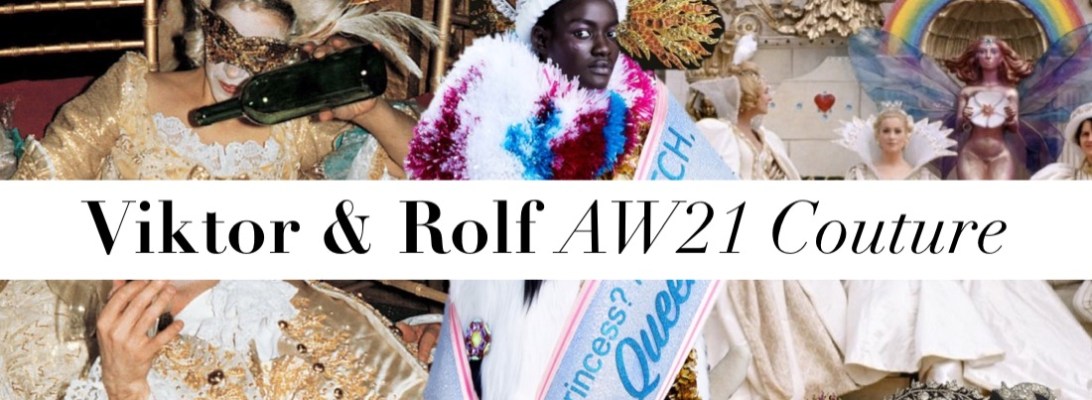
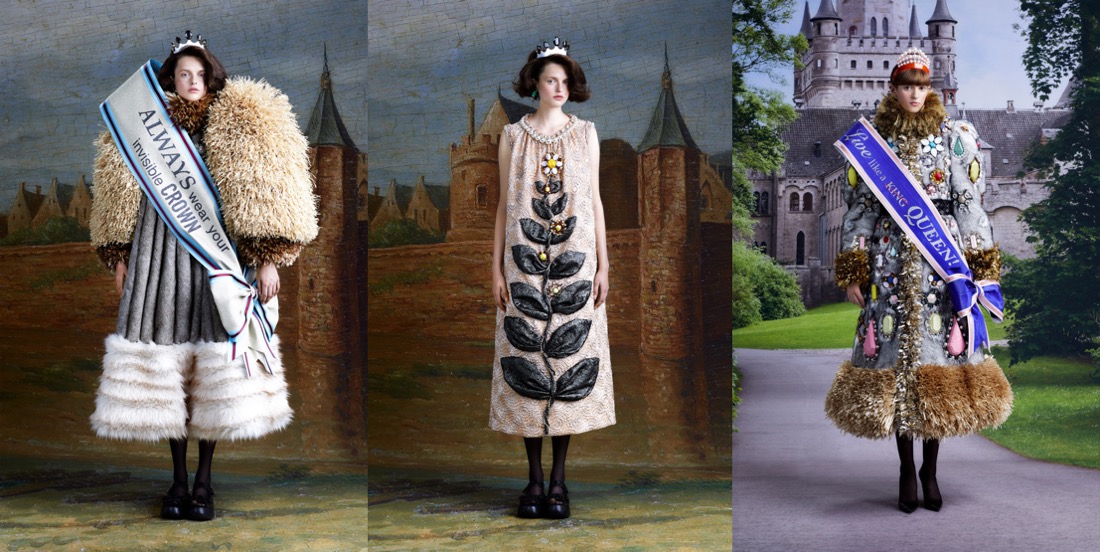
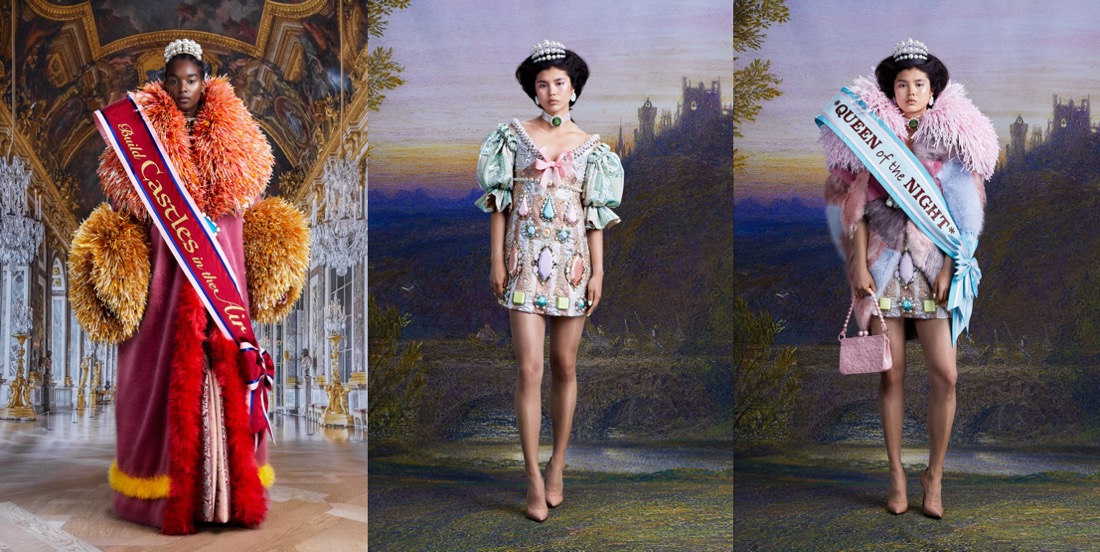
Viktor Horsting and Rolf Snoeren do couture that instantly becomes viral. That is certainly the case with their latest Viktor & Rolf collection, which at first glance, might seem to tread familiar ground, with coat shapes resembling those from their Russian doll collection for autumn 1999, and slogan sashes from spring 2019. The pair carried over their interest in jeweled embellishments here, though in different dimensions and styles; and in keeping with their dedication to reducing waste, many of the pieces are patchworked—as are the concepts behind the garments. As Snoeren put it, “there’s all kinds of elements from all different worlds.” The first theme that comes across is a royal one, and, with continuing buzz around The Crown and the Oprah interview, it’s quite topical. What the designers couldn’t have known is that Young Royals mania would start to heat up at almost the exact time they presented their collection. Many tropes are referenced in the lineup, ranging from fairy tales to cartoons. There are medieval-style brocades and an “ermine” cape. A raffia “fur” is a fantastic take on high/low. Tiaras and crowns of plastic are a clue that everything is not what it seems, which is confirmed, without subtlety, with the queen-themed sashes. “We wanted everything to be bigger than life,” noted Horsting. “It’s like a play on queens or royals. We wanted to be uplifting and joyful and – fun is not the right word – but colorful, sparkling, positive. You are your own creation.”
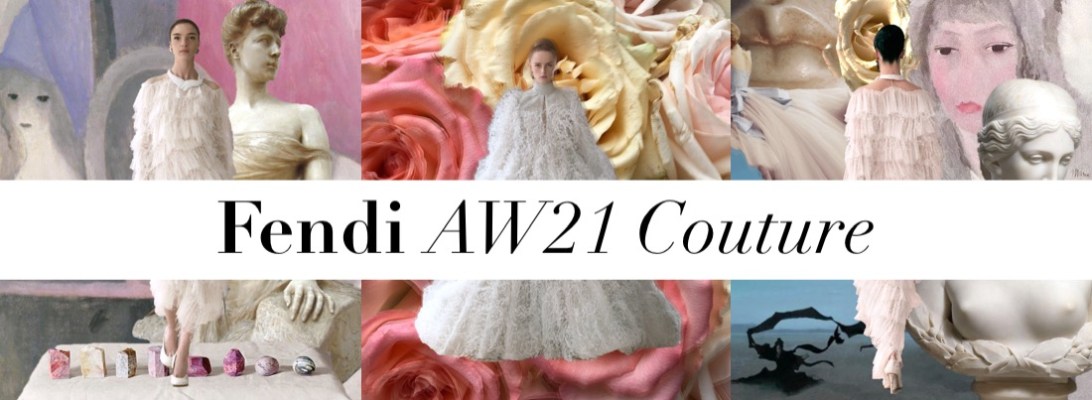
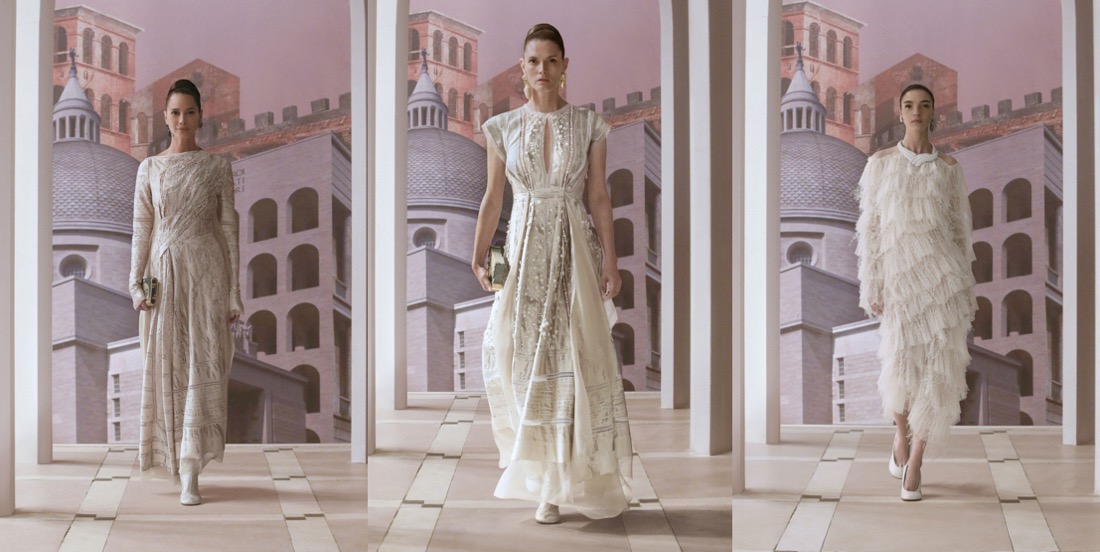
Kim Jones‘ second haute couture collection for Fendi was captured in an emotive film, which saw the likes of Kate Moss, Christy Turlington, Malgosia Bela and Amber Valletta gaze enigmatically into the camera as they wafted around a Roman theater set in dresses evocative of the stone and statues of the Eternal City. It was shot by Luca Guadagnino and scored by Max Richter. In the age of social media when big, beautiful dresses go viral, the direction Jones is setting for Fendi epitomizes a popular understanding of haute couture as something the eye can easily identify: bold ballroom silhouettes, sumptuous surface decoration and (very) famous faces. “It’s being optimistic about being able to socialize properly. I thought it was a nice moment to say that,” he said. Couture clients, Jones pointed out, “go to Fendi for something extravagant.” Two seasons into his tenure, his couture expression is manifesting itself in decoration and fabrication above all. His glamorous evening dresses serve as canvases for this finery, like the mother-of-pearl embellishment and recycled fur mosaic work that graced this collection. Watching it unfold, it feels like a formative process, as if all that intarsia and all those embroideries have been locked inside him for so long, waiting for the day when they could burst out into bona fide couture. Comparing to his heavy, over-worked January show, this one radiates with lightness and elegance that isn’t forced. To me, it felt like the mesmerising ambience of Rome. The film was inspired by Pasolini’s neorealistic Roman cinema, every architectural era of the city visible on its mock horizon. The fabrics and textures were informed by the buildings and pavements of Rome, some employed in statuesque lines that underscored the theme. Jones’s evolving exercise in the decorative aspects of haute couture made for eye-catching effects like the allover petal work of Moss’s oversized dress, or the marbling of Valletta’s swathing gown. Most compelling were the silhouettes that really took form, like the hypnotizing construction of a mosaic bolero jacket that resculpted the body through the volume-specific grammar of haute couture, or the dress worn by Mica Argañaraz, which demonstrated a similar idea in flou. “We had a lot more time to work on this one. We’ve actually had a full season. So, it’s a lot more worked into, and I think people will see a lot of difference in it. The people here, when they see what we’ve been doing, they can’t believe it’s the second one I’ve done. They say it’s a lifetime’s worth of understanding,” Jones concluded.
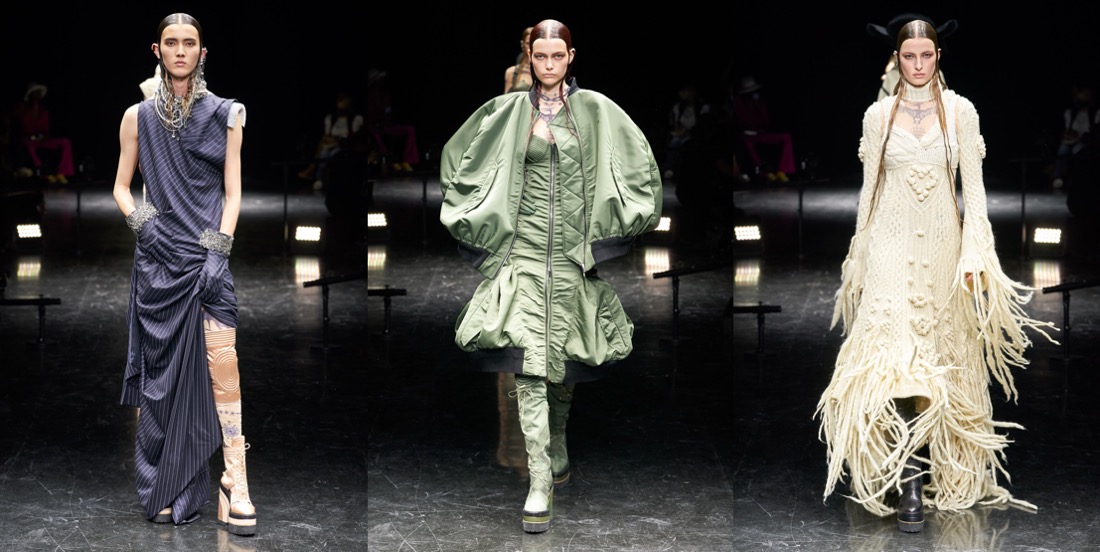
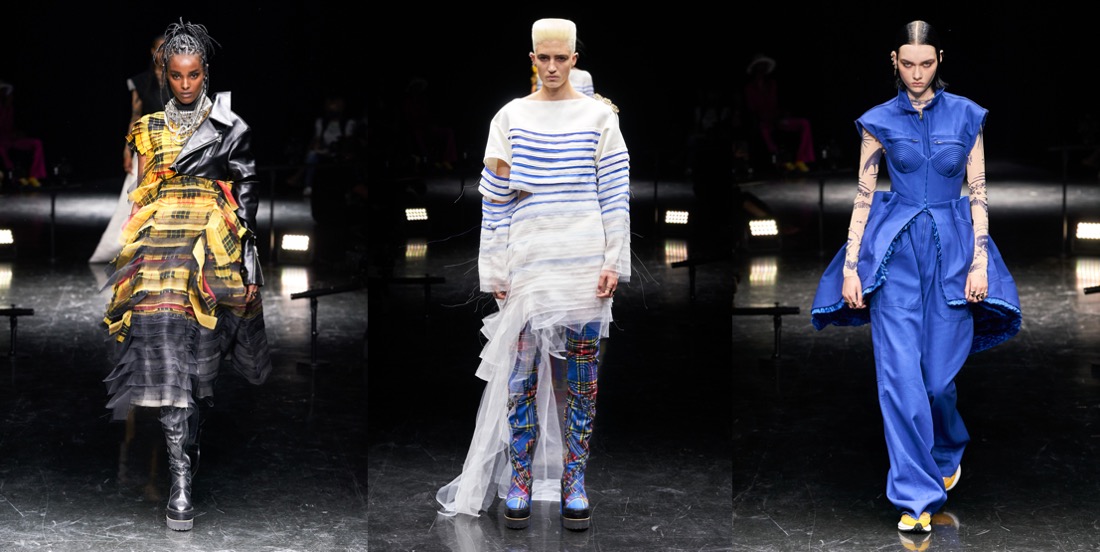
Luckily for the fashion world, Jean Paul Gaultier is back. And his new, collaborative take on couture makes his brand feel fresh and relevant. Sacai’s Chitose Abe is known for her genius for grafting two different garments together to create a sui generis ensemble, so the idea of grafting her sensibility onto that of Jean Paul Gaultier – a designer that she has long admired – seemed like the basis for an exciting dialogue. It was one that Gaultier himself suggested as part of his elegant disruption strategy following his “retirement” from the conventional fashion system. “It was a very intimate, more friendly proposal,” recalled Abe backstage before the unveiling of her Gaultier takeover, “an invitation to come over for tea. It didn’t feel like two companies coming together, but instead like two people.” Haute couture wasn’t something that Sacai had necessarily thought about before, but she acknowledged that it was “a really spectacular experience. The level of perfection is something that Jean Paul and I share,” she explained, “and it made the process so smooth.” Her couture touches included the hidden luxury of dozens of tiny ruffled flounces buoying up the inside of a skirt, and the stripes of Gaultier’s iconic blue and white matelot sweater worked with insertions of satin organza, or seeming to evaporate into wisps of chiffon. Abe knows Gaultier’s work so well that she admitted she didn’t even have to consult the archives. “I didn’t want to take the archives too literally,” she added, “but to make it Sacai and very, very up to date.” So for look number one, Gaultier’s iconic autumn 1984 conical bra emerged from a deconstructed man’s navy pinstripe suit reimagined as a corset and overskirt, and worn over the tattoo print mesh second-skin pieces that reappeared throughout the collection and represented a collaboration with the tattoo artist Dr. Woo. It helps, of course, that there are some shared codes between Gaultier and Abe that she worked into the collection like a love for tartan, a refined take on punk, the co-opting of traditional men’s suiting fabrics, and the reimagining of the trench coat and Aran sweater. That tartan was redone as a sophisticated assemblage of chiffon pieces worked into a fluttering dress, and those pinstripes were reinvented as a high waisted dress crafted as though it was made from an enormous pair of trousers, the abundance of fabric pleated into fullness. The trench coat was re-conceived as a skirt with the volumes of an Elizabethan farthingale, and samples of different ivory Aran knits were patched onto a chiffon dress. On close inspection, the military braid turned out to have been embroidered from safety pins. Gaultier joined Abe for the finale runway walk and delighted the crowds on the street outside when he joined her on the balcony of his imposing Belle Epoque HQ with the models crowding the windows around them. Can’t wait to see who Jean Paul invites next season.
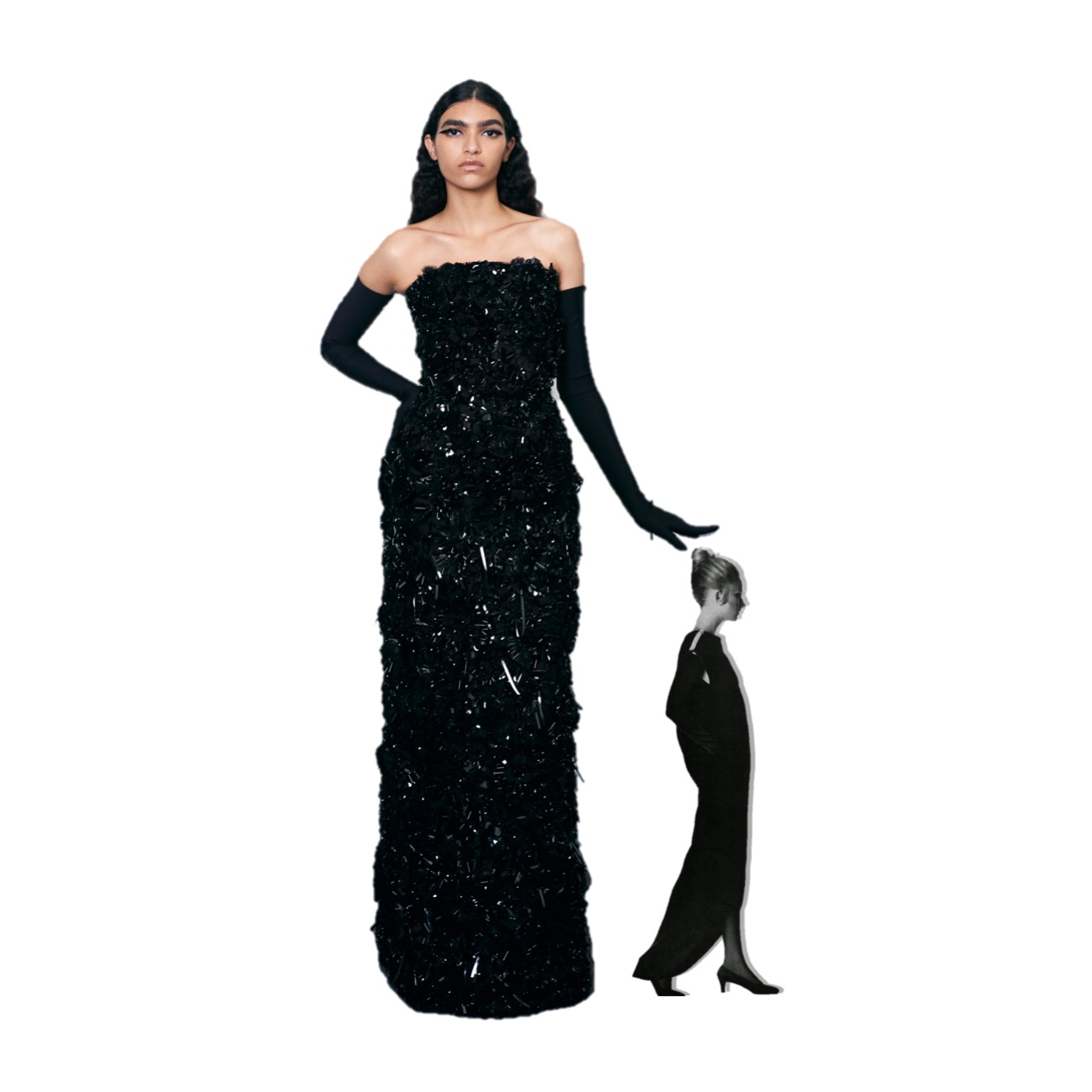
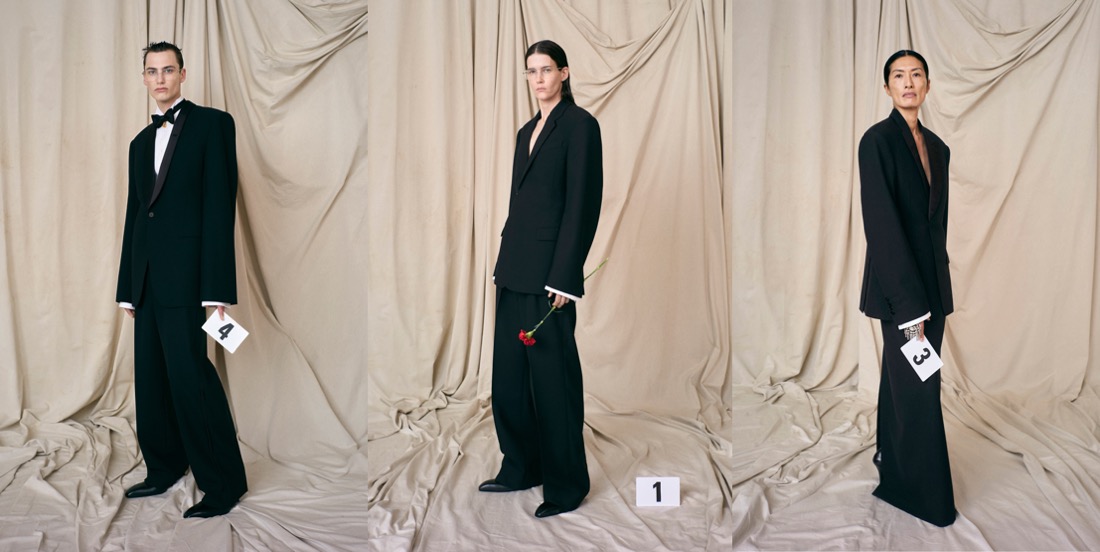
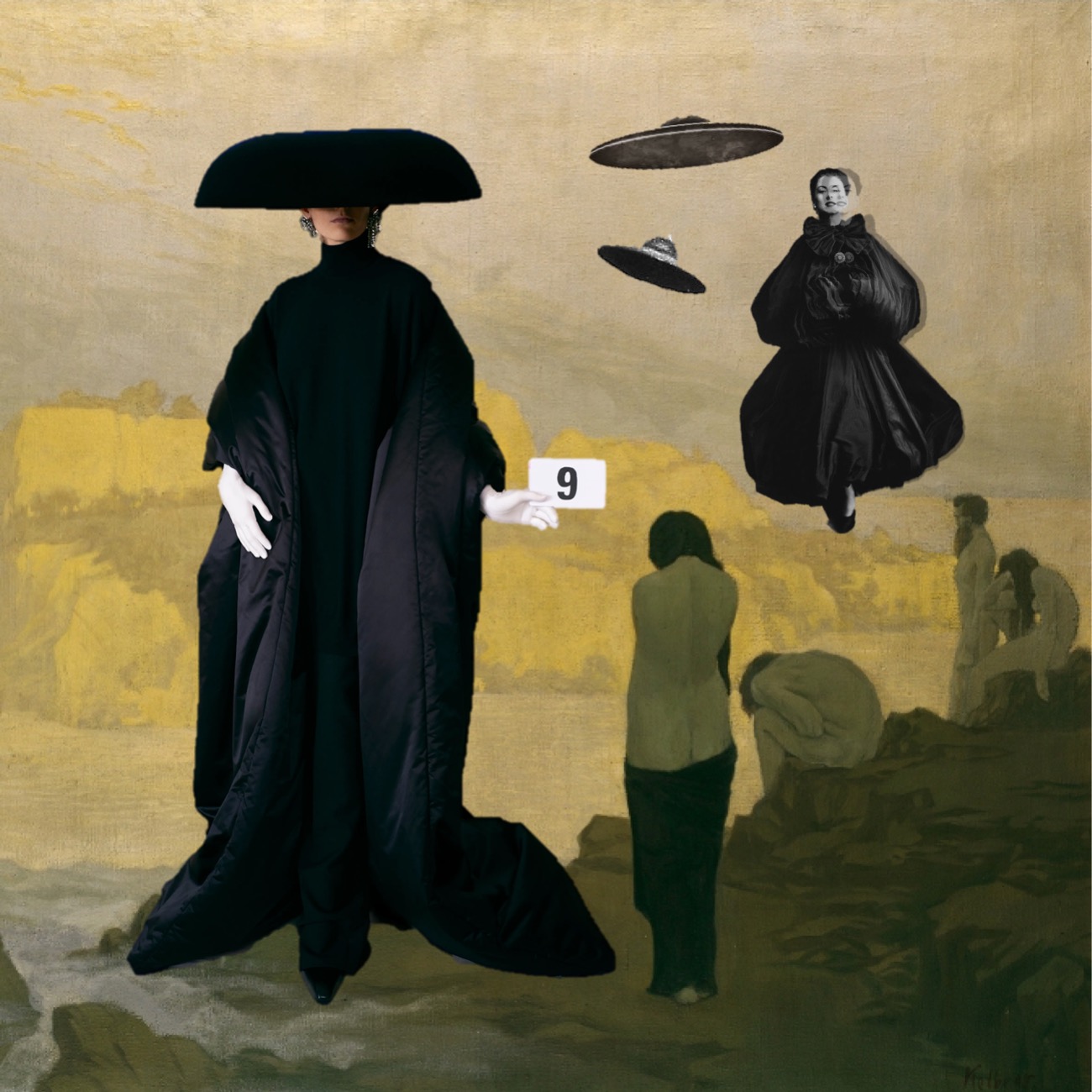
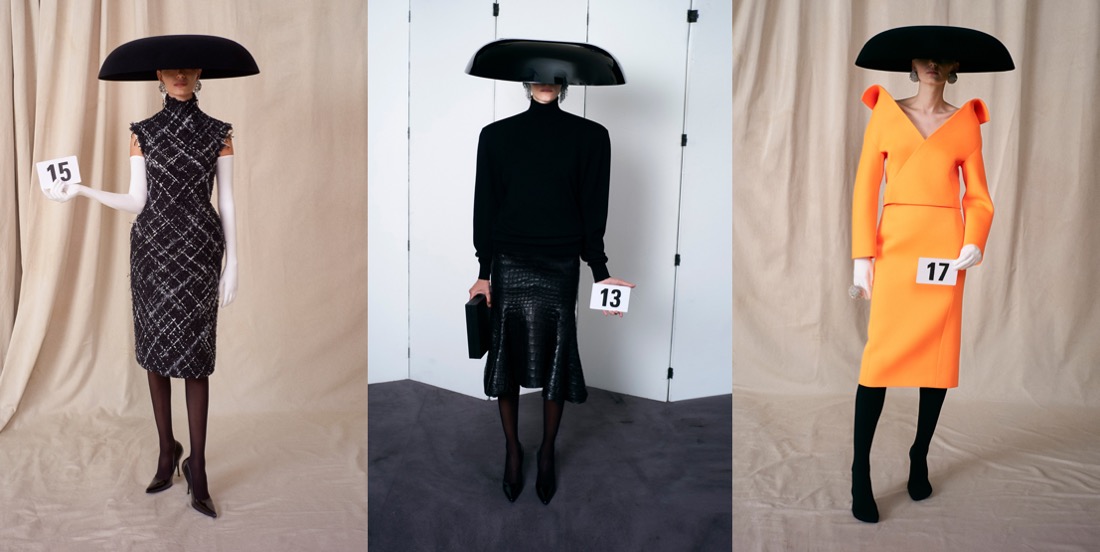
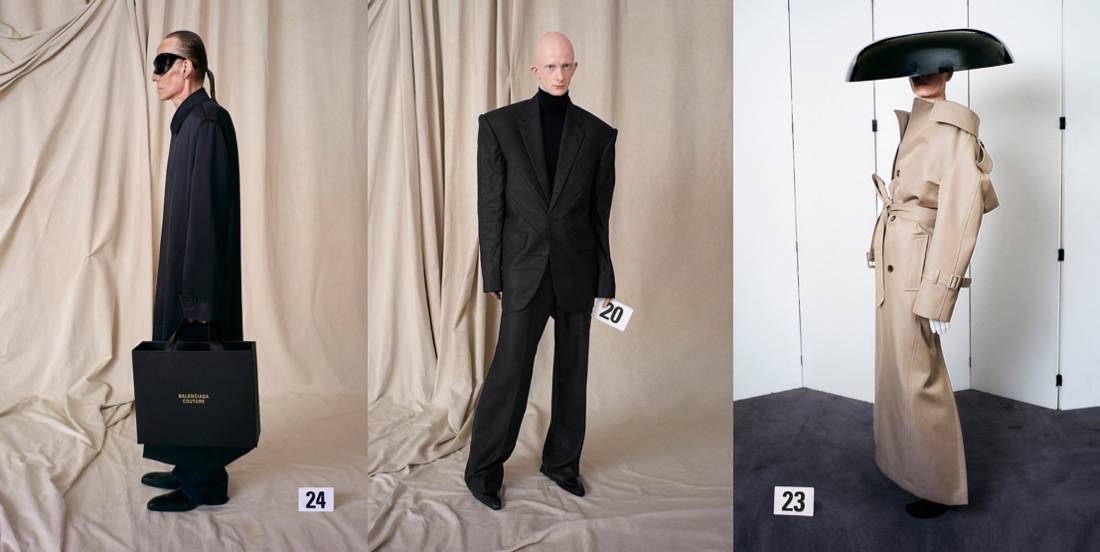
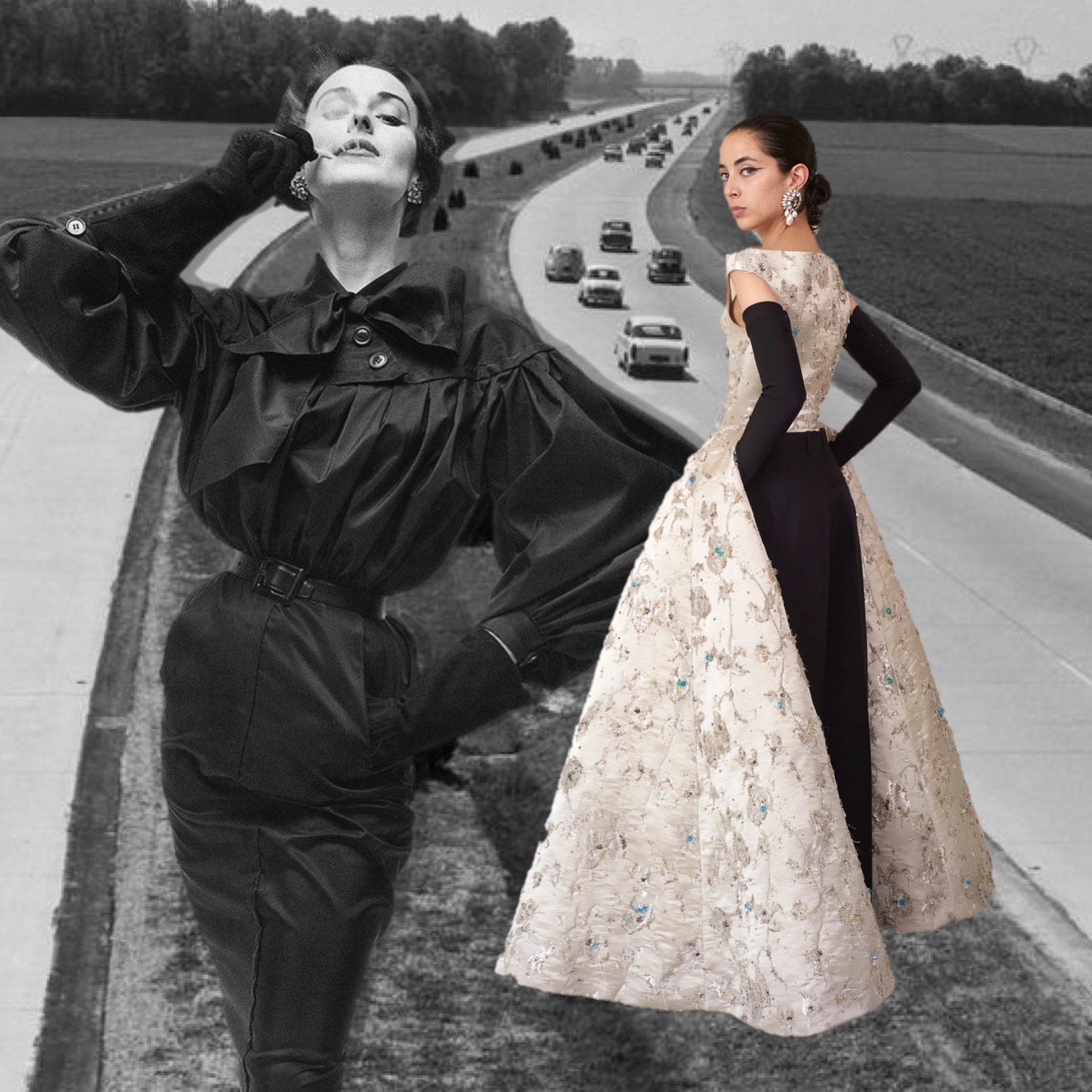
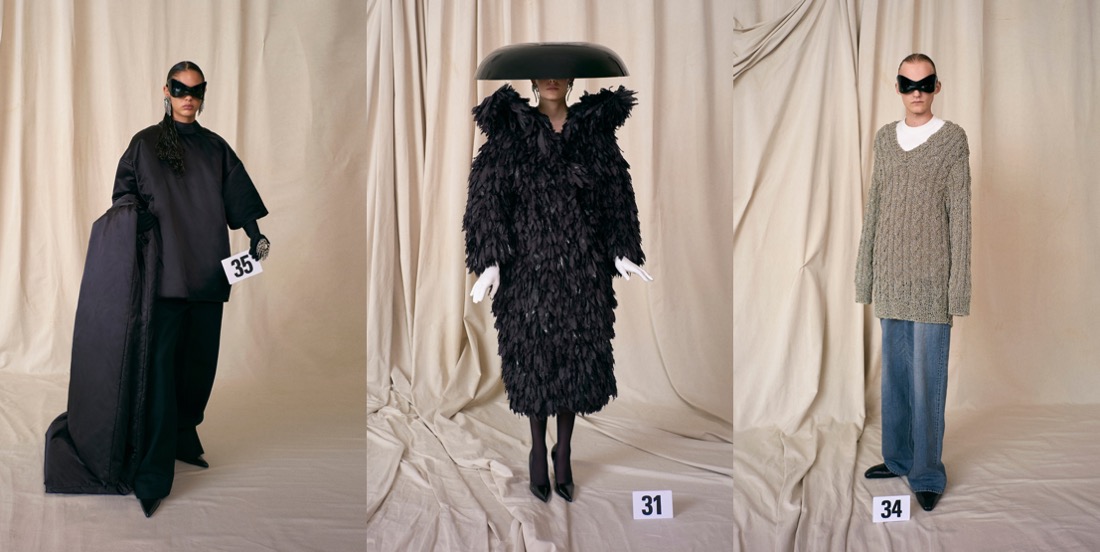
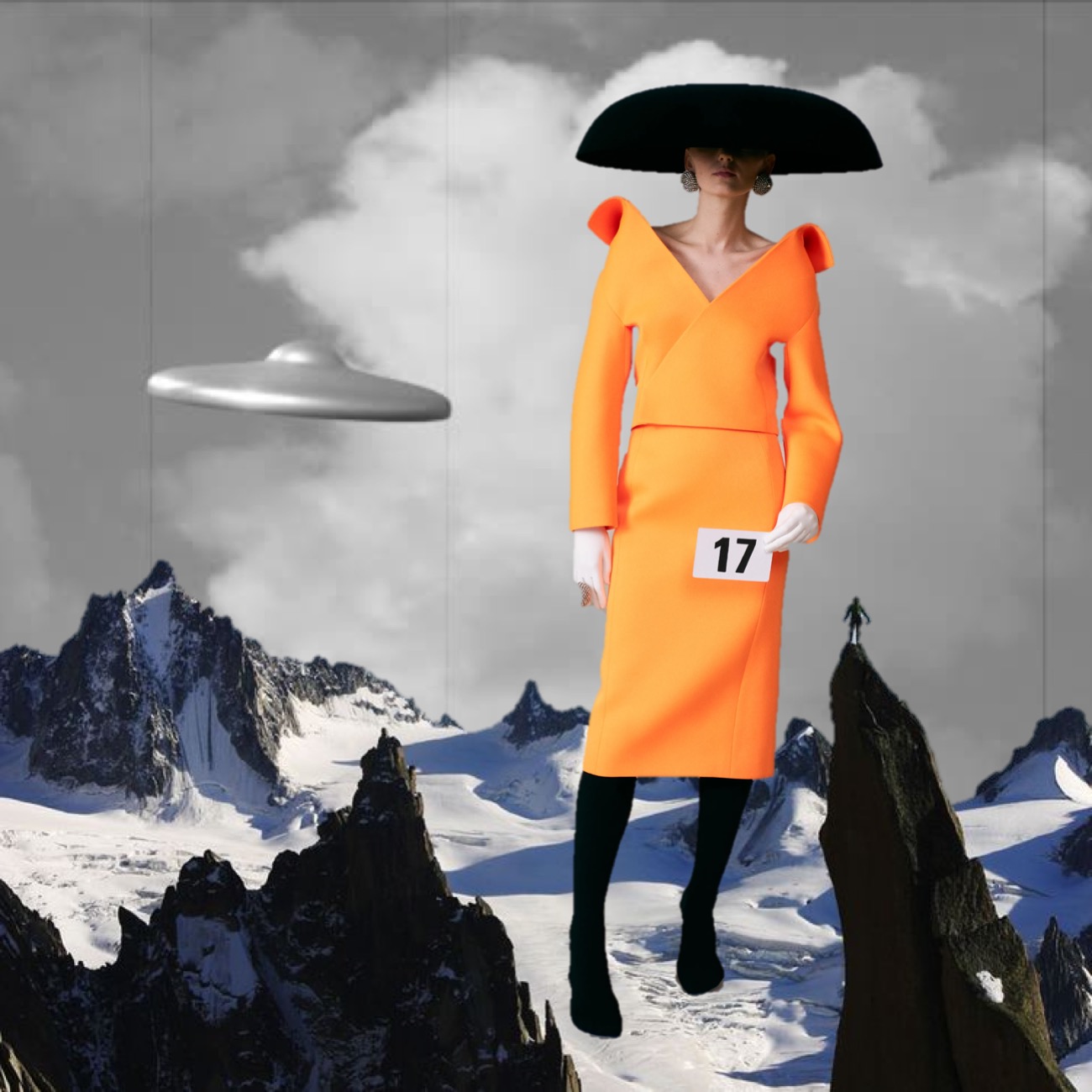
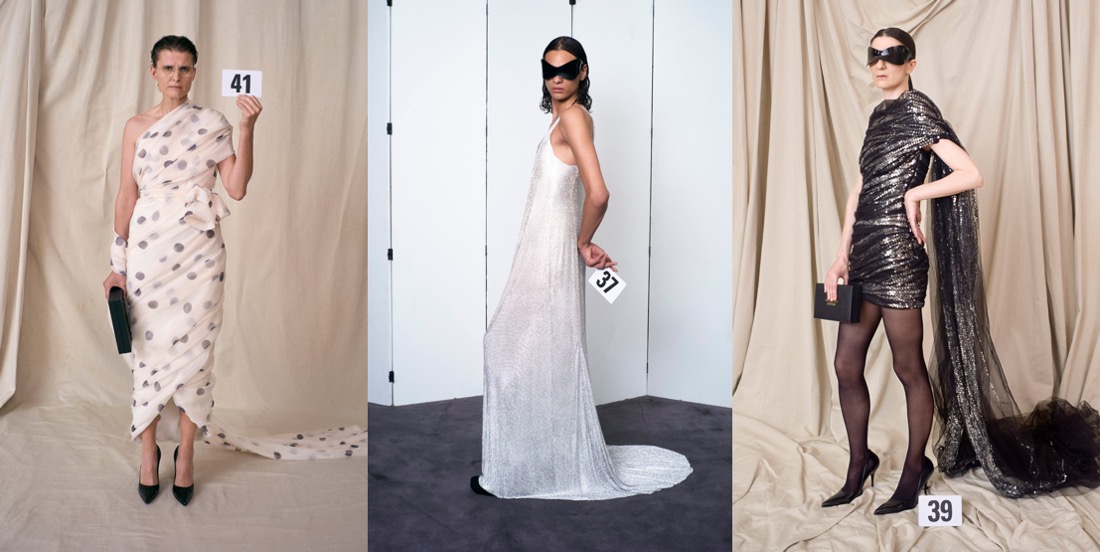
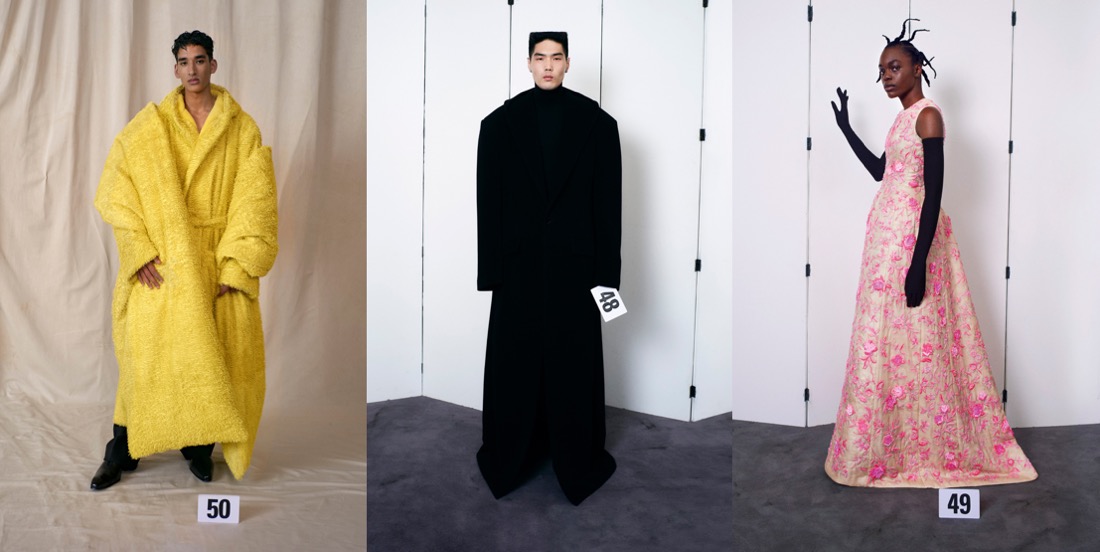
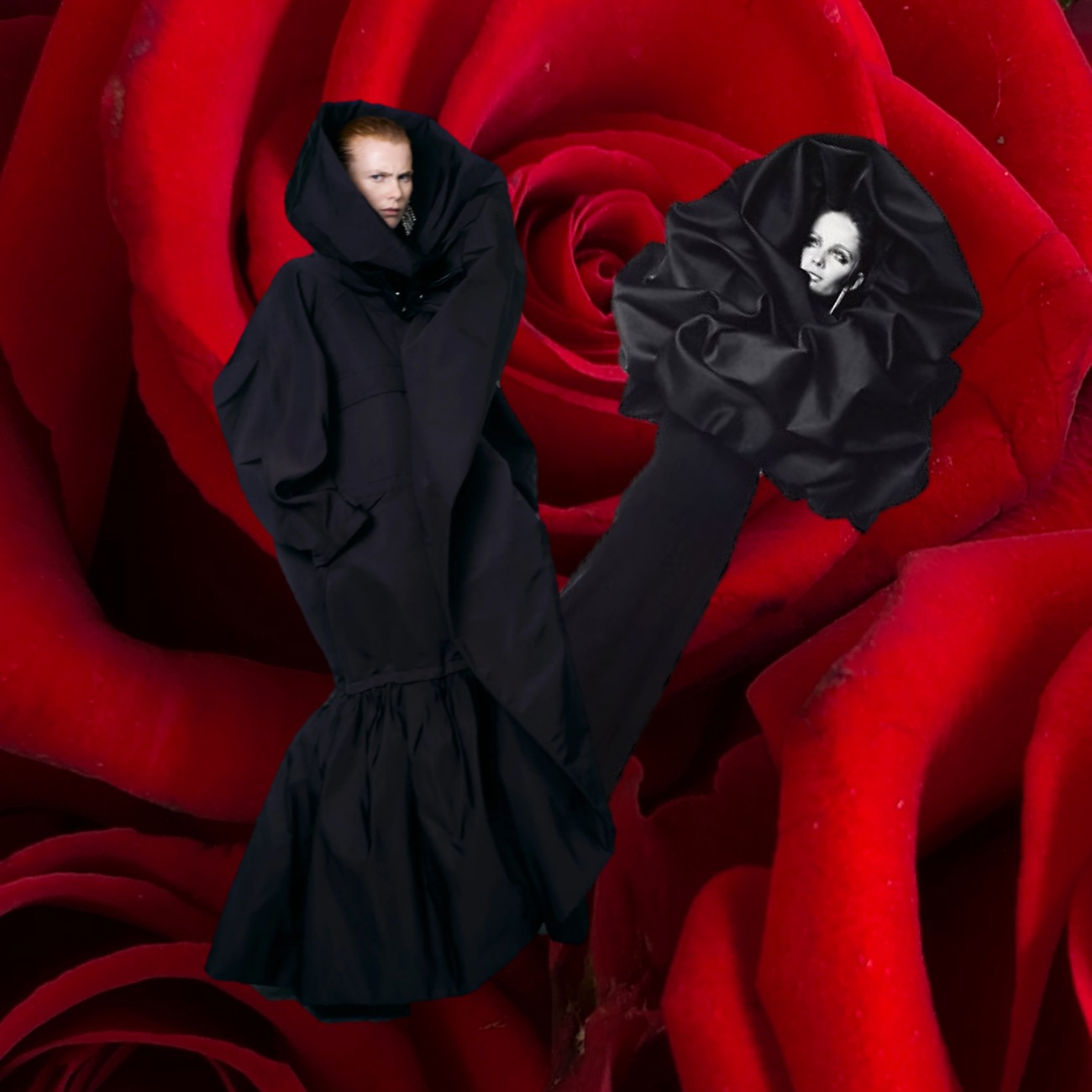
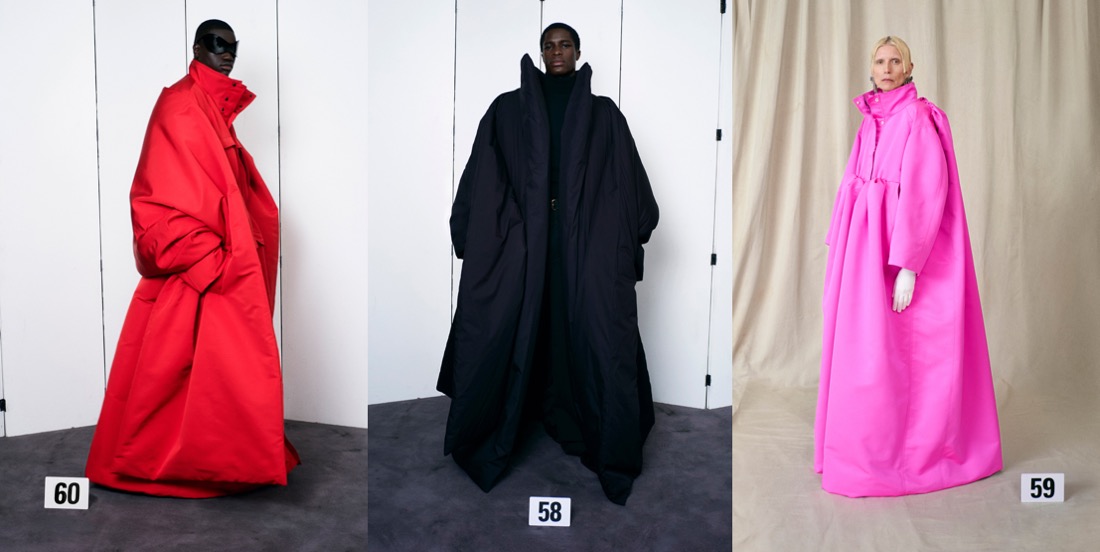
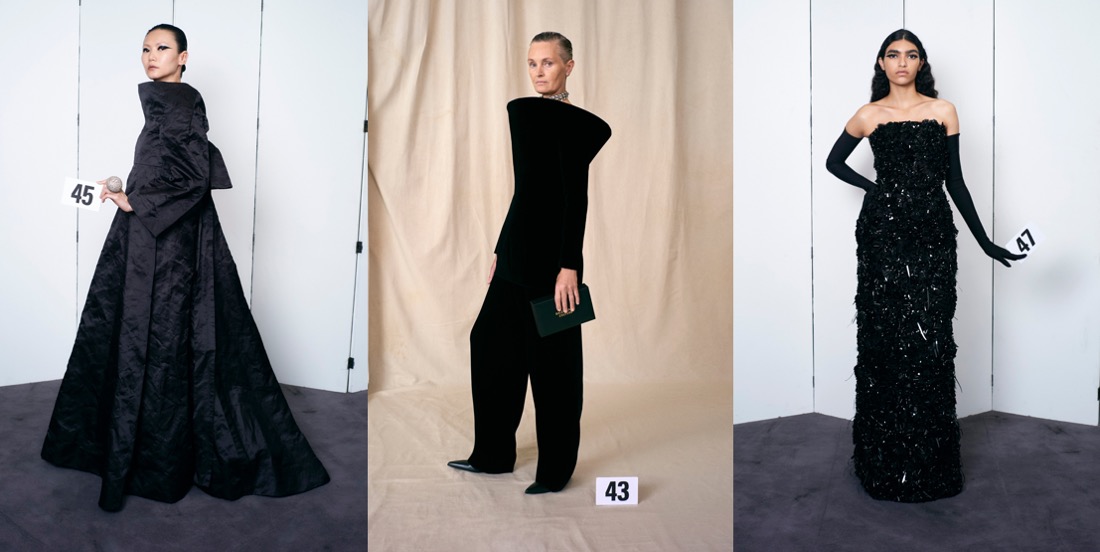
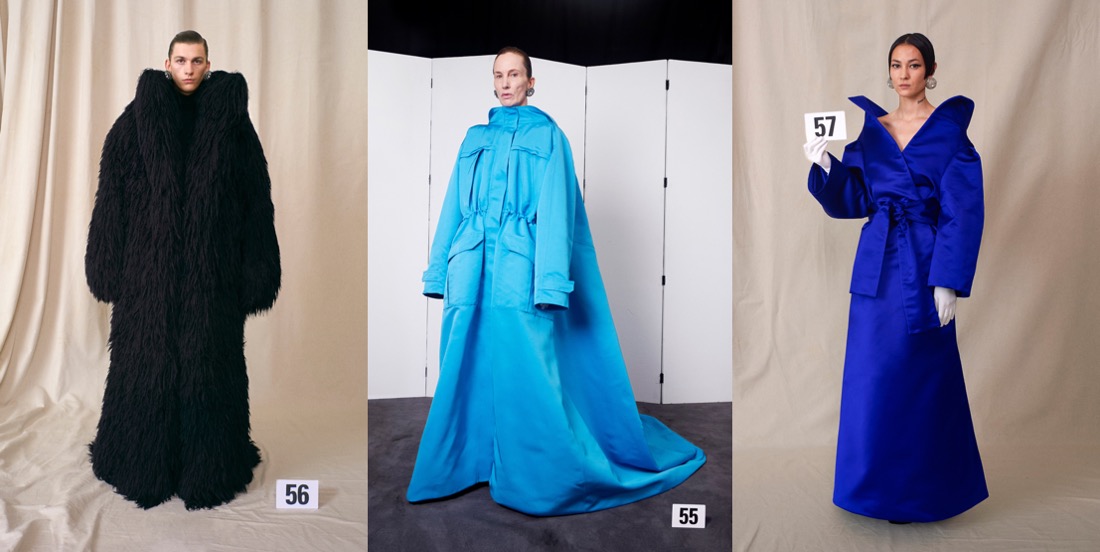
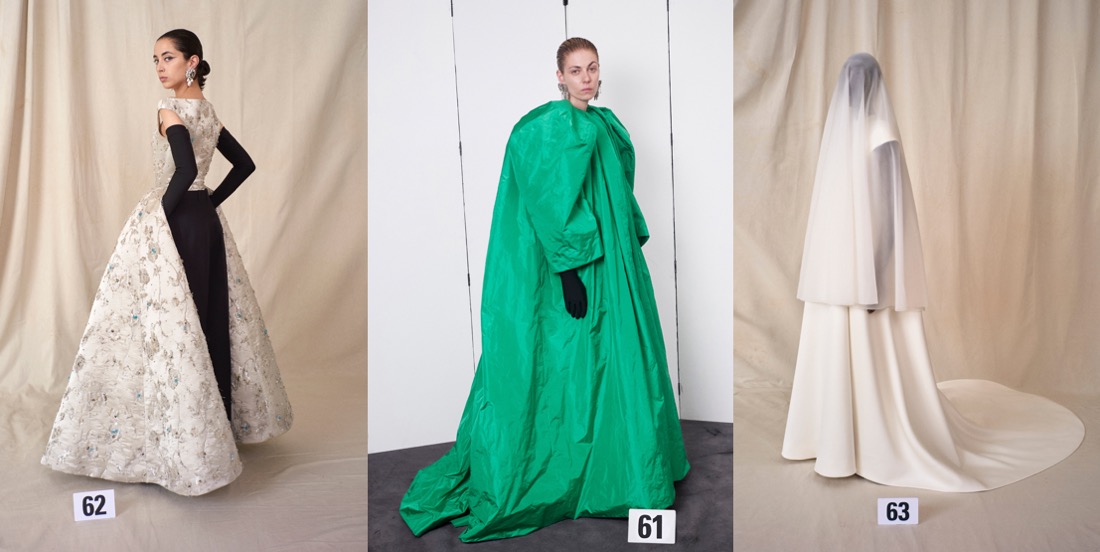
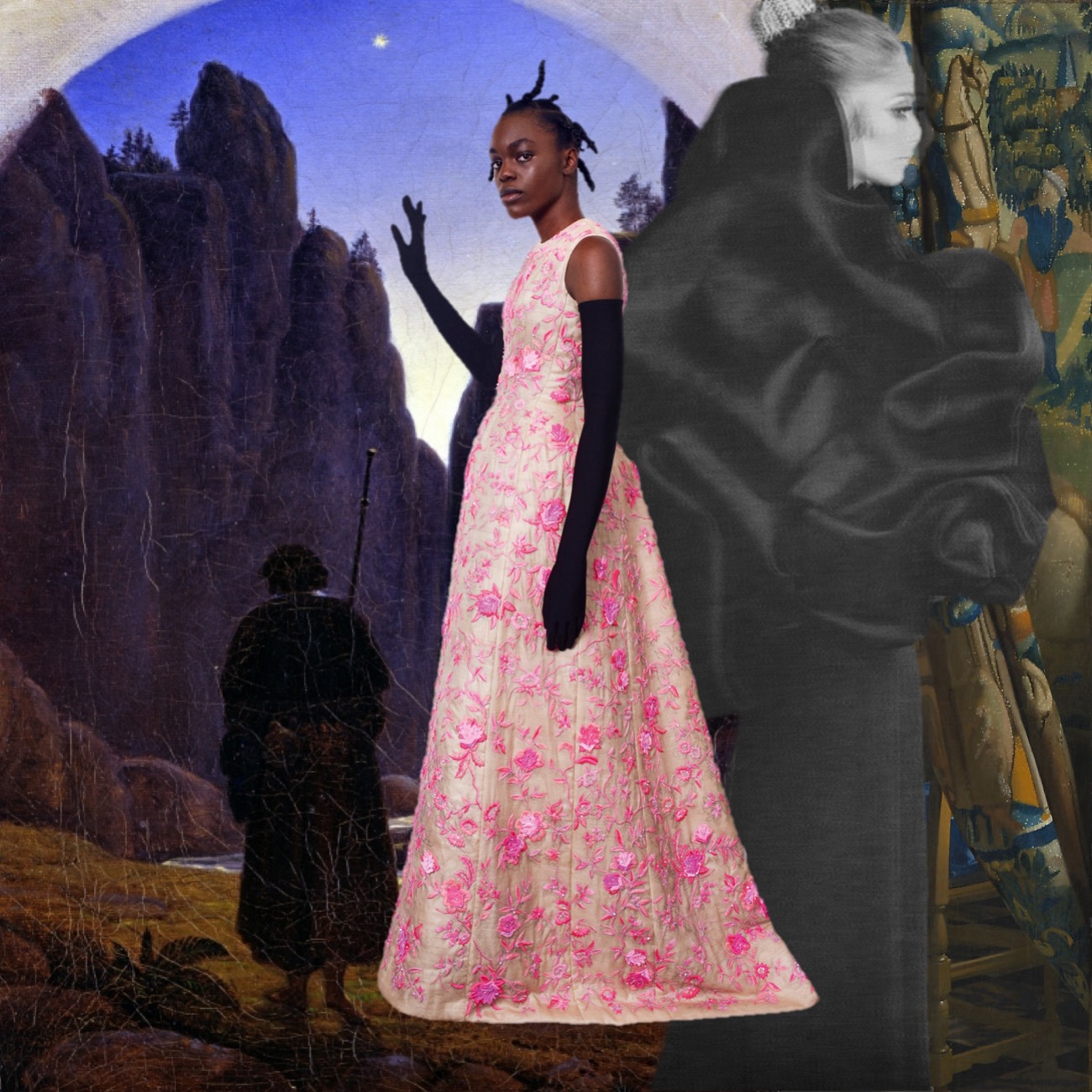
18 months were worth the wait. Demna Gvasalia‘s first (and the maison‘s 50th) haute couture collection for Balenciaga is one of the best things I’ve seen in fashion… in years. Yesterday, a fierce and noble elegance for our new age stalked through the couture salons of Balenciaga at 10 Avenue Georges V. The sound of the gasps of fashion journalists and clients was heard again for the first time in the 53 years since Cristóbal Balenciaga closed his couture house. Monsieur Balenciaga showed in silence to focus the audience on the line, cut, and presence of his clothes. So did Gvasalia. Facing the biggest test of his career, the designer brought a heightened dignity to his own revolutionary vision of 21st-century people while simultaneously honoring the greatest couturier of the 20th century. “It was my minute of silence to the heritage of Cristóbal Balenciaga but also a moment of silence to just shut up for a minute,” he said. “The pandemic made me take that minute of silence – or few months of silence – and really understand what I like in this ‘metier,’ as Cristóbal used to call it,” he said. “And I realized it’s not about fashion – actually, I love clothes. I’ve been talking about clothes, clothes, clothes rather than fashion.”
His couture debut had rigorous black tailoring, sober and austere; expansively extravagant gestures of taffeta; swathed stoles; gorgeous flowered embroideries; and the offhand drama of set-back collars. And haute couture jeans – hand-made on original American looms bought by Japanese manufacturers and commissioned there. To the point: the feat he managed with this ultra-aspirational collection was not to turn his back on the aesthetics of the street and underground but to give the inclusive values of a generation a sensational elevation. Confidence, grandeur, ease: His focus was on how to imbue these clothes with “couture allure, posture, and attitude,” he said. How to give equal value to a black turtleneck, pair of jeans, utility jacket, or T-shirt as to a grand ball gown or skirt suit? “People put me in the box of someone who designs hoodies and sneakers – and that’s not really who I am. I really wanted to show who I am as a designer, considering the legacy [of the house] that I’m lucky enough to have here,” he explained. “It was a challenge to find a balance between the fusion of the architectural legacy, the history, and what I stand for.” We witnessed Gvasalia resolving all that, upgrading everything that he’s liked and tried out and established as his language at speed at Balenciaga over the past few years. All his giant tailoring, oversized shirts, bathrobes, jeans, T-shirts, and utility jackets, perfected and carried off by his diverse (though still mainly mono-size) cast of models. “I don’t like standardized beauty. I don’t know why it’s supposed to be beauty if someone told you that,” he said. Cristóbal Balenciaga was the original couturier who had no time for designing for anyone other than the individual client. His house models were routinely described as monstrously ugly by the press. In his own way, in all kinds of different contexts, across a ridiculously long time gap, Gvasalia found a connection in that.
In his return to the physical, real-time, human, hand-stitched present of the presentation, there was something here that felt more radical than anything. “We cannot only look into the future. We have to look into the past to see where we’re going,” he said. “Clothes have a psychological impact on me. I realized they make me happy- and I realized that’s the purpose of fashion. It’s not about the frenzy and buzz – and the white noise, I call it, of the digital mayhem we’re living through. The essence of it is my passion and the tools. I realized that couture is the best way to manifest it. And this is what really turns me on.”
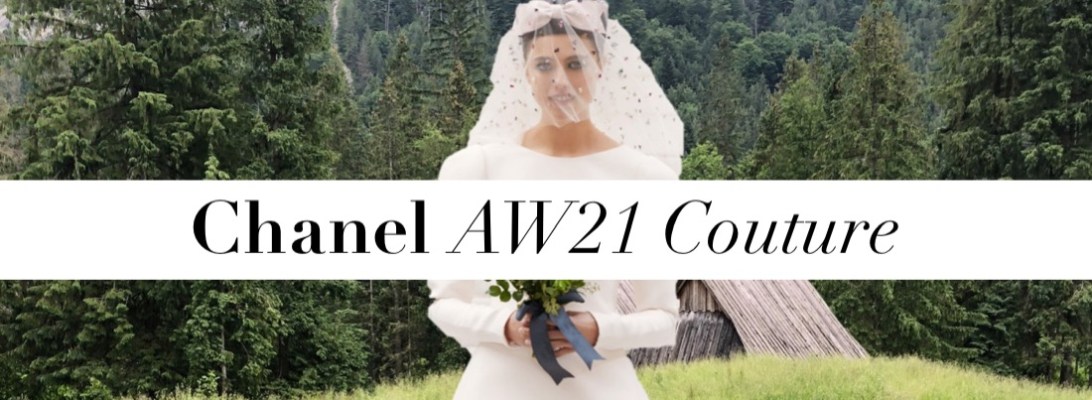
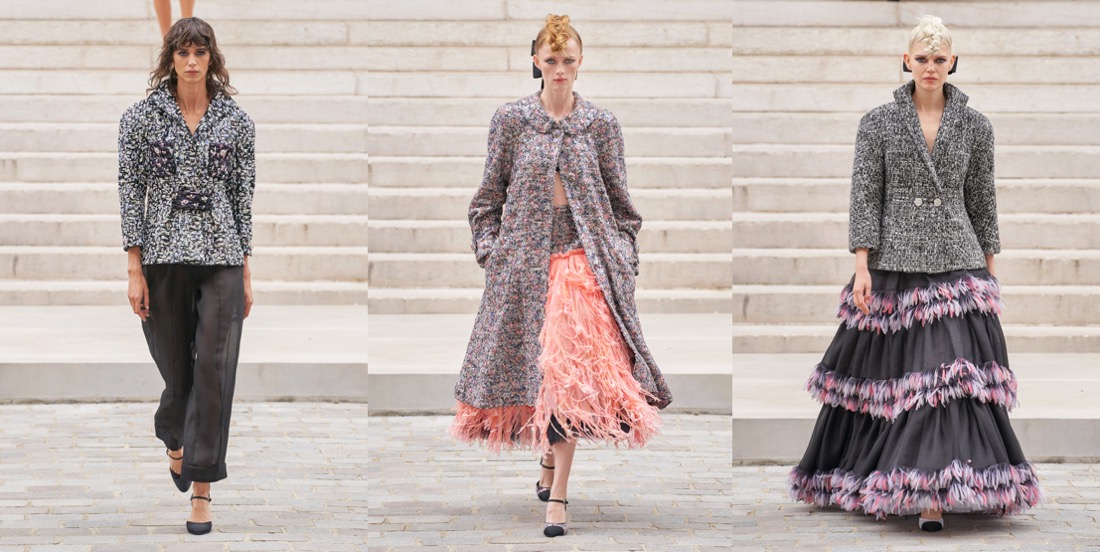
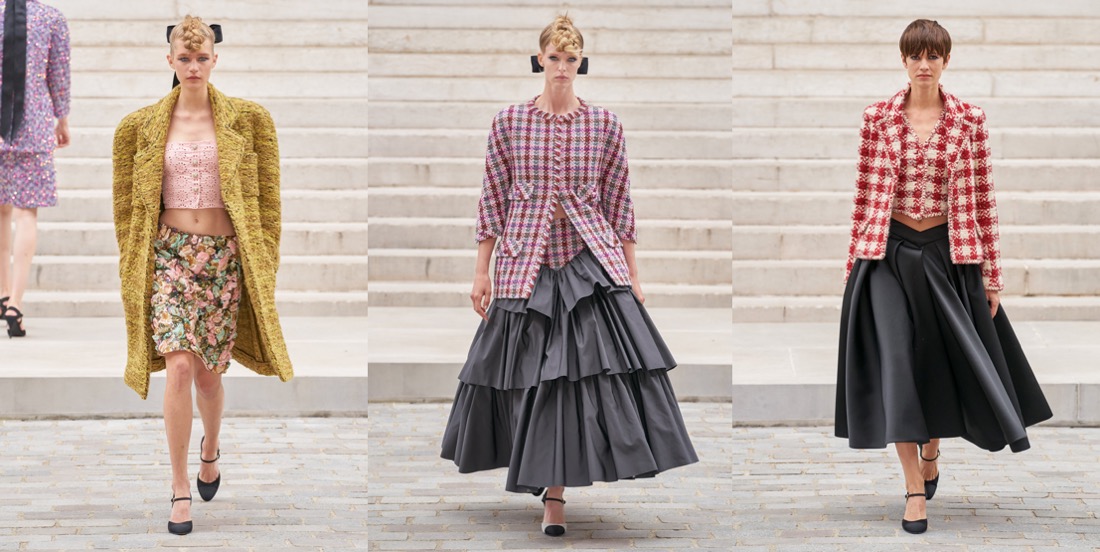
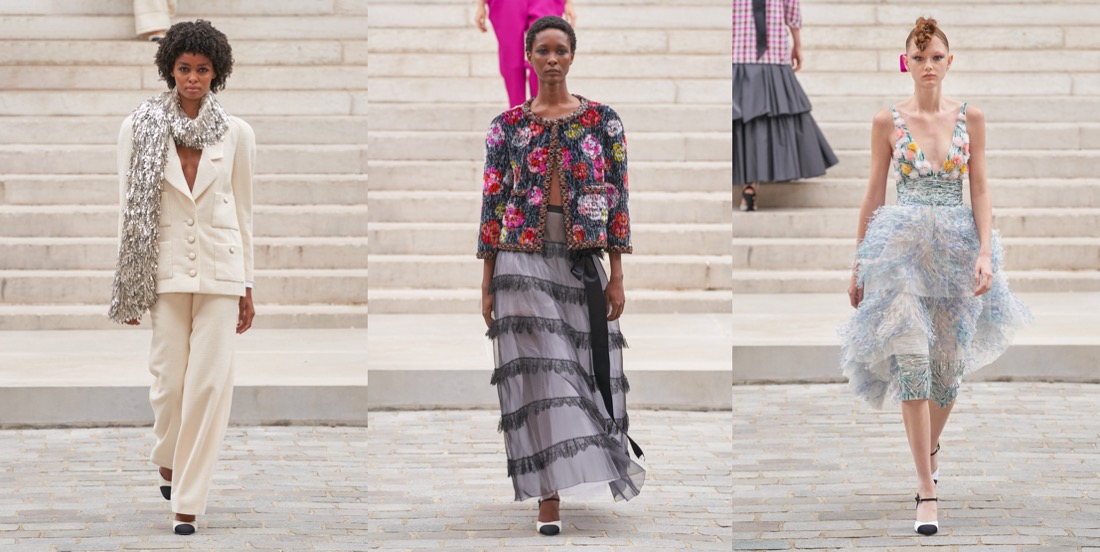
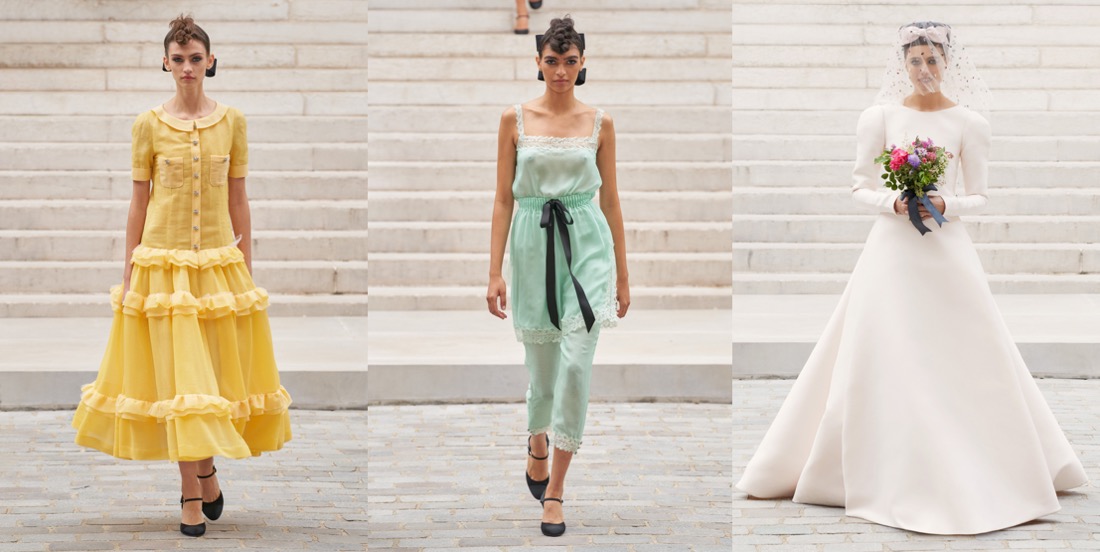
This was a Chanel haute couture collection that left me with a rather mild impression. It was proper, properly pretty. When she began thinking about the autumn-winter 2021 line-up, Virginie Viard was struck by a series of photographs of the arch modernist Gabrielle “Coco” Chanel dressed in throwback 19th-century bustles and crinolines for some of the society costume balls that were all the rage in the 1930s. In that menacing era, these parties might have been a form of escapism, but as we now look to a post-pandemic future, and as Paris couture week unfurls in a flurry of dinners and in-person gatherings, Viard’s gentle romanticism suggests level-headed optimism instead. Viard also spoke of two women artists, the acclaimed Impressionist Berthe Morisot, sister-in-law of Manet, and the Cubist Marie Laurencin, a key figure in the cultural landscape of Jazz Age Paris, whose delicately colored works include a portrait of the young Coco Chanel herself. These painterly inspirations came together in a collection characterized by a lightness of touch. Viard encouraged some truly remarkable work from the great embroidery houses of Paris, including Lesage, Cécile Henri, Atelier Emmanuelle Vernoux, and Atelier Montex, and the feather and flower designers Lemarié. These masters cleverly emulated an Impressionist’s bold, impasto paint strokes à la Van Gogh, or delicate pointillist dabs à la Seurat to create small works of art evoking gardens of rose blooms or fringes of dahlia petals. Lemarié’s incredible gardenia-strewn cardigan jacket, crafted from feather strands, took 2,000 hours of expert handwork as Viard pointed out during a studio preview. That airy spirit continues in the quirky way Viard marries bouffant skirts or even suits with delicate bustiers of pale pink broderie anglaise or chalky lace, and lingerie-light chiffon and lace camisoles and bloomers that she aptly calls her “little deshabilles.” As the girls lined up backstage in the galleries of the Palais Galliera museum, currently hosting the exhibition Gabrielle Chanel: Fashion Manifesto, Viard’s clothes suddenly found themselves in dialog with Coco Chanel originals from the 1920s and ’30s, a garden of handcrafted beauty.













 Design & Culture by Ed