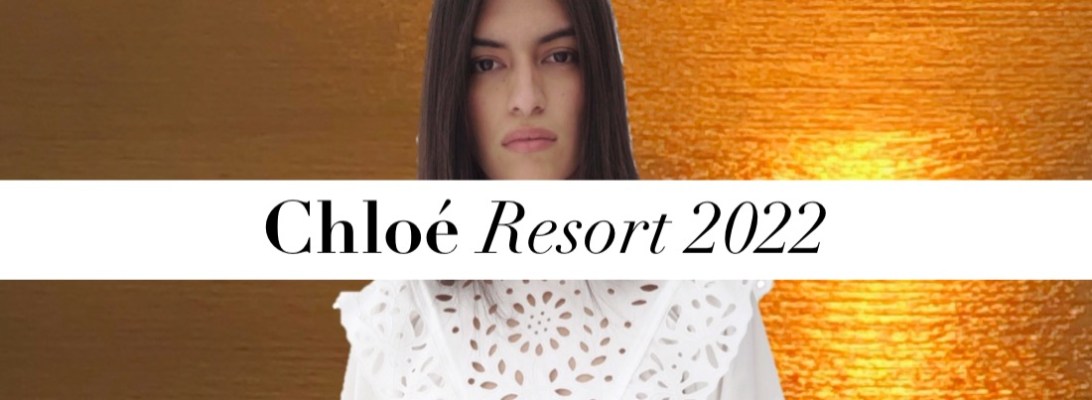
Sustainable Thinking. Chloé Resort 2022

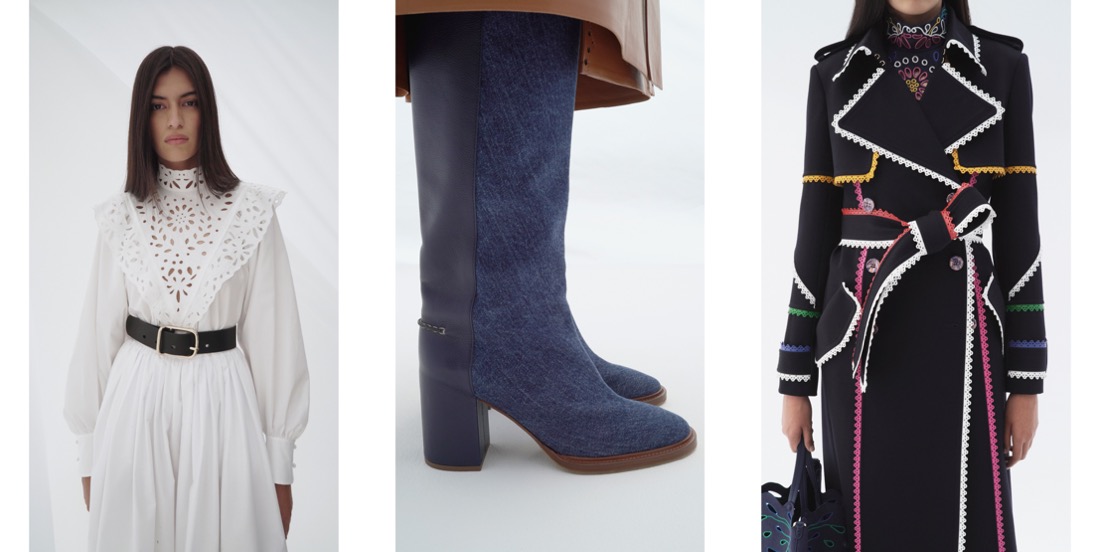
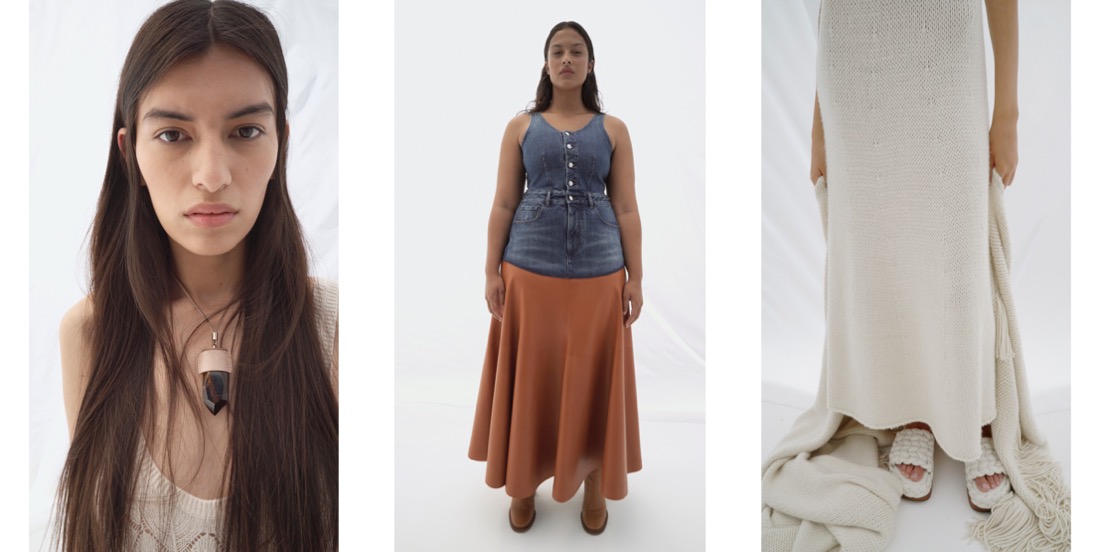
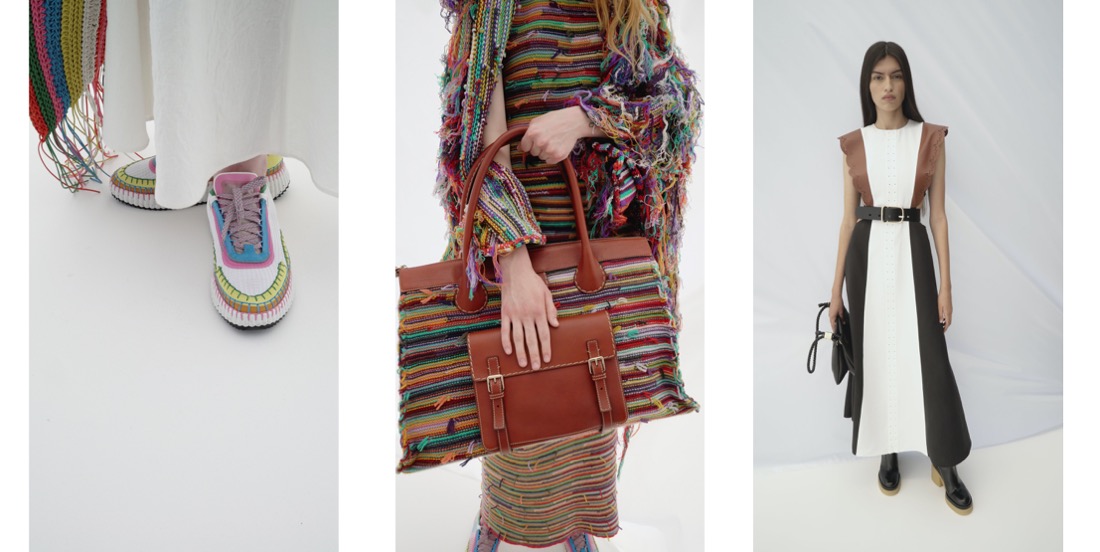
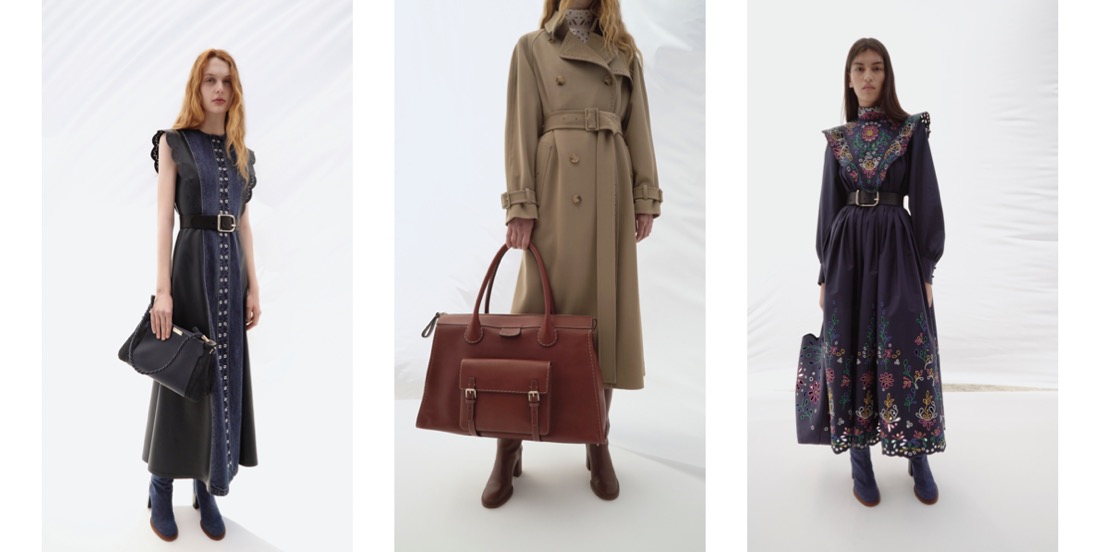
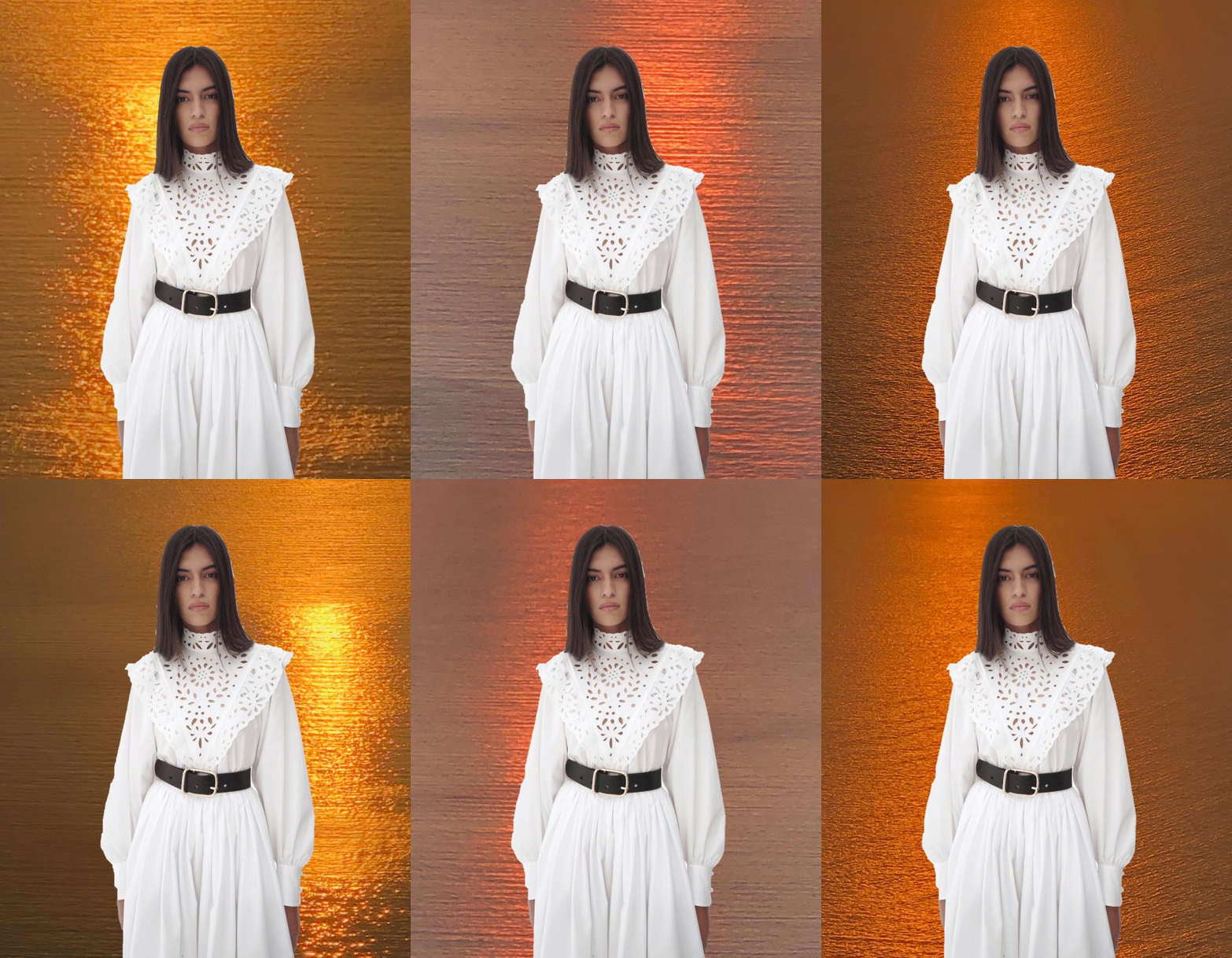
Gabriela Hearst delves deeper into the sustainable achievements of her Chloé residency, and it looks beautiful. Although I was not in love with Gabriela Hearst’s debut collection for Chloé, her next steps at the Parisian maison are promising. First, the direction of the brand’s Instagram, which is all about Zoë Ghertner’s raw, yet sensual photos of nature and female bodies – no aggressive product placement, no logo rebrandings, just idyllic visuals featuring poetic musings in the captions. Second, the resort 2022, which is a far better image of what Hearst vision for the brand really is. “We’re here on a mission,” she told Vogue, listing the impressive measures the house is taking to make its collections sustainable. If you came for the romantic mood boards and the classic tales of trips to the archive, this wasn’t it. “I haven’t gone to the archive,” Hearst said. “I feel like I’ve loved Chloé for so long and I have this idea of what it looks like. It’s not that I don’t respect what’s been done in its history, but I want the representation of what Chloé means to me to come out first.” Instead, the collection was an accelerated exercise in what we might discover to be our post-pandemic fashion mindset: What you wear is only as good as its social and environmental footprint. “We can’t deny what we went through on a global scale. Things are going to be different,” she said, referring to a cataclysmic year that shifted our understanding of environmental impact and made companies like Chloé – already on a sustainable path before her arrival – look to eco-conscious figureheads like Hearst. “Each collection is an opportunity to do it better,” she said. “I already did the least sustainable thing you can do, which is to have three kids.” In spirit, her proposal was geared toward those kids: the next-generation mentality Hearst says can’t come quickly enough. “We need to move out of the way and let them take over. They’re wired in a different way. They have a different perception.” In design, the collection’s Chloé-revering bohemian pragmatism reached out to generations somewhat older. Puritan-ish dresses were constructed in circular deadstock denim – with no metal, laser treatment instead of water, and recycled wood buttons – scalloped leather, and deadstock broderie anglaise. Linen trench coats trimmed with embroidered white edges demonstrated how Hearst might see a classic wardrobe staple through the instinctive Chloé lens she talks about. Blanket coats and fringed hand-spun dresses riffed on the hippie-esque references we historically relate to an eco-friendly wardrobe – not one for a cliché, Hearst likened them to techno dance parties. “Rave against the machine,” she punned, showing off a matching multi-color debut Chloé sneaker defined by its great, big stitches, every component created from recycled material. “I’m really attracted to product that feels handmade. I want to feel like a human worked on it.

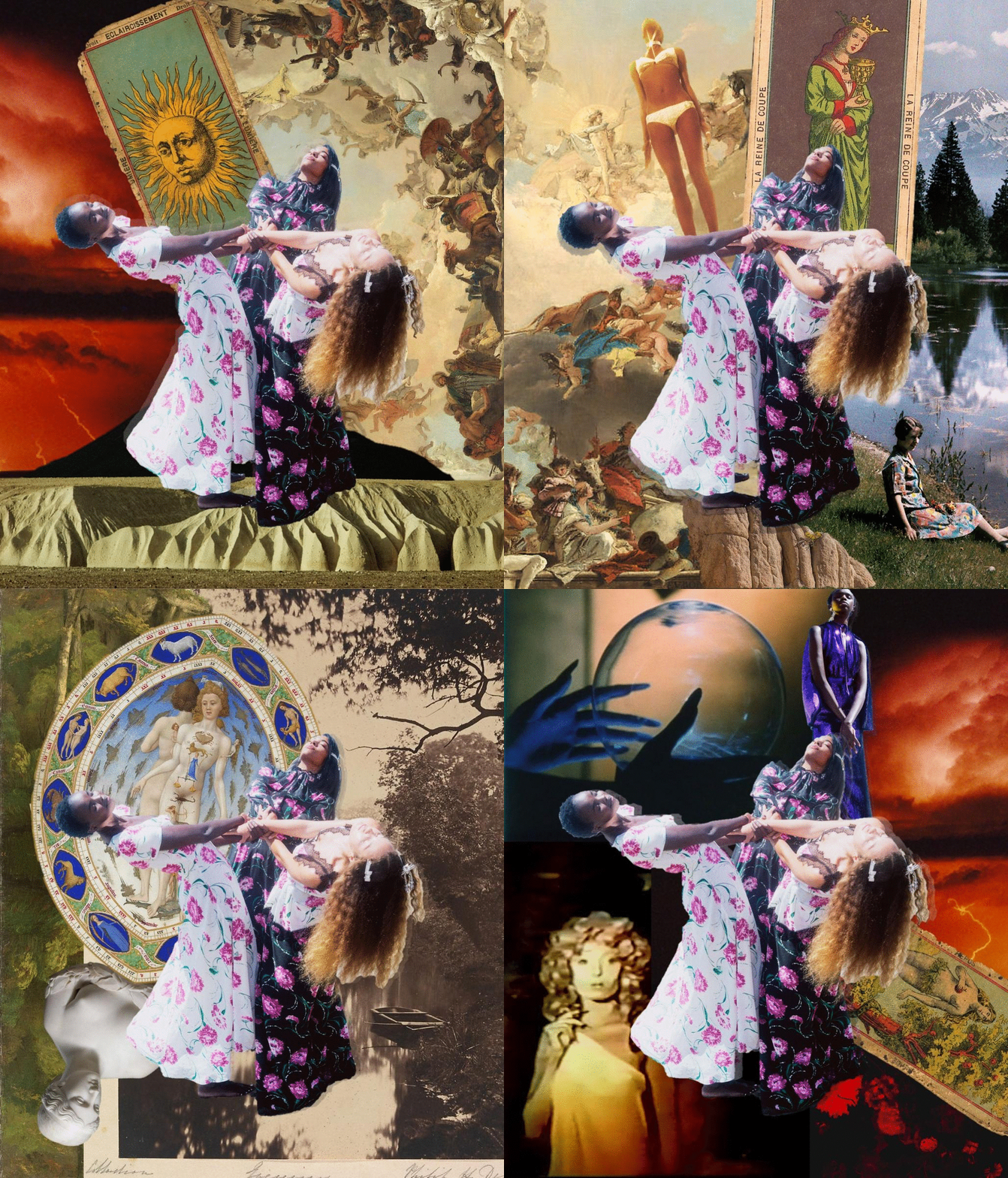
“Live” collage by Edward Kanarecki.
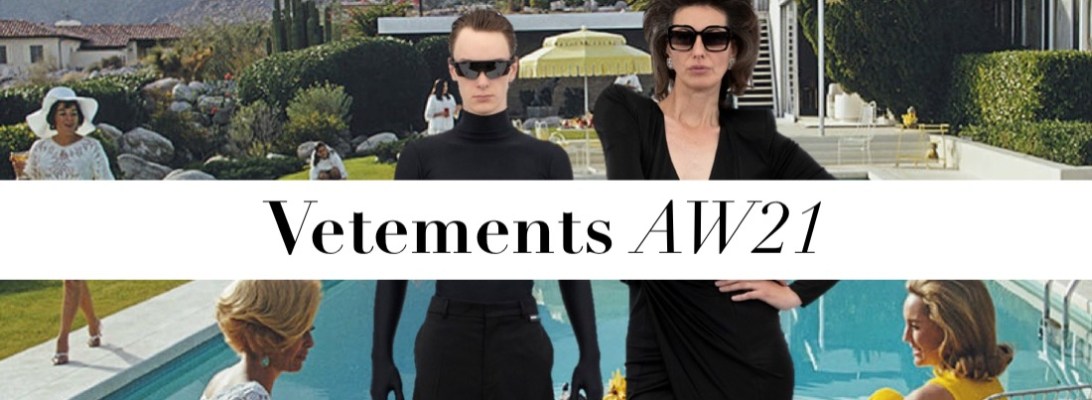
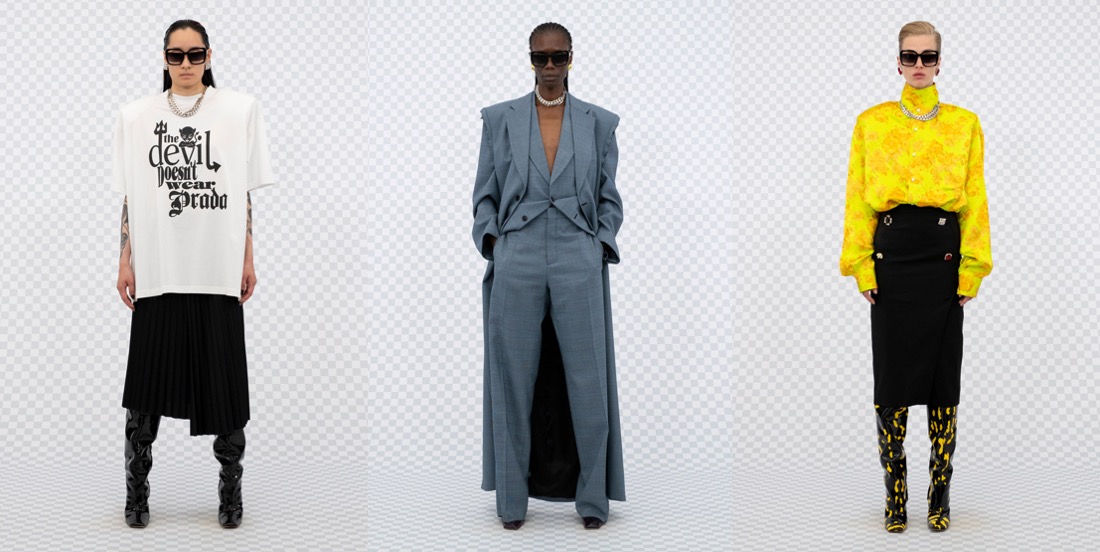
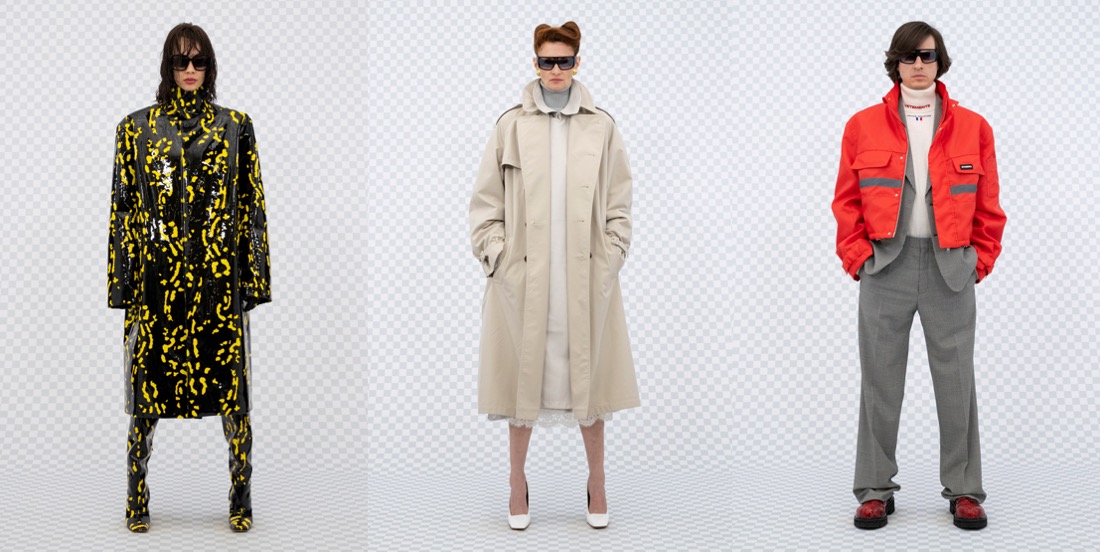
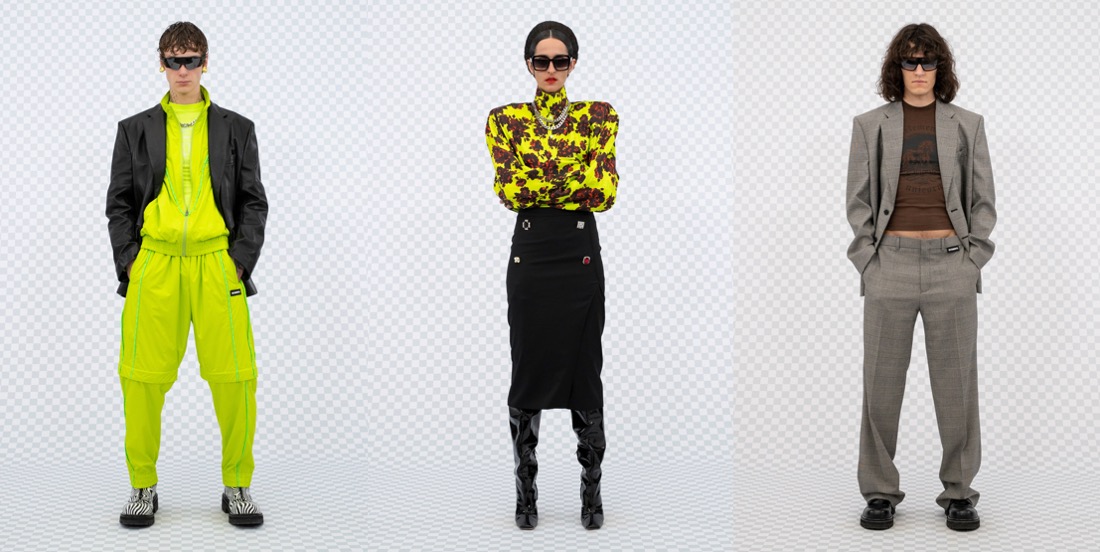
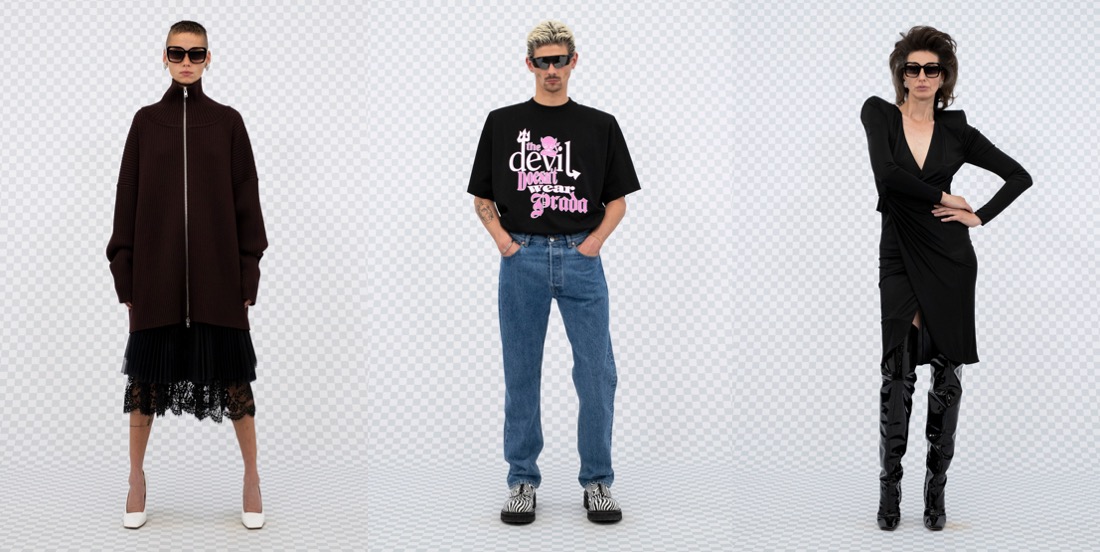
What’s Real? Vetements SS22

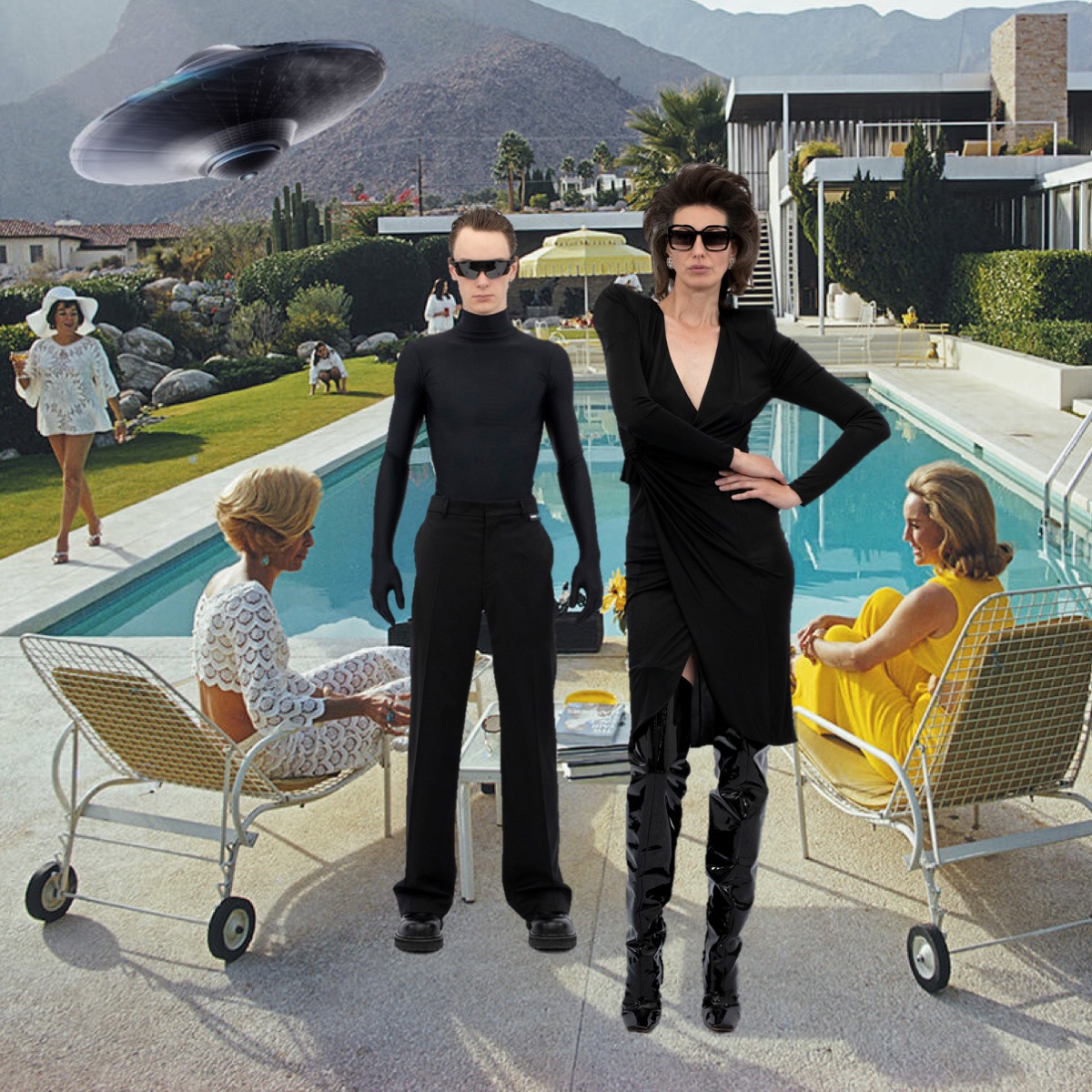
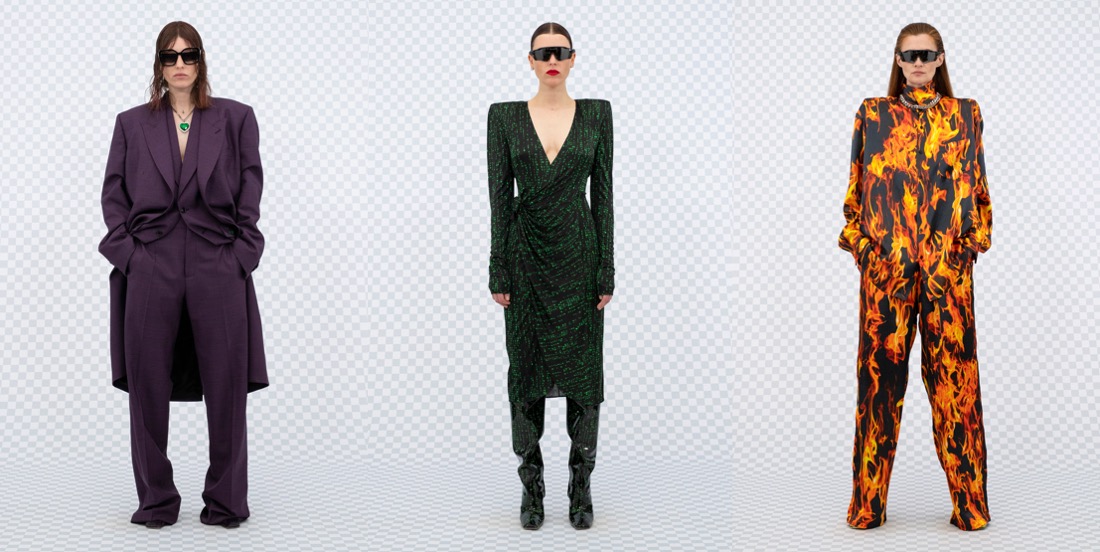
Vetements isn’t what it used to be, and for a couple of seasons now – ironically – the label feels like a mimic of itself. Since Demna Gvasalia’s departure from the label to focus solely on Balenciaga, the brand seems to put emphasis on more commercial stuff. Still, in the spring-summer 2022 look-book featuring over a hundred looks, there are some bits of the Vetements energy that made the brand so controversial (and appealing) a couple of years ago. The checked backdrop of the collection will be familiar to Photoshop users. It’s the background against which graphic designers do their work, and it offers a hint as to what’s on cofounder Guram Gvasalia’s mind. He told Vogue he’s been thinking a lot about our digital existence: “I started to ask myself: What is reality today? We live in this 2D world; the question is, when you scroll through Instagram, is it photoshopped or is it real?” Here’s another one: “Do we consume the internet or does it consume us?” Public opinion may be souring on Silicon Valley, but its digital products have us more firmly in their grip than ever. The pandemic deepened our connections with our computers and smartphones, even as we longed to reacquaint ourselves with nature. The jumbled wires of server farms and a computer font straight out of The Matrix (a timely reference, with The Matrix 4 due out at Christmas) mix with pixelated salamanders and flower prints so bright they almost glow. For every shell suit there was a siren-y gown, and logo-stamped jeans were dressed up with a seriously sharp double trench. The masculine tailoring with its strong shoulder lines, the floral dresses, the puffers and parkas – it’s all about the Vetements foundation pieces. And the slogan tees and hoodies are cleverer than ever; “The Devil Doesn’t Wear Prada” example, Gvasalia said, is an idea he pinned to his mood board some time ago, for a would-be collaboration. A flame print that appeared on a wrap dress and matching boots, among other sportier pieces, was reprised from the brand’s last time on the runway, circa autumn-winter 2020. The boldness of a Vetements show has been integral to the brand’s success from its start. The problem with 2D? It’s not 3D. Gvasalia seemed enthused about the prospect of returning to the runway post-pandemic. “We are 100% going back the moment we can travel,” he promised.

Collage by Edward Kanarecki.

Re-Emergence. Christopher John Rogers Resort 2022

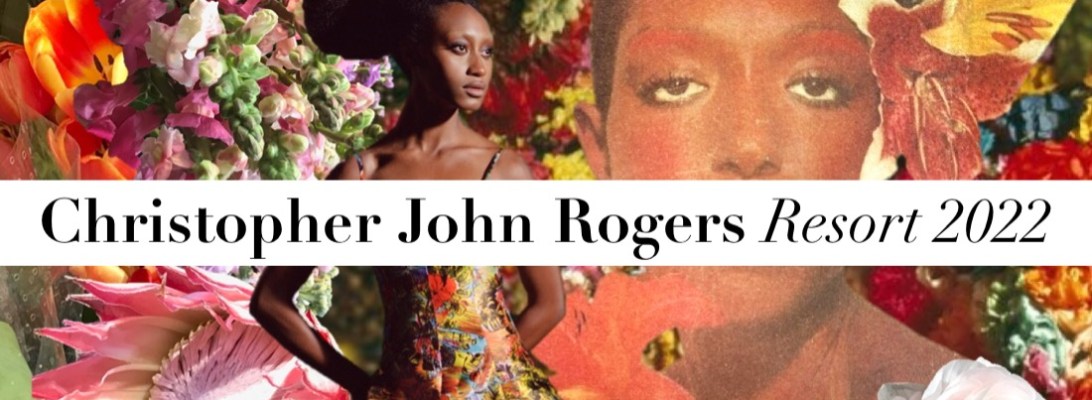
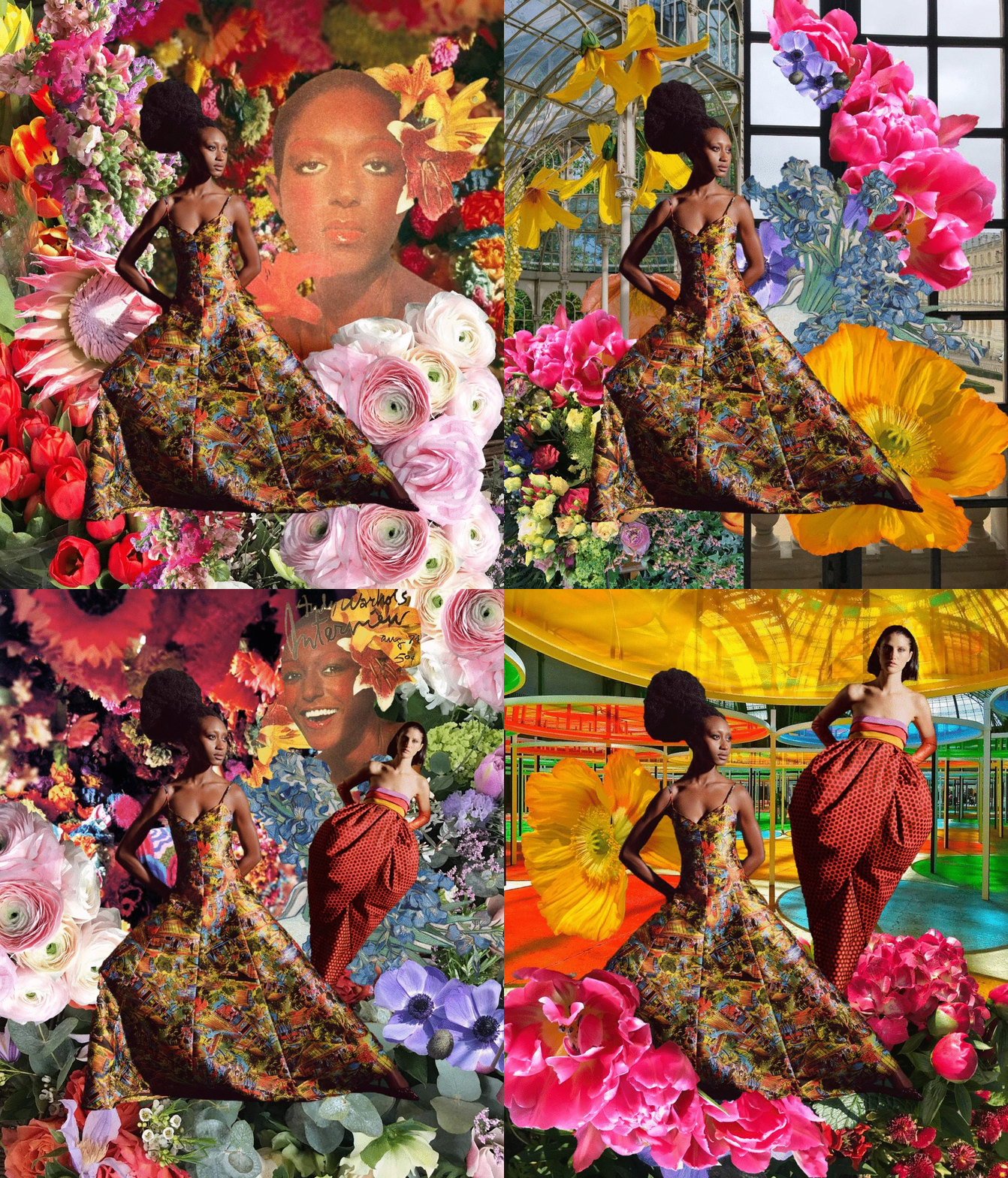
Christopher John Rogers‘ ecstatically bold clothes make you smile. They are also perfect for all sorts of celebratory moments. So no wonder why the New York-based designer’s resort 2022 collection is the ultimate re-emergence wardrobe. “I wanted it to be visceral and come from my heart. I felt like we’ve developed so many house signatures we didn’t need to reference a specific era or themes. This was more about cutting clothes and providing people with opportunities to enjoy dressing up,” Rogers told Vogue. “Last year, as I was designing it, I thought if I’m only going to make one more collection, what would it look like? And the answer wasn’t informed by the past or what I thought buyers might want. I love fashion, and I’m a fan of fashion, so that came through in the clothes.” By focusing on enjoyment and reinventing customer favorites, Rogers was able to deep dive into several motifs. Sections of the collection were devoted to variations of punchy colors like slime green and tangerine orange, while rainbow prints with an optical illusion vibe made their way onto various separates. This gradual exploration of specific colors and patterns kept things playful. When you have multiple looks in similar shades, the little things become paramount, and Rogers went out of his way to make each piece feel special. He doesn’t just give you a sequined slip dress or puffer coat; he’ll throw geometric diamonds on the dress’s bustline line and make the outerwear a reversible cocoon with one side covered in a Dippin’ Dots-worthy circle print. Rogers wants his pieces to trigger an emotional response in those who wear them, one that challenges the ephemerality of fashion’s seasonal cycle. “We want these to be things our customers cherish, that they can wear and live in,” he says. “These aren’t pieces you wear once and forget; they’re meant to be treasured, clothes that can grow and evolve with you over time.” The focus on wearability and construction meant that some of the proportions here were subdued compared to what we’ve come to expect from the label. No one does extreme volume and color the way Rogers does, and it’s made him an eveningwear fixture for forward-thinking women (big hopes the Sex & The City reboot will feauture Rogers’ pieces along other New York-based designers!). While there were several red carpet-worthy looks – a technicolor paillette-covered dress with flapper flair and a ballgown with an artsy barbecue theme print were two standouts – this season daywear almost eclipsed the after-hours fare. Casual suits that mixed pinstripes and plaid, LBDs with hints of rainbow knit worked into their pleats, and sweater dresses with candy-hued stripes were lighthearted fun that managed to feel polished and grown-up. After a year in confinement that played out in shades of gray, reemergence demands office wear with oomph, and Rogers offered an example of how that might look.

“Live” collage by Edward Kanarecki.
Total Magic. Rodarte AW21

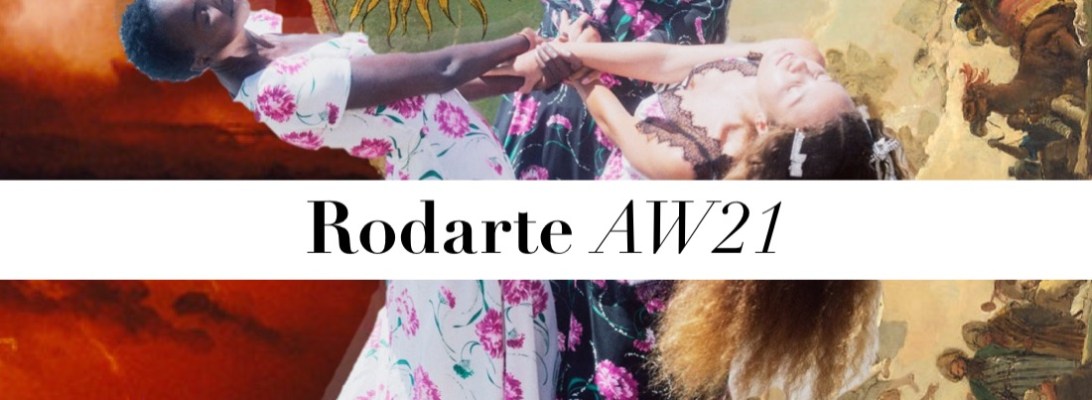
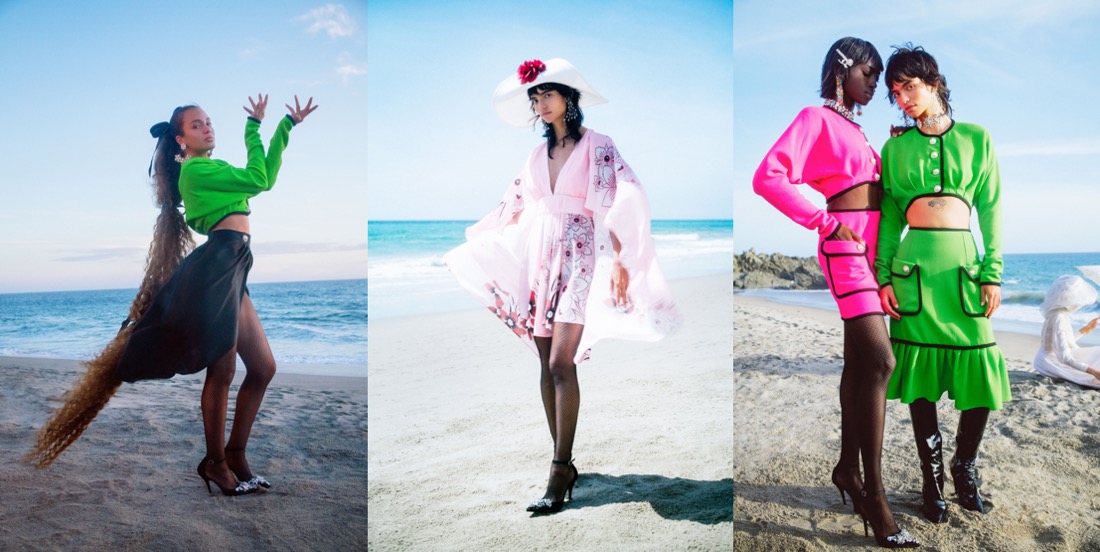
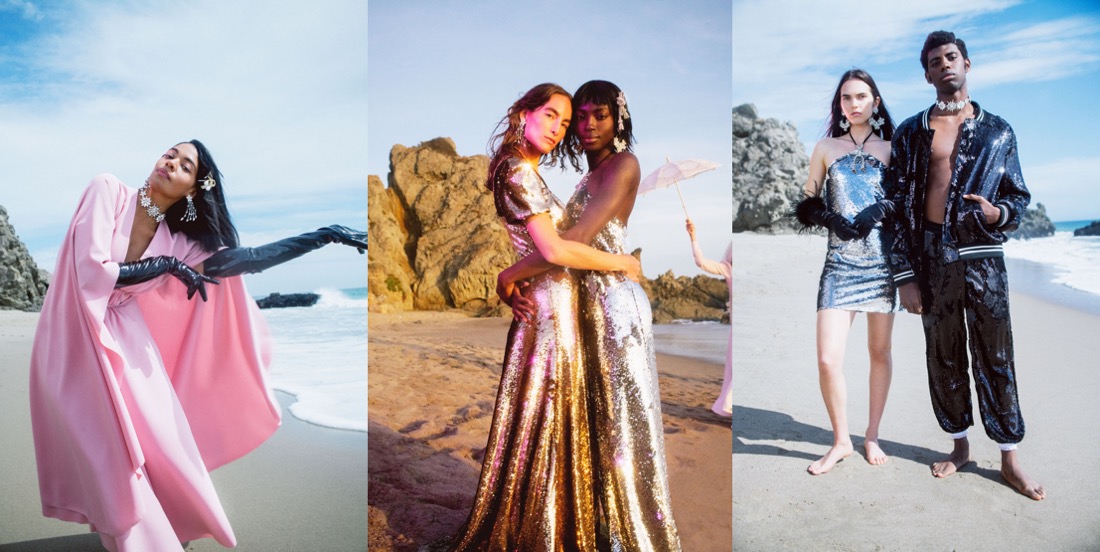
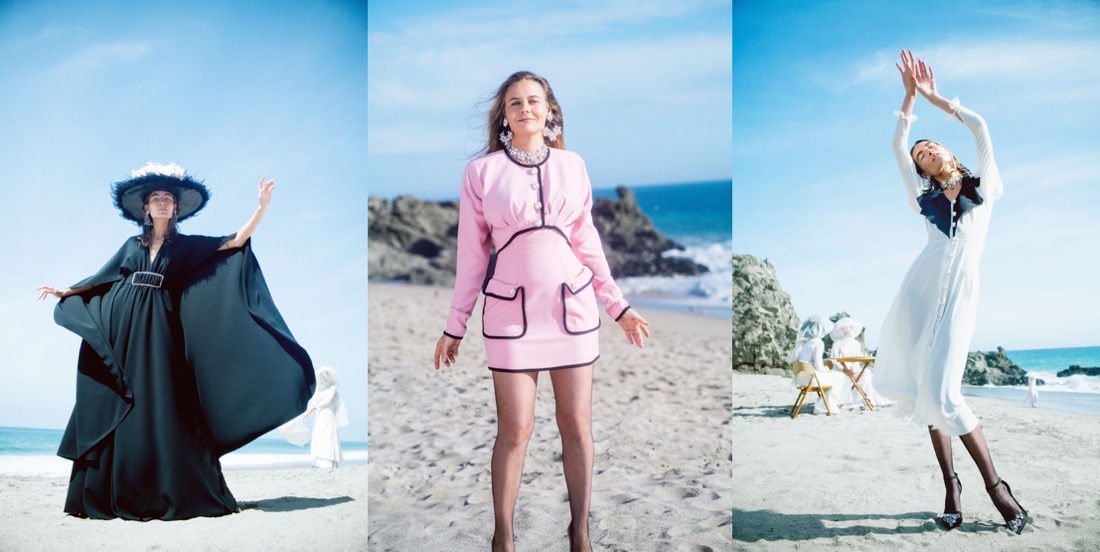
The autumn-winter 2021 collection by Rodarte, with a look-book photographed on a breezy beach, has a magical, witchy aura about it with a 1990s style twist. And it also feautures Alicia Silverstone, the actress behind Cher Horowitz’s wholesome persona, sun-kissed and smiling, alongside Aurora James, Heather Kemesky, and other models. The campy, kitschy teen world of Amy Heckerling’s 1995 classic might seem miles away from the broody gothicism often associated with Rodarte, but Kate and Laura Mulleavy grew up on Clueless. They saw it in theaters in their native California – and then rented it “hundreds” of times from their local video store. However, he plaid suits and slip dresses Cher wears in the film aren’t recut one-to-one in the Mulleavys’ interpretation. Theirs has always been a more abstract aesthetic. This season, they started with a bias-cut halter midi-dress in cartoon hibiscus prints or vixen sequins held up with a ribbon bow at the neck. They learned last season that waft-y, comfortable dresses do well and extrapolated on them with V-neck dresses and flutter-sleeve maxis in a mix of vintage-store pastel florals and grungy black. For going out, they built up their sequined offering, and for staying in they translated their floral prints into stretch dresses, tops, and pants. There’s also a big varsity jacket, an evolution of their popular souvenir style, worn by models of all genders. One of the crucial lessons of Clueless is that the right outfit can change your stature, your mood, even your life. The Mulleavys understand this, and they imbue that cinematic sense of dressing up for who you aspire to be into their collections. They’re famous for their extraordinary red carpet dresses, but the Mulleavys do make clothing for people’s actual, beautiful, and mundane lives. “We are thinking about how people want to wear things,” Laura says. It’s definitely good to see the designers come back with a optymistic collection after the tumultuous year of lockdowns and crisis.

“Live” collage by Edward Kanarecki.
Wasteless Fashion Is Not A Myth. Duran Lantink AW21

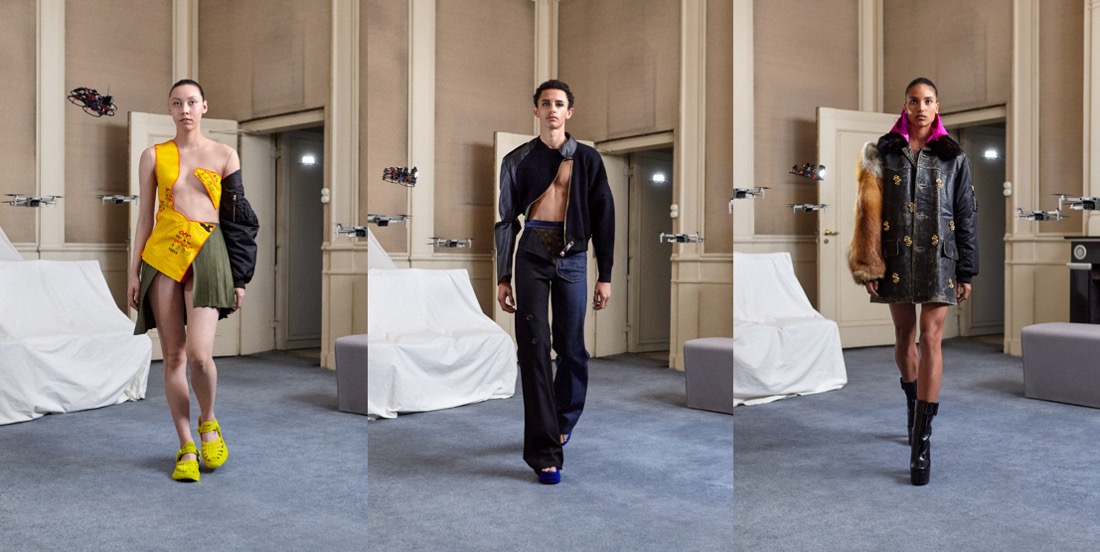
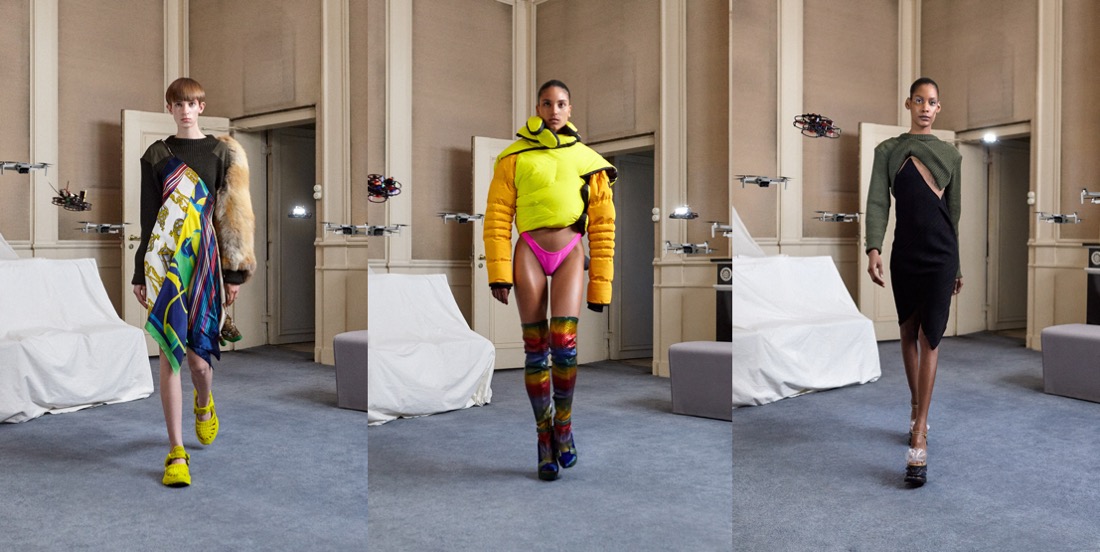
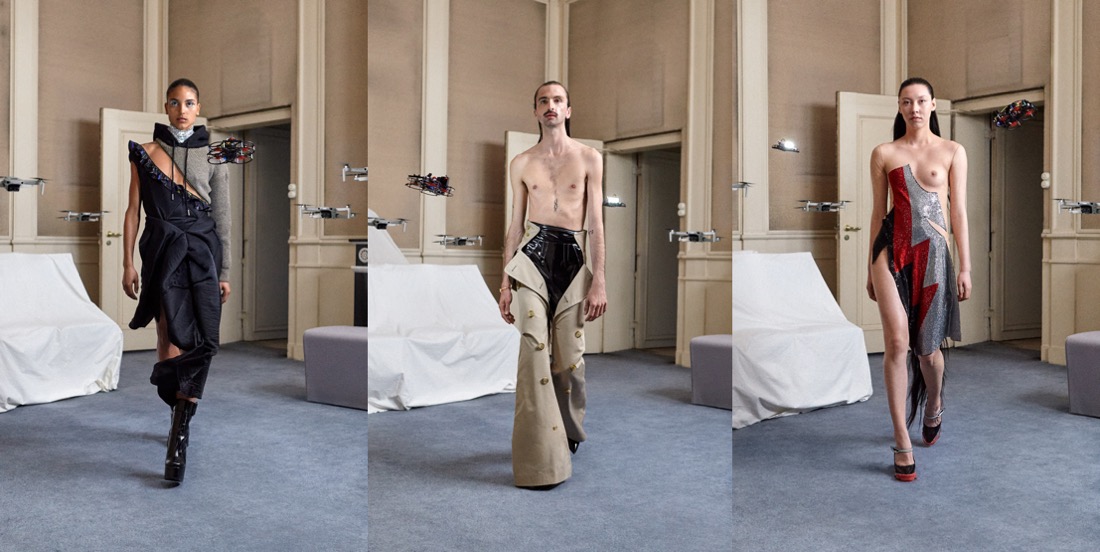
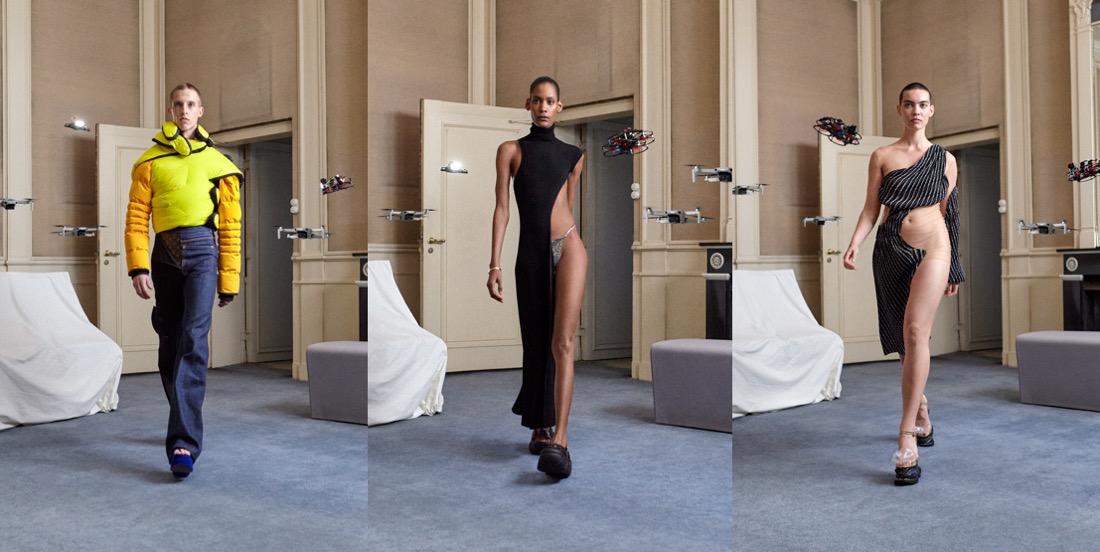
They say that fashion will never be 100% sustainable. A brand can do its best to keep things eco-friendly, but in the end, clothes are still being produced. But Duran Lantink‘s method proves the industry that there’s a revolutionary (and very witty) way of making fashion as wasteless as possible. His upcycling methods – repurposing unsold designer-label clothes in his pioneering, cheeky way – date back to 2013, but only now seem to fully resonate with a wider audience. Autumn-winter 2021 season is the designer’s first (of course digital) fashion show collection. “Basically, during lockdown, I had time to work with my assistant, Thibault, on all the materials I had left over from collaborations with stores and brands, and to come up with this, our first runway collection.” Thibault is in the show, wearing, in one of his exits, a swishing lemon yellow dress that is reconstructed from another dress which had been left over from Lantink’s collaboration with Ellery last year. The point was to give him free rein to recycle and give new life to their unsold inventory. Lantink pointed out to Vogue how he’s unpicked, restyled, and refashioned multiple piles of clothes lying around his studio which “used to be” garments by Balmain, Balenciaga, Prada, Proenza Schouler, Vetements, Marine Serre, and many more. “In the beginning, we started with stores to see how we could work with their deadstock to see how we could stop their clothes going into landfill. And that was the beginning of thinking how we could create a completely new form of business.” The collection is like an aethetical 2000s-style remix of sexy revealing, sparkle and sharp minimalism. There’s a zigzaggy sparkly dress – one breast out – remade from something unsold from Balmain, and naked illusion half-dresses sewn onto stretchy body pieces. A flash of a diamanté thong (made from recycled materials) is homage to Tom Ford’s Gucci 1997 moment, but with a Duran Lantink logo planted in the crucial place. Yet Lantink has also now come up with an ingenious plan for extending the buzzy fashion “moment” so that it can morph into potentially infinite new shapes for his followers. He announced the launch of a service on his new direct-to-wearer website. “When you’re fed up with something, you can click on two tabs. One, where you can resell. On the other, we will work with you to remake what you have to become whatever you like. So a coat can become a dress. A dress can become a shirt. A shirt can be trousers. Whatever you want!” People who are up for engaging with Lantink’s process are destined to be the happy recipients of fully documented online records of where their clothes originated, and how they’ve been altered over time: a personalized archive. That redefinition of being able to love and re-love clothes in a never-ending cycle restyled by a designer is something truly, truly innovative.

“Live” collage by Edward Kanarecki.