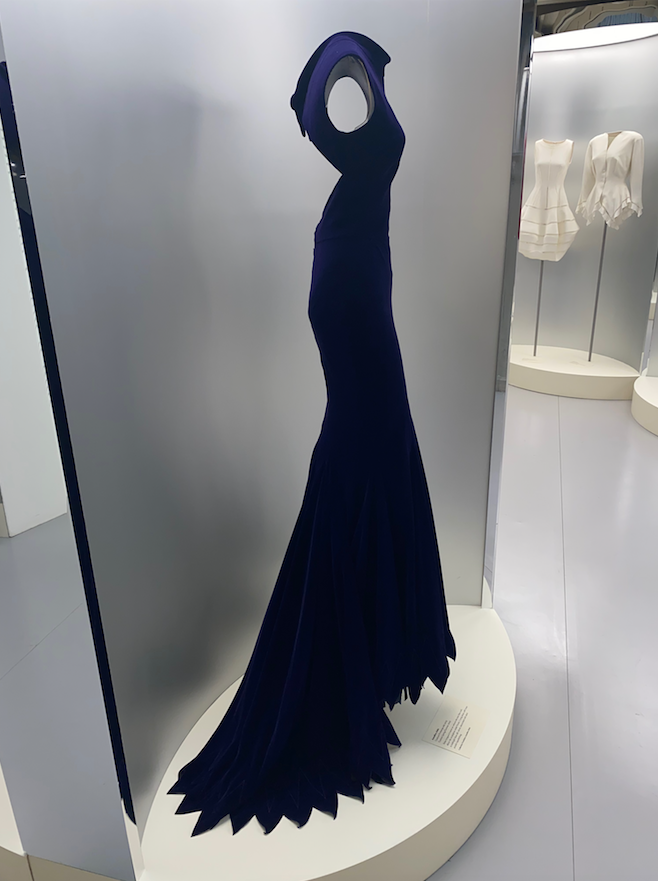
Azzedine Alaïa was an unparalleled maestro of technique and finesse, making women not only look their best – but feel their best. He came up with wearable solutions that let the wearer, without much effort, become an impersonation of chic, an IRL goddess. His dresses – just as daywear – enhanced the body, but never restricted it. Just look at this midnight blue velvet gown from spring-summer 2003 haute couture collection that’s currently showcased at Fondation Azzedine Alaïa:
You just put it on and feel fucking good.
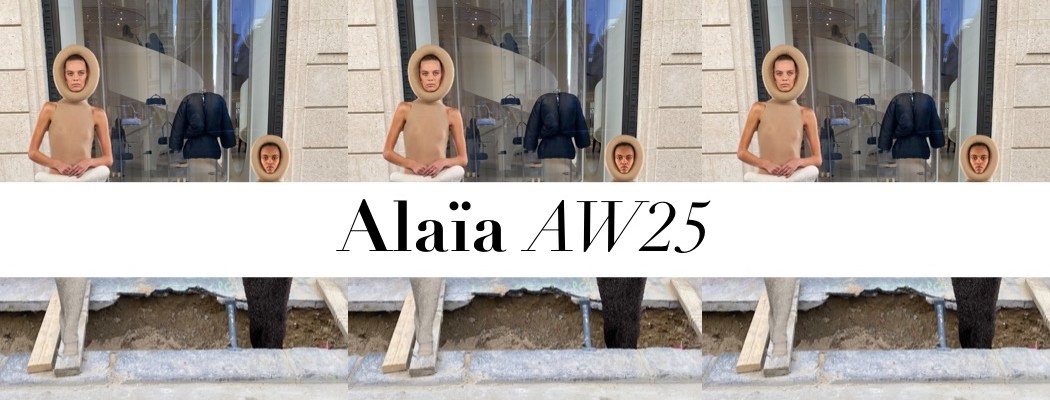
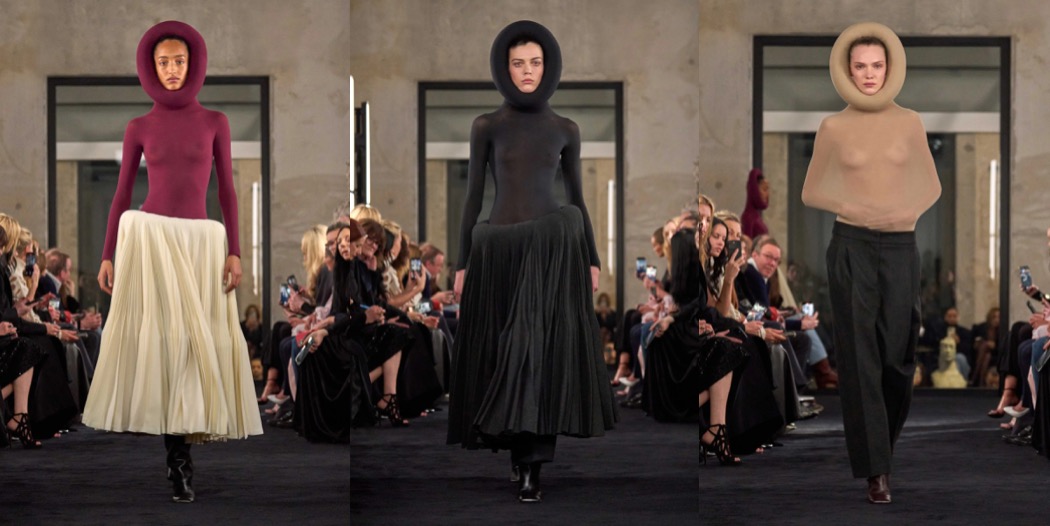
Pieter Mulier,contemporary creative director of Alaïa, has proved many times he has the artisanal know-how that Monsieur Azzedine would appreciate. But this season, something went off course. The Belgian designer tried hard to reinvent the wheel, but the result felt forced and unresolved – rather than innovative. It’s difficult to imagine a woman – not a runway model – radiate with real confidence in those tubular skirts and hyper-padded jackets. These technical novelties made the collection read as complicated and demanding – but not as in intellectual, Prada way, or conceptual à la Comme Des Garçons, but as in difficult to wear. The massive, floor-sweeping coat in the end didn’t help.
The collection, in overall, gives me the impression of Alaïa’s newly-opened boutique on Saint-Honore. Confusing, massive and frankly, cold. Antonyms of Azzedine Alaïa’s legendary hospitality and sincerity.
Discover the collection here:
Collage by Edward Kanarecki. Don’t forget to follow Design & Culture by Ed on Instagram!
Hey, did you know about my newsletter – Ed’s Dispatch? Click here to subscribe!
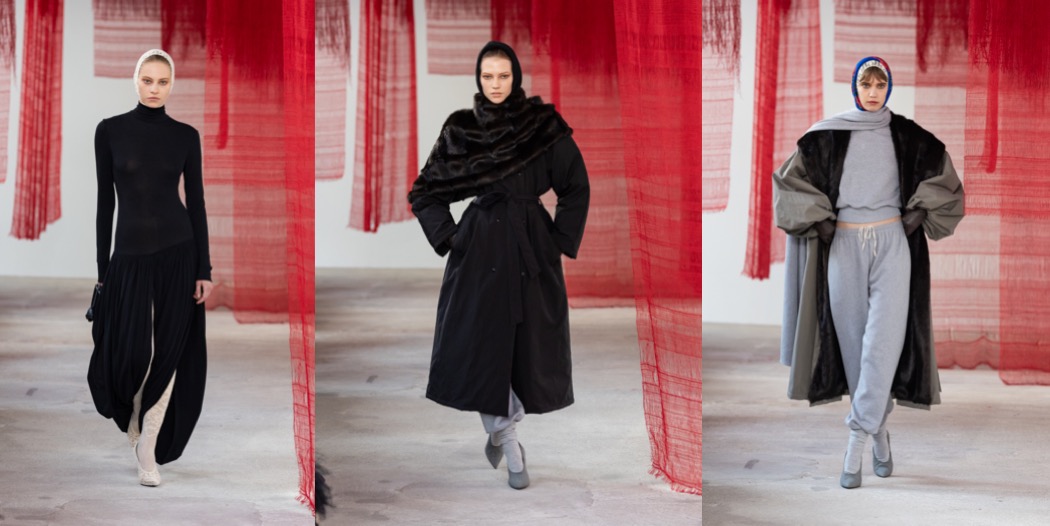
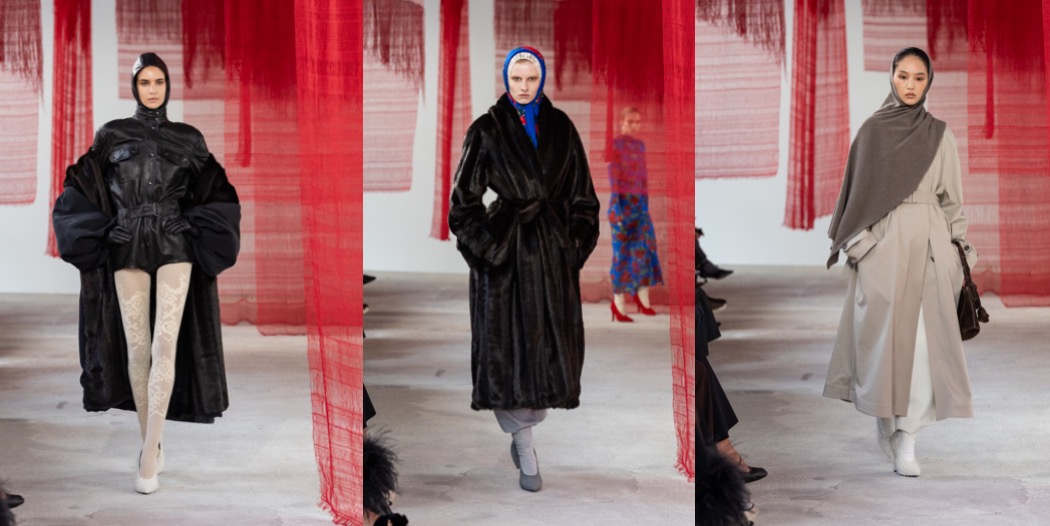
Marking a new decade of creativity, Magda Butrym unveils her most personal collection yet: “Magdalena“. Derived from her full name, which she uses privately, “Magdalena” is an intimate self-portrait that reflects the Polish designer’s raw self-expression while staying true to her brand’s distinct identity.
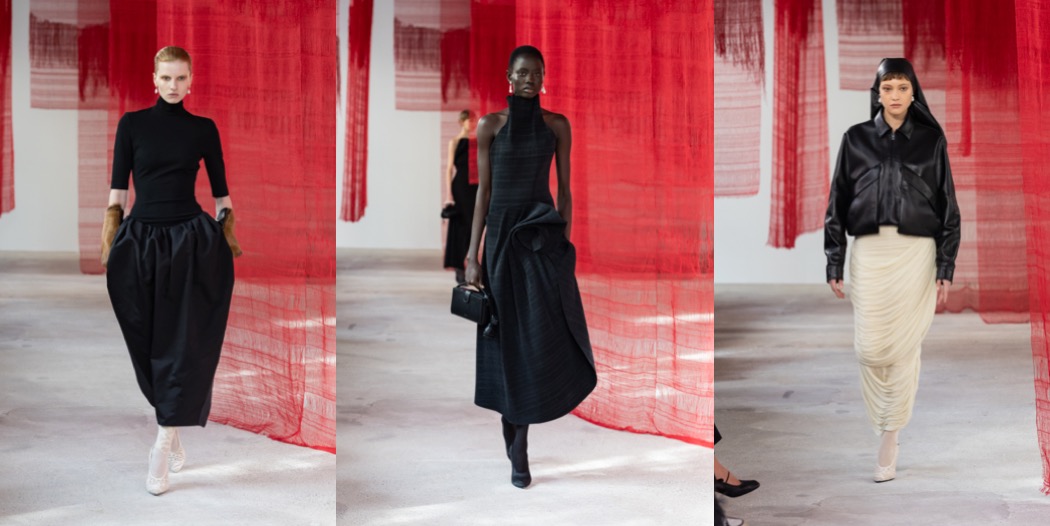
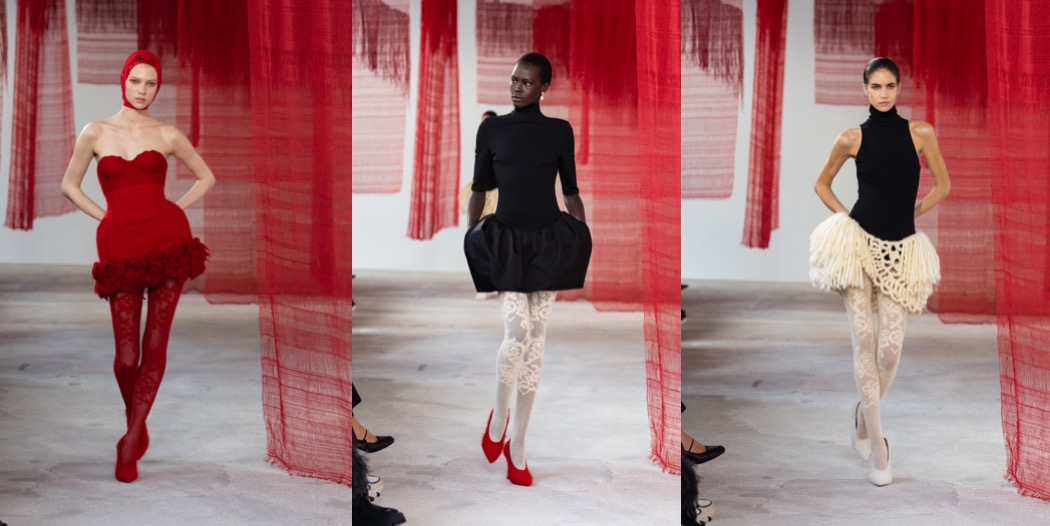
For autumn-winter 2025, Butrym draws deep inspiration from the emotional depth of poetry and the tactile beauty of knitwear – an art form that holds a significant place in modern and contemporary Polish culture. Weaving has been a defining theme in Polish art for over a century, and with “Magdalena“, the designer pays tribute to this craft through fashion. Influenced by visionaries such as Magdalena Abakanowicz, Paulina Ołowska, and generations of skilled Polish artisans, Butrym infuses the handmade artistry of weaving into key elements of the collection, from eveningwear to the set design of the showcase.
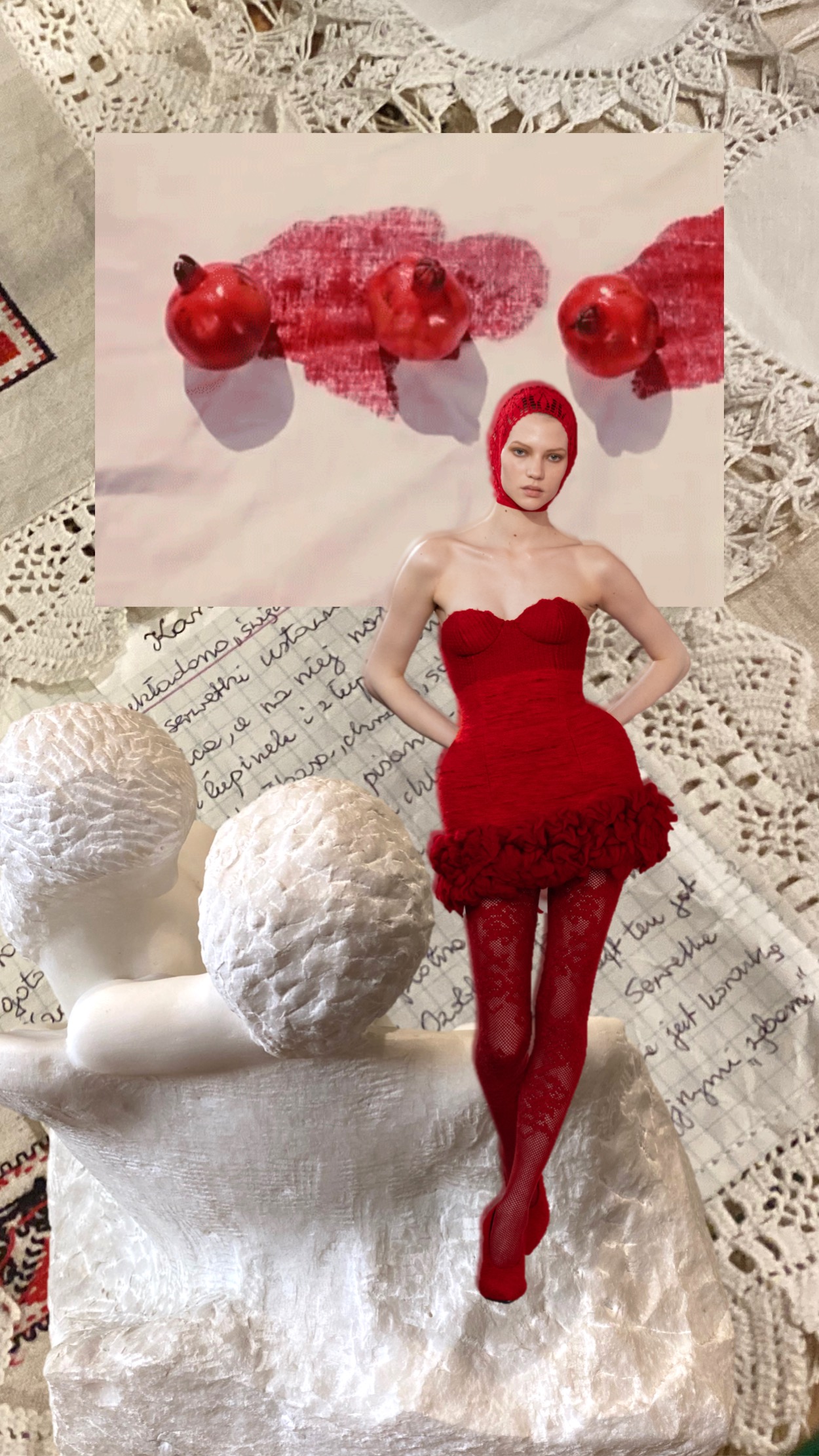
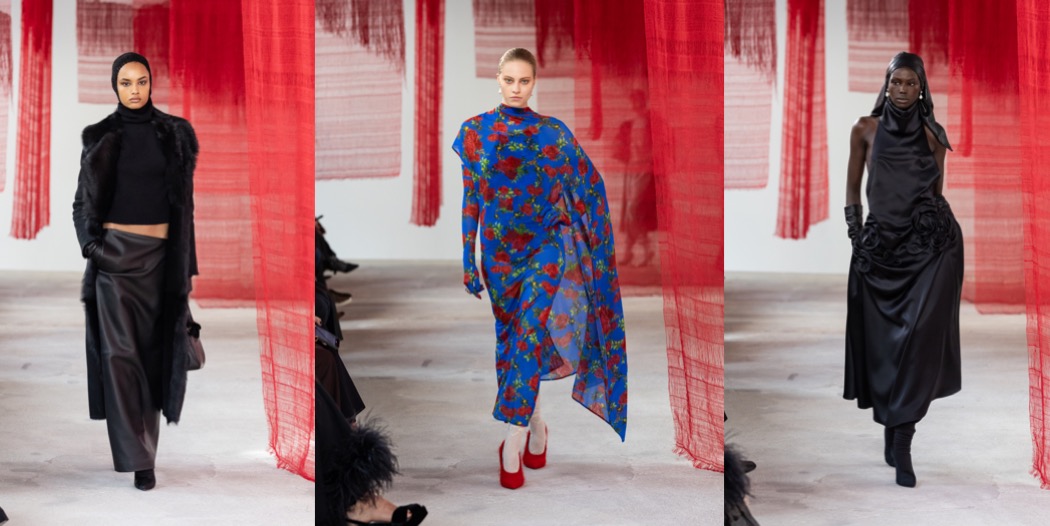
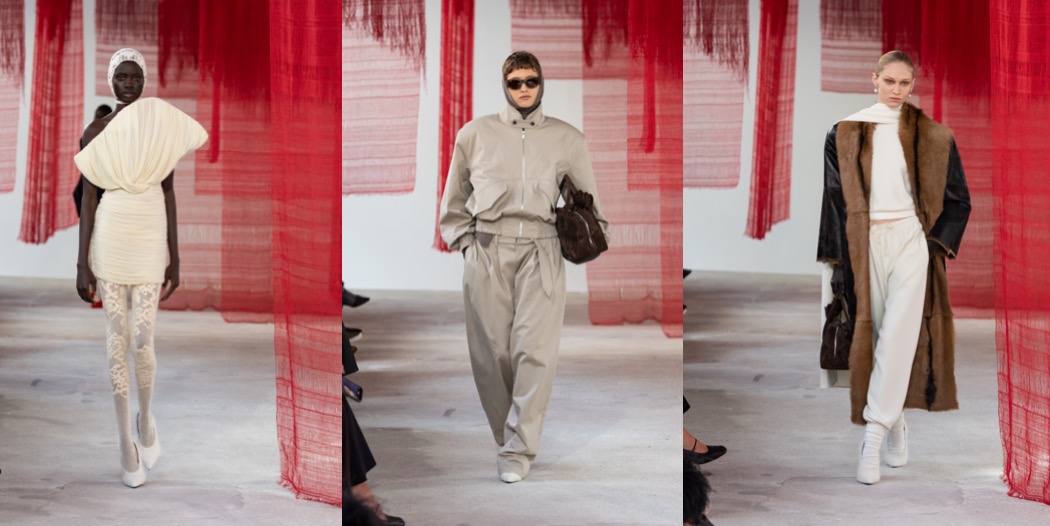
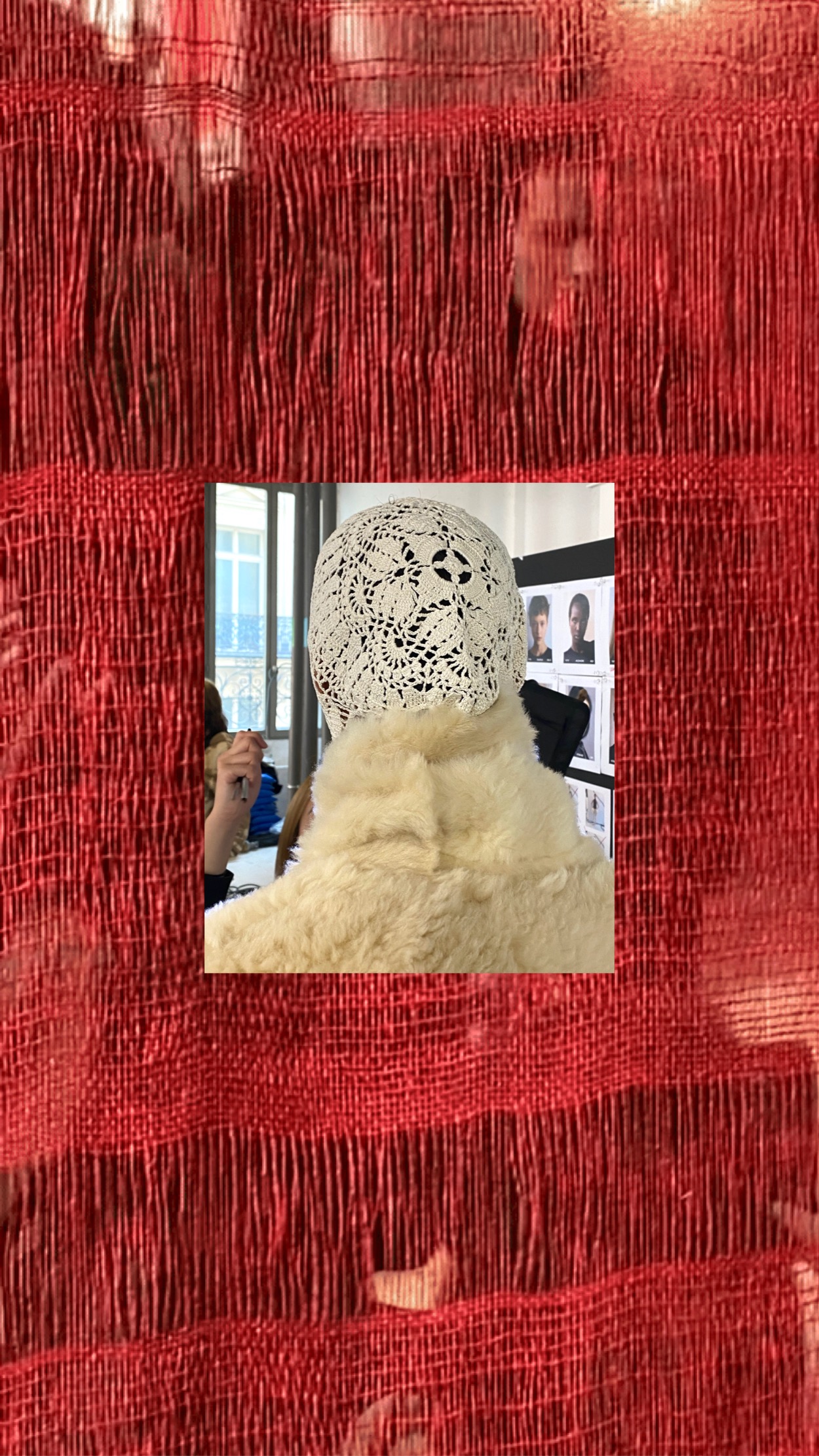
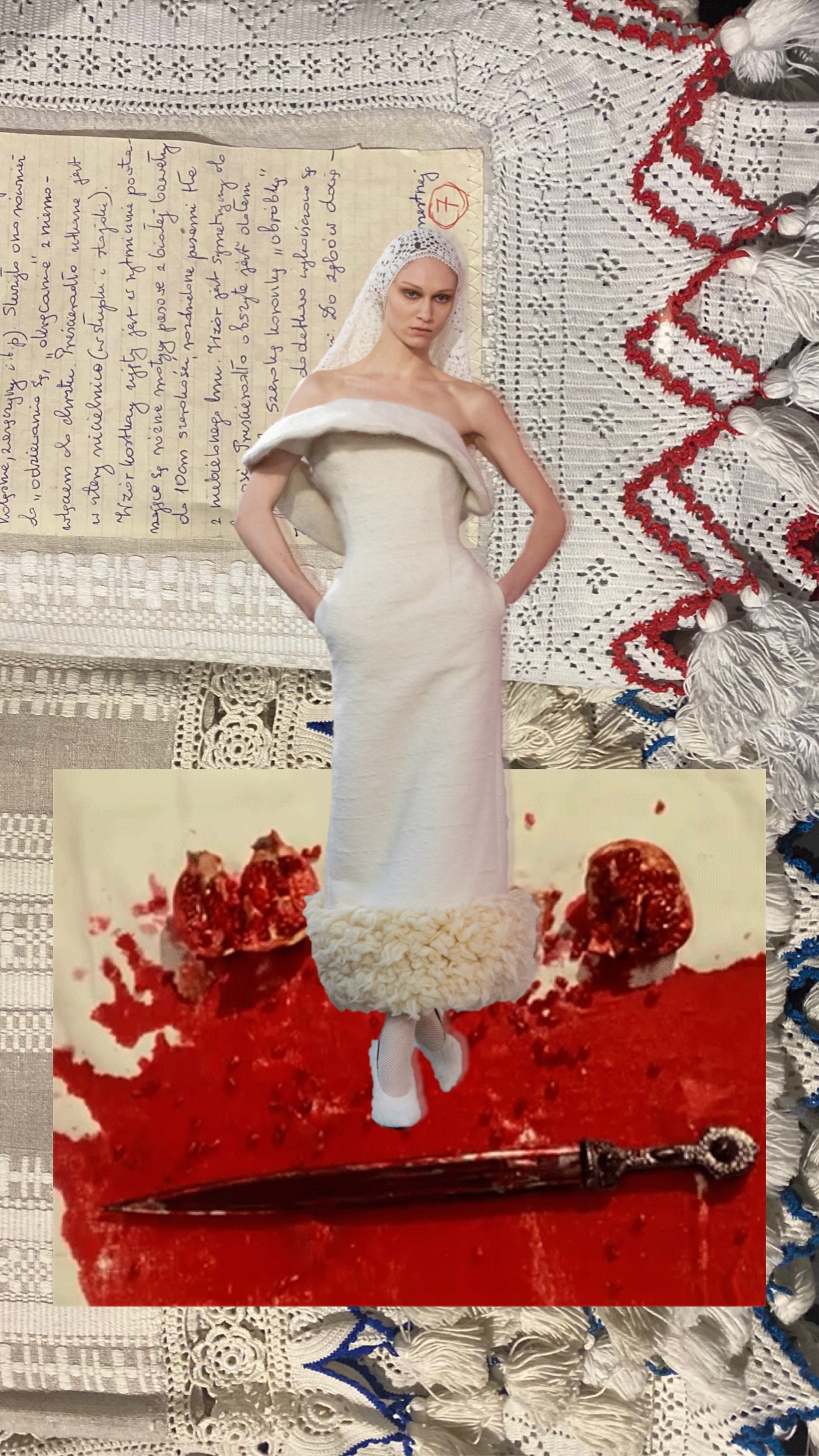
“Magdalena” is shaped by a blend of influences, all filtered through Butrym’s Slavic sensibility. The rich possibilities of loom weaving allow the designer to experiment with texture in unexpected ways. Artisanal dresses, like the striking red mini and the open-knit tutu paired with a black slip, are crafted from intricate blends of yarns and techniques that sculpt the female form in unapologetic beauty. The show’s final look, a wedding dress with a crochet veil and cloud-like textured pumps, is one of the designer’s most personal pieces. Densely woven and rich in texture, its petal-like silhouette echoes traditional Polish tapestries made from the finest, softest yarns. Kept in white – a color symbolizing freedom and new beginnings – it embodies Butrym’s vision of Slavic expressionism, merging handcrafted artistry with a sensual, empowered femininity.
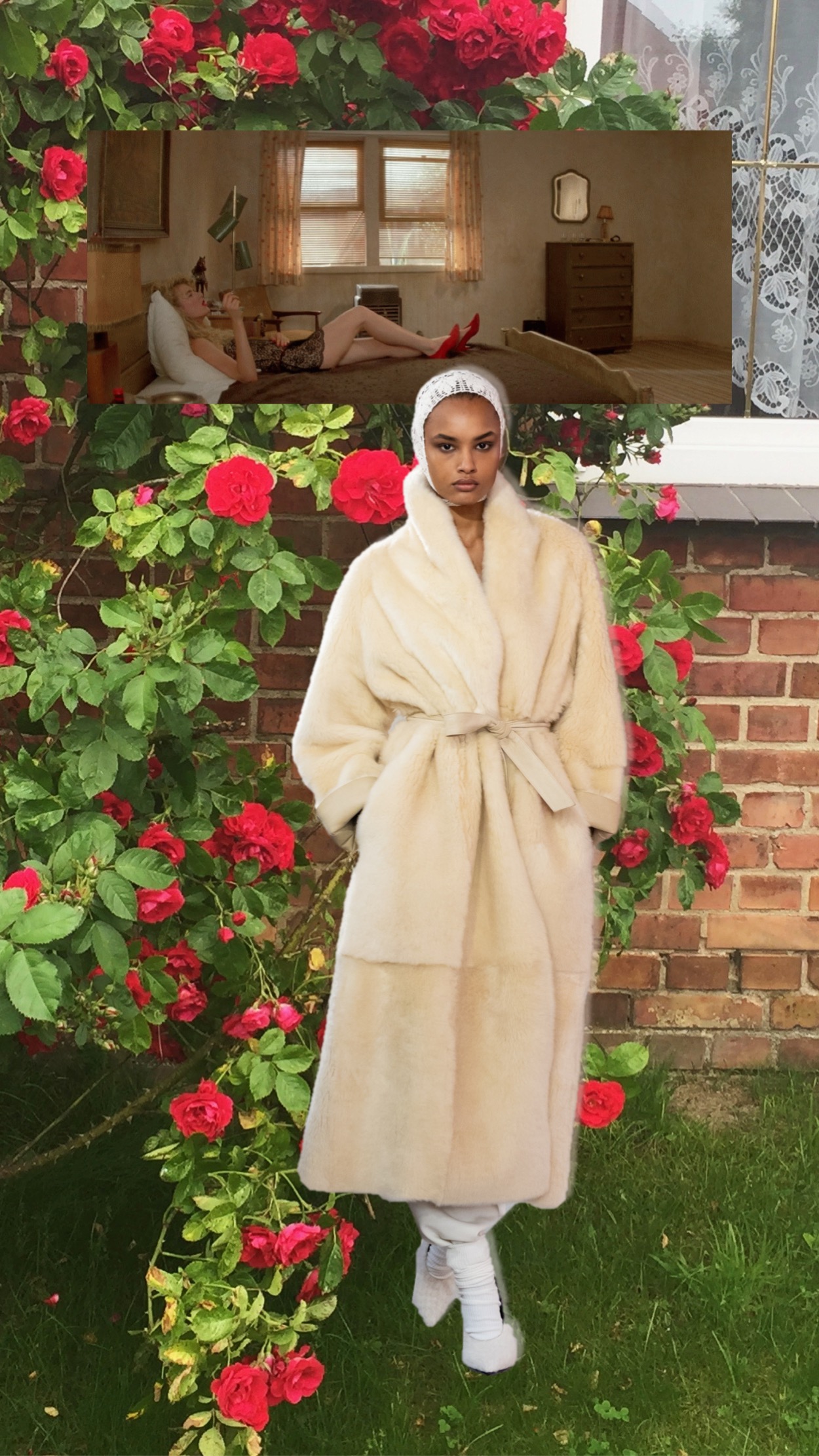
Since “Magdalena” is a deeply personal project, the collection naturally includes elements of Butrym’s everyday style. A sense of modern practicality contrasts with the dreamier elements: a raw shearling coat is effortlessly draped over a luxe tracksuit, while fur shawls are layered atop duvet jackets. To reinforce the brand’s signature aesthetic, Butrym incorporates a vivid, floral headscarf – a defining motif of Slavic heritage. A selection of sculpted black dresses, designed with ultra-feminine, hourglass silhouettes, draws inspiration from the traditional shapes of Polish folk costumes. These looks also pay homage to the enigmatic, powerful women captured in Peter Lindbergh’s iconic photographs – figures who walk confidently along cold, wintry beaches. “I find those images incredibly strong and beautiful,” the designer reflects.
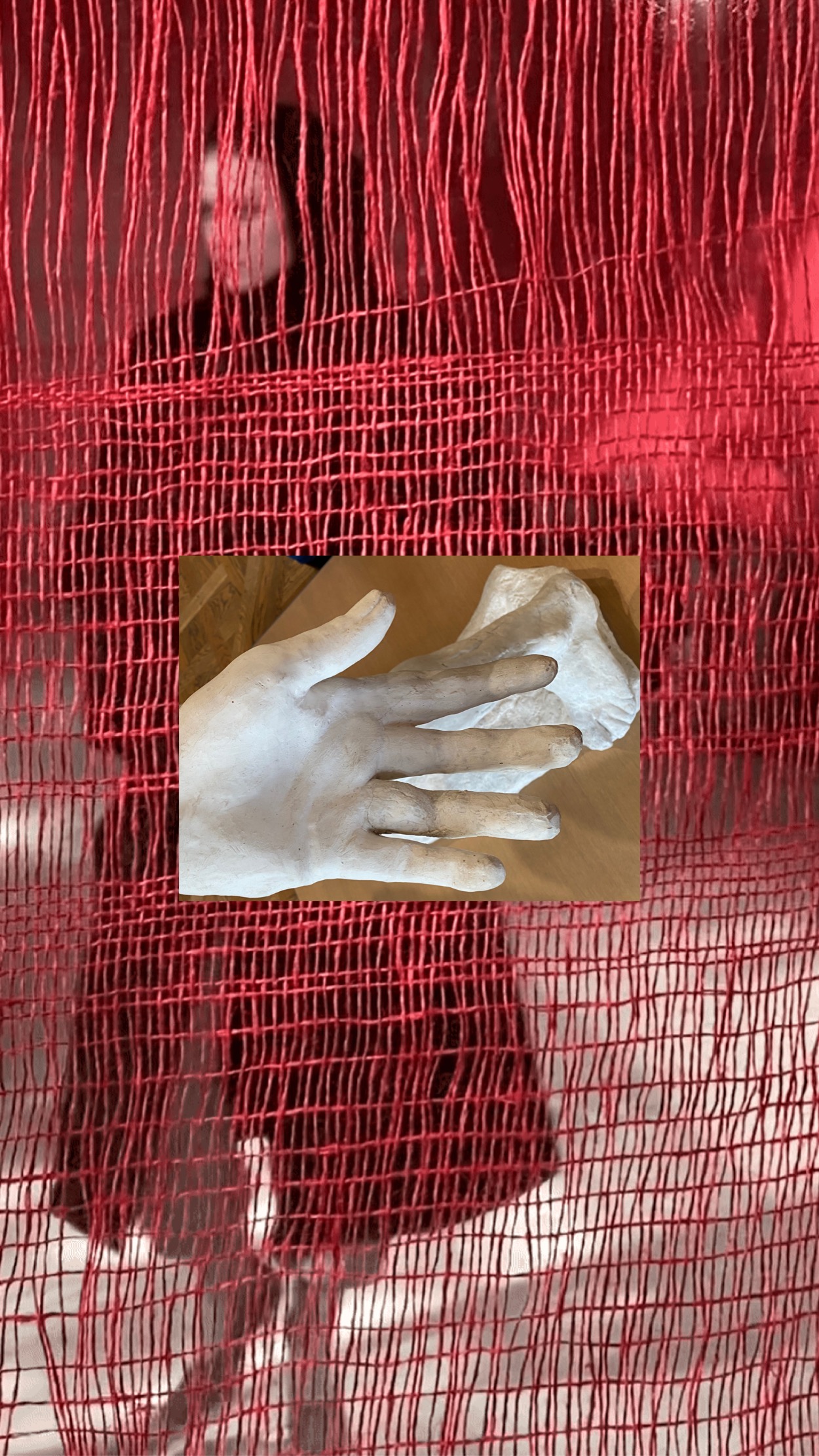
The “Magdalena” collection came to life in a show space that fully embodies its spirit. For this one-of-a-kind, immersive environment, approximately 200 meters of fabric were woven – an intricate process requiring over 150 hours of craftsmanship. Suspended from the ceiling, these woven linen and alpaca pieces underwent meticulous treatments, including warp winding, threading, and precision tying, creating a mist-like, semi-sheer frill effect. These delicate, handcrafted installations echo “Magdalena“’s approach to femininity and craft. Their deep, saturated red hue references the Enchanted Rose, the eternal symbol of Magda Butrym’s brand. As the models move freely through the ethereal setting, they not only animate the space but also embody the essence of the “Magdalena” woman.
For Magda Butrym, “Magdalena” marks the beginning of a more instinctive, experimental phase in her work – one driven by pure emotion and the joy of creation. While it presents a bold, new perspective, it is still deeply rooted in the essence of her brand. The collection embraces novelty, yet its unmistakable spirit—delicate yet strong, sensual yet powerful – remains entirely true to Magda Butrym’s vision. It is a daring, fearless exploration of self, revealing the designer’s artistry in a way never seen before, yet instantly recognizable.
Collage by Edward Kanarecki. Don’t forget to follow Design & Culture by Ed on Instagram!
Hey, did you know about my newsletter – Ed’s Dispatch? Click here to subscribe!
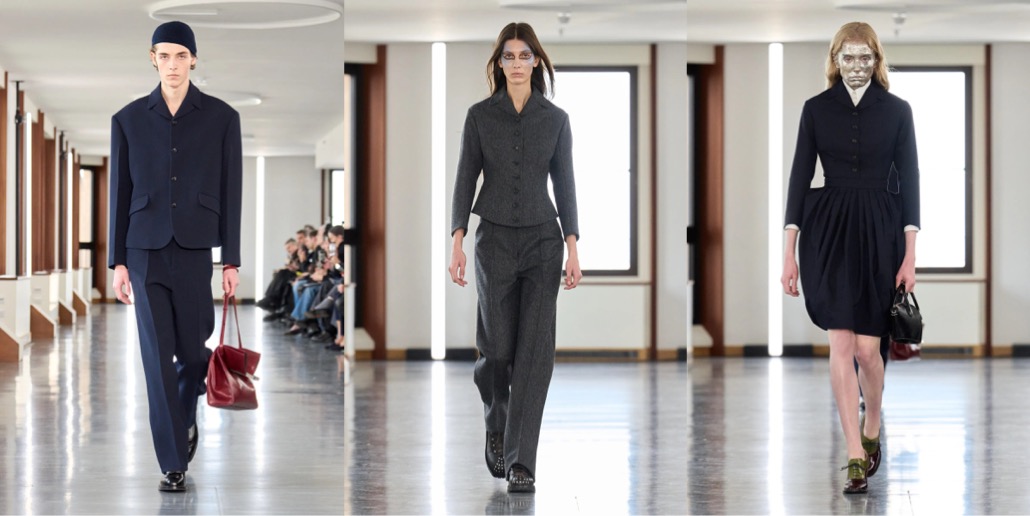
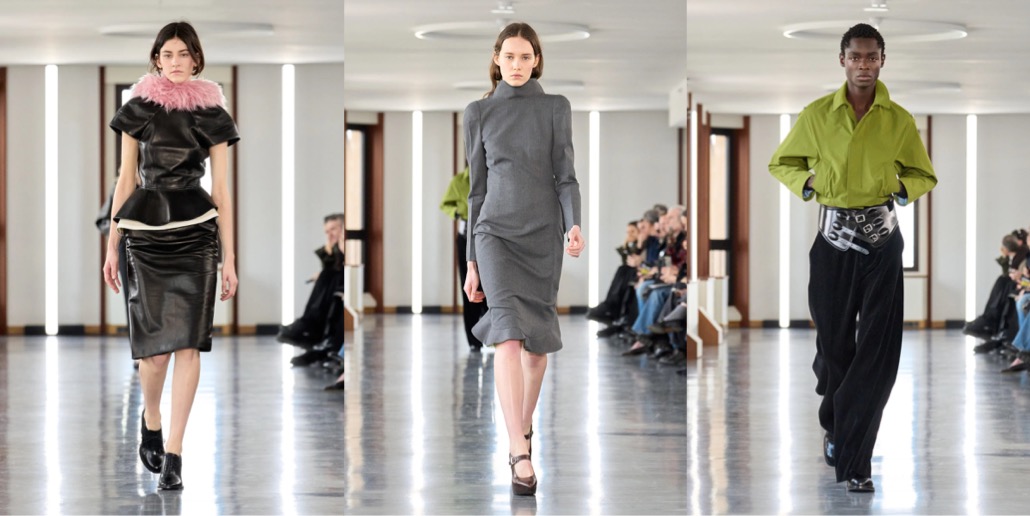
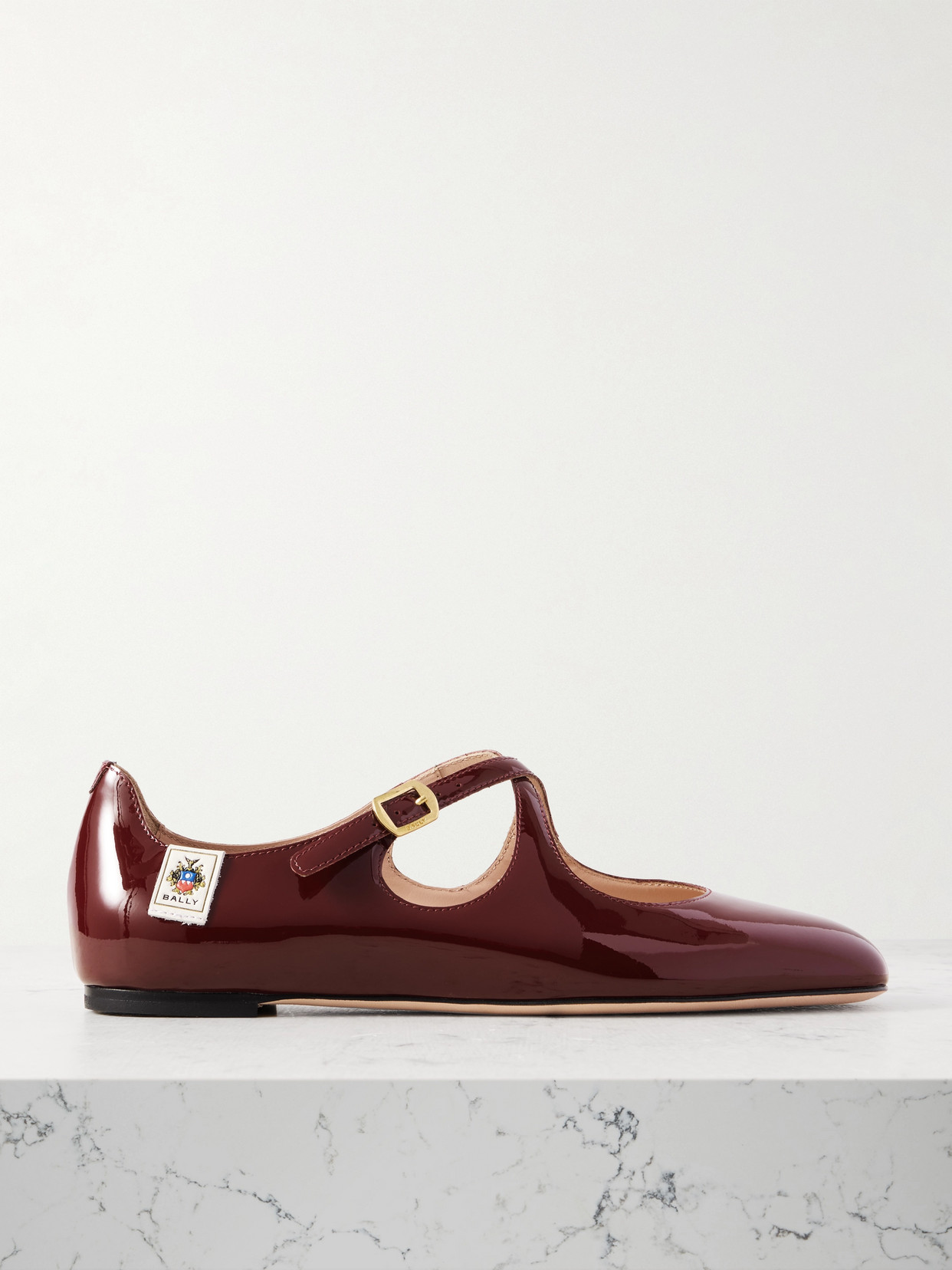
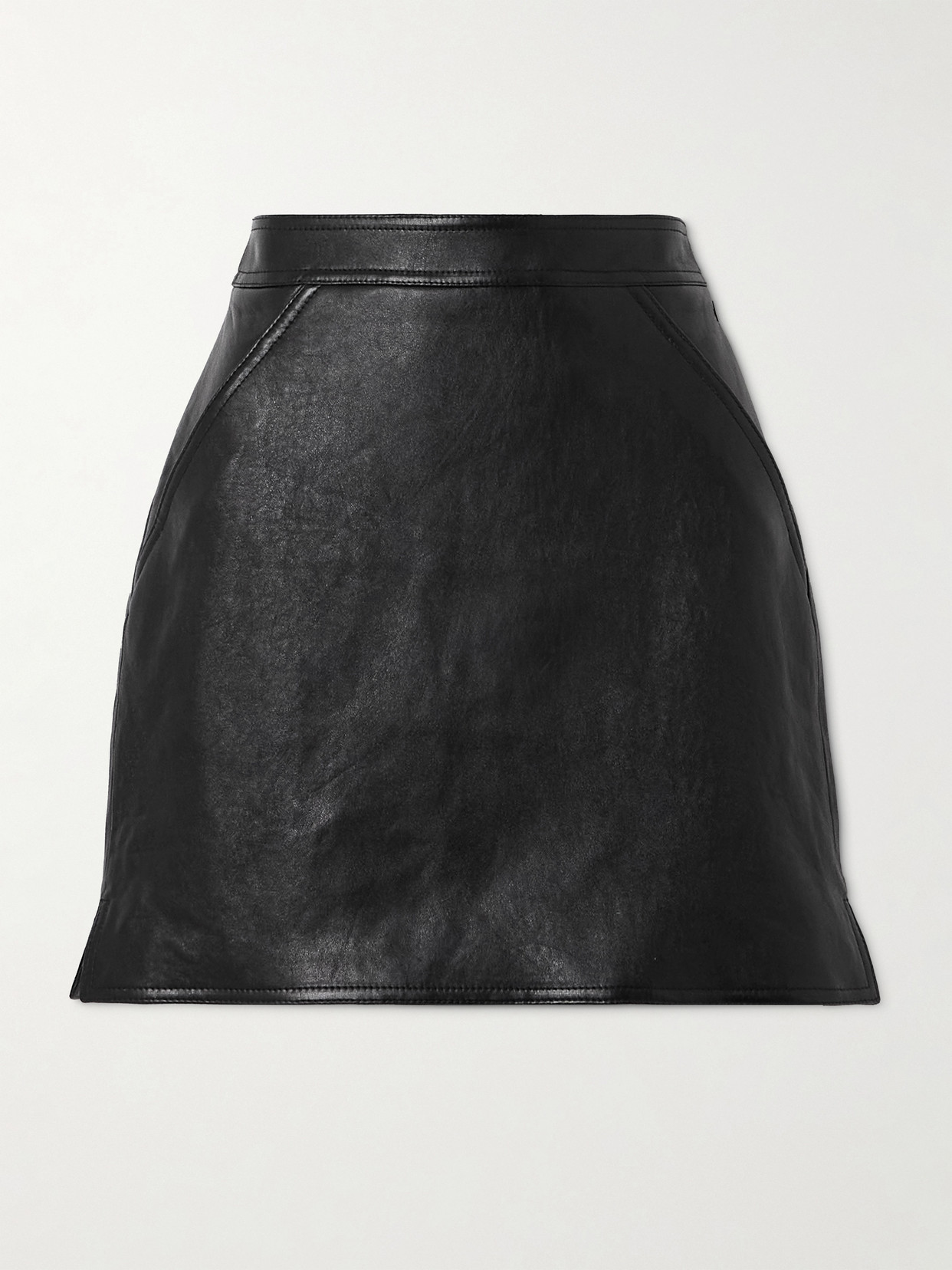
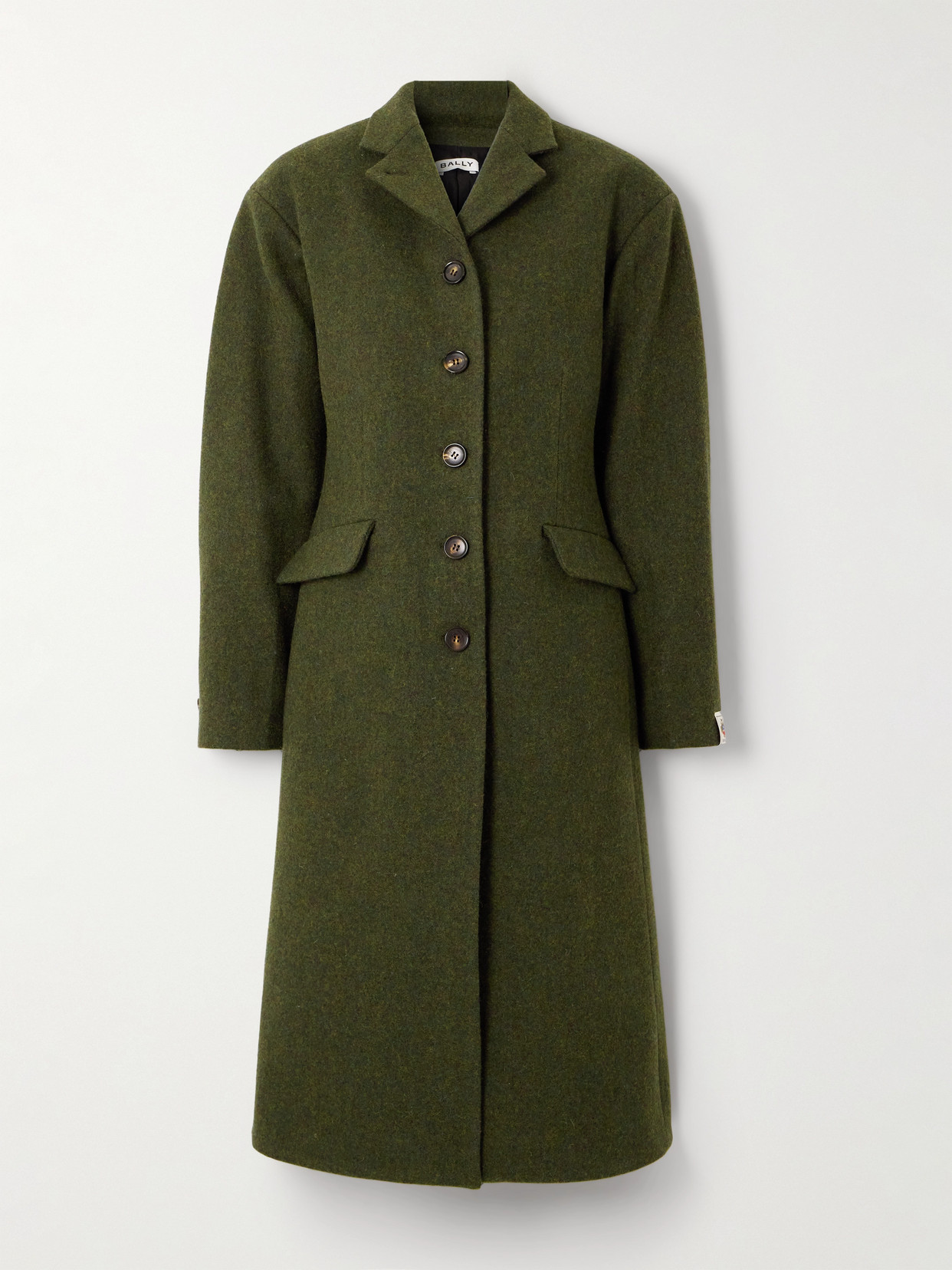
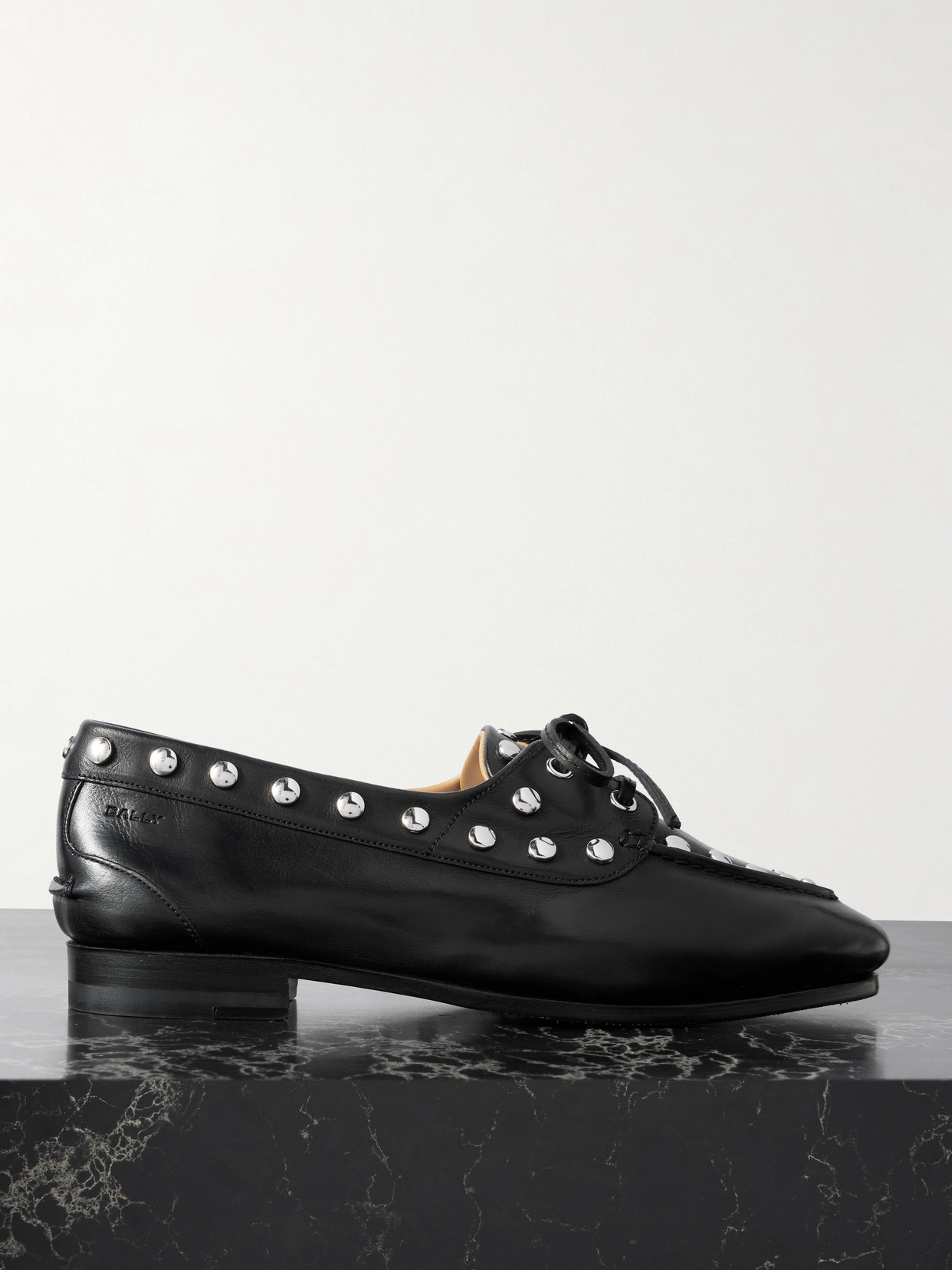
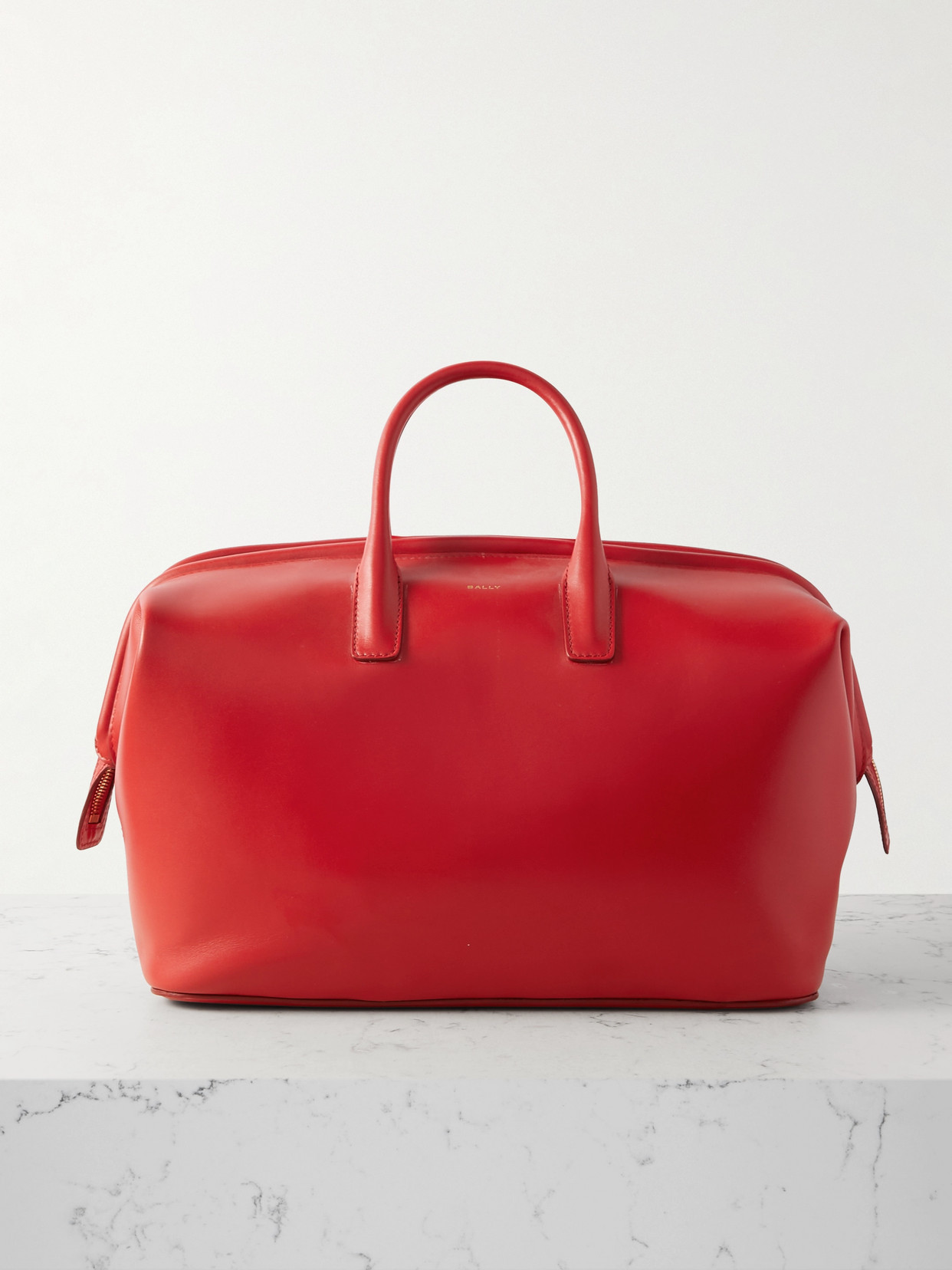
Simone Bellotti‘s collection for Bally was the perfect finale of Milan Fashion Week, being the best show of the last past days, shoulder to shoulder with Prada. Just like Miuccia and Raf, Simone does highly intelligent fashion – a rare talent. The autumn-winter 2025 show was titled elusively: “Leistung Aufführung” – two German words that both translate to “performance,” but carry distinct meanings. Leistung refers to performance in the sense of work, measured by productivity and achievements, while Aufführung signifies performance as a form of self-expression on stage. Hence the collection’s inspiration: 1970s photographs of Swiss performer Luciano Castelli, with his face heavily made up, dressed in shimmering sequined drag. In the collection, Castelli’s influence translated not only into shimmering berets and sequined make-up, but a striking play between structure and fluidity. Simone’s Bally is above all pure precision of cut; formal tailored coats and severe black leather dresses are regulars, but this time around they went through an expressive treatment, disrupted by wild burst of fur erupting at the back, or peeking out from the rigid crinoline of a peplum top. Those unexpected contrasts felt also very Dada, very Zürich’s Cabaret Voltaire. The bags, reminiscing giant bells that you can all over Swiss landscape, hit all the right spots. “I crave discipline, but breaking the routine is liberating,” Bellotti reflected. The industry rumor has it that this is the designer’s last collection for Bally, a triumph before his arrival to… Gucci. I’m here for it.
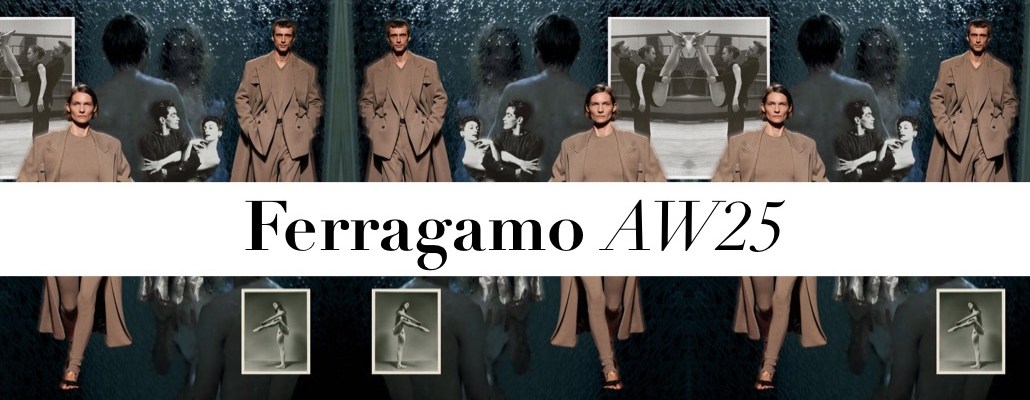
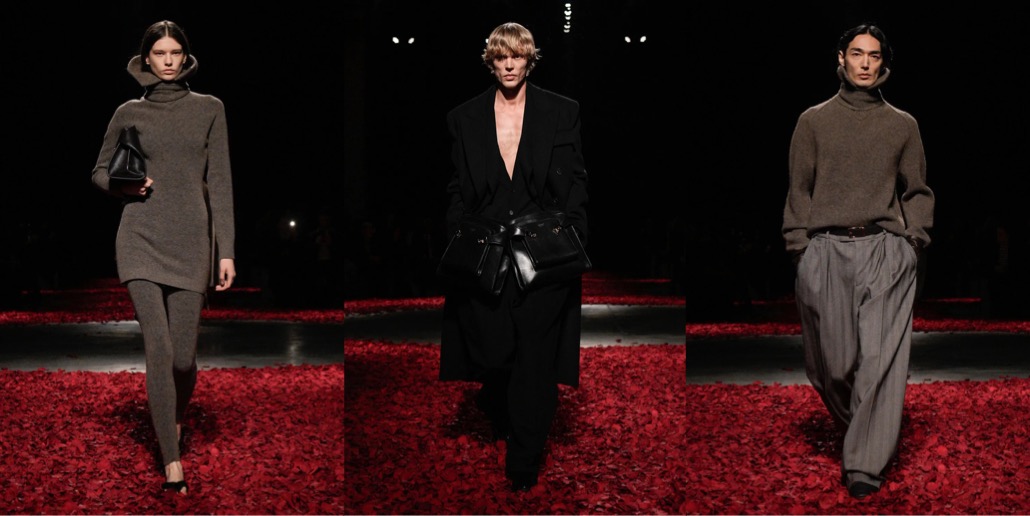
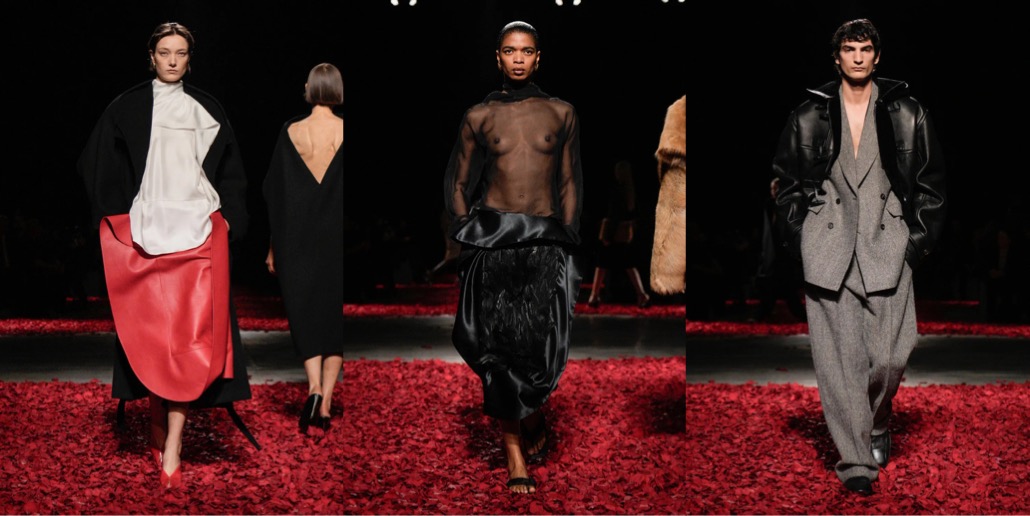
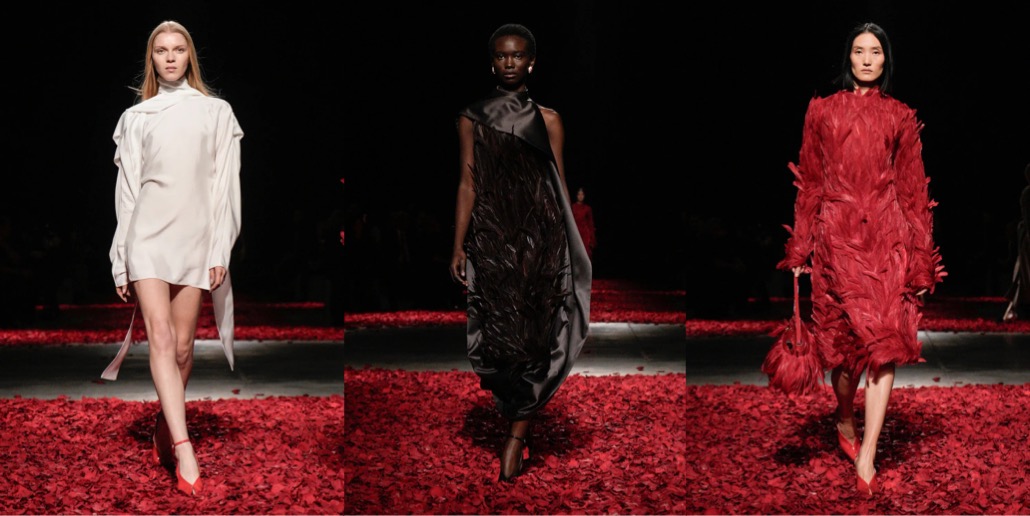
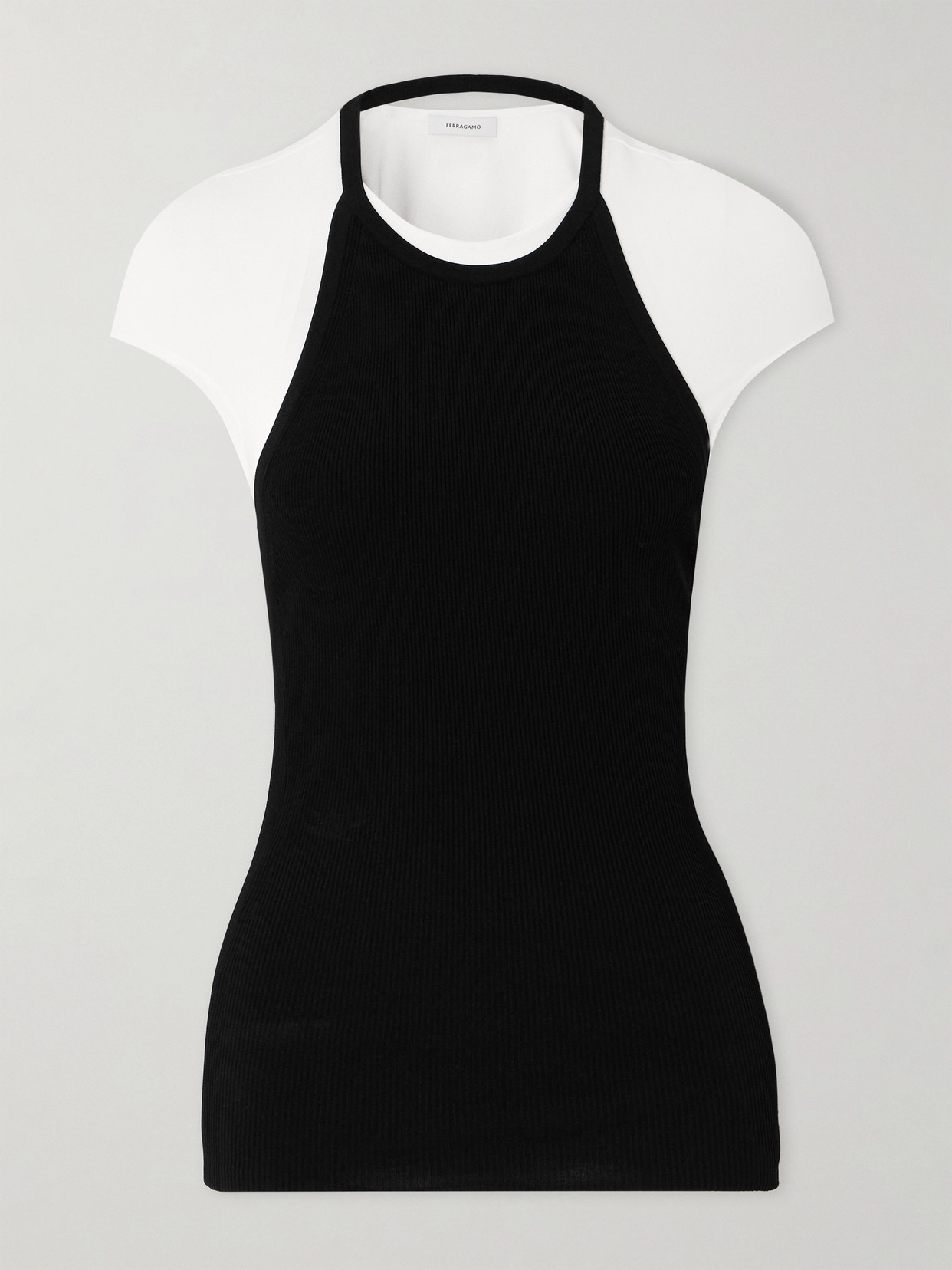
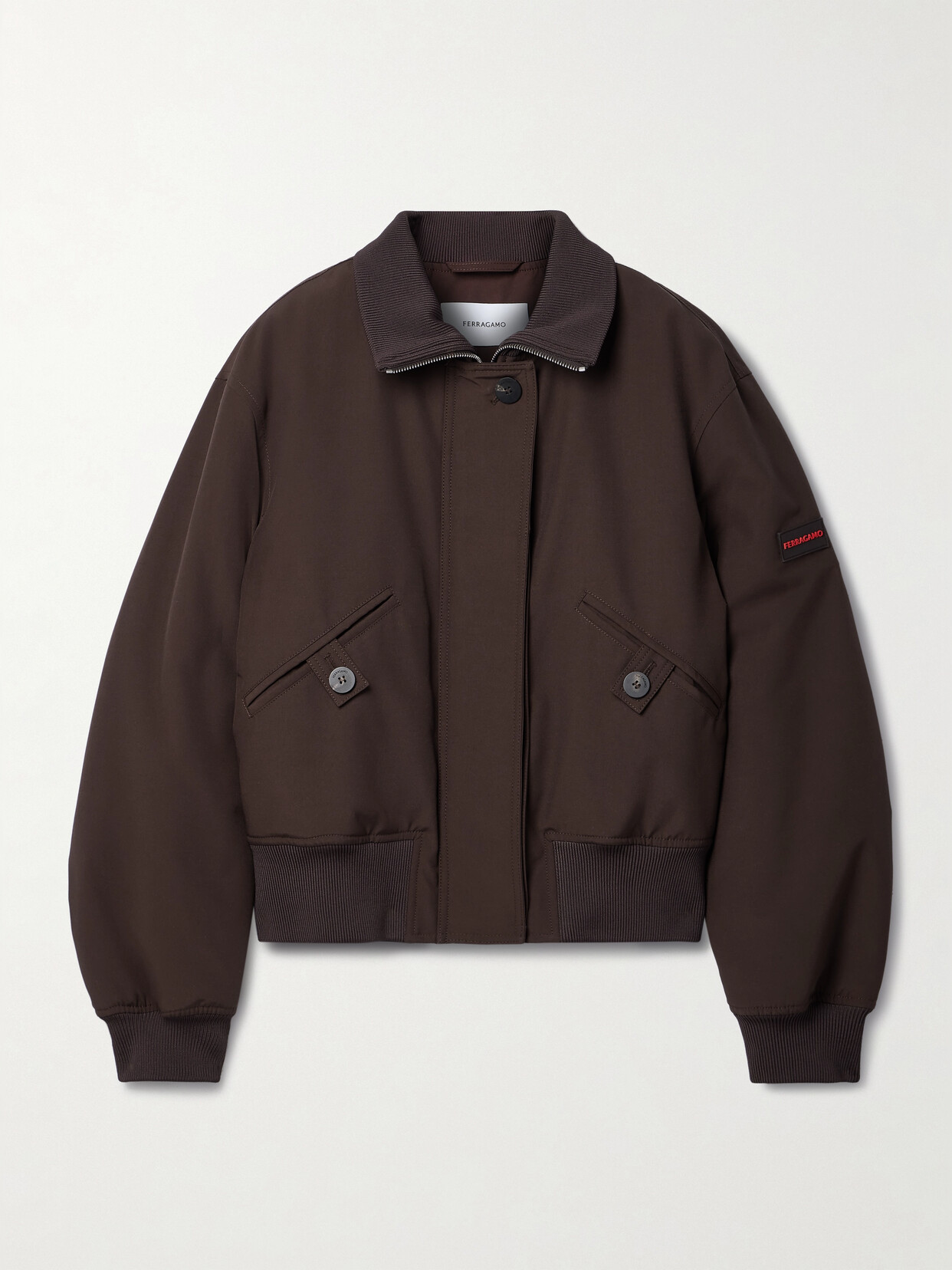
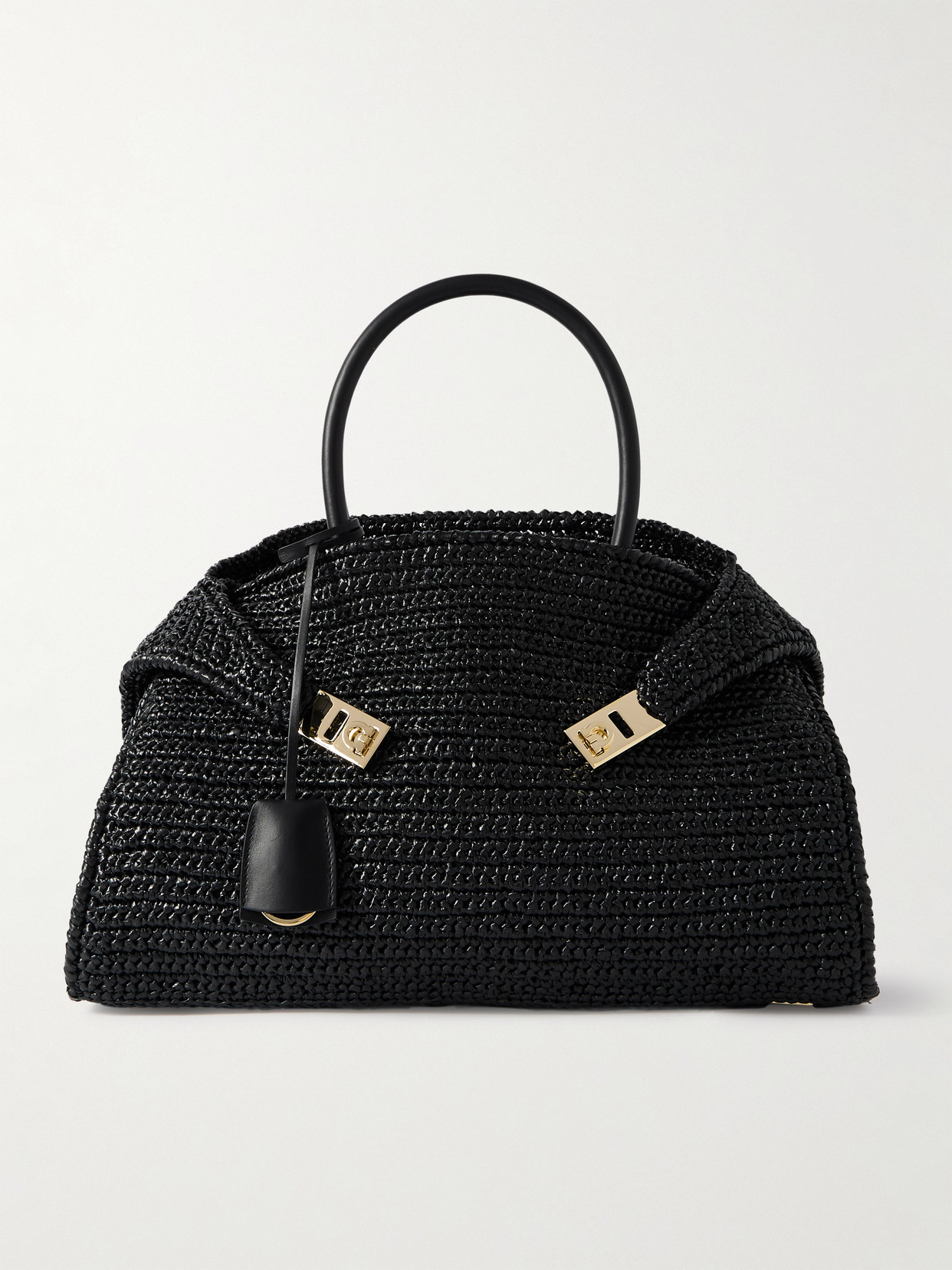
For a second season in a row, Ferragamo‘s Maximilian Davis is inspired with contemporary dance. Pina Bausch was an in-your-face reference for autumn-winter 2025, just looking at the petal strewn runway (a nod to one of her most famous stagings, “Nelken“). Ballerina’s bodysuits from last collection got replaced with thicker jerseys, semi-sheer shifts and airy drapes. Two densely fringed mesh dresses near the end were hung with carnation-like florals. Some of the oversized tailored outerwear (the collection’s standout moments) echoed the masculine garments that Bausch was sometimes photographed wearing. It all seemed right. But in the end, something’s still missing in Maximilian’s vision for the Italian house.
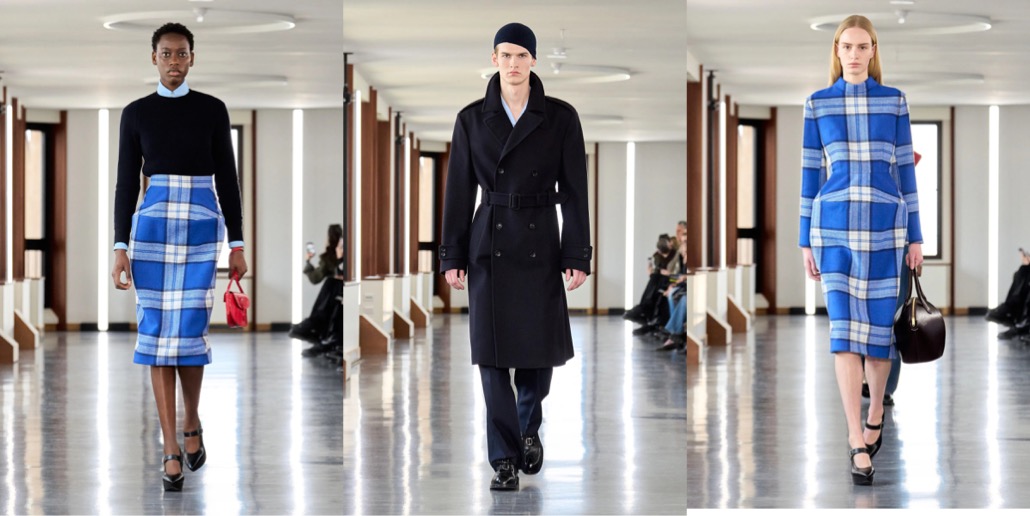
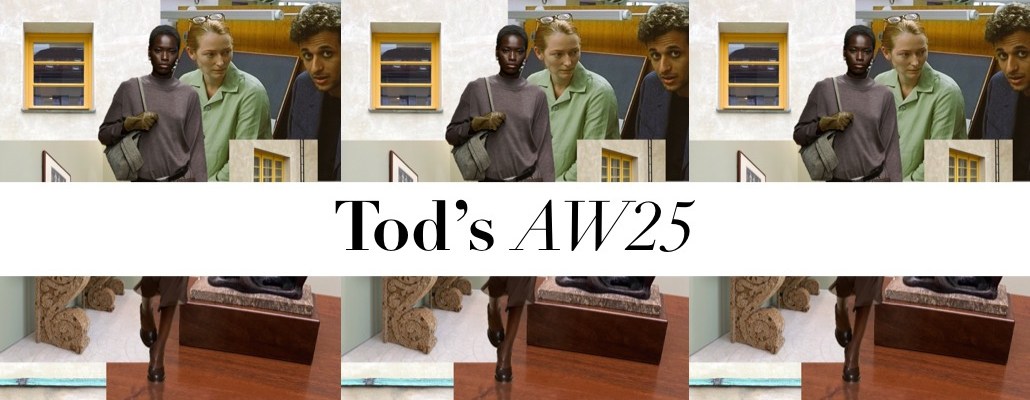
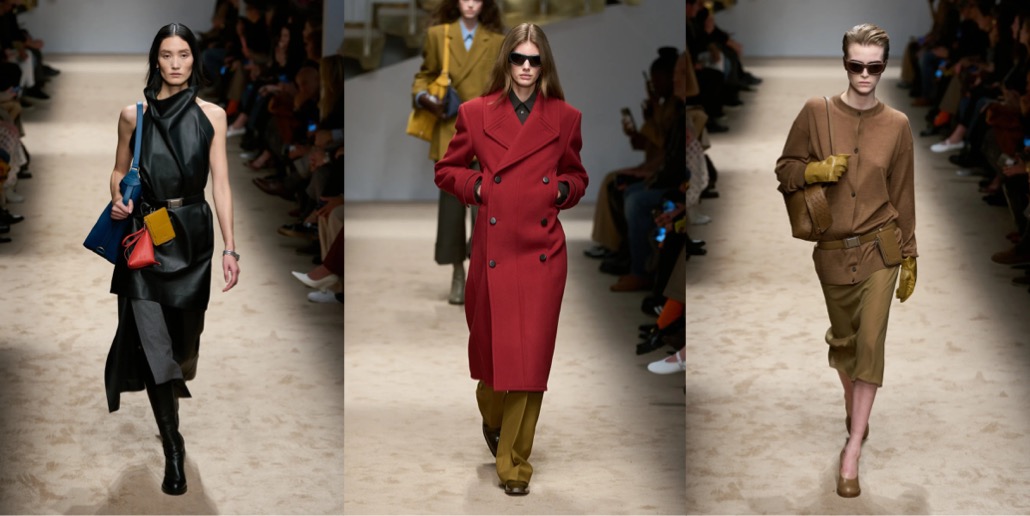
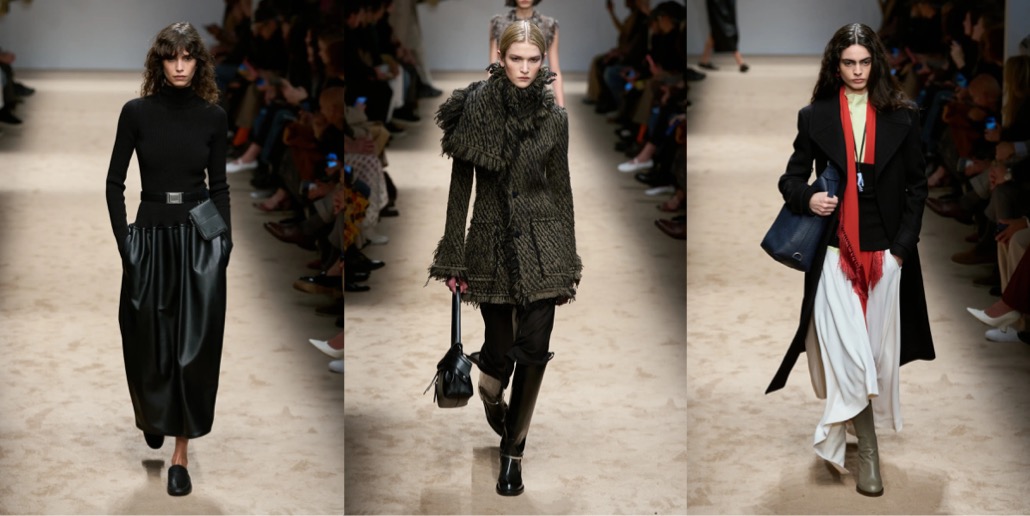
Matteo Tamburini very steadily transforms Tod’s into one of the most interesting brands to observe (and buy into) in Milan. The autumn-winter 2025 show took place at PAC, the Contemporary Art Pavilion, designed in the 1950s in a modernist style. It was the perfect backdrop for the line-up that blended charismatic minimalism with the warmth of the brand’s craftsmanship know-how. “I wanted to emphasize the feel of the hand and make the surfaces eloquent,” the designer mused, explaining that he drew inspiration from the textural works of Italian artists like Carla Accardi and Lucio Fontana. Outerwear stood out in particular, with coats that were elongated, often cinched at the waist or accented with half-belts at the back. Another highlight was the slender mocha knit worn over a earthy-hued, silk pencil skirt, accessorized with a pair of olive-green gloves. Very chic, very Milano.
Collage by Edward Kanarecki. Don’t forget to follow Design & Culture by Ed on Instagram!
Hey, did you know about my newsletter – Ed’s Dispatch? Click here to subscribe!



















 Design & Culture by Ed