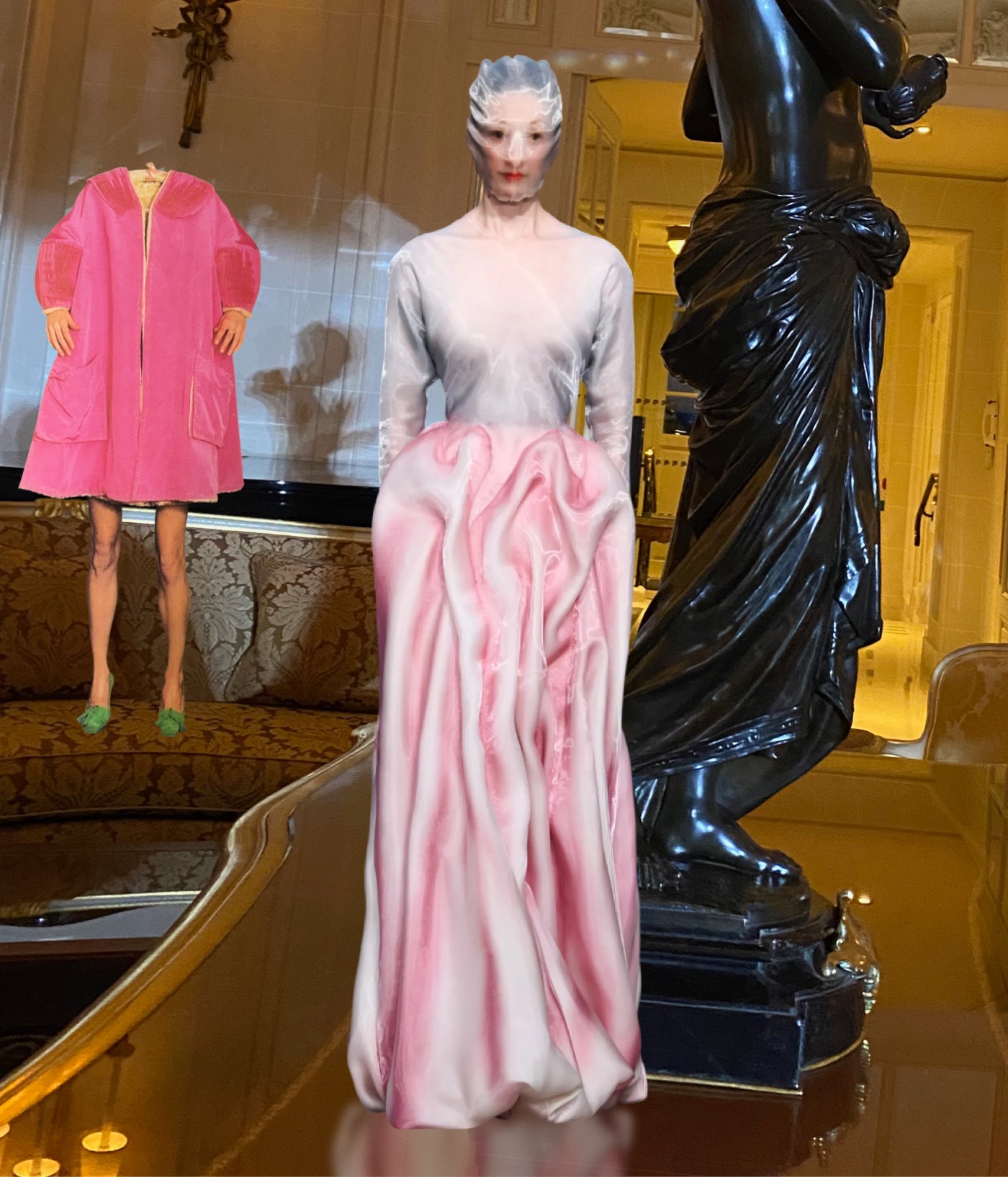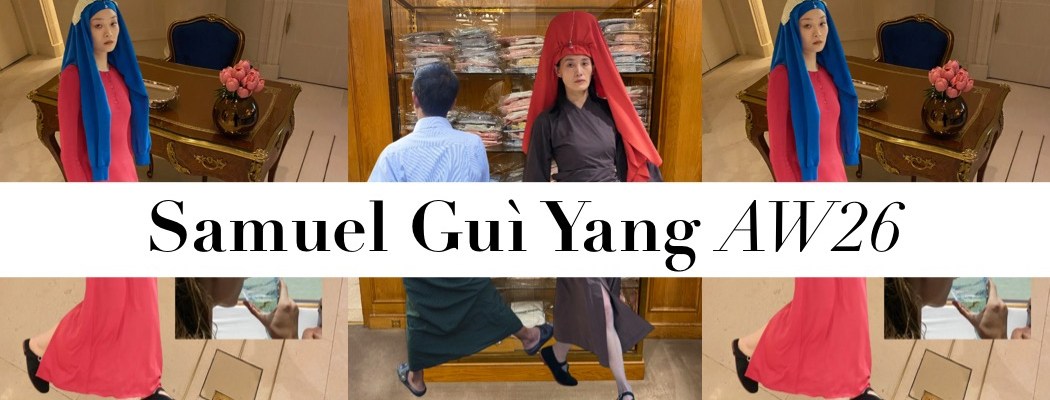
The Beauty Of Fluidity. Samuel Guì Yang AW26

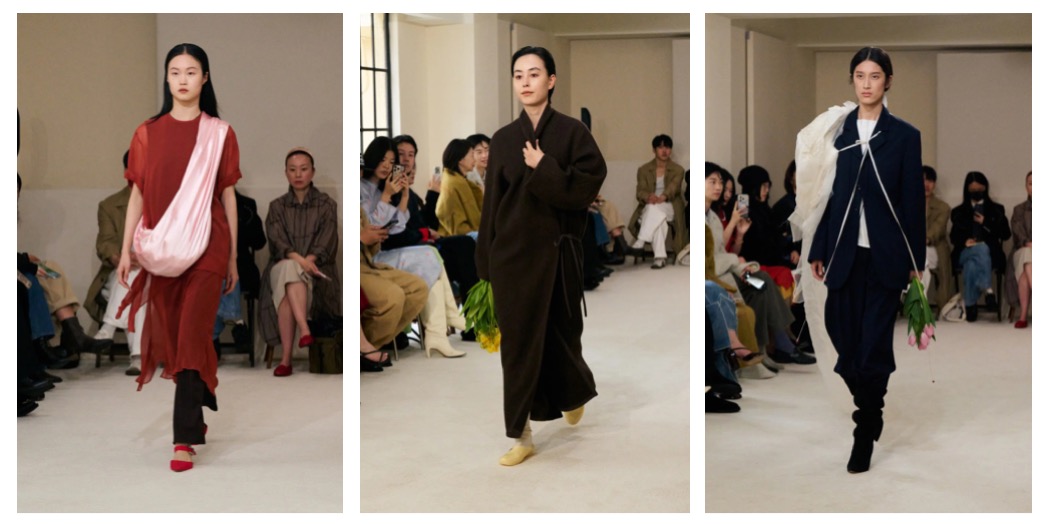
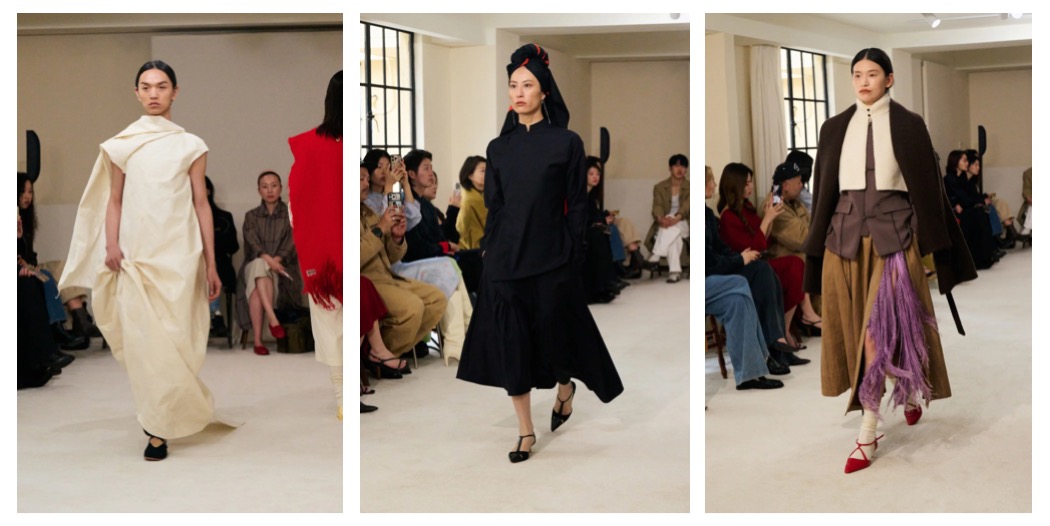
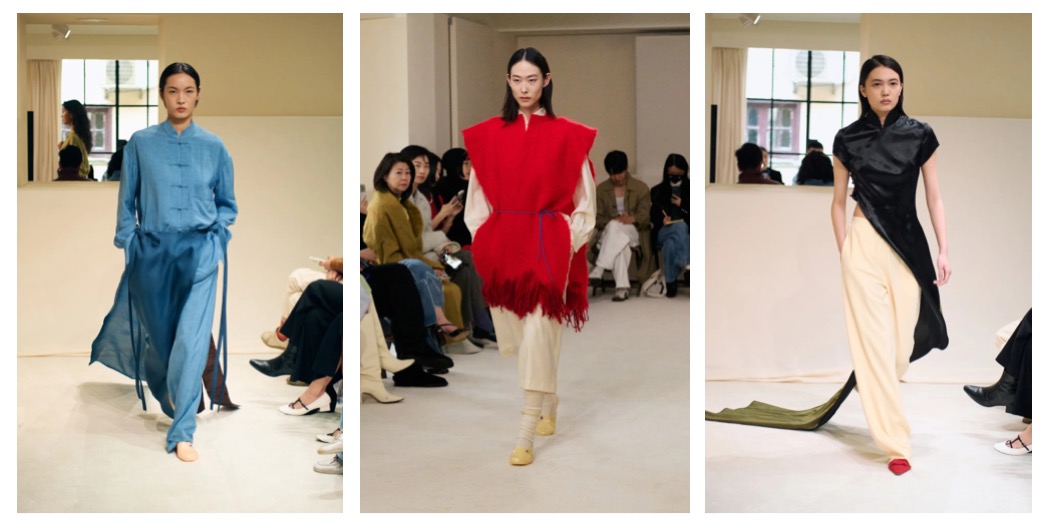
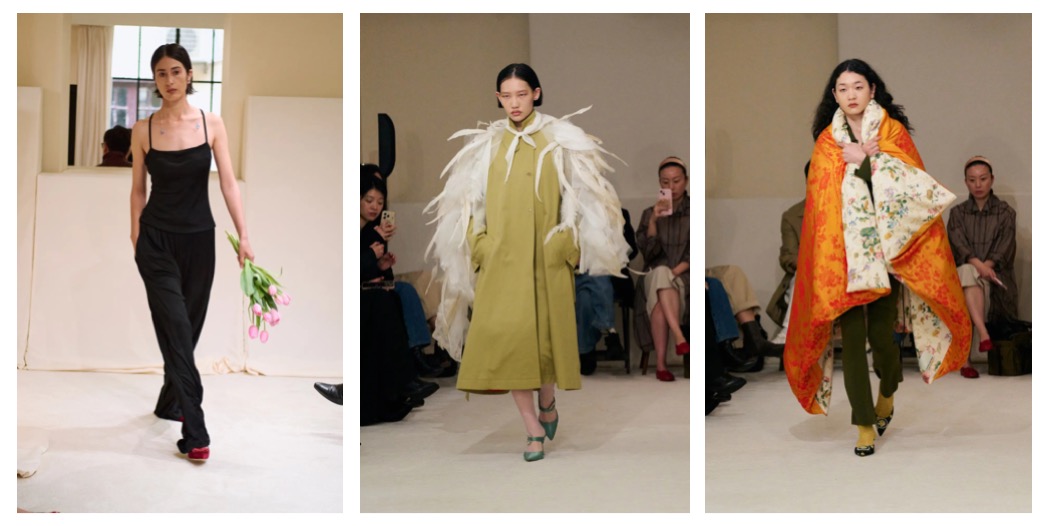
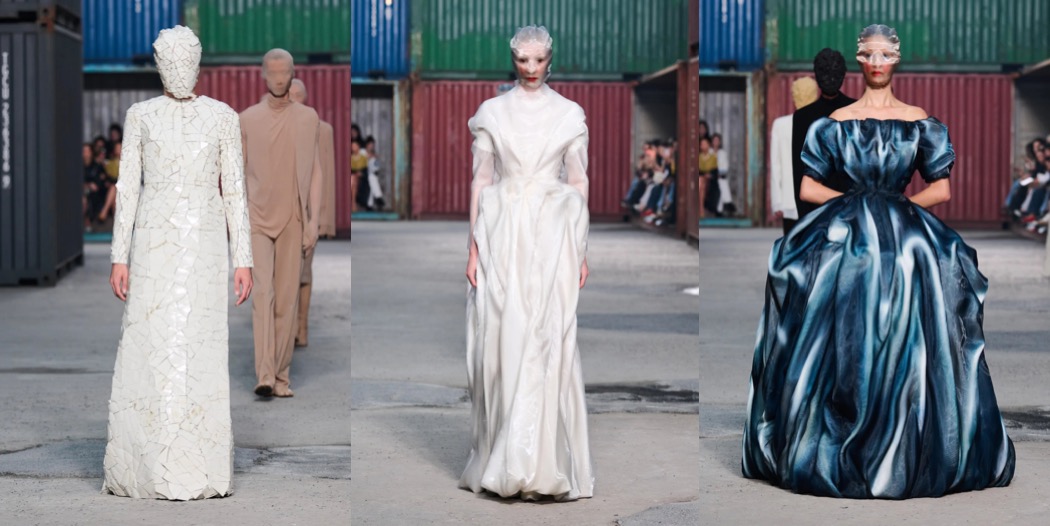
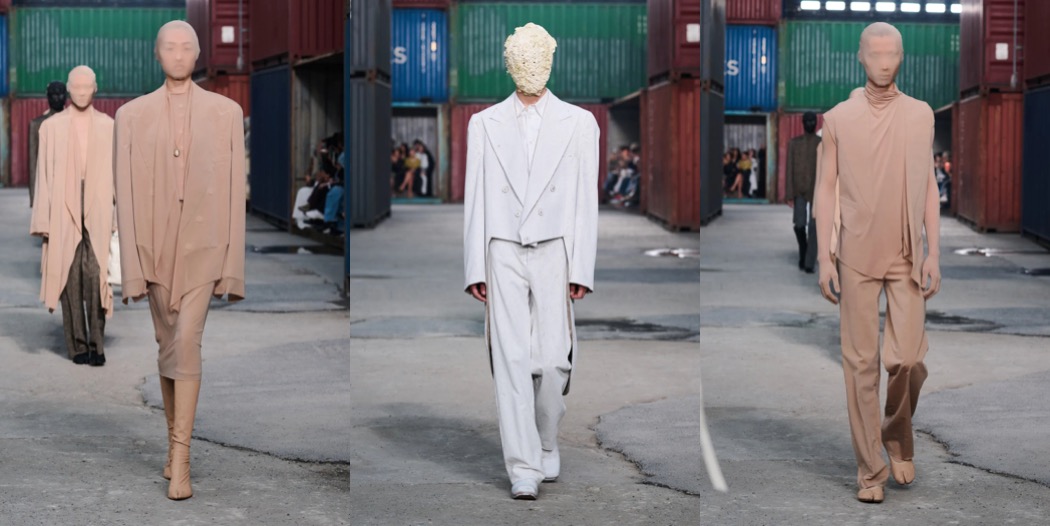
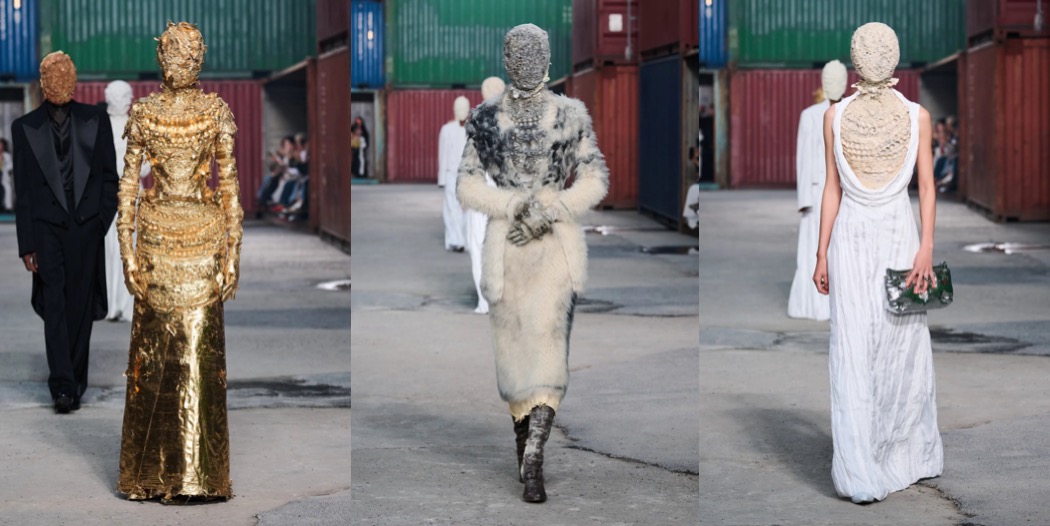
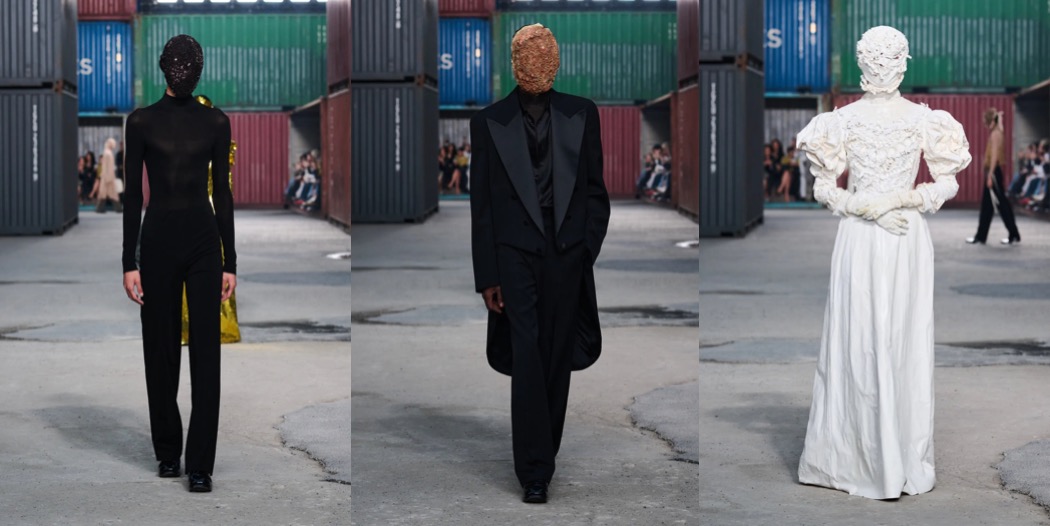
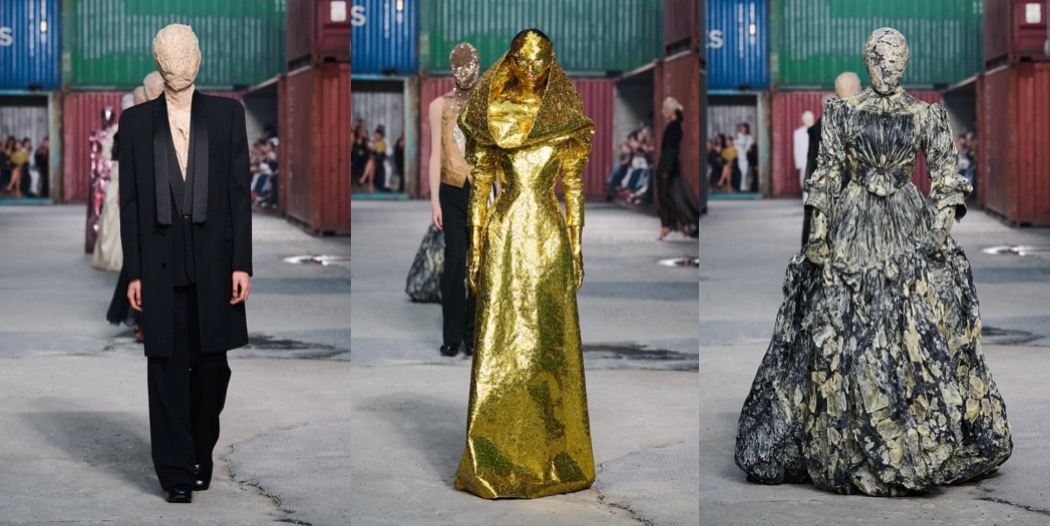
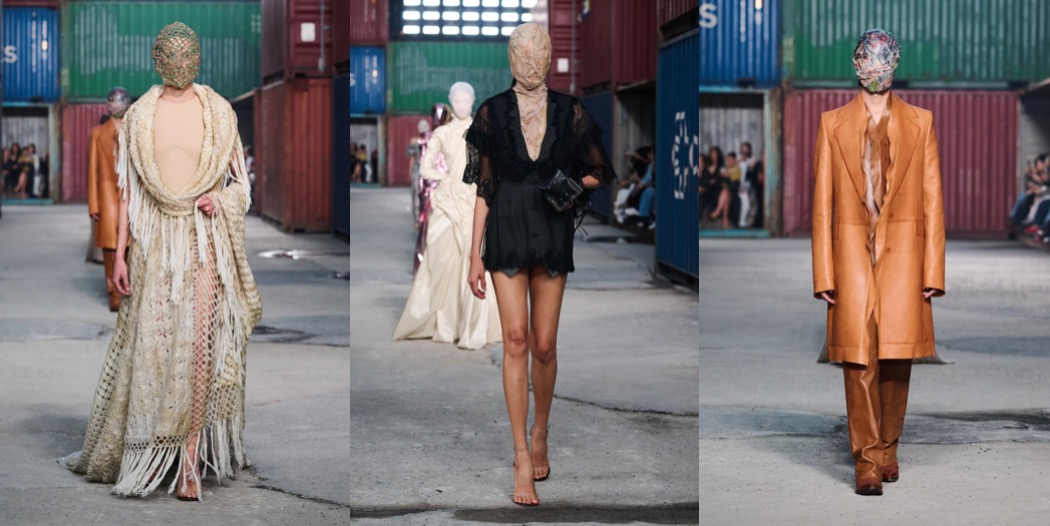
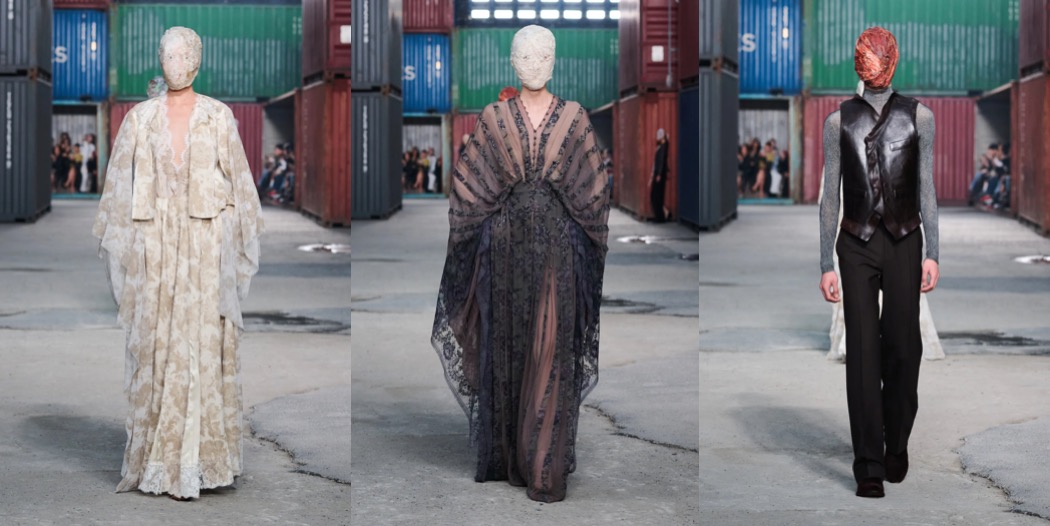
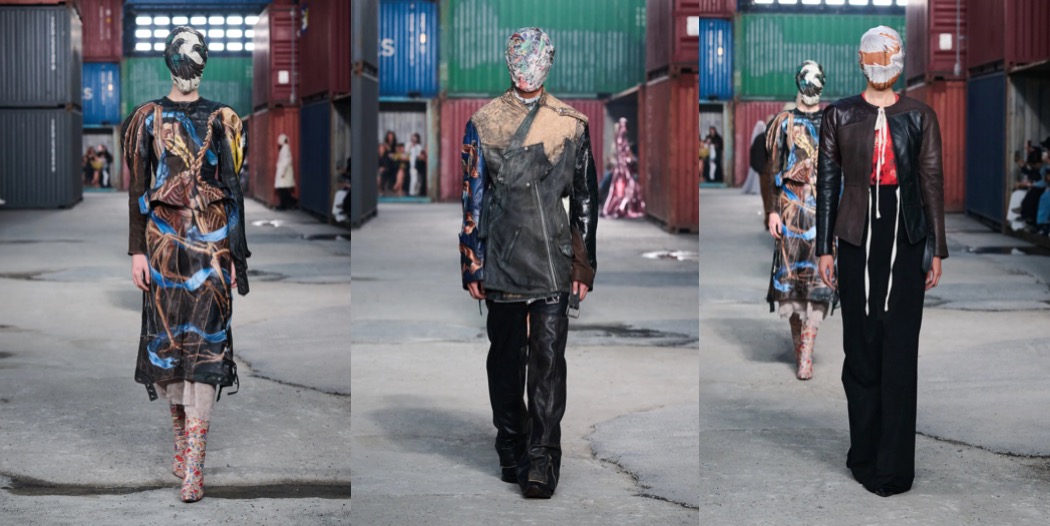
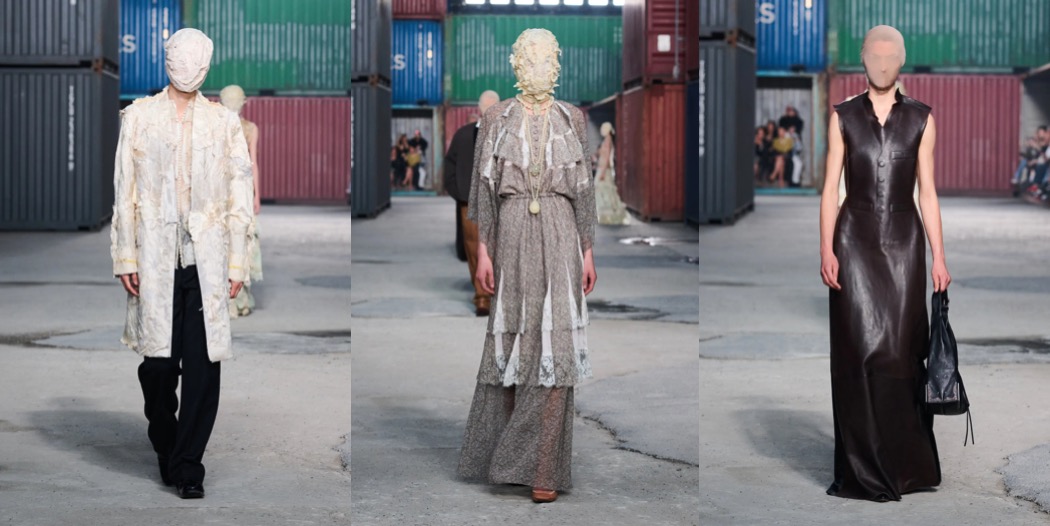
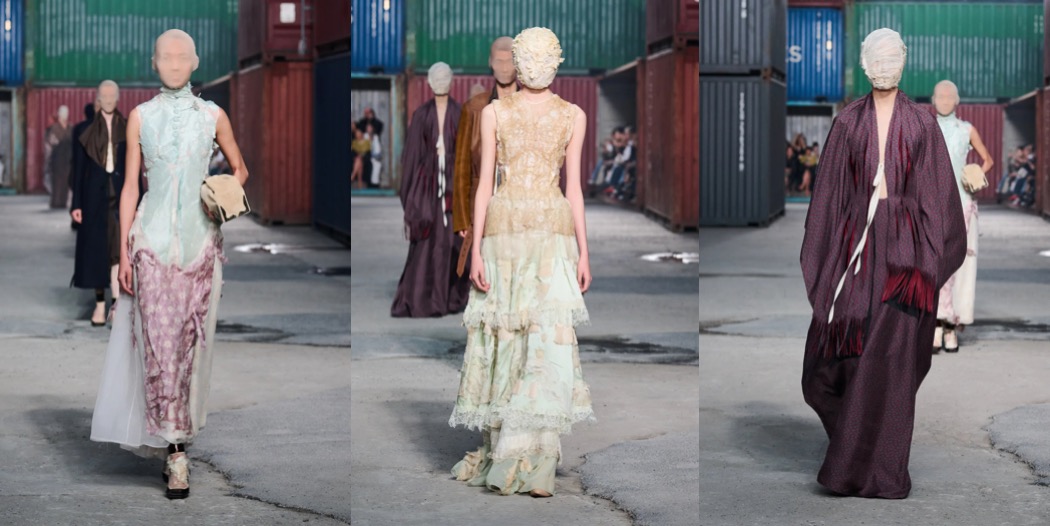
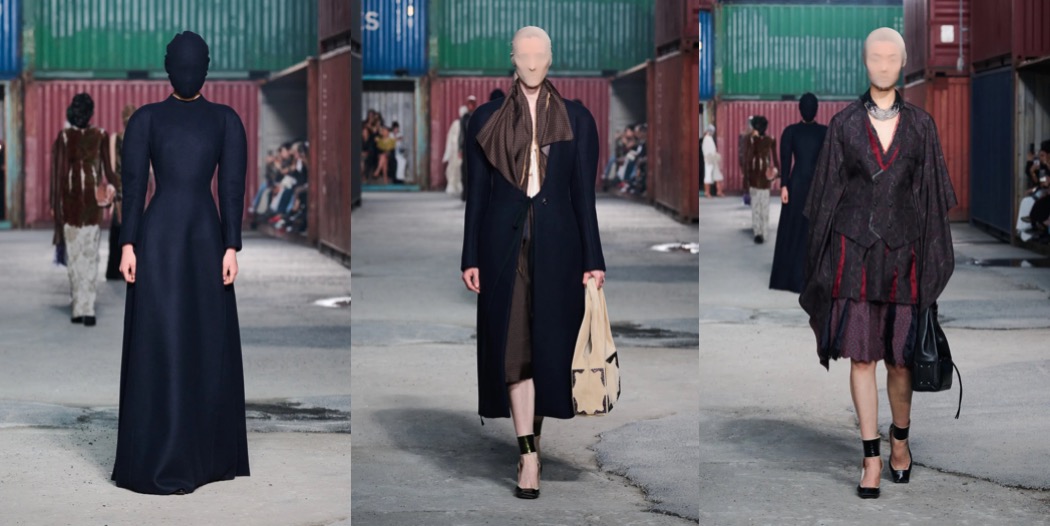
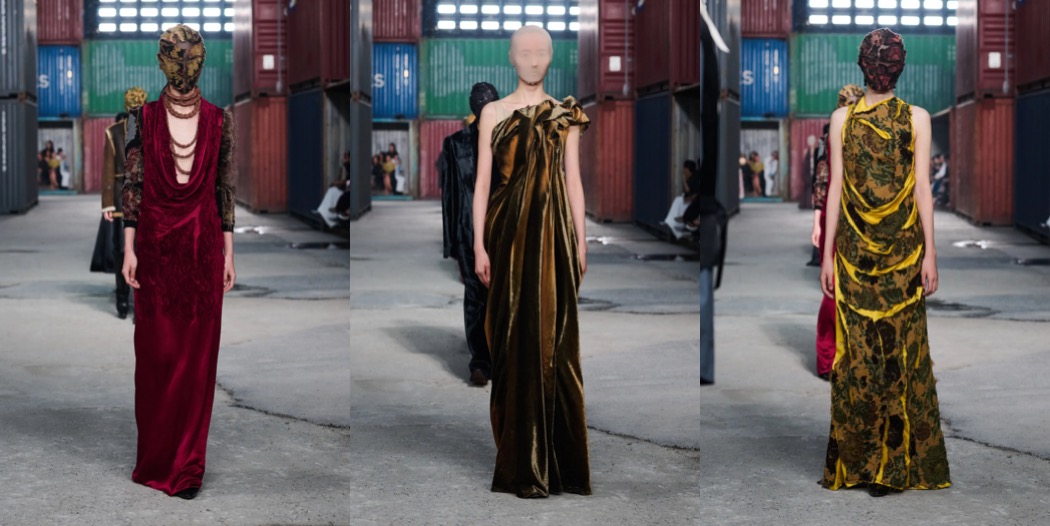
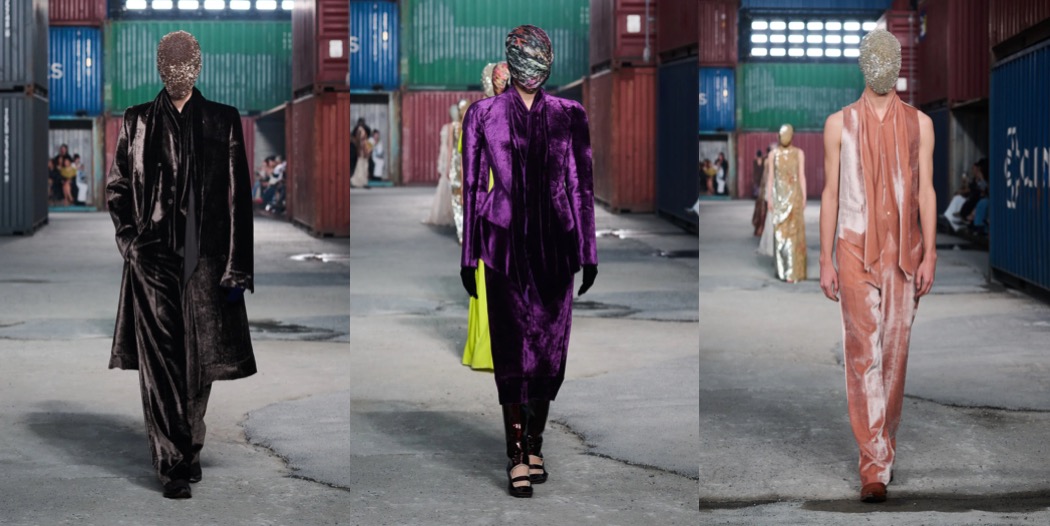
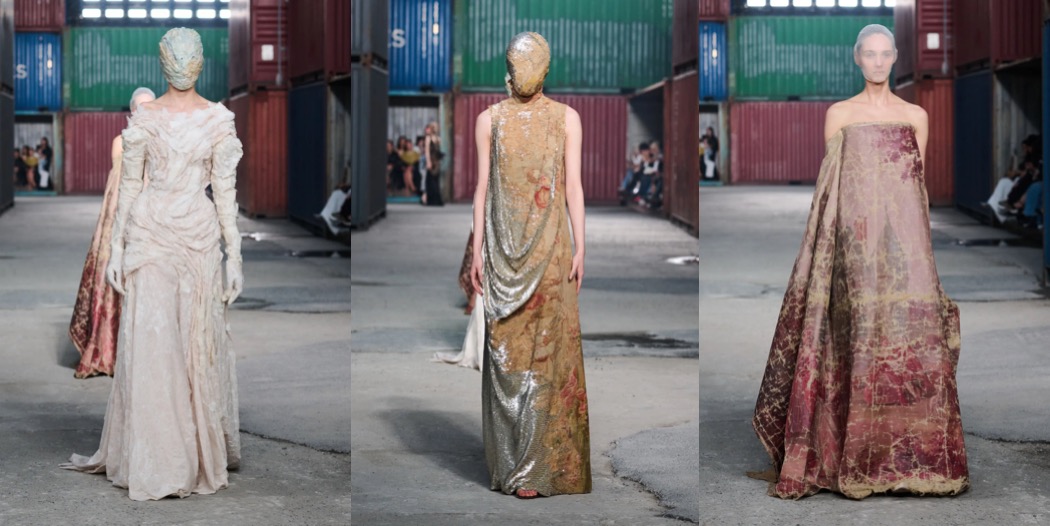
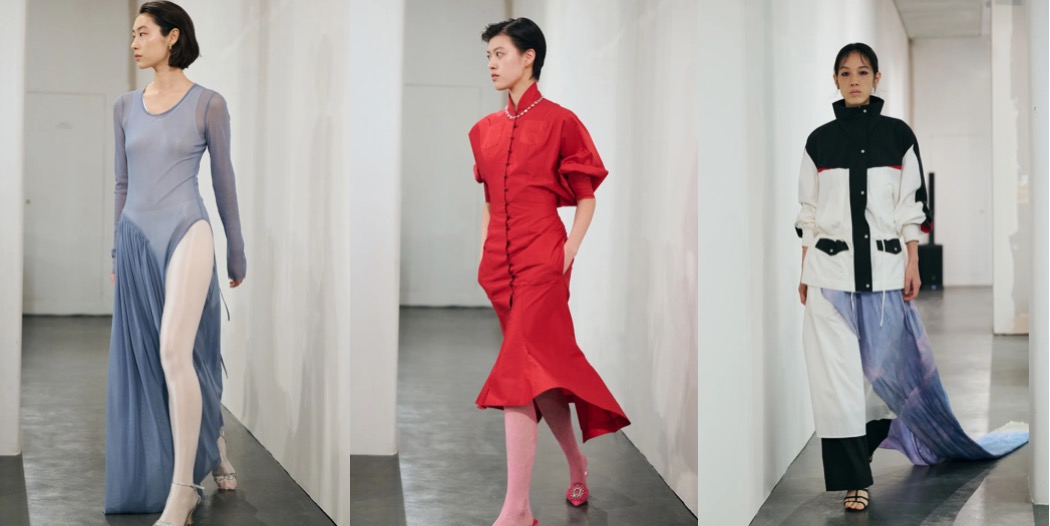
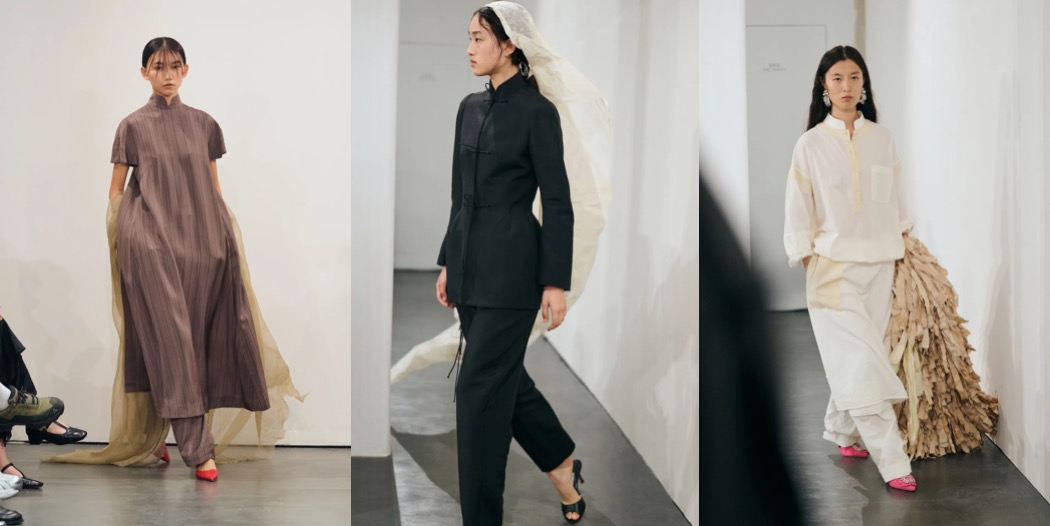
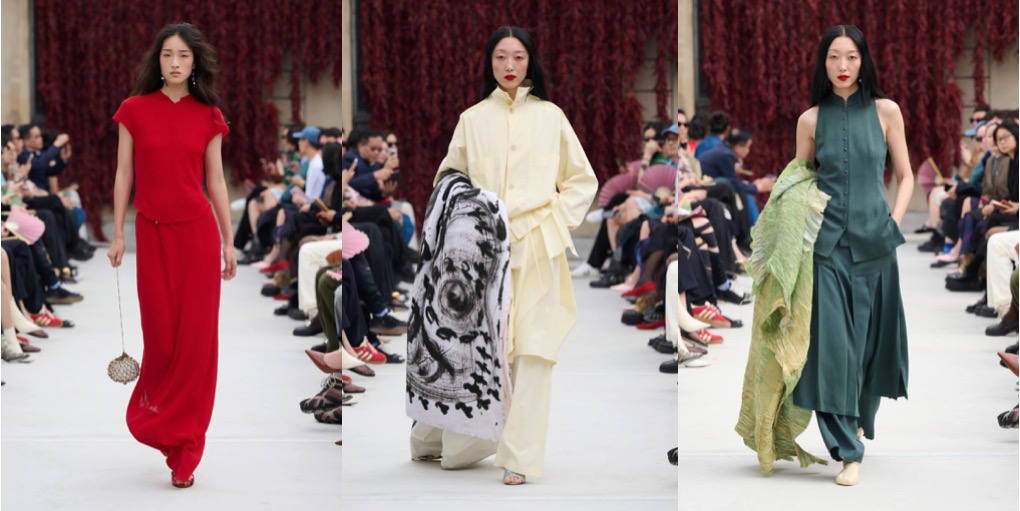
Shanghai Fashion Week is an increasingly important player on the global stage, and the clearest proof of this is the guest show by Maison Margiela. Yet the true highlight of the week is Samuel Guì Yang, a brand I have followed for quite some time and one that has become a genuine magnet drawing audiences to Shanghai. Among all the labels presenting their work, the collaboration between Samuel Guì Yang and Erik Litzen feels the most authentic – and, crucially, not derivative of their Parisian or Lodnon counterparts. The label possesses a distinct aesthetic that cannot be found elsewhere.

As the designers themselves explain, what is often referred to as “Chinese style” encompasses an expansive and complex world: it resists simplification, as it draws equally from history and contemporary life – from the rhythms of the street to color, humor, and everyday experience. This multiplicity informs their refusal to confine themselves to a singular cultural framework; instead, they embrace lighthearted fluidity.
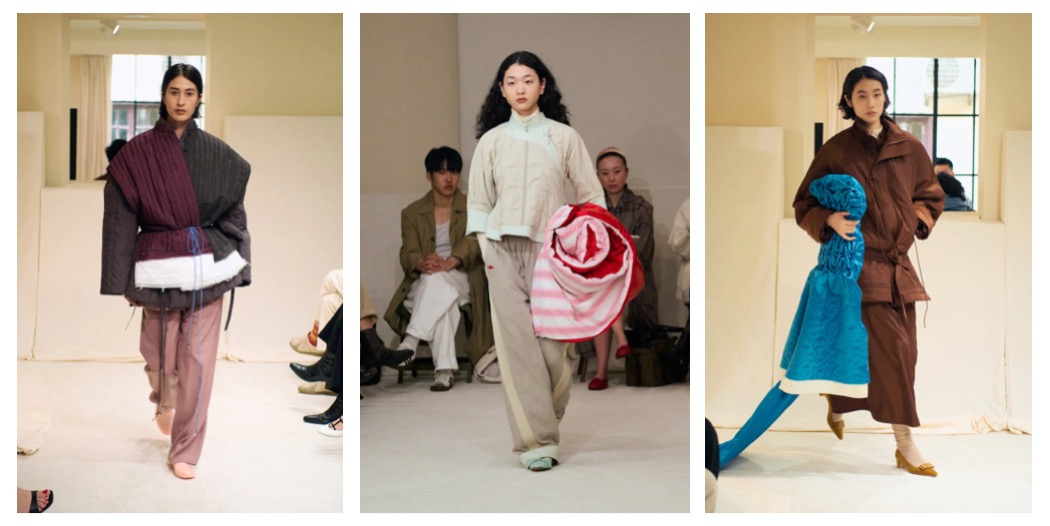
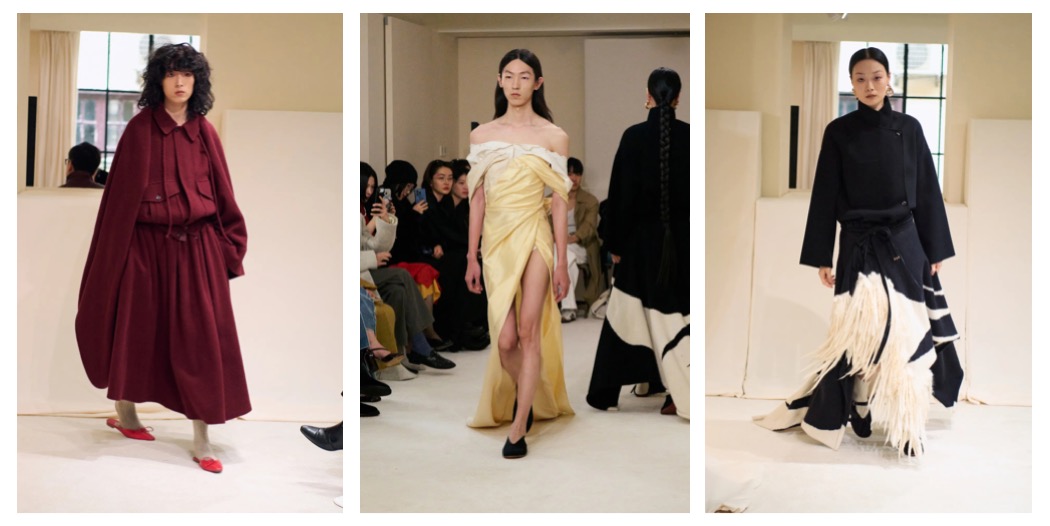
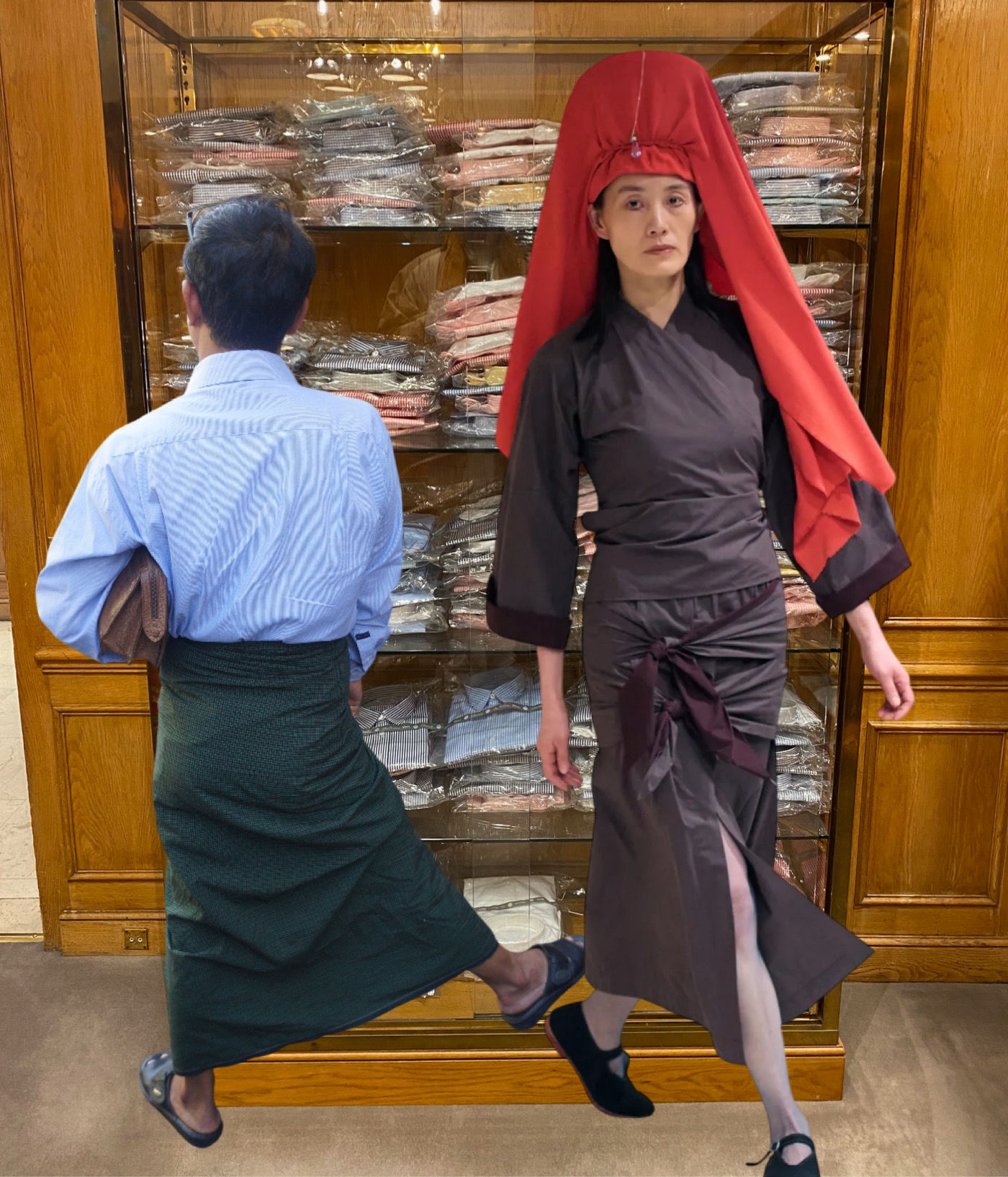
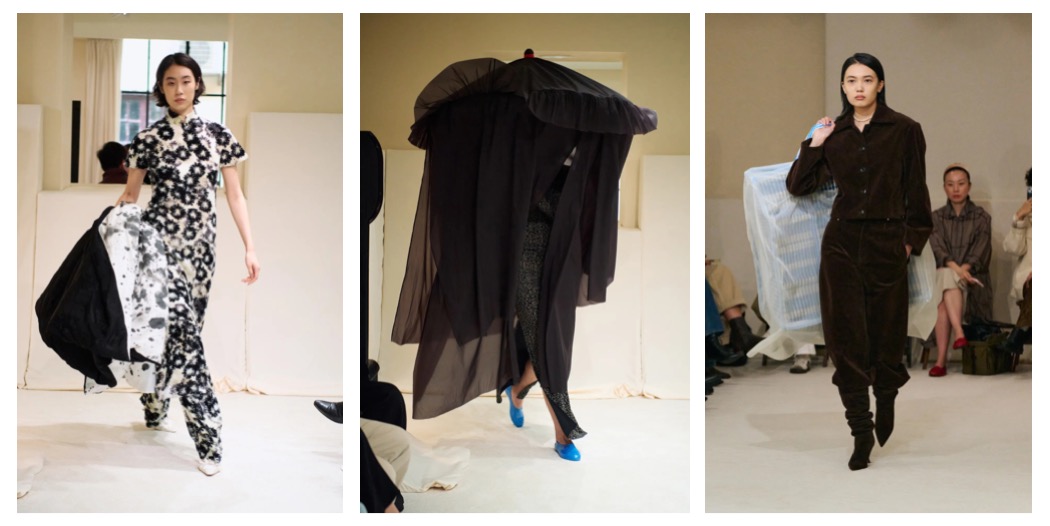
At a time when fashion is increasingly returning to a mode of freely drawing inspiration from global cultures – as seen, for instance, in the autumn–winter 2026 collections of Louis Vuitton and Loro Piana – Samuel Guì Yang stands at the forefront with its nuanced (and very chic) exploration of cultural provenance. A double-faced silk qipao, for example, was cut to fall from the body at the right hip before winding down to the floor like an evening gown. Elsewhere, a fringed poncho was tied with a piece of blue string, achieving a sense of harmonious ruralism. Additional elements – a striking feathered cloaklet layered over a raincoat, headpieces seemingly constructed from repurposed garments, and a square parasol with a trailing black canopy that nearly obscured the entire look – introduced a subtly folkloric dimension without referencing any single tradition directly.

As Litzen notes, his and Samuel’s process begins intuitively, followed by careful refinement to ensure that the results remain respectful and avoid coming too close to specific cultural boundaries. This balance between instinct and critical editing ultimately defines the unique strength of their joint effort.
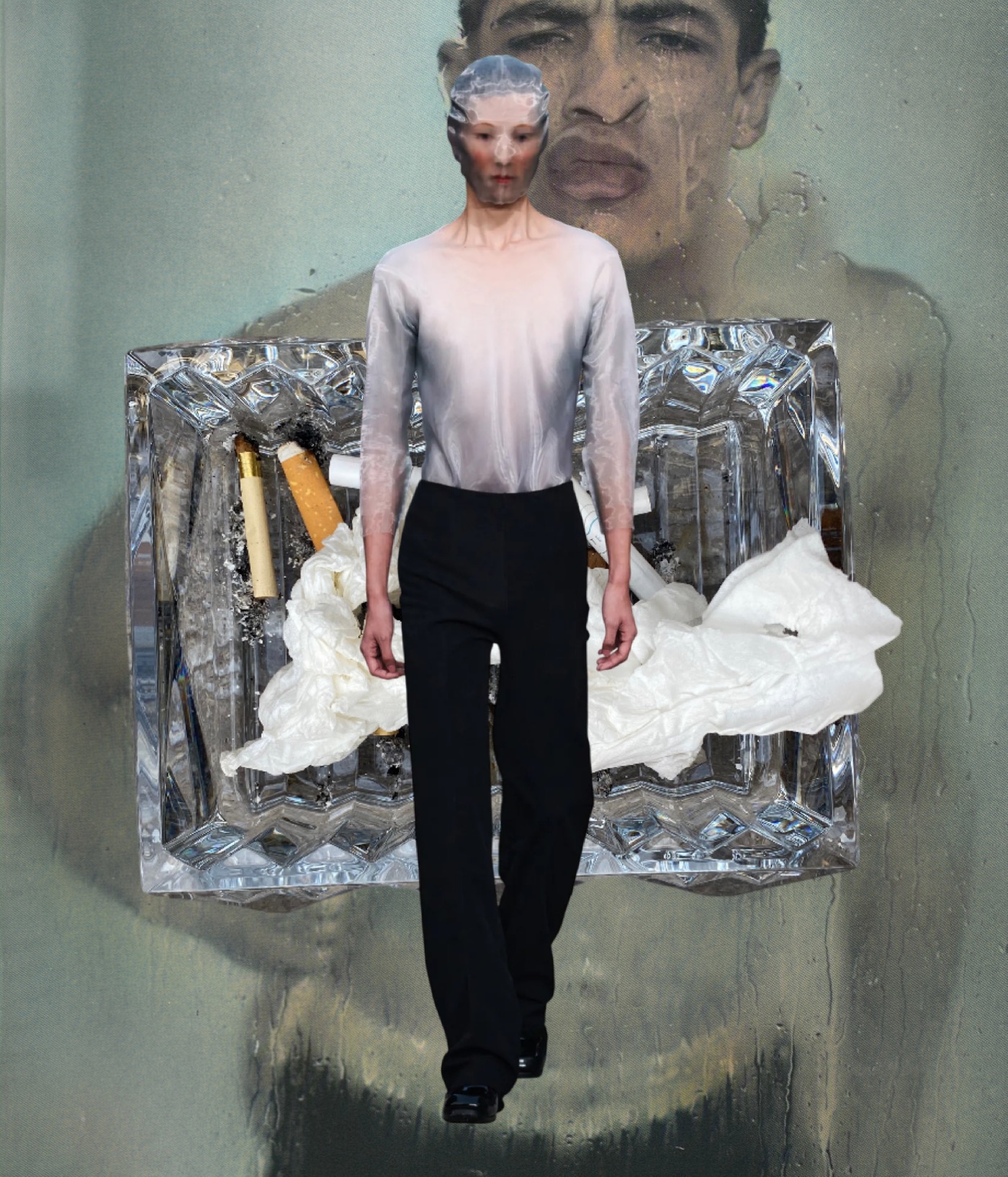
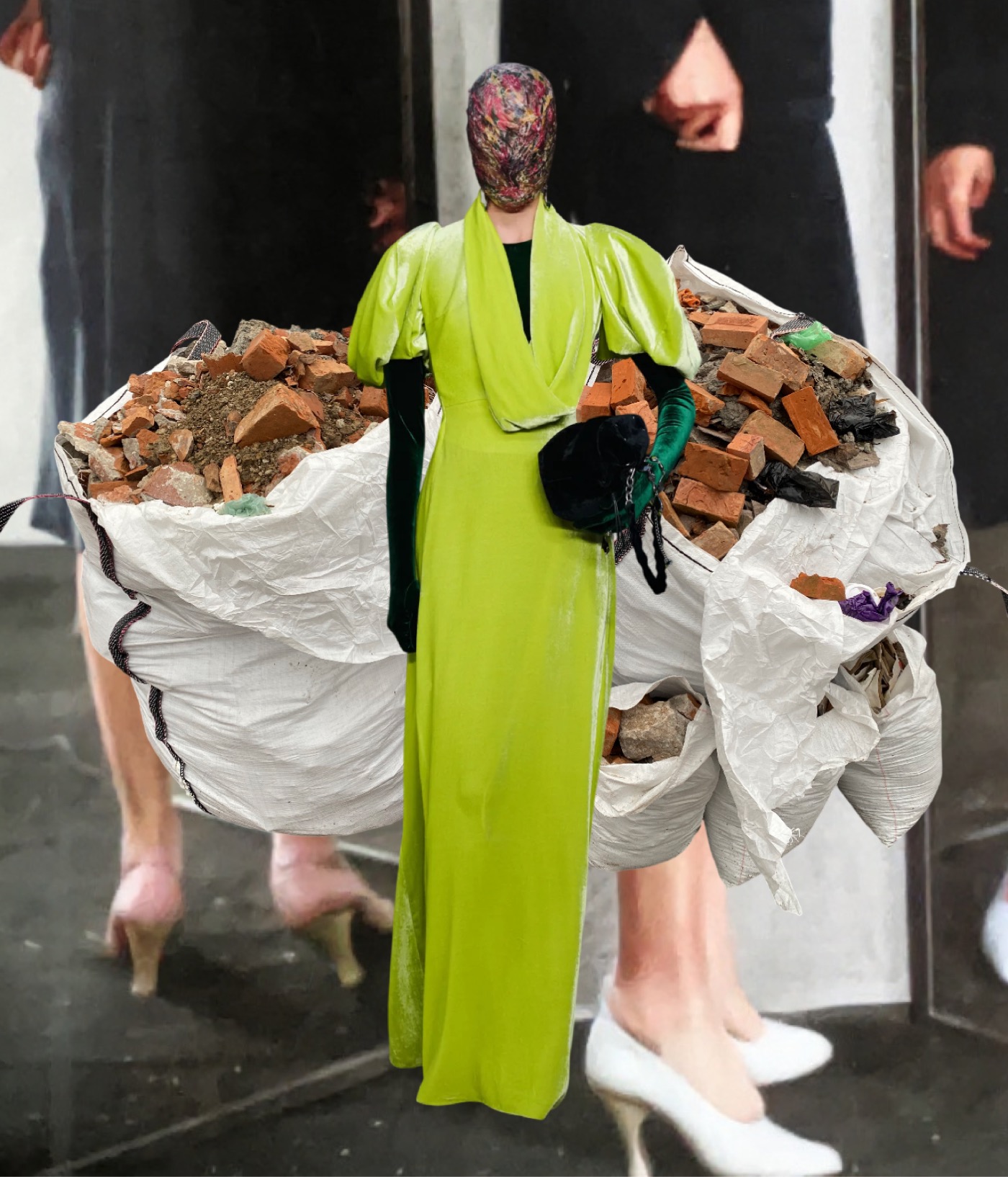
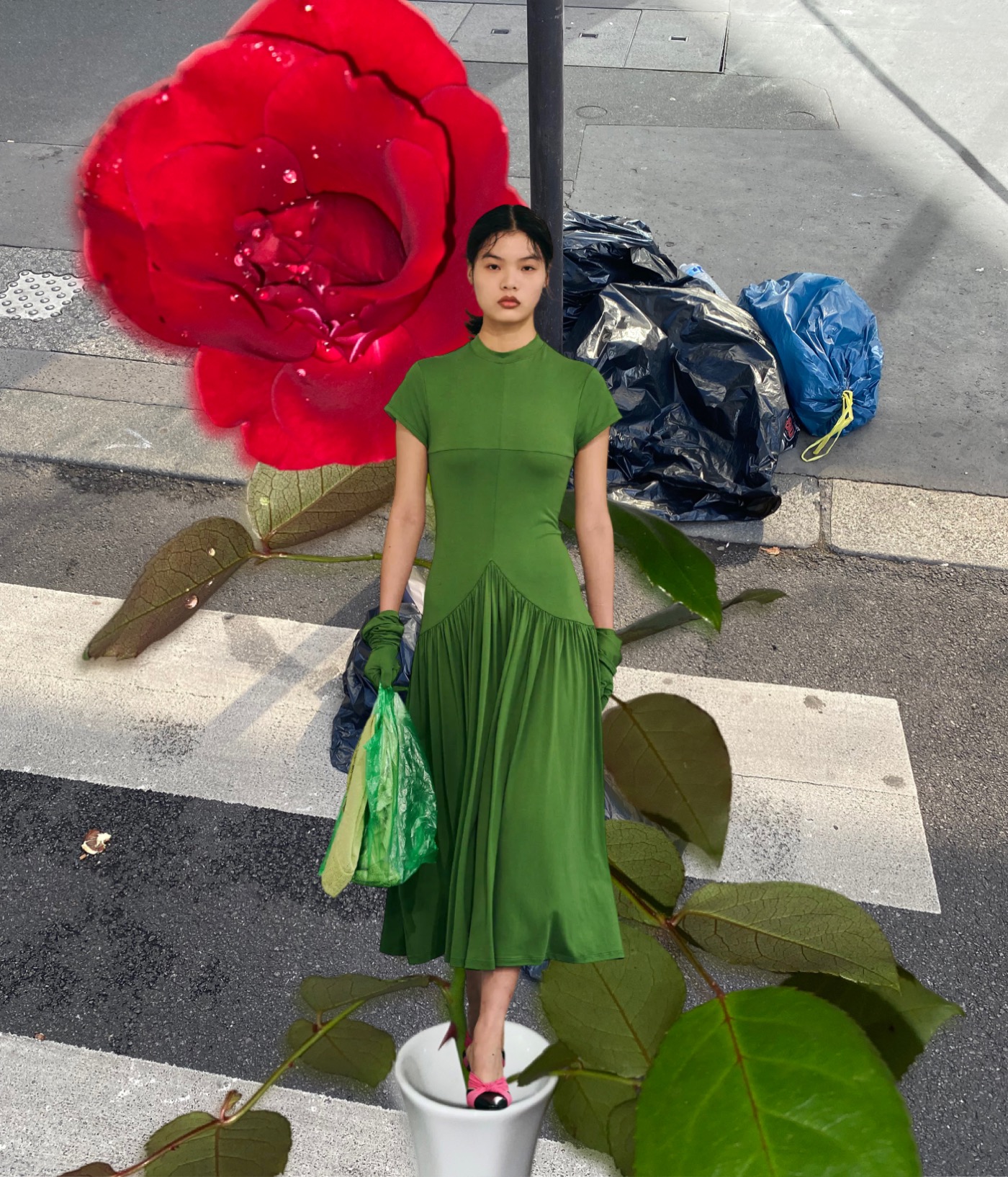
Collage by Edward Kanarecki.
Don’t forget to follow Design & Culture by Ed on Instagram.

Hey, did you know about my newsletter – Ed’s Dispatch? Click here to subscribe.
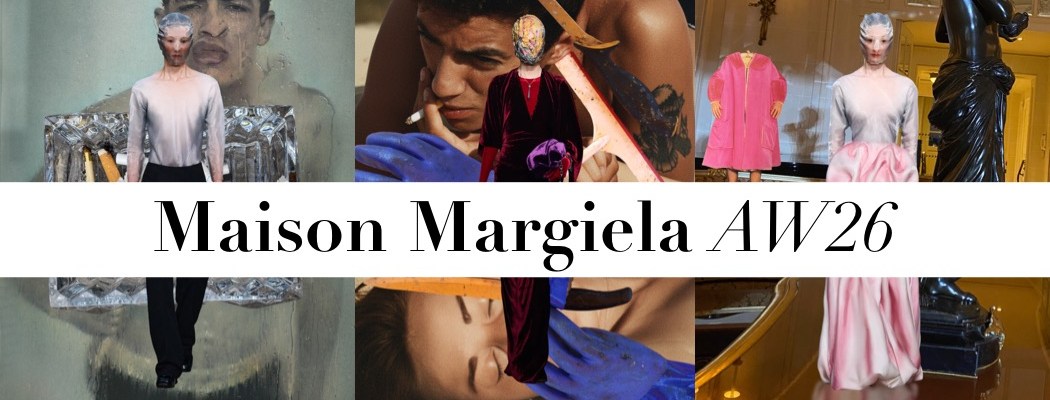
Shanghai. Maison Margiela AW26

At this point, there’s little sense in trying to draw connections between what Martin Margiela’s brand once was and what it is today. In the days of the revolutionary Belgian designer, the scale was small, anonymity was essential, and no-nonsense ideas were paramount. Today, this is Renzo Rosso’s house being scaled up – not only through perfume lines or Miley Cyrus campaigns, but also by presenting its latest collection in Shanghai.

I don’t see Maison Margiela as a “destination” brand like Chanel or Louis Vuitton, so it’s difficult to justify this move as anything beyond commercial expansion. The autumn-winter 2026 collection marks Glenn Martens’ third outing. It is, so far, his strongest – far more compelling than his spring effort, with its inexplicable metal gags tucked into models’ mouths – yet that doesn’t mean I’m entirely convinced. READ MY FULL REVIEW HERE.

ED’s SELECTION:


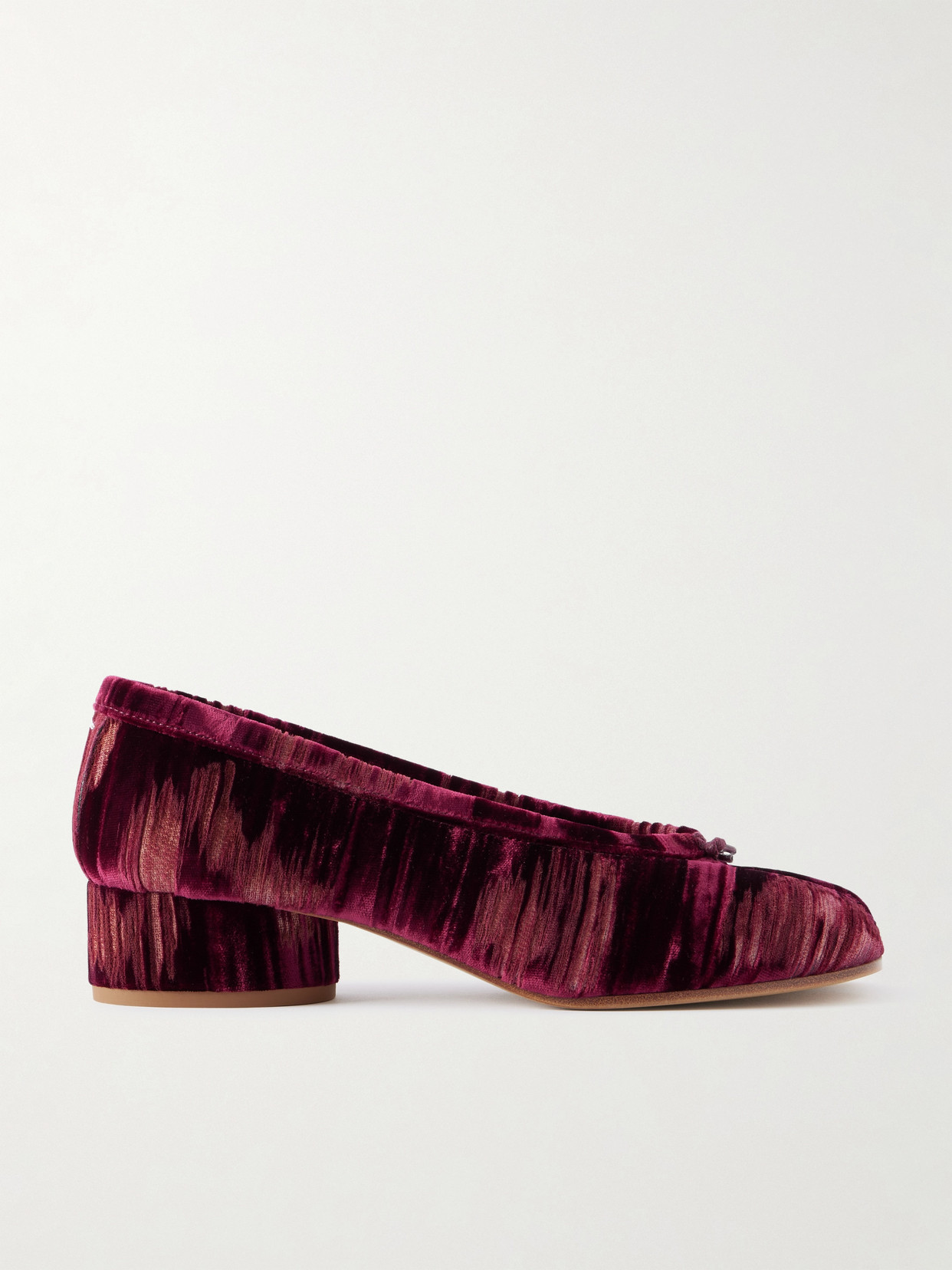
Maison Margiela Tabi Ballerina Split-toe Distressed Velvet Pumps


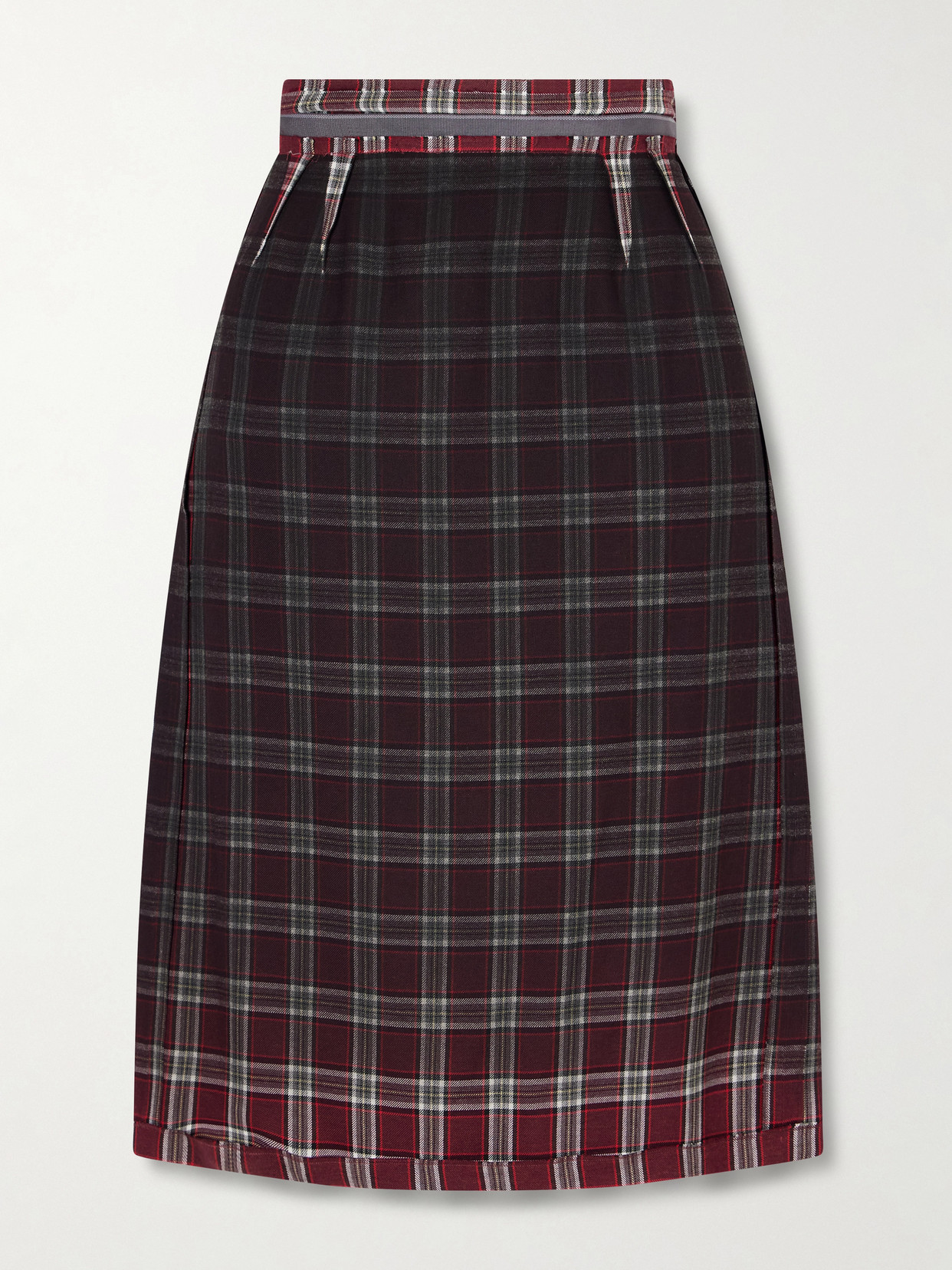
Maison Margiela Dégradé Checked Woven Midi Skirt


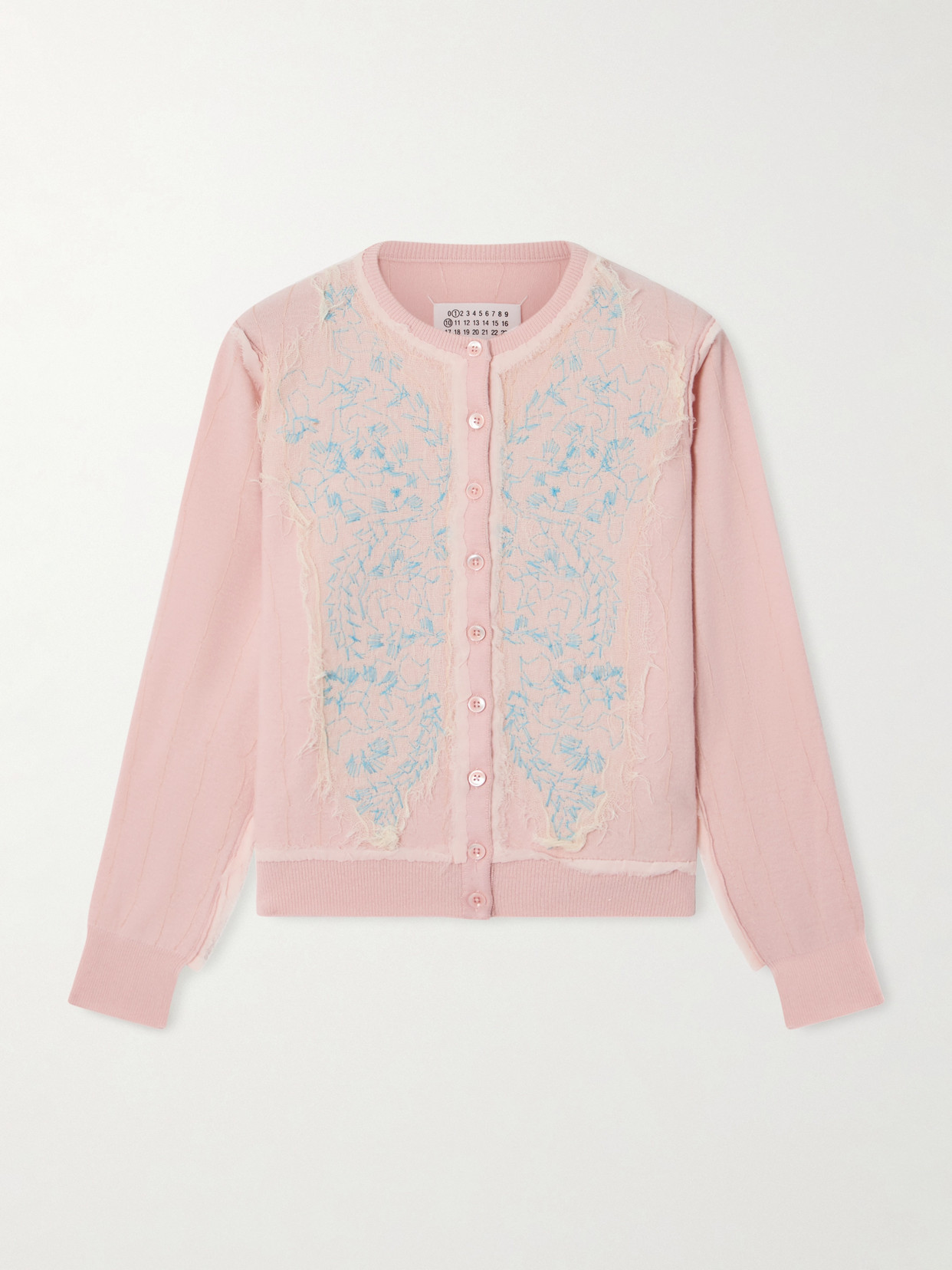
Maison Margiela Embroidered Mesh-trimmed Wool Cardigan


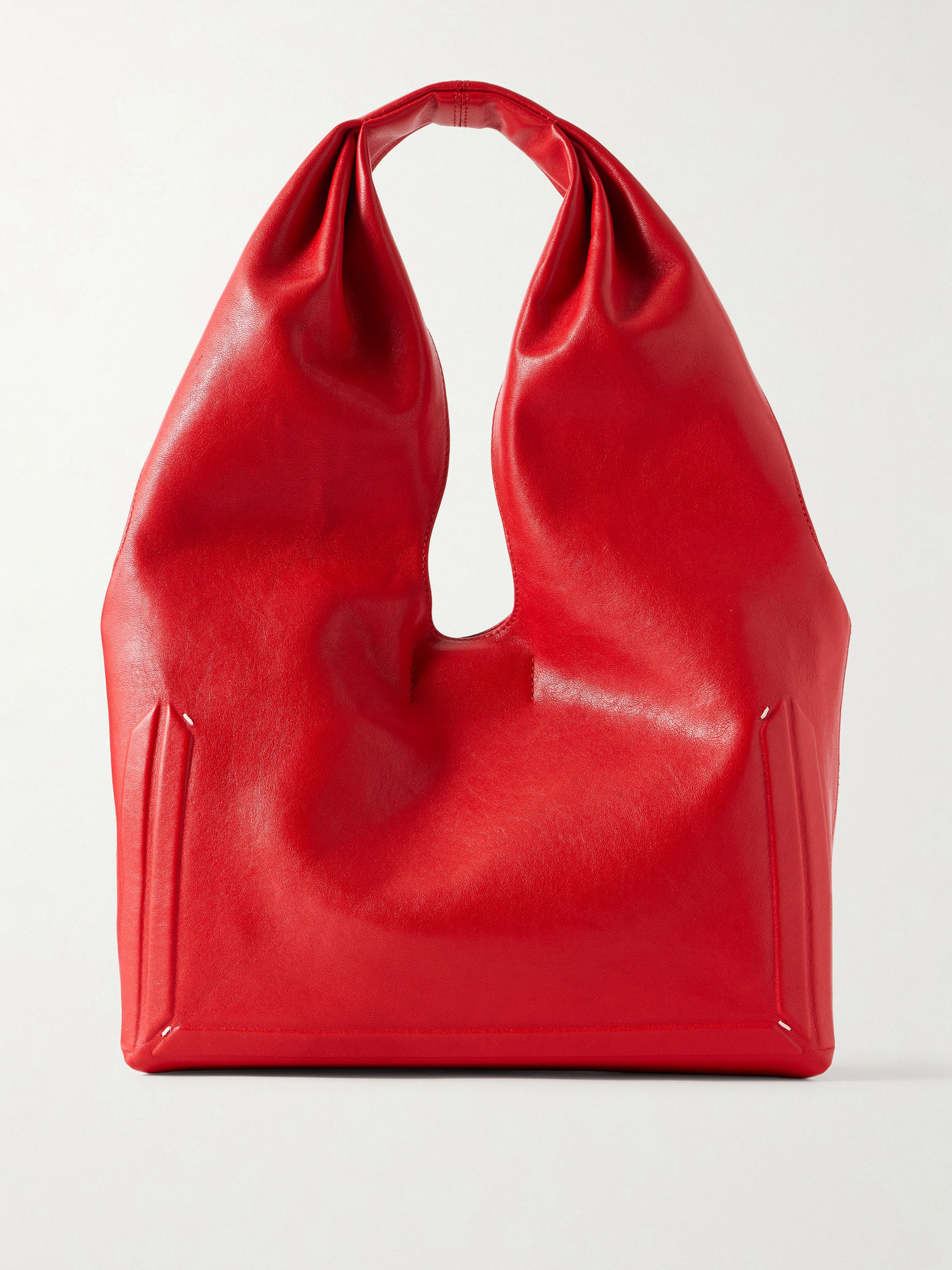
Maison Margiela Box Leather Shoulder Bag


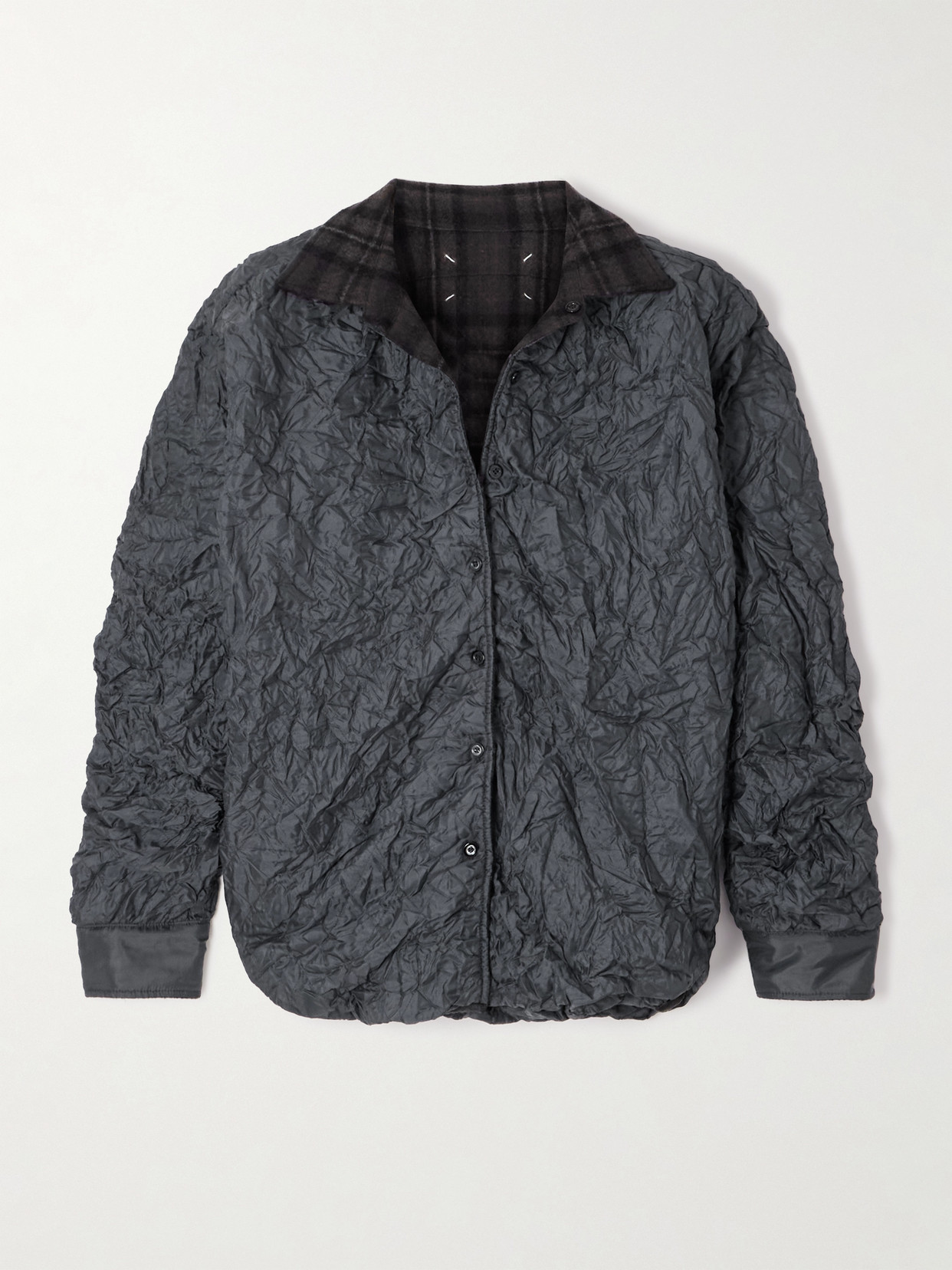
Maison Margiela Padded Wool-trimmed Quilted Crinkled Shell Jacket


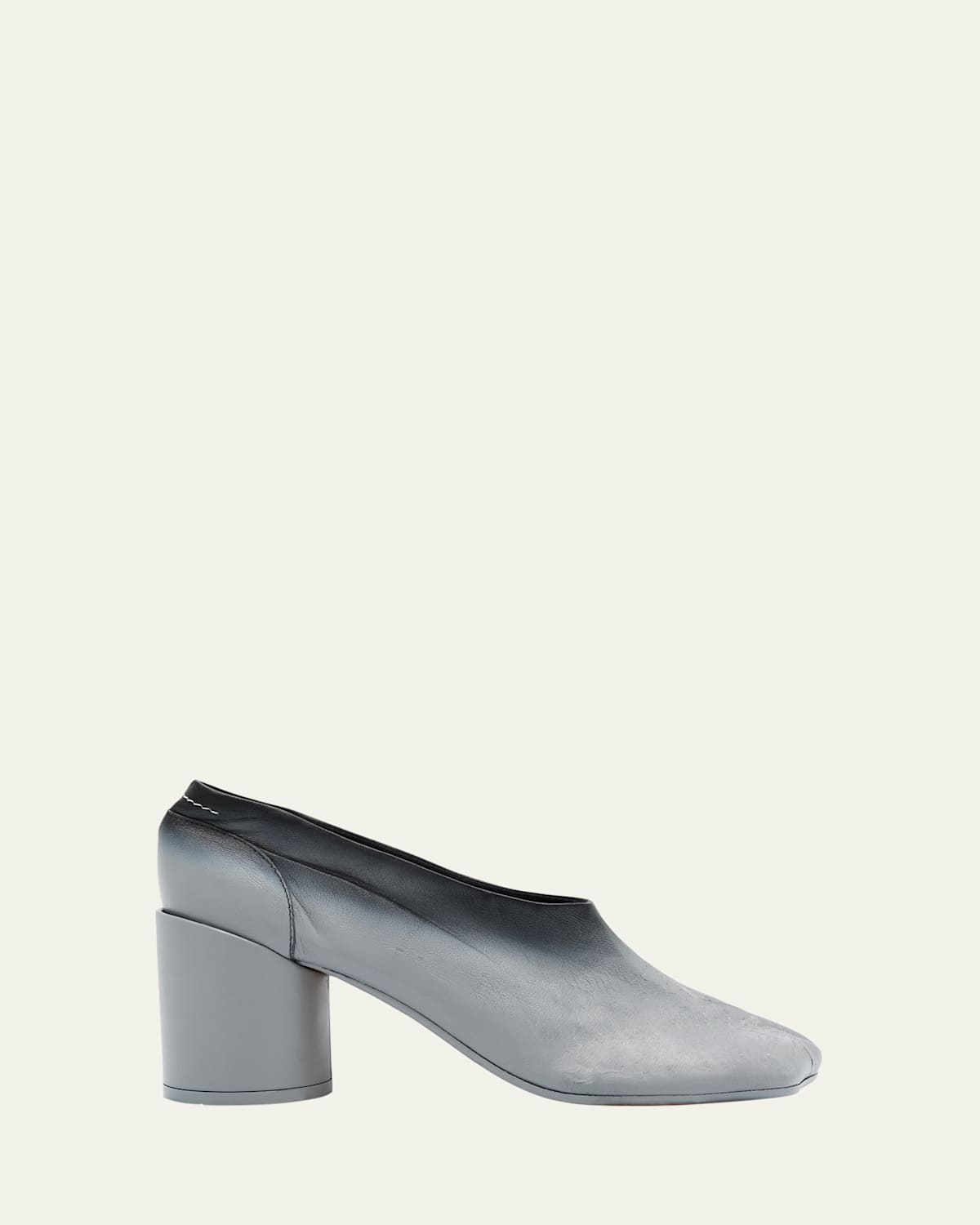
Maison Margiela Ombre Leather Anatomic Block-Heel Pumps

Collage by Edward Kanarecki.
Don’t forget to follow Design & Culture by Ed on Instagram.

Hey, did you know about my newsletter – Ed’s Dispatch? Click here to subscribe.
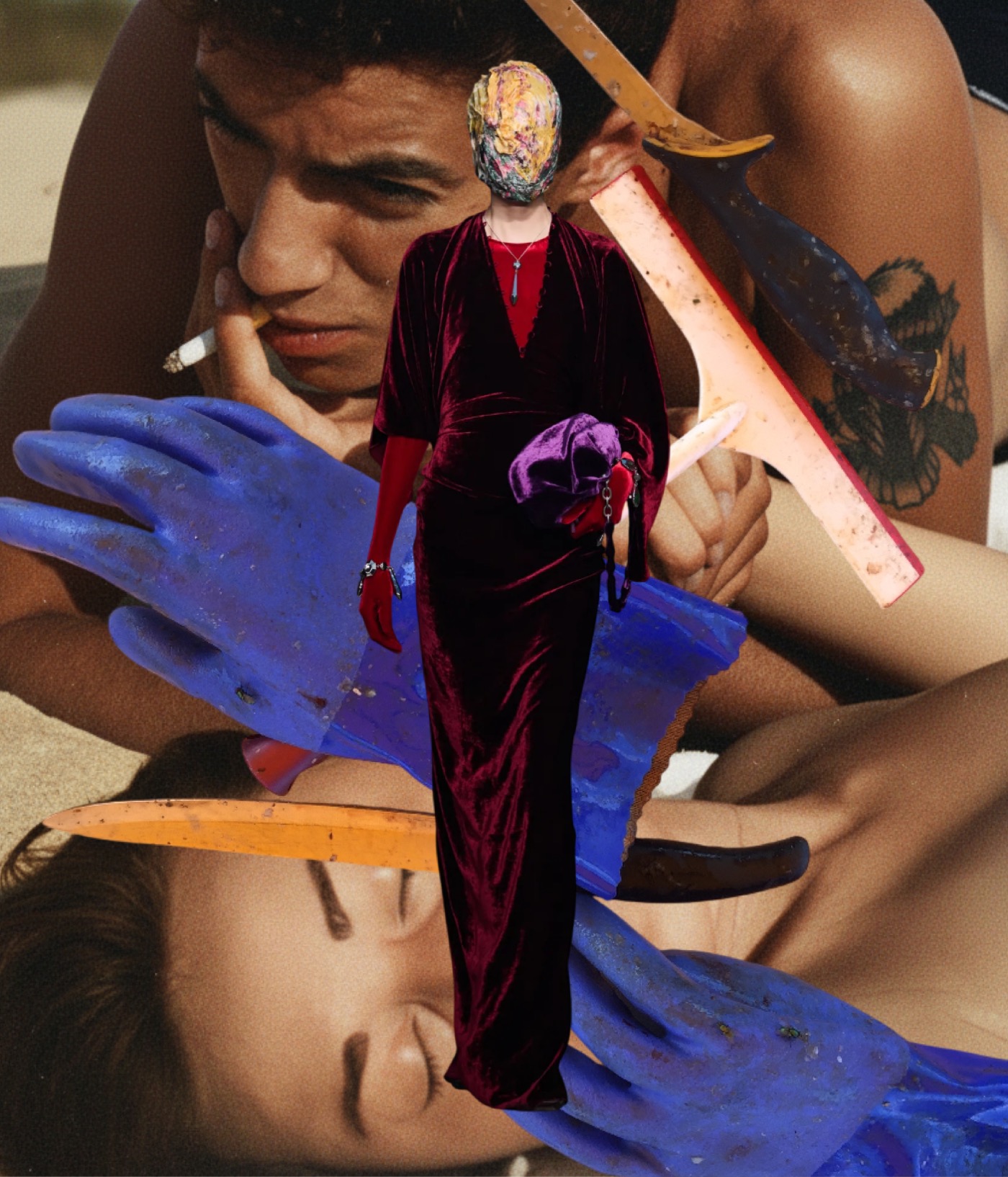
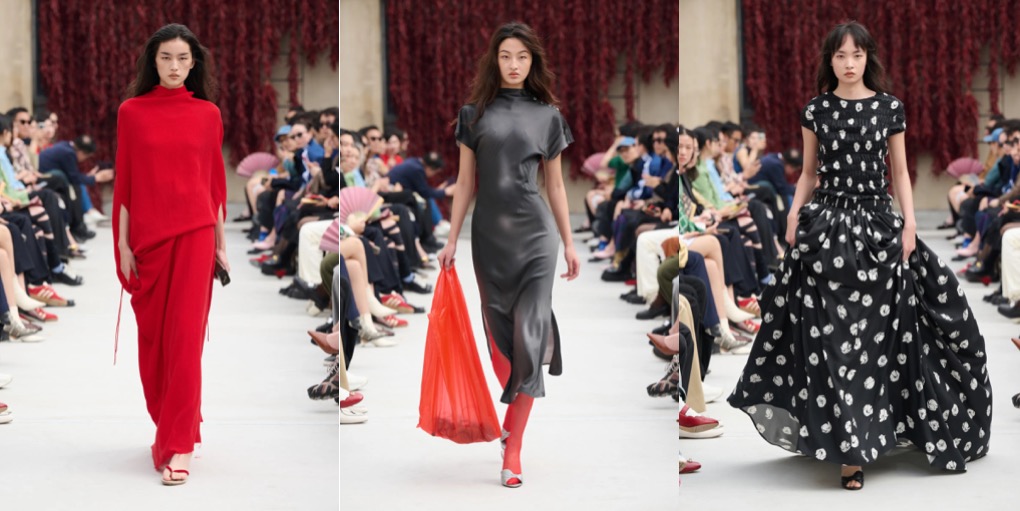
Flow. Samuel Guì Yang SS26

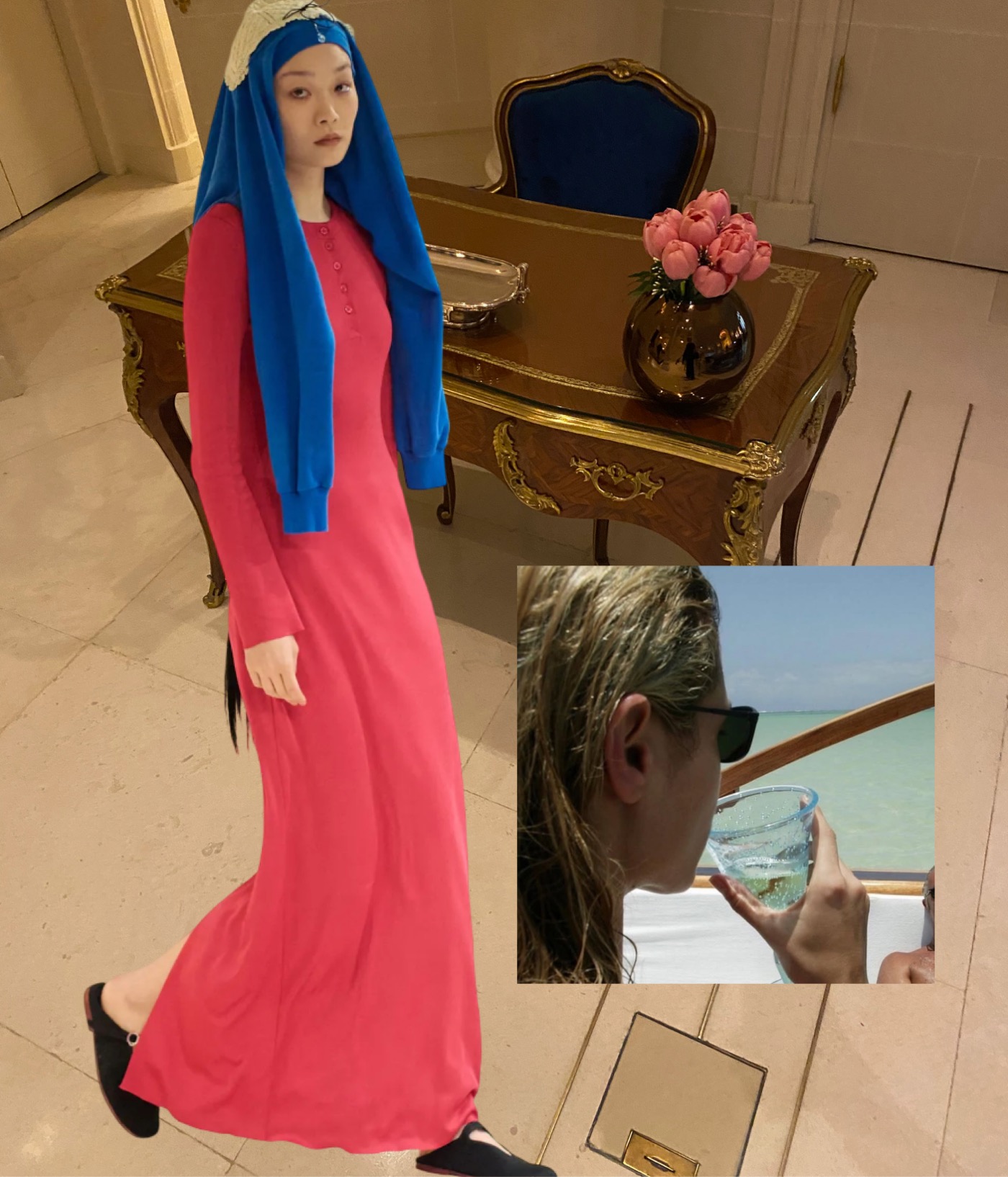
Samuel Guì Yang is a brand you should keep your eyes wide open for – and it has already been around for a decade. Founded in London by Samuel Guidong Yang and Erik Litzén, yet showing in Shanghai, the label continues to redefine the East-meets-West aesthetic with both nuance and novelty. Their clothes are best described as “flowing“: they move smoothly around the body, appear light and billowy, and carry an instinctive quality, as if they were born from the classical elements – earth, air, fire, and water. The duo’s spring–summer 2026 collection focuses on volumes that envelop the wearer in a poetic gesture: a ballgown-like apron, a grand shoulder drape, dramatic wraps, and even a veil cascading down from a baseball cap. It’s become something of a tradition that the models on Samuel Guì Yang’s runway are always carrying something – a pillow-like XXL clutch, a transparent shopping bag, a fringed shawl, a beautifully wrapped bundle. This is a woman who lives a real life, and she runs errands. The designers also offer a distinctive interpretation of the cheongsam, the traditional Chinese figure-hugging dress that instantly evokes Wong Kar-wai’s “In the Mood for Love“. In Samuel and Erik’s hands, the dress’s construction is reimagined most notably through oversized sleeves, with its influence also echoed in parachute-like blousons and jackets.

Collage by Edward Kanarecki.
Don’t forget to follow Design & Culture by Ed on Instagram!

Hey, did you know about my newsletter – Ed’s Dispatch? Click here to subscribe!

East Wind. Samuel Guì Yang SS25

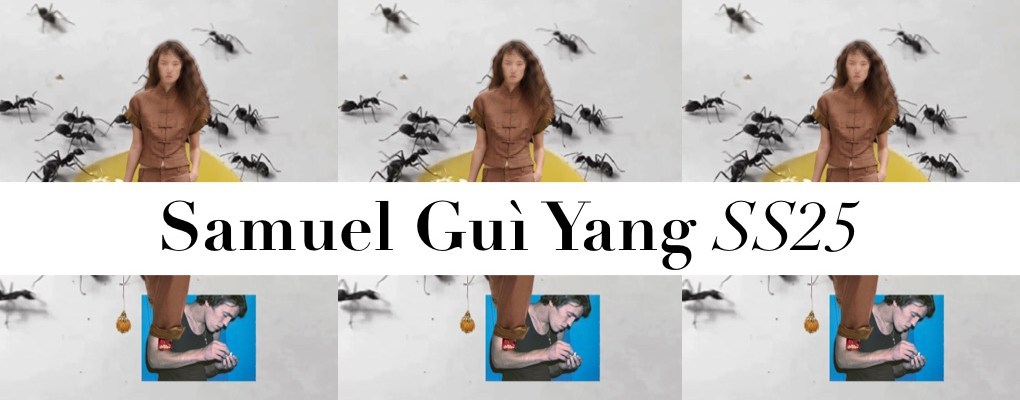
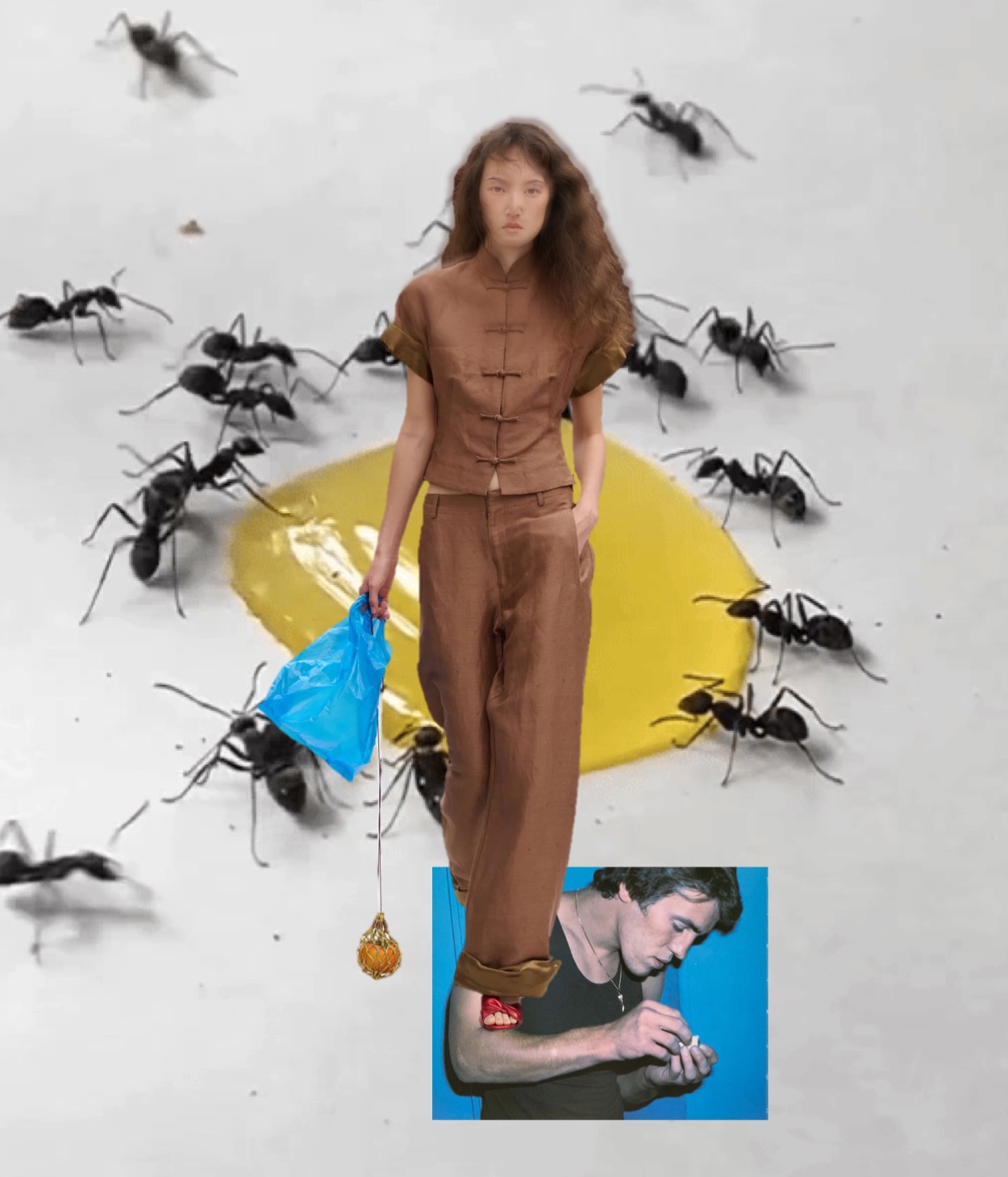
Shanghai is steadily becoming the new player (replacing Copenhagen) joining the Paris, Milan, London and New York constellation of fashion weeks. One brand that caught my eye and I sincerely loved this season is Samuel Guì Yang. Lead by Samuel Yang and Erik Litzén, the “East Wind” collection was as powerful and transforming as the symbolical title suggests. Airy crepe shirts and silk-linen trousers were layered on top of each other or worn under tailoring and bomber jackets, all riffing off traditional Chinese styles. A burgundy maxidress recalled the cheongsam, only it was knit in a loose gauge yarn that revealed the shape of a soaring swallow when stretched against the body. Then, Yang and Litzén made a pair of exquisite crumpled silk sheaths they hand-dyed and hemmed with tiny beads. You could see the DIY workmanship in the sometimes uneven dye, which added a charming patina to the collection. “This is how we dress, it’s how all people dress, really,” said Litzén of their incorporation of more artisanal and sometimes ancient elements, “combining something older with something new.” As they say, you need to understand the past to create the future. The one this duo is shaping looks very bright.

Collage by Edward Kanarecki.
Don’t forget to follow Design & Culture by Ed on Instagram!

Hey, did you know about my newsletter – Ed’s Dispatch? Click here to subscribe!

NET-A-PORTER Limited

Haute Consumption. Balenciaga Resort 2025

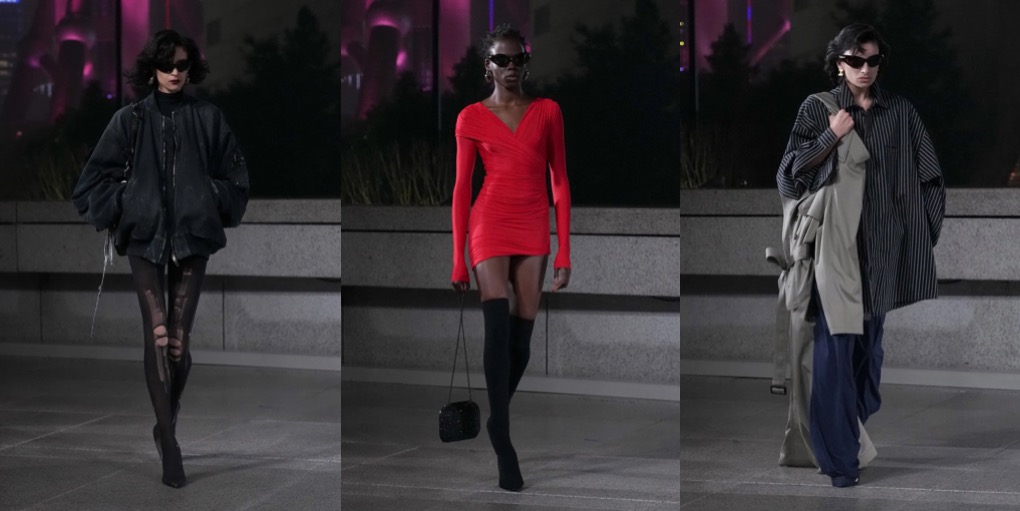
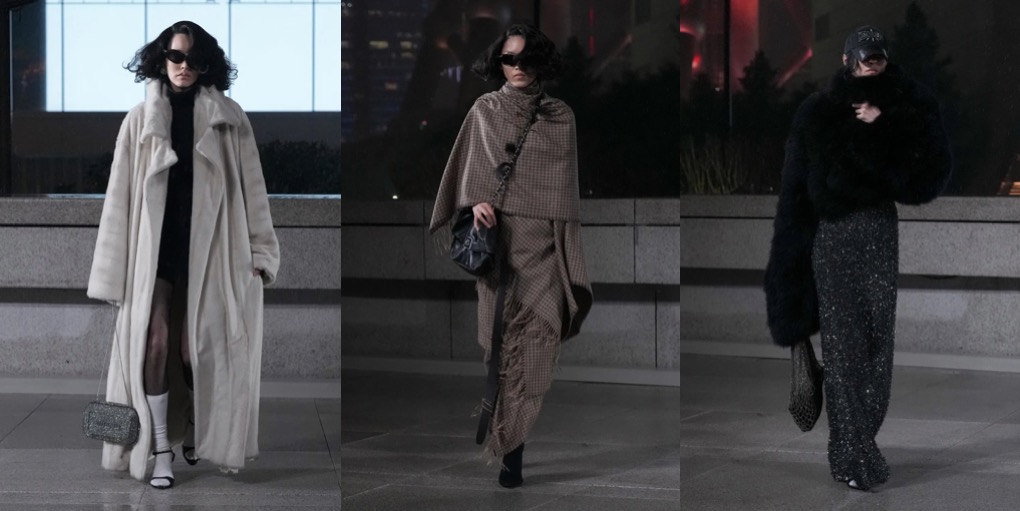
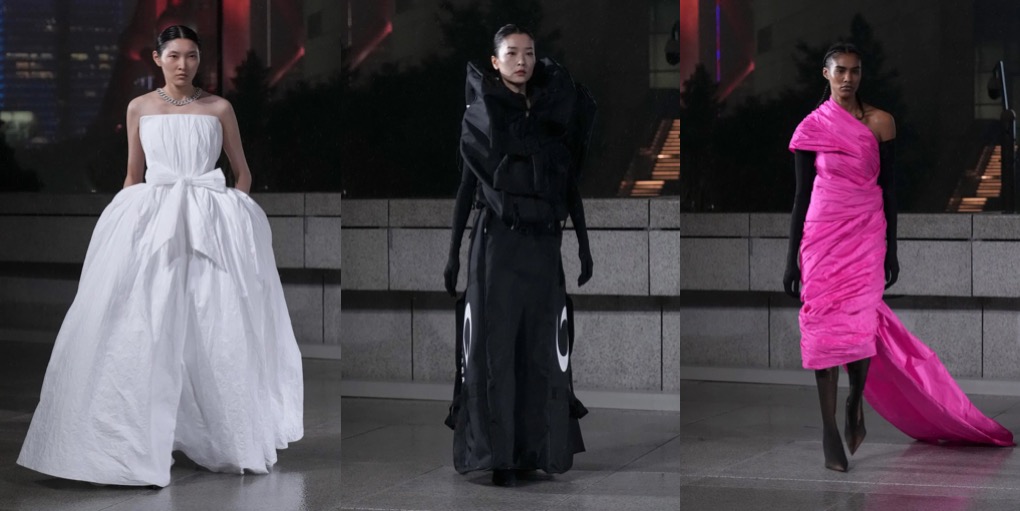
Balenciaga went to Shanghai for resort 2025, and while looking at the show unfold on Museum of Art Pudong’s riverside pier, I couldn’t help but wonder: are the far-fetched destination cruise shows as exciting as they used to be a decade ago? The heavy rain that started pouring on the show’s evening was the actual star of the event. It brought a sense of grit and urgency to the rather very schematic Demna collection. It mostly consisted of his Balenciaga classics: all-black, all-goth apparel, a bit of bourgeoisie chic (seen through a “Shanghai noir” lens) and Cristobal Balenciaga couture riffs in the larger-than-life eveningwear. There were extreme platform “metalhead” boots, worn with overlong coats that would have dragged well along the floor if not for the extreme creepers. “I made this collection on a very instinctive level of what I like, what excites me, what creates desire in me,” he said. “Where I’m bringing Balenciaga with this show is finding a new type of balance between all these different facets of my aesthetic and style.” But isn’t that already a routine at the brand?

At least the final series of experimental semi-couture and couture dresses had something to say. They orbited around the idea of materialism and (over)consumption – ironic, noting that China has over fifty Balenciaga stores in total. A cocoon column-like dress was pieced together from travel bags, another was cut from gift packaging gold foil, and a third was made from Tyvek paper, a subtle nod to one of China’s inventions. The closing gown was constructed from a collection of pink plastic bags over a decade old, the strips cut by hand and pierced with wires to create feathers that resembled a piece from the house’s archive. While Demna’s ready-to-wear collections lag lately, I so can’t wait for his haute couture show later in the summer.

Just five Balenciaga pieces I’m obsessed with at the moment…

ED’s DISPATCH:


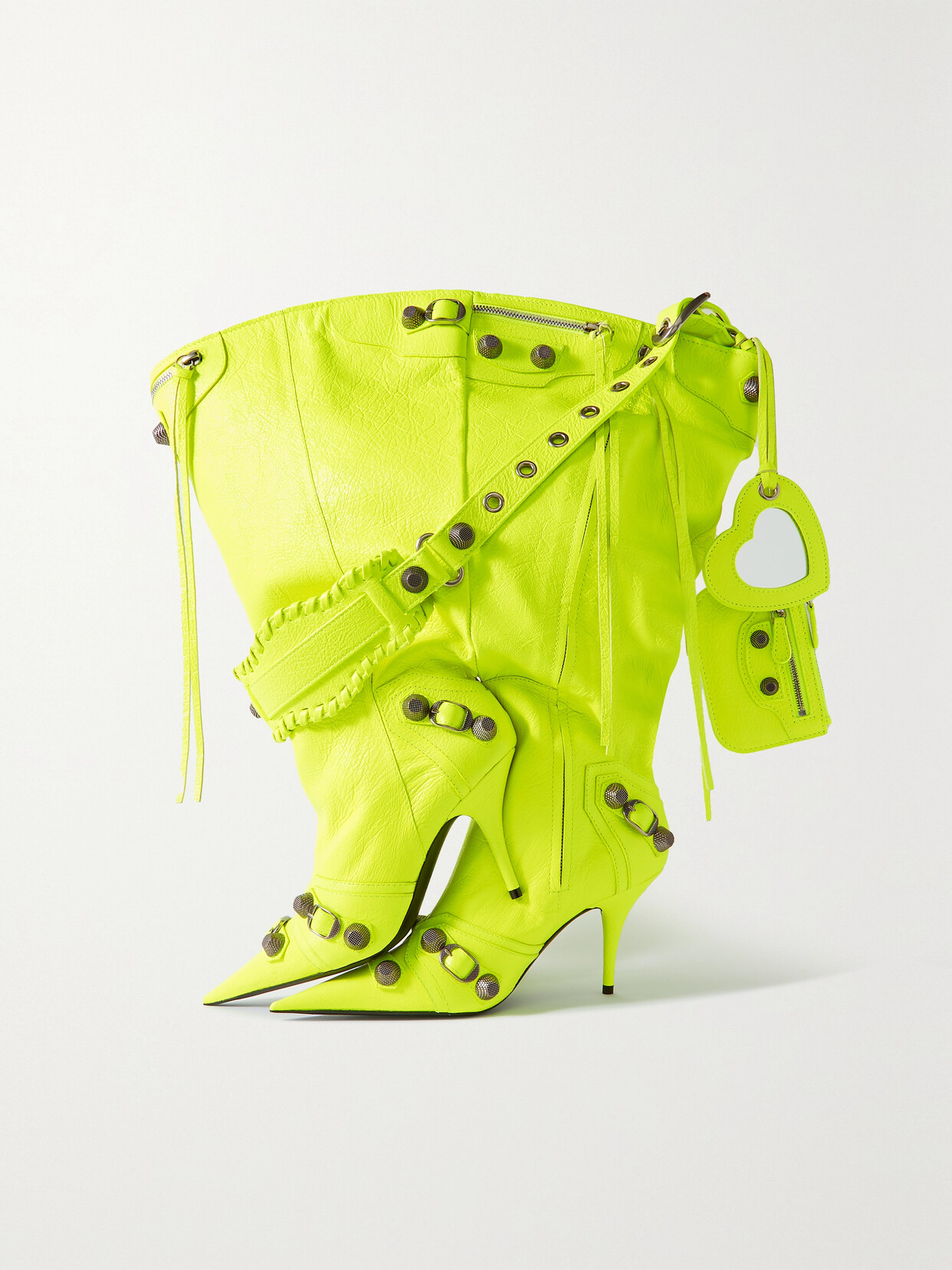
Balenciaga Le Cagole Boot Crinkled-leather Shoulder Bag


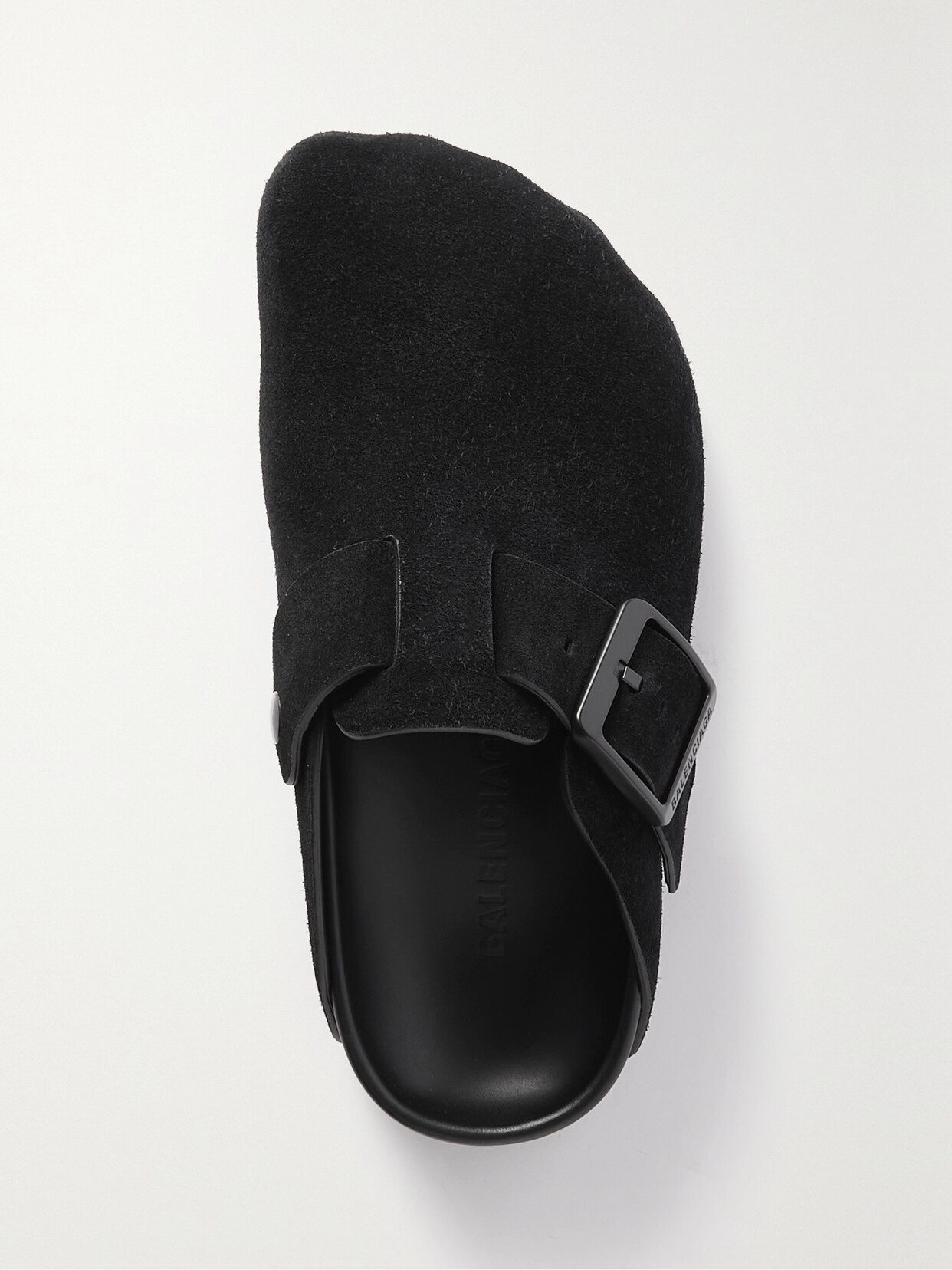
Balenciaga Sunday Suede Clogs


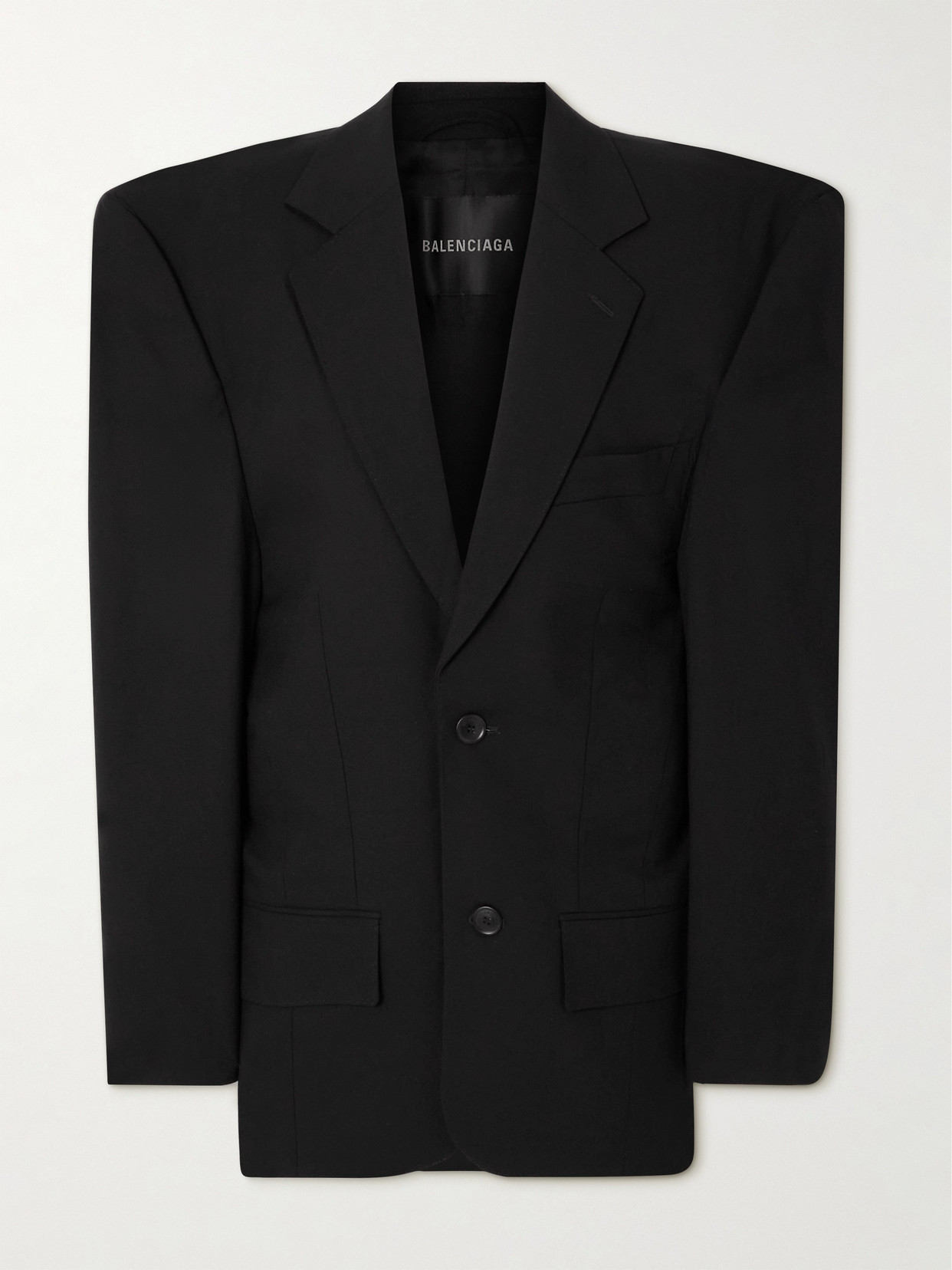
Balenciaga Oversized Wool Blazer


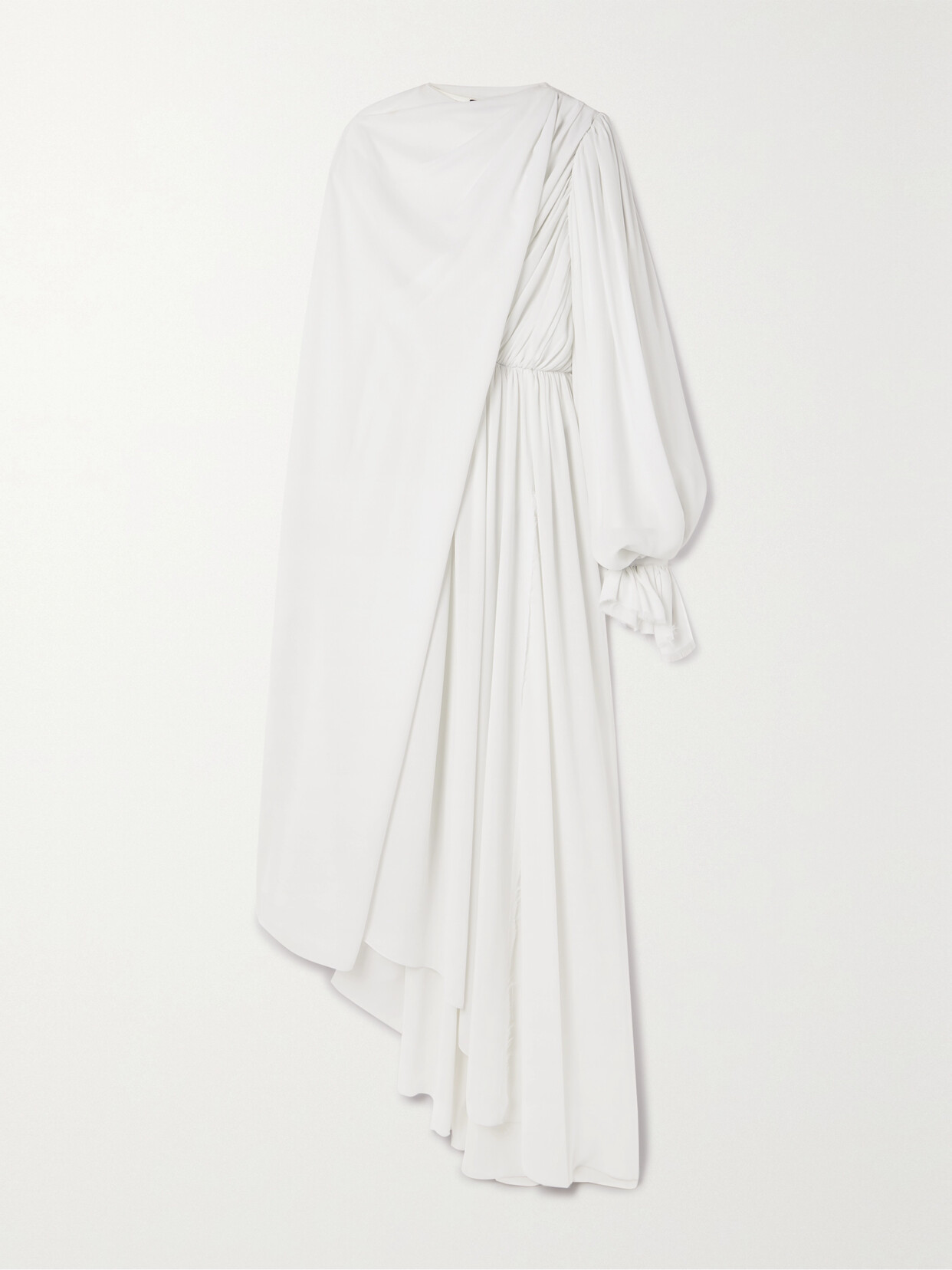
Balenciaga Asymmetric Draped Cape-effect Pleated Crepe Dress


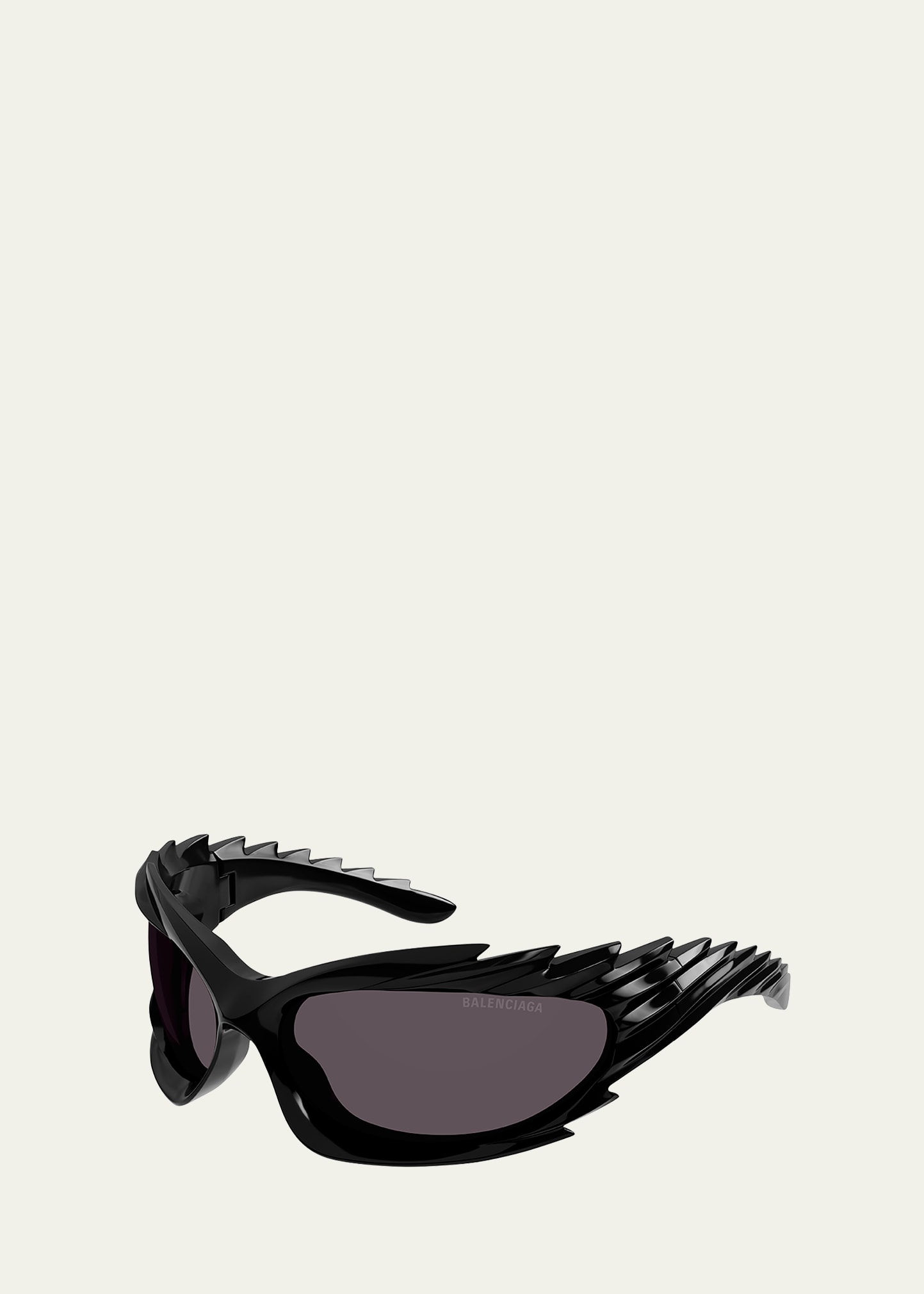
Balenciaga Wrap Injection Plastic Cat-Eye Sunglasses

Collage by Edward Kanarecki.
Don’t forget to follow Design & Culture by Ed on Instagram!

Hey, did you know about my newsletter – Ed’s Dispatch? Click here to subscribe!

NET-A-PORTER Limited