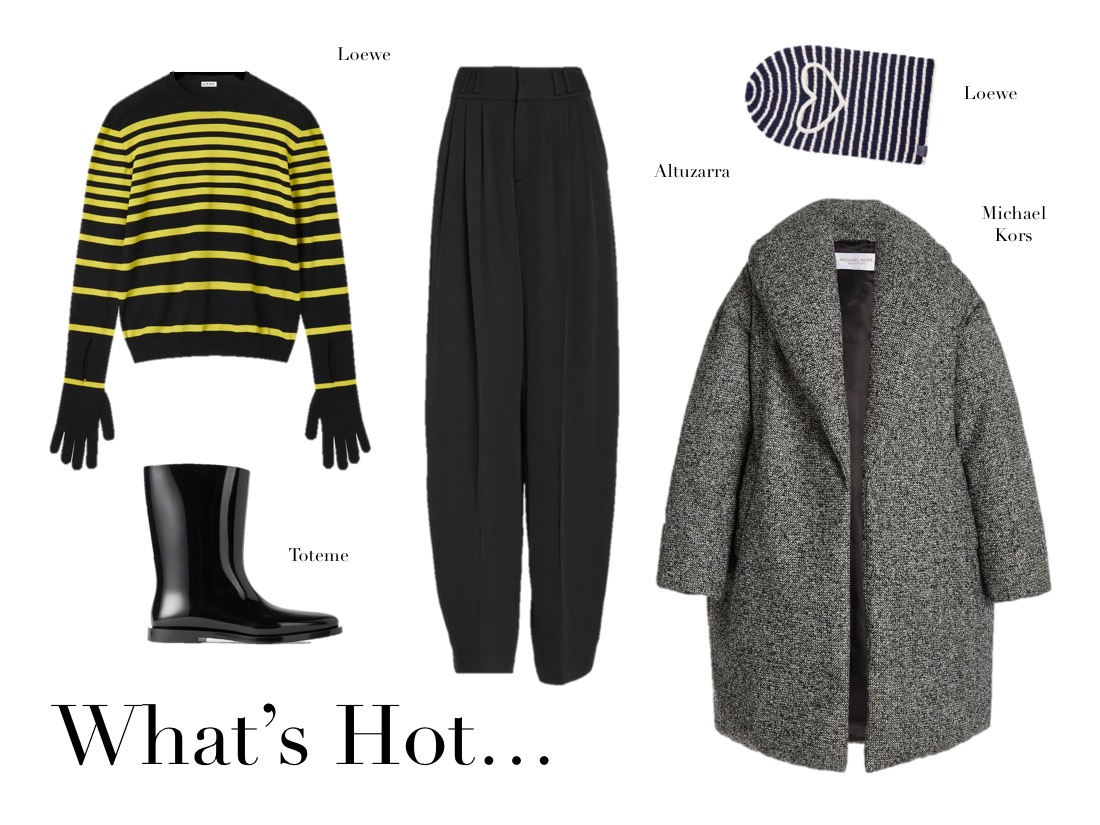
What’s Hot (15.10.22)

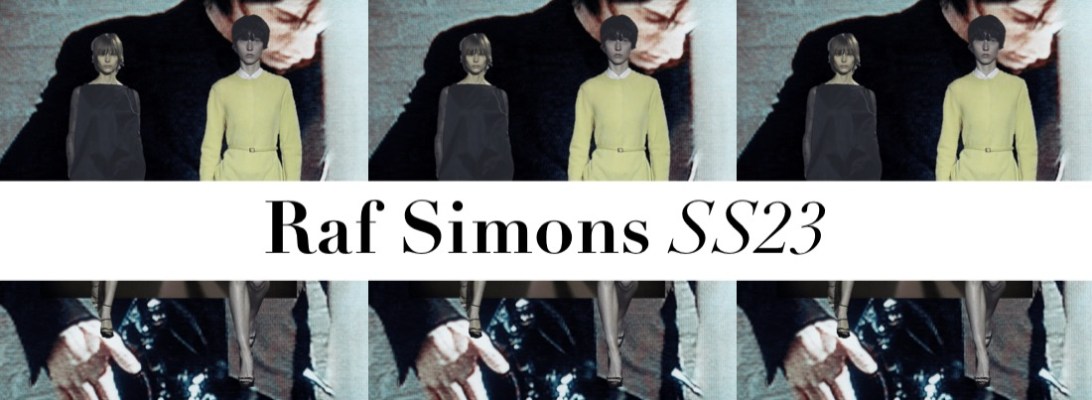
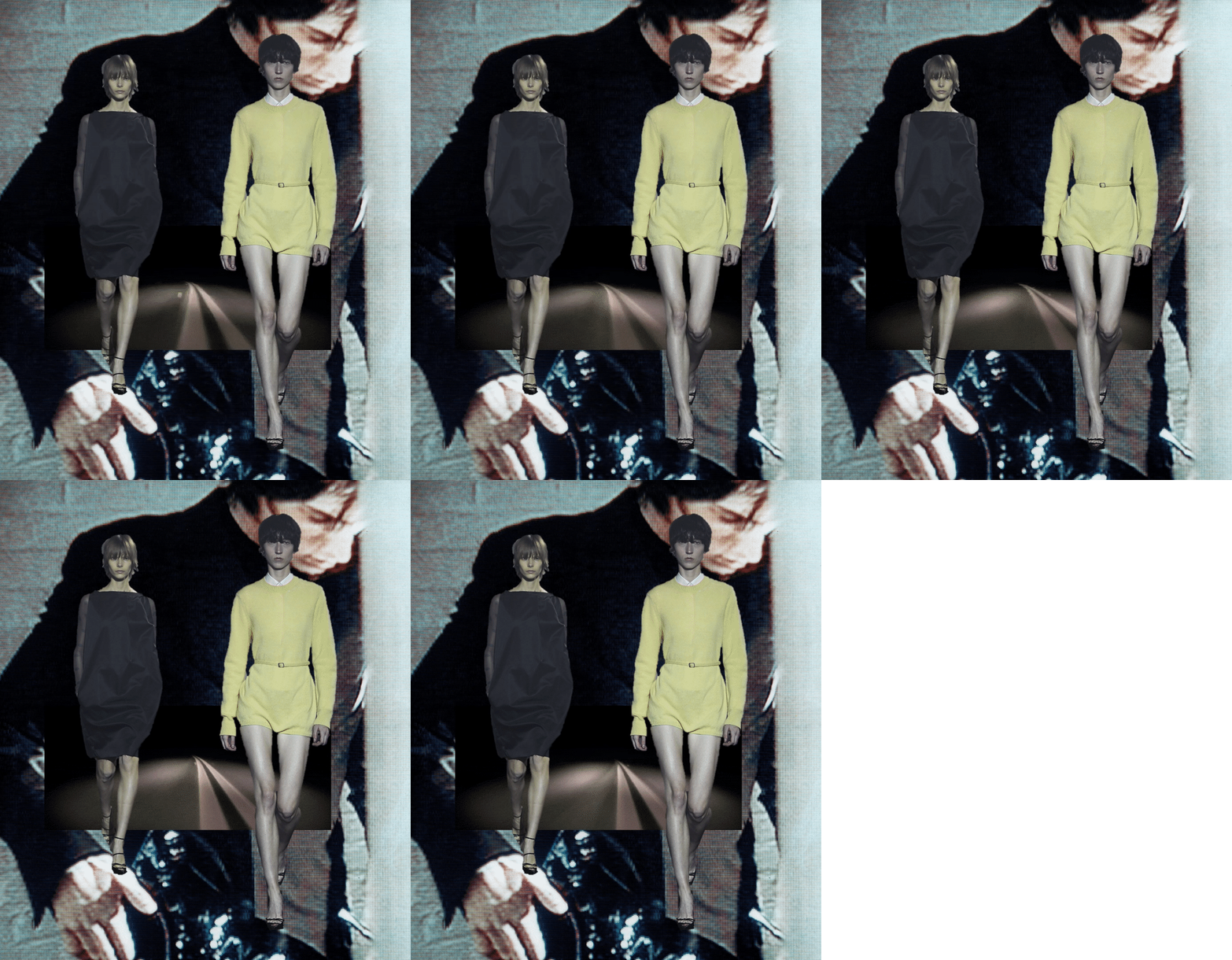
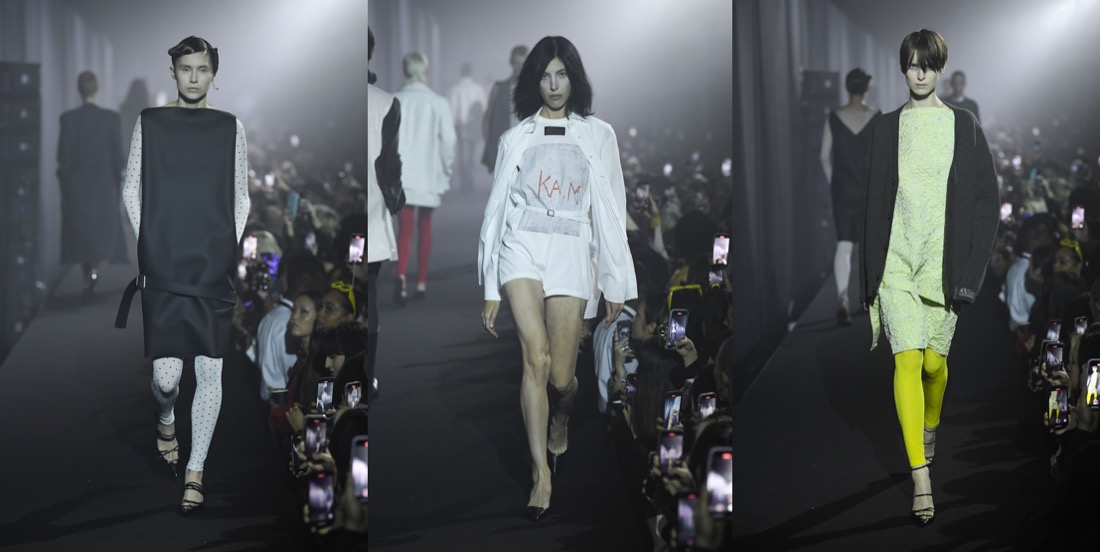
Raf Simons presented his spring-summer 2023 collection in London, during a sort of mini-fashion-week (this week we’ve seen shows by Alexander McQueen, Roksanda and a couple of other British brands) that accompanies the Frieze art fair. The designer planned to show during the regular LFW, but the news of Queen Elizabeth’s death made him postpone the show. While other designers in London presented collections during the mourning period, most of them kept a respectful temperance – minutes of silence, quiet soundtracks. Simons’ rave-like outing just wouldn’t feel right at that moment. And in result, the collection gained a lot from being off the hectic fashion schedule. It really felt like the “moment”. A thousand young people, students, artists, designers, musicians, DJs, and fashion types, all pressed together in the chaotic spirit of euphoric togetherness, watched the show happening on a runway that minutes before was a bar. “I decided to come to London last year, because I felt the energy was incredible,” Simons declared. Post-Covid, post-Brexit, he observed, “you feel London, and the country is a hurt animal, but it’s an animal that’s ready to go out. There’s something positive within the negative. I saw it again, this week, going to galleries. Somehow people mix up here, start conversations. Coming to the city, the streets, the community is always inspiring.”
Acting at the edge, in the margins has always been the grounding of his brand. These gritty, dystopian times feel a lot like Raf Simons’s underground beginnings in the 1990s – it took him back to his memories as a kid of jostling with friends, faking tickets to get into fashion shows. “So I thought, let’s not do that. Let’s just invite everybody instead. I didn’t want a show for 300 people sitting in rows. This is a show that’s pure democracy. No hierarchy. A London explosion of youth, life, dancing, and being together. So,” he added, “I was thinking a lot about the body, in relation to dressing up and going out and performing.” As a brutal note-to-self, he embedded prints of scrawled works by the late Ghent artist Philippe Vandenberg on t-shirts and dresses. “They’re cruel words, like ‘Kill them all and dance.’ But he didn’t mean killing people – he meant killing things that you’re doing creatively in order to move on and explore further.” On charged the bar-top show, a propulsion towards coolly minimized tailoring and dancer’s leggings, inspired by classical ballet, partly an upshot of his recent collaboration with the New York Ballet choreographer Justin Peck. The onesies Simons had co-designed with Miuccia Prada reappeared, but this time shrunken into ‘bodies’ – knitted, or as string vests or shirts. In general, there were many Prada-isms weaved into the collection, but kept in a more raw manner. There was an impression of legs, of sexiness, energy – and with it, a new kind of chic coherence. Looks that have turned a corner from away logos, labels and clunky oversized shapes. A lot of that was down to the cut and evident quality of the gray and black tailoring – hip-length jackets with sawn-off sleeves, trousers reduced to slit-sided miniskirts, pleated shorts, narrow coats, even some simple knee-length skirt suits. “I didn’t want to do deconstruction in a complicated, conceptual way,” he concluded. “I wanted something very stripped-back, very reduced. Not overly styled and overdone.” Still, it was simplicity with substance; a collection strong on plain, almost traditional knitwear, multi-strapped kitten heels, and a Raf Simons wardrobe that is as obviously attractive to women as men. His night in London might have devolved into a long after-rave that Simons and hundreds of students and fans won’t forget, but as far as fashion’s concerned, the main event was his clear-headed consolidation of the directness and modernity that’s refreshing the direction of fashion now.

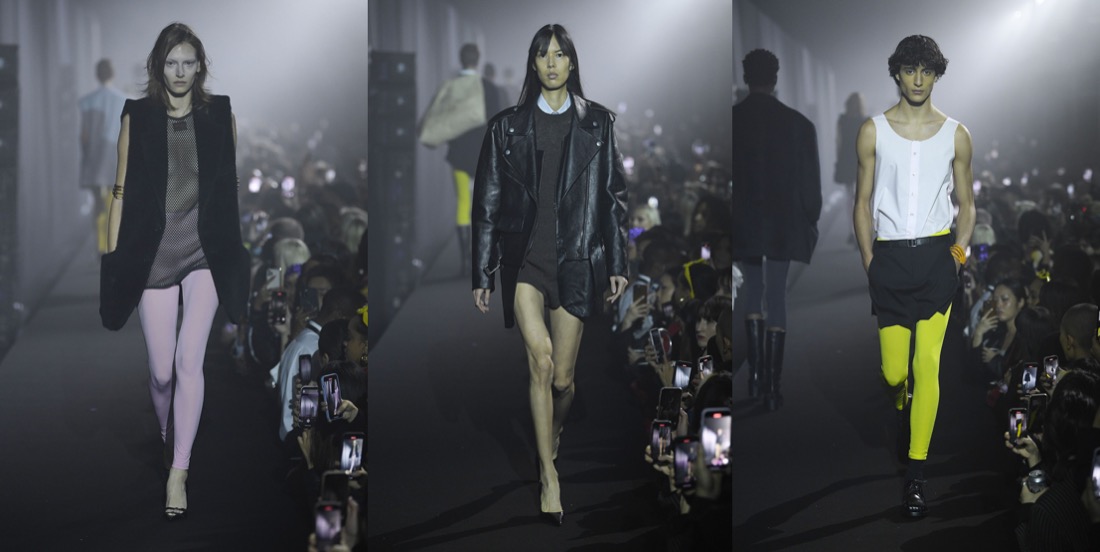
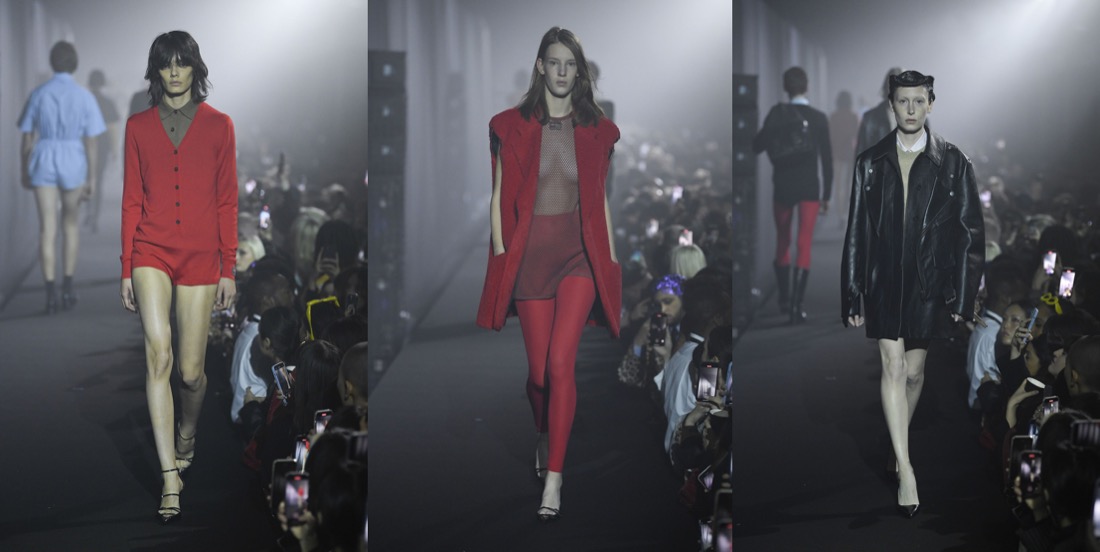

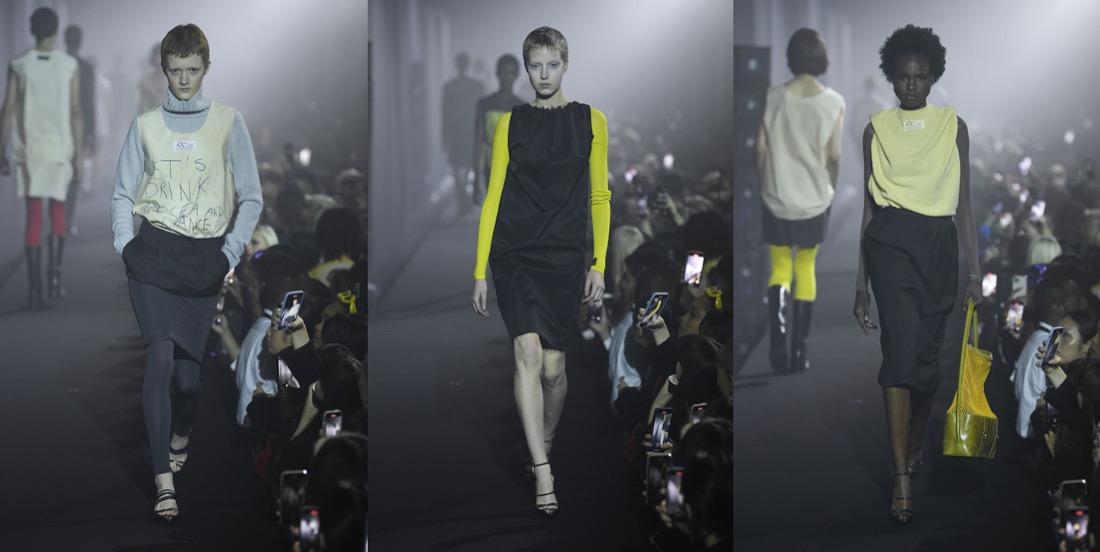
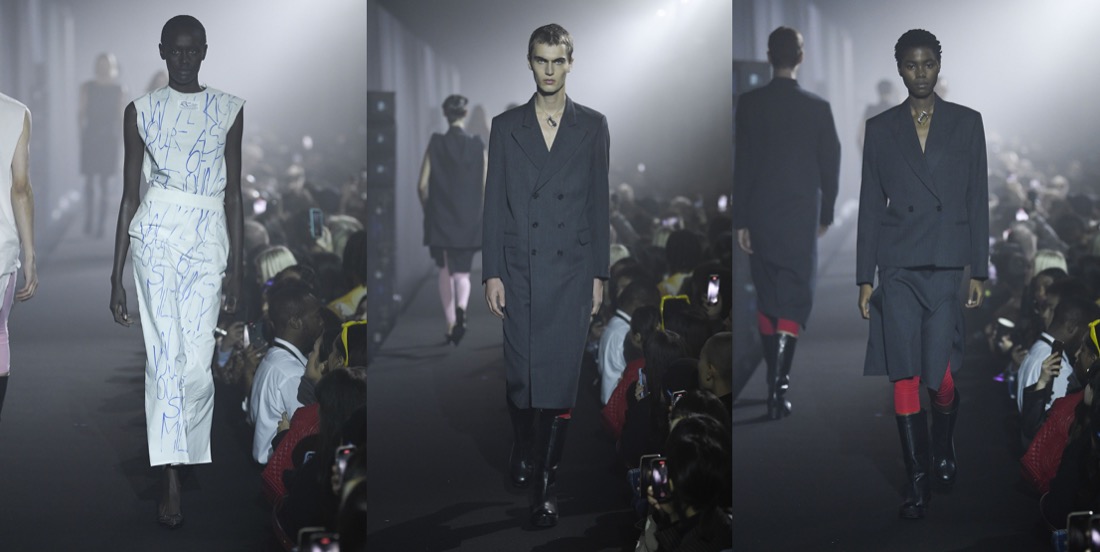
Collage by Edward Kanarecki.
Don’t forget to follow Design & Culture by Ed on Instagram!

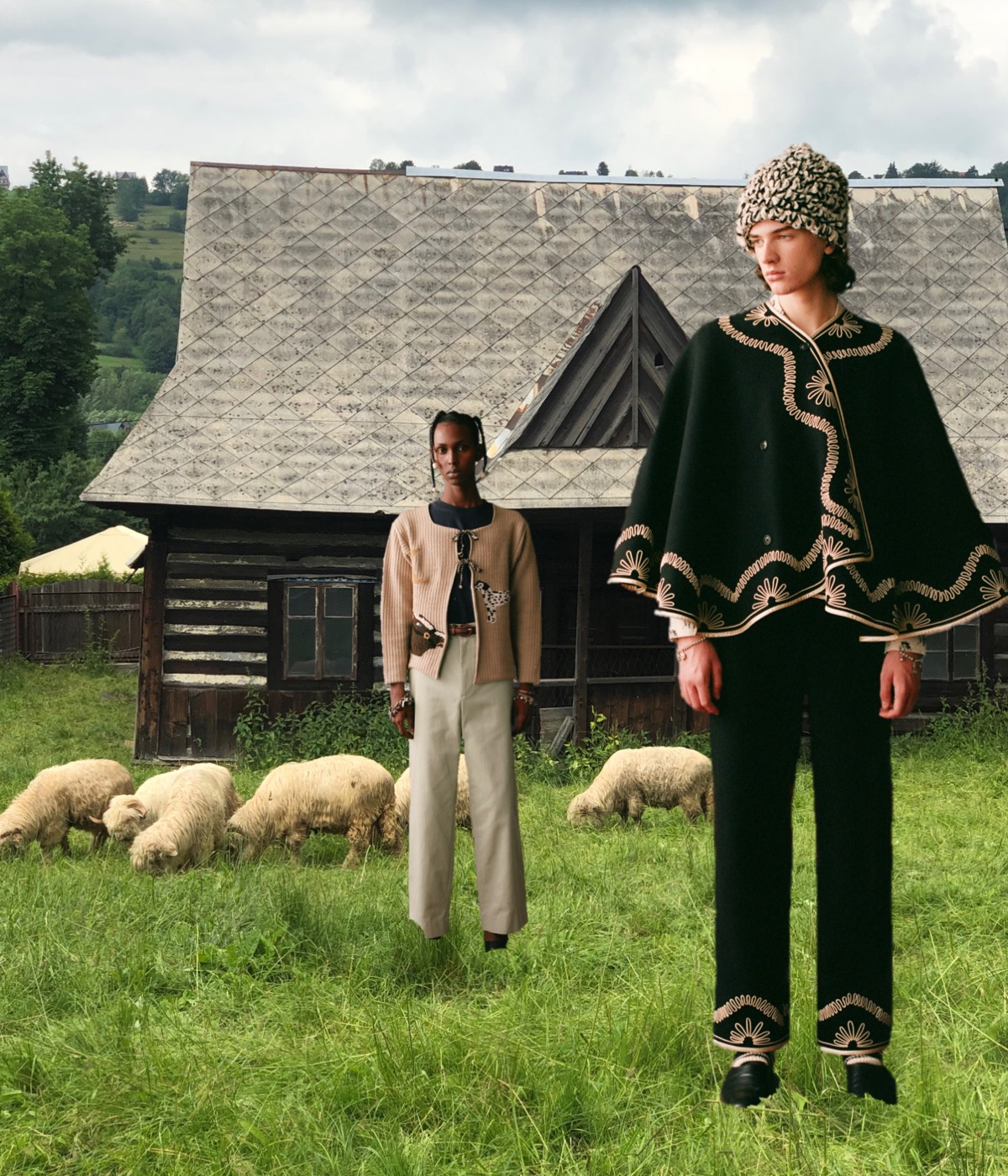
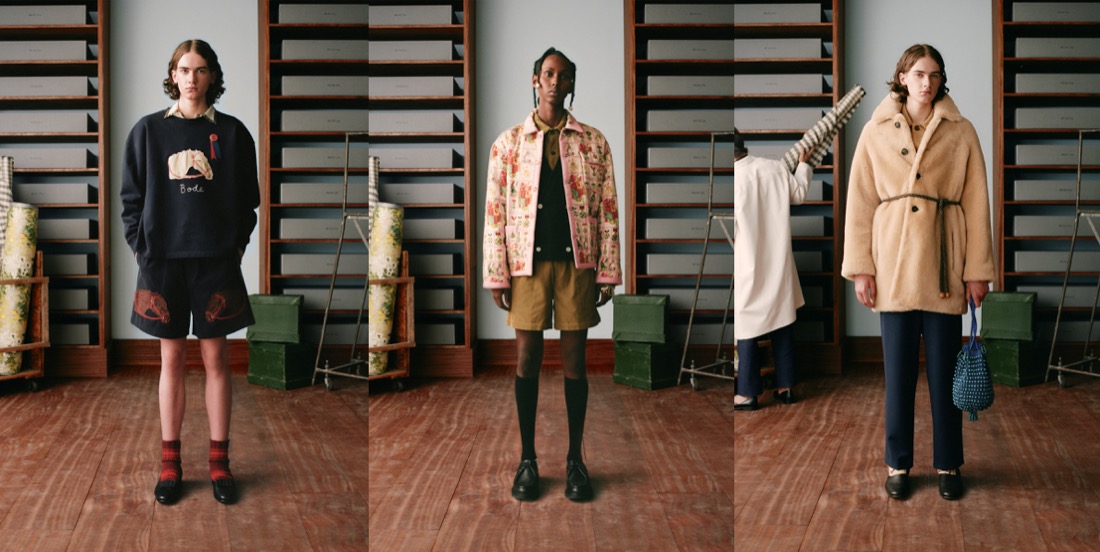
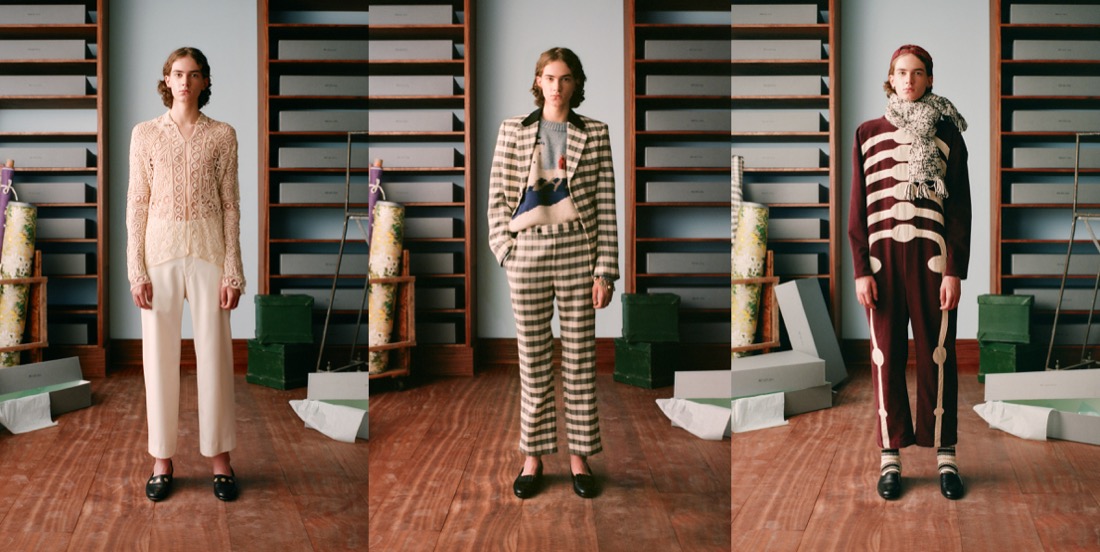
For autumn-wineter 2022, Emily Adams Bode-Aujla pushes her signature style even further, delivering a collection that showed a more daring and experimental side of her blooming menswear brand. Each Bode collection is like a lesson in history of both, America’s culture, and the designer’s personal one. Last season, the she sought inspiration in her wedding to her longtime partner Aaron Aujla, so it’s not surprising that this season the designer was thinking back to where it all began: the former apartment-studio on Clinton Street in the Lower East Side. “I lived there over seven years, and it was the place in which I started Bode,” the designer recalled. “A lot of my friends called it ‘the treehouse’ because it was seven flights up, and then it had another staircase up even further, and then this funny little makeshift roof deck also had another level.” The most obvious way that youthful inspiration was reflected in the collection was the skeleton suit onesie, which was a nod to the costume parties she threw at the apartment back in the day. But what Adams Bode-Aujla does best is capture history through objects, and for this collection, she revisited her archive as well as things she had done as one-offs for her first collection. “There were pieces that I had collected that I felt I couldn’t reproduce in the way that I have always wanted to do until now,” she explained. Out of all the collections she has done until now, this is the richest one in materials, embroidery, techniques, borne of supreme confidence in one’s abilities and an innate love of craft. A shirt embroidered with teeny beads in bold colors in a mid-century modern floral pattern seemed precious enough to live underneath glass in a museum, but here it was worn casually underneath a patchworked blue and white suit. Delicate openwork crocheted lace was used in long sleeve button down blouses in cream or in a multi-color offering that would be finely suited for any number of formal occasions. It’s this season’s outerwear that made the strongest initial impression: a cream “teddy bear” coat with three buttons and a beaded rope tied around the waist was based on a children’s coat Adams Bode-Aujla kept along with the rest of the childrenswear in her special collection, in an aluminum box possibly used during WWII to store film. A boxy jacket covered in shiny black sequins with long fringe detail at the bottom had origins as part of a woman’s evening skirt suit from the 1970s or ’80s that the designer often wore around the apartment. Two red fringed jackets, one short and one long, were the poster children for the sort of circularity that only exists in Bode’s collections. “I had this 1920s-ish dress with fringe, but it was actually made from upholstery fringe, like someone had made the dress as a costume in the 1960s,” she explained. In her hands it became an elegant take on a duster coat in 2022. It’s this wonderful circle of life that keeps Adams Bode-Aujla – and her loyal fans – excited.


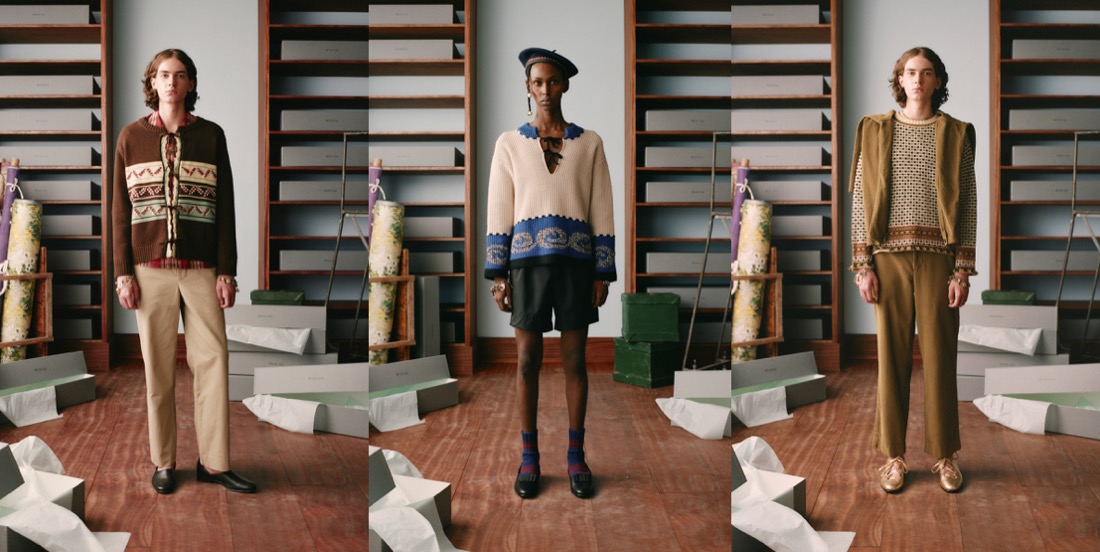

Collage by Edward Kanarecki.
Don’t forget to follow Design & Culture by Ed on Instagram!

 Design & Culture by Ed