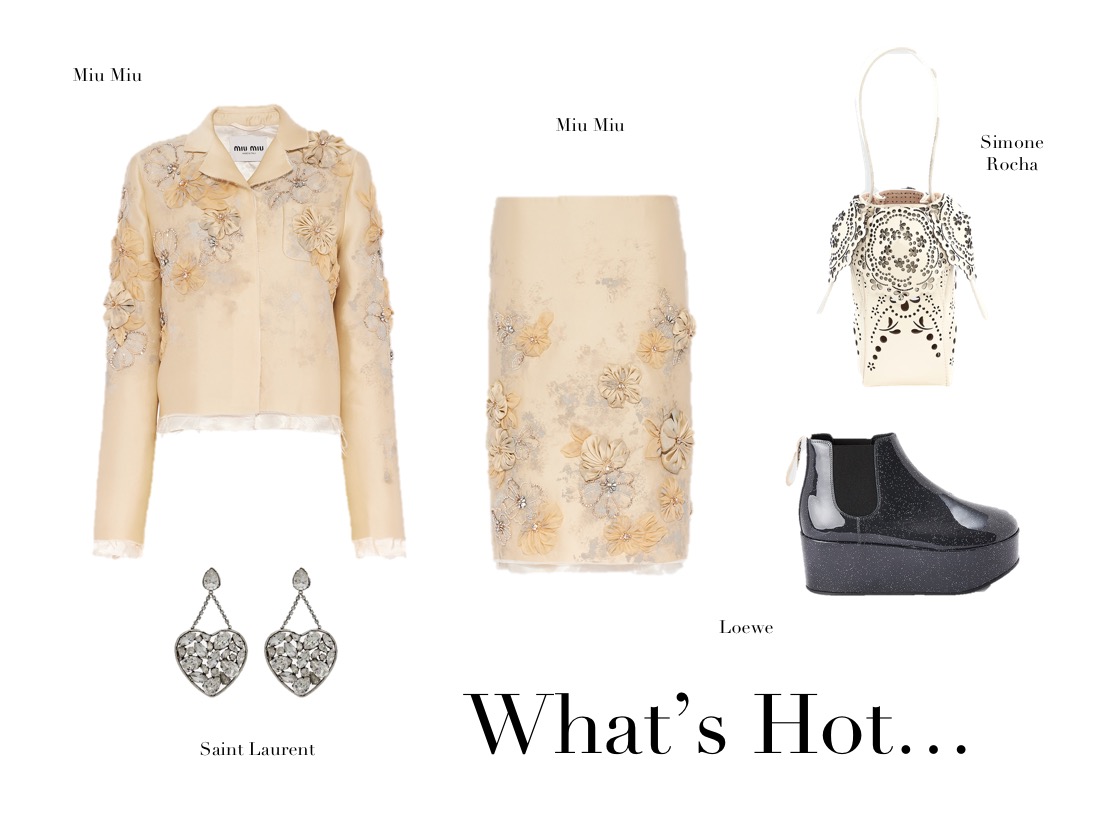
What’s Hot (12.3.22)


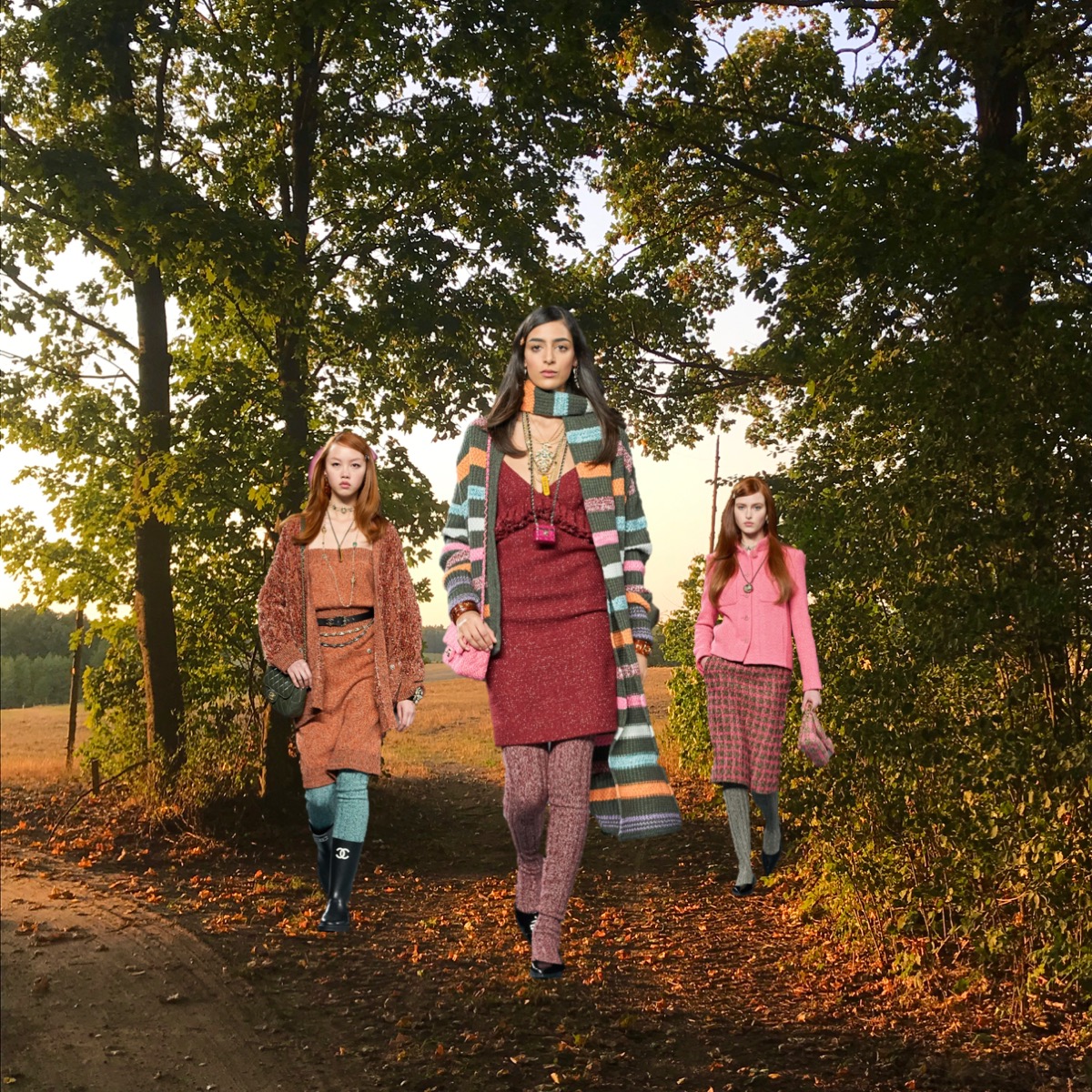
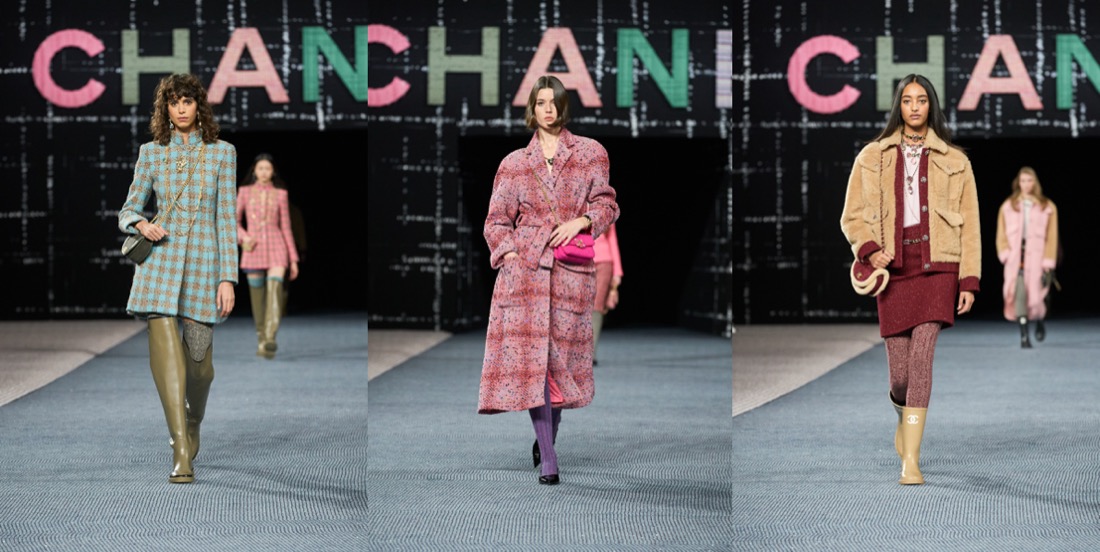
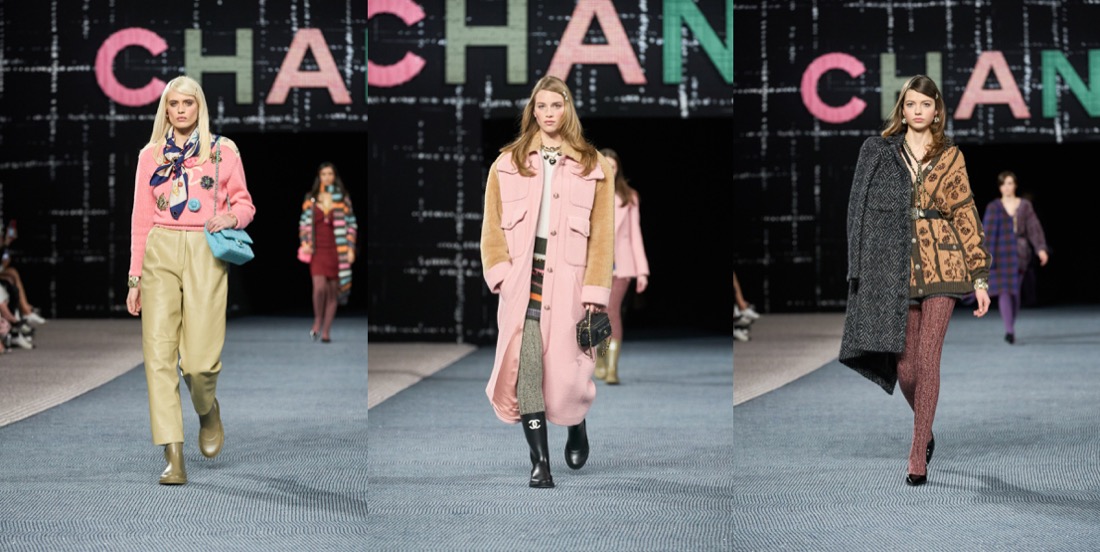
With Virginie Viard, you can always predict what the Chanel collection will be like: quintessentially Chanel. For autumn-winter 2022, the designer celebrated the brand’s historical love for tweed, the signature fabric of Chanel and a timeless part of its heritage. “Devoting the entire collection to tweed is a tribute,” Virginie Viard said in a statement. “We followed the footsteps of Gabrielle Chanel along the River Tweed, to imagine tweeds in the colours of this landscape.” Her invitation arrived in a large box covered in tweed with matching press material inside. Inside her venue – the Grand Palais Éphémère on Place Joffre – Viard followed suit, swathing walls and chairs in the founder’s trademark material. Viard flexed her tweedy muscle in every garment and accessory type under the Scottish sun, imagining a runway version of what Gabrielle Chanel might have worn on “her walks through the Scottish countryside where she would gather ferns and bouquets of flowers to inspire the local artisans for the tones of tweed she wanted.” With all those fabric fibres covering every inch of the Chanel surroundings, you’d be tempted to call it a woolly affair, but there was no doubting Viard’s intentions. Oversized coats, magnified shooting jackets, and voluminous tailored trousers evoked a borrowed men’s wardrobe she attributed to Gabrielle Chanel’s relationship with the Duke of Westminster. “There’s nothing sexier than wearing the clothes of the person you love,” Viard said. Eventually, the collection relocated from the Scottish Highlands in the 1920s to London in the 1960s, and the Great British youth culture’s appropriation of those heritage codes. Viard interpreted that moment in a wardrobe fairly true to the decade’s codes and styling, generating a strong sense of retro seen through a contemporary lens. It materialised in little skirt suits in tweed, figure-hugging ladylike jackets and knee-length coats styled with thick hosiery and wool-on-wool knitted accessories. Linking to her Beatles soundtrack, Viard said she was thinking of “very colourful record covers” from the period. Often, the collection seemed to have a tweed-covered foot in the 1980s as well, where voluminous blousons, harem-cut track pants, and knee-length skirt suits felt at home. Some looks were better, some worse (especially the eveningwear), but in overall, this was a proper and very timeless Chanel collection.
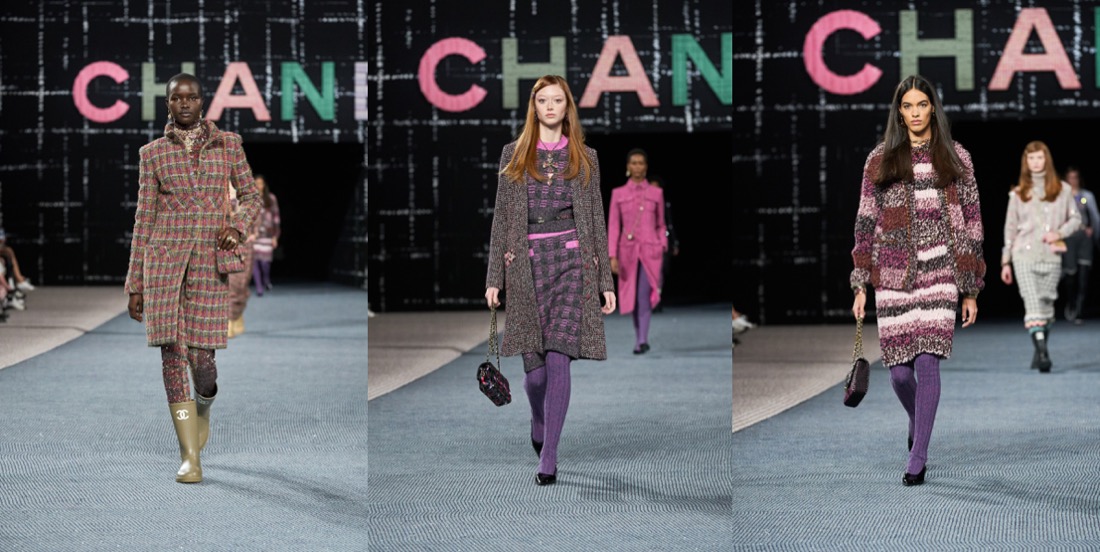
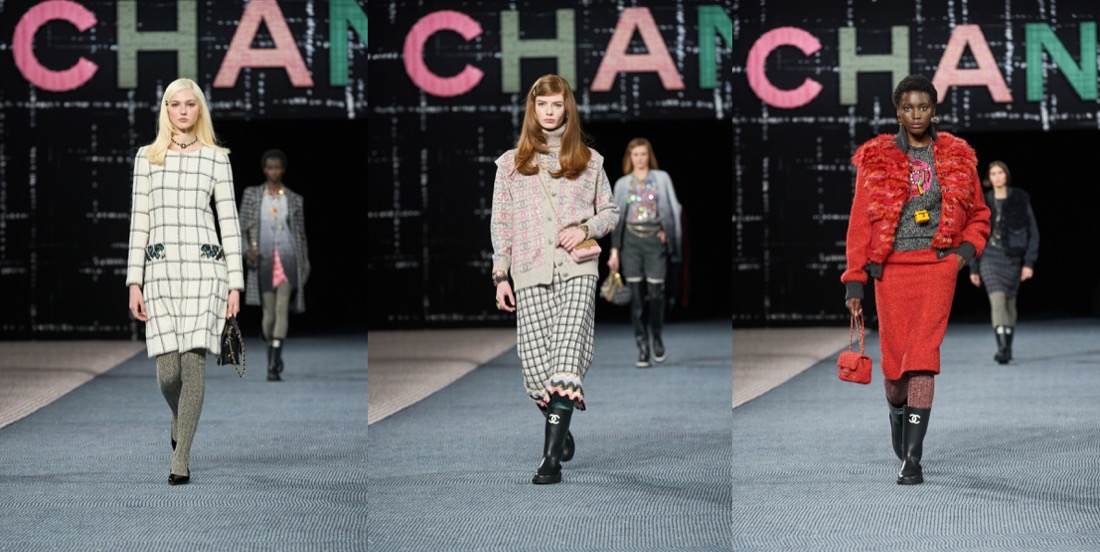

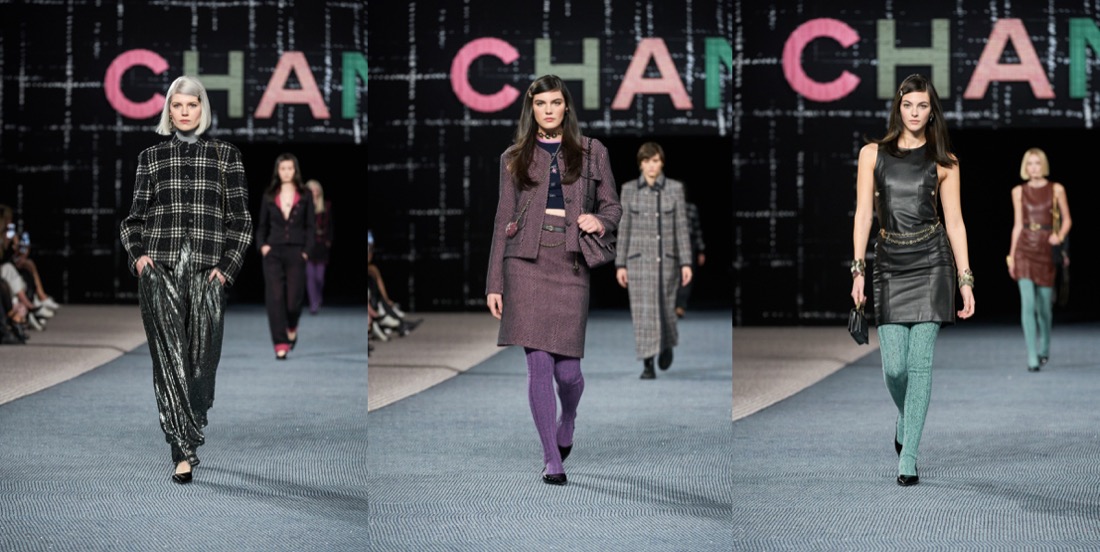
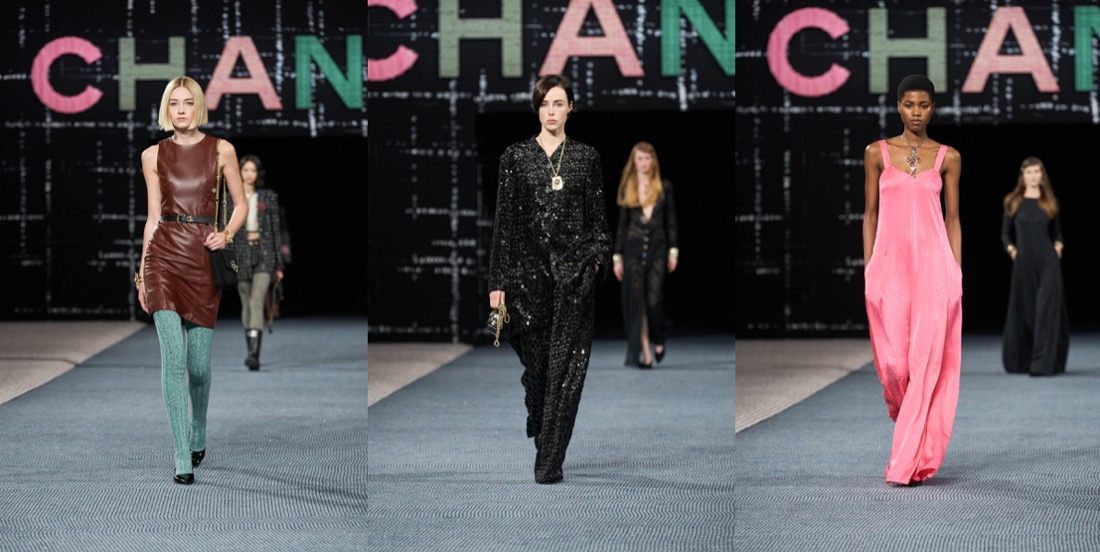
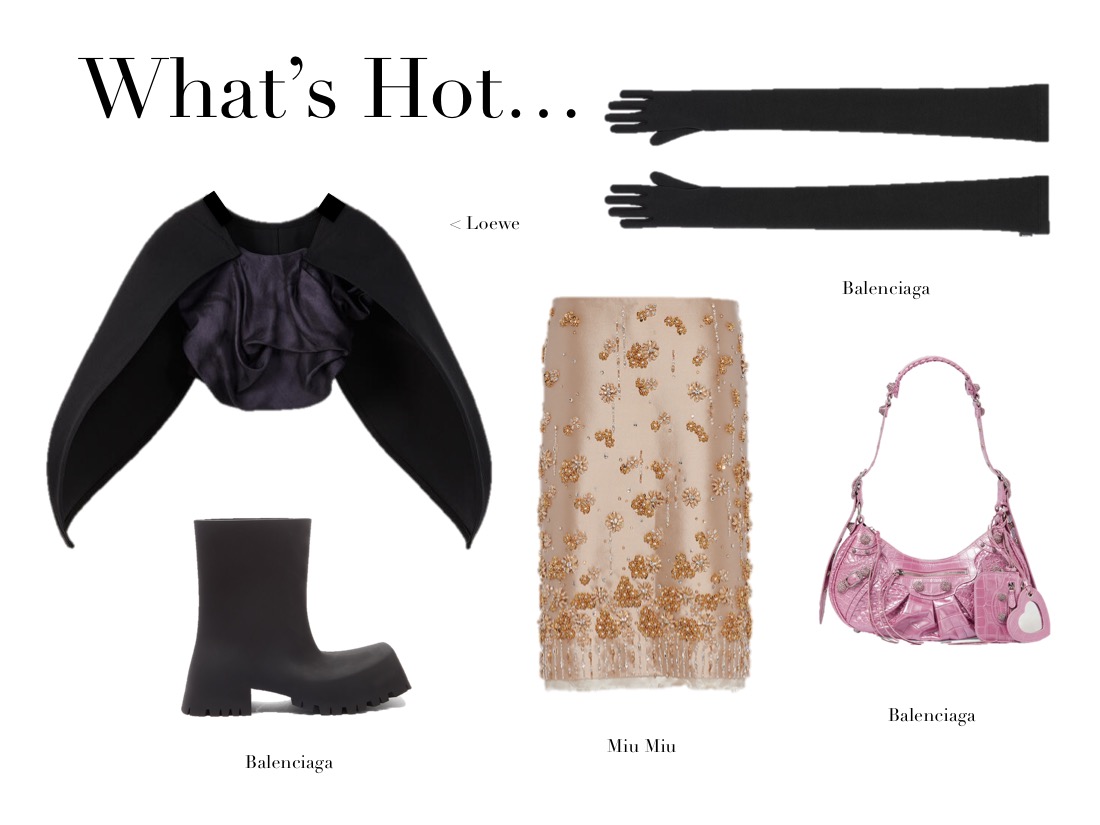
Collage by Edward Kanarecki.


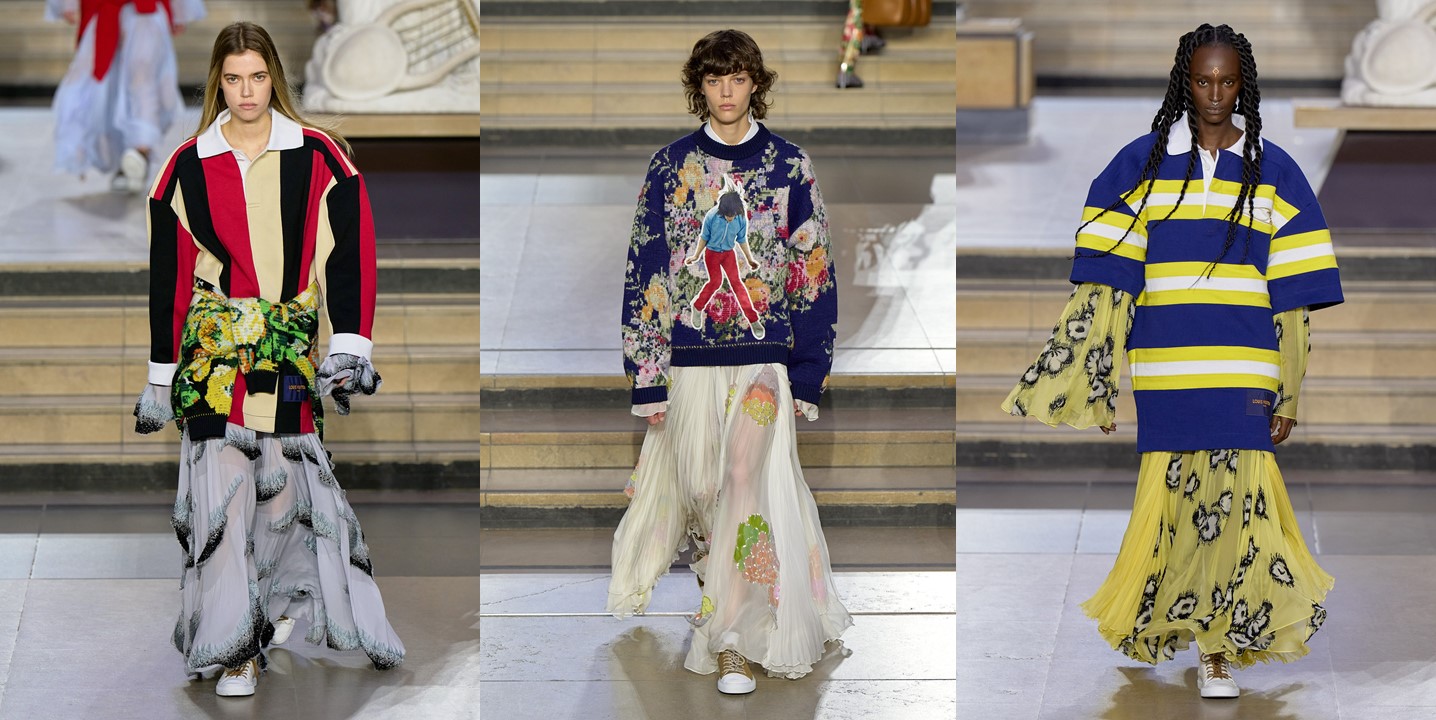
The latest Louis Vuitton collection makes no sense. But not in a surreal way like at Jonathan Anderson’s Loewe, where the absurd was both hilarious and intriguing, and conveyed through jaw-dropping craftsmanship. In general, Nicolas Ghesquière‘s recent runway offerings look peculiar and overworked, but his autumn-winter 2022 collection wins with its randomness and chaos. Of course, there’s a reason behind that madness. Time has been a subtext for Ghesquière since the beginning of his tenure at Louis Vuitton. He’s made a practice of mashing up references and collapsing centuries in the process, most famously when he combined Louis XVI frock coats with running shorts and sneakers on a sub-floor of the Louvre that was once a medieval moat. This show wasn’t hooked to a particular era as much as it was to a time frame: young adulthood. In prepared notes, Ghesquière called the collection “an excursion into a perceptible, fleeting, and decisive moment when everything comes to the fore, in all its innocence and insight. The impermanence and beautiful volatility of adolescence.” He conjured that state of being most straightforwardly with a trove of photographs by David Sims. The photographer came of age in the 1990s – like Ghesquière himself – and shook up the status quo the generation before him established by shooting his peers and other young people with a vérité grit that eventually became the look of that period. By applying and embroidering Sims’ images onto floral jacquard polos, some of that edgy spirit seeped in here. Channeling the sense of youthful experimentation he remembers, Ghesquière topped evening dresses with sporty rugby shirts or chunky sweaters wrapped around waists. He also played with androgynous tailoring, often in oversized shapes, styled with tacky-looking men’s ties. Other silhouettes looked delineated from Ghesquière’s more extravagant collection for spring, only here the pannier and bustle shapes were remixed in softer embroidered knit and tweed, which made them look more everyday. The location – Musée D’Orsay’s main hall – had nothing to do with the collection’s forced spontainety. “Freedom is all,” the designer, “without directive or impediment.” But why should that freedom look so haphazard? I miss the times when Ghesquière’s work was more streamlined and focused – both at Balenciaga, and in his first seasons for Louis Vuitton.

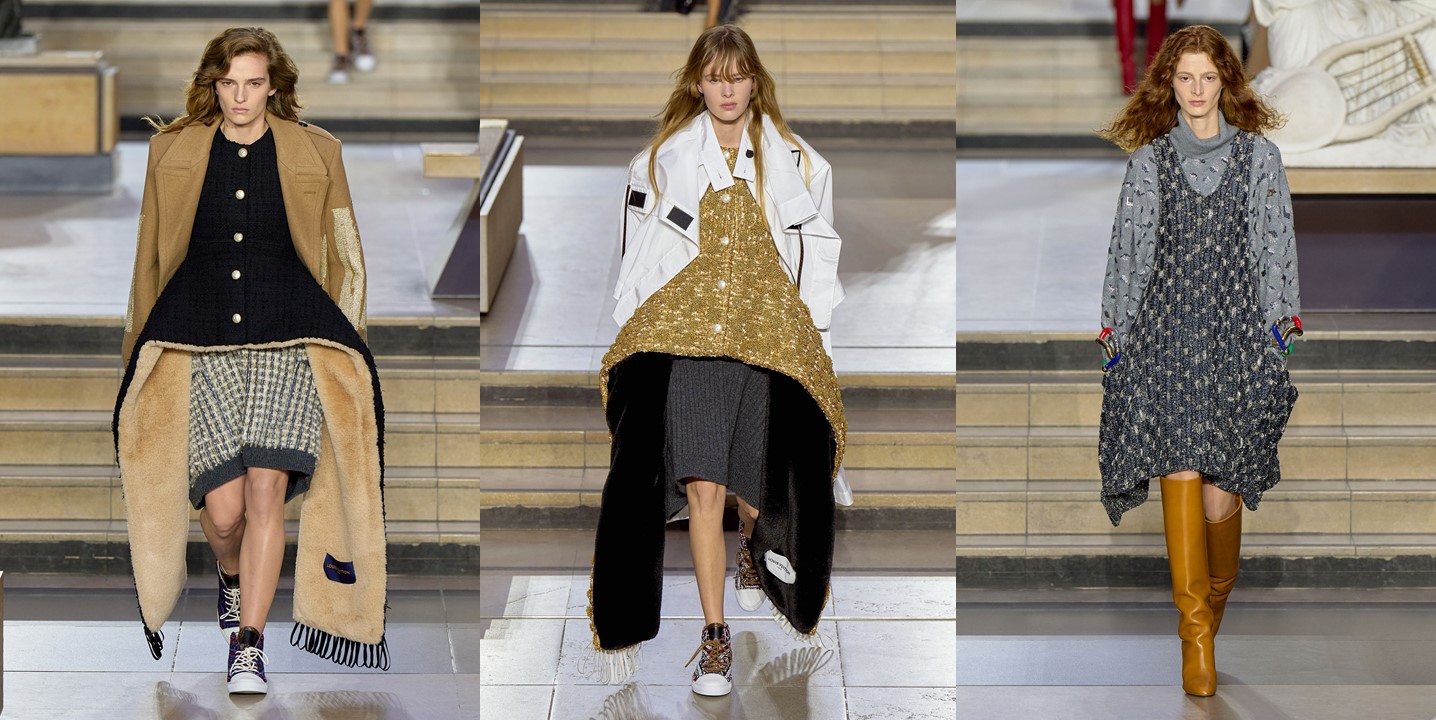
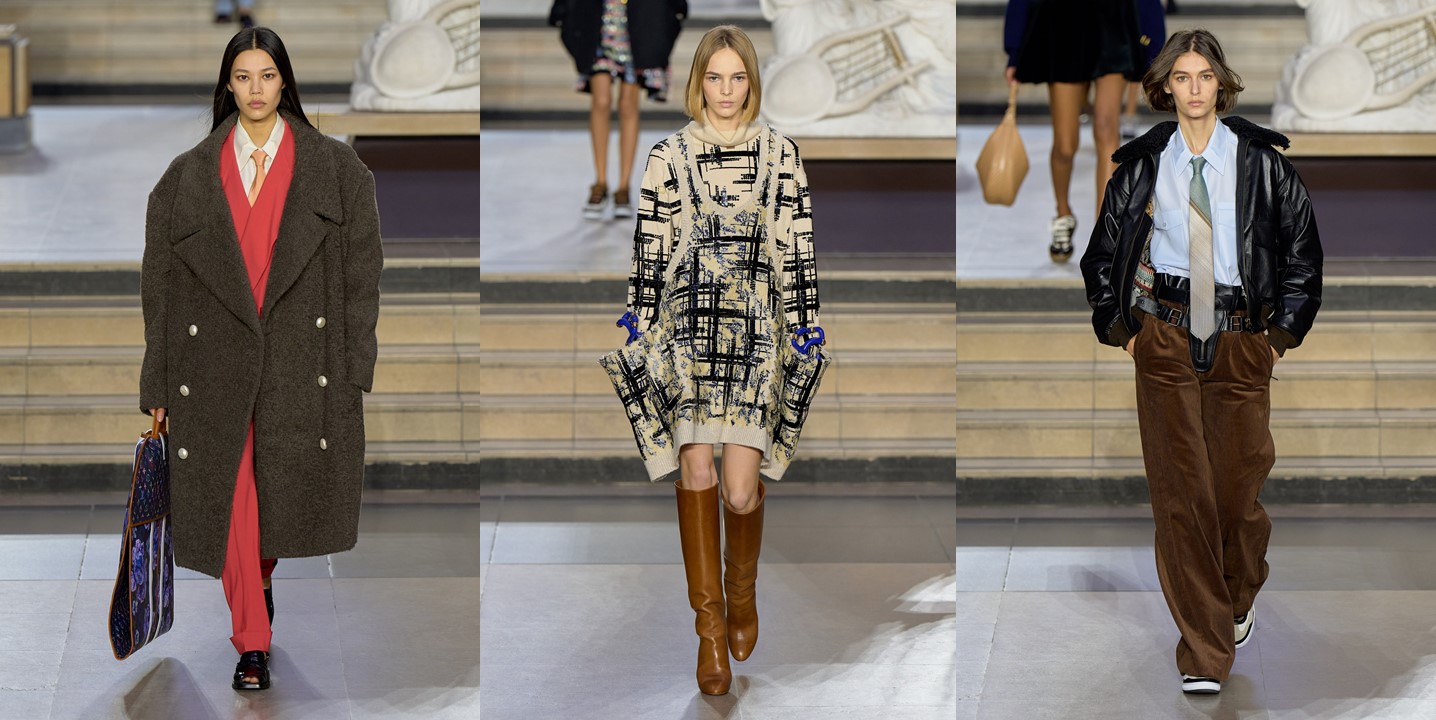
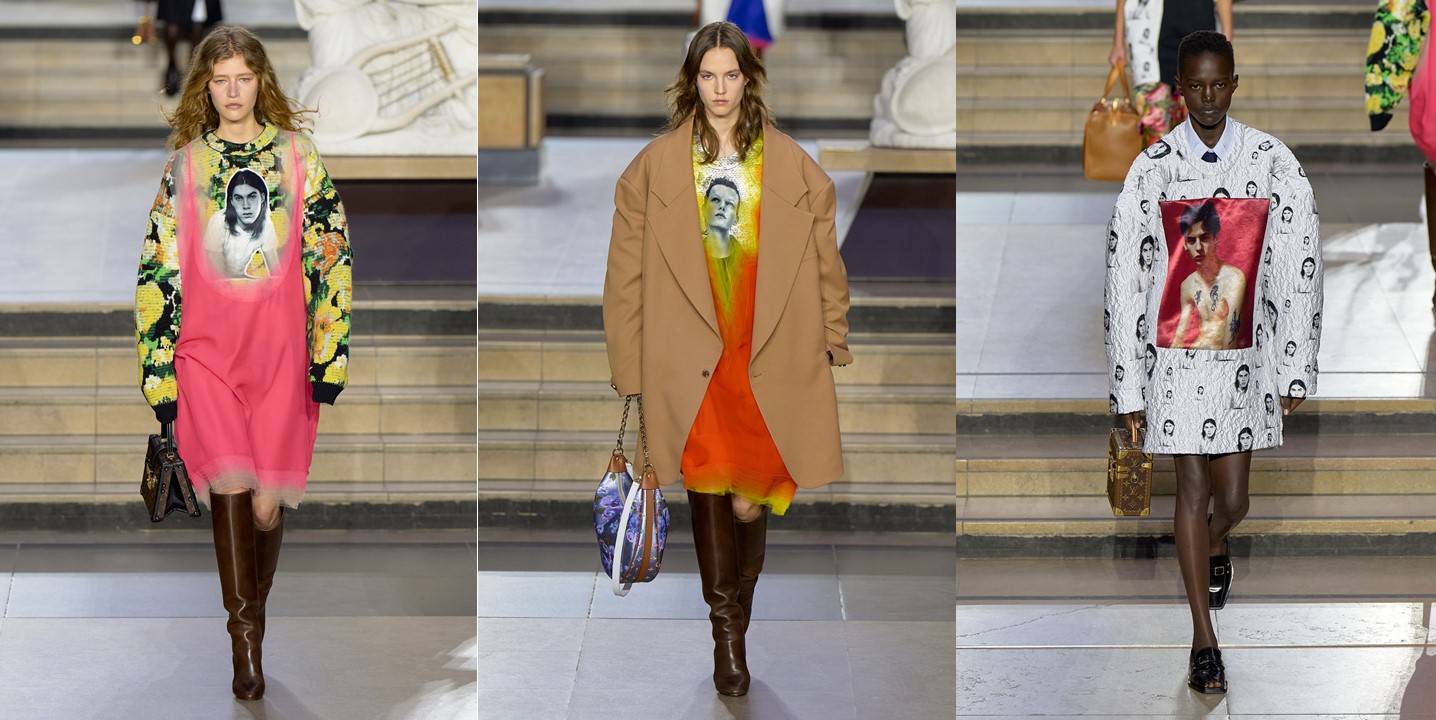
Collage by Edward Kanarecki.

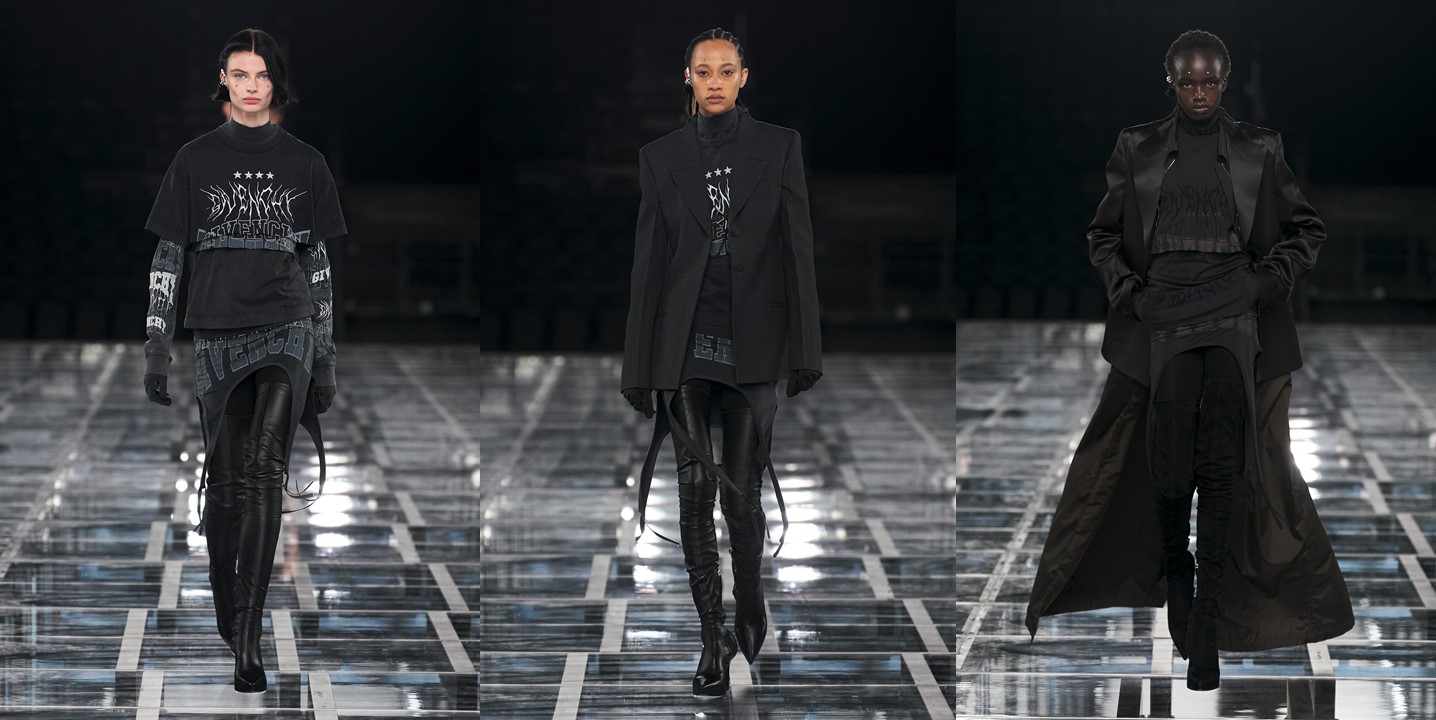
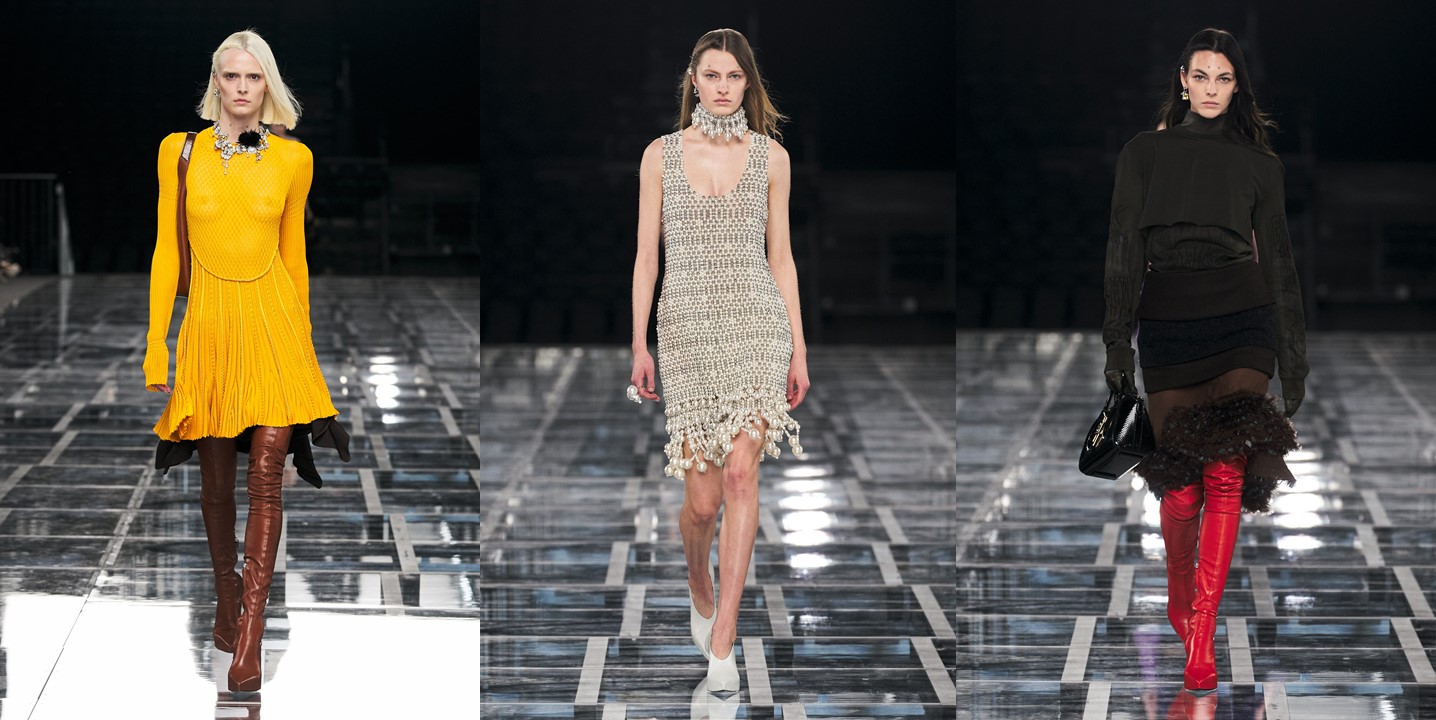
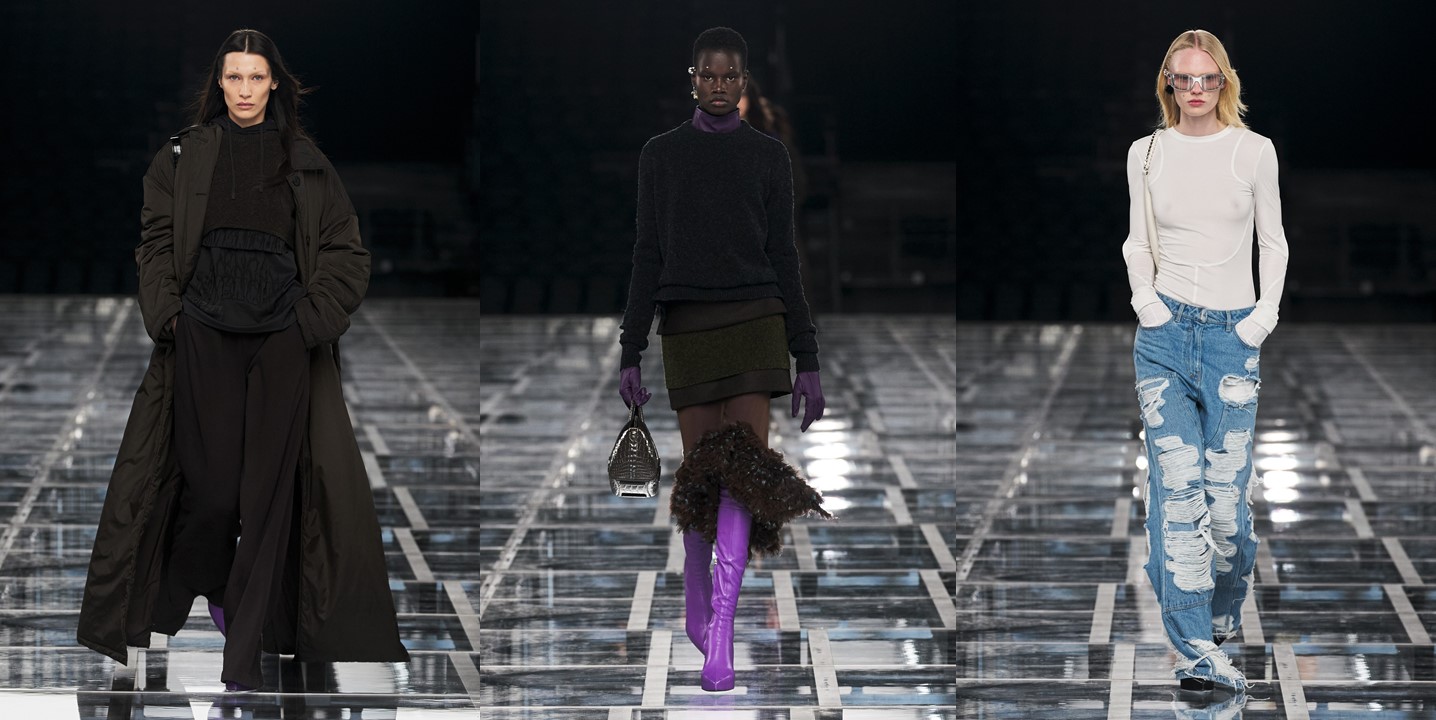
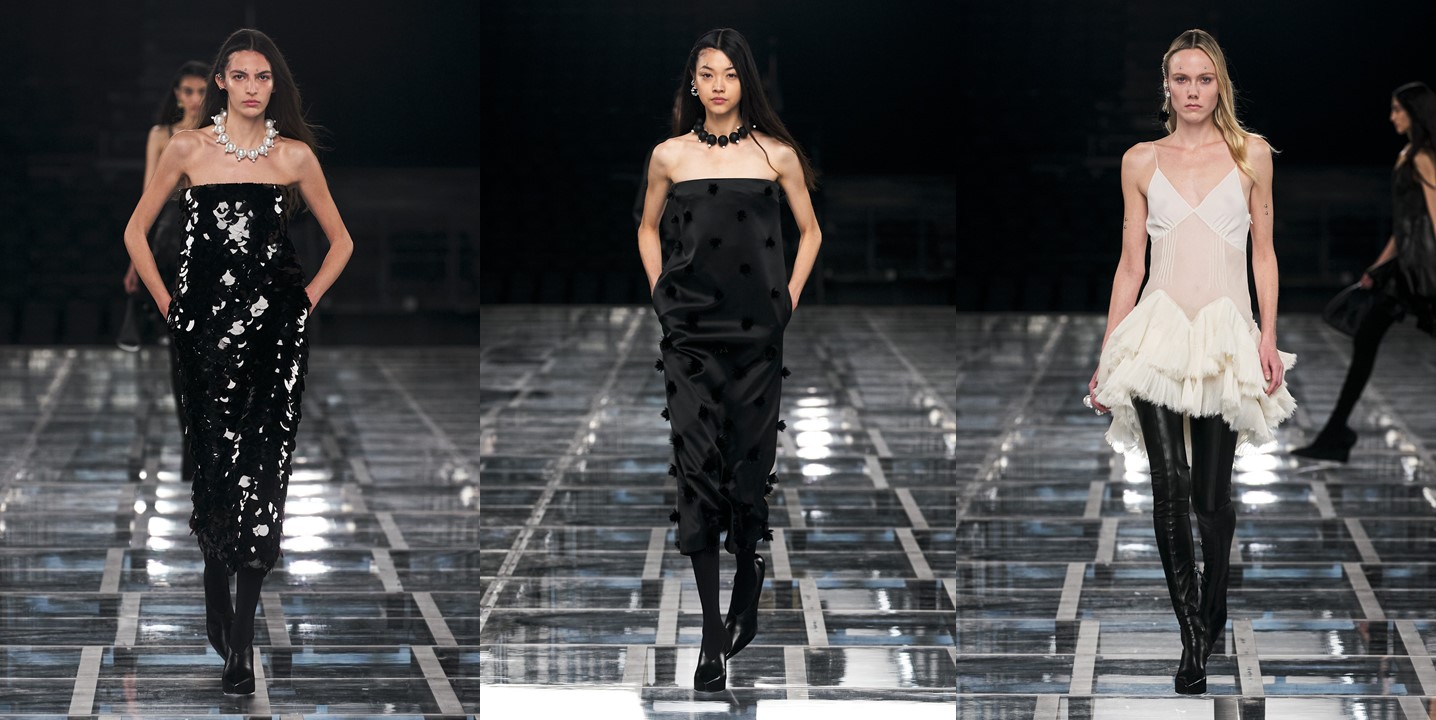
I’ve missed out on the last couple of Givenchy collections, but as far as I can see, Matthew M. Williams’ vision of the brand didn’t move anywhere forward. His autumn-winter 2022 offering is a straightforward take on “luxe” streetwear, and doesn’t really deliver any novelties. “I’m interested in making clothes that people wear, and that ease of it, so I guess it was finding those archetypes for today that I found interesting,” he explained before the show. Rendered largely in dark green and black, the collection was a wardrobe composed of the stereotypes that come with the territory, at least from a fashion perspective: layered and tiered T-shirts and sweatshirts with logo graphics in the vein of metal band merchandise; baggy denim trousers and leather tracksuits; and voluminous floor-length pimp coats that floated along the stadium-like structure bathed in the light of four surrounding LED lamps that looked like those used on football fields. In general, it all looks like a mediocre mash-up of Riccardo Tisci’s era Givenchy and early Demna Gvasalia for Balenciaga. Williams mentioned he took a look at the brand’s archives. Drawing on adornments and constructions he found in the house’s archives – from Audrey Hepburn’s pearls to the intricately strapped back of an evening dress – he translated the decorative language of Hubert de Givenchy into the contemporary tropes he was investigating. From eveningwear to day-wear, it materialized in pearl embroideries on jeans, beaded tops used for layering (which later turned into cocktail dresses), and long T-shirts sliced up from the bottom to resemble a kind of garter belt. I wasn’t convinced. Givenchy is a brand that can do much better with such rich history of chic and elegance.

Collage by Edward Kanarecki.
 Design & Culture by Ed