The New York Canon. Michael Kors AW24

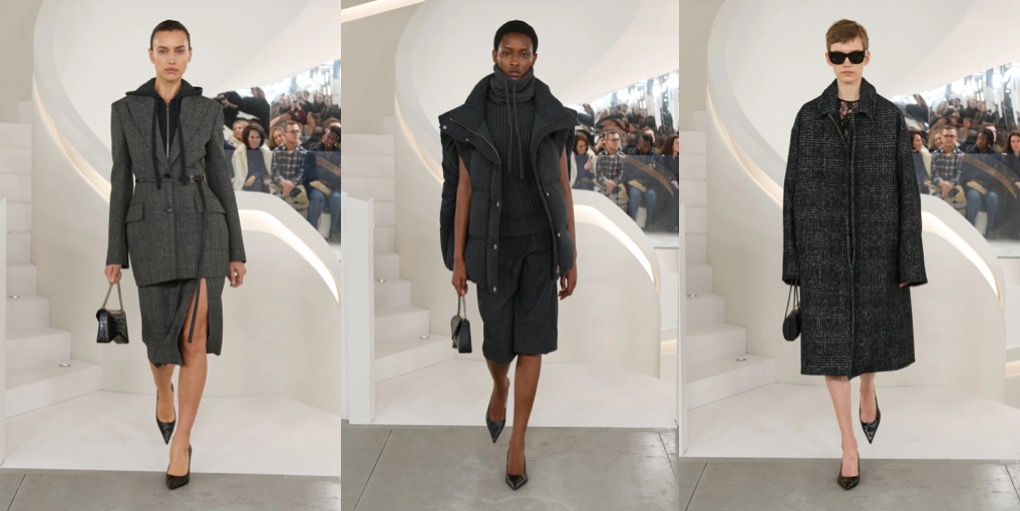
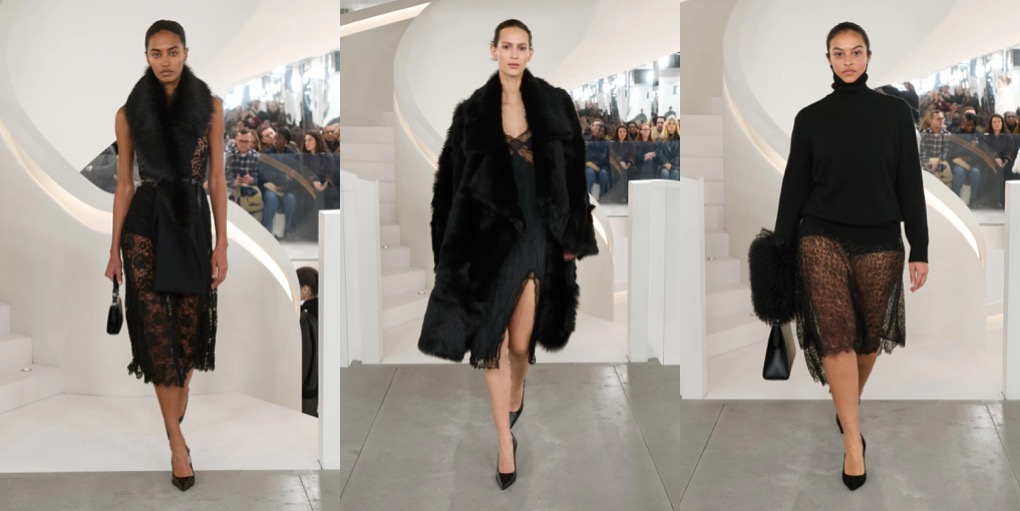
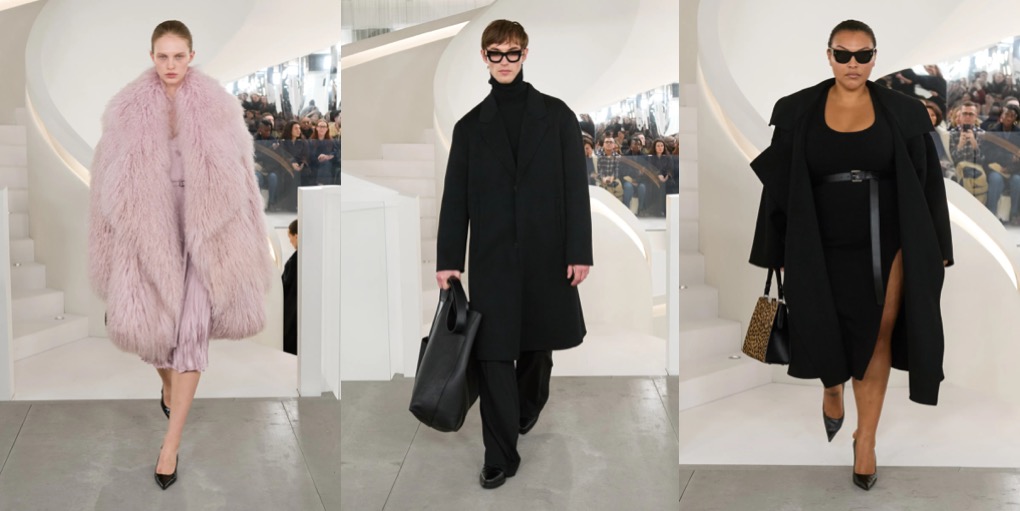
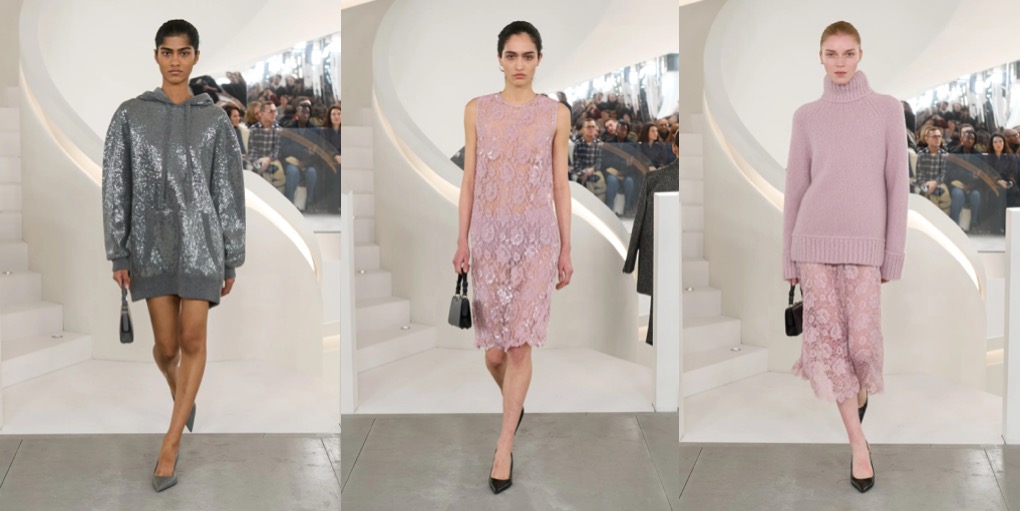
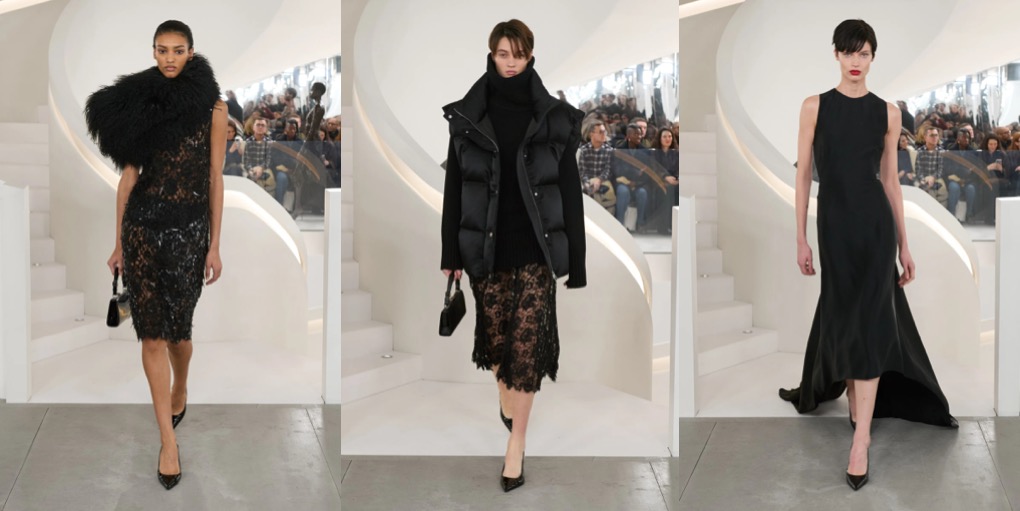
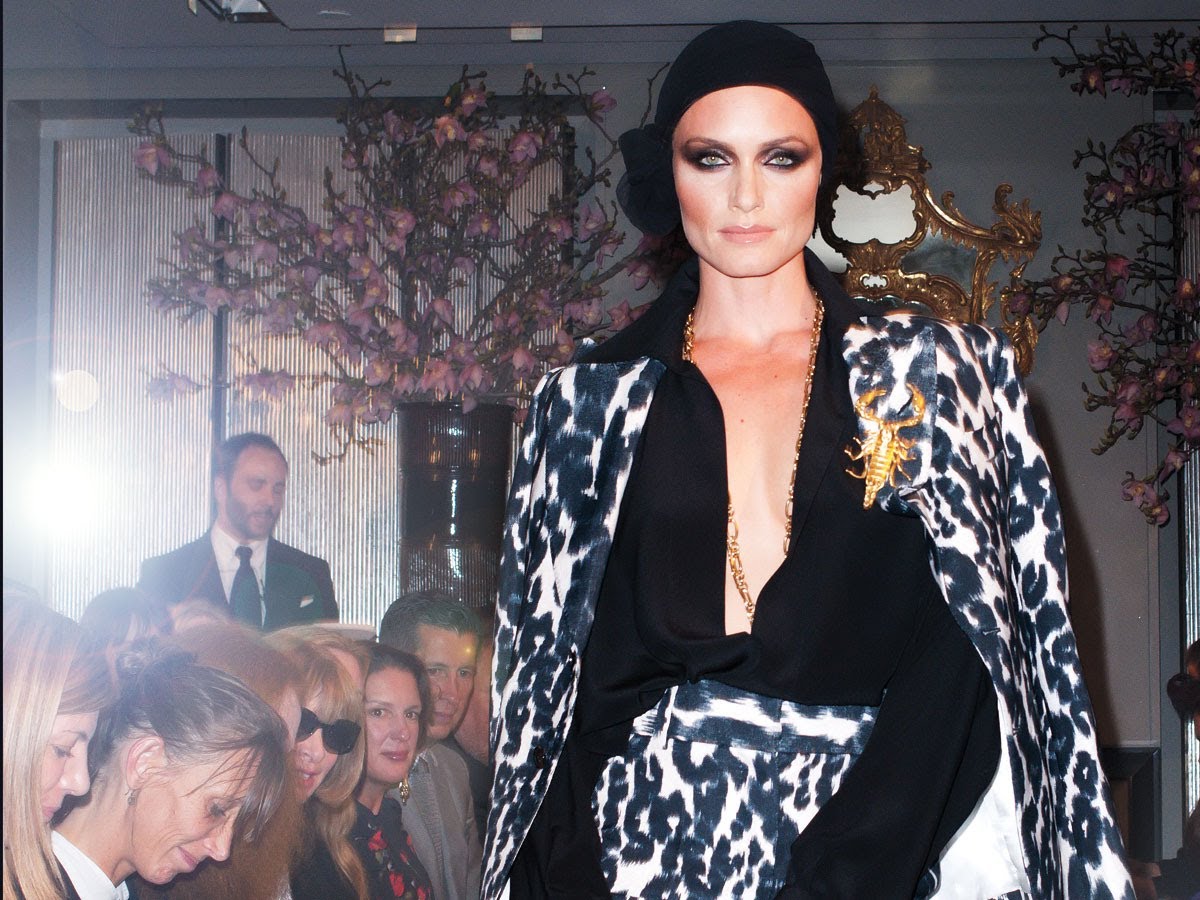
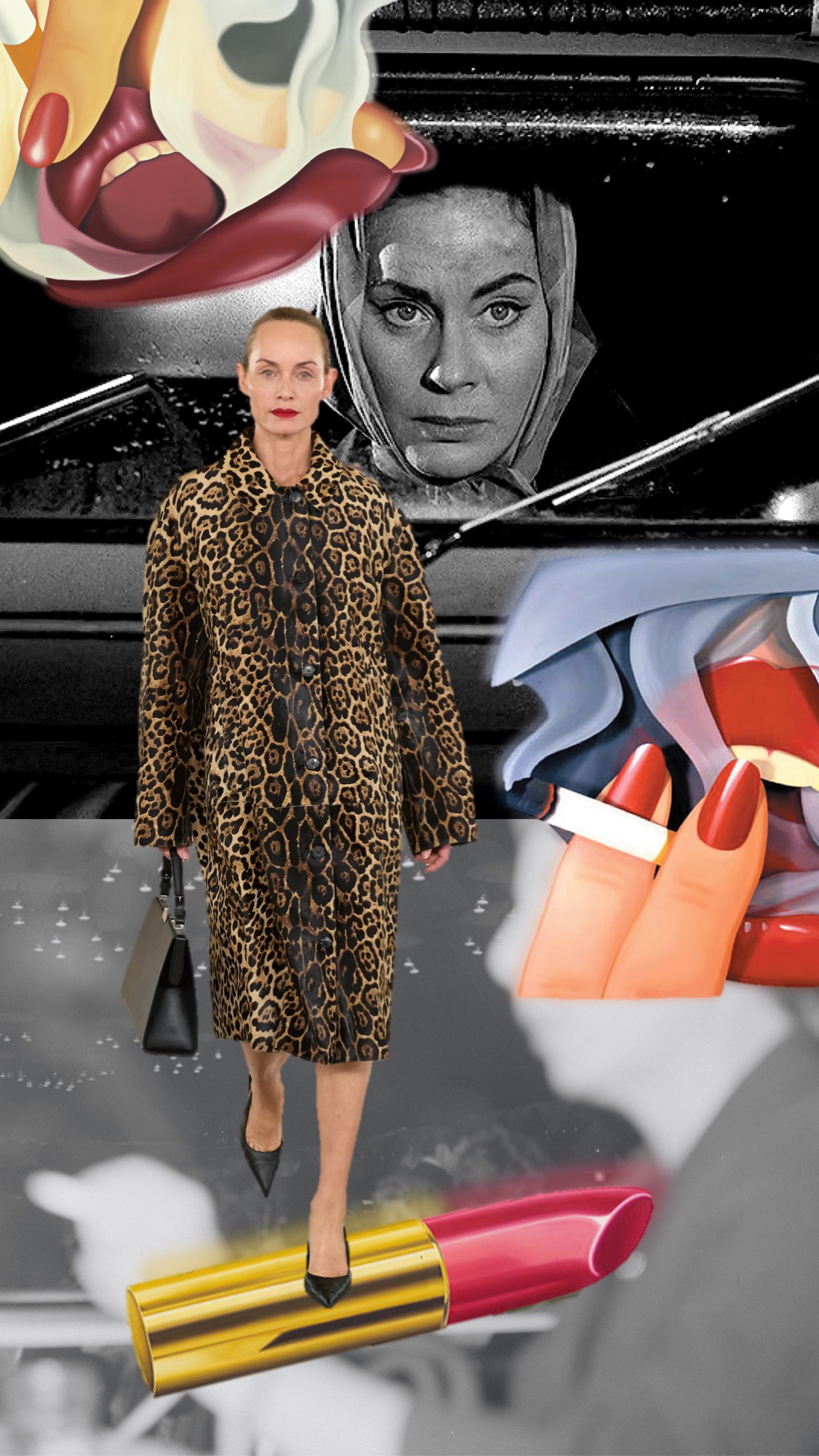
When Michael Kors comes to work, he really delivers. His autumn-winter 2024 collection is one of his best in years. It’s a real, consistent, and absolutely convincing proposition of how women can dress in 2024, without the ridiculous “quiet luxury” or “power dressing” labels. From the opening skirt-suit to the closing eveningwear, kept in all-black, real power oozed from these looks. All that confidence weaved into these clothes came from a very personal belonging, a black-and-white photo of Kors’ grandparents on their wedding day. “I was always absolutely enraptured with how my grandmother looked in her dress,” the designer said. “There was such simplicity to it, so chic. It’s the height of the ’30s. When my mom passed away over the summer, we were going through everything, and all of a sudden I saw this garment bag, and I opened it up and there it was. It’s the ultimate sleeping beauty story.” The dress was a two-fer, with a modest tunic over a “sensuous, sinewy” bias-cut number, the latter of which proved inspirational. “I started thinking about what endures,” Kors said. On the mood board, his grandmother was surrounded by women of other generations in bias-cut slips: Carole Lombard, Elizabeth Taylor, Kate Moss, Naomi Campbell. And for a counterpoint, there was tailoring of the Katharine Hepburn and Carolyn Bessette Kennedy school: strong yet feminine, with sharp shoulders and sculpted waists in Prince of Wales checks, herringbones, and camels. Kors is at his best reworking polished New York classics like this. He doesn’t just know the American sportswear canon, he’s helped shape it these last 40 years. And it shows this season.

Collage by Edward Kanarecki.
Don’t forget to follow Design & Culture by Ed on Instagram!

Hey, did you know about my newsletter – Ed’s Dispatch? Click here to subscribe!

NET-A-PORTER Limited

The Ultimate Show. Tom Ford SS11

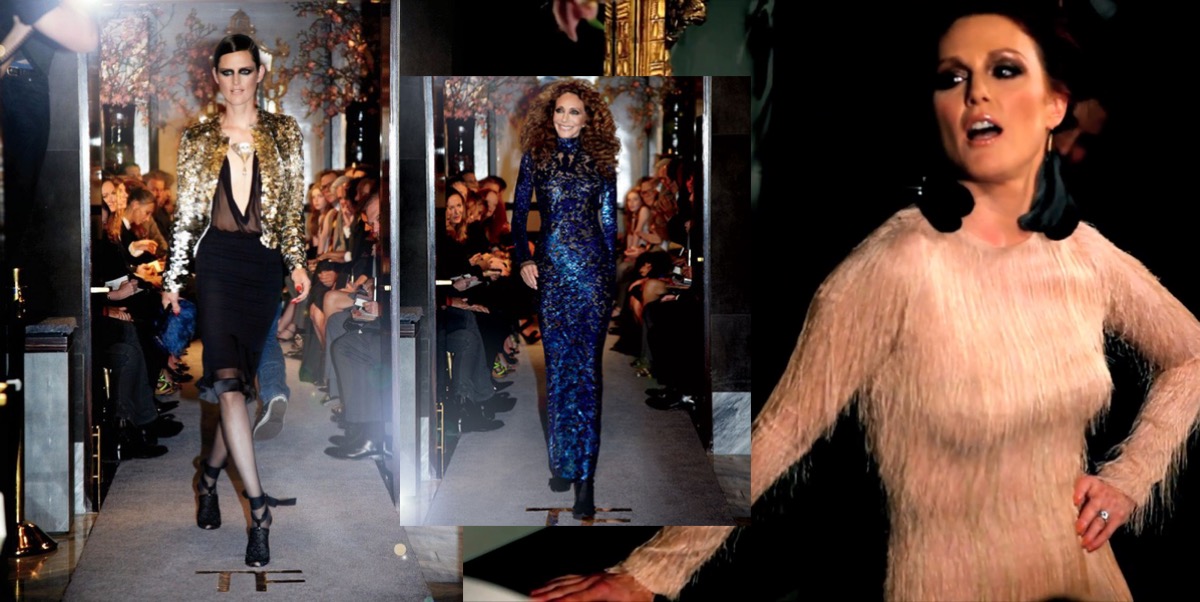
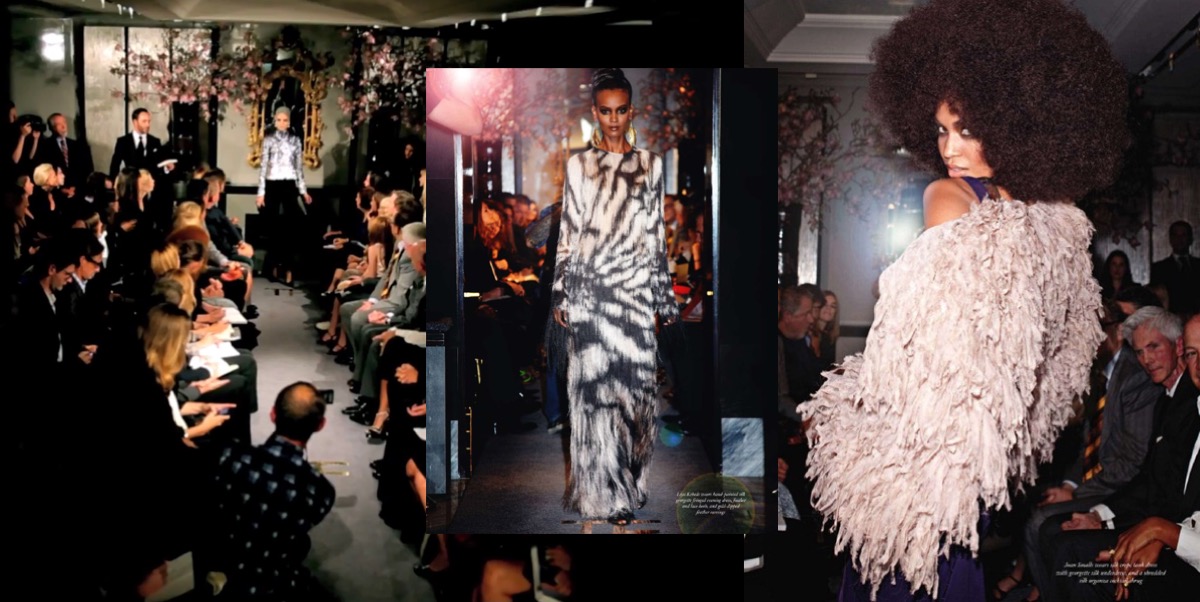
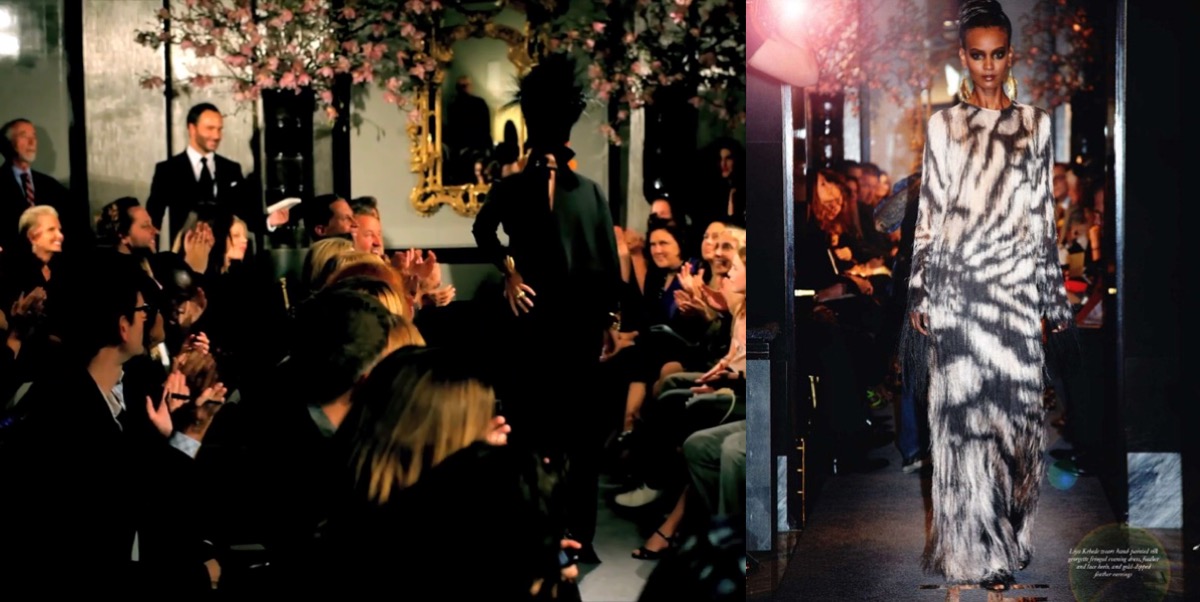
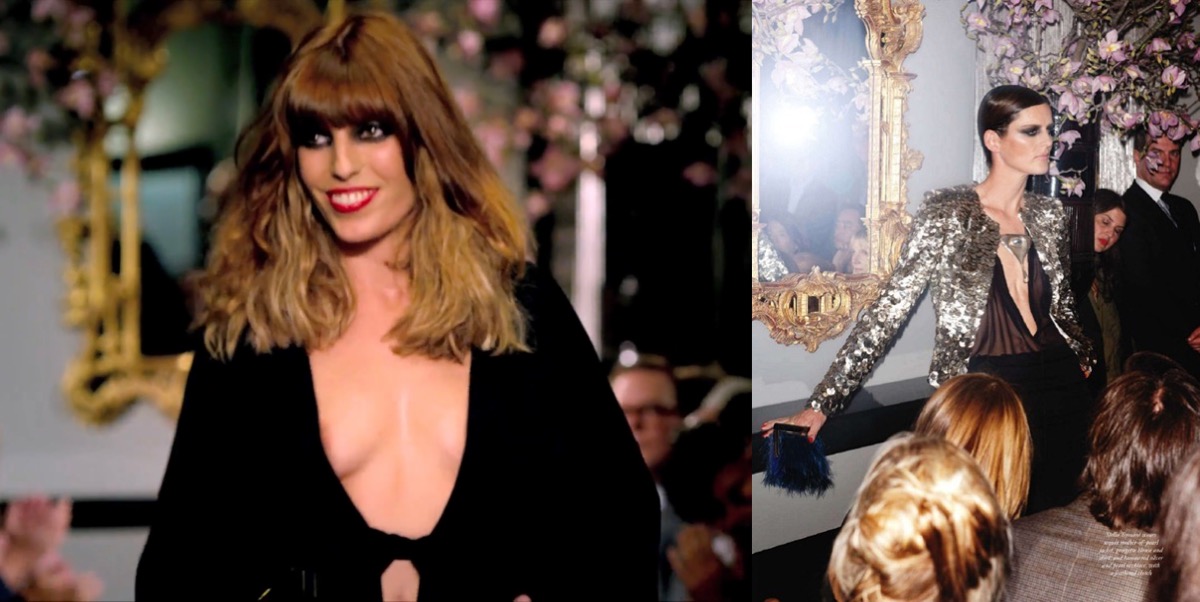
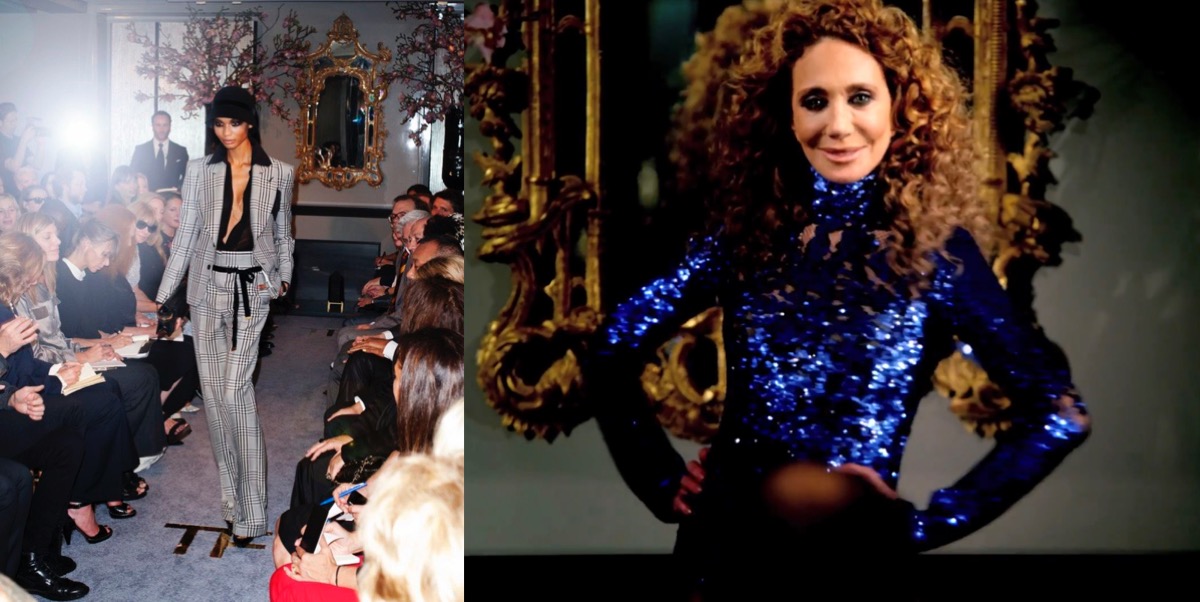
I’m currently reading André Leon Talley’s phenomenal “The Chiffon Trenches: A Memoir“, and I came across his account of Tom Ford‘s first runway collection coming from his own, name-sake label. The author recalled the event in the most ethereal way. And as it happened about ten years ago (and this is the reason why it’s the first proper post of 2021!), I was surprised I didn’t really have any image in my mind from that spectacular line-up, until Talley noted the whole event was kept mostly in a secret, and the only photographer allowed was Terry Richardson. Thankfully, some photos and this delightful video coverage are present on the web. So, spring-summer 2011 was Ford’s first big come-back to runway after his days at Gucci and Yves Saint Laurent. At the beginning of September, 2010, under the cloak of secrecy, he hosted an intimate cocktail party-slah-fashion-show at his menswear store on Madison Avenue. Luminary friends such as Julianne Moore, Lisa Eisner, Rita Wilson, Marisa Berenson, Daphne Guinness and Lou Doillon all sashayed down the runway, as did Ford model favorites Daria Werbowy, Liya Kebede (who Ford made a supermodel), Amber Valletta and the late Stella Tennant. Somehow, he even got Beyoncé to shimmy down the runway in a body-clinging, sparkle-laden gown. “Beyoncé in real life is actually quite quiet and very sweet,” Ford told Harper’s Bazaar back in the day. “But she can really turn it on.” Ford controlled the entire presentation, as in the days of intimate salon presentations, right down to the music volume, introducing every girl by name and describing her outfit in detail. For added amusement, he catcalled a few of them, teased Eisner for walking too quickly, told model Joan Smalls she might have turned him straight, and then told Beyoncé she definitely did. While many thought the show was a flashback to Parisian couture shows, Ford said the impetus for the show’s format was much more curious and much more camp. “I was on the train from London to Paris, and all of a sudden it just popped into my head: I’m going to do the Don Loper fashion show from ‘I Love Lucy’,” Ford explained. That particular episode, shot in Los Angeles with real Hollywood wives (Dean Martin’s and William Holden’s among them), is a classic: Lucy wants a covetable Don Loper dress she can’t afford. But lo and behold, Loper is doing a fashion show (which he narrates himself) and asks Lucy to model. She sits by the pool too long in hopes of achieving a perfect California bronze but ends up badly sunburned, “and she gets a tweed outfit and she can barely walk. It’s all very cute and everyone claps,” explains Ford. Of course, his 2010 version was more sexy than cute, and instead of claps he got a standing ovation. The casting was intentional. “I chose these models because I knew them. I designed these things thinking of them,” he explains. Following the Oscars, he thrust himself into designing the collection, using a mental list of about 30 women he would love to dress: “women I find inspirational and who are archetypes,” Ford says. “My collection each season should have something that a woman in her 60s, who is still stylish and lived through the Charlie era, could wear, so Lauren Hutton gets that look. There’s something someone of Rachel Feinstein’s size should wear and something for someone who is extravagant and shops at a bunch of vintage stores, like Lisa Eisner, should wear.” The incredible, magnetic Tom Ford.

Collage by Edward Kanarecki.

Birds of Paradise

ss98

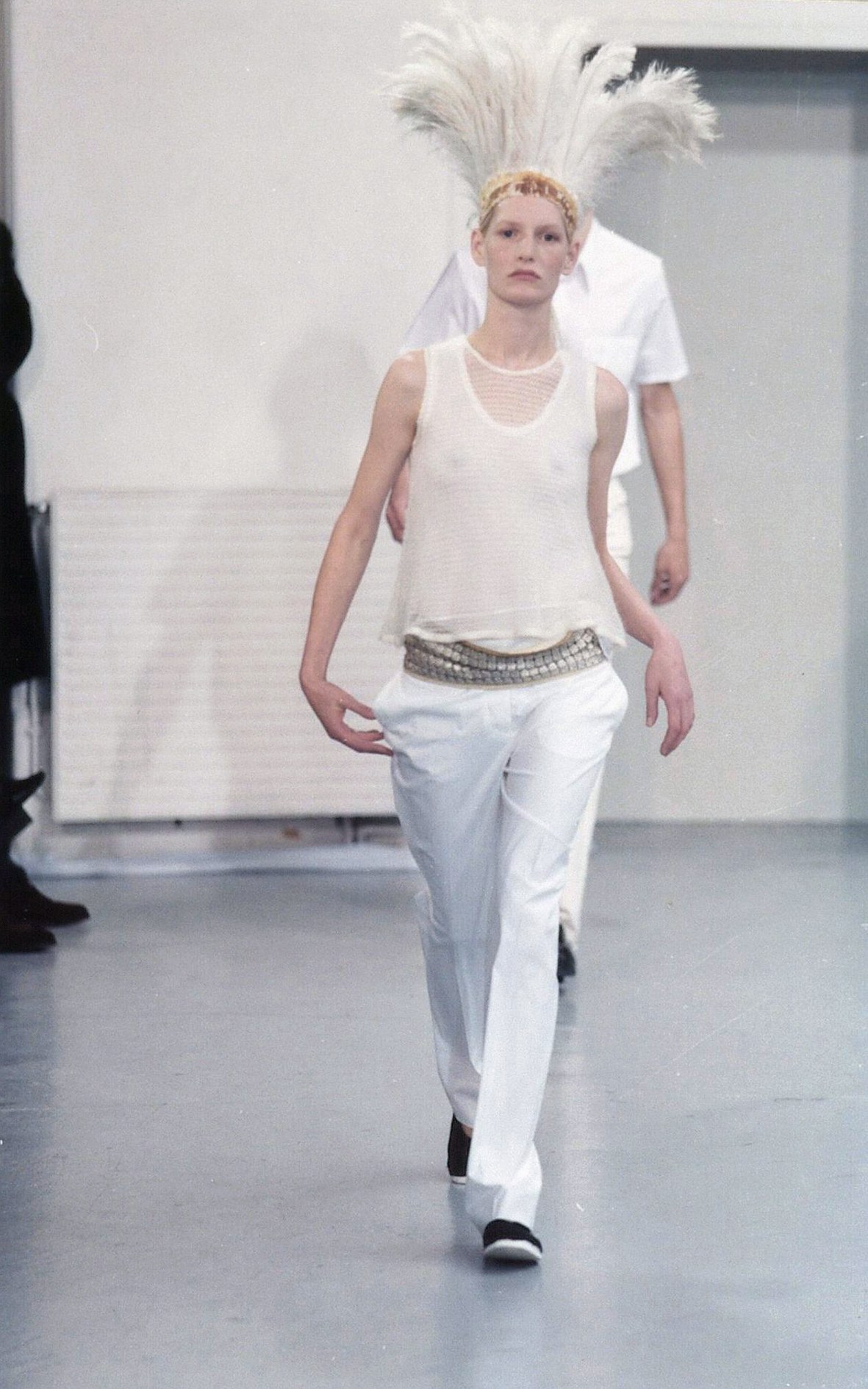
Helmut Lang spring-summer 1998

In her twisted elegance for spring-summer 2017, Miuccia Prada sent down a line of feather-trimmed jackets, bras and skirts. The dresses by Prada, with ostrich-feathers on the sleeves, were pure lightness, blurring the silhouttes’ minimal cut and old-fashioned opulence. “No other material stirs the imagination quite like the feather“, said the intro to Antwerp’s MoMU exhibition dedicated to plumes and feathers back in 2014. That’s quite true – for centuries, feathers were symbol of sophistication and refinement in women’s wardrobe. Valued by designers, like Sarah Burton at Alexander McQueen (and the late  designer himself) or even Phoebe Philo of Céline, feathers are the quintessence of preciousness. Whether traditionally crafted by skilled artisans called plumassiers, detailed with the help of Maison Lemarié in Paris or simply turned into ethereal headpieces (Maria Grazia Chiuri’s debut haute couture collection for Dior; Helmut Lang‘s all-white feather crowns from the 90s).

Some designers choose to use feathers spontaneously, one-time, like London-based Christopher Kane. But others, like Ann Demeulemeester, feel strong affection towards feathers since childhood. The queen of Belgian fashion especially favoured dove feathers and transformed them into timeless pendants. For her first fashion show in Paris in 1992, she placed on each chair a leather string holding dove feathers. In 2000, a priest called her and asked whether she can ‘dress’ the Madonna in Saint Andrew’s church in Antwerp. The effect was a feather bustier, which ideally matched the holliness and spirituality of this place. Although Demeulemeester stepped down from her role at the brand, Sébastien Meunier succesfully continues her feather legacy. Just see his poetic autumn-winter 2017 collection for men (note the hats and shawls).

One of the biggest fashion moments connected to feathers that always hits my mind is Peter Lindbergh’s cult editorial for Harper’s Bazaar in 1993. Amber Valletta, looking like a fallen angel, wanders around New York in her white wings and white suit. Beautiful and melancholic simultaneously. Light as a feather.

Shop the look: Ann Demeulemeester bead and feather necklace.