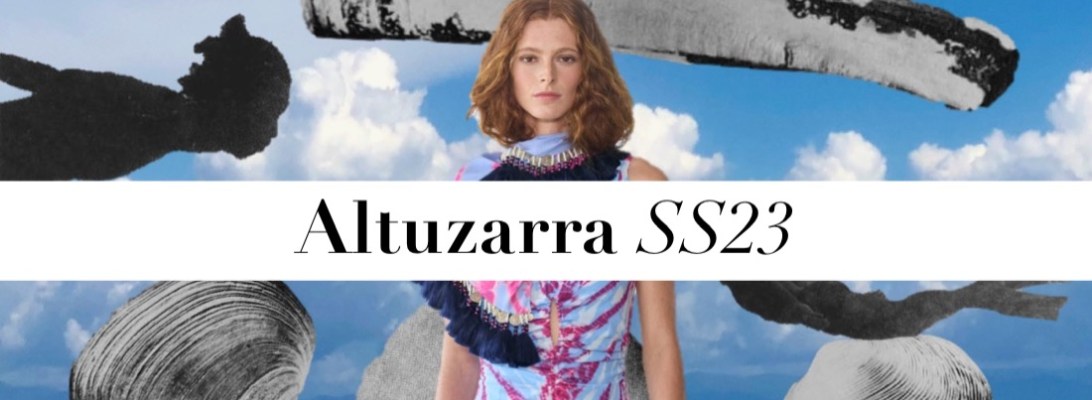
Magical Realism. Altuzarra SS23

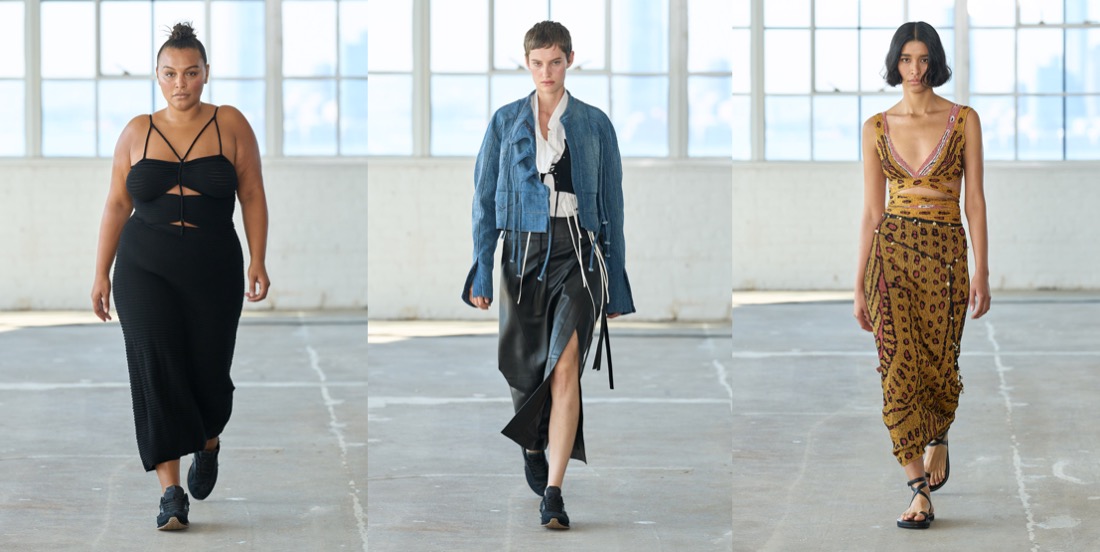
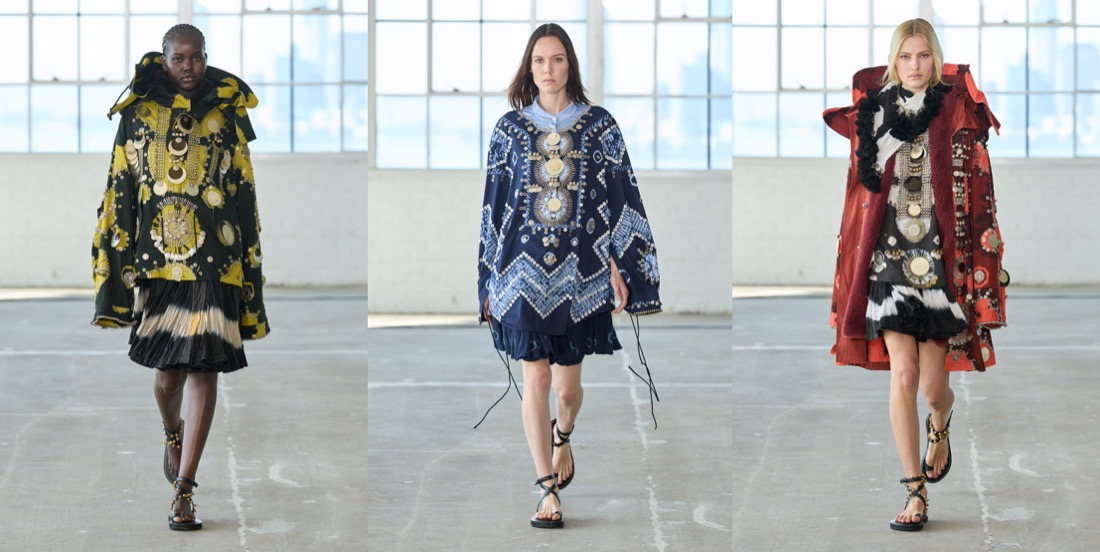
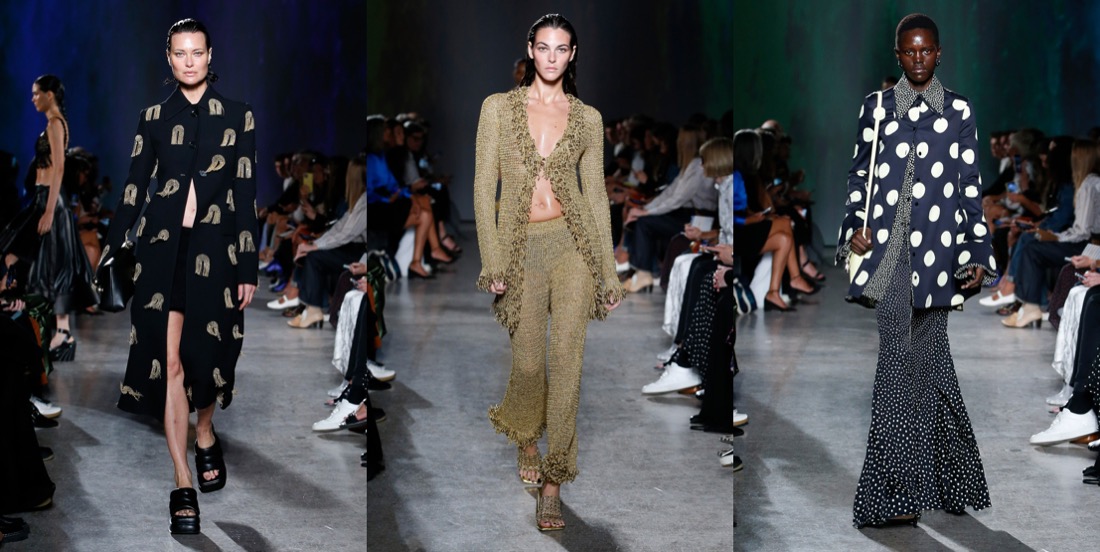
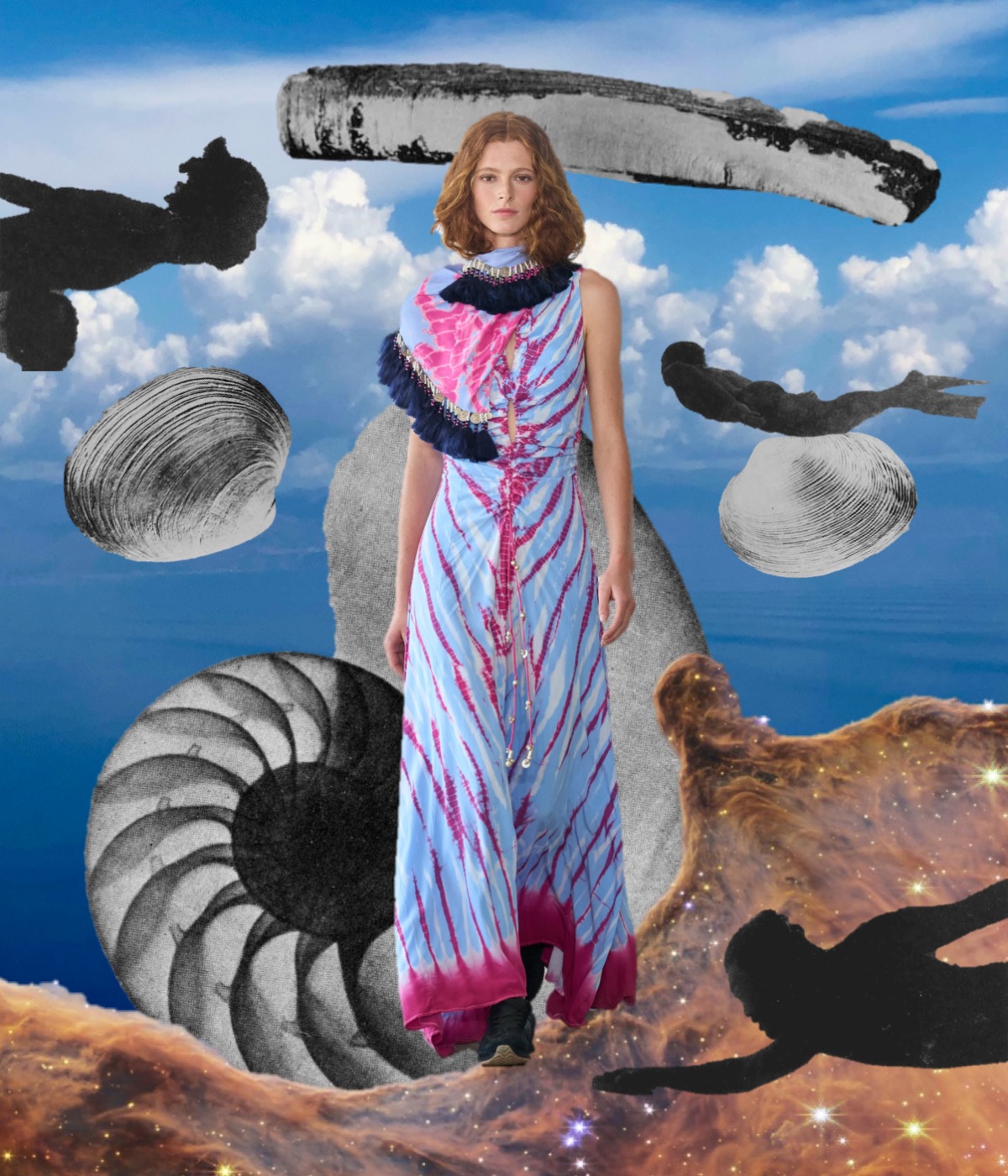
I haven’t seen an Altuzarra show in a while, but I follow Joseph Altuzarra‘s side project, Altu, which is a genderless label offering timeless essentials in a cool, off-duty, gritty aesthetic. To sum it up, it’s quite the opposite of the ultra-feminine style of the designer’s main label. But it seems to me that developing Altu let Joseph take a new perspective at Altuzarra. The spring-summer 2023 line-up shows a more relaxed, laid-back approach, and I like it. Well, maybe the first part of the collection is too isnpired with last summer’s Prada silhouette, but the second section is truly eye-pleasing. “The world feels so alien and scary. I’ve been interested in how people in the past have made sense of things,” Altuzarra said at a preview. “Finding tangible reasons for why things are happening is what people would do, and that’s what I’ve been expressing through the collections.” For spring he said he wanted to explore “this idea of a trip and nature as an entry point for psychedelic experiences.” A couple of books, The Teachings of Don Juan and Desert Solitaire, both written in the late ’60s and both delving into mysticism, proved inspirational. The show played out like a journey – or maybe a vision quest – starting with preppy-ish classics like striped shirts, cable sweaters, and minis that Altuzarra tweaked and twisted until they looked neither preppy nor classic. He topped them with boxy blazers or parkas, and accessorized the looks with retro Keds sneakers. The shibori-dyed dress of look 19 is where woman meets nature. Tie-dye and coin embroidery are two Altuzarra signatures, and he doubled down here, sending out a parade of exquisite dresses whose intricate craftsmanship is near unrivaled in New York. Most ambitious was the series of body-skimming numbers that were first tie-dyed, then pleated and twisted; their patterns looked like exotic skins. Other dresses were sewn first, then dyed. “It’s all done on a final garment. You basically can’t mess up, because if you do, you have to redo the whole thing,” he said. They take almost two months to make.

Collage by Edward Kanarecki.
Don’t forget to follow Design & Culture by Ed on Instagram!
NET-A-PORTER Limited

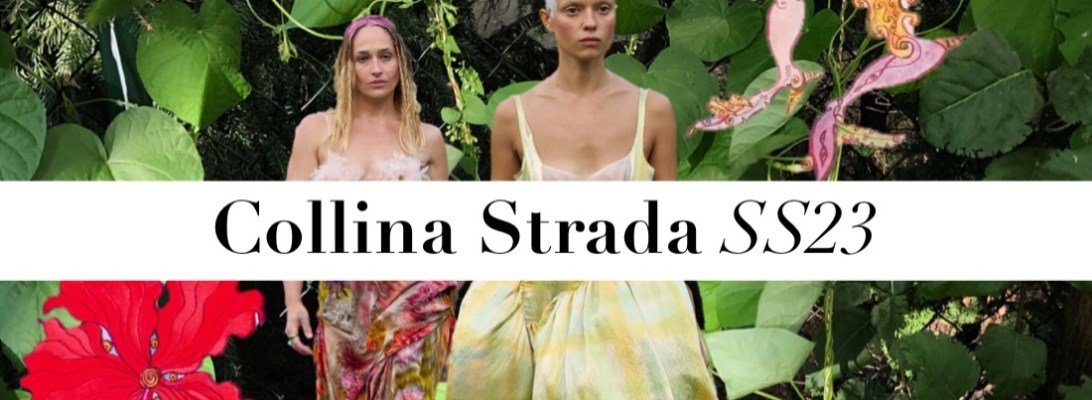
Fly Like A Butterfly. Collina Strada SS23

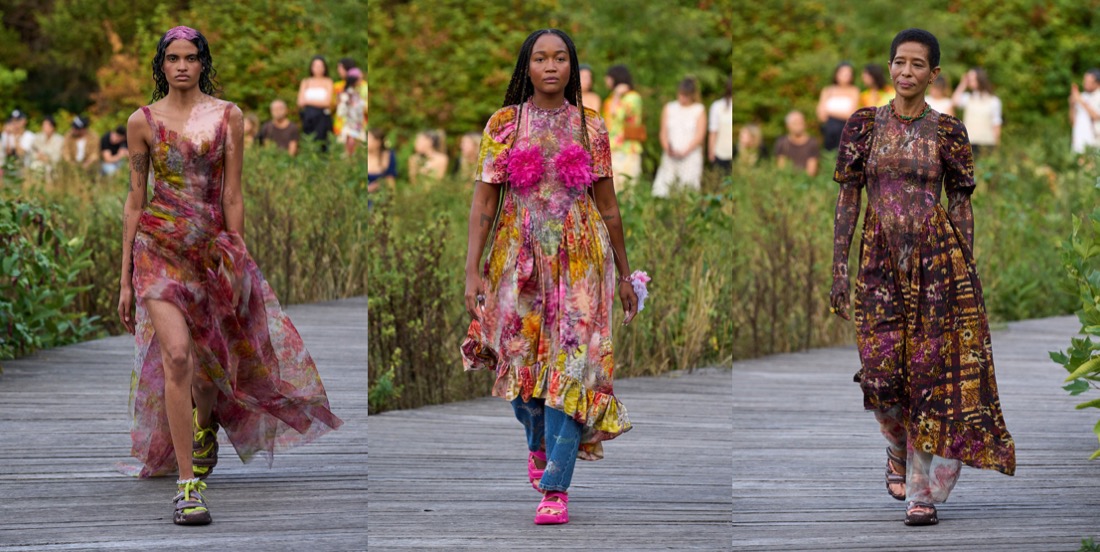
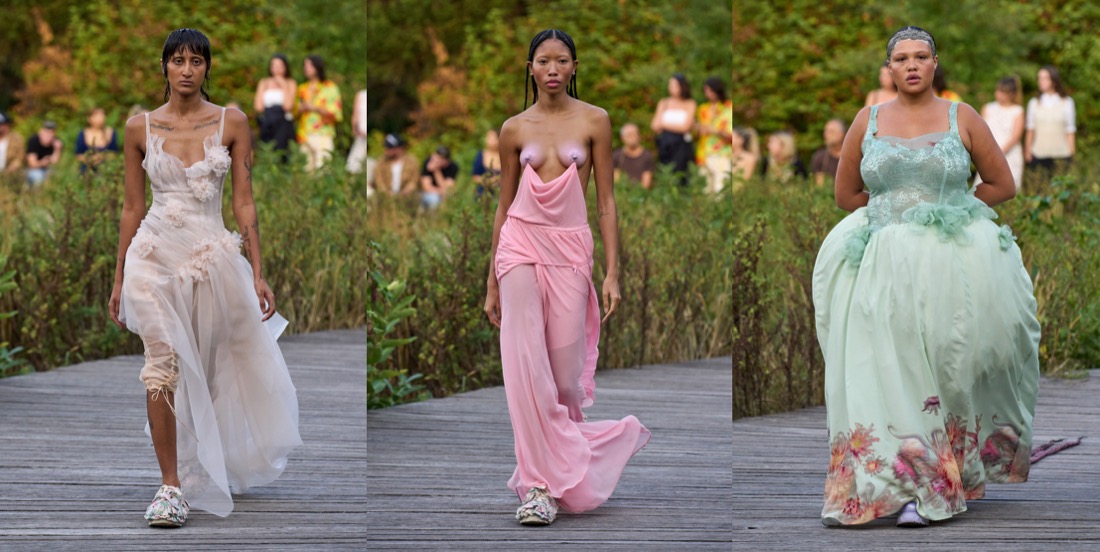
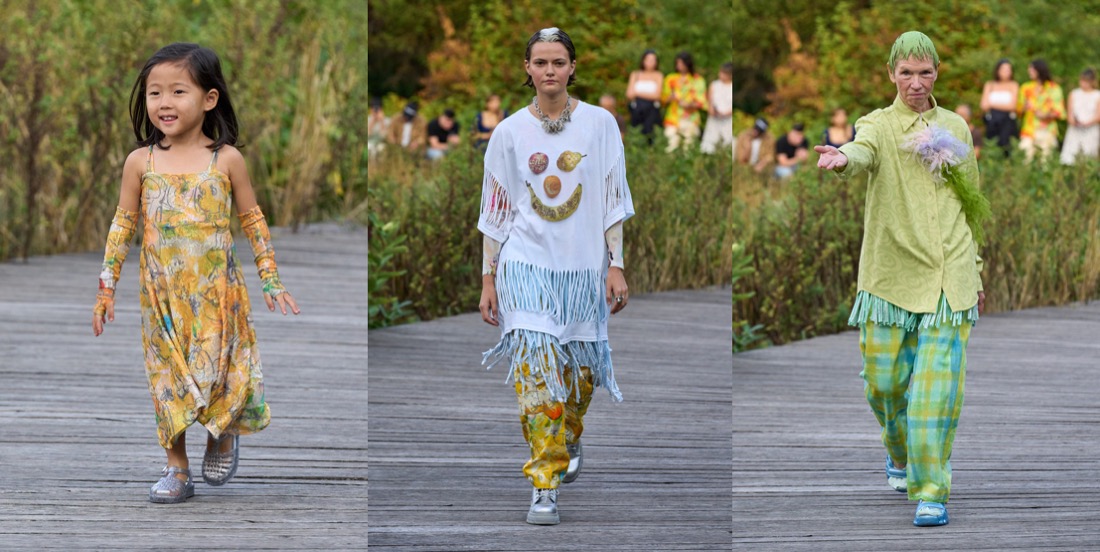
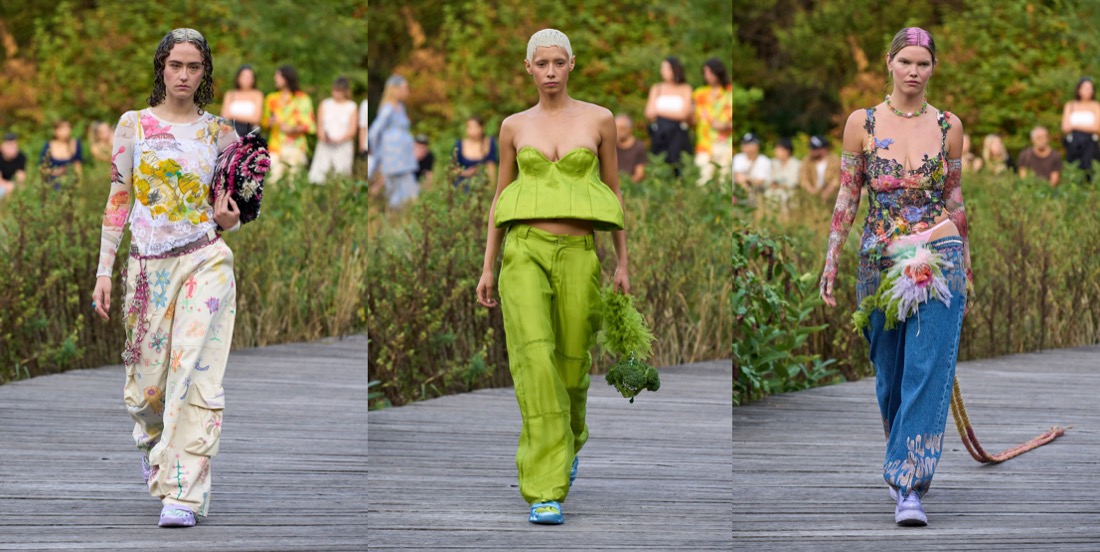
At Collina Strada, Hillary Taymour was in a celebratory mood (like many designers in New York seem to be). Hari Nef opened the show, wearing a dainty, lace-trimmed slip over wide-leg plaid trousers, her arms fluttering up and down like so many butterfly wings. Bedazzled on the front was the phrase “Got milkweed?,” an environmentally friendly take on the classic Got Milk? ad campaign of the ’90s, which also happened to be the name of the collection. Milkweed is the only plant monarch caterpillars will eat. Fittingly, the show took place at Brooklyn Greenway, a former cemetery turned monarch butterfly preserve that’s not open to the public. Taymour’s signature playfulness and Y2K influence were certainly present, but there was also a tender touch (some of the models wore extra-long braids that dragged on the floor behind them as they walked, like a Rapunzel that never had to cut her hair off to find freedom) and a mix of romanticism that resulted in some truly elegant eveningwear options. A floral lace–crocheted long-sleeve gown was worn underneath a structured bustier minidress with an exaggerated balloon skirt—a fantastic continuation of the exploration of panniers and bustles that Taymour has embarked on for the past few seasons. “I just feel like now that we’re a ‘trend,’ I really wanted to push it and be like, ‘We’re not just [sportswear],’” said Taymour after the show. “I can make these dresses for you and elevate it.” A carnation pink dress made from deadstock chiffon that hung from bent-wire flowers that attached to matching airbrushed pink breasts and nipples proved she could do both. She added, “I just wanted to push myself to do that.” Big cargos came in hand-drawn floral prints, crushed velvet, and even organza. Decorated jeans were part of a collaboration with Unspun, a company that 3D-scans the body in order to create made-to-order denim. She also debuted a collaboration with Virón featuring shoes made of upcycled materials, including ruffled velvet oxfords and chunky silver metallic boots, and a collaboration with Melissa on supercool and weird puffy sandals, which she paired with tiny satin ballerina-style socks that perfectly encapsulated the spirit of the collection. In the show notes, Taymour describes being inspired by “the butterfly’s symbolic cycle of life, death, and rebirth,” but with clothes like these, Collina Strada will thrive forever.

Collage by Edward Kanarecki.
Don’t forget to follow Design & Culture by Ed on Instagram!

NET-A-PORTER Limited

Sensuality. Proenza Schouler SS23

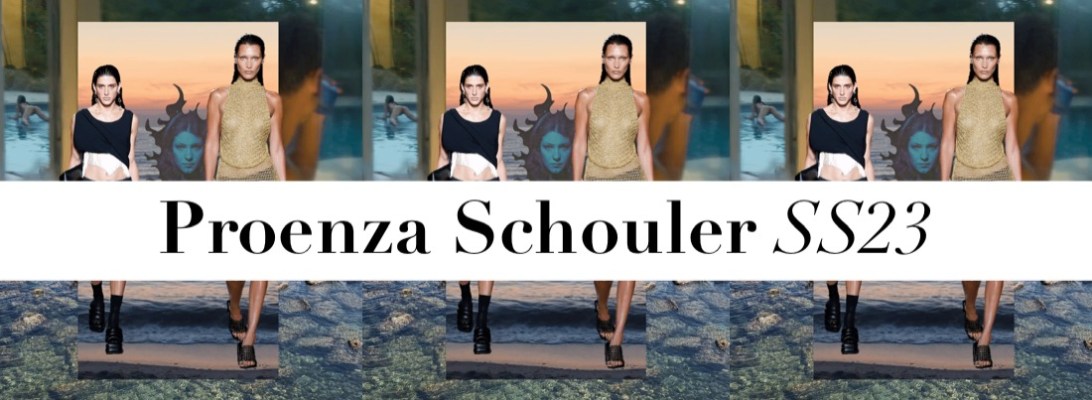
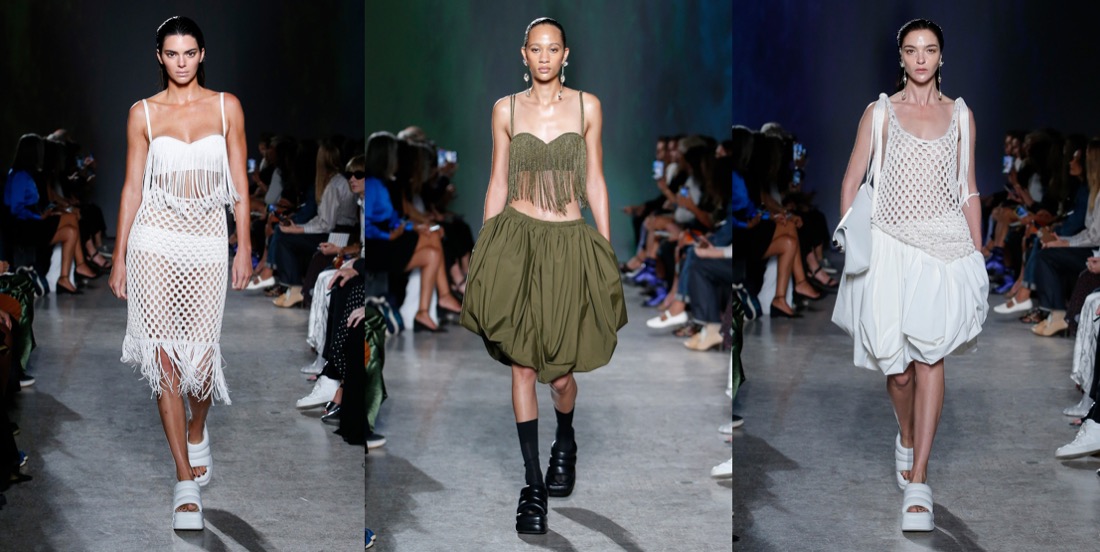
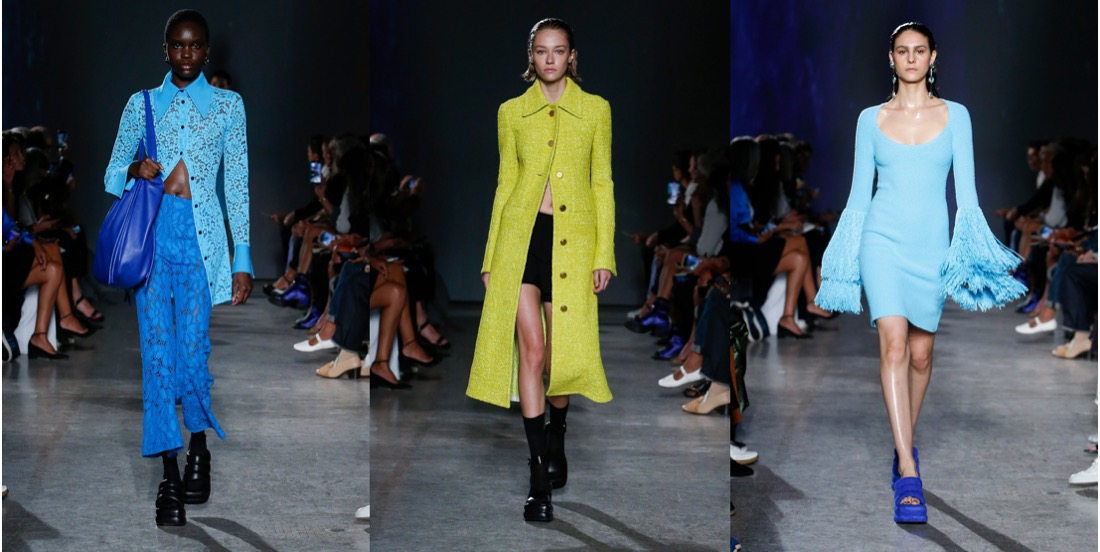
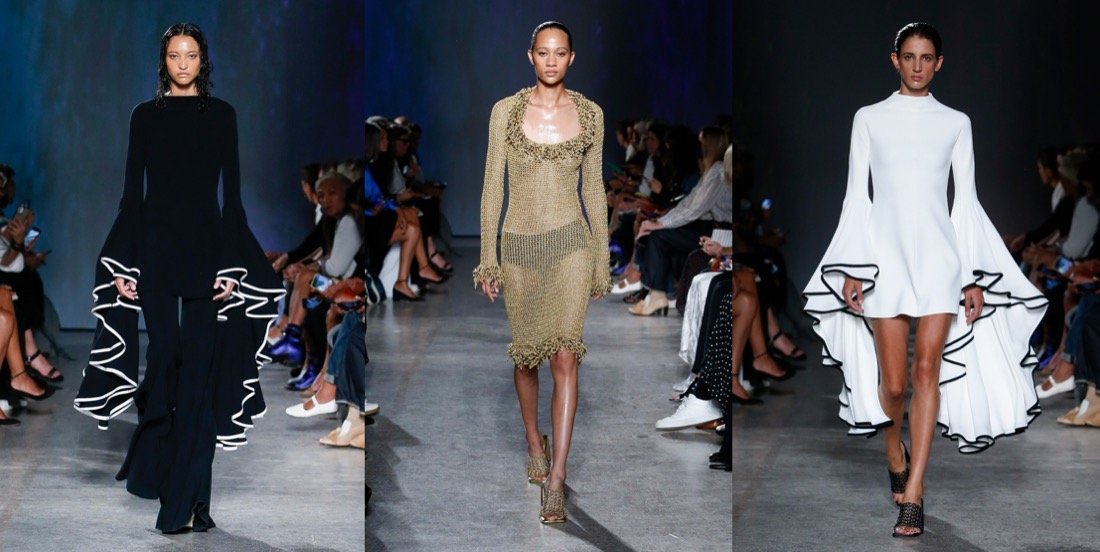
The Proenza Schouler boys are delving into new territory this season – which, by the way, marks the brand’s 20th anniversary (yes… time flies). Arca, the trans musician from Venezuela, opened their show in a loose black tank whose hem was pulled over one shoulder, revealing white silk fringe over her bare midriff and a bubble skirt. From there Jack McCollough and Lazaro Hernandez explored Latin flourishes, like flamenco ruffles peeking from the hems of generously cut bell-bottoms, polka dots of varying sizes decorating twist-front dresses, and piped bell sleeves that extended past the knees. In the past, they’ve tended to cite travel adventures or their tight circle of girlfriends as influences. But after the show, Hernandez wanted to talk about his roots. “I leaned into my Latin identity; I’m Cuban,” he said. The models wore their hair slicked back wet, and their skin was dewy. They looked as if they just stepped off a dance floor or climbed out of the sea. With videos of waterfalls projected onto the marble walls of the venue, the collection felt closer to nature than last season’s chic austerity. Crochet separates, nipple-freeing sheer lace shirts and dresses, and compact knit pieces that seemed to take their cues from swimwear looked like the work of designers who’d like to hold onto a summer feeling for as long as they can. “We’re just talking about the idea of energy, of joy, of sensuality; these things that sometimes we feel are lost in our lives, to be honest, and we’re trying to find a way to get them back,” McCollough said. Twenty years is no small milestone. How do you sustain energy and joy when you’ve been at something that long? The designers tapped into it this season by working with a community of weavers in Bolivia. “We did it all via email and conversations over the phone,” said Hernandez. “We were able to make four pieces with them and employ them for six months. They were so happy.

Collage by Edward Kanarecki.
Don’t forget to follow Design & Culture by Ed on Instagram!

NET-A-PORTER Limited

Palazzo Dei Normanni in Palermo

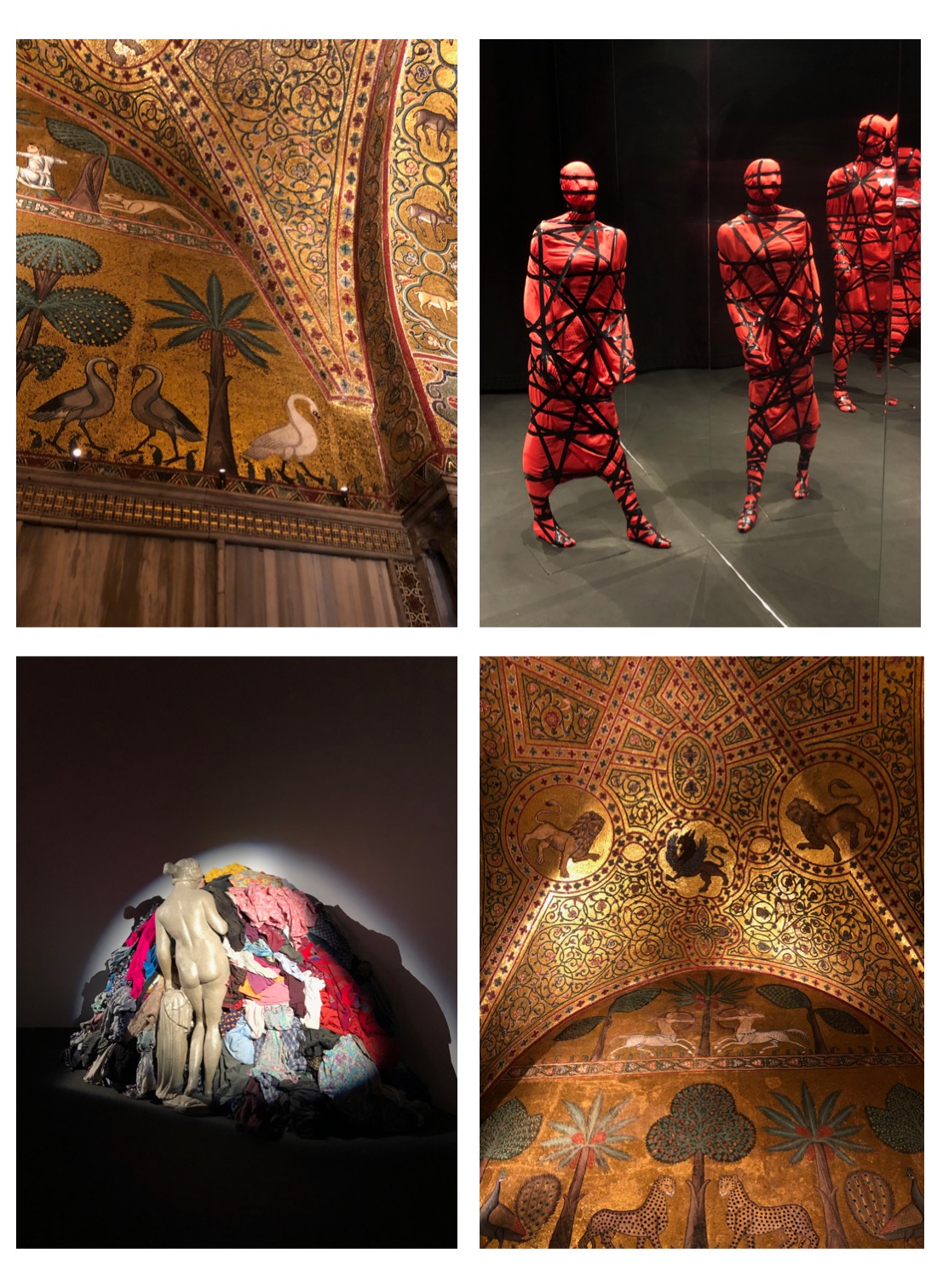
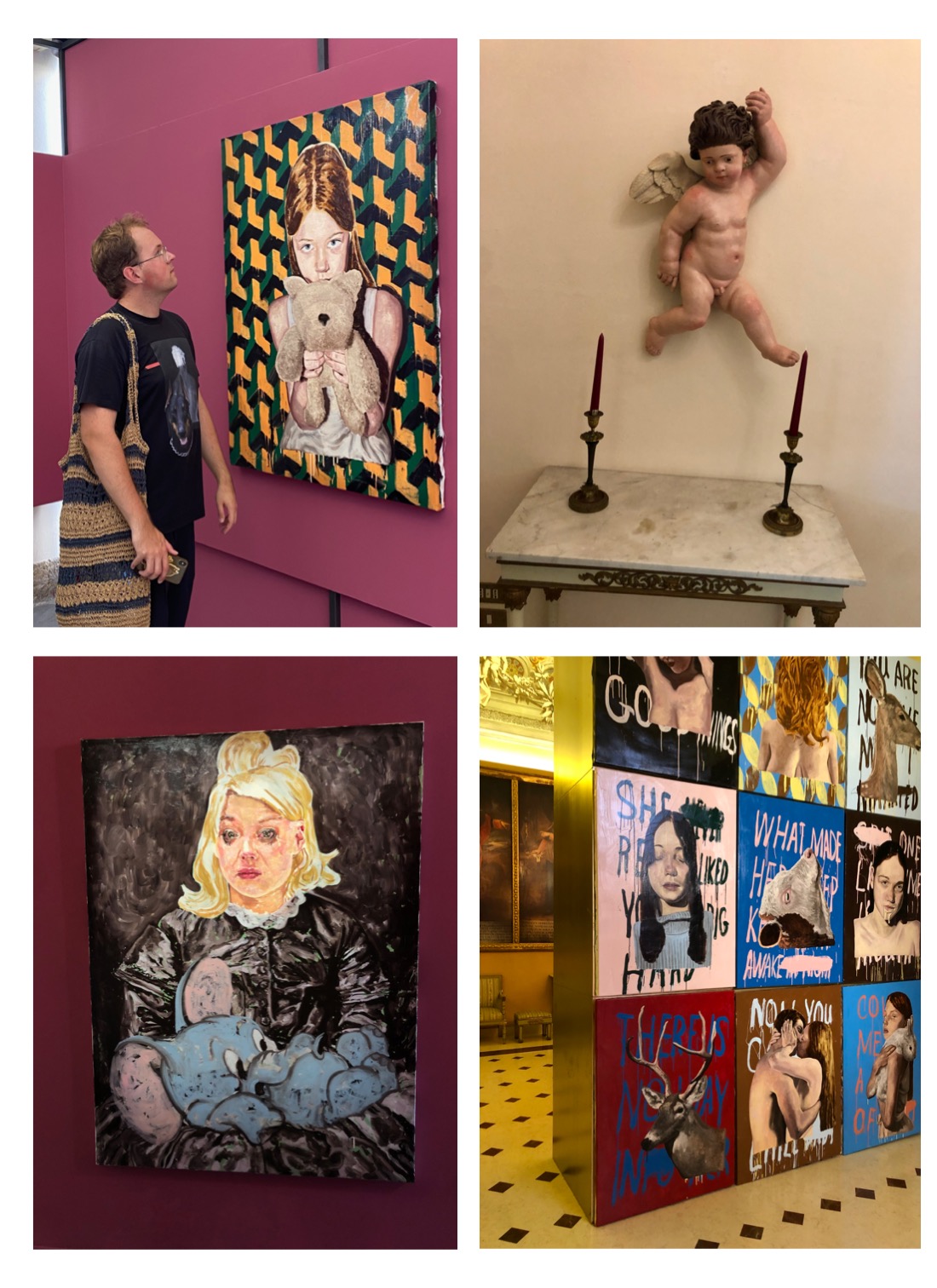
The former royal palace of King Roger II in the 1100’s, Palazzo dei Normanni is one of the most famous sights in Palermo. Dating back to the 9th century, the palace owes its current appearance to the embellishments realized by the Normans: covered in dazzling Byzantine mosaics, the Arab-Norman architecture is a symbol of the political and cultural union operated by the Normans. Of course, don’t miss the stunning Palatine Chapel. What I loved about the Palazzo is it’s approach to contemporary art. Right now, there’s an intriguing Ryan Mendoza retrospective, presenting the artist’s ouevre which counterbalances old master techniques with modern-day themes. Then, in another palace space, there’s an amazing temporary exhibition featuring contemporary art classics: Jeff Koons, Michelangelo Pistoletto, Zhang Hong Mei and Andres Serrano. The old meets the new.

Piazza Indipendenza 1

Photos by Edward Kanarecki.
Don’t forget to follow Design & Culture by Ed on Instagram!
NET-A-PORTER Limited

La Piazzetta. Emilio Pucci AW22

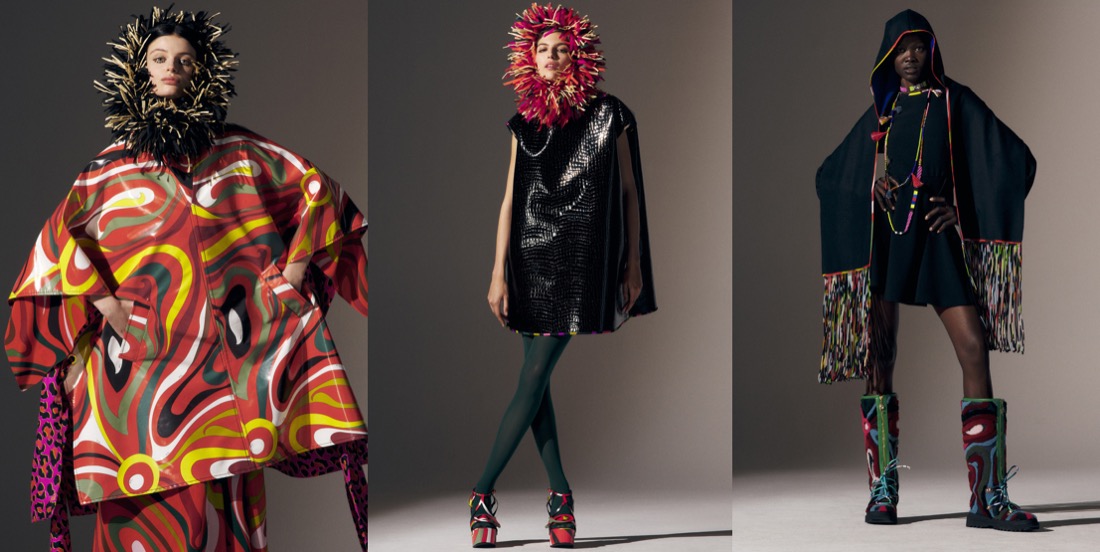
True to her Italian roots, Camille Miceli called Emilio Pucci’s winter collection La Piazzetta, hinting not only at Capri’s famous handkerchief-sized hotspot, but also at the notion of the city square as part of Italian culture, a space open to communality and connections. These values and the idea of la famiglia, another established building block of the Italian lifestyle, are the drivers Miceli is embracing to charge Pucci with a bold new energy. For her second collection for the brand, Miceli drew from her own family and circle of friends – a motley crew of characters, talents, and generations – generously sprinkling it with her abundant joie de vivre. “My Pucci woman is an urban bohemian, she loves to travel, she’s in constant movement,” she says. “It’s the mother, it’s the daughter, it’s the grandma – as long as they enjoy life, they’re part of the community of Pucci.” Festive, bold, and colorful, the collection keeps all the label’s fundamentals alive, while introducing a few novelty notes to the mix. Knitwear was a new addition, offered in a rainbow-colored capelet with an undulating hem, or in a fringed hand-knitted, patch-worked poncho worked with horizontal intarsia. Miceli said that she was “happy to have achieved something that is Pucci, without being logo-ed by the prints in a big way.” She also used black as a thread throughout the collection, using prints as pipings, side inserts, foulard ribbons, and fringes, while widening the color palette with “some more options that reflect its character without being necessarily full-on printed.” Fringes are a Miceli signature, as they “bring frivolity to the garment,” she explained. They also give the feel of the energy and glamour that is the quintessential combination of the Pucci-Miceli connection. The Pucci woman, whatever her age, is on the move, going around in activewear-inspired zippered blousons in shiny recycled nylon printed and tiny pleated printed kilts, and weathering rainy days in protective hooded waxed ponchos boasting the lysergic Marmo pattern.

Parties are the Pucci woman’s natural habitat, and Miceli wants her to shine under the discoballs. Leggings with disco ruffles are a tribute to the effervescent charm of Raffaella Carrà, an Italian showgirl famous in the ’80s who reminds the designer of her teenage years. Miceli’s affinity for the label’s high-style bohemia was conveyed in long printed chiffon dresses with ruffled décolletages, in more sinuous, body-con options wrapped in stoles, or else in leopard-printed satiny numbers – a new introduction as “Emilio only did zebra at the time,” said Miceli. Bravissimo!

Collage by Edward Kanarecki.
Don’t forget to follow Design & Culture by Ed on Instagram!
NET-A-PORTER Limited