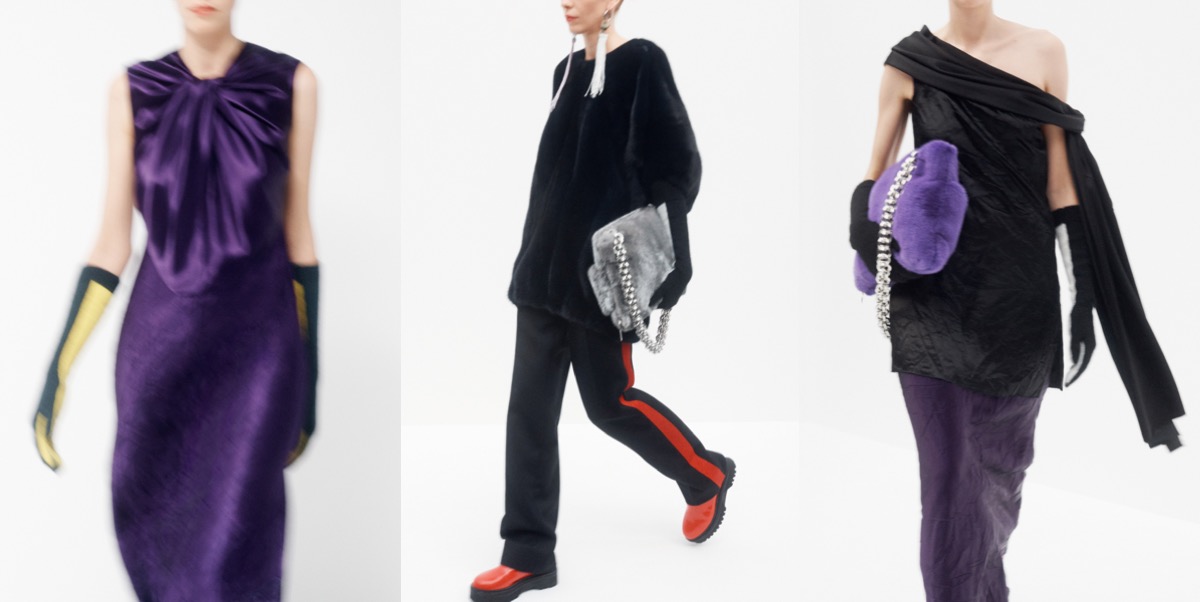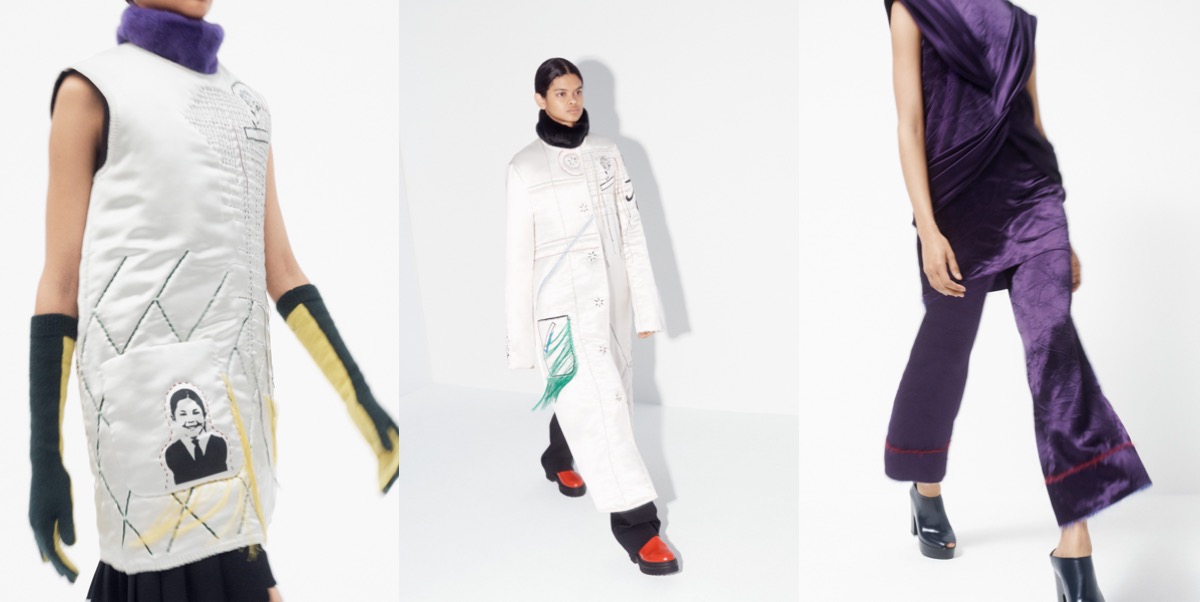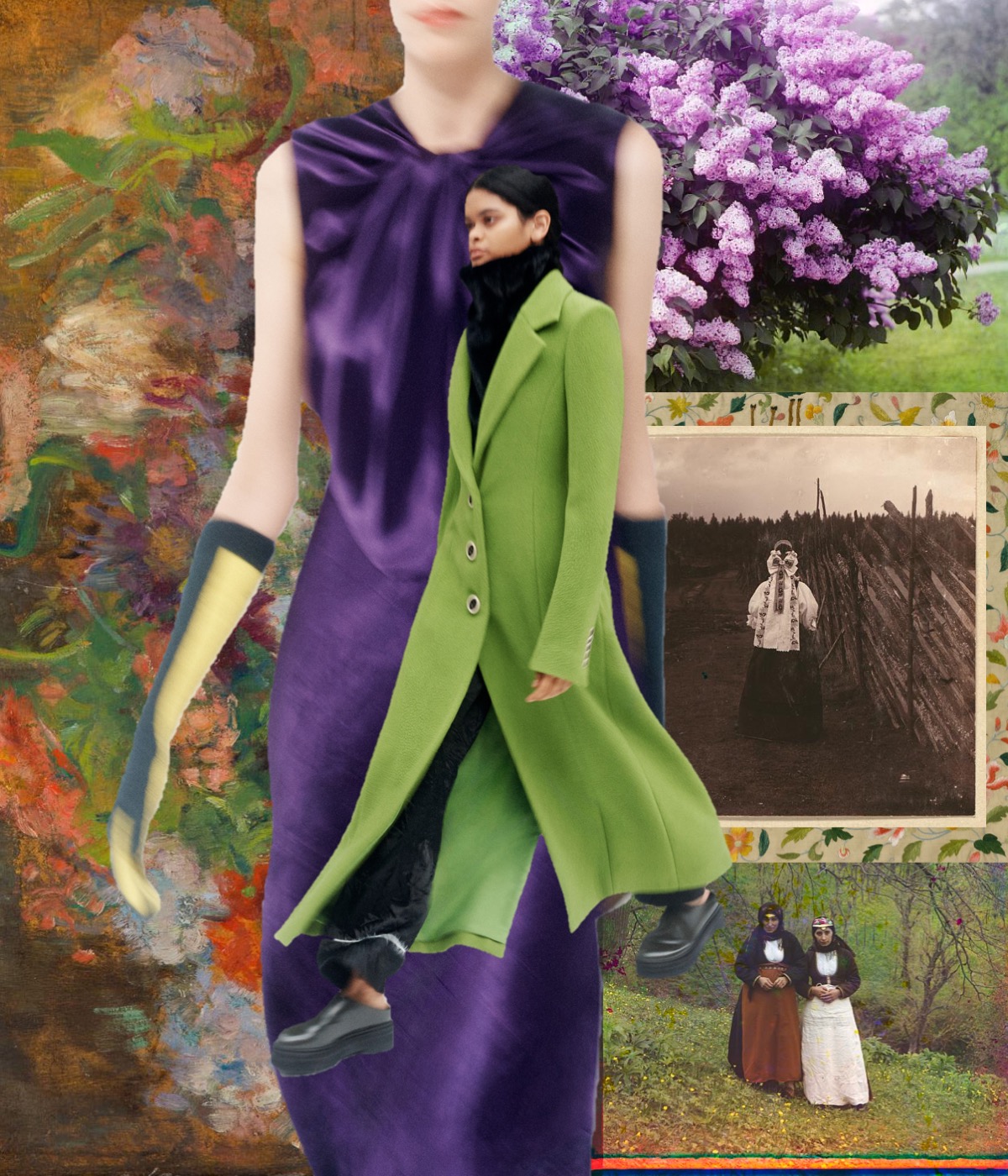
Refined and Personal. Marina Moscone Pre-Fall 2021

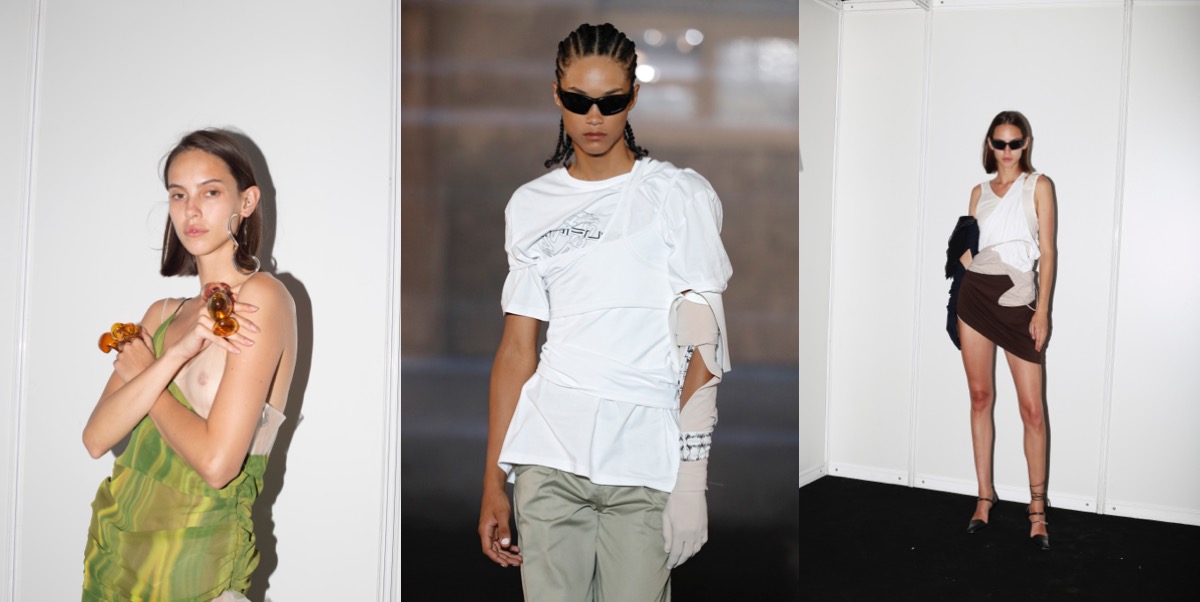
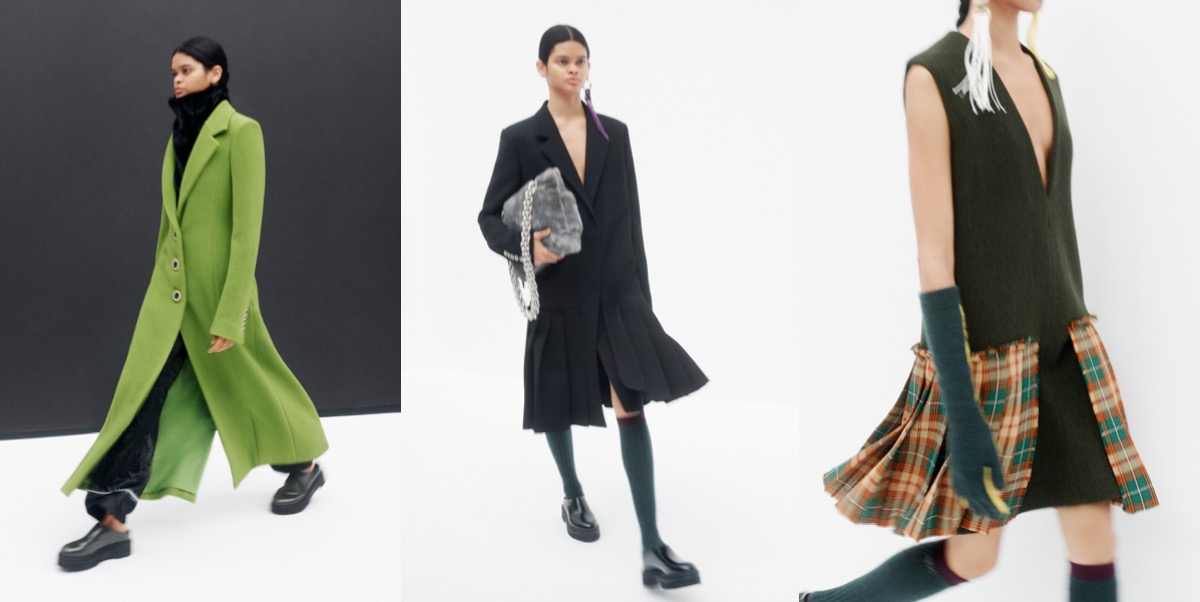
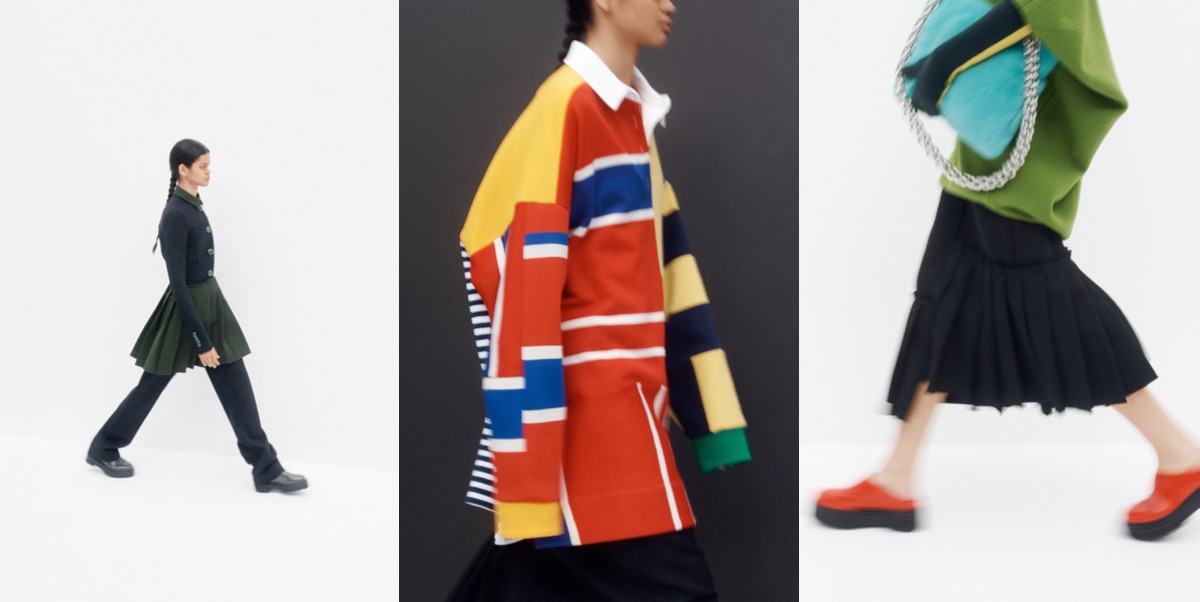
I’ve been following Marina Moscone‘s work since her first line-ups in 2018, but to be honest, pre-fall 2021 collection is the first time I’m truly convinced. There’s something spontaneous, truly artful, yet absolutely refined about it. Moscone has always liked the idea of a uniform, yet she doesn’t wear the same thing every day. It’s more about figuring out the foundation of her style so she can build upon it. For the designer herself that often starts with a shirtdress over trousers, or maybe a curvy suit with flat sandals, and she’ll experiment from there. Pre-fall found her thinking more literally, though, with familiar nods to school uniforms: pleated kilts, rugby shirts, shrunken blazers.  The opening look was a twist on her signature overcoat, now spliced with box pleats at the hem (and styled with socks and loafers). Other tunics and blazers had plaid panels tacked to the hips, like trompe l’oeil skirts. What you can’t glean from the lookbook is that those collaged items were all cut from the same material: The olive wool tunic, for instance, was backed with the same emerald and yellow plaid that appears on its “skirt.” Moscone created those double-sided wools in spite of the fact that most people won’t notice their detail on an iPhone; more importantly, it’s the kind of refined touch her customer appreciates. Another detail will be more obvious: the patches and embroidered quotes on a blazer and a duvet-like “art coat” in ivory satin. There’s a bird of paradise flower, Moscone’s favorite South African bloom; an elephant, symbolizing wisdom and persistence; a honeysuckle rose flower, which Moscone’s grandmother used to call her; and two portraits of a little boy and girl, Moscone’s parents as kids. The coat is quilted over in places and has scribble-like printing and fringe, as if a child went crazy with a box of art supplies. Moscone hopes it will offer both comfort and uplift – a combination also found in her new crinkly tops and pajama pants, a welcome WFH update. Look forward to this collection once it hits the stores!
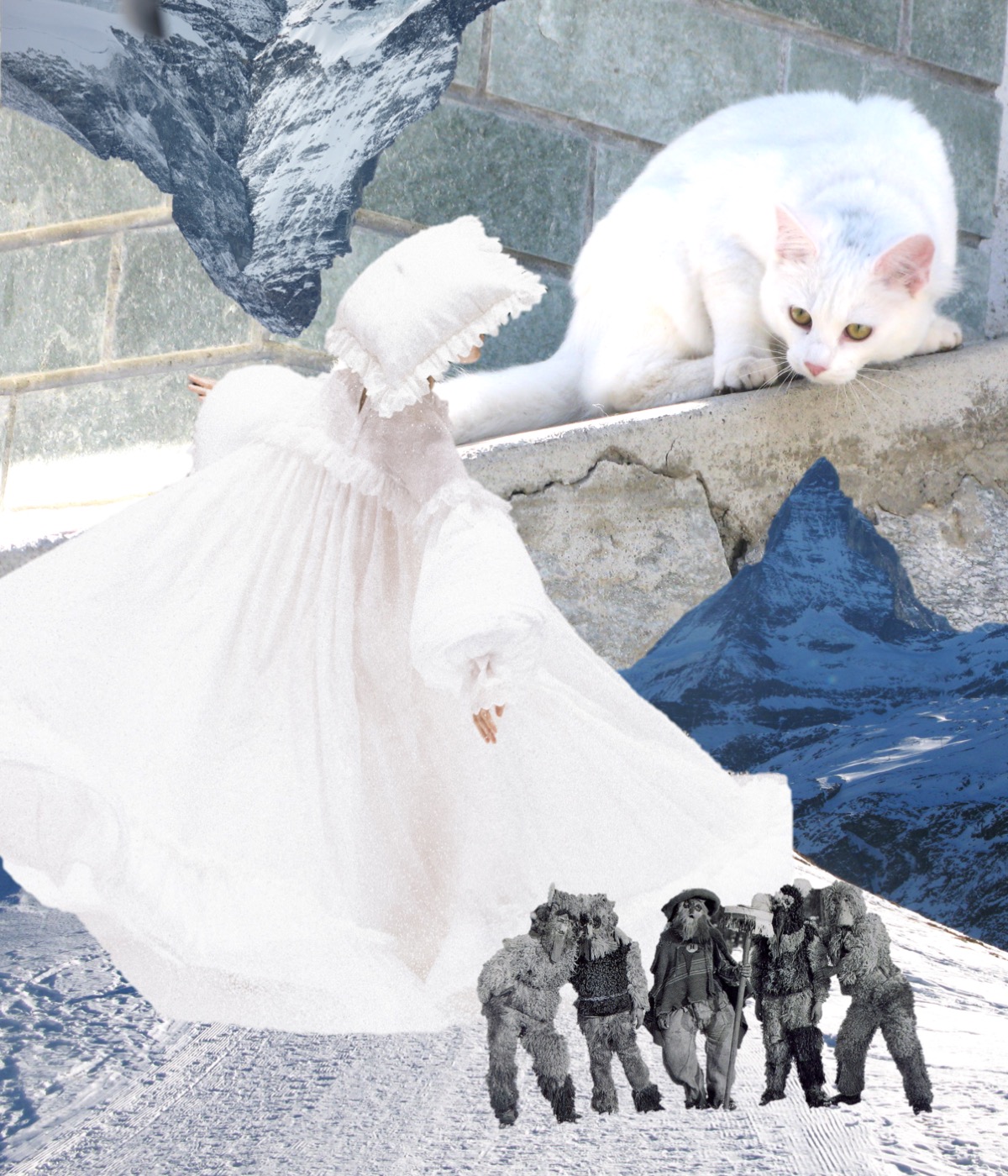
Collage by Edward Kanarecki.

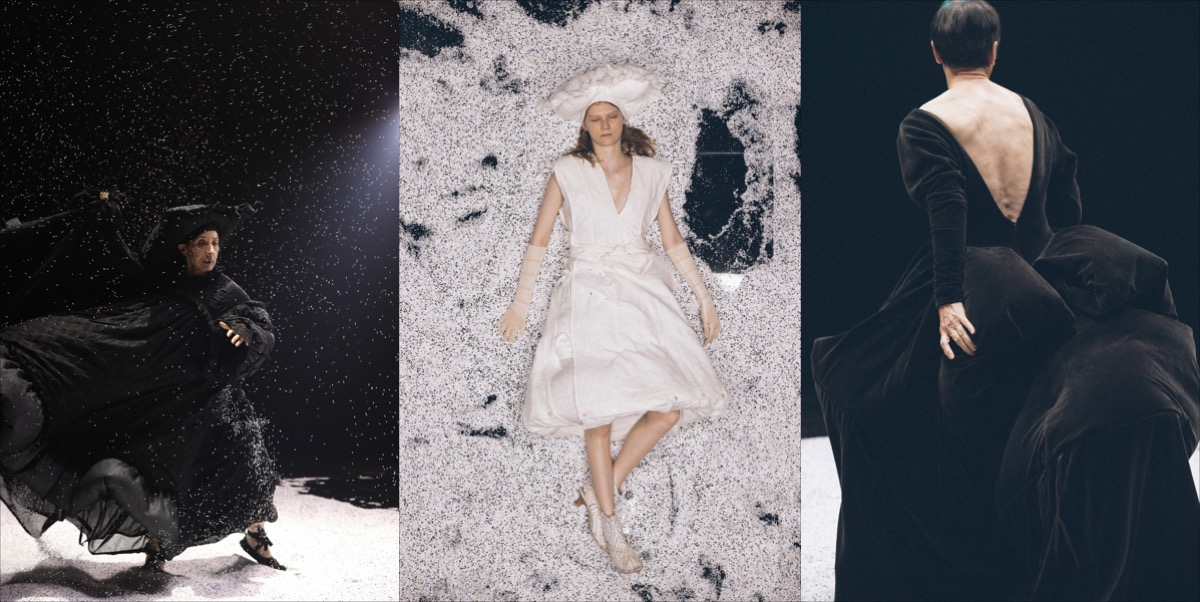
Motional. Beautiful People SS21

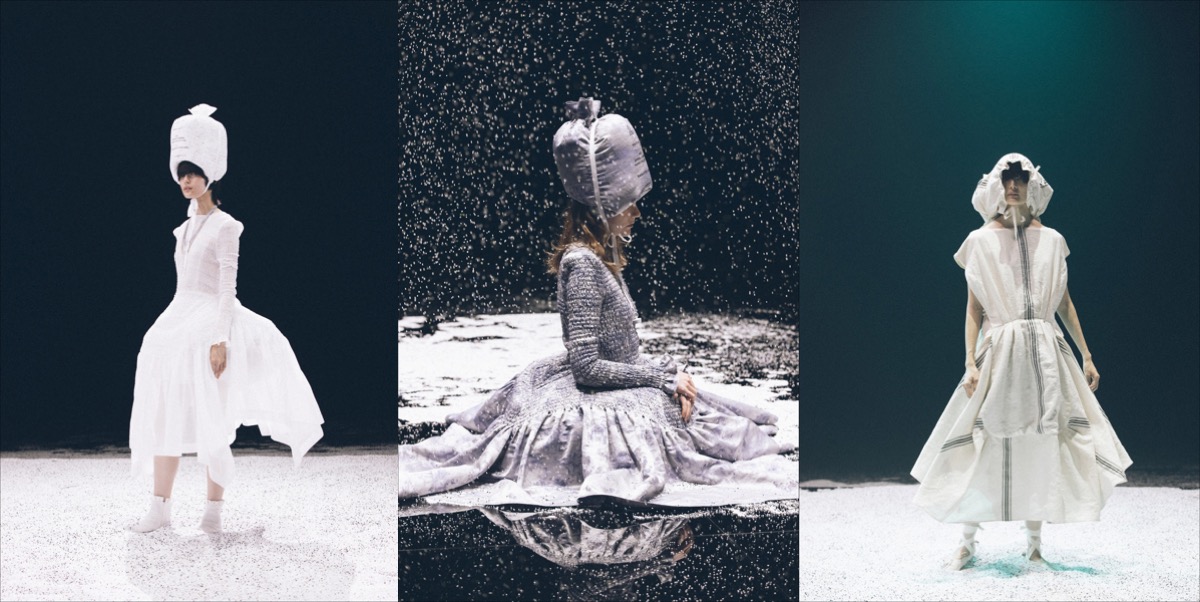
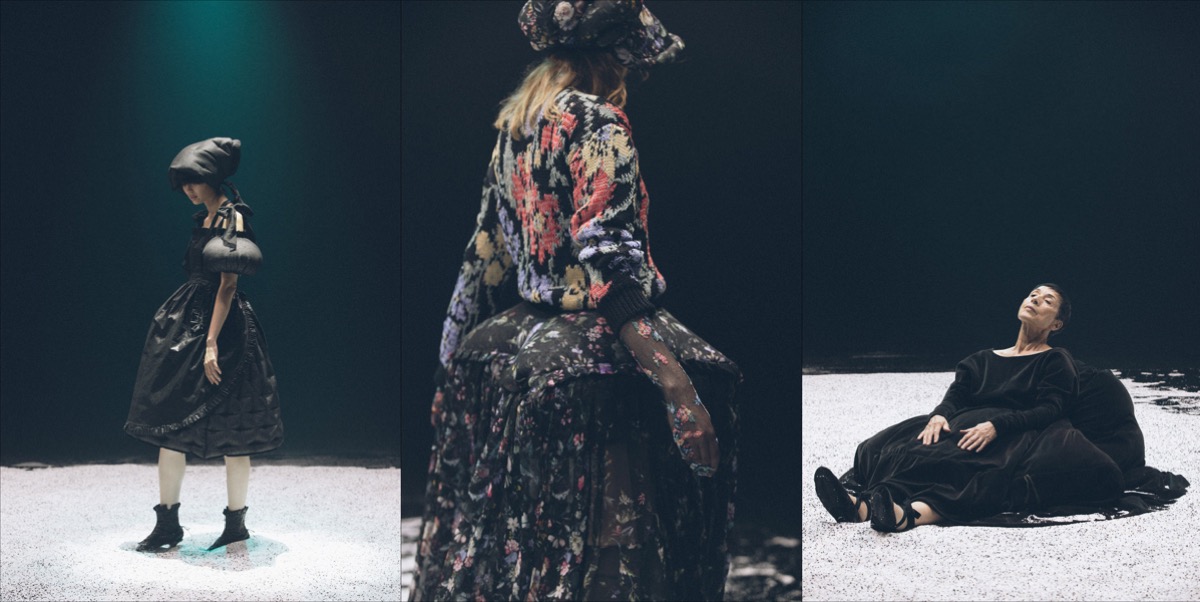
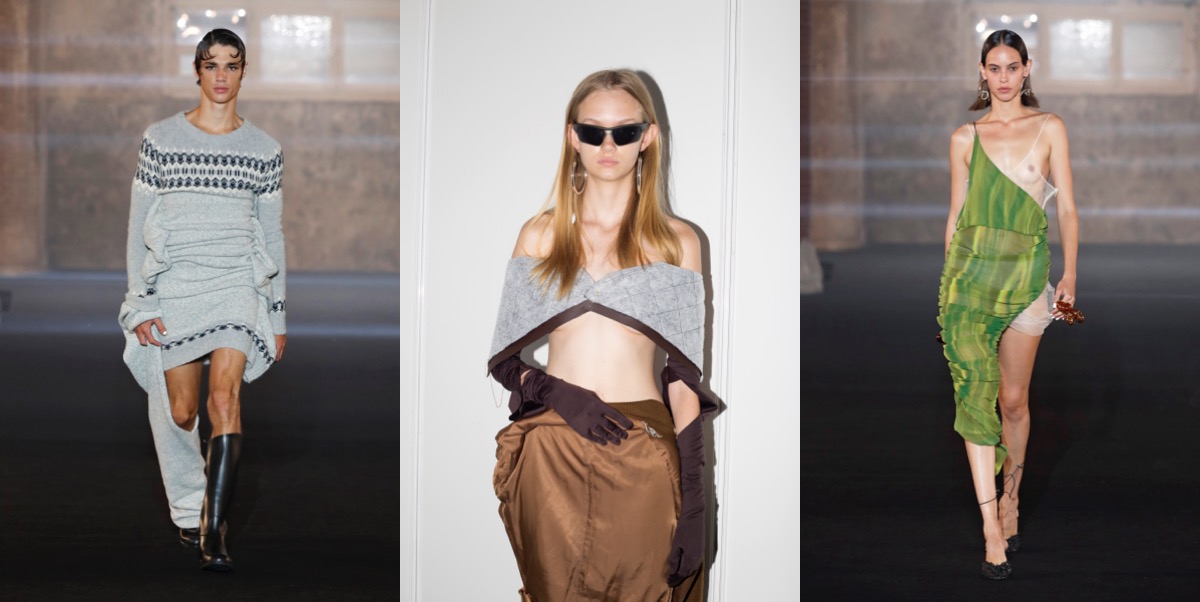
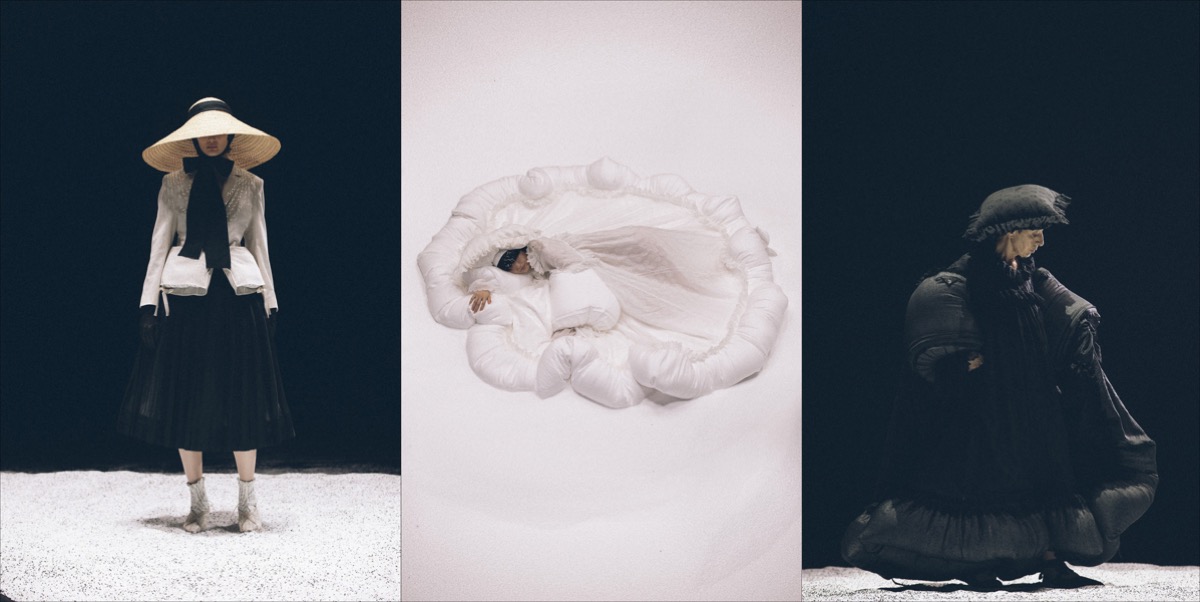
Hidenori Kumakiri creates shape-shifting garments at his Tokyo-slash-Paris-based label, Beautiful People. The former Comme des Garçons pattern-cutter makes classic clothes bordering with fantastical volumes, a mix of femininity and 1950s couture sensibility combined with the Japanese avant-garde. The brand presented the spring summer 2021 Side-C Vol.5 Motional collection, which explores today’s world, where we are stuck in our homes, and overwhelmed by emotions, with a striking film directed by Takahiro Igarashi. The collection sends message of optimism and rebirth, with the bustle-like shapes, and big and flowing volumes. “Side C, the transformative look at classics that focuses on the layers and the in-betweens of clothing, finds another dimension: a flowing, dynamic one. By creating an interconnecting system of pockets inside the garments, and filling them with small beads, movable silhouettes are created. The beads flow as the body moves, sits or stands, allowing for endless reconfigurations. A skirt turns into a couch, a dress into an armchair, only to revert back to what it was,” the press note says. The result is a look at the classics and the layers in between the clothing – a collection filled with an interconnecting system of pockets inside each look which allows them to be filled with small beads. With each movement, the shape and volume of each look changes into an endless array of silhouettes. And when topped off with pillow-like hats, there’s another nod to home and the familiar elements of our humble abode. Incredible.

Collage by Edward Kanarecki.
The Ultimate Show. Tom Ford SS11

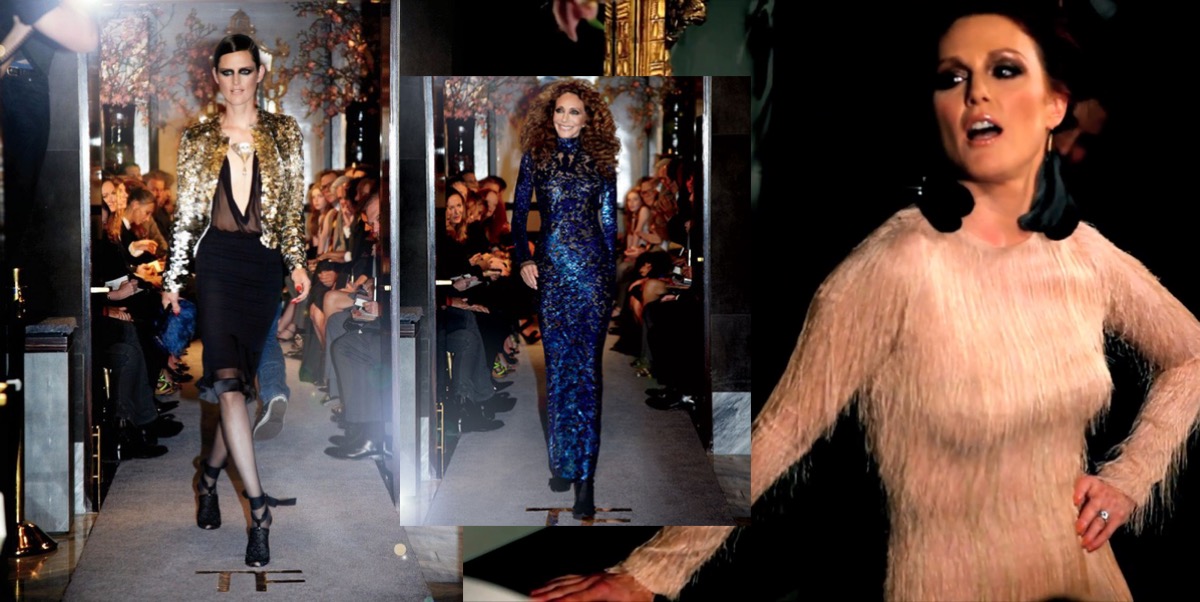
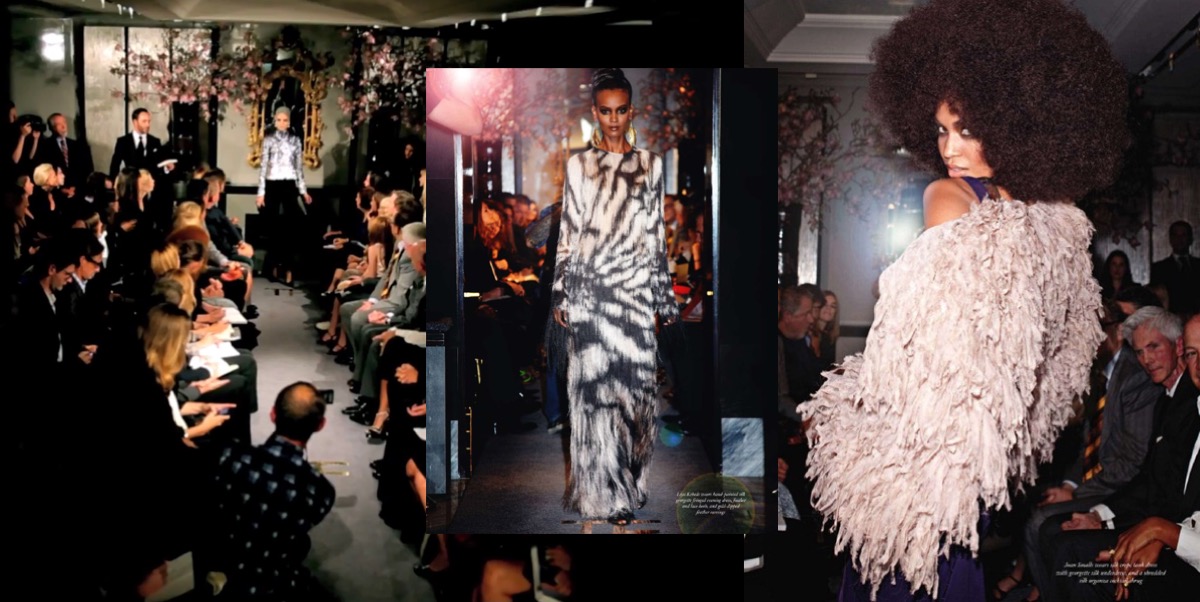
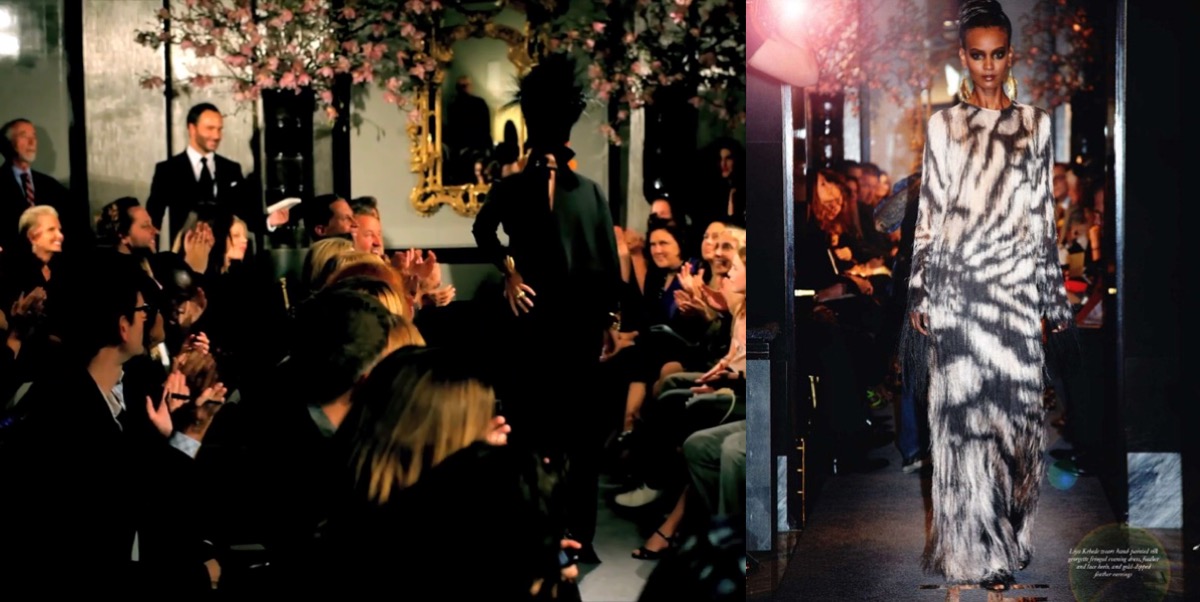
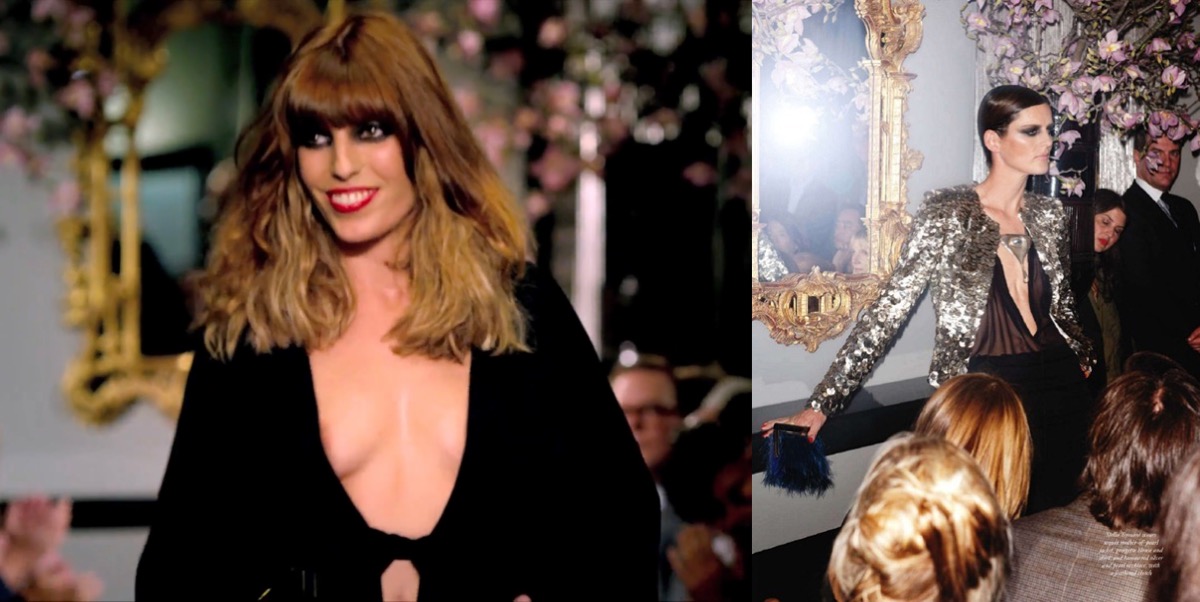
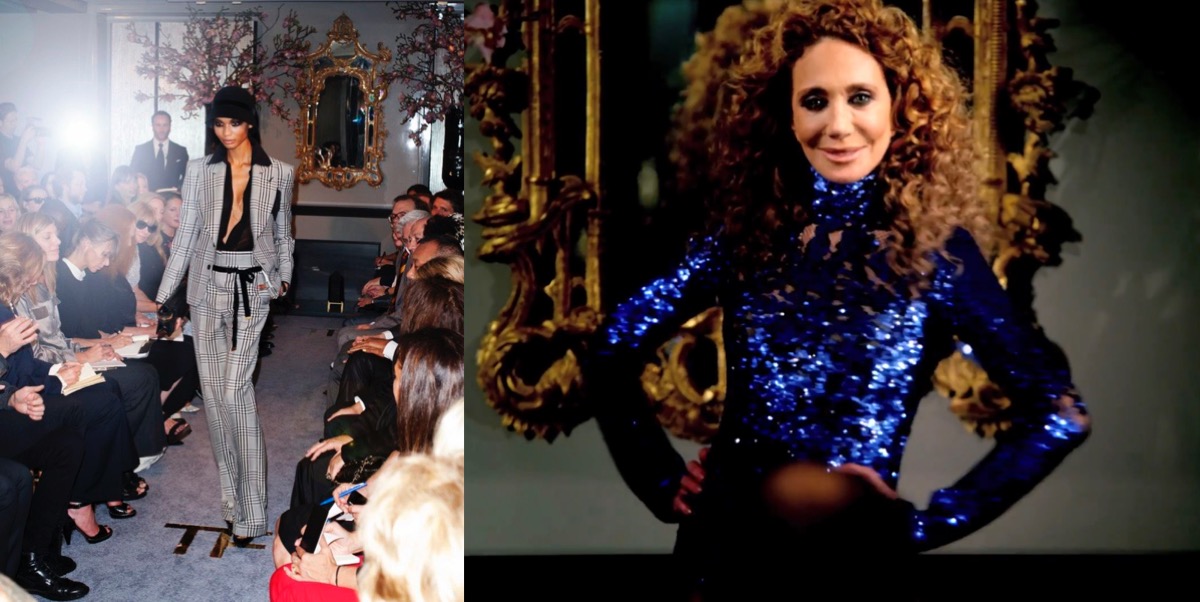
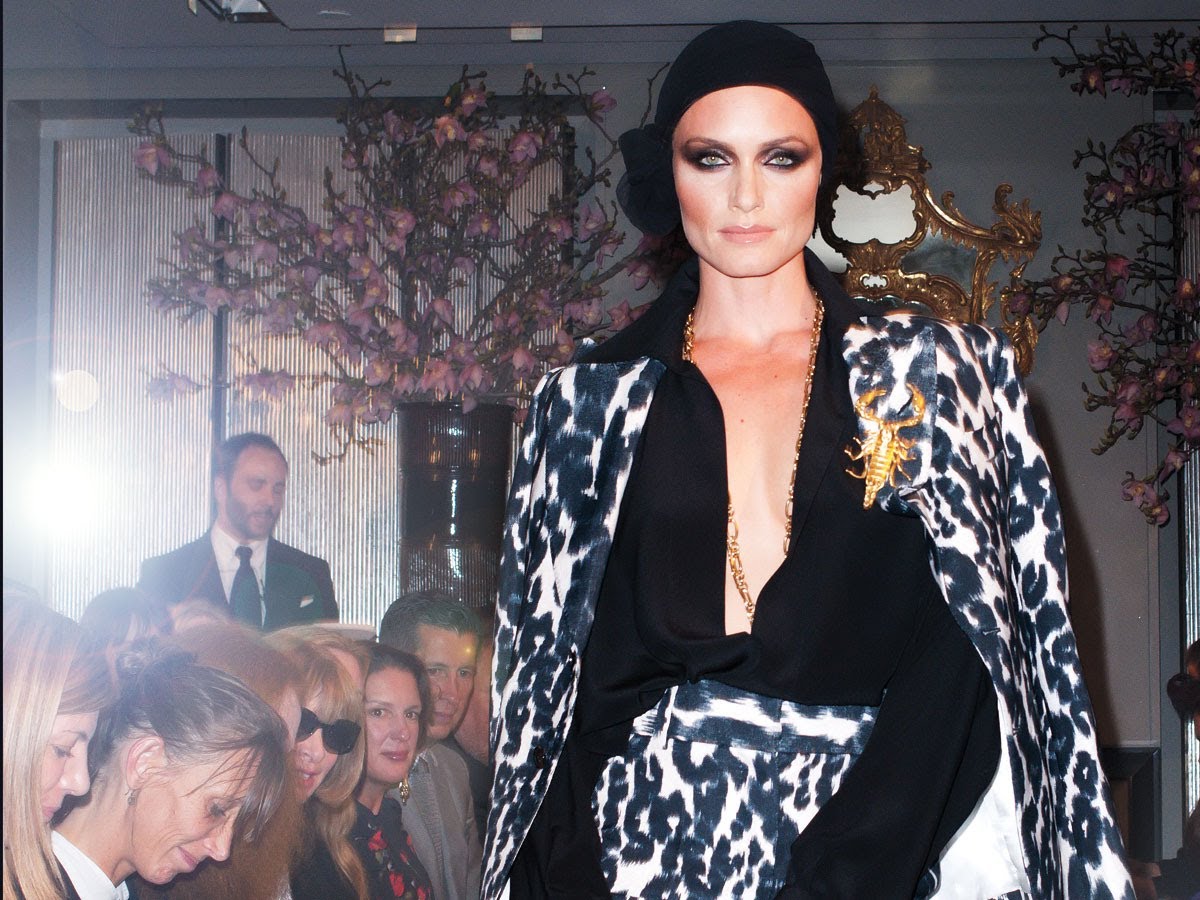
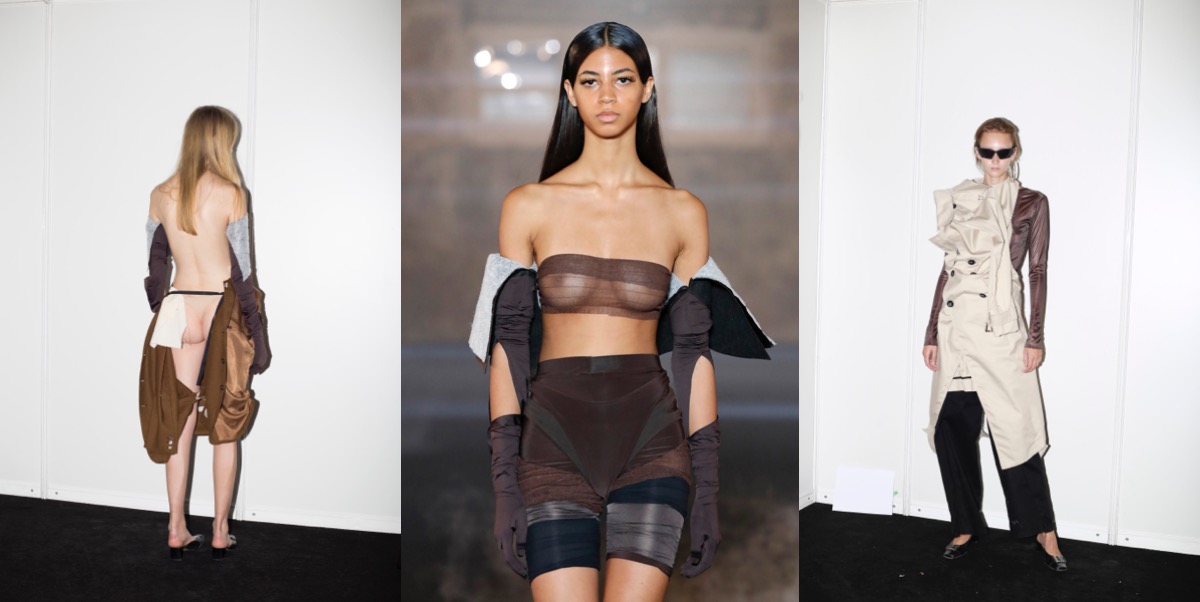
I’m currently reading André Leon Talley’s phenomenal “The Chiffon Trenches: A Memoir“, and I came across his account of Tom Ford‘s first runway collection coming from his own, name-sake label. The author recalled the event in the most ethereal way. And as it happened about ten years ago (and this is the reason why it’s the first proper post of 2021!), I was surprised I didn’t really have any image in my mind from that spectacular line-up, until Talley noted the whole event was kept mostly in a secret, and the only photographer allowed was Terry Richardson. Thankfully, some photos and this delightful video coverage are present on the web. So, spring-summer 2011 was Ford’s first big come-back to runway after his days at Gucci and Yves Saint Laurent. At the beginning of September, 2010, under the cloak of secrecy, he hosted an intimate cocktail party-slah-fashion-show at his menswear store on Madison Avenue. Luminary friends such as Julianne Moore, Lisa Eisner, Rita Wilson, Marisa Berenson, Daphne Guinness and Lou Doillon all sashayed down the runway, as did Ford model favorites Daria Werbowy, Liya Kebede (who Ford made a supermodel), Amber Valletta and the late Stella Tennant. Somehow, he even got Beyoncé to shimmy down the runway in a body-clinging, sparkle-laden gown. “Beyoncé in real life is actually quite quiet and very sweet,” Ford told Harper’s Bazaar back in the day. “But she can really turn it on.” Ford controlled the entire presentation, as in the days of intimate salon presentations, right down to the music volume, introducing every girl by name and describing her outfit in detail. For added amusement, he catcalled a few of them, teased Eisner for walking too quickly, told model Joan Smalls she might have turned him straight, and then told Beyoncé she definitely did. While many thought the show was a flashback to Parisian couture shows, Ford said the impetus for the show’s format was much more curious and much more camp. “I was on the train from London to Paris, and all of a sudden it just popped into my head: I’m going to do the Don Loper fashion show from ‘I Love Lucy’,” Ford explained. That particular episode, shot in Los Angeles with real Hollywood wives (Dean Martin’s and William Holden’s among them), is a classic: Lucy wants a covetable Don Loper dress she can’t afford. But lo and behold, Loper is doing a fashion show (which he narrates himself) and asks Lucy to model. She sits by the pool too long in hopes of achieving a perfect California bronze but ends up badly sunburned, “and she gets a tweed outfit and she can barely walk. It’s all very cute and everyone claps,” explains Ford. Of course, his 2010 version was more sexy than cute, and instead of claps he got a standing ovation. The casting was intentional. “I chose these models because I knew them. I designed these things thinking of them,” he explains. Following the Oscars, he thrust himself into designing the collection, using a mental list of about 30 women he would love to dress: “women I find inspirational and who are archetypes,” Ford says. “My collection each season should have something that a woman in her 60s, who is still stylish and lived through the Charlie era, could wear, so Lauren Hutton gets that look. There’s something someone of Rachel Feinstein’s size should wear and something for someone who is extravagant and shops at a bunch of vintage stores, like Lisa Eisner, should wear.” The incredible, magnetic Tom Ford.

Collage by Edward Kanarecki.

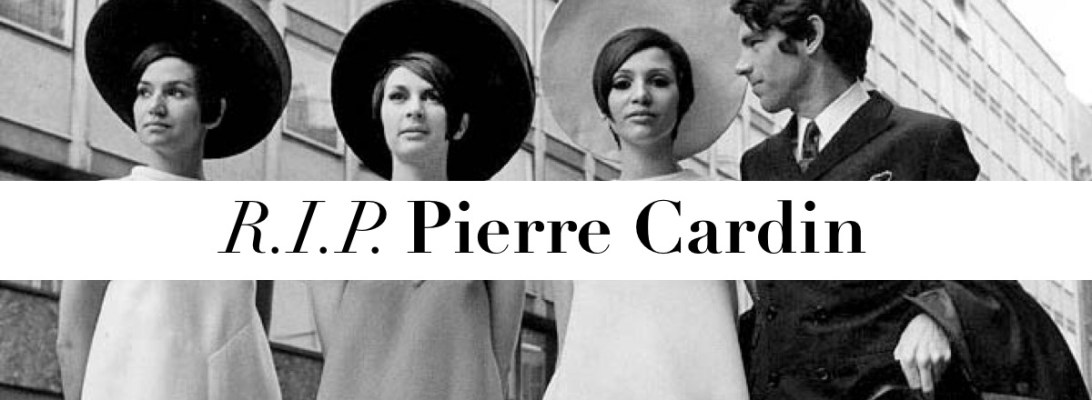
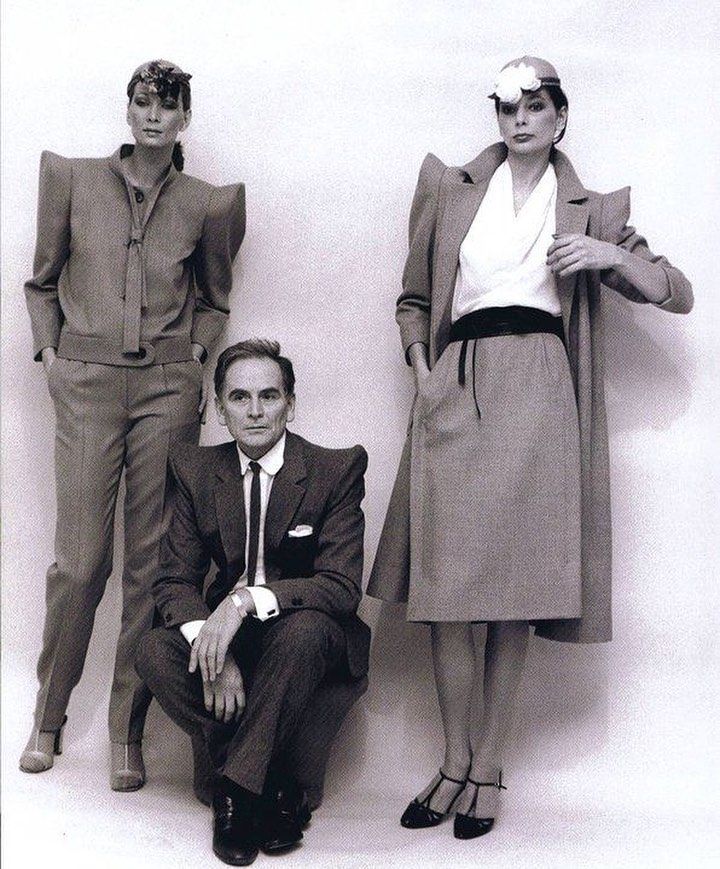
R.I.P. Pierre Cardin

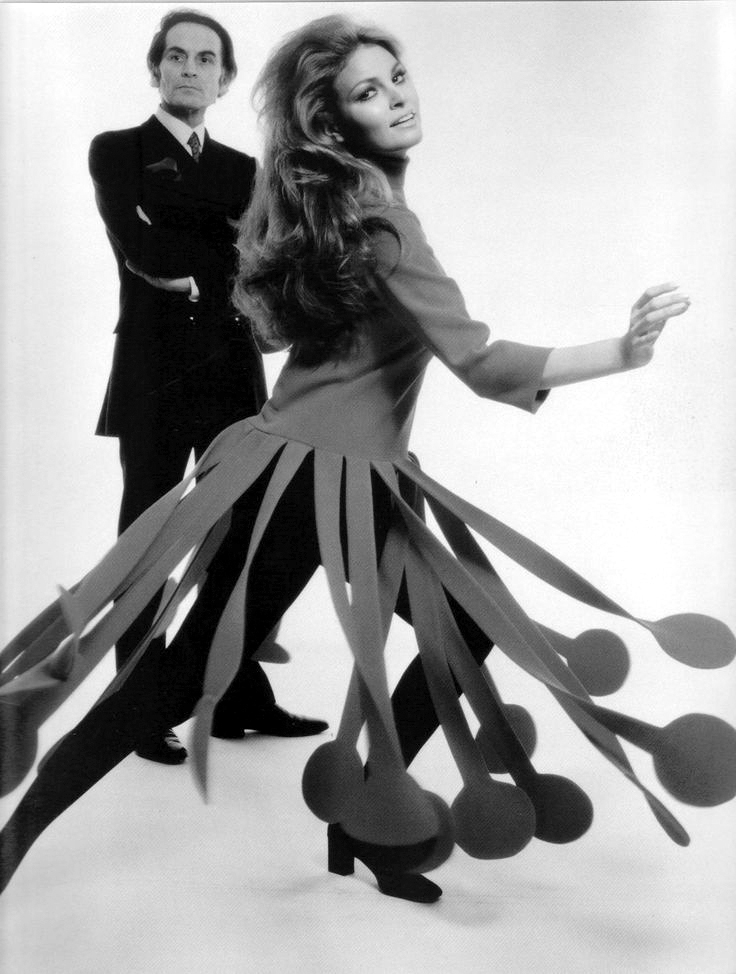
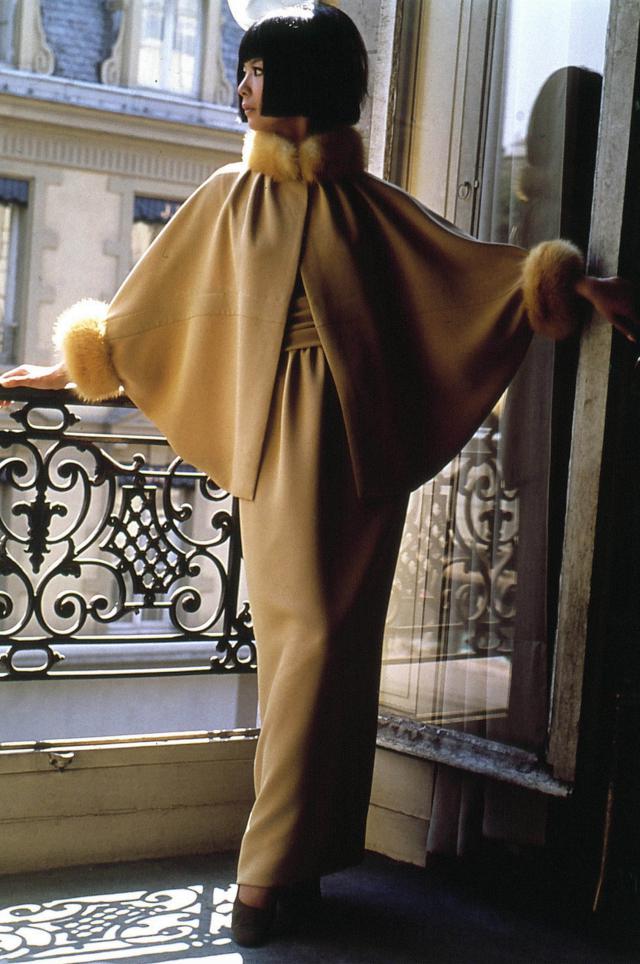
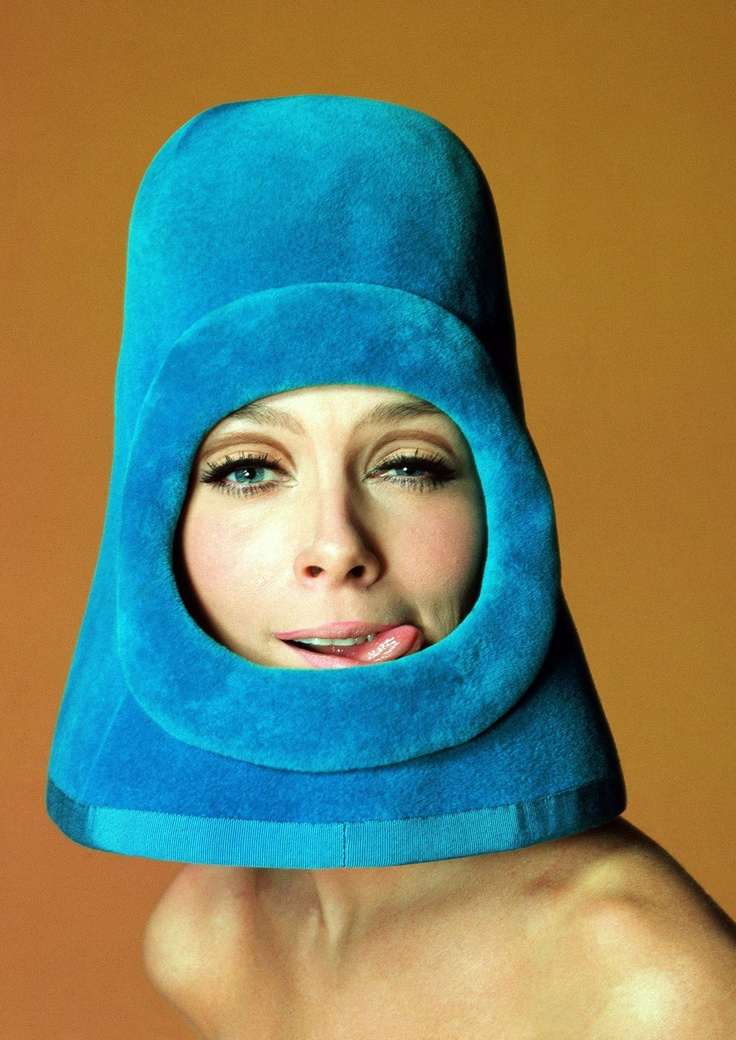
2020 has far too many sad news. Pierre Cardin, the prolific avant-garde French designer best known for his geometric, space-age couture and his maverick approach to business that would reshape the French fashion industry, died yesterday in a hospital in Neuilly in the west of Paris. “It is a day of great sadness for all our family. Pierre Cardin is no more,” the family said in a statement. “We are all proud of his tenacious ambition and the daring he has shown throughout his life.” He was 98 years old. “I don’t like to stop, I like to continually prove myself,” Cardin said in an interview with CBS back in 2012, a sentiment that his tireless work ethic all the way up until his death pays testament to. Renowned throughout his career for his groundbreaking approach to both design and business, Cardin expanded his empire through licensing of everything from automobiles to restaurants (he turned Maxim’s, the historic Parisian Belle Époque restaurant, into a global brand), to hotels, jewelry, glasses, fragrances, furniture, and even tableware. Though the practice of a fashion house lending its name to a variety of different products and concepts is now commonplace, Cardin’s approach was pioneering. So too did Cardin revolutionize the business model of a high fashion brand by introducing the concept of ready-to-wear in 1959, a reflection of his firmly-held belief that quality design should be accessible to all. The fashion world won’t forget him.

Visit the maison‘s website to go through some of the most striking archive works by Cardin.

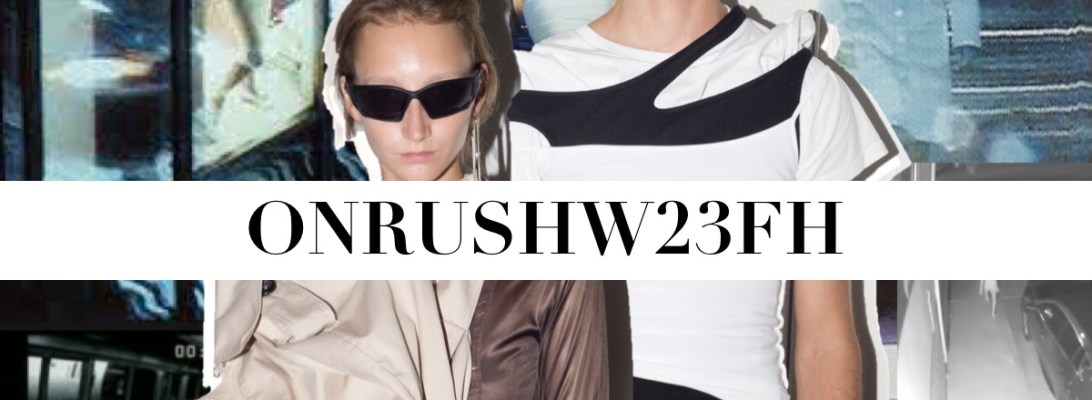
ONRUSHW23FH

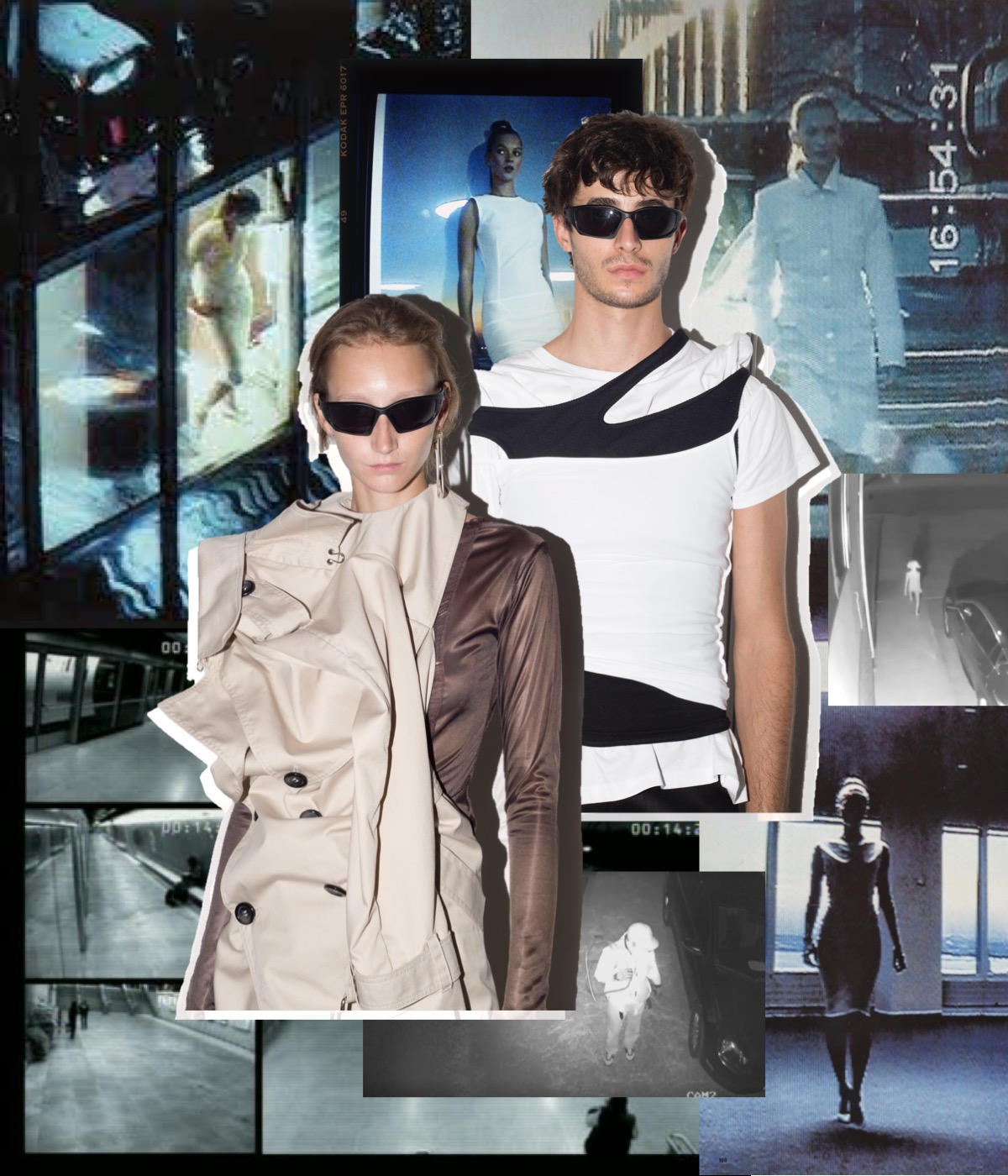
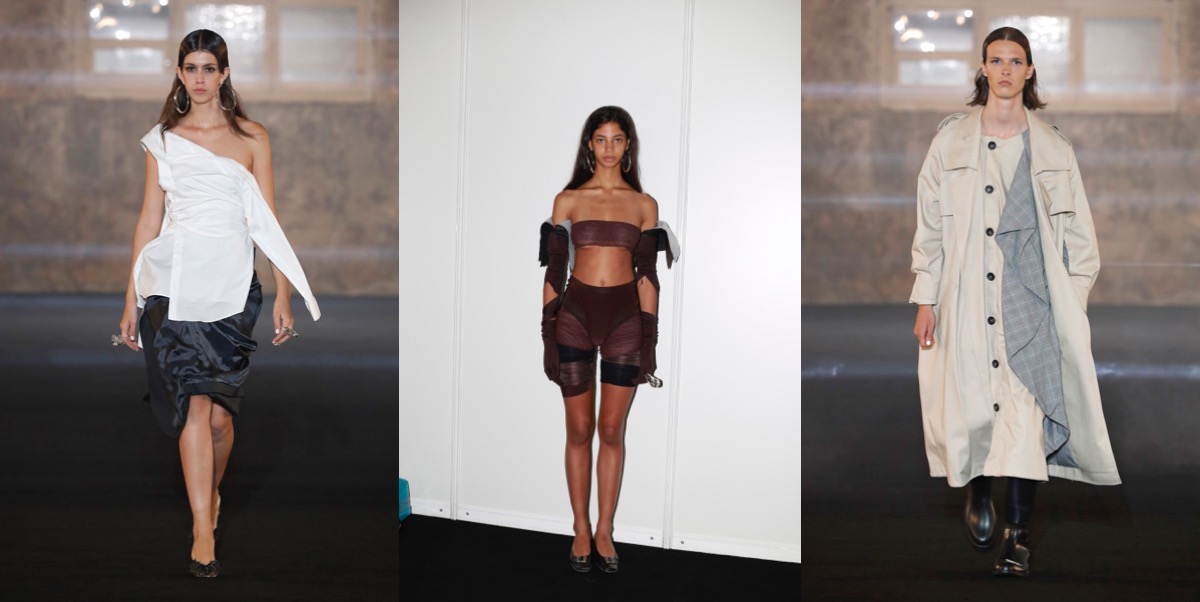
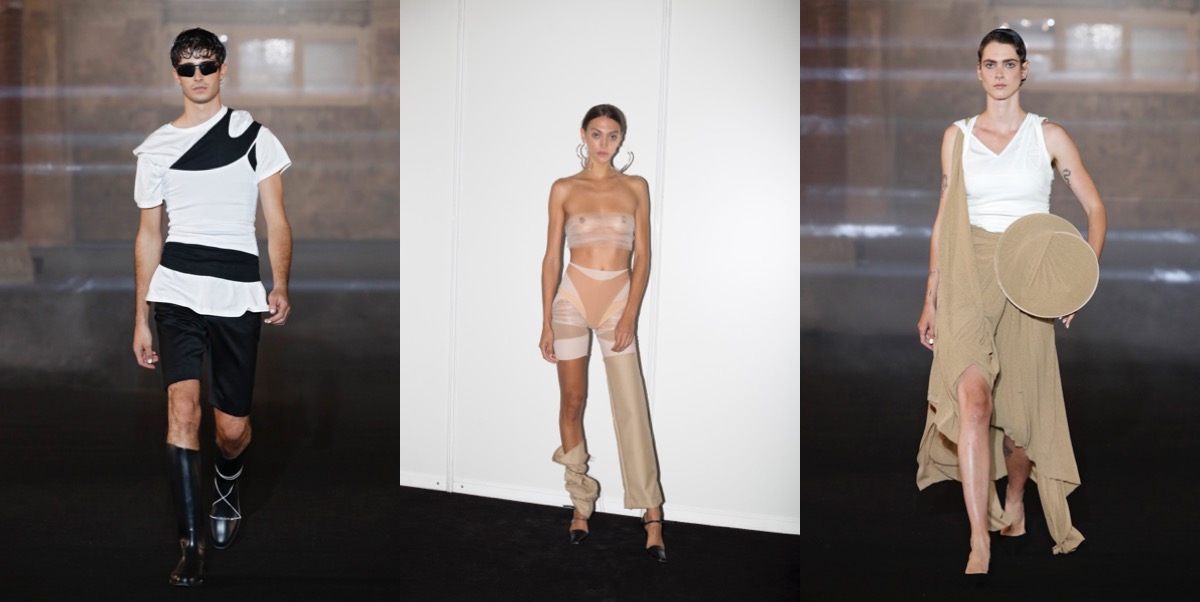
ONRUSHW23FH, the Barcelona-based label created by Albert Sánchez and Sebastián Cameras, advocates an experimental and high-quality design, aimed at a versatile audience that has an interest in in the boundary-less field of art and design. The brand reached out to me with their latest collection, and it’s truly worth sharing. Seldom do people in fashion come across concepts such as the ones developed by the sociologist Zygmunt Bauman, where liquid society and immediacy are implied – and the “Almost There” 2021 collection has its roots in those ideas. “The collection is based around the concept of celerity that as individuals it marks us and induces us to a certain self-demand, creating a distorted reality resulting in an intangible objective. From this point on, we reduce this utopia and disfigured scenario to the most visual and uncomplicated image of “arriving late” in our everyday life“, the designers explain. The garments have undergone through a complex process by mixing 3D prototypes of toile on the mannequin, looking for a rich visual imagery of immediacy starting from details such as someone waking up, a sort of “misplacement of a garment“, caused by chaos of being late and the process of arriving at the destination at any cost. One of the most significant resources in being able to achieve the effect of immediacy is either accomplished visually, as it would be in the case of a twisted or superimposed garment created as a result of the speed from the action that has been carried out, as well as the introduction of more rigid, but transformable structural figures which illustrate the agility that specific objects can provide, thus being the ones that give closure to the meaning of the collection. The collection features atemporal and gender-unspecific silhouettes where garments are completely displaced from their centres. For instance, gabardines in which the neck becomes the armhole; or shirts and trousers, presented with the components that construct them completely twisted. Concepts such as “nomadic couture” are used, enlighting compositions in which the traditional purpose of each garment shifts, as a case in point a blazer built into a skirt or a trench-coat as a dress. Simultaneously, “layering” as a resource plays a leading role not only in the creation of silhouettes but also on the illusion of superimposition of trousers or tank tops, resulting in a “trompe l’oeil” that deceives the eye and makes it unclear whether it is a single garment or a set juxtapositioned pieces. Clothes, which are food for thought, but as well look simply cool.

Discover the brand here.

Collage by Edward Kanarecki.