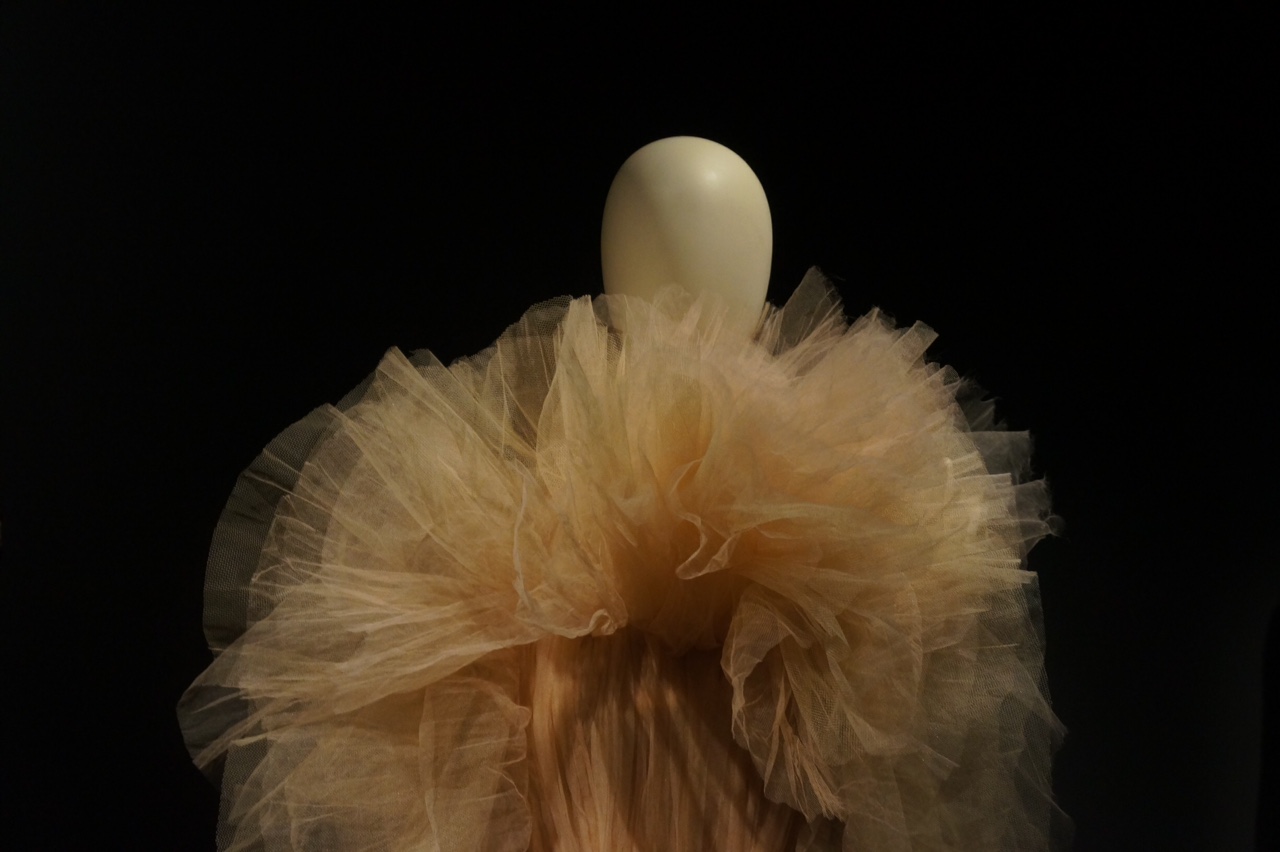
Jean Paul Gaultier at Grand Palais

DSC01469

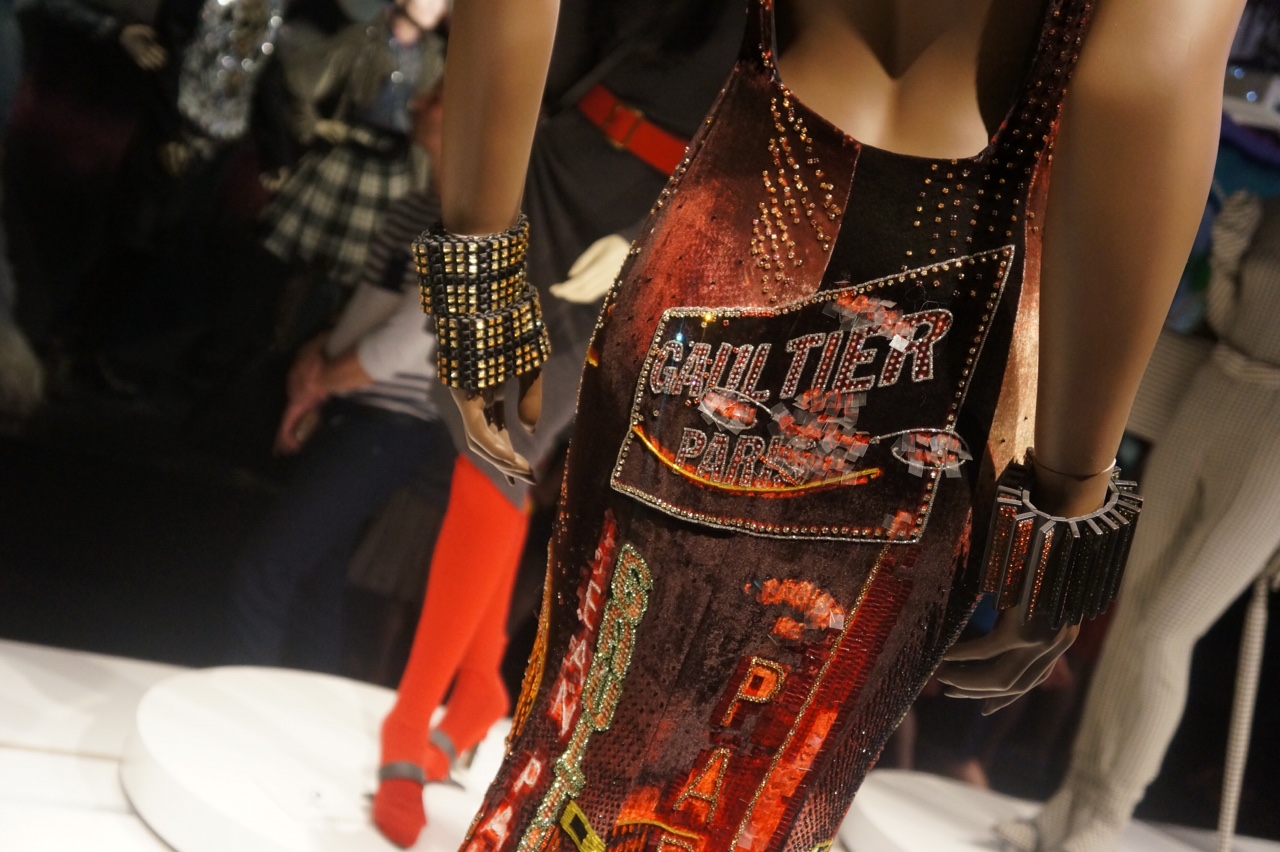
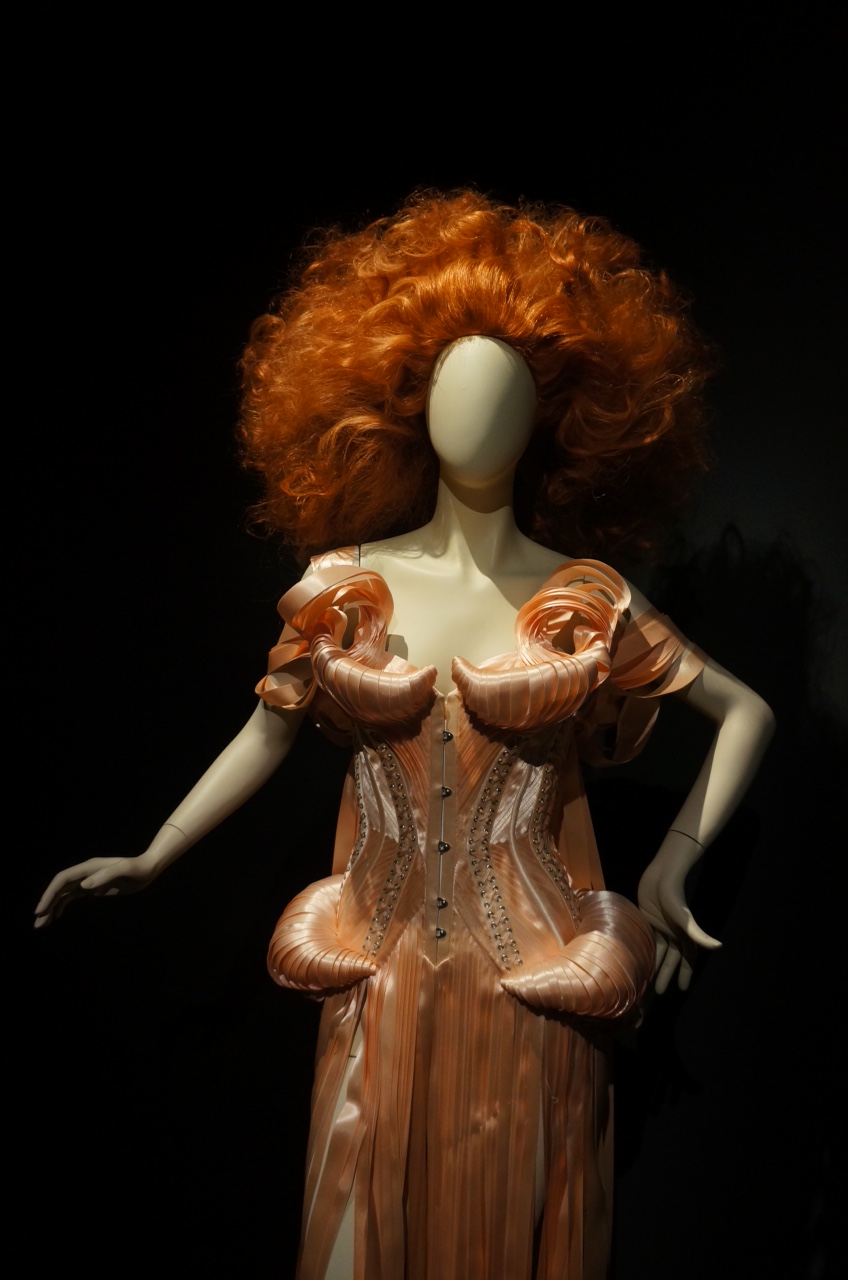
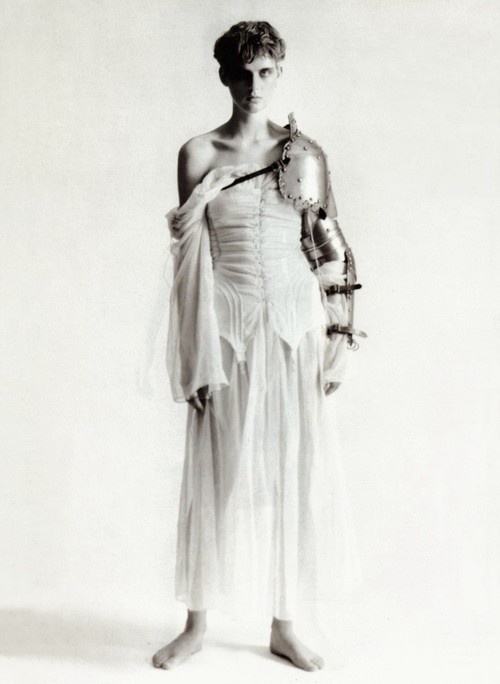
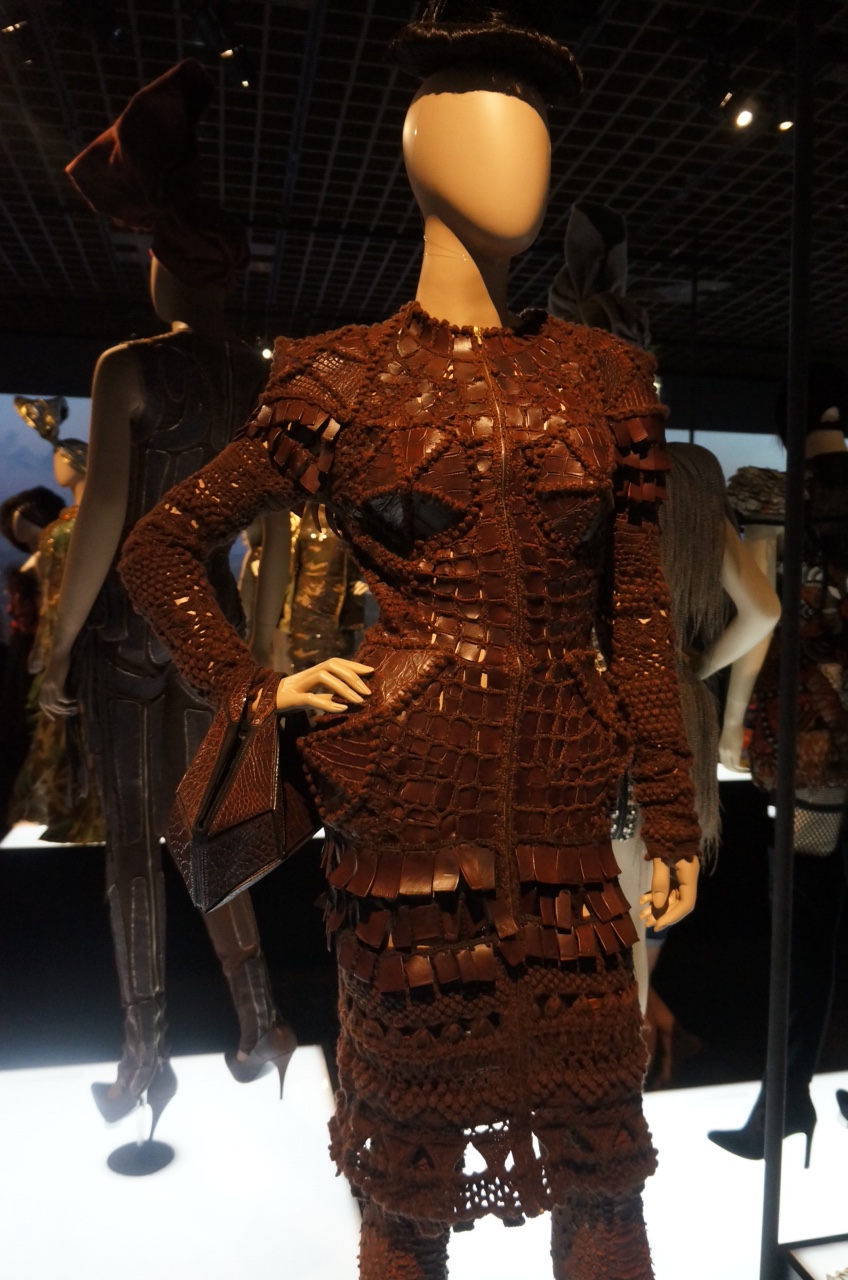
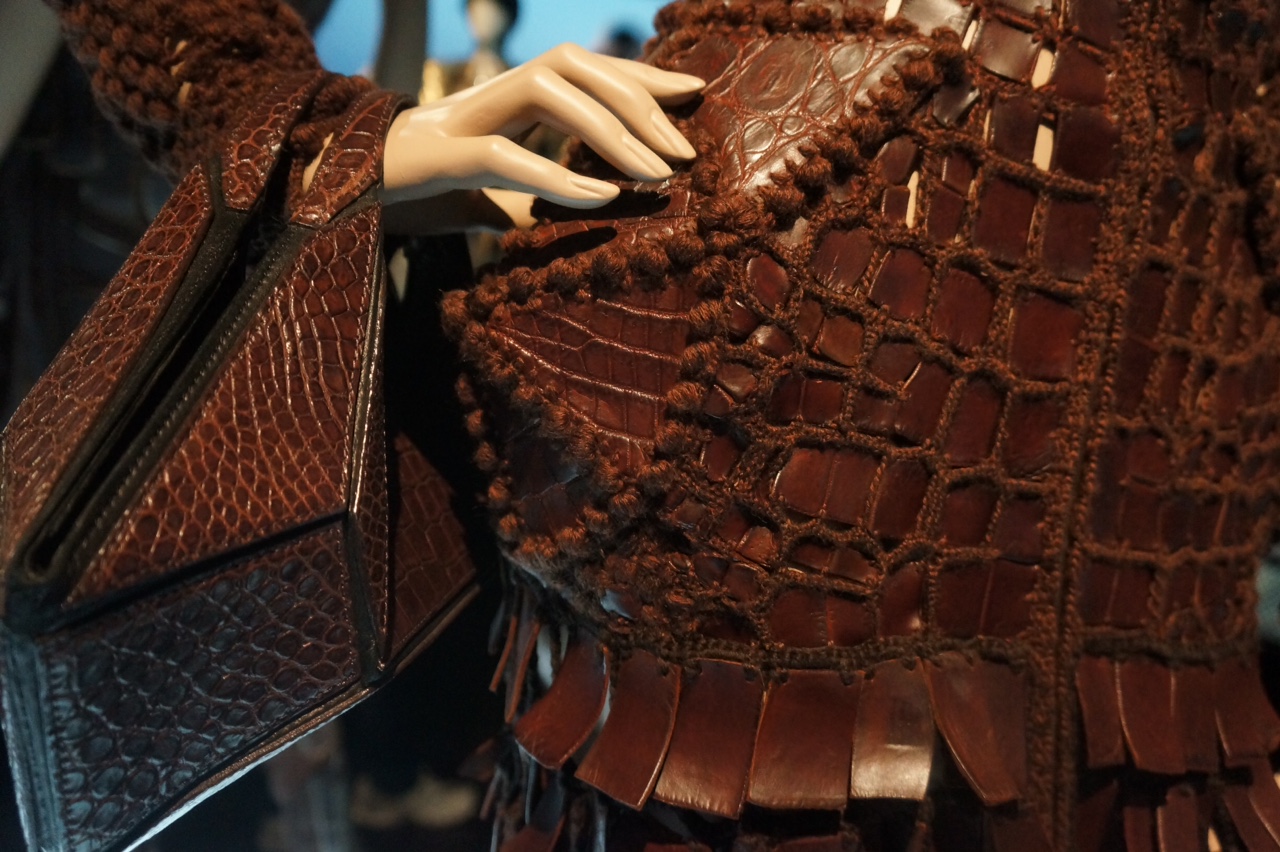
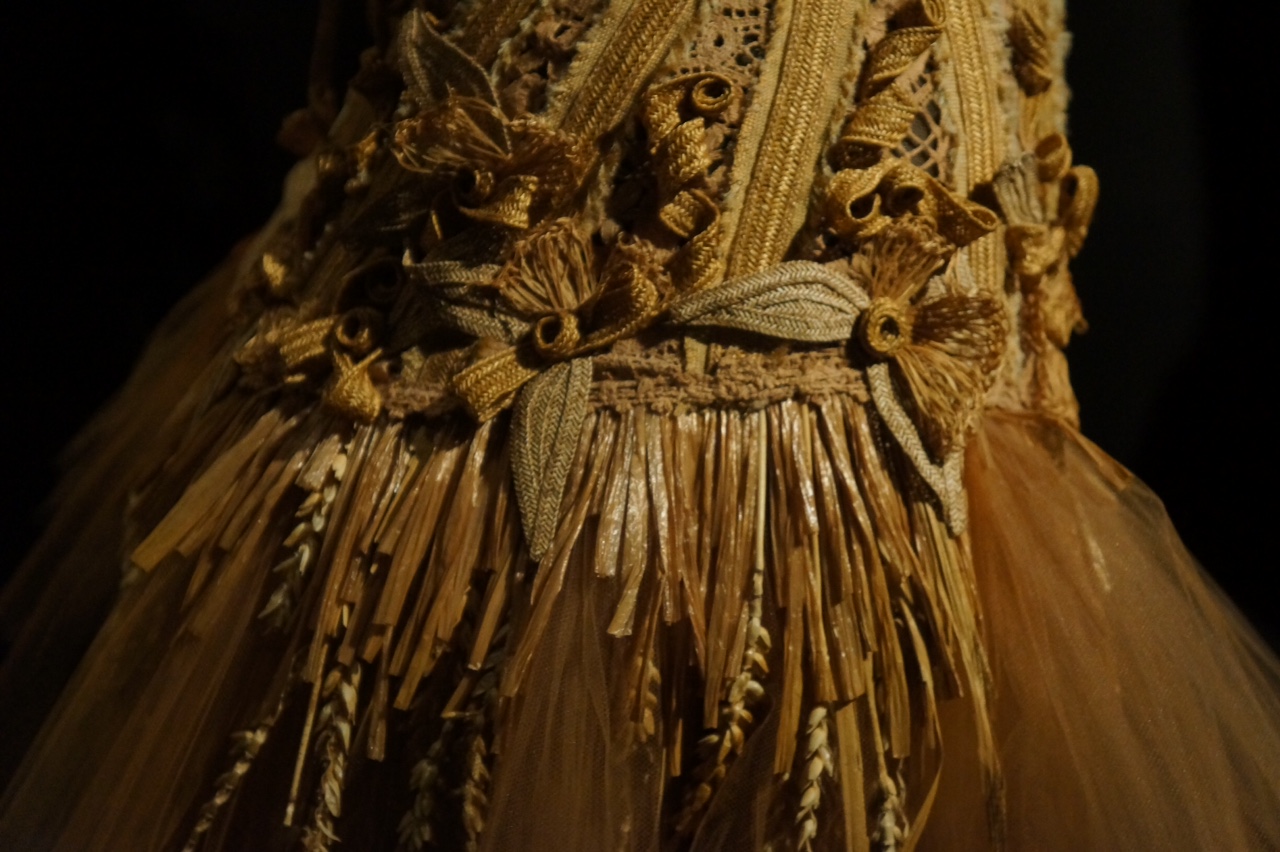
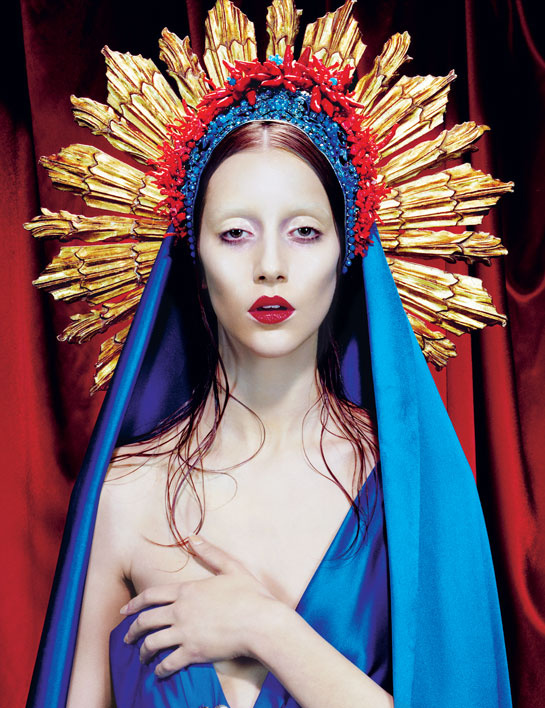
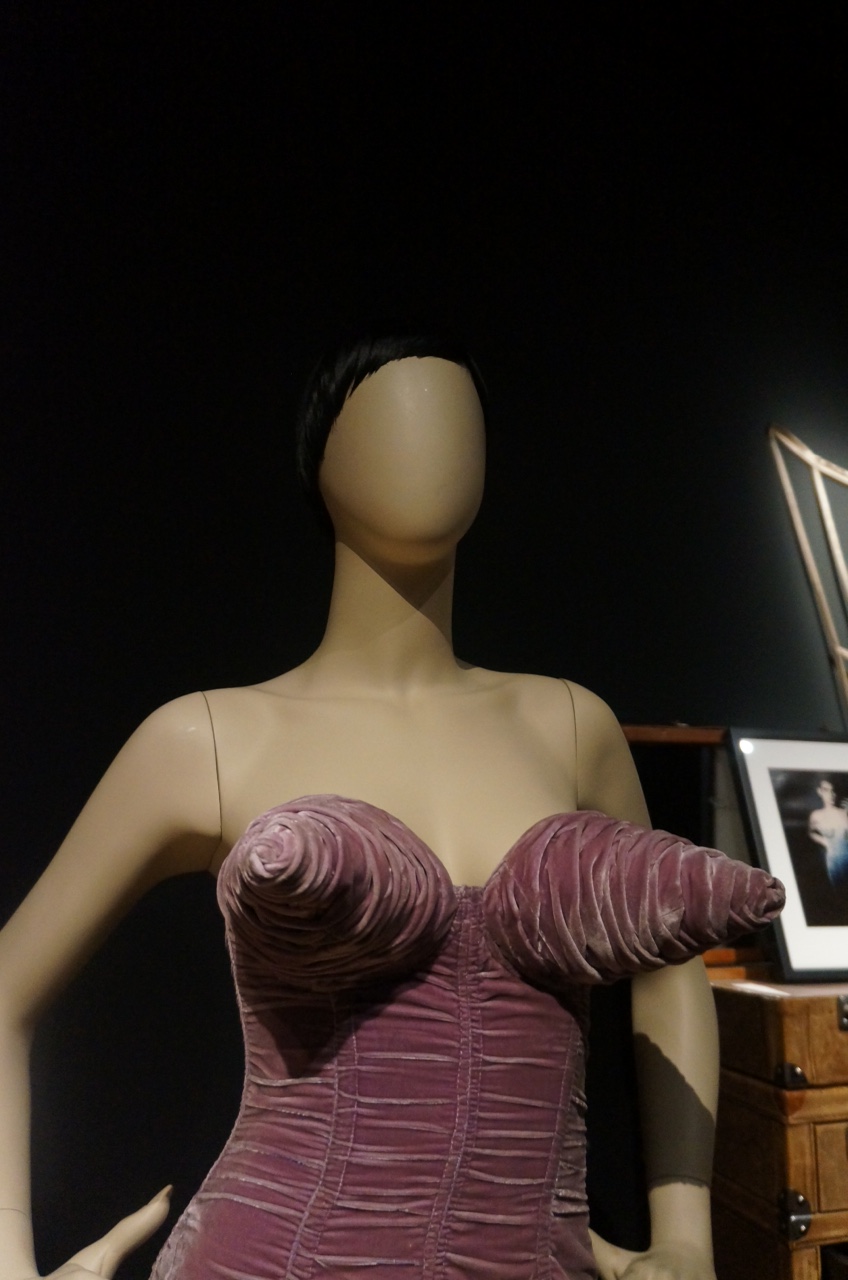
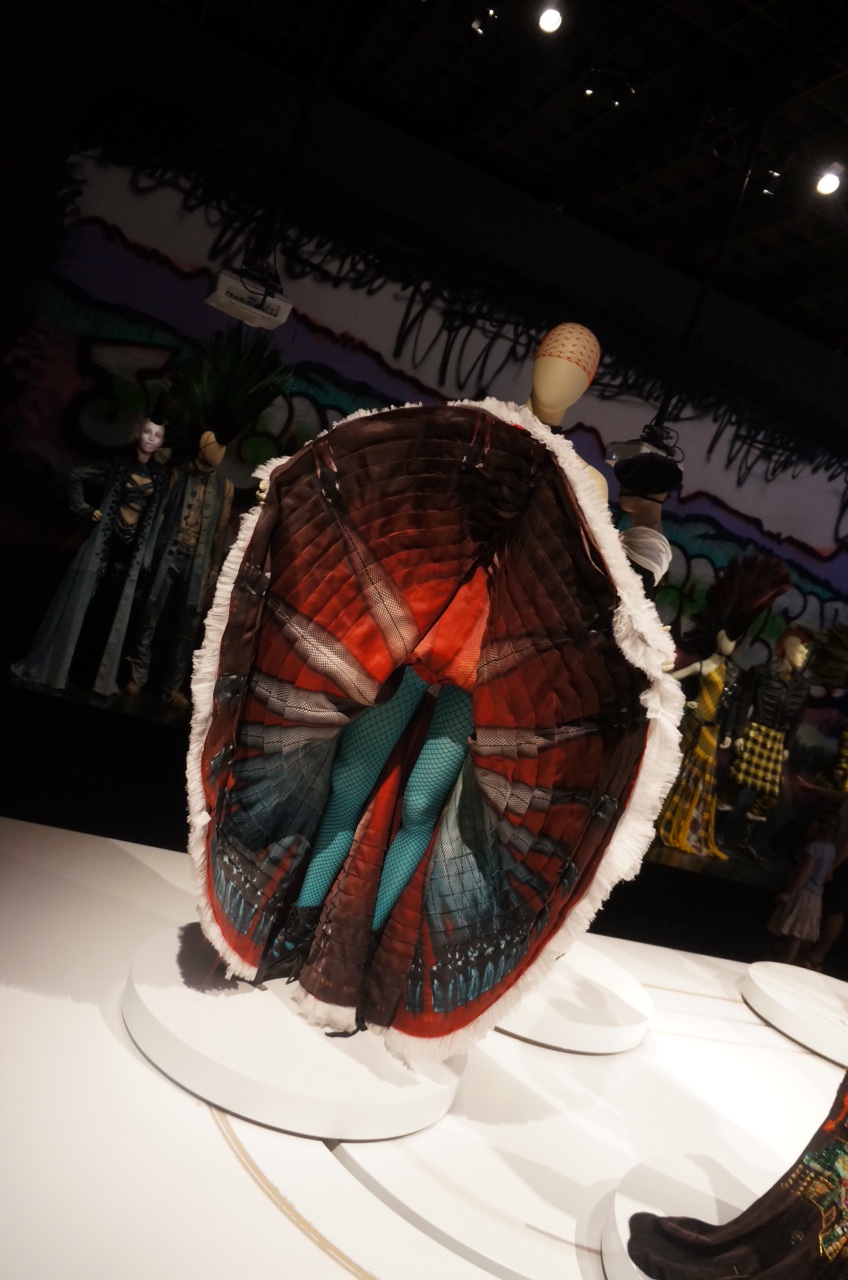
Nicknamed “the enfant terrible of fashion” by the press since his first shows in the 70’s, Jean Paul Gaultier is undoubtedly one of the most important and avant-garde fashion designers of recent decades. Made between 1971 and 2015, the examples of his bold creativity have for the most part never been on public display like now at Grand Palais in Paris. His couture and ready-to-wear which always seemed to be different, very early caught on concerns and challenges of a multicultural society, playfully imposing aesthetic codes. More than any other couturier, this exhibition expresses his humanity. The whole event is divided into few “periods” of his career in fashion. The Odyssey refers to what might be named the “founding myths” of Paul’s universe – mariner chic and his signature stripes, mermaids and long sea voyages. Then, Gaultier had his vision of punk, but in a cancan version. Fascinated by the Paris of Belle Epoque, Toulouse Lautrec, the Moulin Rouge and Brassai, the couturier used to mix frivolous and flirty silhouettes with rebellious fashion outings and contoversy-causing way of dressing. From the beginning, the enfant terrible was attracted to unconventional beauties. Muses. Madonna, Kylie Minouge, Beth Ditto, Rossy De Palma and many more women and men who were full of “spark” gave Jean Paul Gaultier inspiration. Even the clothes he designed for Luc Besson’s film, Fifth Element, were designed by him because he felt close to the directors strong vision and imagination. I

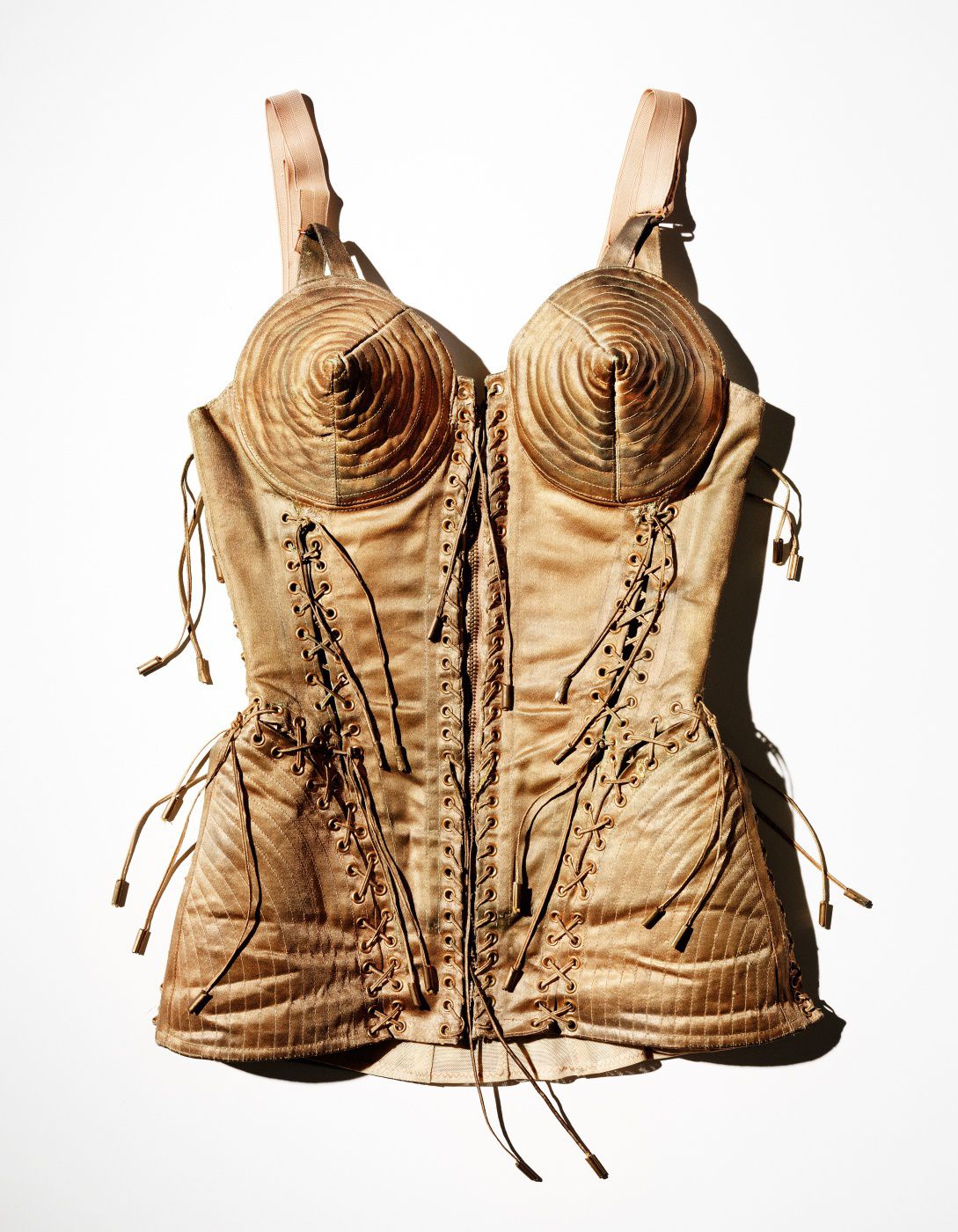
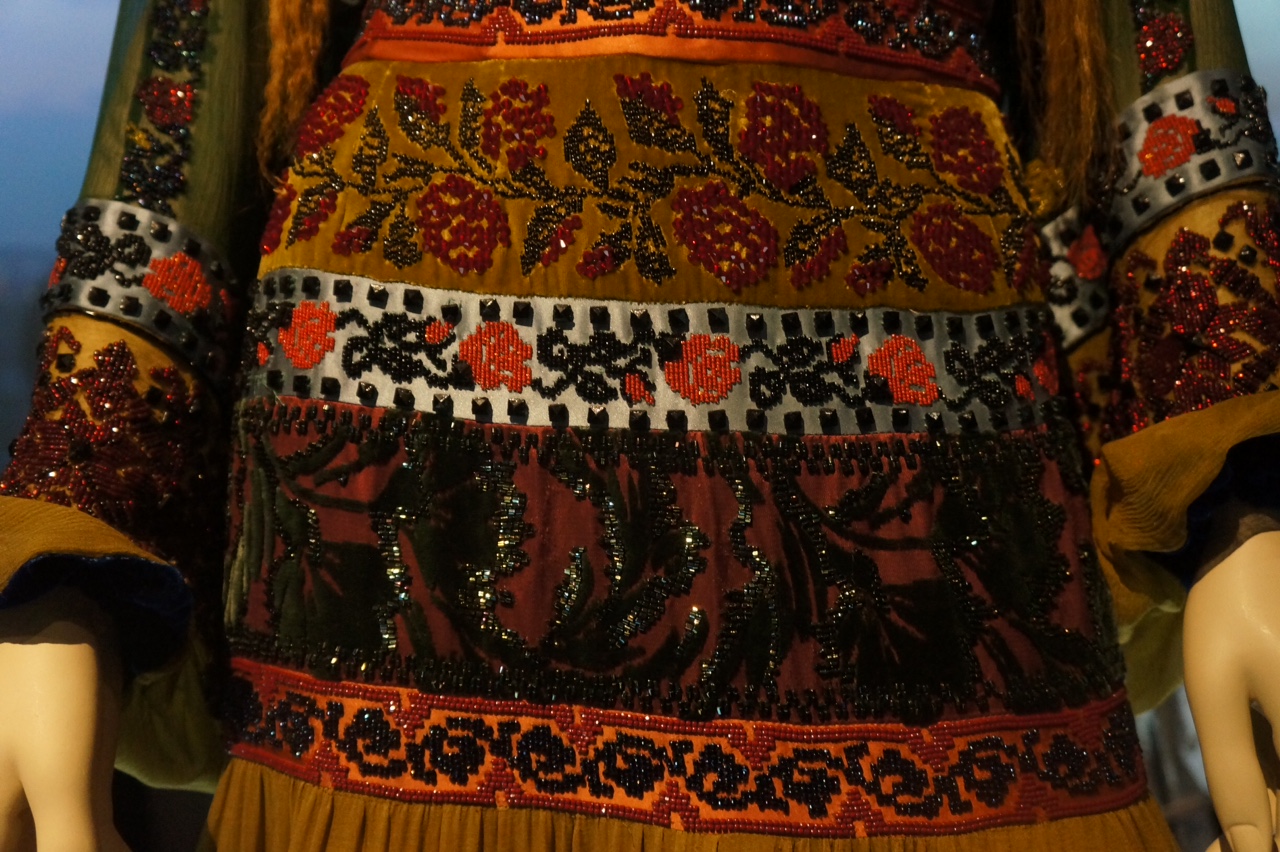
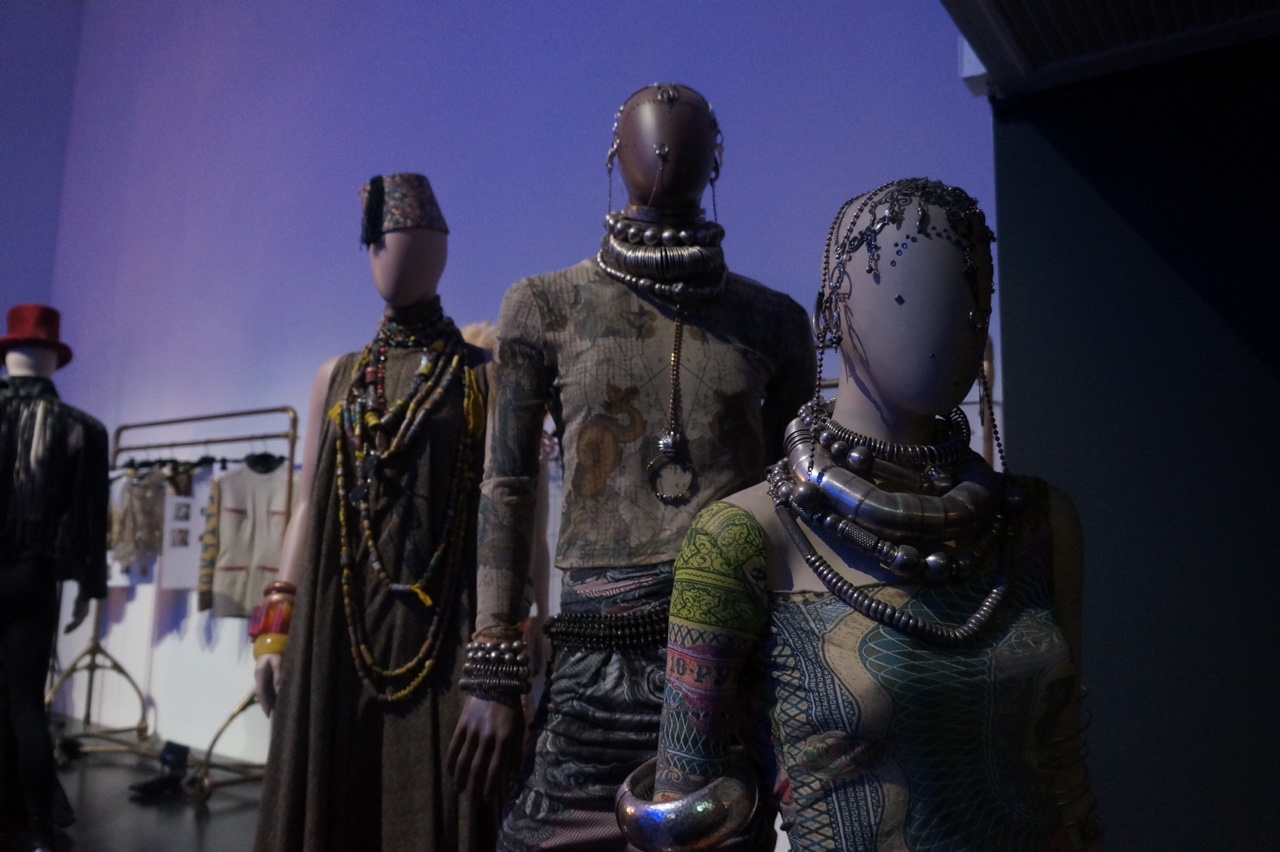
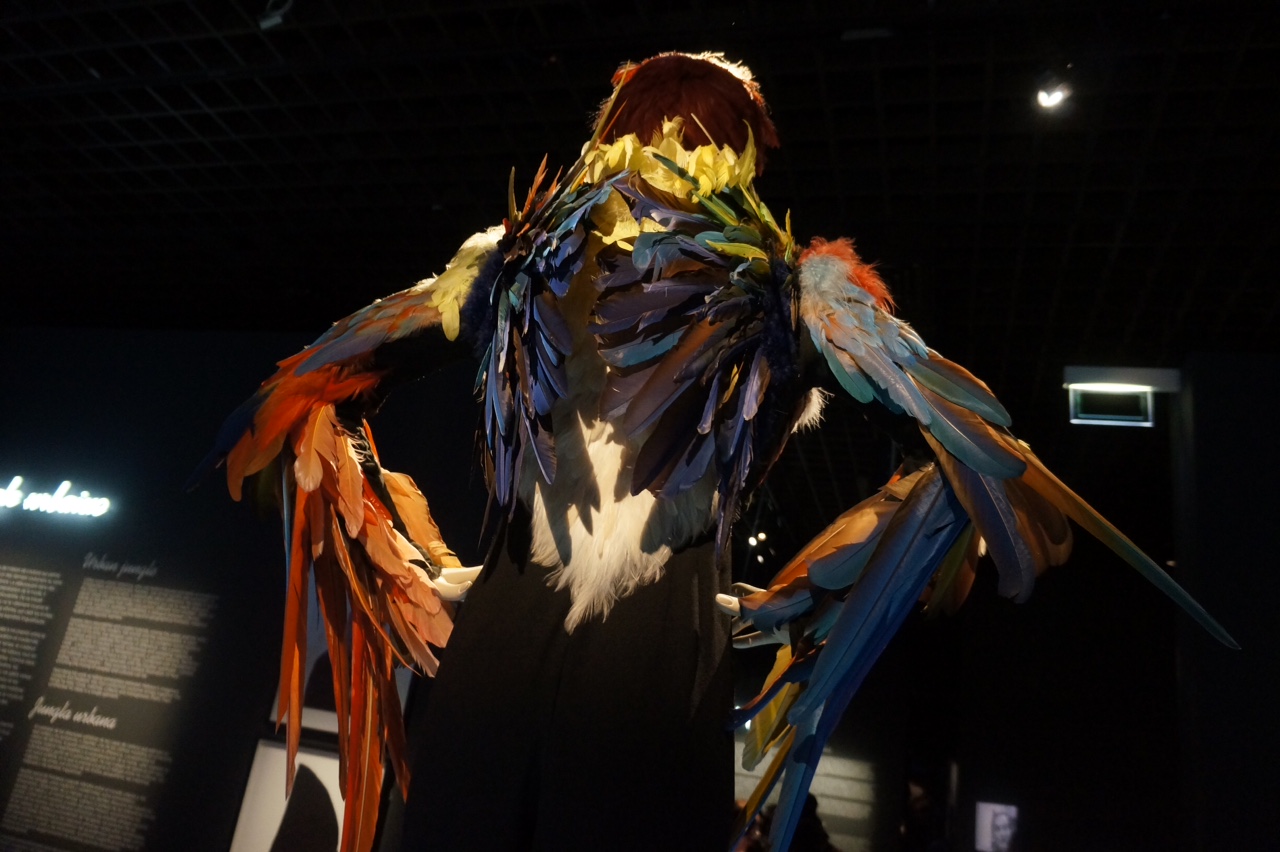
n his collections, Gaultier questioned the concepts of gender, nudity and eroticism. While basing his ideas on those, Jean started to use textiles that weren’t used in couture before – latex, leather, fish net, harness and other fabrics that are associated with the word sexy. He offered hypersexualised clothing (like corset dresses) and evoked a new type of romance and fetishism in the world of fashion. In the last section of the exhibition, you can see the Urban Jungle – a fierce dose of colour and references to various ethnic groups. bullfighter bolero jackets, the shtreimel and long coats made of rabbits, gilets from Mongolia, geisha kimonos, flamenco skirts and African masks as the new bride alternative. And all of that modified with his long-time signatures – corset silhouettes and intense emphasis on details. Seeing all of these stages of Gaultier’s career seemed like a dream-come-true. And having a chance to observe and have a look at all those clothes, scenarios and extravagance felt quite insane, but great.

DSC01471

DSC01452

DSC01453

8-Kylie-Minogue-The-Virgin-with-the-Serpents.-Aureole-Gown-Virgins-or-Madonnas-collection.-The-Fashion-World-of-Jean-Paul-Gaultier1

DSC01464

DSC01480

tumblr_mitlikorTU1qcxpboo1_500

DSC01455

DSC01495

DSC01496

prev__bd4c206bbf0e2ce93f4d443862c0c286.mog.img.tmp

DSC01454

DSC01461

DSC01500

1600-HELENA-AUG-1994-VOGUE-PARIS-VOGUESPIRIT-SCAN5

DSC01473

DSC01472

DSC01491

jpg-vogue-fr

DSC01466

DSC01456

DSC01493

mondino_madonna_1990-1

DSC01475

Massimo’s House. Emilio Pucci Resort’16

emilio-pucci-004-1366

It’s been a while since I have written anything about Emilio Pucci. I won’t hide it, the Peter Dundas era always not significant for me. His super sleek Pucci women felt so unexciting, that there is no wonder why he left the house to move to Roberto Cavalli (burp). But the first collection by the new creative director, Massimo Giorgetti, has something that caught my eye. The designer of ultra-trendy MSGM, brought some eccentric vibe into the heritage house of kaleidoscopic prints and luxury goods – amazing fringe coats, youthful florals and eye-killer colour combinations. Giorgetti’s side-buttoned blouses – a nod to the Pucci printed silk scarf—sat strangely on the body, while his one-shoulder deconstructed button-downs featured peculiar, exaggerated sleeves. Giorgetti has a sense of measure about eclecticism: his women didn’t look odd, but rather like the Clueless characters which suddenly appeared in Milan.

emilio-pucci-006-1366

emilio-pucci-009-1366

emilio-pucci-014-1366

emilio-pucci-020-1366

Female. The Row Resort’16

the-row-08-1366

The Row makes minimalism and “effortless” luxury its routine, and we all know it by observing the last years of Mary Kate and Ashley Olsen at their brand. Resort 2016 tells a story about artists like Constantin Brâncuși or Jean Cocteau. They thought of a painter in his studio, in his oversize painter’s blouse that’s cinched at the waist. This image is balanced with the strong feminine spirit. And this wardrobe is her outside weapon filled with well tailored pieces for every scenario or journey she might encounter. She might be as laid-back as can be in a robe – or in enough layers to cast her sophistication and her strength.

the-row-14-1366

the-row-12-1366

the-row-02-1366

the-row-18-1366

the-row-06-1366

The Big Ruffle. Rosie Assoulin Resort’16

rosie-assoulin-001-1366

Ruffles! Everywhere! On trousers, on shirts, on dresses – a ruffle mania. Rosie Assoulin presented a playful collection, which fused her all-time signatures with new ideas. The statement culottes had those huge daisy shaped cuts while her classy dresses smartly flipped into a fancy party or a friend’s brunch at the same time. Also, the Woodstock-like dyed over-sized trousers had a moment. But again, the ruffles were really the stars of this collection – the Curcuma coloured top with ruffled sleeves was everything. Just like the pink top which surrealistically reminded an ethereal waterfall made of ruffles. Although all of that might sound very “couture-ish”, mostly all of the clothes designed by Rosie are wearable and, definitely, ready-to-wear. Even though they might be really arty (but then, why they shouldn’t have a creative soul?).

rosie-assoulin-004-1366

rosie-assoulin-005-1366

rosie-assoulin-006-1366

rosie-assoulin-009-1366

rosie-assoulin-015-1366

rosie-assoulin-023-1366

Berlin: Gallery Weekend 2015

IMG_2744

This year’s Gallery Weekend in Berlin was awesome. The people present during the event, the beautiful moments and of course the artworks shown to the public felt fresh and absolutely creative. I discovered a lot of new artists, but two of them were definitely the highlights for me – Hans Aichinger and Philipp Fürhofer. Aichinger’s works are characterised by the sophisticated lighting and his precisely painted figures that are emphasised by the minimal backround. Fürhofer art is totally different, though – his installations suggest the artist implements a range of techniques by working layers of impasto over transparent materials. At times they appear as three-dimensional objects brightened up with light, while at other times they are absorbed into the surrounding space, blurring the reality with imagination. Also, while visiting the whole event, I visited my favourite store, Andreas Murkudis and a pop-up store of vintage furniture which had a great variety of rugs from Nepal.

Here is my photo-recap from this über-Berliner trip.

IMG_2754

FullSizeRender

IMG_2753

IMG_2750

IMG_2762

IMG_2764

Processed with VSCOcam with hb1 preset

Processed with VSCOcam with a6 preset

vscocam-photo-4

vscocam-photo-3

vscocam-photo-2