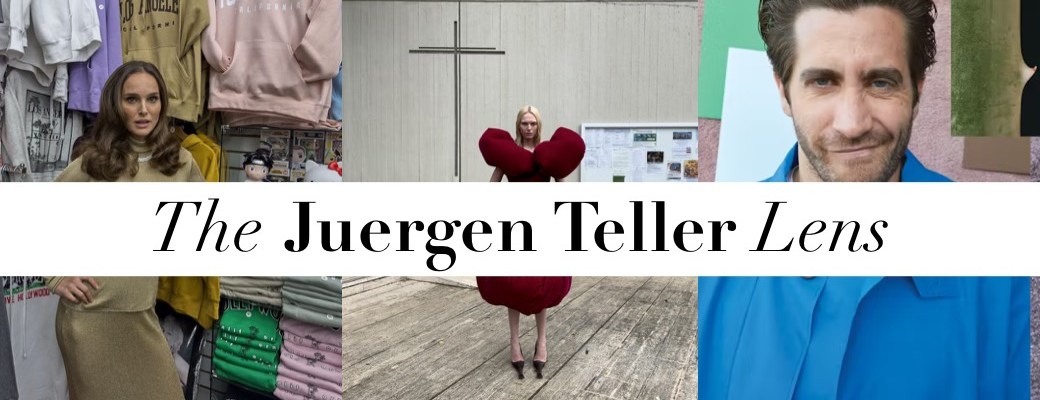
The Juergen Teller lens: raw, honest, real.

Harper’s Bazaar Italia “Jubilee Issue”, 2025, by Juergen Teller.

Juergen Teller’s work inspires me a lot: layout, composition, spontaneity, the “if I love it, I don’t care if others hate it” attitude. To celebrate Harper’s Bazaar “The Jubilee Issue” edited by Teller and his creative partner, Dovile Drizyte, I thought of sharing a more academic outlook at his oeuvre. How about some art history perspective on the body of work of one of the most controversial (and adored) photographer of contemporary times?

The Juergen Teller lens: raw, honest, real.

Juergen Teller, contemporary German fashion photographer, is known for his groundbreaking approach to fashion and celebrity photography. His working tool is often a basic, compact analog camera or a smartphone. Teller’s artistry lies in the fact that he deliberately does not use professional cameras, does not use professional lighting and does not allow his photos to be retouched by the publications in which they appear. What’s more, when taking photos, the photographer is not interested in the styling of the model or the scenery surrounding them. “Rawness” is the term used to best describe Teller’s work as well as his unprecedented way of working.

Behind this “rawness” is another key concept: “honesty“. Working for decades with the most prestigious fashion houses (such as Céline, Chanel and Marc Jacobs) and creating advertising campaigns for them, Teller captures fashion in a brutally “honest” way, even “ripping off” the envelope of glamour and exquisiteness to which modern-day consumers are so accustomed. The German photographer was one of the first artists to break with the aesthetic conventions practiced in the image-making of the fashion industry. In his photos, Teller depicts reality in a direct, non-aestheticizing way, emphasizing and relying only on the model’s personality. It is the model captured in the picture that is the subject of the photo, not the advertised garment. “Juergen photographs in a very physical way. By taking a picture, he is actually penetrating you,” explains Johann König, a contemporary art collector and curator. “Anyone who allows themselves to be photographed [by Teller] is in some way putting themselves on display. This is what Juergen is playing with”. The same is true of the German artist’s series of photographs, which I will discuss.
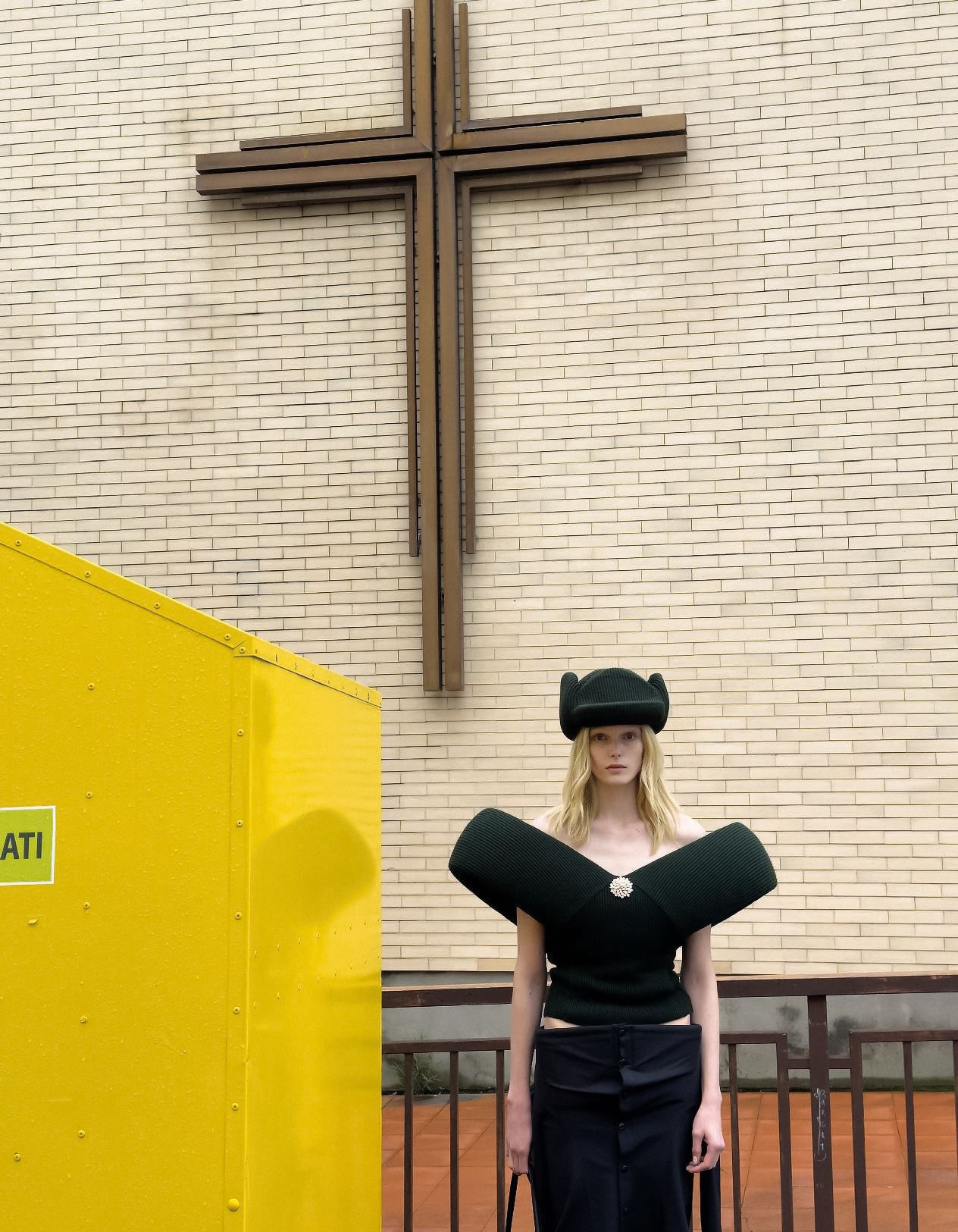
Alex Consani photographed by Juergen Teller for Harper’s Bazaar Italia.

An on-going collaboration between Teller and W Magazine showcases portfolios featuring the most talked-about actors of the current awards seasons. The 2021 editorial (taken during the COVID-19 pandemic) is a series of photographs that has stirred up an unusual controversy among Internet users. As one might expect from Teller’s photographic style, the actors were not captured in glossy interiors or fancy settings, but in much more “real” moments: in supermarkets, city parking lots or neighborhood playgrounds. Actors, usually seen through the prism of retouched magazine covers and posed red carpet photos, were portrayed by Juergen Teller as ordinary, “accidental” people who faced the photographer’s lens without much thought. In these seemingly spontaneously taken portraits, film industry representatives lean against cars, lie on sidewalks, and some even sit on tree branches, which may seem simply amusing or even comical. Wrinkles are visible on the actors’ faces, and their outfits are not perfectly matched, some are even crumpled.
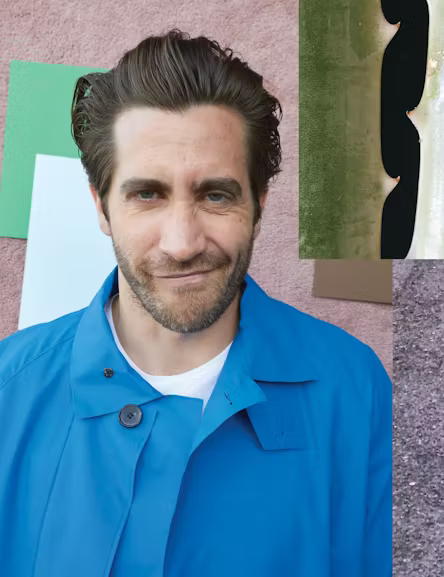
Jake Gyllenhaal by Juergen Teller for W Magazine.

Internet users collectively judged the photos as an example of the photographer’s “laziness” and the result of a lack of “artistic” vision. Hundreds of memes have been created comparing the photo shoot to unfortunate shots of celebrities taken by pushy paparazzi who invade their privacy on a daily basis. A significant portion of the recipients of the photographs published in W Magazine strongly expressed their disgust that these well-known, adored, even idolized figures of the cinema world were portrayed by a German photographer in such a direct, candid and “real” way.

The photographs in question represent a non-obvious attitude toward the notion of photographic “truth”. During the interwar period, a myth of photography was created that no longer resonates, for the most part, with modern audiences overawed by the visuality of the Internet. According to the 20th-century view, photography, through its ability to capture reality in a seemingly unadulterated way, should reach everyone and be accessible to all. Behind this myth was the hope that since photography was so accessible, it should carry through its content photographic truth. Roland Barthes, in his text entitled “Mythologies“, pointed out the widely held belief that photography does not lie. In “The Photographic Message” (1961), the theorist observed the ideological, myth-making dimension of press photography, creating a seemingly “natural” and “true” picture of the world for a mass audience. John Tagg, author of “The Burden of Representation” (1988), proposed a theory that photography has a rhetorical and ideological function, as it serves to shape social beliefs under the guise of naturalness and neutrality of the visual message. Tagg also pointed to the privileged status of photography as a testimony to truth, seen as an instrument of the “regime of truth“. However, in the case of today’s state of photography, especially that dedicated to entertainment and commerce, the viewer is not interested in “truth.” Their attention span is insensitive to the “natural” (equating to “neutral”) way of conveying content. The contemporary viewer excepts from a photograph that depicts e.g., a movie star, first of all, shocking, immediate, somewhat violent impressions that also affect the senses. Only then such a photo of a celebrity becomes a kind of “screen onto which the viewer can project his or her own aspiration or fantasy”, explains Caroline Evans in “The Mechanical Smile” (2013).

Natalie Portman by Juergen Teller for W Magazine.

Juergen Teller’s photographs, although they depict famous actors, do not fulfill the role of “screen” of which Evans writes. The photos emphasize naturalness, by being devoid of deliberate aestheticization, especially that understood in the context of canonical fashion photography (the Teller photos in question are technically far from the sublime portraits of Hollywood stars taken by Horst P. Horst, Irving Penn or Richard Avedon). Interestingly, the German photographer’s photos under analysis are largely devoid of the “commercial aspect” of fashion photography that Rosetta Brookes writes about (“Fashion Photography: The Double-Page Spread”, 2017), as the fashion depicted in them (branded clothes worn by celebrities) becomes entirely secondary and undervalued. Walter Benjamin described photography depicting fashion (which he equated with advertising photography) as “arranged”.  Teller’s series of photographs also escape this classification, as the actors’ portraits are “as if” unposed, spontaneously taken within seconds, without additional framing or post-production retouching.

The works of Teller under discussion are actually closer to press and documentary photography than fashion photography, due to their nature. To some extent, they are reminiscent in their essence of Spencer Platt’s (in)famous photograph titled “Wealthy Lebanese go to look at a devastated neighborhood, April 15, 2006 in southern Beirut“.

“Wealthy Lebanese go to look at a devastated neighborhood, April 15, 2006 in southern Beirut” by Spencer Platt.

The judges of the 2007 Worpress Photo Award recognized the photo as showing “the complexity and contradiction of real life in the midst of chaos“. However, it turned out that the story that viewers attributed to the photo was not true. Bissan Maroun, one of the women seated in the photographed convertible, explained to Spiegel the captured situation in this award-winning photo. She and her companions in the photo were from the devastated neighborhood to which they returned after a brutal bombardment by Israeli forces. Like many other residents of the neighborhood, they fled to a nearby shelter for the duration of the military attack. On the day of their return home, they borrowed a friend’s car (a luxurious-looking convertible) and lowered the roof due to the prevailing heat. “Everyone reacted: it must be those rich Lebanese visiting a poor neighborhood like a tourist attraction,” Bissan said. “But this is completely untrue”. The photo, the story associated with it and its media reception prove that even if the photo communicates a kind of “photographic truth“, this truth may have absolutely nothing to do with reality. The shot, through its reporter credibility, gives permission to be distorted or redefined at will by the viewer. In Platt’s case, ordinary civilians were captured in an extraordinary way, which, combined with the imputed political and social context, caused controversy in the audience. In Teller’s pictures, there is a similar tension: well-known personalities, who in the viewers’ perception should be portrayed sublimely, were shown in a non-specific, too banal way.

It seems that Teller is playing with the photographic “virtue” that is truth. Spectators of Hollywood glorify and thus dehumanize celebrities because they see them through the prism of orchestrated, unrealistically posed photographs. In the lens of the author of these photographs, Oscar and Golden Globes-nominated actors are captured in seemingly natural, real and even random moments from “real” lives that are known to “ordinary” people. Juergen Teller’s controversial portraits pull Hollywood stars out of the refined, idealized environments associated with them, and remind us that actors are people too.

Me, Juergen and Dovile photographed by my mum in Berlin 2020. How Juergen is that?

Text by Edward Kanarecki.


Don’t forget to follow Design & Culture by Ed on Instagram!

Hey, did you know about my newsletter – Ed’s Dispatch? Click here to subscribe!
NET-A-PORTER Limited

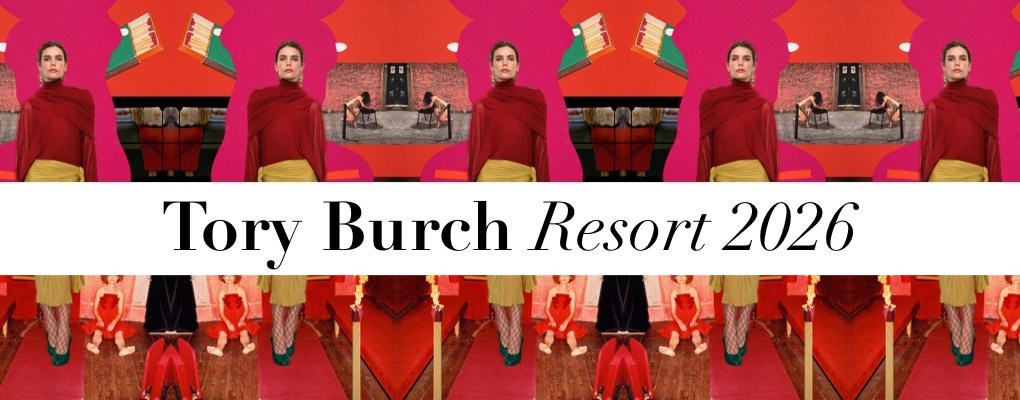
Her World. Tory Burch Resort 2026

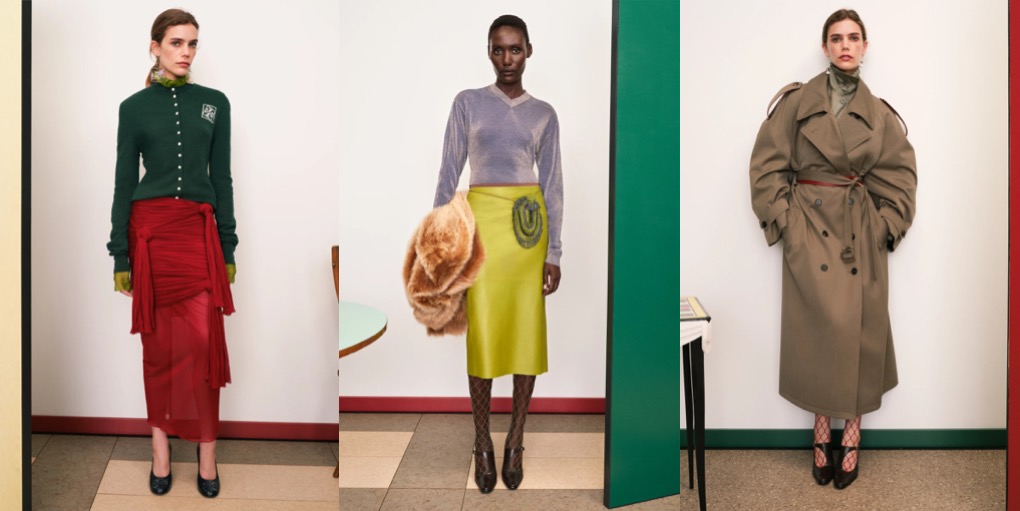
If you’re reading me, then you know I’m obsessed with Tory Burch‘s renaissance. It seems the fashion industry is catching up, too. Last New York Fashion Week, of all collections that were presented, it was Tory’s line-up that received true acclaim. Burch and her talented design team are studying in-depth what femininity means in the modern world – and elaborate on whether it should be one thing or another. As a result, the brand offers an intriguing outlook that clashes Claire McCardell’s all-American 1940s forms, uptown New York primness (gracefully embraced by @ladiesofmadisonave) and a quirky twist that makes Burch’s designs feel so desirable. For resort 2026, the designer serves a cocktail of her tasteful affections, from unmistakable pencil skirts to delightfully prim cardigans and colorblocked sweaters. A major sensation is stirred by the collection’s biggest novelty: a semi-sheer skirt, layered up, draped and knotted to create a cascading, highly-feminine effect. It comes in delightful tones of red and mustard; the latter is styled with maroon-ish blouse and fish-net tights. It’s a look that balances sophistication, playfulness and sensuality in the most effortless, satisfying way. It’s Tory’s world, and she knows what she’s doing.

Collage by Edward Kanarecki.
Don’t forget to follow Design & Culture by Ed on Instagram!

Hey, did you know about my newsletter – Ed’s Dispatch? Click here to subscribe!

NET-A-PORTER Limited

Rive Gauche. Saint Laurent Pre-Fall 2025

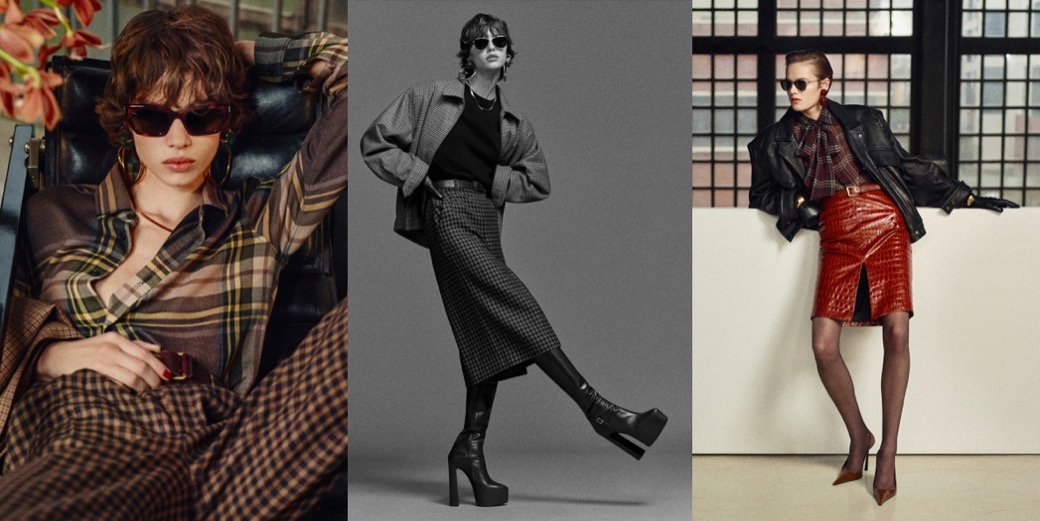
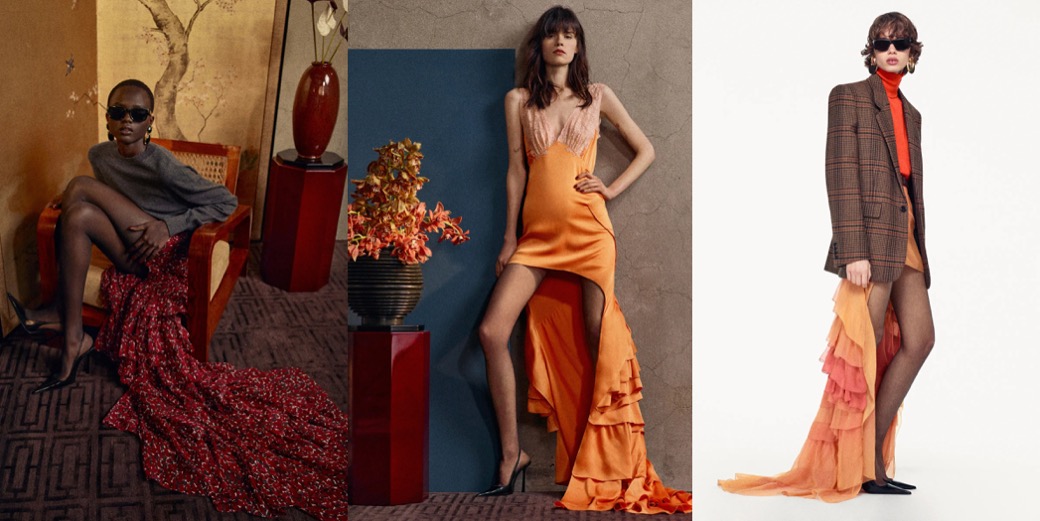
Anthony Vaccarello‘s pre-fall 2025 collection for Saint Laurent serves as a subtle prelude to the winter fashion show we’ve seen back in March. While the ultra-boxy, exaggerated outerwear silhouettes are absent here, we instead get the first hints of bold, saturated colors (Vaccarello really knows how to use orange) and maxi-length skirts that echoed the show’s finale with their gargantuan volumes. The main theme for this lookbook line-up is the year of 1966, a pivotal moment in Yves Saint Laurent history: the launch of the Rive Gauche ready-to-wear label. The collection couldn’t get more ready-to-wear: Prince of Wales plaid blazers and skirts (Yves’ signature), leather jackets you want to wear (and wear out), boudoir lace slips and fluffy furs. The Left Bank allure is far from dead.

Collage by Edward Kanarecki.
Don’t forget to follow Design & Culture by Ed on Instagram!

Hey, did you know about my newsletter – Ed’s Dispatch? Click here to subscribe!
NET-A-PORTER Limited

Grace. Dior Resort 2026

Today, Lorde released Man Of The Year, her second single from the highly-anticipated Virgin album. The song is heart-and-gut-wrenching in the most Lorde way you can imagine: raw, vulnerable, unfiltered. By the time we reach the outro, Let’s hear it for the man of the year, there is a subtle shift from mourning to ecstatic celebration. The phrase is repeated like a sarcastic toast, both honoring and burying (burning alive!) the man who inspired the deep, painful turmoil. But ultimately, Man of the Year is not really about him. It is about Lorde reclaiming the narrative, re-emerging from ego death and heartbreak with sharpened clarity.

Quite coincidentally, it was officially announced today (after months of speculation) that Maria Grazia Chiuri is stepping down from Dior. Social media raved: finally!; fashion gods heard our prayers; the end of a nightmare. Voiced especially by men, you just can’t not agree with @lewissmag that there’s a tinge (or even plenty) of misogyny sparking that excitement of a woman departuring a maison like Dior after a decade of immense volume of work. A reminder that the fashion males, queer or not, had a very similar blast when Virginie Viard left Chanel. They were in heaven.

Now don’t get me wrong: I’ve never been a number one fan of Maria Grazia Chiuri’s work at Dior – just not my cup of tea, aesthetically. But I do realize that all the logo totes aren’t her sin: it’s in fact LVMH and Bernault Arnault’s endless financial insatiability that powered Dior’s horrific merchandise in the last decade. Just think of the once sophisticated and chic Dior boutique on Avenue Montaigne that now looks like a massive, tacky department store. It’s also not Chiuri’s fault. Unfortunately, creative directors really don’t have all the power when leading a brand.

What this female designer managed to make out of Dior is turning it into a brand that’s in a way similar to Giorgio Armani’s universe: you don’t have to follow it from season to season, because you won’t really see a revolution on the runway – but there’s always a beautiful dress, a great coat, a proper jacket. A continuity that has its rhyme and rhythm.

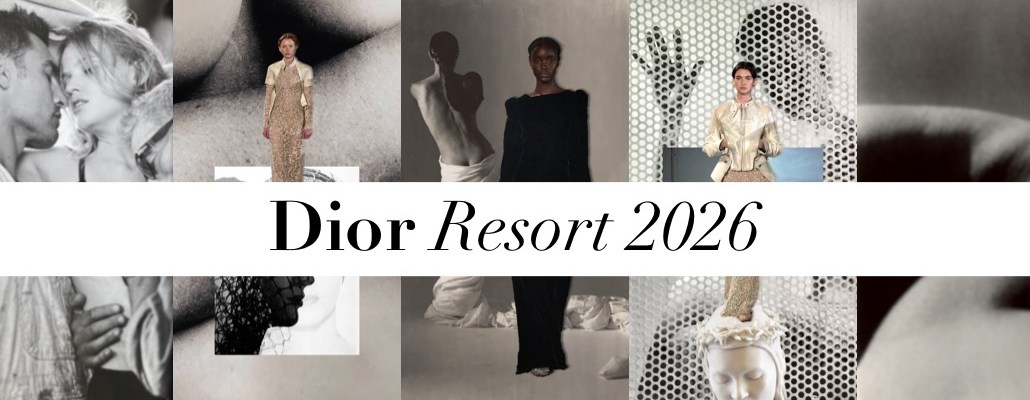
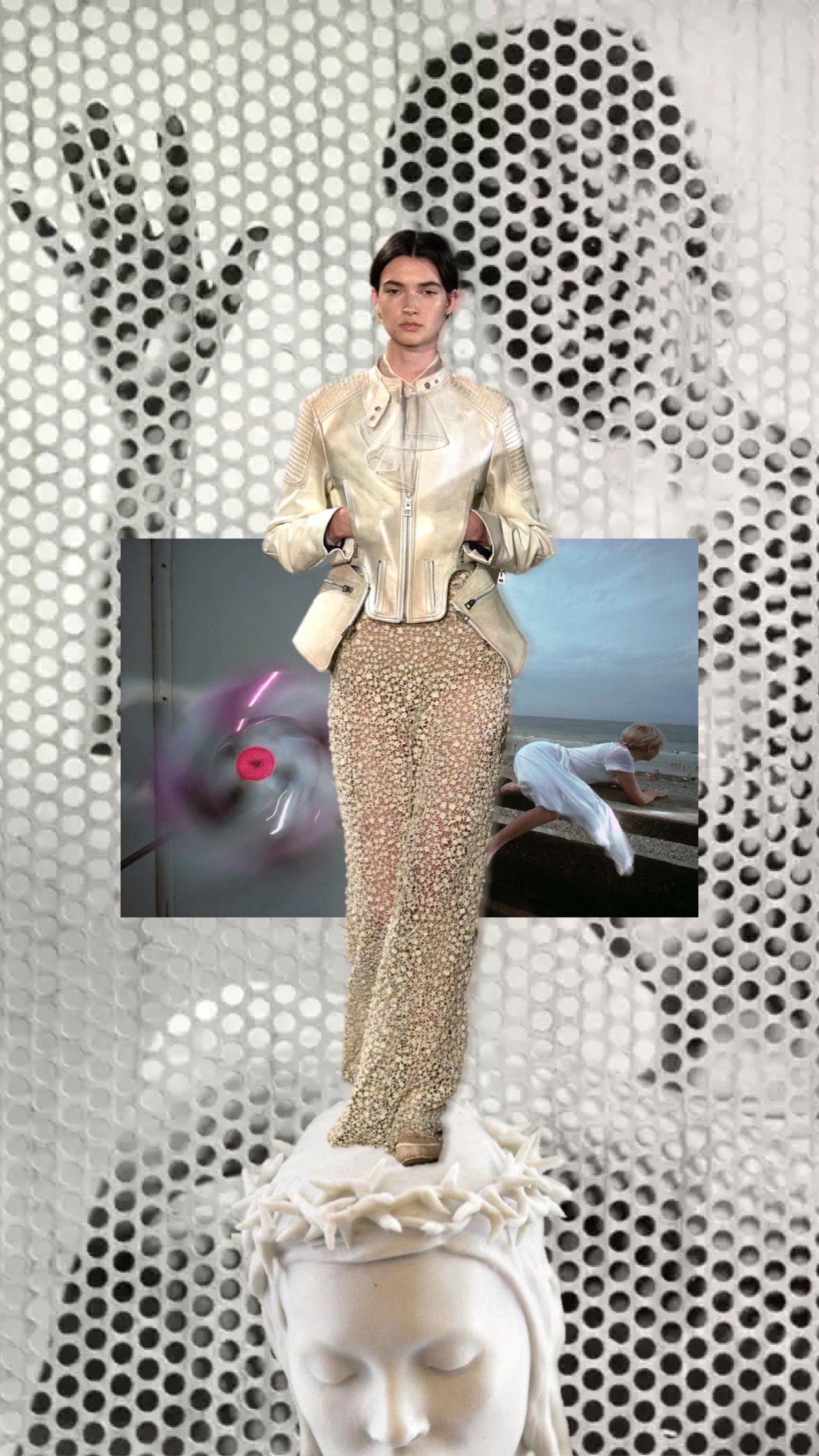
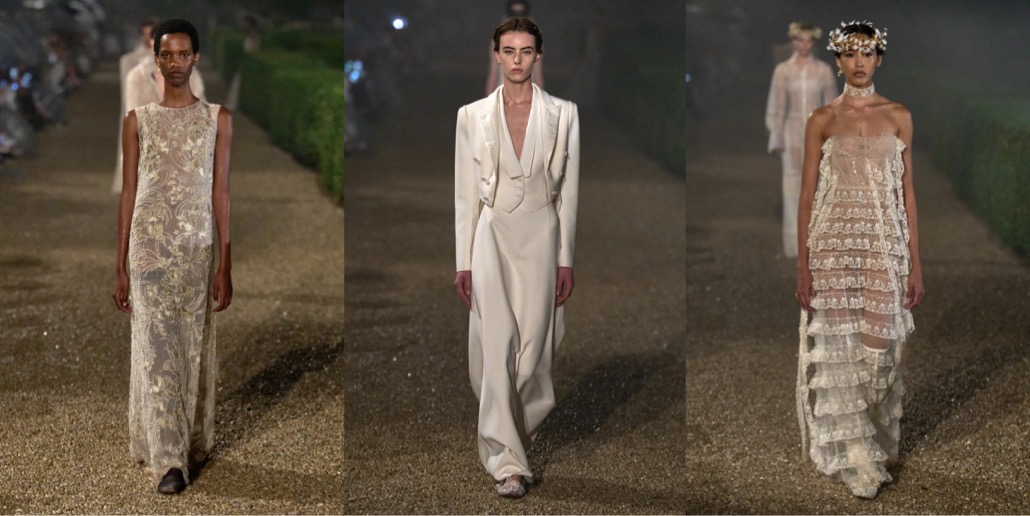
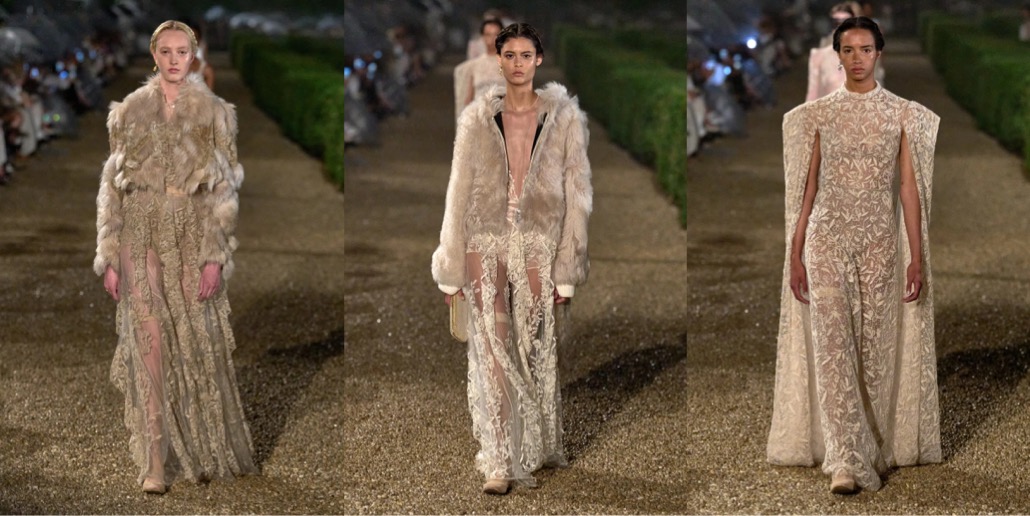
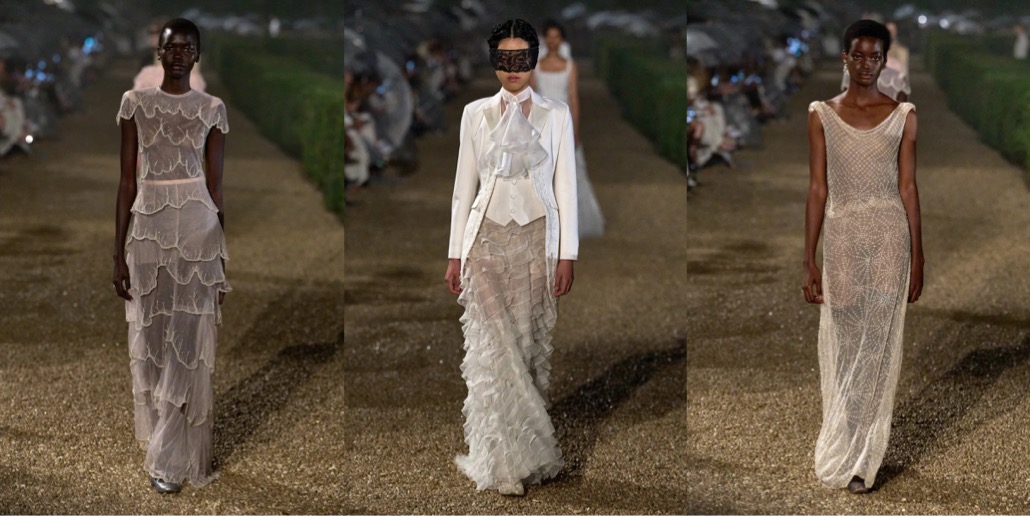
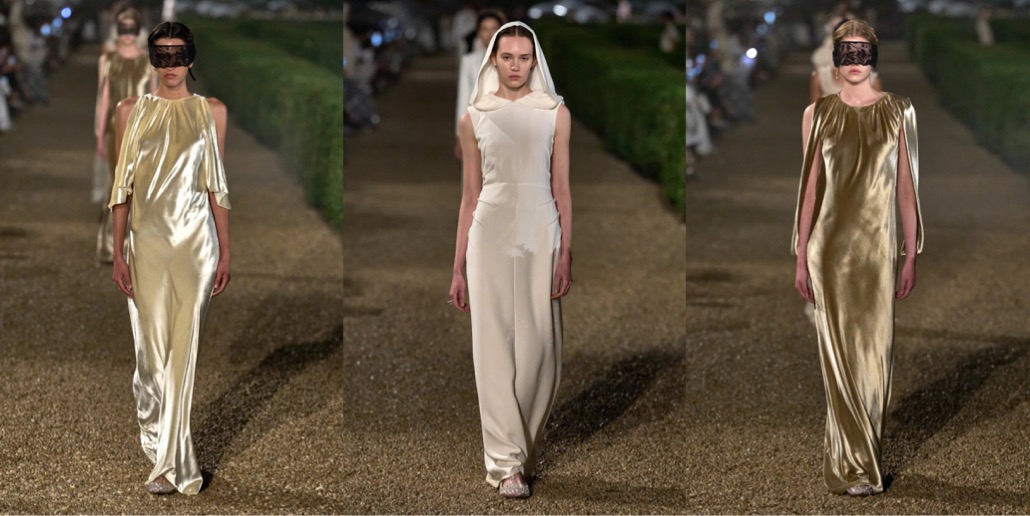
In a way, it seems to me that Maria Grazia Chiuri truly refound herself at the very end of her tenure at Dior. Her pre-fall 2025 show in Tokyo had a spark. Her swan song outing, for resort 2026, presented in the enchanting garden of Villa Albani Torlonia in Rome, was powerful in its grace. Those velvet column gowns are pure delights, just as the remarkable fur coats that are actually made from plume. The collection’s opening look, a masculine white tailcoat worn with a maxi-length, matching skirt, is the absolute essence of Maria Grazia Chiuri’s contribution to fashion, in past misguided by unfortunate styling or simply obscured under all the gimmicks of fashion show spectacles. This ideal, minimalist yet sumptuous simplicity was followed by many variations on the theme of the long, slim, semi-sheer dress. The lace effects were almost countless – 3D florals, rivulets of ruffles, leafy cut-outs, wavy art deco frills, gilded latticework covered with silken fringe. Underwear visible, shoes flat. A statement.

And then, the haute couture finale featuring caviar-beaded, trompe l’oeil-effect dresses that looked like statues dating back to Ancient Rome. Male statues, to be precise. Torsos, like armors (a theme moved very literally by Nicolas Ghesquière at Louis Vuitton just a week ago). Going back to Lorde, Man Of The Year’s cover art is a Talia Chetrit photograph of the singer’s bust, covered with duct tape. Now, do you see the connection between these two?

Will Maria Grazia Chiuri return to fashion in the near future? Probably she will spend her time on cultural initiatives, like the Teatro Della Cometa she renovated and reopened to the public a couple of days ago. And who will lead Dior’s womenswear now? Probably Jonathan Anderson. Another M.O.T.Y.

Collage by Edward Kanarecki.
Don’t forget to follow Design & Culture by Ed on Instagram!

Hey, did you know about my newsletter – Ed’s Dispatch? Click here to subscribe!

NET-A-PORTER Limited

Medieval Chic. Louis Vuitton Resort 2026

You know I’m pretty much always on fence with Nicolas Ghesquière’s Louis Vuitton. But the collection he presented yesterday at the 14th century Palais des Papes in Avignon? It was brilliant. The Ghesquière-for-Balenciaga kind of brilliant.

The designer’s far-flung destination shows have consistently outshone his Paris ready-to-wear collections. Remember that time he whisked his guests away to Palm Springs? When Rianne Van Rompaey (who retired from modeling this year) wore a billowy, 1930s-inspired maxi dress and dramatically cranked up the high-end loudspeaker as the show began? Not only was that défilé spectacular, but the clothes were equally impressive – both inventive and cool. The Avignon collection had that signature edgy NG flair, the one that we all so sorely missed in the past few seasons or so.

For resort 2026, Nicolas embraced Medieval dress and transformed it into a surprisingly modern proposition. We live in an era where wearing an armor would come handy. Women’s rights and bodily autonomy continue to face threats, from Trump’s administration in the U.S. to rising conservative movements across Europe, including in France. Whether through a literal interpretation of chainmail in the form of a tasseled, metallic top, or via rounded, architectural capes – and in some cases, curtain-like mini-capelets worn over mini-dresses – this show offered plenty of armor. These pieces didn’t just look protective and built-up; they were, in their own way, chic. Ghesquière even seemed to pay homage to his spiritual predecessor, his alma papa, Cristóbal Balenciaga, sending down the runway several intricately embellished, t-shirt-like mini-dresses that felt like modern descendants of the Basque designer’s iconic sack dress.

I also sensed a hint of time travel back to the 1968 Paris protests. The Sorbonne students’ anti-bourgeois style – ironically lifted from their parents’ wardrobes – surfaced in elements like newsboy caps, fur-collared jackets, and a layered skirt made from plaid blanket fabric. The collection’s hero motif – paisley – looked like something salvaged from a thrift store and revitalized with edge. Meanwhile, a wool cape adorned with cartoon-strip flames seemed to leap from Pierre Cardin’s studio, where the designer once dreamed up a bright, space-age future.

Louis Vuitton is a brand that sells bags. Ready-to-wear – especially the one presented on the runway – isn’t it’s bread-and-butter. Nicolas Ghesquière occupies a uniquely rare position of creative freedom – and commands a vast platform – to make fashion that doesn’t need to sell, but rather to spark conversation. This collection was certainly his brightest, envelope-pushing moment in the past couple of years.

Collage by Edward Kanarecki.
Don’t forget to follow Design & Culture by Ed on Instagram!

Hey, did you know about my newsletter – Ed’s Dispatch? Click here to subscribe!

NET-A-PORTER Limited