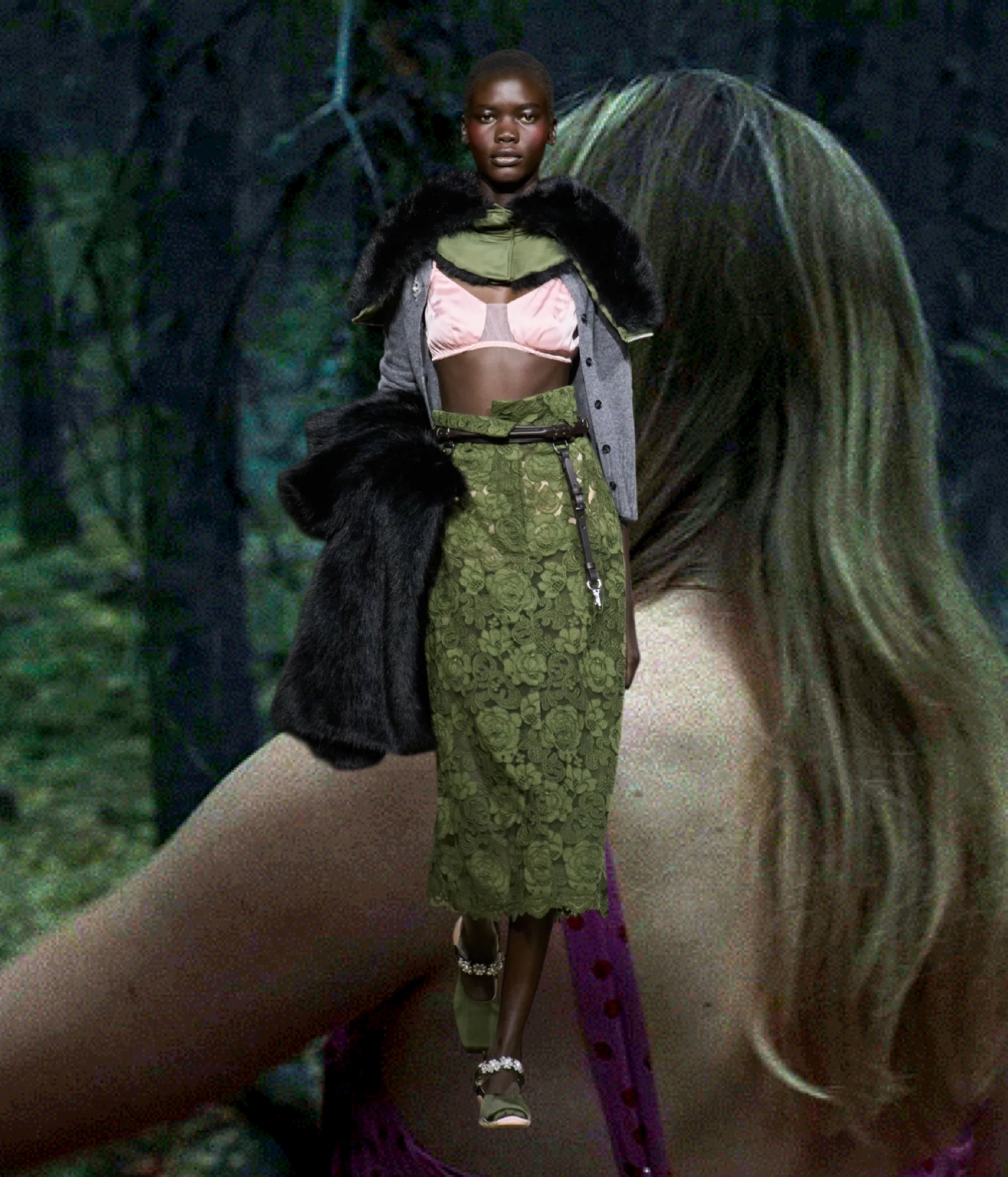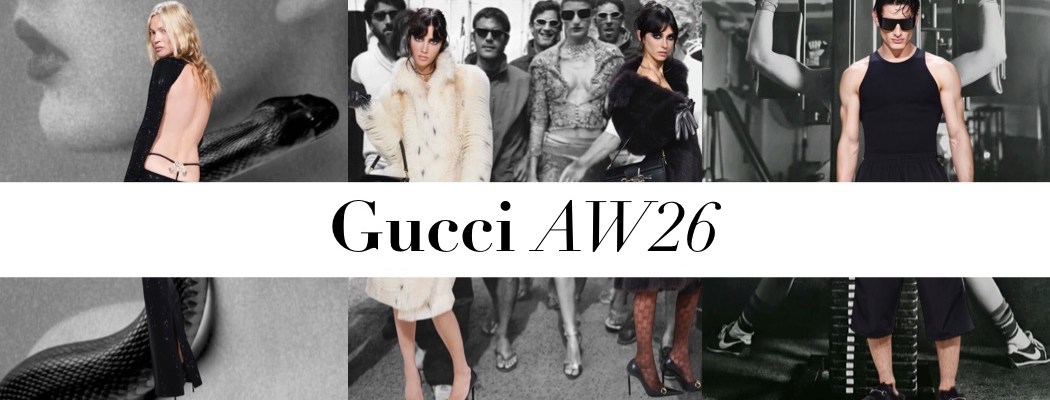
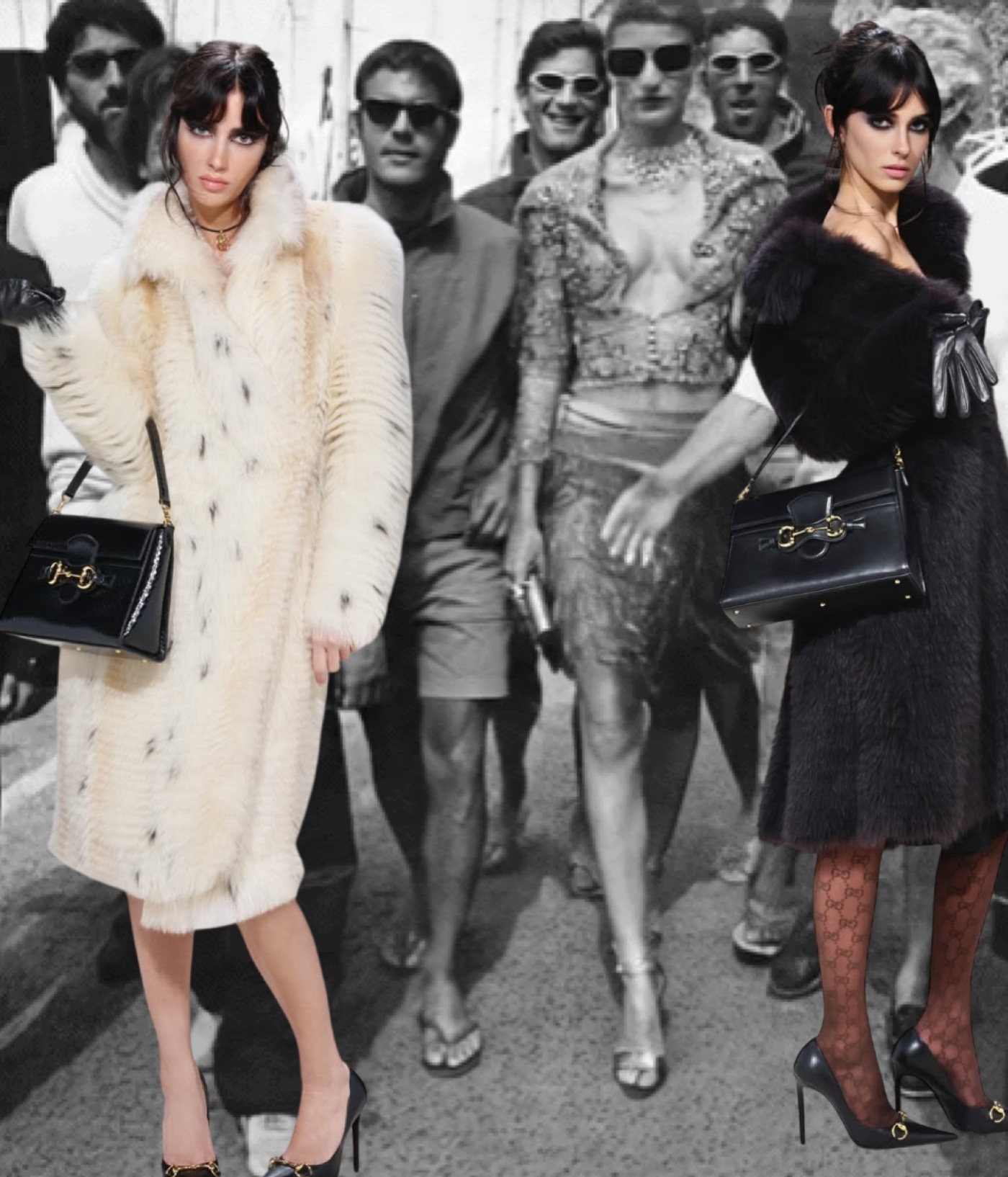
Regime. Gucci AW26

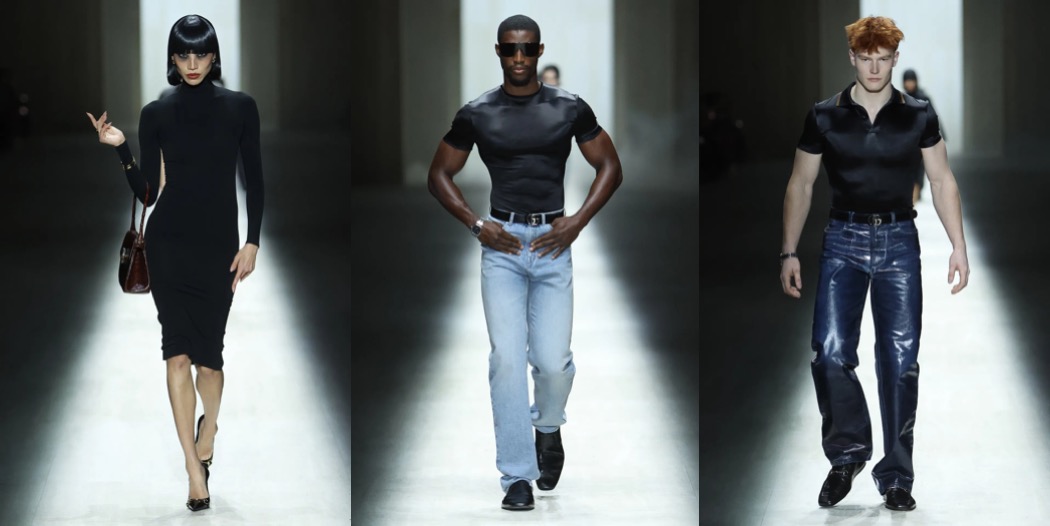
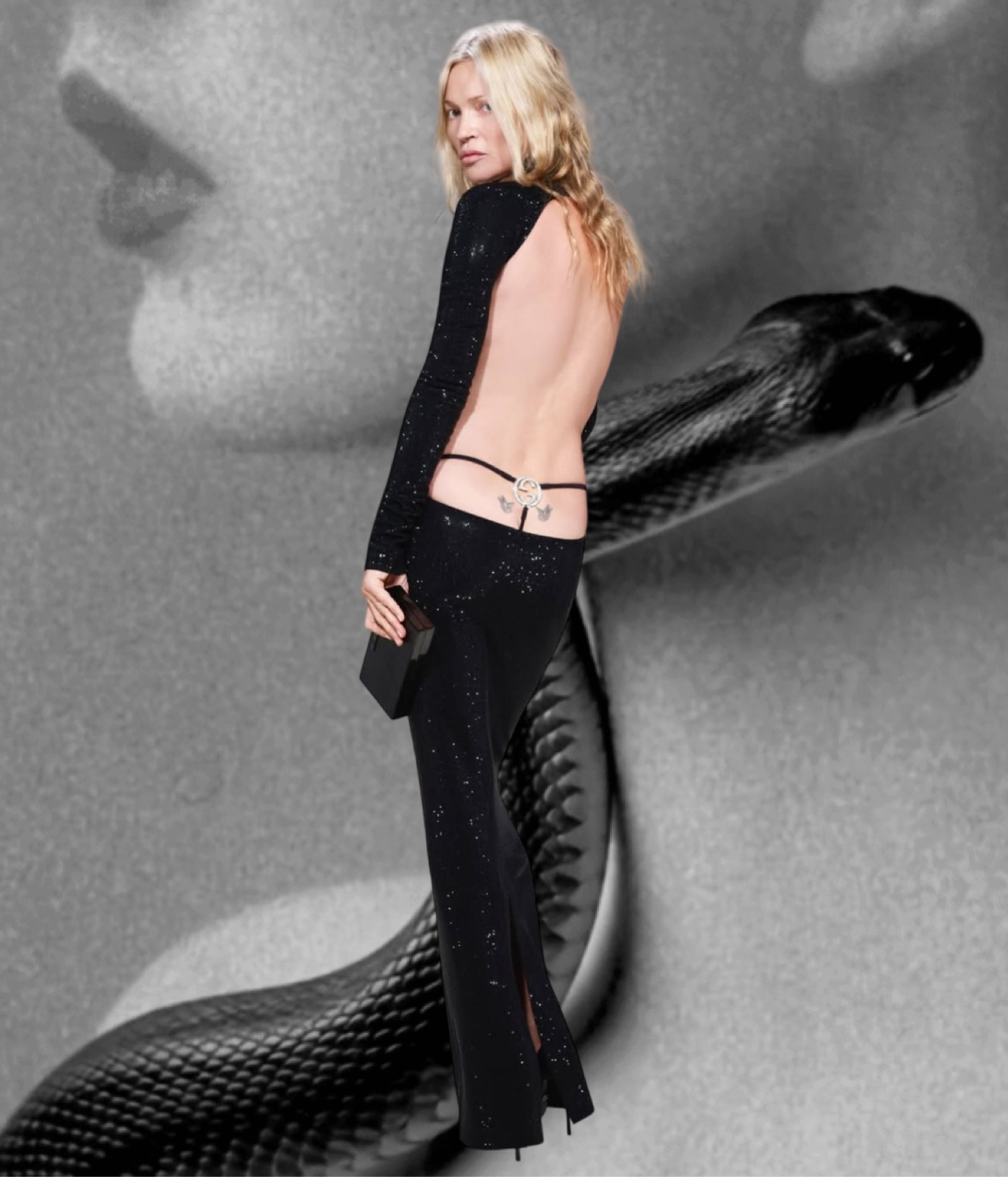
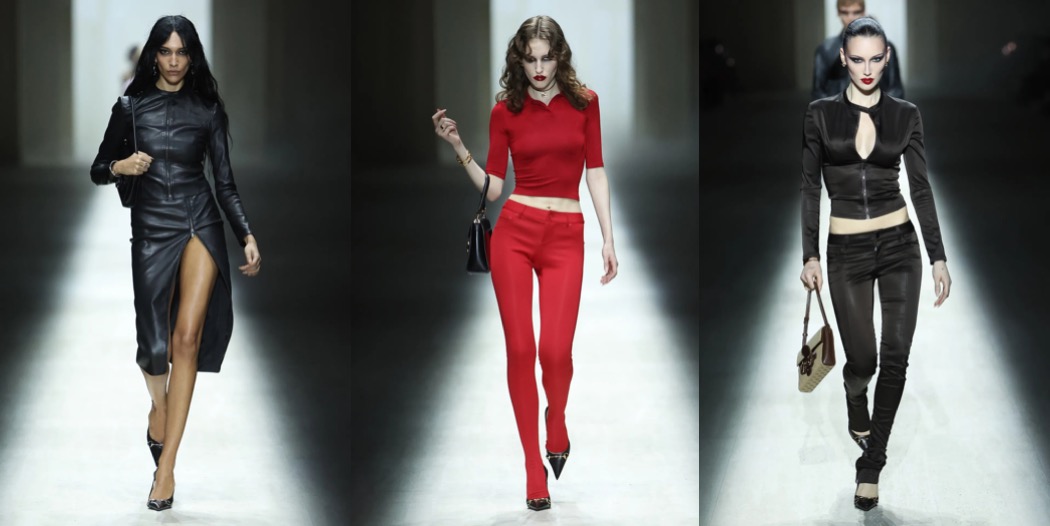
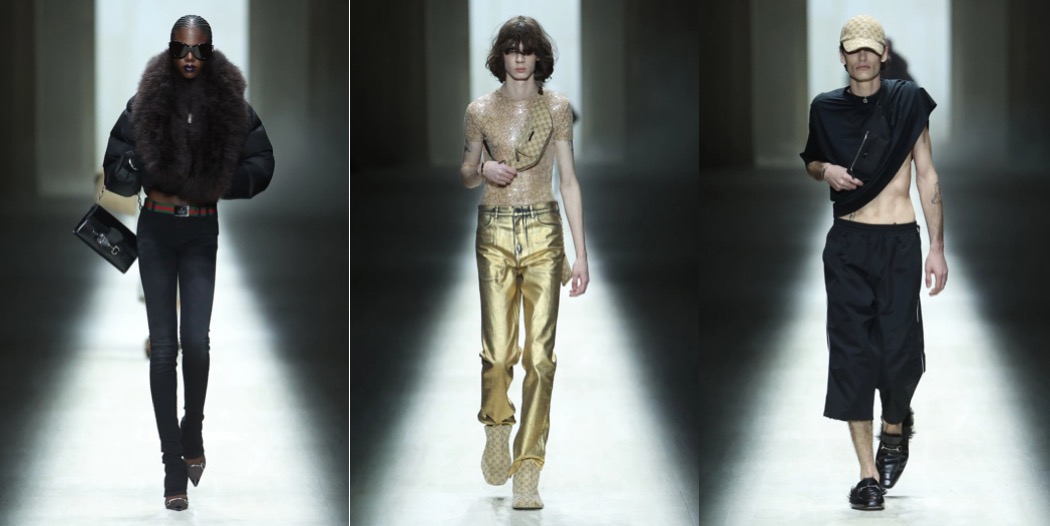
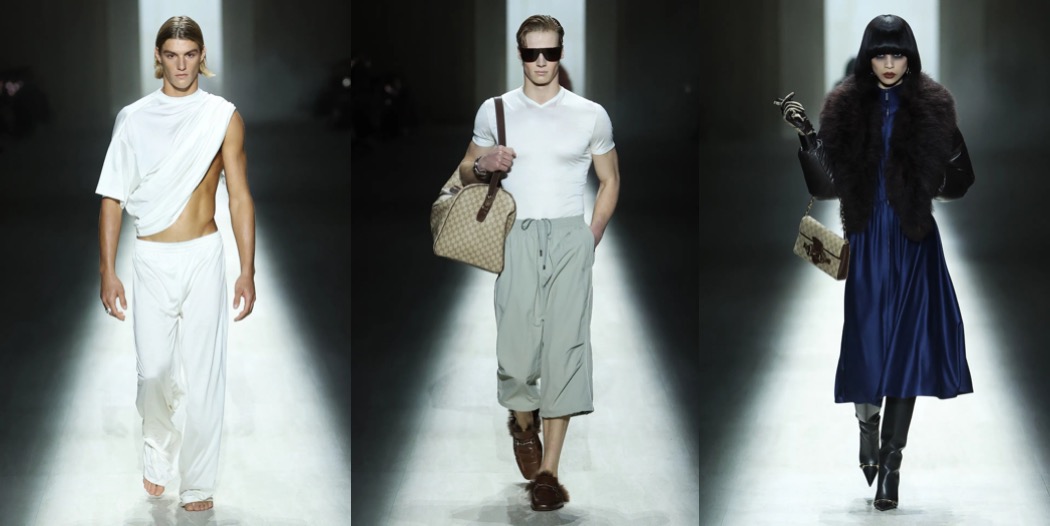
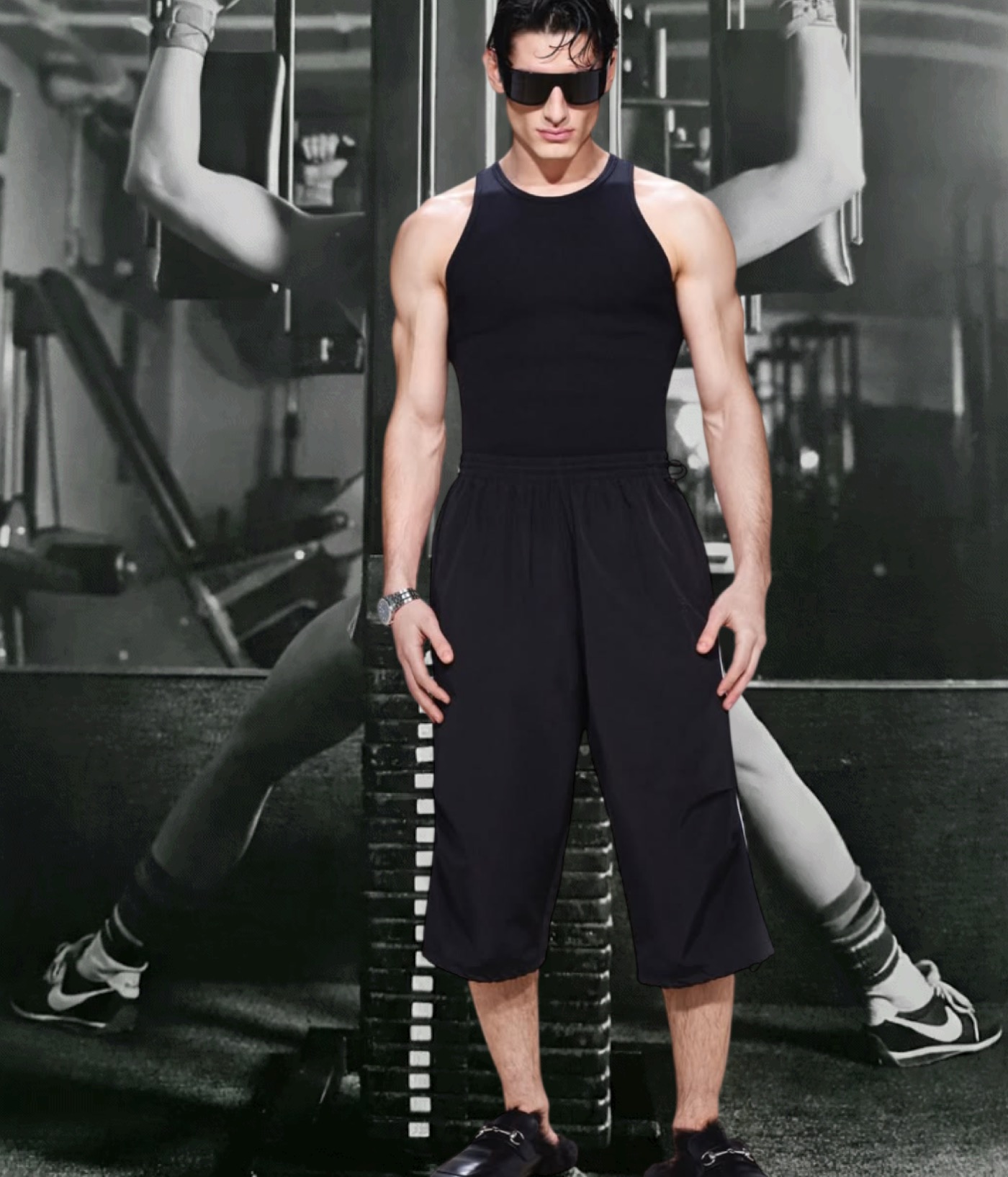
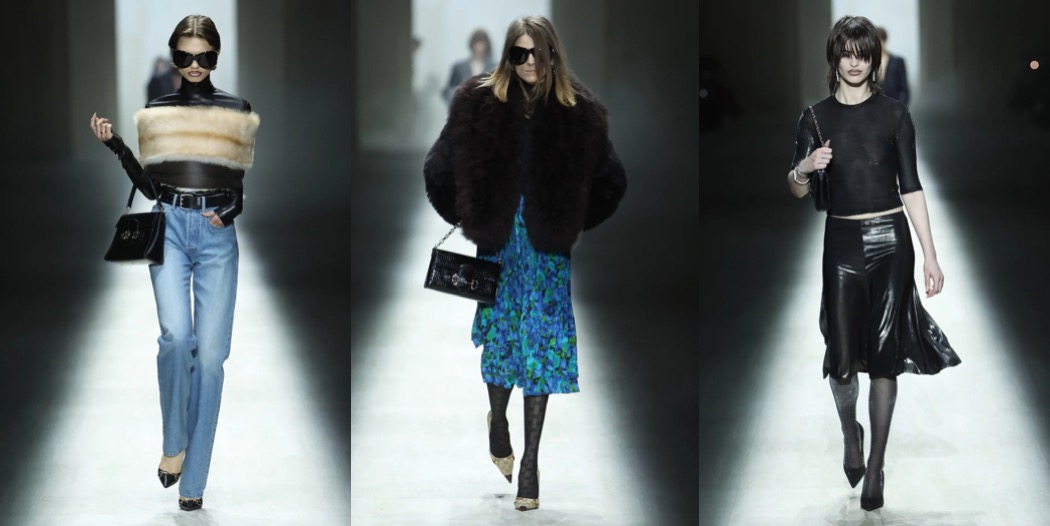
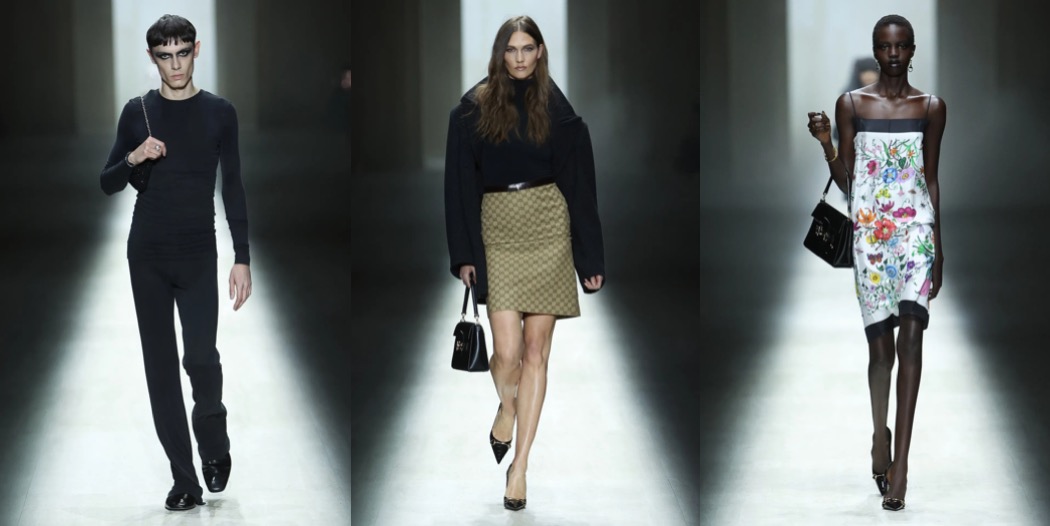
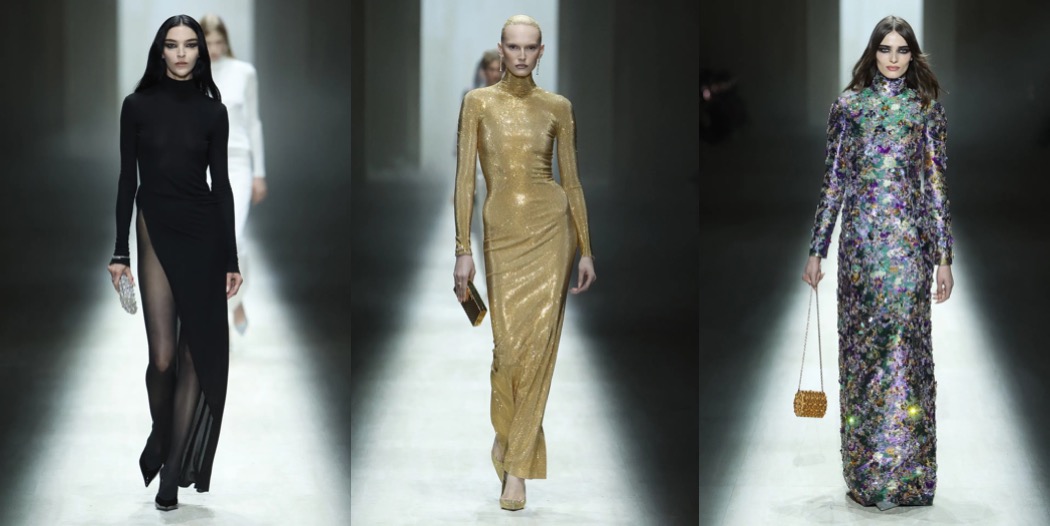
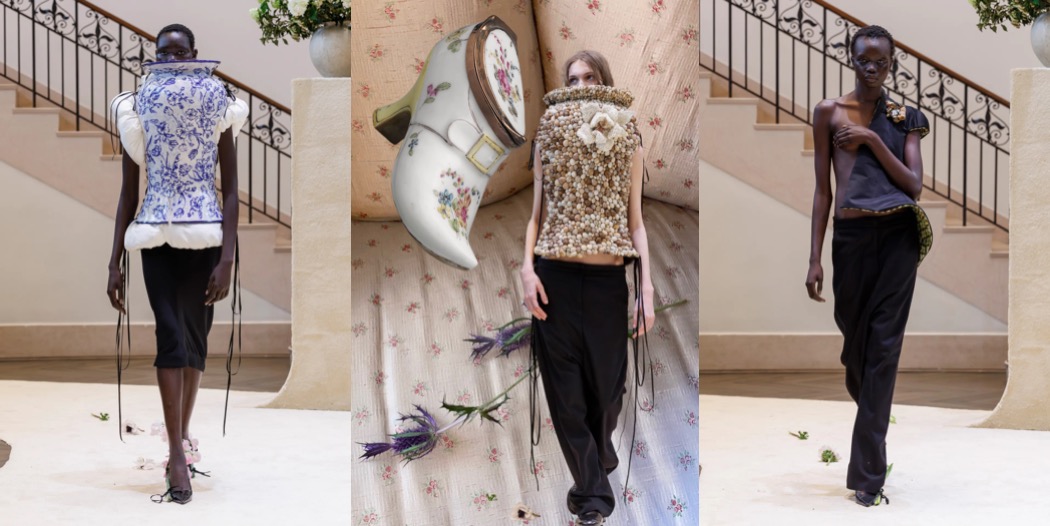
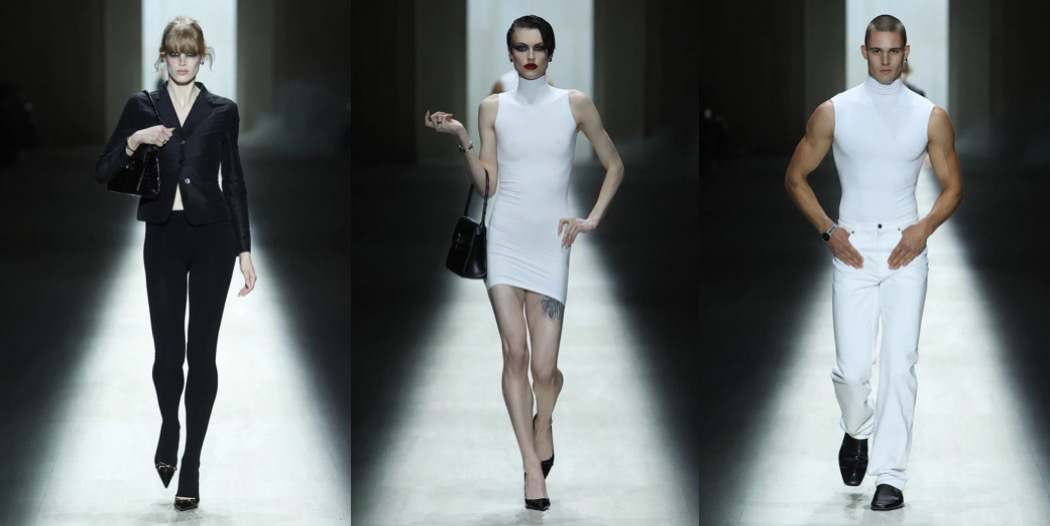
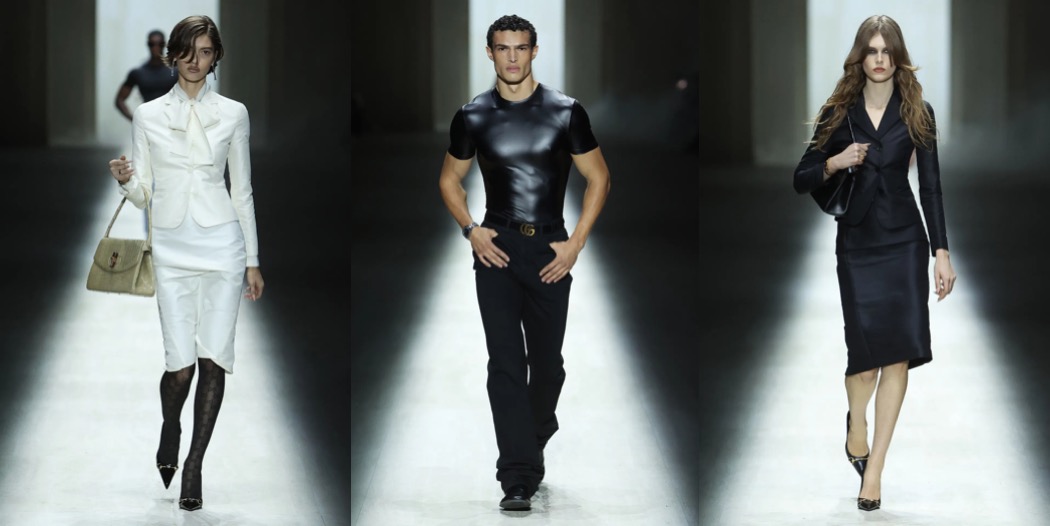
Everything about Demna’s Gucci runway debut made me feel nauseous. The monumental, neo-classicist venue designed by Sub.Global felt deeply discomforting to me – it immediately evoked Mussolini-era architecture, the kind that asserted power and signaled the omnipresence of a totalitarian regime. Playing with such tropes simply doesn’t sit right, especially in the context of figures like Giorgia Meloni shaping current politics. I was genuinely surprised that nobody else said this out loud. But then again, I suppose it’s easy to turn a blind eye when it’s convenient.

And what about the clothes? To me, they suggest that Demna – a designer I truly admired during his Balenciaga years – is at a creative standstill. Or downfall. READ MY FULL REVIEW HERE.
Collage by Edward Kanarecki.
Don’t forget to follow Design & Culture by Ed on Instagram.

Hey, did you know about my newsletter – Ed’s Dispatch? Click here to subscribe.
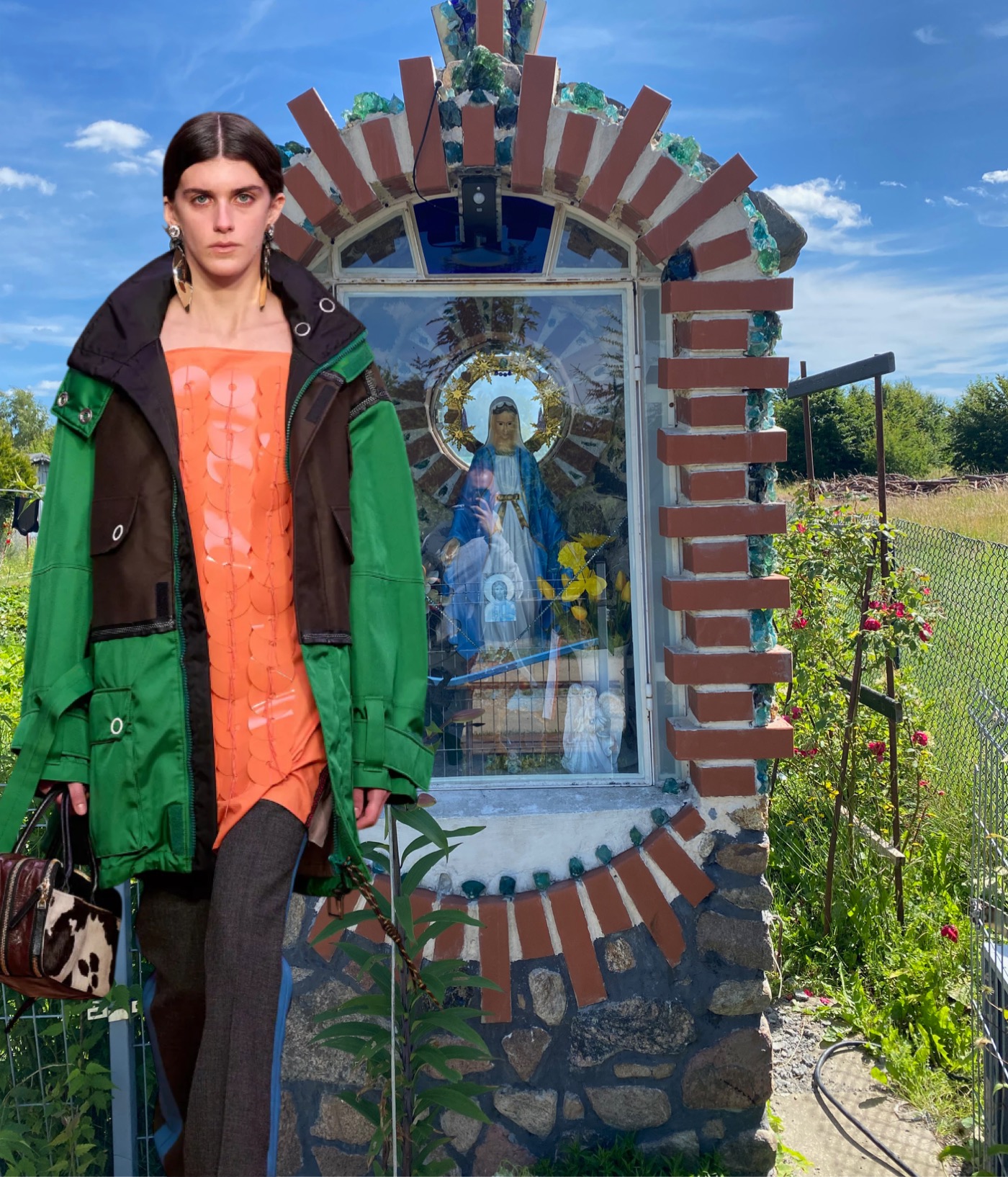
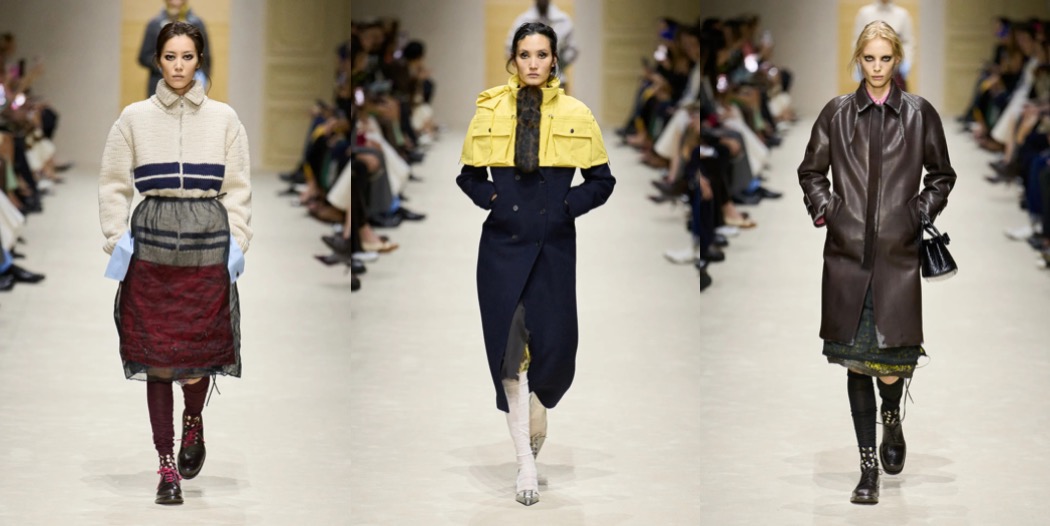
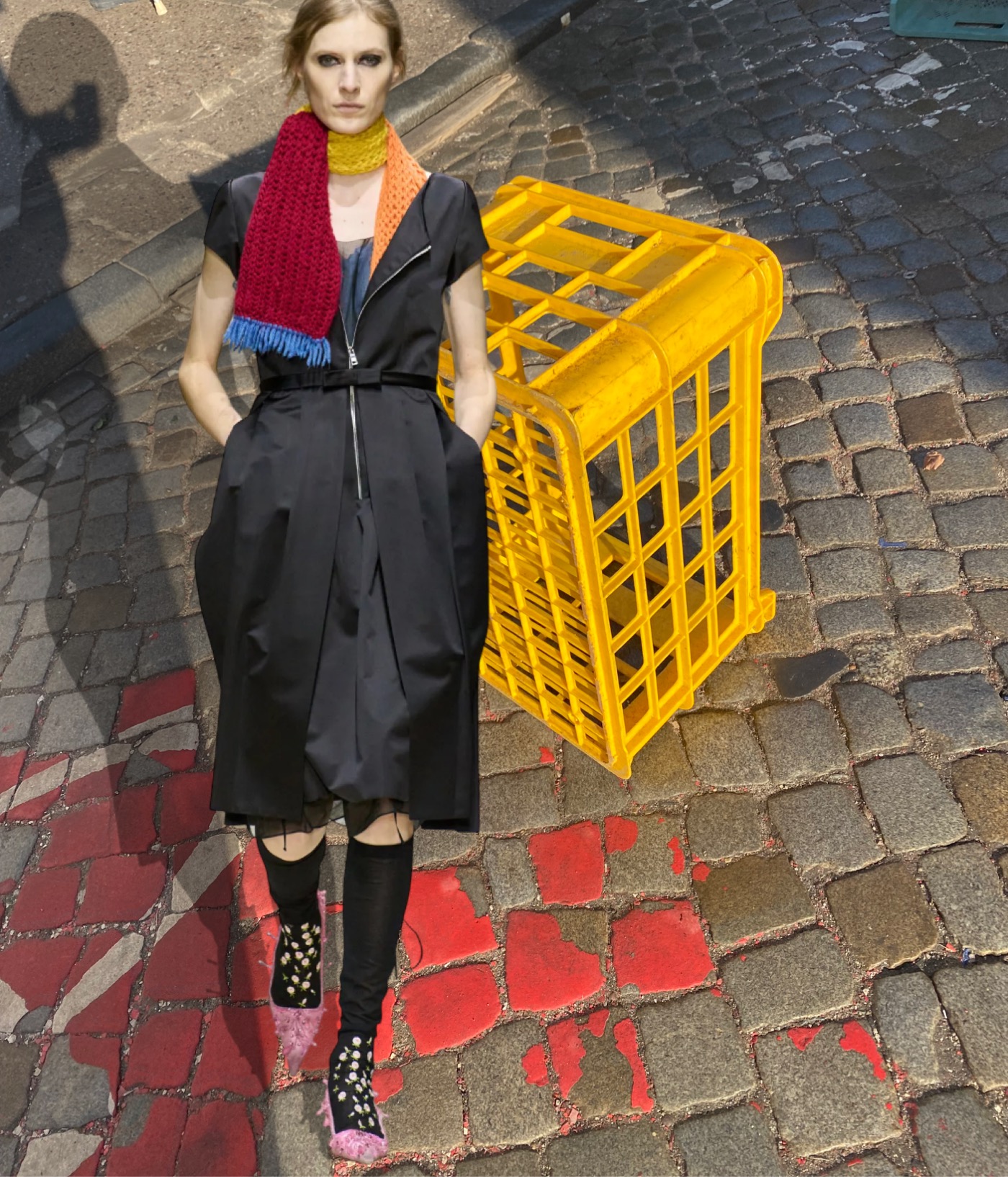
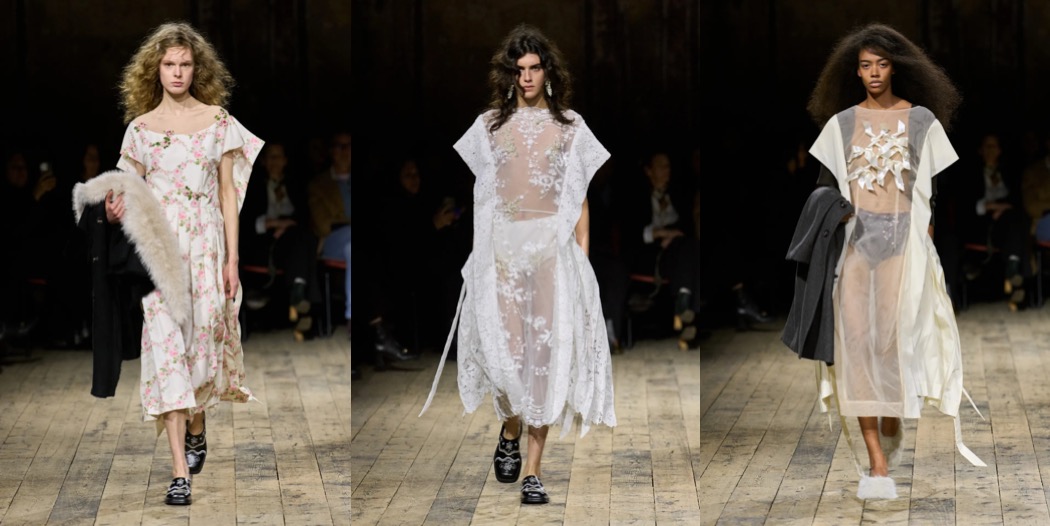
Lost Sister. Marni AW26

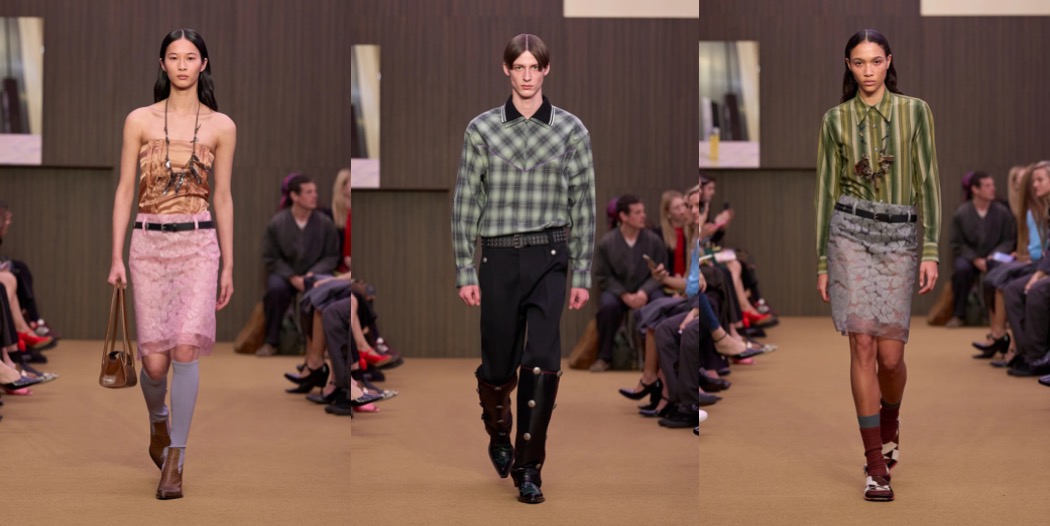
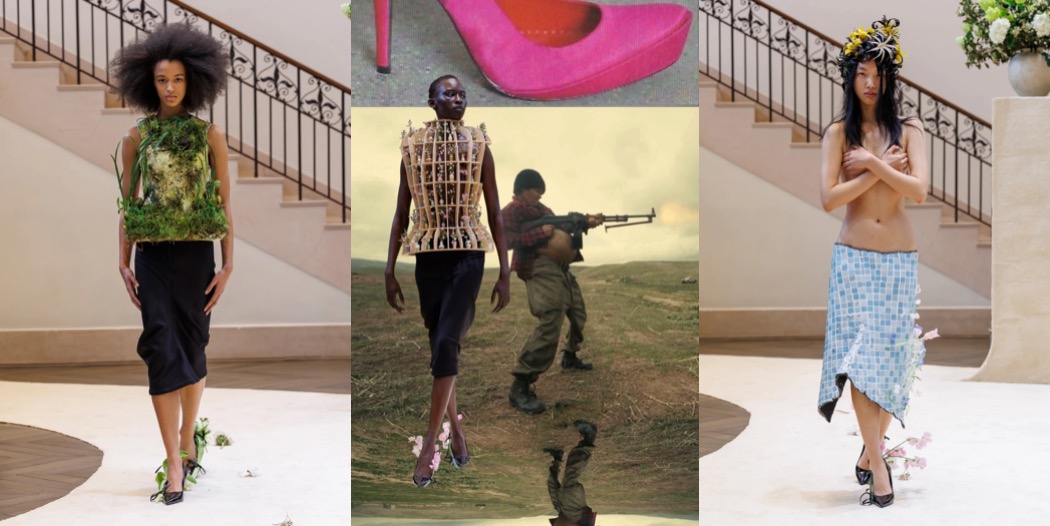
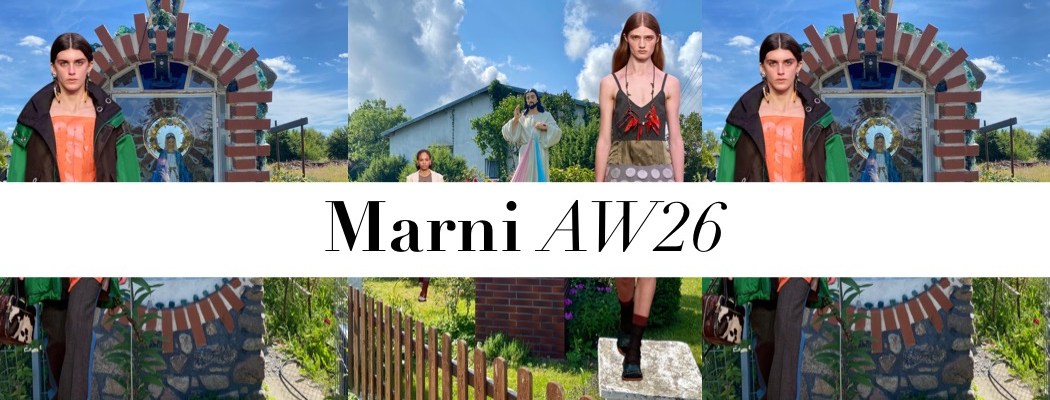
Marni, founded by Consuelo Castiglioni in 1994, immediately resonated with women from different walks of life – gallerists, buyers, chefs. Yet critics and the broader fashion establishment often dismissed it as derivative of Prada: a kind of lost Miu Miu sister, but without the family lineage. As a result, it was rarely taken seriously as “major” fashion.

When Francesco Risso took over the brand about a decade ago, he transformed it into something closer to an art school experiment – at times strikingly on point, at others completely missing the mark with over-intellectualized gestures. Now it is Meryll Rogge’s turn to redefine Marni.

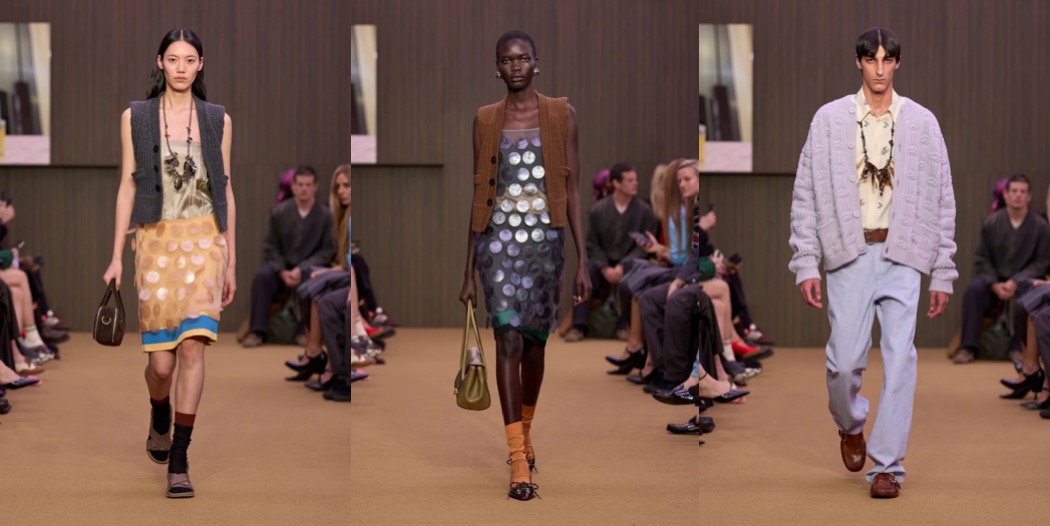
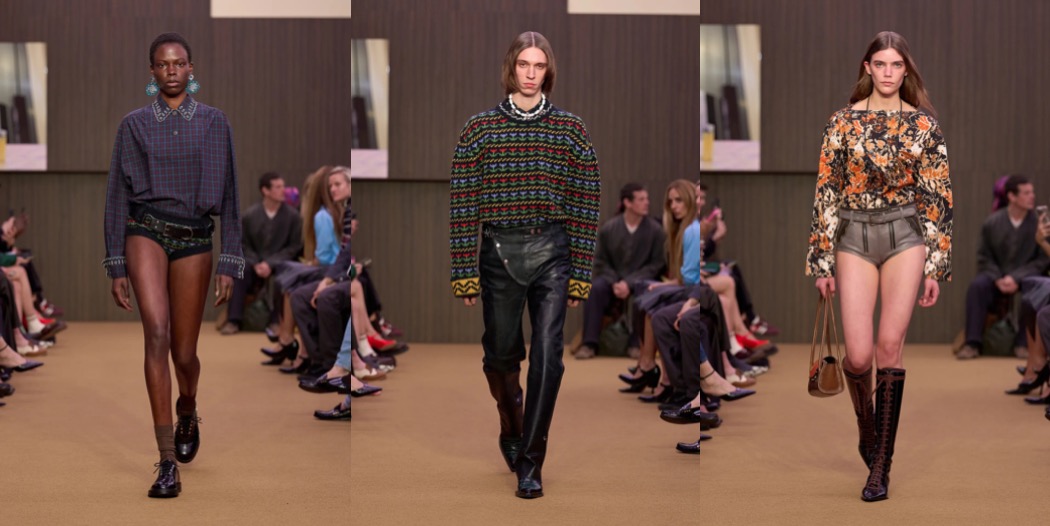
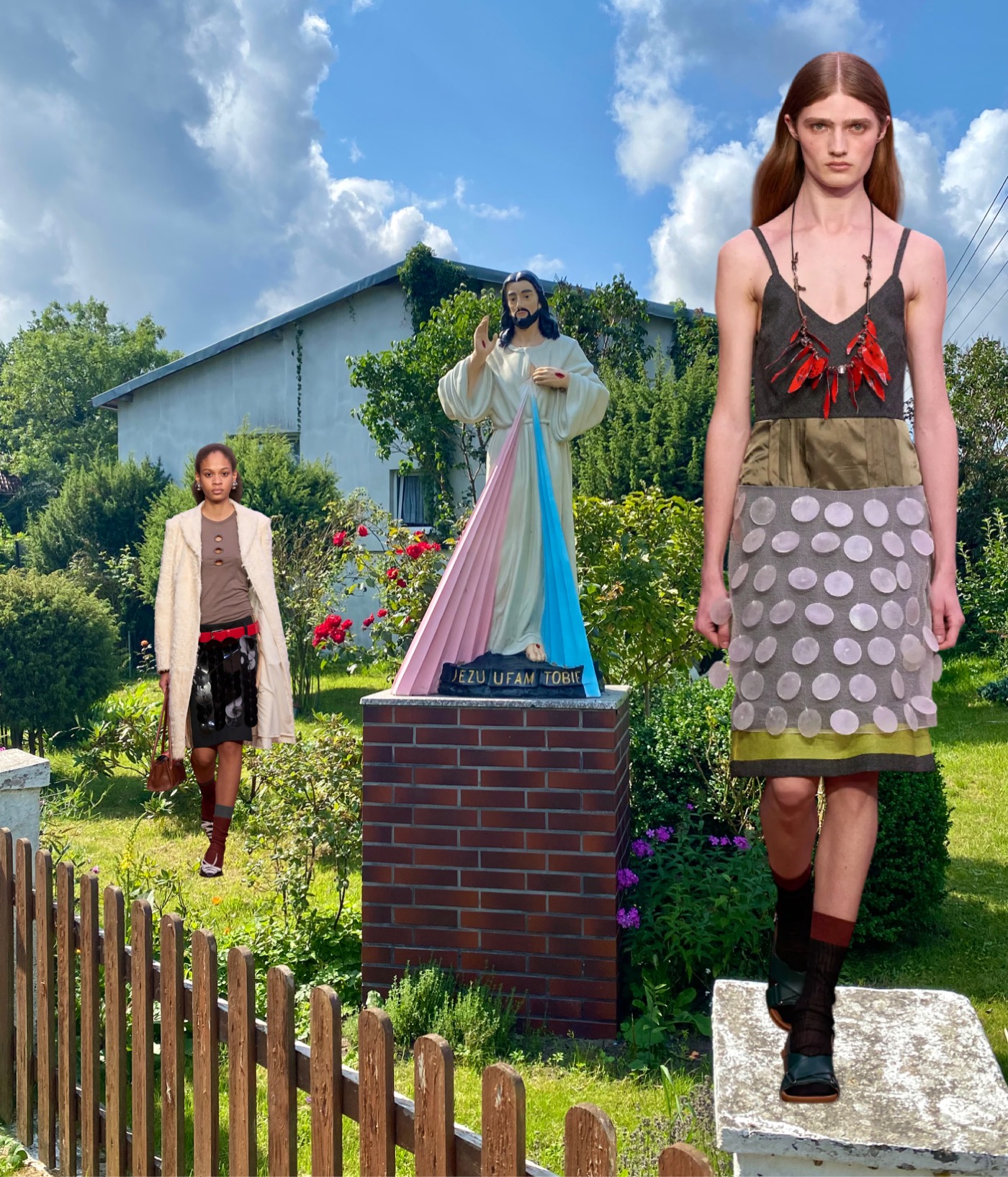
At her own eponymous label, Meryll cultivates a certain kooky, cluttered aesthetic that, on paper, seems perfectly suited to the Marni universe. Her debut felt almost expected – much closer to the brand’s 2000s image than to its more recent iterations. Which is why staging her show on the same day as Prada felt particularly unfortunate. It was Miuccia’s playbook all over again: socks with sandals, oversized paillettes on skirts, quirky, retro-tinged necklaces – only without the socio-political subtext humming in the background.

There are plenty of designers working in a kind of faux-Prada mode – from Henry Zankov to N21’s Alessandro Dell’Acqua – and Rogge’s Marni seems to fall into that same category. But perhaps that is precisely the point?

Collage by Edward Kanarecki.
Don’t forget to follow Design & Culture by Ed on Instagram.

Hey, did you know about my newsletter – Ed’s Dispatch? Click here to subscribe.
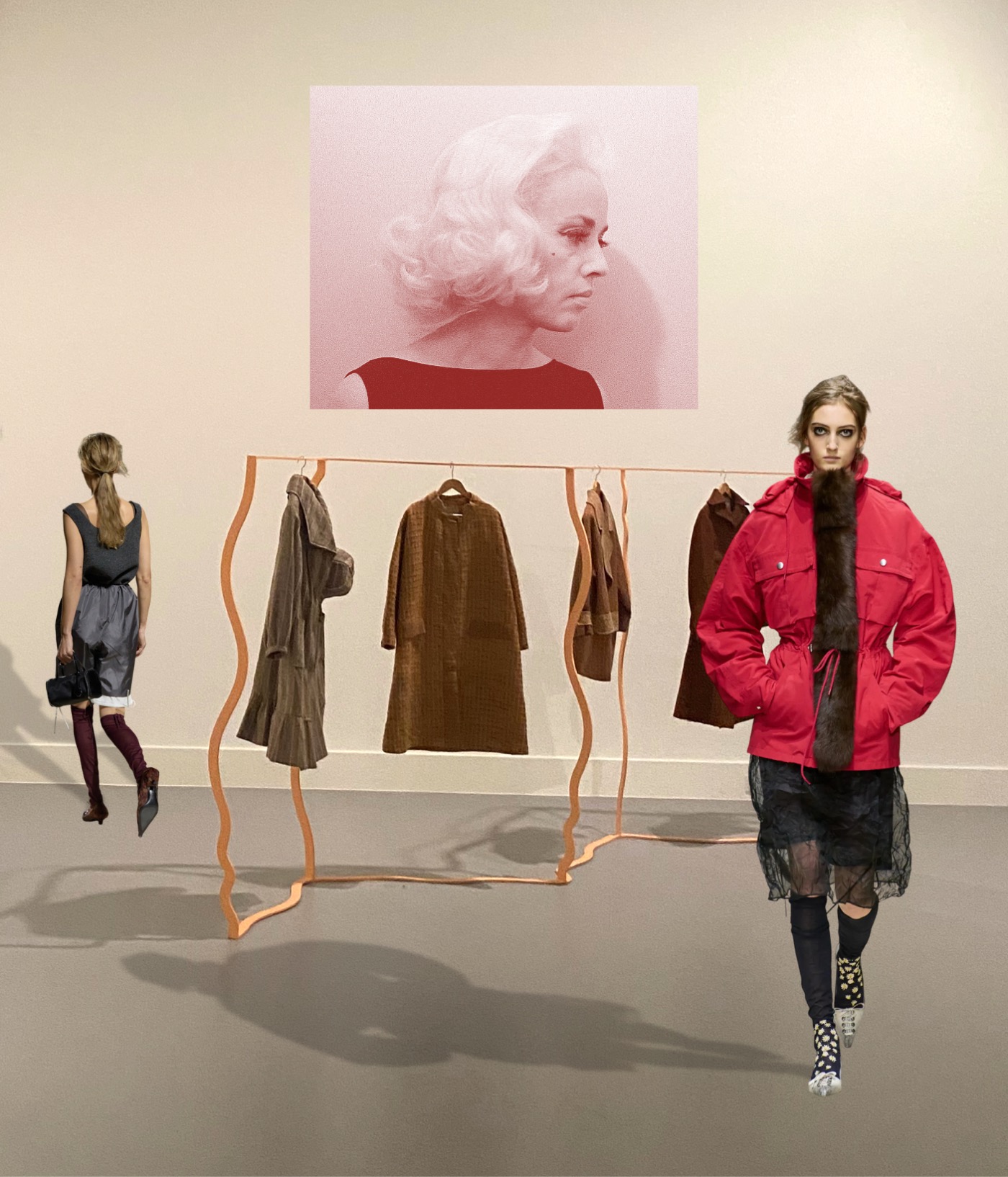
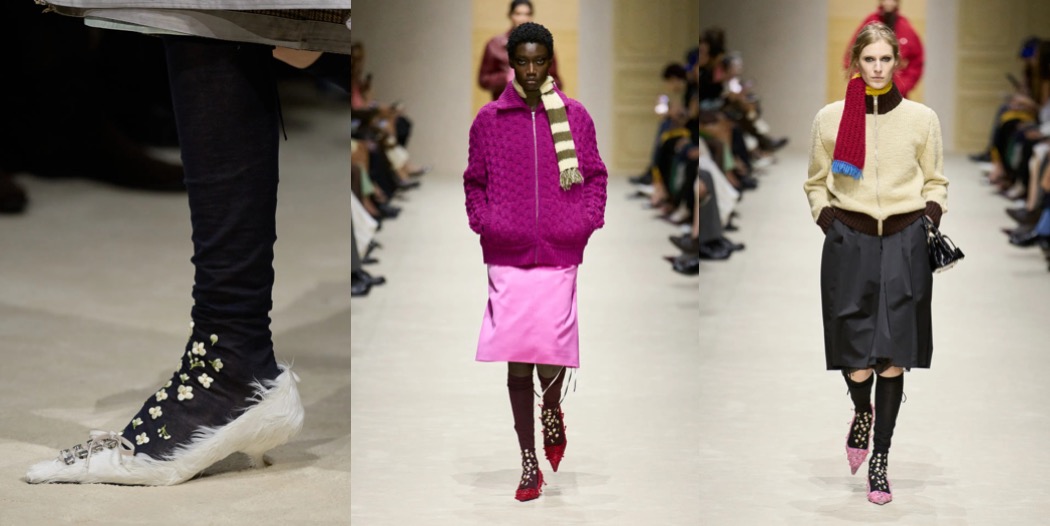
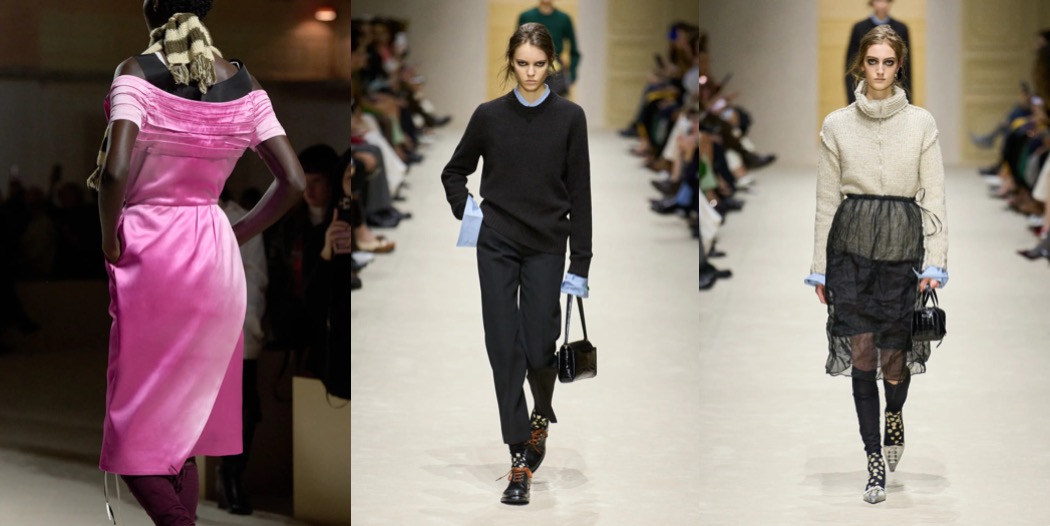
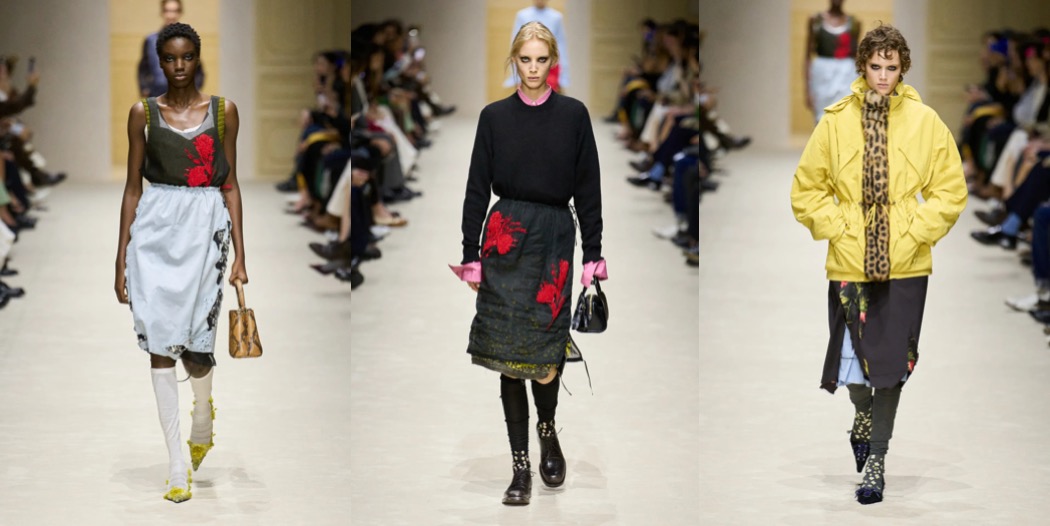
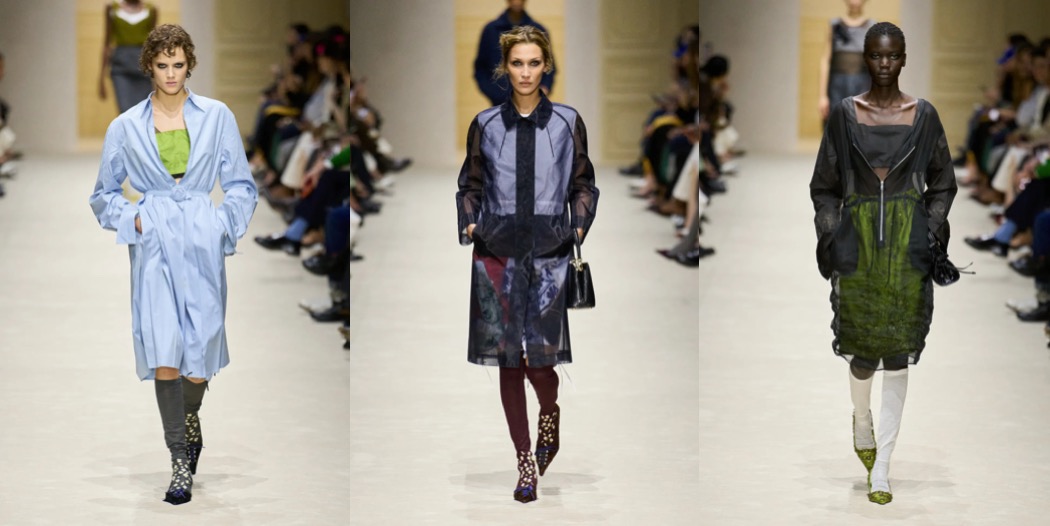
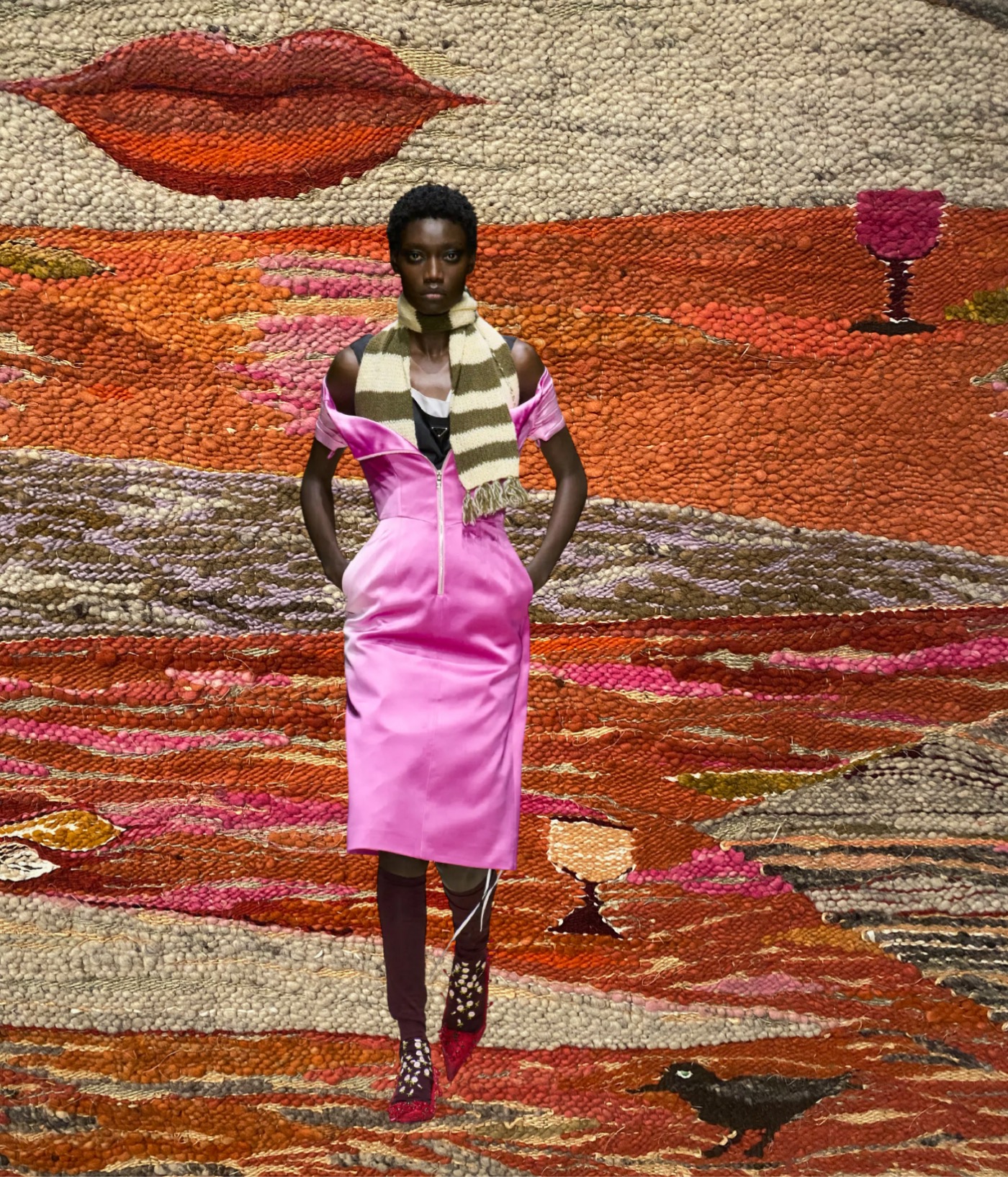
Layers. Prada AW26

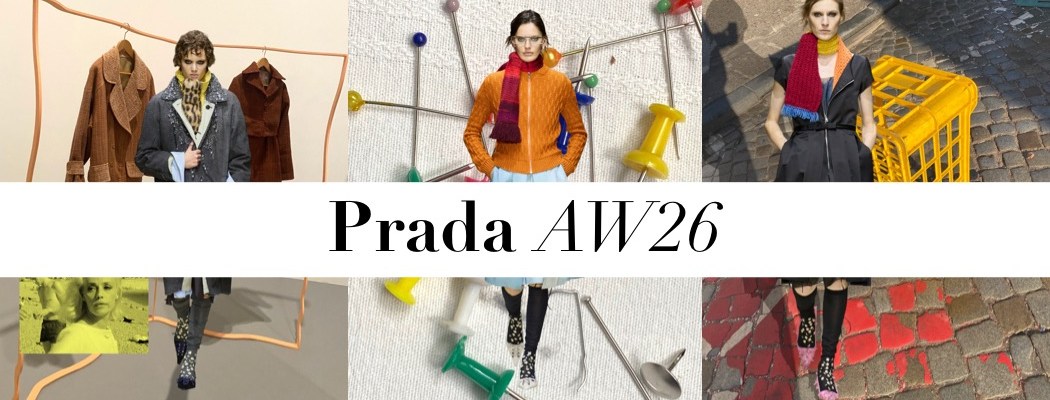
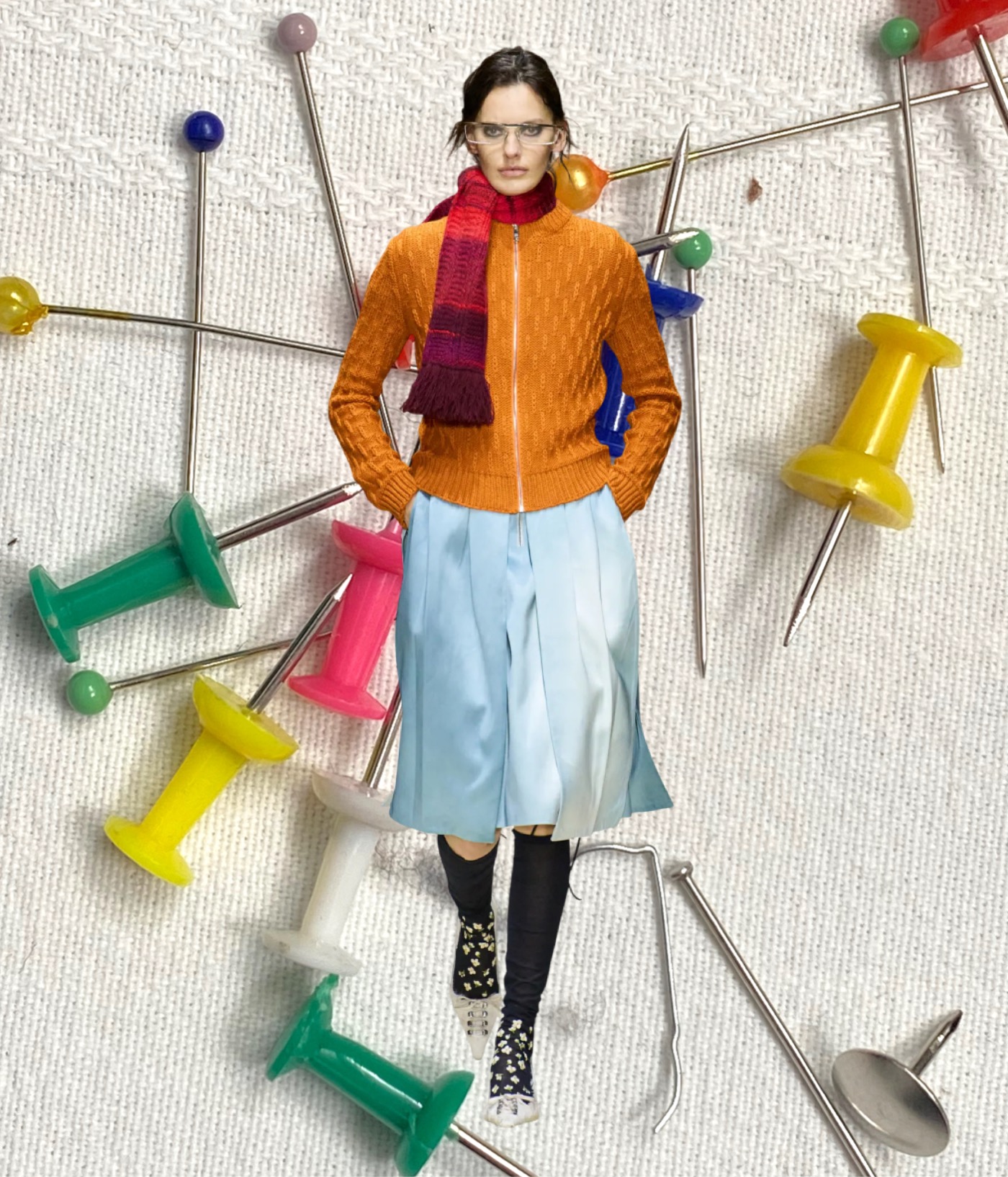
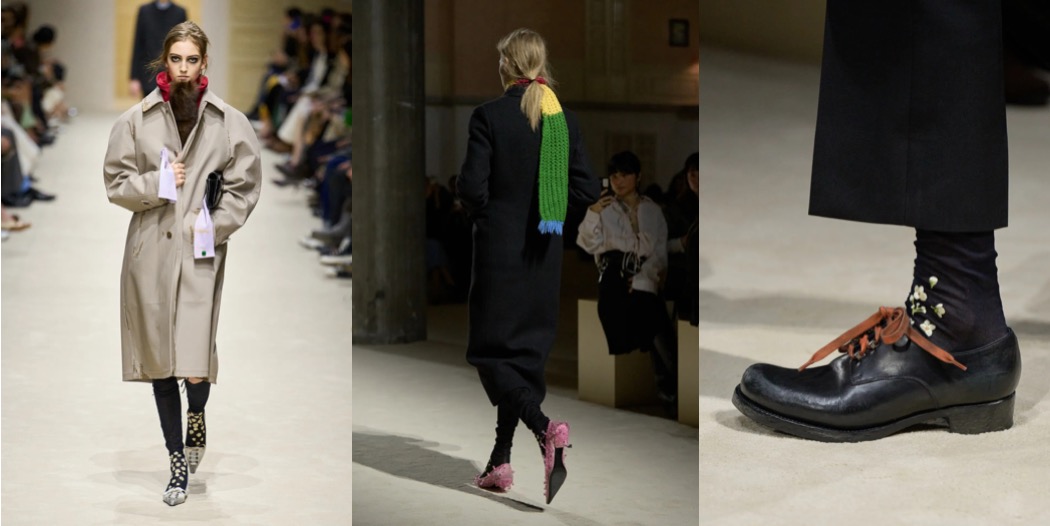
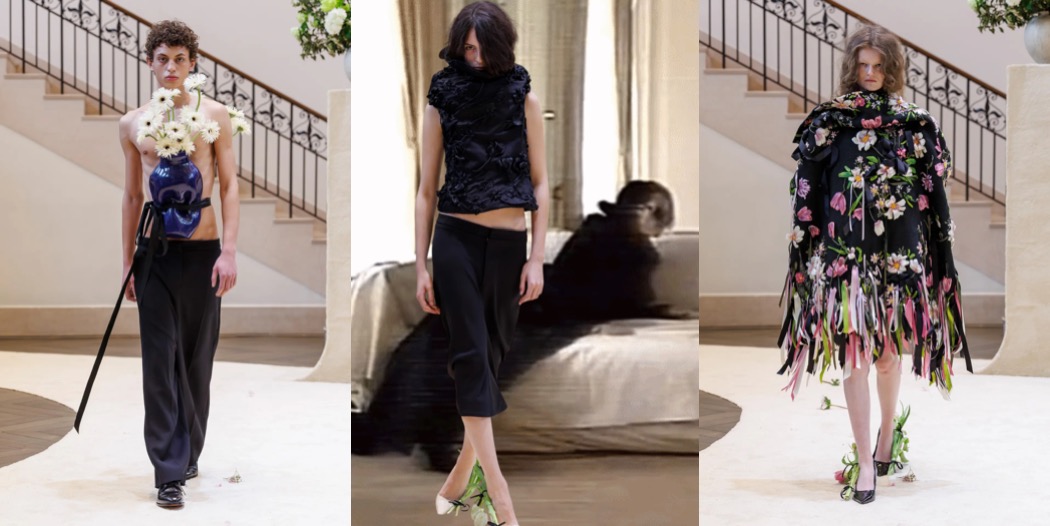
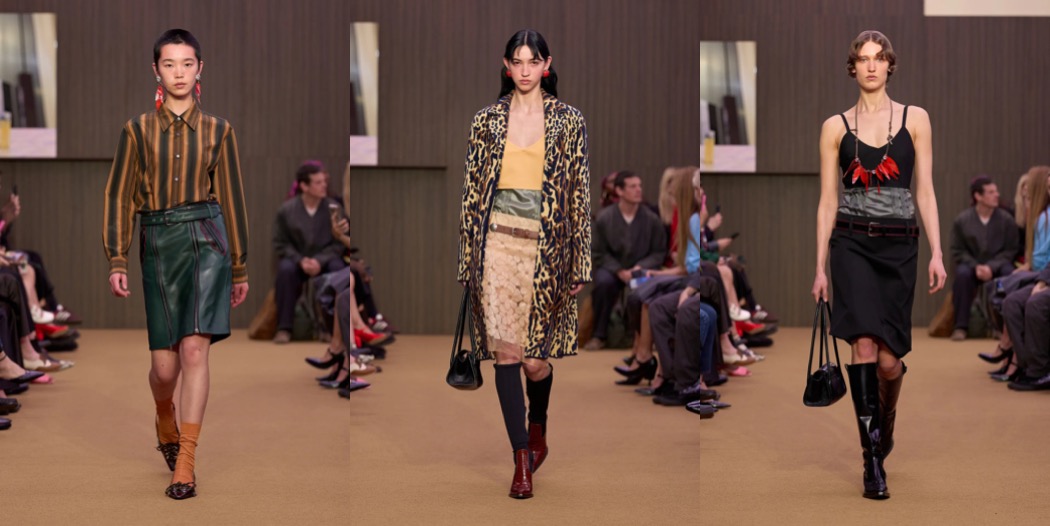
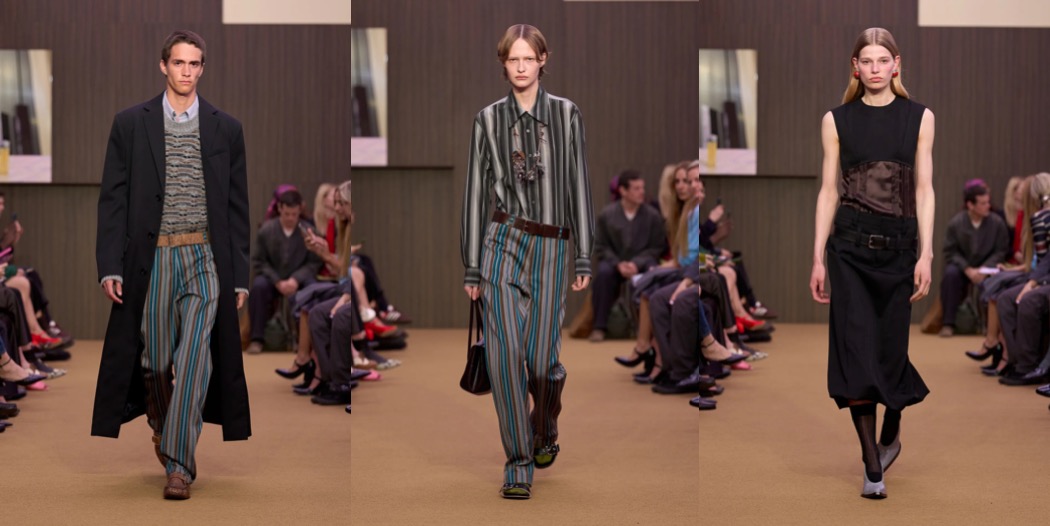
During the last season – the so-called “season of debuts” – I found myself wondering whether fashion is truly committed to the pursuit of the new if not a single designer even vaguely attempts to challenge the format of the fashion show. Finally, that changed at yesterday’s show by Prada in Milan, where Miuccia Prada and Raf Simons proved that the runway can, indeed, be reimagined. READ MY FULL REVIEW HERE.

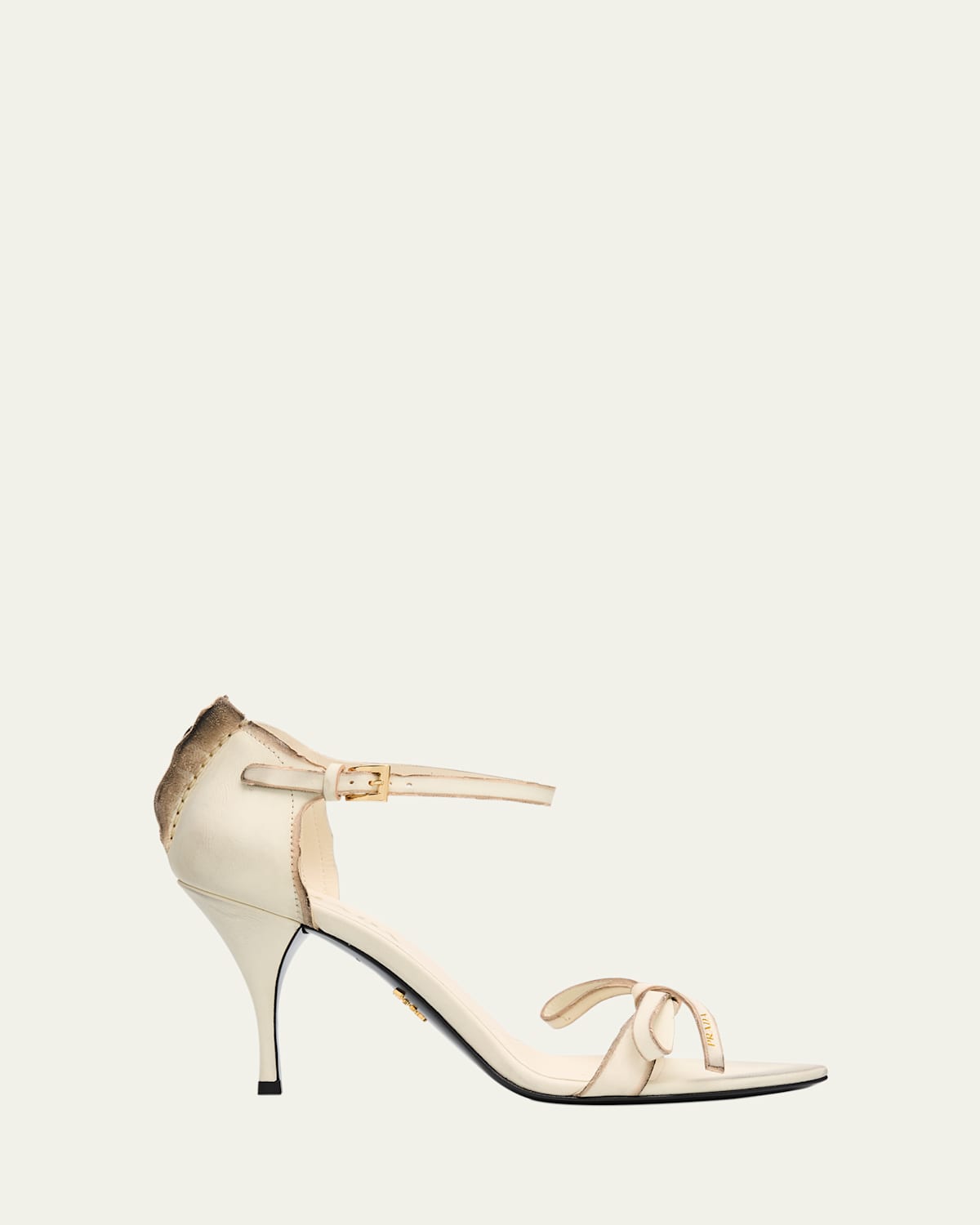
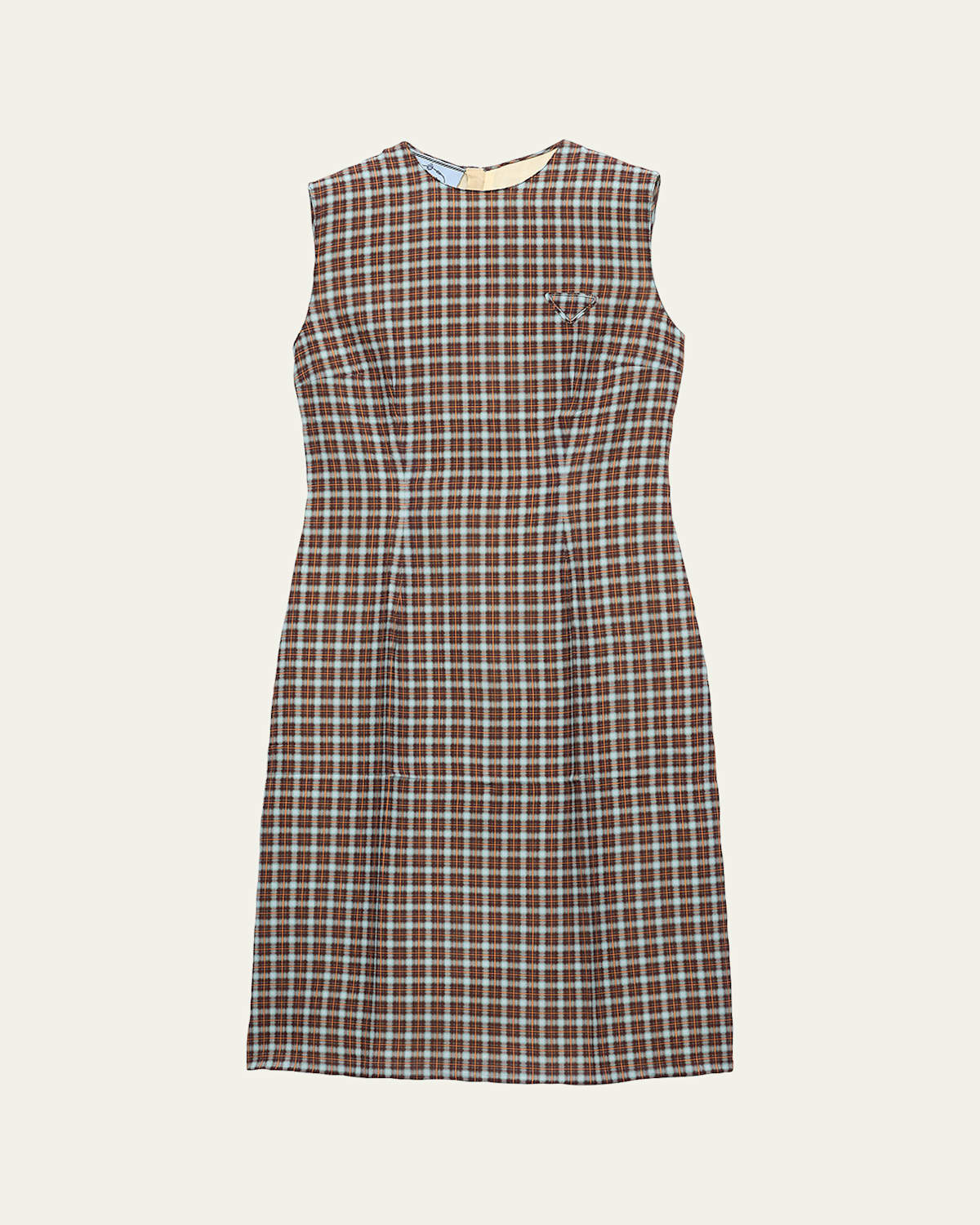
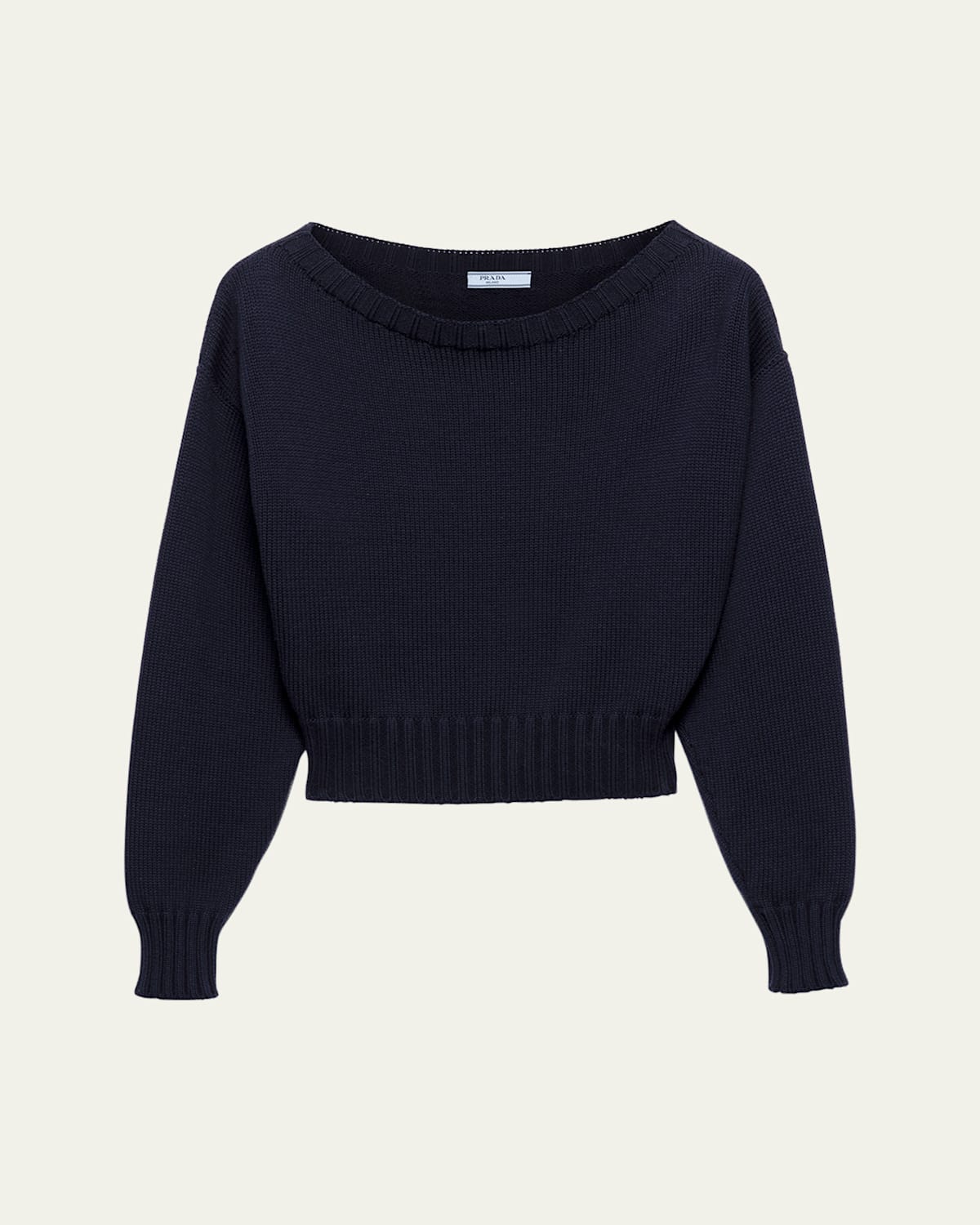
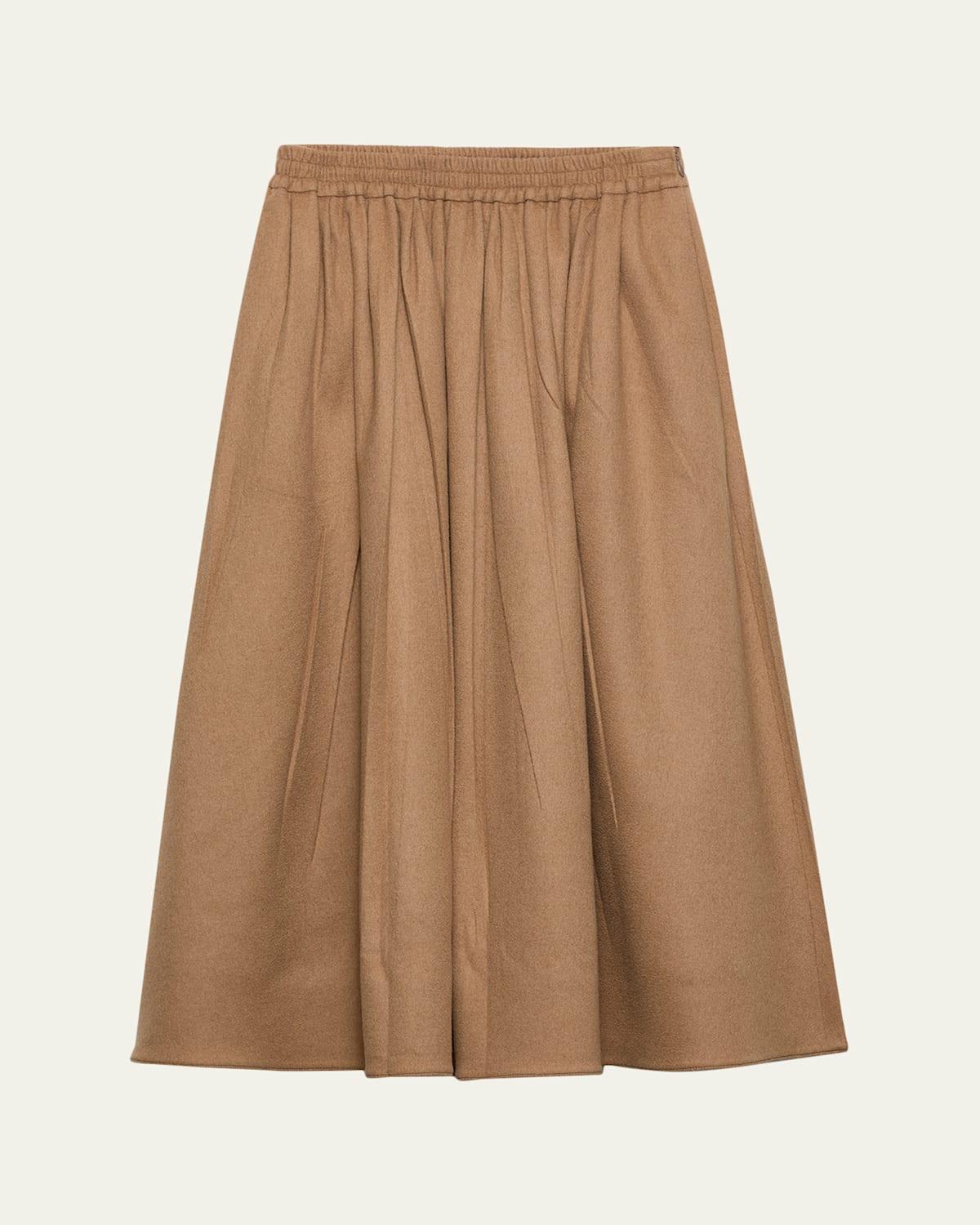
ED’s SELECTION:


Prada Eyewear Square-frame Silver-tone Optical Glasses


Prada Distressed Leather Bow Sandals


Prada Check Georgette Sleeveless Midi Dress


Prada Boat Neck Knit Balloon Sweater


Prada Camel Wool Circle Midi Skirt

Collage by Edward Kanarecki.
Don’t forget to follow Design & Culture by Ed on Instagram.

Hey, did you know about my newsletter – Ed’s Dispatch? Click here to subscribe.
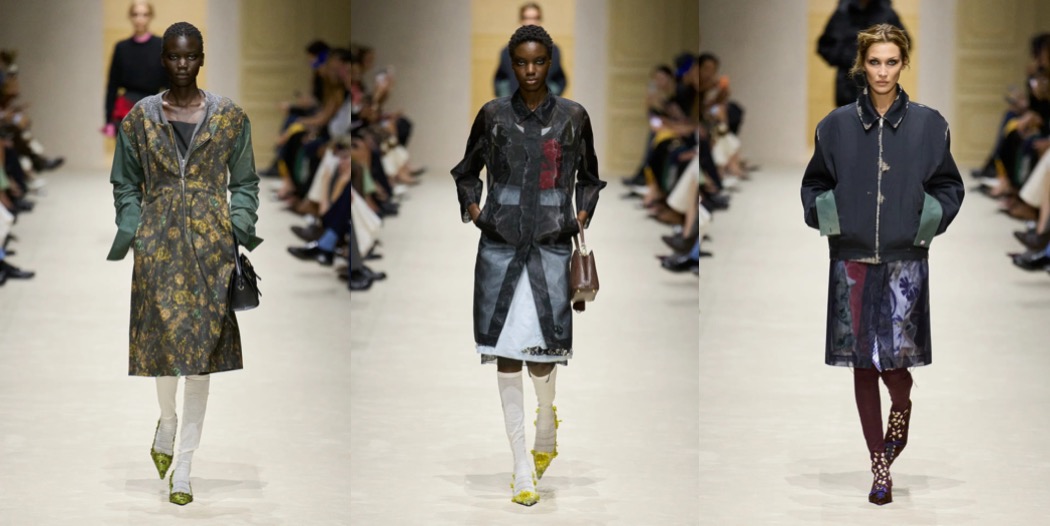
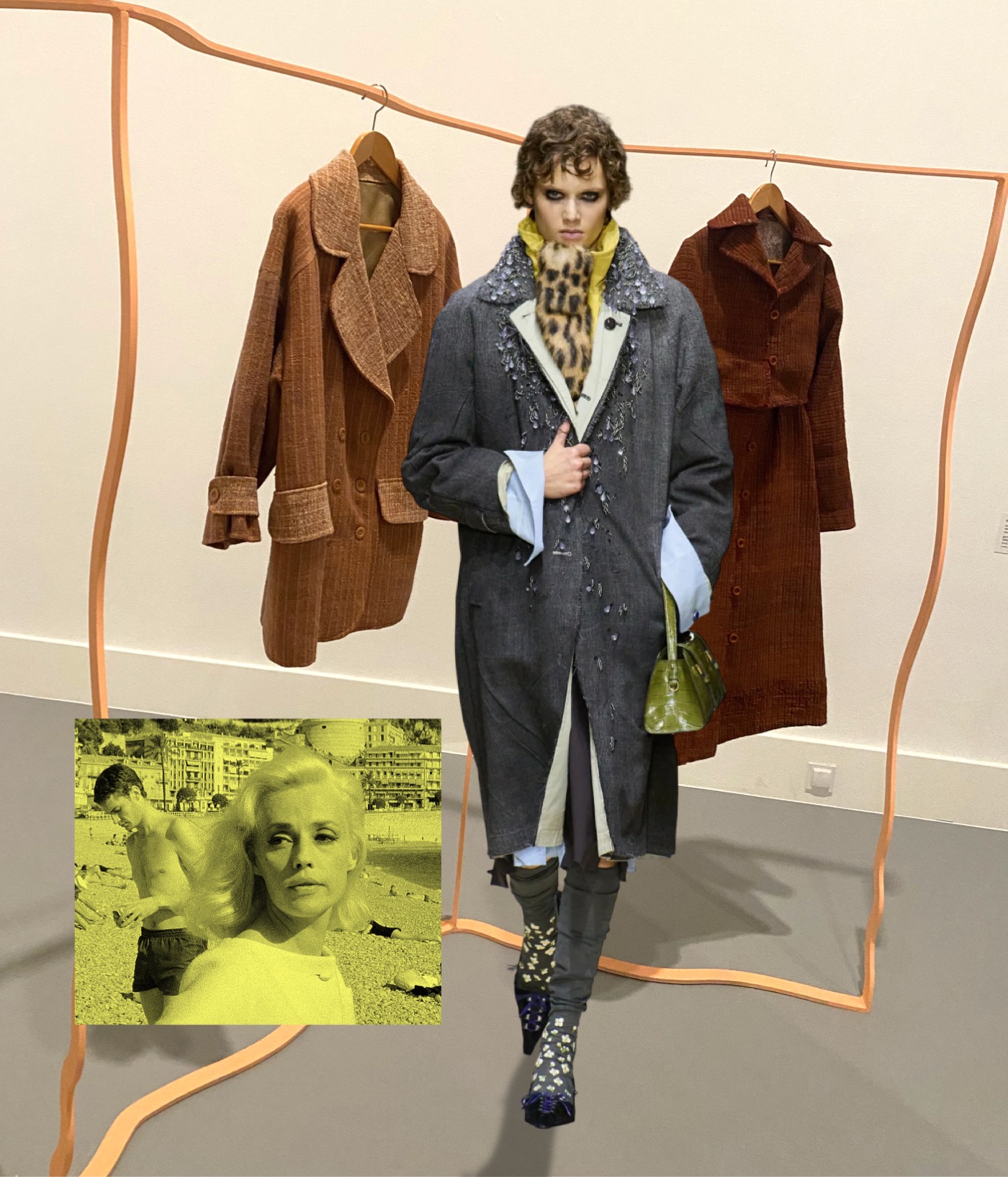
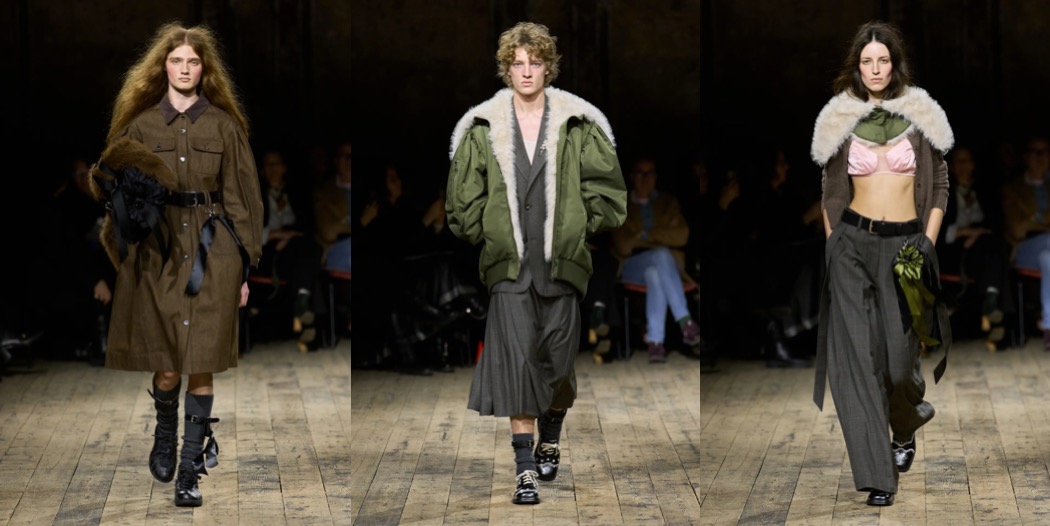
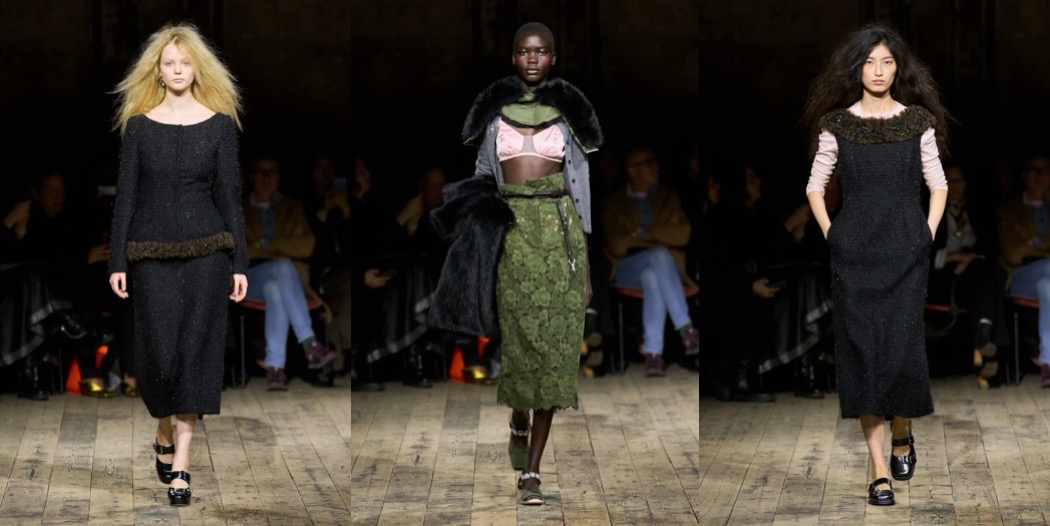
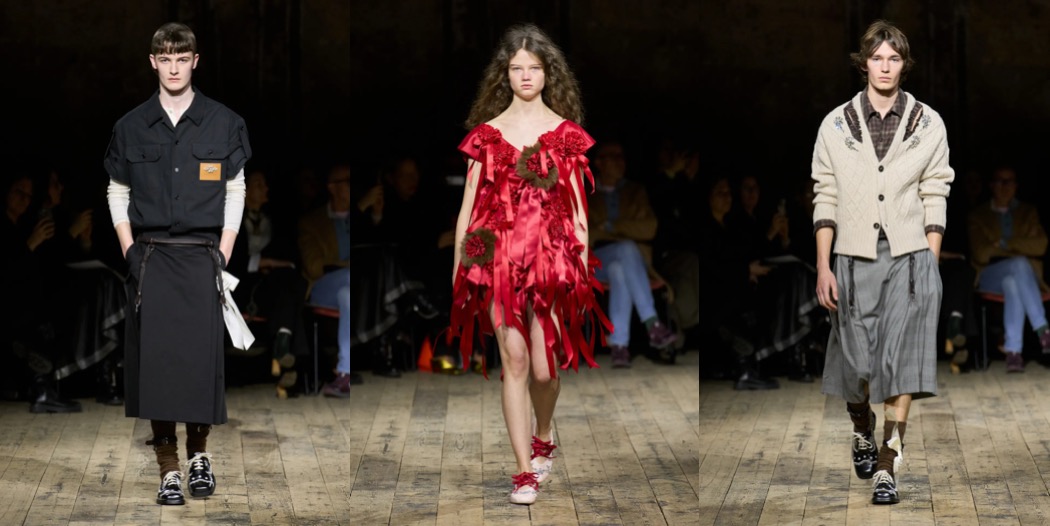
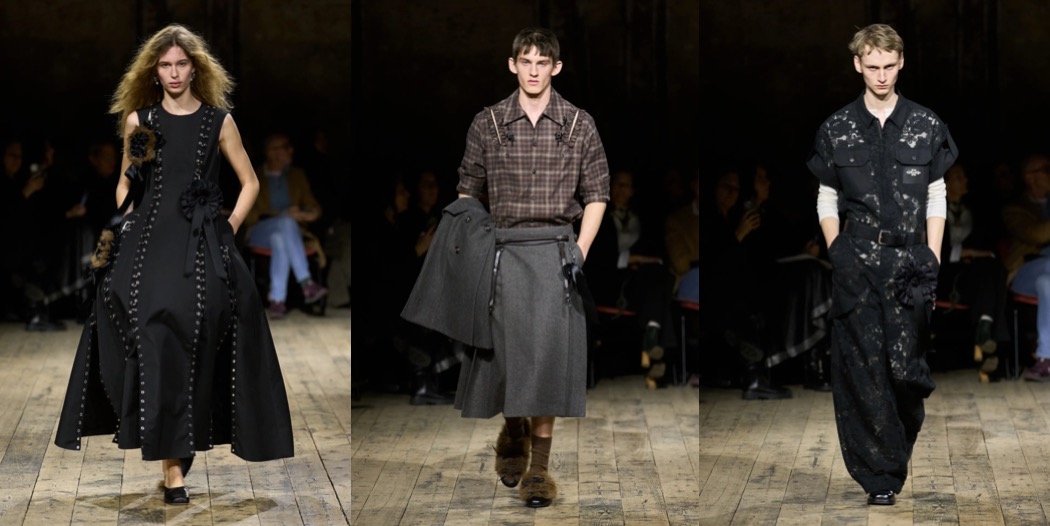
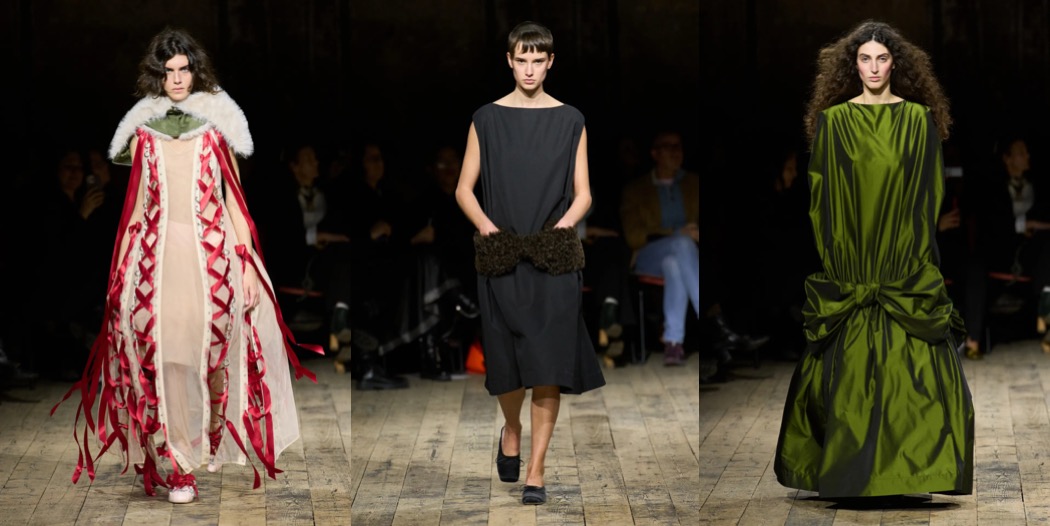
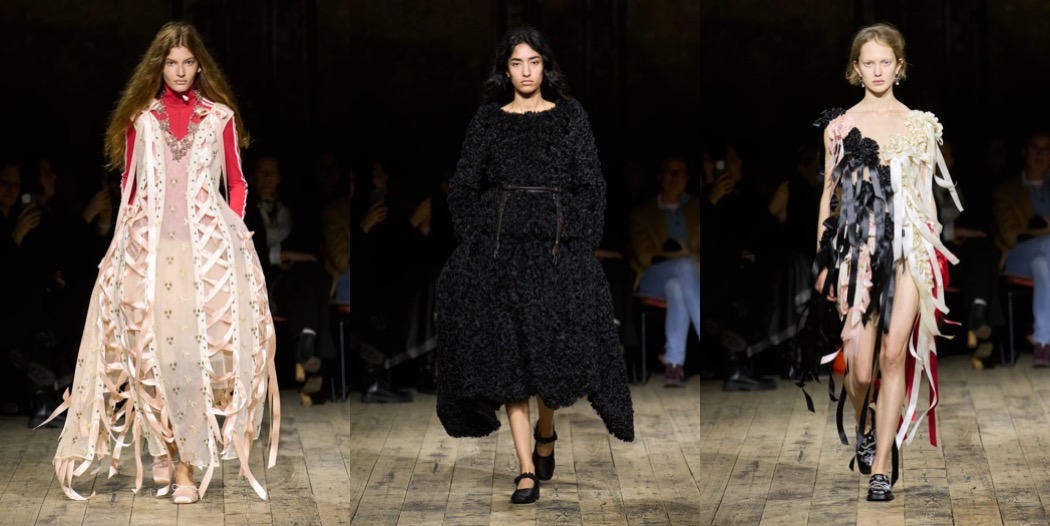
Thorny. Simone Rocha AW26

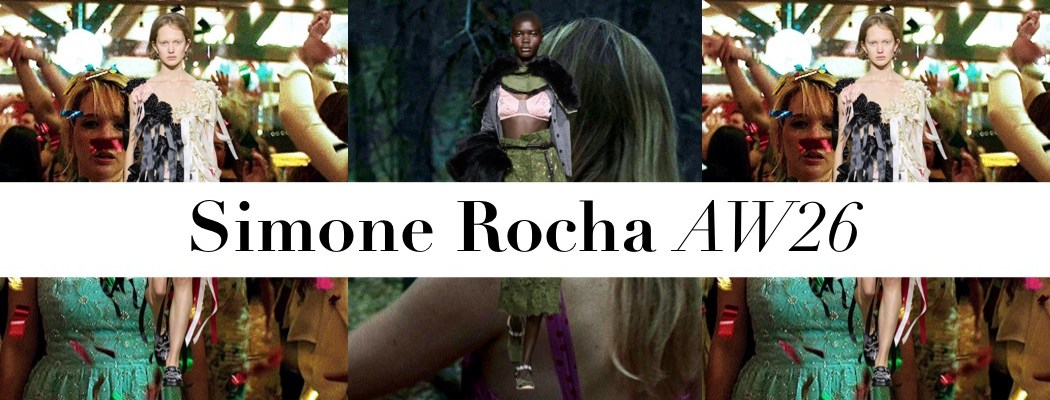
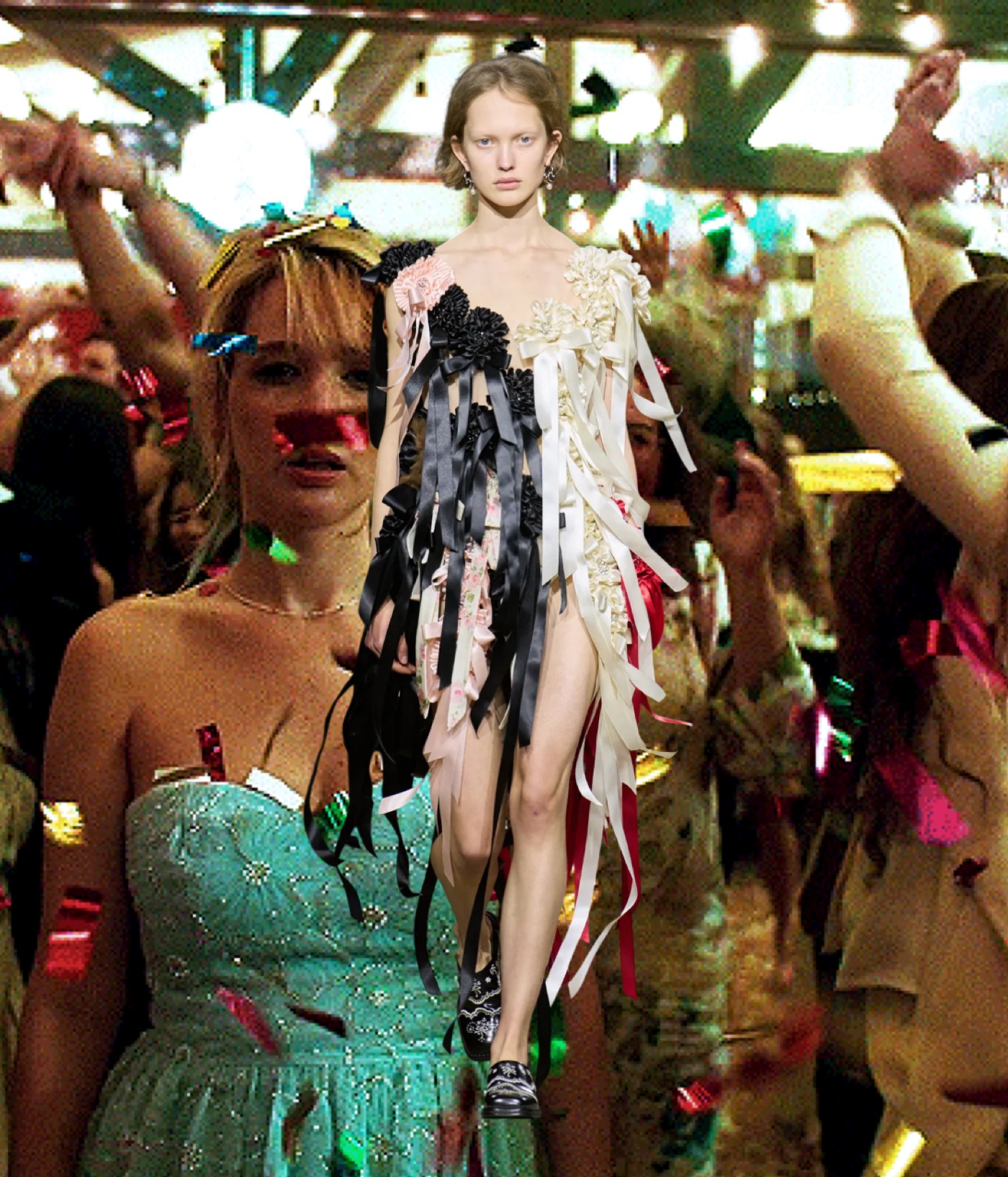
The woman on Simone Rocha’s mind this season is someone who has truly lived. She has pushed through thorny rose bushes, crossed rain-soaked moors, and ridden a horse or two – beginning with Enbarr, the all-white horse of Irish mythology, the only means of reaching Tír na nÓg, the land of eternal youth. Yet Rocha’s protagonist does not dwell on the windswept pages of “Wuthering Heights“; she is far more grounded in reality than one might expect. Hence the variations of the MA-1 jacket in olive nylon, layered over rosette- and ribbon-trimmed dresses. A harness-evoking crinoline functions as armour, while the red tracksuit from the Adidas collaboration becomes a kind of modern hauberk. The collection’s “pretty” flourishes, set against a shaggy, almost animalistic roughness, imbue Rocha’s proposition with palpable tension and intrigue. Her signature of sorts.

Collage by Edward Kanarecki.
Don’t forget to follow Design & Culture by Ed on Instagram.

Hey, did you know about my newsletter – Ed’s Dispatch? Click here to subscribe.
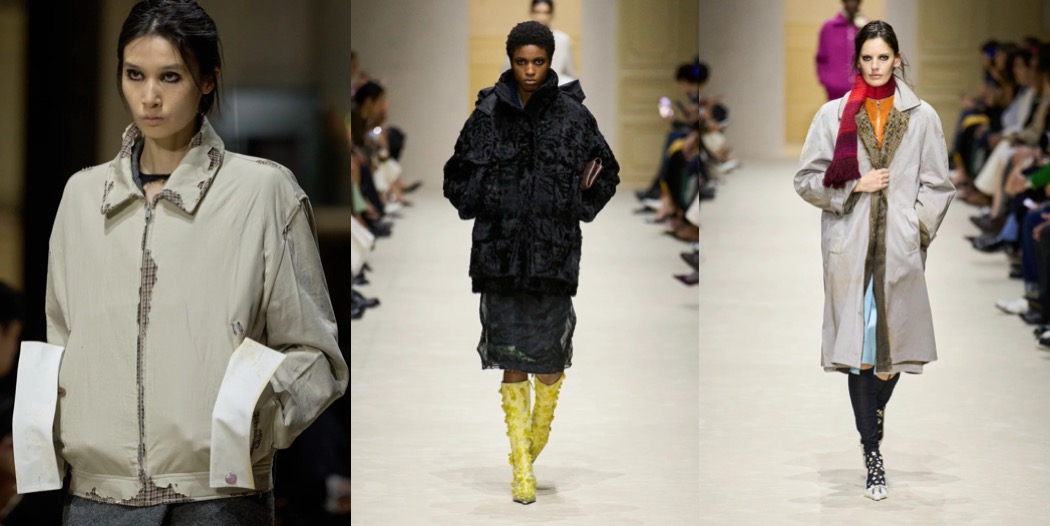
The Narcissist. THEVXLLEY AW26

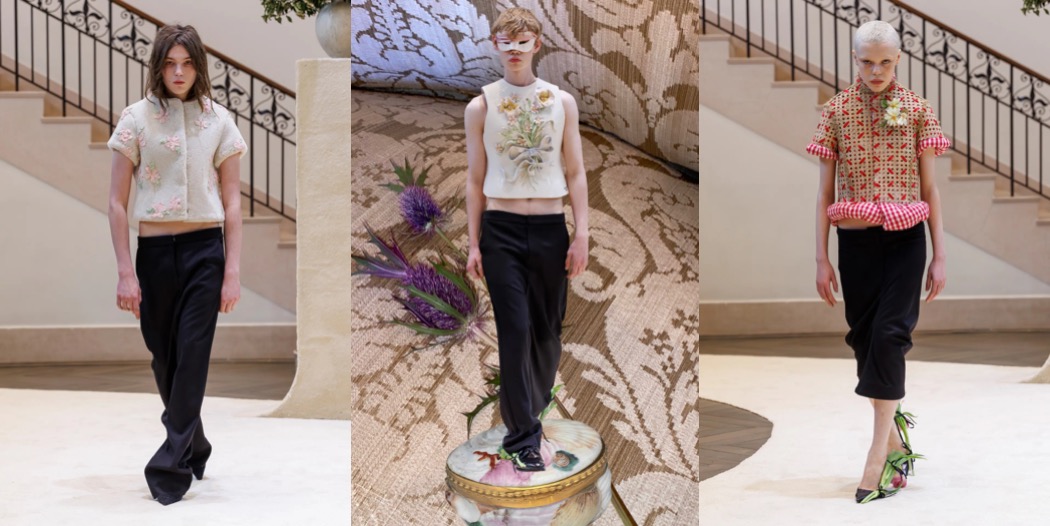
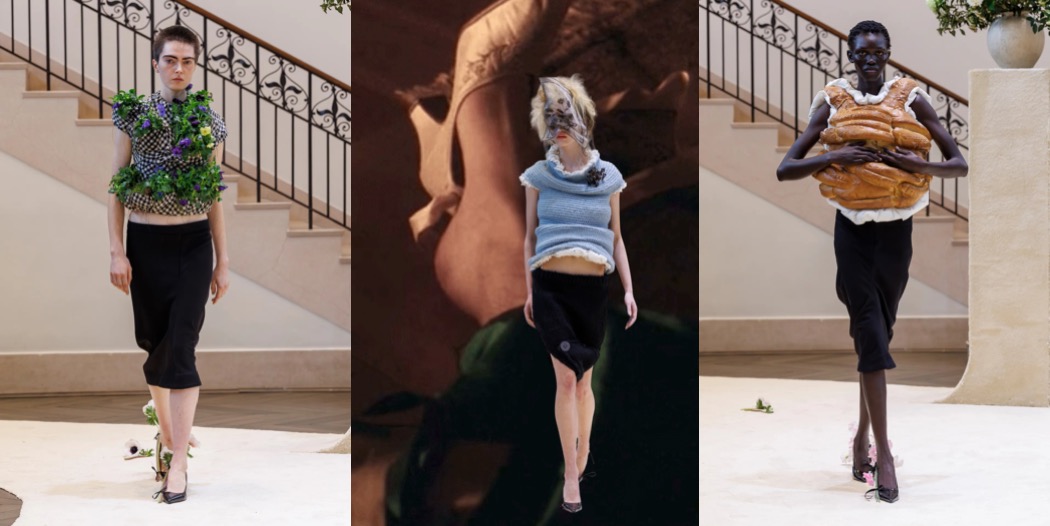
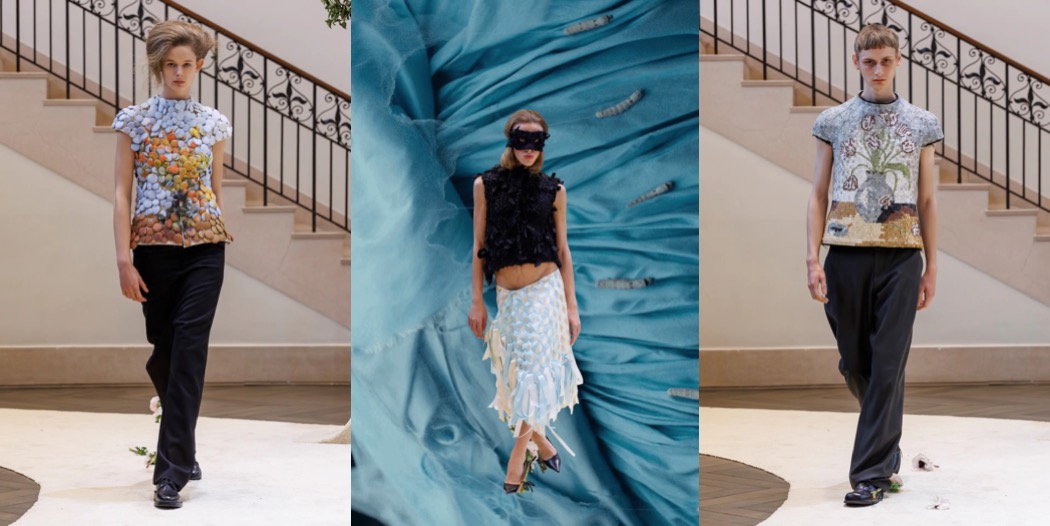
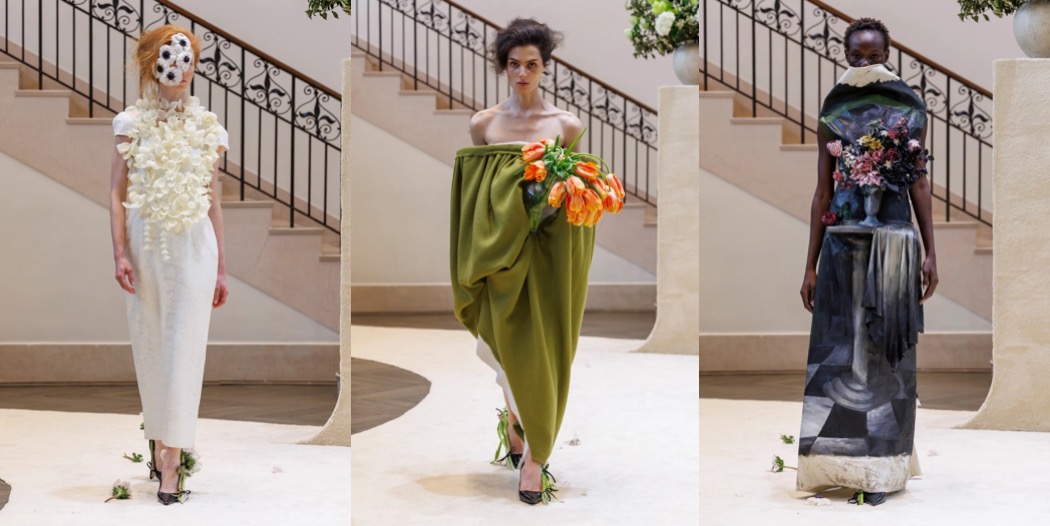
Creatives like Daniel Del Valle remind us why London Fashion Week – even at its weakest – still matters. The 2026 LVMH Prize semi-finalist and founder of THEVXLLEY does not call himself a designer, nor does he classify his brainchild as a fashion brand in the traditional sense. His latest work, “The Narcissist”, is a collection of wearable art that has been three years in the making.
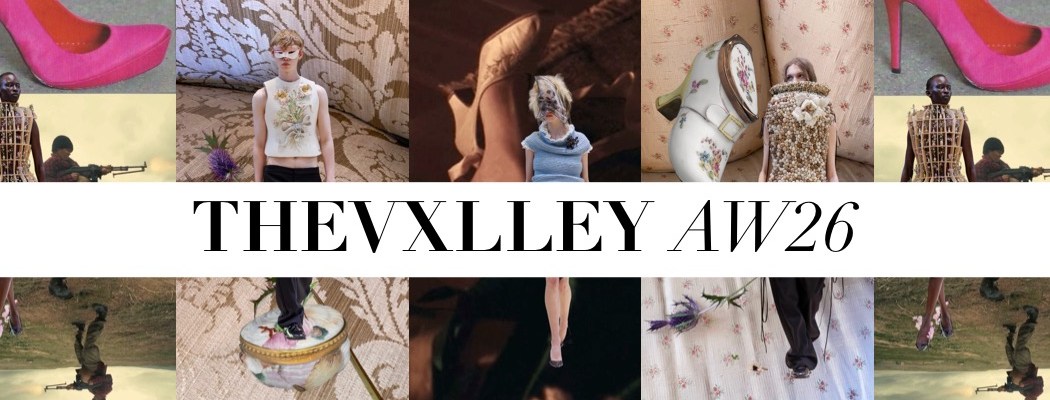
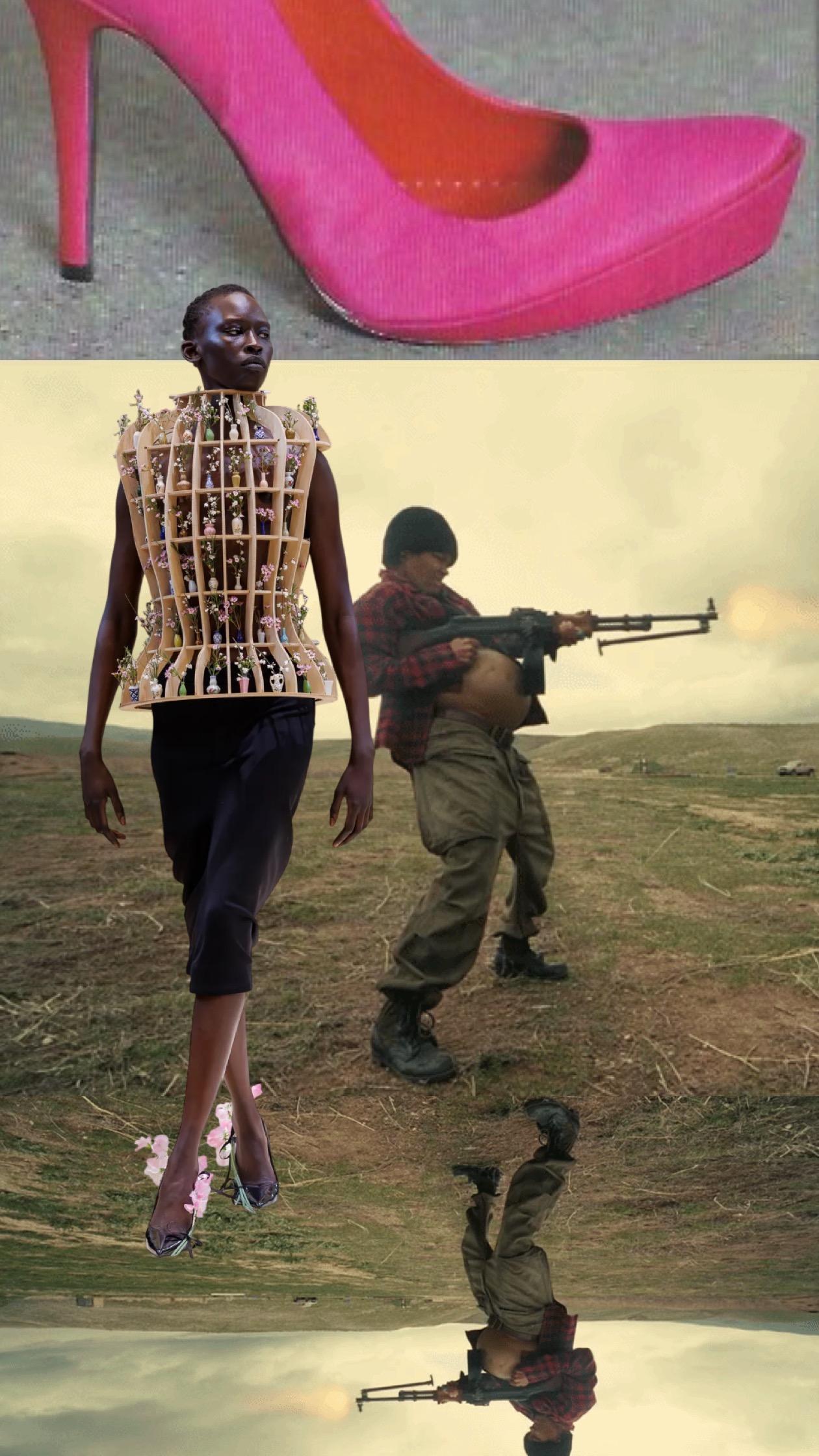
A former florist, Del Valle drew on the world of fleeting beauty to create body-morphing garments: monumental porcelain vases were transformed into bodices; delicate cropped sweaters and tops were bound with branches or burst forth with bouquets; an artisanal T-shirt was crafted from a literal mosaic depicting blooming tulips; and a hand-painted dress adorned with ornate orbs evolved into a three-dimensional tableau vivant. When flowers were not integrated into the wearable vases, they shot out from the models’ heels, were strapped to their feet, and trailed behind them in a scatter of petals.

There was something profoundly heart-wrenching about the collection – so fragile, yet so defiant. At a time when everything in London can feel calculated and commercial, THEVXLLEY rekindles the spirit of dreamlike experimentation that defined the great fashion conceptualists of the late 1990s and early 2000s.

Collage by Edward Kanarecki.
Don’t forget to follow Design & Culture by Ed on Instagram.

Hey, did you know about my newsletter – Ed’s Dispatch? Click here to subscribe.