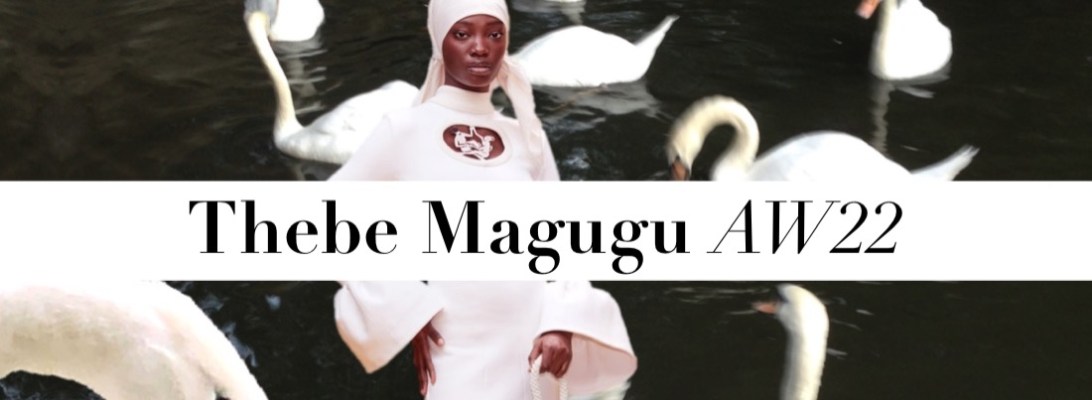
Thebe Meets Alber. AZ Factory AW22

It’s so heart-warming to see that AZ Factory continues to exist and convey its founder’s legacy in fresh and innovative ways. Alber Elbaz had just launched AZ Factory when he succumbed to Covid last April. His vision for his new brand encompasssed body-positivity, sustainability, and tech, but at its heart were the women he hoped to dress. “We’re not here to transform women; we’re here to hug them,” he told Vogue Runway at the time. He had only a few months to establish a new way of doing things at the Richemont-backed company, but a year later the brand is staying true to those founding principles, and then some.

Early last month, as an exhibition of the tribute collection “Love Brings Love” featuring contributions from 44 designers opened at the Palais Galliera in Paris, AZ Factory announced it would be inviting a rotating series of talents, “Amigos” in brand parlance, to create collections for the label. The first Amigo was to be the 28-year-old South African designer and LVMH Prize winner Thebe Magugu. His collection will have two store drops this year. Magugu never had the chance to meet Elbaz in person, but he was acquainted with his work growing up in Johannesburg. “My favorite childhood memory is my mom saving enough money to buy satellite television,” he remembers on a Zoom call. “Funny enough, the first channel that came on was FTV [Fashion TV]. Lanvin shows played on repeat, and that’s how I was first introduced to the work of Alber.” Magugu’s collection stays true to the sensibility that Elbaz was nurturing at AZ Factory, but it’s equally representative of his own aesthetic.

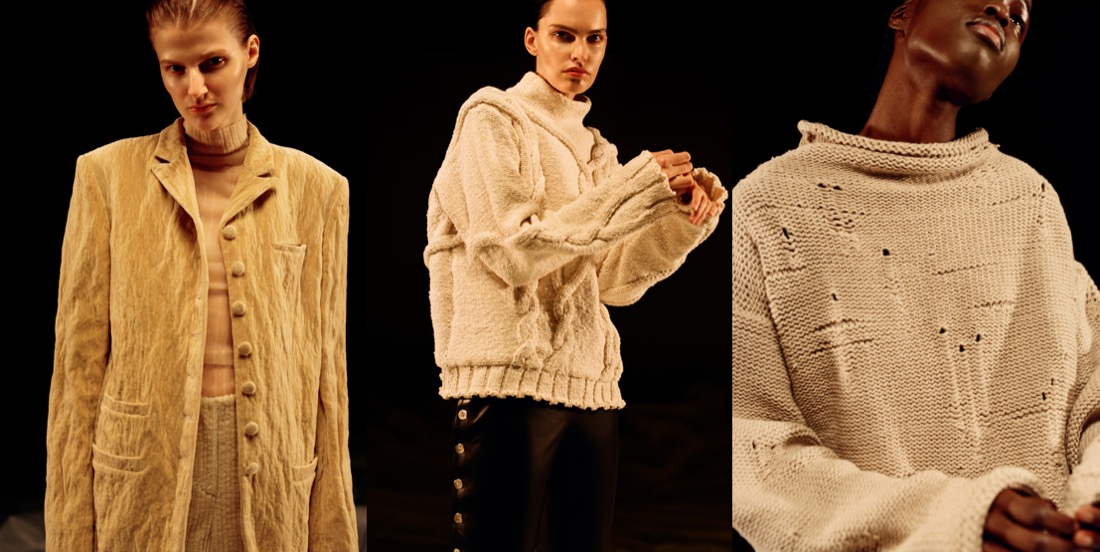
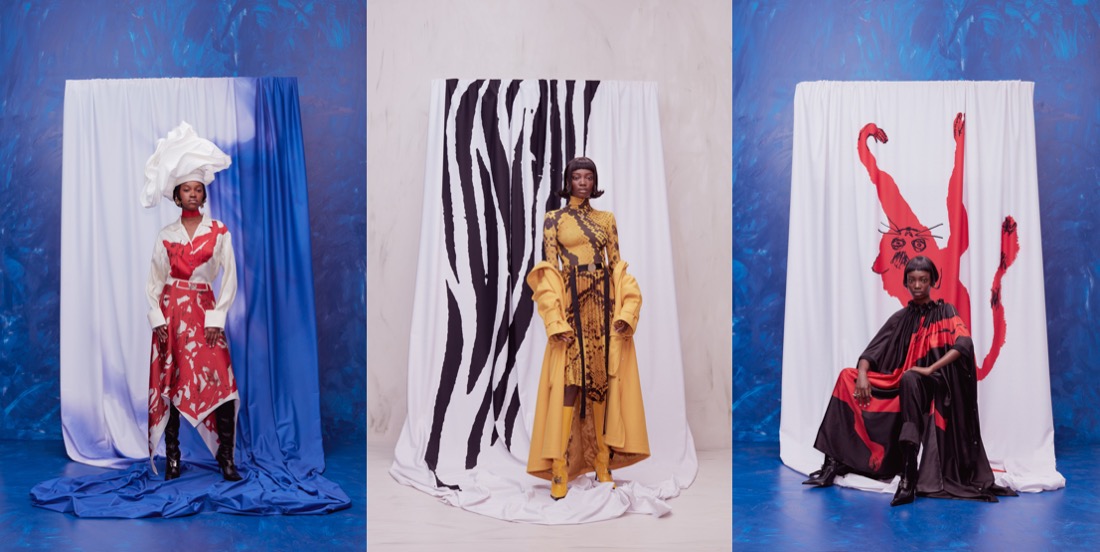
You’ll note that Magugu’s logo, a “sisterhood emblem” depicting a pair of women holding hands, features as a belt buckle detail on the handkerchief hem pleated skirts he specializes in, and again as stainless steel hardware in a cut-out at the neckline of a dress in the engineered knit that Elbaz had been developing. The look Magugu designed for the “Love Brings Love” tribute to Elbaz, an ode to a white silk shirtdress he made for Guy Laroche, one of his pre-Lanvin postings, reappears here, only with a hem that looks like it has been dipped or smudged. Moreover, Magugu sees the African continent as the link between himself and Elbaz, who was born in Morocco. “The question I posed to myself and the design team here is, ‘What if Africa was the birthplace of couture?’ I think about that a lot. The things that make up luxury – the idea of time spent creating something, the storytelling, passing something on from generation to generation – are really the same as you find in African craft, as well. We’re best known for our storytelling and our work with our hands. I thought that was a very interesting intersection that we could explore with the collection.” The intersection is most apparent in a pair of ruched-neck caftans, a typical silhouette in Morocco, printed with paintings by the Paris-based Algerian artist, Chafik Cheriet, whom Elbaz commissioned before his passing. “They really encapsulate both of our worlds,” Magugu says. “They’re playful and something that a lot of people can find themselves in with that slight African regality that I wanted to have when we started the project.

As much as it was a melding of their sensibilities, Magugu says he picked up new skills through the process. At his own brand he typically starts by sketching, but at AZ Factory there’s more of an emphasis on draping on the mannequin. “It was an interesting challenge for me, but ultimately very beautiful.” He also learned more about Elbaz himself through the process. “In interviews I noticed how kind he was and when I got to AZ Factory I got confirmation from the team. It wasn’t a TV facade. The more I grow into the industry the more I find that kindness can lack in a lot of ways. So that’s very special to me.”
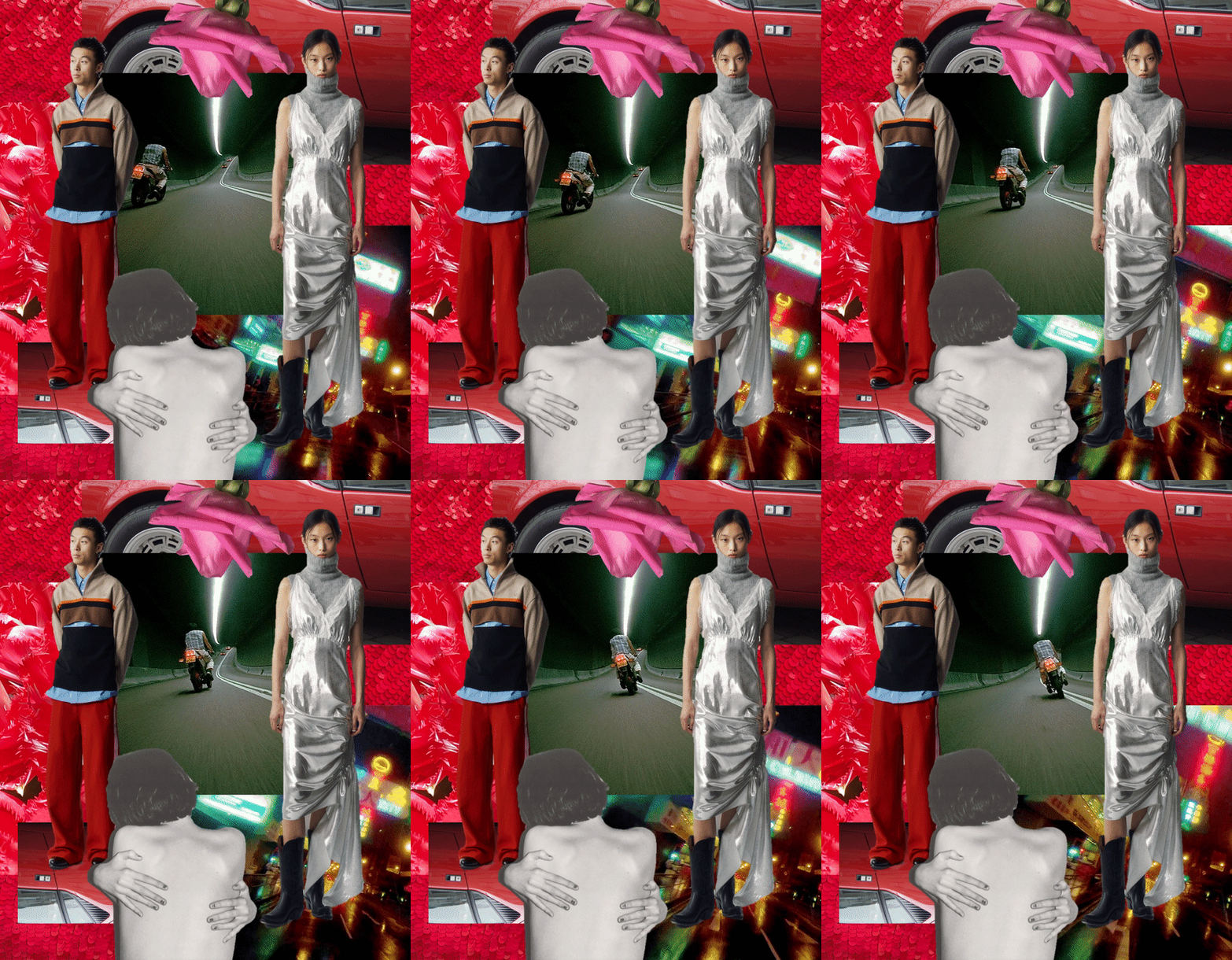
Collage by Edward Kanarecki.
NET-A-PORTER Limited

Big Feelings. Danielle Frankel AW22

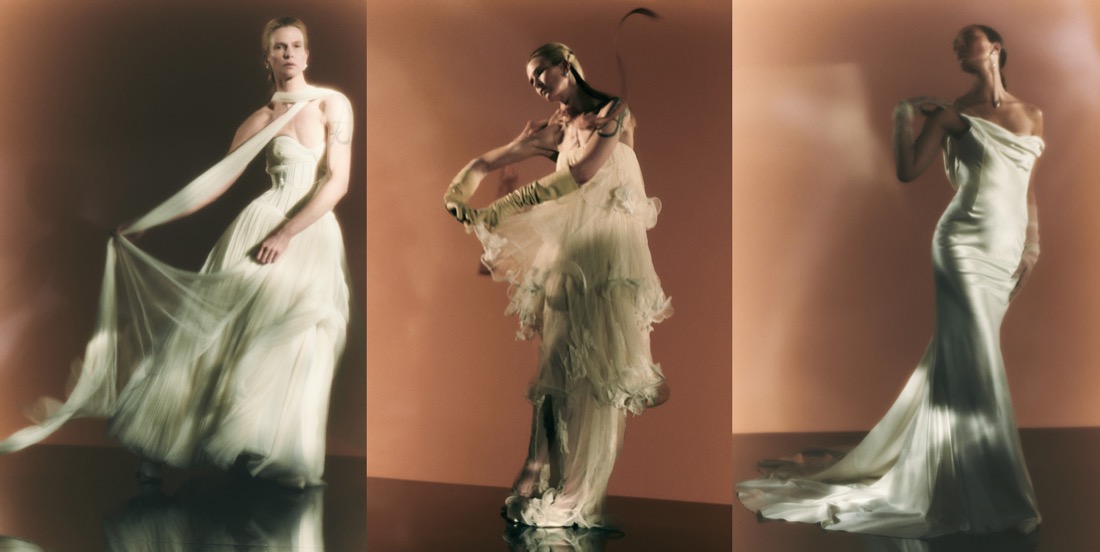
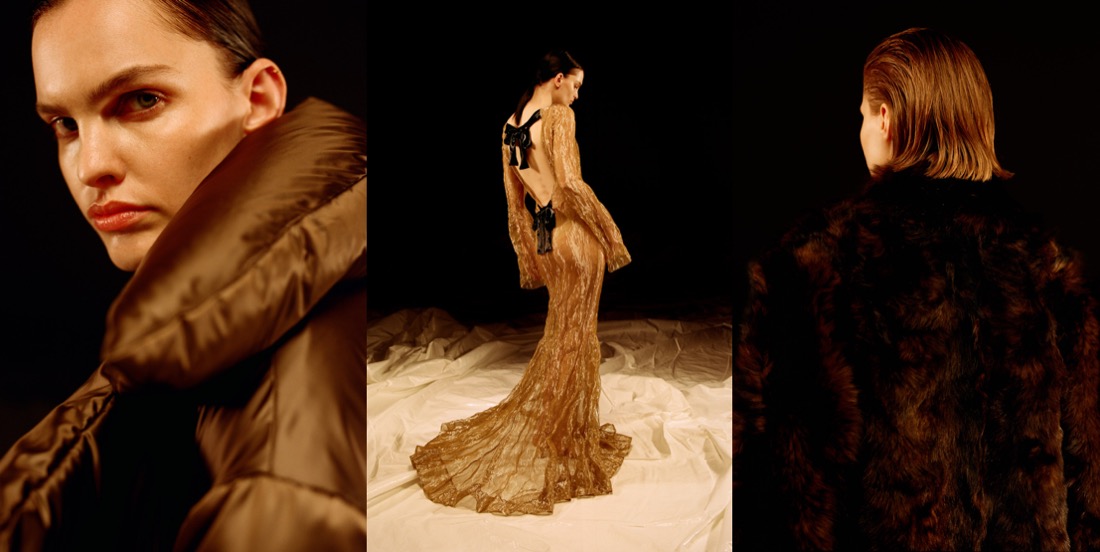
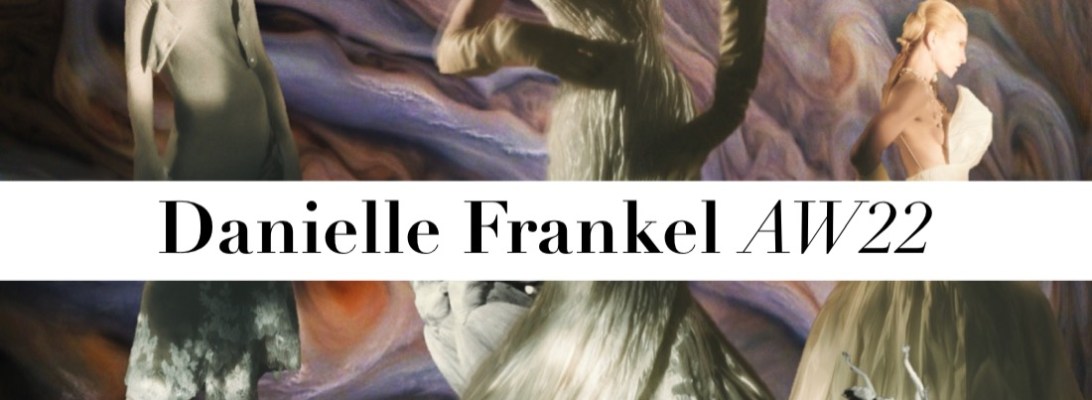
I’m not into bridewear, but there’s one designer in this field that I always pay attention to. It’s been a year since Danielle Frankel, a go-to designer for fashion-forward brides, unveiled a new collection. Not a long time in terms of creative productivity, but a considerable hiatus by the standards of the fashion calendar. “When you’re talking about an evergreen product, you don’t need a collection every six months,” Frankel says. “These collections take so much to produce, and because the business is growing at the same time, we have to wedge in when we’re doing the development.” There’s certainly no shortage of clientele. Though she designs ready-to-wear as well as bridal, the latter is her bread-and-butter. She developed many of her brand signatures this season, including corsetry, bubble hems, and silk-wool pleated gowns. But everything is a bit bigger than 2021 collection‘s streamlined and sculptural offerings. “There’s a lot of the same DNA that you see in our work, but I wanted something a little bit more grand this season,” Frankel says. “Before we were known for those effortless, simple, cool styles, but for me it’s important to go bigger and move it forward.” Inspired by 1950s Vogue fashion illustrations, mid-century elegance, and surrealism, her new collection is photographed in a deliberately hazy way. Though this method of photography obscures the fine details of the clothing, it underscores the feelings Danielle hopes to evoke. That said, her designs tend to reveal themselves on the human form. The Leith gown, for instance, has a showstopping corseted bust that projects off the body and open back, but the pleats at the waist may just be the special detail that convinces the customer that this is the one. Hirsch also introduced several styles with Watteau drapes at the back, offering a more low-key kind of drama than the Leith does, while still delivering mid-century glamour. Aside from the fact that the most classic ballgown silhouette is hand-painted and hand-fringed in shades of brown, many of the tops Hirsch designed feel like true ready-to-wear. Paired with wide-leg trousers, the two bandeaus made to look like flowers are festive and relaxed.

Collage by Edward Kanarecki.

NET-A-PORTER Limited

Viable Garments. Commission AW22

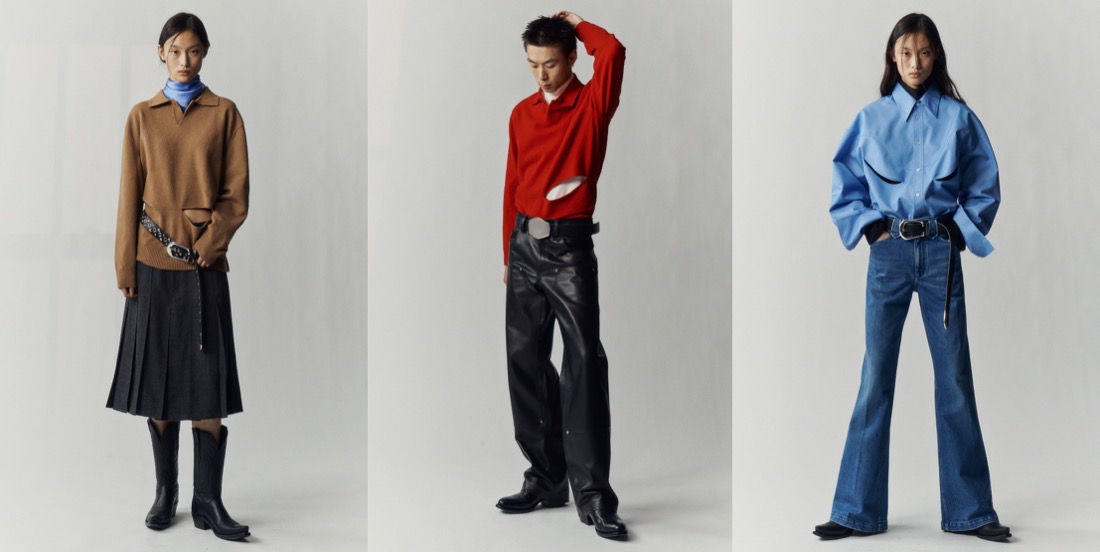
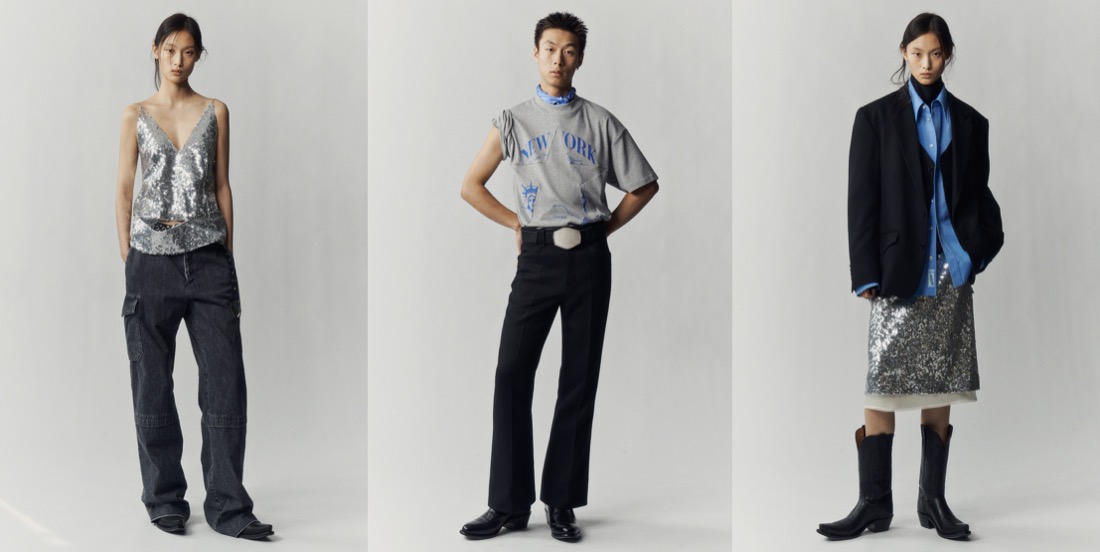
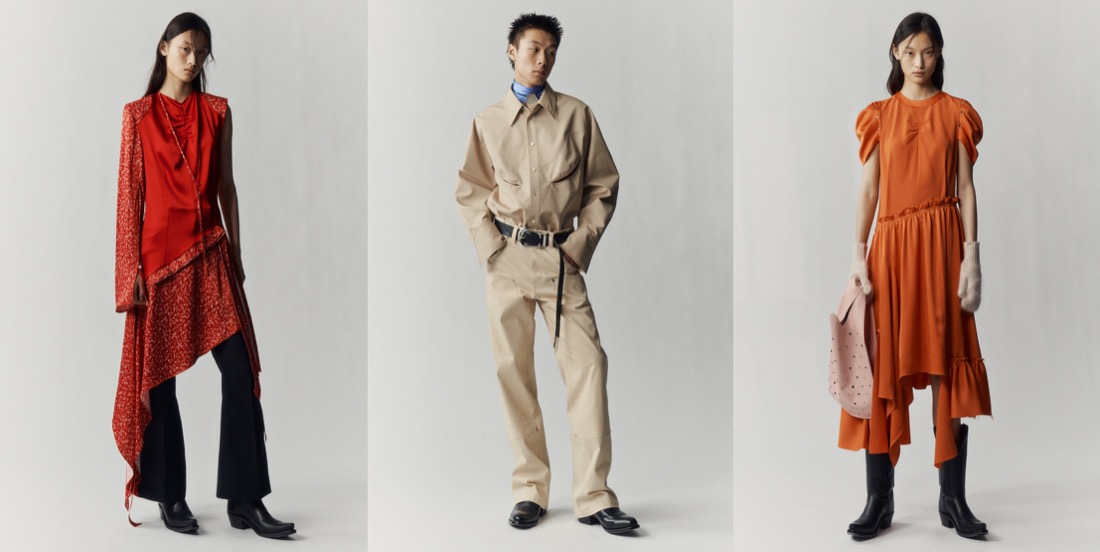
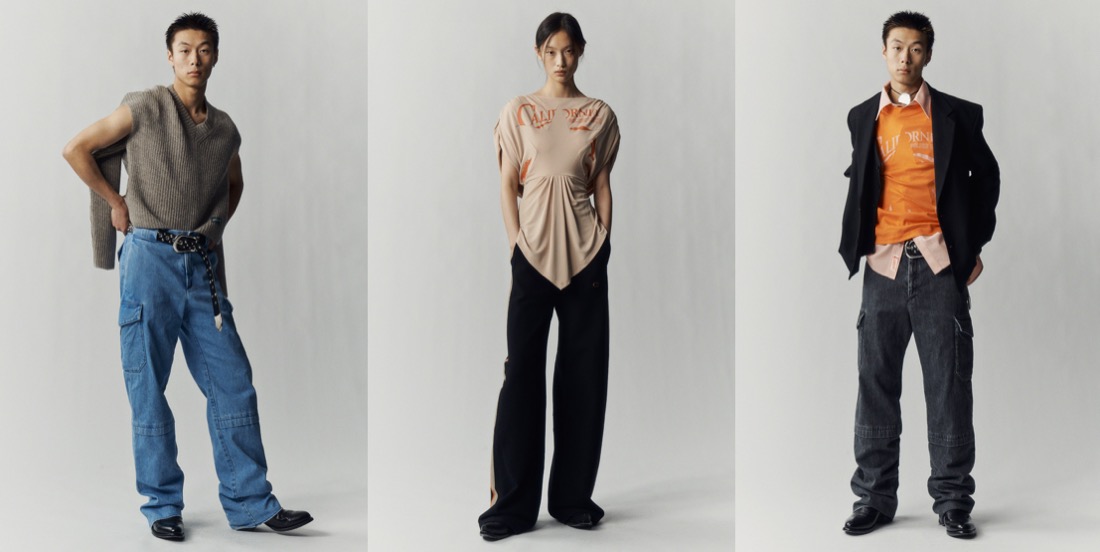
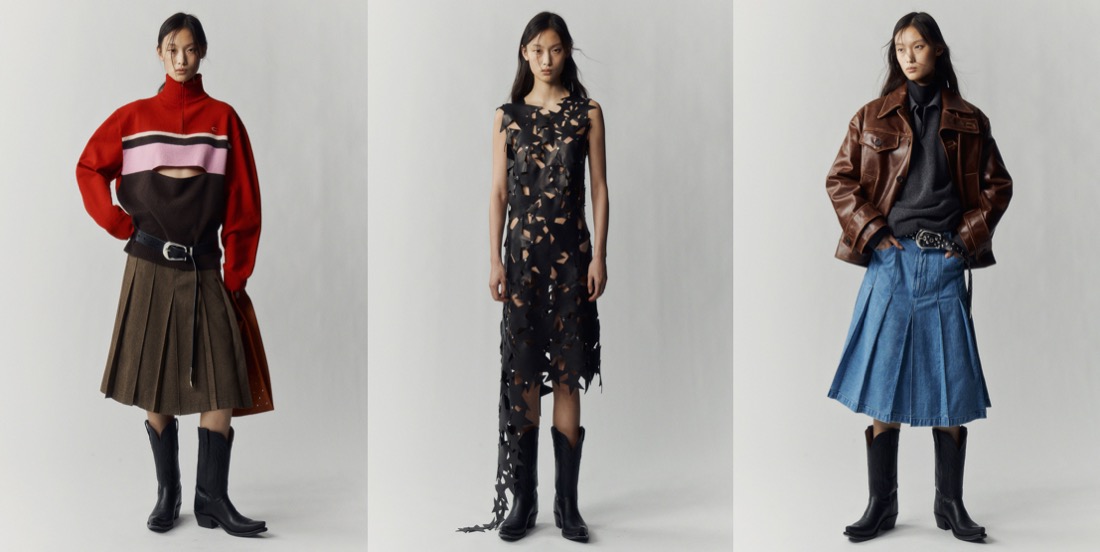
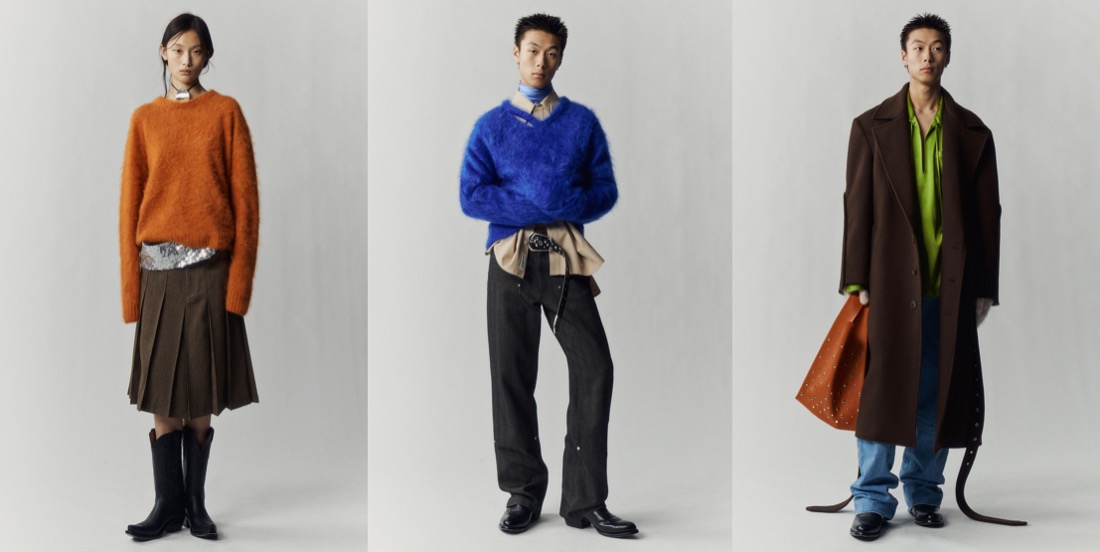
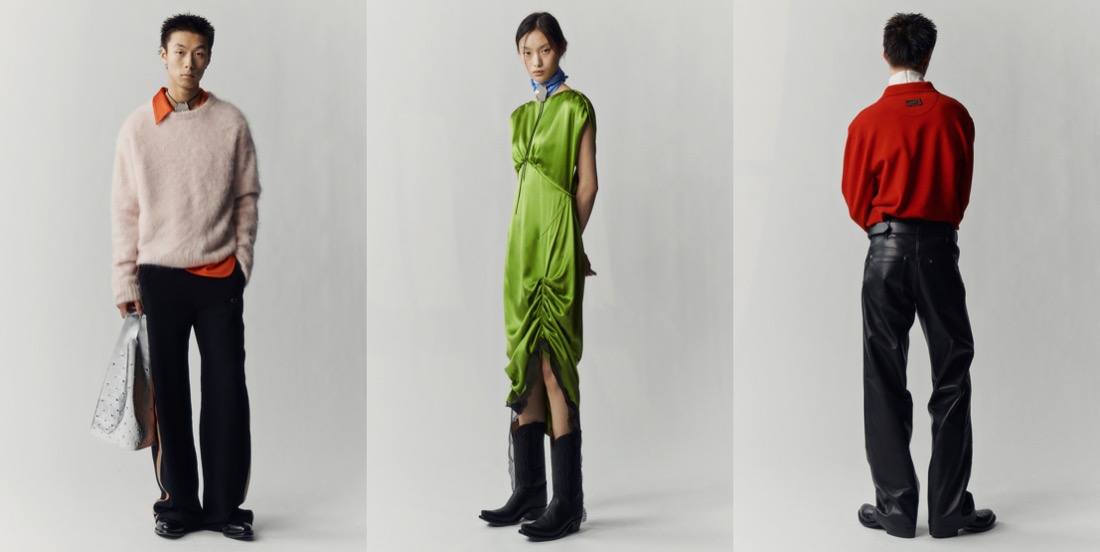
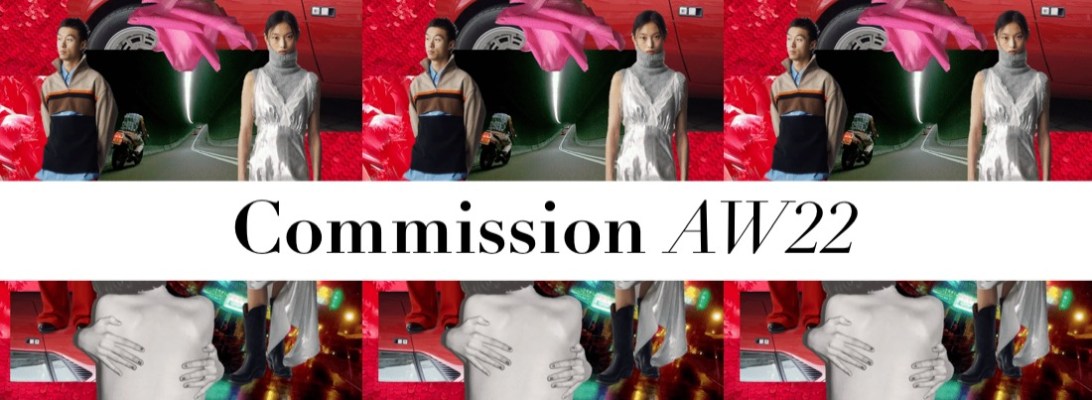
Commission, the New York-based label, is about garments, not gimmicks. For autumn-winter 2022 season, Dylan Cao, Jin Kay, and Huy Luong were thinking about non-American perspectives on America (all three designers were born and raised in Asia) and classic American fashion. Jeans, leather pants, Western belt buckles, and star-patched tees are the most obvious elements of Americana here. Look deeper than the hand-distressed unisex leather jacket, and you’ll find lush “cloud knits,” sporty tracksuits with blouson tops, trad office shirting with underbreast cut-outs, and a brown wool skirt suit with a schoolgirl vest inset into the blazer. A slash motif, which could read as a little try-hard, worked mostly well, exposing an ab, a clavicle, or a sliver of forearm. “It’s about an eclectic combo,” summed up Cao. Evocative layering made the brand’s separates look even more viable – especially in an asymmetric dress over pants look. The moment the designers posted a lookbook image it was swiftly consumed by social media, followers chiming in with “Aaaaaaaah!” and cascades of flame emojis. Sometimes, simple and straightforward clothes do the ultimate work.

Collage by Edward Kanarecki.

NET-A-PORTER Limited

Love Among The Ruins. Interior AW22

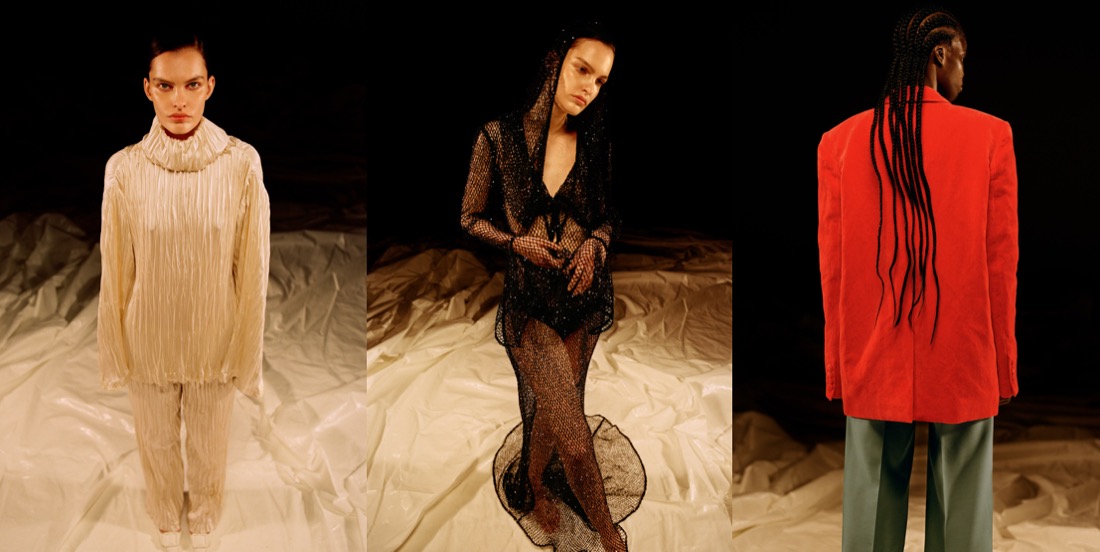
Lily Miesmer and Jack Miner tarted Interior last year as a collection of clothing with an artistic bent. A gown made of tied scraps of fabric. A jacket inspired by 14th century armor. A pajama suit adorned with dangling fruits and vegetables. Their autumn-winter 2022 season is a little bit darker but retains the hints of absurdity and off-kilter-ness that makes their New York-based brand exciting. “The clothes are familiar but they’re a little fucked up,” Miesmer says, going on to describe their statement outerwear for the season as, “a mangy shearling. Not a perfect Upper East Side shearling.” The models at the Waverly Inn presentation (which took place during New York Fashion Week) conversed at their tables, which were decorated with martinis, oysters, shrimp cocktails, and a jiggly jello. Taper candles burned down, lending a lived-in quality to the atmosphere. The models almost didn’t look out of place, save for the pair wearing see-through gowns – one of a sheer metallic fabric, and one in black netting with a hood. Echoes of Mario Fortuny’s rich textures and Romeo Gigli’s soft-baroque chic are all over the collection – which is excellent. But by and large, Interior’s clothing already looks at home in New York institutions, worn by beautiful people in a familial setting. The most playful offering of the season was a tailored suit with trompe l’oeil illustrations by Richard Haines. The creases on the front of the trousers, as well as the darts on the jacket, are also drawn on. So is the button seemingly holding the jacket together – a hidden snap is doing all the work. Meismer calls the headline for the collection “love among the ruins.”

Collage by Edward Kanarecki.

NET-A-PORTER Limited

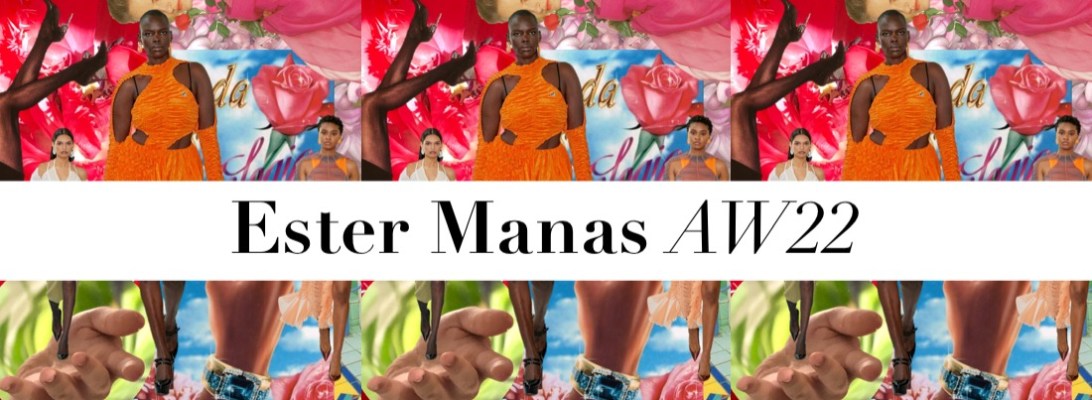
Every Body is Welcome. Ester Manas AW22

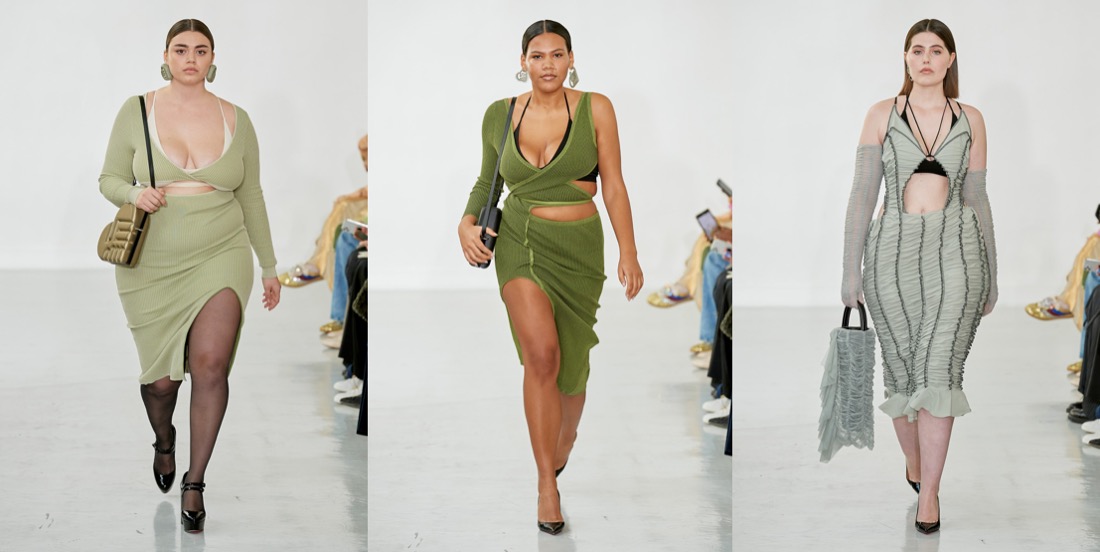
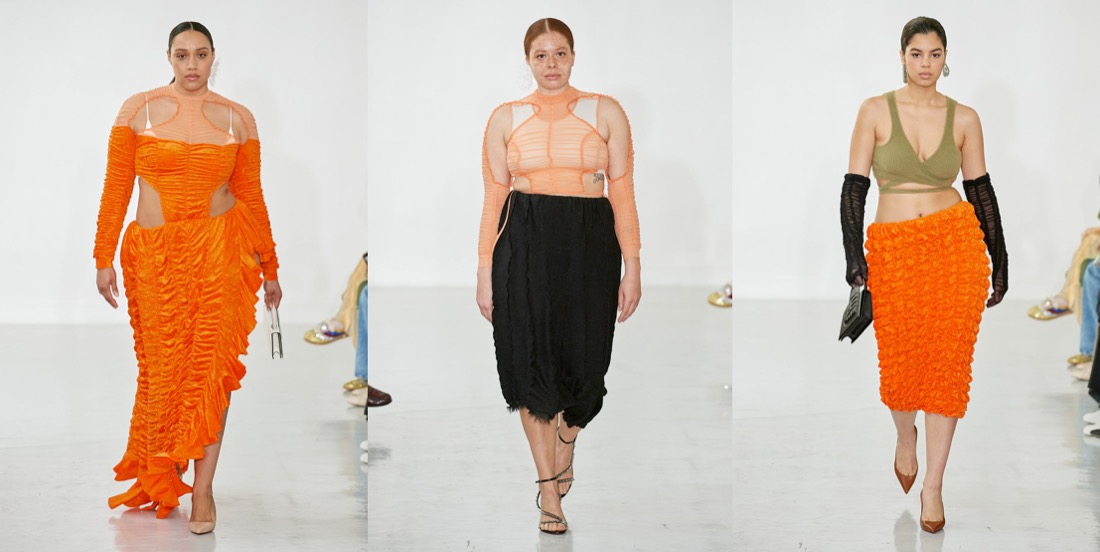
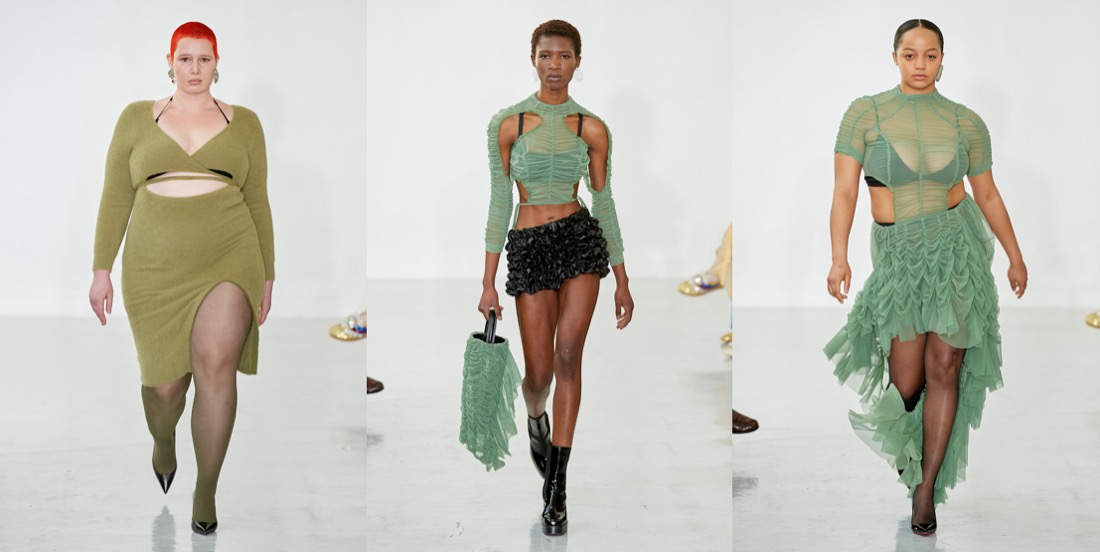
The body-positivity movement has been slow to gain ground in Europe – at least on the narrow platform that high fashion provides. But here came Ester Manas with her voluptuously gorgeous crew of women friends and models to demonstrate – from every angle – how it’s done in the middle of Paris Fashion Week. Manas used a brilliant phrase for her design mission: “I am making clothes to welcome everyone.” This was during a euphoric post-show backstage scene, in which all the young women who had worn Manas’ vivid, ruched, asymmetric, knitted, curve-and-skin celebrating clothes were crowding around to thank the designer. Autumn-winter 2022 was Manas’s second physical season. She’s French, her partner Balthazar Delepierre is Belgian, and they live and work in Brussels. Two years ago, she made it her mission to pursue the issues around designing inclusively size-wise. “I’m big, and always I fit on myself first,” she said. “A lot of brands have a curvy girl on the catwalk now – but the reality is, you cannot find a good size in the store afterwards. I mean – just an image, nothing more. But with us, I try to give the dream a reality.” The key to making everyone feel confident and secure is Manas’s research process – spending time with women of many shapes, understanding what works both technically and emotionally. “It’s like we became a family,” she exclaimed. “And they looked so fierce!” She has evolved ruching techniques which add in extra fabric, producing spiraling effects, and cutouts which hold securely and flow elegantly and sexily where they should. The other facet is her knitwear. Vibrant and subtle by turns, her color palette, ranging from orange and violet to moss-green, is entirely chosen from what is available, avoiding the use of virgin materials as much as she can. “We search warehouses and factories where you can find them. Eighty percent of the collection is deadstock or upcycled.” She was brimming with optimism after the show. Watching Manas, the model industry is finally beginning to wake up to what it’s missing. “I mean, we have a pretty good casting director, and last time we had twenty percent of my own friends, mixed with some girls we met who were new faces, but there were really no girls on agencies,” said Manas. “But this season when we went back, we had choice!

Collage by Edward Kanarecki.
NET-A-PORTER Limited