Maritime Sensuality. Ferragamo AW26

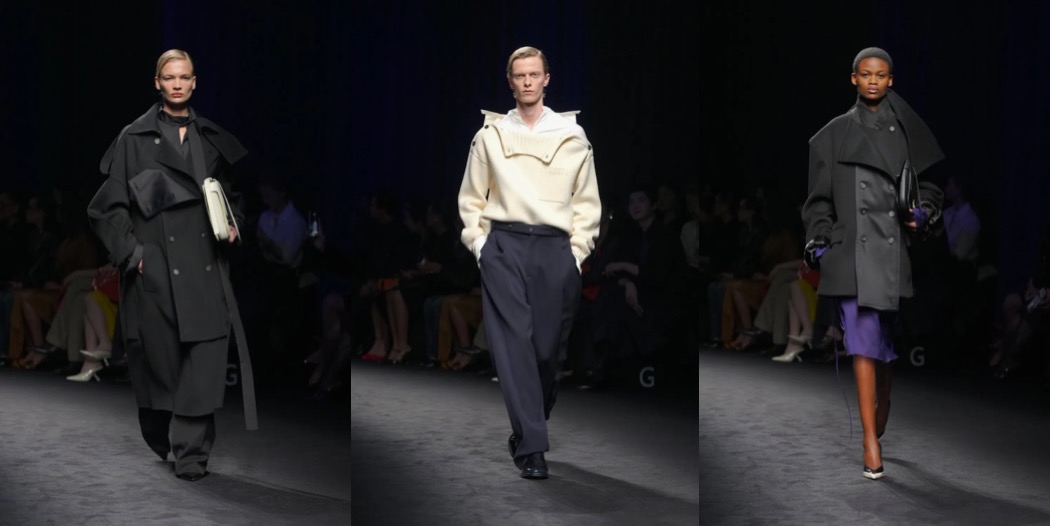
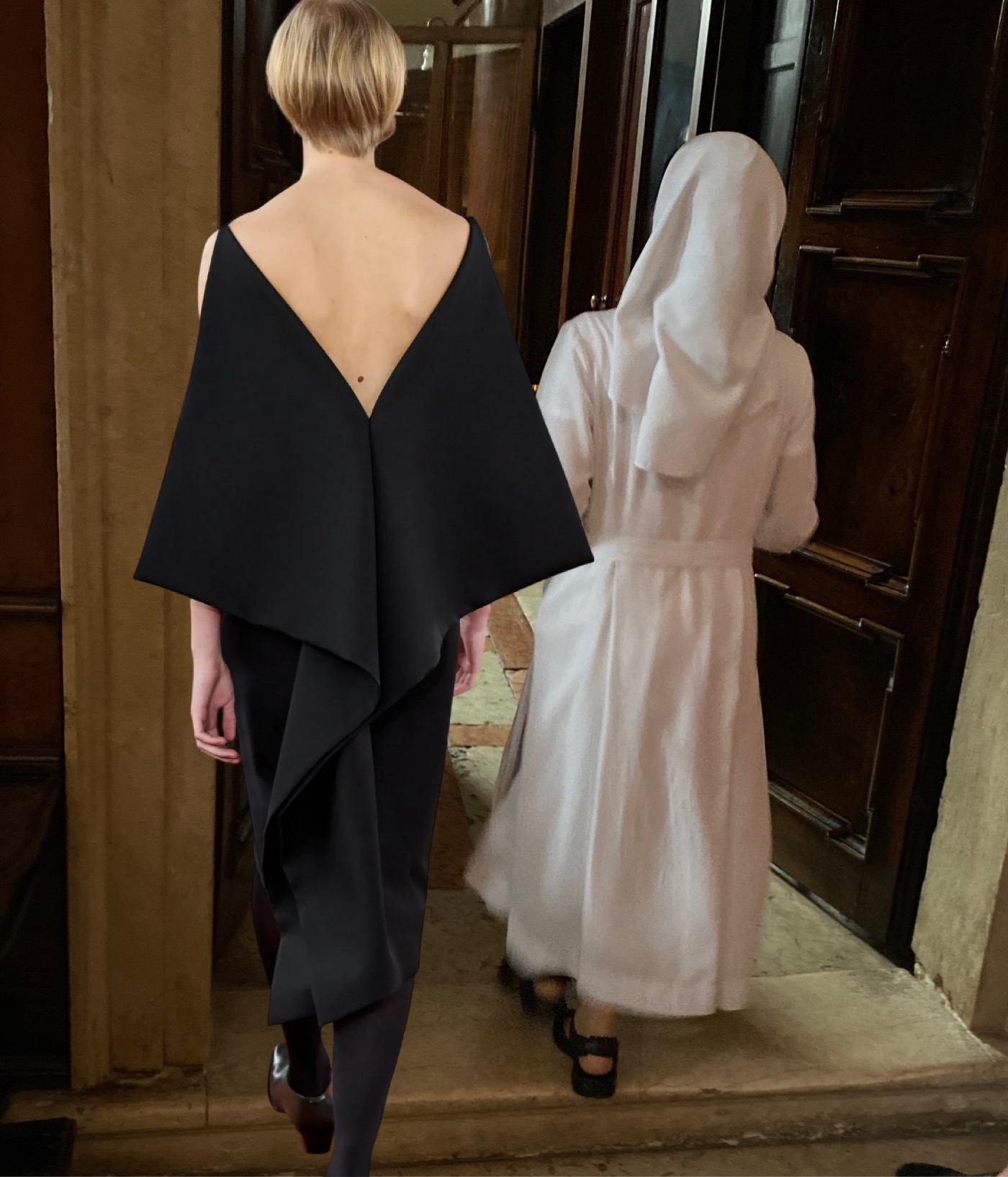
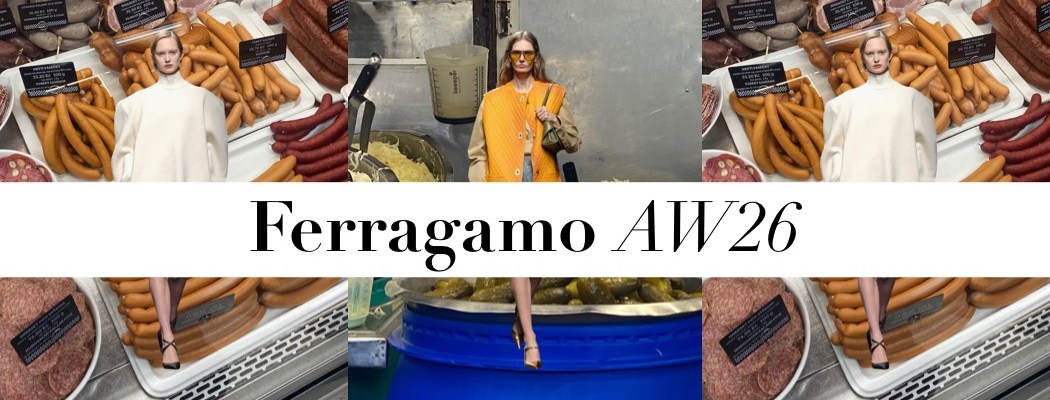
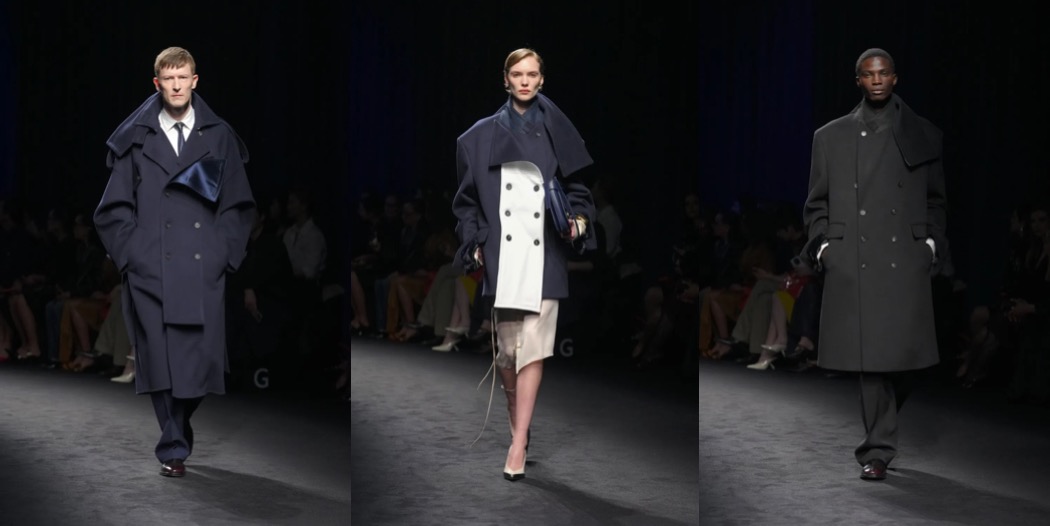
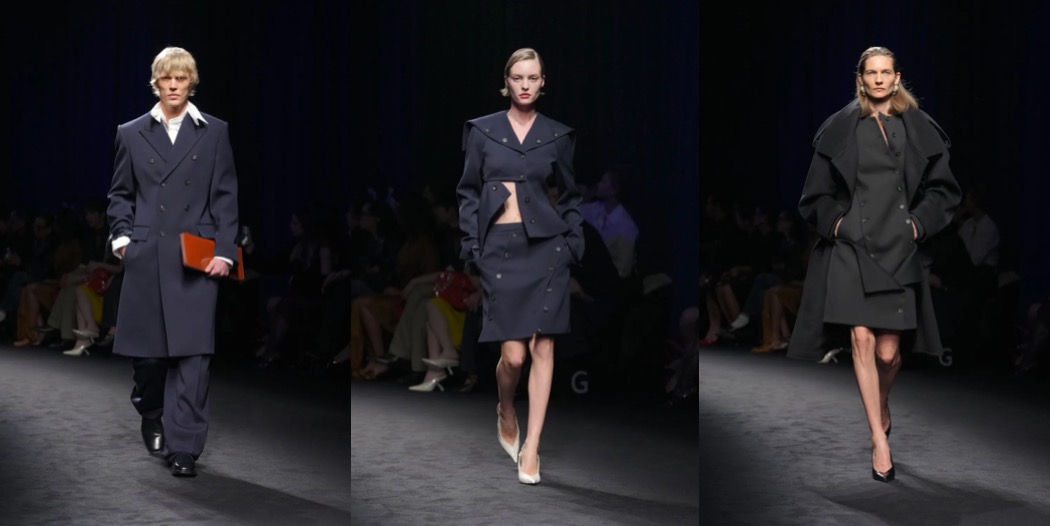
At Ferragamo, Maximilian Davis is committed to subverting the classics, often approaching them from a different perspective or reworking their well-known codes. For autumn–winter 2026, he turned his attention to the aesthetic of maritime attire, successfully transforming its references into something glamorous and refined.

The opening segment of the collection featured handsome, oversized peacoats in navy cashmere, to which panels lined in ivory silk were buttoned in, creating a sense of Cubist deconstruction. Two Guernsey-inspired sweaters – one navy, one white – were designed with raised collars left unbuttoned to fall softly around the neck. This simple manipulation introduced a note of subtle sensuality (made me think of “Querelle“, Rainer Werner Fassbinder’s 1982 homoerotic sea-port drama).

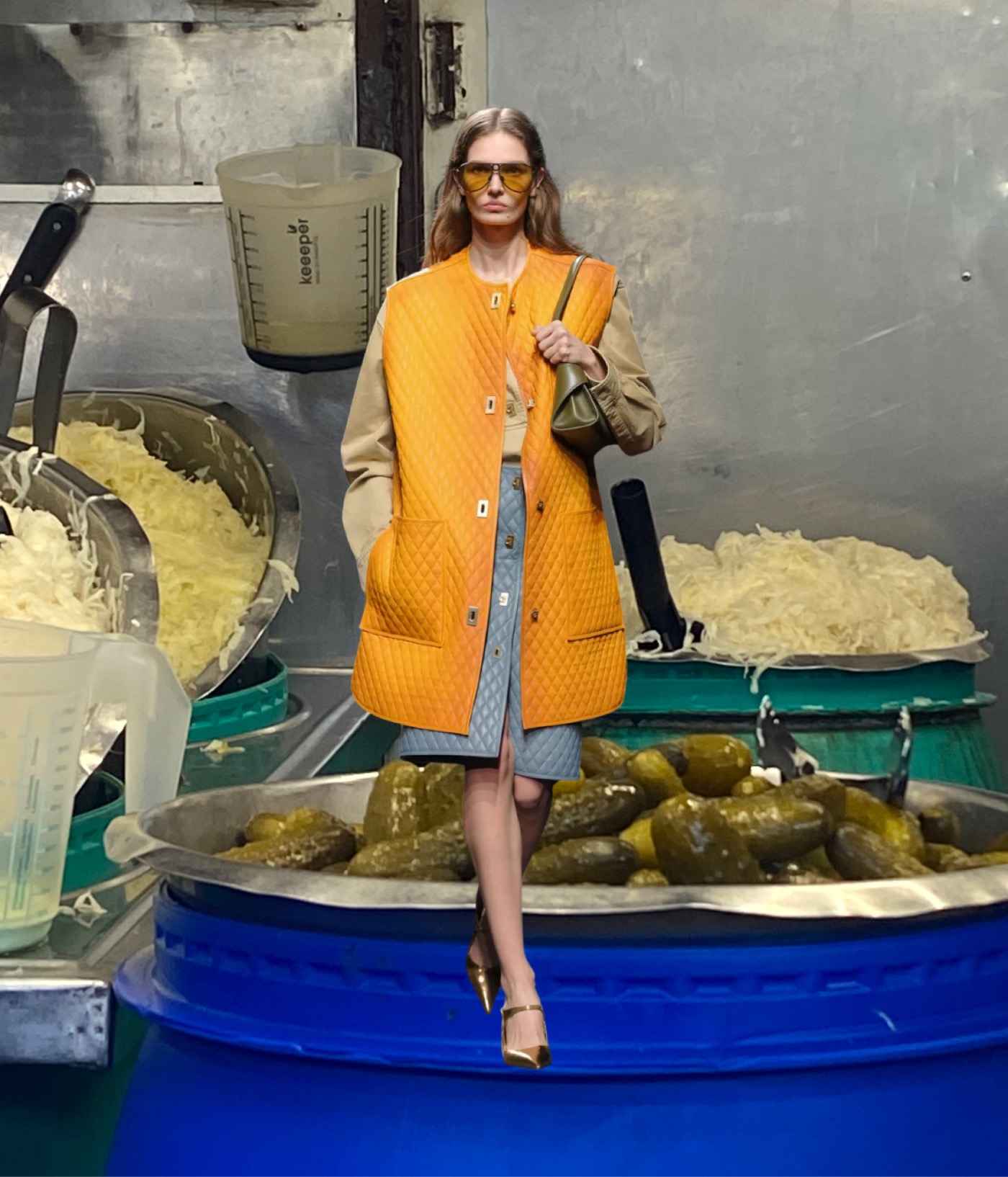
A swimming vest was reimagined as a quilted leather orange gilet, while georgette dresses with mid-calf, cinched accordion pleats moved through the air like sails in the wind. With each collection, Davis moves closer to the vision he continually strives to realize.
ED’s SELECTION:
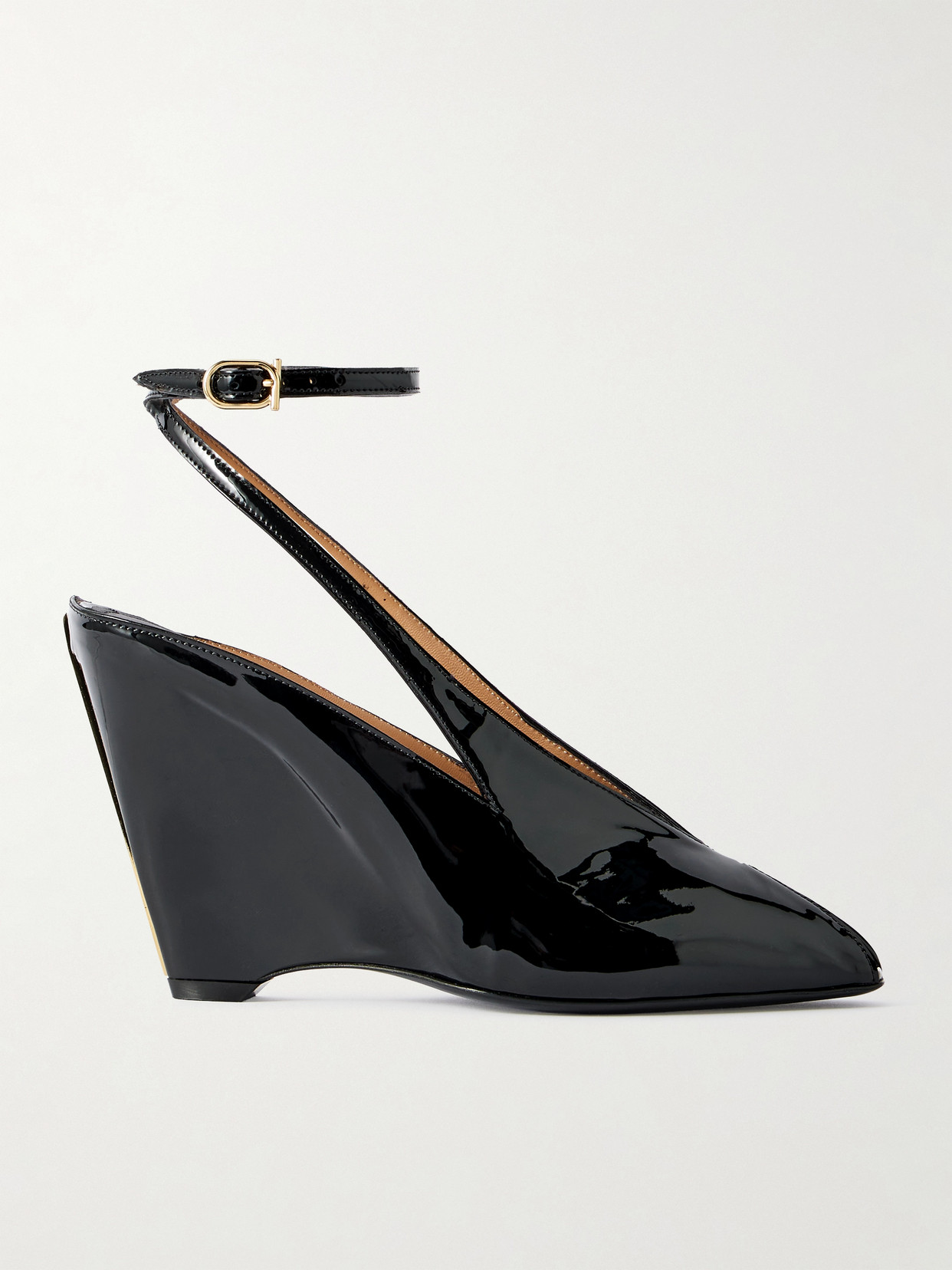

Ferragamo Arcadia Patent-leather Pumps
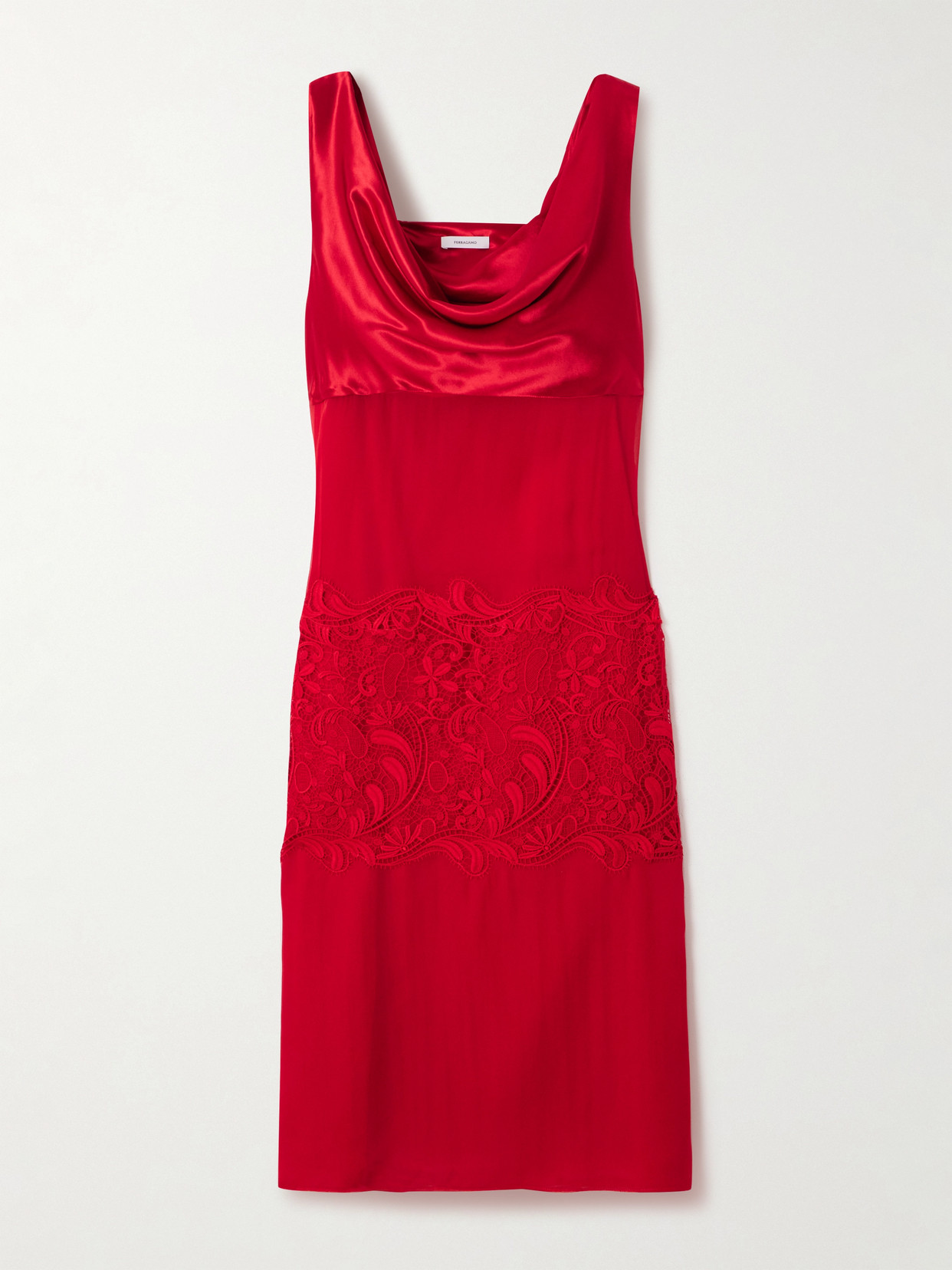


Ferragamo Draped Satin- And Lace-paneled Silk-chiffon Midi Dress
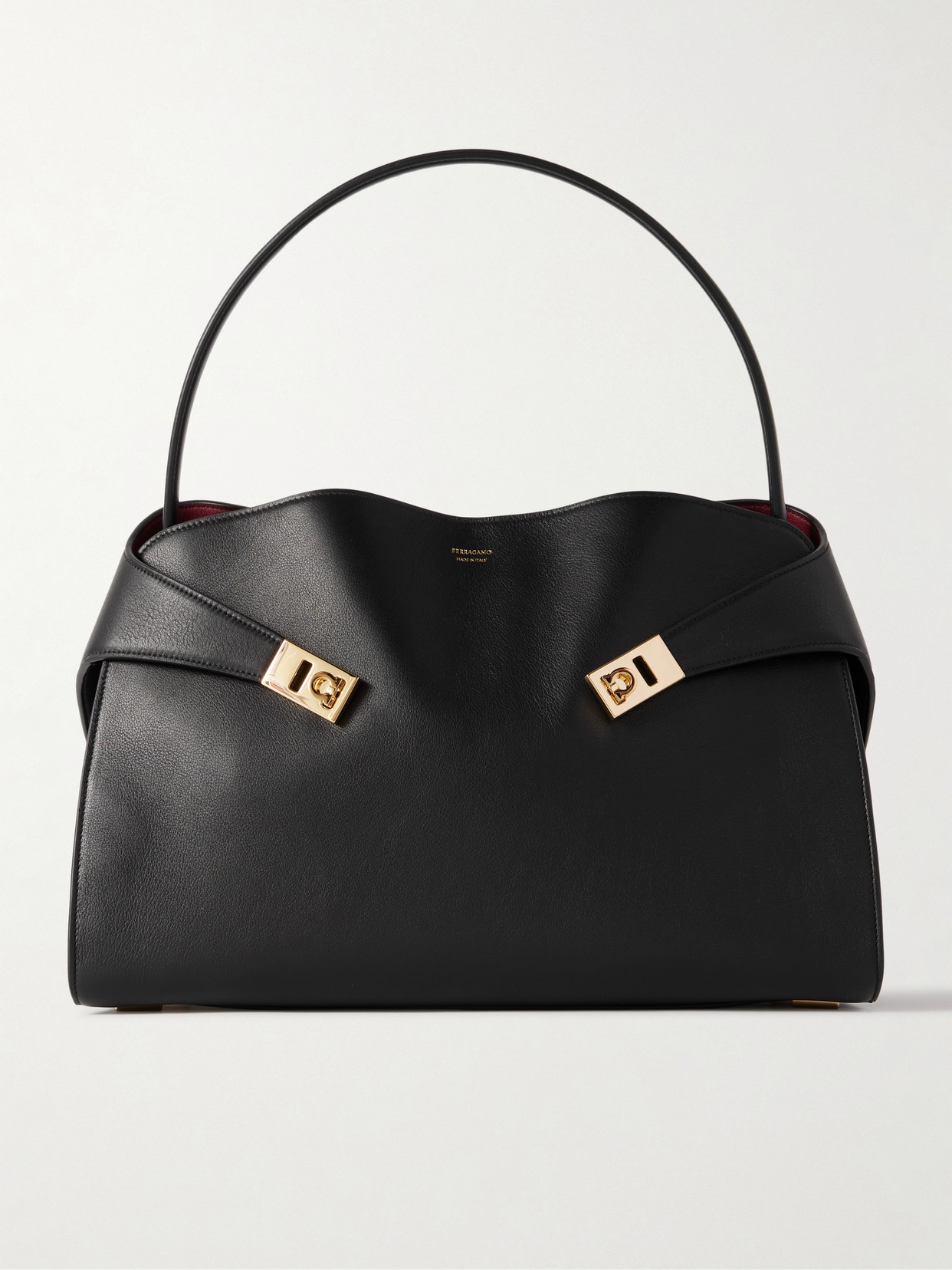


Ferragamo Hug Medium Leather Tote
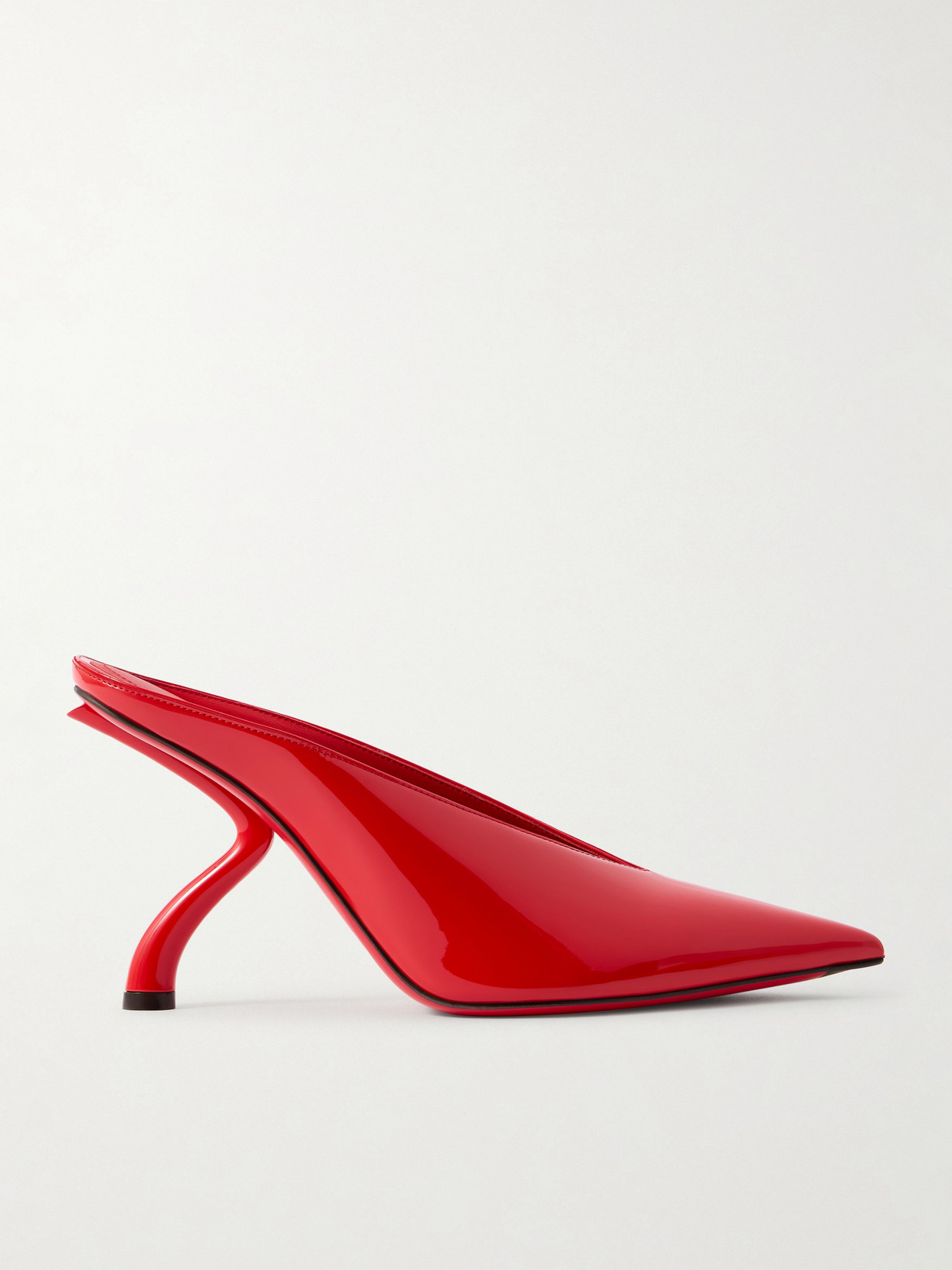


Ferragamo Itaca Patent-leather Mules
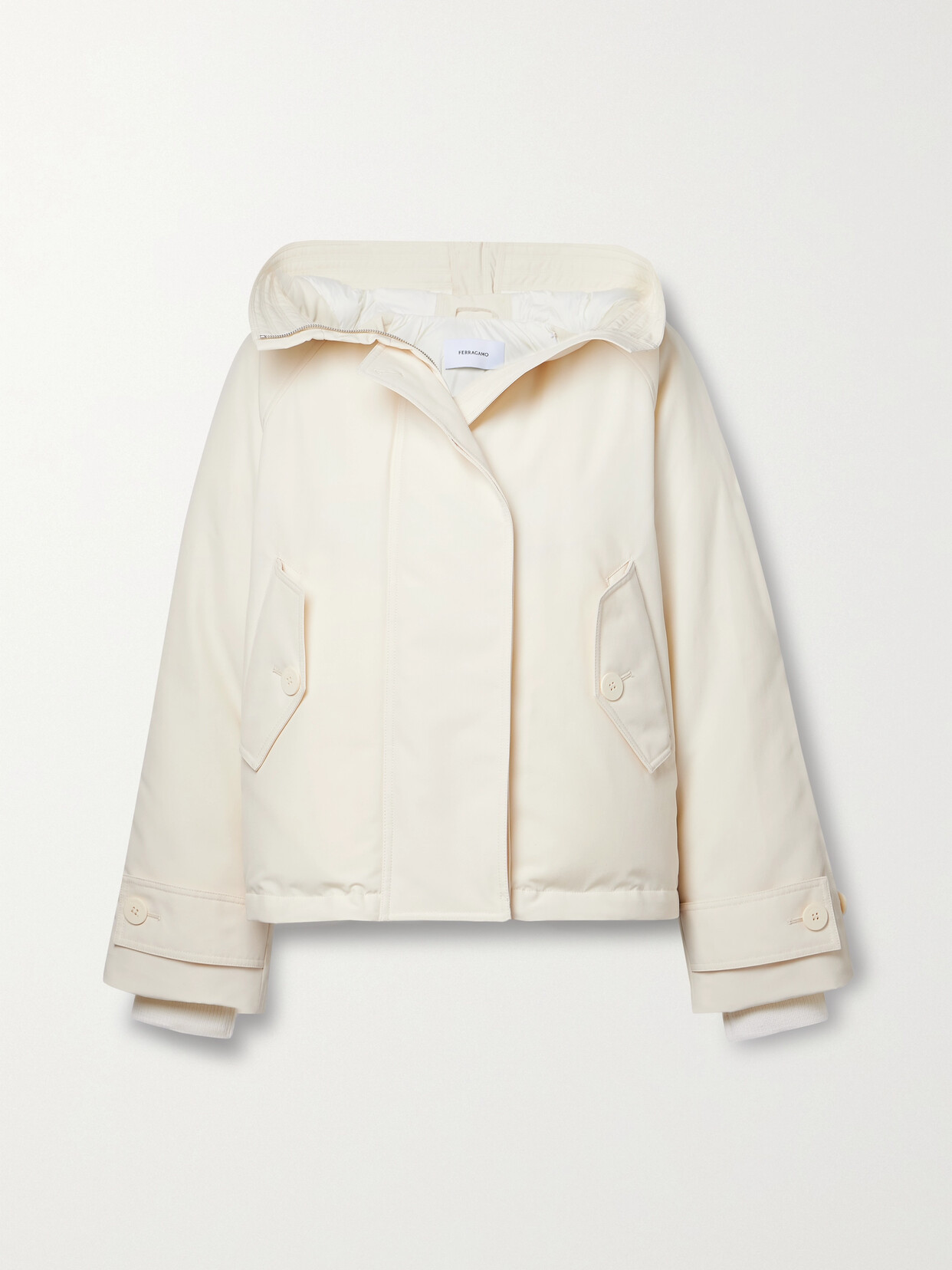


Ferragamo Hooded Padded Shell Jacket

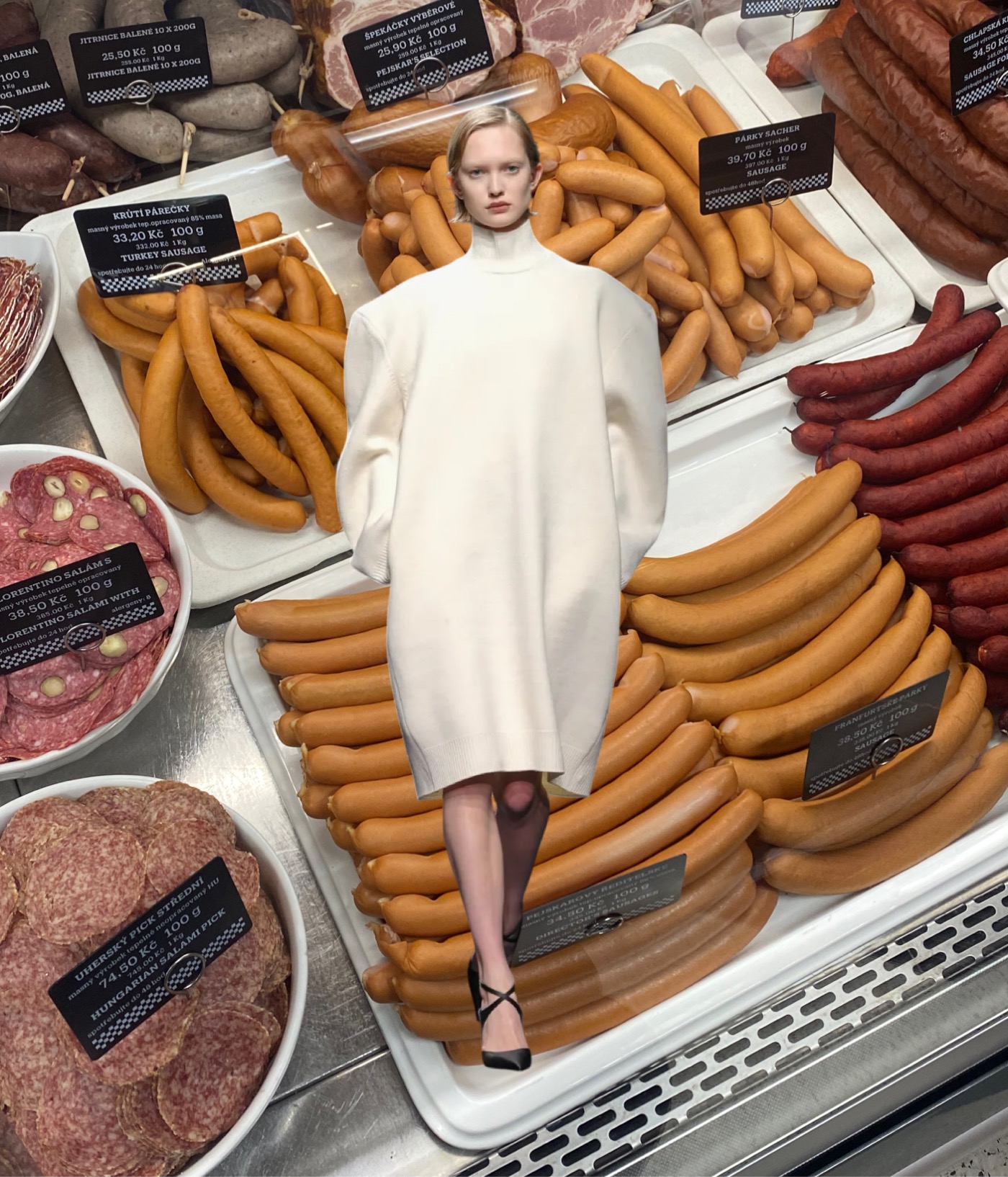
Collage by Edward Kanarecki.
Don’t forget to follow Design & Culture by Ed on Instagram.

Hey, did you know about my newsletter – Ed’s Dispatch? Click here to subscribe.
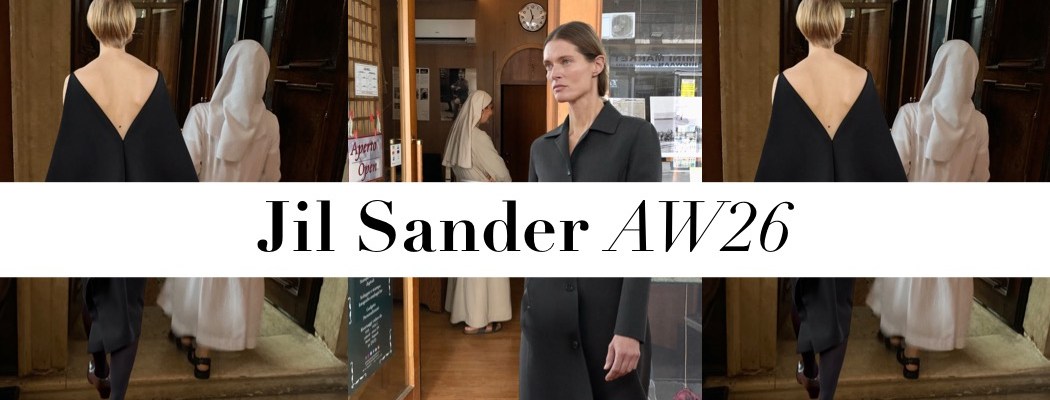
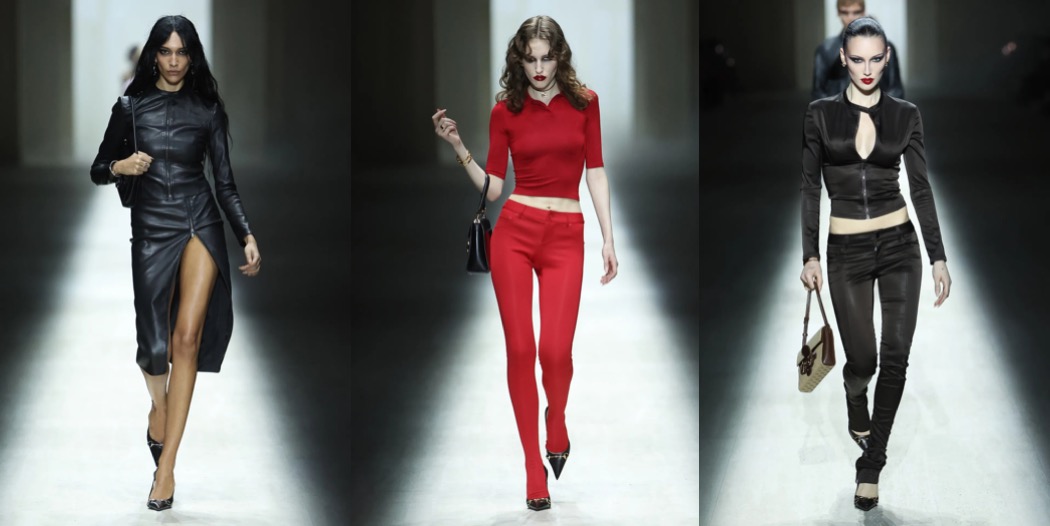
The Olive In A Martini. Jil Sander AW26

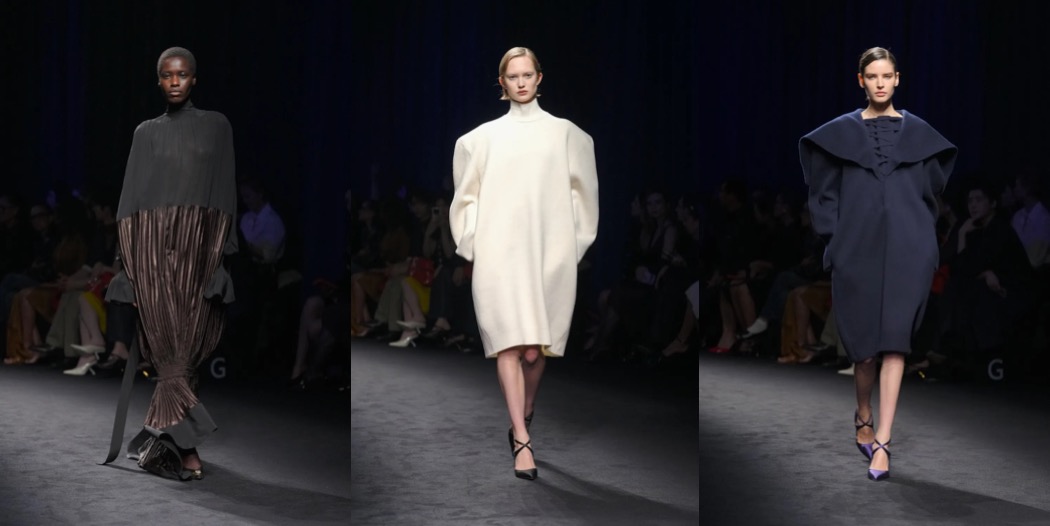
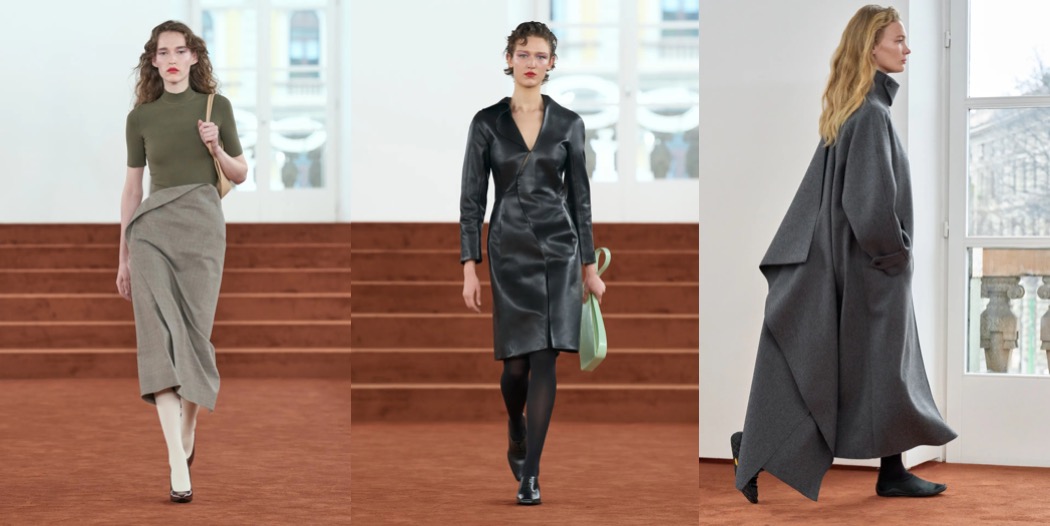
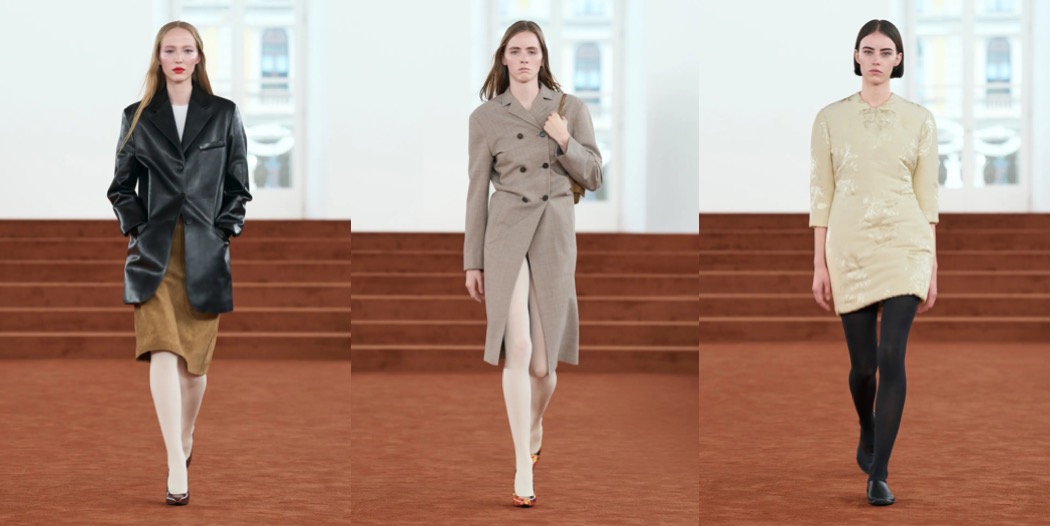
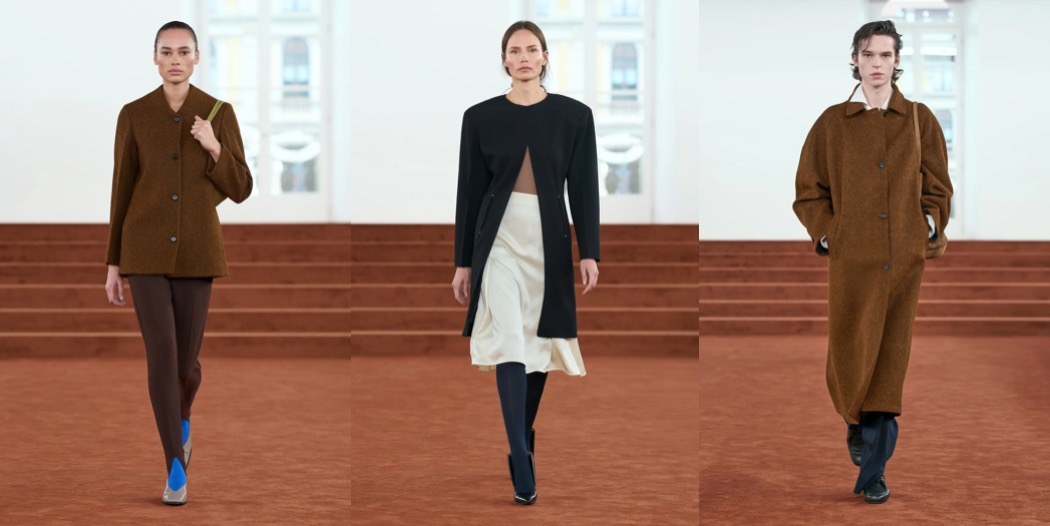
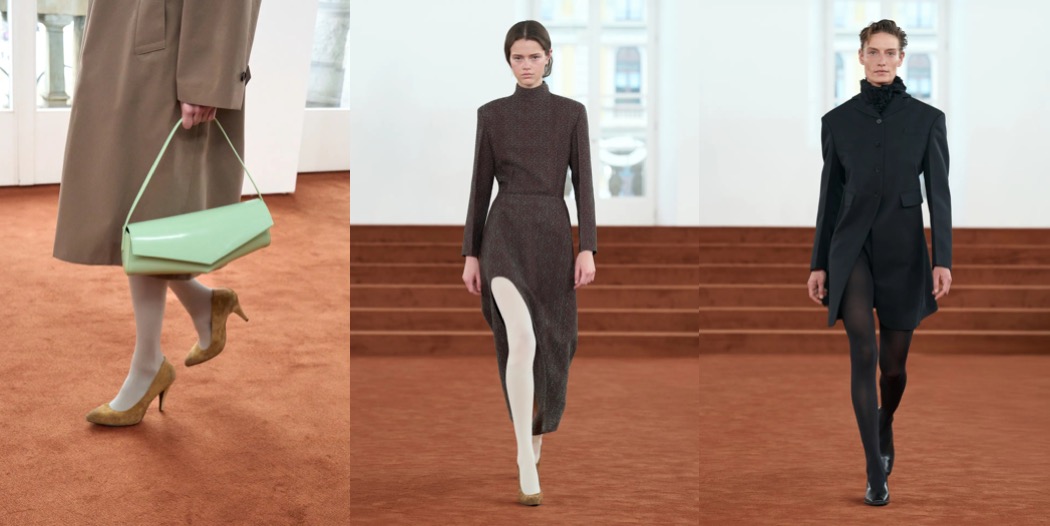
Simone Bellotti‘s sophomore collection for Jil Sander is simply sublime. I love how he compared it to an olive dropped into a martini: that seemingly unnecessary touch that makes all the difference, transforming the drink into a perfect cocktail. Although his approach to the brand is radically minimalist – focused on the precision of line and the study of proportion – within that monkish asceticism lies a powerful erotic tension.

A decorative ruffle running down the side of trousers, a high slit cut into the back of a coat, skirts provocatively spliced at the seams to reveal flashes of white-stockinged thigh beneath – these blink-and-you-miss-it gestures make a smoldering difference. Notably, much of the action happens at the back of the garments, which feels especially gratifying in an age when we so often see clothes only from the front, flattened onto our screens.

Next to Bellotti, other contemporary “minimalist” brands – such as Fforme or Veronica Leoni’s Calvin Klein Collection – appear pale and insubstantial.

Collage by Edward Kanarecki.
Don’t forget to follow Design & Culture by Ed on Instagram.

Hey, did you know about my newsletter – Ed’s Dispatch? Click here to subscribe.
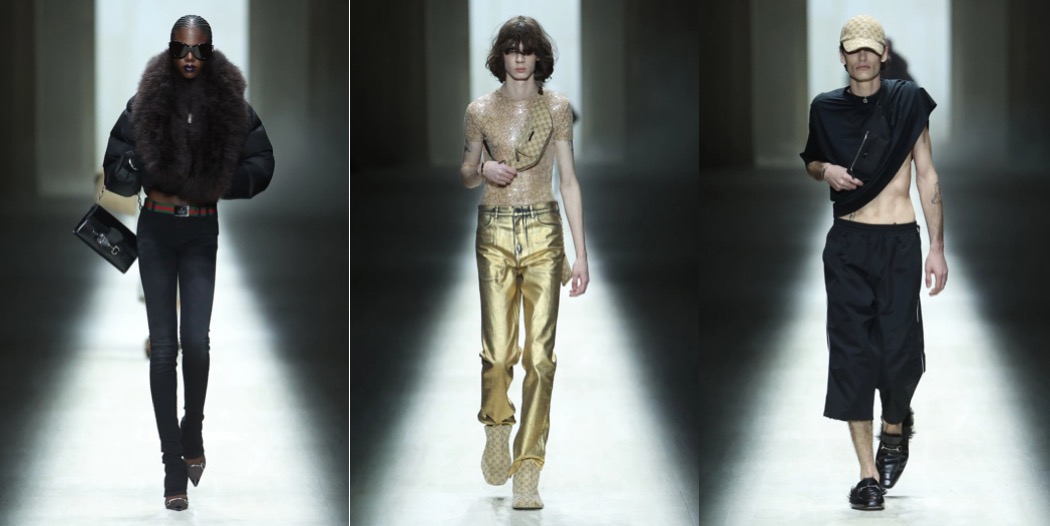
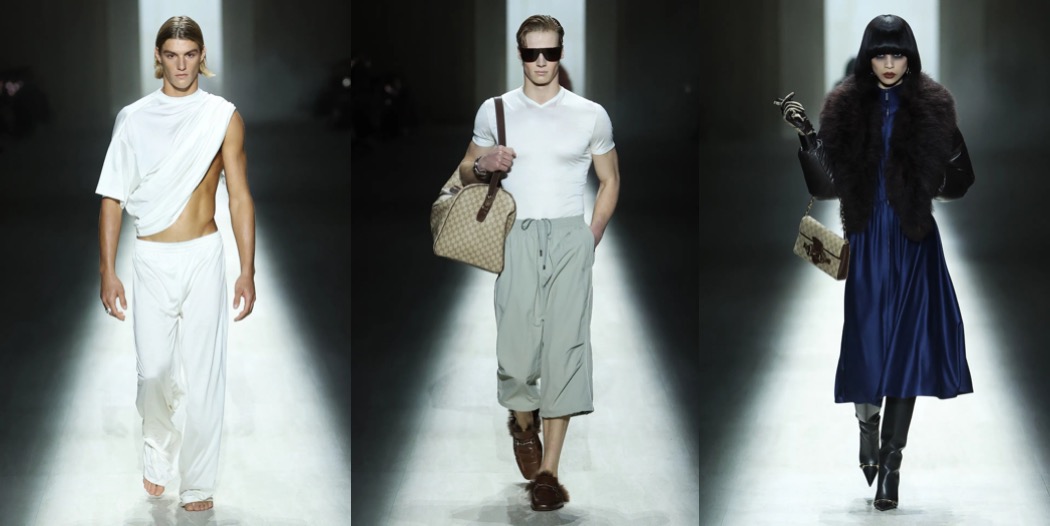
Regime. Gucci AW26

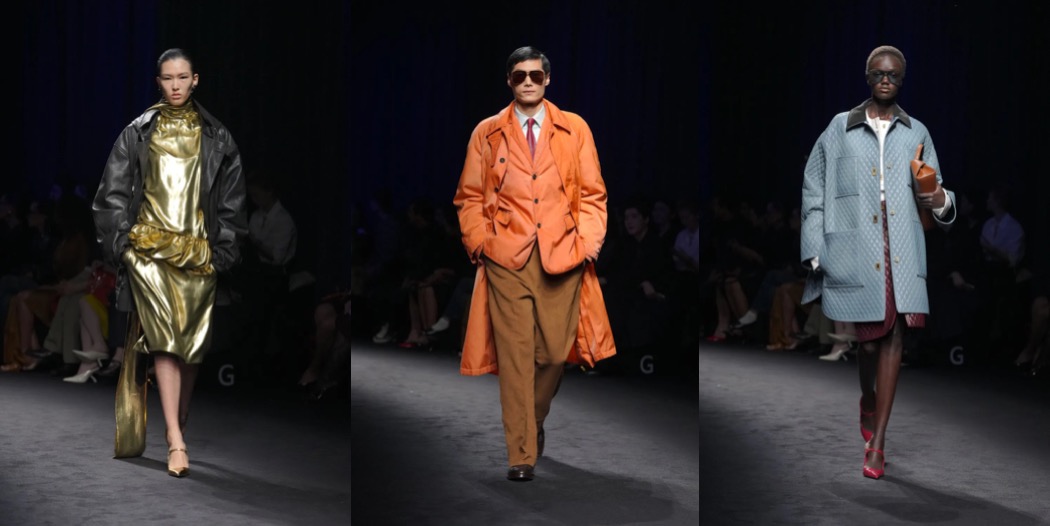
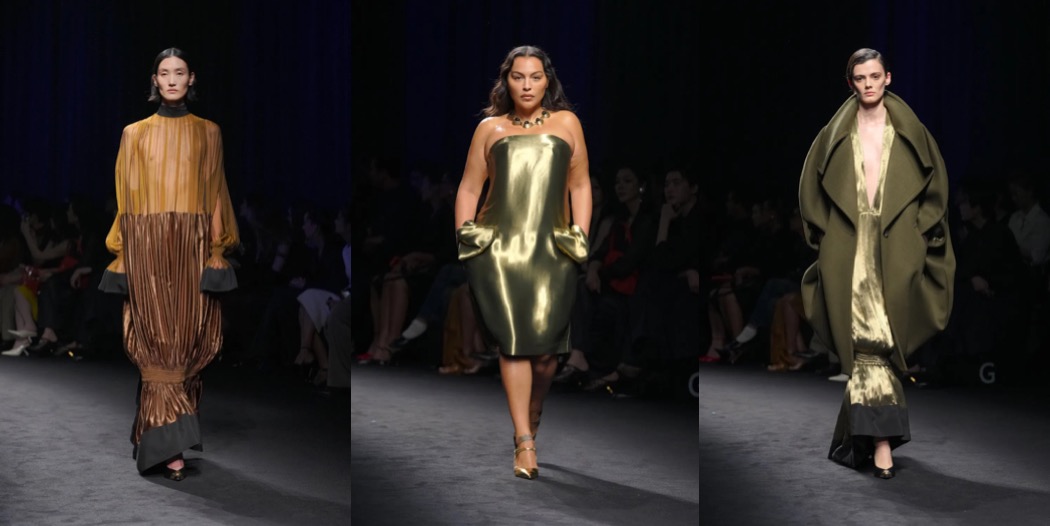
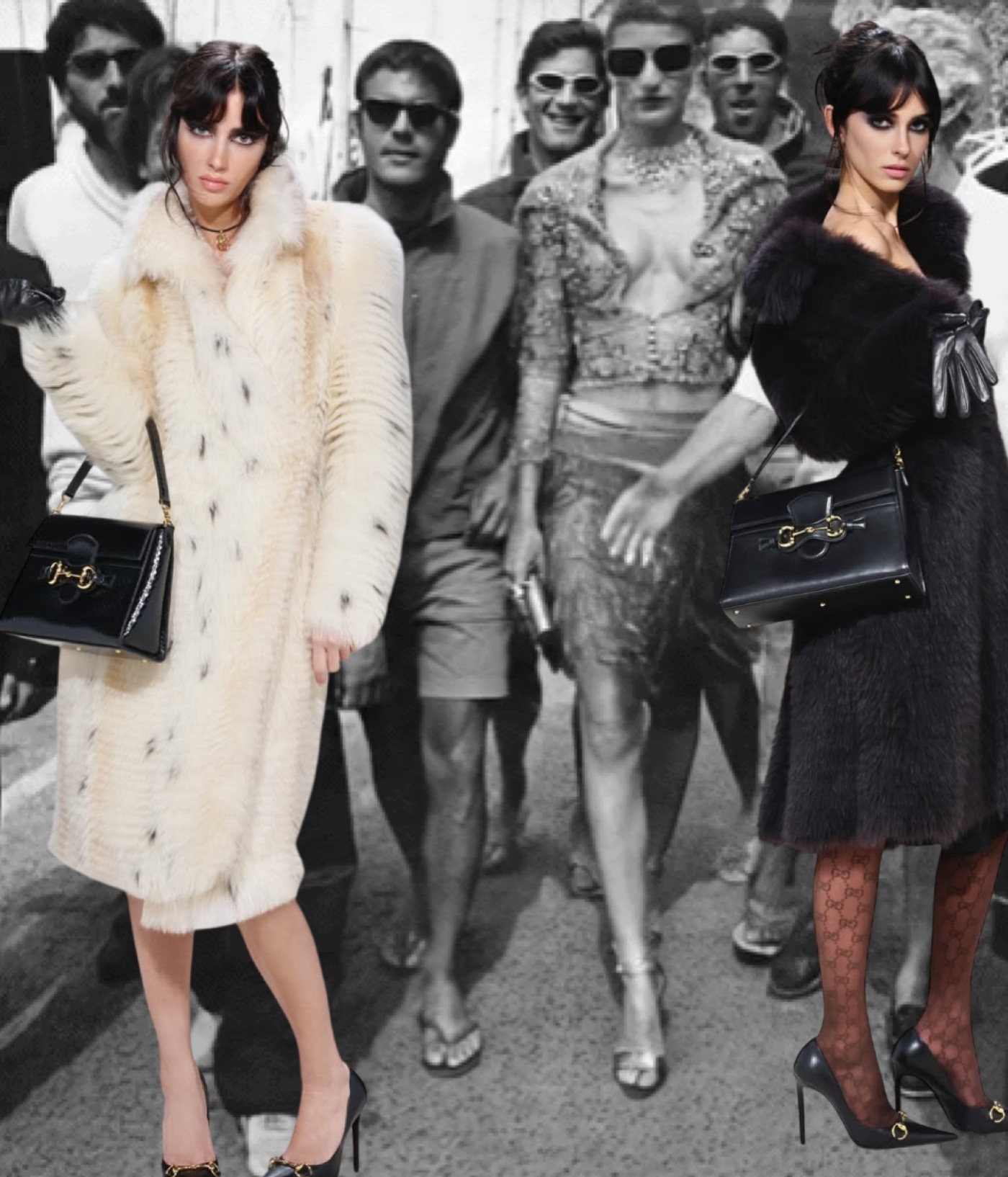
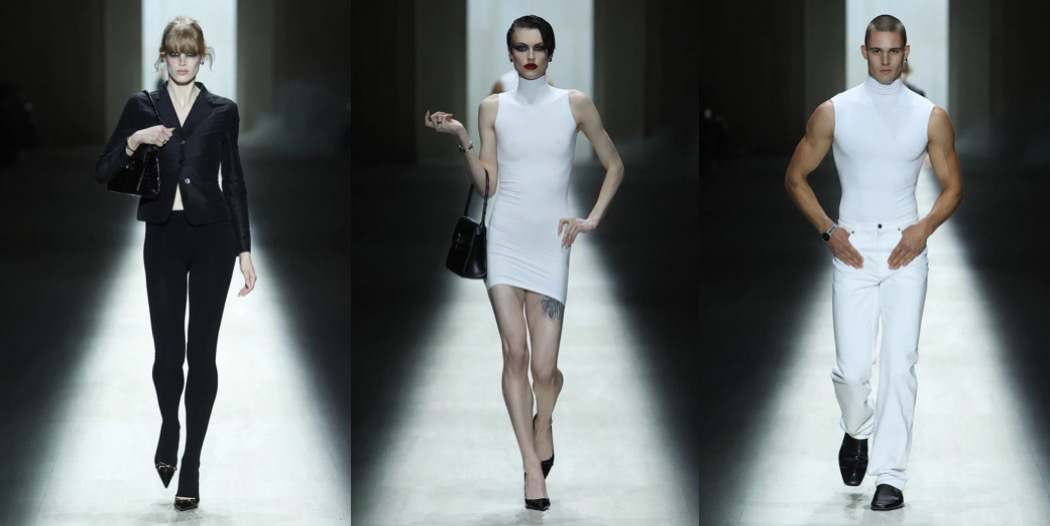
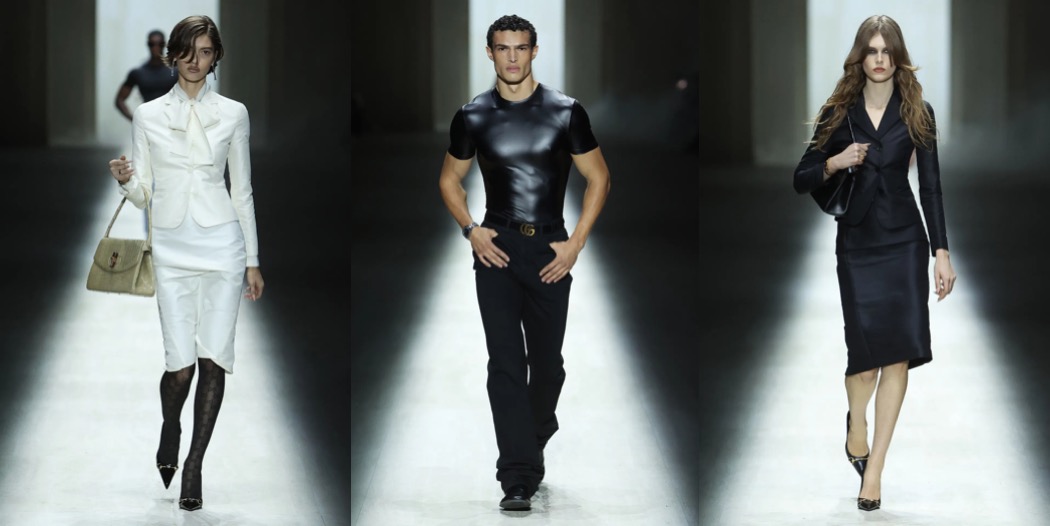
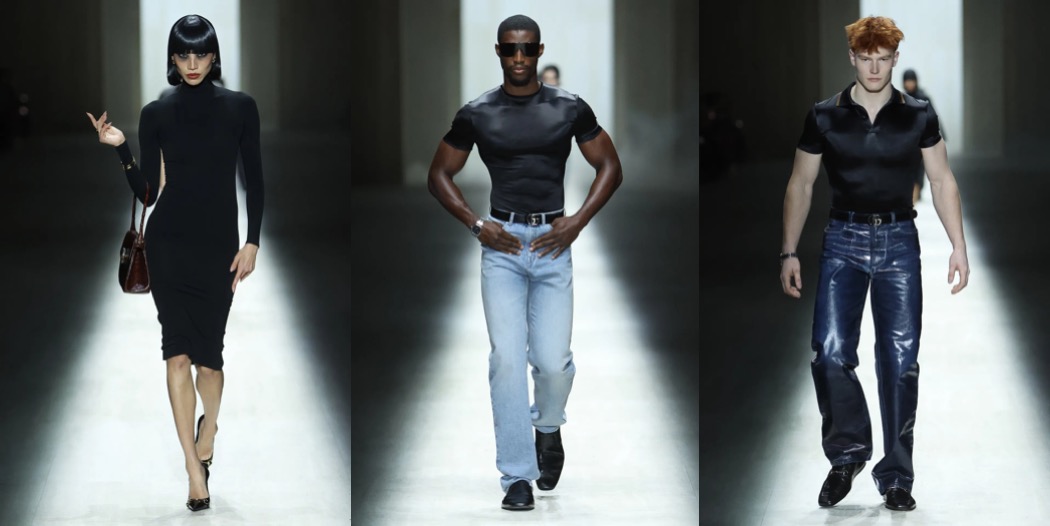
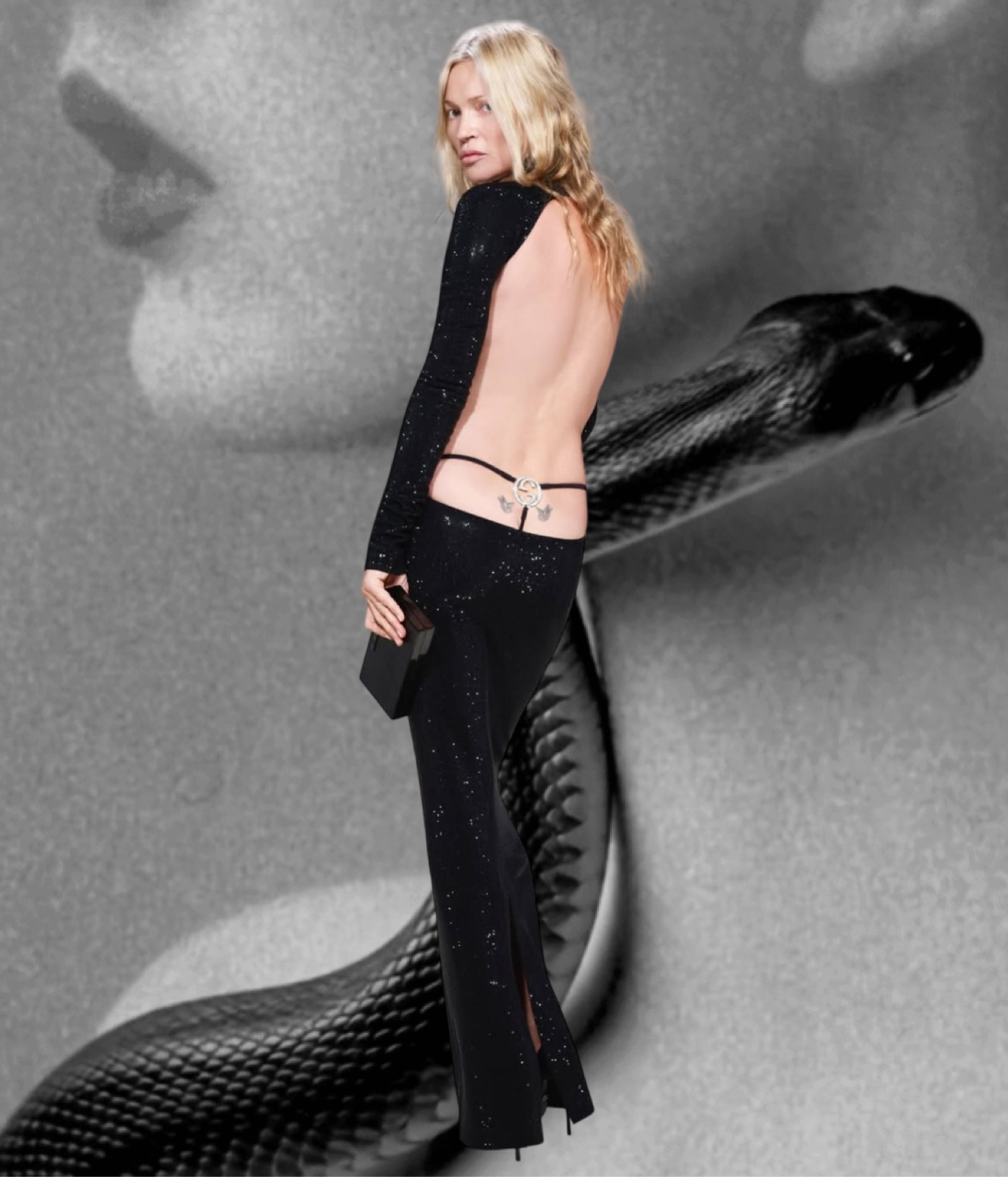
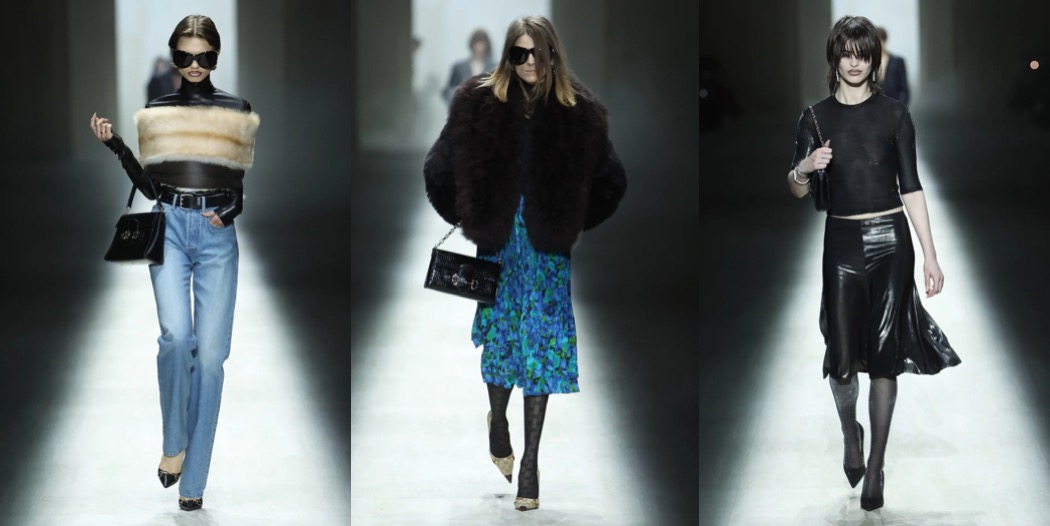
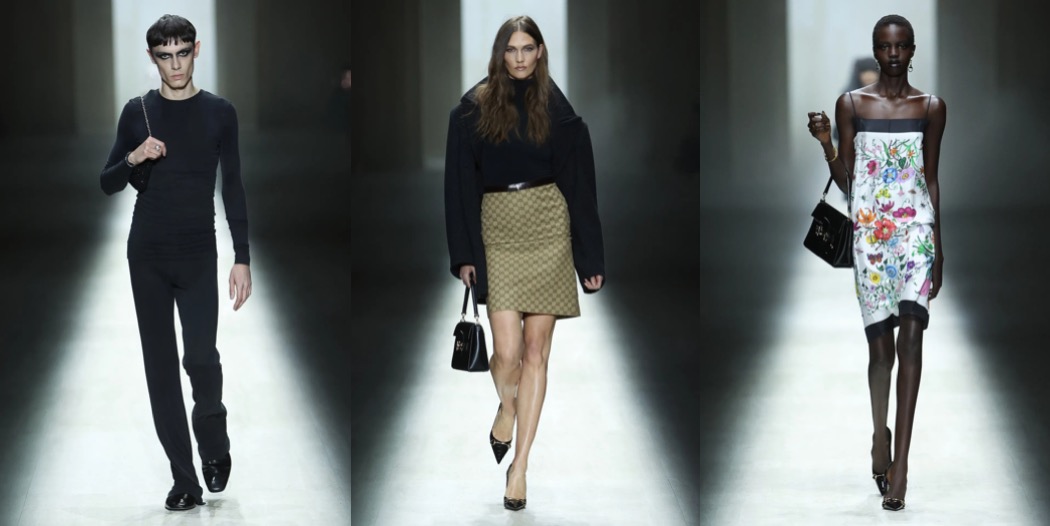
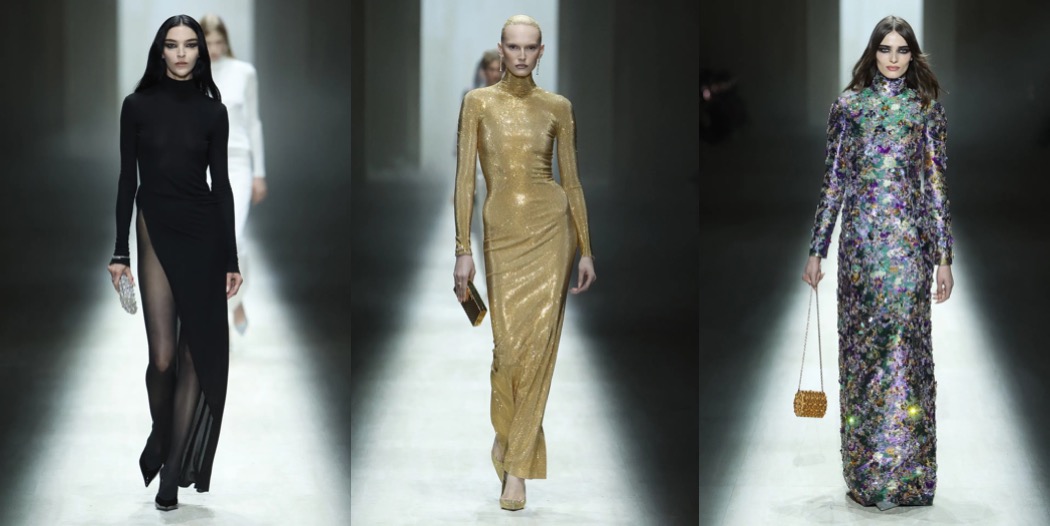
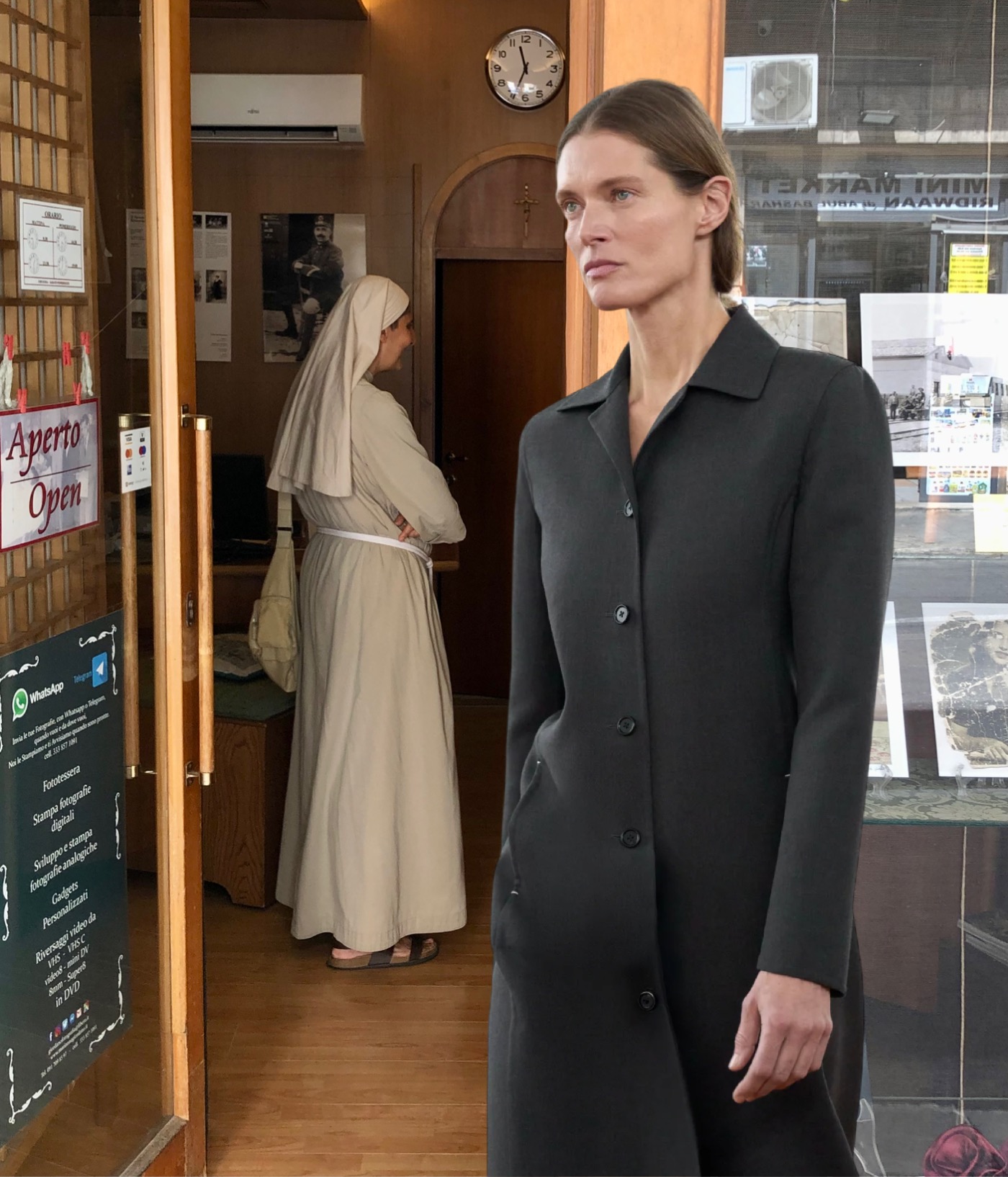
Everything about Demna’s Gucci runway debut made me feel nauseous. The monumental, neo-classicist venue designed by Sub.Global felt deeply discomforting to me – it immediately evoked Mussolini-era architecture, the kind that asserted power and signaled the omnipresence of a totalitarian regime. Playing with such tropes simply doesn’t sit right, especially in the context of figures like Giorgia Meloni shaping current politics. I was genuinely surprised that nobody else said this out loud. But then again, I suppose it’s easy to turn a blind eye when it’s convenient.

And what about the clothes? To me, they suggest that Demna – a designer I truly admired during his Balenciaga years – is at a creative standstill. Or downfall. READ MY FULL REVIEW HERE.

Collage by Edward Kanarecki.
Don’t forget to follow Design & Culture by Ed on Instagram.

Hey, did you know about my newsletter – Ed’s Dispatch? Click here to subscribe.
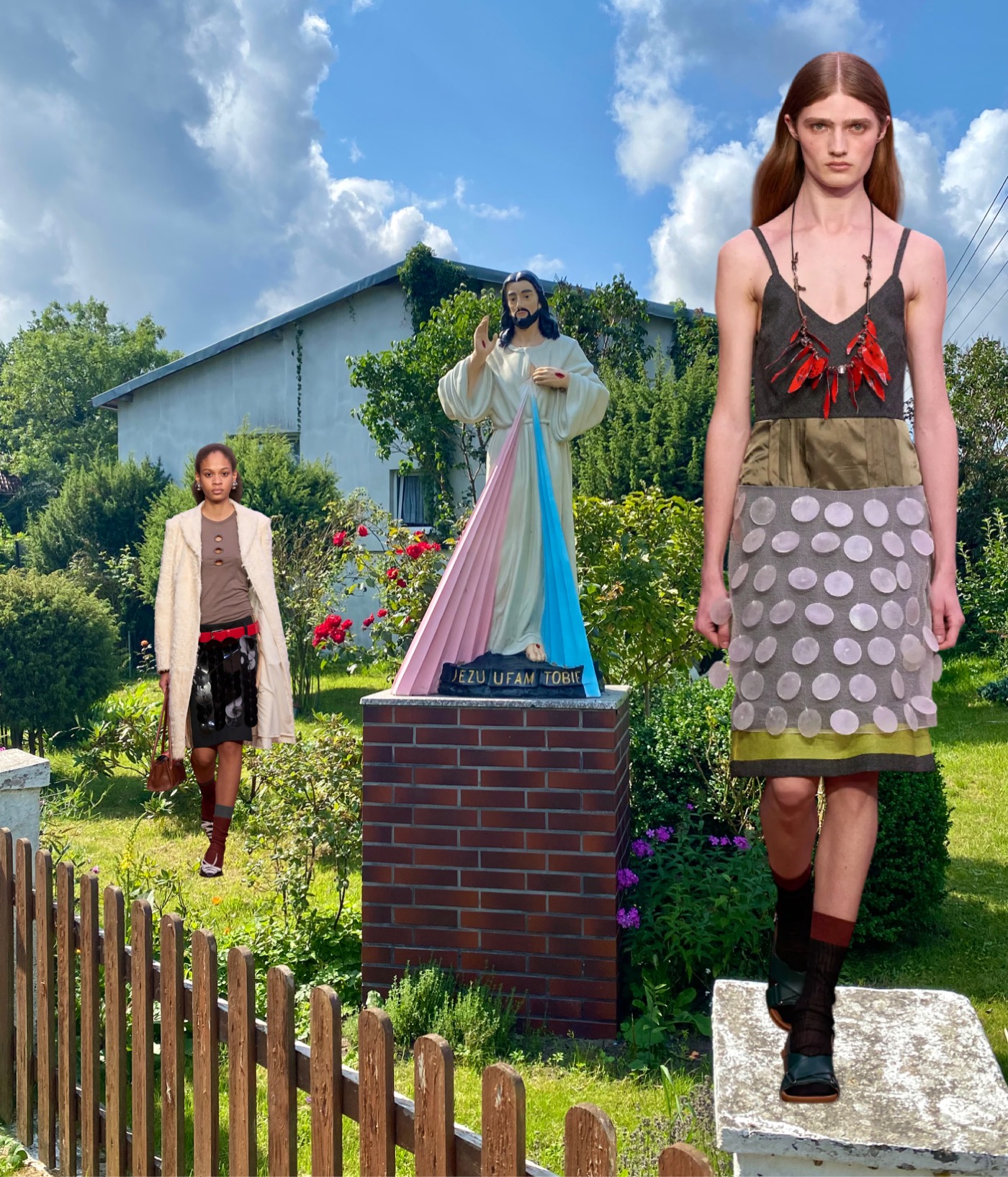
Lost Sister. Marni AW26

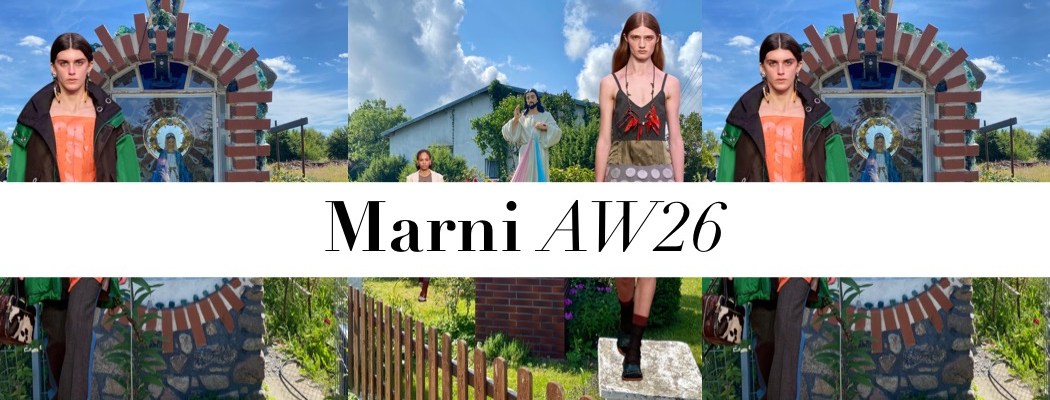
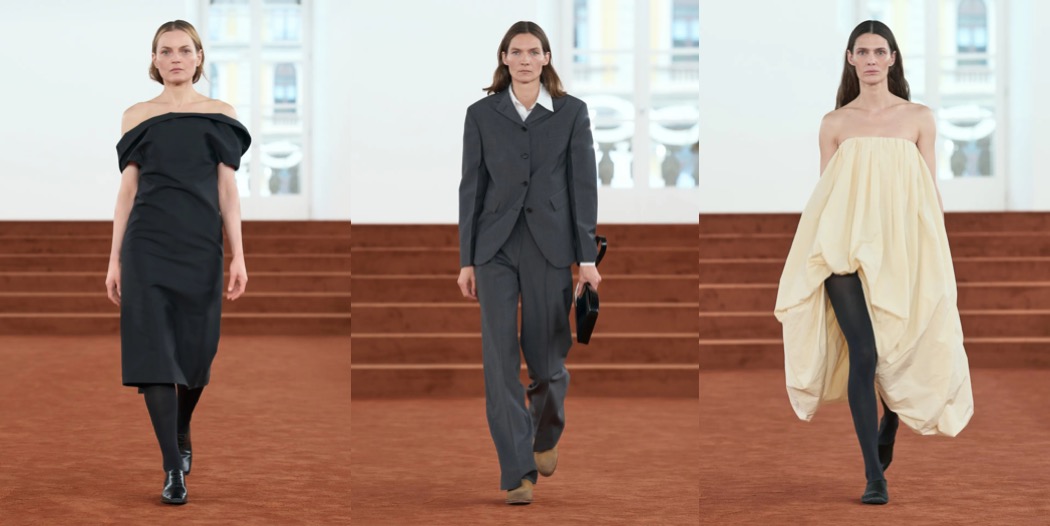
Marni, founded by Consuelo Castiglioni in 1994, immediately resonated with women from different walks of life – gallerists, buyers, chefs. Yet critics and the broader fashion establishment often dismissed it as derivative of Prada: a kind of lost Miu Miu sister, but without the family lineage. As a result, it was rarely taken seriously as “major” fashion.

When Francesco Risso took over the brand about a decade ago, he transformed it into something closer to an art school experiment – at times strikingly on point, at others completely missing the mark with over-intellectualized gestures. Now it is Meryll Rogge’s turn to redefine Marni.

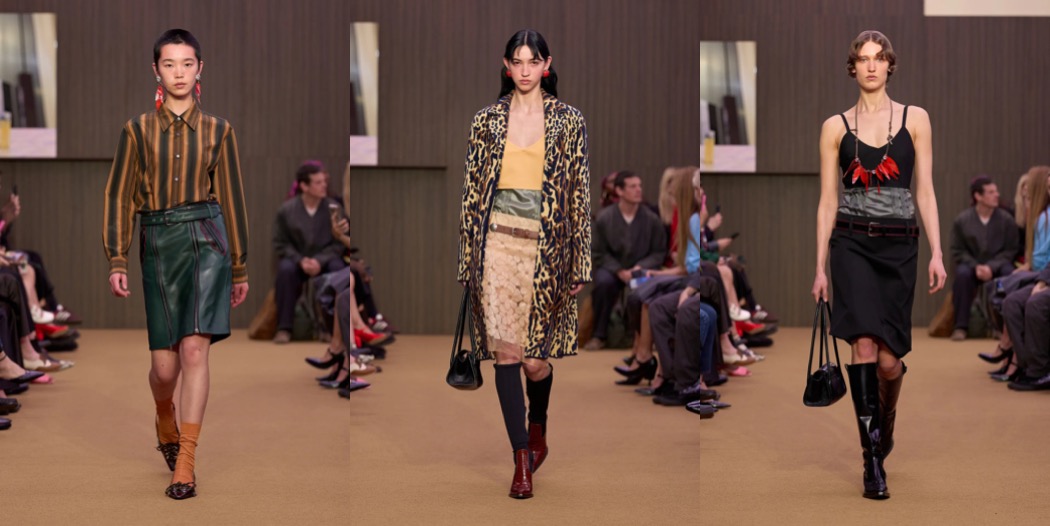
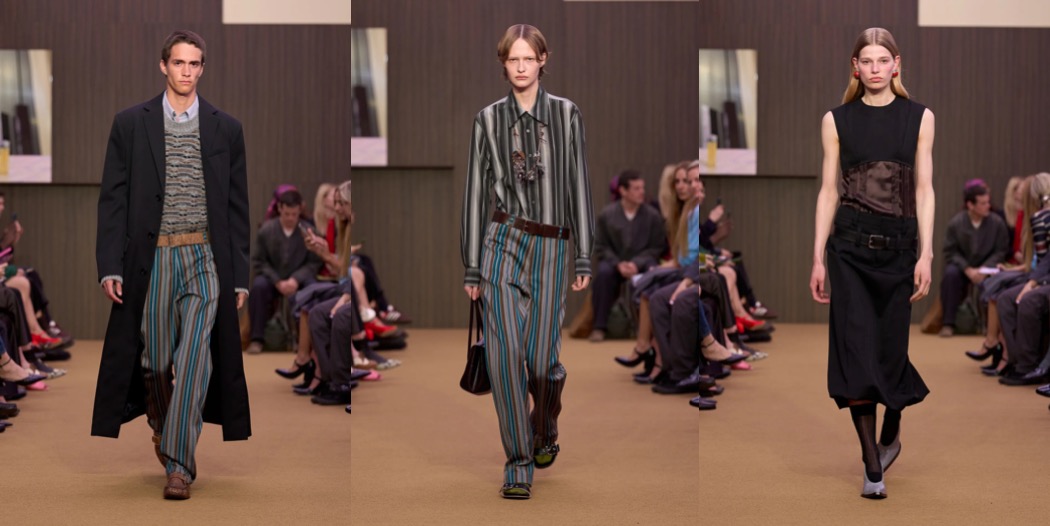
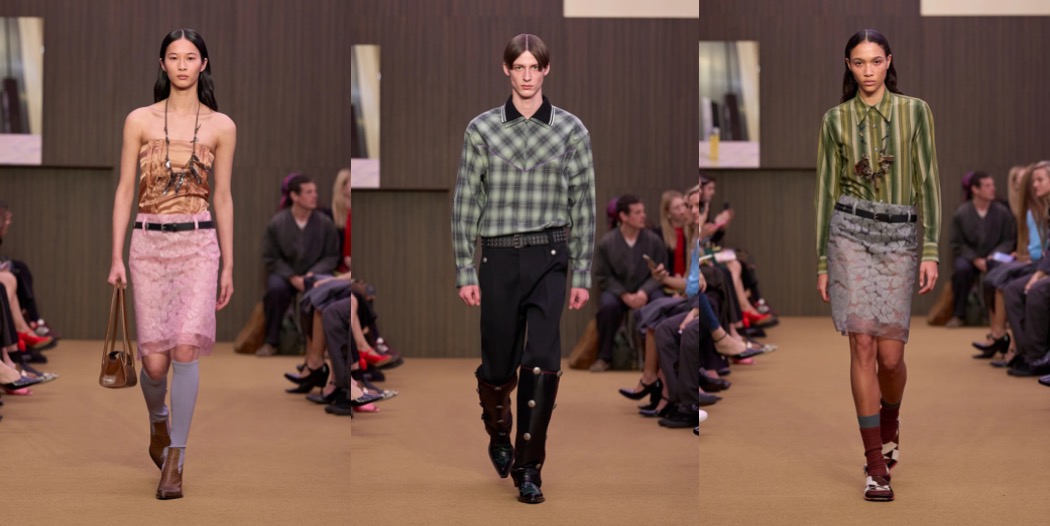
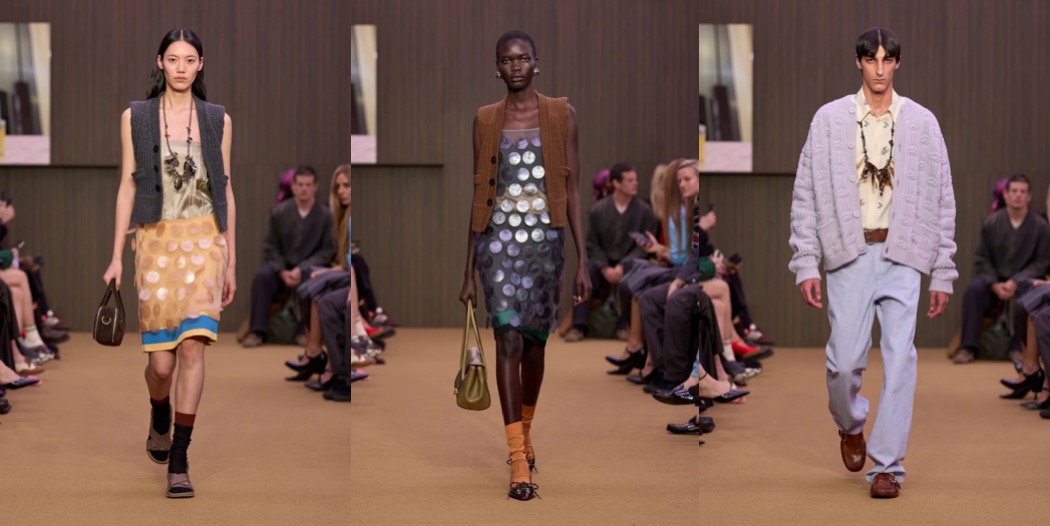
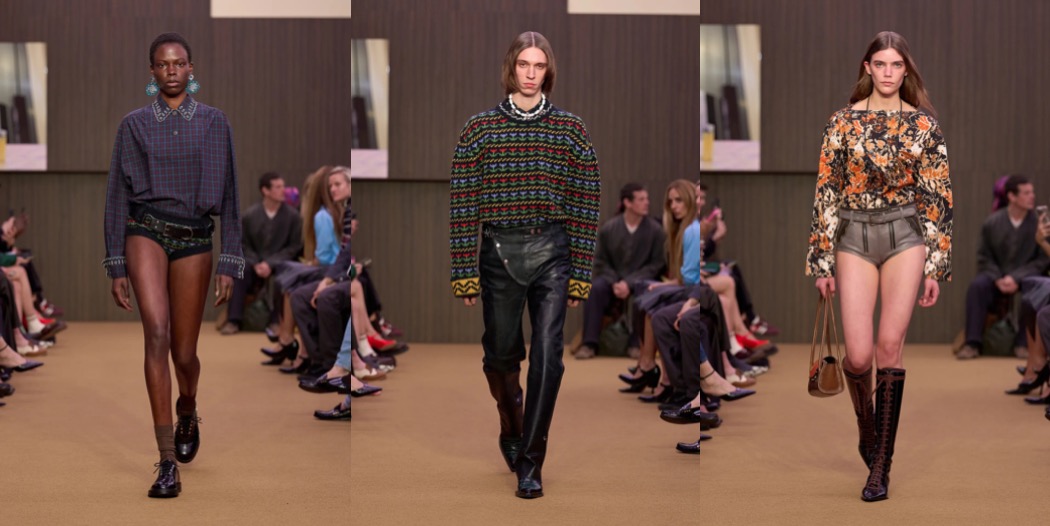
At her own eponymous label, Meryll cultivates a certain kooky, cluttered aesthetic that, on paper, seems perfectly suited to the Marni universe. Her debut felt almost expected – much closer to the brand’s 2000s image than to its more recent iterations. Which is why staging her show on the same day as Prada felt particularly unfortunate. It was Miuccia’s playbook all over again: socks with sandals, oversized paillettes on skirts, quirky, retro-tinged necklaces – only without the socio-political subtext humming in the background.

There are plenty of designers working in a kind of faux-Prada mode – from Henry Zankov to N21’s Alessandro Dell’Acqua – and Rogge’s Marni seems to fall into that same category. But perhaps that is precisely the point?

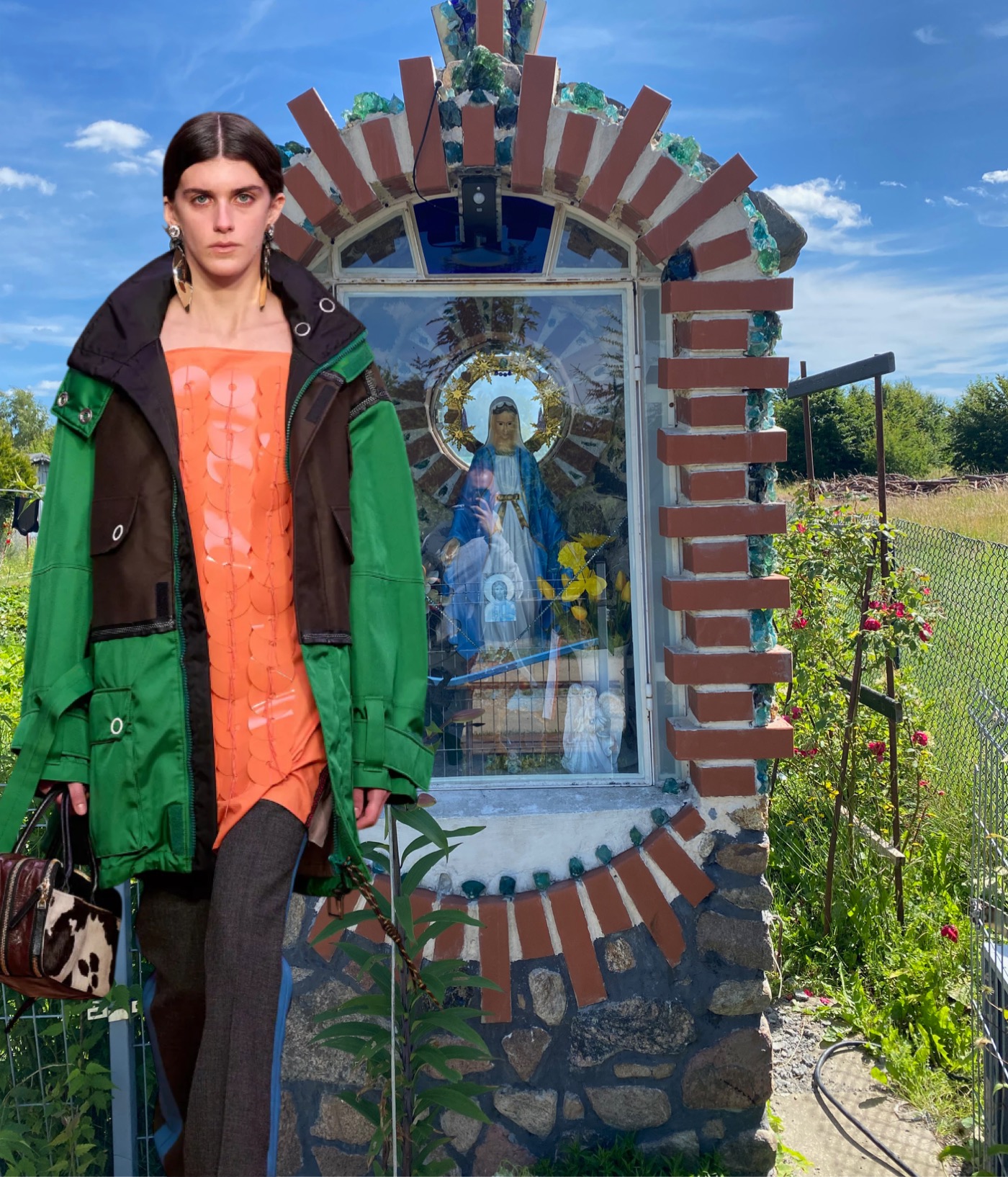
Collage by Edward Kanarecki.
Don’t forget to follow Design & Culture by Ed on Instagram.

Hey, did you know about my newsletter – Ed’s Dispatch? Click here to subscribe.
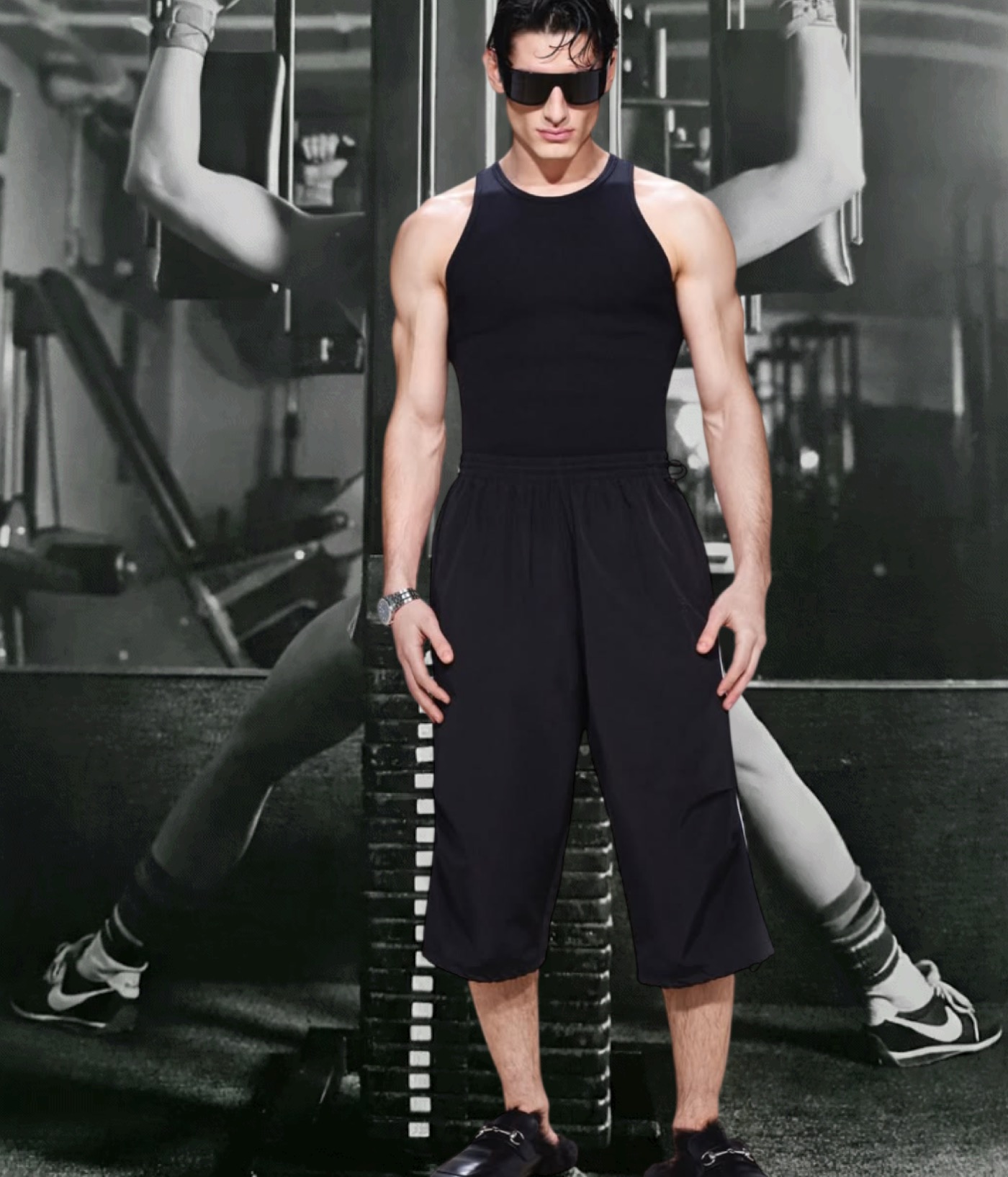
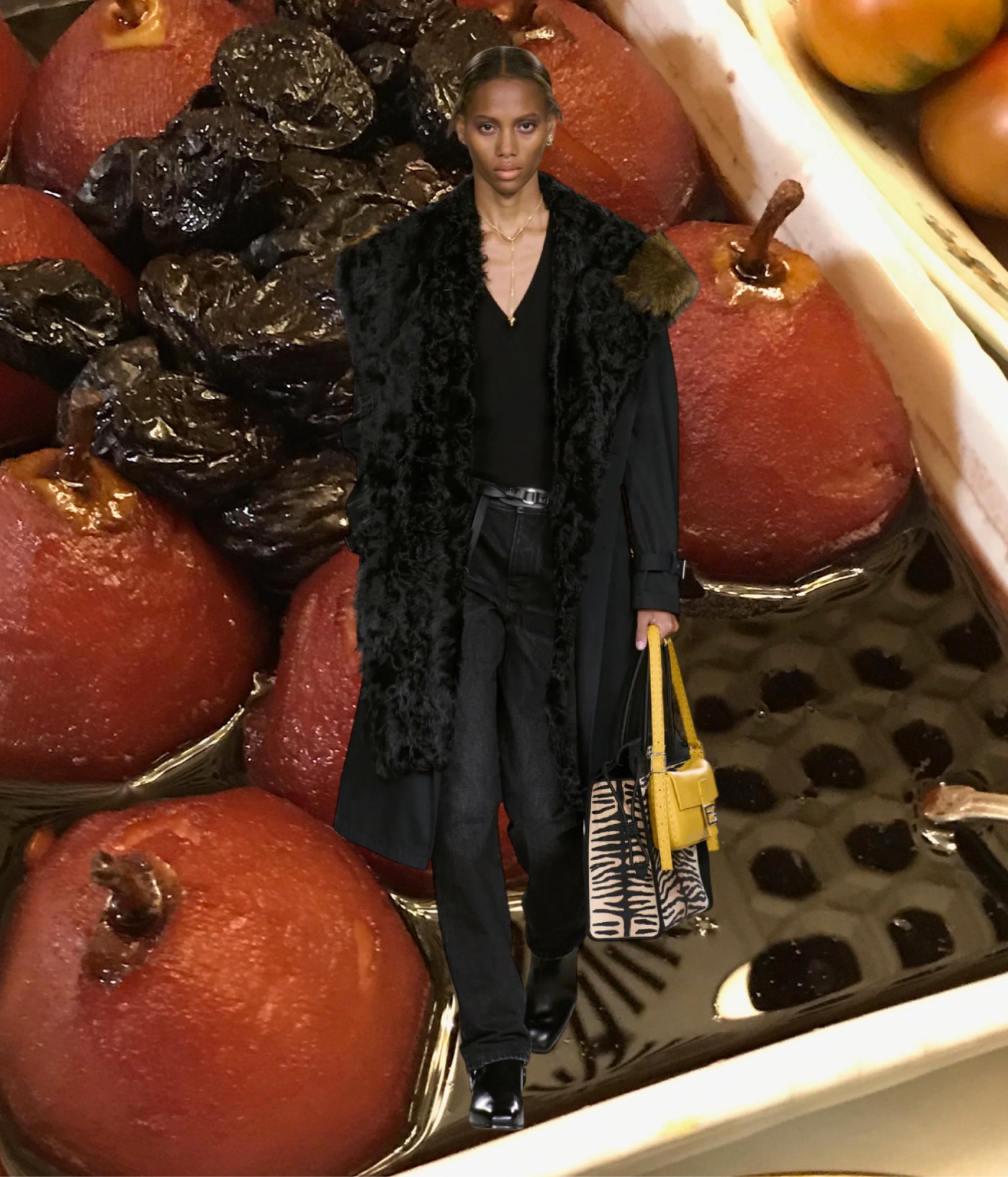
Nobody Is Fun Anymore. Fendi AW26
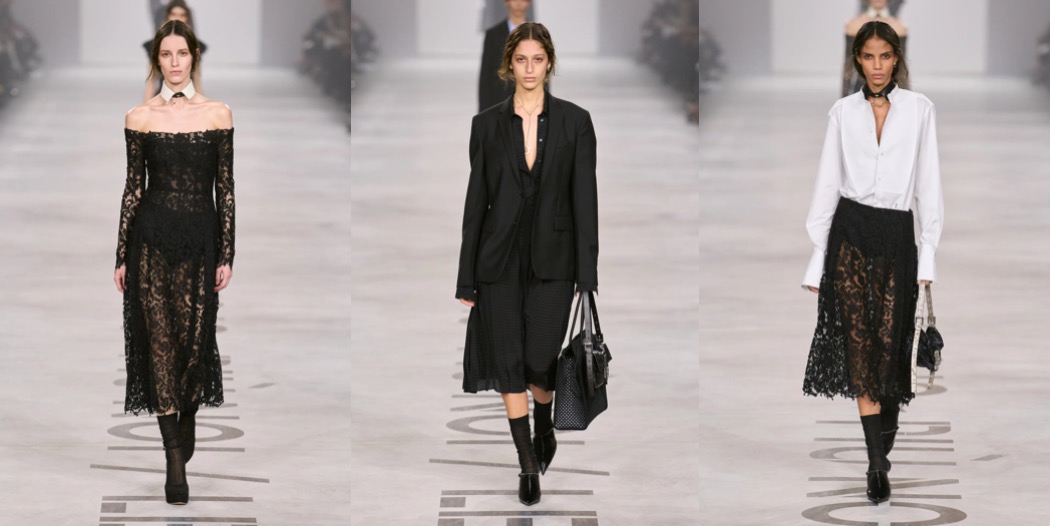
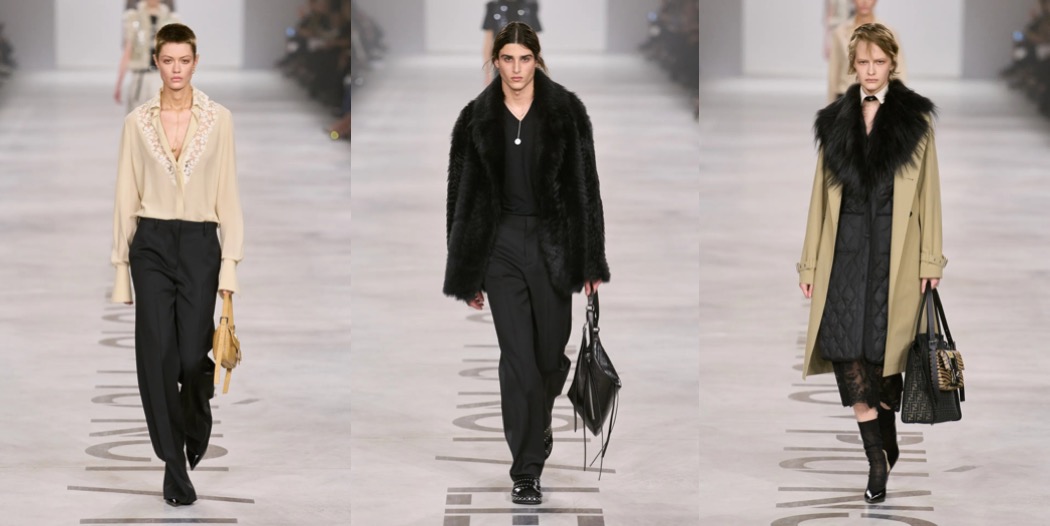
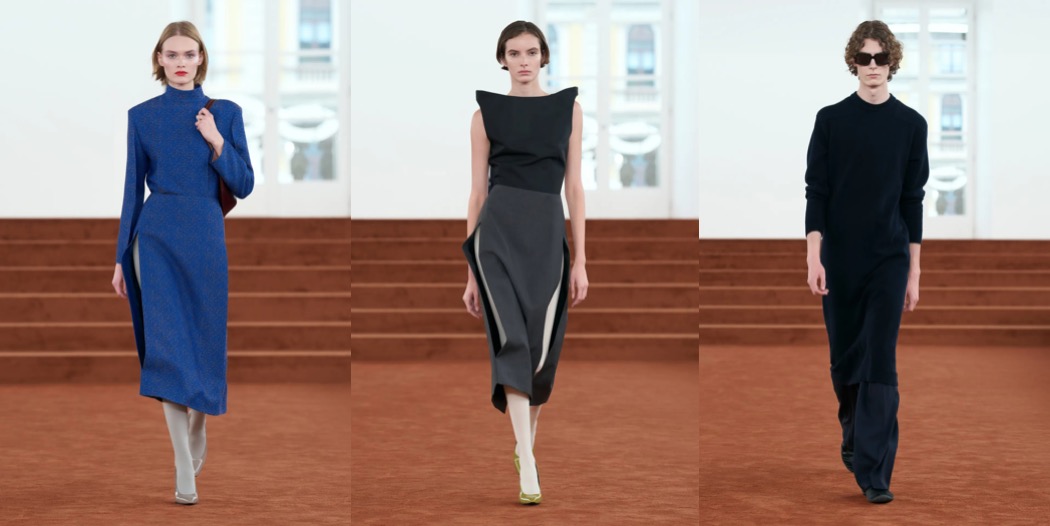
For some strange reason, I had hoped that Maria Grazia Chiuri’s debut at Fendi would surprise us all with something genuinely fun (believe it or not, once upon a time Fendi was fun – before Kim Jones turned it into yet another beige Italian brand). But there was no trace of that spirit on her runway. At least, it was nowhere to be seen beyond a passing statement in the press release.
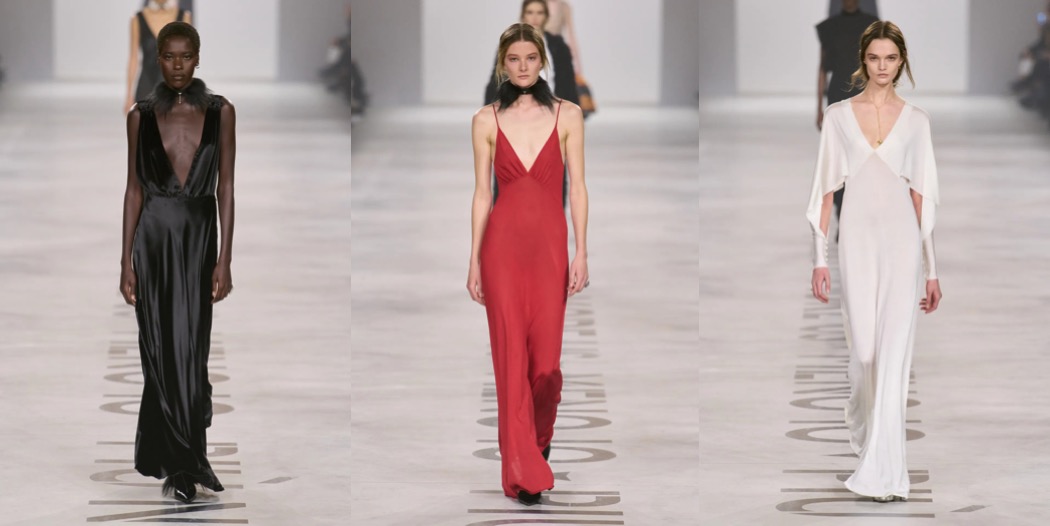
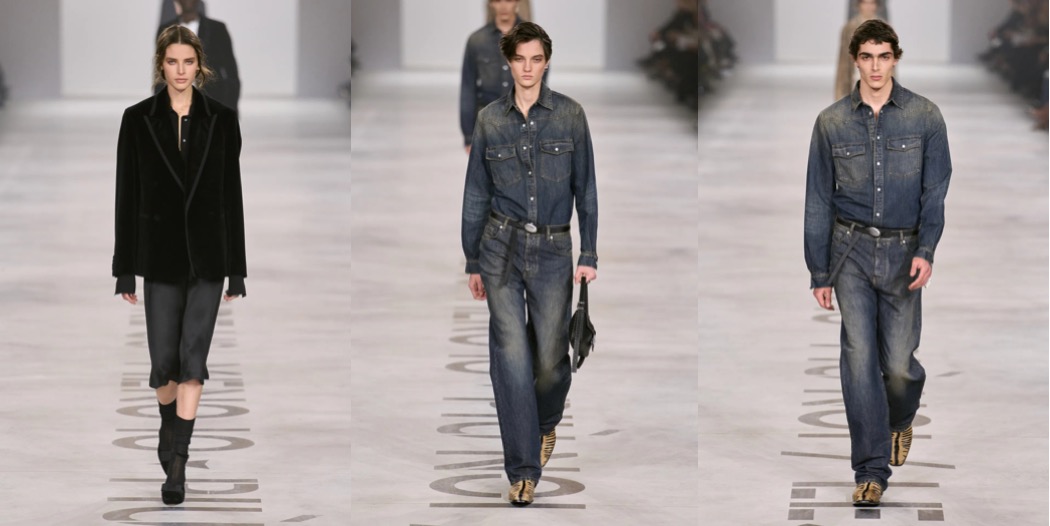
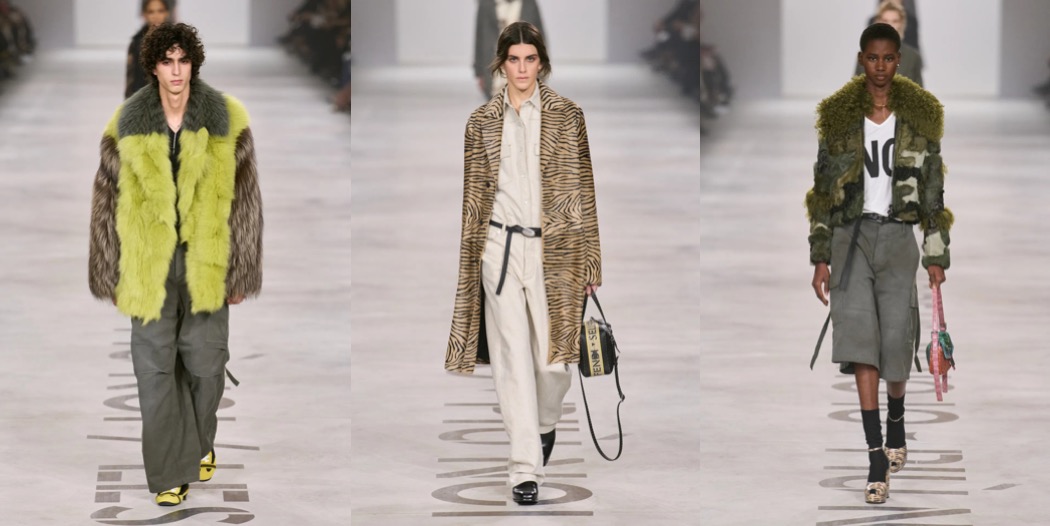
It seems that the only thing distinguishing Maria Grazia’s current mindset from her years at Dior is a looser relationship to a unifying theme. Her Fendi woman is slightly less uptight – perhaps. Yet this newly found “chill” made the latest collection resemble Zadig & Voltaire more than Fendi: slip dresses, military references, velvet jackets, denim – the building blocks of a rather dated understanding of “cool.”

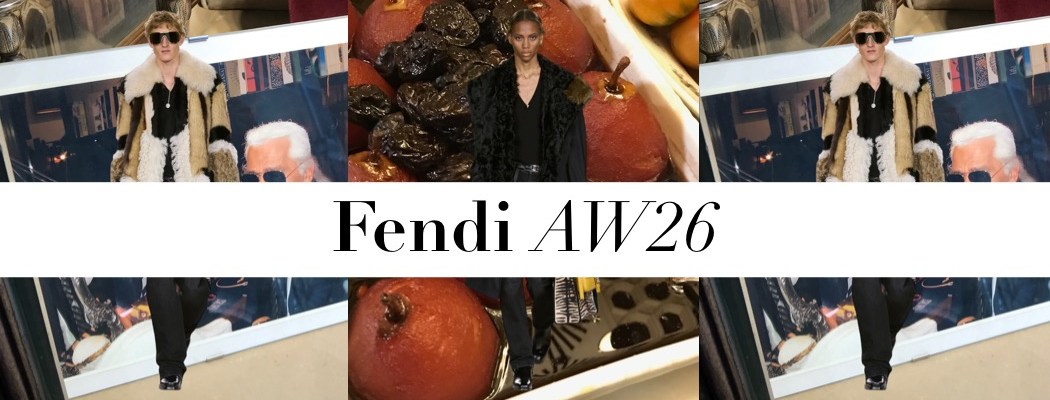
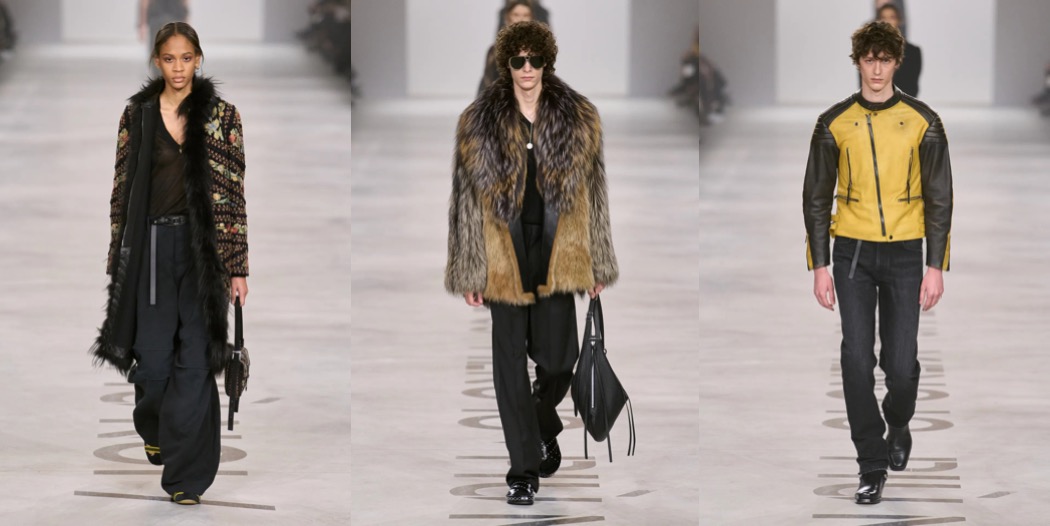
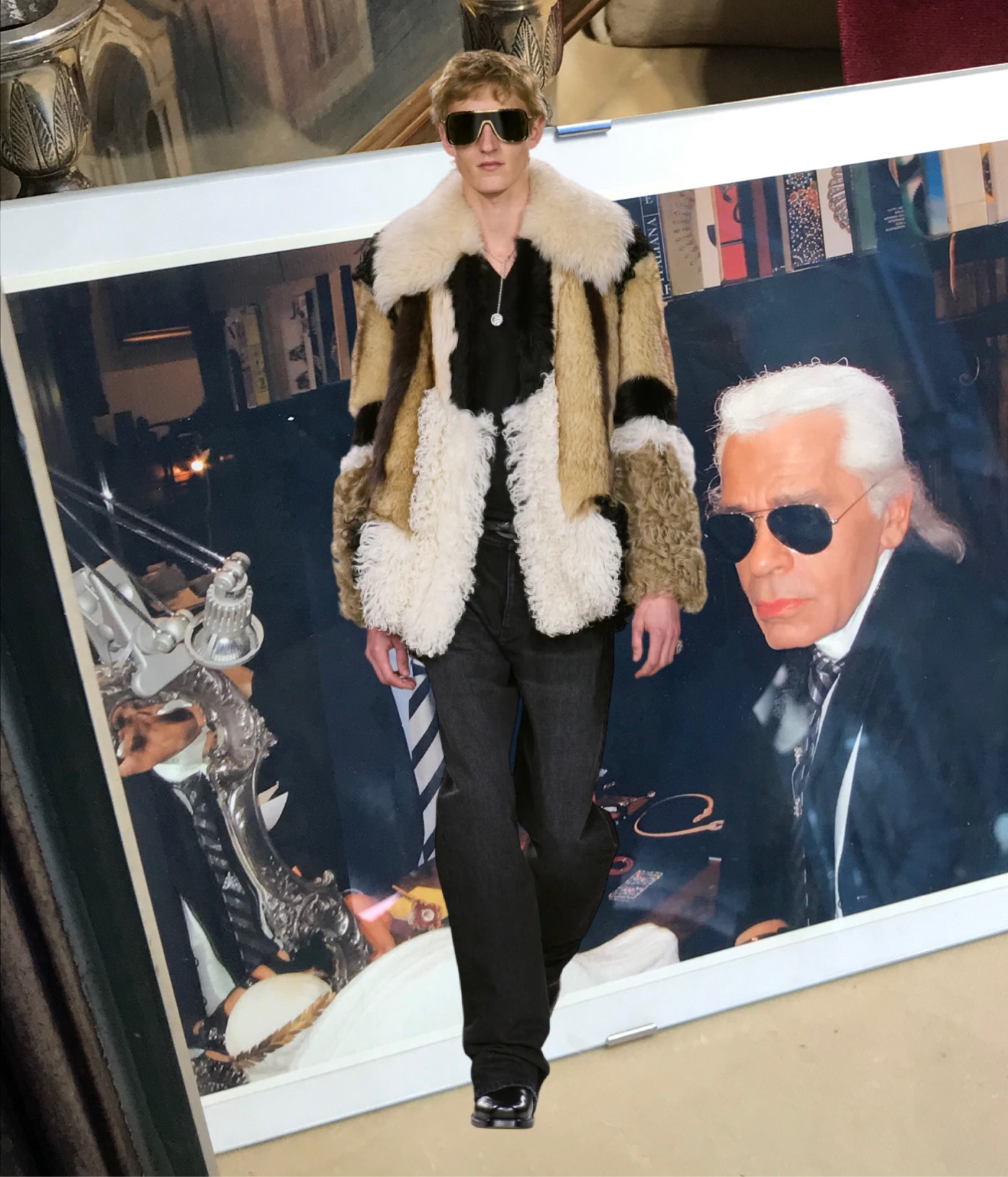
And the menswear? Perhaps because Chiuri hasn’t designed menswear in decades, it ended up being one of the most compelling aspects of the collection. Funnily enough, in her universe, men are allowed to wear more fabulous furs than women.

Collage by Edward Kanarecki.
Don’t forget to follow Design & Culture by Ed on Instagram.

Hey, did you know about my newsletter – Ed’s Dispatch? Click here to subscribe.