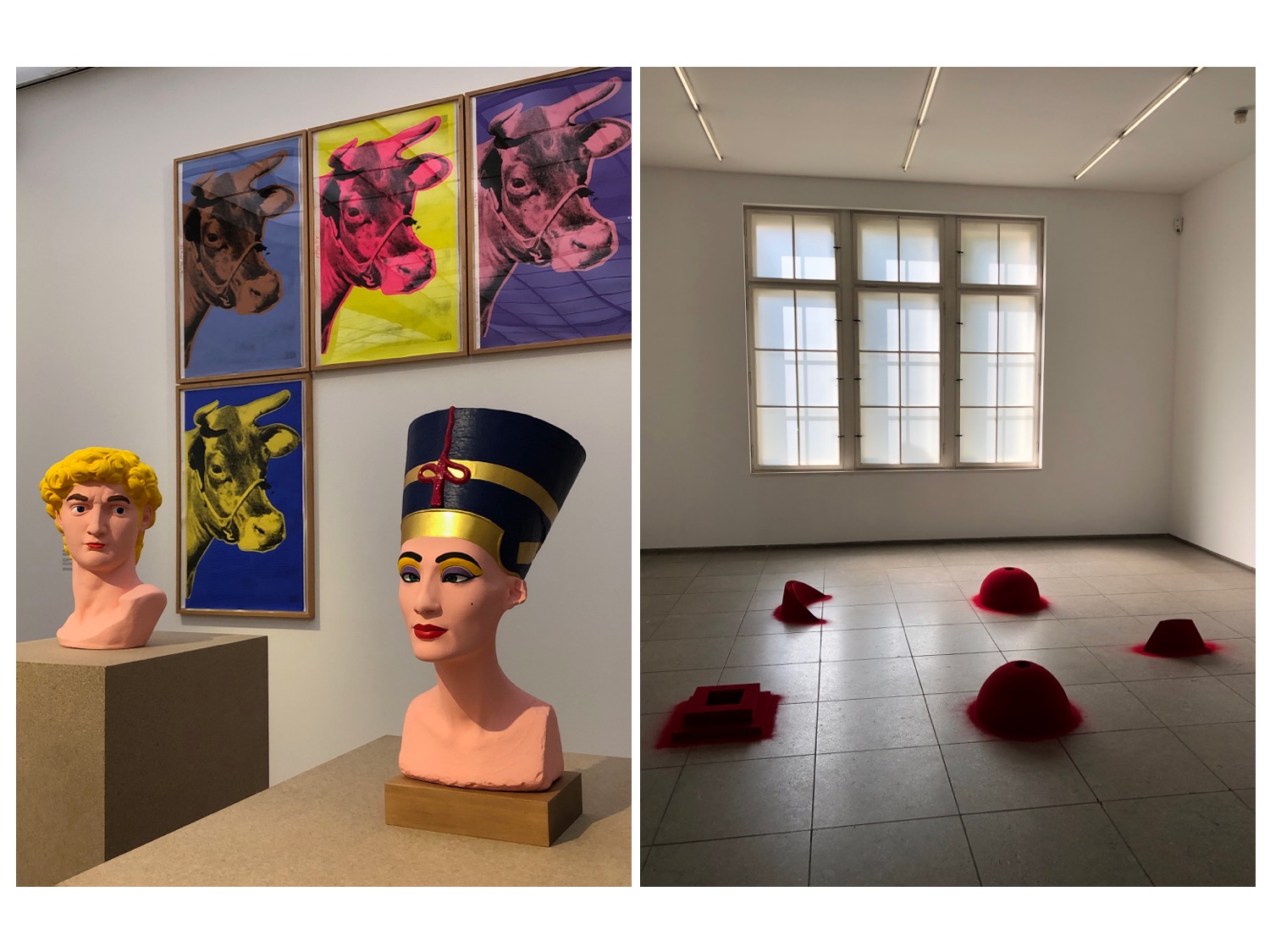
Berlin: Sprüth Magers

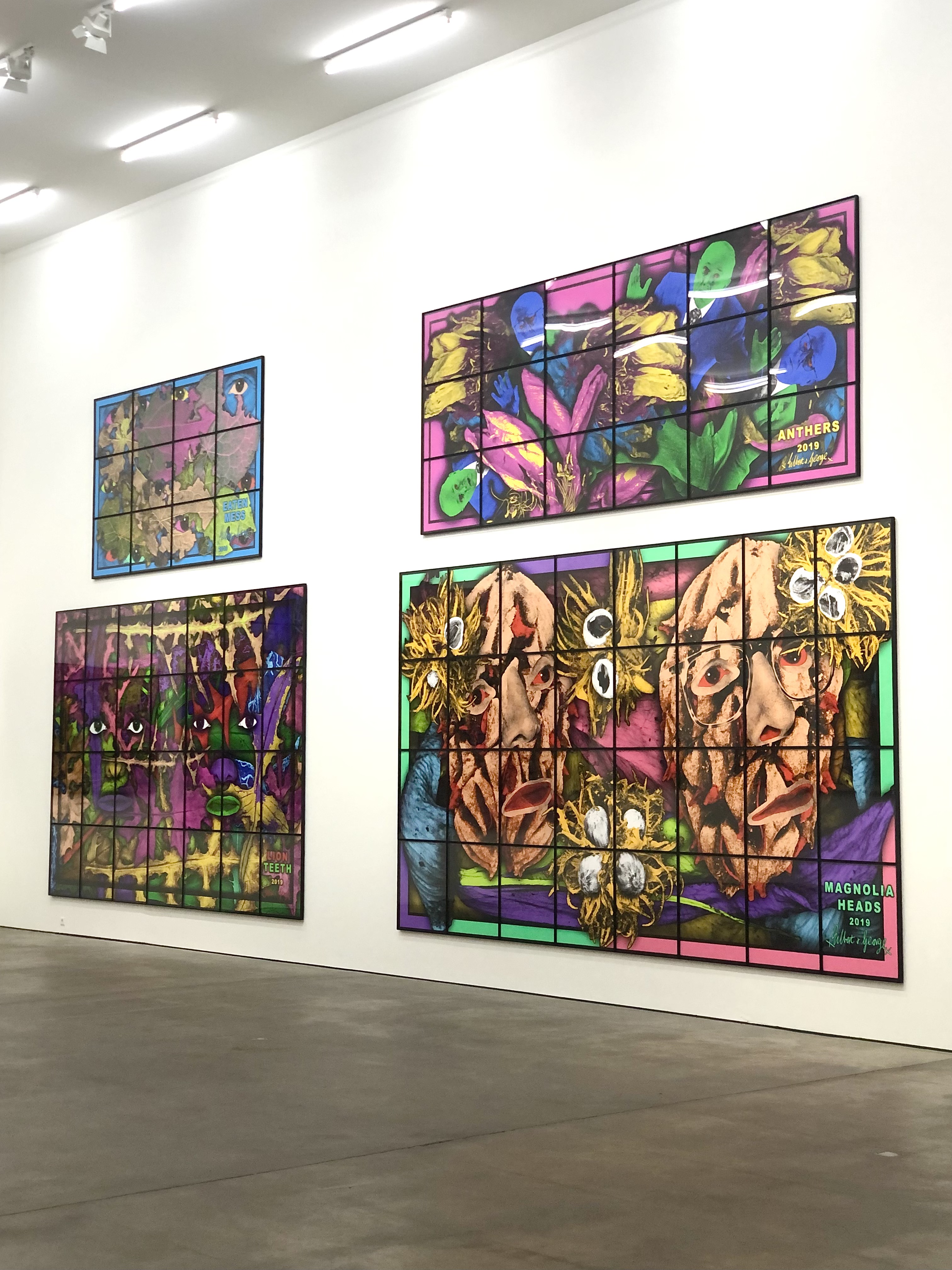
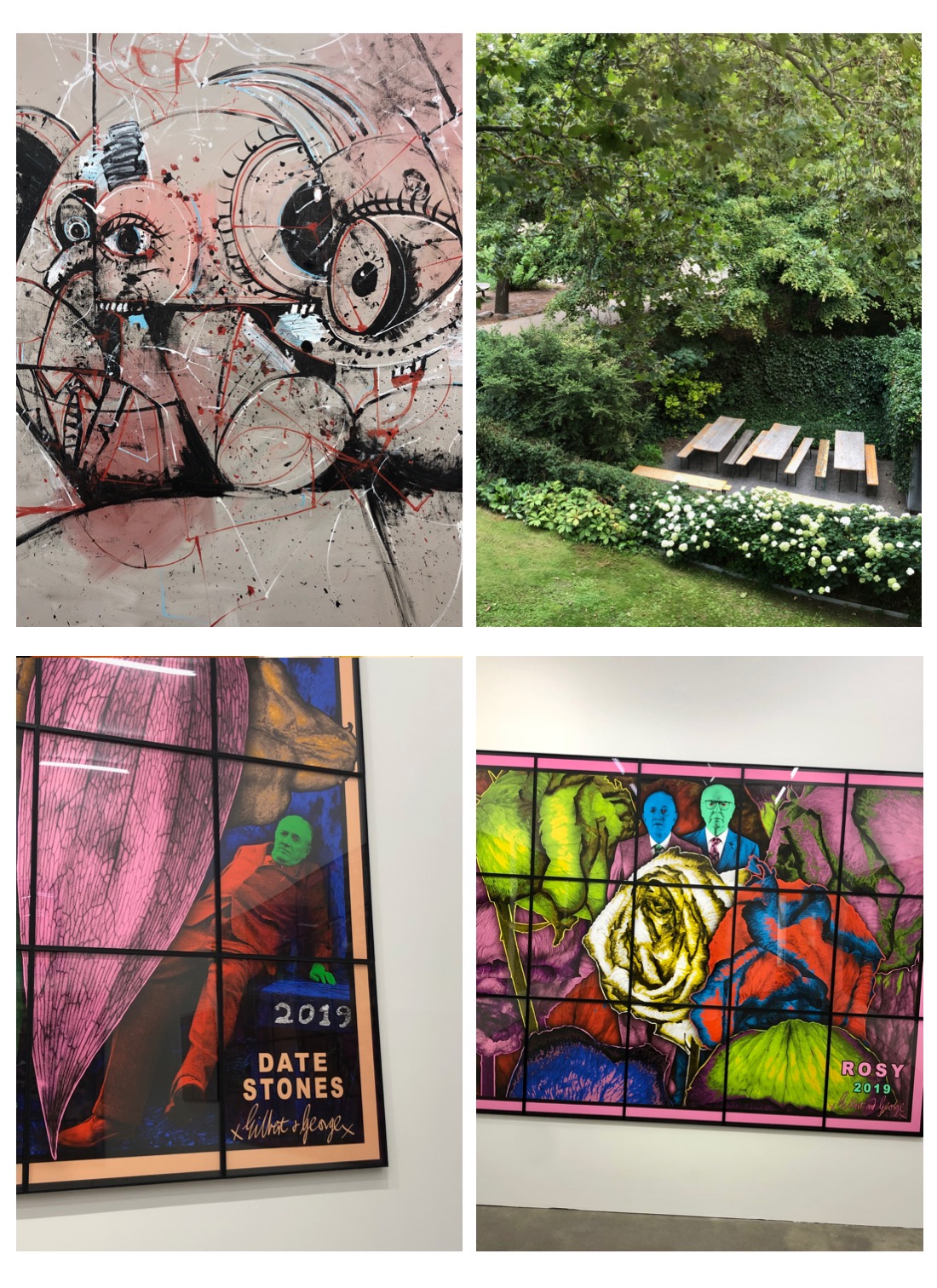
Sprüth Magers has expanded from its roots in Cologne, Germany to become an international gallery dedicated to exhibiting the very best in groundbreaking modern and contemporary art. With galleries located in Berlin Mitte, London’s Mayfair and the Miracle Mile in Los Angeles – as well as an office in Cologne and an outpost in Hong Kong – Sprüth Magers retains close ties with the studios and communities of the German and American artists who form the core of its roster. The gallery emerged amid an extraordinary outburst in contemporary art that took place in Cologne in the early 1980s. Its first iteration as Monika Sprüth Gallery opened in 1983 with an exhibition of paintings by Andreas Schulze and was soon followed by exhibitions of Rosemarie Trockel and Peter Fischli David Weiss. Over the next few years George Condo, Jenny Holzer, Barbara Kruger, Louise Lawler and Cindy Sherman all showed at the gallery and have continued to do so for the last thirty years. In 2008 the gallery established its flagship space in a former dancehall in Berlin Mitte – not far from the city’s Museum Island. The gallery debuted with Thomas Scheibitz and George Condo. Known for its rigorously curatorial approach to its program and for a deep and enduring devotion to the artists it represents, the gallery has, over the past three decades, fostered close and cooperative relationships with museums and curators worldwide. Meanwhile it continues its tradition of commissioning new scholarship and creating innovative books and publications.

Right now showing in their Berlin gallery: Gilbert & George‘s “The Paradisical Pictures” and George Condo‘s “Linear Expression” – both open to visitors until the 25th of August.

Oranienburger Straße 18 / Berlin

Photos by Edward Kanarecki.

Berlin: Voo Store

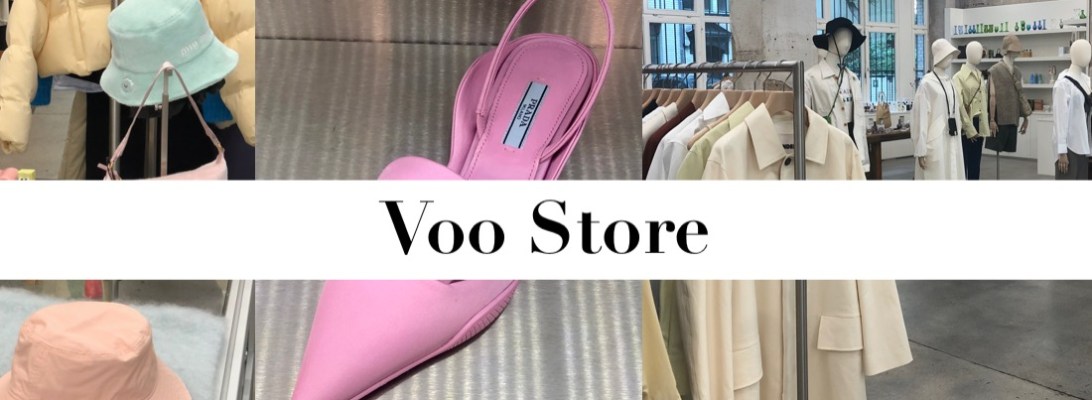
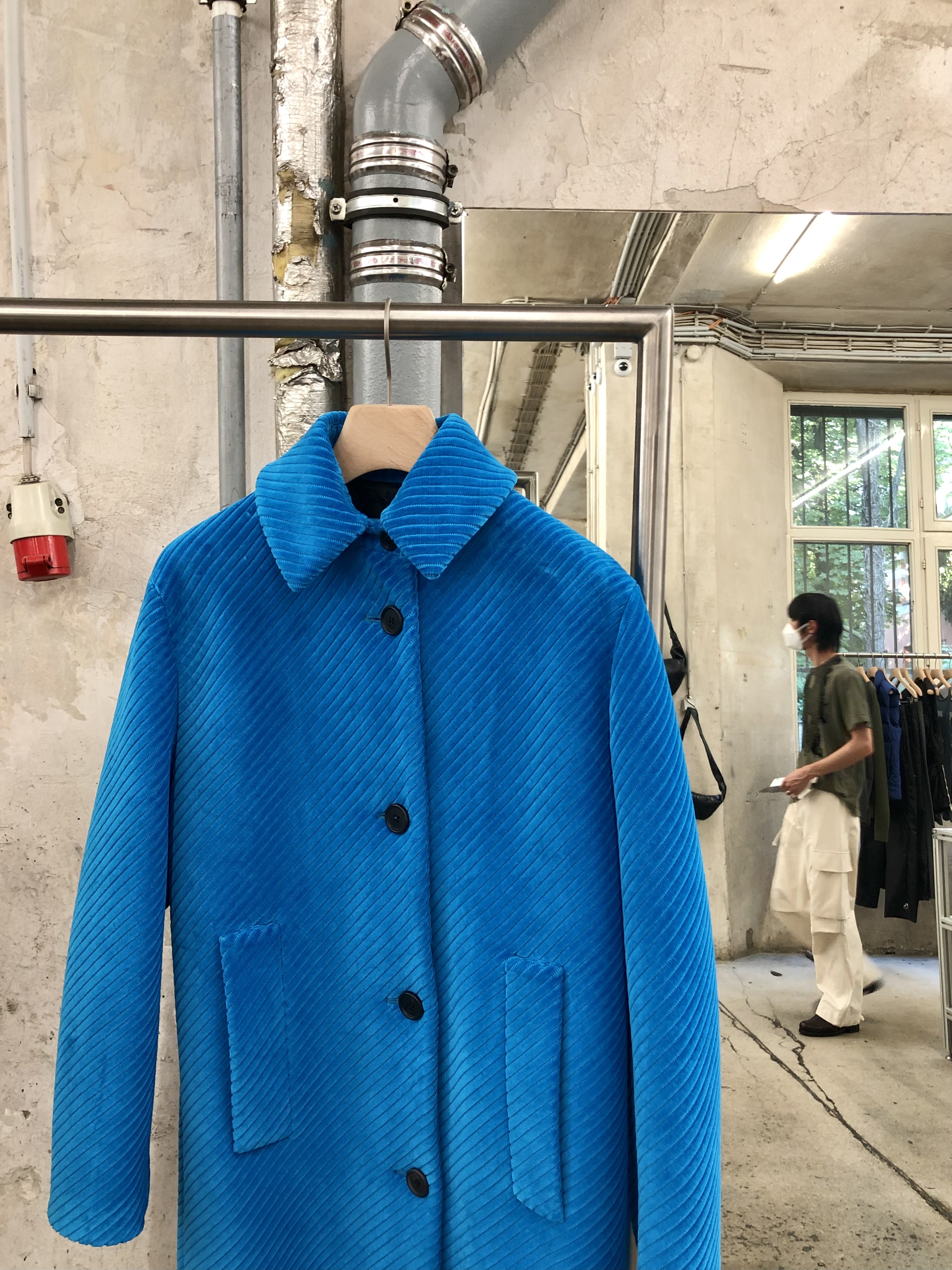
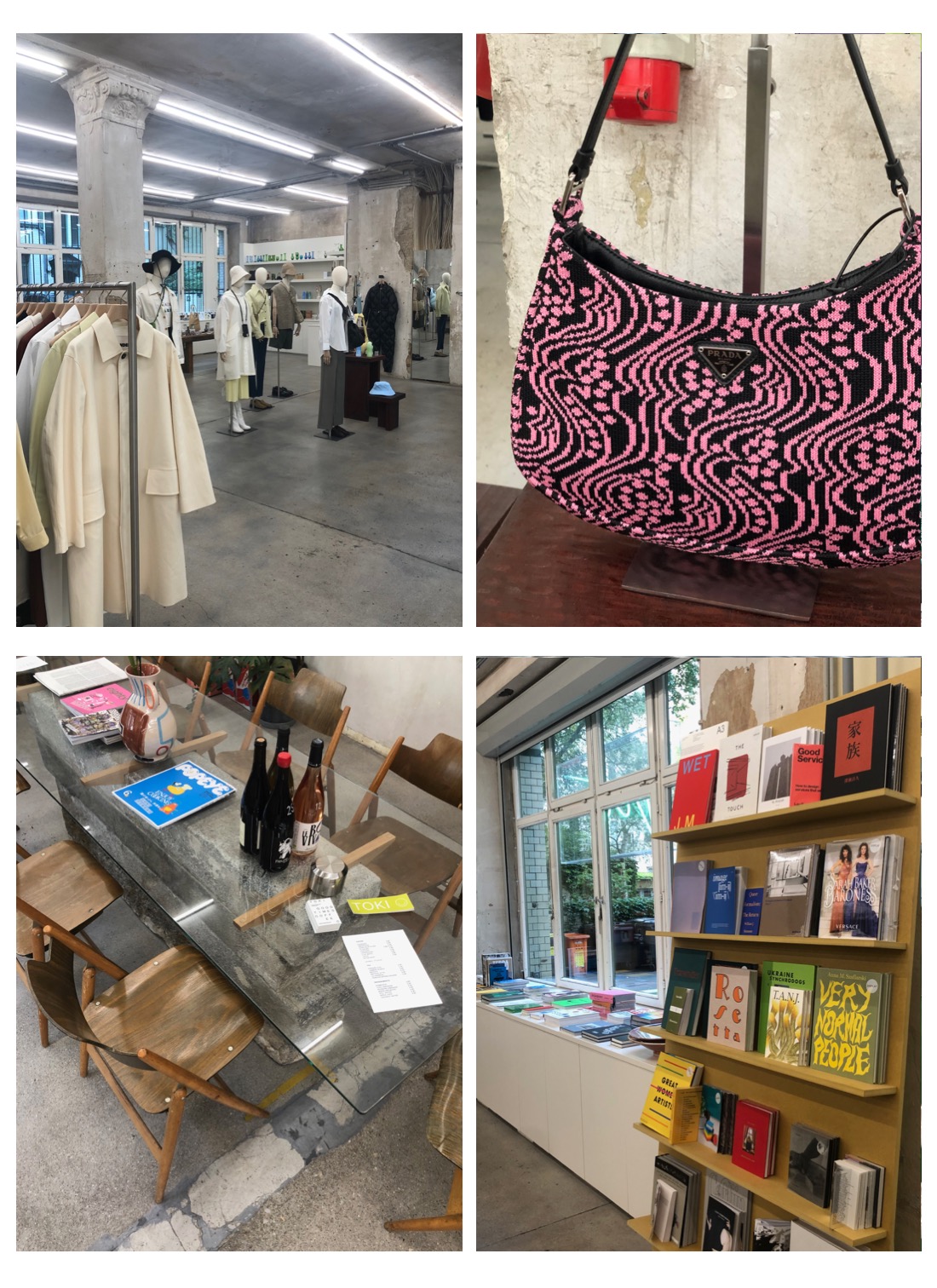
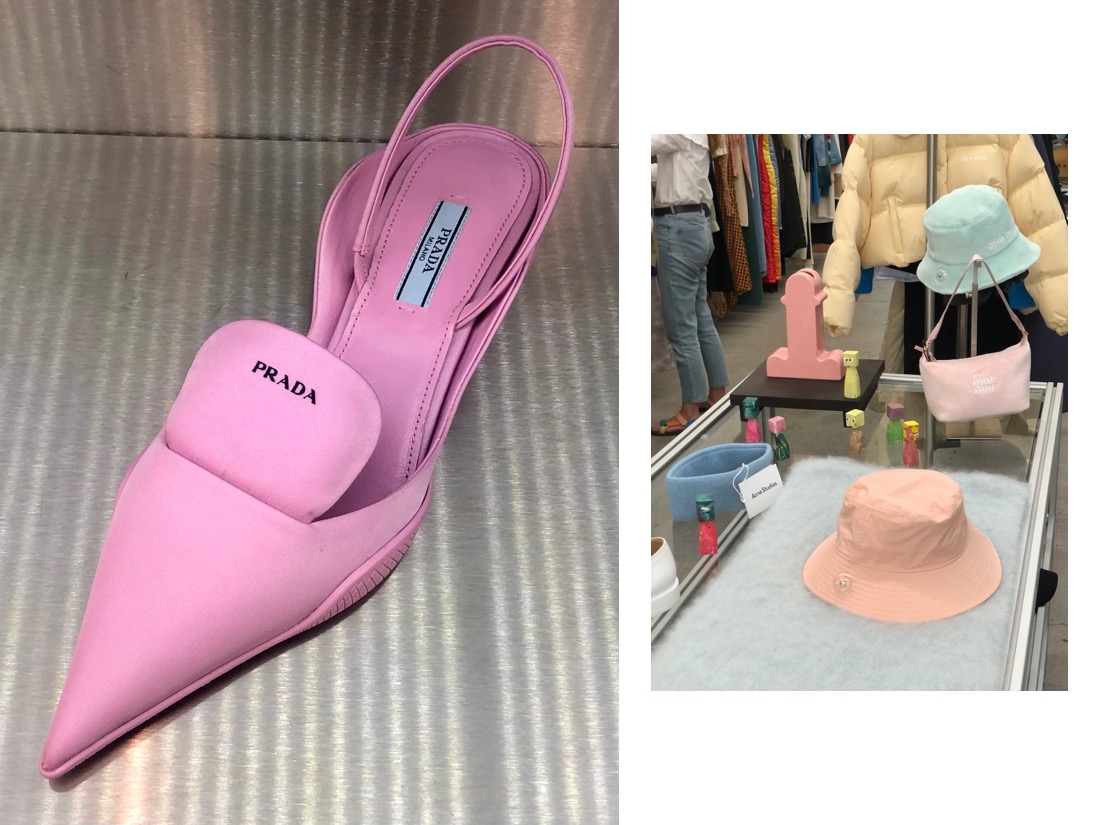
It’s not the first time Voo Store appears on the blog, but it’s truly worth a second mention. The place has changed a lot during the pandemic, and a new energy is present across the racks of Prada corduroy coats and GmbH sexy leathers, and displays filled with Isa Boulder’s knitted bodywear and Ormaie perfumes. Voo Store is a culturally empowered, creatively driven concept space located in the heart of Berlin’s Kreuzberg, occupying a charming 300 square meter courtyard space on the ground floor of a former locksmiths. The street on which the store sits continues to attribute itself to its unique and progressive approach to contemporary fashion. Translating a personal vision of Berlin through a careful selection of local and international designers and products, Voo Store is an exploration in modern design, visual culture and the future of luxury retail. The store’s seasonal presentations are supplemented by a backbone of carryover favourites and classics, with its in-house café, Toki, further complimenting Voo’s retail experience serving a variety of specialty coffee, as well as a selection of fresh-baked goods. Markedly unique, Voo Store continues to set itself apart as a concept by ensuring its selection of innovative fashion, books, magazines and art become possessions for life and serve more the longevity within design as opposed to short-lived trends.

Oranienstraße 24 / Berlin

Photos by Edward Kanarecki.

Berlin: Canal Eclairs

First thing’s first: so sorry for my blog absence for the couple of days (maybe even weeks, actually). Had a quite tumultuous time, but things’ are finally getting better. Now, time for the delicious part: Berlin‘s Canal, the best spot for crazy good eclairs in the German capital. Having started this compact cafe as an ice cream shop in 2015, co-founders and pastry masters Daniella Barriobero Canal und Guadalupe Eichner decided to move into eclairs to keep customers happy during the winter months. The pair worked intensively to create the best eclairs possible, and if you want to get your hands on one of the seasonal, heavenly varieties they’ve developed, it’s worth to get there early. You won’t want to miss out on the likes of the pistachio and raspberry eclair, with Sicilian nut pastry cream, whipped ganache and fresh berries; or the matcha sesame, which features the best Valrhona Opalys white chocolate. Sneak a couple of these delights home with you in a box when you next stop by for a coffee. 

Rosenthaler Str. 40 / Berlin

Photos by Edward Kanarecki.

Yayoi Kusama Retrospective at Gropius Bau

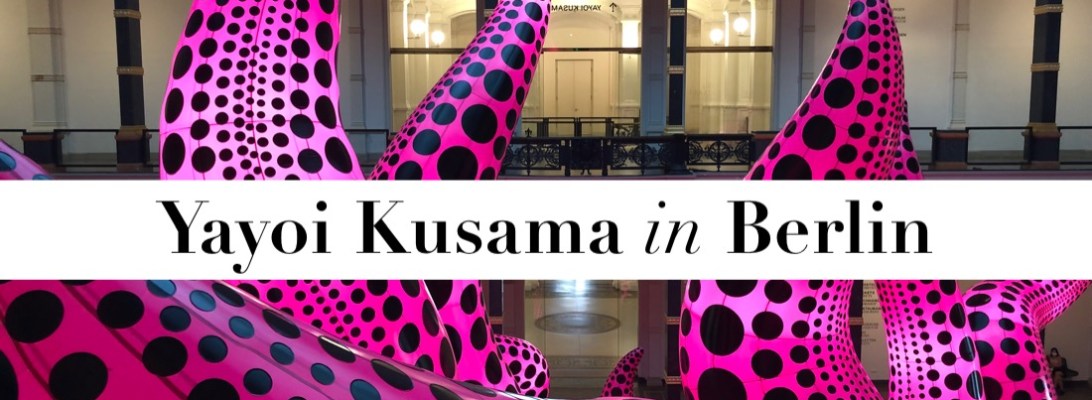
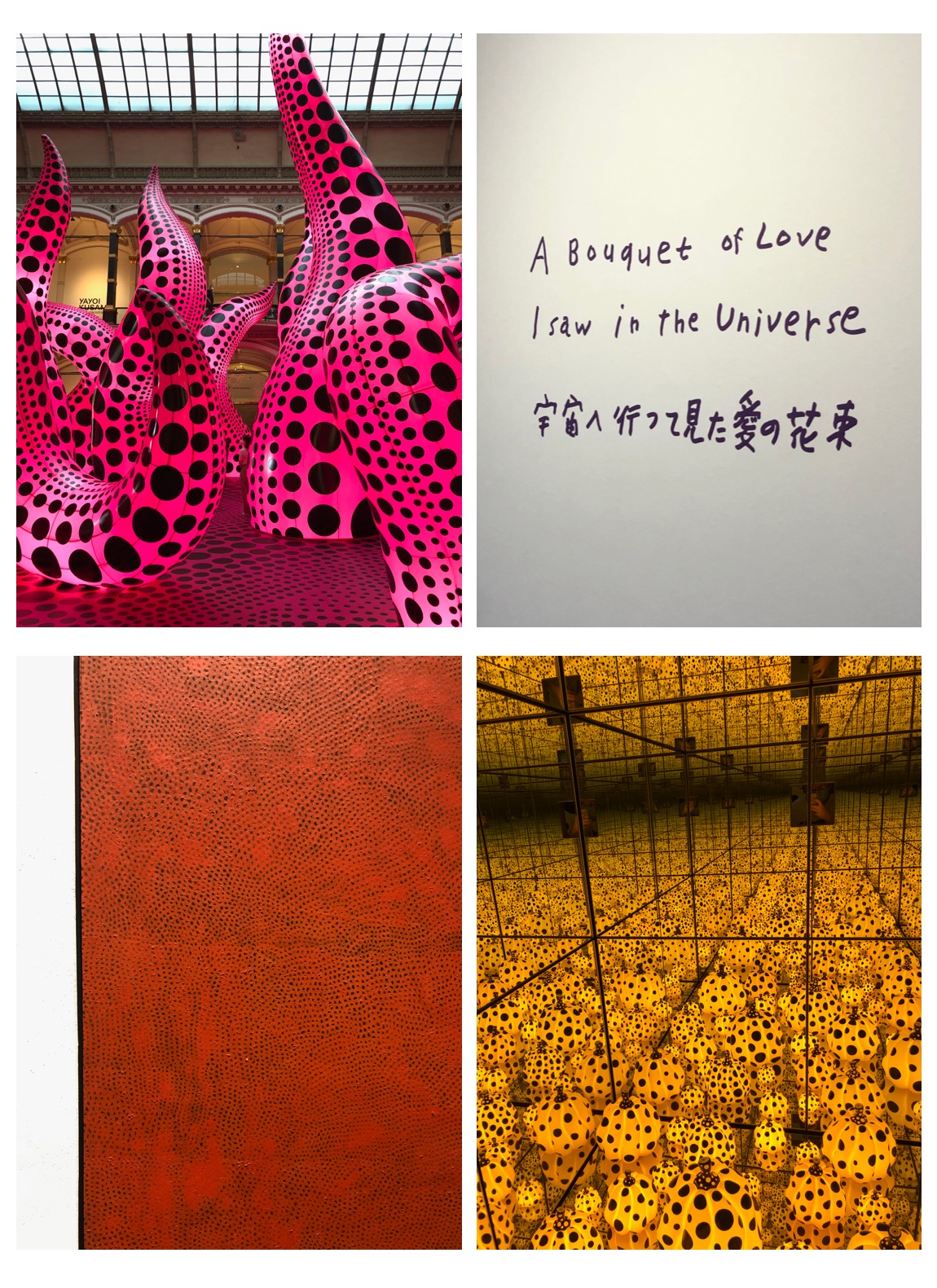
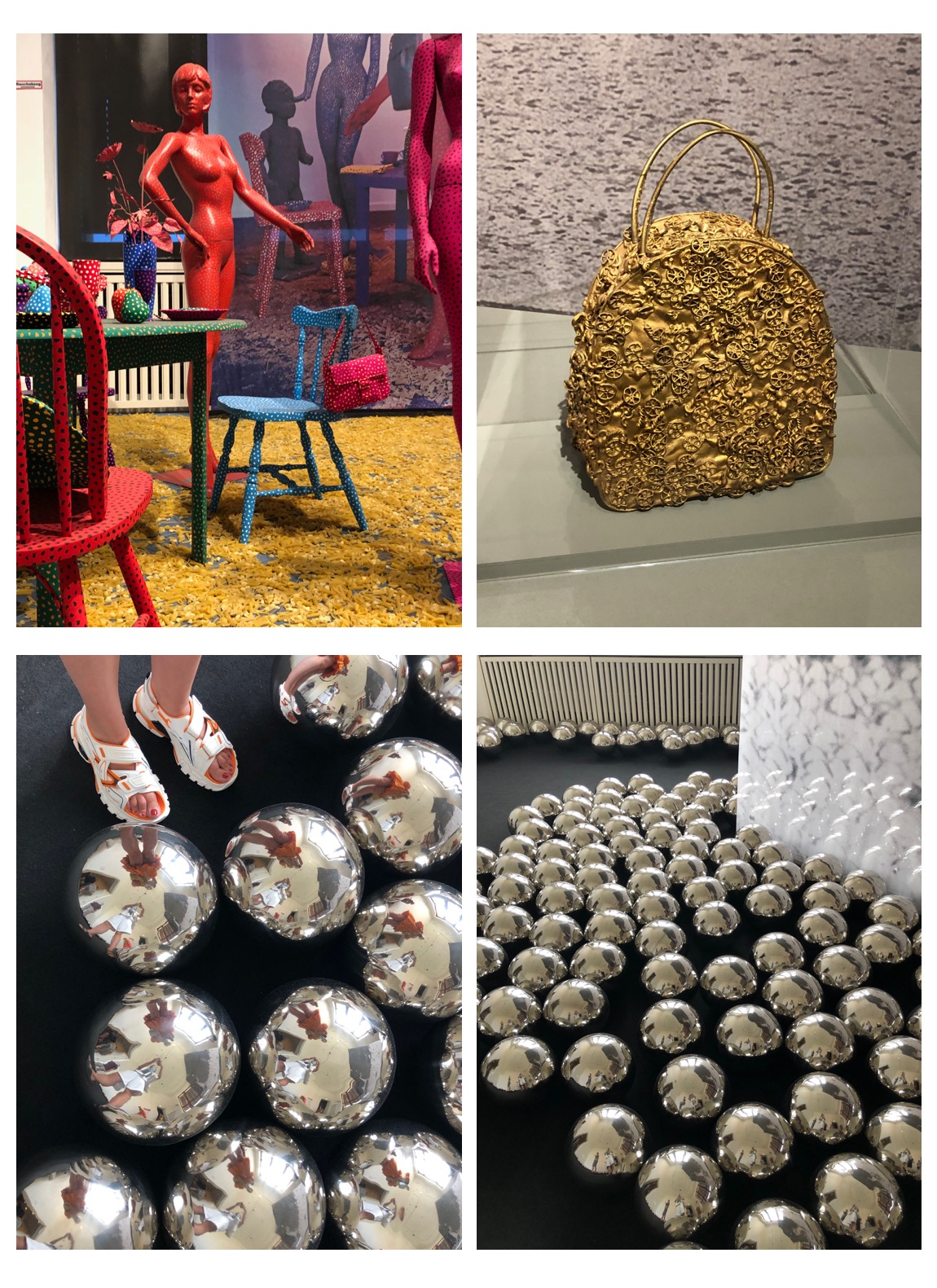
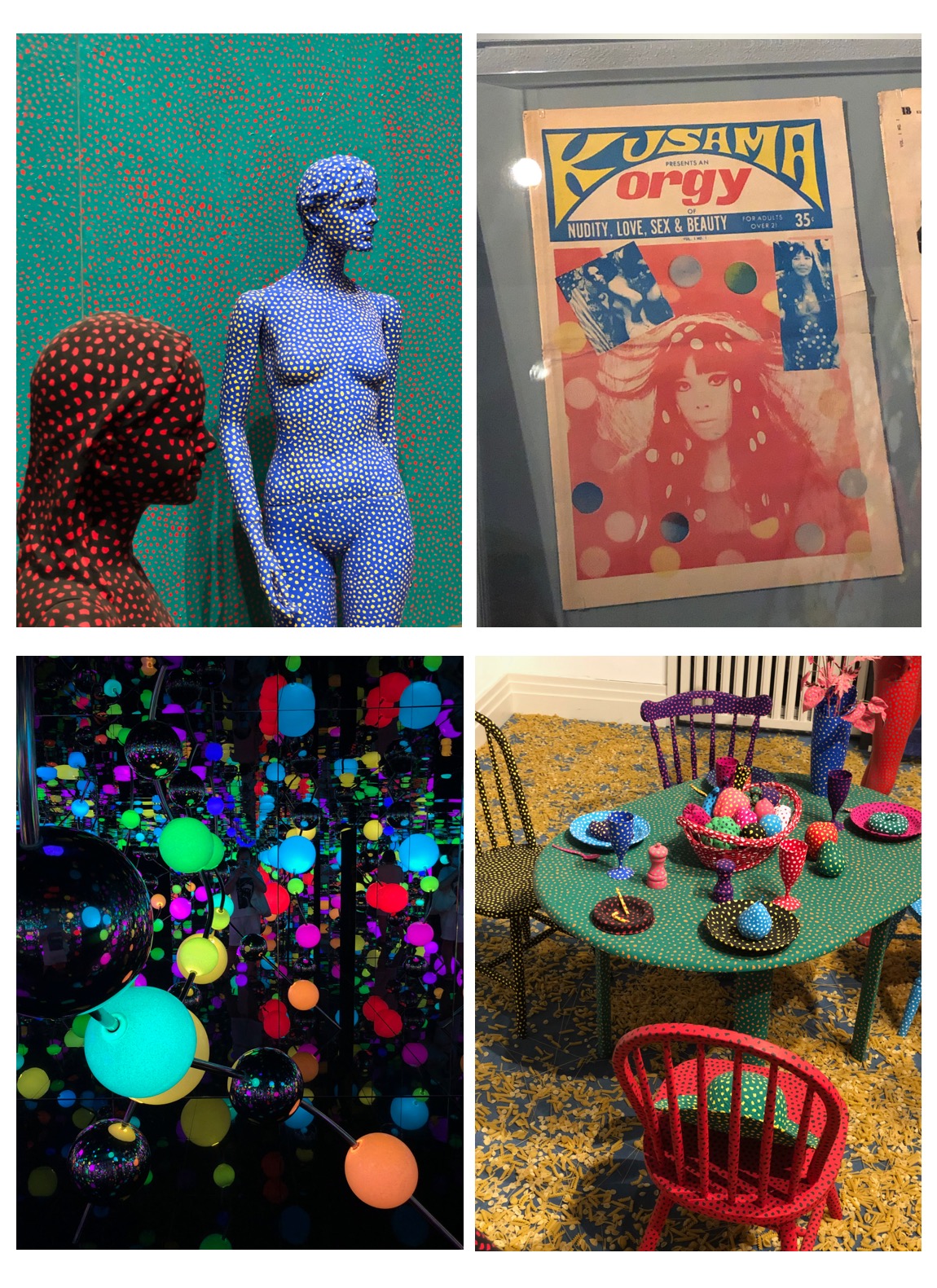
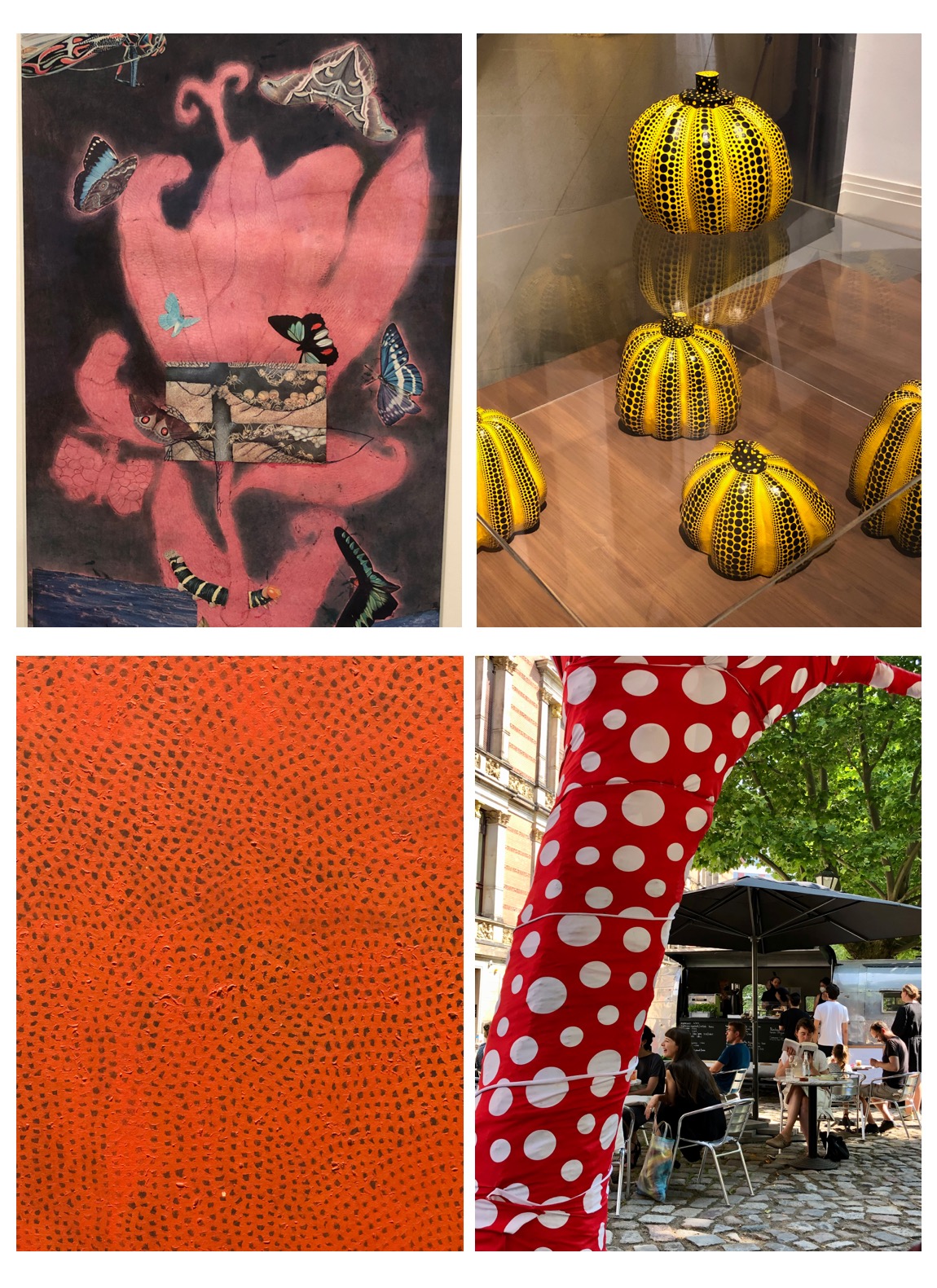
Berlin is alive and doing fine! And it blooms with great art events. Presented across almost 3000 m² of Gropius Bau‘s historic space, Yayoi Kusama: A Retrospective offers an overview of the key periods in Kusama’s oeuvre, which spans more than 70 years, and feature a number of current works as well as a newly realised Infinity Mirror Room.  The retrospective focuses primarily on tracing the development of Kusama’s creative output from her early paintings and accumulative sculptures to her immersive environments, as well exploring her lesser-known artistic activity in Germany and Europe. Since the 1960s, the artist has been actively engaged in realising exhibition projects outside the former centre of her life in New York and showing her work in a European context. This has also brought to the fore Kusama’s role as a pioneer of personal branding, who early on in her practice intentionally staged and marketed her own artistic persona and multidisciplinary work. Within the exhibition framework, reconstructions allow viewers to experience the pioneering nature of her presentational forms and artistic subjects, making accessible Kusama’s early exhibition projects in Germany and Europe in the 1960s and central solo exhibitions in the USA and Asia from the 1950s to 1980s. It seems that everybody knows Yayoi’s art, but there’s just so much more to her work than the signature, XXL polka-dots.

Till the 15th of August 2021 / Gropius Bau / Niederkirchnerstraße 7

All photos by Edward Kanarecki.

Katharina Grosse at Hamburger Bahnhof (and More!)

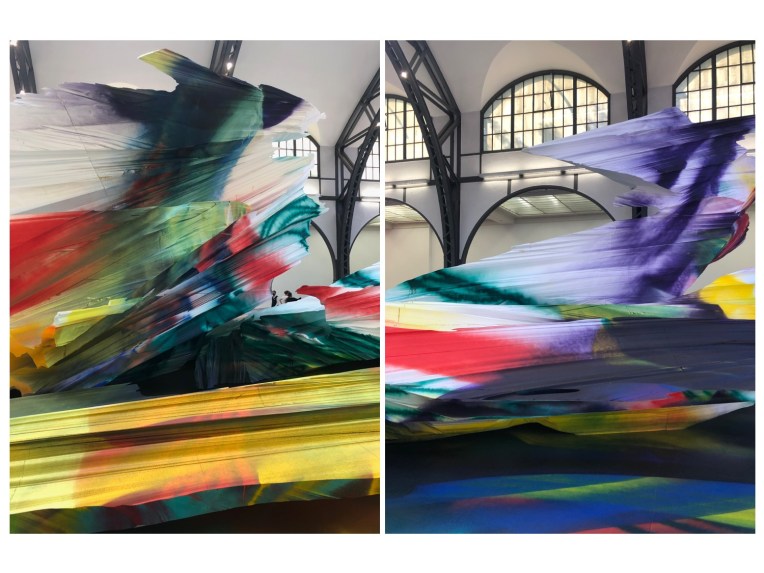
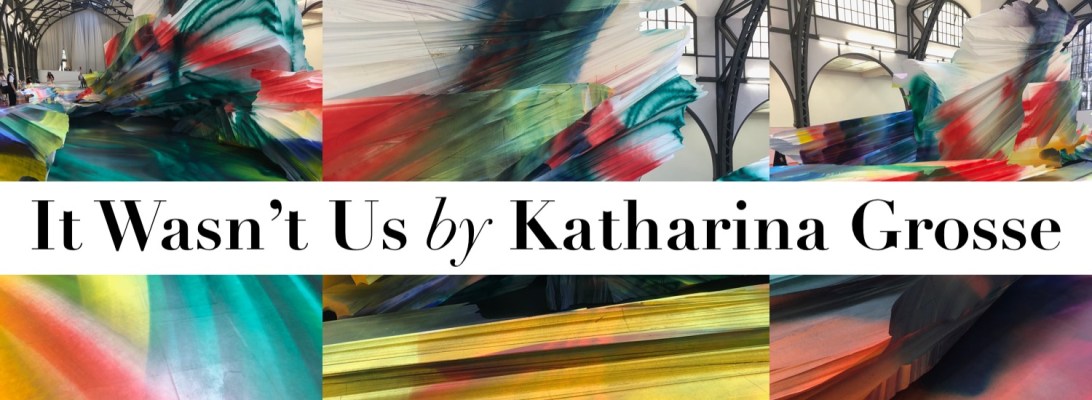
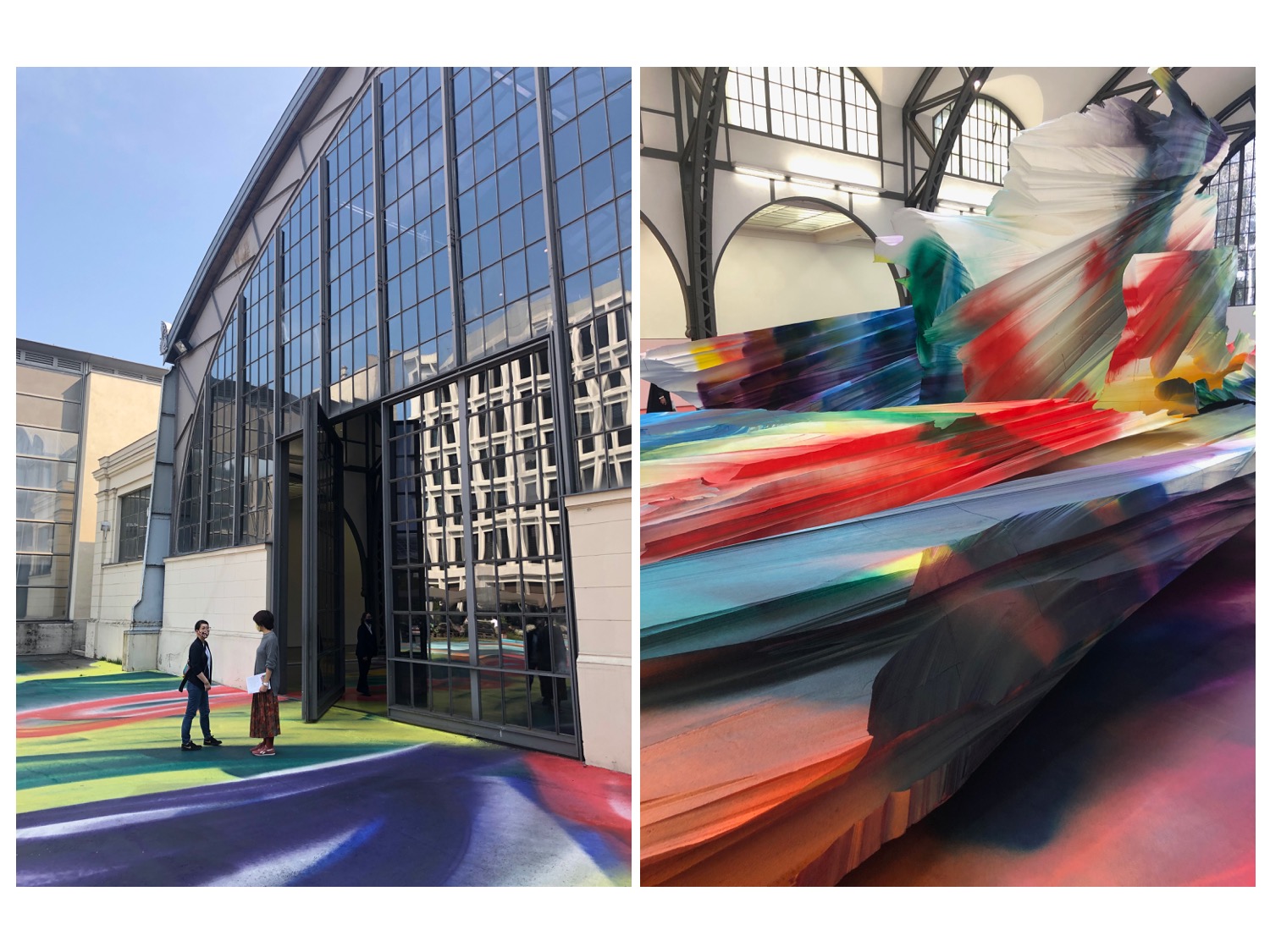
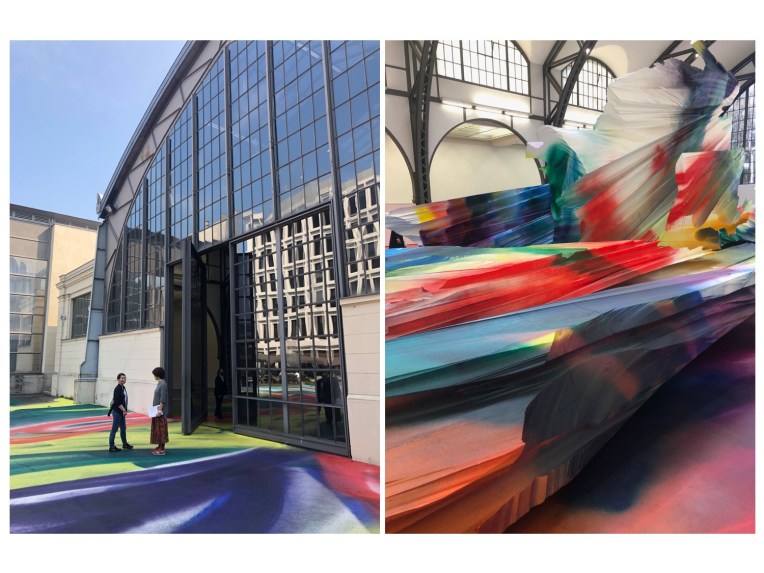
Oh, how I’ve missed museums! I wanted to see Katharina Grosse‘s “It Wasn’t Us” exhibition so badly! First, I love her immersive work. Second, coming back to Hamburger Bahnhof, one of Berlin’s best museums of modern and contemporary art, was a good idea, as I’ve been there once as a child and I forgot how great this place is. Now, back to Grosse. A painting by her can appear anywhere. Her large-scale works are multi-dimensional pictorial worlds in which splendid color sweeps across walls, ceilings, objects, and even entire buildings and landscapes. For “It Wasn’t Us” the artist has transformed the Historic Hall of Hamburger Bahnhof as well as the outdoor space behind the building, into an expansive painting which radically destabilises the existing order of the museum architecture. Katharina Grosse’s latest in-situ painting disregards the boundaries of the museum space in a grand and colourful gesture: “I painted my way out of the building,” said Grosse in relation to her work. Over the course of several weeks a vast new painting has emerged that stretches across the Historic Hall and into public space, over the extensive grounds behind the museum, landing finally on the façade of the so-called Rieckhallen which were inaugurated as a part of the museum complex in 2004. Grosse’s kaleidoscopic painting brings together colours and forms, natural and man-made surroundings and its visitors as participants in an all-encompassing, pulsating interaction of hues. The boundaries between objects, and between horizontal and vertical orientations begin to melt away, and the work’s scale continuously shifts depending on the visitor’s position. As the viewer moves through the painting new spaces emerge that are both artificial and ripe with associations, and at the same time completely real, forcing us to renegotiate our habitual ways of seeing, of thinking about, and of perceiving the world around us. The choice of the location and the many different factors and conditions it entails have influenced the development of the painting, just as the permanently shifting lines of sight of the viewer and unexpected interactions with the work affect our ways of perceiving it in the exhibition setting. In this sense, the work’s title, It Wasn’t Us, can be understood as a reference to the inherent complexity and unpredictability of a given situation, whether it be the conditions under which artists create their work, or the conditions under which it is later viewed. The painting exists only for the duration of the exhibition – which is open util the 10th of January 2021.

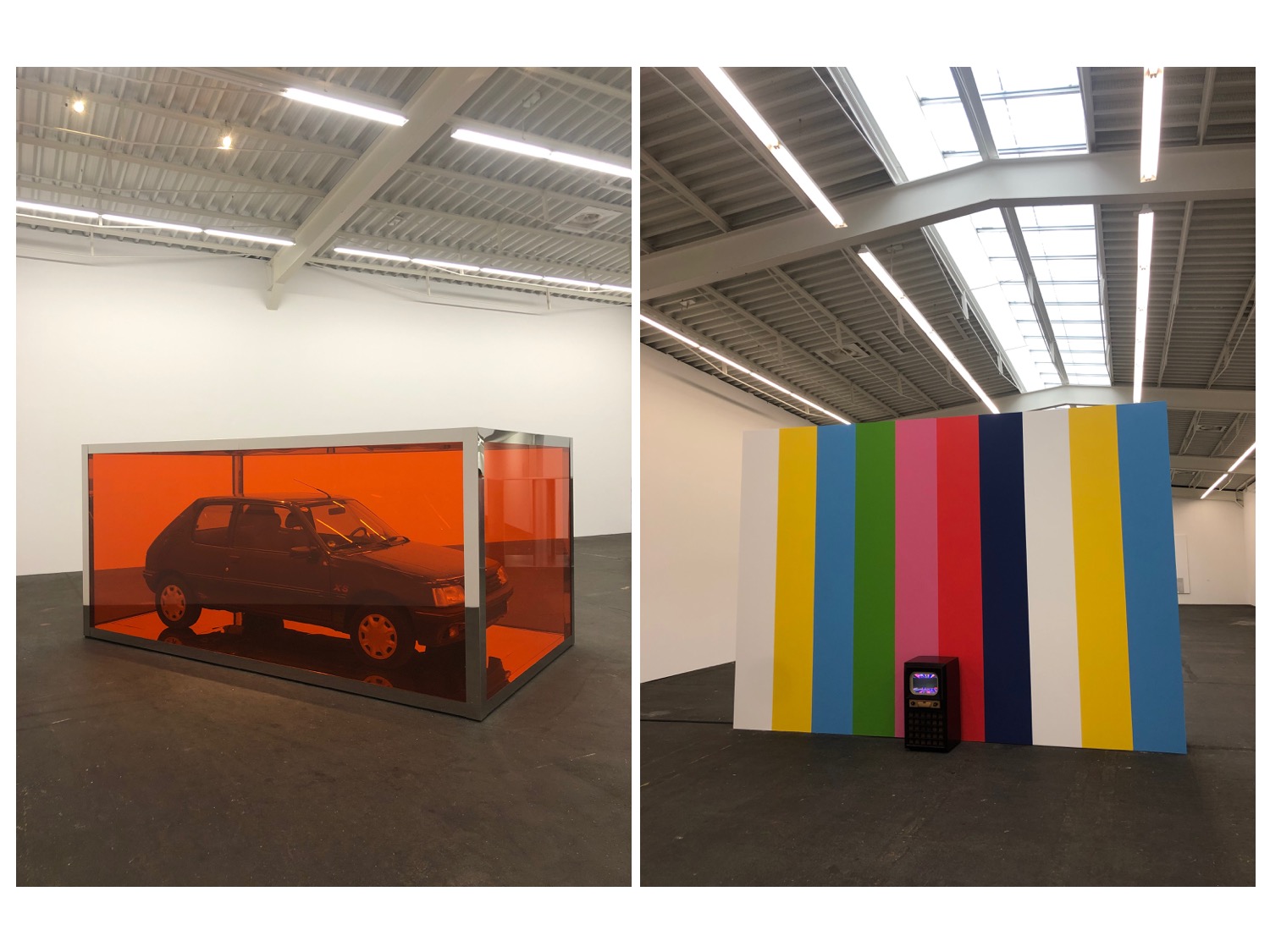
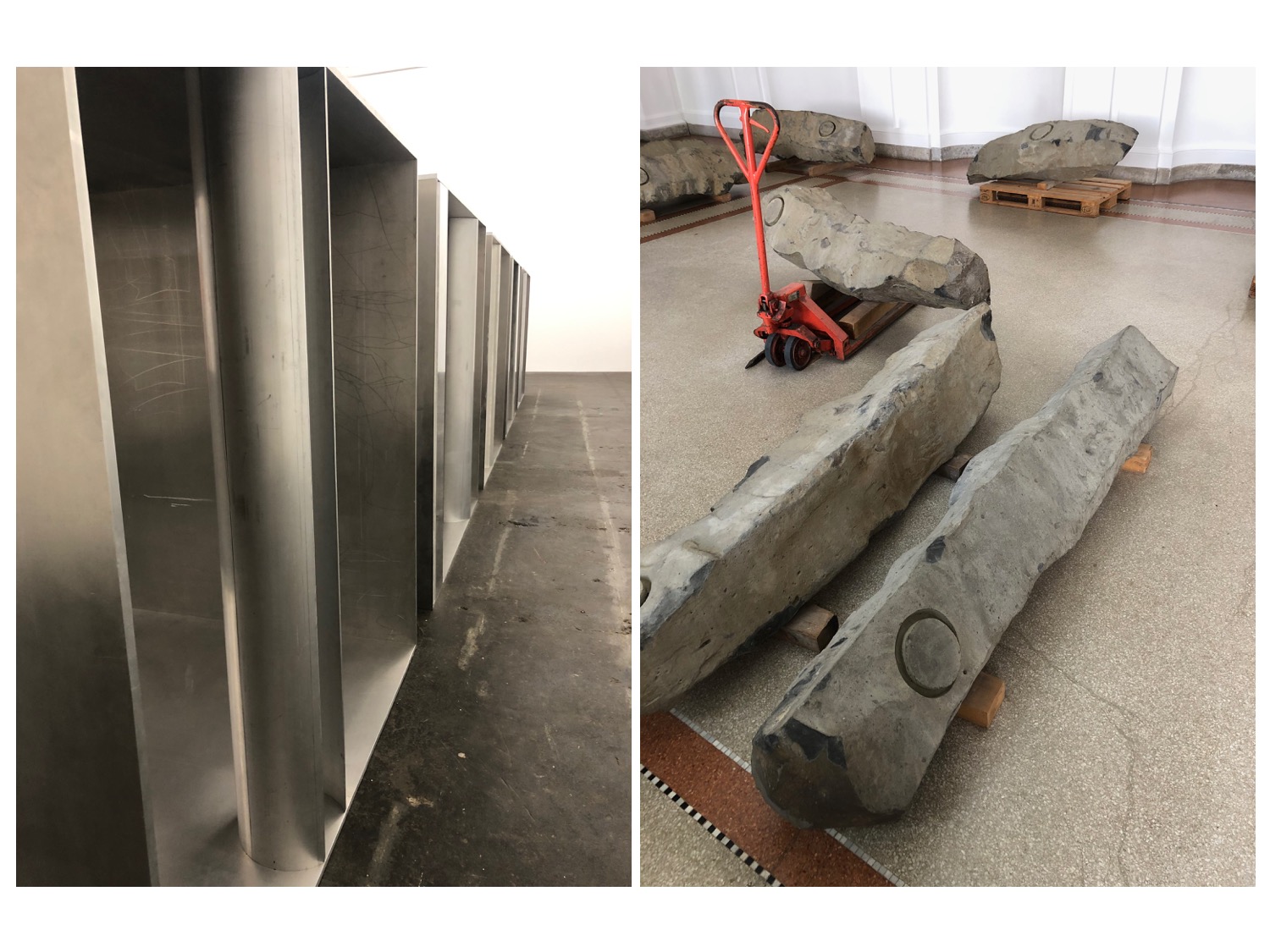
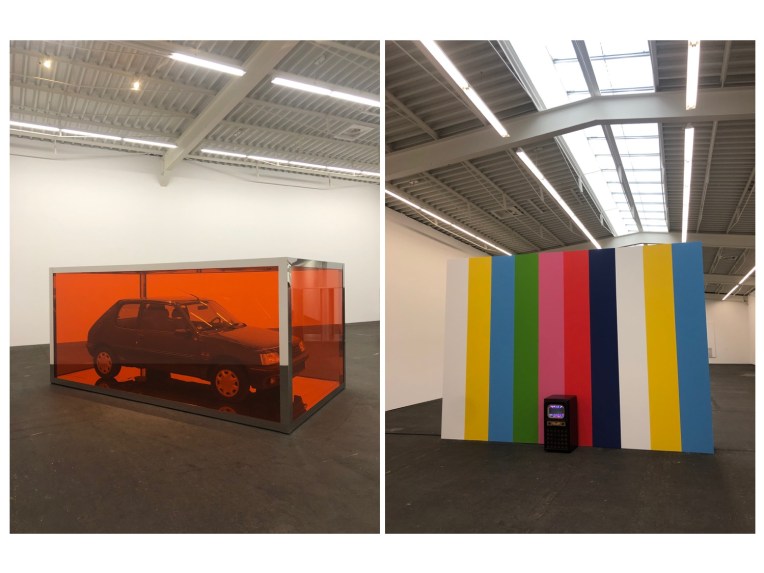
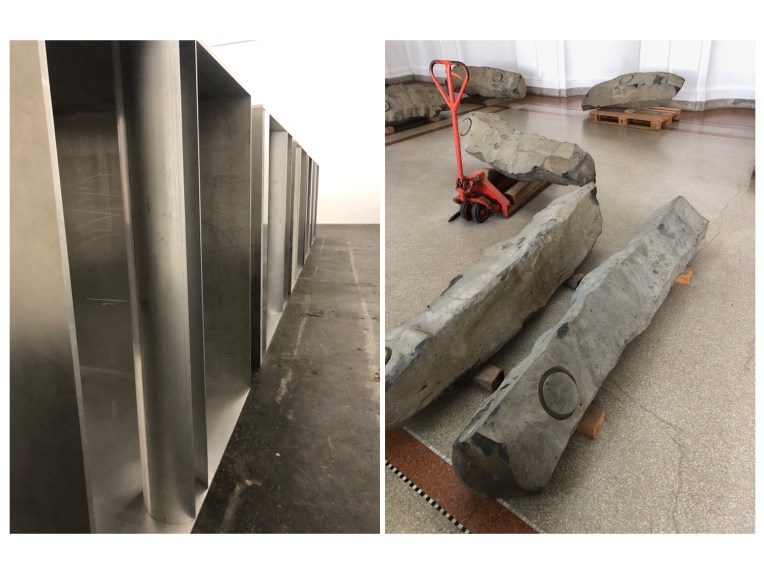
At the moment there’s also another exhibition going on at Hamburger Bahnhof, titled “Magical Soup“. Spaciously presented across more than 2,000 square metres in the museum’s Rieckhallen complex, the group exhibition features key works complemented by loans representing the latest generation of artists, with a common point of departure being the nexus of sound, image and social space. “Magical Soup” brings together works by the media art pioneers Nam June Paik, Jochen Gerz, Charlemagne Palestine, Ulrike Rosenbach and Keiichi Tanaami; by the multimedia artists Nevin Aladağ, Stan Douglas, Cyprien Gaillard, Douglas Gordon, Rodney Graham, Dmitry Gutov, Anne Imhof, Joan La Barbara, Pipilotti Rist (her installations are so powerful!), Diana Thater, Lawrence Weiner, Nicole Wermers and David Zink Yi; and by the younger artists Korakrit Arunanondchai, Trisha Baga, Dineo Seshee Bopape, Christine Sun Kim, Sandra Mujinga and Sung Tieu. Here are some of my favourites, combined with the Hamburger Bahnhof’s permanent gallery, feauturing some good old Andy Warhol and Joseph Beuys:
All photos by Edward Kanarecki.