Total Magic. Rodarte AW21

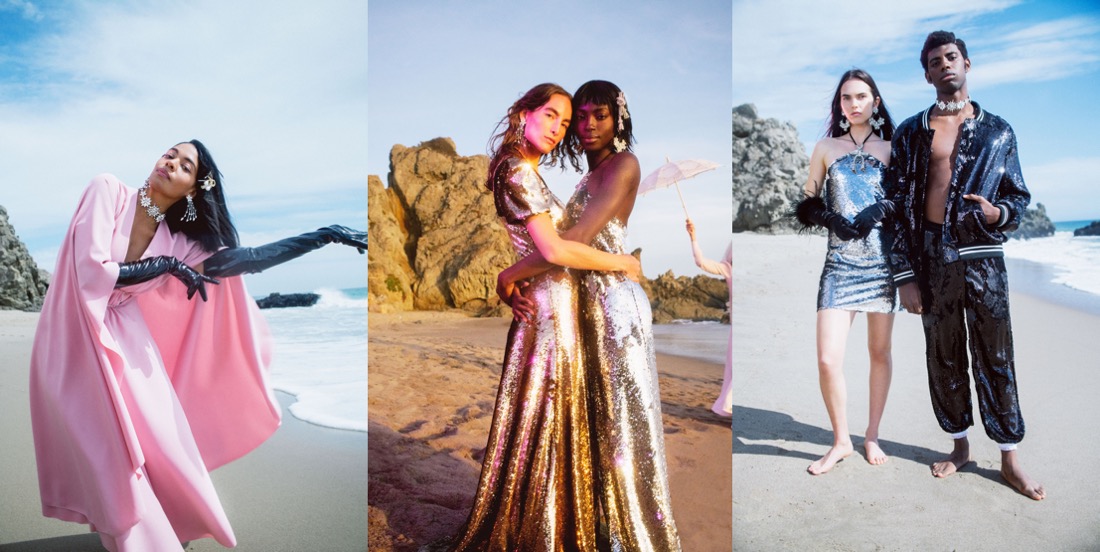
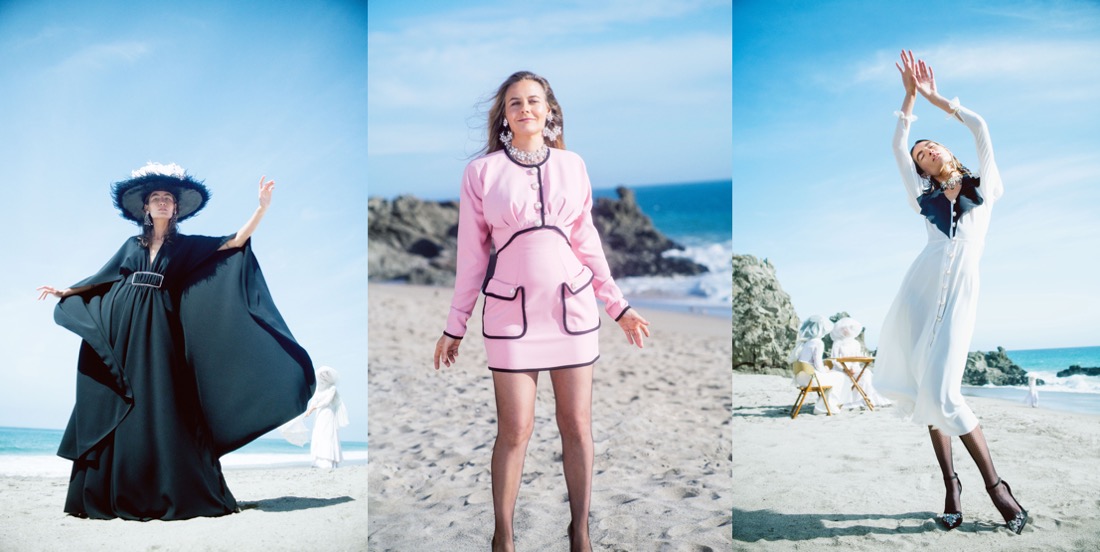
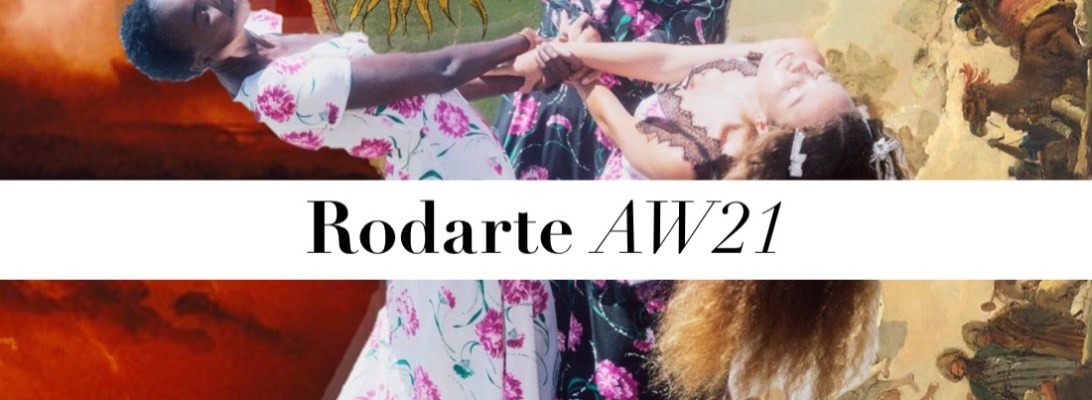
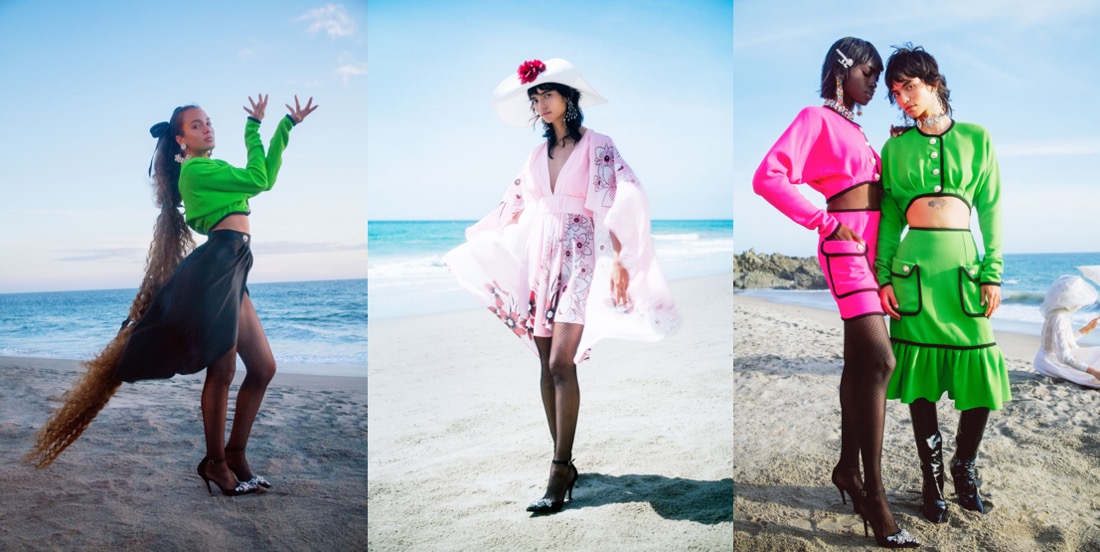
The autumn-winter 2021 collection by Rodarte, with a look-book photographed on a breezy beach, has a magical, witchy aura about it with a 1990s style twist. And it also feautures Alicia Silverstone, the actress behind Cher Horowitz’s wholesome persona, sun-kissed and smiling, alongside Aurora James, Heather Kemesky, and other models. The campy, kitschy teen world of Amy Heckerling’s 1995 classic might seem miles away from the broody gothicism often associated with Rodarte, but Kate and Laura Mulleavy grew up on Clueless. They saw it in theaters in their native California – and then rented it “hundreds” of times from their local video store. However, he plaid suits and slip dresses Cher wears in the film aren’t recut one-to-one in the Mulleavys’ interpretation. Theirs has always been a more abstract aesthetic. This season, they started with a bias-cut halter midi-dress in cartoon hibiscus prints or vixen sequins held up with a ribbon bow at the neck. They learned last season that waft-y, comfortable dresses do well and extrapolated on them with V-neck dresses and flutter-sleeve maxis in a mix of vintage-store pastel florals and grungy black. For going out, they built up their sequined offering, and for staying in they translated their floral prints into stretch dresses, tops, and pants. There’s also a big varsity jacket, an evolution of their popular souvenir style, worn by models of all genders. One of the crucial lessons of Clueless is that the right outfit can change your stature, your mood, even your life. The Mulleavys understand this, and they imbue that cinematic sense of dressing up for who you aspire to be into their collections. They’re famous for their extraordinary red carpet dresses, but the Mulleavys do make clothing for people’s actual, beautiful, and mundane lives. “We are thinking about how people want to wear things,” Laura says. It’s definitely good to see the designers come back with a optymistic collection after the tumultuous year of lockdowns and crisis.

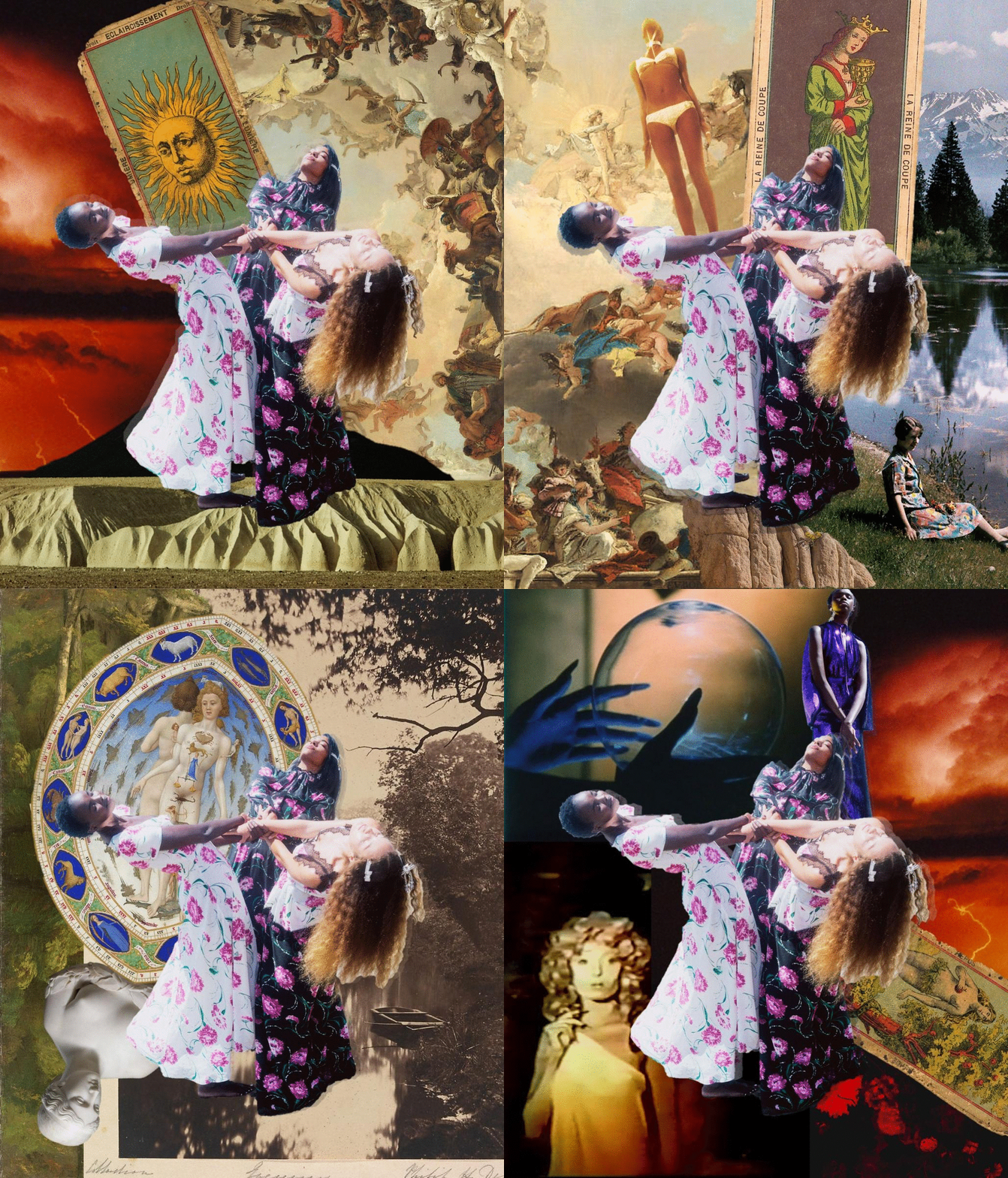
“Live” collage by Edward Kanarecki.
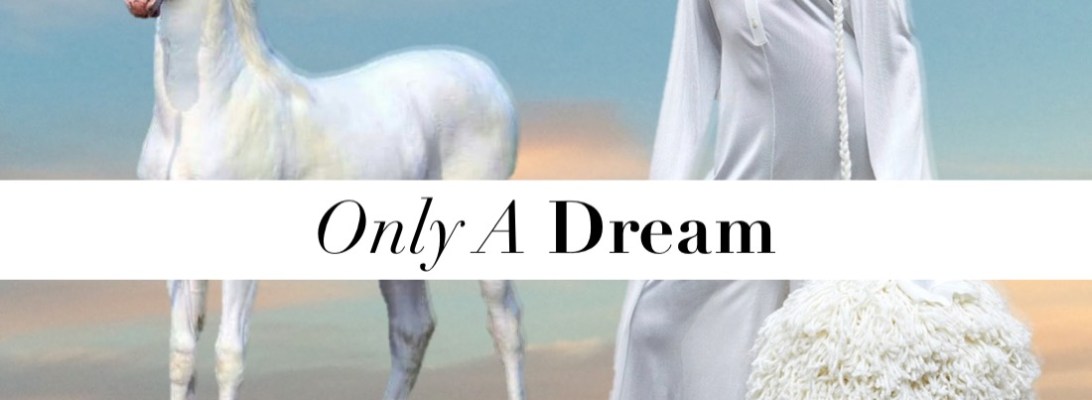
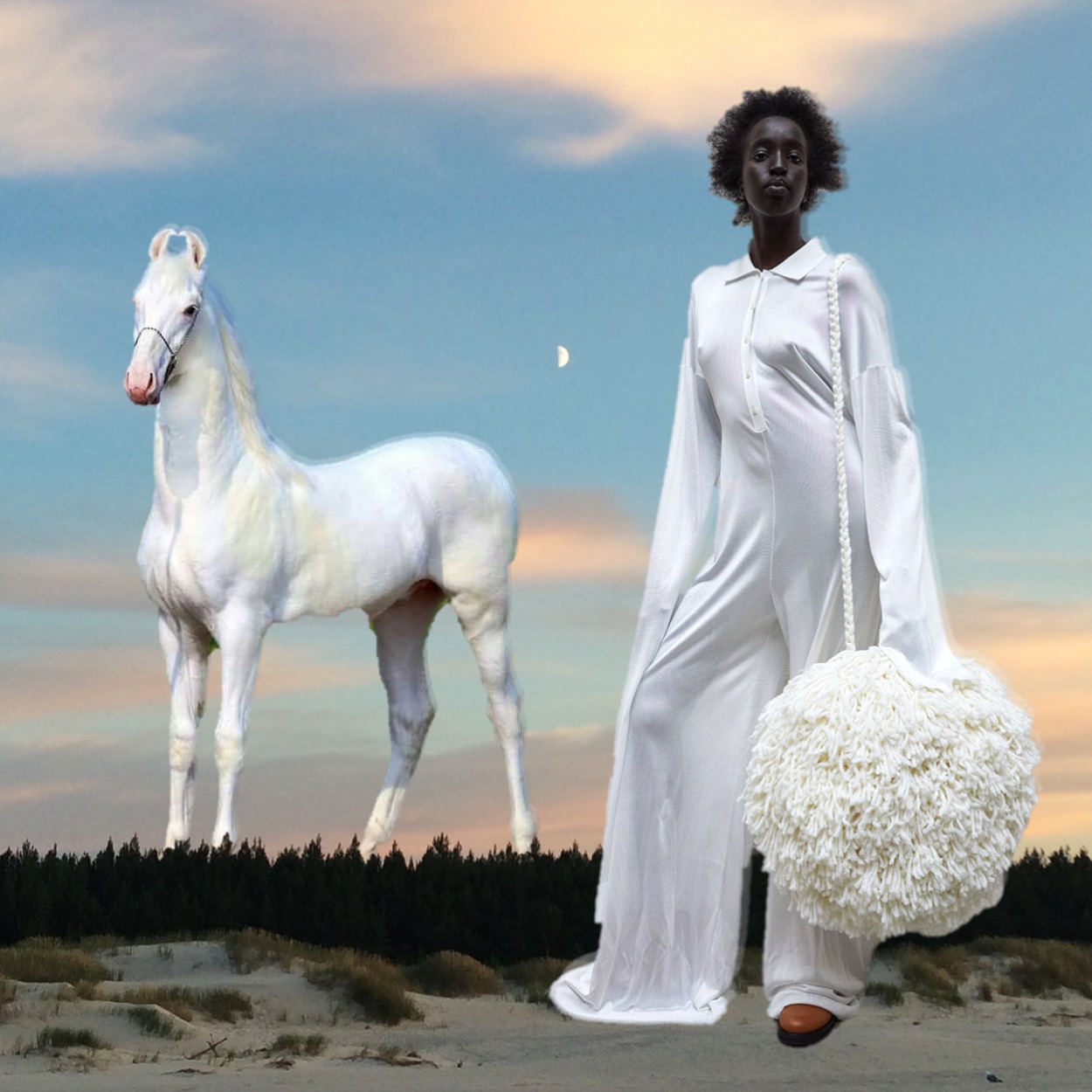
The Look – JW Anderson AW21

Flowing, ethereal, somewhat ephemeral… this elegant jumpsuit-dress from JW Anderson‘s autumn-winter 2021 line-up (lensed by Juergen Teller) is so dreamy. Just like the weaved bag worn with it. A beatiful dialogue between silhouettes and textures. Take a look back at the phenomenal collection here!

Collage by Edward Kanarecki.

Wasteless Fashion Is Not A Myth. Duran Lantink AW21

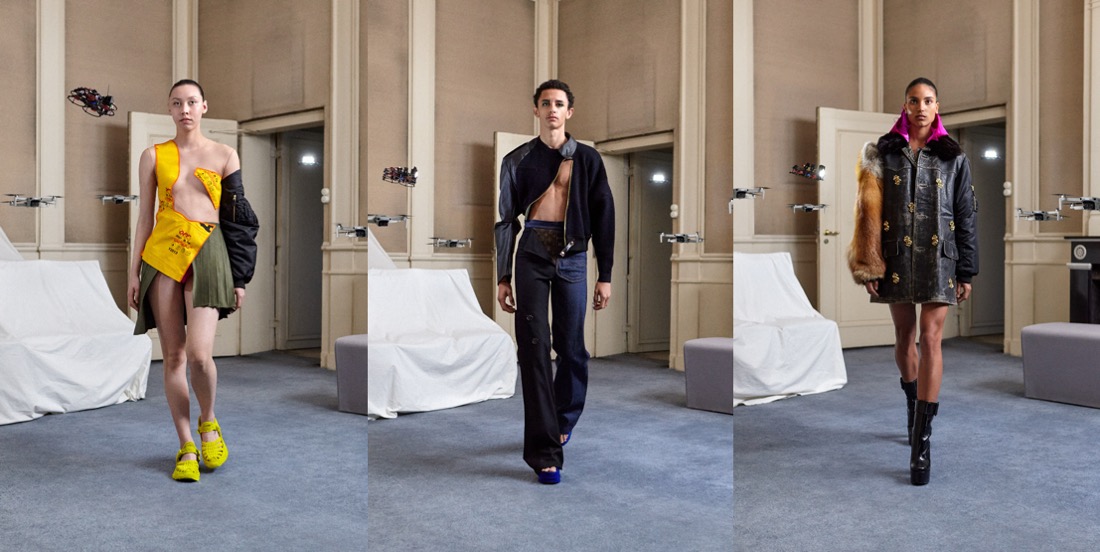
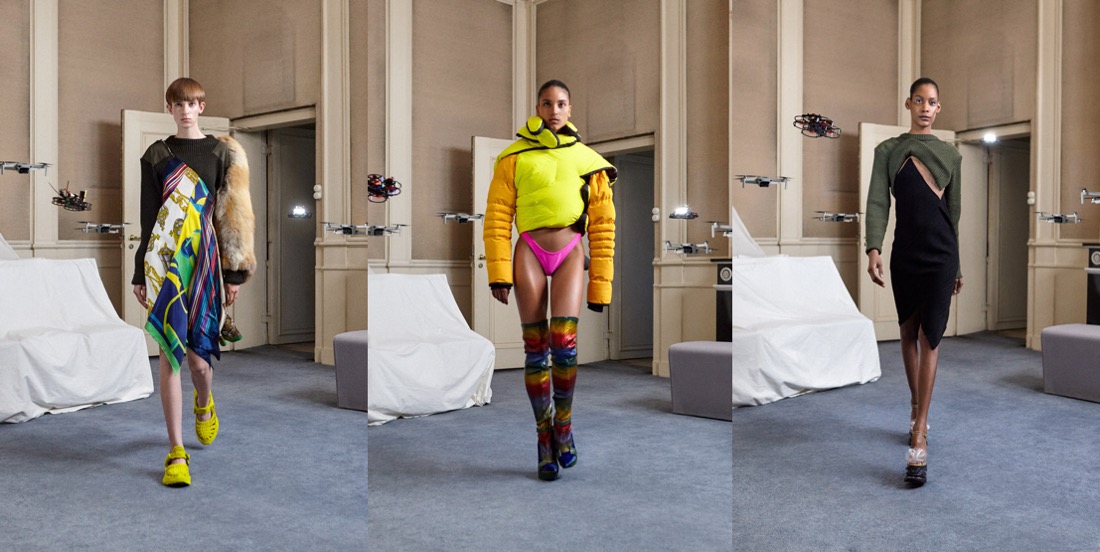
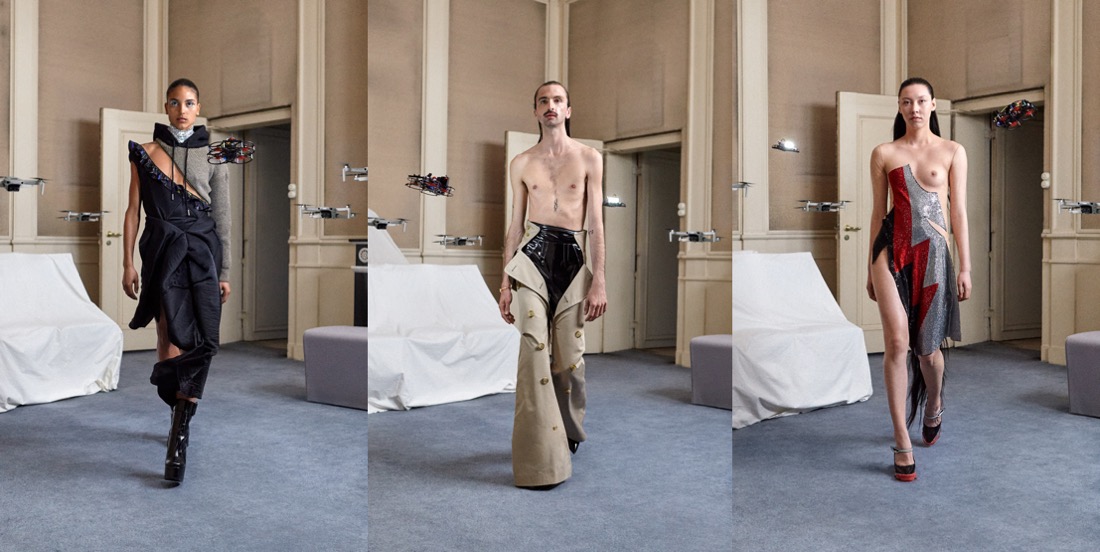
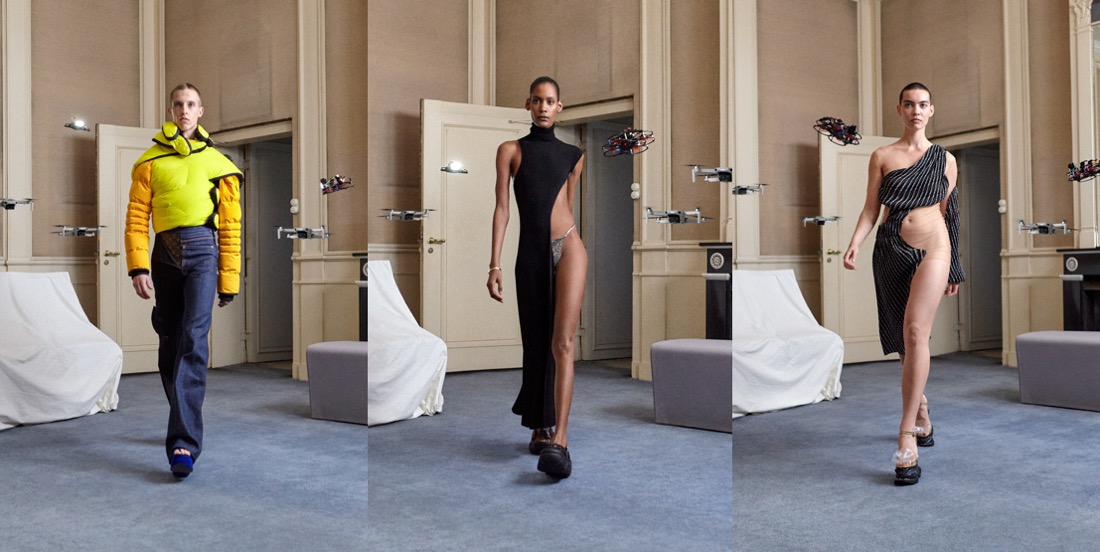
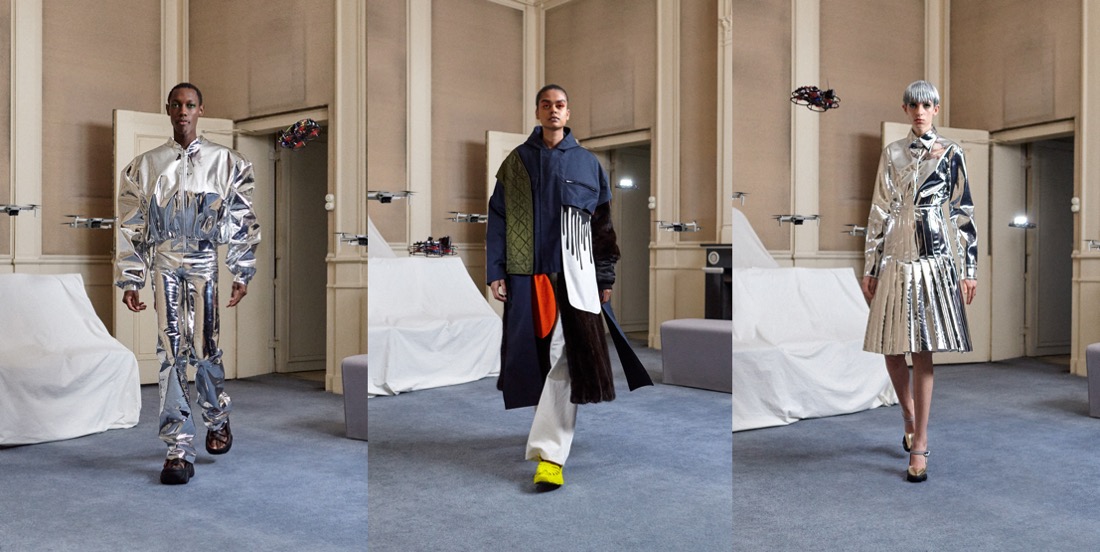
They say that fashion will never be 100% sustainable. A brand can do its best to keep things eco-friendly, but in the end, clothes are still being produced. But Duran Lantink‘s method proves the industry that there’s a revolutionary (and very witty) way of making fashion as wasteless as possible. His upcycling methods – repurposing unsold designer-label clothes in his pioneering, cheeky way – date back to 2013, but only now seem to fully resonate with a wider audience. Autumn-winter 2021 season is the designer’s first (of course digital) fashion show collection. “Basically, during lockdown, I had time to work with my assistant, Thibault, on all the materials I had left over from collaborations with stores and brands, and to come up with this, our first runway collection.” Thibault is in the show, wearing, in one of his exits, a swishing lemon yellow dress that is reconstructed from another dress which had been left over from Lantink’s collaboration with Ellery last year. The point was to give him free rein to recycle and give new life to their unsold inventory. Lantink pointed out to Vogue how he’s unpicked, restyled, and refashioned multiple piles of clothes lying around his studio which “used to be” garments by Balmain, Balenciaga, Prada, Proenza Schouler, Vetements, Marine Serre, and many more. “In the beginning, we started with stores to see how we could work with their deadstock to see how we could stop their clothes going into landfill. And that was the beginning of thinking how we could create a completely new form of business.” The collection is like an aethetical 2000s-style remix of sexy revealing, sparkle and sharp minimalism. There’s a zigzaggy sparkly dress – one breast out – remade from something unsold from Balmain, and naked illusion half-dresses sewn onto stretchy body pieces. A flash of a diamanté thong (made from recycled materials) is homage to Tom Ford’s Gucci 1997 moment, but with a Duran Lantink logo planted in the crucial place. Yet Lantink has also now come up with an ingenious plan for extending the buzzy fashion “moment” so that it can morph into potentially infinite new shapes for his followers. He announced the launch of a service on his new direct-to-wearer website. “When you’re fed up with something, you can click on two tabs. One, where you can resell. On the other, we will work with you to remake what you have to become whatever you like. So a coat can become a dress. A dress can become a shirt. A shirt can be trousers. Whatever you want!” People who are up for engaging with Lantink’s process are destined to be the happy recipients of fully documented online records of where their clothes originated, and how they’ve been altered over time: a personalized archive. That redefinition of being able to love and re-love clothes in a never-ending cycle restyled by a designer is something truly, truly innovative.

“Live” collage by Edward Kanarecki.
Très Cool. Lacoste AW21

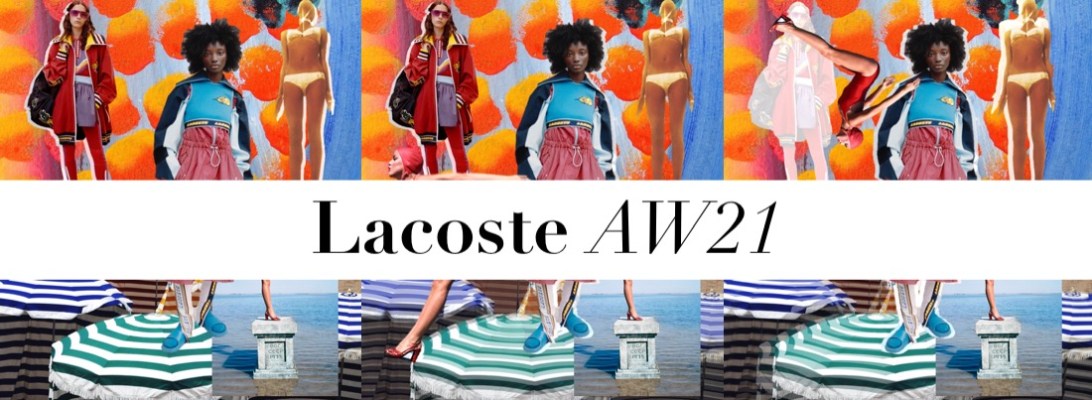
Louise Trotter‘s sustainable-meets-chic-meets-smart vision of Lacoste keeps on delivering with every season. Lacoste has the benefit of being a brand at the nexus of athleisure and luxury, offering pieces that are at once trop sportif and trop française. That’s a clutch position for a fashion house in these times. It also has the benefit of the well-dressed Trotter at its helm. She is the woman in a slouchy polo, mannish trousers, white sneakers, and aviator glasses that makes you pinch yourself in a jealous rage when you pass her on the street or are seated next to her at a dinner. Someone who is calmly unstudied, comfortable, and totally not try-hard. Suffice to say, Trotter has long understood the benefits of generous, easy-to-wear clothing with arty touches in the form of a funny, albeit small, graphic or the juxtaposition of sorbet colors. So when it came time to design Lacoste’s second collection of the lockdowns, she knew exactly what to do: “Capture the active lifestyle that we share today and that blurs between home life, work, and play.” The backbone of Trotter’s autumn-winter 2021 offering is Lacoste’s famous piqué cotton, cut into lively hued polos, but also groovy tracksuits and cardigans. Some are intarsia’d with crocodile claws and flaming tennis balls – sort of silly patterns Trotter found in the brand’s archive. They are all, she notes, unisex – as is almost everything else in the collection. If the varsity jackets and cool puffers read a little on-the-nose in terms of branding, Trotter’s continuation of spring 2021’s upcycled and collaged windbreakers, trousers, and coats offer a more cerebral take. The Lacoste archive is rich with both heritage inspirations and unused or vintage materials; Trotter has married them nicely in these upcycled pieces. They will pair well with the collection’s piqué tracksuits and cartoon colored pool slides. That’s exactly how Trotter would wear them. In a time when everyone is questioning how to dress, a sure-footed and stylish creative director with a singular vision is a good guide.

“Live” collage by Edward Kanarecki.

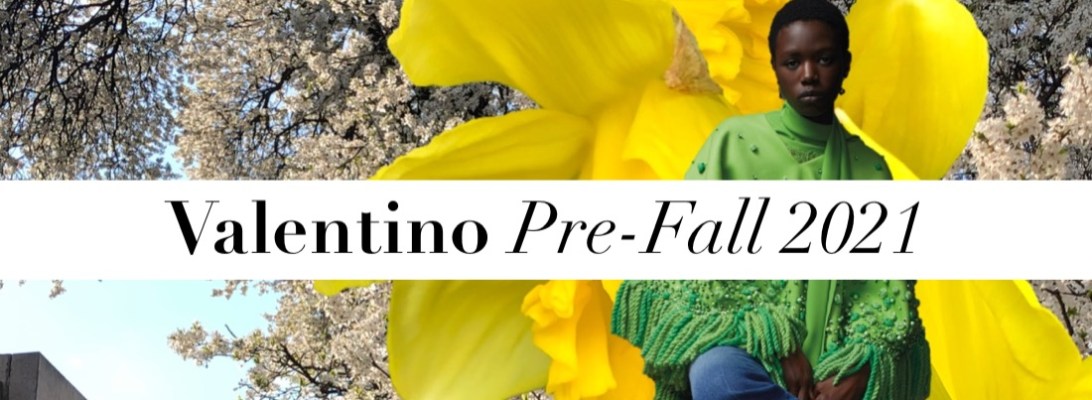
Re-Signification. Valentino Pre-Fall 2021

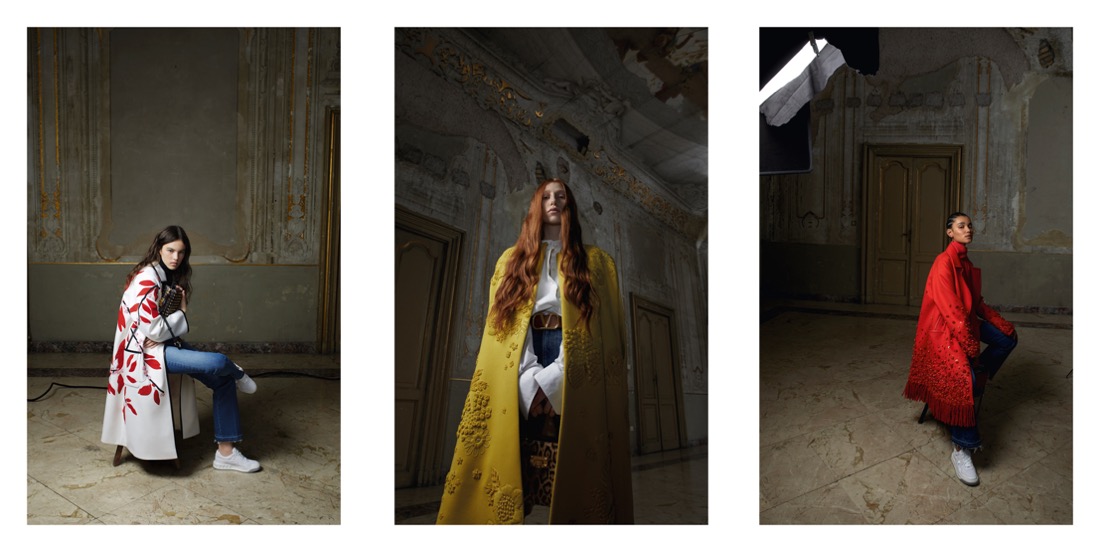
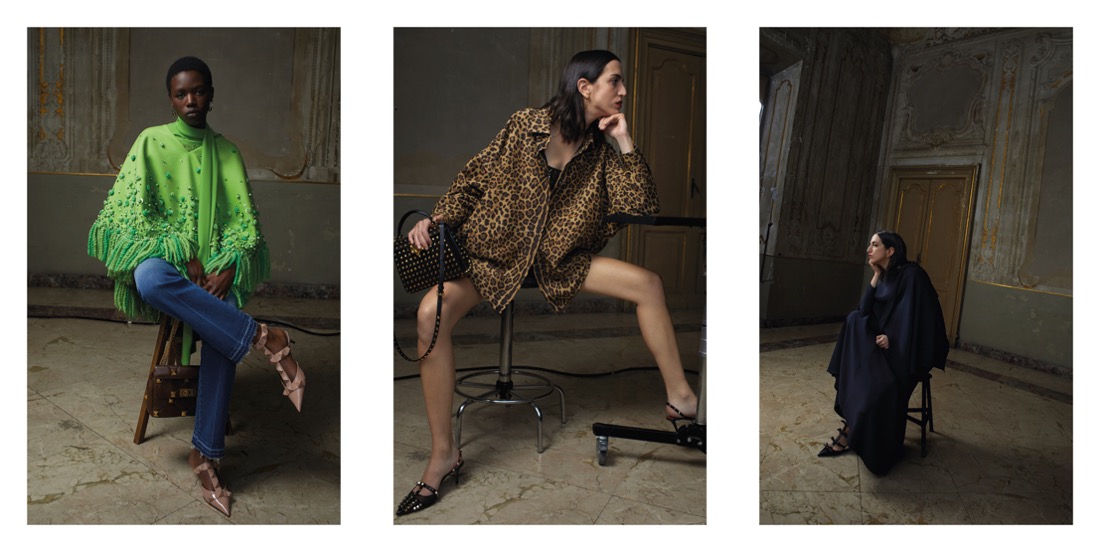
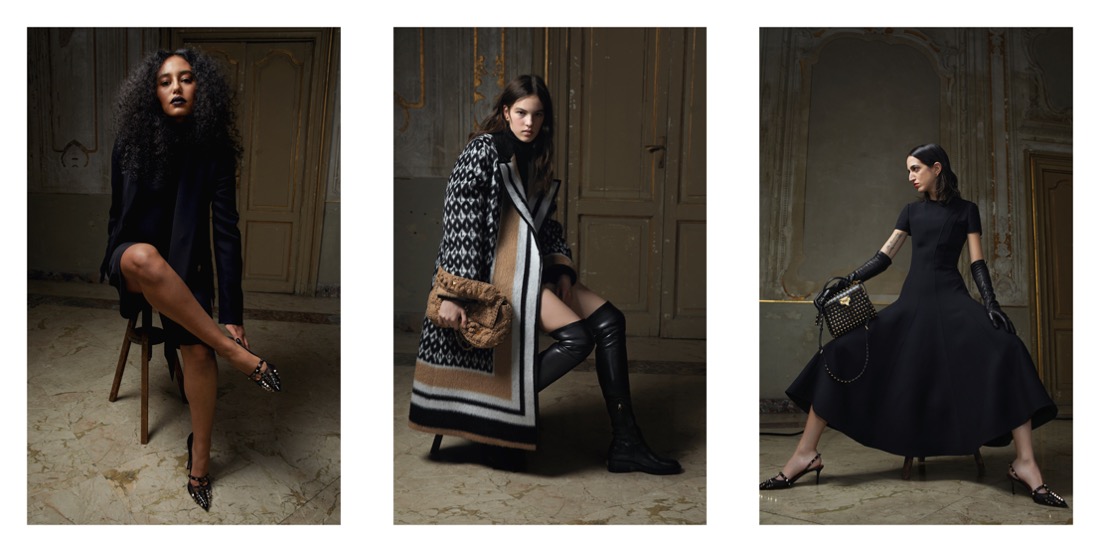
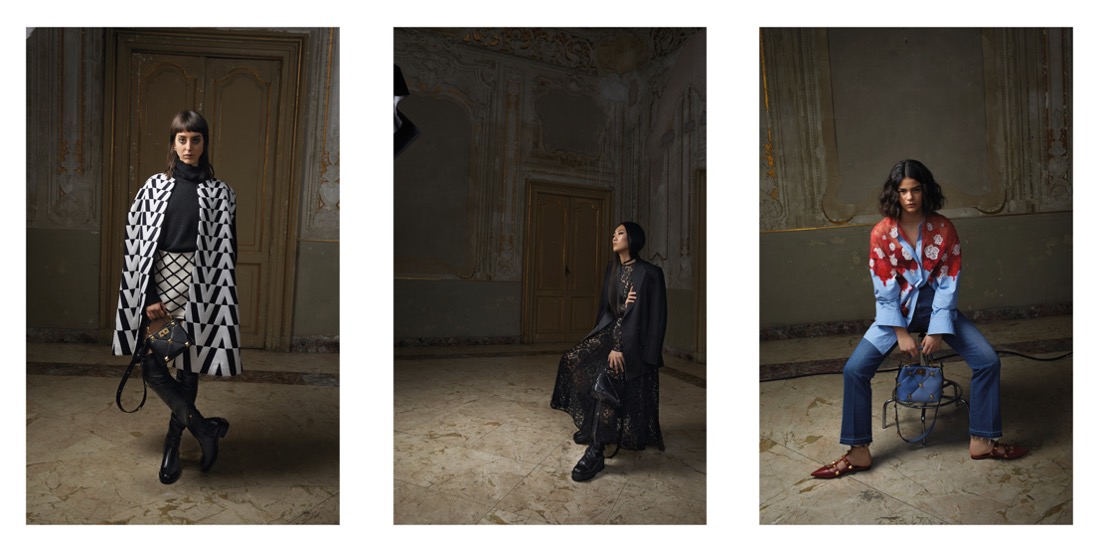
Pierpaolo Piccioli is busy keeping Valentino’s re-signification going, the line of thought about identity, humanity, and radicalism around which he’s been tailoring his practice since last year. “Today, more than ever, aesthetics are determined by identity,” the designer told Vogue while discussing his pre-fall 2021 collection. “To make Valentino’s codes and values pertinent for today, I want to keep a firm hold on its identity while shifting its signifiers, giving them a new attribution.” What does that mean, exactly? “It means giving a more human dimension to Valentino’s lexicon, less obviously glamorous,” Piccioli said. “Not because I condemn red carpet glamour, but because today, there’s the need of a new warmth, of more humanity. So you have to open up those codes, giving them new life and the freedom to speak through more personal, individual interpretations.” And what is more individual, personal, and human than a portrait? For pre-fall Piccioli lensed the look book himself, with a cast of Italian beauties not all of whom are models, but rather friends and young women “with something to say,” he explained. The collection was intended as a series of individual pieces underlining the unique, non-clichéd humanity of each woman and her non-stereotyped representation of femininity. “The way I approached the shoot was a metaphor of what I’m doing at Valentino,” explained Piccioli. “Models for me are individuals, ‘persone’. This is a moment in time where humanity is paramount. The whole cultural discourse about inclusivity, accepting and enhancing diversities, and the freedom of expressing oneself – it’s just about putting humanity front and center as a non-negotiable social, political, and personal value.” Shot in an empty yet decadent Roman palazzo, with chiaroscuro light giving each image a painterly, metaphysical aura, the collection paid a telling homage to Valentino’s culture of couture, even if it consisted mostly of daywear. Dégradé embroideries in macro sequins, wool knots, and beads; handmade taffeta and lace intarsia; bouillonné rosettes and thread-made appliqués; embellishments made through a complex carving techniques – these and other couture flourishes were lavished on clean-cut coats and capes in double cashmere, everyday pieces of luxurious ease. Red roses, an homage to the famous Valentino flamingo dress, were stitched on a sweatshirt in vermilion cady, while a simple shirt in crisp pale blue poplin was inlaid with individually cut florals selected from different types of see-through lace. Summing up, Valentino’s ready-to-wear hasn’t been in such a good place as now for years.

“Live” collage by Edward Kanarecki.