Stand Together. Comme Des Garçons SS23

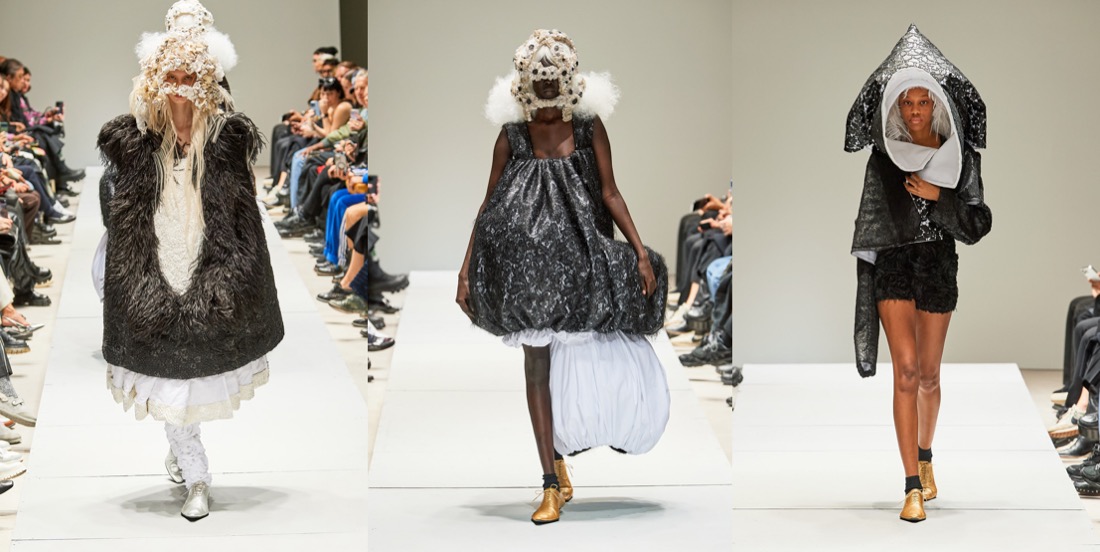
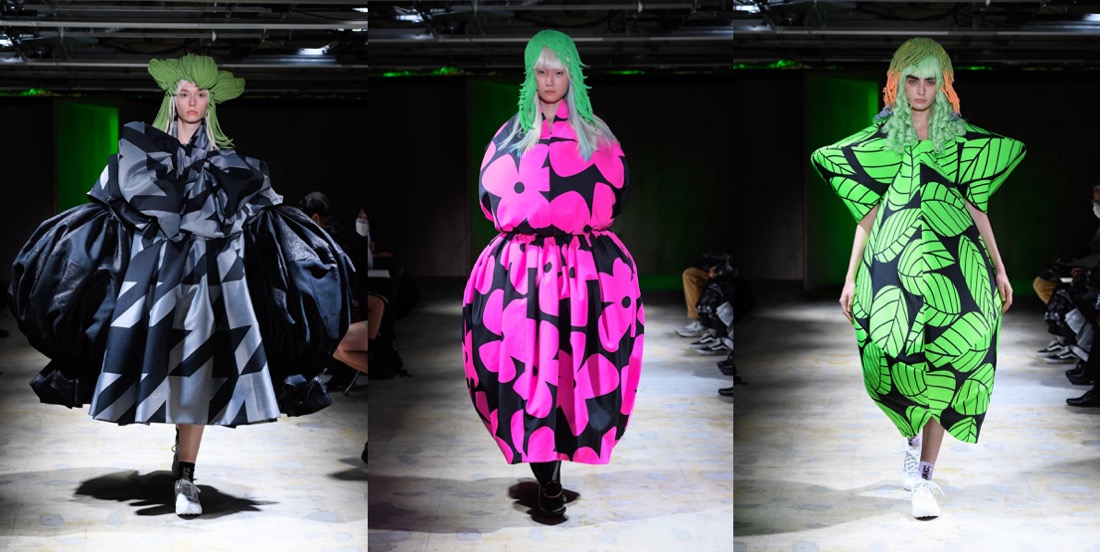
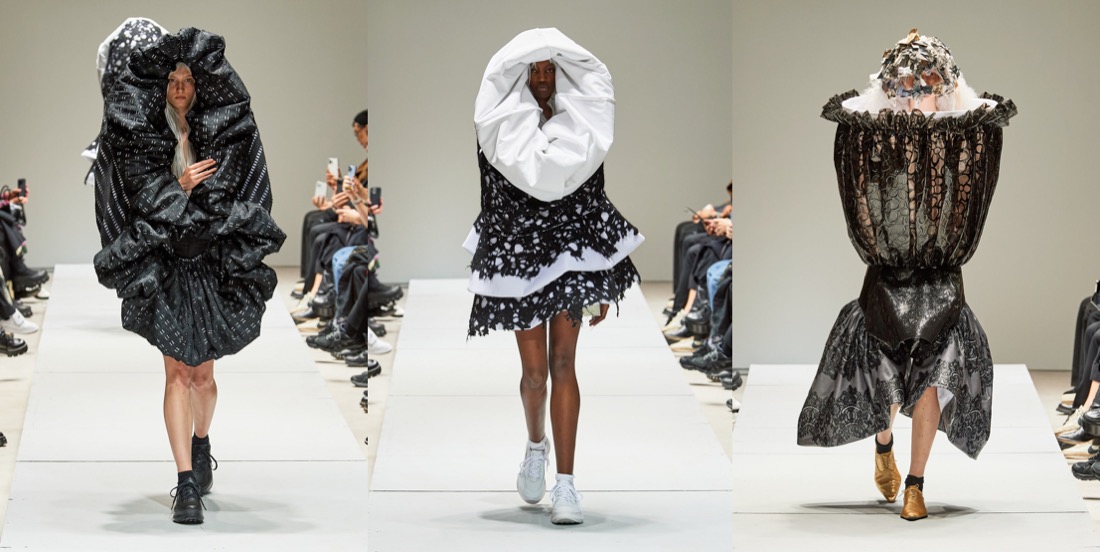
A lamentation for the sorrow in the world today / And a feeling of wanting to stand together.” So disclosed the press notes for the return of Comme des Garçons to Paris. Rei Kawakubo is back. And trust Kawakubo to lean against the prevailing winds, then transport us further and in fewer looks because of it. Last season, as Russia launched its invasion of Ukraine, fashionland scrambled to be somber, doffing the cap. This season, as that invasion and many other frightening geopolitical scenarios rumble on, normal escapist service has been resumed. But this was anti-fashion. Kawakubo’s process is personal and private: The design and its agenda is her business. Here there were perhaps a few readable clues in a collection whose looks were abstractedly sculptural. The models were their podiums. Was look 4 a worn egg cup or a woman inverted? Was look 16 a flowery doughnut or an ironically framed metaphysical void? But you might say something else entirely about these worn impressions. The only thing we’d all agree upon is that this was not conventional clothing. The level of fabric research was intense and heightened; slickly sheeny lacquered lace and sugary-sweet, color-heaped floral jacquards. On some looks you could see the fossilized traces of “normal” pieces – a biker here, a gown there – but all were distended and distorted and blown up or reduced via twists and aggregations of imagination. Some of the models wore headpieces in folded card flowers or apparently hodgepodge steampunk-ish assemblages, half-helmet, half-crown. Created under a briefing by Gary Card and Valériane Venance, these looked to resemble virgin crants, the maiden’s garlands in which young, prematurely deceased women were buried in pre-Reformation England. They were chilling.
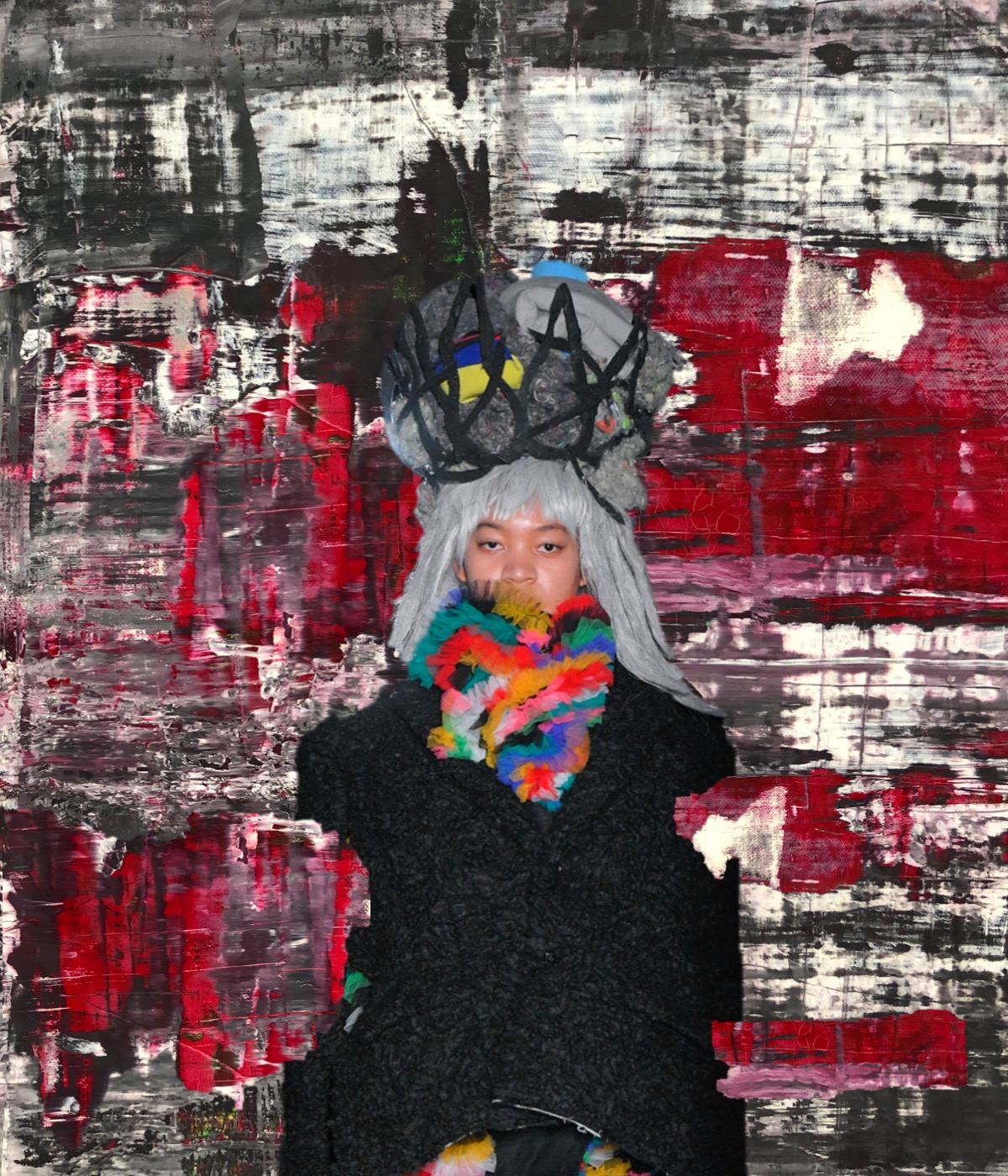
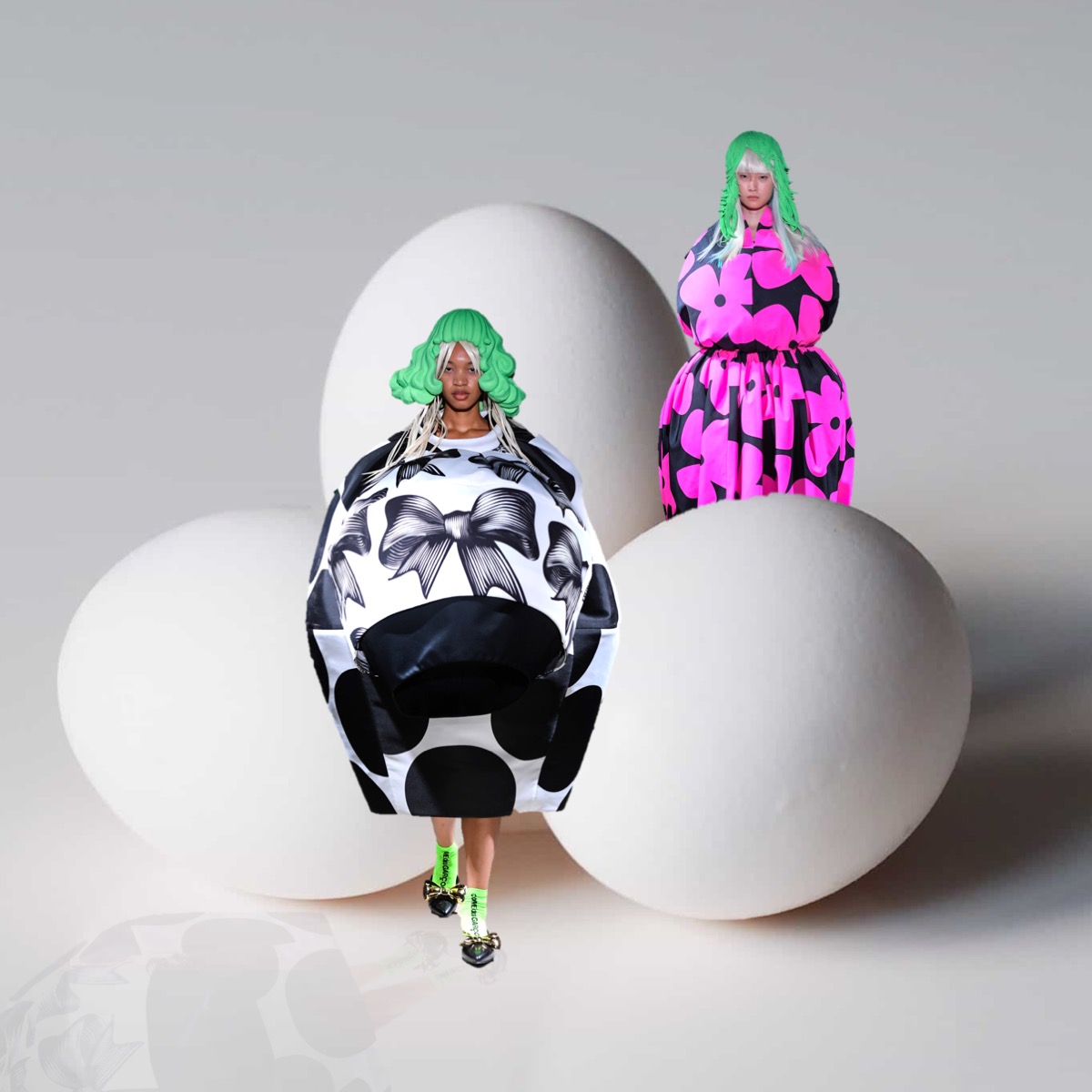
Collage by Edward Kanarecki.
Don’t forget to follow Design & Culture by Ed on Instagram!

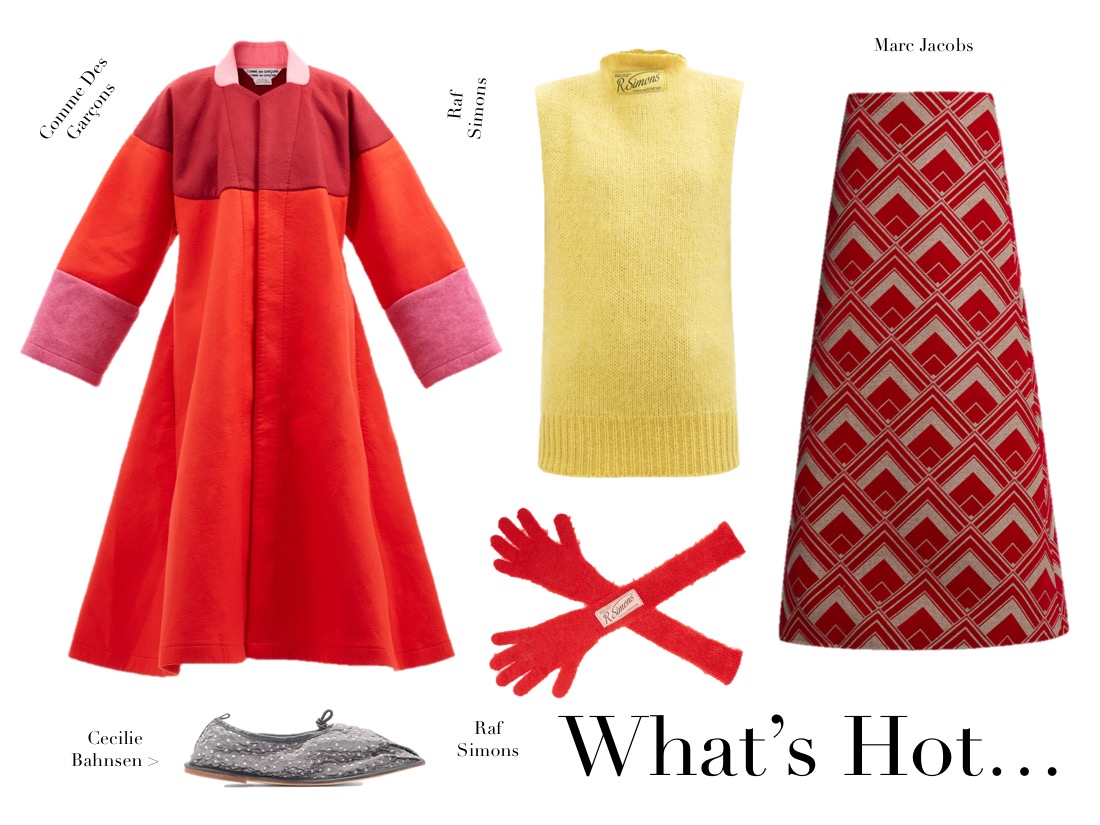
NET-A-PORTER Limited

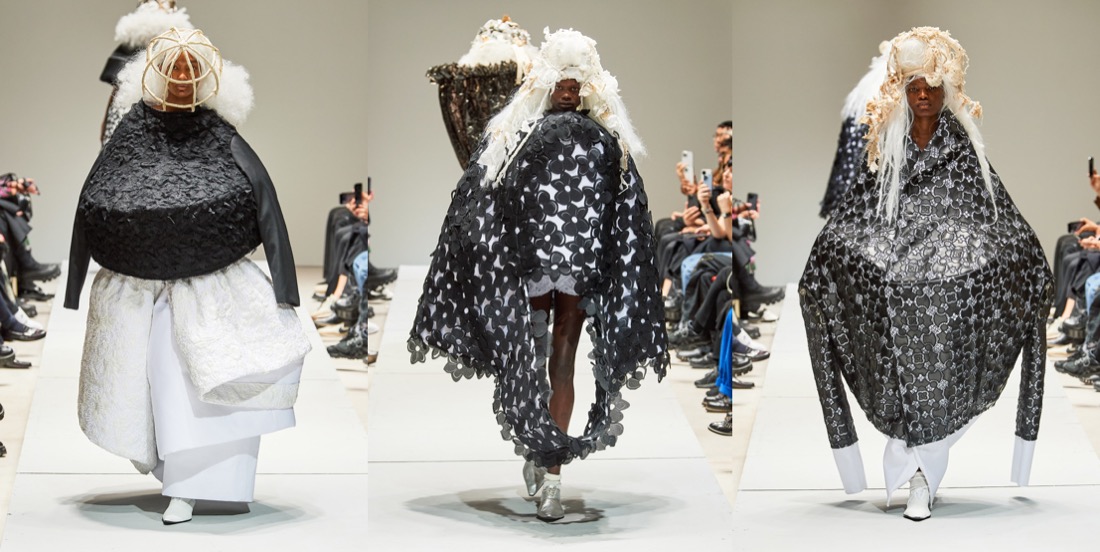
Black Rose. Comme Des Garcons AW22

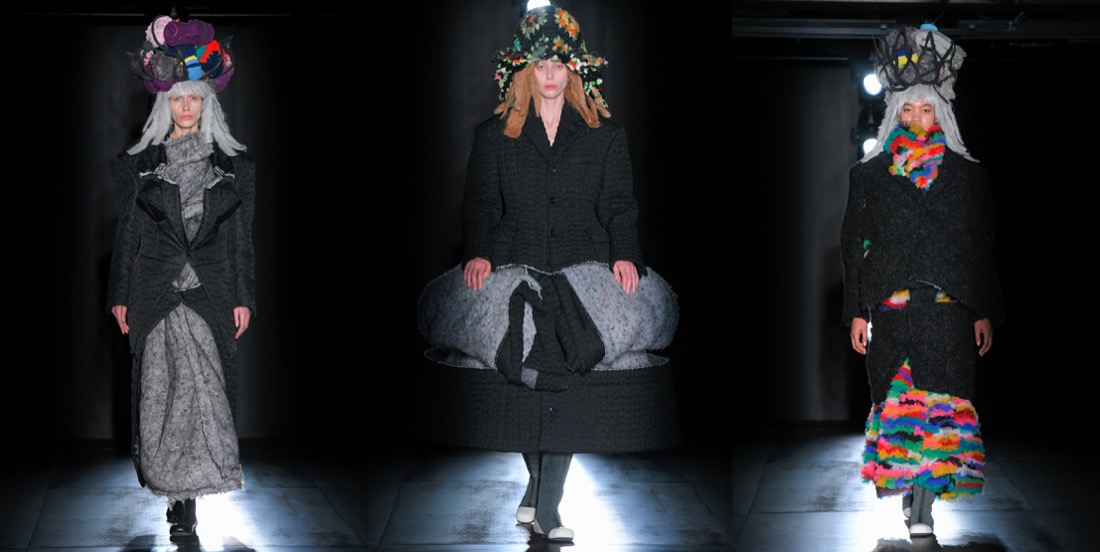
For me, the dark beauty of the black rose symbolizes courage, resistance, and freedom”, Rei Kawakubo stated regarding her Comme des Garçons autumn-winter 2022 show presented a few days ago in Tokyo. The black rose in Irish culture is a symbol of resistance against British rule. It might be a bit hard to discern it in the Comme lineup – it only comes in, patterned on a sort of Victoriana brocade at the 12th of the 16 exits. It’s certain that anti-British imperialism in Ireland is what Kawakubo meant, though, because the haunting music – “a beautiful resistance song from Ireland, Roisin Dubh, the little black rose,” was recorded for the show by the Northern Irish slow flautist Ciaran Carlin. Possibly that’s the most political reference Kawkubo’s made in her work – it has no equivalence to the Russian invasion of Ukraine, except for the common factor of dangerously contested borders. But anyway: how to put words to her clothes? Was a sense of dark history, something primal, or even medieval going on? It seemed so to begin with anyway, what with Kawkubo’s use of thick, wadded, speckled-gray felt carpet underlay (or something similar) and headpieces created by Gary Card bulging with assortments of rough, rolled up fabrics. Other hand-crocheted floppy woollen hats had the air of bonnets, country-cottage style. Comme des Garçons hasn’t been showing outside Tokyo for two years, and Paris Fashion Week really misses its presence. Hopefully, Kawakubo (as well as Junya Watanabe and Noir Kei Ninomiya) returns to the French runway next season.

Collage by Edward Kanarecki.

NET-A-PORTER Limited

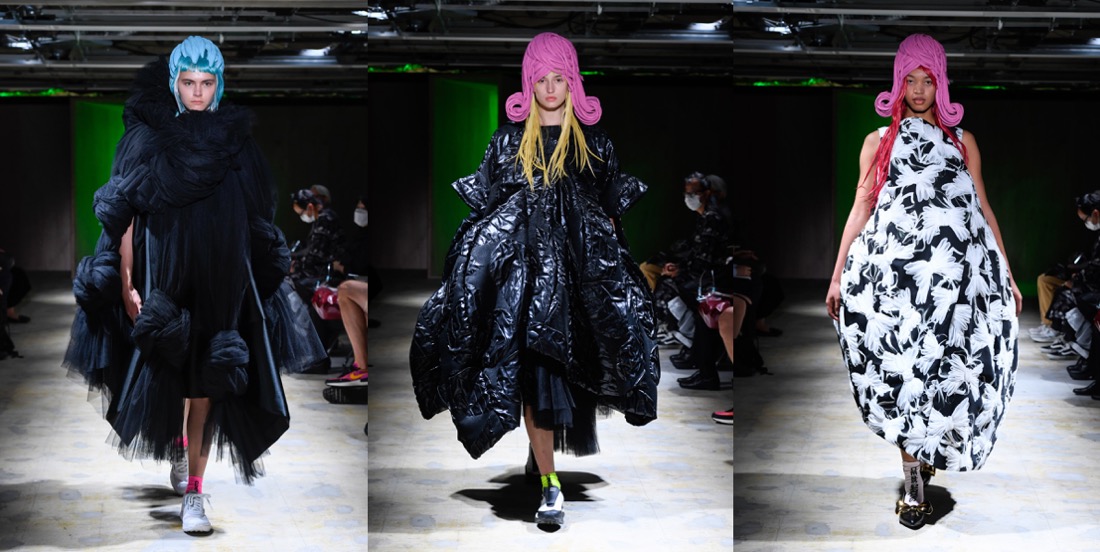
Randomness. Comme Des Garçons SS22

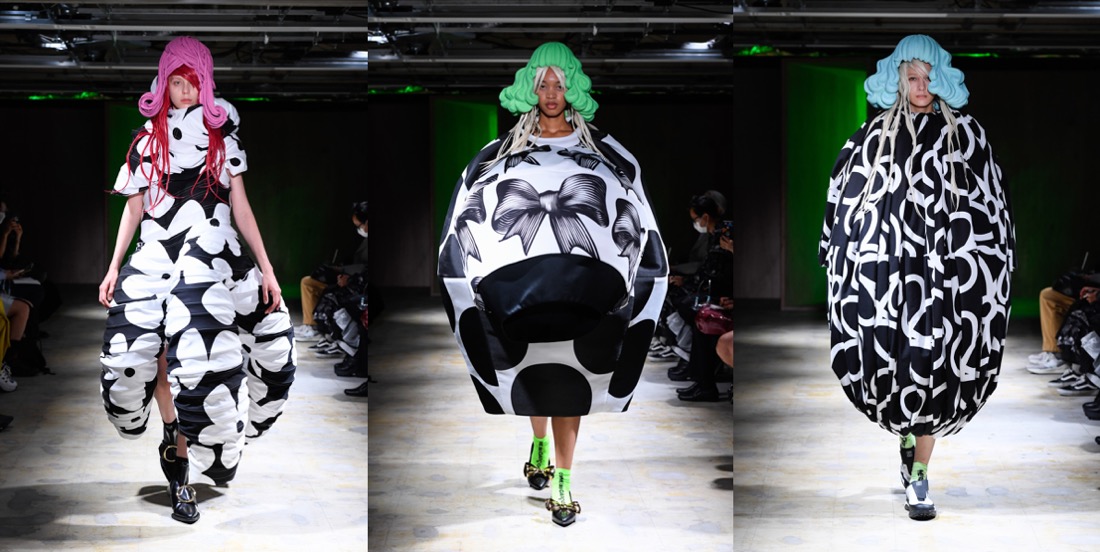
Livestreamed from Tokyo, Rei Kawakubo went for her signature giant portable Comme Des Garçons sculptures this season, imprinted with exaggerated flowers, leaves and bows. There were huge shapes, which meant models had to squeeze or shuffle sideways to emerge through a door onto a set. It didn’t feel like one of Kawakubo’s dystopian, apocalyptic moments in which she has seemed to sound a warning about bad things coming. Was her popping-out scenario closer to suggesting a feeling of rebirth, re-emergence, maybe? If so, it’s into a world where – as other fashion designers have been saying – nothing makes sense. Randomness, surrealism and absurdity are registering as part of the mood of 2021. Kawakubo, in confronting her “present state of mind” went large, very, very large, occupying space in ways that no women is meant to (though to be honest, vast art-fashion structures have been her safe space for experimenting for years). She certainly met her own criterion of avoiding making clothes. Comme “dresses” were presented as abstract perambulating 3-D fabric structures, topped off with pastiches of plastic cartoon girly wigs by Gary Card. Some of them had a sort of curved prow; several had net-filled cones spurting from their backs; some were ovoid, another was a 3-D black trashbag flower. Eventually there was an impression of the weight of furnishing fabric and swishing curtain swags. In the end there was a piece that seemed to have entirely merged a woman with a comfy black and white upholstered armchair. Paris Fashion Week missed having the Comme de Garçons show to contemplate at a time when fashion needs fearless innovators to take it forward. Kawakubo sets an example for all: a designer who has been independent for a lifetime and is still pushing.

Collage by Edward Kanarecki.