Surrealism & Other Myths in Warsaw

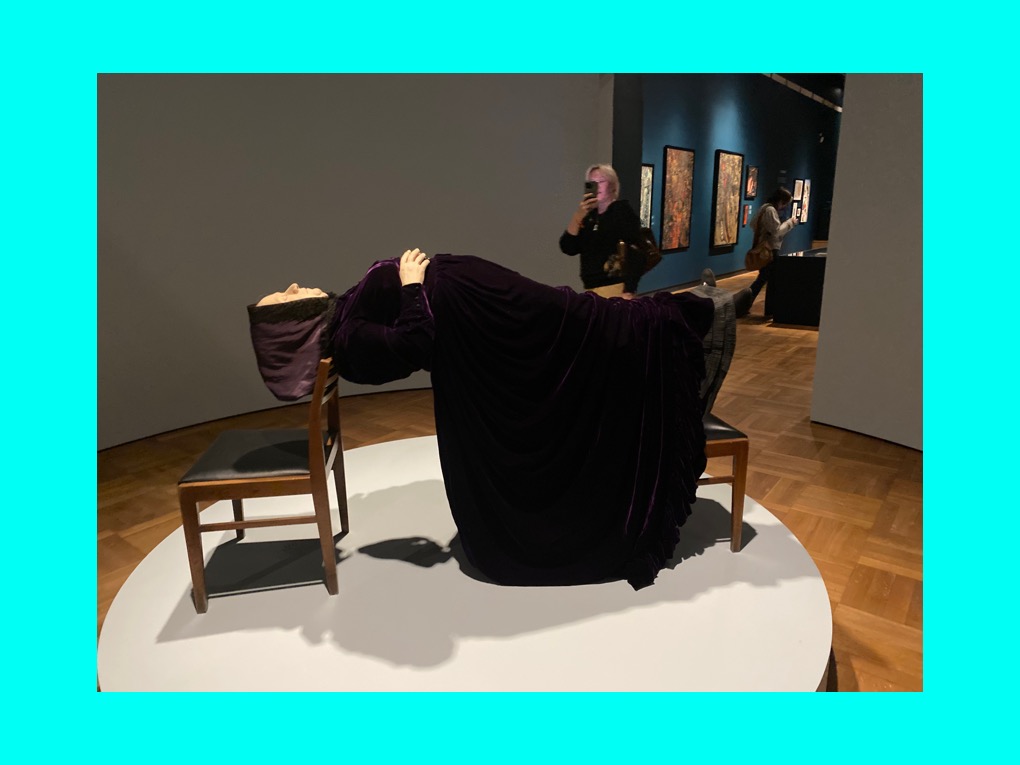
Goshka Macuga’s “Madame Blavatsky”

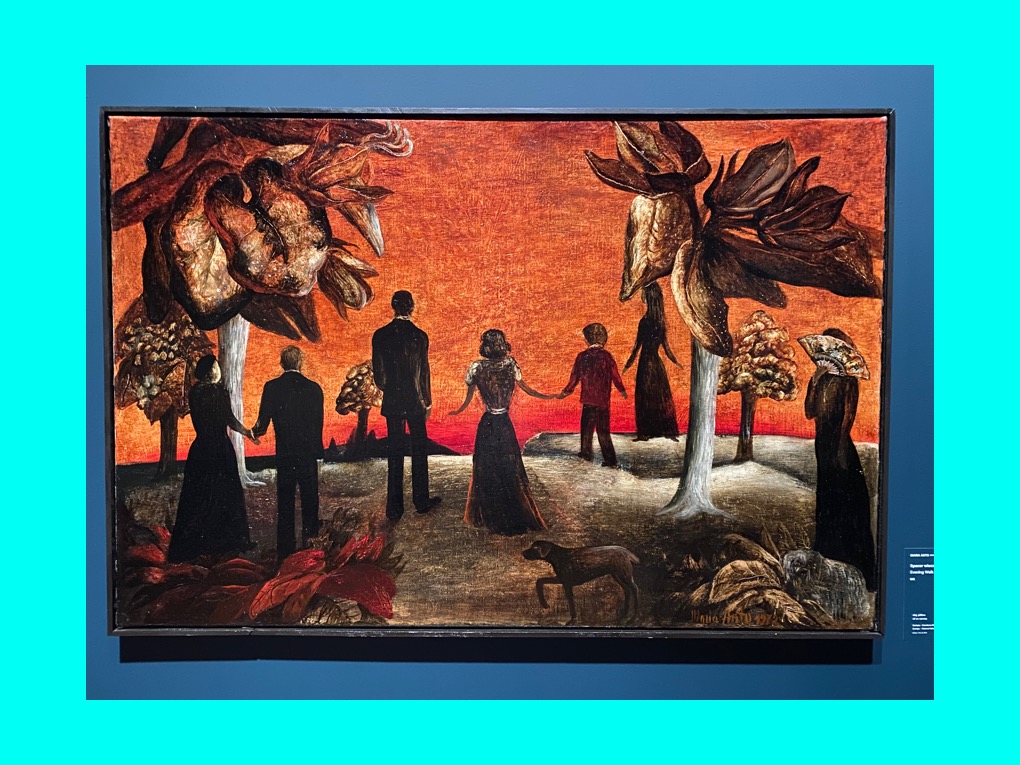
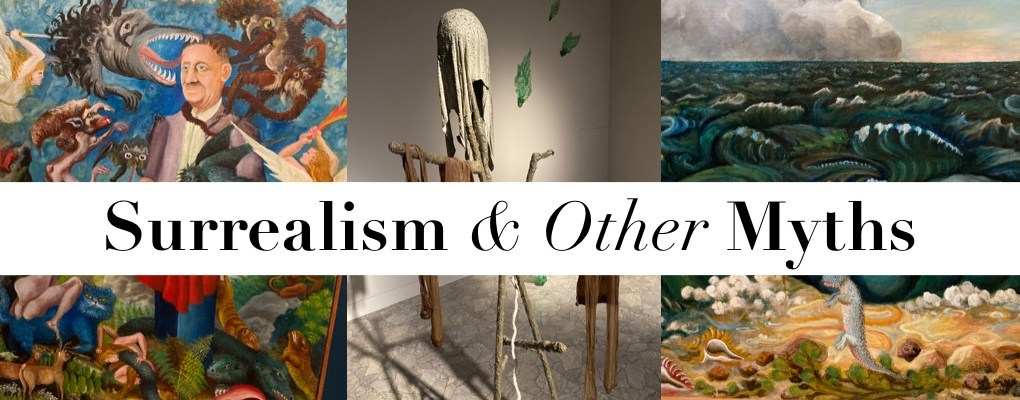
The exhibition “Surrealism. Other Myths” (curated by Hanna Doroszuk) that has just opened at the National Museum of Warsaw is coinciding with the one-hundredth anniversary of André Breton publishing his famous “Manifesto of Surrealism“. The show however refutes the orthodox thinking on Surrealism as a historical art movement having a defined time-frame and fixed geographic boundaries. Instead it treats the movement as a global, inclusive and diverse phenomenon that’s reflected in Polish art, modern and contemporary. The exhibition’s historical narrative begins with works from the interwar period and ends with the output of artists connected with the international “Phases” movement, founded in the 1950s. 

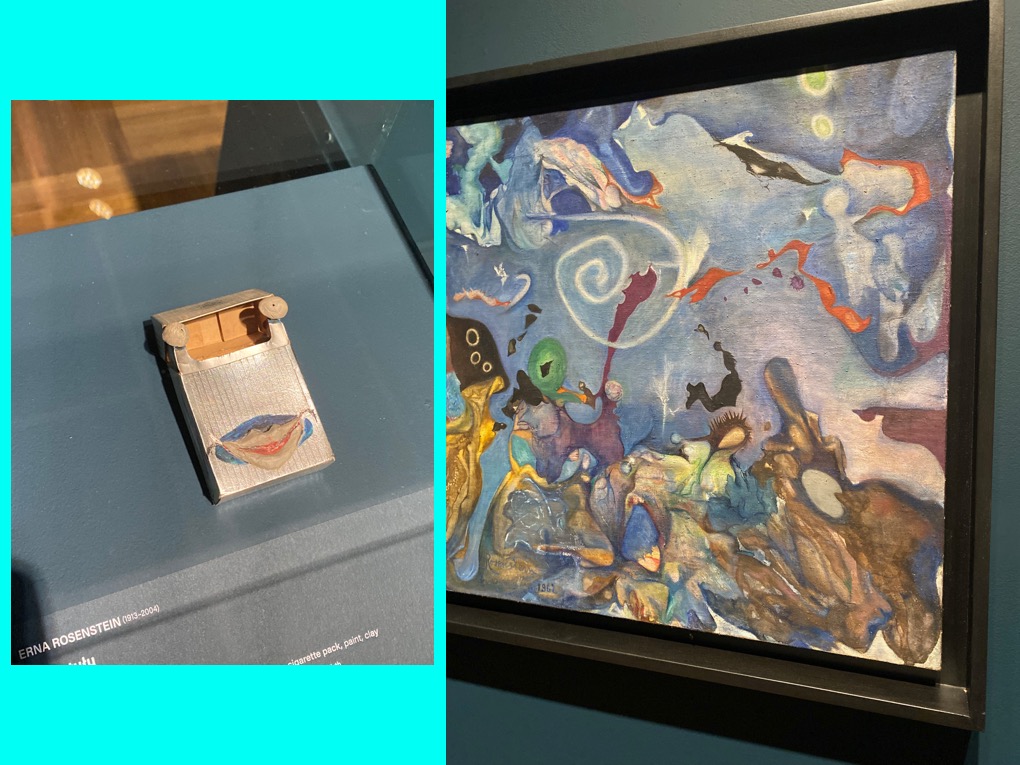
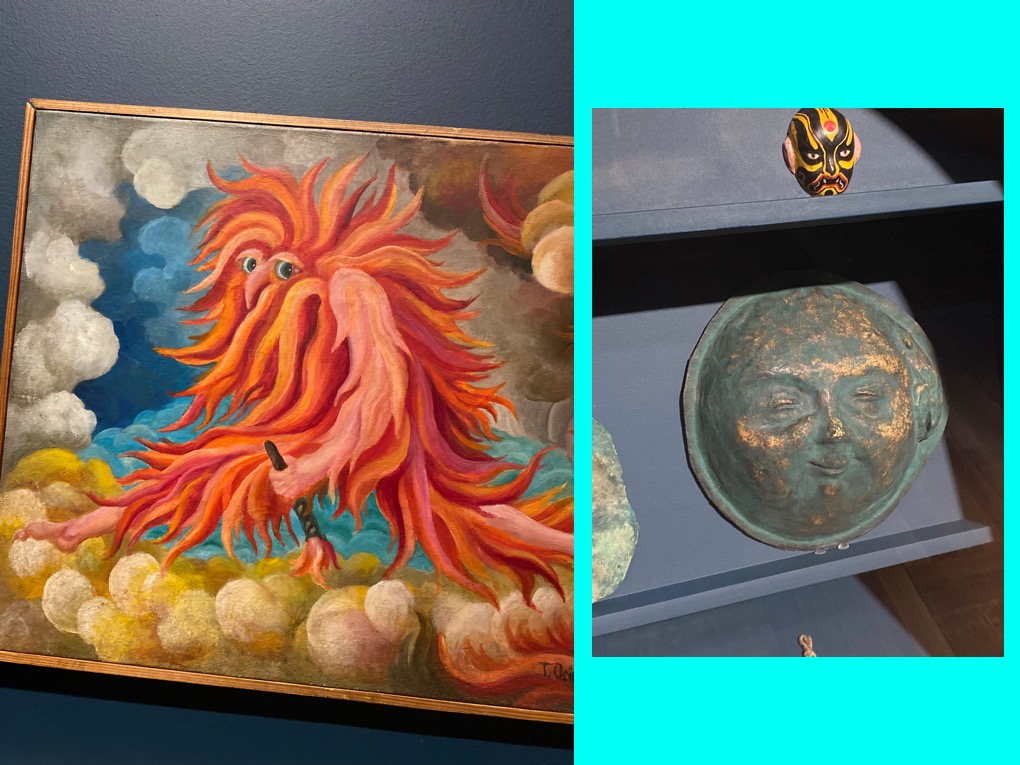
The exhibition is a unique opportunity to discover and admire works by more than sixty artists, including Marek Włodarski, Marek Piasecki, Jerzy Kujawski, Erna Rosenstein, Władysław Hasior, Zbigniew Makowski, Teofil Ociepka and Max Ernst. Their pieces exemplify the range of techniques typical of the Surrealists, like decalcomania, grattage and frottage. Also on view are examples of Surrealist objects and a large selection of photographs. In addition to items from the NMW collection, the exhibition features works on loan from other Polish museums and private collections. “Surrealism. Other Myths” proves that surrealism is breathing and well alive.

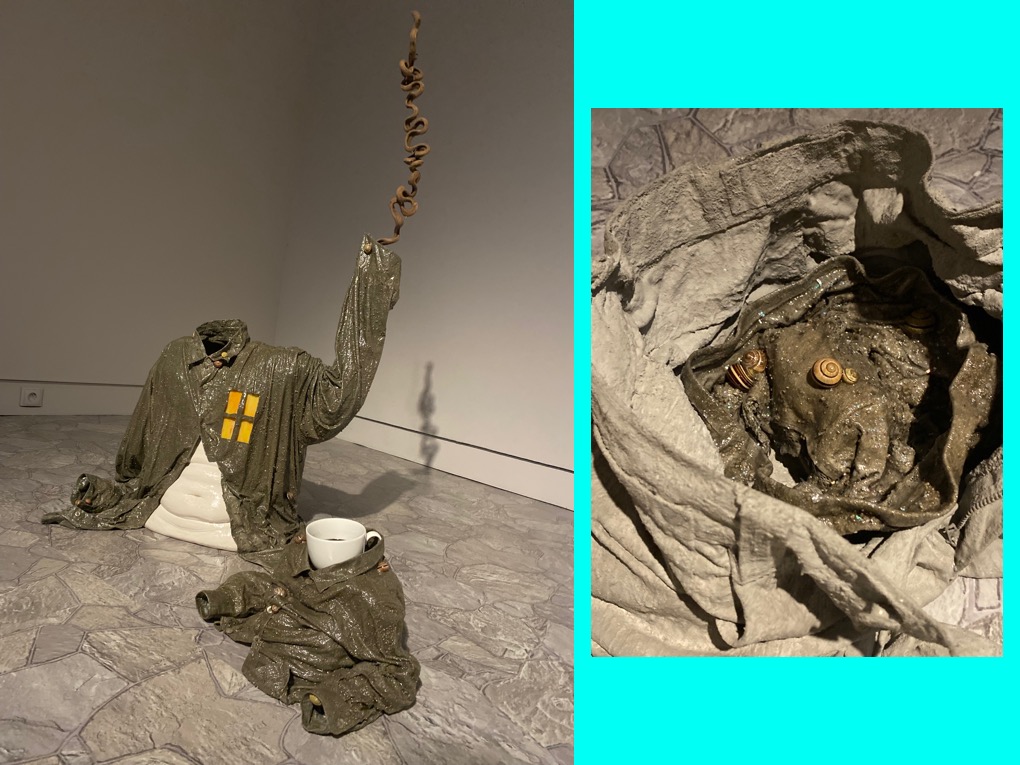
The part of the exhibition that drew my attention the most was Dominika Olszowy’s – one of the most talented contemporary, Polish artists out there – “Nocturne“. The artist has devised a quasi-domestic space inspired by nocturne painting tradition and by the world of night-time experiences. Permeating the room arranged by the artist is an emotional tension manifesting in physical responses like muscles tightening and bodies freezing in motionless. The objects and sculptures comprising “Nocturne” thus reside in a dead space where action is rendered impossible and the only escape is to wait out the night. In this space where the boundary between dream and reality dissolves, anxiety takes on a material and viscous form. Yet, deep in the crannies, a faint glimmer of the approaching sunrise breaks through. Experiencing this artwork reminded me why I love art. Make sure to follow Olszowy on Instagram!

And here are other details I captured at this fascinating exhibition:

The exhibition is on view until 11th of August 2024.

If you’re in mood for digging deeper into Surrealism, here are some books to indulge in!

ED’s SELECTION:
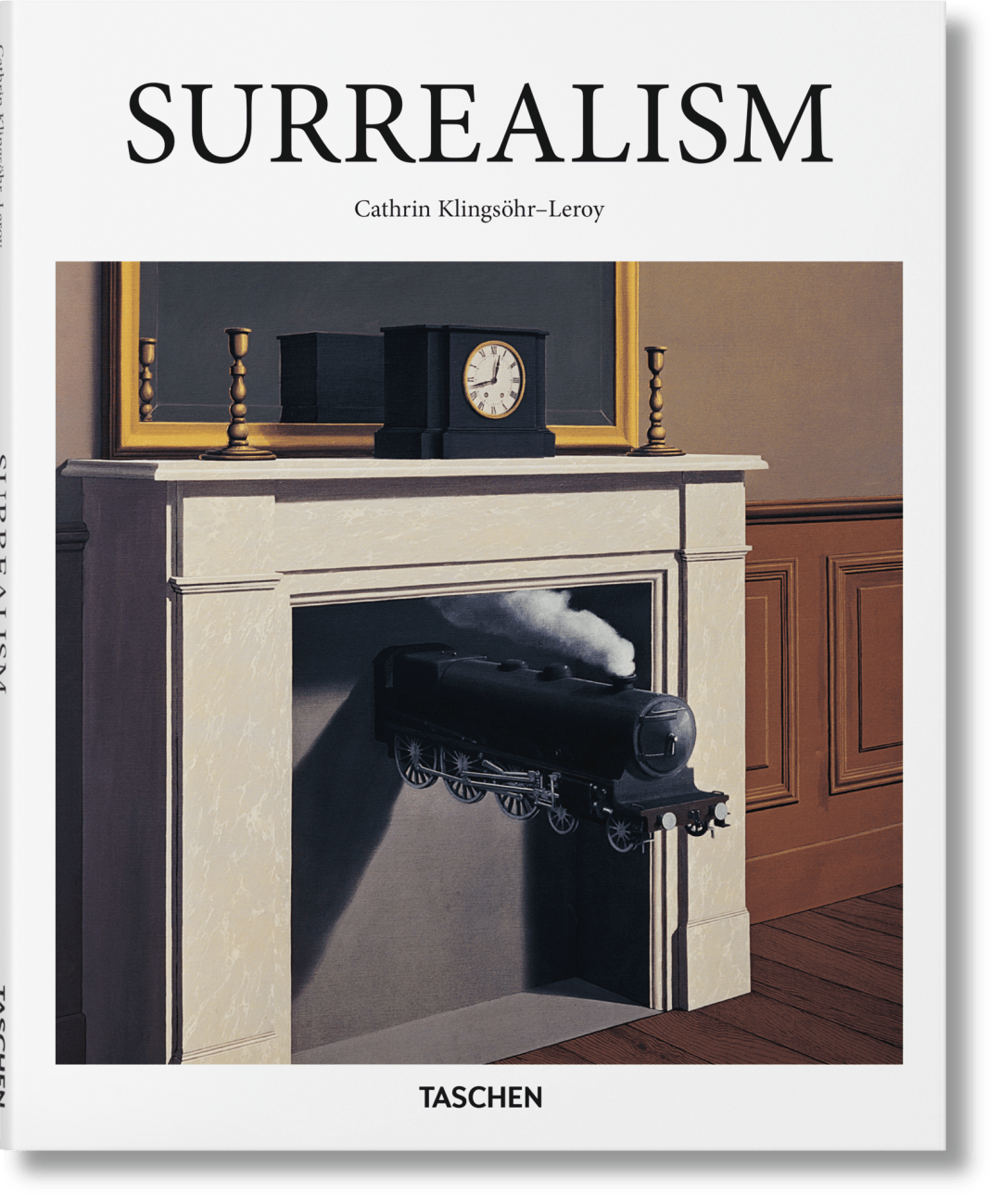

“Surrealism” by Taschen
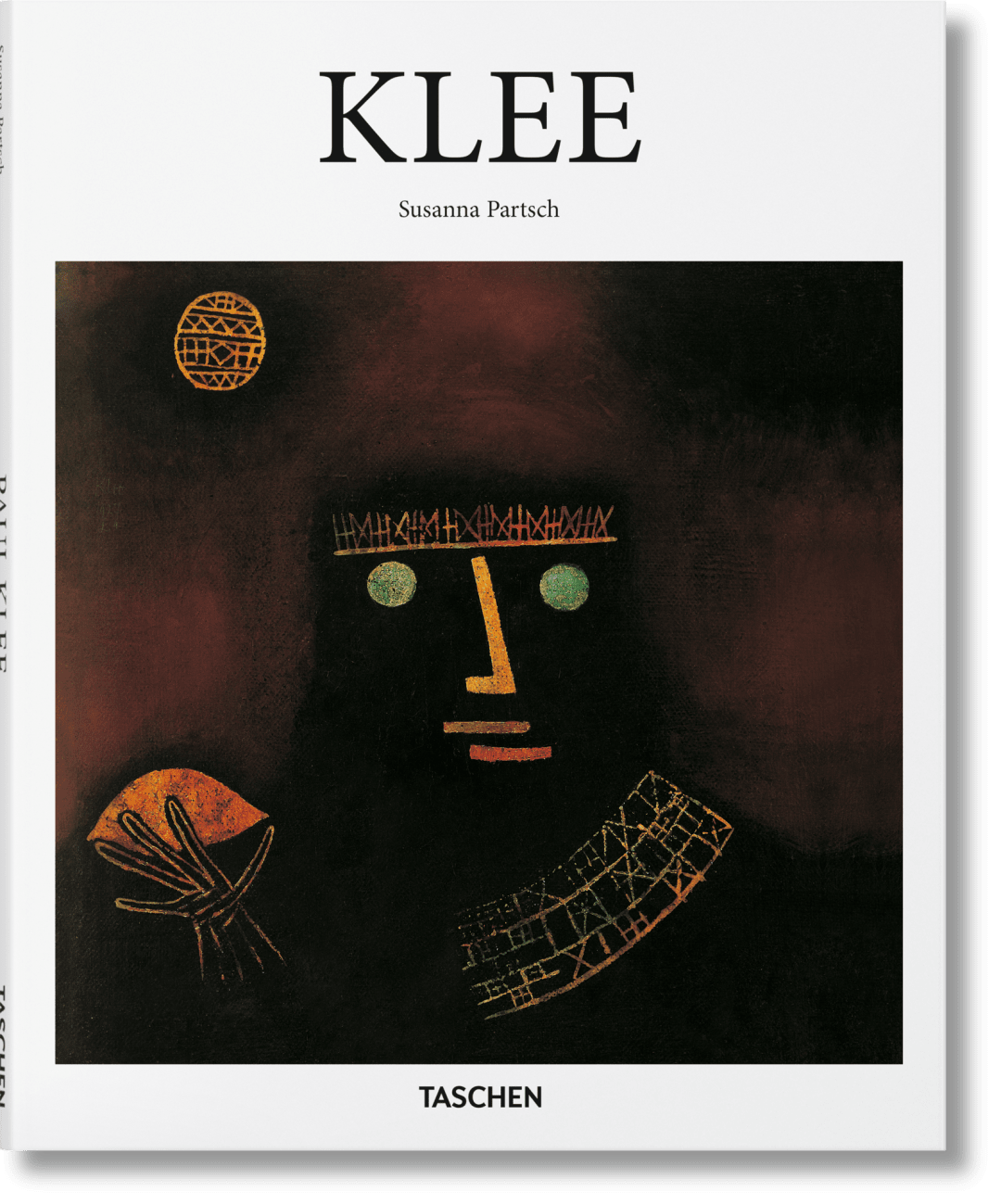

“Klee” by Taschen
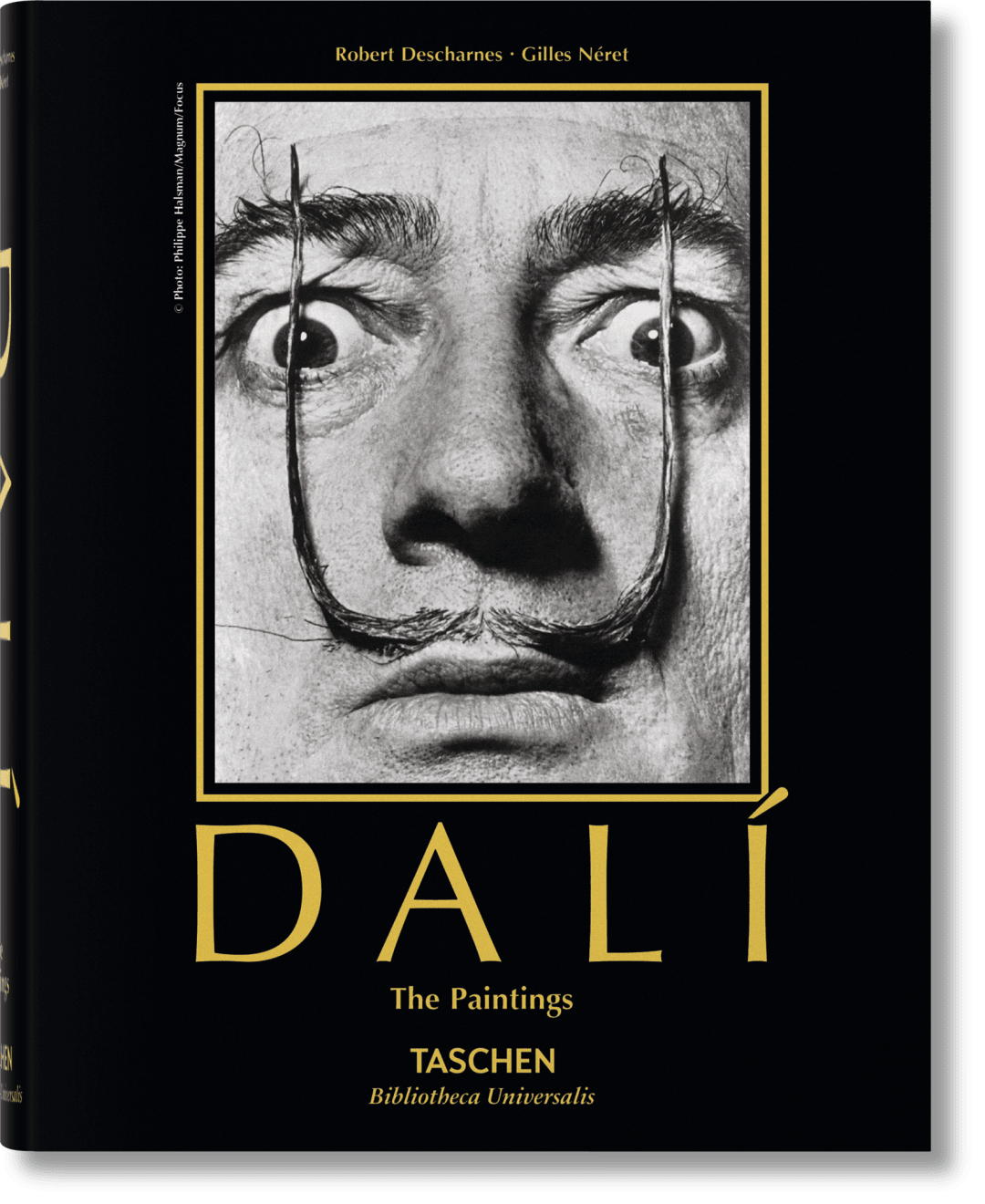

“Dalí. The Paintings” by Taschen
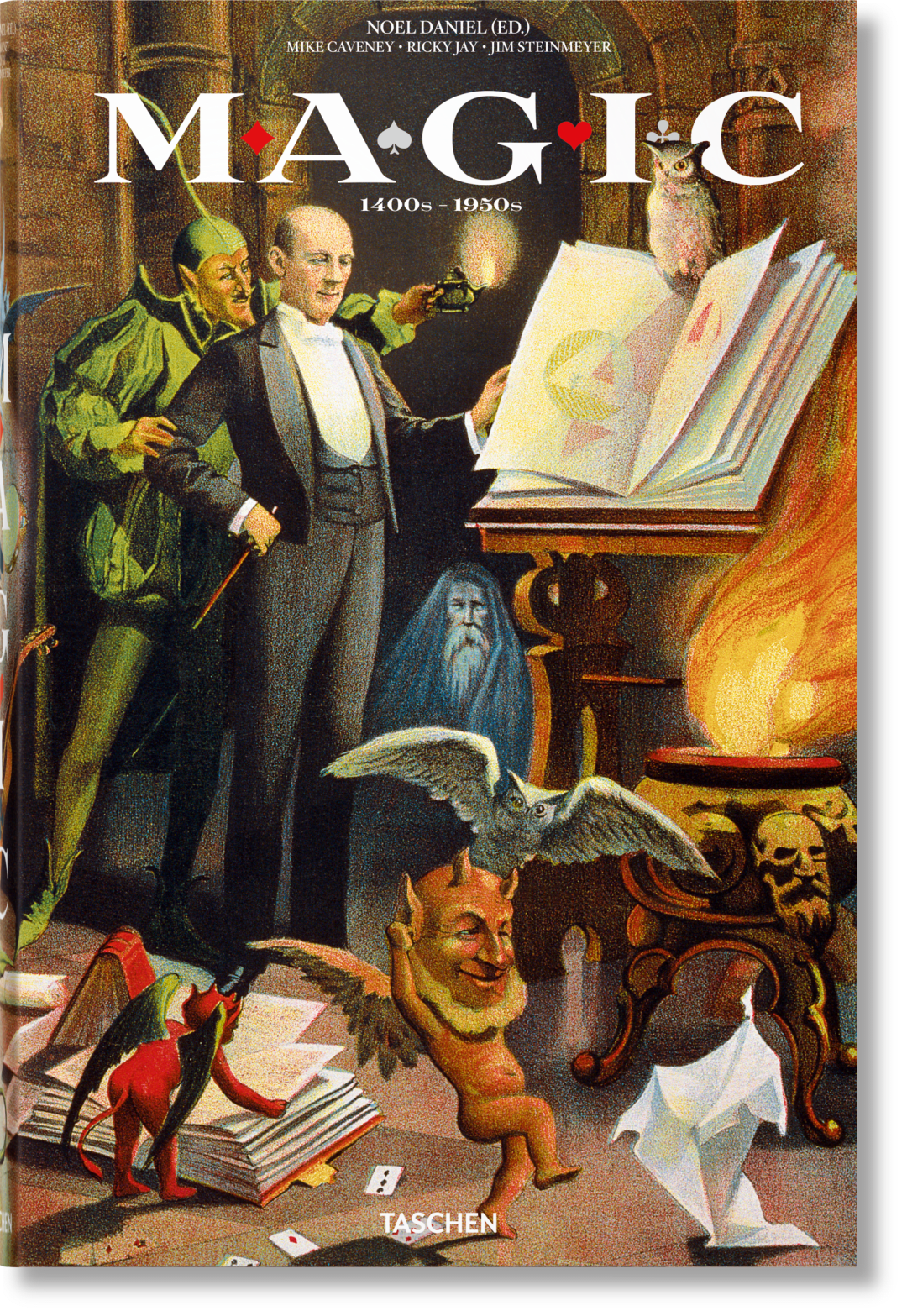

“Magic 1400s-1950s” by Taschen


“Magritte” by Taschen


“The Magic Mirror of M. C. Escher” by Taschen

All photos by Edward Kanarecki.

Don’t forget to follow Design & Culture by Ed on Instagram!

Hey, did you know about my newsletter – Ed’s Dispatch? Click here to subscribe!
NET-A-PORTER Limited

I Sewed For Us. Małgorzata Mirgo-Tas at Brücke Museum.

Małgorzata Mirga

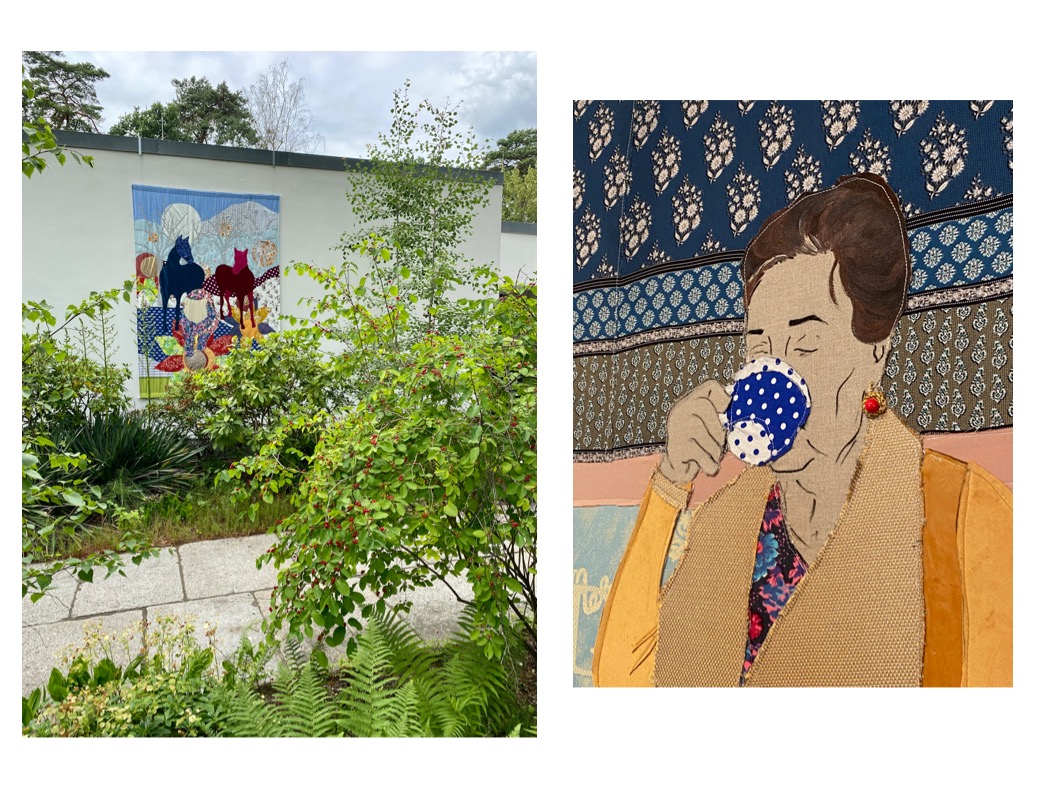
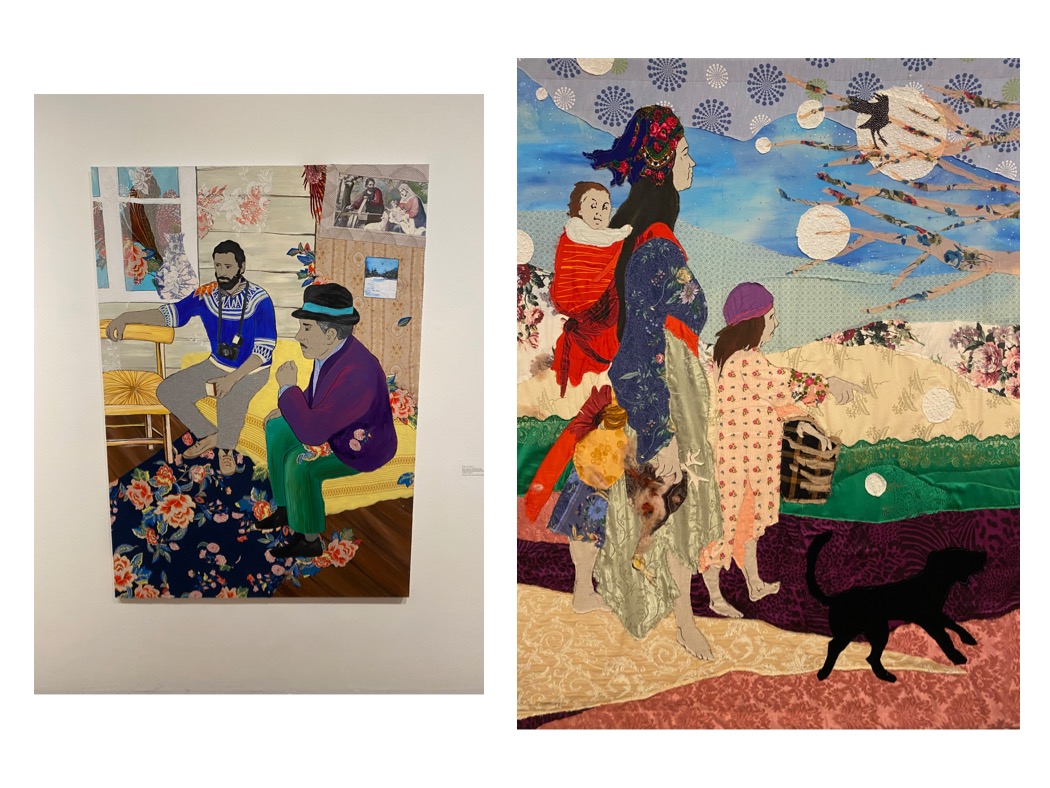
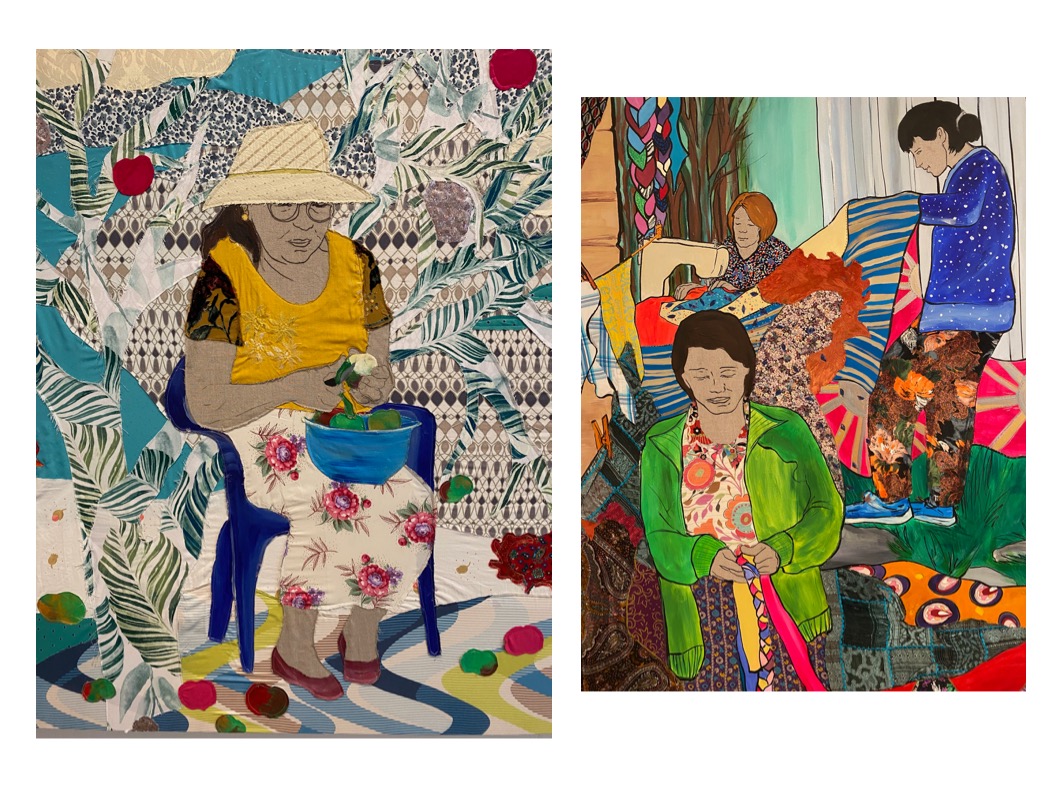
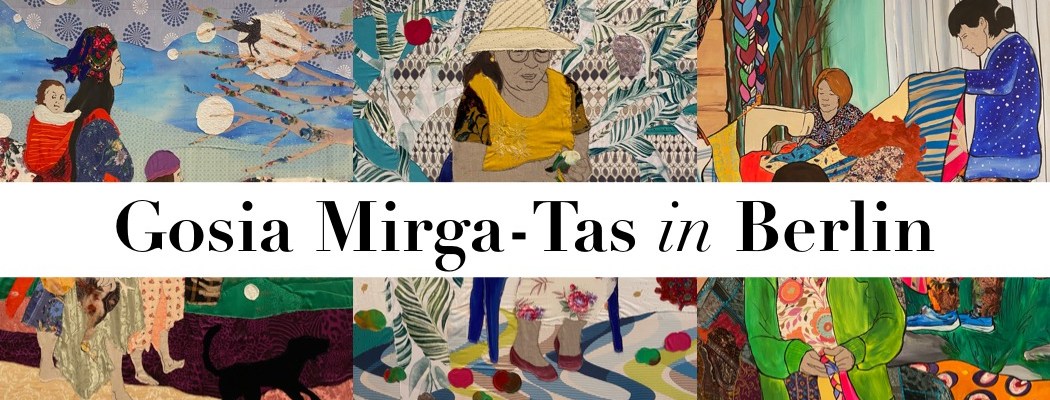
The Brücke-Museum (the art-sanctuary of Die Brücke group’s practices, designed by Werner Düttmann in Berlin’s most greenery Dahlem district) invites for the second time a contemporary artist to enter into dialogue with its historical collection. Małgorzata Mirga-Tas, born in 1978, works in sculpture, painting and film, and especially the medium of collage. Mirga-Tas is Bergitka-Romni and grew up in a Roma settlement in Czarna Góra, Poland, where she still lives and works today. She studied at the Academy of Fine Arts in Cracow and besides her artistic work, she also works as an educator and activist.

Her tactile works depict everyday scenes from contemporary Roma communities, often integrating personal textiles and objects of the sitters. They show autonomous individuals beyond stereotypical representations. Based on the Brücke-Museum’s collection, these culturally and historically still predominant racist forms of representation of Roma are contrasted and thematized. The curator Joanna Warsaw writes of the artist’s work: “She creates an image of Roma as proto-Europeans, a multilingual, transcultural, and nonviolent group that reshapes conventions and decolonizes imaginary worlds.” Mirga-Tas represented Poland at last year’s Venice Biennale and was represented at  Documenta Fifteen. She is currently a fellow of the DAAD’s Berlin Artists’ Program. This is her first solo exhibition in Germany, and you just can’t miss it if you’re in town! It’s on until the 3rd of September.

Here are a couple of Die Brücke group’s works from the museum’s permanent collection that were displayed alongside Mirga-Tas’ collages…

…and flowers from my favorite shop near Kollwitzplatz!

Collage by Edward Kanarecki.
Don’t forget to follow Design & Culture by Ed on Instagram! By the way, did you know that I’ve started a newsletter called Ed’s Dispatch? Click here to subscribe!

NET-A-PORTER Limited

“HUMAN IS” at Schinkel Pavillon

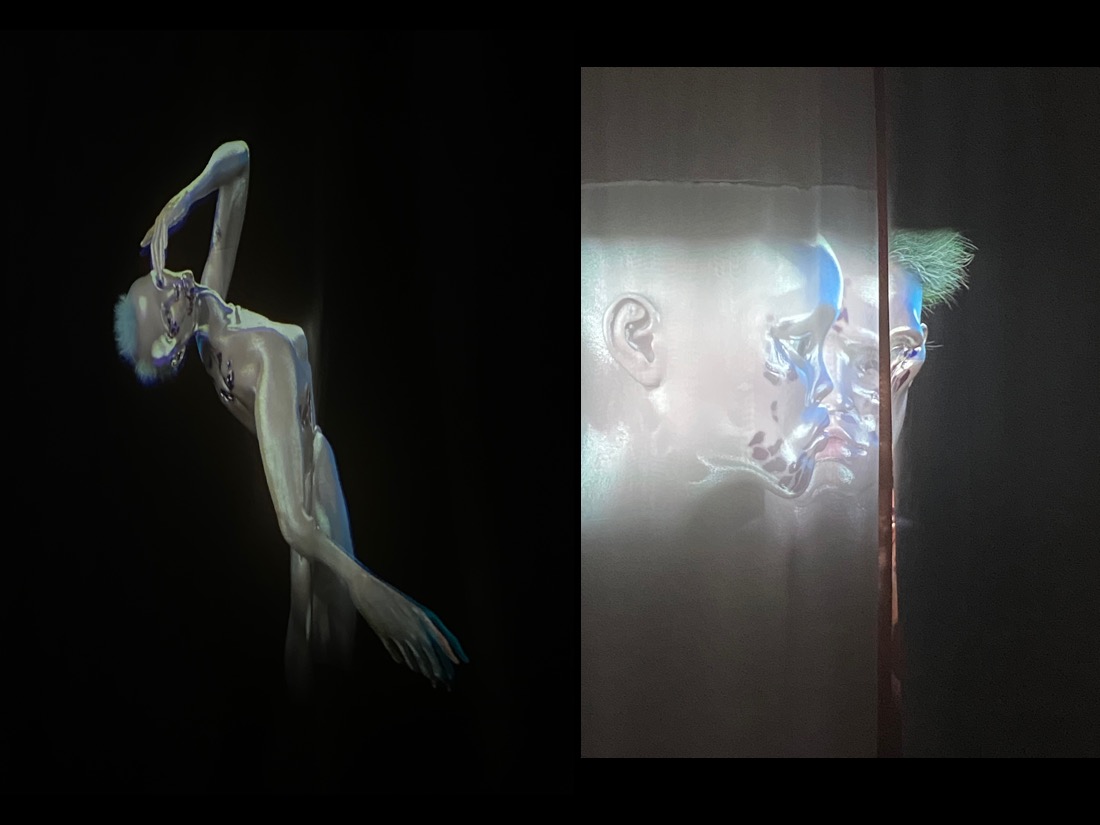
HUMAN IS” is the best exhibition I’ve been to in a while. Don’t walk, run to Schinkel Pavillon if you happen to be in Berlin this summer. Sci-fi spirituality meets post-human aesthetics. Bodies, fakeness, AI, reproduction, mutation, realness, primal instincts, fluidity… all that in the ultimate cocktail-party spot of the DDR Germany times. You feel as if you were abducted by the aliens in the solemn 1970s Berlin and were about to get high on out-of-this-world ~vibes~. Curated by Nina Pohl and Franziska Sophie Wildförster, the exhibition offers distinctions between dystopia and reality that are increasingly collapsing in the face of inexhorable technological and ecological upheavals. “HUMAN IS” borrows its name from the eponymous short story by Philip K. Dick (1955) and investigates the idea of being human as a contestable and reversible category.

Since the 19th century – and its notions of capitalist, scientific and technological progress – science fiction has held up a mirror to the changing contemporary conditio humana with its values, fears and limitations. The seemingly external threat of extraterrestrial, supernatural or artificial beings often reveals itself as self-made anxiety and part of our cultural condition. The monstrosity of the unknown arises to shake up limitations, in effect, decentering the human protagonist. “HUMAN IS” juxtaposes historical with newly produced artworks. The exhibition paints a polyphonic picture of the mutual penetration of body and technology: it addresses the often violent interdependence of humans on their technological surroundings and opposes any promises of salvation through trans-humanistic progress. Simultaneously, it opens up spaces of possibility in which dualistic taxonomies can be overcome in favor of a networked and interdependent existence. The art show engages science fiction to transcend the humanistically inscribed human, on the one hand, and the species of anthropos, on the other, through both material and perspectival liminality. For many, the collapse of the systems we have come to rely on is no longer a distant apocalyptic future. Visionary science fiction writer Ursula K. le Guin sees fiction as a container for reinventing the possibilities of human experience and knowledge beyond any linear narrative of progress. And it is through these stories that the destruction and alienation of contemporary existence can trigger creative processes and a new ethics of relationality, which may no longer be truly human.

Oberwallstraße 32 / Berlin

Photos by Edward Kanarecki.
Don’t forget to follow Design & Culture by Ed on Instagram! By the way, did you know that I’ve started a newsletter called Ed’s Dispatch? Click here to subscribe!

NET-A-PORTER Limited

Beirut & THe Golden 60s At Gropius Bau

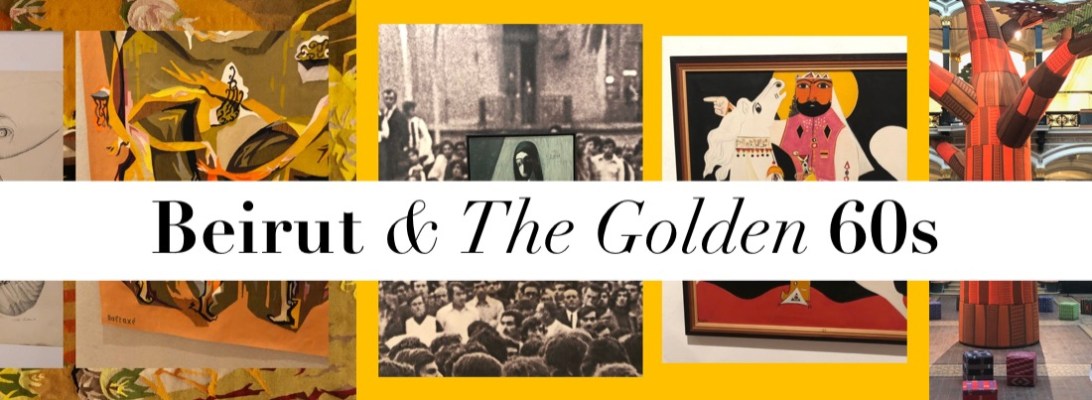
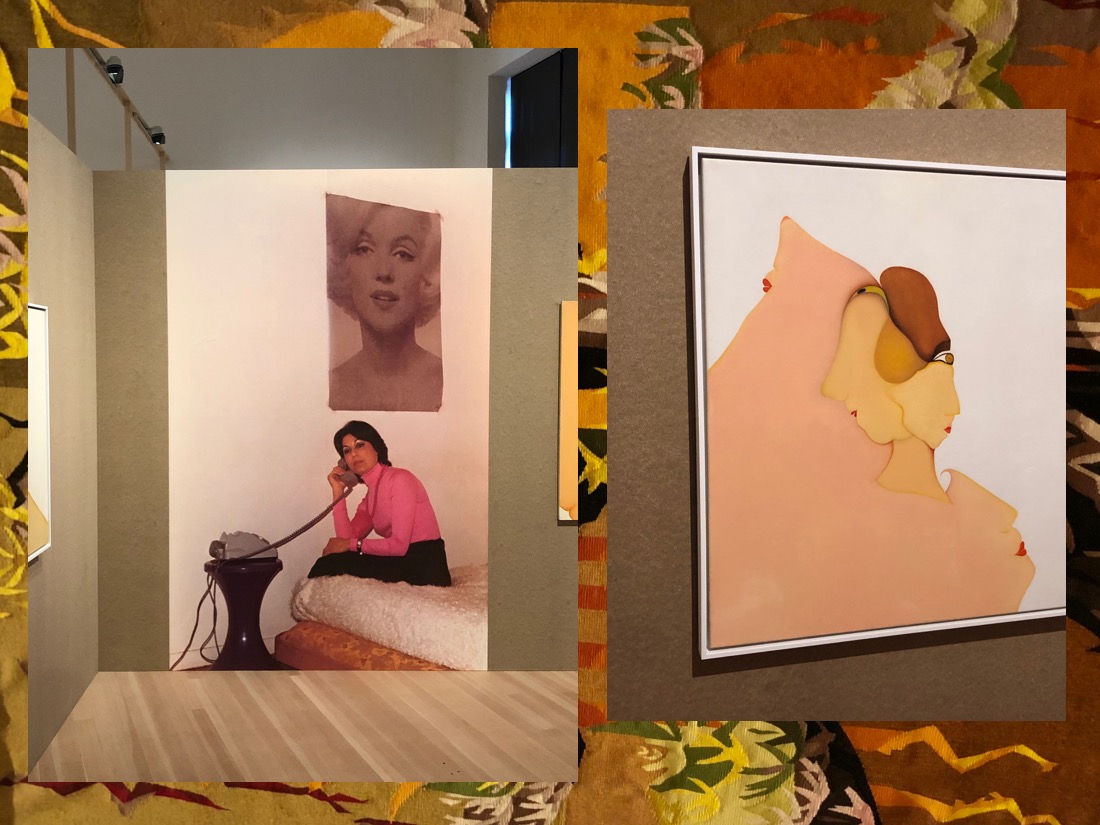
Until the 12th of June, there’s an incredible exhibition going on at Berlin‘s Gropius Bau. “Beirut and the Golden Sixties: A Manifesto of Fragility” revisits a dazzling yet moving chapter in Beirut’s modern history. Spanning the period between the late 1950s and the 1970s, from the Lebanon Crisis in 1958 to the outbreak of the Lebanese Civil War in 1975, the exhibition traces the complicated tension between Beirut’s artistic cosmopolitanism and its pervasive transregional and political antagonisms. At that time, the city’s character was shaped by the influx of people and their inexhaustible ideas. A heterogeneous mix of artists from Lebanon and abroad articulated their different and sometimes contradictory visions of modernity. Their drive for formal innovation was often as strong as their political convictions. With 230 works by 34 artists and more than 300 archival documents from nearly 40 collections, this is the most comprehensive exhibition to date of a crucial period in Beirut’s history. It reveals the complex connections between the city’s past and its current problems and challenges the romanticized portrayal of Beirut’s so-called Golden Age, which ended in the outbreak of the Lebanese Civil War in 1975. Beirut and the Golden Sixties: A Manifesto of Fragility tells the story of a city’s hunger for life and its contradictory ambitions.

Niederkirchnerstraße 7 / Berlin

Photos by Edward Kanarecki.

NET-A-PORTER Limited

Back At König Galerie

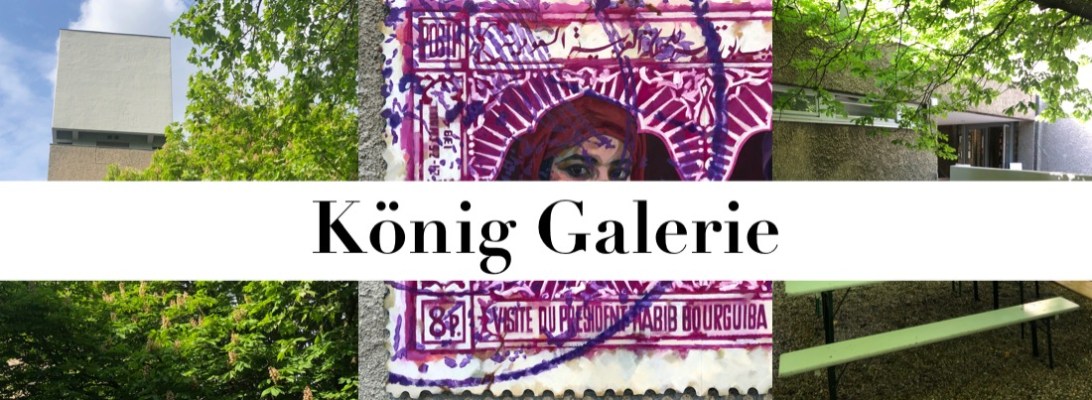
It was my second time at König Galerie, and I must admit that this Berlin gallery just doesn’t disappoint. It’s located in the impressive, brutalist building of the fromer Saint Agnes Church in the Kreuzberg district. König Galerie was founded by Johann König in 2002, and currently represents 39 international emerging and established artists, mostly belonging to a younger generation. The program’s focus is on interdisciplinary, concept-oriented and space-based approaches in a variety of media including sculpture, video, sound, painting, printmaking, photography and performance. During my visit two weeks ago, I had a chance to see two fascinating and absolutely relevant, temporary exhibitions that took place in the gallery’s vast spaces.

Alexandrinenstraße 118–121 / Berlin

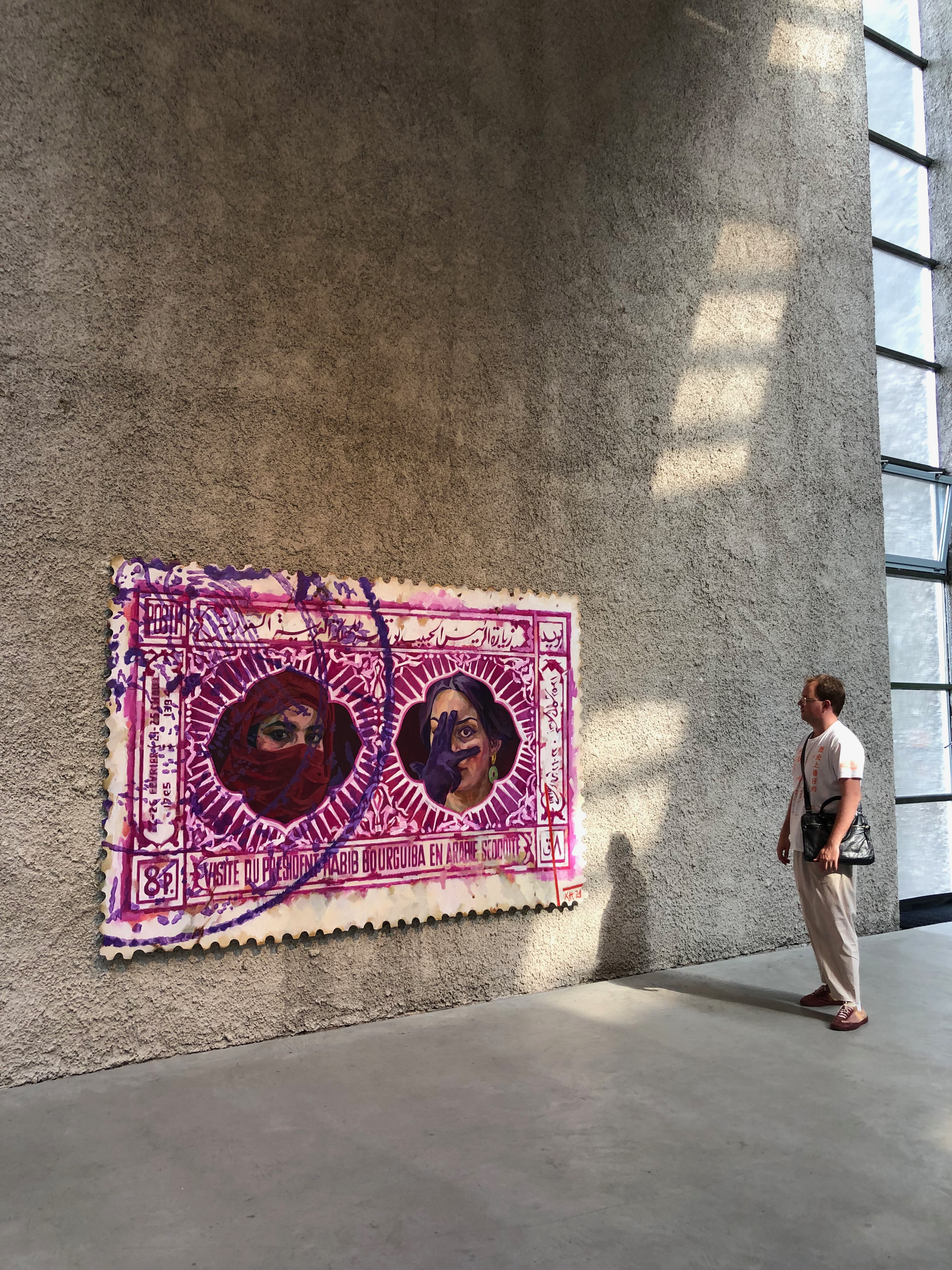
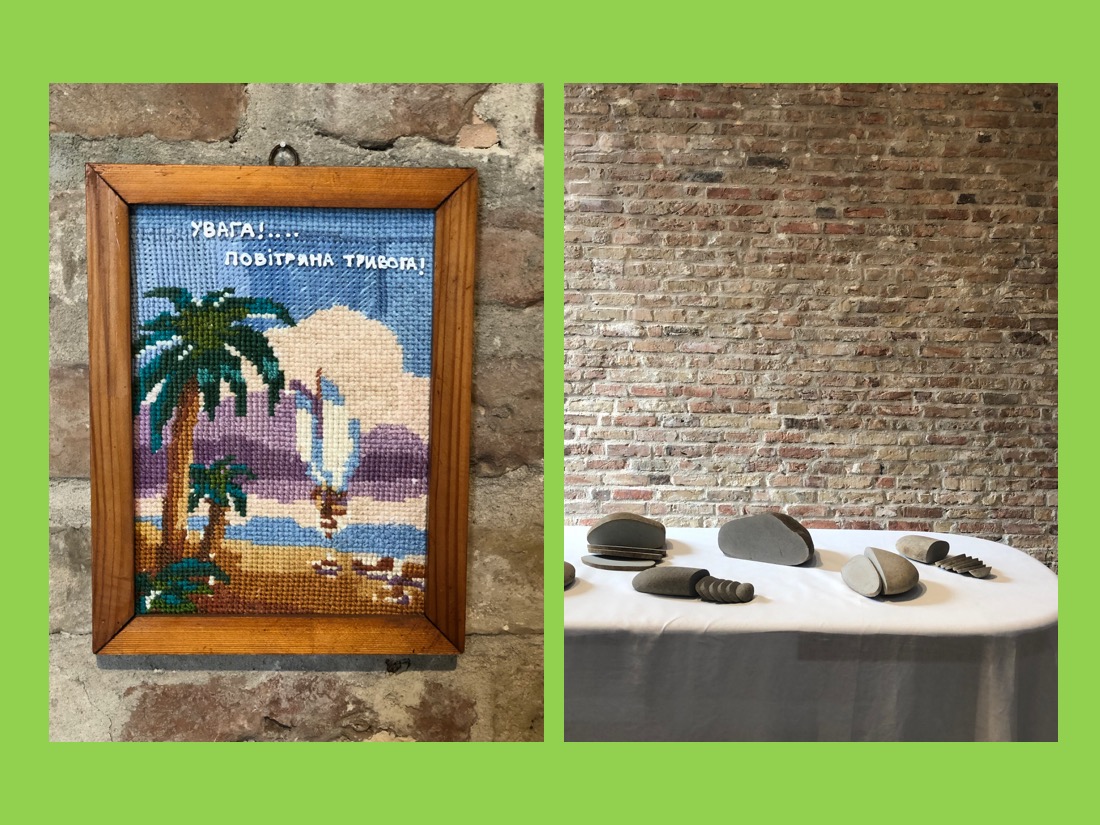
PALIANYTSIA – a solo exhibition by Ukrainian artist Zhanna Kadyrova. Kadyrova works in a variety of disciplines such as sculpture, photography, video and performance. Her practice is often site-specific and informed by the malleable and symbolic properties of urban building materials. Collecting stones from her nearest river in western Ukraine, Kadyrova’s sculptures, drawings and short film, take on the urgent situation currently playing out in her home country. Before the Russian war of aggression on Ukraine began, Kadyrova was based in Kiev. Due to the ongoing conflict she fled to the western part of the country. After relocating to the Transcarpathian region, the artist began her latest series which culminated in the PALIANYTSIA project, co-authored by Denis Ruban. Palianytsia is the name of a Ukrainian round wheat bread that Russian occupiers cannot pronounce correctly and therefore acts as a password or recognition mark among Ukrainians. During her days-long search for accommodation and a functioning studio, Kadyrova collected round stones polished smooth by the river’s current. As a symbol of Ukrainian resistance, she produced this series of illusory sculptures by slicing these collected stones whose form take on that of the Palianytsia bread. “During the first two weeks of the war, I had the impression that art was only a dream, that I had only dreamed these twenty years of my professional life. And that art at all is powerless and ephemeral compared to the ruthless machinery of war that destroys civilian cities and human lives,” the artist states. “Today I don’t think that way anymore, and I see that every artistic gesture makes us visible, and our voices audible!” Kadyrova has previously presented these sculptures and drawings in her temporary accommodation in Ukraine. With the proceeds from the sold works, she supplied herself and others with bullet-proof waistcoats, petrol, food, and medicine. She has also supported people in need in Kiev and different volunteer organisations in Kharkiv and Mariupol.

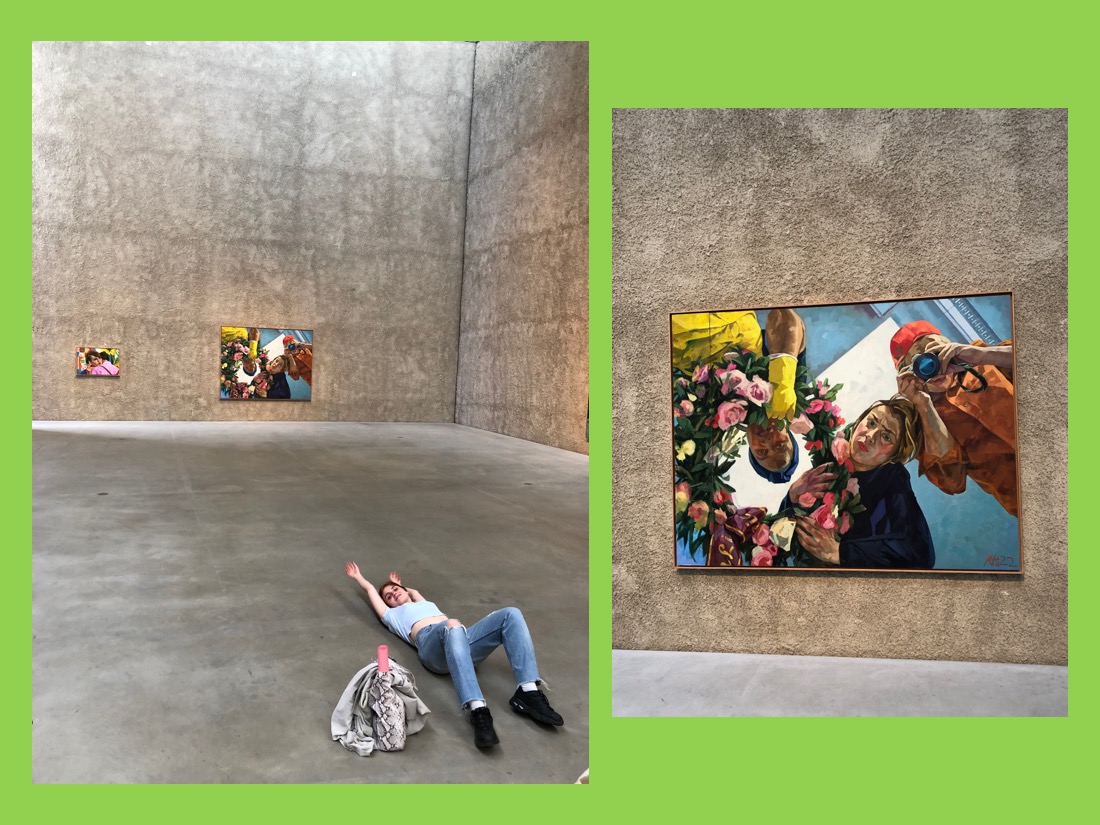
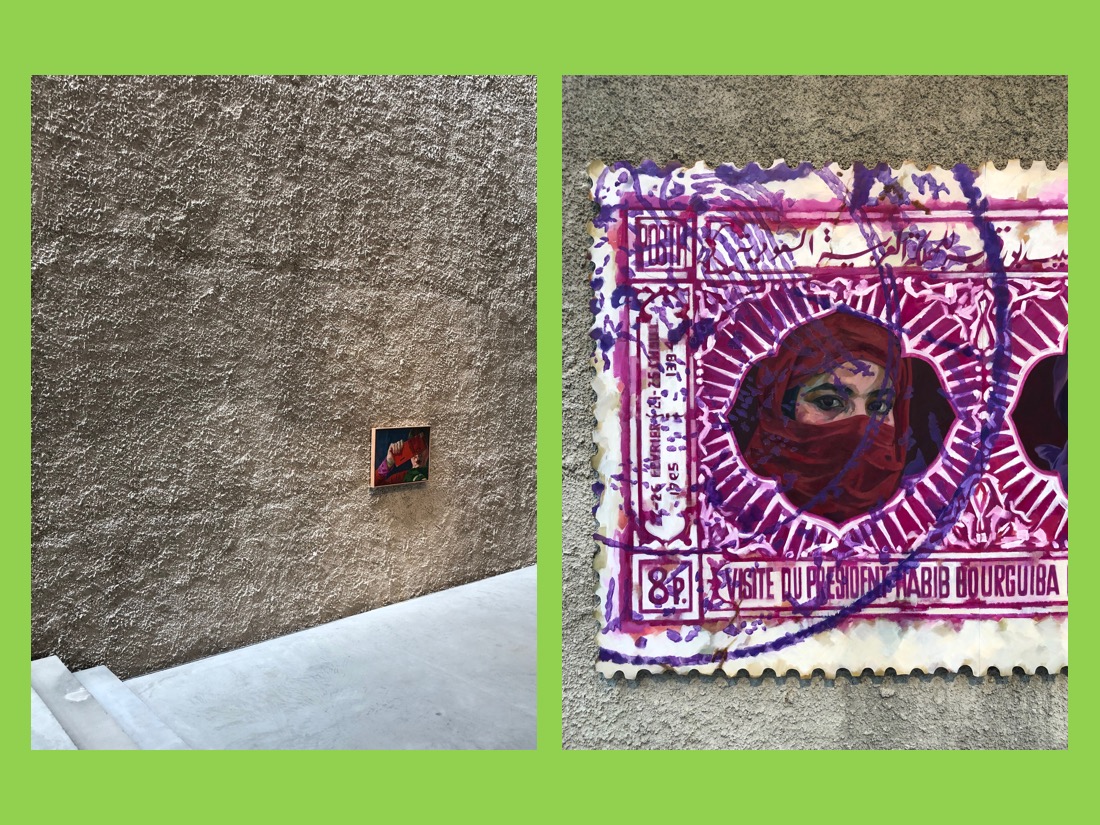
UNINTENDED BEAUTY – another temporary exhibition, this time by one of Austria’s foremost contemporary painters, Xenia Hausner. Here, Hausner explores questions of beauty in her latest show comprising twelve new paintings. UNINTENDED BEAUTY displays how Hausner redefines notions of beauty with an eye towards its treatment in contemporary art. Underpinning the paintings in her current exhibition is also the question of how beauty and dread relate to one another. Hausner shows how the distinction between them can be fluid. “Every angel is terrifying”, according to the oft-cited line from Rainer Maria Rilke’s Duino Elegies. The Austrian poet continues, “For beauty is nothing but the start of terror, which we are barely able to endure, and it amazes us so, because it serenely disdains to destroy us.” Hausner adapts Rilke’s sentiments for her own practice, suggesting that “in art, terror is nothing but the start of beauty”. From these apocalyptic murmurings a glimmer of hope suddenly emerges; prophecies of destruction are countered with the inventiveness and power of art. Chance moments are also written into Hausner’s art alongside her mise en scènes. But Hausner, who uses photography and interior settings to produce her art, does not set out to distort her co-actors. Quite the opposite, in fact: the artist says that she attaches great importance to “the figures retaining their authentic body language”. Yet, at the same time, Hausner adds, the people she paints are also “like actors playing a part in my story”. The traditional power dynamic between painter and subject is transformed by Hausner into a more equitable, bi-directional exchange, where each side of the painterly equation reveal aspects about the other. “Painting has to do with affection”, says Hausner. Her images, painted in acrylics and oils on Dibond aluminium sheets, reflect her continuing interests in the structures of composition, light, and the power of colour. UNINTENDED BEAUTY counters the values of our zeitgeist by holding on to other, contradictory notions of beauty. According to cultural critic Laurie Penny, the toxic-normative core underlying this slickness means that women are bombarded by images in film, TV, ads, print media, and even fleeting encounters, which transmit subtle messages that they are not young, slim, light-skinned, or submissive enough to meet the standard. The actors in Hausner’s predominantly female cosmos appear as counter examples to this world, drawing their aesthetic power rather from everyday reality. They are depicted as confident and fully occupying the spaces around them. Does this amount to a defence of beauty through the medium of art? Hausner’s paintings cleave to the everyday while also opening an unchartered, utopian vision of beauty.

Photos by Edward Kanarecki.

NET-A-PORTER Limited