Jean Paul Gaultier at Grand Palais

DSC01469

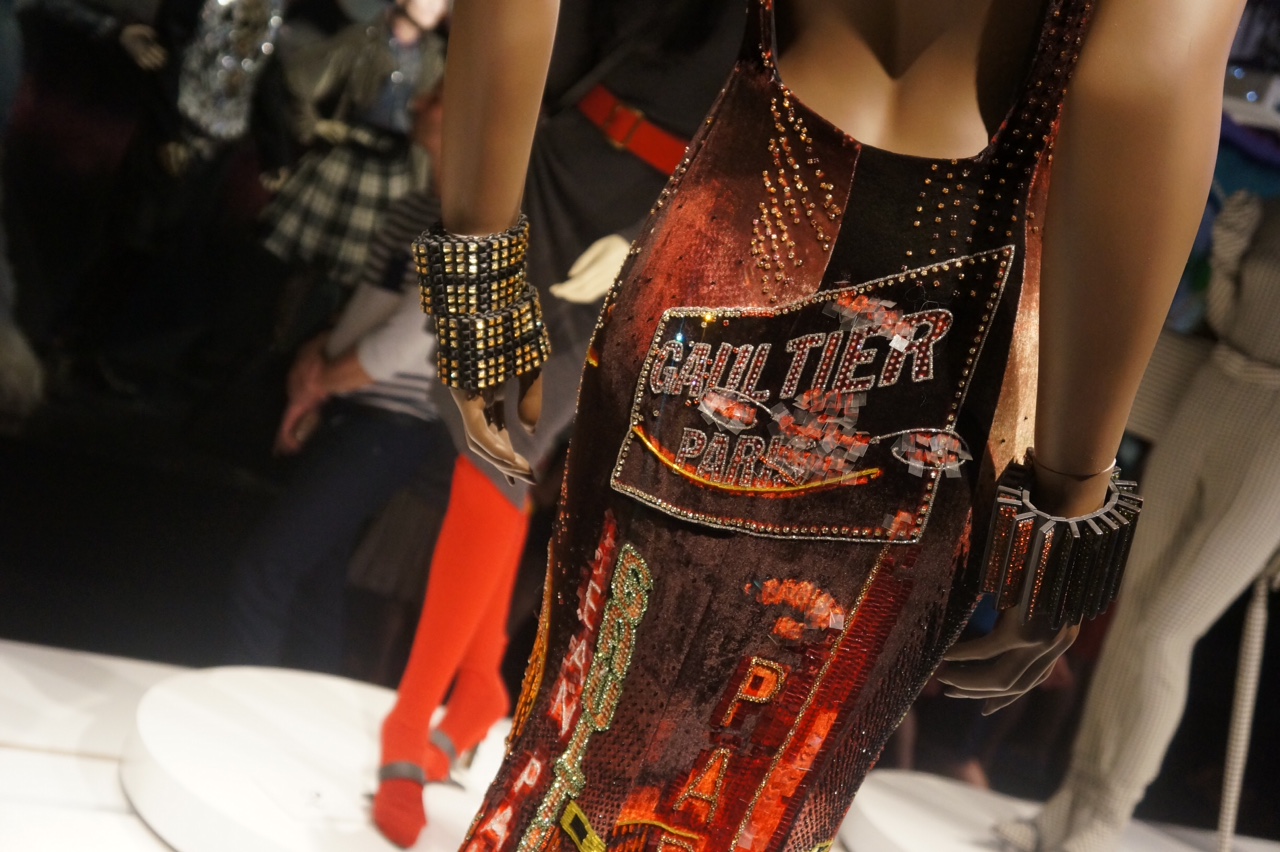
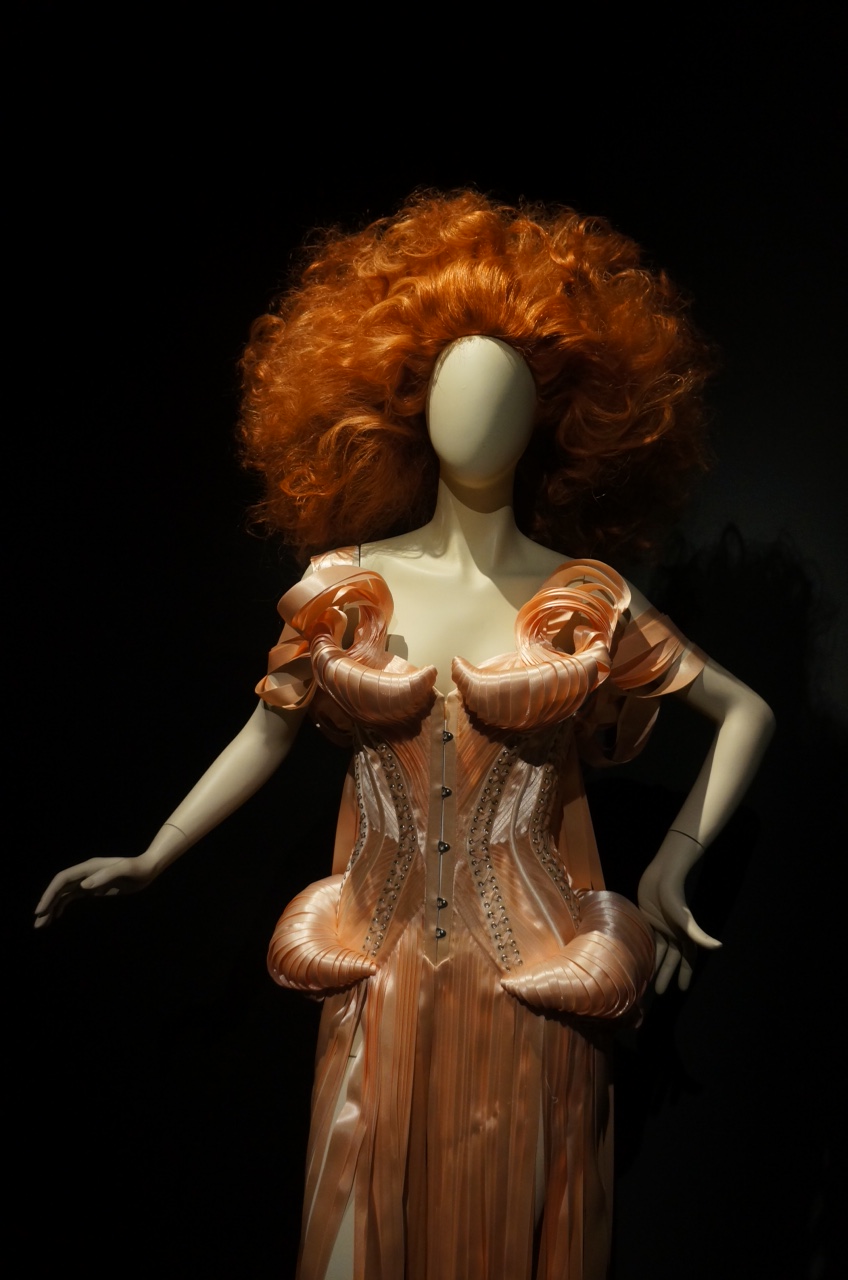
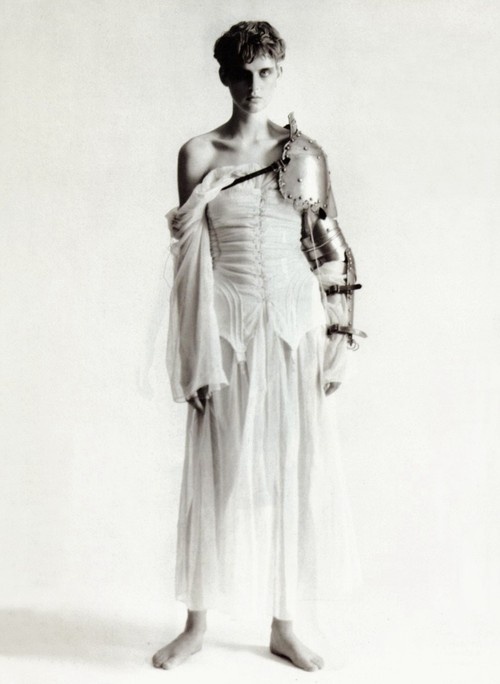
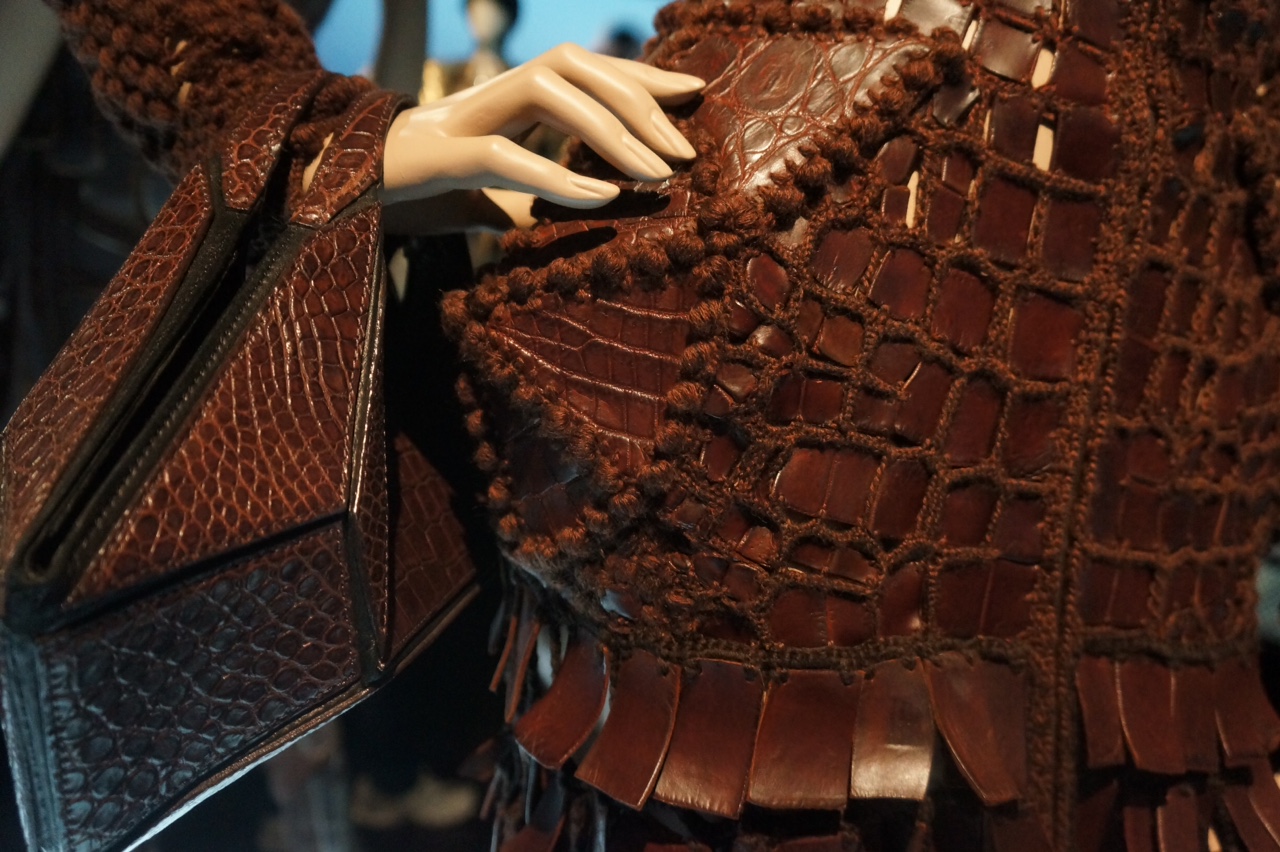
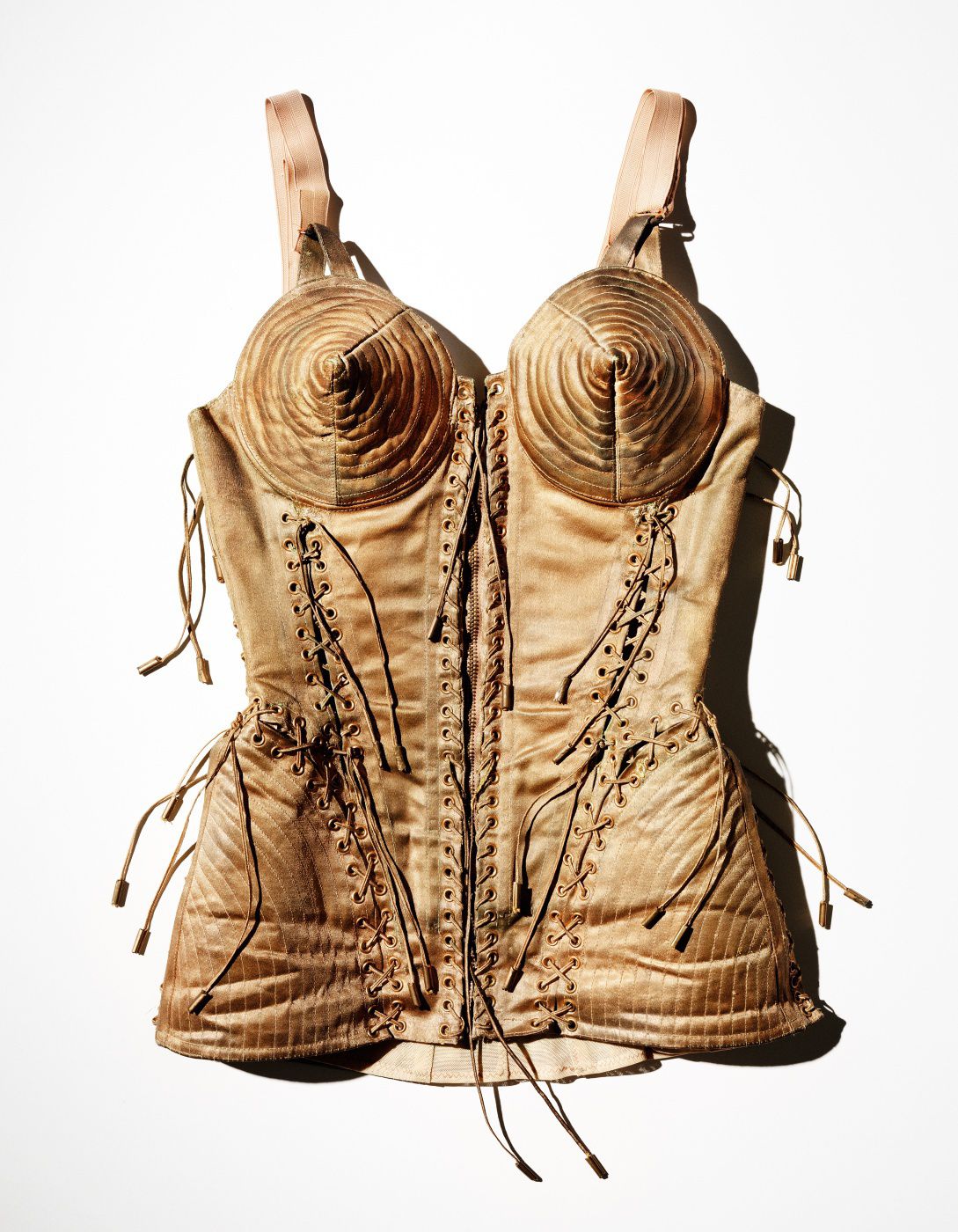
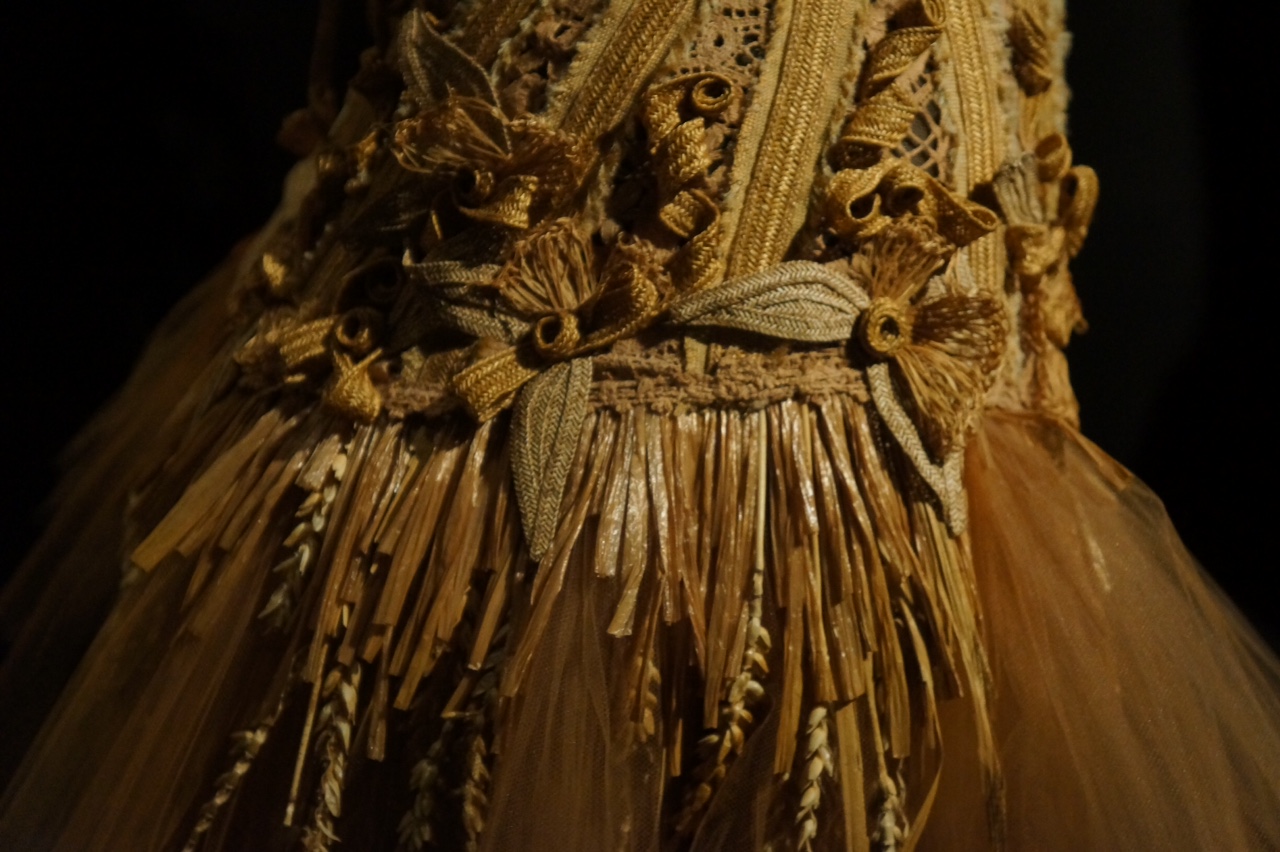
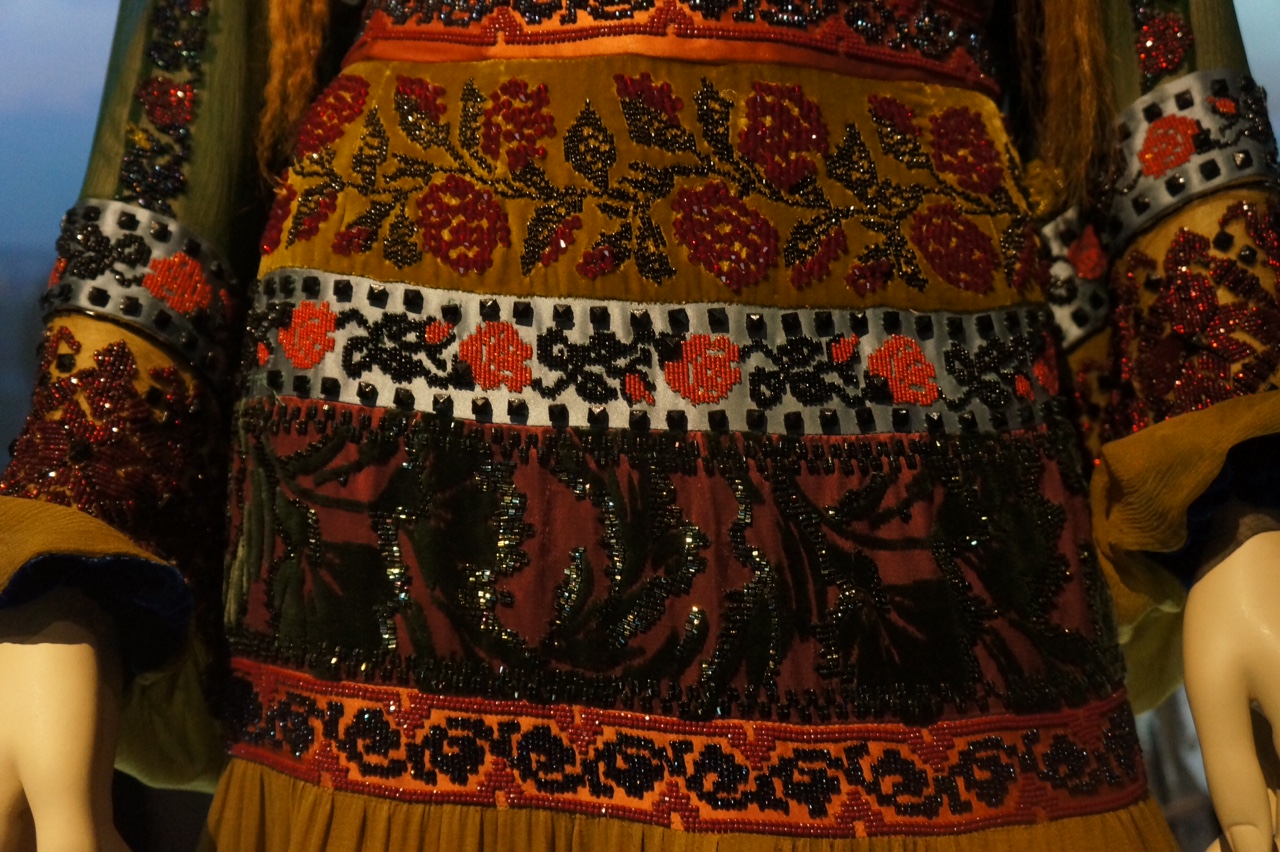
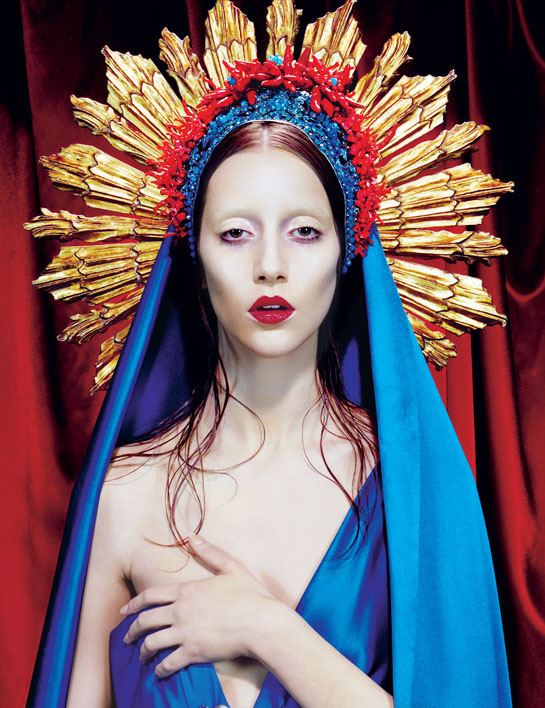
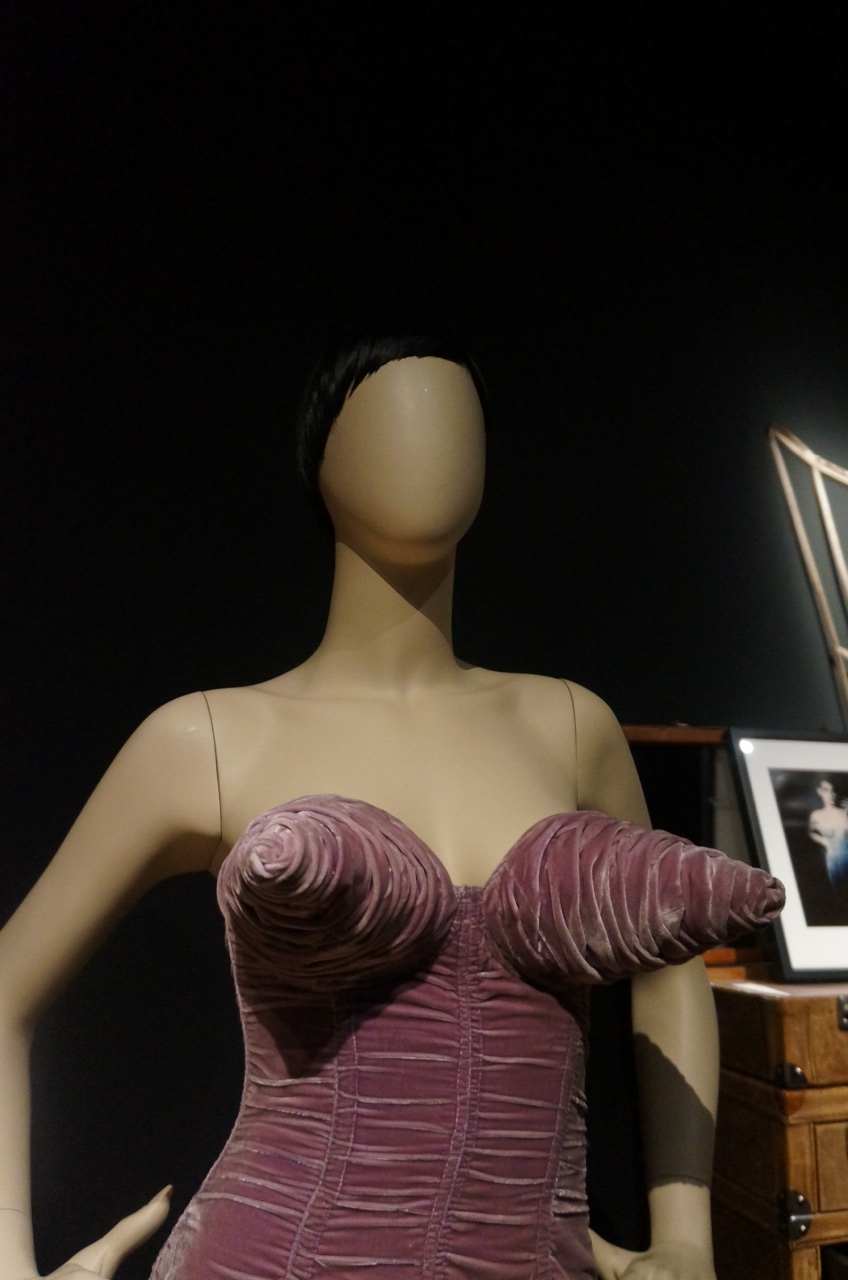
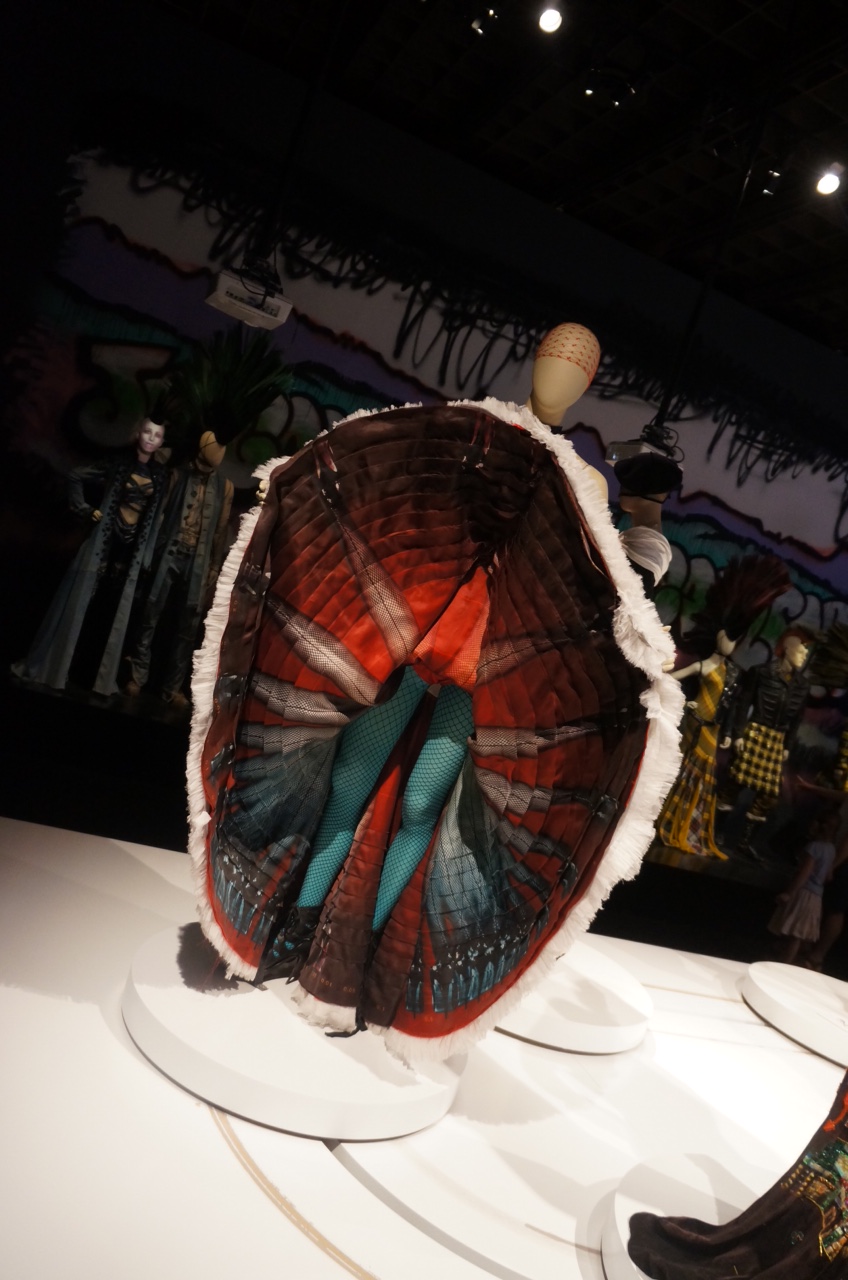
Nicknamed “the enfant terrible of fashion” by the press since his first shows in the 70’s, Jean Paul Gaultier is undoubtedly one of the most important and avant-garde fashion designers of recent decades. Made between 1971 and 2015, the examples of his bold creativity have for the most part never been on public display like now at Grand Palais in Paris. His couture and ready-to-wear which always seemed to be different, very early caught on concerns and challenges of a multicultural society, playfully imposing aesthetic codes. More than any other couturier, this exhibition expresses his humanity. The whole event is divided into few “periods” of his career in fashion. The Odyssey refers to what might be named the “founding myths” of Paul’s universe – mariner chic and his signature stripes, mermaids and long sea voyages. Then, Gaultier had his vision of punk, but in a cancan version. Fascinated by the Paris of Belle Epoque, Toulouse Lautrec, the Moulin Rouge and Brassai, the couturier used to mix frivolous and flirty silhouettes with rebellious fashion outings and contoversy-causing way of dressing. From the beginning, the enfant terrible was attracted to unconventional beauties. Muses. Madonna, Kylie Minouge, Beth Ditto, Rossy De Palma and many more women and men who were full of “spark” gave Jean Paul Gaultier inspiration. Even the clothes he designed for Luc Besson’s film, Fifth Element, were designed by him because he felt close to the directors strong vision and imagination. I

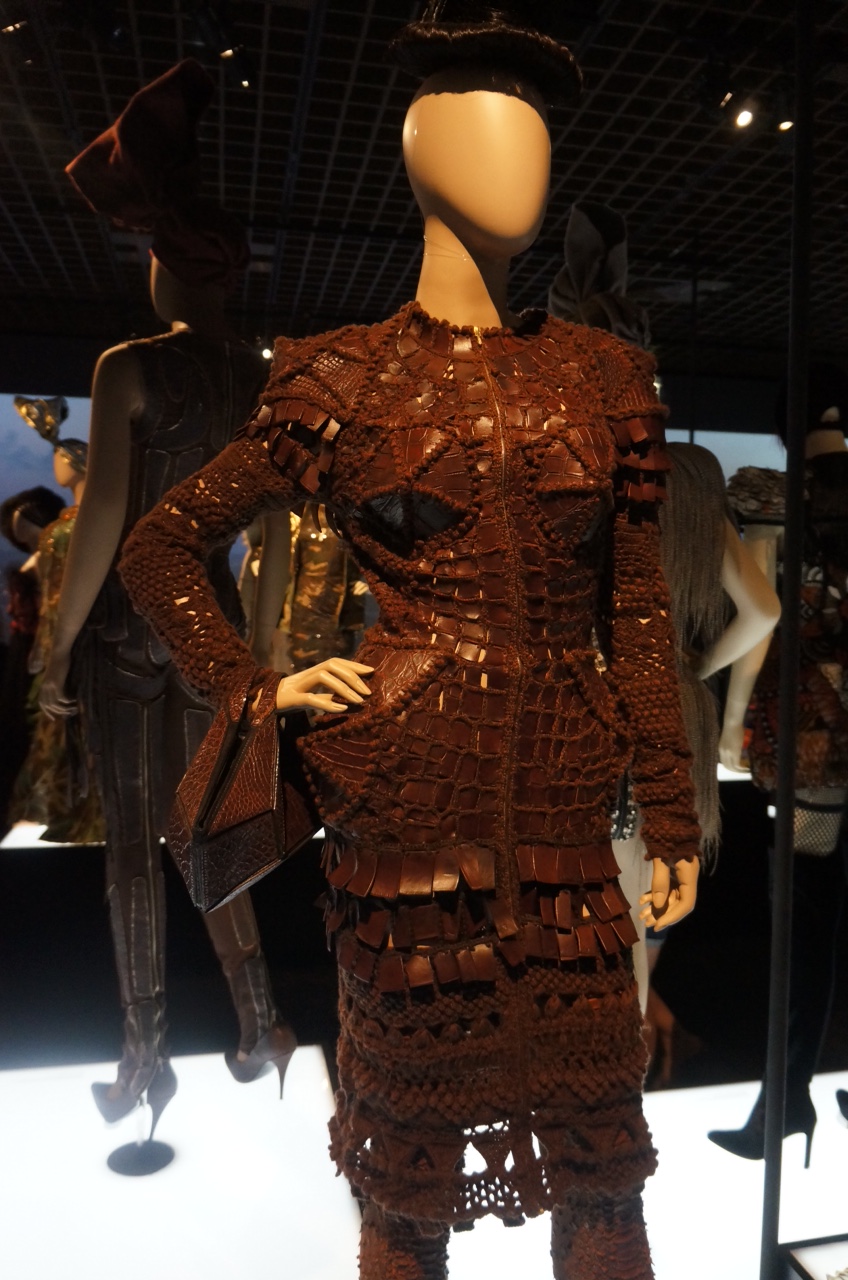
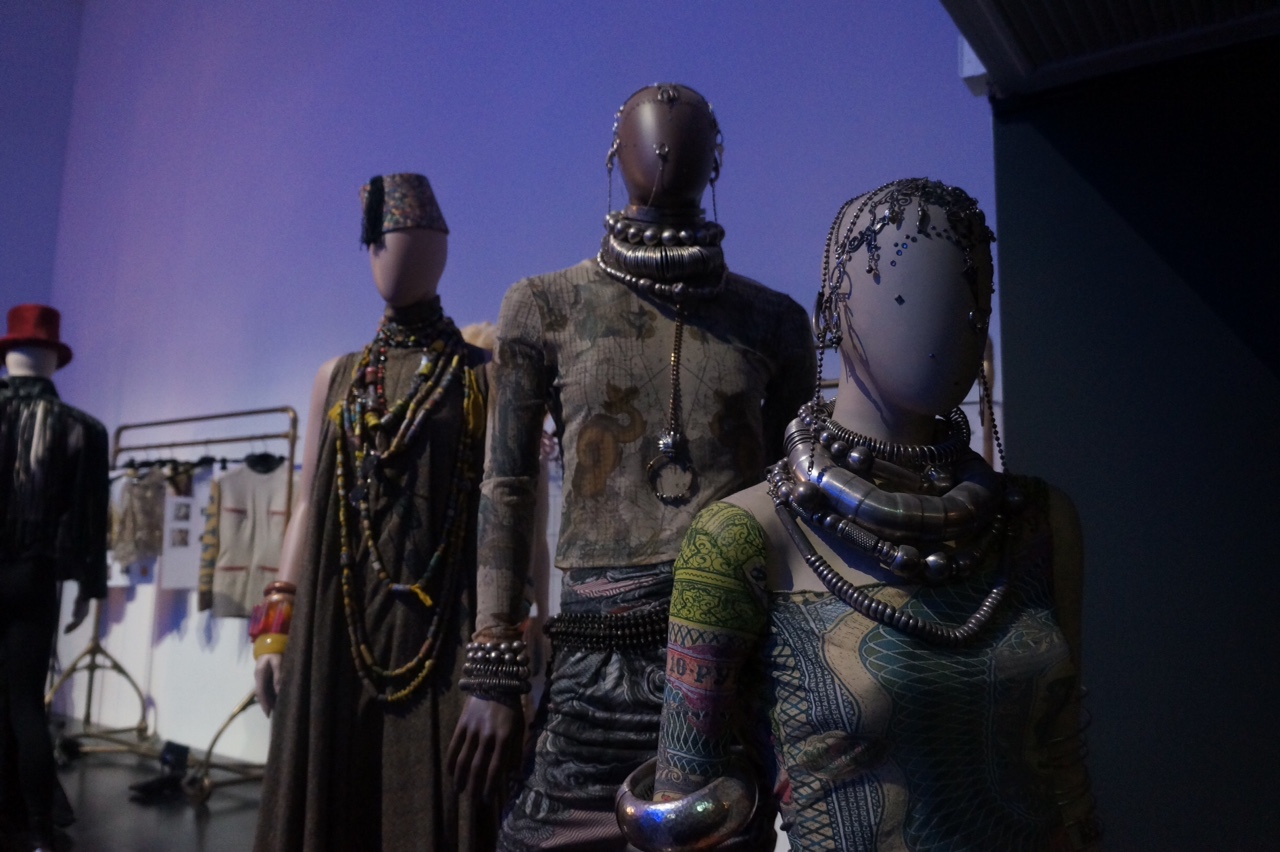
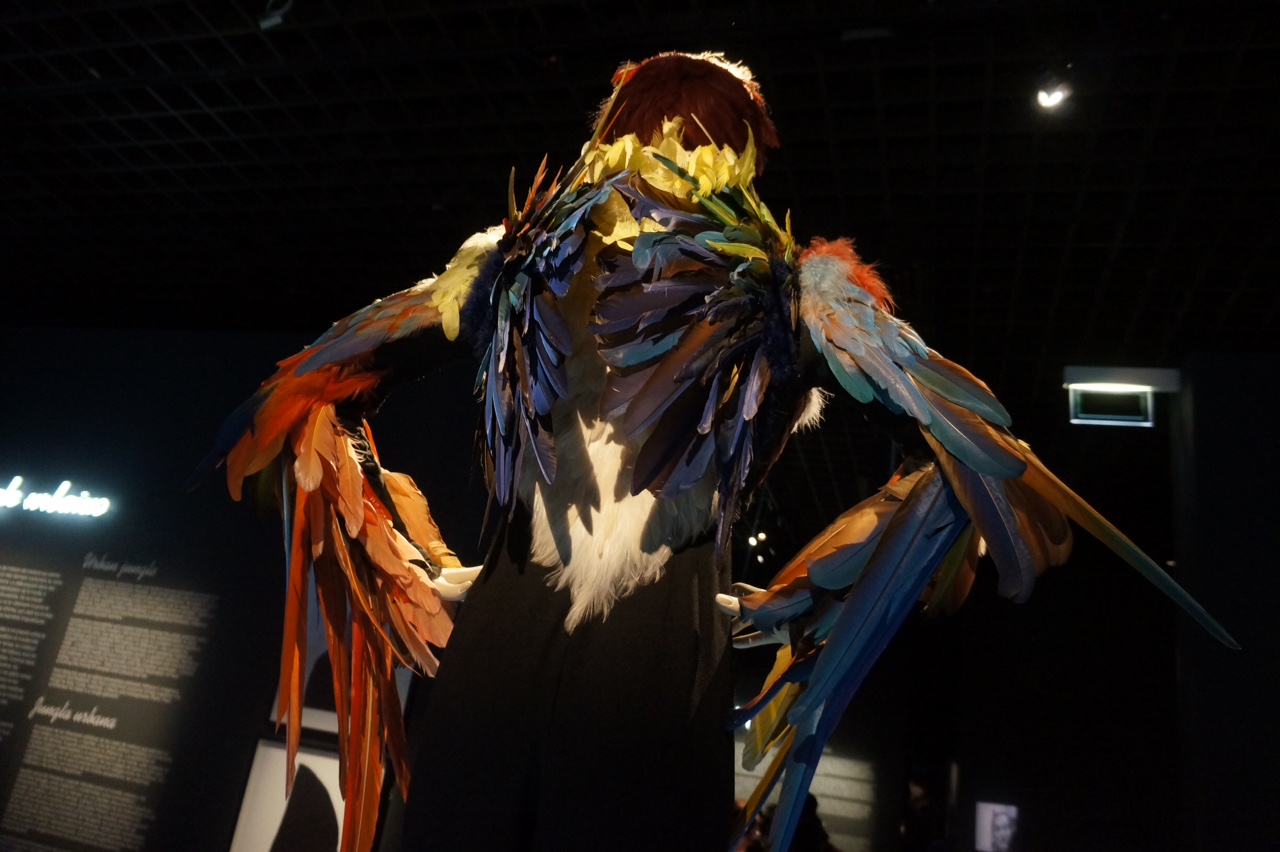
n his collections, Gaultier questioned the concepts of gender, nudity and eroticism. While basing his ideas on those, Jean started to use textiles that weren’t used in couture before – latex, leather, fish net, harness and other fabrics that are associated with the word sexy. He offered hypersexualised clothing (like corset dresses) and evoked a new type of romance and fetishism in the world of fashion. In the last section of the exhibition, you can see the Urban Jungle – a fierce dose of colour and references to various ethnic groups. bullfighter bolero jackets, the shtreimel and long coats made of rabbits, gilets from Mongolia, geisha kimonos, flamenco skirts and African masks as the new bride alternative. And all of that modified with his long-time signatures – corset silhouettes and intense emphasis on details. Seeing all of these stages of Gaultier’s career seemed like a dream-come-true. And having a chance to observe and have a look at all those clothes, scenarios and extravagance felt quite insane, but great.

DSC01471

DSC01452

DSC01453

8-Kylie-Minogue-The-Virgin-with-the-Serpents.-Aureole-Gown-Virgins-or-Madonnas-collection.-The-Fashion-World-of-Jean-Paul-Gaultier1

DSC01464

DSC01480

tumblr_mitlikorTU1qcxpboo1_500

DSC01455

DSC01495

DSC01496

prev__bd4c206bbf0e2ce93f4d443862c0c286.mog.img.tmp

DSC01454

DSC01461

DSC01500

1600-HELENA-AUG-1994-VOGUE-PARIS-VOGUESPIRIT-SCAN5

DSC01473

DSC01472

DSC01491

jpg-vogue-fr

DSC01466

DSC01456

DSC01493

mondino_madonna_1990-1

DSC01475

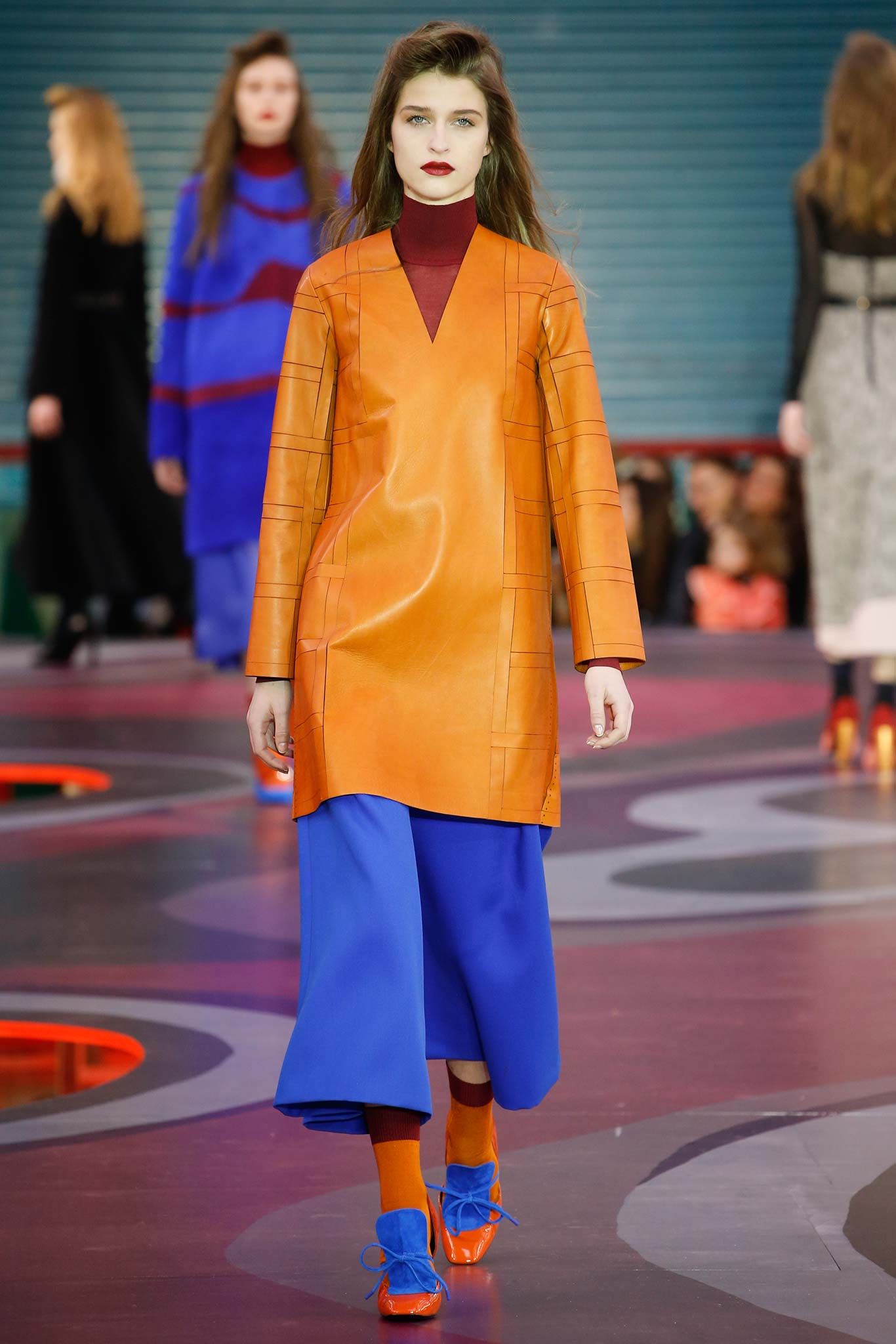
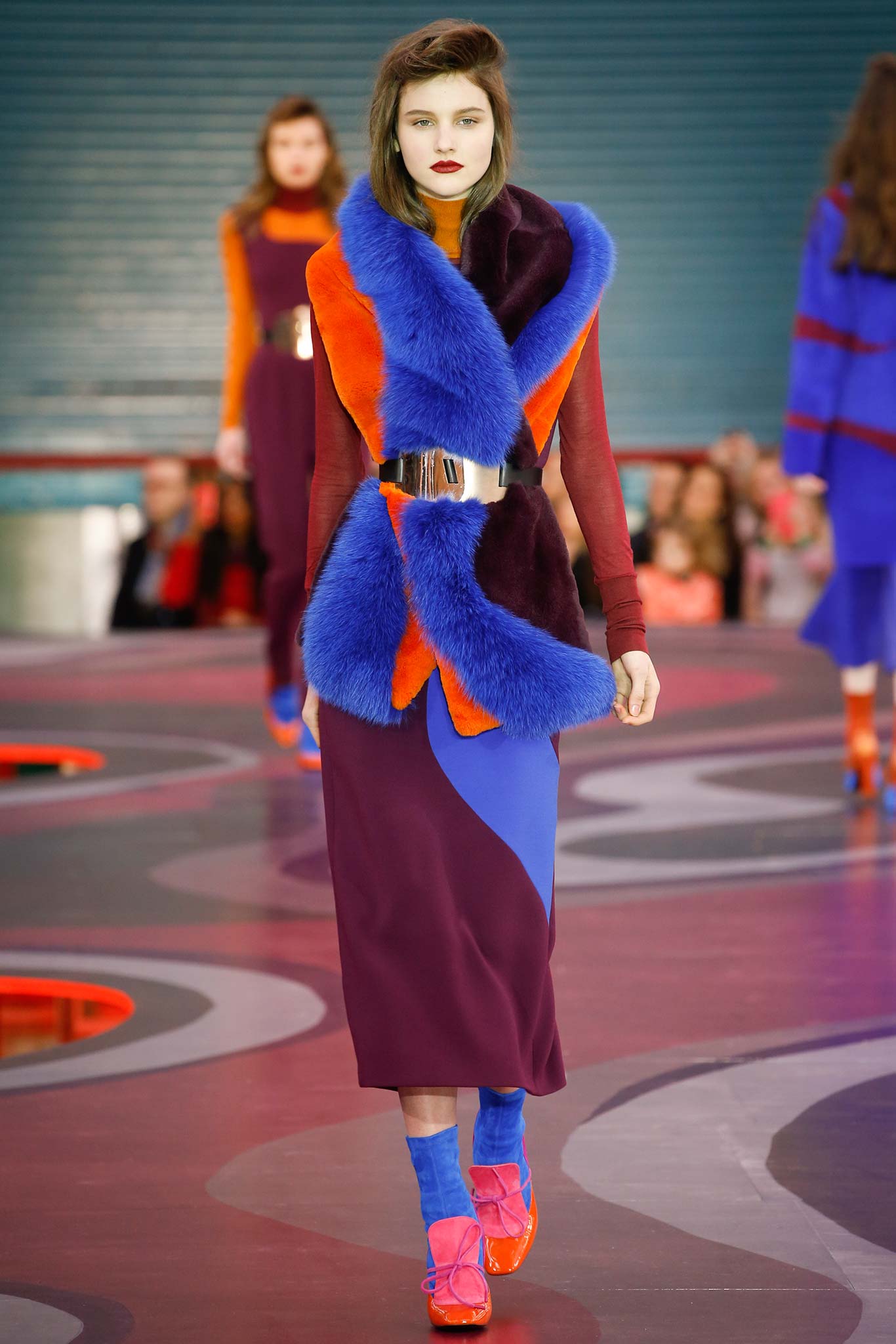
The Bitter Tears of Petra Von Kant. Roksanda AW15

_AG15515

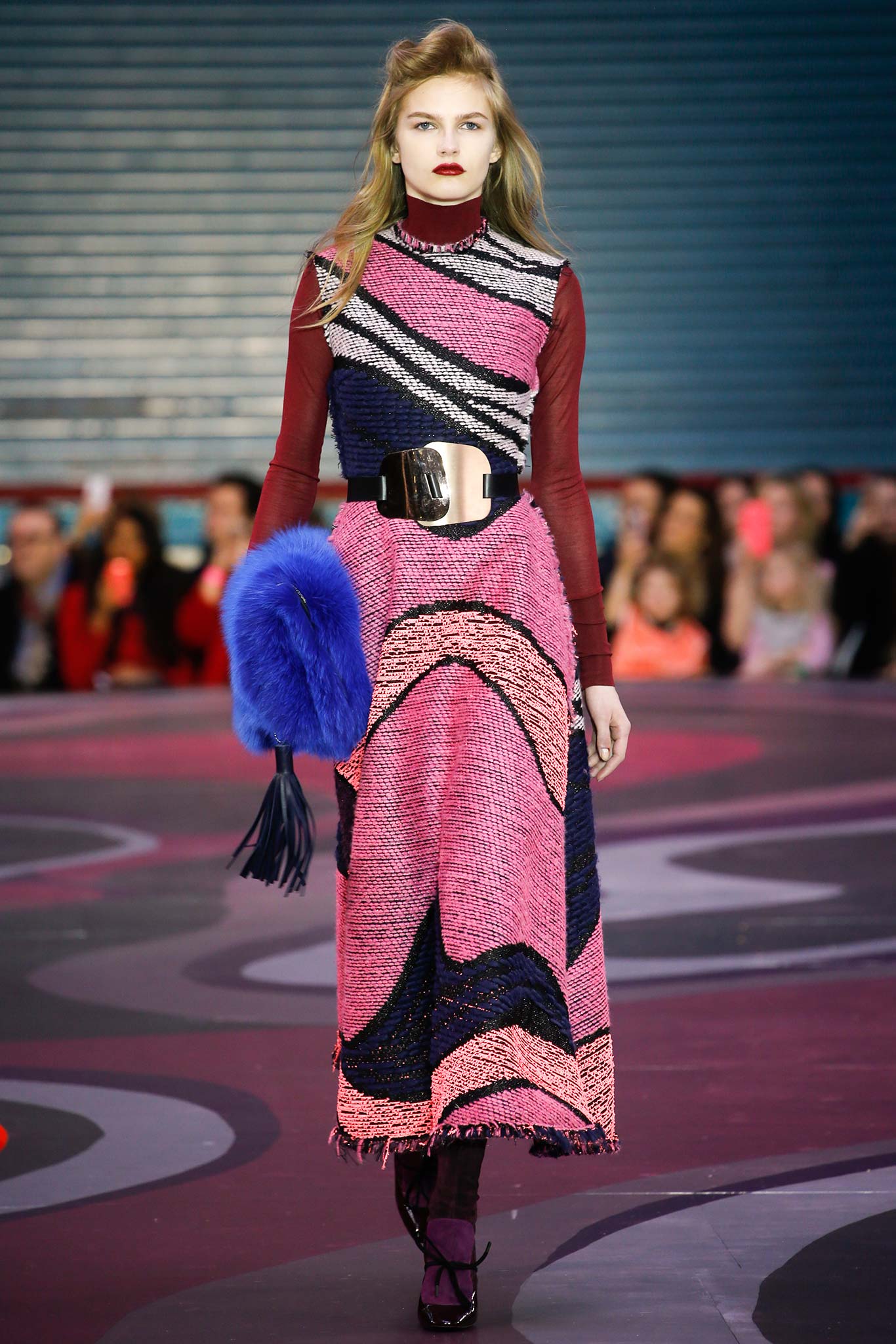
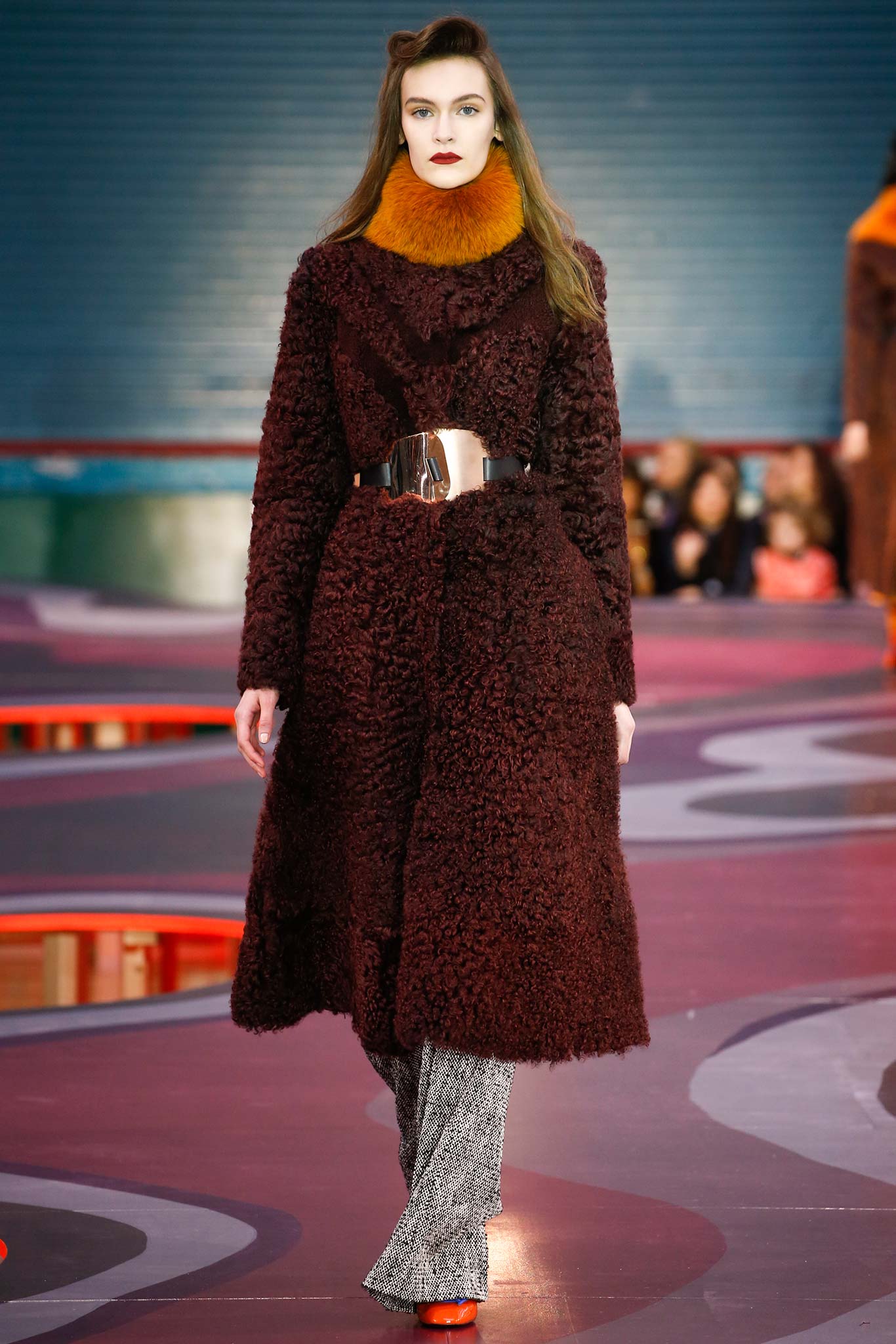
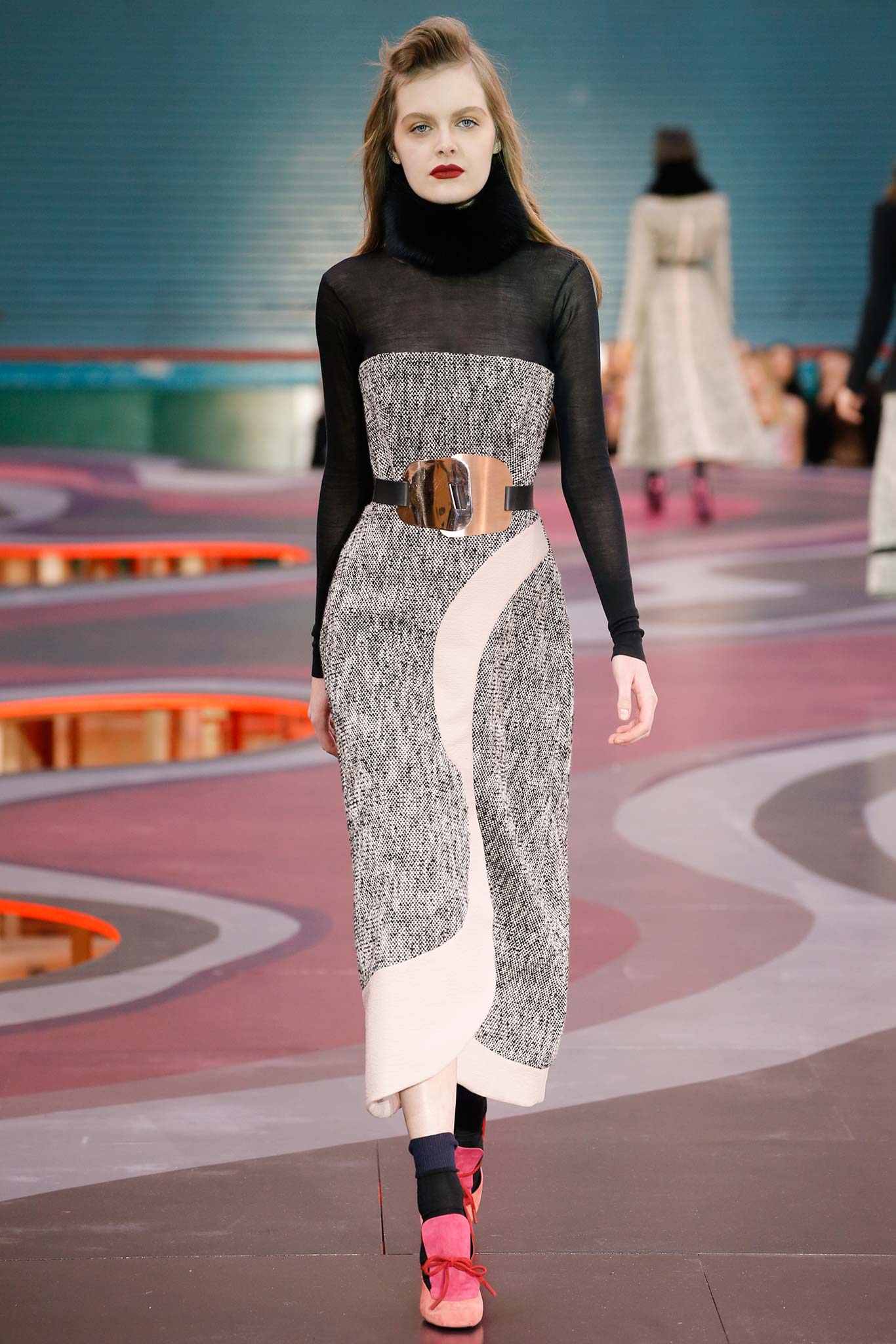
Inspired with lesbian psychodrama The Bitter Tears of Petra von Kant, Roksanda broke the system with her refreshing and bold collection. Roksanda Ilincic went layers and fur, keeping in mind natural fabrics like wool. The silhouette was belted and the dresses had warm turtlenecks worn under; the film which inspired Roksanda strongly reflected the current mood of the AW15 line – very feminine, ultra-dramatic and colourful, just like the set of the drama. As the previous collections by Roksanda were very optimistic, this one brings on melancholy and irony… not that I am a pesymistic person, but this direction matches Roksanda’s aesthetics much clearer to me.
_AG15597

_AG15689

_AG15777

_AG15807

_AG15865

Inteview with Abigail Doan

tumblr_ngs6rifbCb1r0k6ypo1_r1_1280

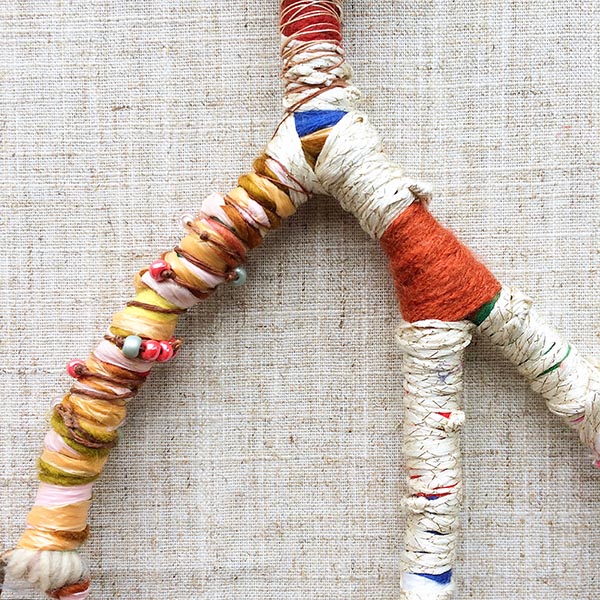
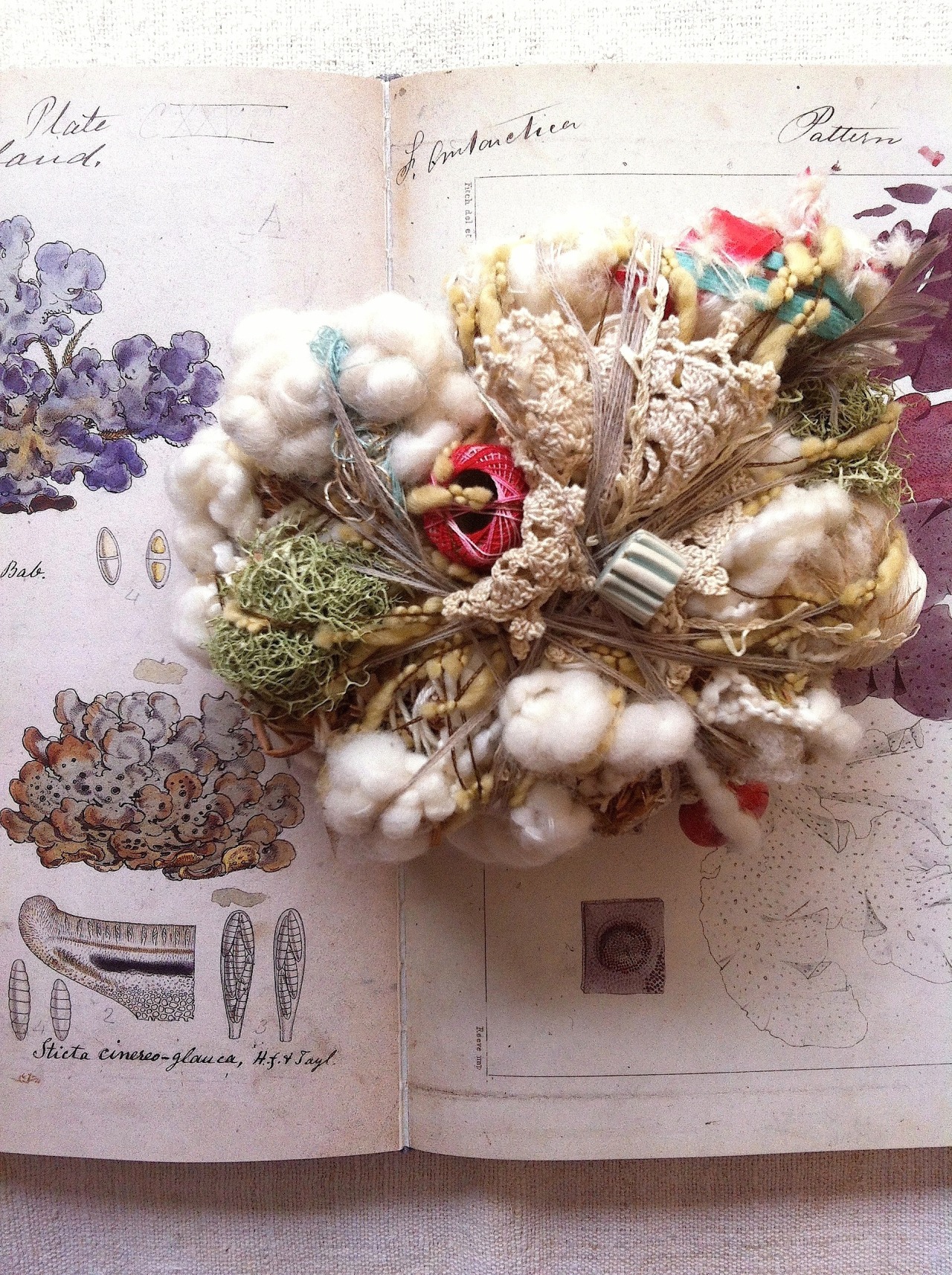
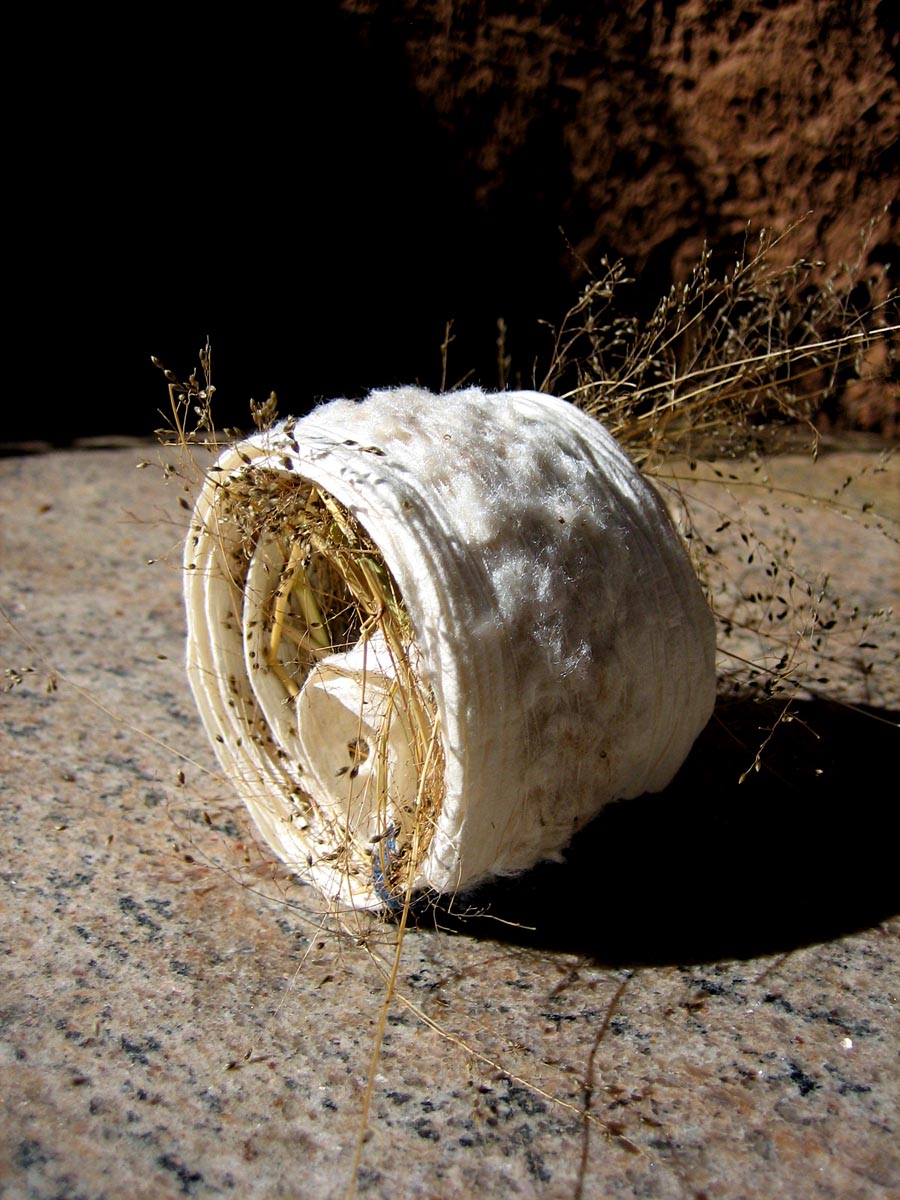
In late January, I’ve met up with Abigail Doan (@lostinfiber) on Instagram – her moody, calm feed made me feel interested in her specific approach to art. As I learnt later, Abigail is an environmental artist and writer who divides her time between NYC, Eastern Europe, and Tuscany. Her work as a fiber artist offers a unique view into the materials, methods, and life cycle of handmade textiles, slow fashion garments, and related environmental issues. Doan’s most recent curatorial projects include Fete for the Senses as reviewed on Trendtablet, (Re)Fashioning Fiber in NYC, and Fashioning Self and the Environment at the Textile Arts Center in Brooklyn. And now, specially for Design & Culture by Ed, Abigail agreed for an interview… so here is our little collaboration!

tumblr_ng7vg2F0zA1r0k6ypo1_1280

How do you explain or describe your mood and approach to textiles and slow fashion garments?

I am first and foremost an artist expressing aesthetic ideas that share territory with art, design, fashion, and textile traditions. For this reason, I hesitate to categorize objects, as I am attracted to the material exchange between realms and the subtle details that are unexpectedly revealed. Slow for me is basically about cultivating a connection to place as well as an understanding of self in relation to the environment. Immersing ourselves in the art of slow fashion might allow for deeper connections, more efficient flow, as well as identification of softer tools for implementing change. Local wisdom is certainly part of this equation as well as increased sensitivity to the cultural experiences and conditions/talents of people’s globally. (here are her fashion inspirations from her tumblr)

nextek

Jalouse Magazine by Alice le Paige

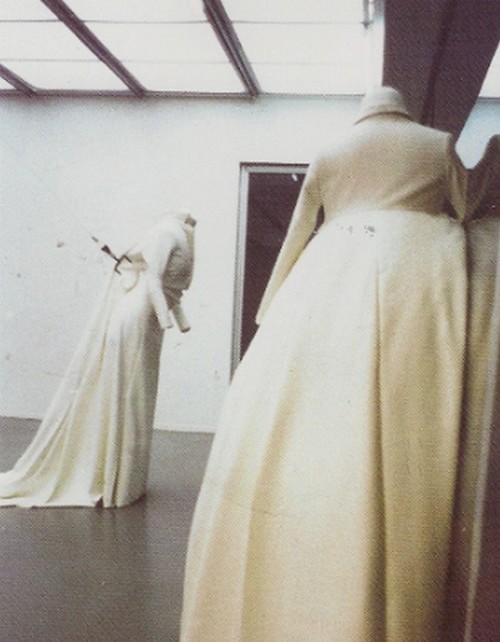
Viktor & Rolf 1994

Viktor & Rolf installation 1994

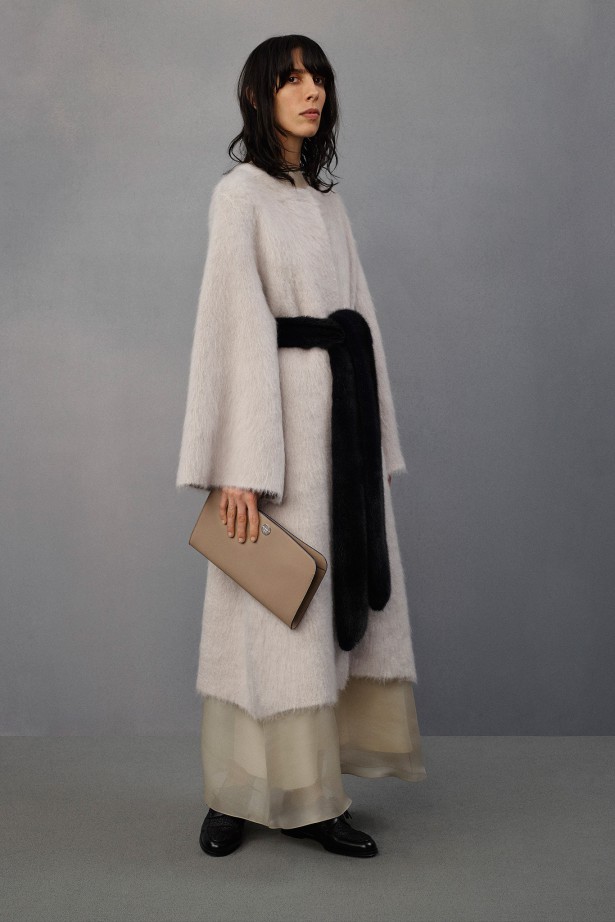
The Row Resort 2015

The Row Resort 2015

In three words, describe your work.

Connective, place-based, tactile.

On your Tumblr called Lost in Fiber, you show a lot of beautiful, cozy handmade textiles and artifacts. What is the idea behind posting these images?

I keep several Tumblr archives as a way to demonstrate visually intuitive connections between objects, places, textures, textiles, and sculptural wearables. Lost in Fiber is a new skin on a previous project that explored ideas related to fashioning self and the environment. The site’s featured images are meant to spark the imagination while also archiving ideas relevant to ongoing research and collaborations with others. I often intersperse images of my own work and travels in order to illustrate an overall narrative of creative process and like-mindedness.

tumblr_nfxhshactL1r0k6ypo1_1280

tumblr_nhefutsZZX1qcc1ozo1_1280

While searching your site (and Instagram feed) I noticed not only NYC, but also places like Tuscany and Eastern Europe’s countries. What do they mean to you?

I have my principal studio in NYC but my family and I have ties to Bulgaria and Italy. I decided early on to try to live and work in these places so that my children would also cultivate connections and memories (nostalgia) for these landscapes and their unique histories. I recently returned to NYC after five years of living in Sofia growing a small family foundation that works to cultivate cultural outreach and educational efforts in Bulgaria. This was a tremendously valuable experience for me as it allowed me to further explore slow crafting methodologies in Eastern Europe as well as connecting with artists and designers in these regions who are (re)interpreting traditions and contemporary phenomena in eye-opening ways.

TheExpandedField03

tumblr_lphvfh5N8A1r0k6ypo1_1280

tumblr_mkr0e9kTqA1qcc1ozo1_1280

Last, but not the least, you have also another Tumblr called Thracian Threads and as I am Polish, I see a lot of Slavic inspirations behind it. Is it so?

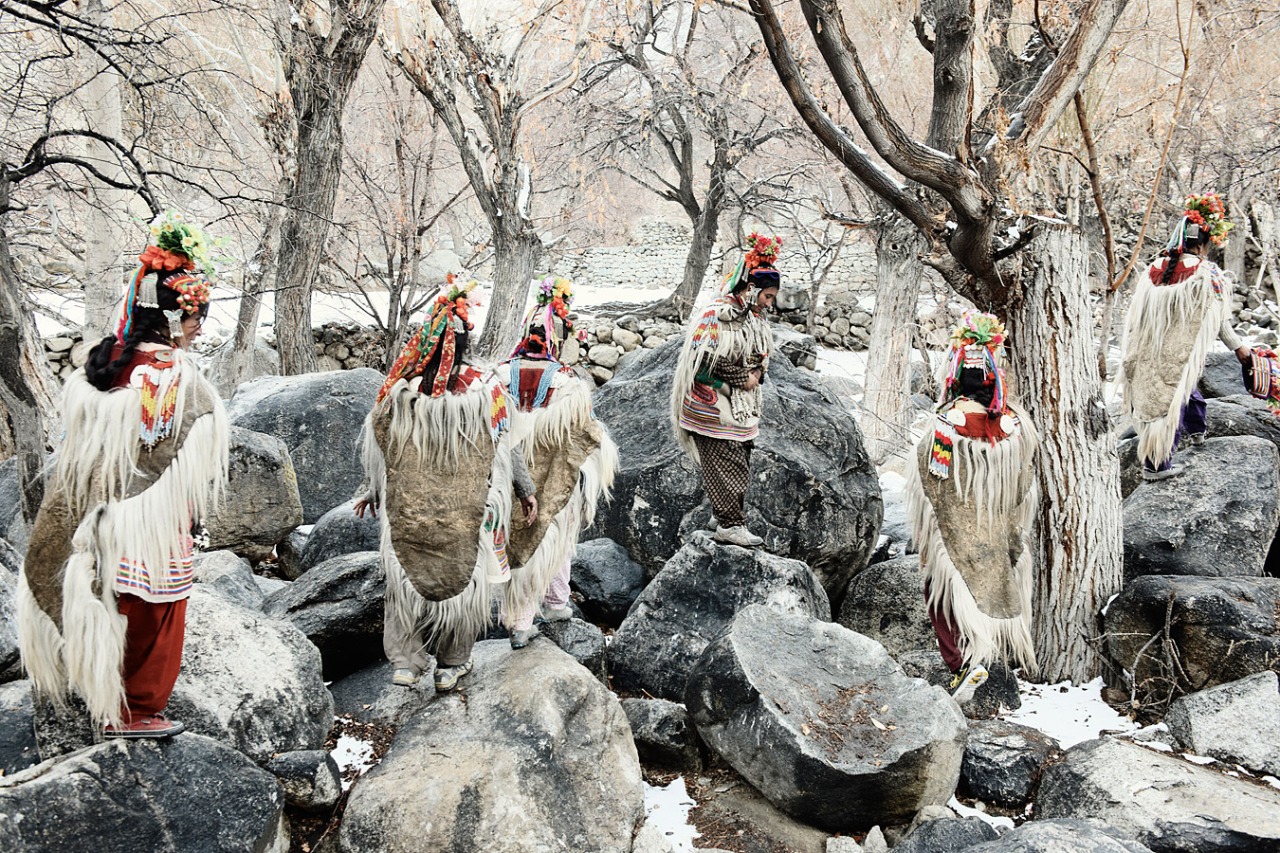
Yes, it is true. Thracian Threads is a stash of images that I started collecting and documenting while living in Bulgaria and traveling to neighboring countries. I decided to focus on the idea of Thrace as a way to get back to some of the core traditions from the region and the rich history of these ancient crossroads, particularly in relation to costuming and the handmade. Thrācia in Latin is derived from thrāssō, meaning to trouble or stir in Ancient Greek. Let’s just say that I want to stir things up a bit – slowly, thoughtfully, and across our perceived time and space borders. This is what my currently project Lost in Fiber 2015 will be all about.

tumblr_mn9kymdojJ1ry4moxo1_1280
tumblr_naaoxneJ7u1ry4moxo1_1280

tumblr_mwitca1vik1ry4moxo1_1280

tumblr_n547zzFgE61ts8p6oo1_1280

Thank you Abigail  for this lovely interview. If you are interested in her art and want to immerse into her mood, check her sites:

abigaildoan.com
abigaildoan.tumblr.com
lostinfiber.tumblr.com
thracianthreads.tumblr.com
abigaildoan.blogspot.com

La Ruina / Raj

/home/wpcom/public_html/wp-content/blogs.dir/311/32817349/files/2015/01/img_9479.jpg

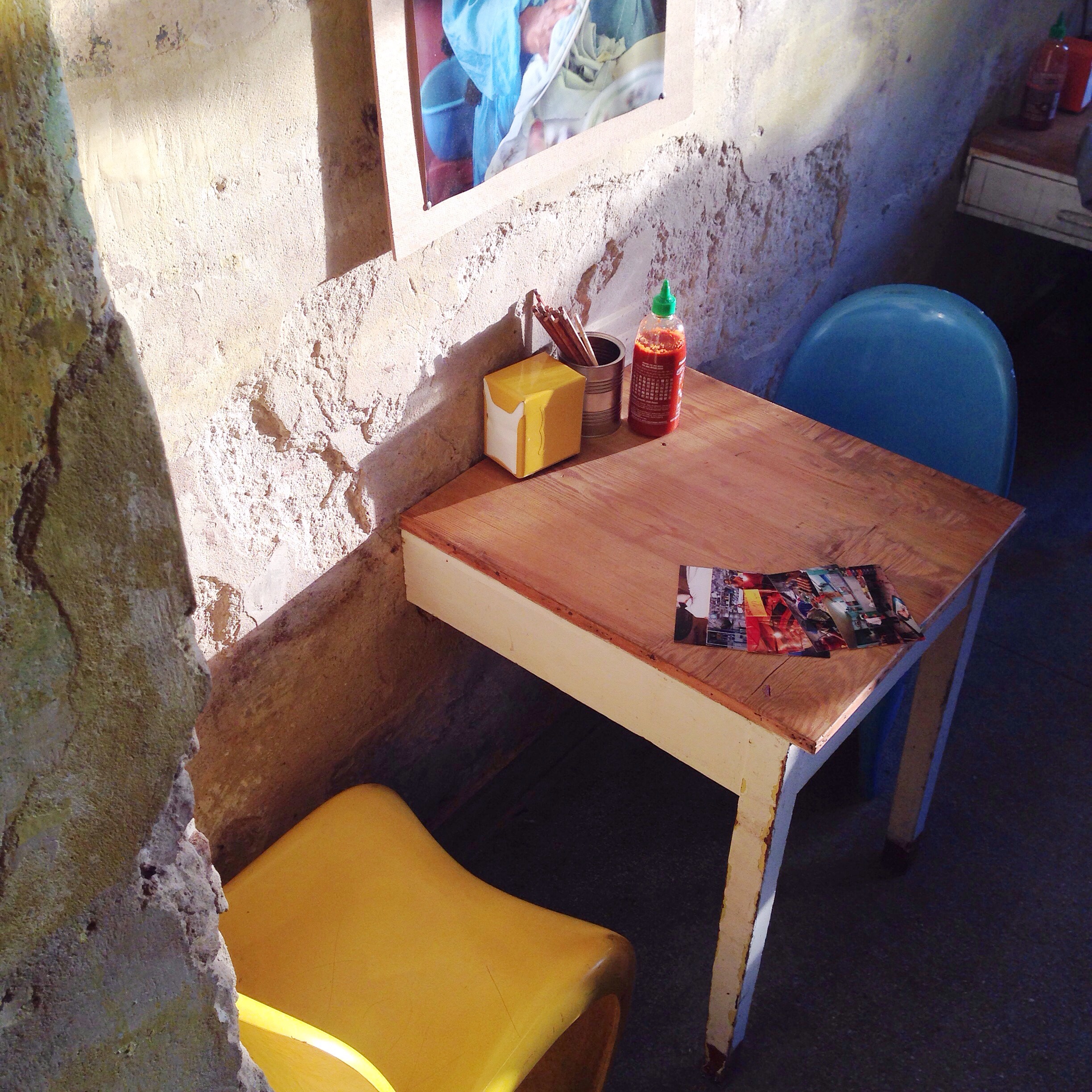
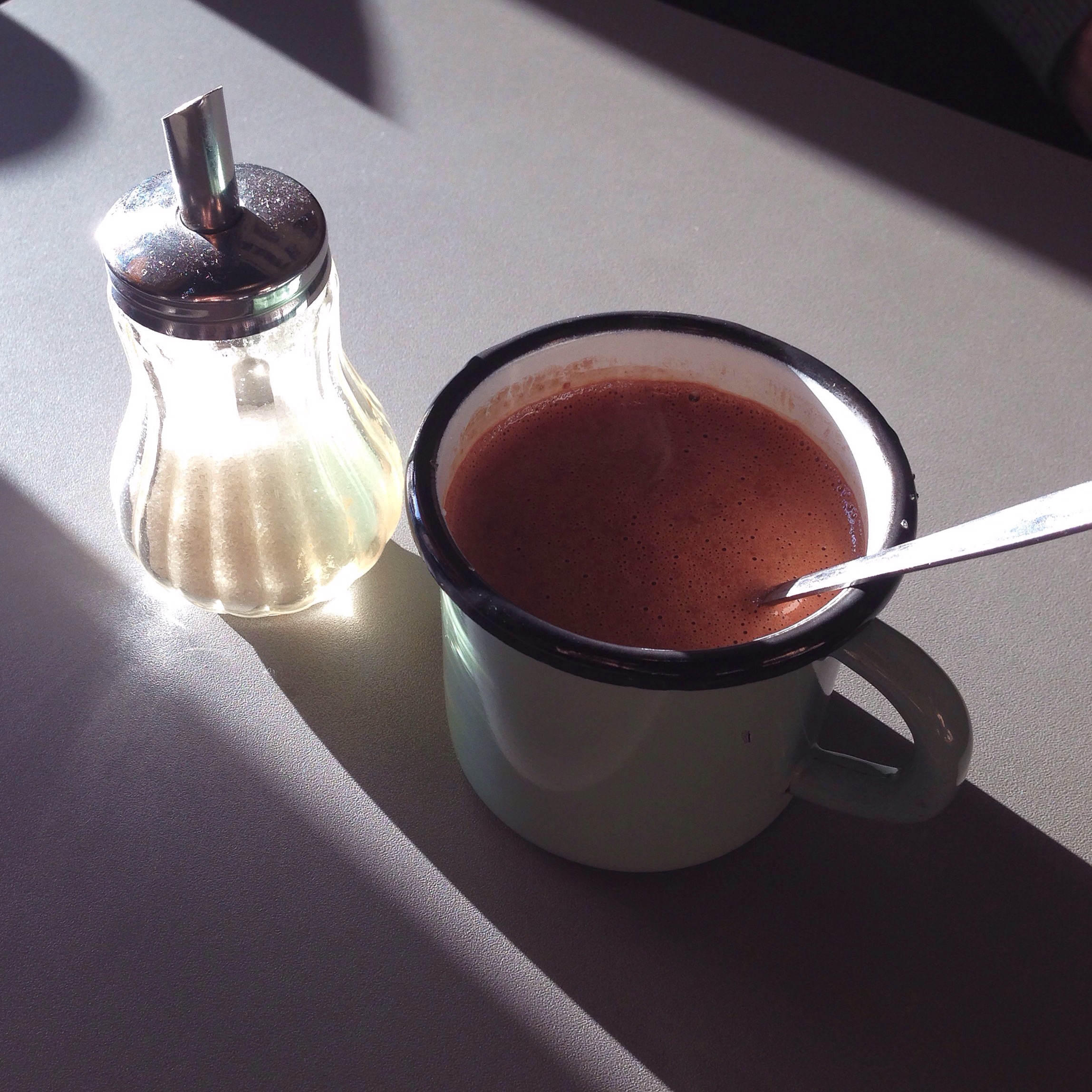
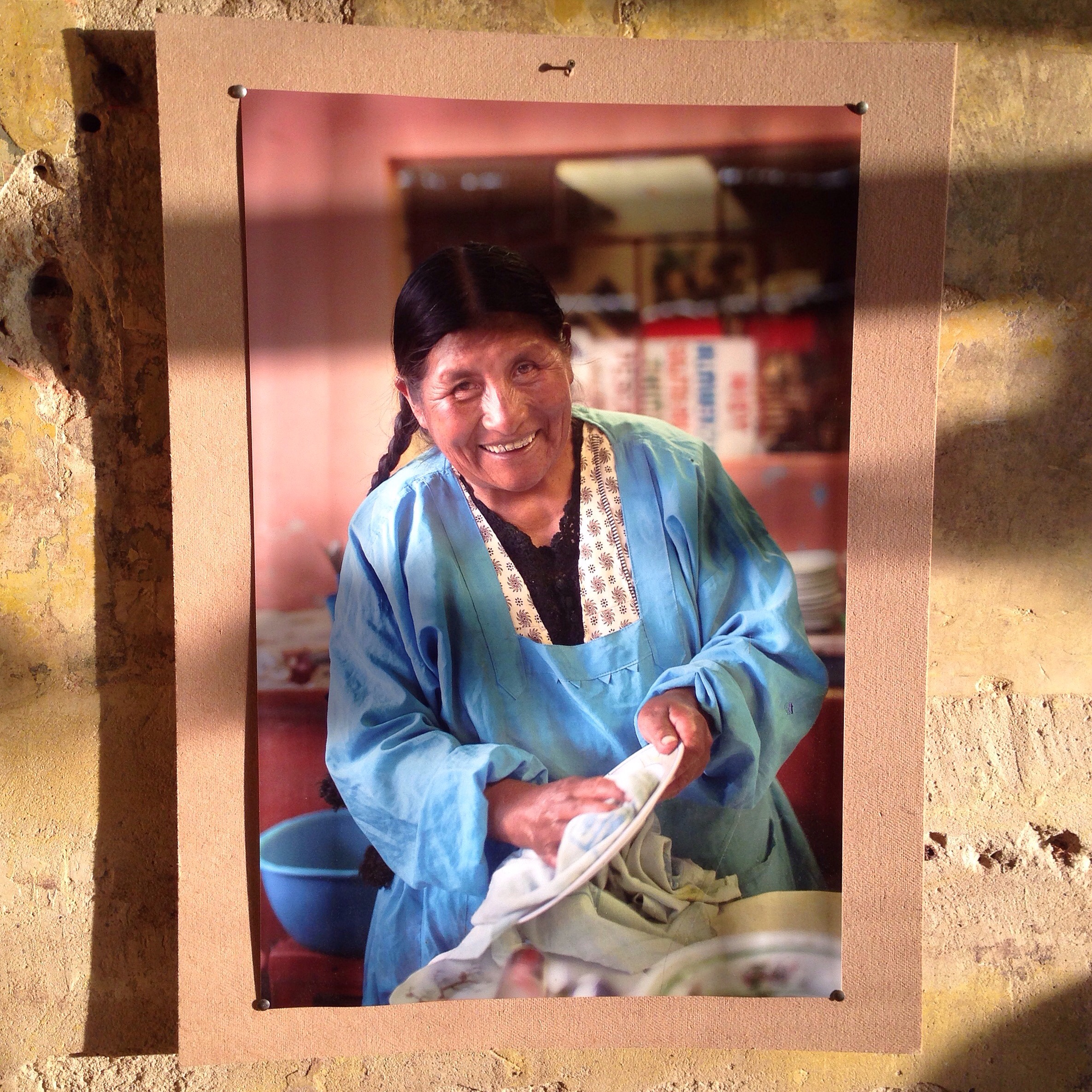
You know, Srodka in Poznan is like Harlem in New York. Few years ago, it was scary to go here, and now it’s full of bold people and creative energy! But in case of Poznan, blame Monika and Jan Pawlak, who made this place lifey thanks to their two restaurants – La Ruina and Raj. La Ruina is more into sweet flavours – interesting cakes and seasonal cookies are present here (chocolate cake with salt and pepper? Yum). You might drink coffee in many different ways – Vietnamese and Moroccan have blown my mind. And Raj, which is a former sweet shop, introduces meals that are memories of owner’s voyages to Vietnam, Italy or Cuba… in other words, that’s a very unique culinary mix!

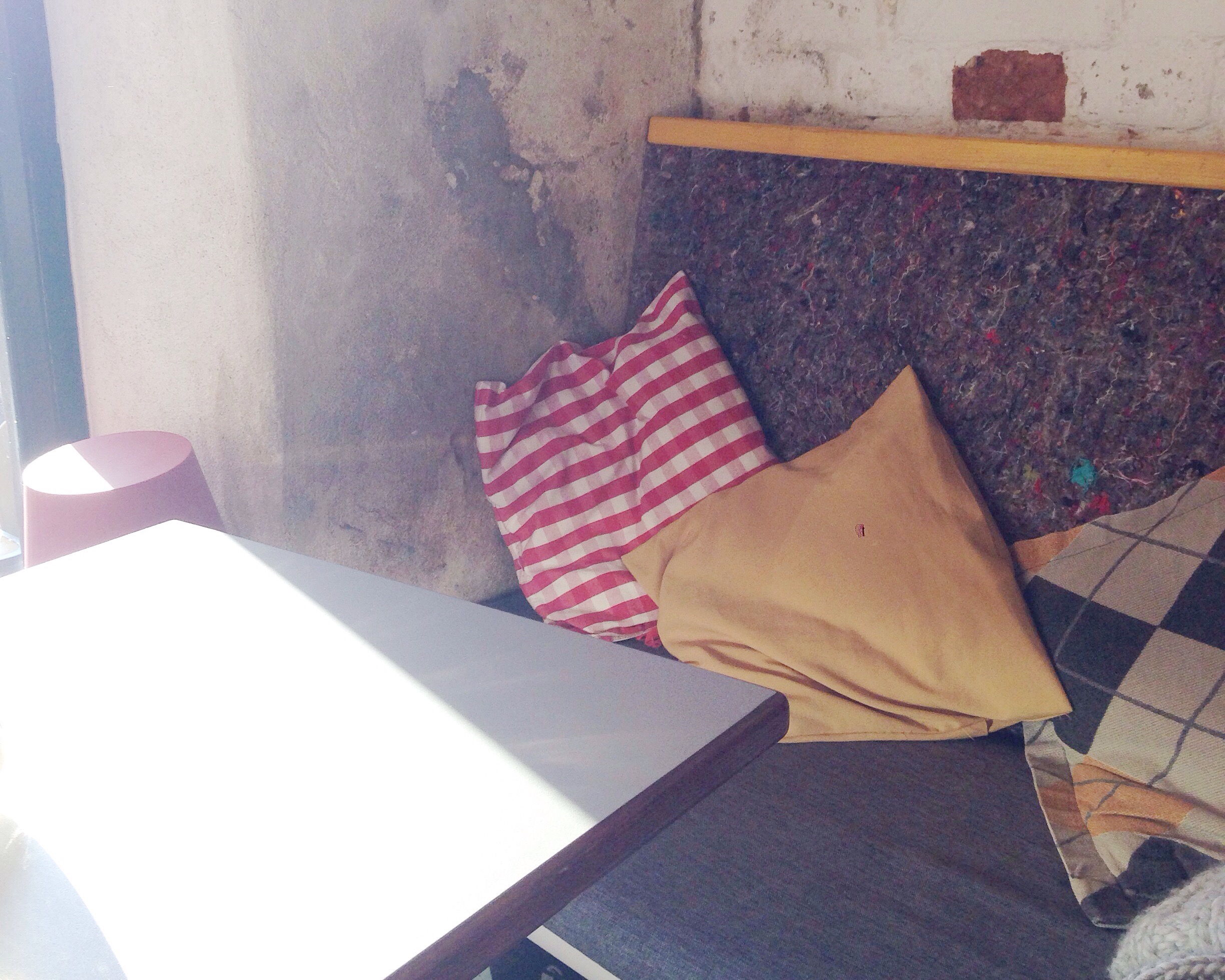
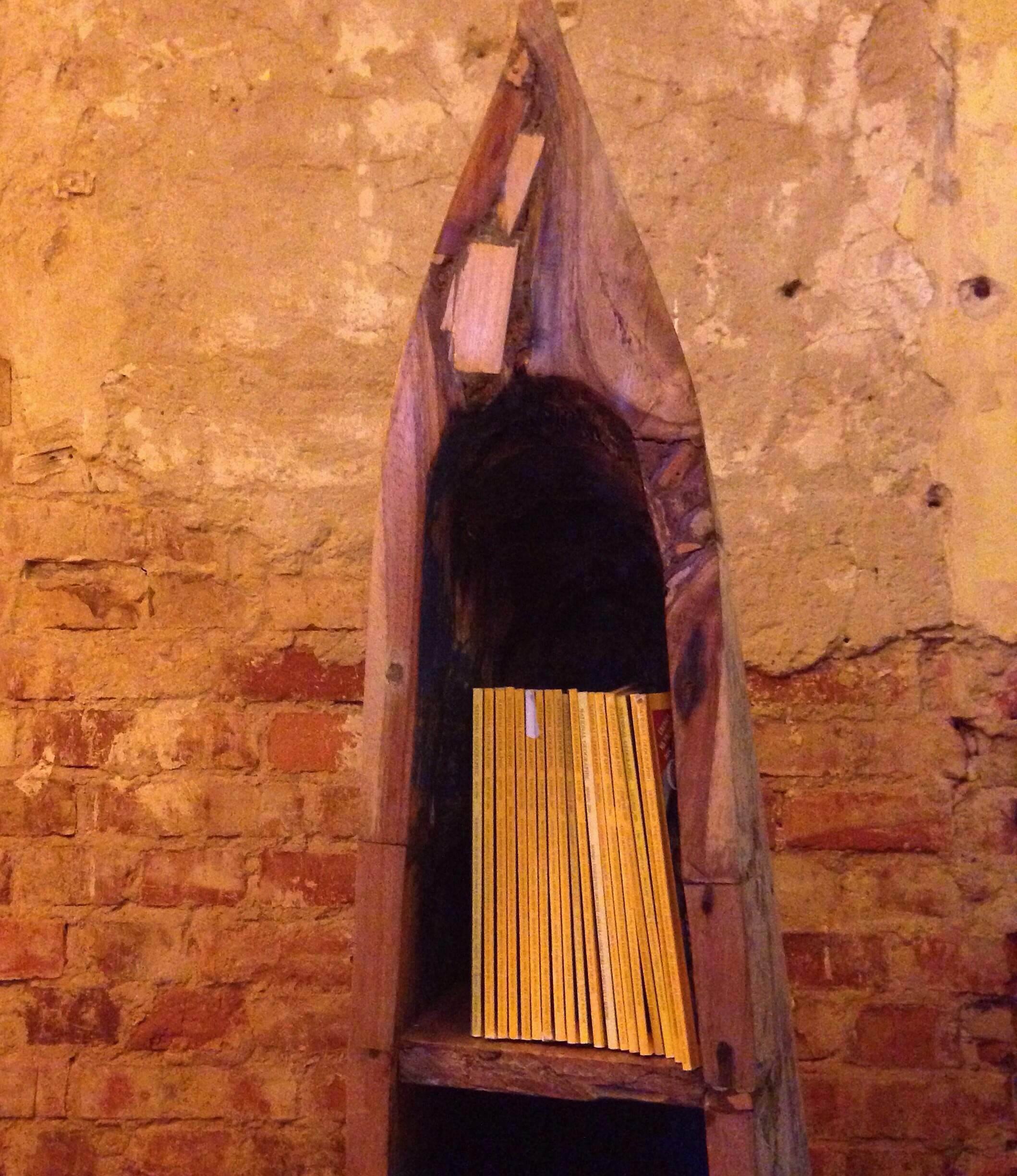
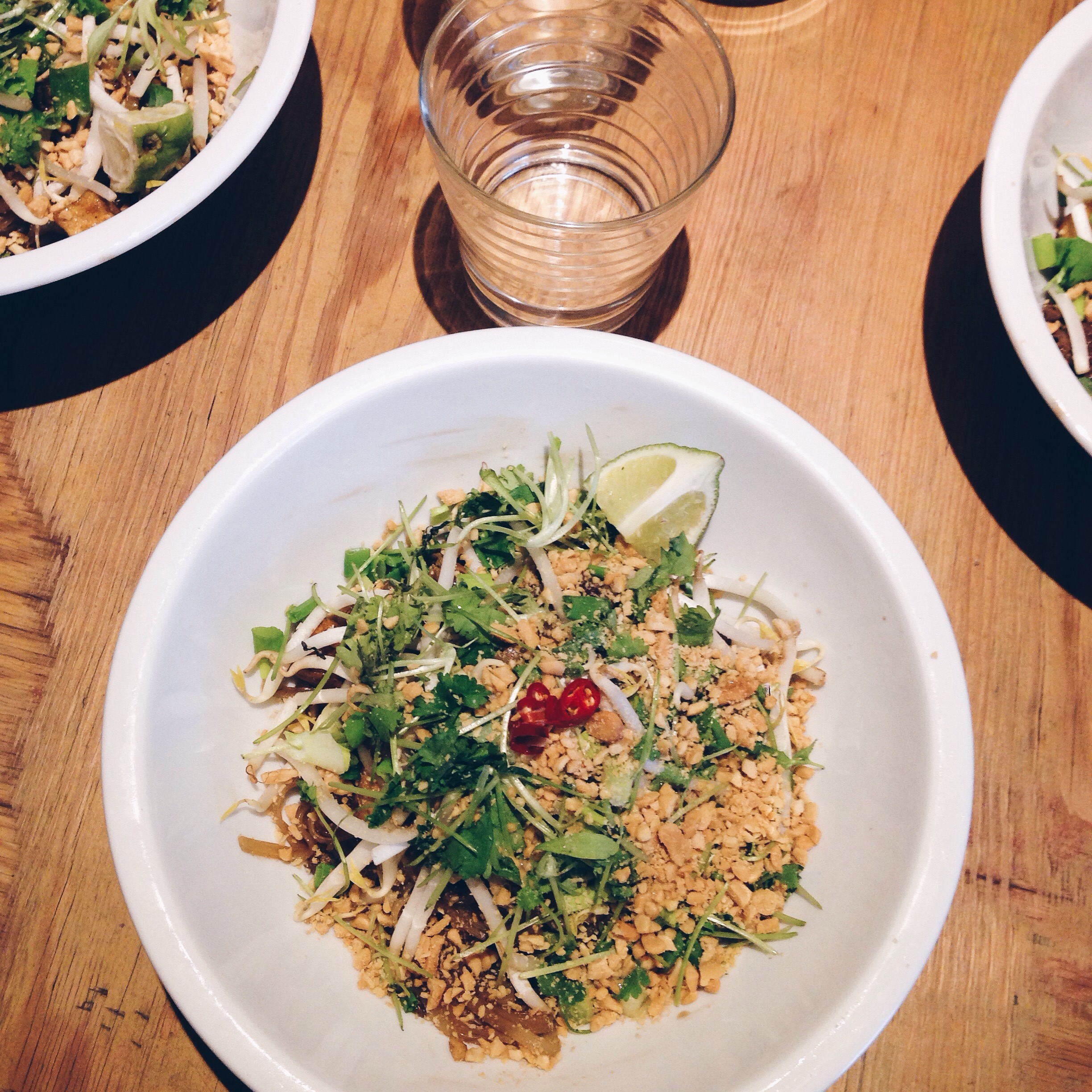
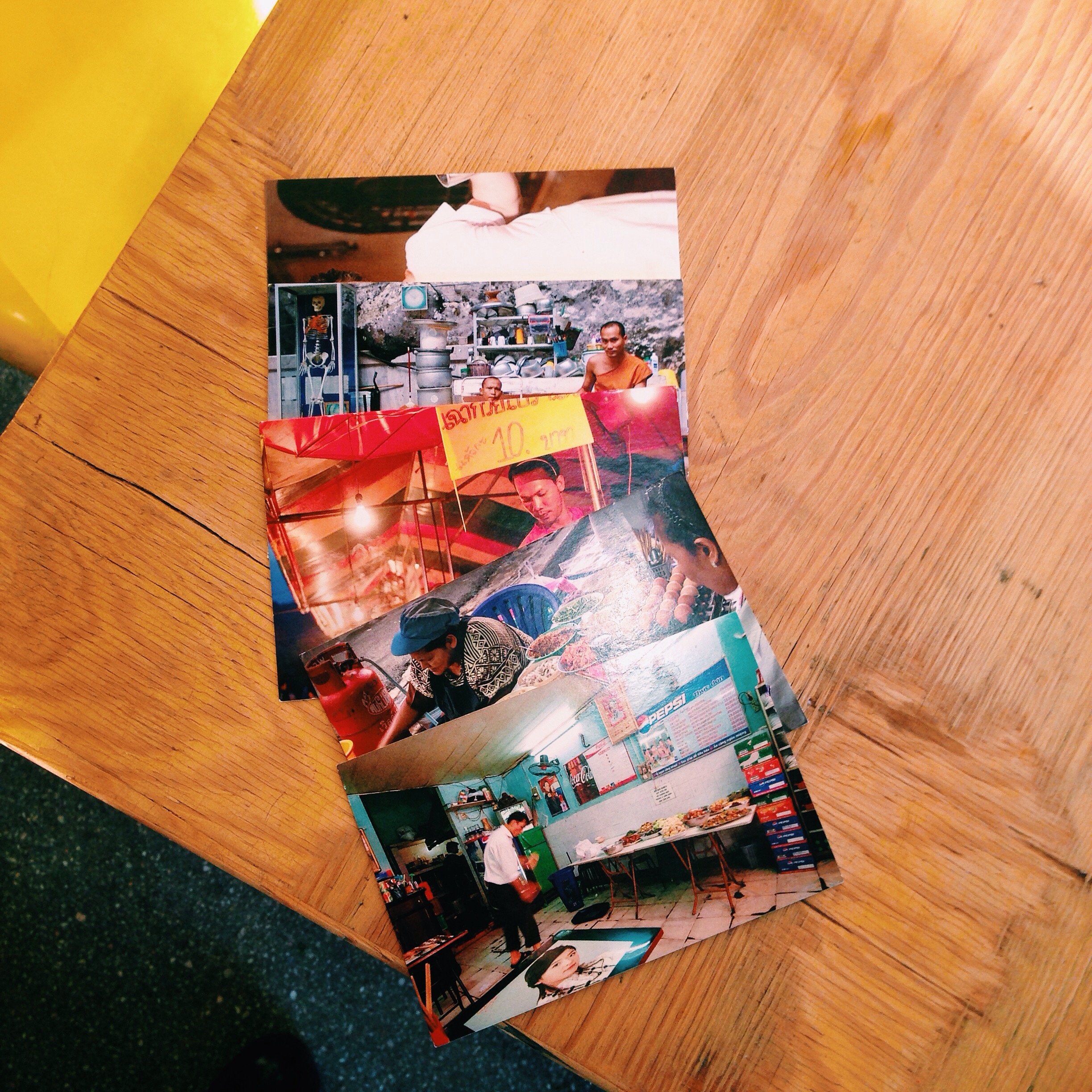
The interior of that place is innovative, too. It’s a collection of various souvenirs from travels, which the owners found in different parts of the world. And, rather than using typical, boring menus, the chief had five main dishes today (it changes oftenly) presented on postcards from Italy, Cambodia and Vietnam. For example, Pad Thai, delicious rice noodles with roastbeef, where precisely same as the ones Pawlak’s ate in Asia. In case of ingredients which are not available in Poland – they simply order it from Berlin or Amsterdam. In my opinion, this place is truly incredible- when I come here on regular basis, I always discover something new for myself!

Srodka 3 / Poznan

/home/wpcom/public_html/wp-content/blogs.dir/311/32817349/files/2015/01/img_9478.jpg /home/wpcom/public_html/wp-content/blogs.dir/311/32817349/files/2015/01/img_9480.jpg /home/wpcom/public_html/wp-content/blogs.dir/311/32817349/files/2015/01/img_9481.jpg /home/wpcom/public_html/wp-content/blogs.dir/311/32817349/files/2015/01/img_9482.jpg /home/wpcom/public_html/wp-content/blogs.dir/311/32817349/files/2015/01/img_9483.jpg /home/wpcom/public_html/wp-content/blogs.dir/311/32817349/files/2015/01/img_9484.jpg /home/wpcom/public_html/wp-content/blogs.dir/311/32817349/files/2015/01/img_9485.jpg

Lulu Concept

DSC00560.JPG

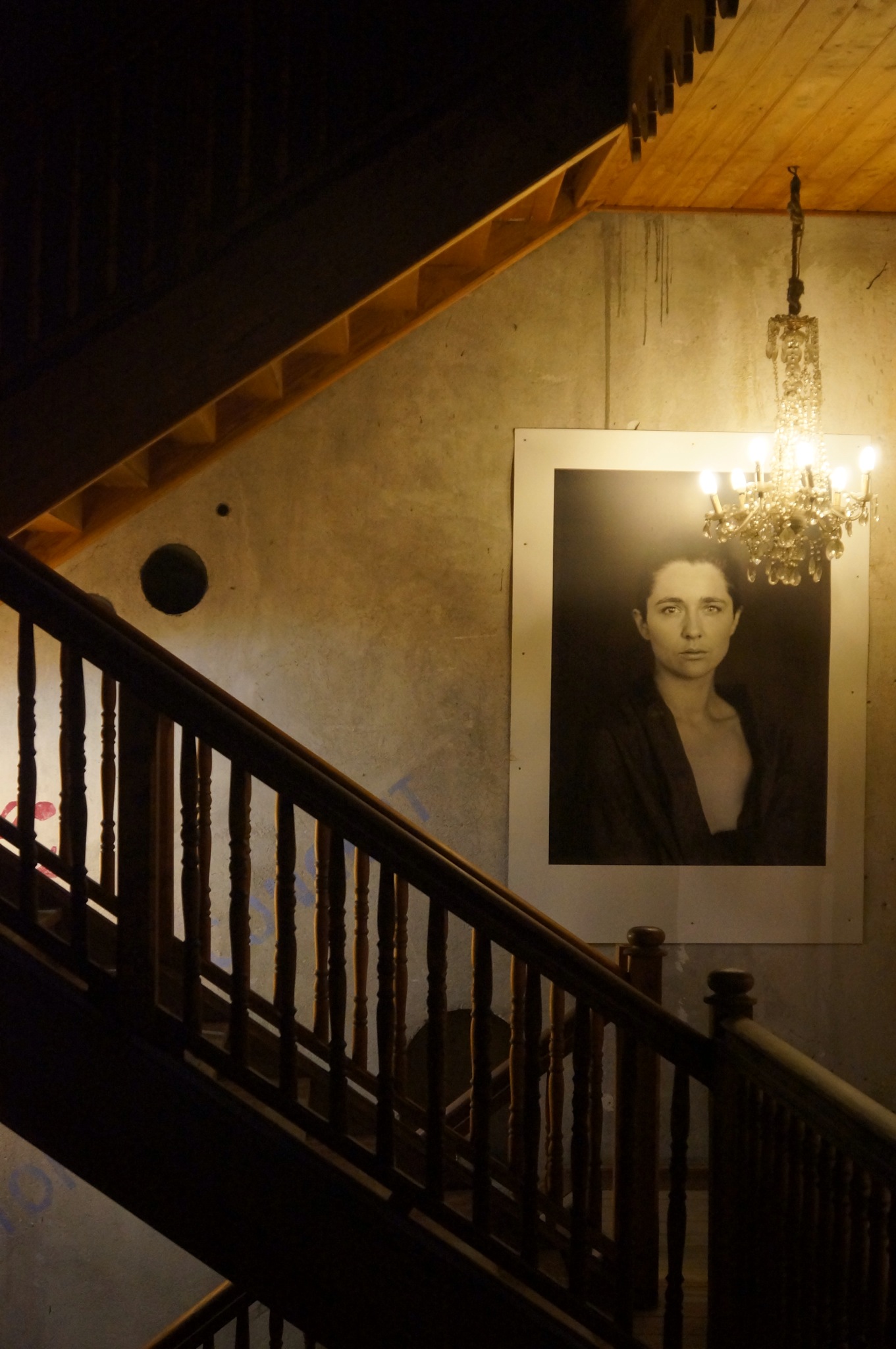
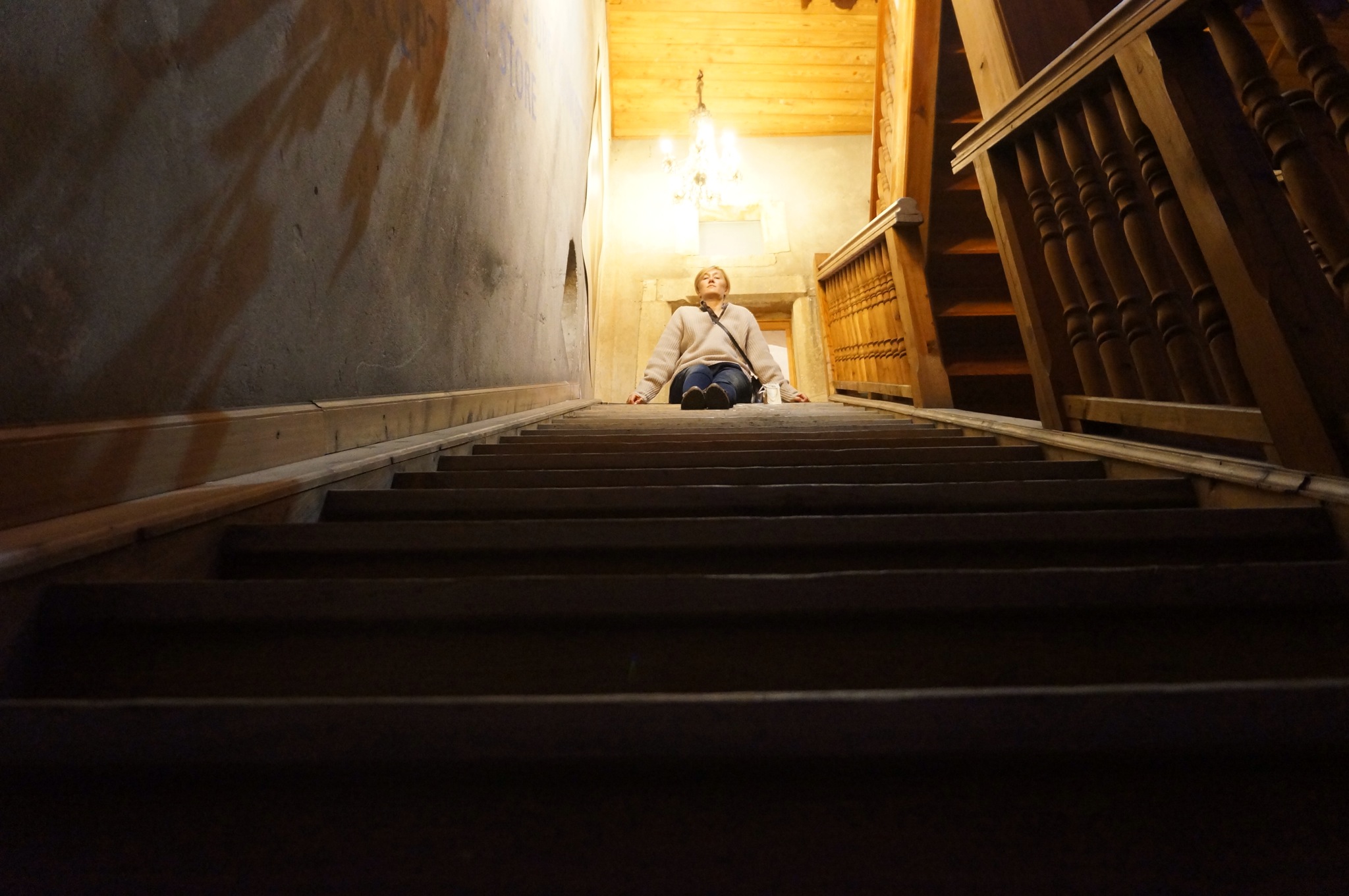
If you are not a good observer, you won’t find LuLu concept store that easy. In Cracow, LuLu is hidden in Georgian-styled building with lots of wooden stairs and terrafes. It all feels a bit mysterious, but the elusive photography of a woman which hangs in the front really makes you want to know what’s there. But when you enter, still amused (and a bit exhausted) by the stairs, you see a huge wooden cabinet, huge wooden table and, overall, a huge wooden space full of cool, cheerful stuff- decorations, muppets, furniture, cushions… and many other cozy “must-have” living accessories. “We create a brand that combines vintage style with a modern interior. We are looking for original old items, trunks, lamps, mirrors, knick-knacks that add life and character of the interior.” I truly enjoyed that place.

DSC00558.JPG

DSC00559.JPG

DSC00561.JPG

DSC00563-0.JPG