Jacquemus’ Dadaism

la-chemise-main

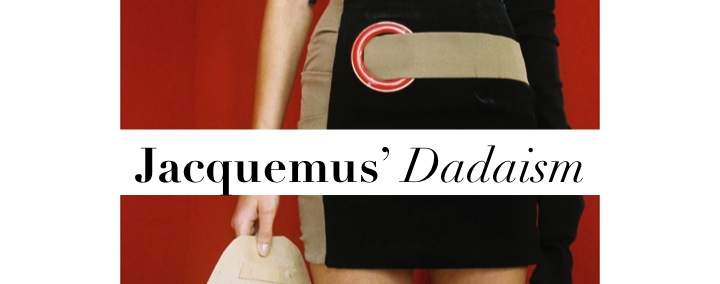
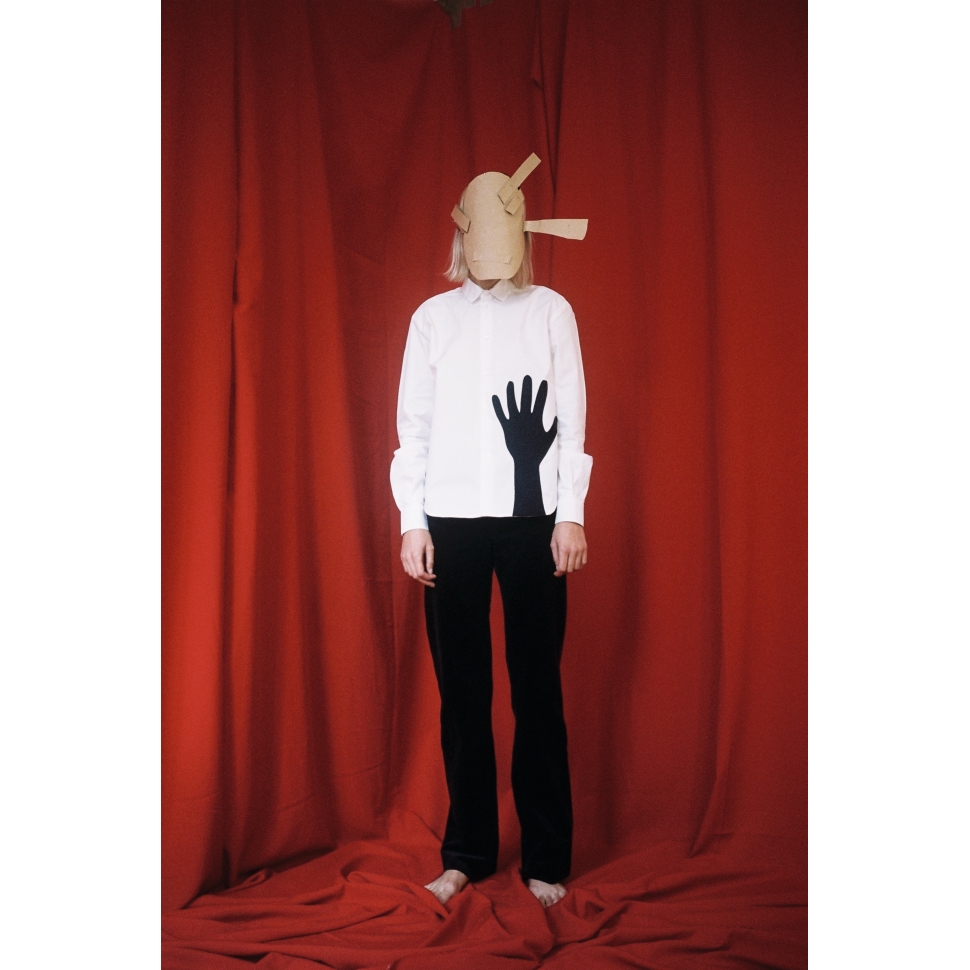
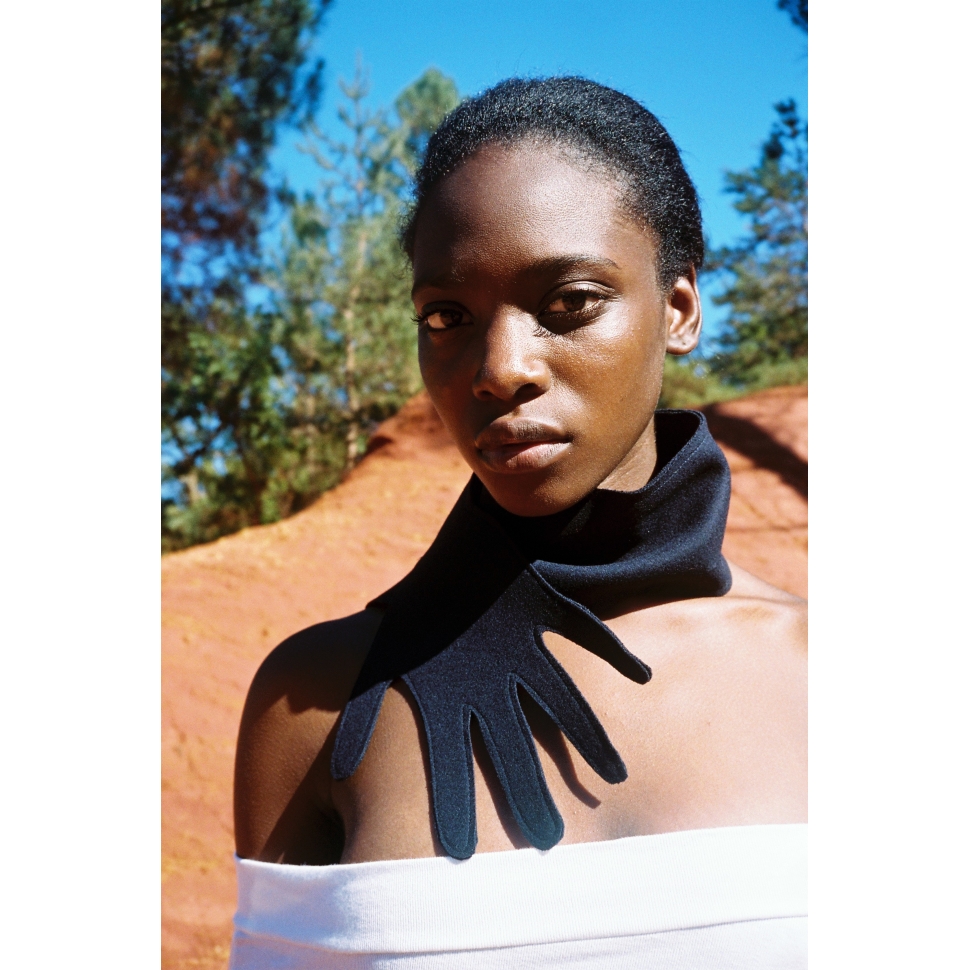
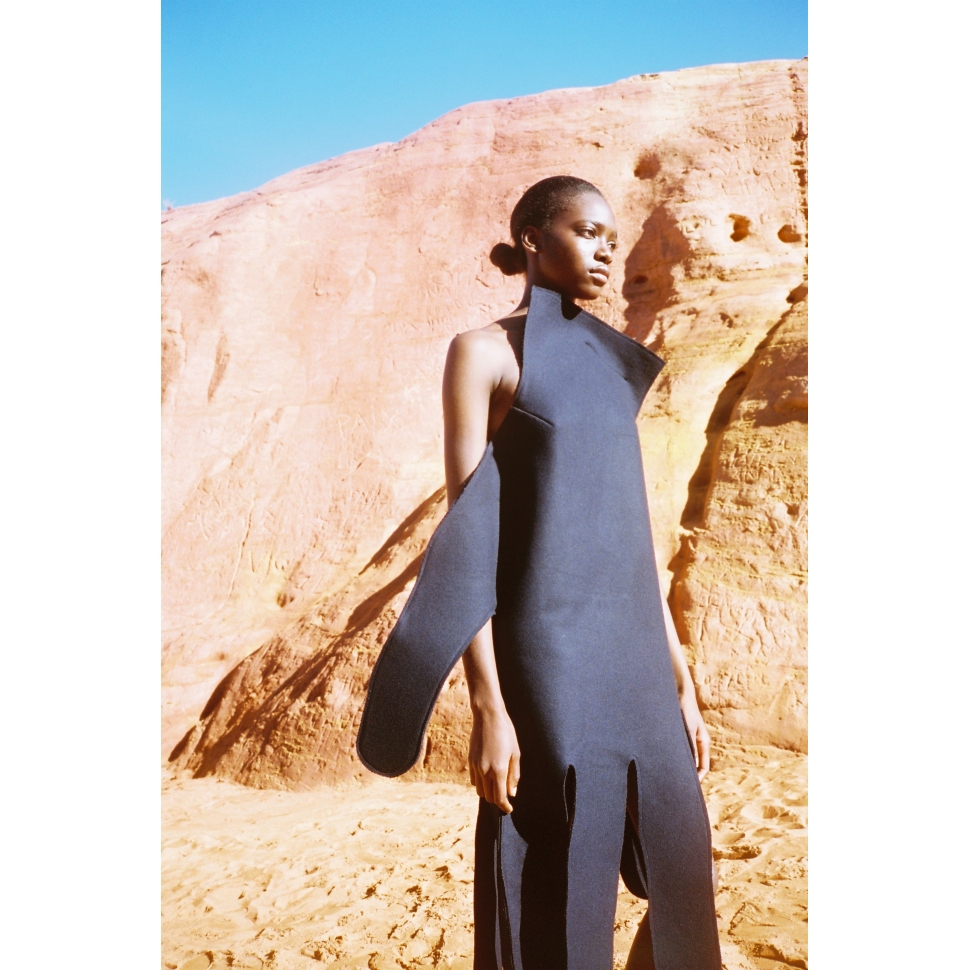
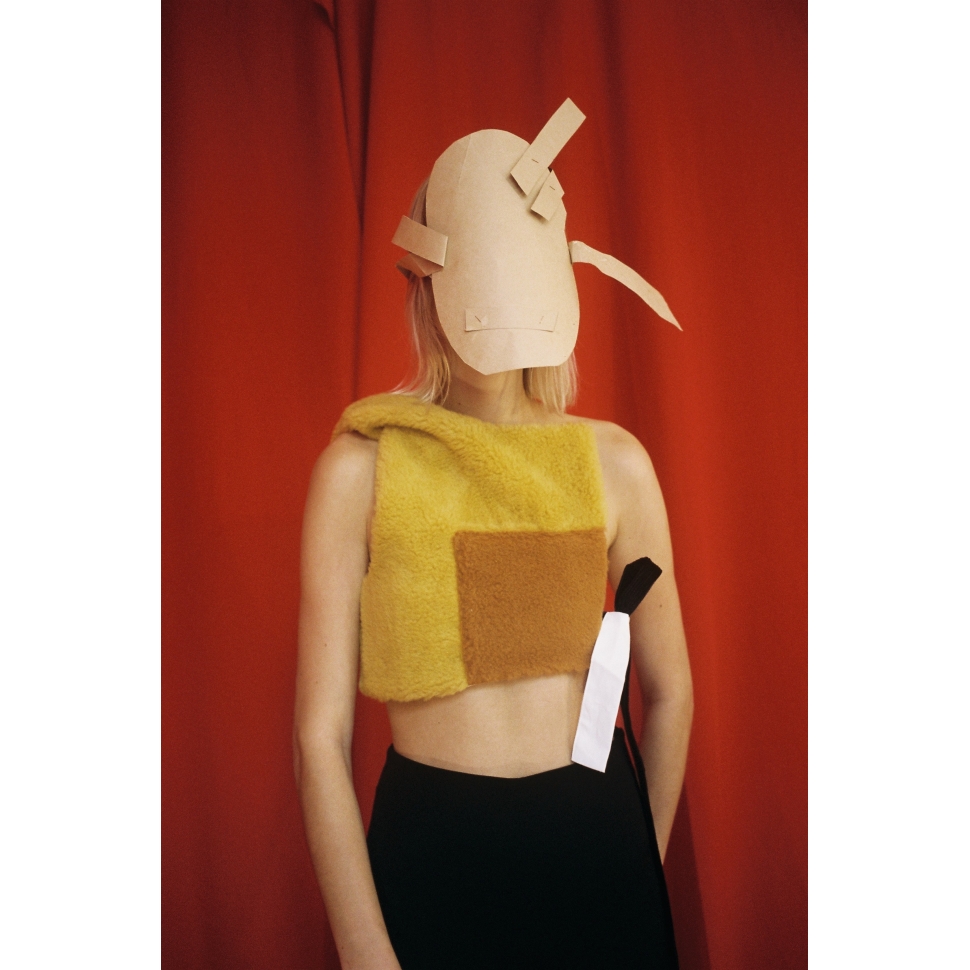
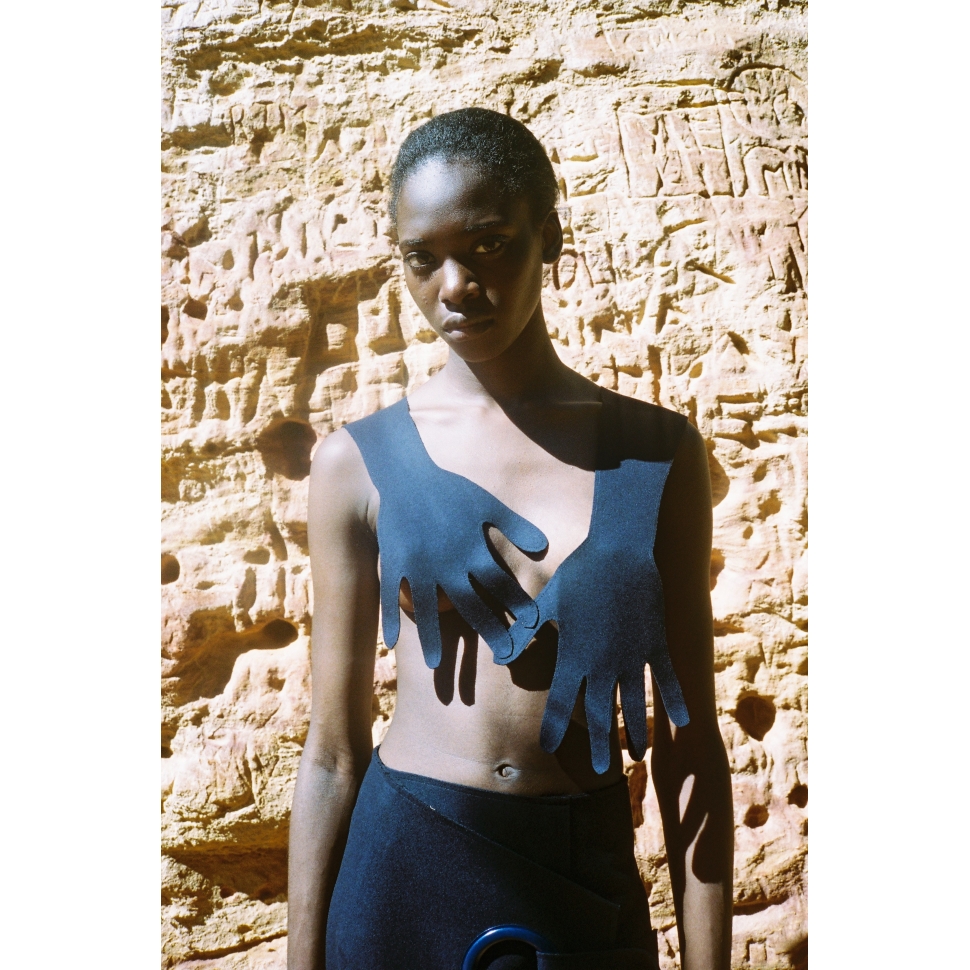
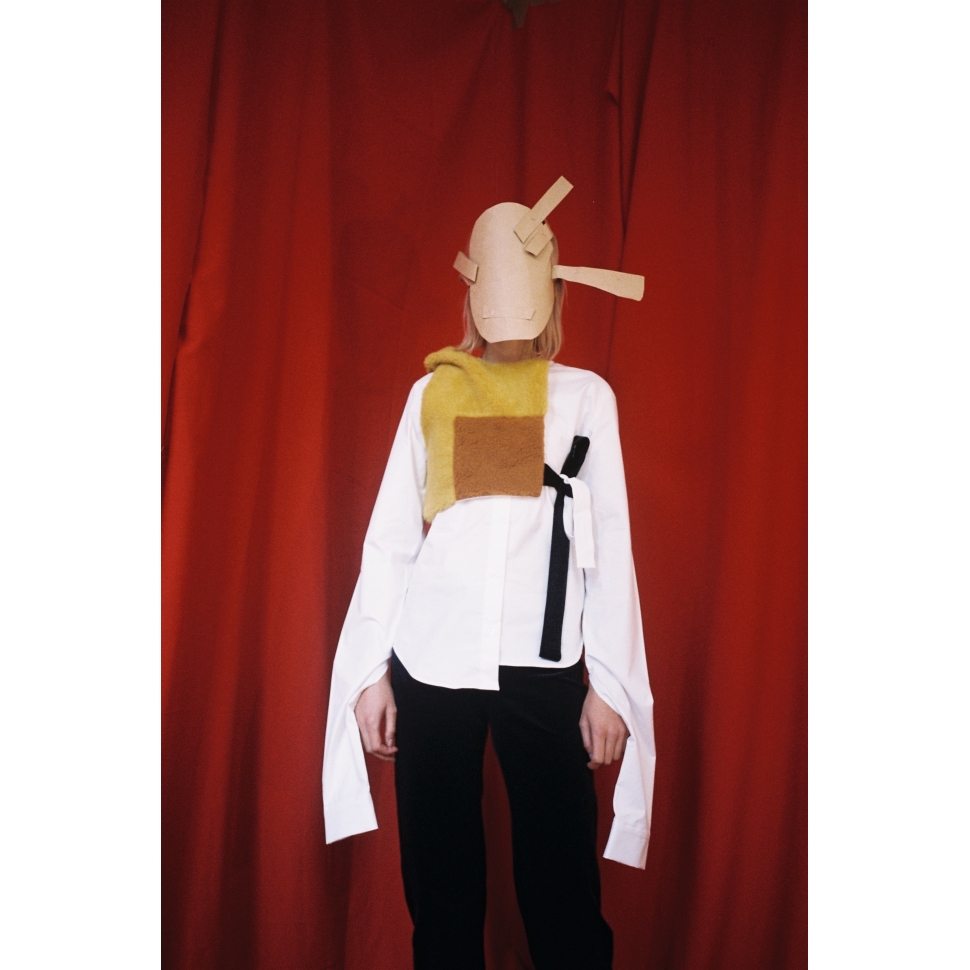
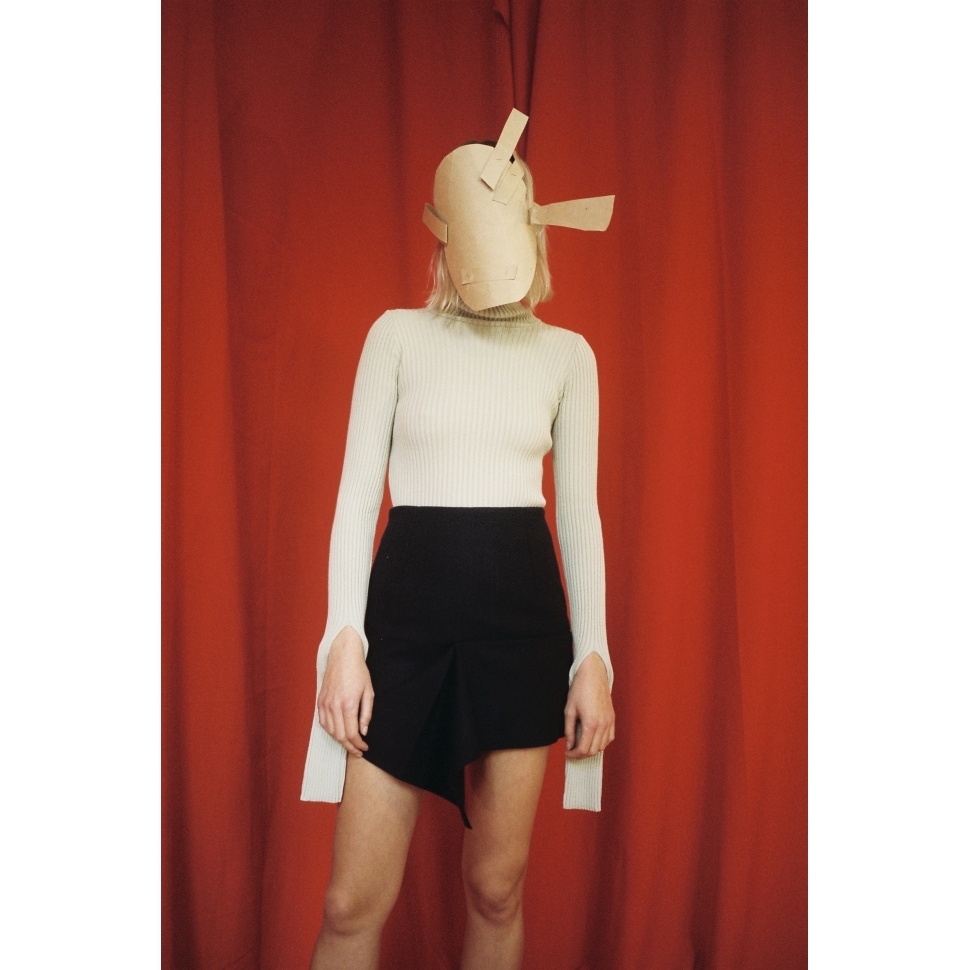
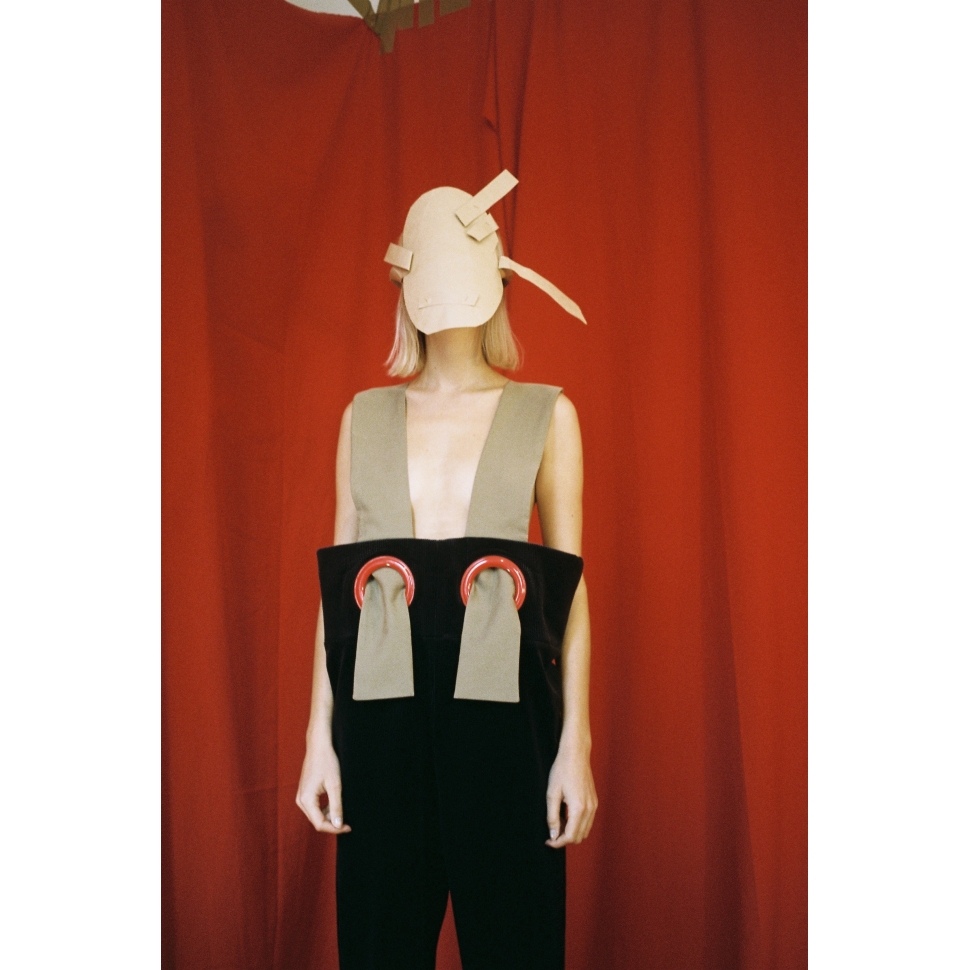
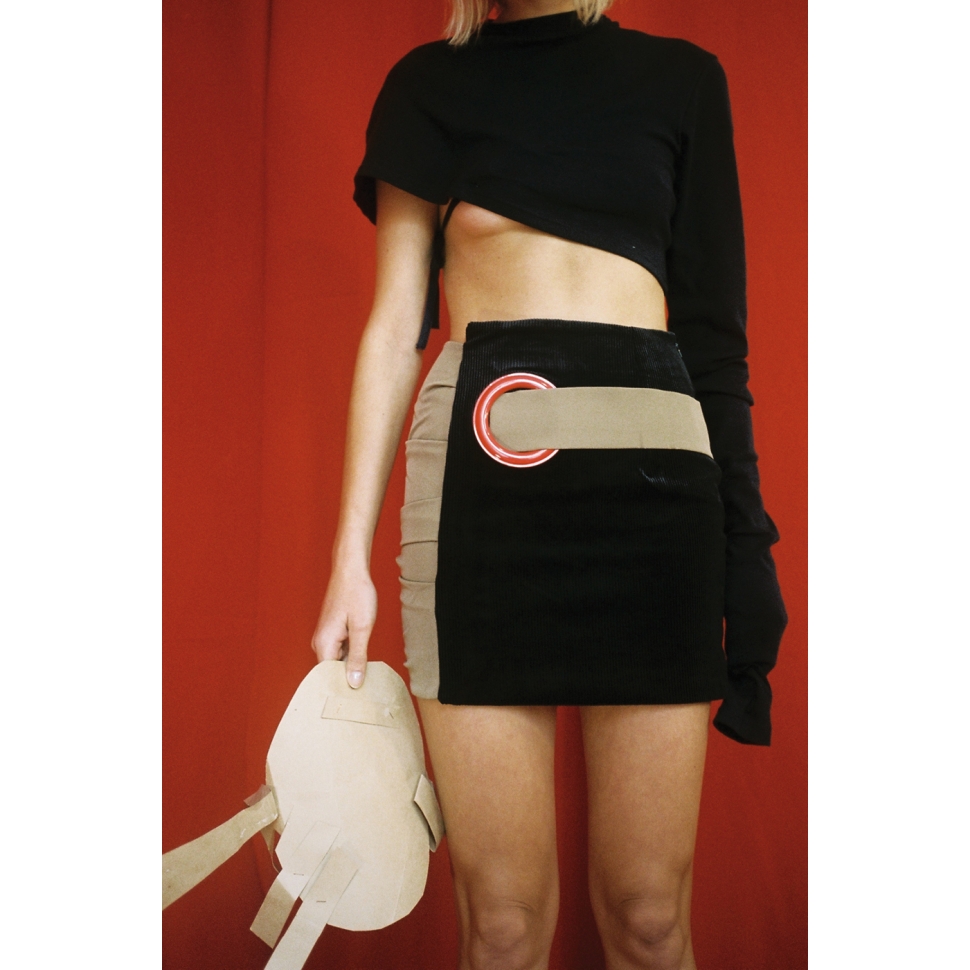
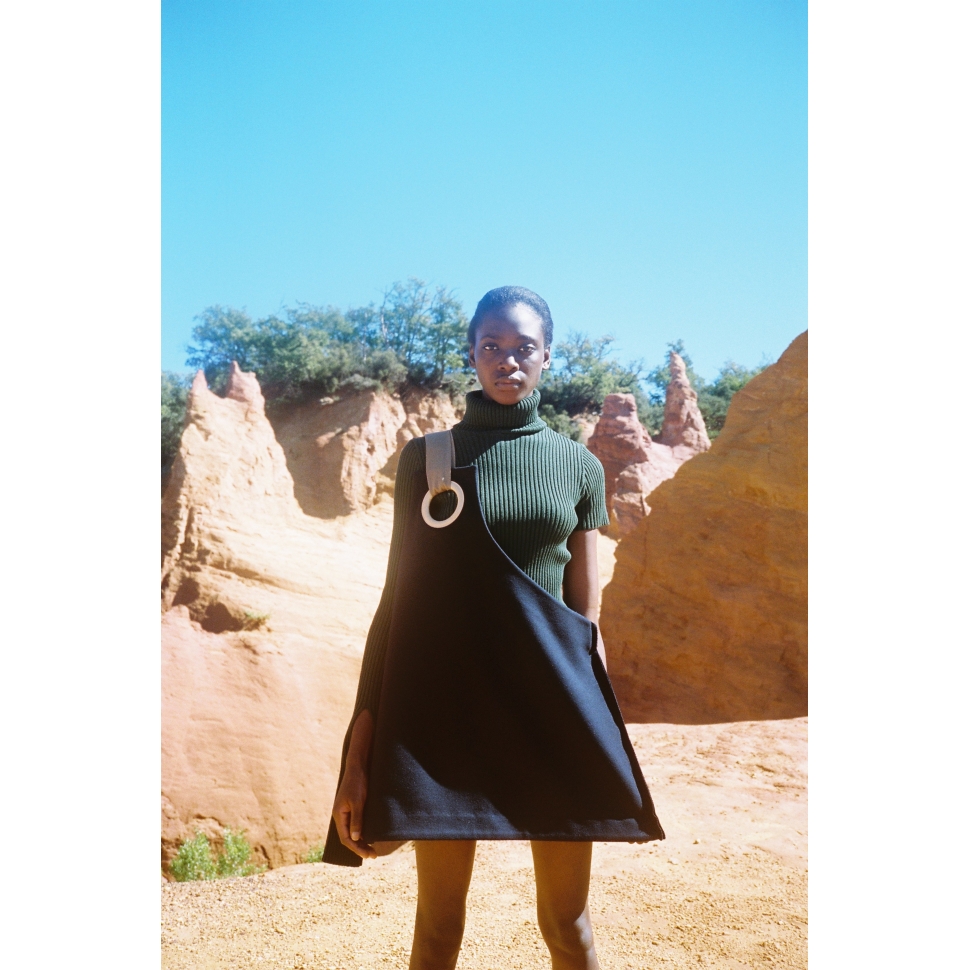
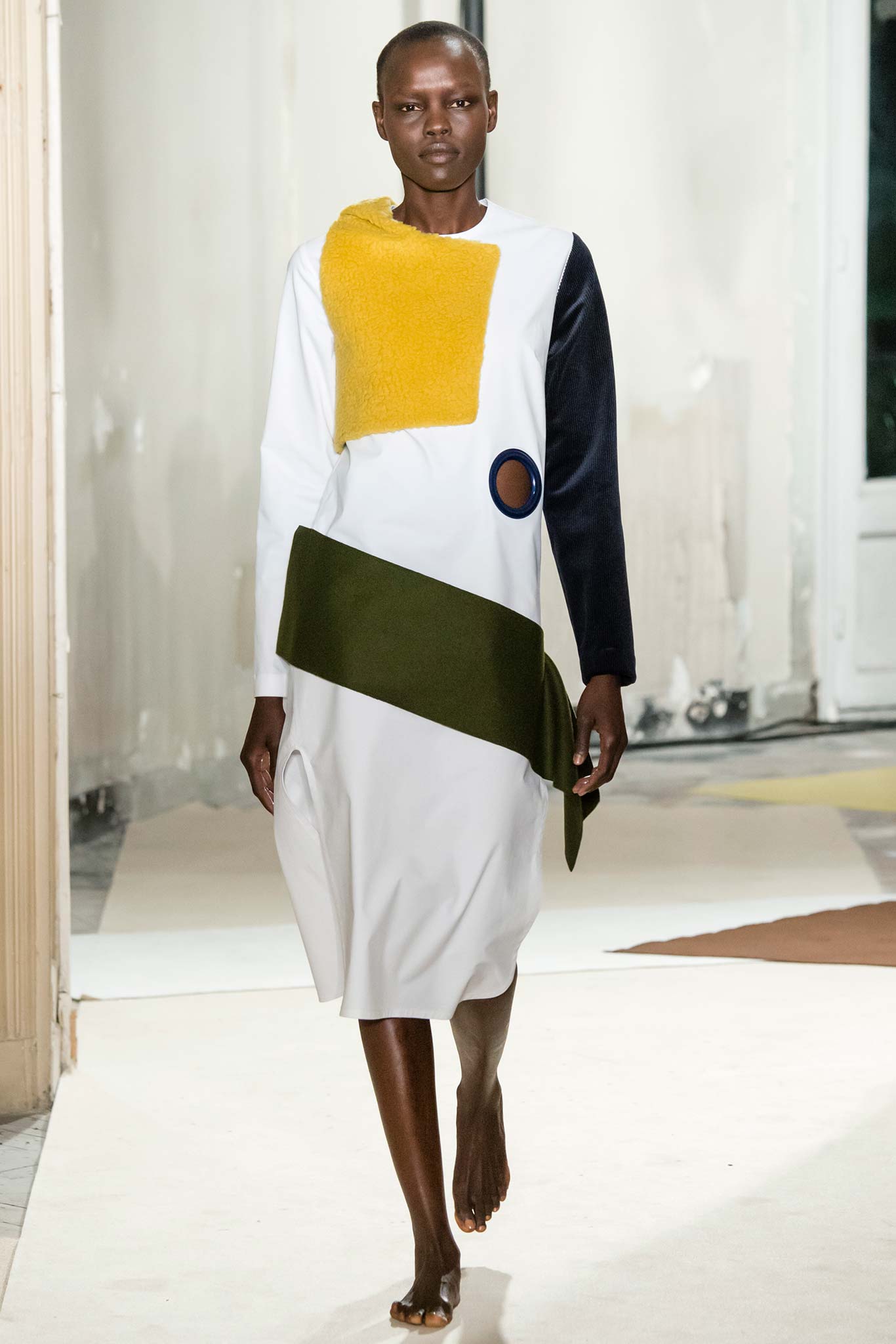
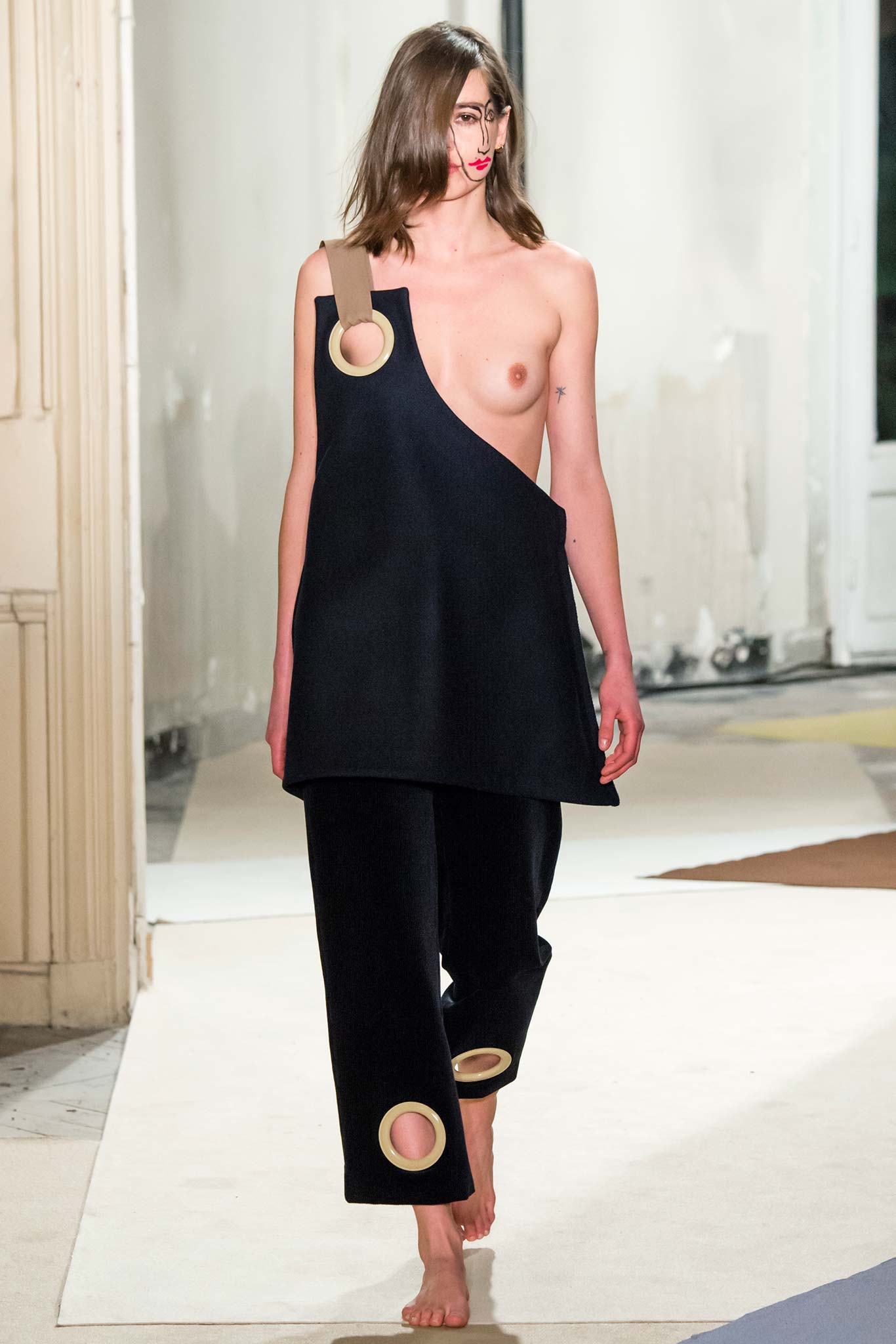
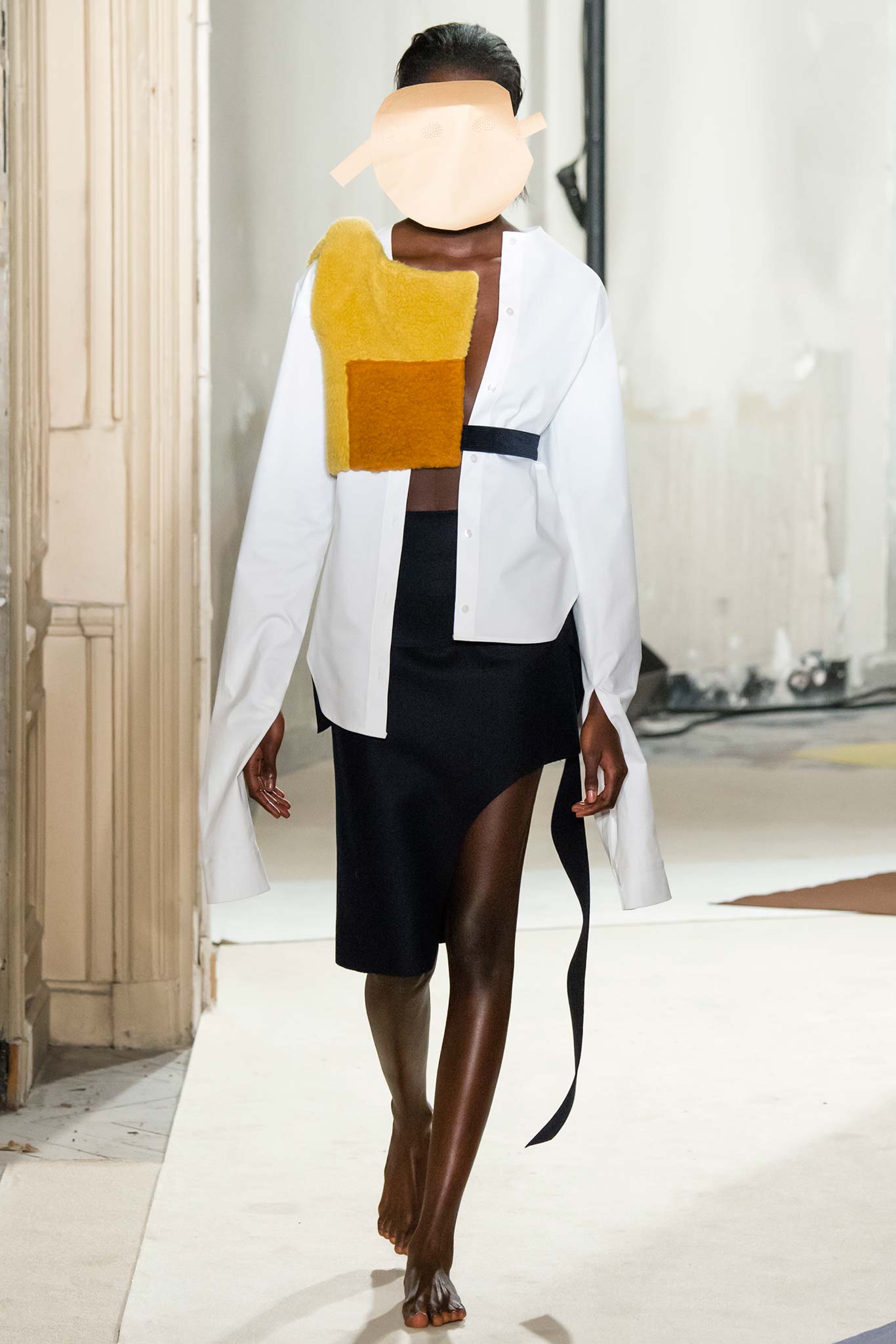
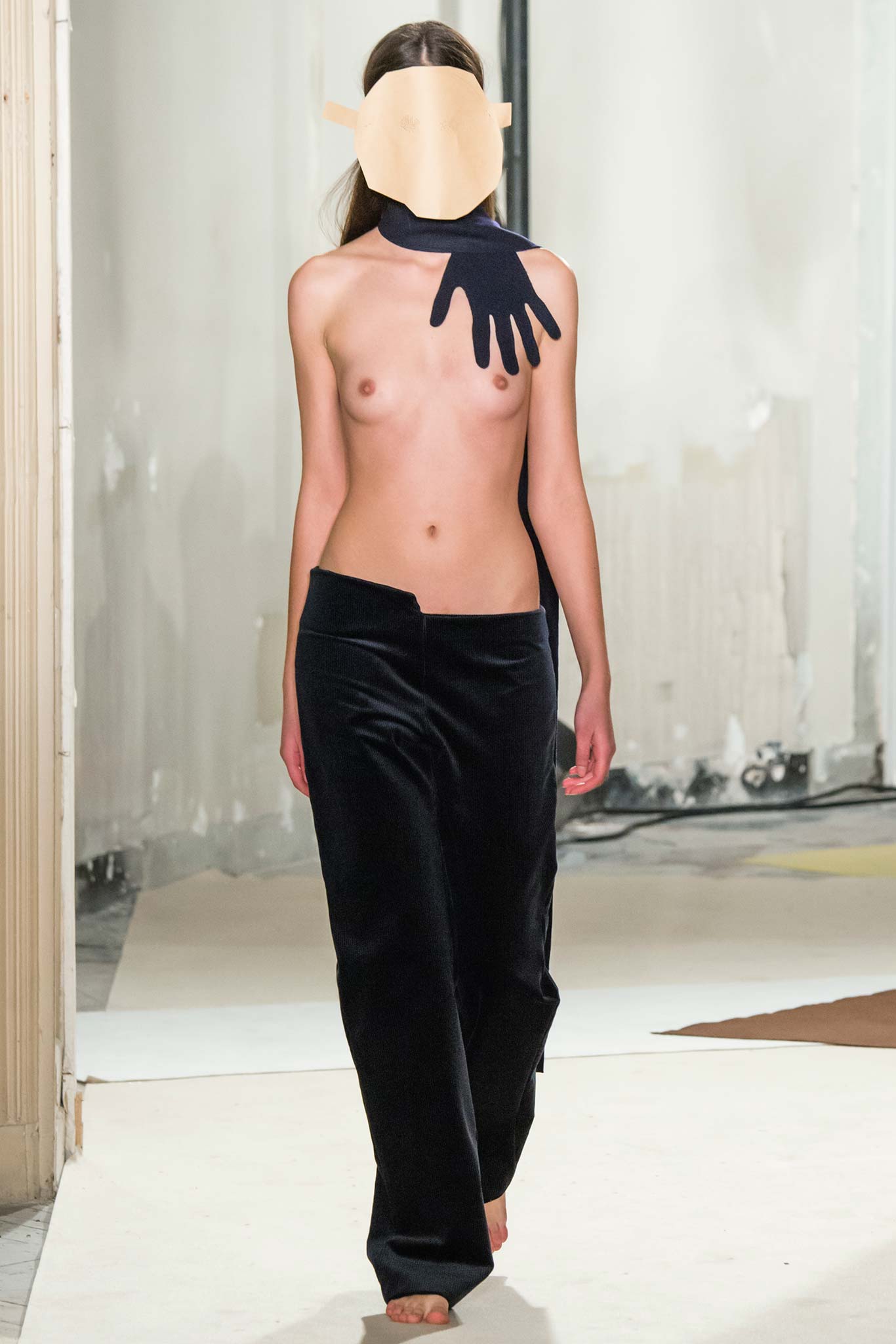
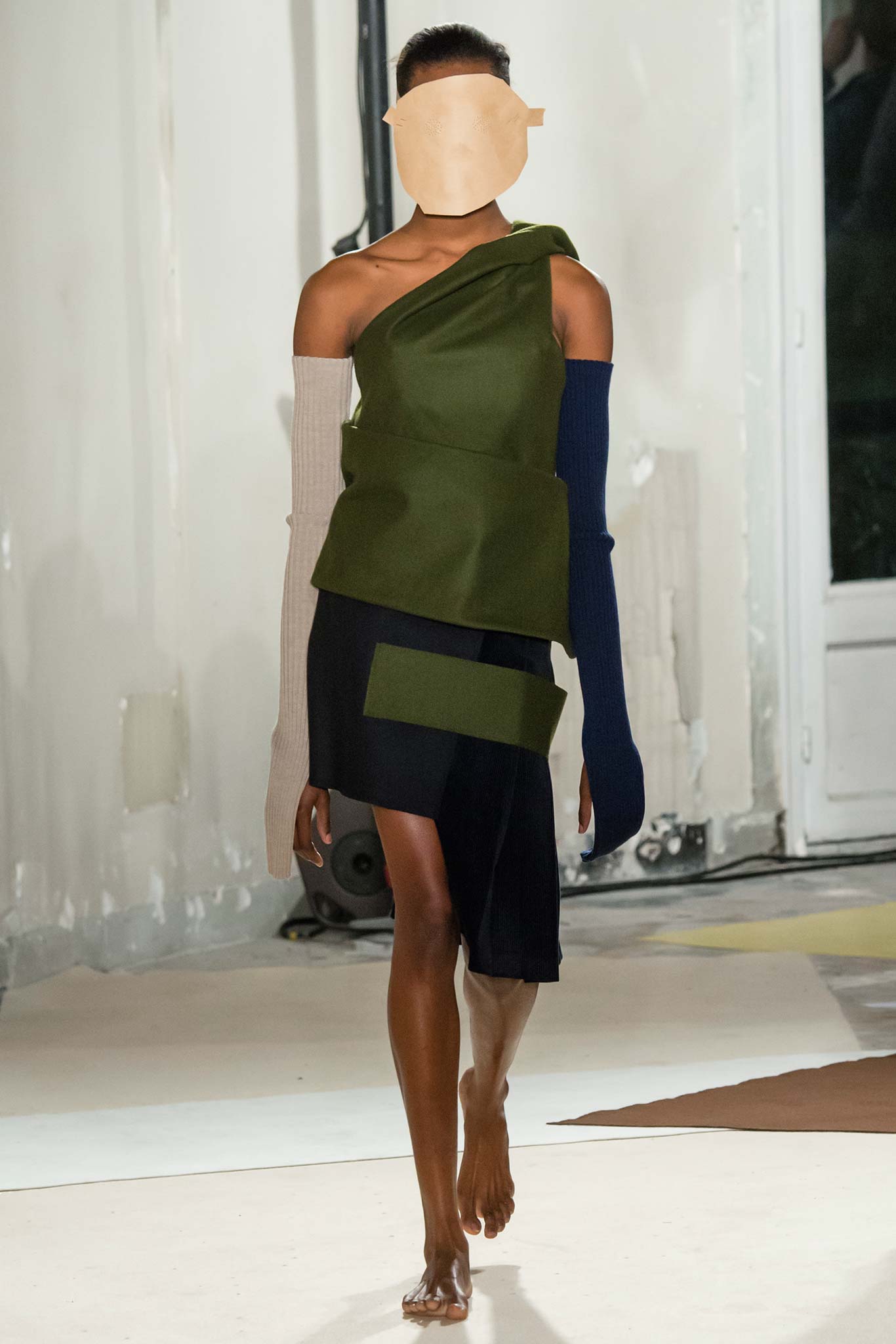
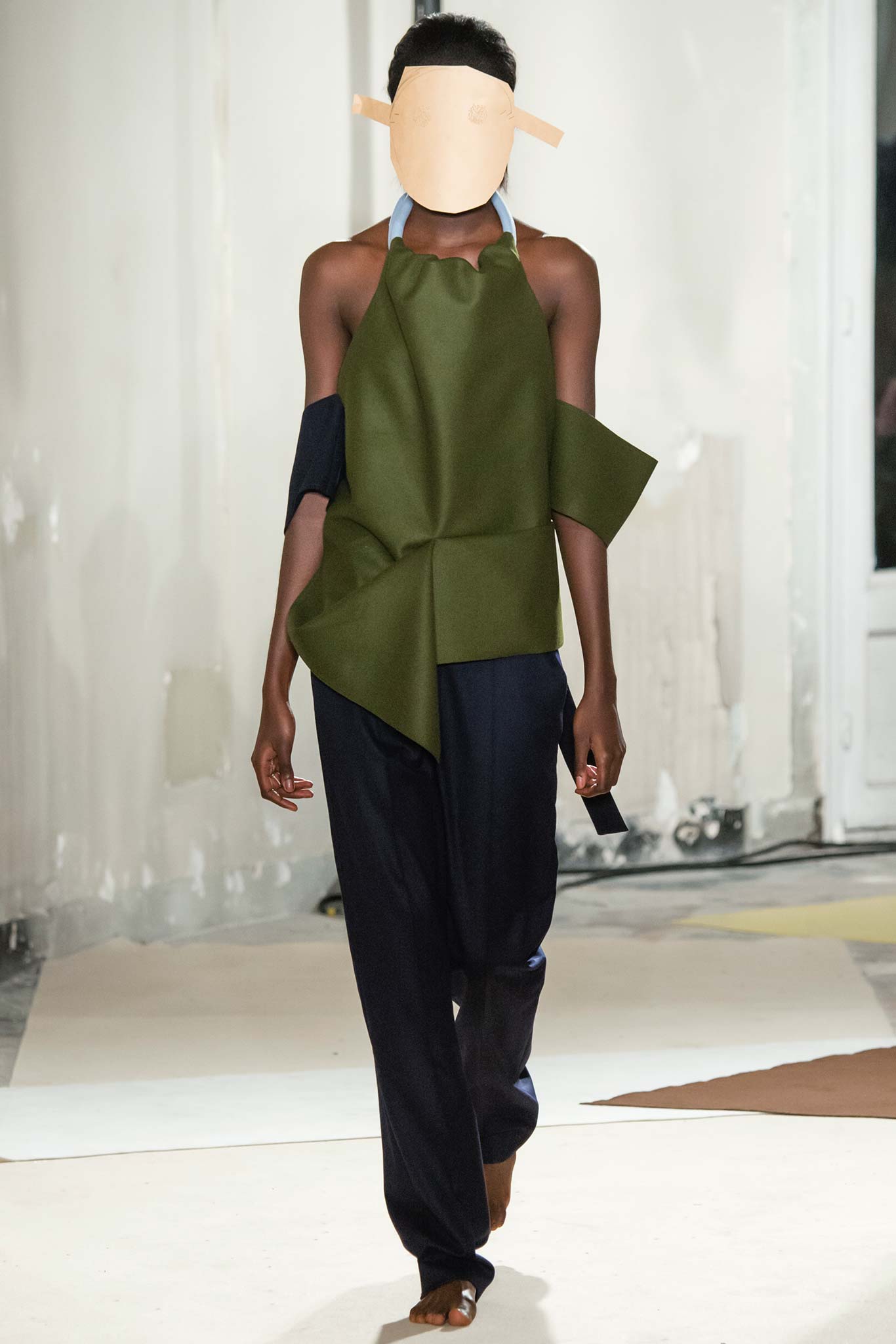
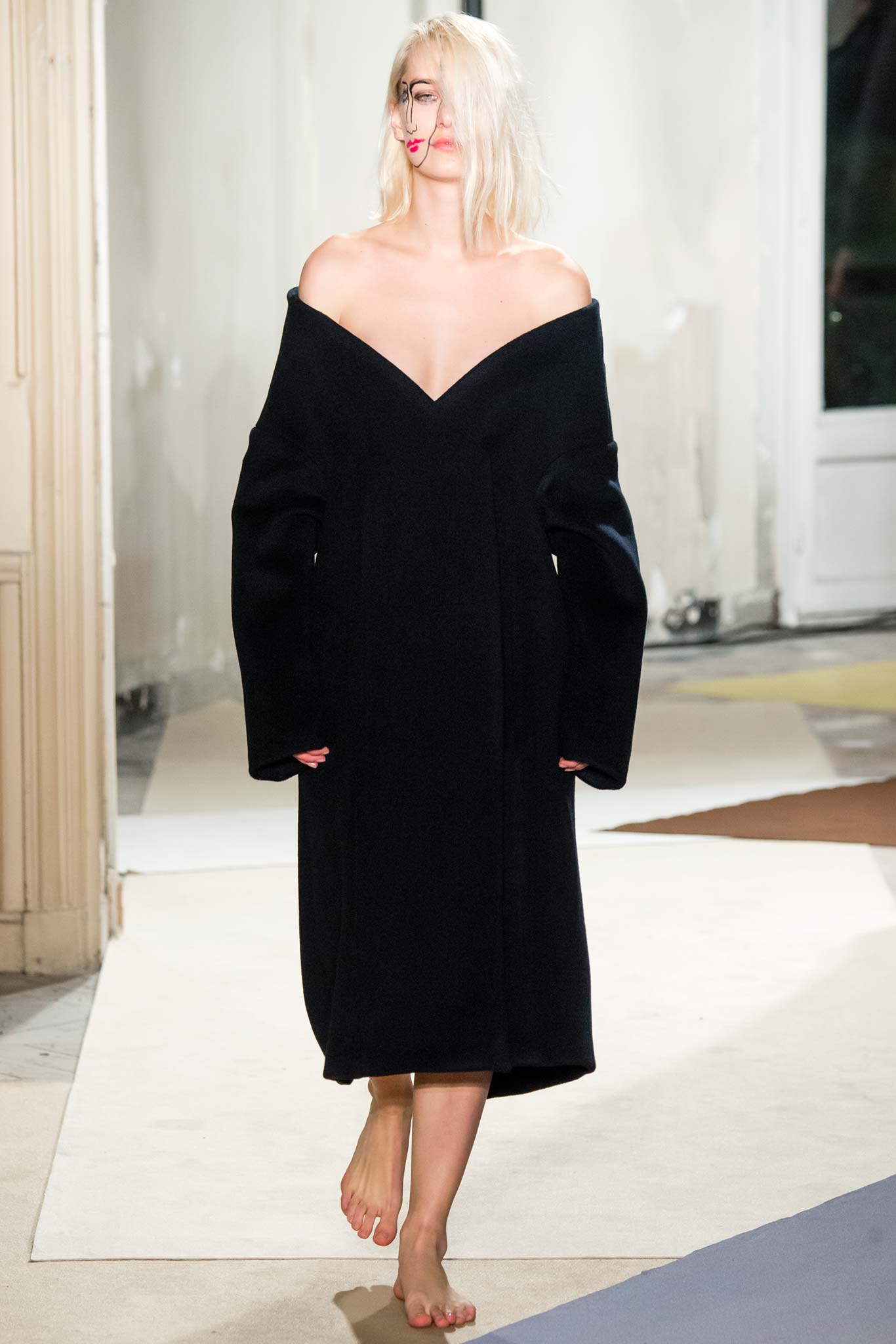
Simon Porte Jacquemus is one of the most daring designers in Paris. His collection trigger controversy, even though they reminisce childish, naive and even primitive way of being. The brand’s recent autumn-winter collection is deeply rooted in the period of dadaism – the shirts are printed with surreal, black hands, while voluminous trousers and skirts have those red, plastic circles through which stripes of textiles overlap. Take note of the abstract crop-tops – even though they look like pieces of a fancy, 60’s rug, they are made of wool patches, made fully in France (just like the rest of the pieces sold by Jacquemus). For the full effect of the very arty and avant-garde femme Simon creates this season, there are those paper masks – nobody is sure how practical are they, but surely they will update every possible look you think of this autumn.

The full AW15 look-book on jacquemus.com

l-echarpe-main

la-main

le-patch-peluche

le-top-patchwork-beige

l-echarpe-deux-mains

la-chemise-peluche

la-mini-jupe-pli

la-salopette

la-demi-jupe-velour-beige

le-tablier-oeillet

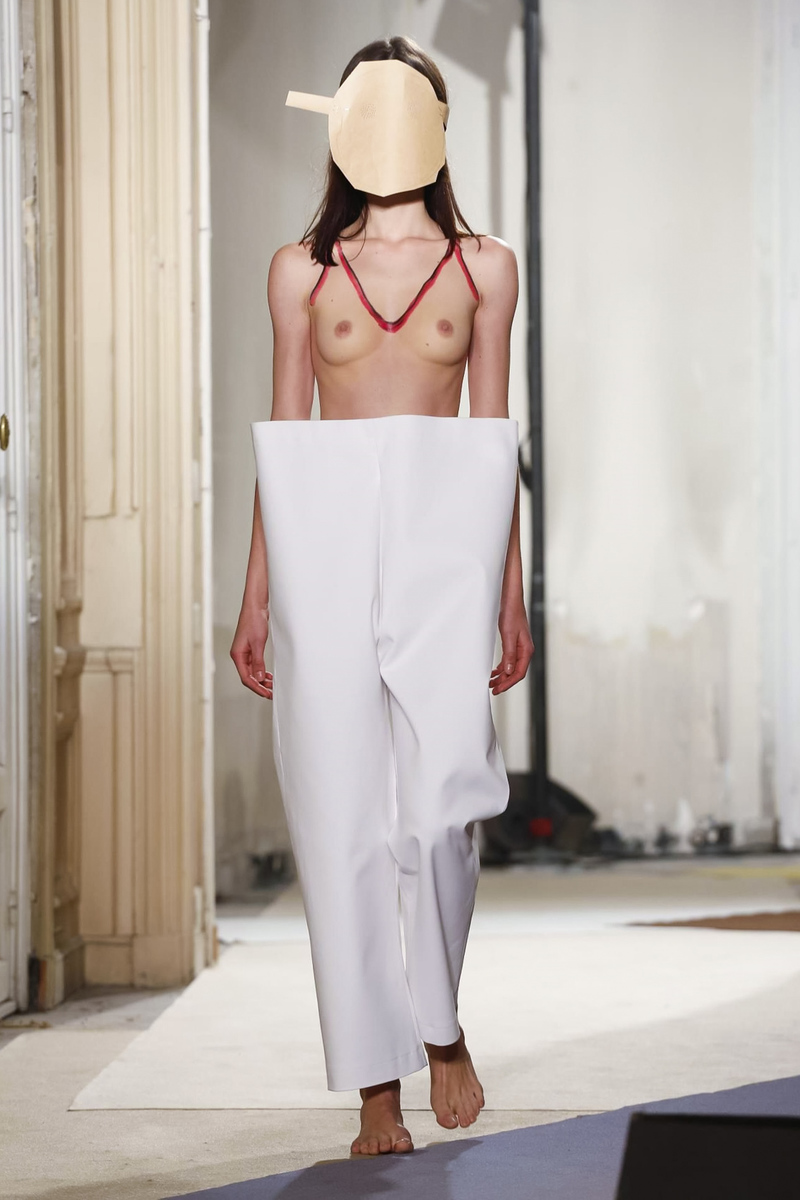
Dadaism Allure. Jacquemus AW15

Jacquemus-RTW-FW15-Paris-0015-1425407171-bigthumb

Dadaistic silhouettes. Primitively covered faces. Barefoot. Nudity. Simone Porte Jacquemus continues his “naive” fashion journey, keeping his AW15 the most mature of all. With faces painted by Sebastien Bieniek, which felt very abstract (and creepy), the collection provokes and at the same time shows primitive cuts and simple way of attaching textiles. Explaining that he wanted to capture some of the instinctual feel of being a child, the designer said: “I cut jackets like little kids will do—sometimes the cut is weird, there is just a half top. I like this randomness.” But what does the NSFW dose mean? In my opinion, just like the twirling black hands, it’s a part of some kind conceptual performance which Jacquemus shows off. The whole collection, full of exaggeration and peculiar sex-appeal felt even more artistic and disturbing when you looked at the venue “designed” by Alex de Betak – walls with hole, camping chairs for the guests, dust and a smell of fresh paint. Escapism at its full strength. Although this collection might feel eerie for many, I like it’s elusiveness – it’s magnetising. And, let’s be honest – for a while, we didn’t see any show that was really strange and more than entertaining.

JAC_0053

JAC_0068

JAC_0097

JAC_0132

JAC_0317

JAC_0337

JAC_0397

JAC_0501

Cultural Fashion

Slide2


Fashion and culture always had a power, if joint together. So no wonder why the artsy trend for fall’14 are so strong- we’ve got Bauhaus architecture, we’ve got Russian films and we’ve got dadaism-  an art movement of the European avant-garde in the early 20th century. Many claim Dada began in Zurich, Switzerland in 1916, spreading to Berlin shortly thereafter but the height of New York Dada was the year before, in 1915. One of the most famous dada artist is Hannah Höch. The collage art movent which had a lot of grey, khaki and solemn colours, got spotted at Celine, Carven and Haider Ackermann this season.
Slide3

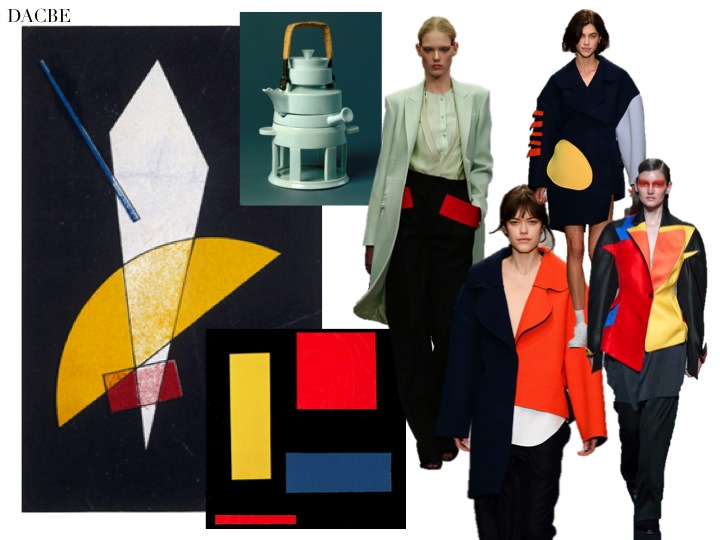
Weimar was another artistic movement, but this time coming from Germany. With Bauhaus at it’s roots, Weimar was popular for it’s geometrical forms, strong colours and minimalism. The rectangular pockets from Givenchy are totally Weimar, isn’t it? And these Jacquemus coats and bold, Thomas Tait dresses…

Slide4

Bauhaus! art school in Germany that combined crafts and the fine arts, and was famous for the approach to design that it publicized and taught. It operated from 1919 to 1933. At that time the German term  Bauhaus – literally “house of construction” – was understood as meaning “School of Building”. It’s most famous graduate? Mies Van Der Rohe. But nowaday, it’s Prada, Balenciaga, Alexander Wang, Dior and Acne, who does the symetrical silhouttes and metallic “constructions” in their designs (best example- that Prada wedge).
Slide5

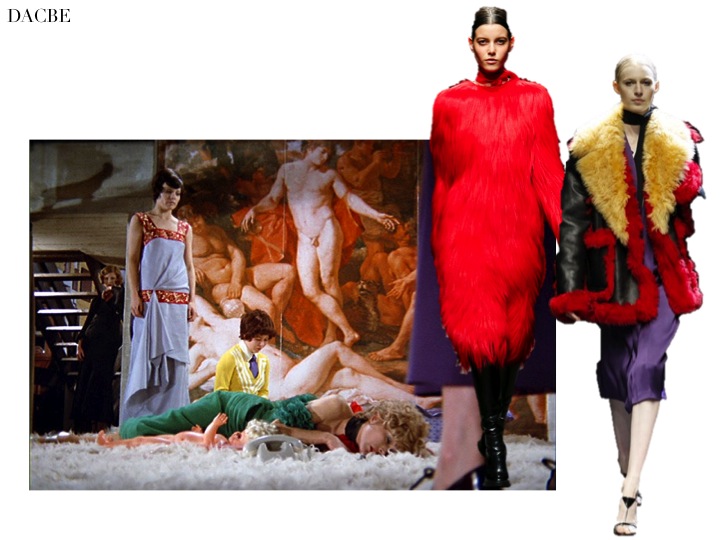
If talking of cinema, Miuccia Prada learnt by hard all the scens of The Bitter Tears of Petra von Kant. This German movie from 1972 has an all-female cast and is set in the home of the protagonist, Petra von Kant (Berliner fashion designer). It follows the changing dynamics in her relationships with the other women. It’s very sensual, and the clothes and mood perfectly match into Prada’s AW14.

Slide6-kopia

The Place of Meeting Can’t be Changed is a Russian movie, which has it’s plot happening in 1945, Moscow. The fashion here strongly reflects Nicolas Ghesquiere’s debutant Louis Vuitton collection. The higlighted collars, masculine jackets, v cuts, floral prints and tweed are all very, very 40’s.
Slide7

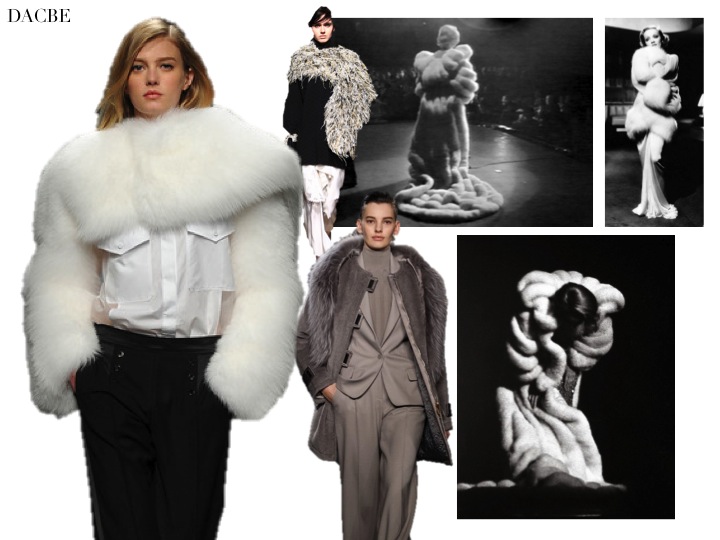
Aah, Marlene Dietrich! The famous singer and actress, all-time fashion icon! Her flawless gowns and love to non-chalant fur is strongly visible in the moodboards of such designers like Jason Wu, Rodebjer and Ports 1961. In other words, lady-like, chic and effortless.