Money Is The Reason We Exist. Balenciaga Resort 2023

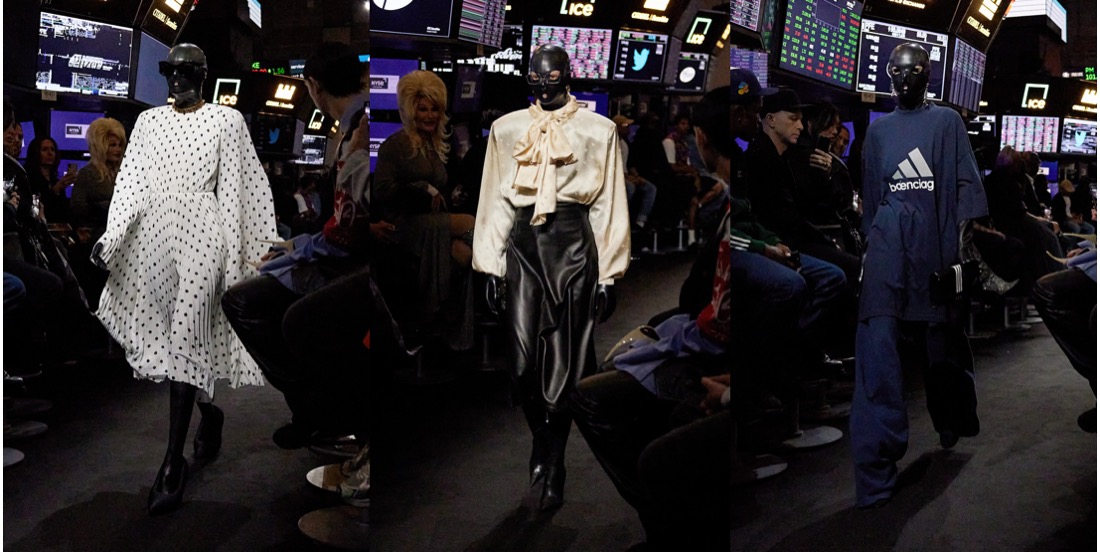
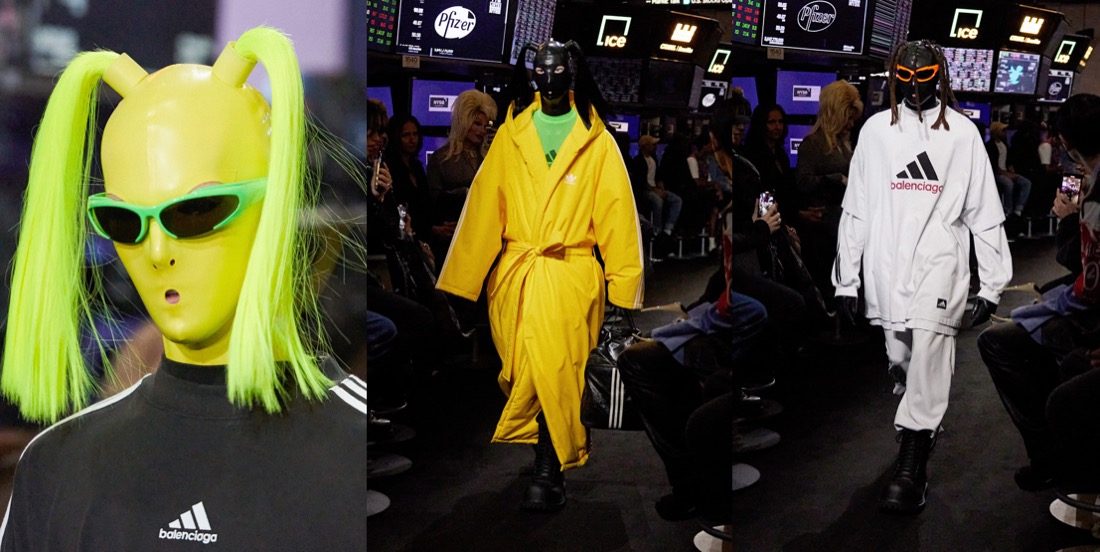
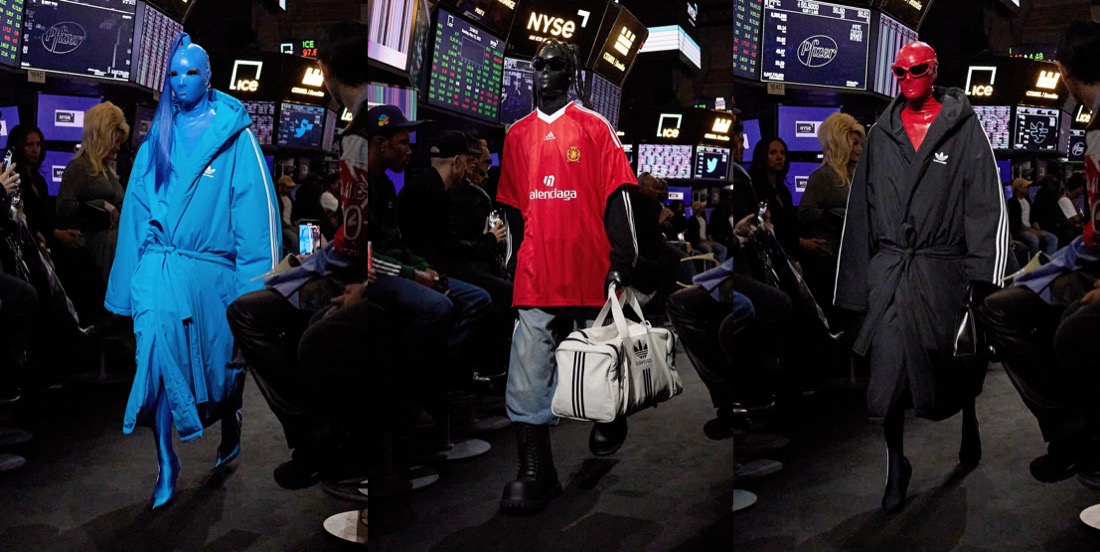
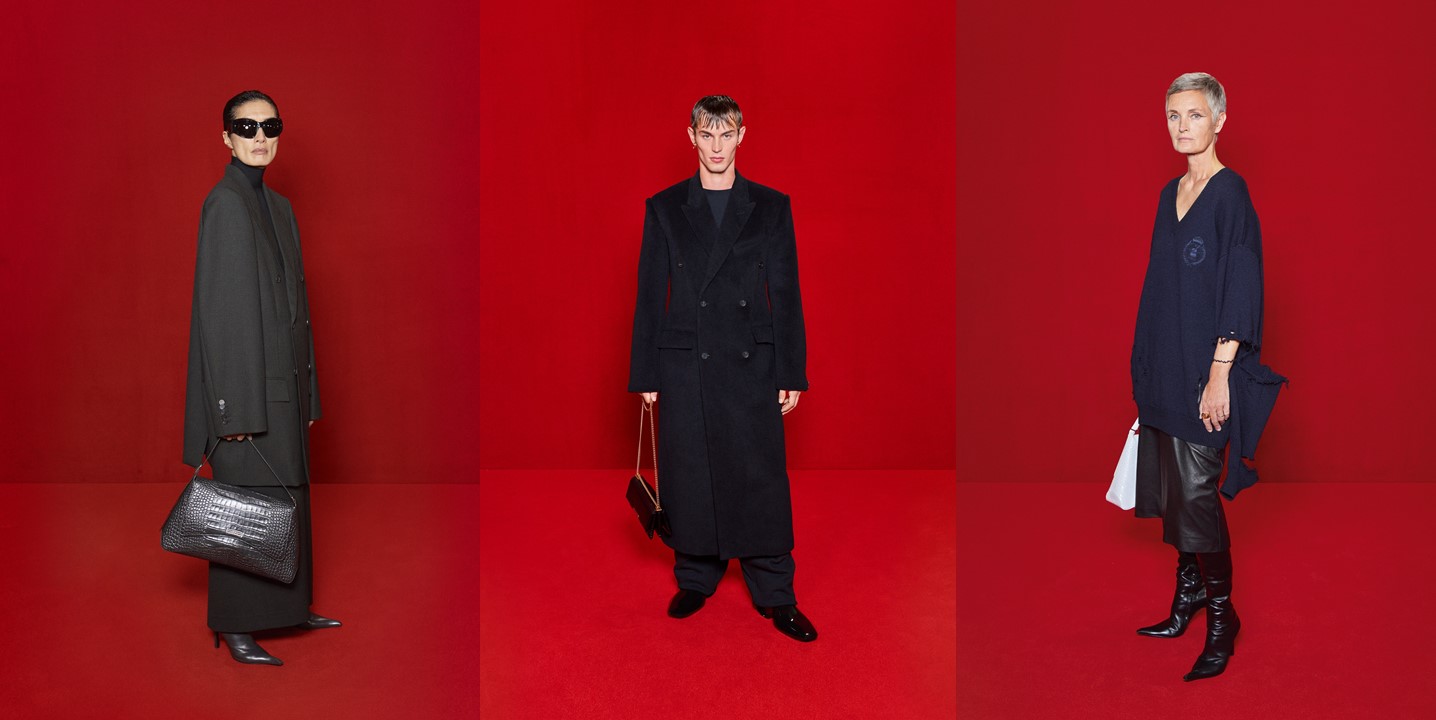
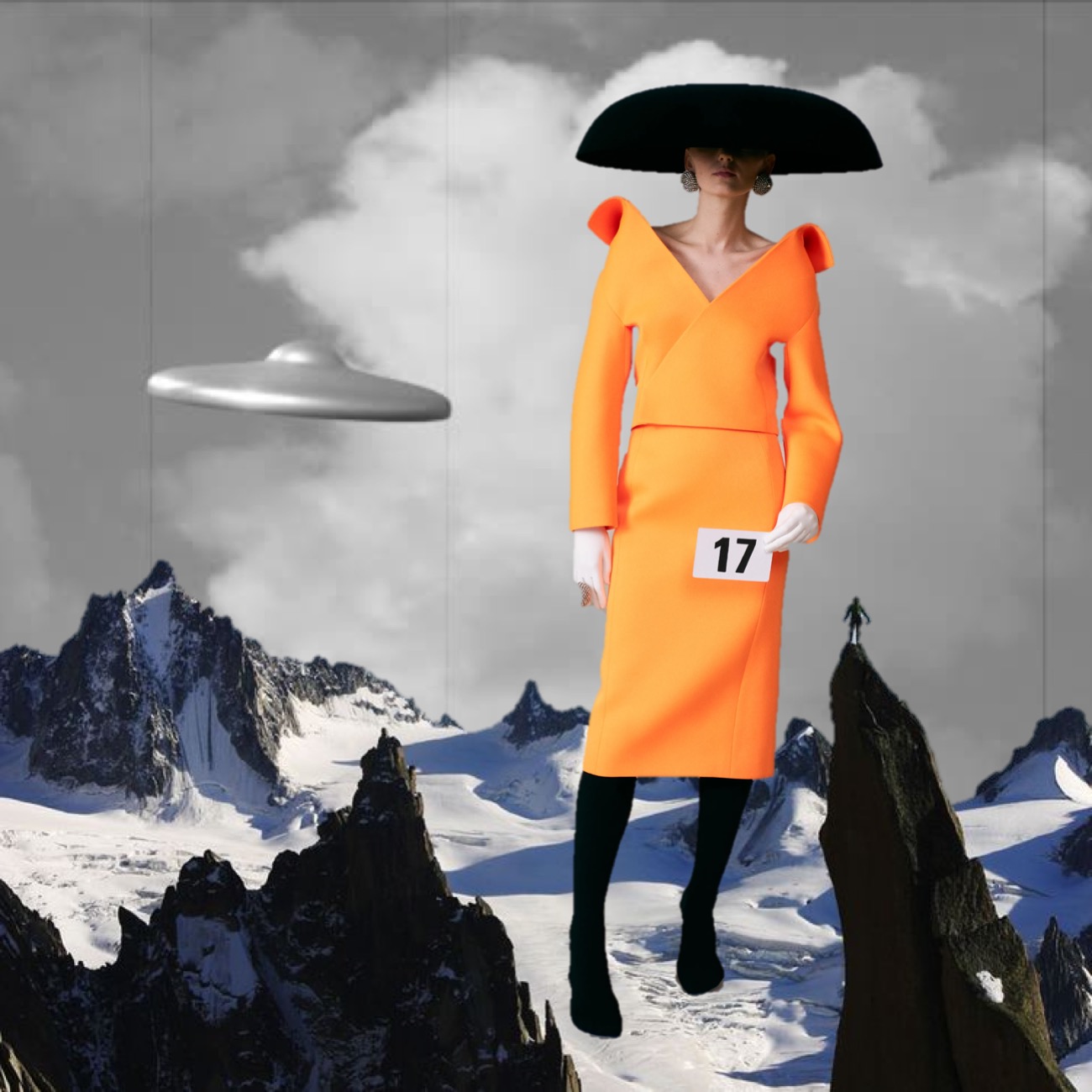
As the Lana Del Rey song goes, “Money is the reason we exist, Everybody knows it, it’s a fact (kiss, kiss)“. With a heavily ironic sense, that’s what Demna meant with his resort 2023 Balenciaga show, which was presented last week in New York. Not just anywhere – the show began with the ringing of the opening bell at the kingdom of capitalism, the New York Stock Exchange. The floor traders had been replaced by Pharrell Williams, Kanye West, Chloe Sevigny (and her husband Siniša Mačković), Megan Thee Stallion, Frank Ocean, and the city’s Mayor Eric Adams. The loaction couldn’t be more unsettling: Wall Street has taken quite a hit these past few weeks; headlines about a looming recession abound. But that suits the Balenciaga creative director just fine. Demna has never shied away from darkness or menace, and this show was no exception. Latex bodysuits fully obscured his models’ faces; they were corporate raiders of a different kind. “We have to trigger emotion,” he said backstage, wearing a face-obscuring mask of his own. “We live in a terrifying world, and I think fashion is a reflection of that… I think it was quite urgent, a quite urgent show.” The invitation was a fat stack of fake 100s. It’s a mistake, though, to consider the collection or its presentation as a critique of capitalism. “The most important kind of challenge for any kind of creative is to make a product that is desirable, to create desire. That’s what fashion should do,” Demna said.
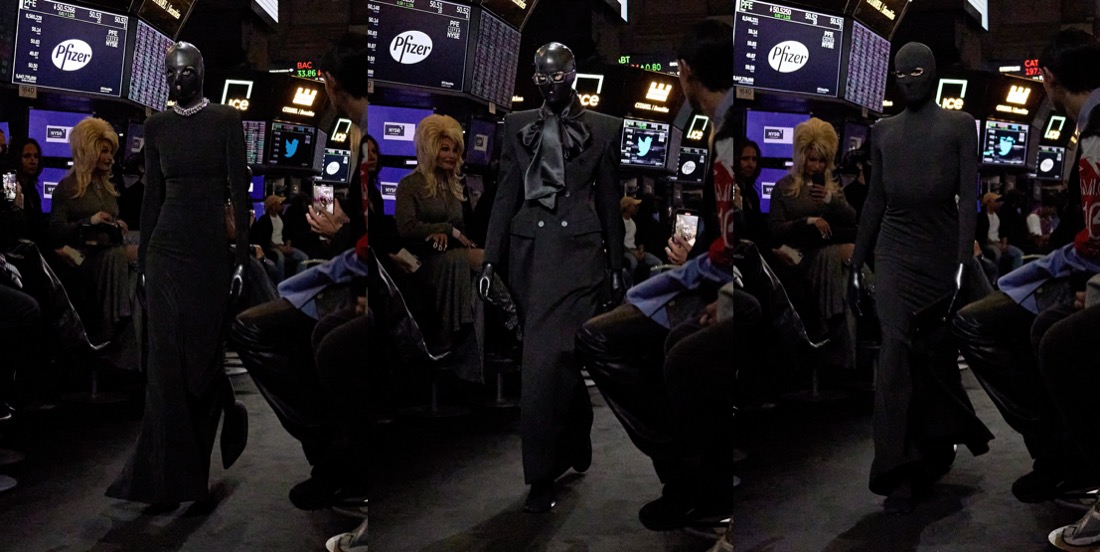
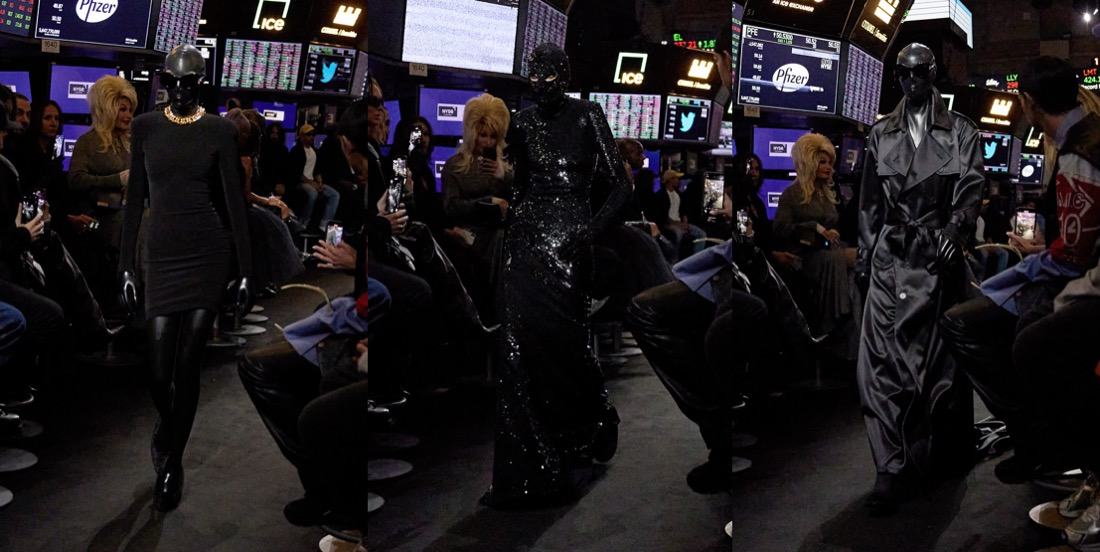
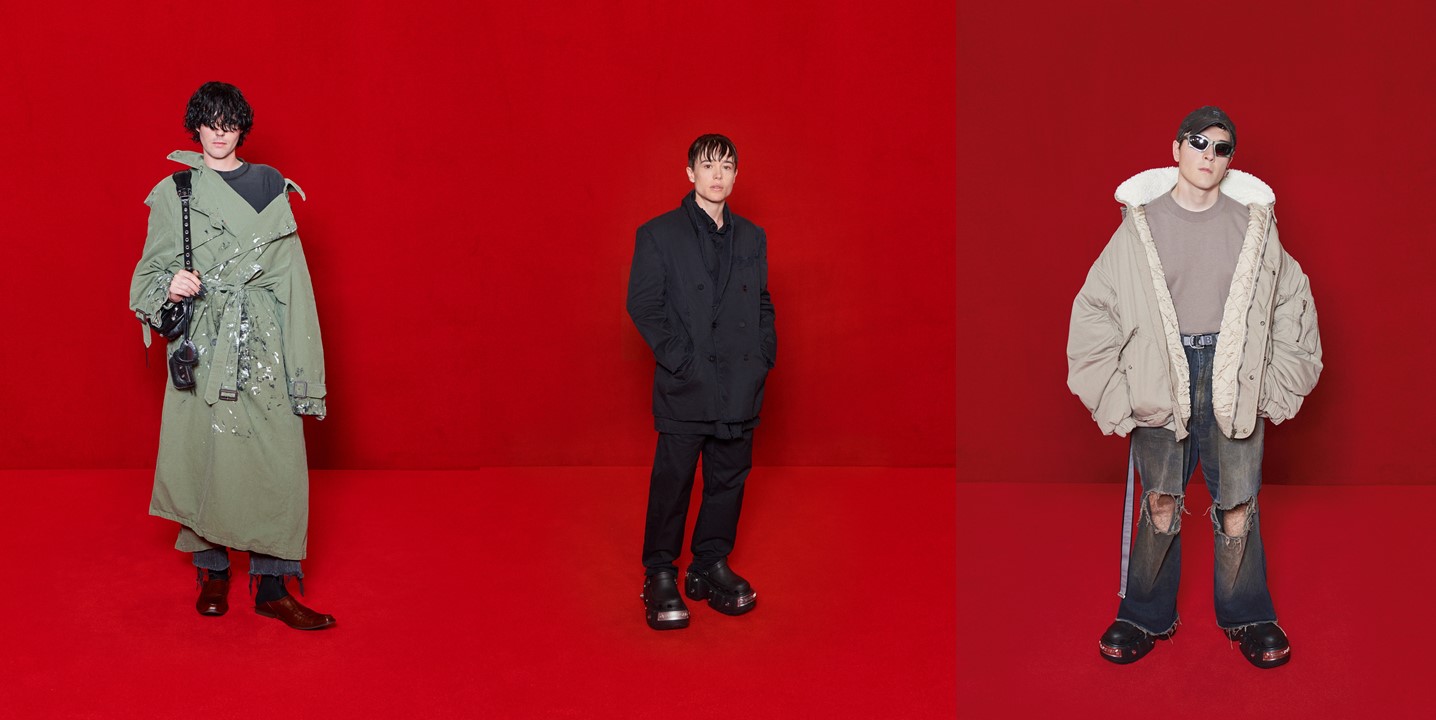
To keep desire thrumming for its diverse audience, which is the point of these mid-season collections, the show was divided into three parts. It started with the introduction of a new “Garde-Robe,” or wardrobe, of what Demna described as “upscale classic garments.” The offering, he said, was inspired by the relaunch of the house’s couture collection last year, which was built on a foundation of tailoring. “I realized we were missing this segment of the classic wardrobe,” he explained. Classic here meant suits and overcoats, cut in the oversized, drop-shoulder shape Demna favors, and which have become hugely influential at all levels of fashion in the wake of that couture debut. Voluptuous silk jacquard pussybow blouses à la Melanie Griffith in Working Girl acted as accompaniments. The second element of the collection was eveningwear in the form of second-skin sequined gowns and silk trench dresses with trains whose supreme elegance wasn’t undercut by the pneumatic padded pumps they were worn with. In contrast, the super-sized lace-up boots that were paired with many of the show’s other looks and modeled by Ye in the front row were memeably outlandish in their proportions. Part three showcased Demna’s collaboration with Adidas. If he was trying to shake off the image of Balenciaga as a maker of high-class hoodies with Garde-Robe this section drove home the continued dominance of the sportswear category. There were tracksuits, scaled up t-shirts, boxer’s robes, and track dresses, all bearing adidas’s iconic stripes, a modified trefoil logo, or the Balenciaga name spelled in its partner’s lowercase typeface. Much of it was available to buy or pre-order on Balenciaga.com directly after the show. Set against the background of a glitchy stock market and an imminent system crash, this Balenciaga show was confident, versatile, and dangerous. But also how simple, yet so genius. That’s Demna all over.

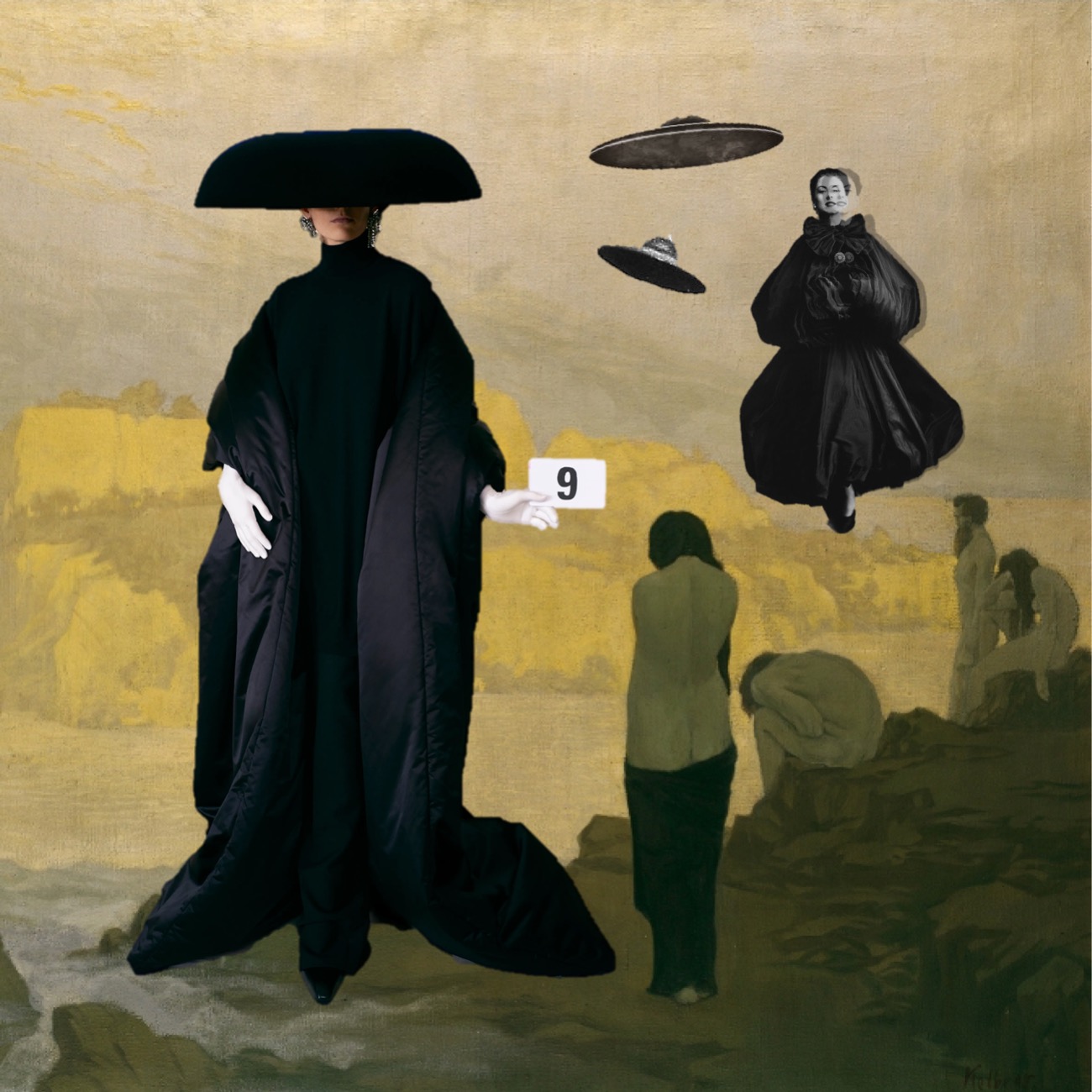
Collage by Edward Kanarecki.

NET-A-PORTER Limited

Blizzard. Balenciaga AW22

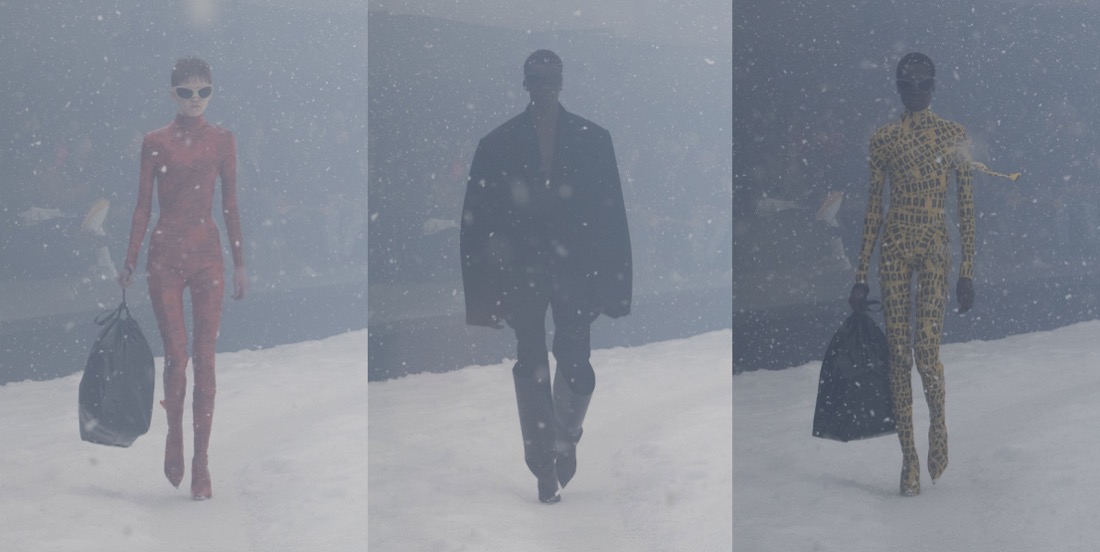
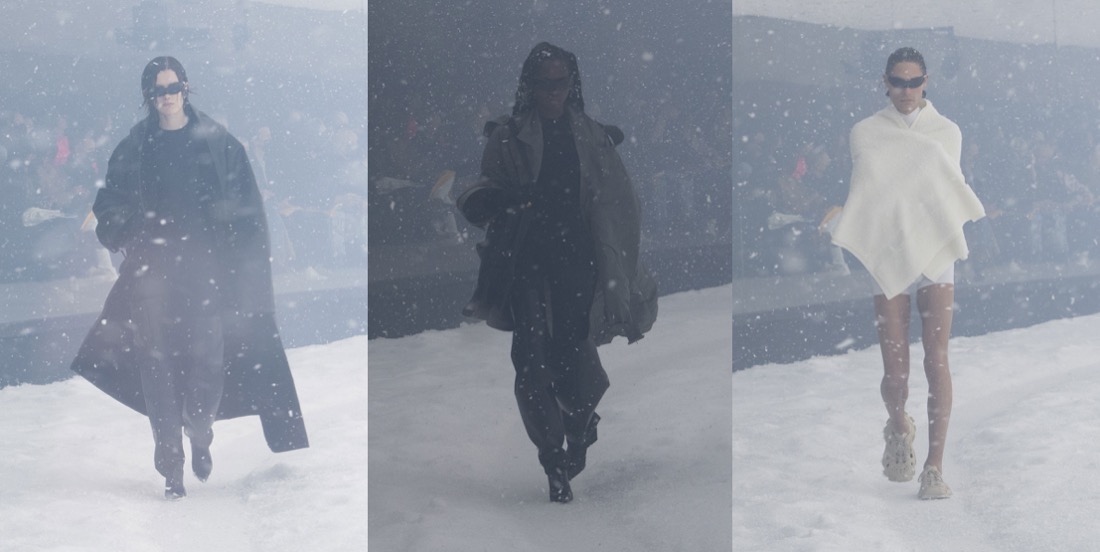
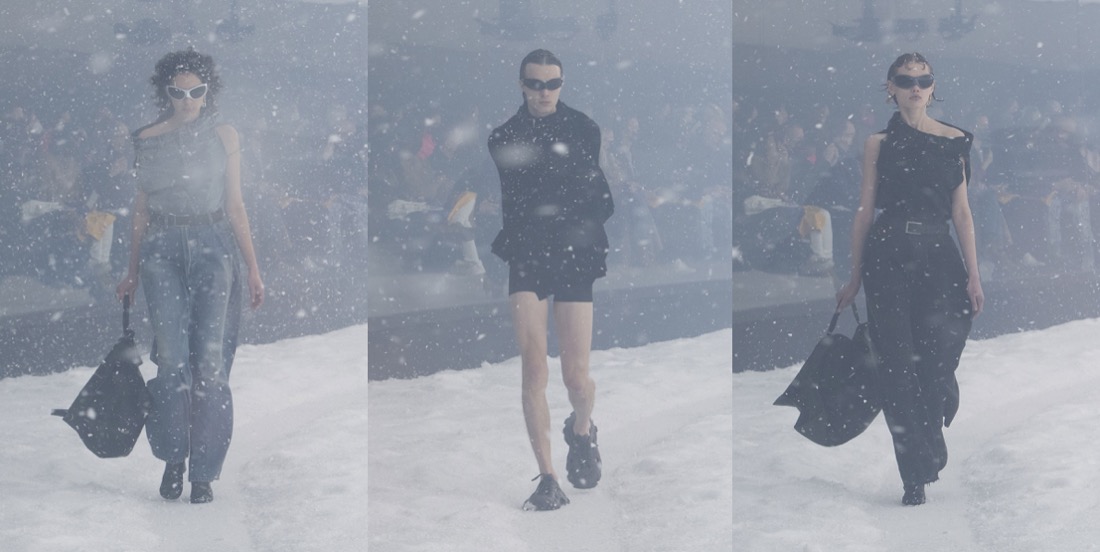
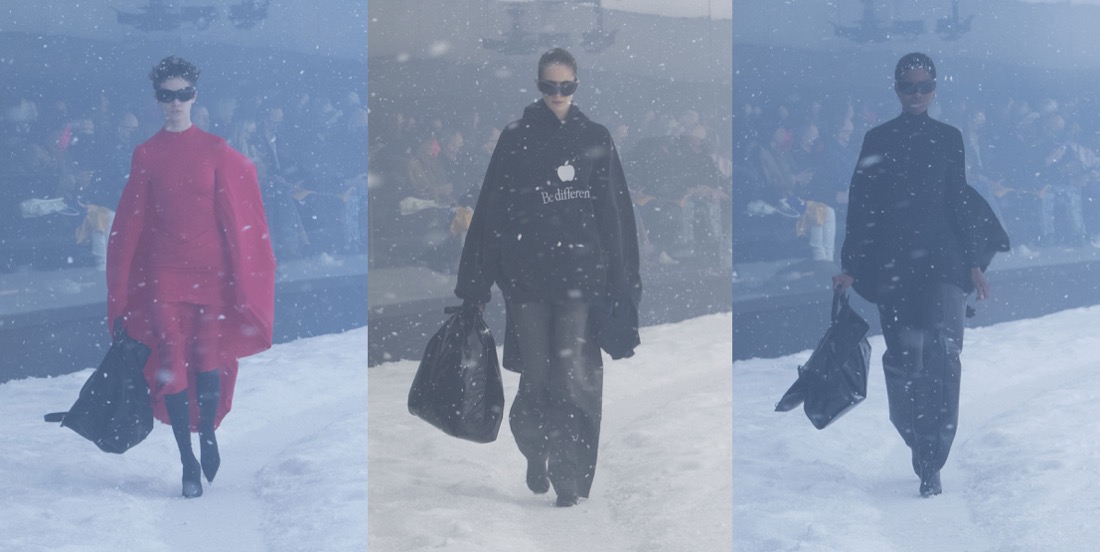
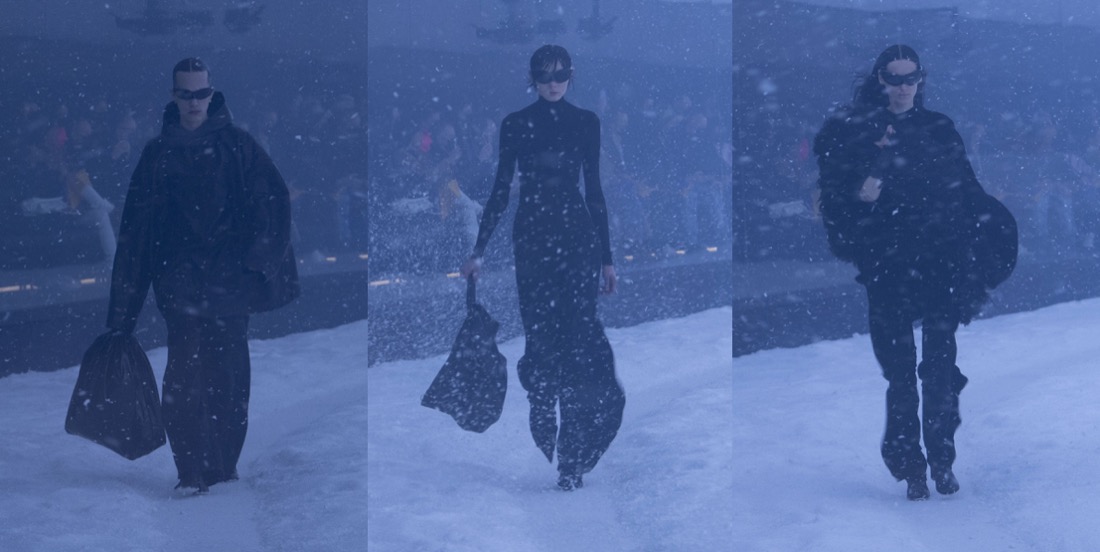
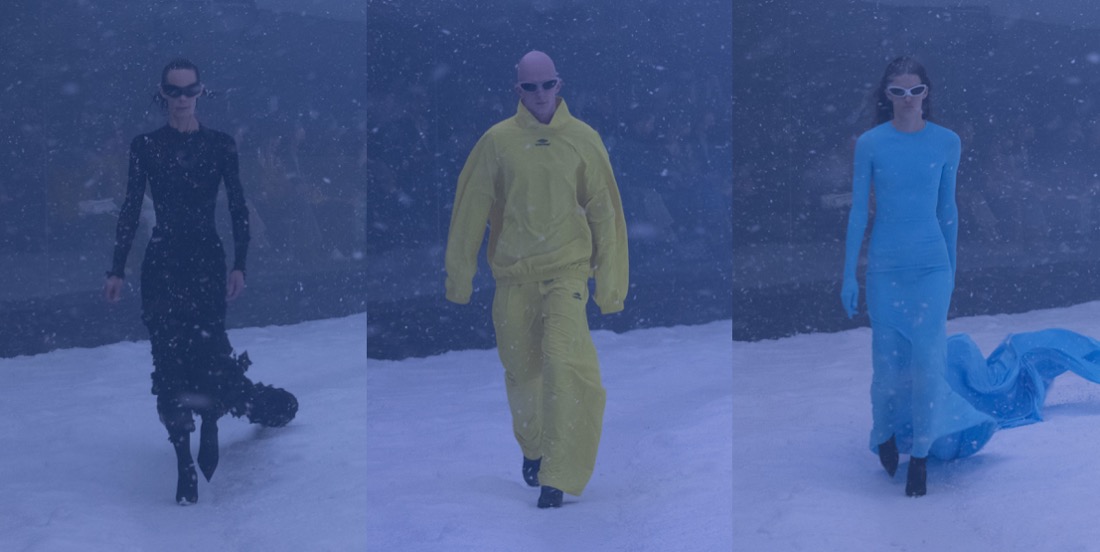
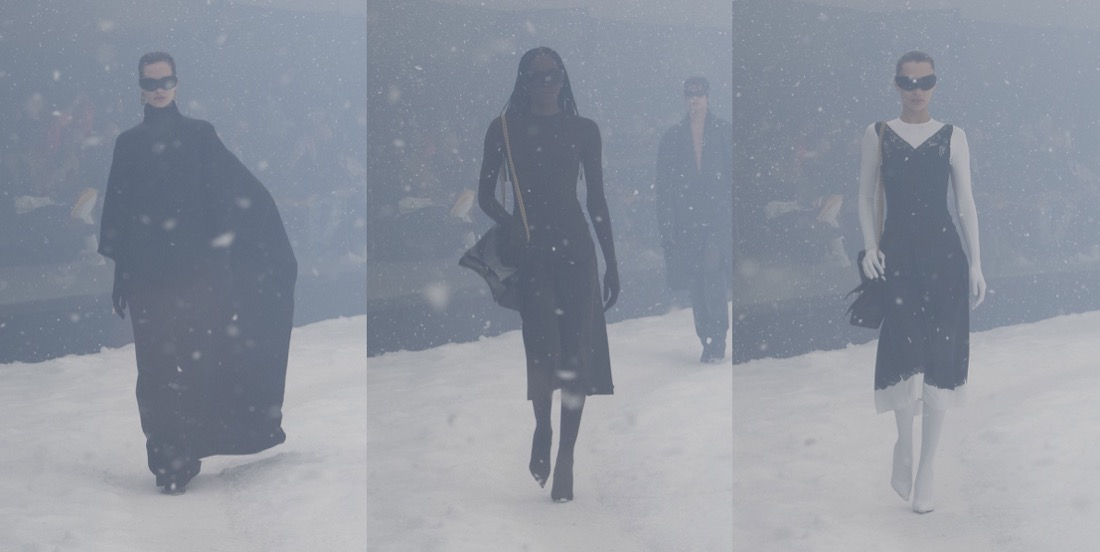
In 2022, Demna is the one and only designer who is able to connect and interwine design with the tough reality, creating fashion that is meaningful, emotional and truly, truly capturing the zeitgeist. Before sharp lights illuminated the giant snow-filled arena erected within Le Bourget where Balenciaga’s most epic and emotional show ever played out, Demna (who no longer uses his surname in a professional capacity) recited a poem in Ukrainian over the speakers. “It’s a poem to Ukraine about being strong, about focusing on love, and that its sons will protect it. That’s not a good translation, but the people I wanted to send this message to will understand it,” he said backstage after the show. On every seat, he had placed a T-shirt dyed in the blue and yellow colours of the Ukrainian flag, and a written statement explaining how he had decided to go on with the show because he didn’t want to give in “to the evil that has already hurt me so much”. Thirty years ago, when he was just 10 years old, Demna and his family fled their native Abkhazia in Georgia, after local separatists with ties to Russia claimed the land and killed more than 5,000 ethnic Georgians. Originally, Demna meant for his giant, manmade arctic set to reflect the ecological decline we’re experiencing in a time of climate change. “It was a comment on what’s going on in the world. Maybe in 50 years, people will have to go to these places to have an artificial experience of a certain weather condition that we take for granted,” he said. “But it turned into something else, which often happens with my shows, somehow.” Watching his largely black-clad cast fight their way through a snowstorm in the mountain-like territory he had built was terrifyingly apropos and – with the addition of a traditional Slavonic piano soundtrack – completely heart-wrenching. Some were dressed in their finest eveningwear, others in towels, some carrying their shoes on their backs. There’s a very blurry line between fetishizing a humanitarian tragedy and sending out a heart-felt message. While other designers would not be able to tackle that topic, in case of Demna, everything felt utterly right at this turbulent moment in contemporary history.

Next to the more haunting imagery that unfolded on his runway – those half-naked people fighting their way through the snow – garments had an air of disposability about them, the kind of make-do and mend we associate with times of turbulence. They were rooted in his own memories: handbags looked like fabric sacks tied together with drawstrings. Floral dresses evoked the repurposing of old upholstery. As they wafted in the harsh wind, the trains of evening gowns appeared shredded as if they had been beaten by the weather. Super light trench coats were constructed so they could be compressed into their own pockets. A bodysuit was created entirely from yellow tape wrapped around the body (in the audience, Kim Kardashian wore an identical piece she said had taken 30 minutes to tape up in the morning). “I used to do that as a little Georgian boy playing with curtains and tape, and being punished for it,” Demna smiled. “It’s a revenge for that; a payback moment. But it also made everything less madame, less bourgeois, less upper-class,” he said, referring to a fur coat in trompe l’oeil embroidery wrapped in tape. “It’s no longer the image of a rich lady walking in an expensive area. It breaks that. I like that an element like that can break a silhouette and re-contextualise it.”

It’s only innocent people who die in war. I’ve experienced that and actually blocked it out for 30 years, until I started reading the news last week. It brought all this pain back, like anyone who has gone through that,” Demna declared in the show’s press release. “The message is love, always. And fashion has to assume that, at least in terms of taking a position on it.” The show was an example of how important context is to a staging like this in the age of social media; how important it was to know Demna’s own story to grasp the authenticity behind the imagery he presented. It was an epic, terrifying, beautiful, and heartbreaking experience in a season when the contrasts between fashion and its surrounding worlds couldn’t have been greater. As Demna said, “To me, fashion somehow doesn’t matter right now.”

Collage by Edward Kanarecki.

On The Lost Tape. Balenciaga Pre-Fall 2022

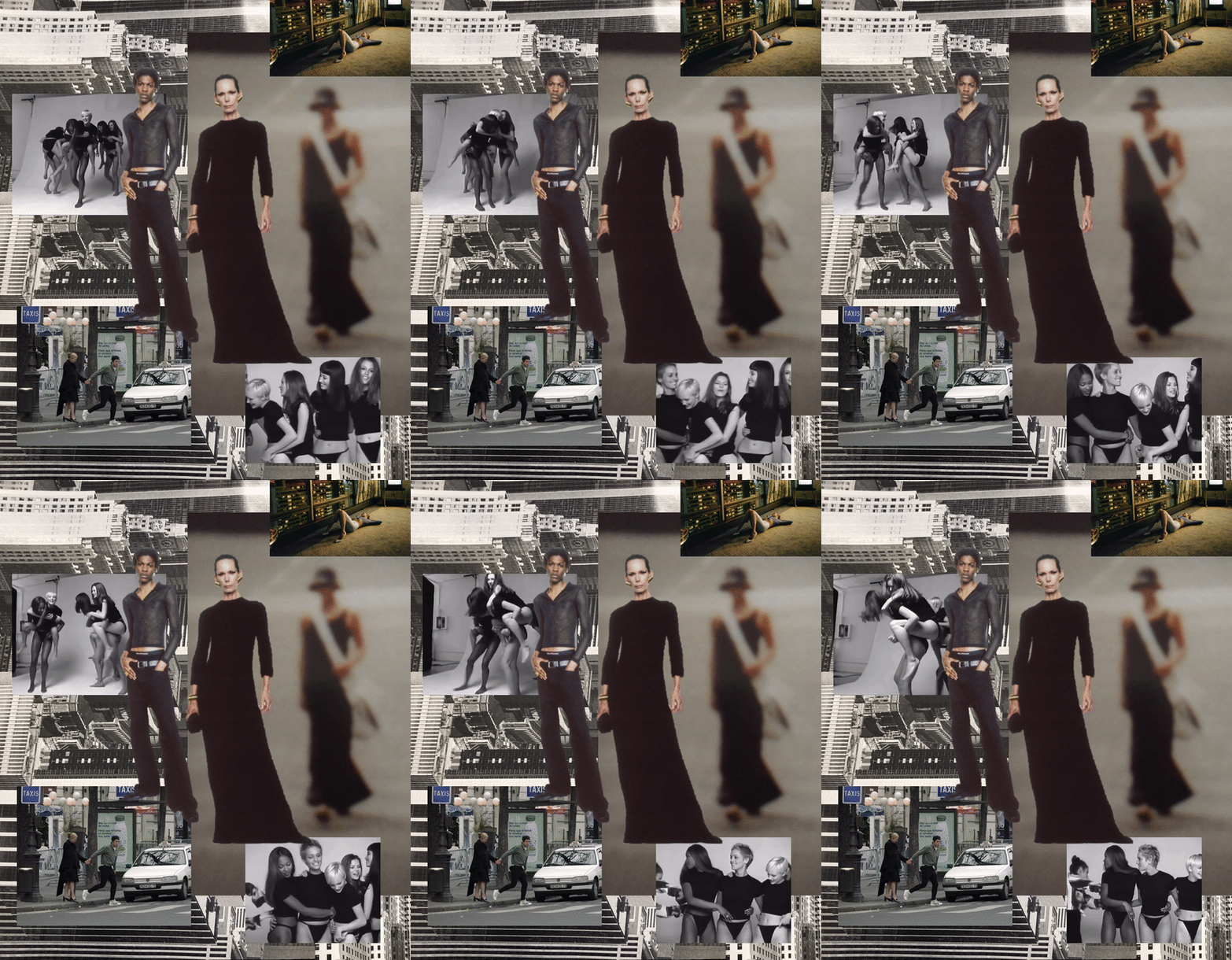
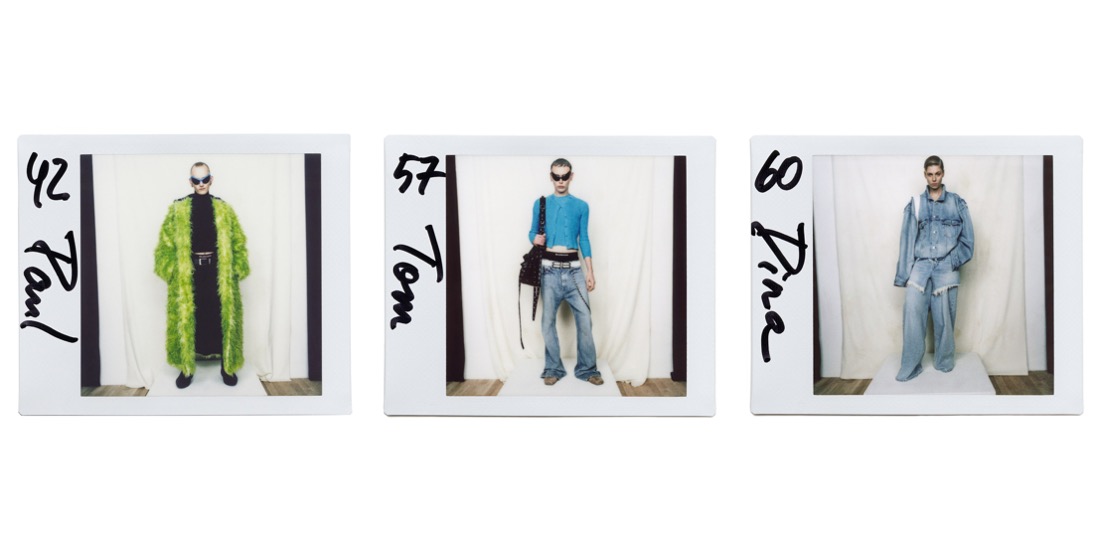
And just like that (no pun intended!), Demna (note: from now on, Demna (Gvasalia) uses only his first name, distinguishing an artist title from a birthname and therefore separating creative work from personal life) does it again. He’s the modern-day fashion genius, we know it by now. Also, good bye to the Y2K trend – the 1990s are back. The Balenciaga pre-fall 2022 presentation comes in the form of a message from the past about what could have been and never was. It recalls a time when clothing that was alive with raw ideas – anti-fashion, deconstruction, and monochromatic minimalism – could be found anywhere from an industry spectacle to the active underground. “On The Lost Tape“, a fashion show is characterized by the people and things that defined this late-90s era, filmed using a VHS camera by the one & only Harmony Korine. The collection symbolically fills a gap from Balenciaga’s forgotten years. Raver and post-grunge silhouettes are pushed to their limits. Proportions are played with, creating new silhouettes and evolving others, including Balenciaga signatures like the Basque waist jacket and the track suit. Front-to-back pieces are studies of classic suiting and tweed dresses that question closure placement, reverse-engineering constructions to become tailored. Ultra-stretchy knits make these and shrunken twin sets easy to put on. Vintage slip dresses are disassembled and pieced back together. Five-pocket jeans are cut up to create a three-piece silhouette that can be worn as a miniskirt, pants, or XL thigh-high boots. Fluid tailoring gives a deconstructed suit an unlined raglan sleeve, in the collection’s Belgian avant-goth tones. A Couture-like bell-shaped puffer’s detachable bow can be used as a scarf. Wrap closures use DIY ways of fastening, like oversized safety pins. And what’s the designer’s dream 90s look? “Me, my favorite looks are the flared raver jeans with the crop tops,” he told Vogue and chuckled wistfully. “Couldn’t wear it now, but reminds me of gay Soviet Georgia underground clubs.” Worth adding: Demna’s commitment to responsible production continues, represented this season with 89.6% certified sustainable plain and printed ready-to-wear fabrics as well as pieces of upcycled leather used in garments and accessories.

Collage by Edward Kanarecki.
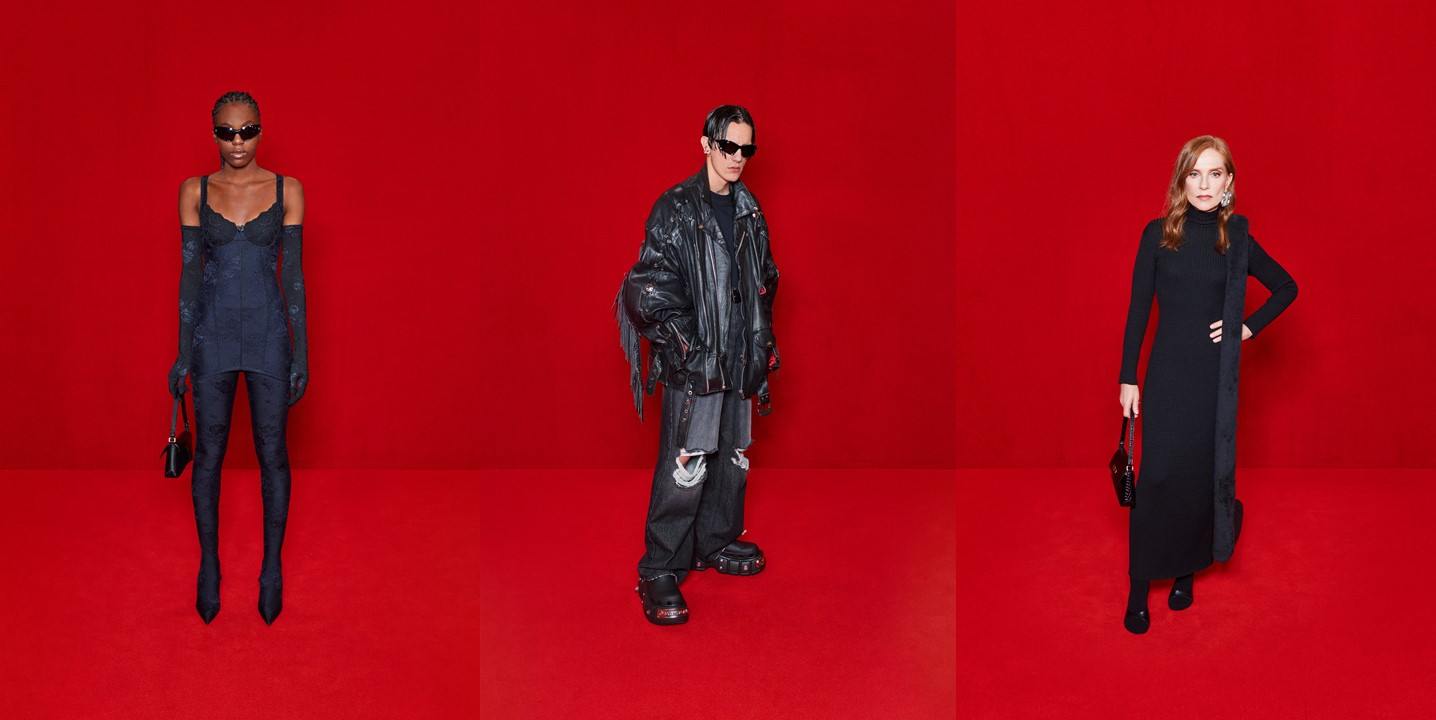
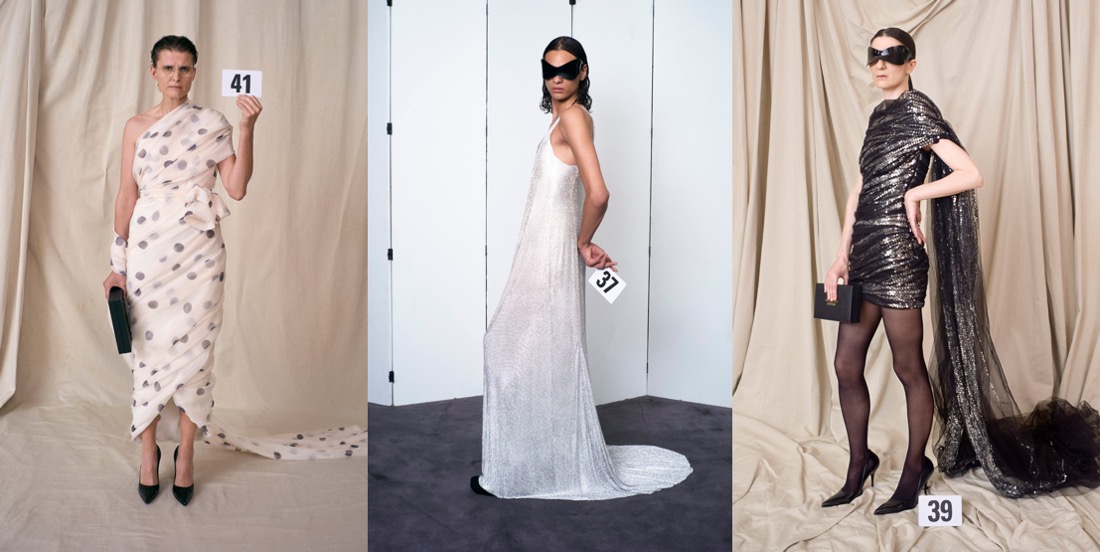
Red Carpet. Balenciaga SS22

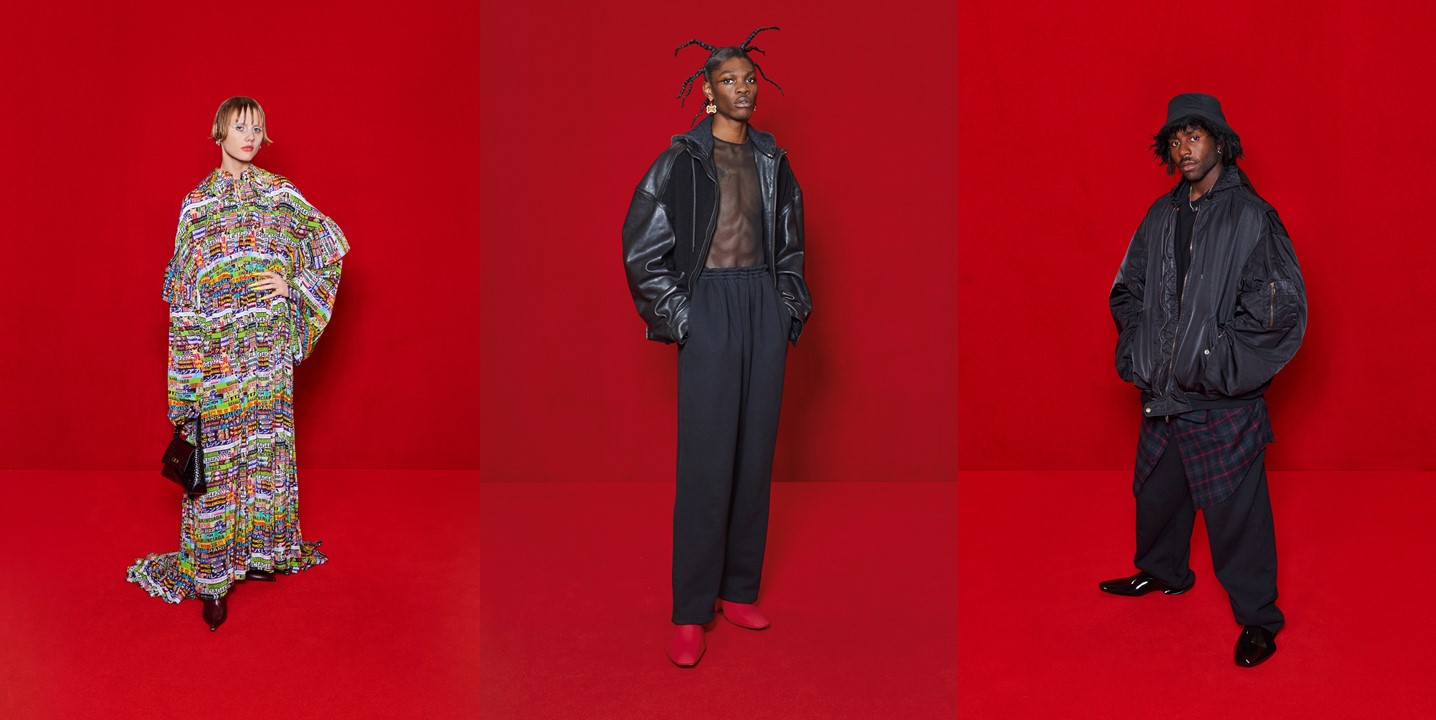
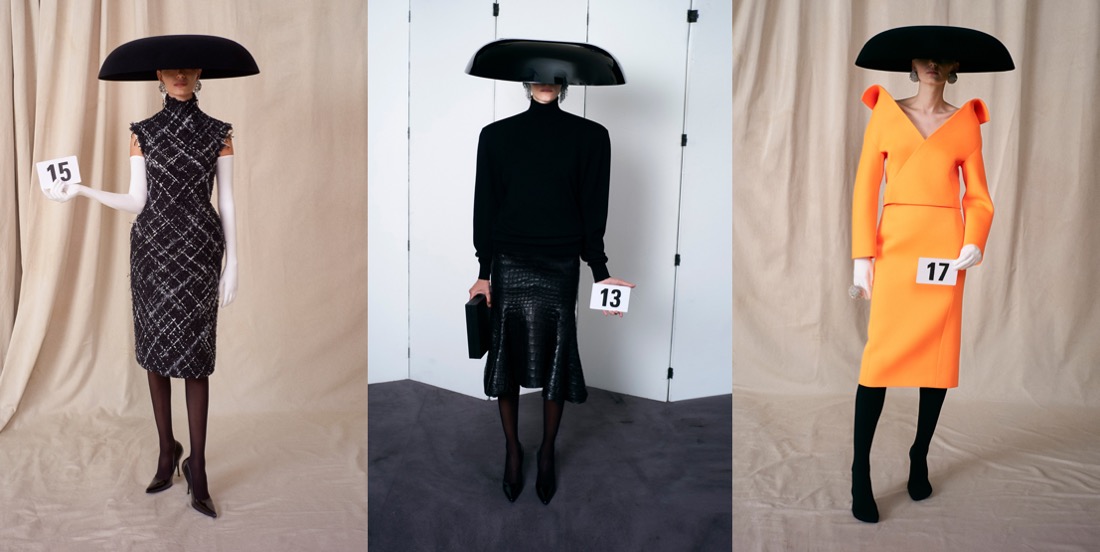
Demna Gvasalia returned to Paris Fashion Week with his Balenciaga, and to all the others: game over. He won the week. Again, he’s a genius. “Well,” remarked Gvasalia, with a considerable amount of laconic understatement, “we needed something fun to happen.” For spring-summer 2022, he staged a fake red carpet celebrity-studded, movie-style premiere event and a real one. “I’ve wanted to do a premiere concept where the guests would be the show for many seasons,” he said. “It was nice to have a social occasion again. I hoped it would make people smile.” It was hysterical – in the best possible way. The regular fashion show audience was seated inside the Théâtre du Châtelet at 8 p.m., watching a big-screen livestream of the red carpet arrivals going on in a tent outside. Soon, it was clear that everyone was in on the joke: the familiar Balenciaga tribe of Demna’s house models, lining up to pose in character as celebrities; actual celebrities lining up to pose as models; celebrity models posing as celebrity models. Cardi B and Offset! Dev Hynes! Naomi Campbell! Juergen Teller and Dovile Dryzite! Ella Emhoff! Elliot Page! Isabelle Huppert! Live TV camera feeds zoomed in on faces, raked outfits, shoes, spiky boots, jewelry, and bags. Paparazzi bayed orders. Handlers moved people on in a perfectly performed real-not-real control of lens-hoggers. Inside, hilarity broke out. Numbered looks popped up on-screen. And everyone looked drop-dead glamorously amazing, each to their own, working gigantic gowns, severe-chic sequin columns, outsize black tailoring, skinny bodysuits, fan-pleated dresses, boas, oversized jeans, track pants, evil shades, angular printed-out loafers, monstrous cyber-goth platforms.

Eventually, Demna himself – in a full black face veil, hoodie, and jeans, brought up the rear. “It’s more like a music or movie business, in the way you can convey things,” he said. “I like exploring these borders.” That’s the attitude designers should have in 2021. What the Balenciaga audience didn’t know: the red carpet performance of the spring-summer 2022 collection was the buildup to an actual film premiere of The Simpsons/Balenciaga, in which Marge and Bart (not to spoil the plot) end up modelling in Paris. “Because I’ve always loved The Simpsons, for its whole tongue-in-cheek nature and the slightly romantic-naive side to it” he approached the producers without much hope that they would ever want to collaborate. “But in fact they did. They saw the blue show – the Parliament one – and liked it. Matt Groening’s been amazing,” he said. The fame of Demna and Balenciaga has spread all the way to Springfield. After this, who knows what worlds he’ll conquer next. Whatever he does, I’m in awe.

Collage – or rather fake magazine layout! – by Edward Kanarecki.

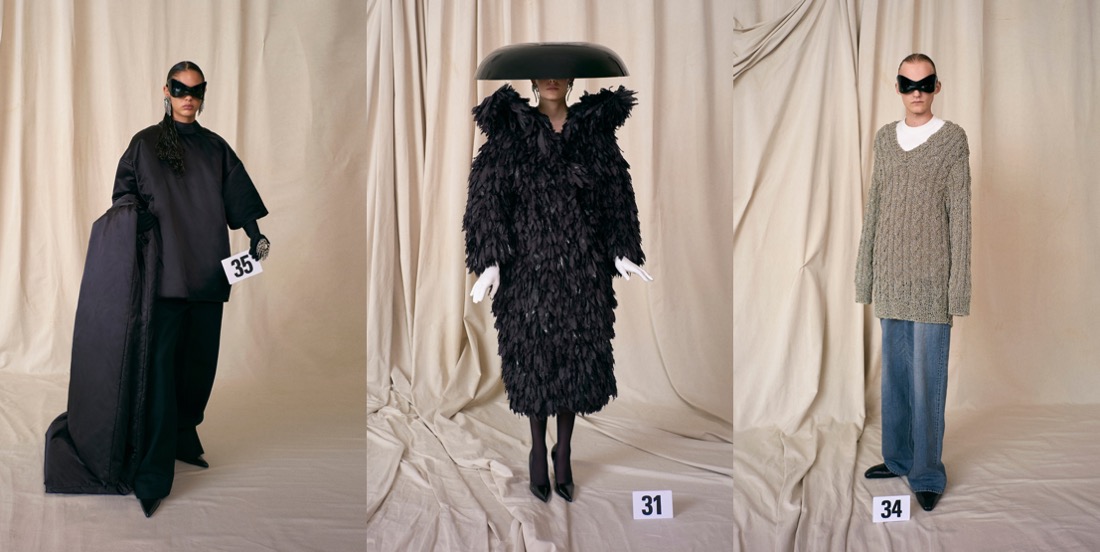
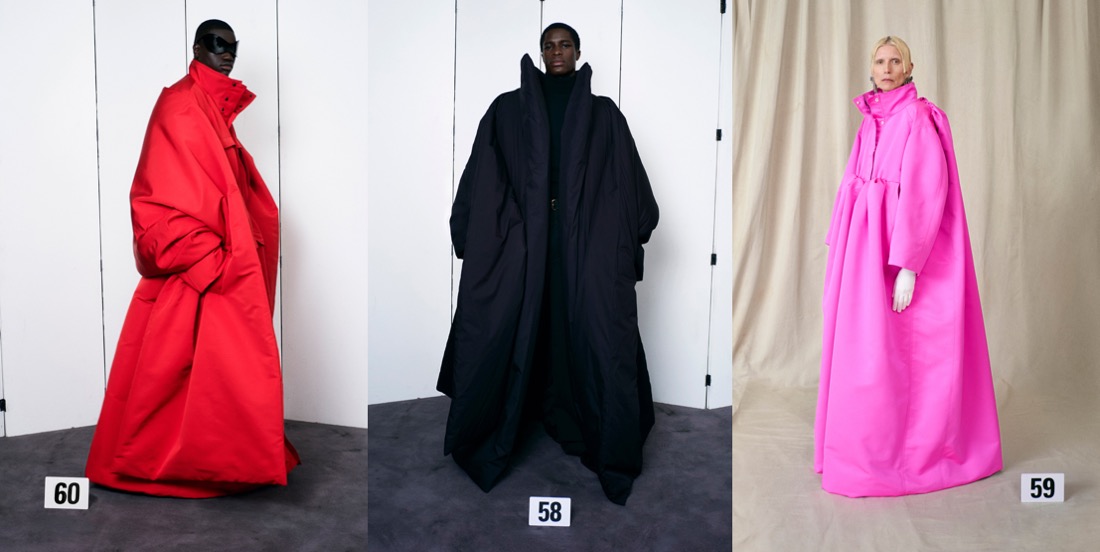
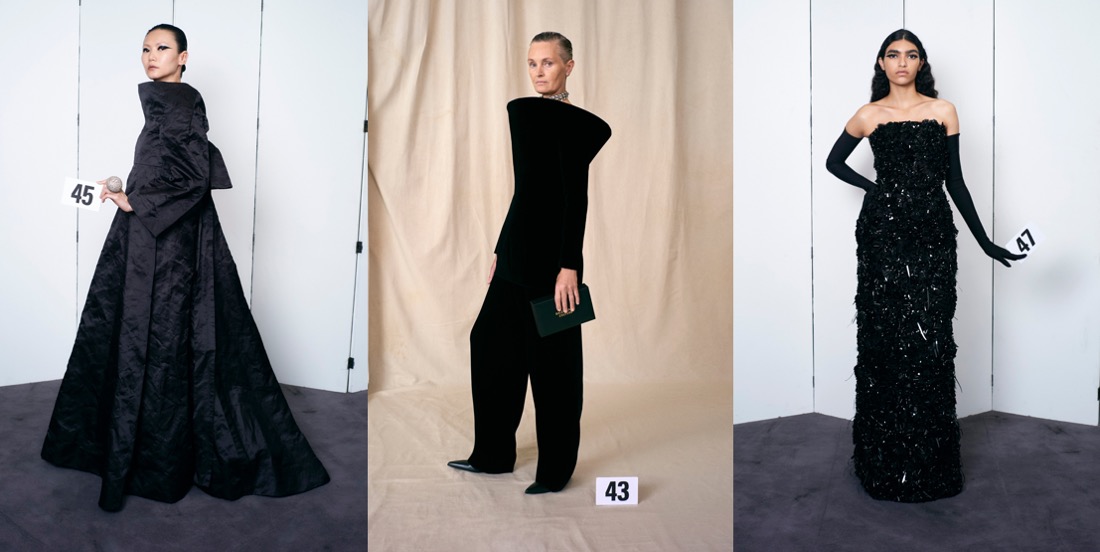
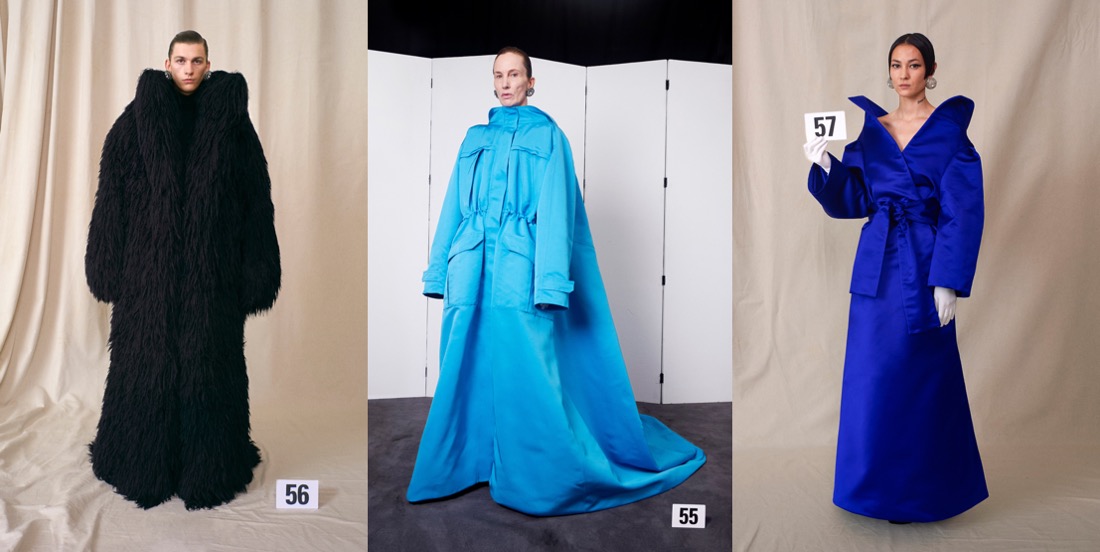
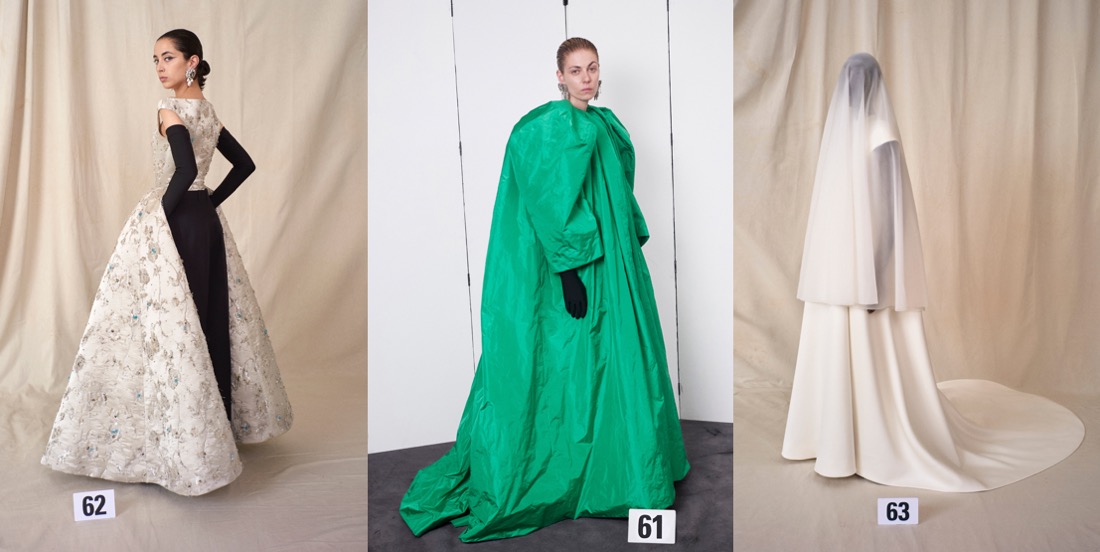
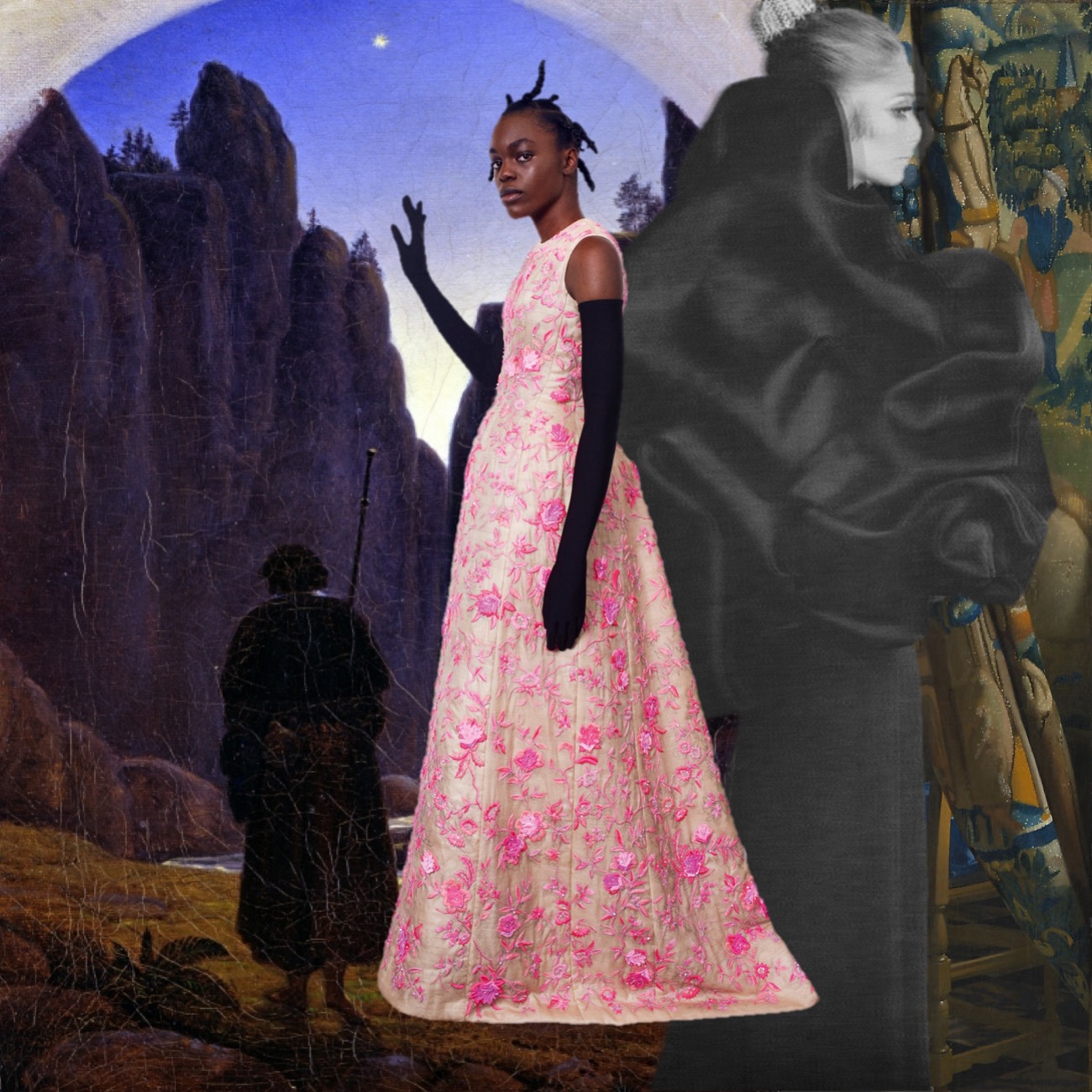
Elevation. Balenciaga AW21 Couture
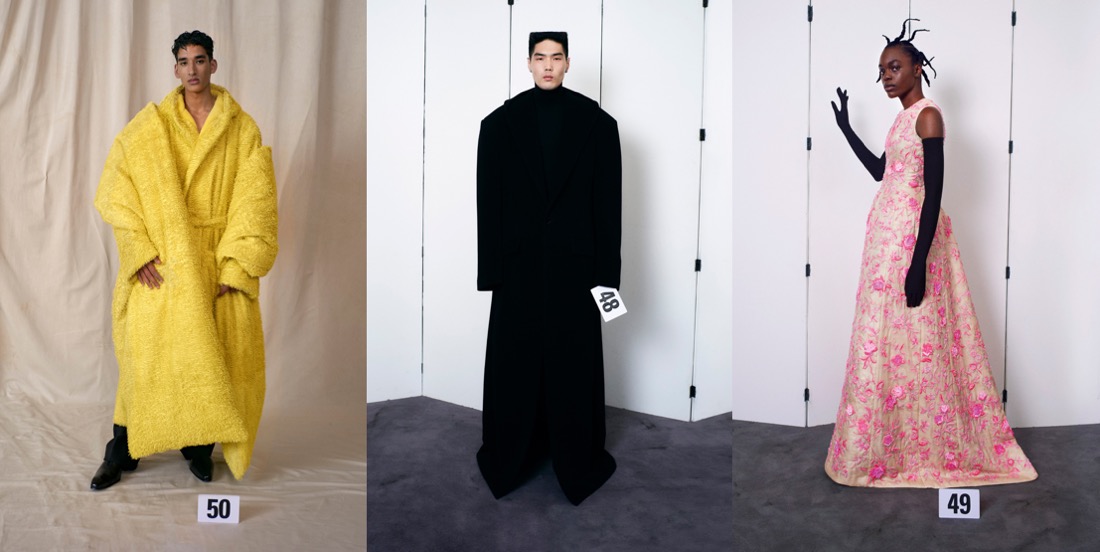
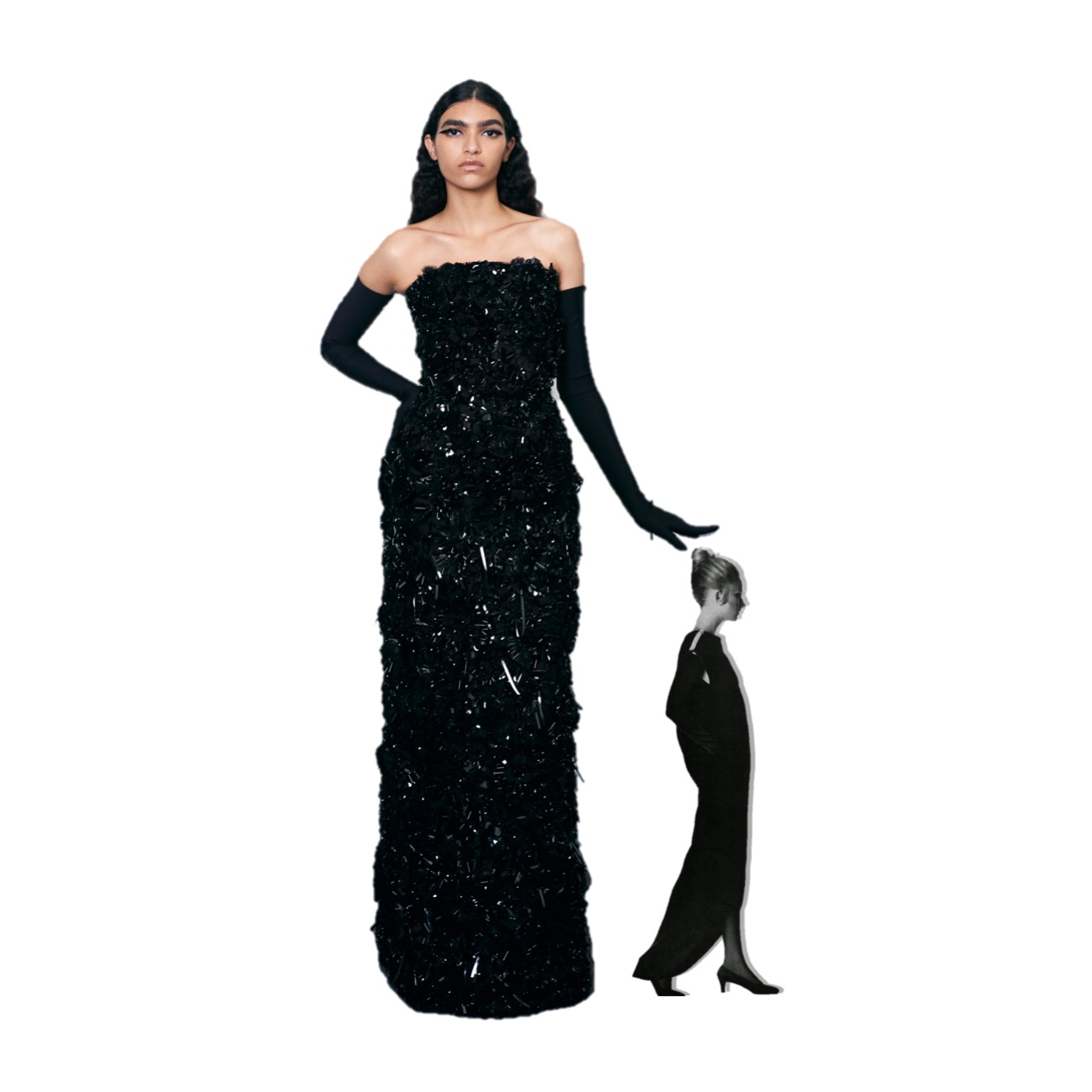
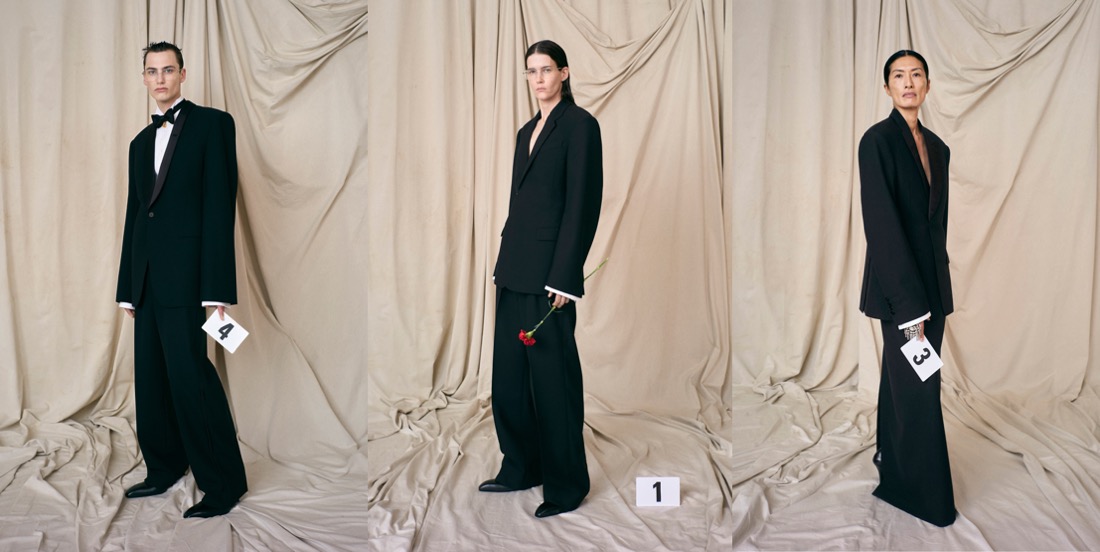
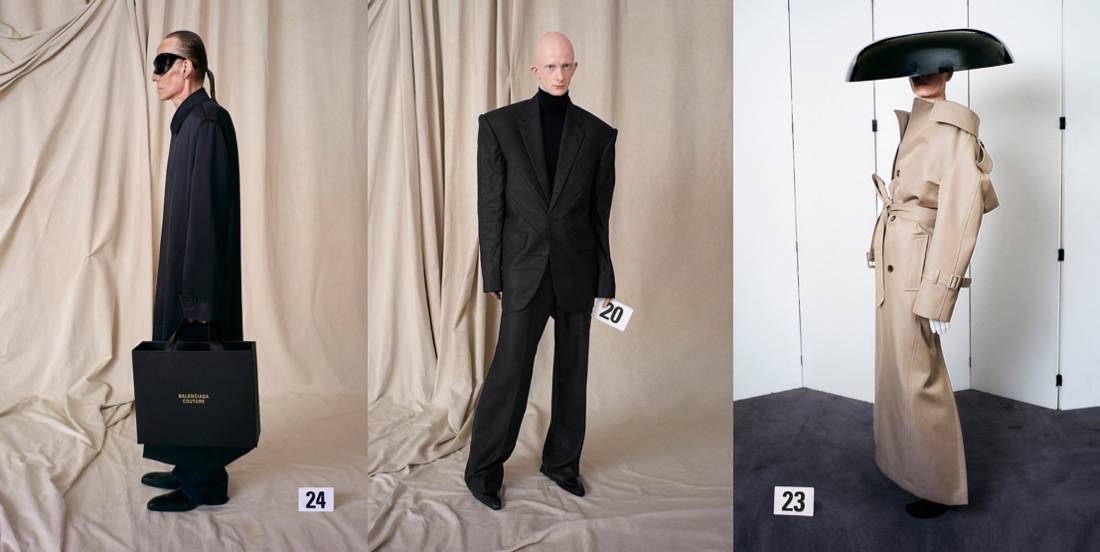
18 months were worth the wait. Demna Gvasalia‘s first (and the maison‘s 50th) haute couture collection for Balenciaga is one of the best things I’ve seen in fashion… in years. Yesterday, a fierce and noble elegance for our new age stalked through the couture salons of Balenciaga at 10 Avenue Georges V. The sound of the gasps of fashion journalists and clients was heard again for the first time in the 53 years since Cristóbal Balenciaga closed his couture house. Monsieur Balenciaga showed in silence to focus the audience on the line, cut, and presence of his clothes. So did Gvasalia. Facing the biggest test of his career, the designer brought a heightened dignity to his own revolutionary vision of 21st-century people while simultaneously honoring the greatest couturier of the 20th century. “It was my minute of silence to the heritage of Cristóbal Balenciaga but also a moment of silence to just shut up for a minute,” he said. “The pandemic made me take that minute of silence – or few months of silence – and really understand what I like in this ‘metier,’ as Cristóbal used to call it,” he said. “And I realized it’s not about fashion – actually, I love clothes. I’ve been talking about clothes, clothes, clothes rather than fashion.”

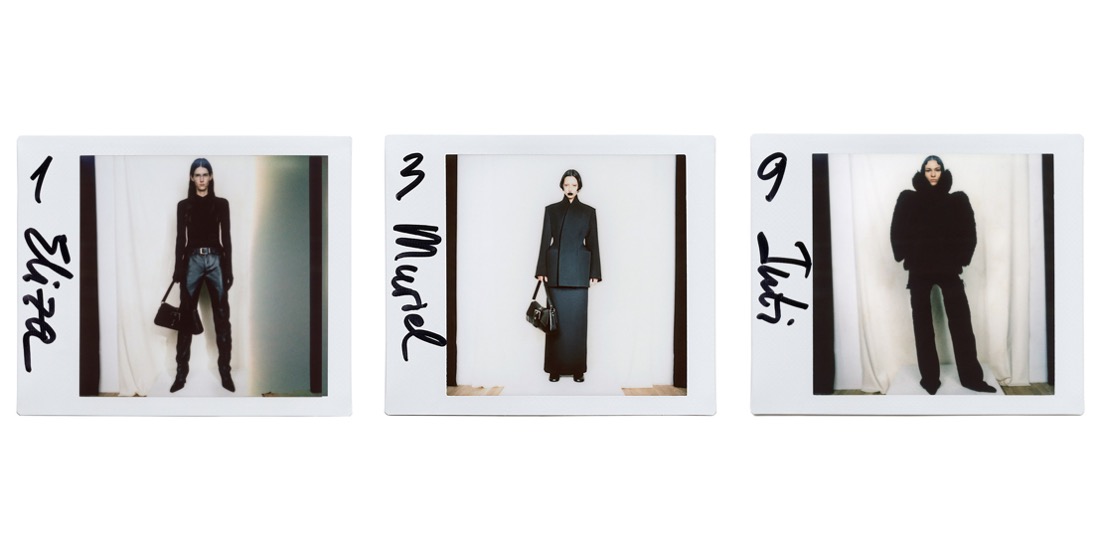
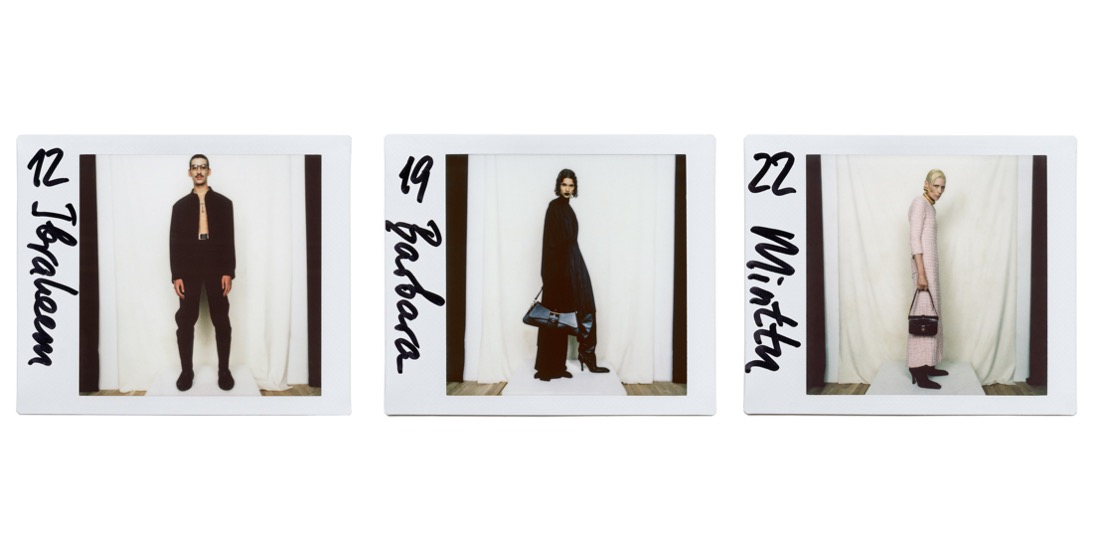
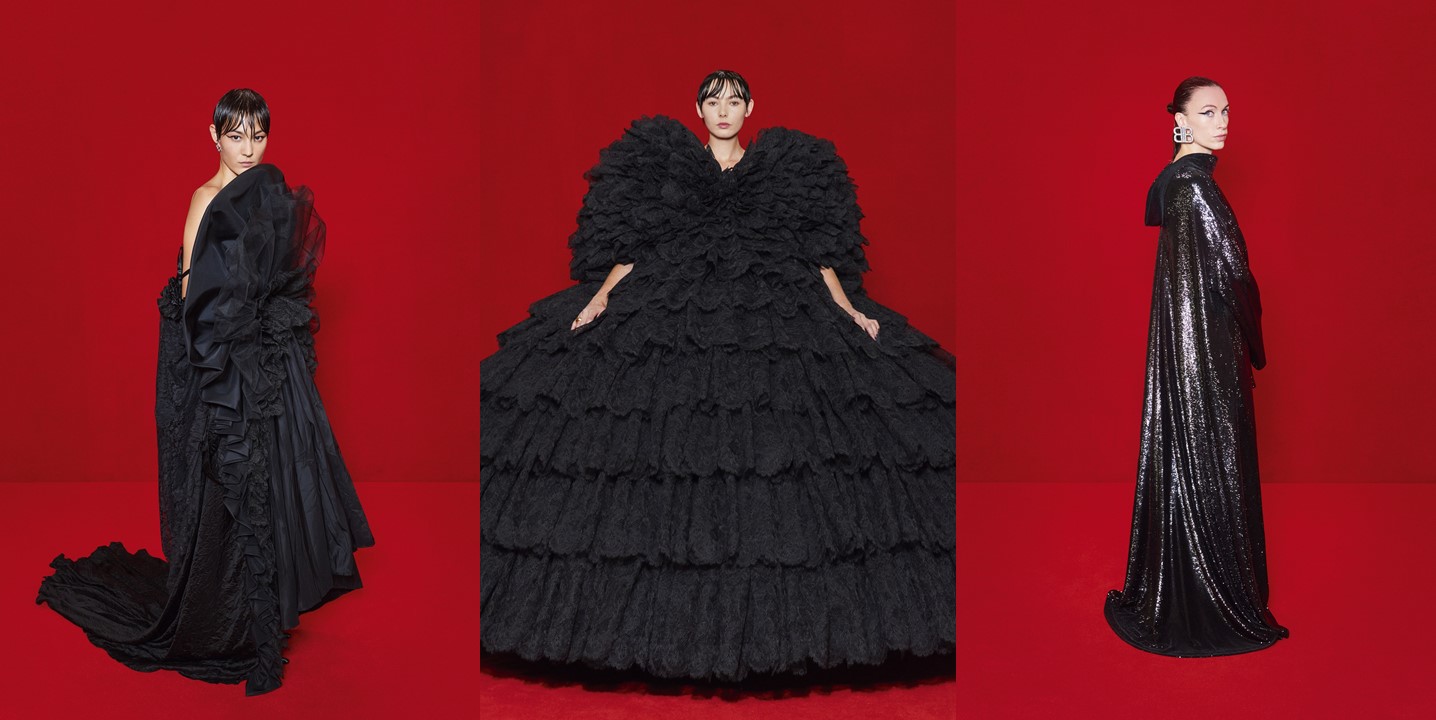
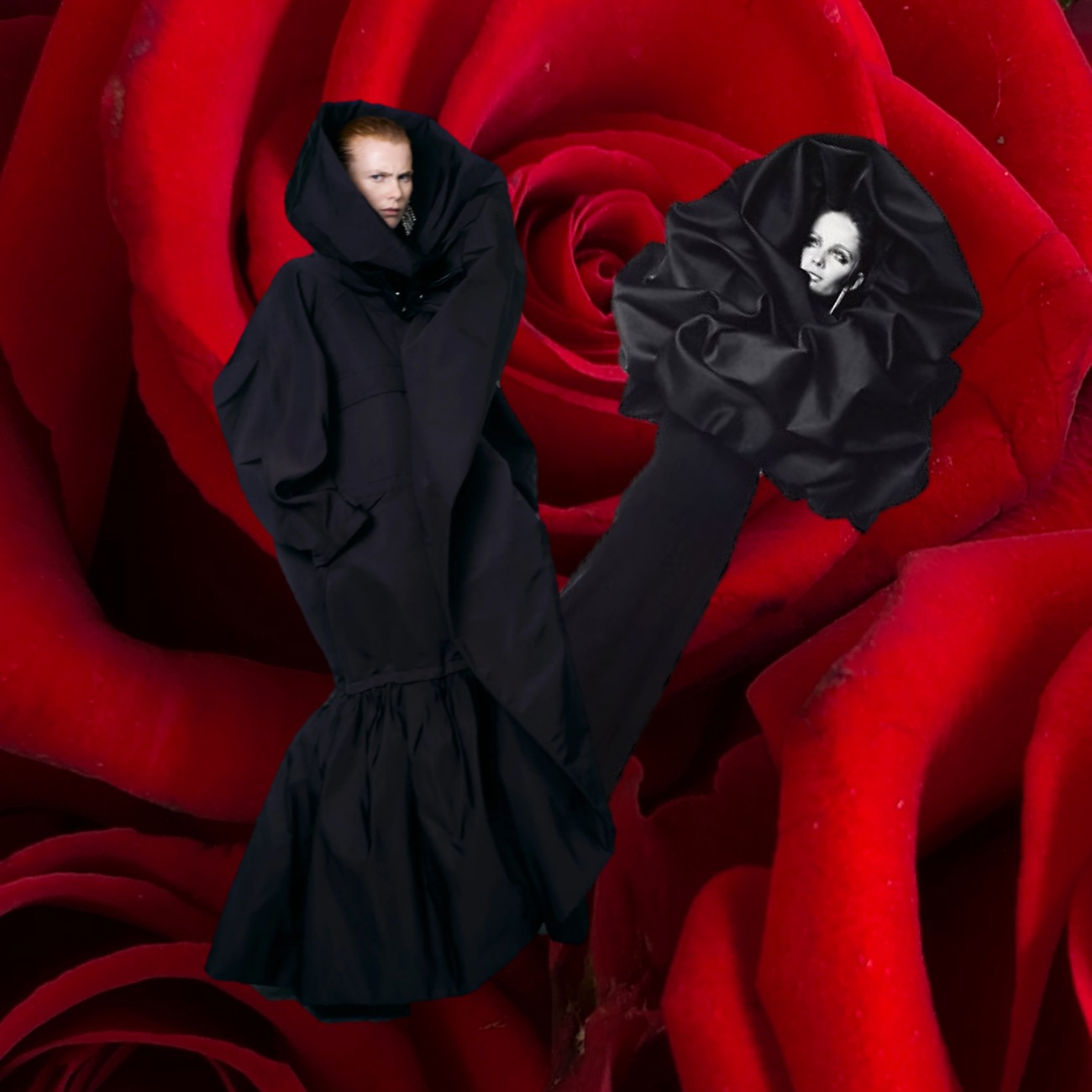
His couture debut had rigorous black tailoring, sober and austere; expansively extravagant gestures of taffeta; swathed stoles; gorgeous flowered embroideries; and the offhand drama of set-back collars. And haute couture jeans – hand-made on original American looms bought by Japanese manufacturers and commissioned there. To the point: the feat he managed with this ultra-aspirational collection was not to turn his back on the aesthetics of the street and underground but to give the inclusive values of a generation a sensational elevation. Confidence, grandeur, ease: His focus was on how to imbue these clothes with “couture allure, posture, and attitude,” he said. How to give equal value to a black turtleneck, pair of jeans, utility jacket, or T-shirt as to a grand ball gown or skirt suit? “People put me in the box of someone who designs hoodies and sneakers – and that’s not really who I am. I really wanted to show who I am as a designer, considering the legacy [of the house] that I’m lucky enough to have here,” he explained. “It was a challenge to find a balance between the fusion of the architectural legacy, the history, and what I stand for.” We witnessed Gvasalia resolving all that, upgrading everything that he’s liked and tried out and established as his language at speed at Balenciaga over the past few years. All his giant tailoring, oversized shirts, bathrobes, jeans, T-shirts, and utility jackets, perfected and carried off by his diverse (though still mainly mono-size) cast of models. “I don’t like standardized beauty. I don’t know why it’s supposed to be beauty if someone told you that,” he said. Cristóbal Balenciaga was the original couturier who had no time for designing for anyone other than the individual client. His house models were routinely described as monstrously ugly by the press. In his own way, in all kinds of different contexts, across a ridiculously long time gap, Gvasalia found a connection in that.

In his return to the physical, real-time, human, hand-stitched present of the presentation, there was something here that felt more radical than anything. “We cannot only look into the future. We have to look into the past to see where we’re going,” he said. “Clothes have a psychological impact on me. I realized they make me happy- and I realized that’s the purpose of fashion. It’s not about the frenzy and buzz – and the white noise, I call it, of the digital mayhem we’re living through. The essence of it is my passion and the tools. I realized that couture is the best way to manifest it. And this is what really turns me on.”

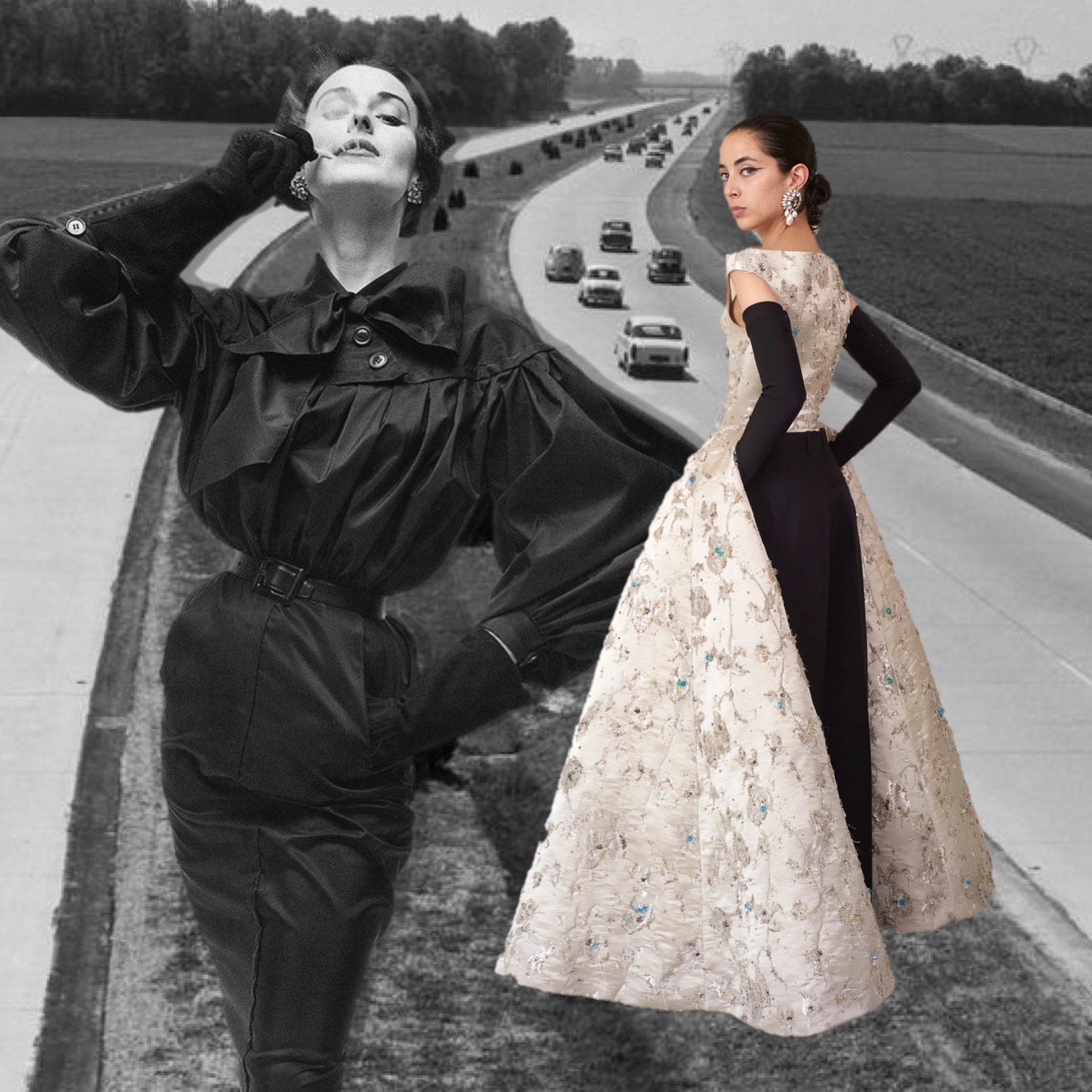
Collage by Edward Kanarecki.