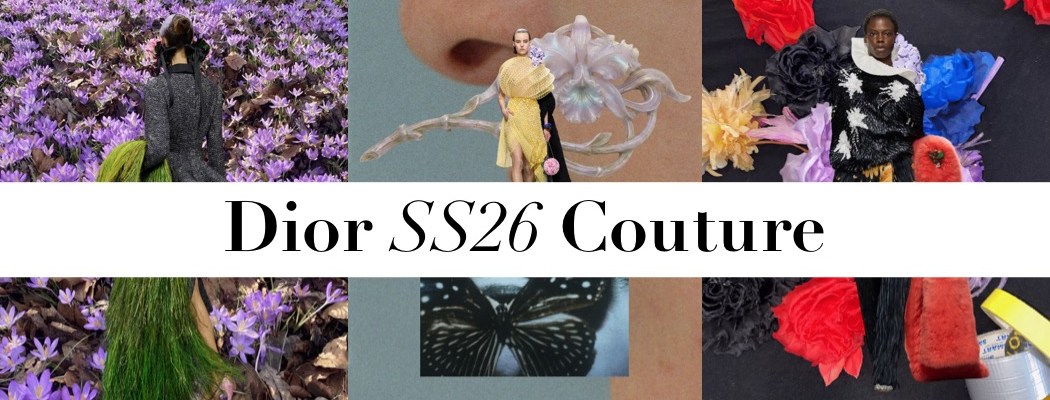
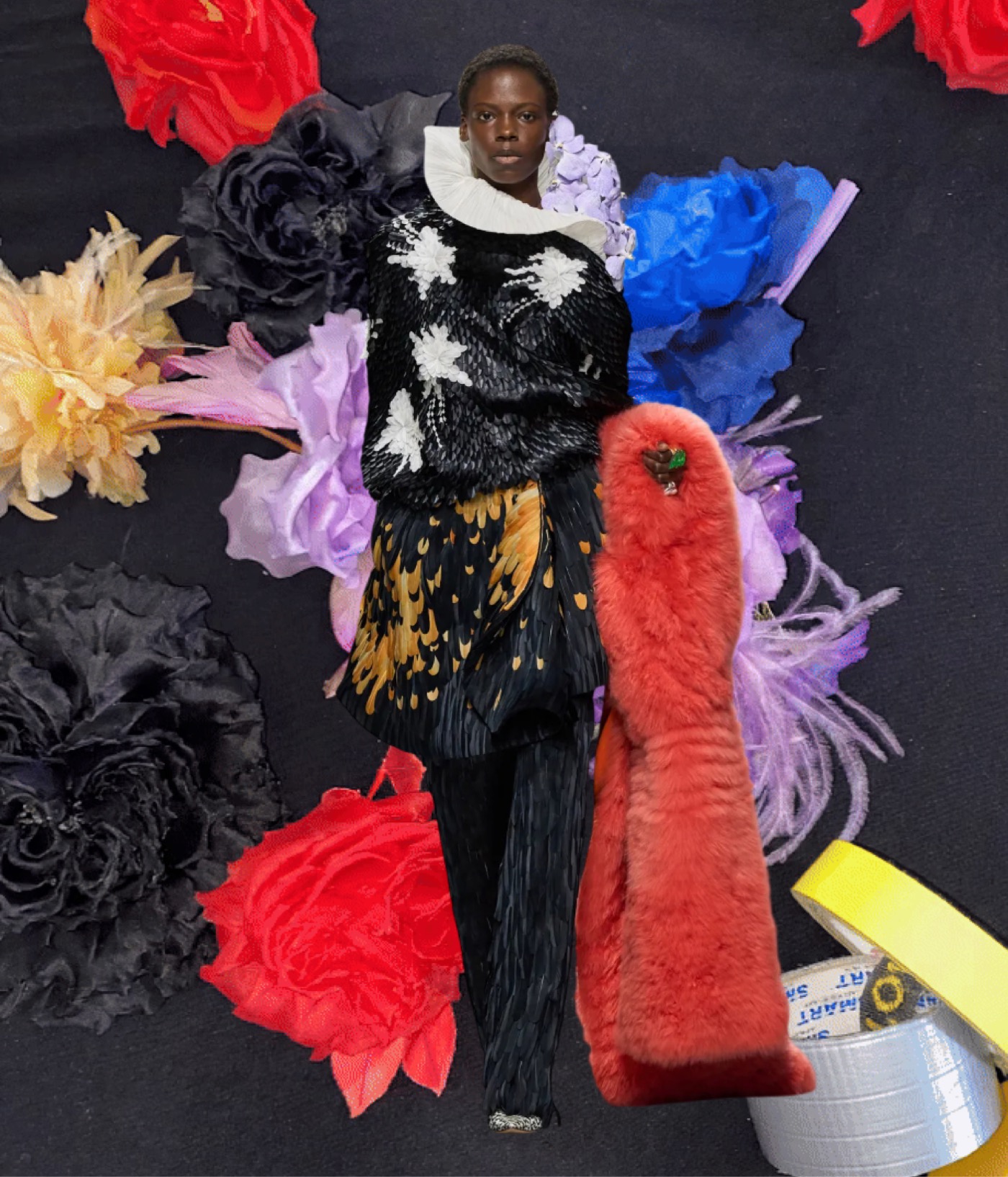
Jonathan Anderson’s pre-fall 2026 collection for Dior Menreads as both a continuation and a clarification of his debut collection from the summer. And you know what? I like it. Anderson is betting big on a neo-preppy sensibility: oversized “Delft” cargo shorts, a frat-boy color palette, and a distinct Ralph-Lauren-ification of the Dior universe. What I loved most in this line-up is the way he transformed the “Bar” jacket – rendered here in Donegal wool – into a new menswear classic, something that can be effortlessly worn with faded jeans and a lived-in suede cross-body bag. Another look – a floral jacket layered over a blue striped shirt and paired with pink trousers – plays deliberately with the boundaries of good and bad taste in menswear. There’s an intriguing dialogue between high and low in Jonathan’s approach to Dior, and it makes the language he’s still in the process of defining sound increasingly compelling.
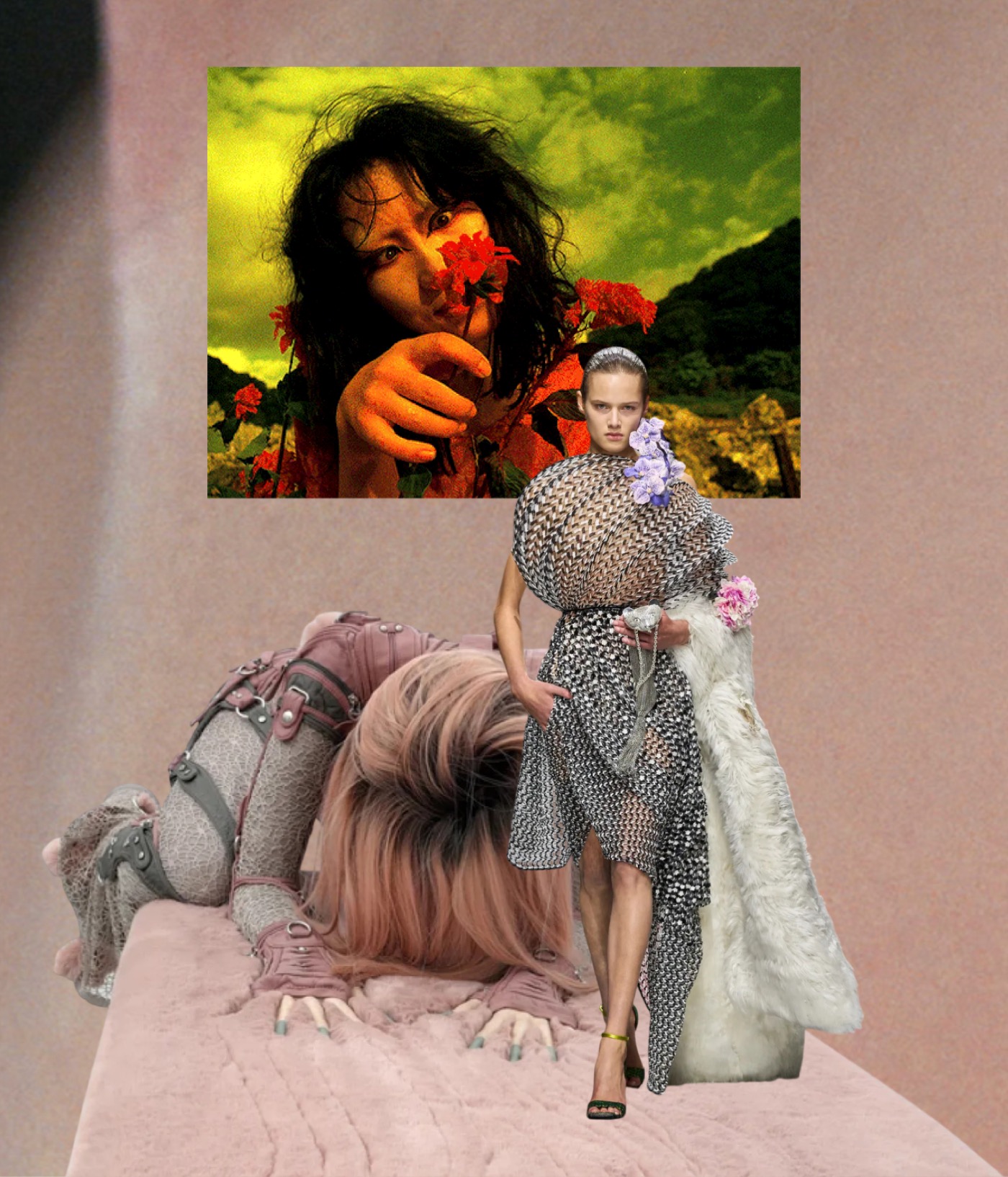
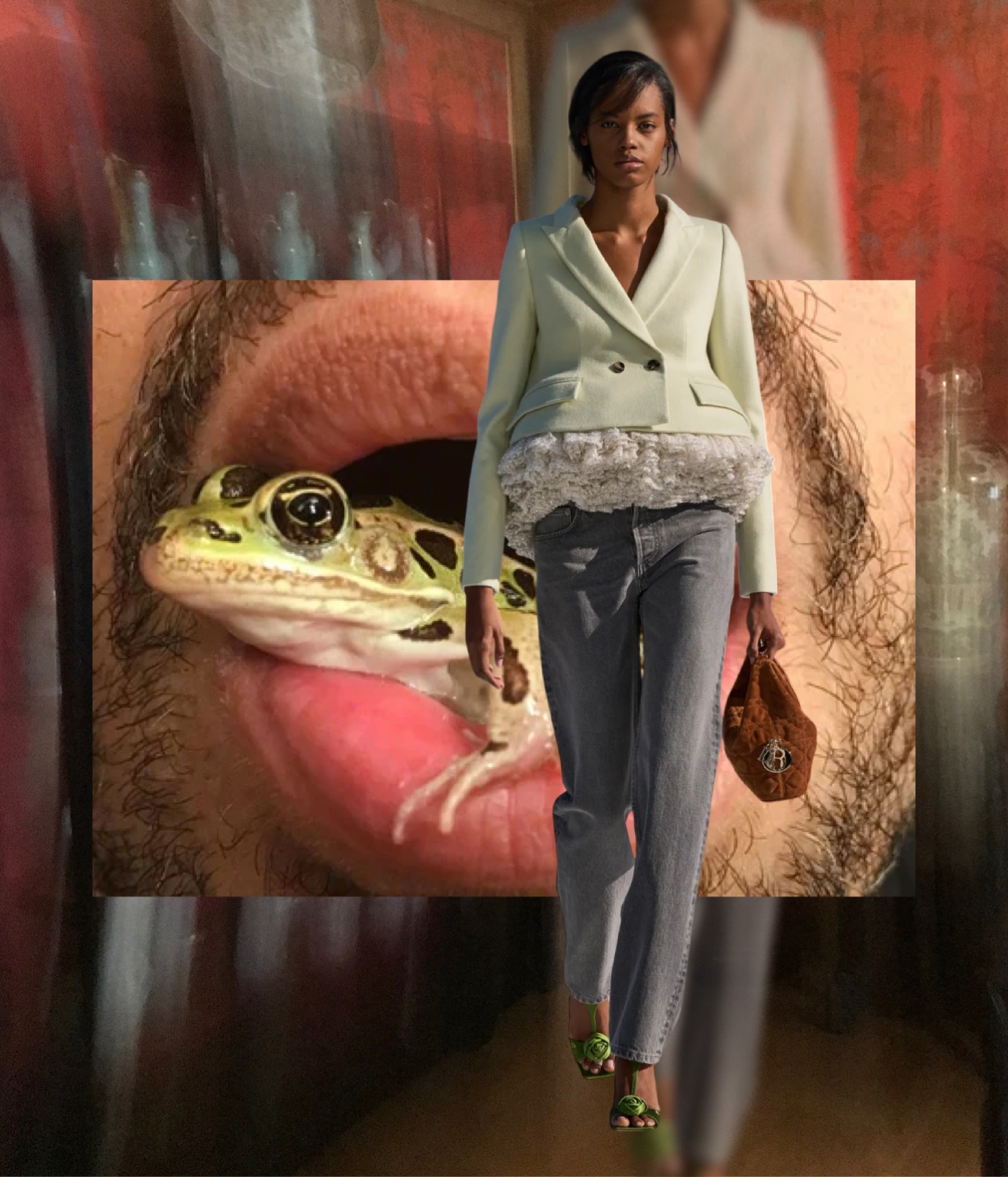
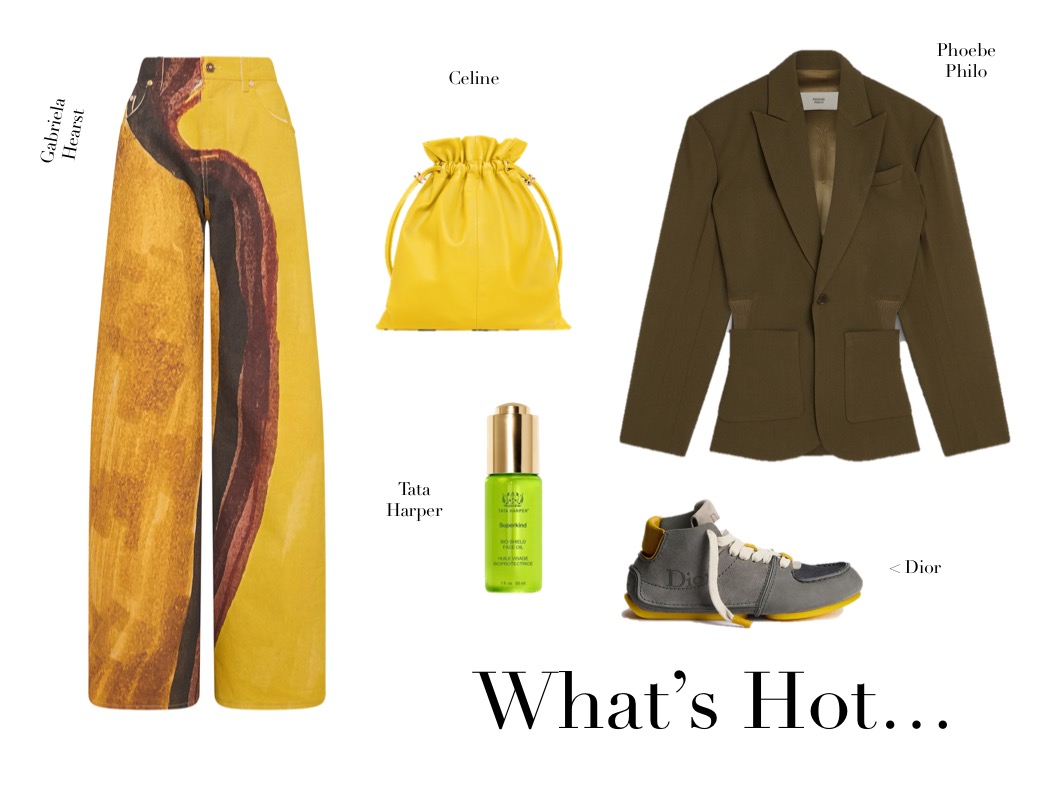
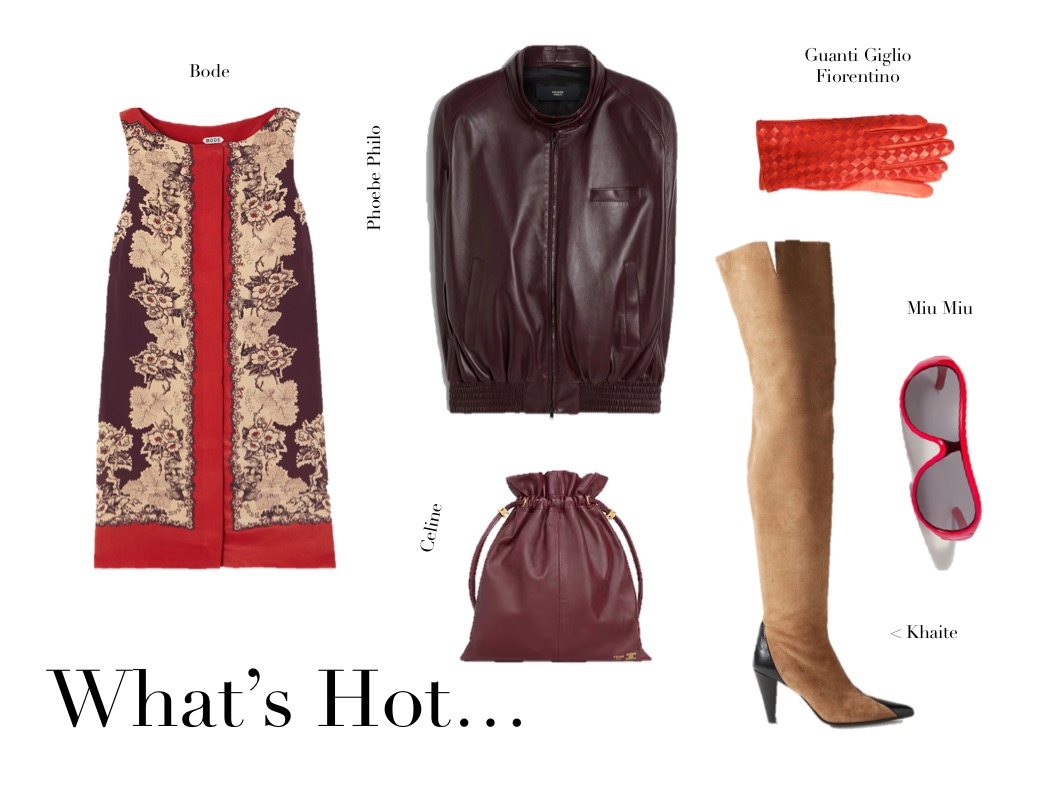
Collage by Edward Kanarecki. Don’t forget to follow Design & Culture by Ed on Instagram!
Hey, did you know about my newsletter – Ed’s Dispatch? Click here to subscribe!
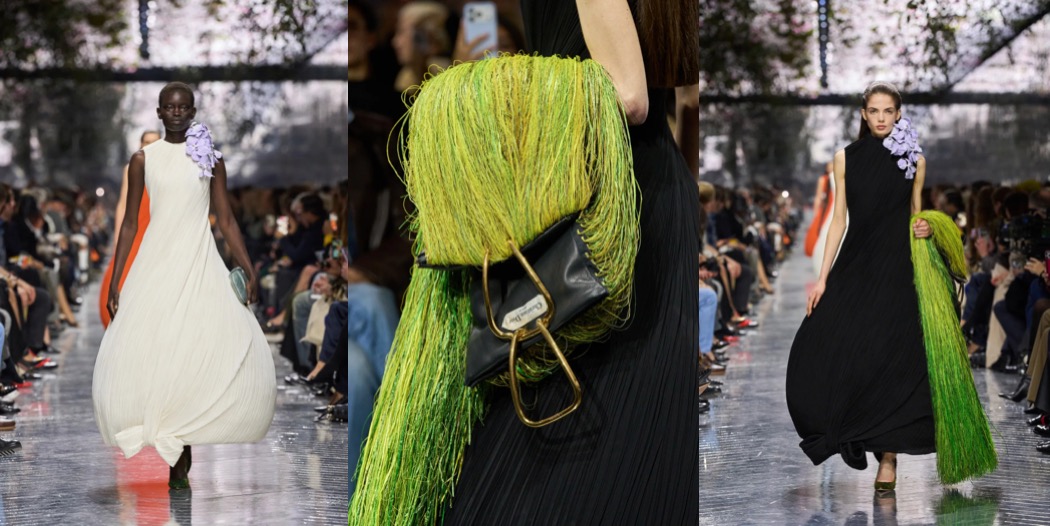
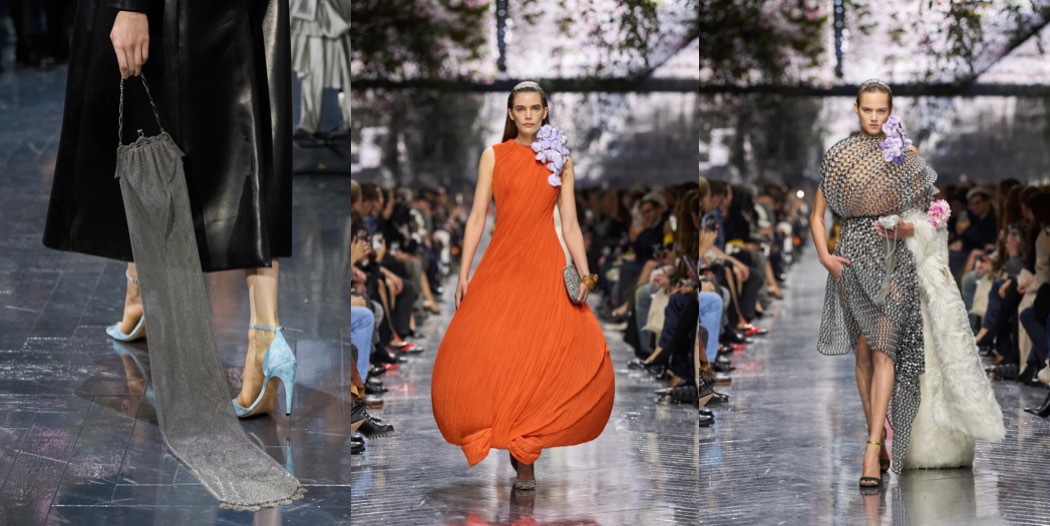
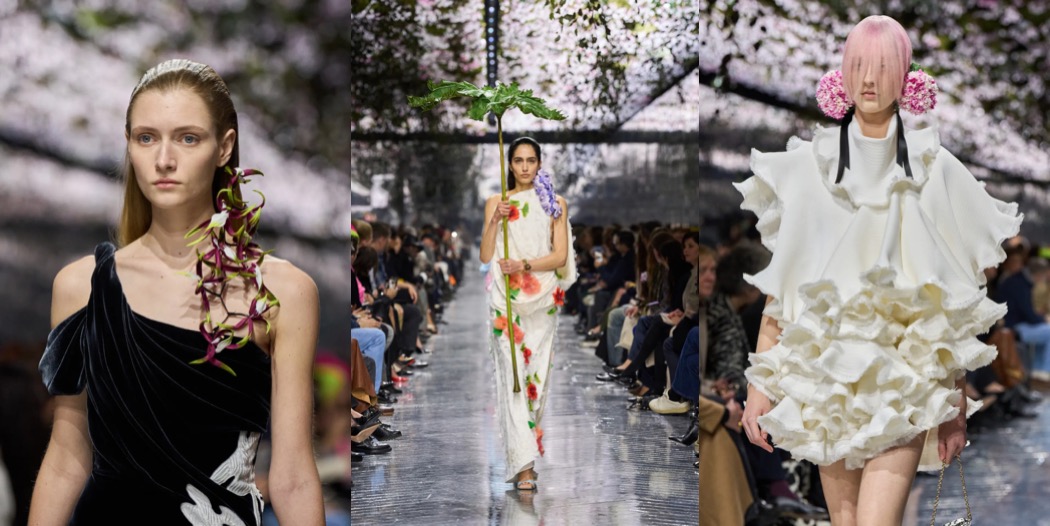
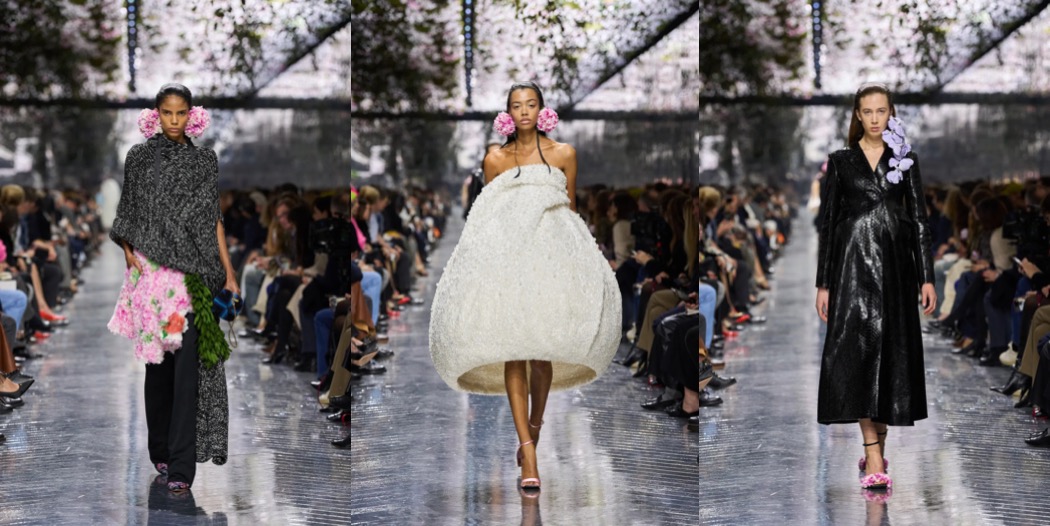
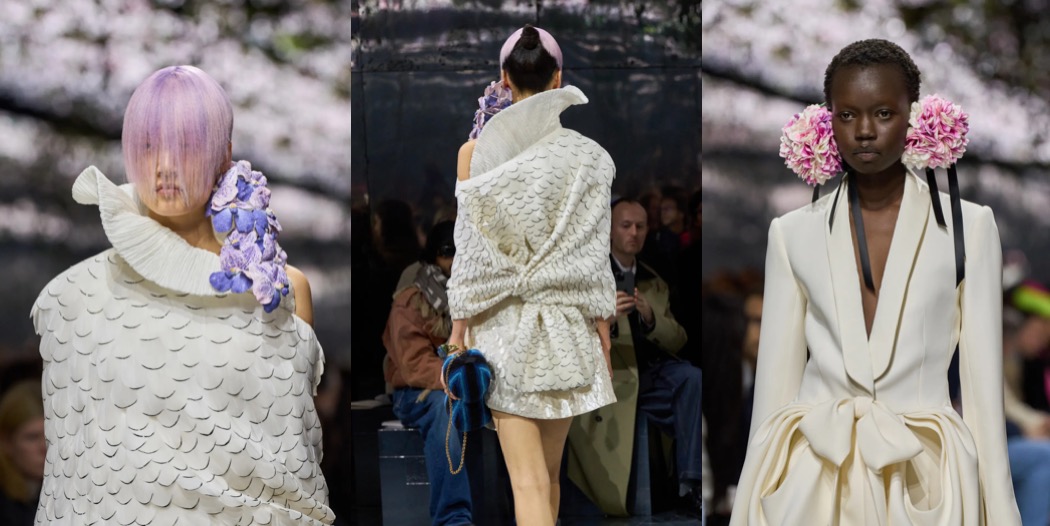
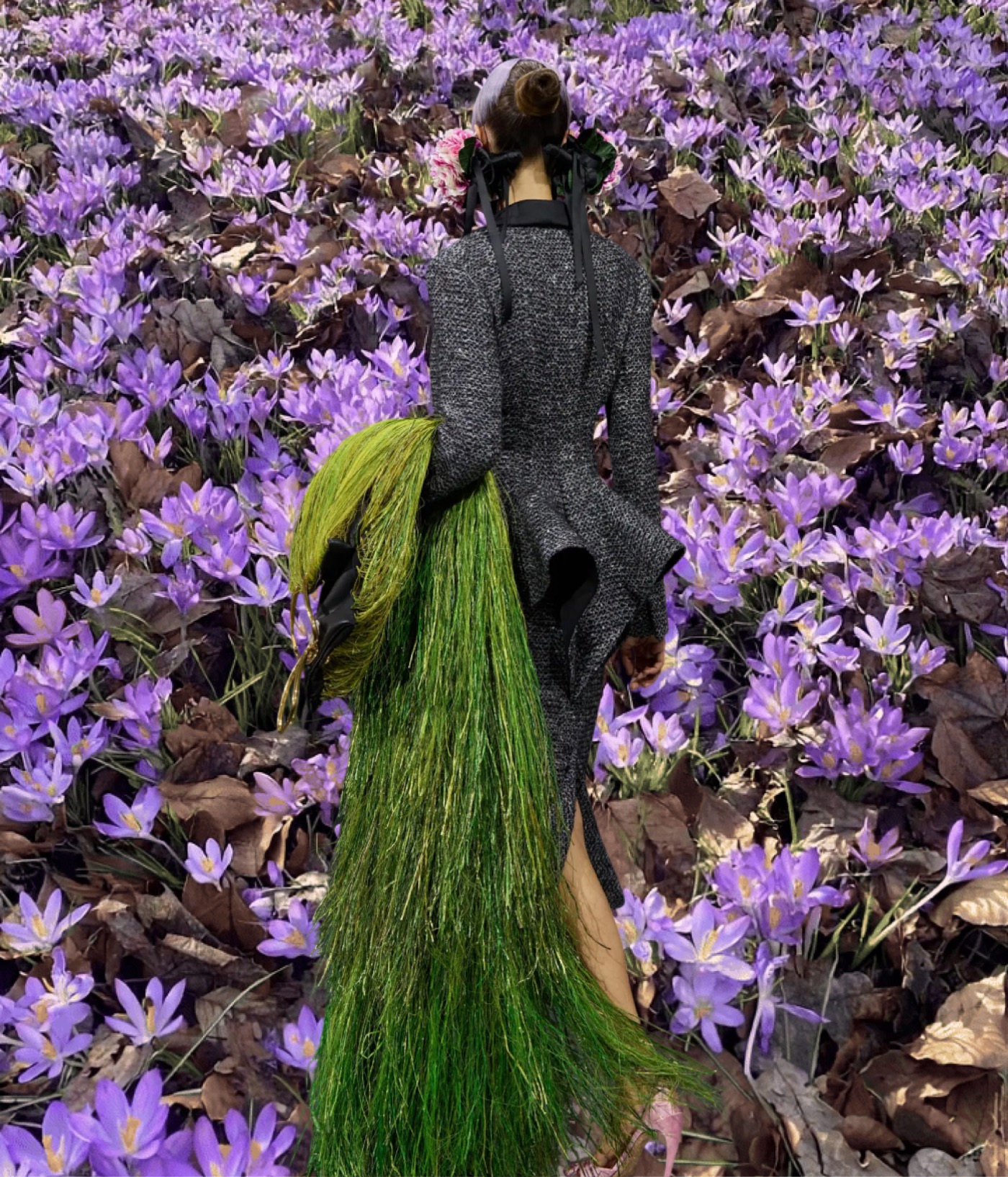
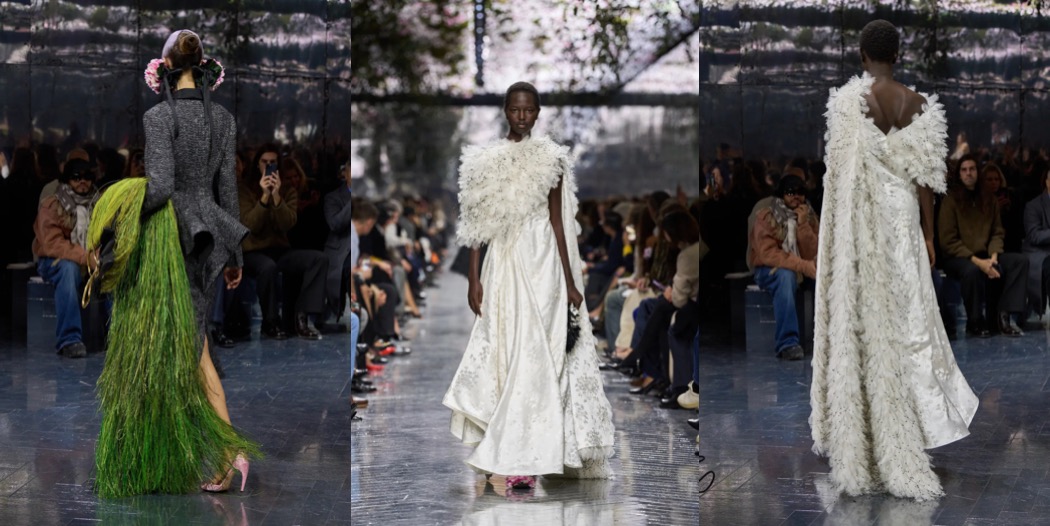
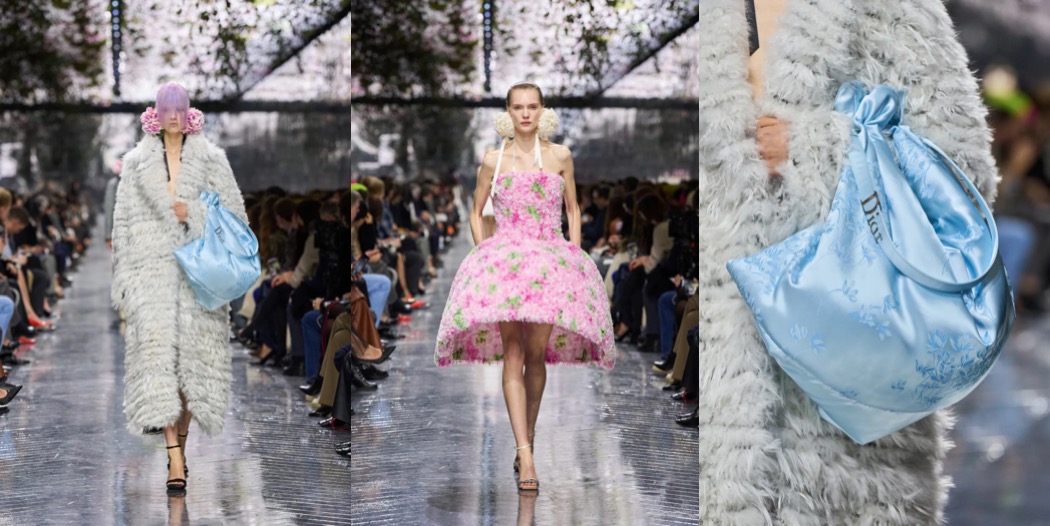
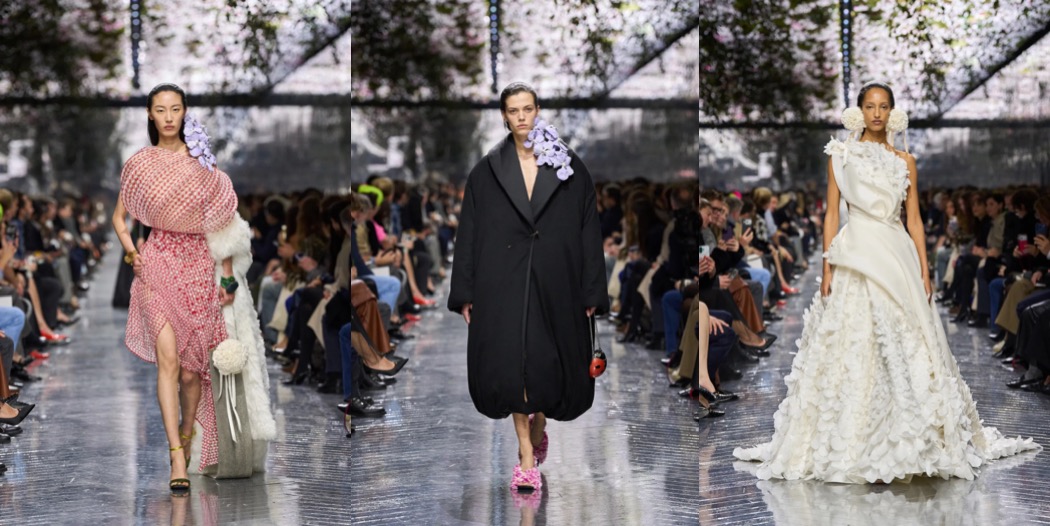
Jonathan Anderson’s highly anticipated Dior womenswear debut has arrived, and it left me not just confused, but genuinely perplexed. It is, without doubt, a peculiar collection – one that will likely puzzle former Maria Grazia Chiuri clients. Anderson challenged the very perception of what Dior represents today, moving in multiple directions at once: blending the high (the brand’s couture savoir-faire) with the low (unexpected, intentionally blunt-looking flannels), while contextually engaging with Dior’s many past designers – yet keeping the approach far less conceptual than at Loewe. Backstage, he insisted this collection was simply about clothes.
The juxtapositions were striking: an origami-shaped hat, a pleated lace high-neck blouse (visually nodding to Yves Saint Laurent’s work for the maison), cargo-like balloon pants, and flower-shaped pumps – all colliding into an ‘everything, everywhere, all at once’ overdose. But that collision is precisely Anderson’s point: a shock factor that, in retrospect, often feels uncannily right.
The seemingly levitating gowns with inflated bows? Undeniably lovely, especially in motion. But a khaki denim shirt paired with a pastel pink mini skirt a moment later? Awkward, jarringly out of place. And yet, perhaps that very sense of ‘out-of-place-ness’ is Anderson’s true power at Dior.
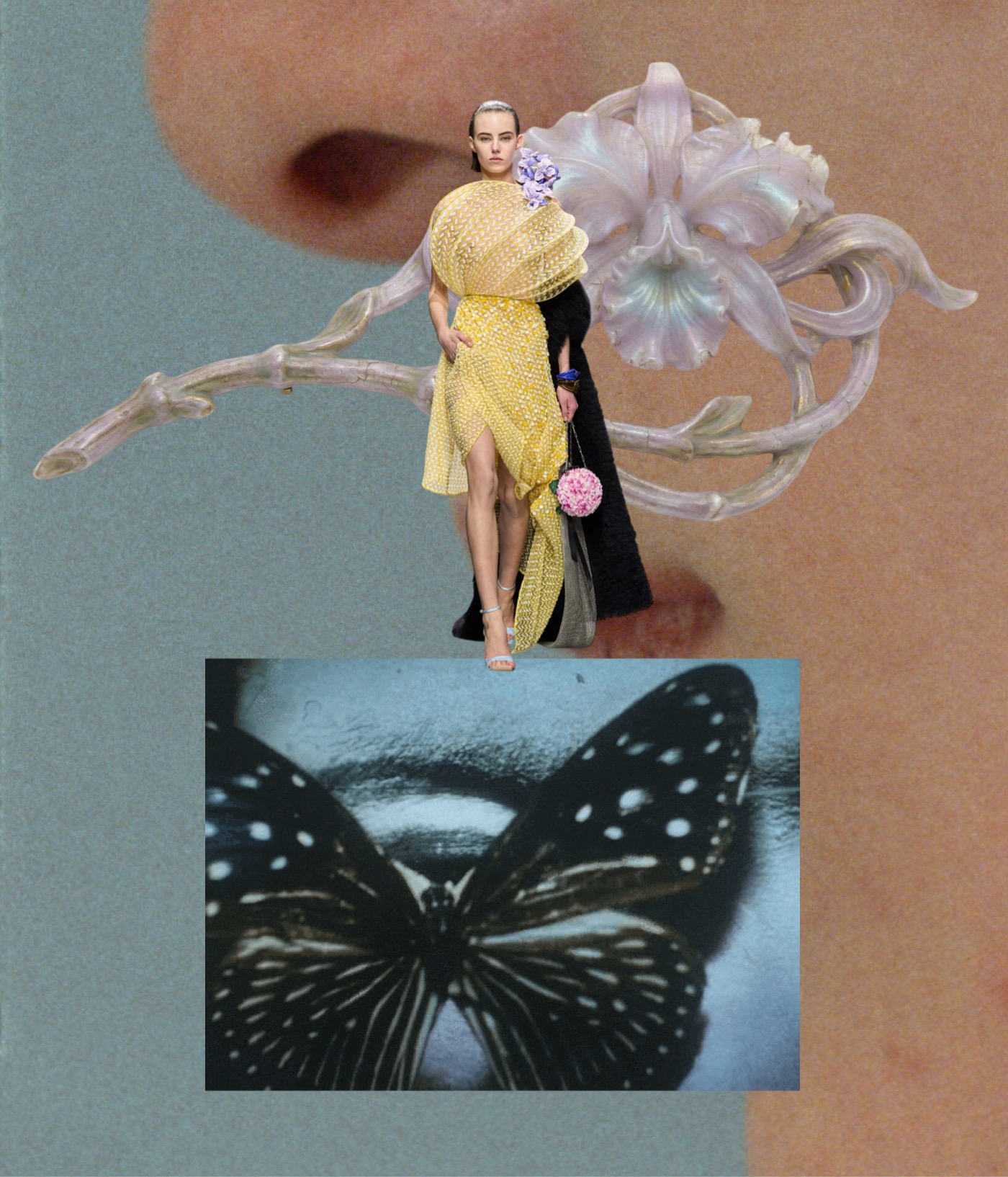
Collage by Edward Kanarecki. Don’t forget to follow Design & Culture by Ed on Instagram!
Hey, did you know about my newsletter – Ed’s Dispatch? Click here to subscribe!
For some reason, you always expect a seismic shift from a debut as big as Jonathan Anderson’s first collection for Dior. Interestingly, his first line-up for Loewe – over a decade ago – was menswear too, and many people were puzzled, just like now with his take on Dior. And that’s ok.
Rewriting Dior isn’t something you can pack effortlessly into one collection. Anderson has a vision for the brand for the upcoming few seasons, and probably only when we see more of it, his debut will make more sense – when a bigger picture will take shape.
At the moment, all I see is a continuation of a Dior Men narrative that was planted by Kim Jones: British flamboyance, twisted with codes coming from Jonathan’s namesake label, JW Anderson (like those oversized, millefeuille chino shorts). There were witty references to the maison’s heritage, revived through a new lens: the “Bar” jacket was made from an Irish Donegal tweed – a matter of national pride for Anderson – which featured here and there throughout the collection. There was also an intriguing play with fashion historicism, like Louis 16th frock coat worn with ordinary cotton trousers. I will note that such brands as Marcus Allen’s The Society Archive or ERL experiment with similar vintage-vintage notions for a while now. Interestingly, the collection’s affection for flaneurism had echoes of Rei Kawakubo’s Comme Des Garçons.
I might still not understand the show’s connection with Andy Warhol (the brand released polaroids depicting his famous friends as the collection’s teaser), but I see a dialogue between two fictional man: Louis de Pointe du Lac, played by Brad Pitt in “Interview With The Vampire”, and Ennis, embodied by Heath Ledger in “Brokeback Mountain”. Dramatic, knitted capes (and of course the “Dracula” tote) and slim, brocade waistcoats created an intriguing friction with raw flannel shirts and faded denim.
Designers entering a new brand have more questions than answers – just like the spectators of their debuts. I’m not fully buying new Dior yet, but I look forward to the next pieces of the Anderson puzzle.
Today, Lorde released Man Of The Year, her second single from the highly-anticipated Virgin album. The song is heart-and-gut-wrenching in the most Lorde way you can imagine: raw, vulnerable, unfiltered. By the time we reach the outro, Let’s hear it for the man of the year, there is a subtle shift from mourning to ecstatic celebration. The phrase is repeated like a sarcastic toast, both honoring and burying (burning alive!) the man who inspired the deep, painful turmoil. But ultimately, Man of the Year is not really about him. It is about Lorde reclaiming the narrative, re-emerging from ego death and heartbreak with sharpened clarity.
Quite coincidentally, it was officially announced today (after months of speculation) that Maria Grazia Chiuri is stepping down from Dior. Social media raved: finally!; fashion gods heard our prayers; the end of a nightmare. Voiced especially by men, you just can’t not agree with @lewissmag that there’s a tinge (or even plenty) of misogyny sparking that excitement of a woman departuring a maison like Dior after a decade of immense volume of work. A reminder that the fashion males, queer or not, had a very similar blast when Virginie Viard left Chanel. They were in heaven.
Now don’t get me wrong: I’ve never been a number one fan of Maria Grazia Chiuri’s work at Dior – just not my cup of tea, aesthetically. But I do realize that all the logo totes aren’t her sin: it’s in fact LVMH and Bernault Arnault’s endless financial insatiability that powered Dior’s horrific merchandise in the last decade. Just think of the once sophisticated and chic Dior boutique on Avenue Montaigne that now looks like a massive, tacky department store. It’s also not Chiuri’s fault. Unfortunately, creative directors really don’t have all the power when leading a brand.
What this female designer managed to make out of Dior is turning it into a brand that’s in a way similar to Giorgio Armani’s universe: you don’t have to follow it from season to season, because you won’t really see a revolution on the runway – but there’s always a beautiful dress, a great coat, a proper jacket. A continuity that has its rhyme and rhythm.
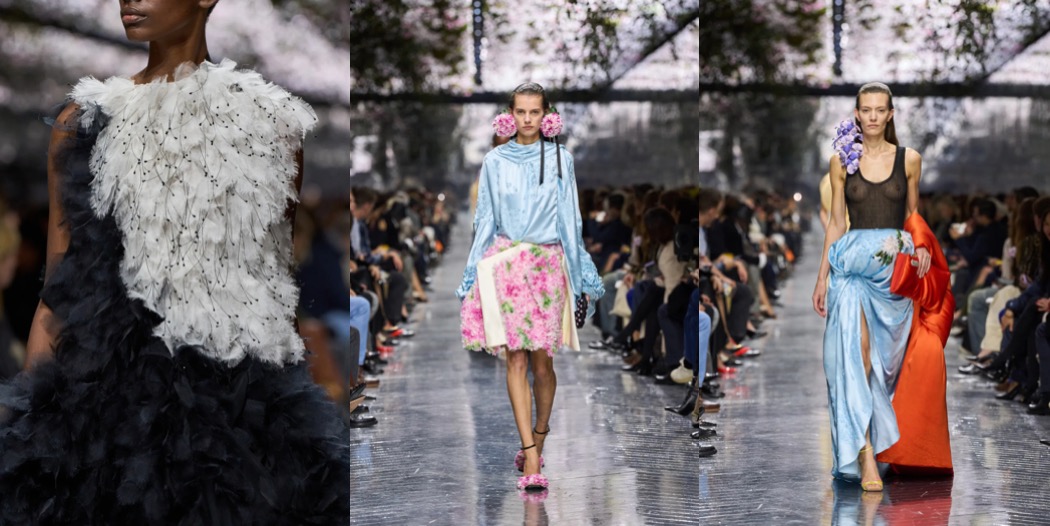
In a way, it seems to me that Maria Grazia Chiuri truly refound herself at the very end of her tenure at Dior. Her pre-fall 2025 show in Tokyo had a spark. Her swan song outing, for resort 2026, presented in the enchanting garden of Villa Albani Torlonia in Rome, was powerful in its grace. Those velvet column gowns are pure delights, just as the remarkable fur coats that are actually made from plume. The collection’s opening look, a masculine white tailcoat worn with a maxi-length, matching skirt, is the absolute essence of Maria Grazia Chiuri’s contribution to fashion, in past misguided by unfortunate styling or simply obscured under all the gimmicks of fashion show spectacles. This ideal, minimalist yet sumptuous simplicity was followed by many variations on the theme of the long, slim, semi-sheer dress. The lace effects were almost countless – 3D florals, rivulets of ruffles, leafy cut-outs, wavy art deco frills, gilded latticework covered with silken fringe. Underwear visible, shoes flat. A statement.
And then, the haute couture finale featuring caviar-beaded, trompe l’oeil-effect dresses that looked like statues dating back to Ancient Rome. Male statues, to be precise. Torsos, like armors (a theme moved very literally by Nicolas Ghesquière at Louis Vuitton just a week ago). Going back to Lorde, Man Of The Year’s cover art is a Talia Chetrit photograph of the singer’s bust, covered with duct tape. Now, do you see the connection between these two?
Will Maria Grazia Chiuri return to fashion in the near future? Probably she will spend her time on cultural initiatives, like the Teatro Della Cometa she renovated and reopened to the public a couple of days ago. And who will lead Dior’s womenswear now? Probably Jonathan Anderson. Another M.O.T.Y.
Collage by Edward Kanarecki. Don’t forget to follow Design & Culture by Ed on Instagram!
Hey, did you know about my newsletter – Ed’s Dispatch? Click here to subscribe!