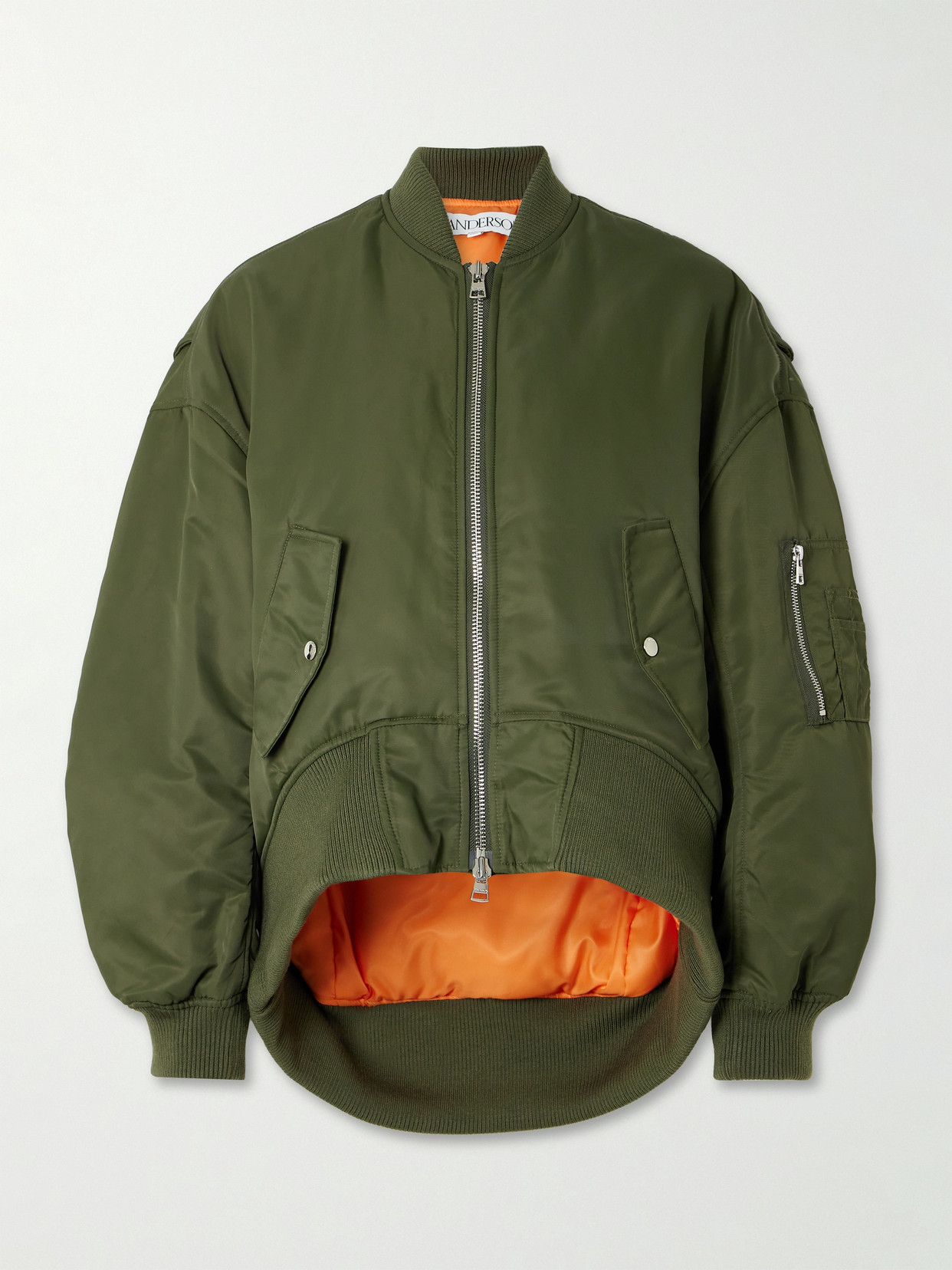
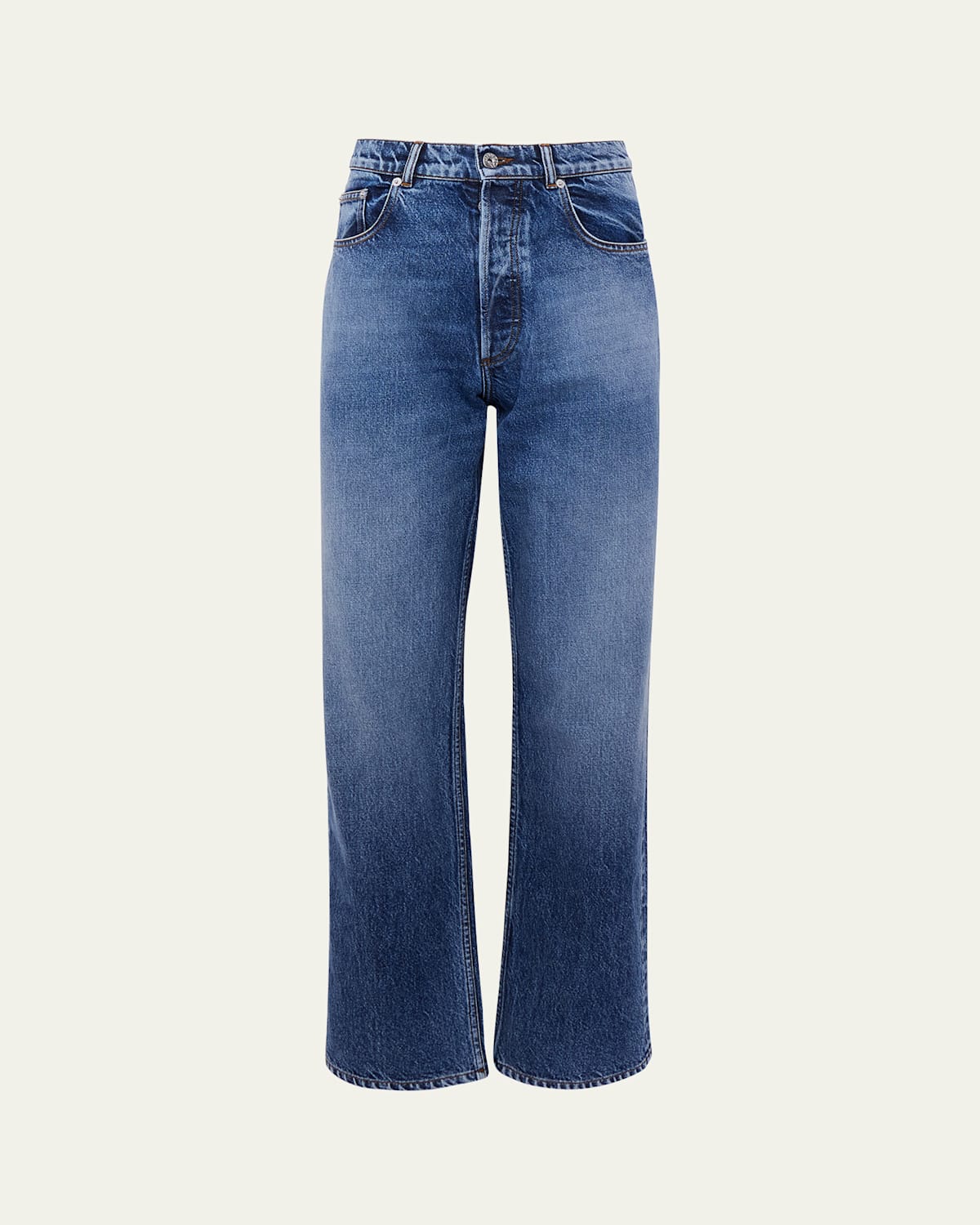
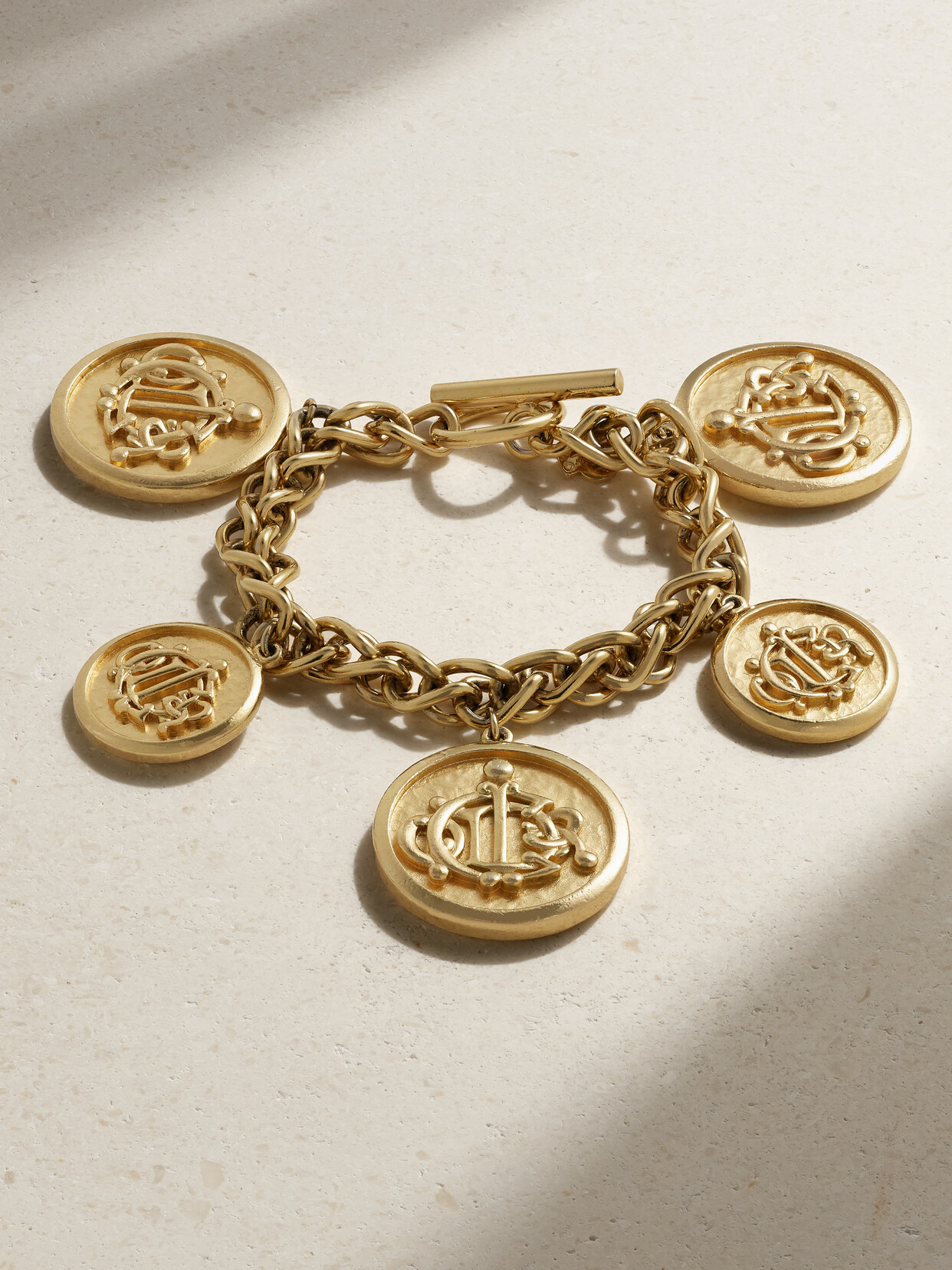
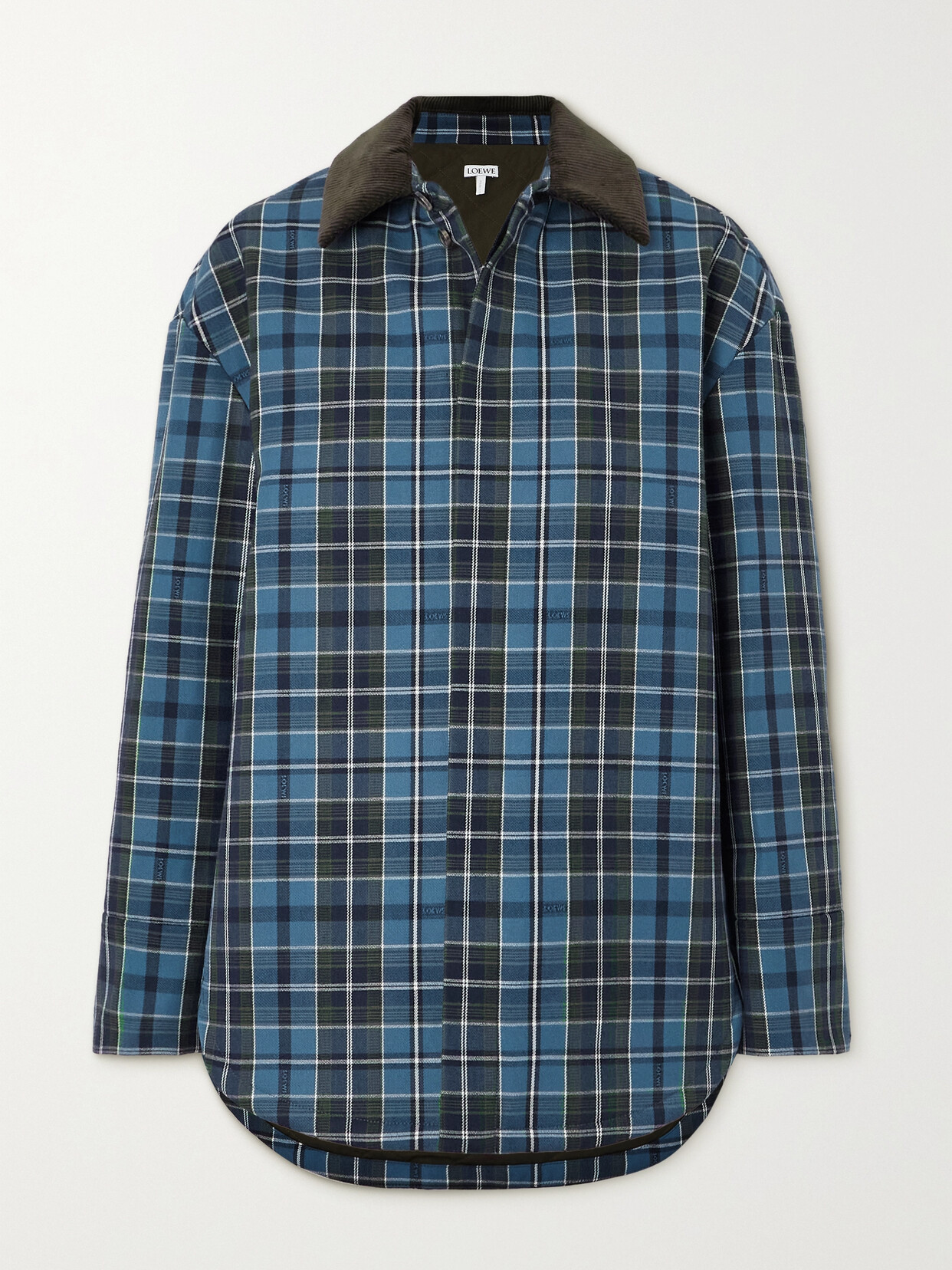
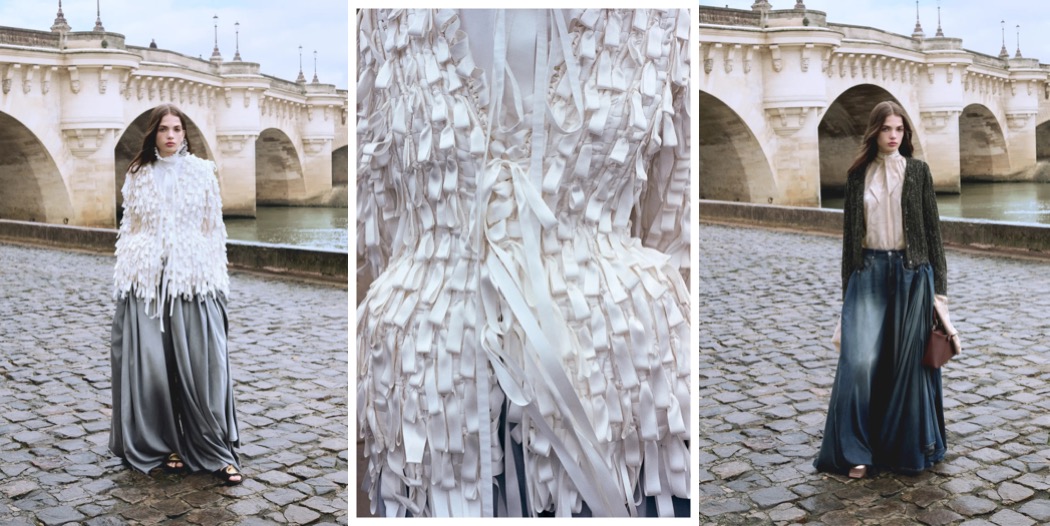
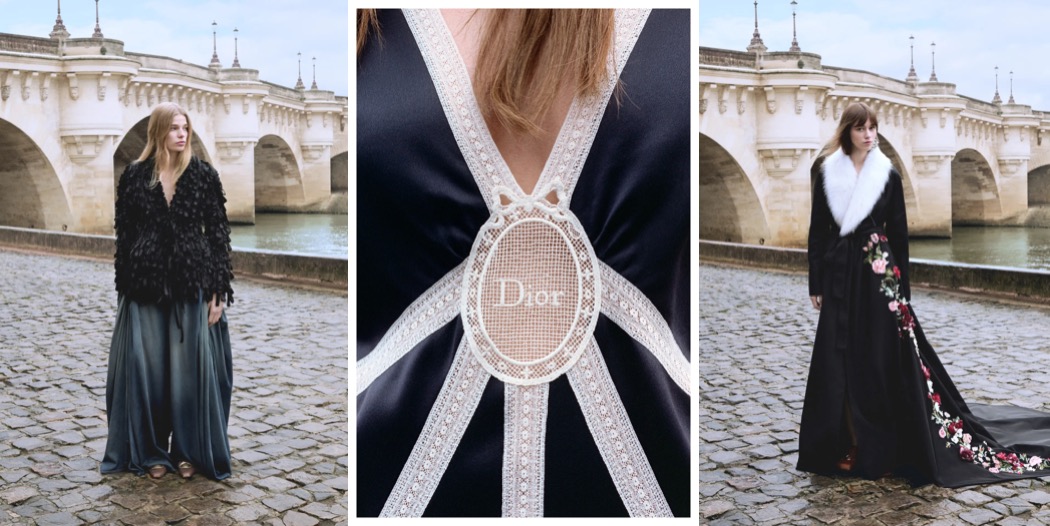
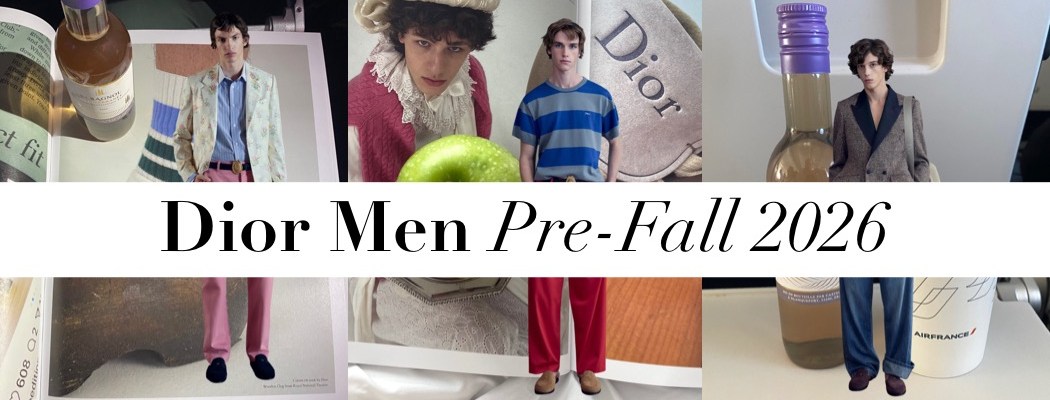
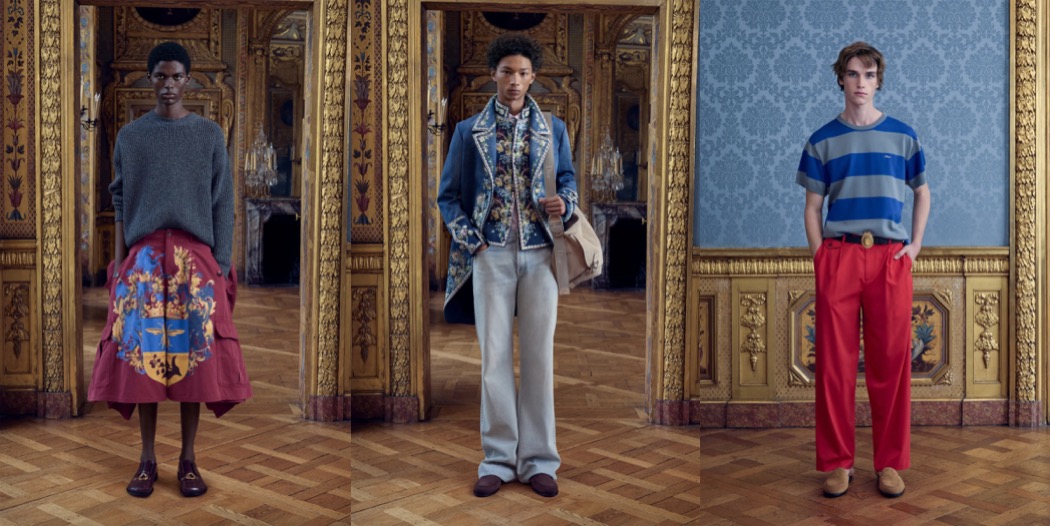
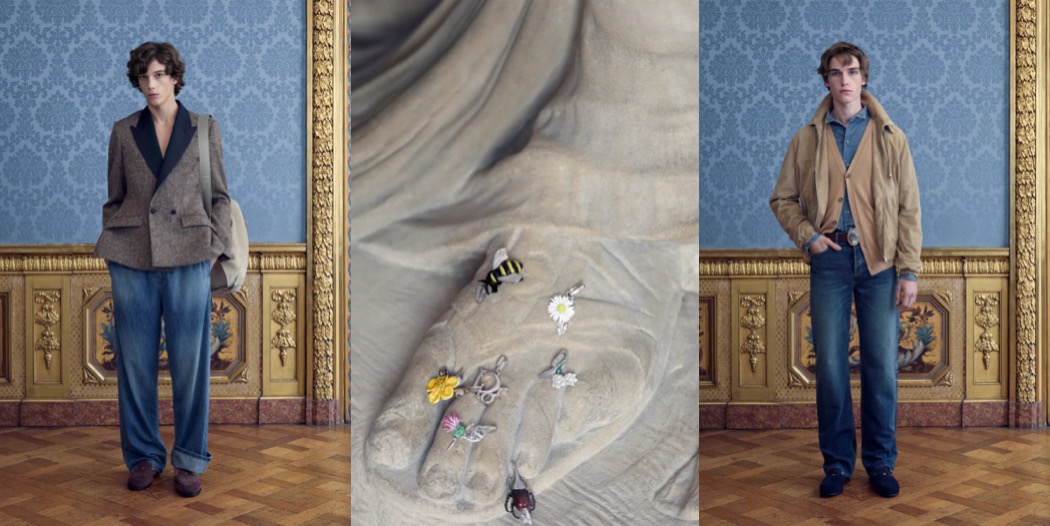
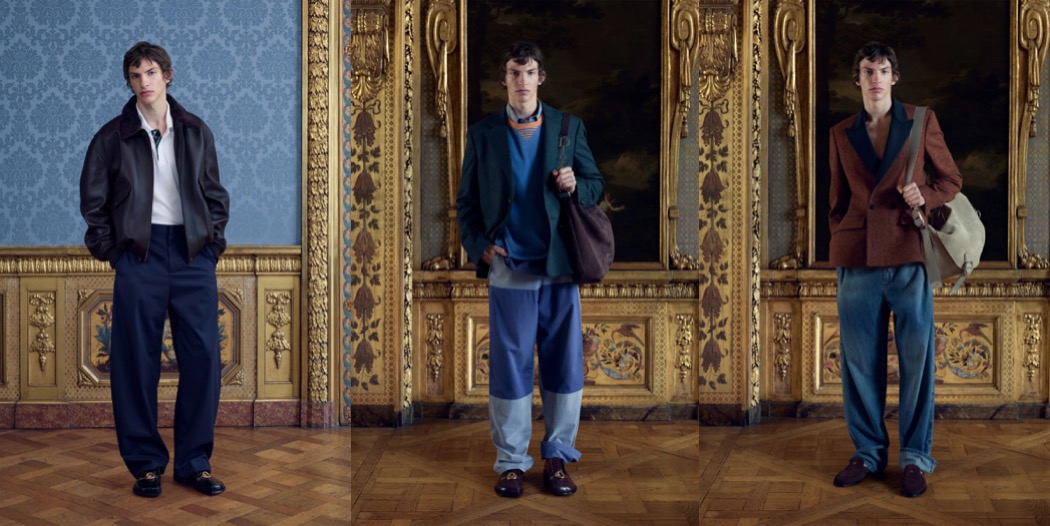
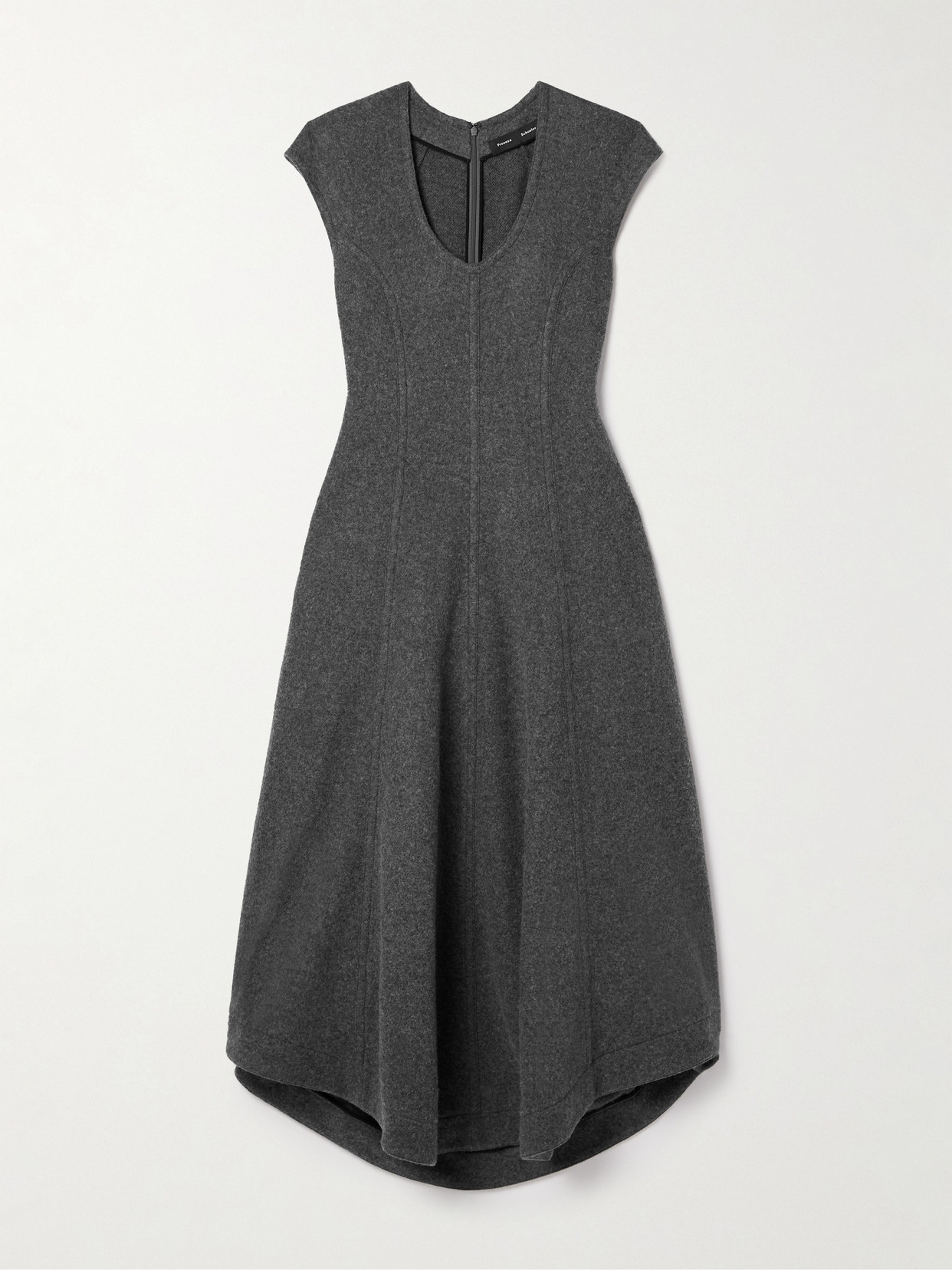
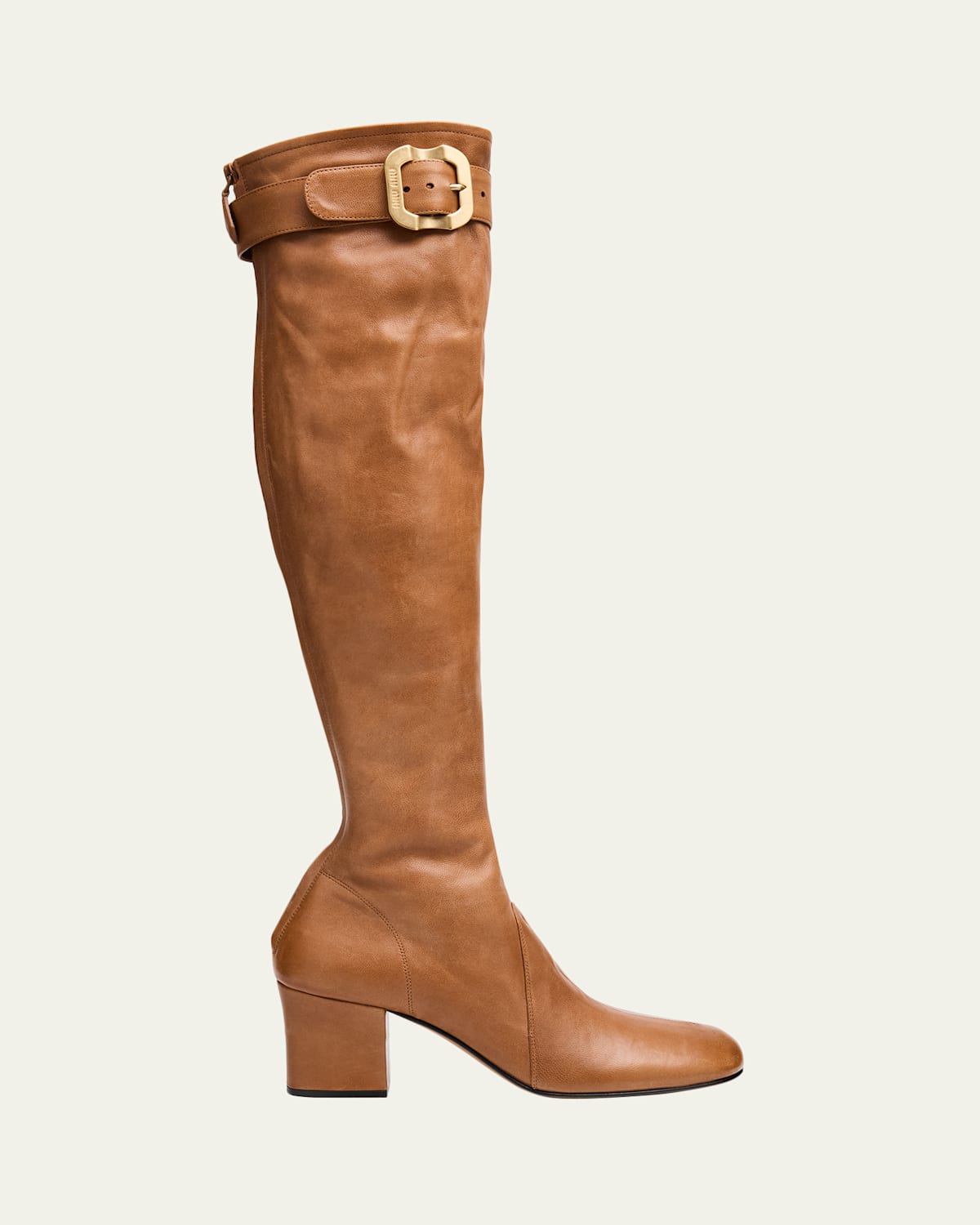
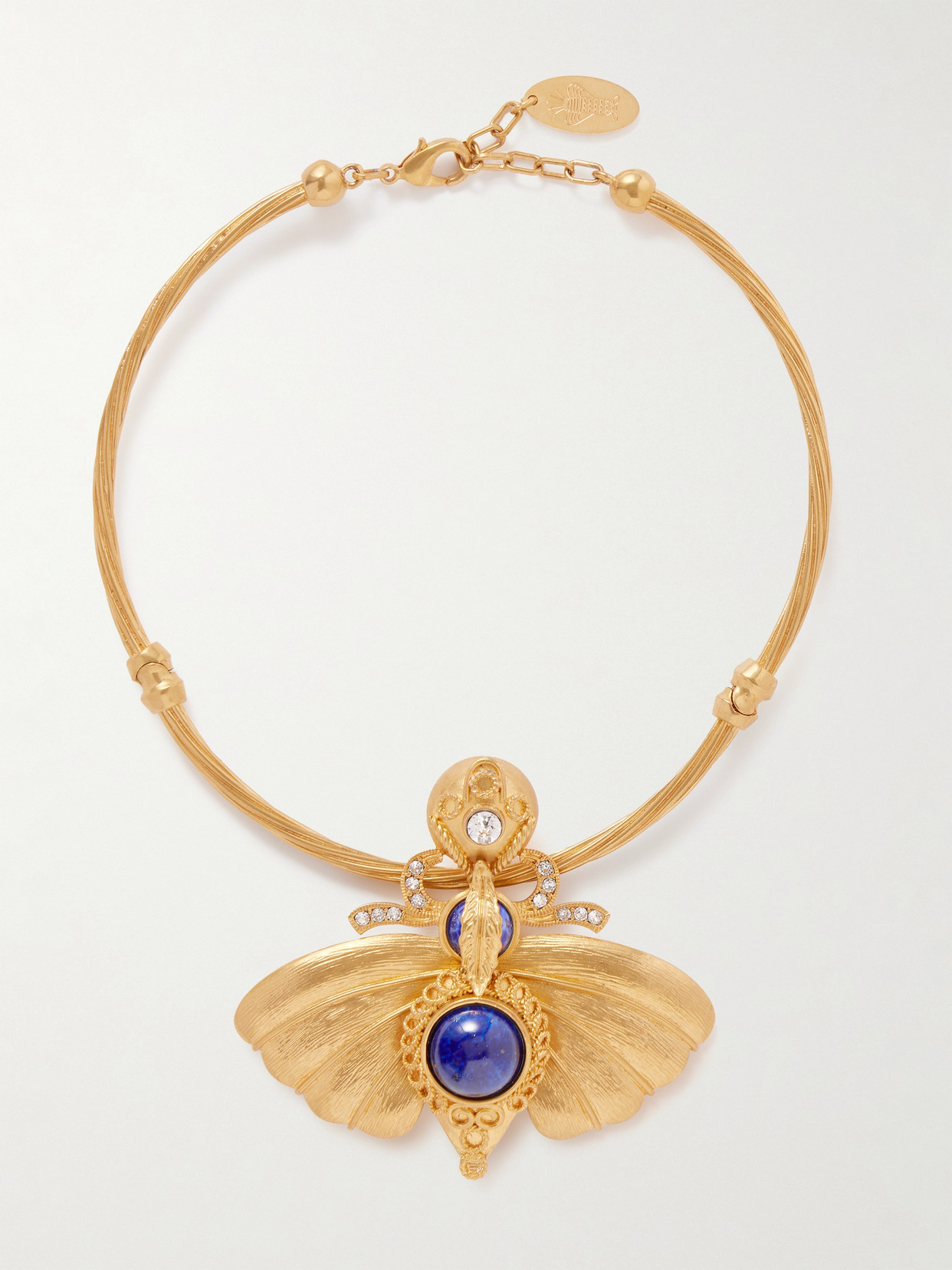
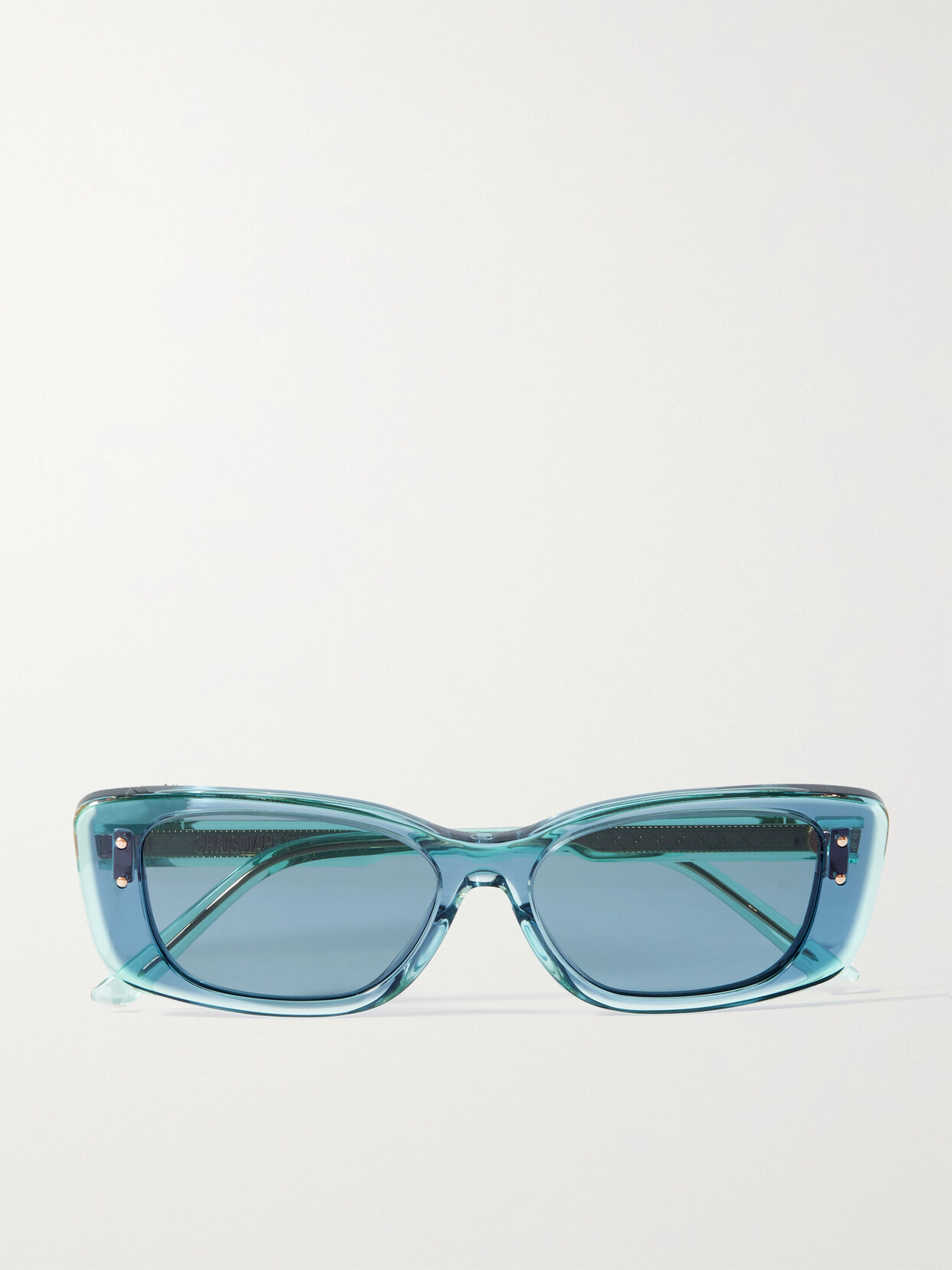
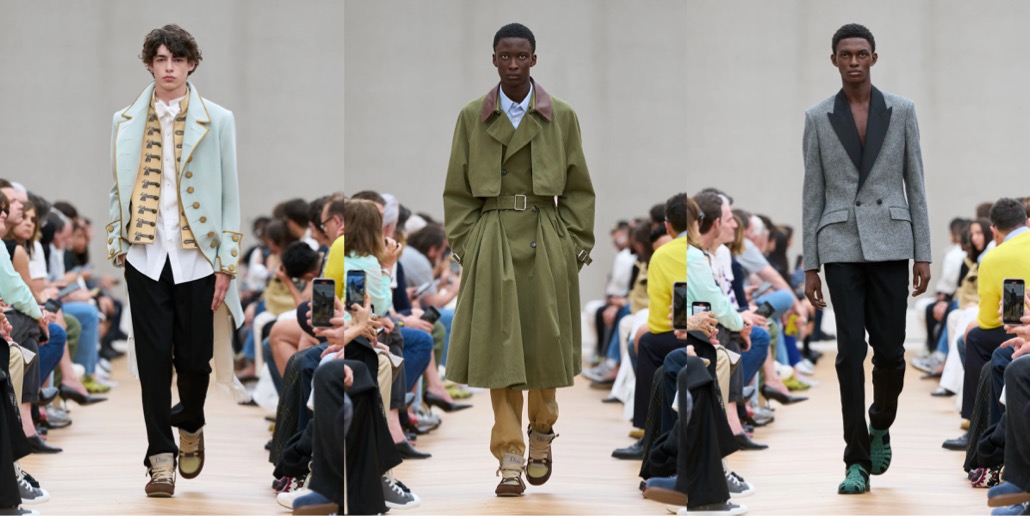
Kim Jones‘ sensational Dior Men collection is exactly what happens when a designer is unburdened from another super-demanding job (meaning Fendi, the Roman brand where the British designer just couldn’t find his rhythm). This autumn-winter 2025 menswear collection was evidently thoroughly considered and planned, like an haute couture outing. The most stunning silhouette was either a trouser nor a skirt. It was a coat, worn backward, with the collar creating a kind of asymmetric cummerbund, the tucked-in sleeves forming “pockets,” and buttons running down the back. The silk-ribbon blindfold some of the models wore gave a pinch of extra-seduction. If only Dior womenswear was this good. Maybe when – as the rumor has it – Jonathan Anderson takes helm?
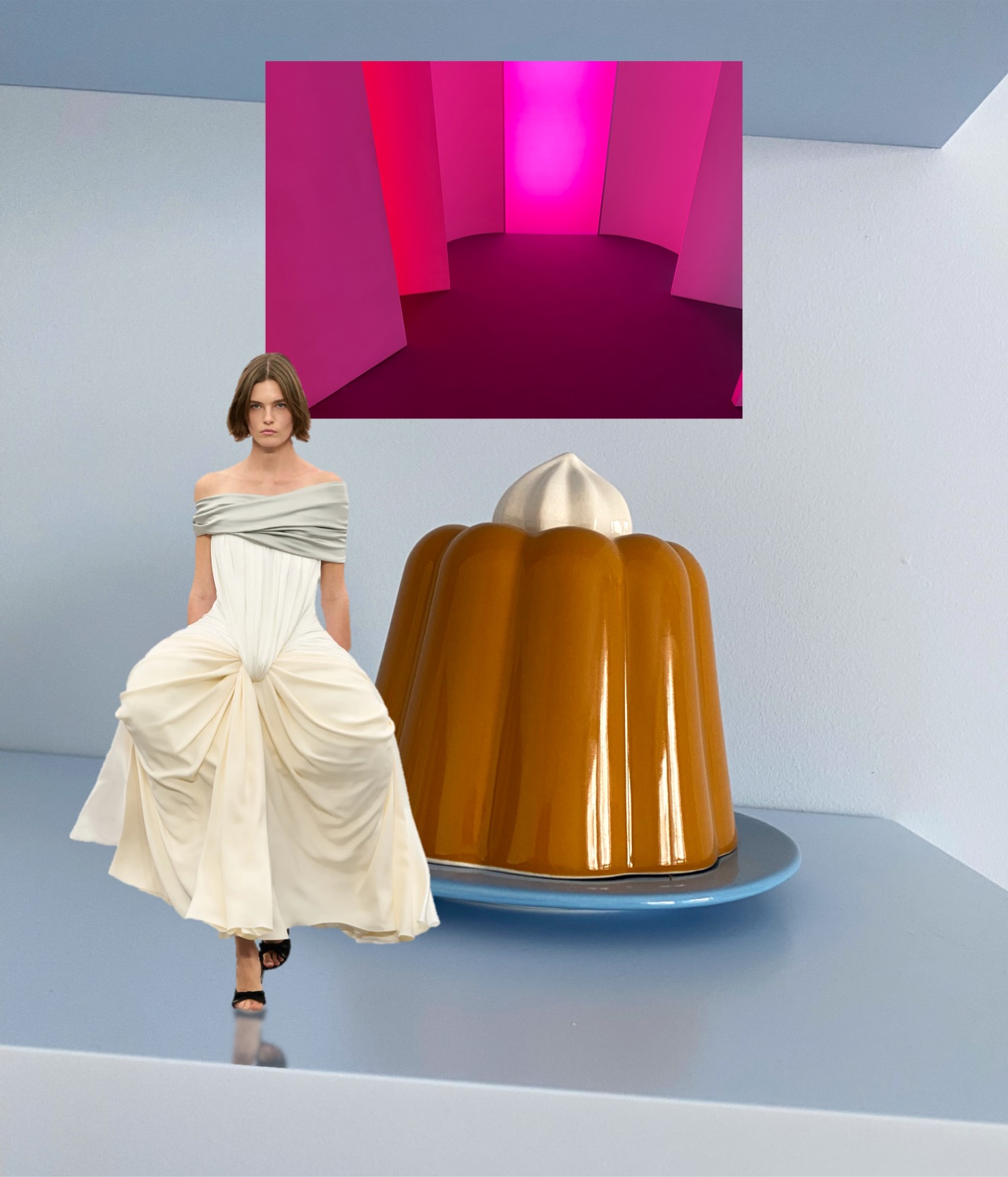
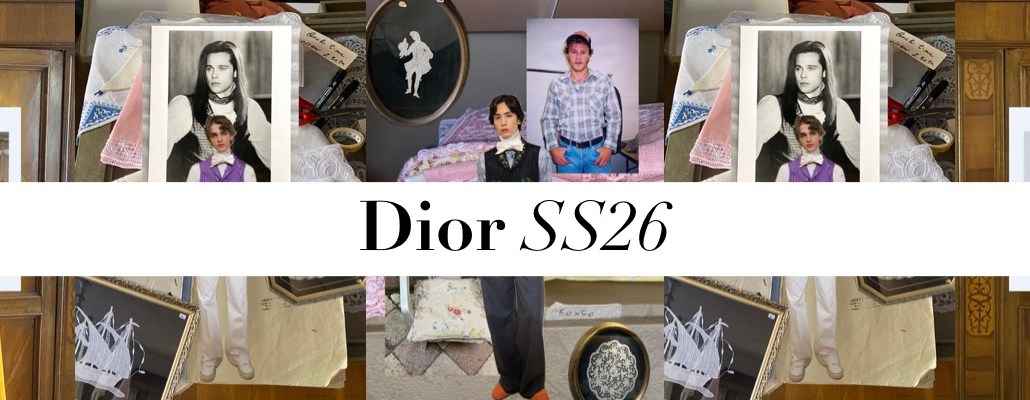
Collage by Edward Kanarecki. Don’t forget to follow Design & Culture by Ed on Instagram!
Hey, did you know about my newsletter – Ed’s Dispatch? Click here to subscribe!
Autumn-winter 2024 collection might be Kim Jones‘ finest endeavor to date at Dior Men. There were 40 ready-to-wear looks and 20 couture, and according to the show notes, through the idea Rudolf Nureyev’s personal life and onstage persona, Jones explored an “idea of two lives lived … the world of the couture reflects the extravagance of his stage presence, of Nureyev’s flamboyance, insolence and elegance”. With the theatrical staging and dramatic soundtrack – a “revisiting” of Russian composer Sergei Prokofiev’s music from the ballet Romeo and Juliet, courtesy of modern day composer Max Richter – in the background, Jones delivered a line-up that not only mused on Nureyev’s style, but also yet again gracefully told a story of queer experience. The ballet dancer’s off-duty, 70s style of zip-up suits was replicated in zipped wool jumpsuits in shades of dove-grey. The magnificent silver uchikake kimono was based on one Nureyev – a collector of vintage textiles – owned. It apparently took 10 craftspeople in Japan three months to complete. The garments were embellished with pearls or awed with the richness of croc-embossed leather. Sheer, metallic mesh tops with floor-sweeping veils were worn with louchely tailored trousers and overcoats with crystal embroideries. Some models wore velvet headwraps; the footwear was all about, you guessed it, ballet shoes. Interestingly, Jones and Nureyev have a brief, yet crucial family connection: Jones’s uncle was the ballet dancer and photographer Colin Jones, whose pictures of Nureyev, driving, reading, chatting on the phone, as well as dancing, formed a book left on each seat for the show’s guests. This outing was definitely one of the most enchanting moments of the menswear Paris Fashion Week, along with phenomenal Rick Owens’ at-home show.
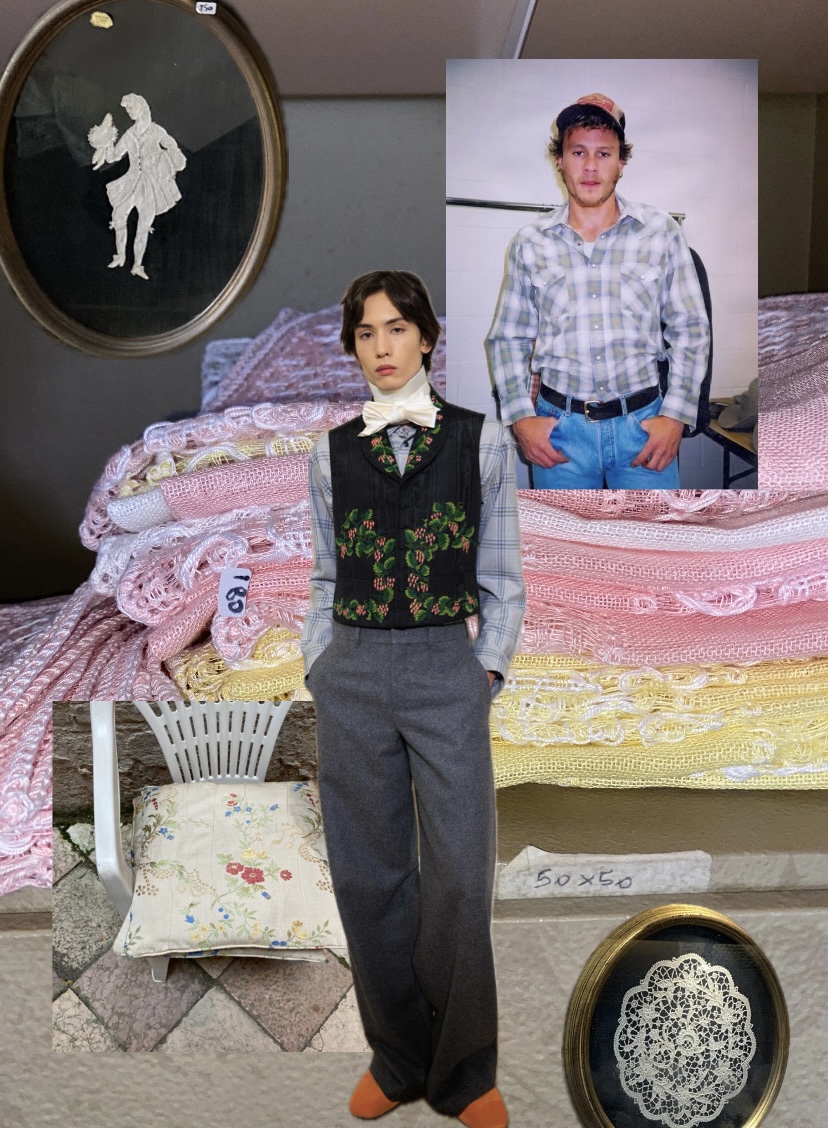
Collage by Edward Kanarecki. Don’t forget to follow Design & Culture by Ed on Instagram!
Hey, did you know about my newsletter – Ed’s Dispatch? Click here to subscribe!
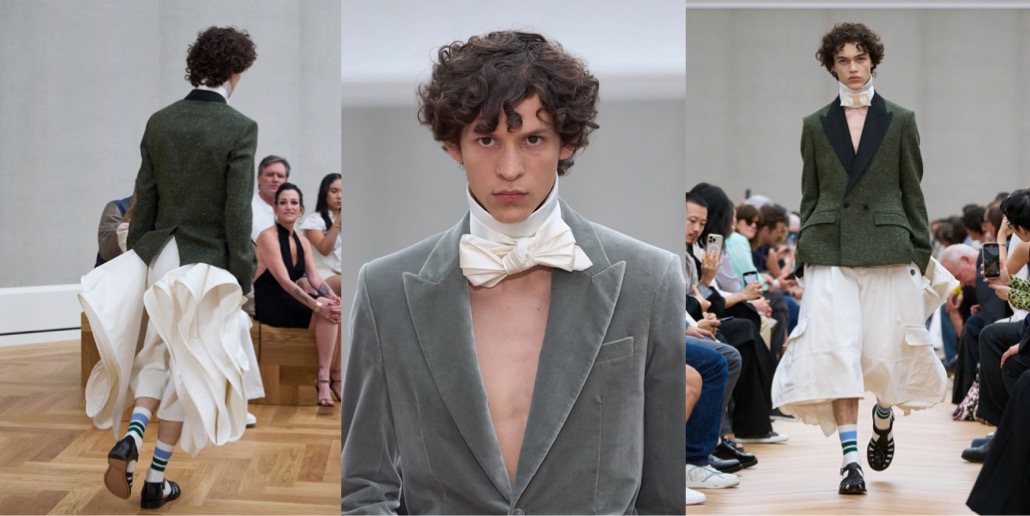
Kim Jones‘ first collection for Dior seems like yesterday, but believe it or not, 5 years have passed since his big debut. I wasn’t always a fan of his work at the Parisian brand, but his recent collection – and especially spring-summer 2024 – make me change my mind. For this anniversary collection, Jones turned towards a canonical trio of Dior designers who preceded him. He referenced Yves Saint Laurent, Gianfranco Ferré, and Marc Bohan, enmeshing motifs from their times here with propositions of his own. The membrane the connected them all was Christian Dior’s cannage, the pattern the house founder based on the woven rattan chairs in which guests sat at his first salon show in 1947. The show opened with a coup de théâtre: the wide runway was composed of polished metal gray tiles. As the first Andrew Weatherall–conjured wheezing whalesong of Primal Scream’s “Higher Than the Sun” began to roll, the entire cast of models was raised from beneath the runway in a three-wide, 17-long grid of looks.
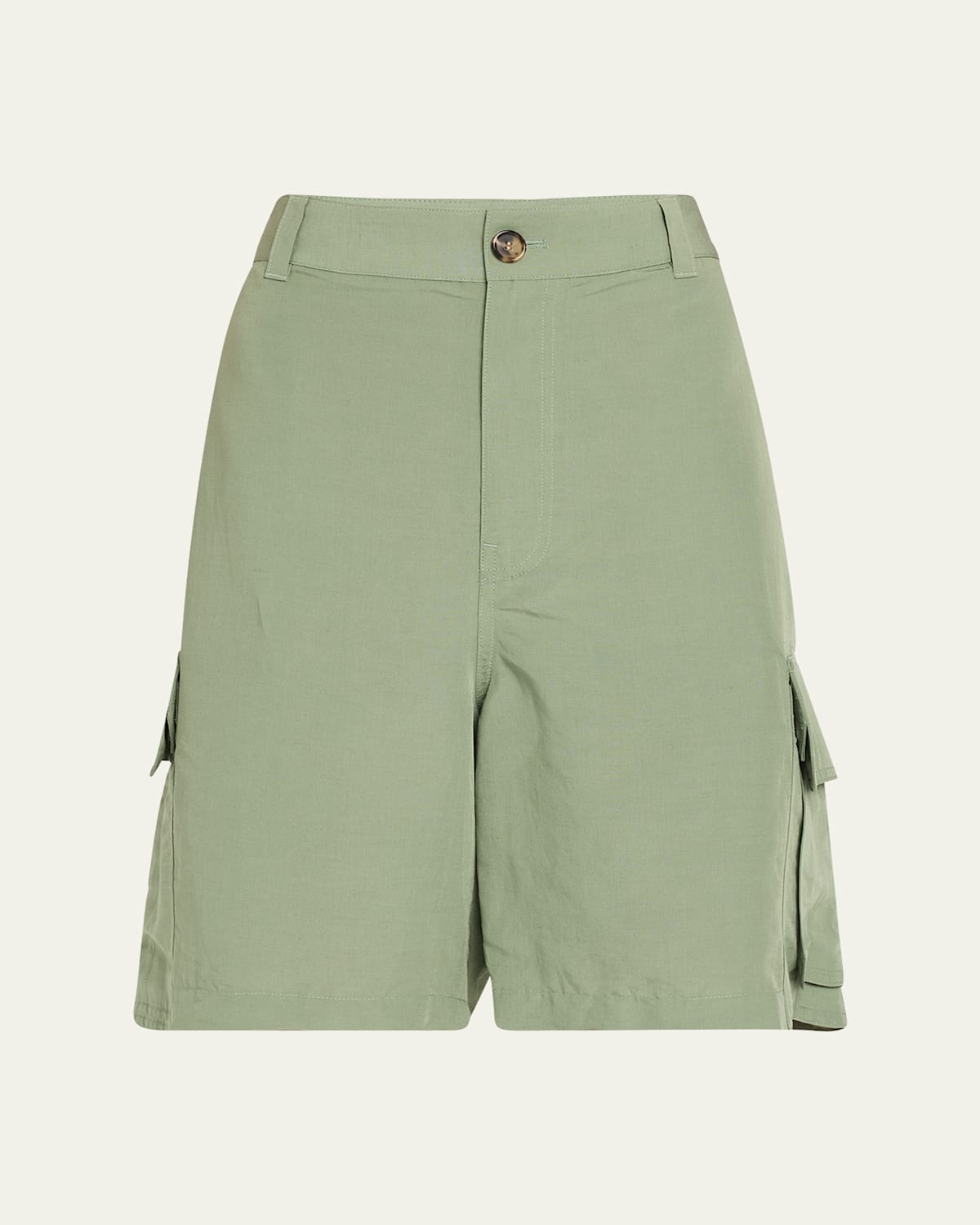
Jones’s design credentials are undisputed. He is also an extremely accomplished visual editor. He studded polished jewels on cardigans draped over the collection’s straight-legged, high-hemmed, high skirted tailoring, and then that over piqué polo shirts set with yet more jewels. Can we talk about the knitted beanies with velvet flower brooches?! Obsessed. Tweed loafers had buckles derived from a Lady Dior fragrance motif. Marled jacquard cannage knits in punchy colors were worn shoulder robed over more of the tailoring. Some jackets, semi-safarienne, were set with a bow at the breast pocket. Long tweed coats, high notch-collared and double breasted, featured the faded rattan shape within their muesli flecks and appeared to be bonded dresses worn from the shoulder. Dior’s Mitzah Bricard–inspired leopard print was reproduced on Saddle bags and vests. These were worn with sporty tweed shorts, which were later placed against tweed and piqué twinsets. The punches of fluoro green and orange added a psychedelic touch. As the designer put it himself: “It’s a collage of different designers in the archive expressed in shape, color, form and mood.”
Collage by Edward Kanarecki. Don’t forget to follow Design & Culture by Ed on Instagram! By the way, did you know that I’ve started a newsletter called Ed’s Dispatch? Click here to subscribe!
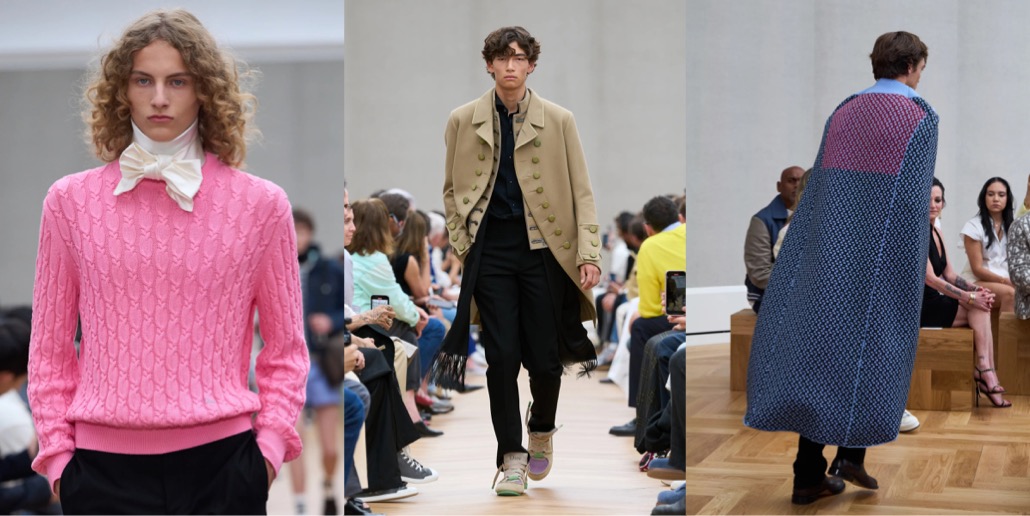
The autumn-winter 2023 collection is Kim Jones‘ best line-up for Dior Men, hands down. It felt like an eureka moment, a direction for the designer to take with the brand. The new season sees a change of spirit and style, with Jones presenting an absolute understanding of sophisticated menswear that can be both unexpected and easy, refined and relevant. Inspiration-wise, the British designer returned to his extensive collection of rare books once again. He brought in Robert Pattinson and Gwendoline Christie to recite The Waste Land, T.S. Eliot’s epically difficult, melancholic poem written in the aftermath of World War I. Jones owns six copies of this work of English literature which is considered to be pivotal to the modernism of exactly a century ago; so there were the faces of Pattinson and Christie, filmed by Baillie Walsh, and blown up on massive screens as the models walked past. All that’s just to fill in the background. What Jones took from the meaning of this most British of works was to do with its themes of time passing, death and renewal. “For me, I read it as about renewal and change; times changing,” he said before the show. “So it begins with Christian Dior dying, and then Yves Saint Laurent coming in and suddenly doing new things. And there’s a lot of me in it.” To parse the fashion stanzas: there were pale, neutral colors, a looseness and fluidity, layerings of transparent trails streaming from the backs of trousers. There was a moment for jackets and sweaters embroidered with tiny chains of abstracted lily of the valley, the early spring flower-favorite of Christian Dior. Then, as Christie and Pattinson spoke Eliot’s passages on death by drowning, there were conceptual life jackets with tonally matched buoyancy pads, riffs on seafarer’s Aran knits, voluminous A-line storm coats, takes on yellow seafaring oilskin raincoats, and sou’westers. Over the long run, Jones has been a pioneer in bringing street references into high fashion, and then insisting on applying Christian Dior’s women’s templates to menswear. As times move on, it’s a measure of Jones’s influence that the skirts – and shorts so wide that they look like skirts – in this show now pass as quite normal. He’s working in 2023, not 1923, like T.S. Eliot. English academics the world over might be aghast at Eliot’s poetry being used in a fashion show, but the two Britishers at least have this in common: being out to change the discipline they work in, mediating between history and the future.
Collage by Edward Kanarecki. Don’t forget to follow Design & Culture by Ed on Instagram!