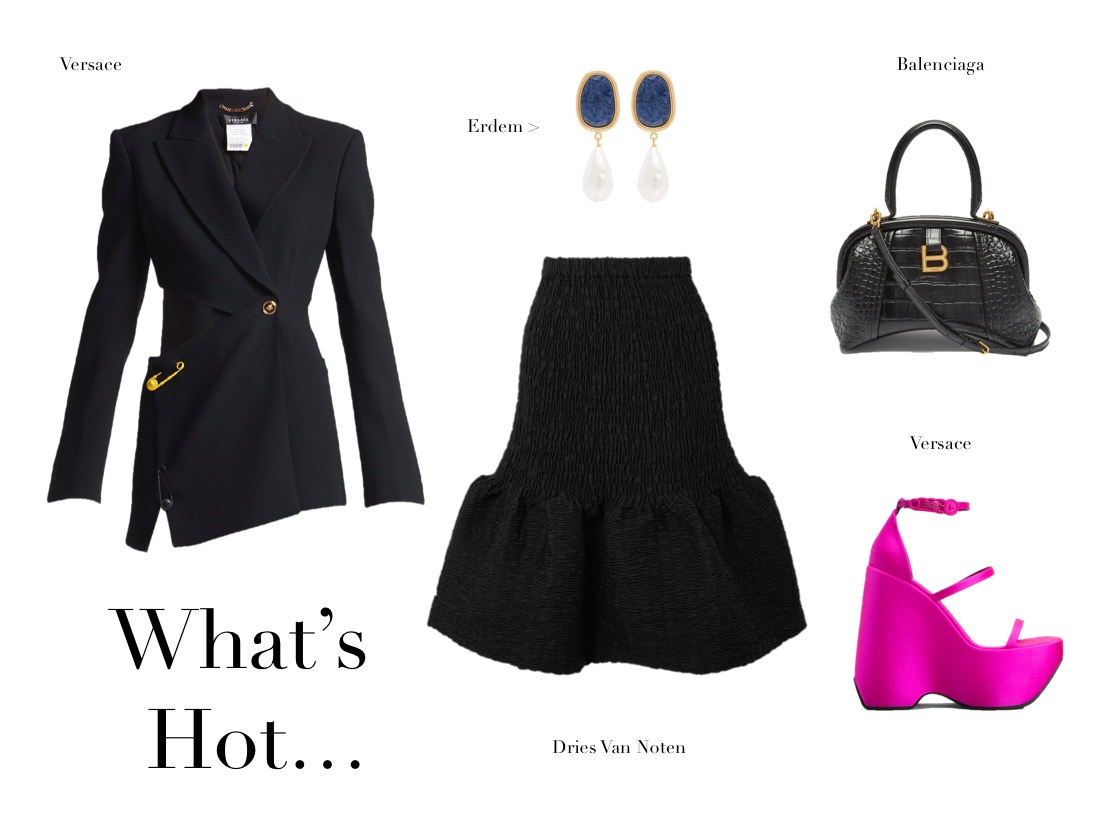
What’s Hot (13.4.22)


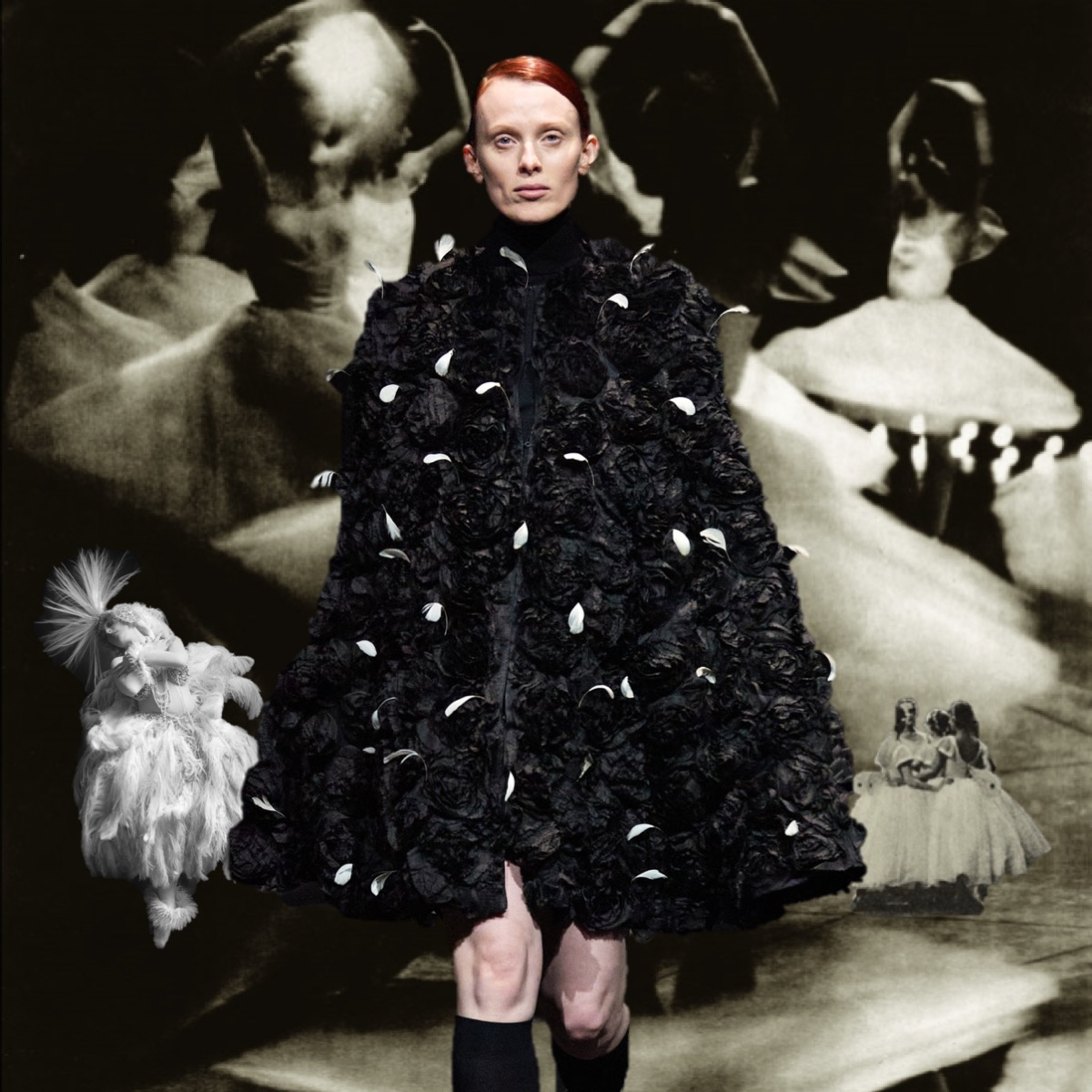
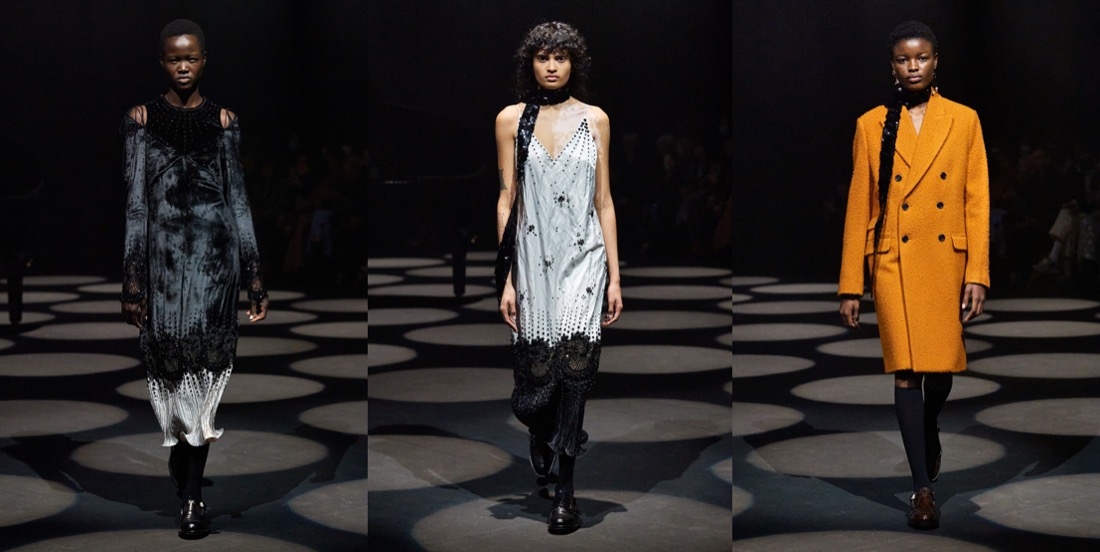
For autumn-winter 2022, Erdem Moralioglu imagined the night lives of four extraordinary women from Berlin’s 1930s arts scene. As silence fell upon a black box inside the Sadler’s Wells, a pianist took to a grand piano and began to play a dramatic solo. From the ceiling, pillars of dusty spotlights shot through the blackened-out room as Erdem’s austere, androgynous, unsettling – and totally beautiful – collection meandered around the arena. “I liked the idea that it was a club, and maybe they were on their way out, like ghosts. It’s the end of the night and they’re trailing away…” he said backstage, before detailing the historical influence that inspired the collection. Following the launch of his second men’s collection in January, Moralioglu wasn’t done exploring its muse, the photographer Madame d’Ora, who embodied the free and alternative spirit of 1930s’ Berlin in a time of political unrest. Imagining how her nightlife might have been, he found another four muses to join her: the painters Jeanne Mammen and Elfriede Lohse-Wächtler, and the dancers Anita Berber and Valeska Gert, who were all contemporaries of d’Ora and personified the cross-dressing, sexually ambiguity, and liberated identities of the time. “There was something about the effect of doing menswear, and the exercise of adding that masculinity into the collection, and maybe thinking of the extremes of femininity and masculinity mixed together,” Moralioglu explained, using Karen Elson’s opening look of a floral-embroidered black men’s coat with a black sequined evening scarf and big leather boots as an illustration of his intentions. It set a muted and reduced mood for the collection, which was mesmerising through an Erdem lens.
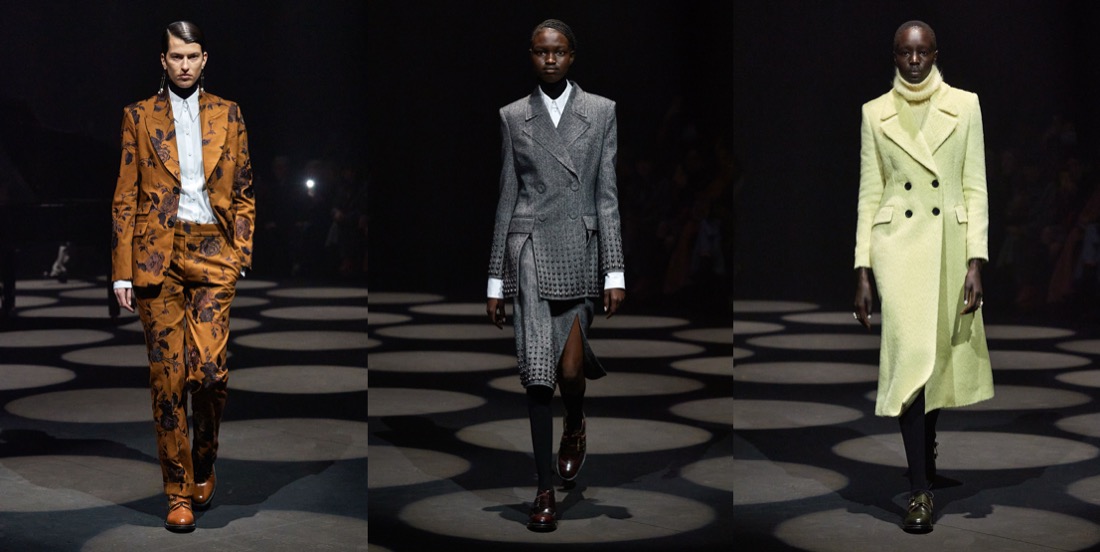
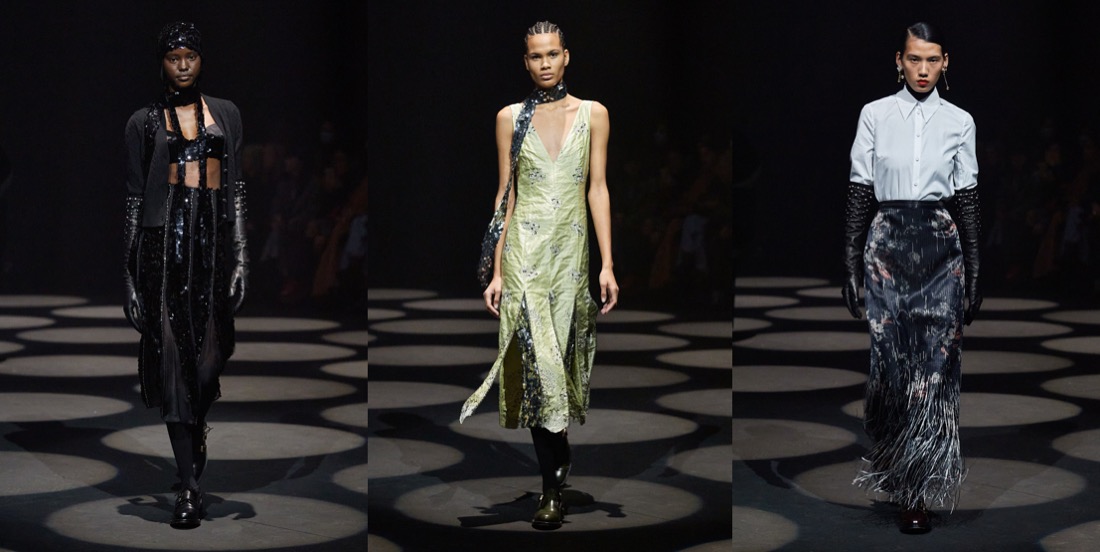
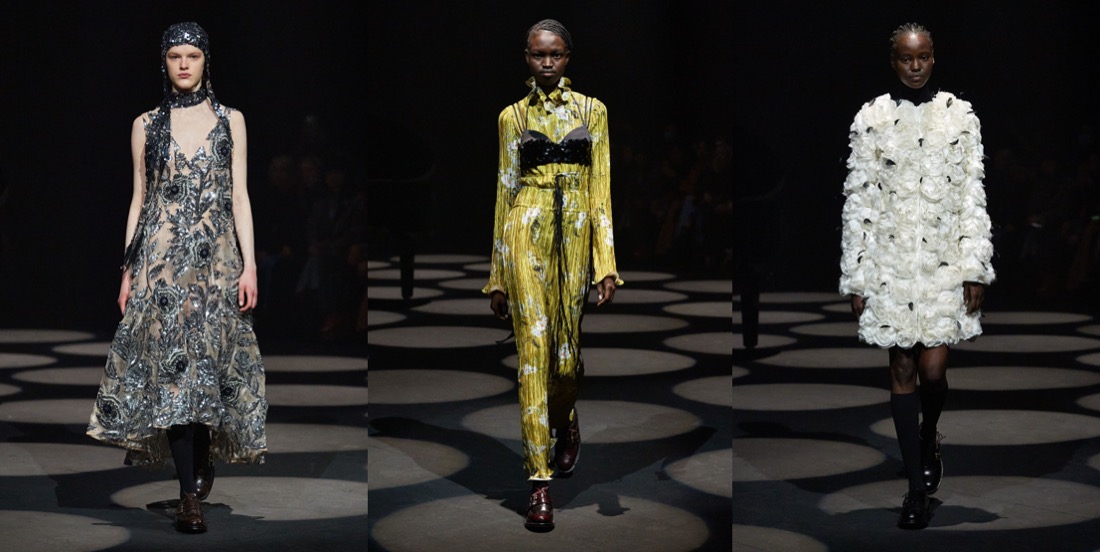
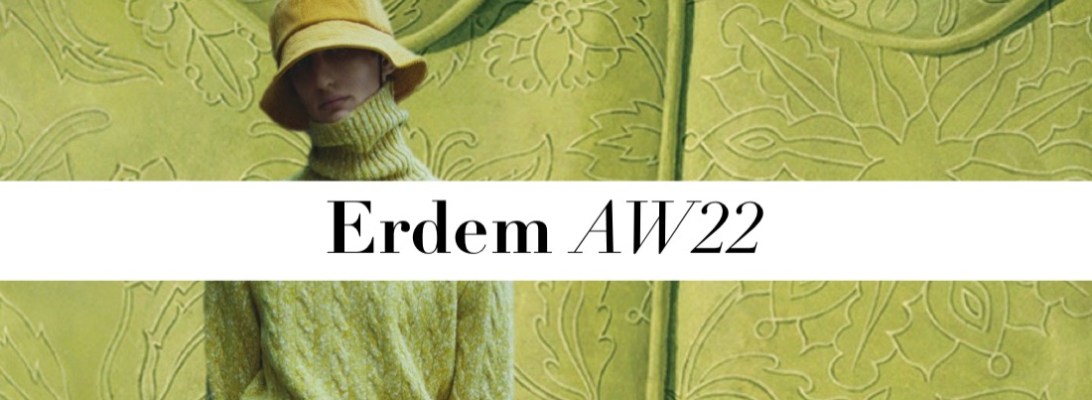
Collage by Edward Kanarecki.
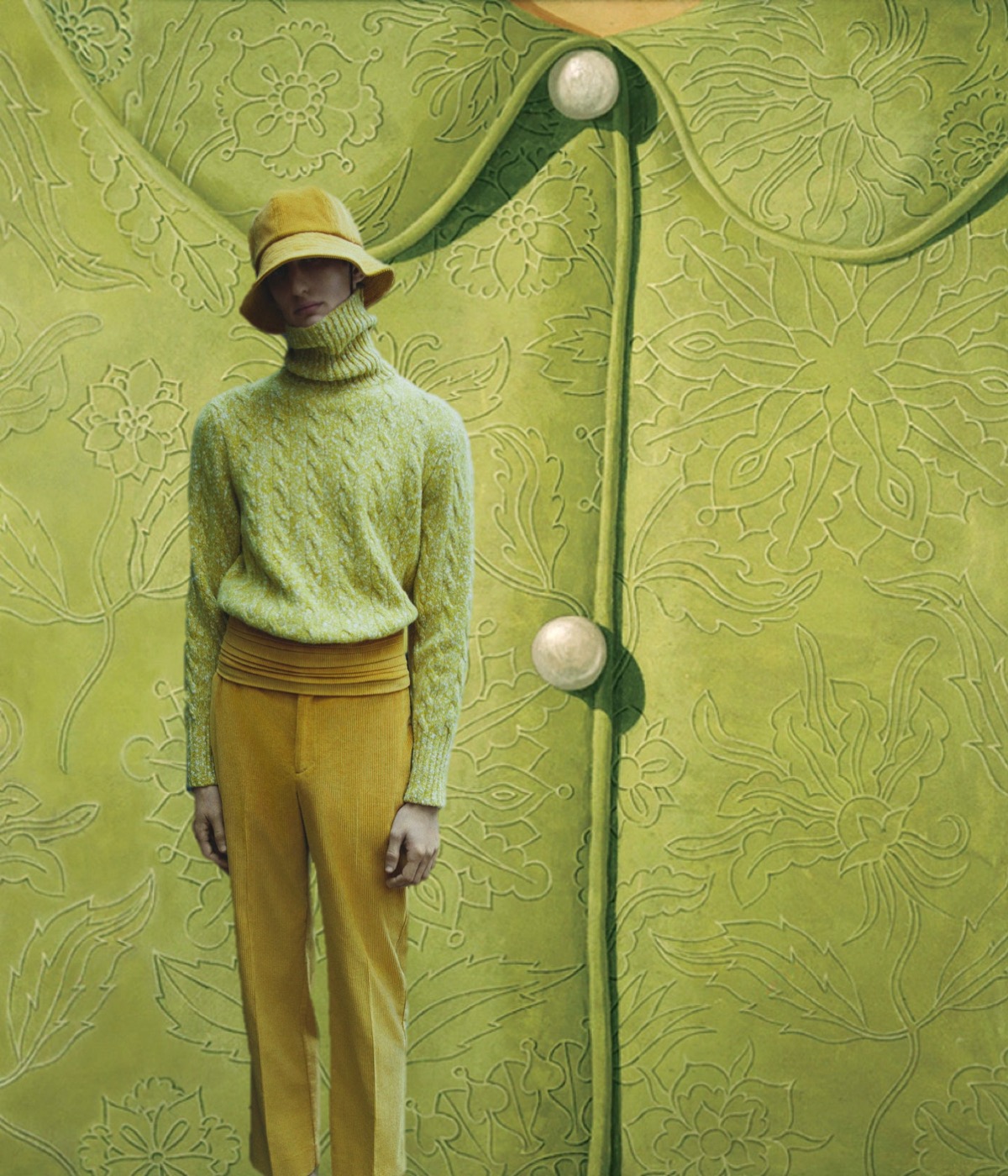
In his second menswear collection, Erdem Moralioglu goes for streetwear – something you never see in his often dramatic women’s offering. “Utilitarian romanticism” is how the London-based designer summed up his newest creative venture. He has a point: in a world where people wear couture-house joggers to dinner, and even Moralioglu surrenders to sporty dress codes, streetwear is really just daywear. “It’s a boiled fleece hoodie with a tailored, nipped jogger,” he said of the collection’s most informal look, describing those garments exactly like he would his ladylike womenswear. But unlike that womenswear Erdem’s men’s world has a relaxed, almost light-hearted quality about it. The designer has been living in the spring men’s collection since he received the first pieces, and, as he confirmed, “it’s very personal.” While the first collection only started to arrive in stores in November, his recipe of ravishingly-colored knits, corduroy, and printed denim has seen great response from the yet-to-be-defined Erdem men’s customer, and has gone down well with his trusty female clientele, too. This season, he took inspiration from the work of two women, who may as well have played muses to one of his women’s collections: Madame d’Ora, a Viennese portrait photographer and contemporary of Picasso, and Madame Yevonde, a portrait and still-life photographer who worked in London around the interwar era. Together, their subjects, grading techniques, and the latter’s use of color inspired a 1930s-driven collection, which borrowed from the women’s wardrobe of the time, and fused those references in Moralioglu’s contemporary “utilitarian romanticism.” What emerged through Moralioglu’s second menswear proposal was a men’s wardrobe of conventional contradictions: feminine vs. masculine, formal vs. informal, Old World vs. new world. Those dichotomies are hardly new territory in menswear, but through the lens of Erdem – with all its history and romanticism – this menswear brand already feels unique and familiar in a way that gives it a character of its own on a very saturated market.


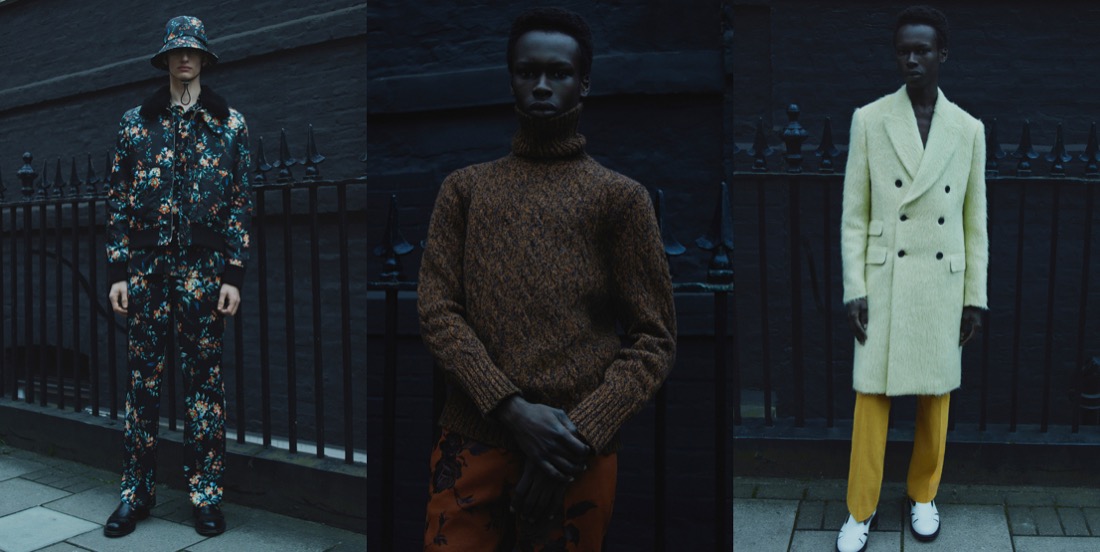

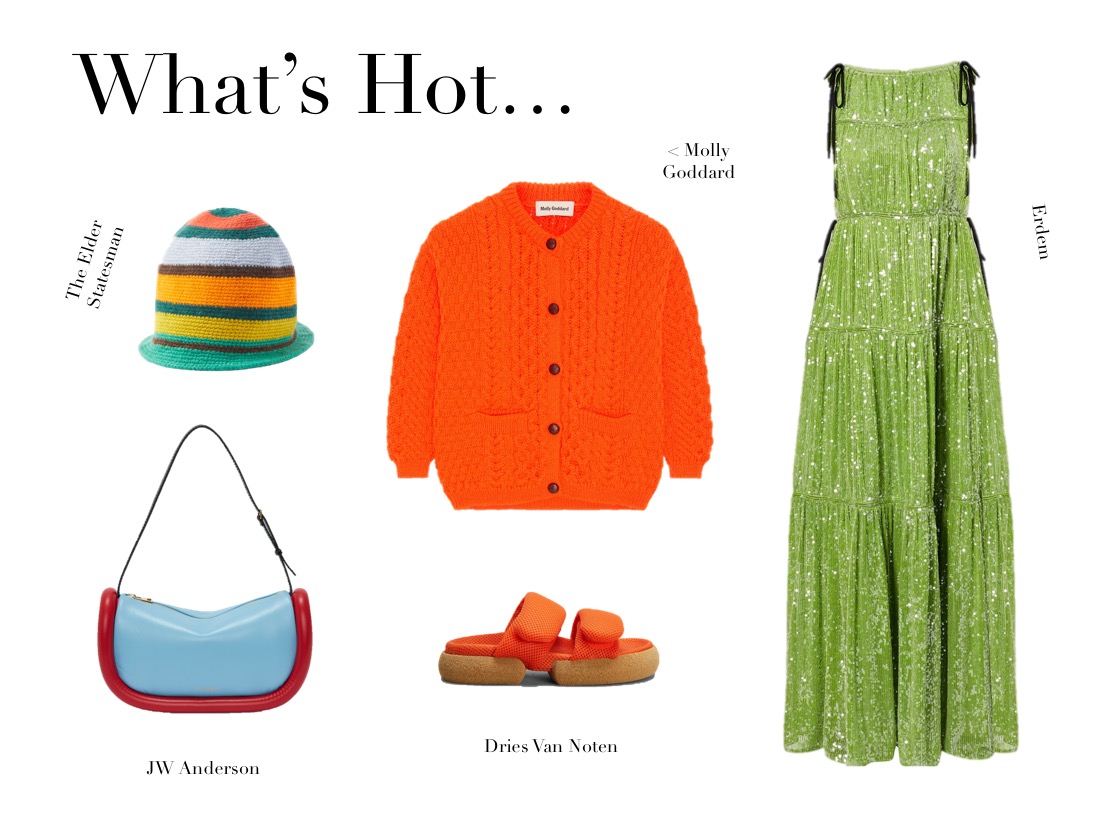
Collage by Edward Kanarecki.
 Design & Culture by Ed