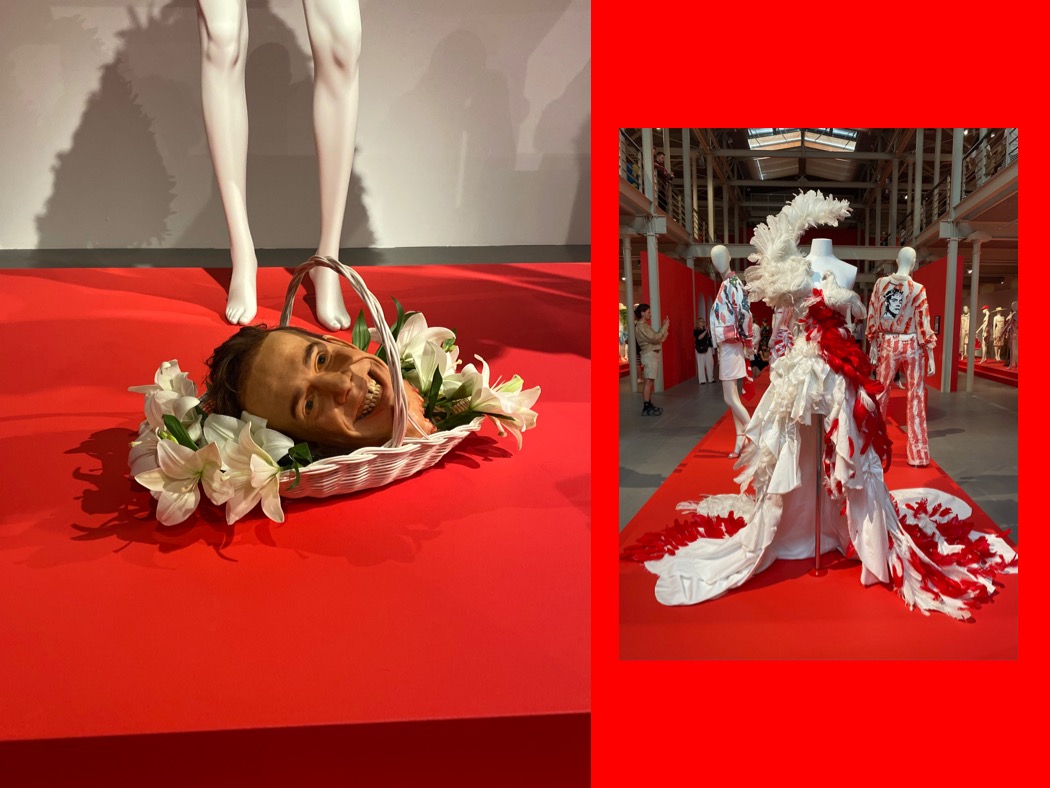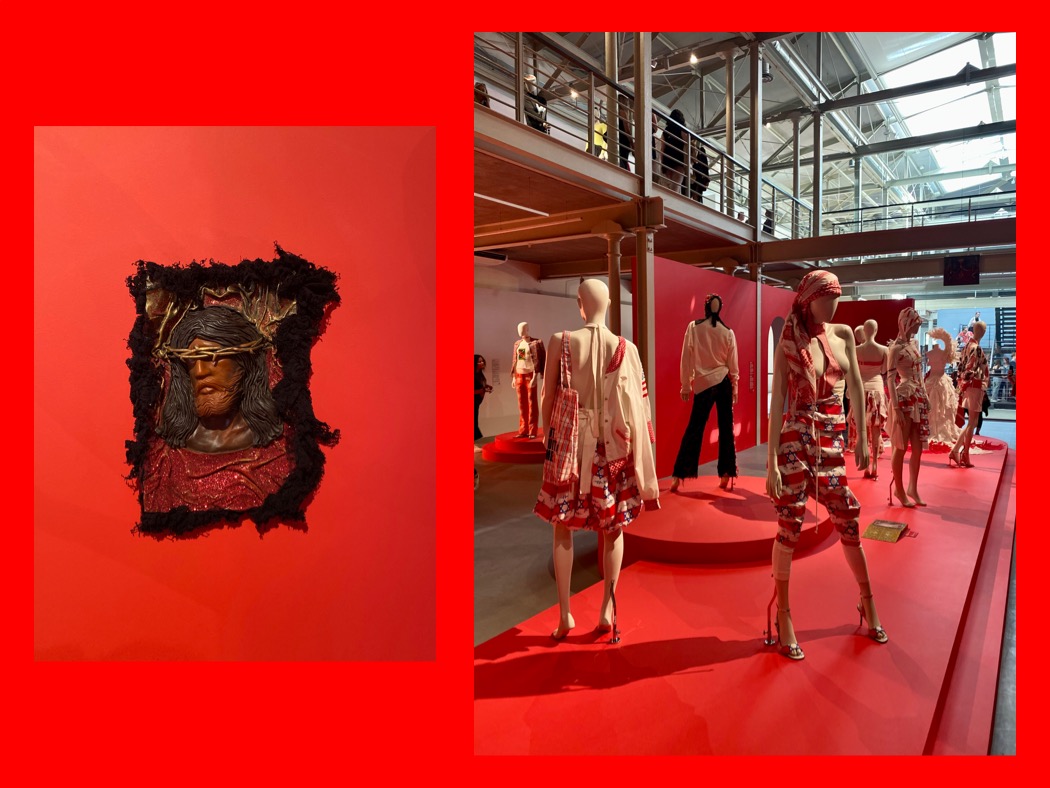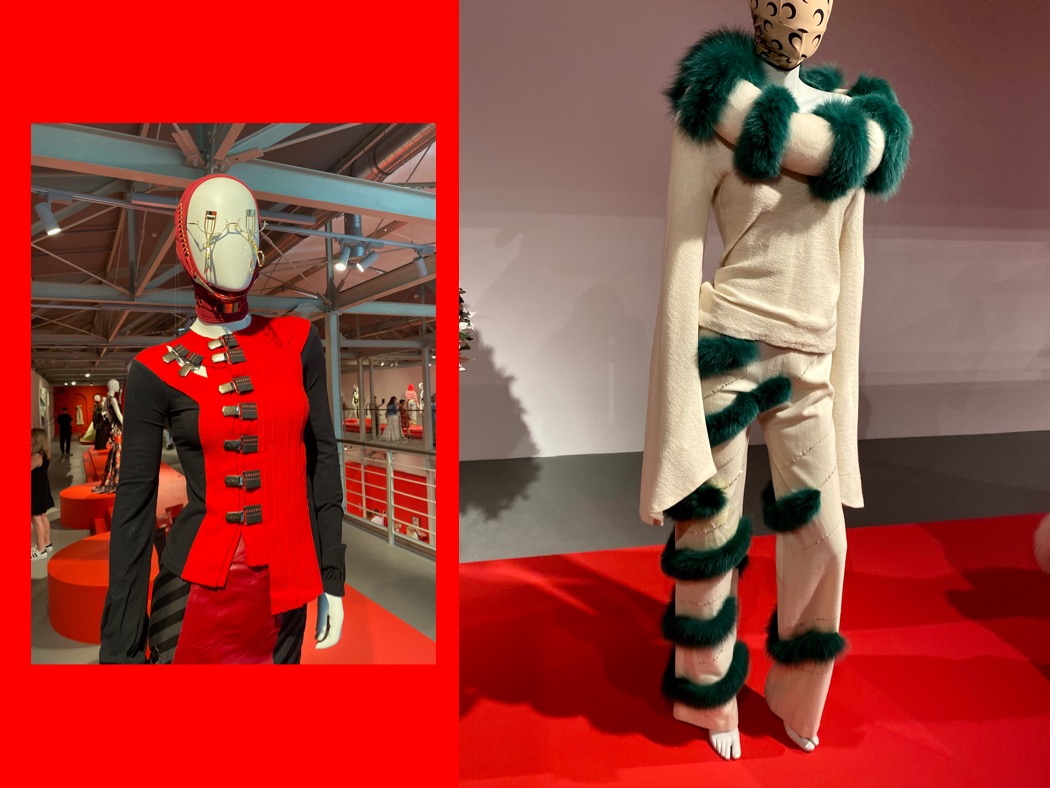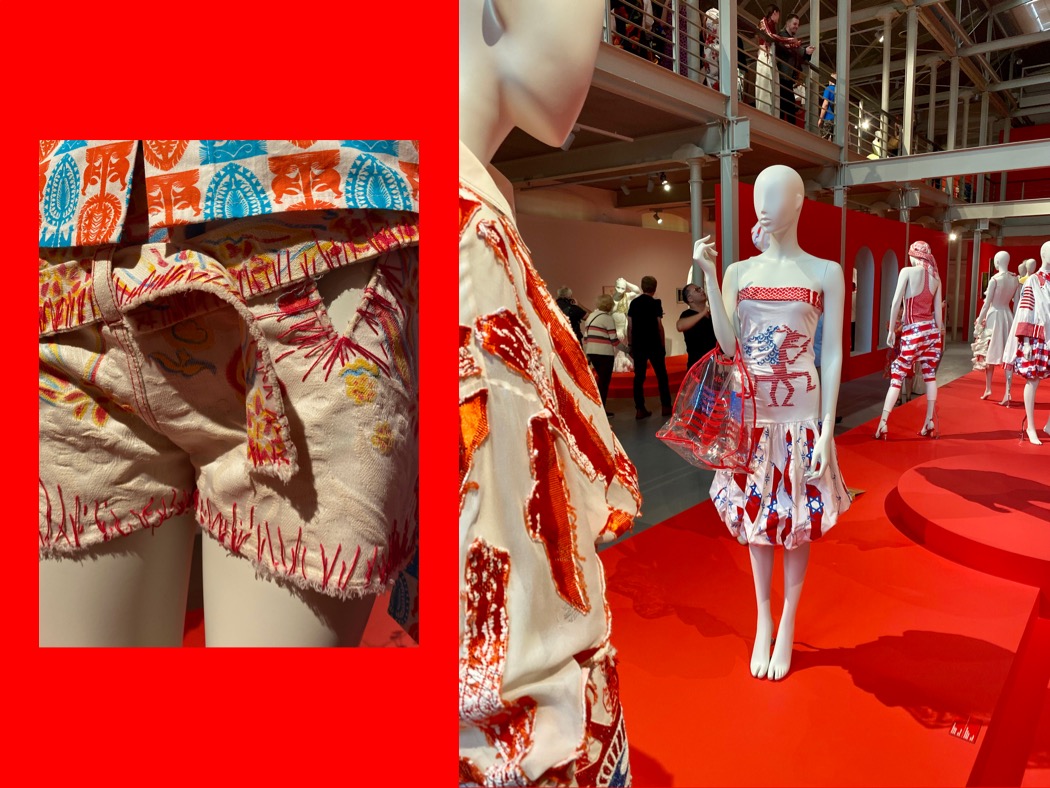
Arkadius Retrospective

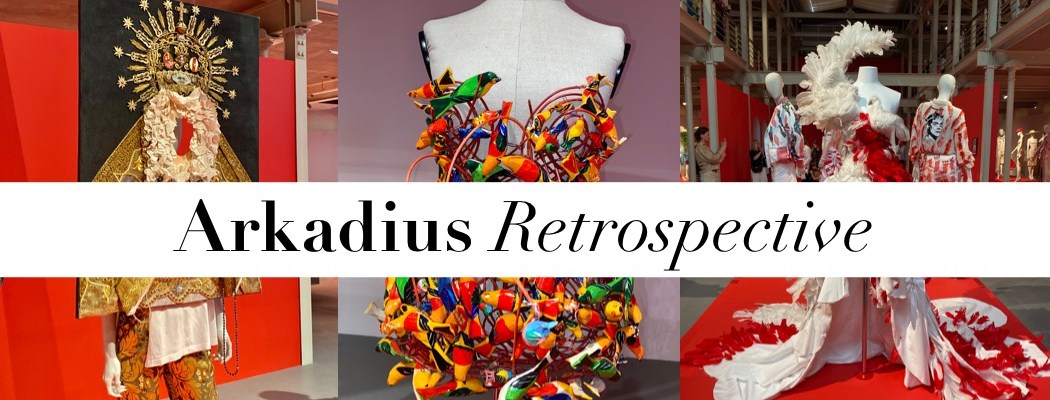
I just can’t emphasize enough how important the Arkadius exhibition at Central Museum of Textile in Łódź (Poland) is! Seeing all these garments finally IRL, masterfully preserved and in dialogue with works by contemporary Polish artists is a heartwarmingly emotional experience. What makes Arkadius’s oeuvre resonate especially now is its sensitivity towards humanity. He interprets cultures, religions and traditions from around the world in a beautiful and informed way, calling for global peace and love. Also, it’s eternally inspiring to see how the legendary designer and the creative who enamored London in the late 1990s and early 2000s plays with the idea(s) of Polish-ness: folklore, countryside life, Catholic imagination… all creating a joyful, exuberant mosaic of an artist’s creativity. Misunderstood in Poland at first, finally understood in 2020s – better late than never. This is a very significant moment for Polish fashion and I’m absolutely proud and happy to witness it.

The exhibition is open through July 2025 – you’ve got a year to visit Łódź!

You can revisit my interview with Arkadius here where we talk about the “Finale Icon” look from his iconoclastic “Virgin Mary Wears The Trousers” collection.

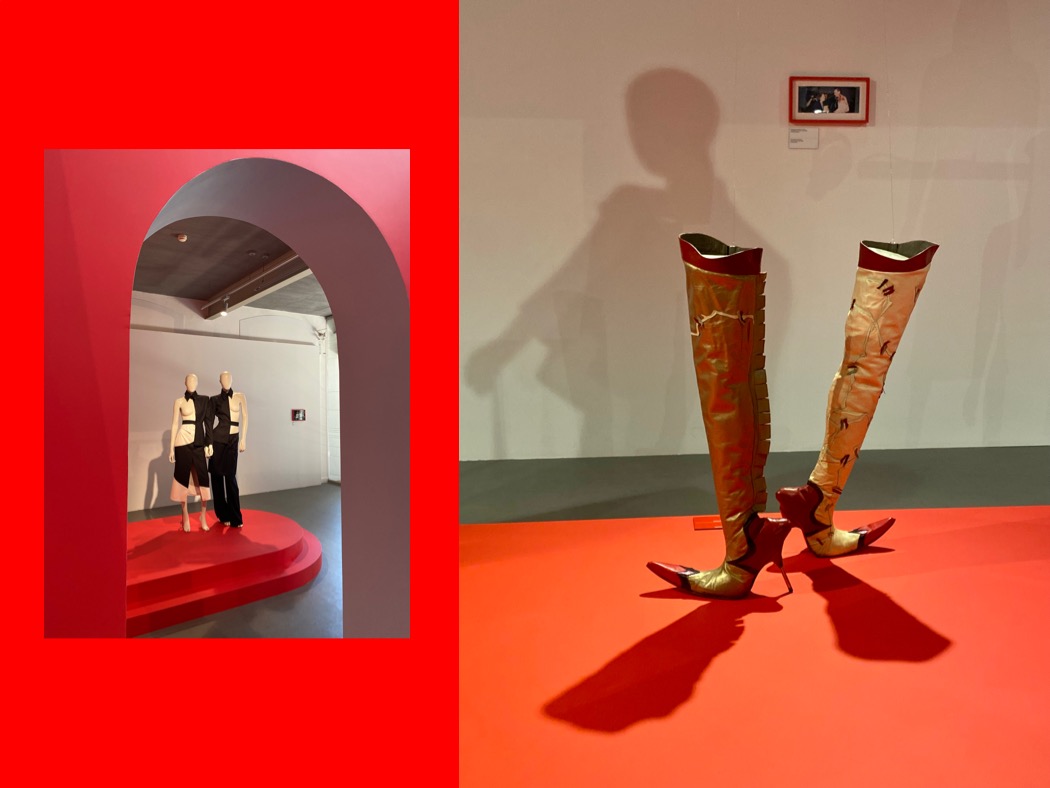
All photos by Edward Kanarecki.
Don’t forget to follow Design & Culture by Ed on Instagram!

Hey, did you know about my newsletter – Ed’s Dispatch? Click here to subscribe!

NET-A-PORTER Limited

Kunstgewerbemuseum in Berlin

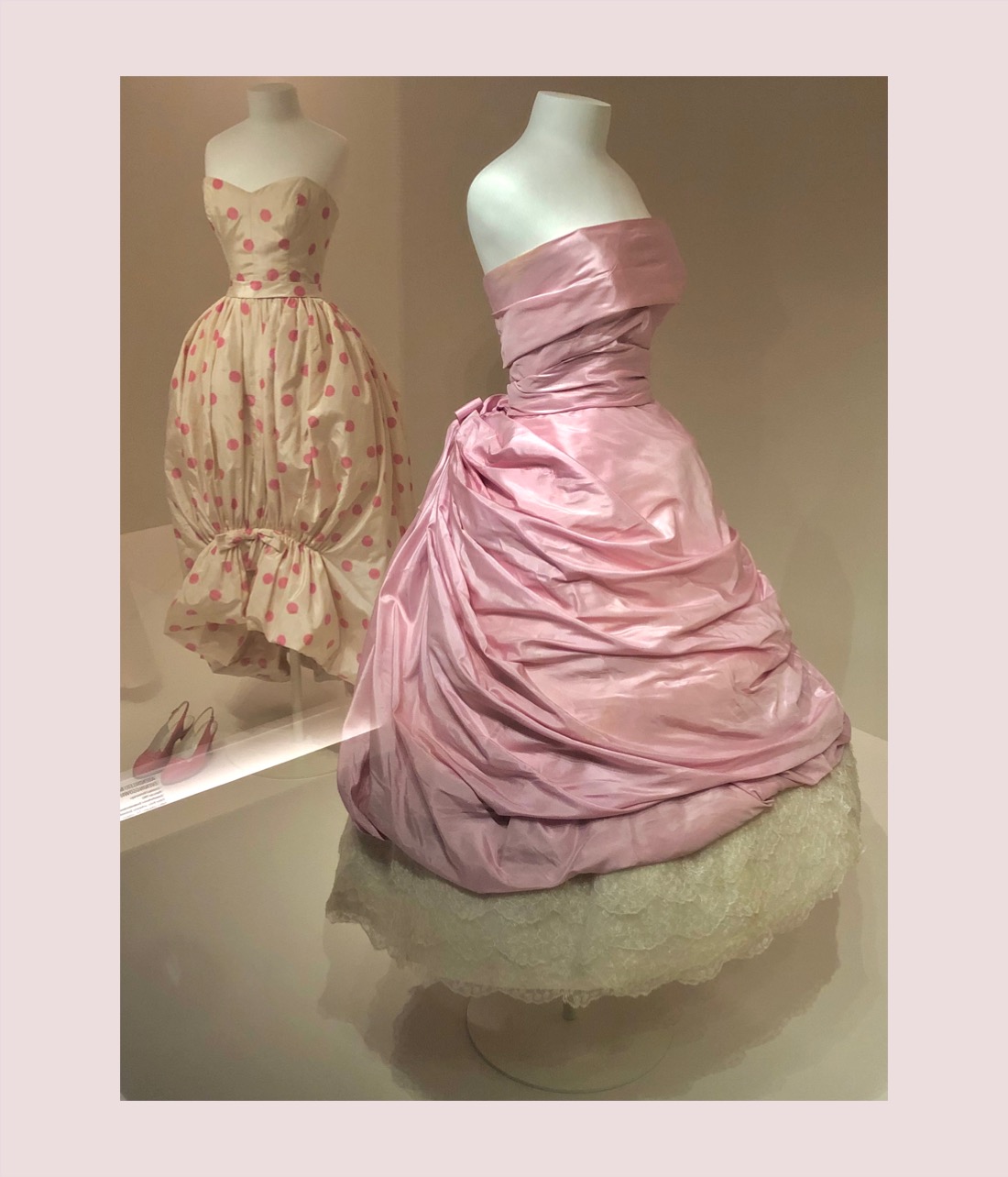
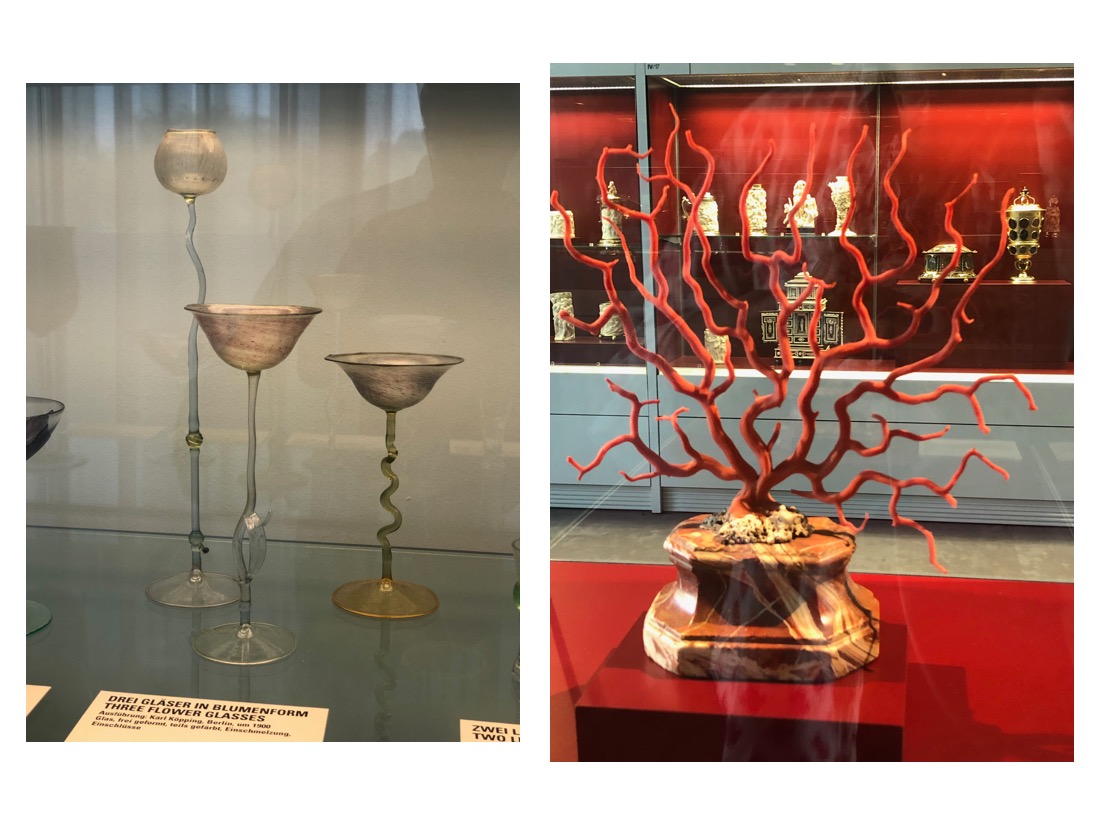
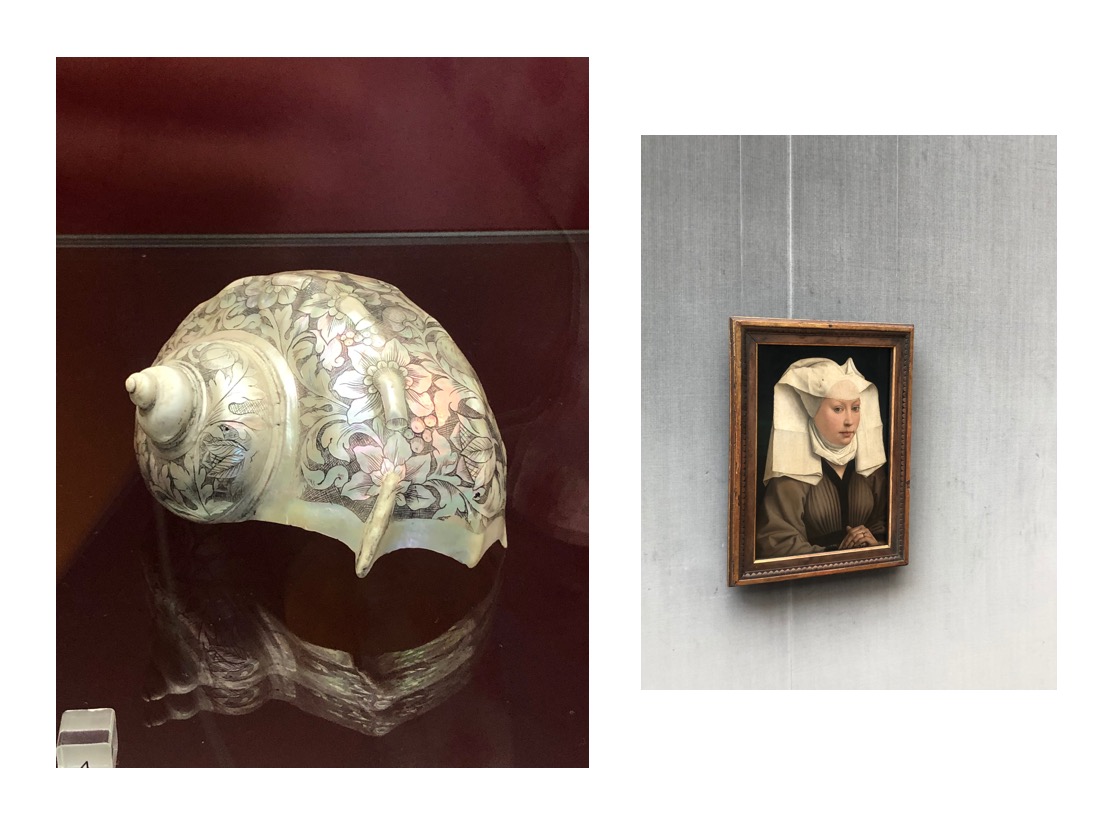
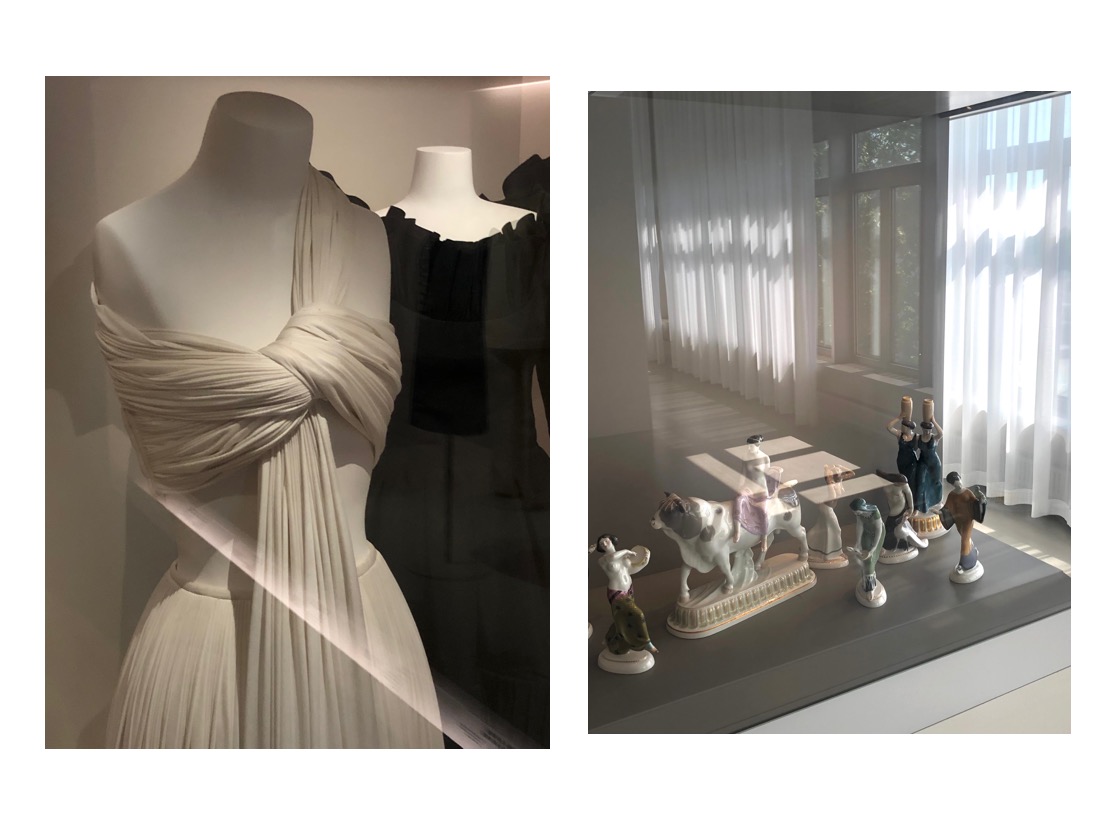
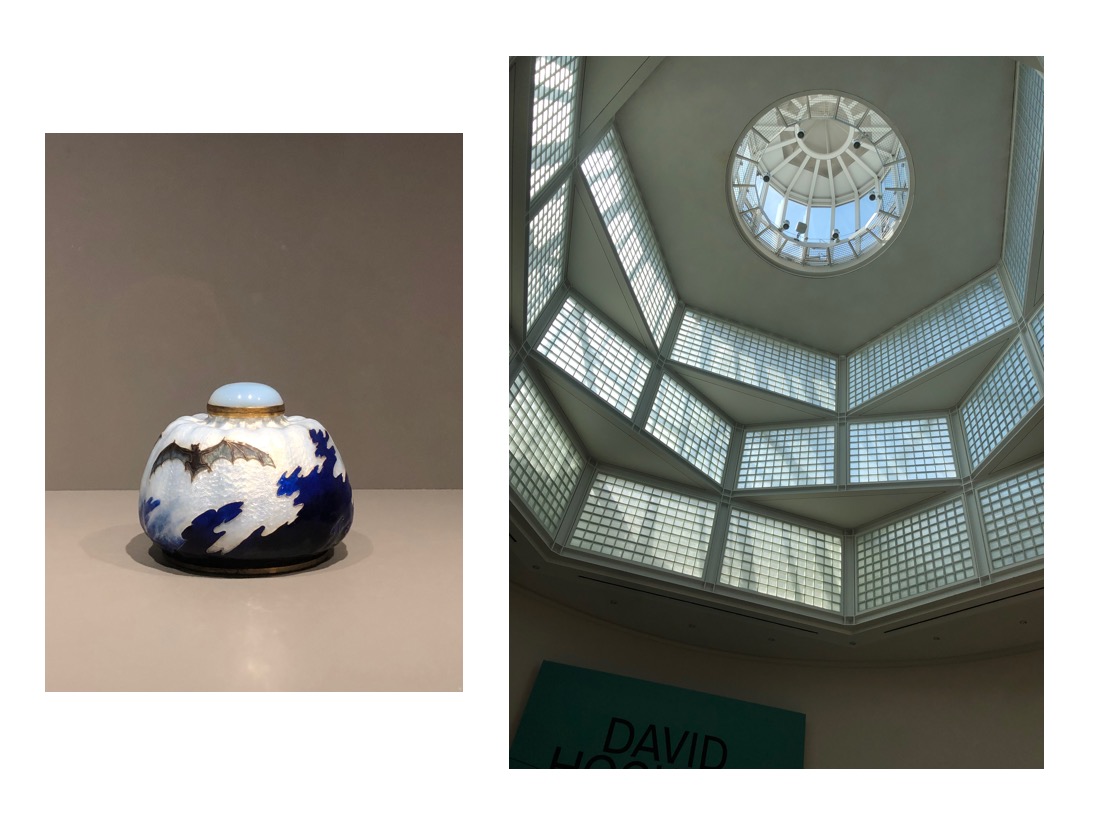
If you’re in Berlin and love fashion history (and decorative / applied arts in general!), make sure to visit Kunstgewerbemuseum. The sheer breadth of the collection is impressive, encompassing a wide variety of materials and forms of craftwork, fashion and design from the early Middle Ages to the present day. The collection’s extensive range of costumes and accessories from the 18th to 20th centuries is presented to visitors since the reopening of the museum in 2014 in a newly conceived fashion gallery. Dresses from the 1960s designed by Jean Patou, Christóbal Balenciaga, and Jean Dessès; Mariano Fortuny’s breath-taking Delphos dresses; 18th century panniers and 19th century crinolines… it’s brilliant. Jugendstil and Art Deco are also well represented at the Kunstgewerbemuseum with glassware from Emile Gallé, pieces of furniture by Henry van de Velde and the glass doors of César Klein. The collection comprises famous and influential design classics such as furniture by Bruno Paul, Ludwig Mies van der Rohe and Marcel Breuer as well as tableware from Wilhelm Wagenfeld. And… in the neighbouring building, there’s the exhaustive Gemäldegalerie with paintings from 13th to 18th century, and it’s also worth visiting.

Matthäikirchplatz / Berlin

Photos by Edward Kanarecki.

Don’t forget to follow Design & Culture by Ed on Instagram!

NET-A-PORTER Limited

Charles’ Chapter. Rochas SS22

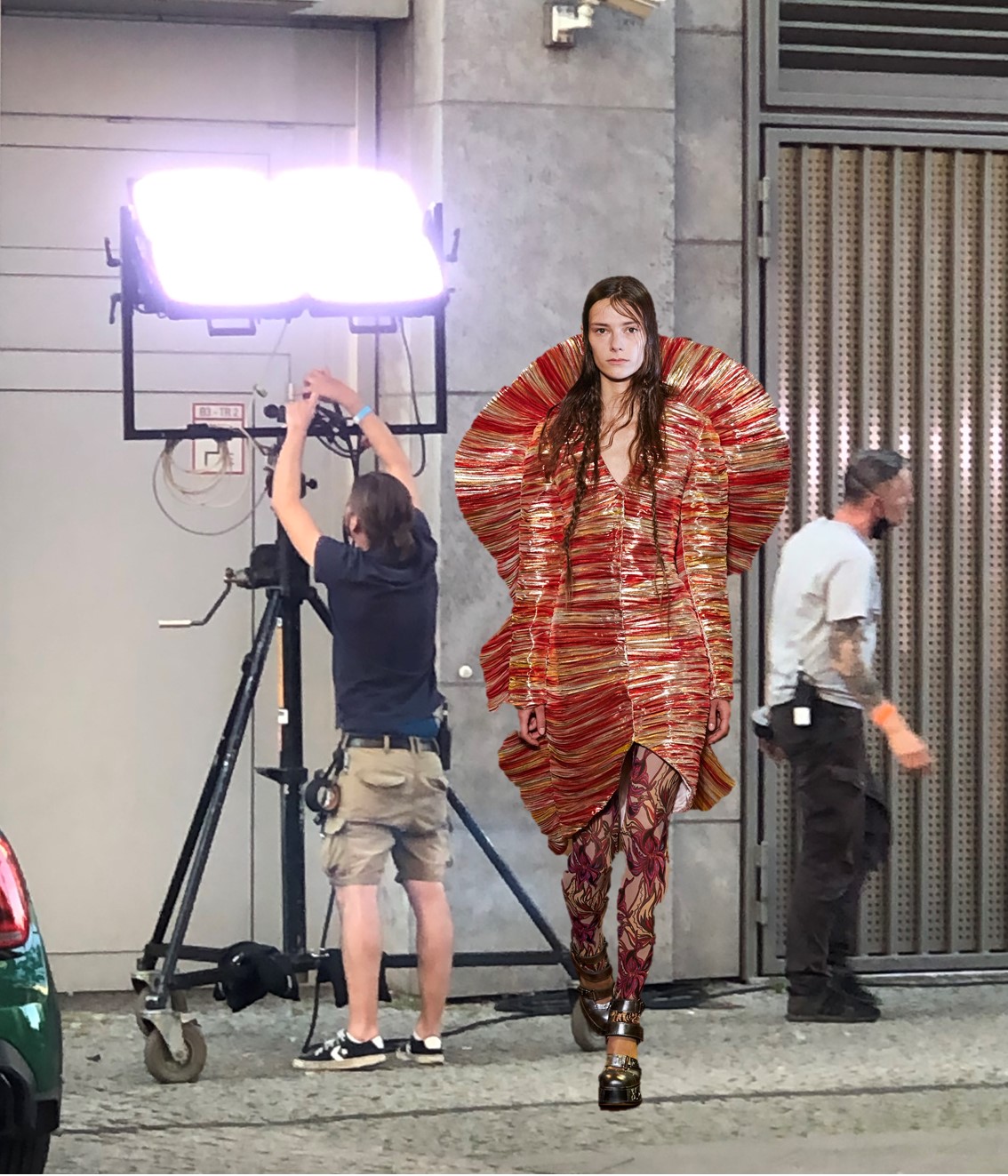
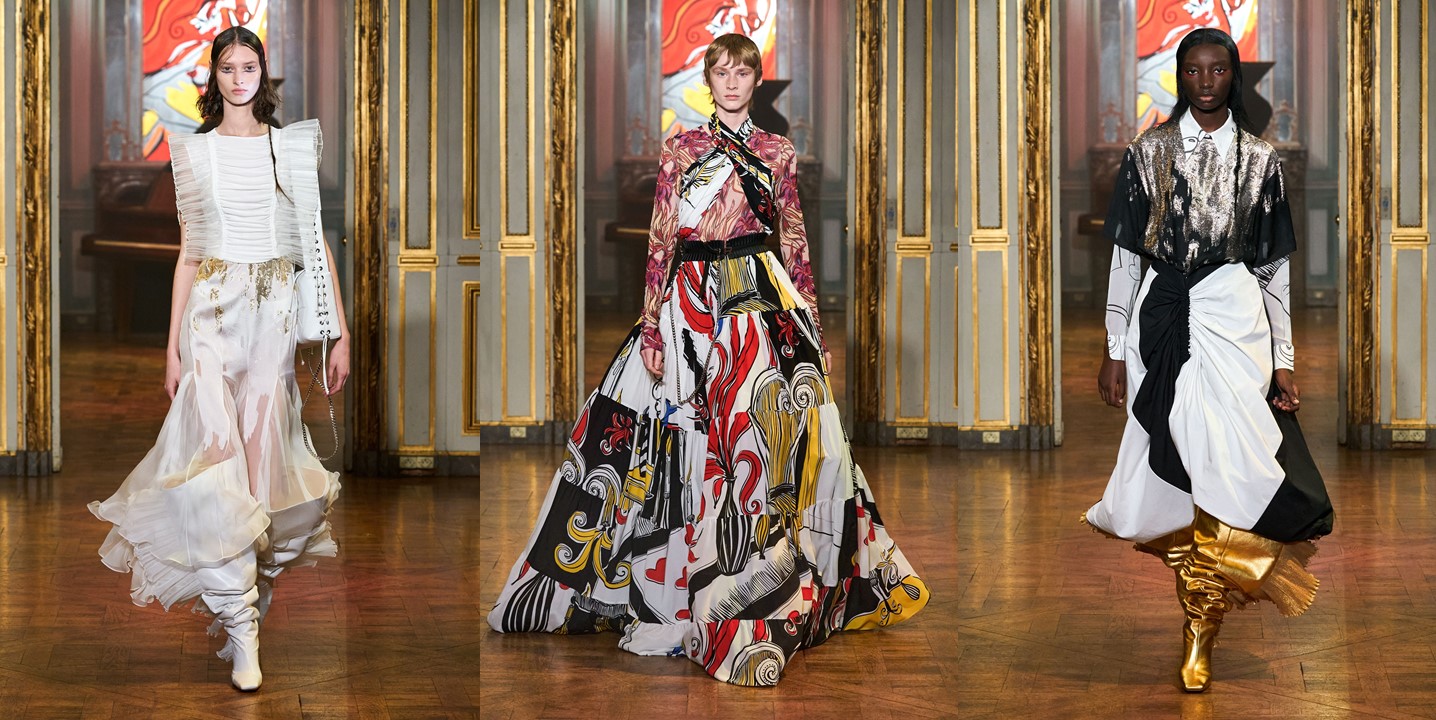
Rochas – just like any historical maison that lacked a firm and precise creative direction for decades – is a tough nut to crack in 2021. Marco Zanini’s years were promising (and very chic), but didn’t work commercially. Alessandro Dell’AcQua’s tenure brought a bunch of lady-like dresses, but pretty much no press acknowledgement. In despair, young blood was hired, and we’ve got the debut collection by Charles De Vilmorin – a 24 year-old designer who in fact presented just two collections to date at his name-sake, couture label. Read: a risky step for Rochas. In all honesty, De Vilmorin’s spring-summer 2022 line-up is rather a miss. Perhaps hinting at the trial-by-fire aspect of his first runway show, De Vilmorin started with a group of looks whose palette and dark shimmer seemed informed by burning flames. There were short and long plissé lamé dresses in shades of red and black and a knee-length red-and-orange number whose arms were traced by a wide band of winglike ruffles. The second grouping was devoted to his drawings, which looked whimsical and distinctive on their gowns-as-canvases, though curiously quite close in both color and style to the printed pieces De Vilmorin did for his own couture debut in January. In the show’s third section, he explored deconstruction: slicing shirtdresses at the shoulders, using drawstrings to create asymmetric volumes in skirts, and twisting and draping a long piece of fabric into a bandeau. In overall, I see chaos. Asked how it feels to inherit a heritage label, Charles said, “It’s magical for me and a big, big challenge. I hope to tell a beautiful story.” For now, the story is hard to read, as there’s hardly any trace of the new Rochas that would finally appeal to a contemporary client, and a barely heard narrative coming from a very young designer who still has to shape his own voice.

Collage by Edward Kanarecki.

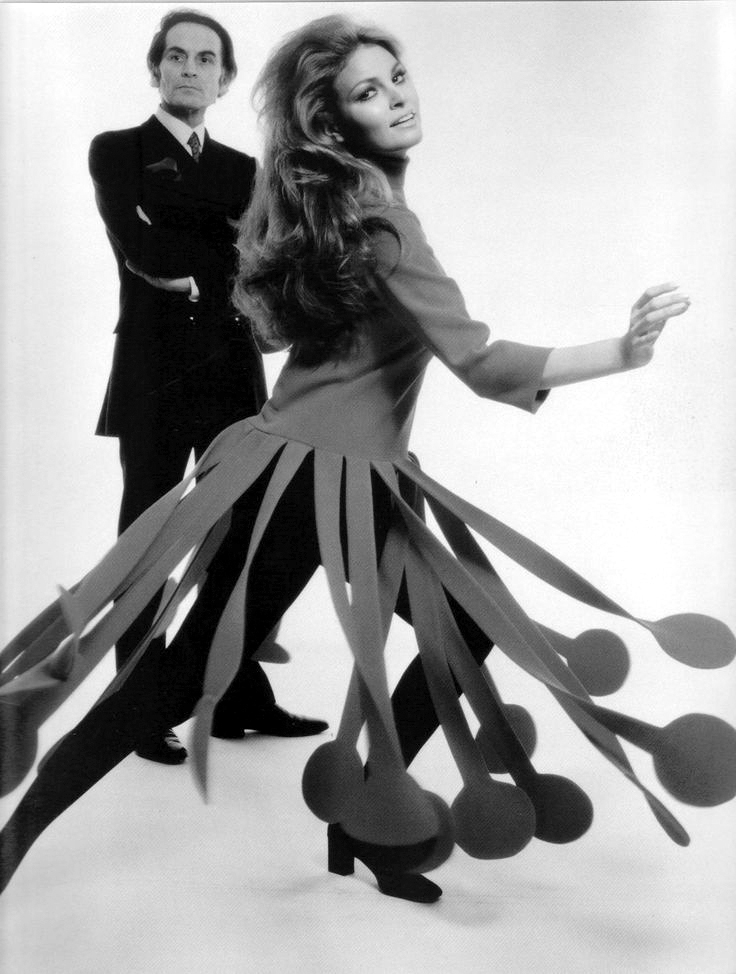
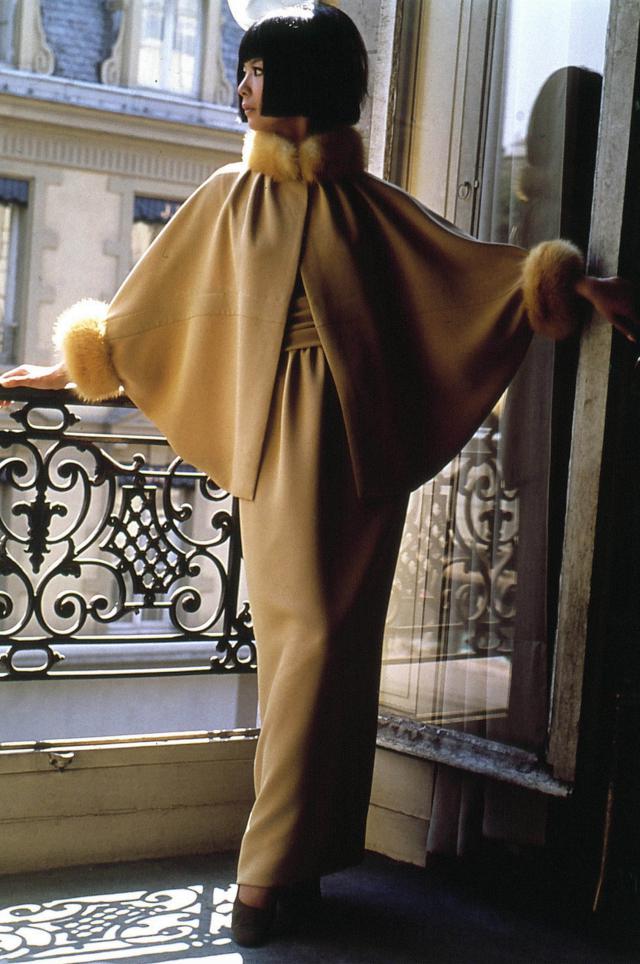
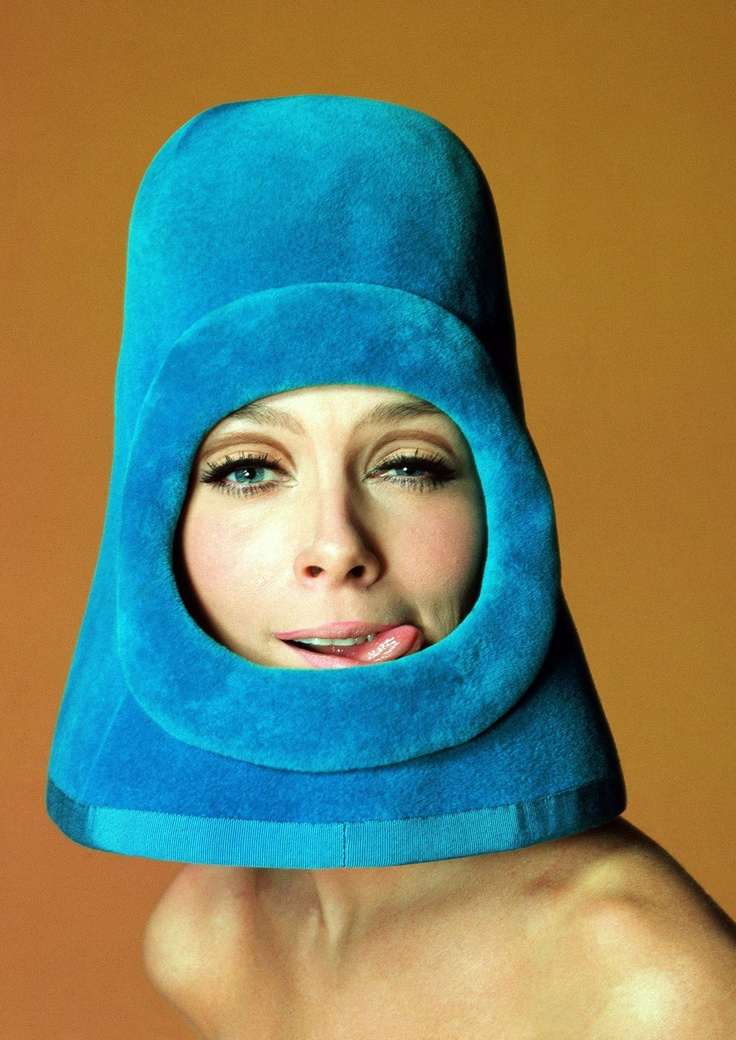
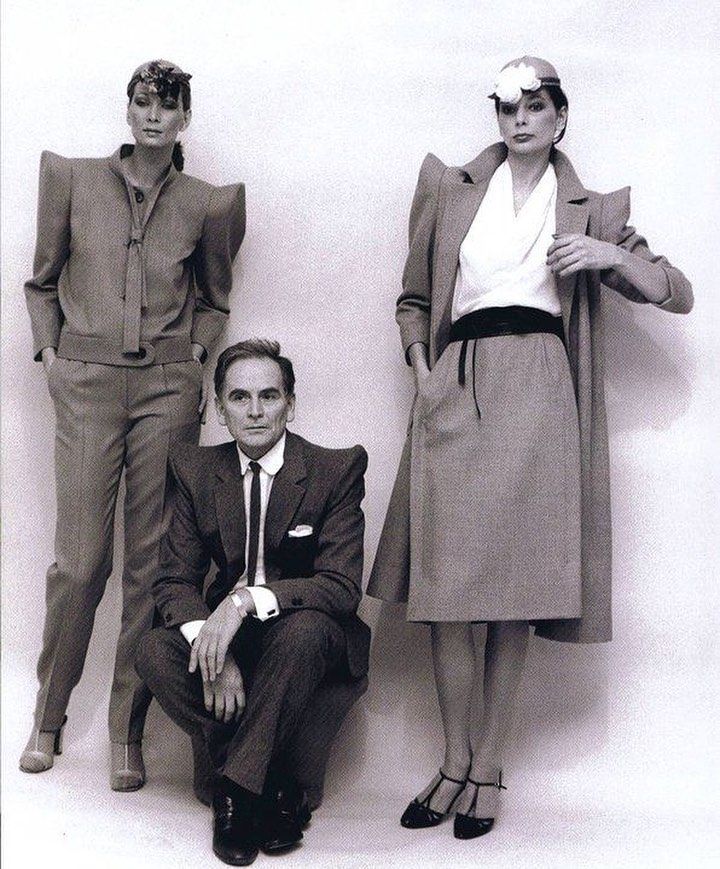
R.I.P. Pierre Cardin

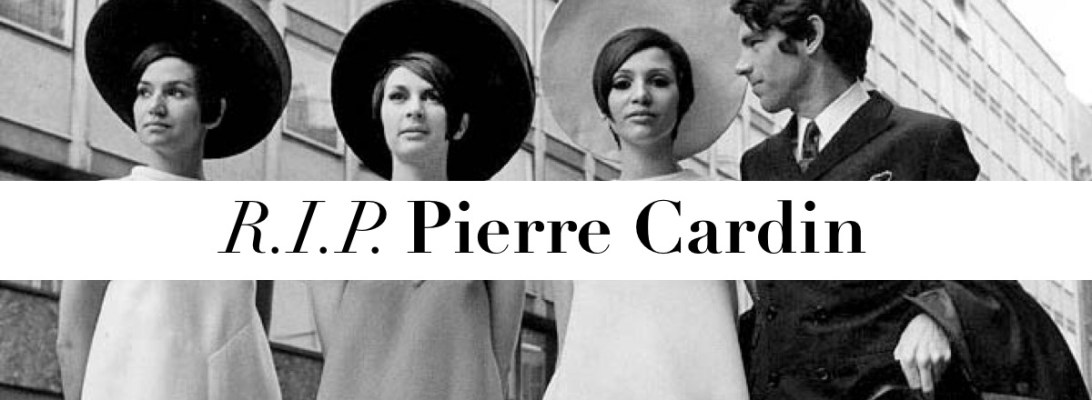
2020 has far too many sad news. Pierre Cardin, the prolific avant-garde French designer best known for his geometric, space-age couture and his maverick approach to business that would reshape the French fashion industry, died yesterday in a hospital in Neuilly in the west of Paris. “It is a day of great sadness for all our family. Pierre Cardin is no more,” the family said in a statement. “We are all proud of his tenacious ambition and the daring he has shown throughout his life.” He was 98 years old. “I don’t like to stop, I like to continually prove myself,” Cardin said in an interview with CBS back in 2012, a sentiment that his tireless work ethic all the way up until his death pays testament to. Renowned throughout his career for his groundbreaking approach to both design and business, Cardin expanded his empire through licensing of everything from automobiles to restaurants (he turned Maxim’s, the historic Parisian Belle Époque restaurant, into a global brand), to hotels, jewelry, glasses, fragrances, furniture, and even tableware. Though the practice of a fashion house lending its name to a variety of different products and concepts is now commonplace, Cardin’s approach was pioneering. So too did Cardin revolutionize the business model of a high fashion brand by introducing the concept of ready-to-wear in 1959, a reflection of his firmly-held belief that quality design should be accessible to all. The fashion world won’t forget him.

Visit the maison‘s website to go through some of the most striking archive works by Cardin.

Junya Watanabe’s Techno Couture

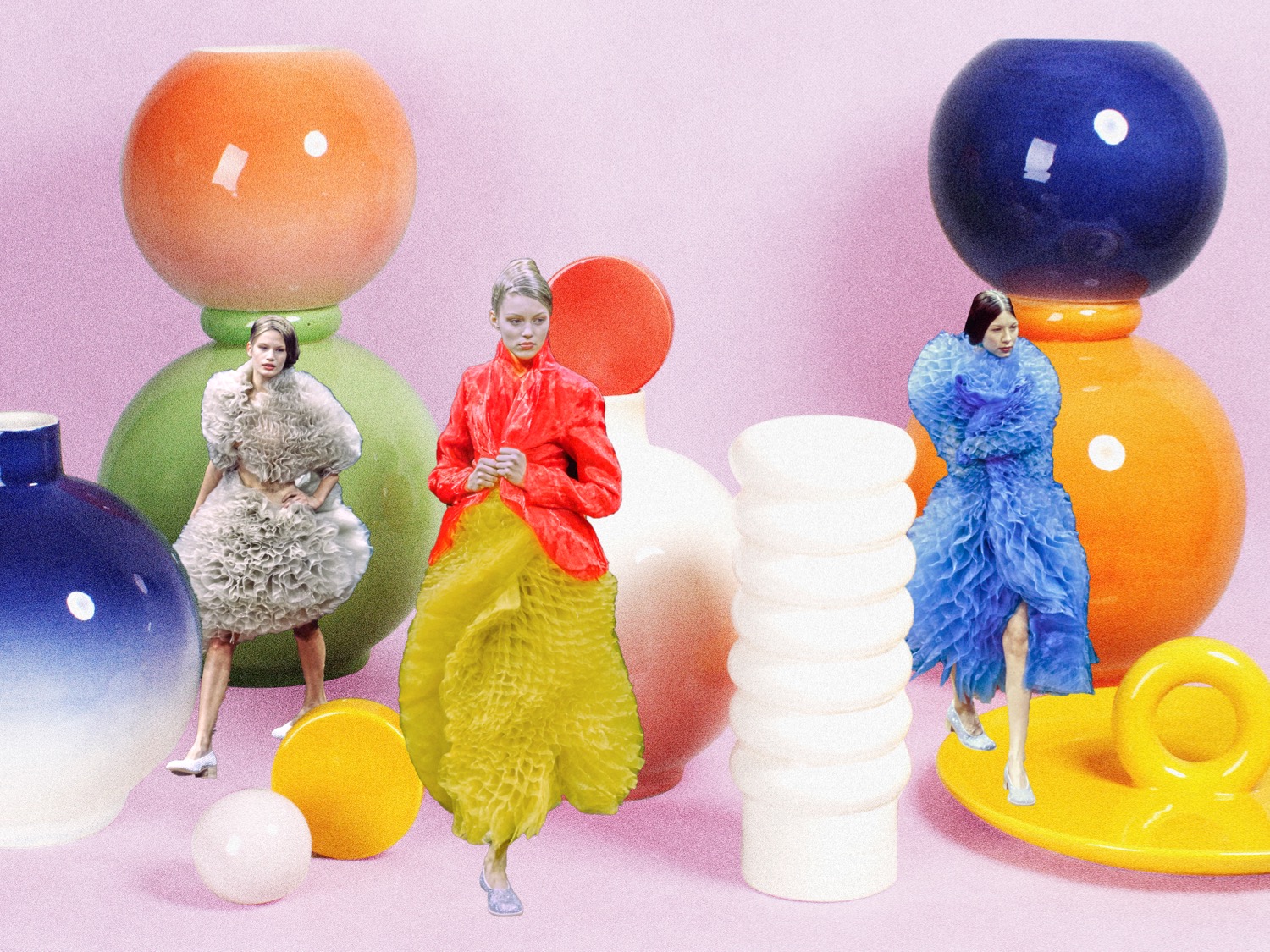
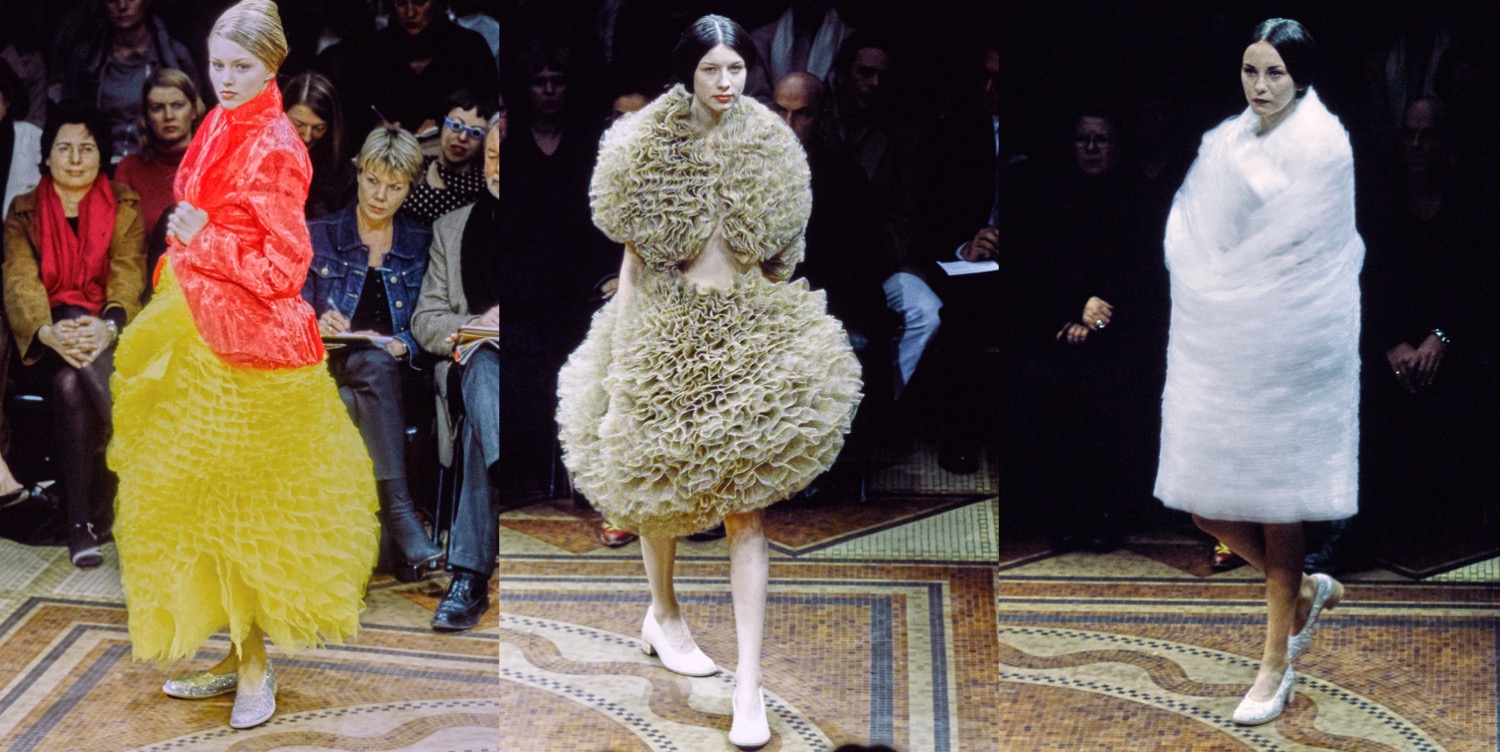
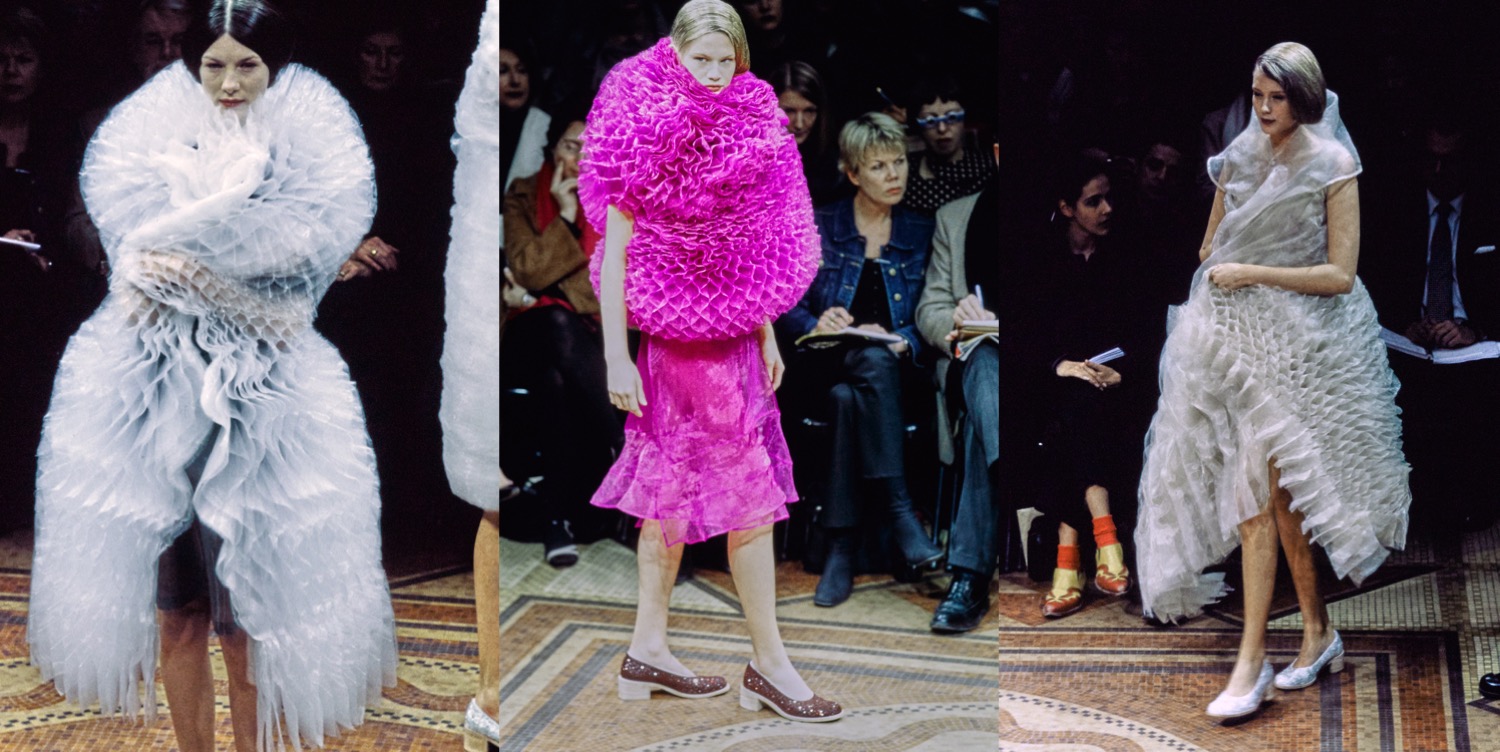
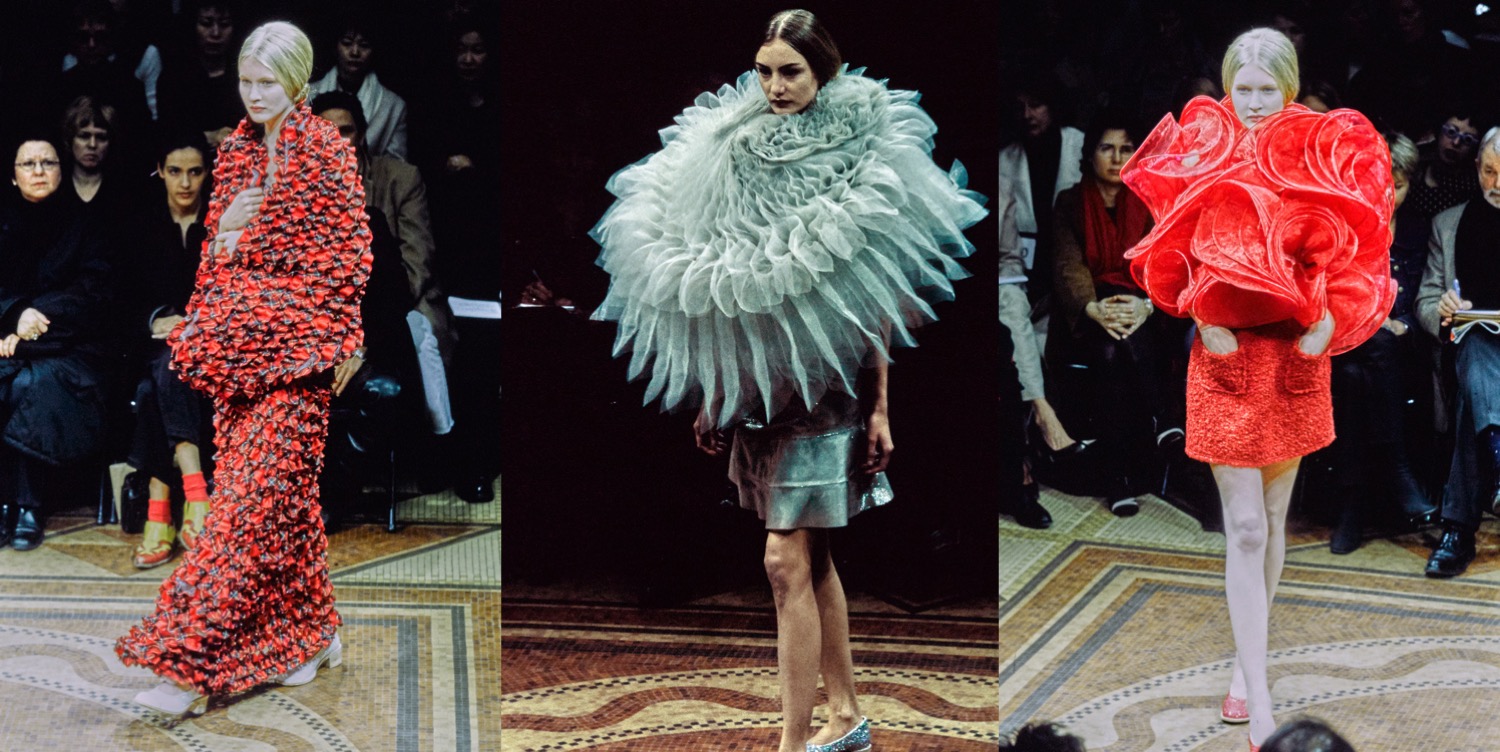
Pre-Instagram times, a collection worth thousands of posts (and unforgettable, eye-catchy content…). Back in 2000, Junya Watanabe presented one of his most ethereal collections ever. At first glance, the honeycomb ruffs Watanabe showed in his “Techno Couture” line-up called to mind those seen in Rembrandt portraits. Well, not exactly: those starched confections couldn’t fold and be stored in an envelope, like Watanabe’s ground-breaking designs. They certainly weren’t made of a “techno” fabric like polyester chiffon, from which the designer created his exaggerated take on the ruff, transforming it from an accessory to a garment with an organic-meets-space-age aesthetic. The material might have been unknown in Rembrandt’s time, but its method of production – hand sewing – certainly was. In the above collage, some of my favourites looks from the collection interact with Malwina Konopacka‘s “Forms” collection of ceramic tableware.

Collage by Edward Kanarecki, ceramics and photo by Malwina Konopacka.